Vivobarefoot shoes usually start at your regular size, but the roomy toe box and style-specific notes matter. Measure both feet before choosing.
Vivobarefoot Sizing: Do Vivobarefoot Shoes Run Big?
Start with your usual size
Vivobarefoot shoes usually start at your regular size, but the roomy toe box and style-specific exceptions mean they do not simply run big or small. Vivobarefoot sizing can feel surprising if conventional shoes usually squeeze the front of your foot: the brand says Vivos may feel more spacious and advises checking the fit note for each model.
The women's chart runs from US 4.5 / EU 35 through US 11 / EU 43, with UK sizes and foot-length measurements beside them. Stand to measure, do it later in the day, mark your longest toe on each foot and use the longer measurement. The Vivobarefoot size guide is more helpful than converting from another sneaker label by memory.
Do Vivobarefoot run big? Not as a universal rule. The shape is deliberate: cousins Galahad and Asher Clark come from a seventh-generation shoemaking family, and the brand traces its early prototypes to a wide toe box, thin sole and flexible build before its 2012 standalone launch. I would start with your usual size, then adjust only when the specific style note or your foot measurement asks for it.
Everyday and dress shoes
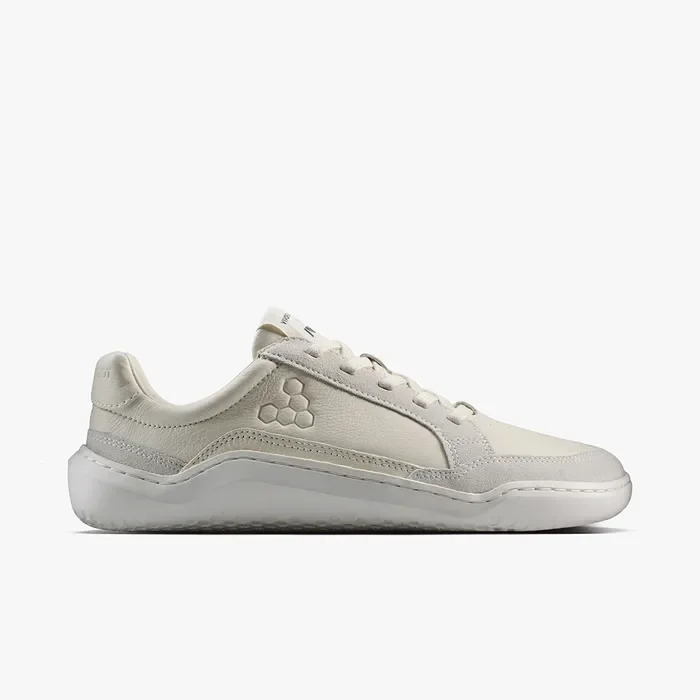
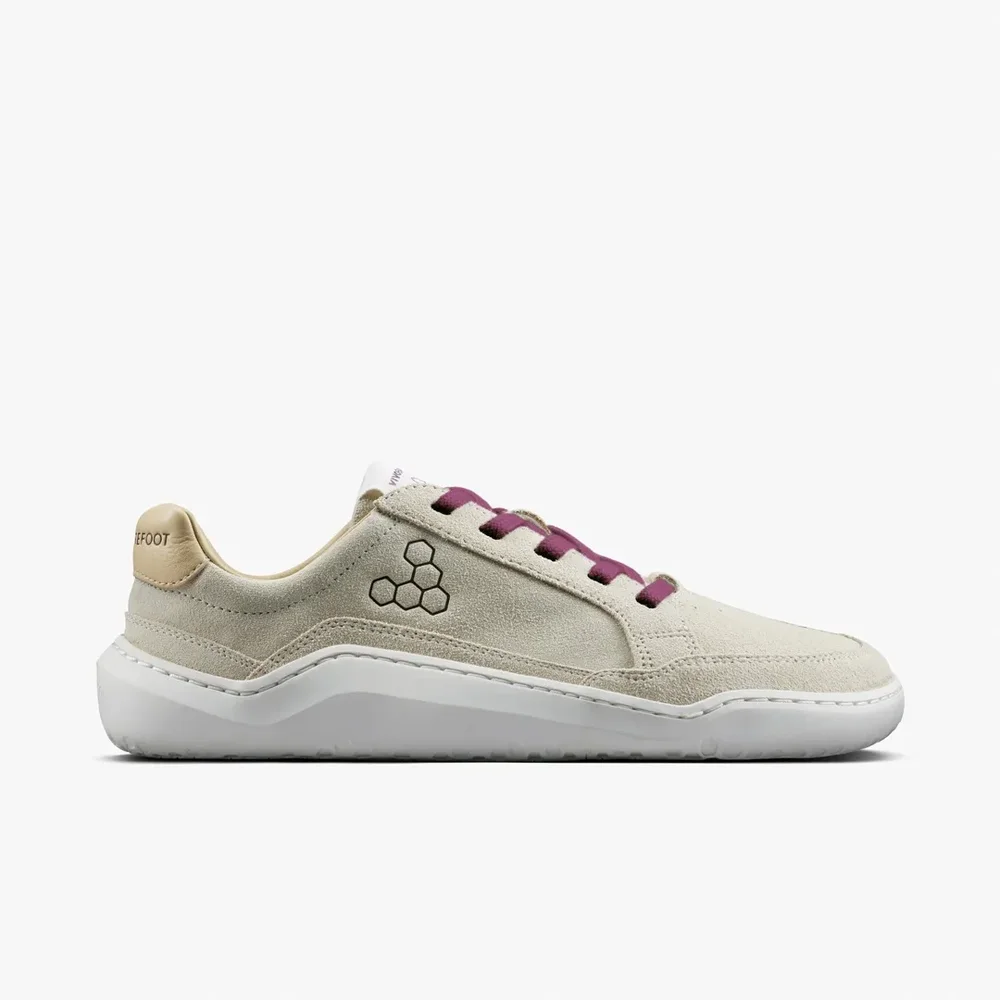
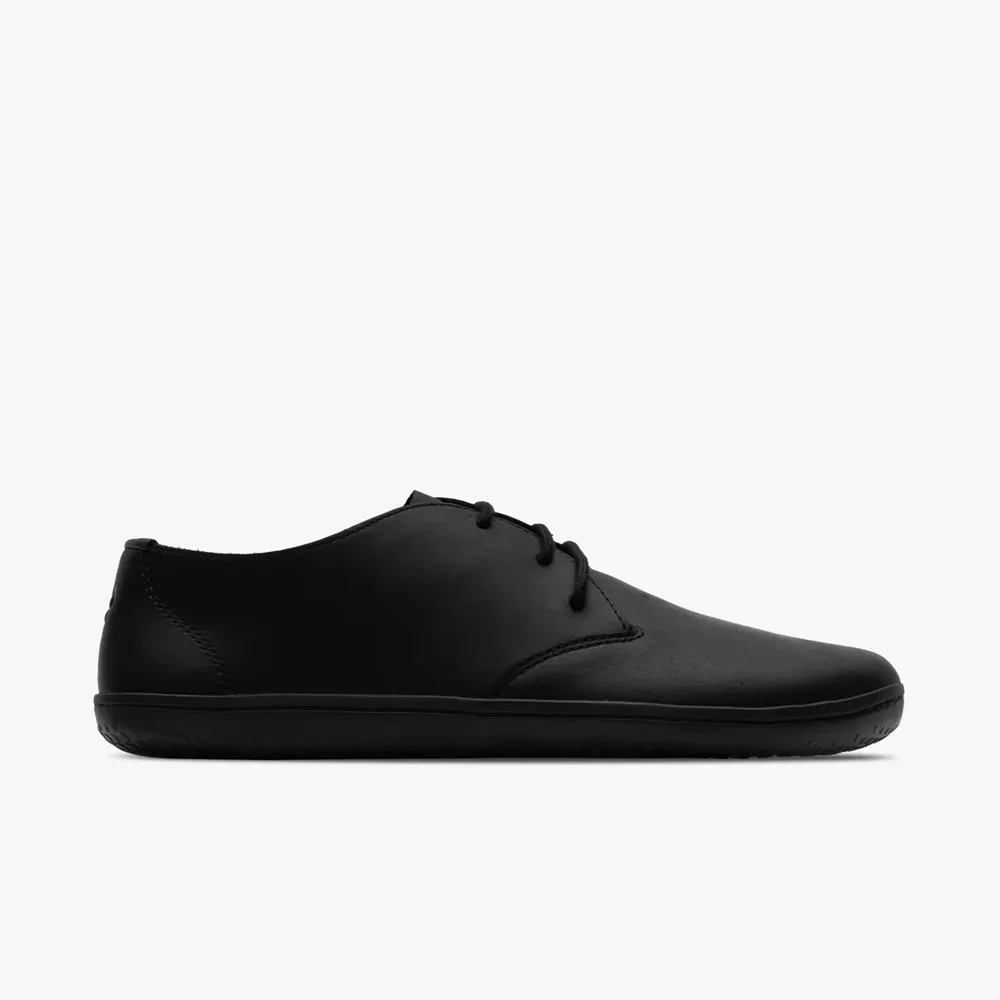
These are the shapes I would start with for regular days, office hours and the rare occasion with a dress code. The Gobi II Sneaker Leather is the leather everyday pair; its Zappos fit survey had 68% of respondents say true to size and 82% say true to width, though comments are not unanimous. I would start at usual size and check the length before deciding the toe box is too roomy.
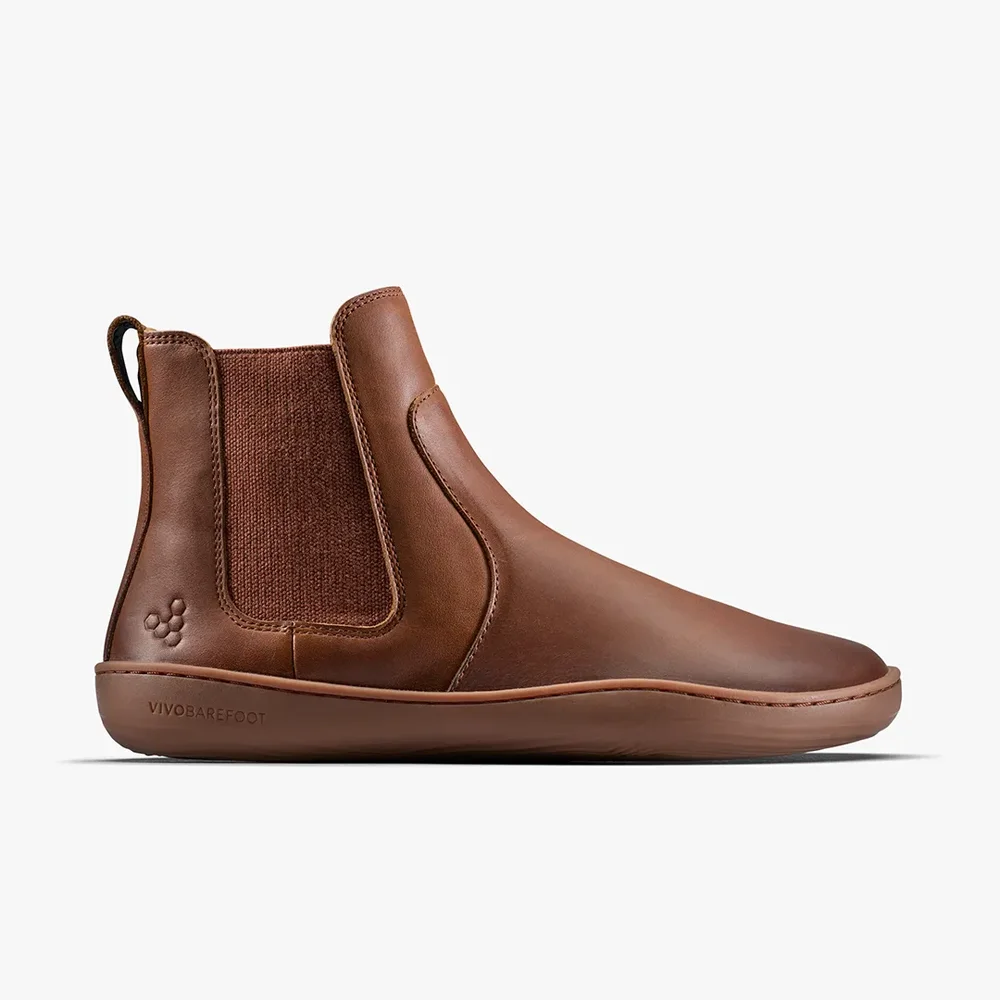
The Gobi III Sneaker Leather is a flexible, chrome-free leather sneaker, and its own fit note says true to size. Ra IV is the more formal Oxford, also marked true to size; Sensus Chelsea is a slip-on boot with the same fit note. My pick is Gobi III for an everyday sneaker, and Ra IV when you need a shoe that reads a little smarter. I would not size down just to make the toe box look conventional.
Training styles
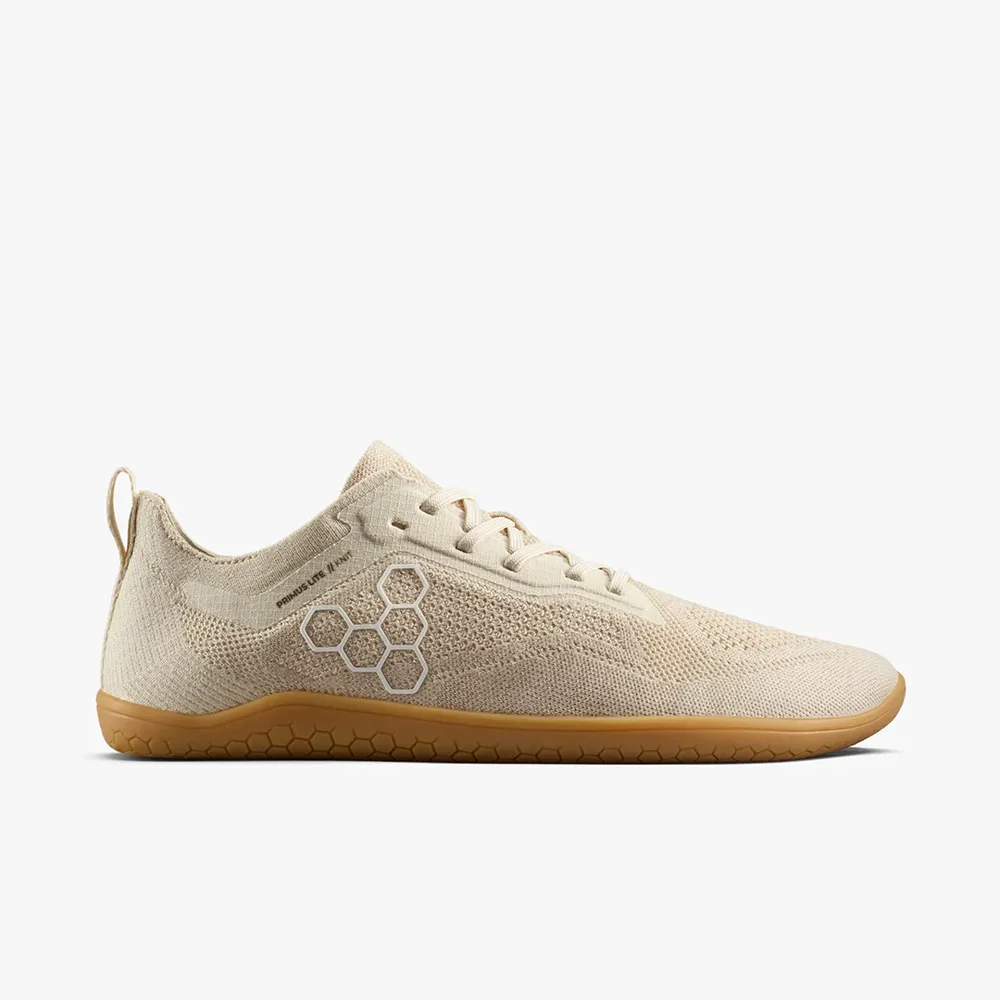
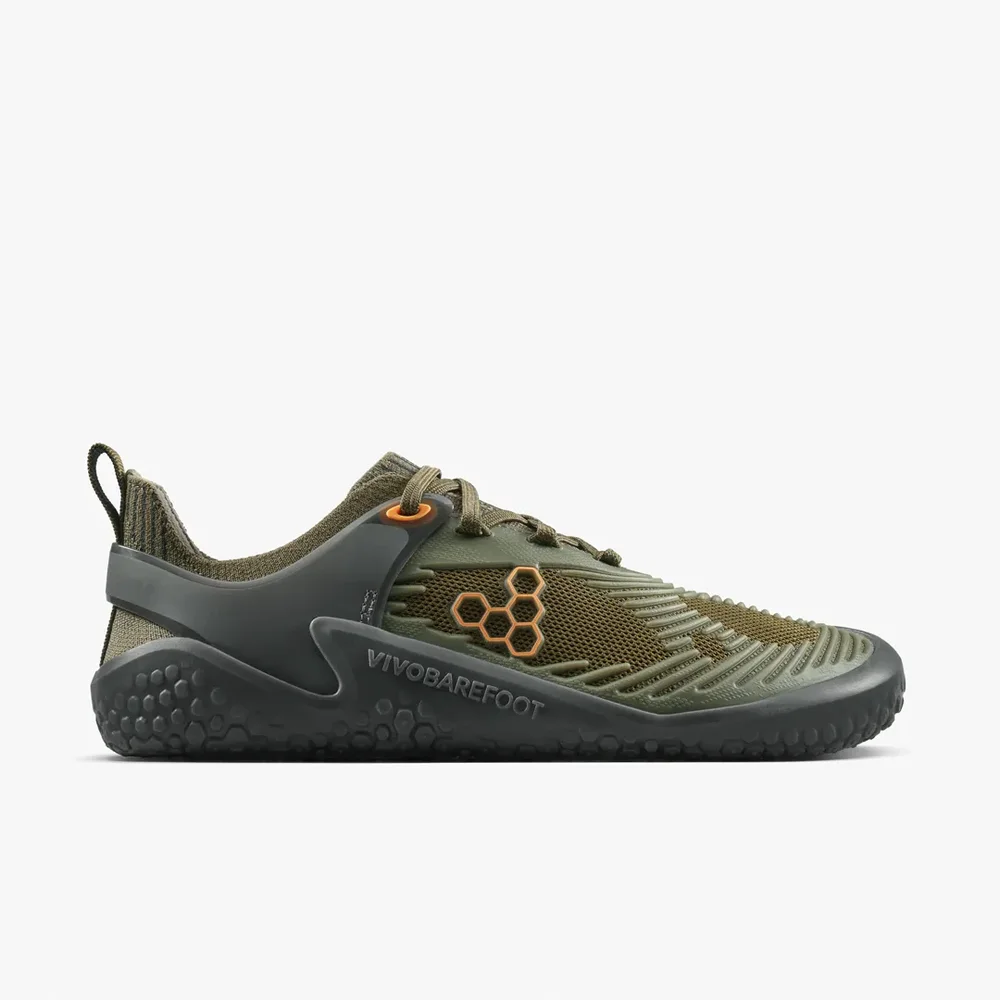
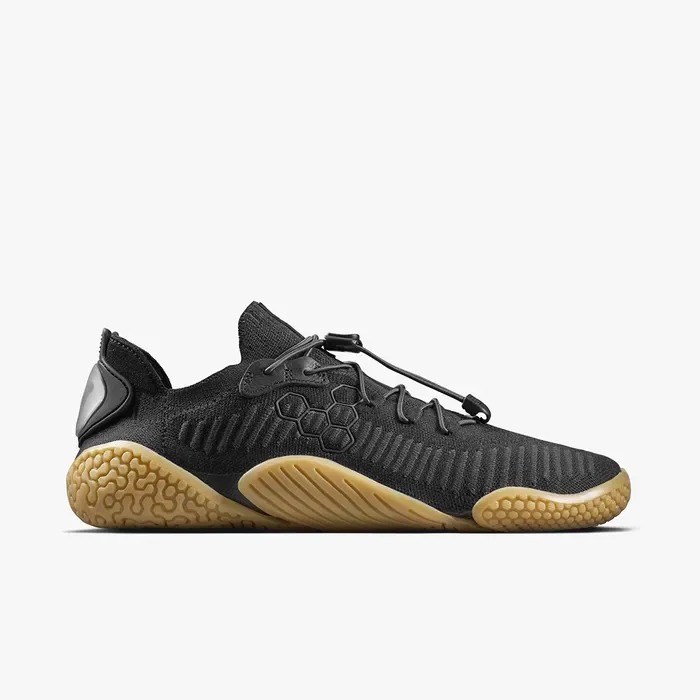
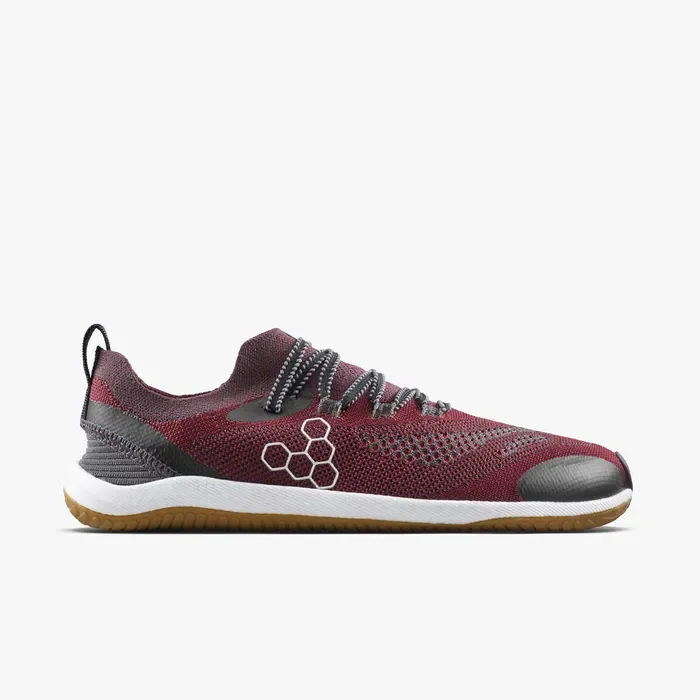
Training styles make the size question less tidy. Primus Lite Knit Natural and Primus Flow Knit are knit trainers; the Flow version is explicitly the breathable choice. I would start with the usual size for both unless their individual product pages say otherwise, then check that your longest toe has room without heel slop.
Motus Flex Natural is the clearest exception: its product page says it fits large and suggests going one size down. Its flexible knit upper and split outsole suit movement work; Motus Strength II is the strength-focused option for harder sessions. My rule is to consider one size down only for Motus Flex, then start from the chart for the other three. This is where I would avoid copying a friend's size across models.
Trail shoes and boots
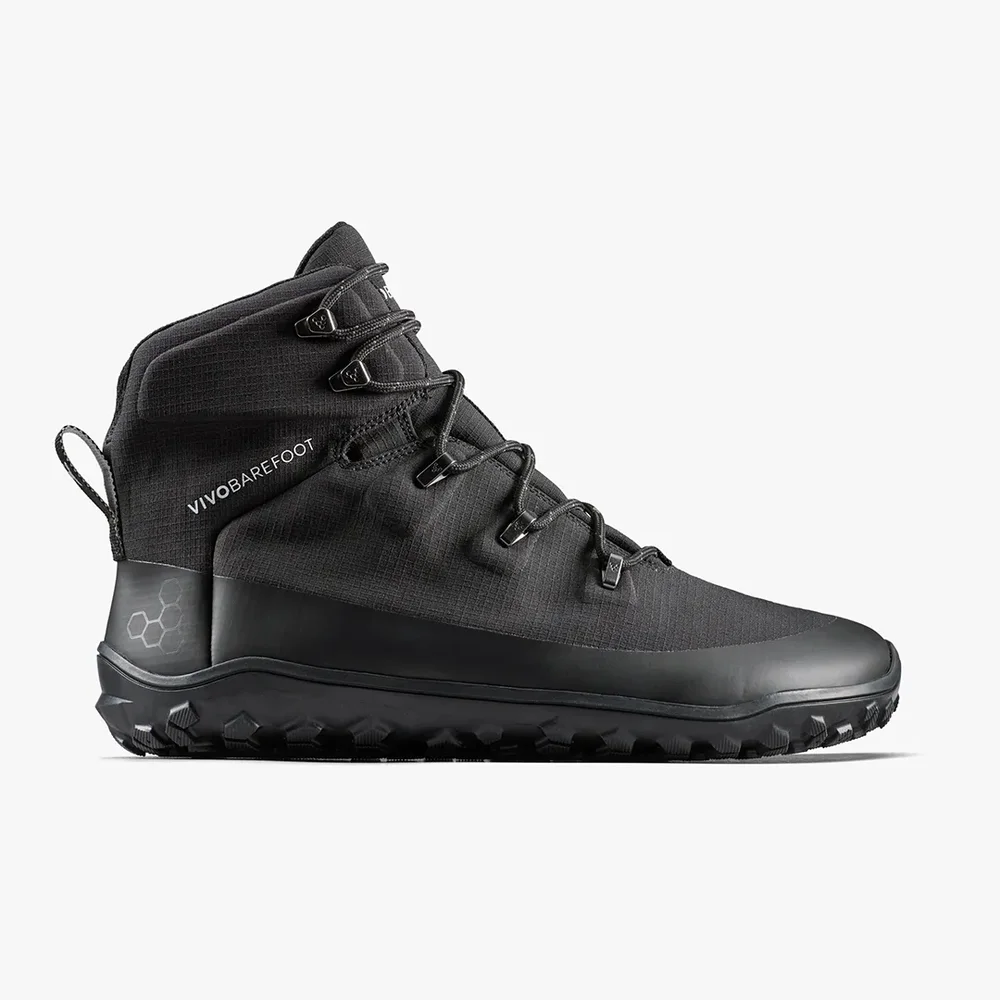
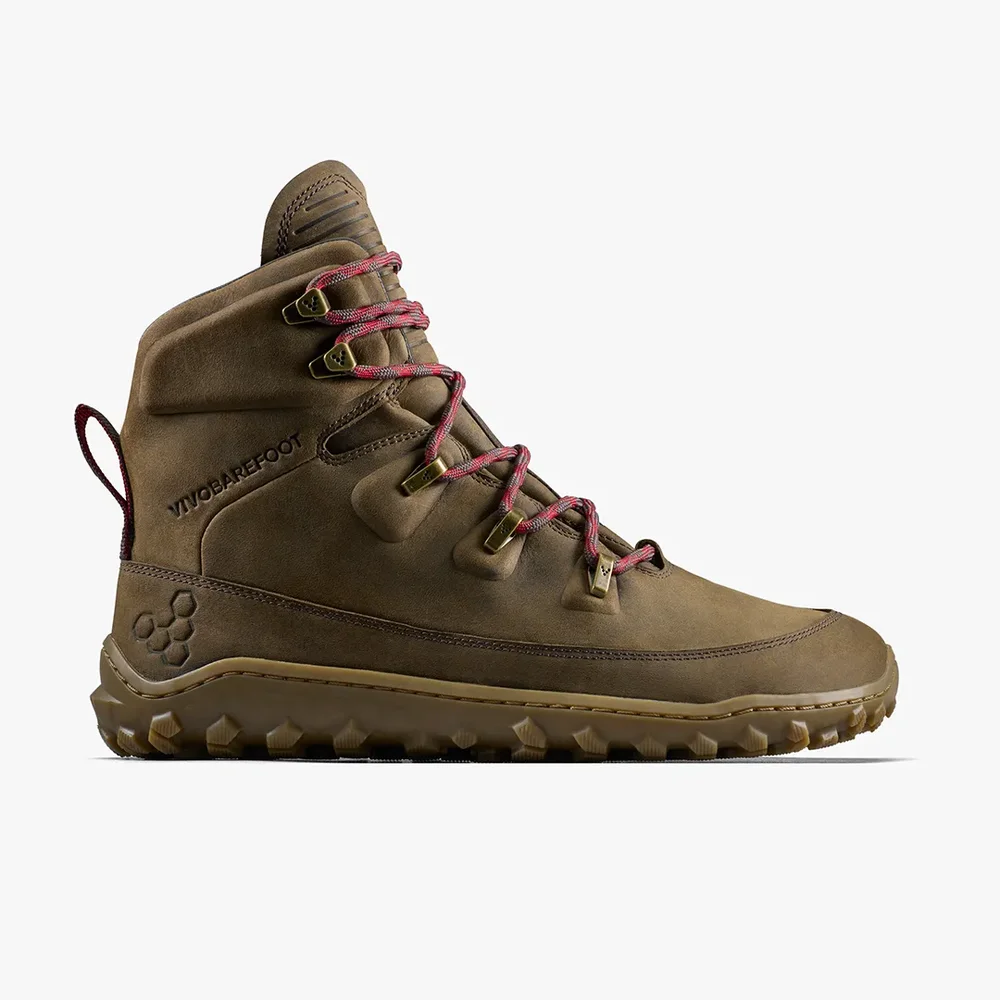
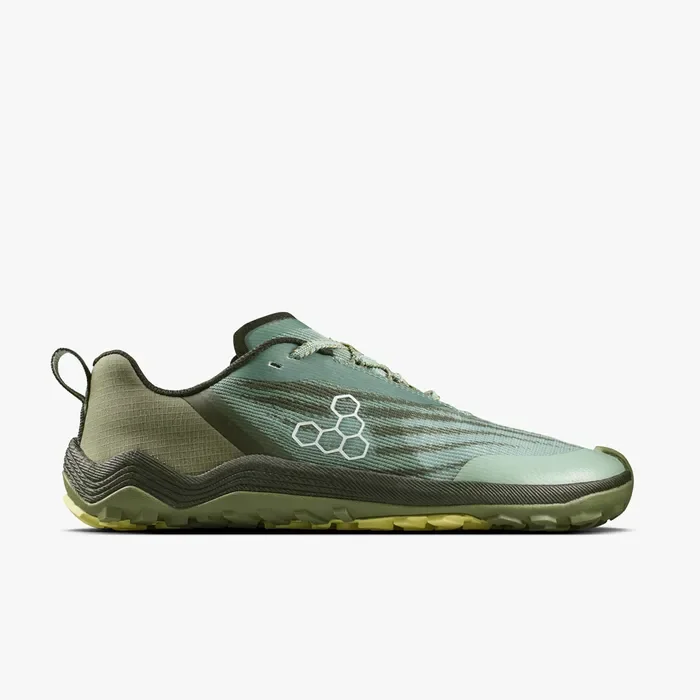
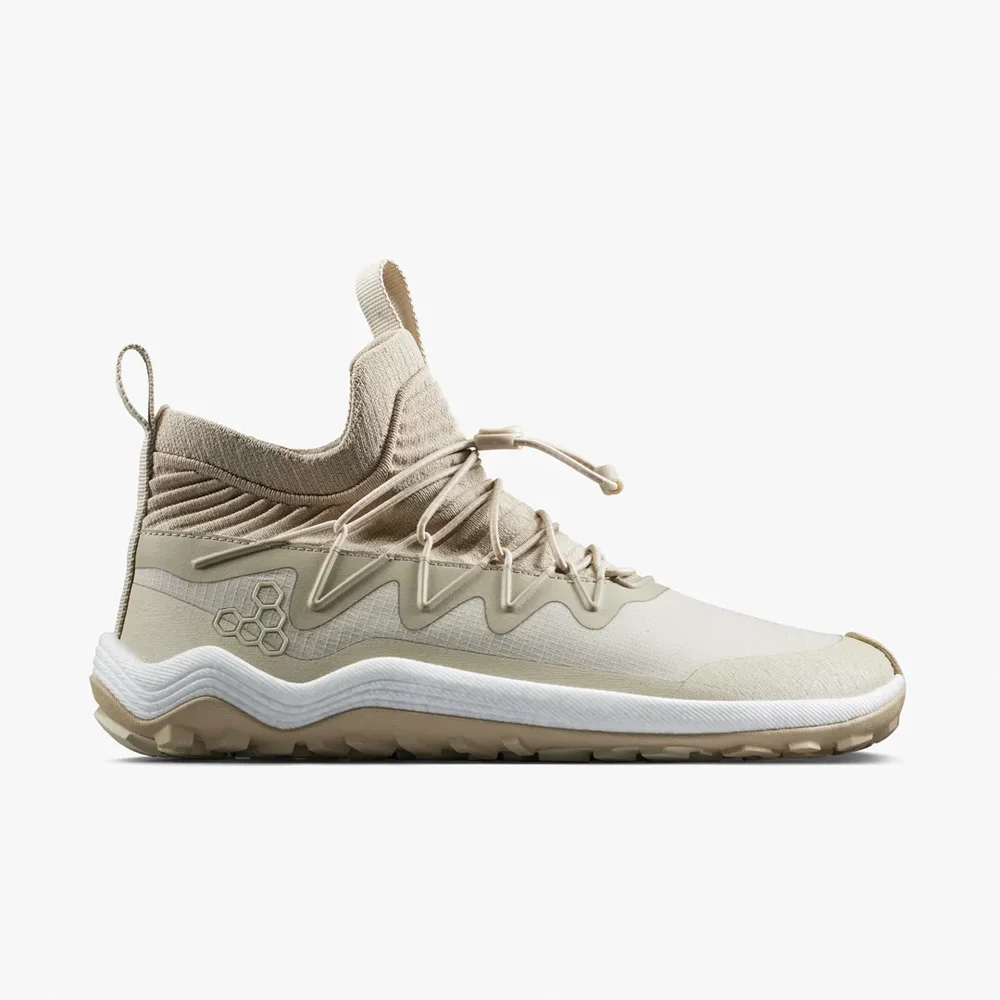
Trail shoes and hiking boots should not be treated as one last. Tracker Textile AT II is the waterproof hiking boot in this set, and its own page says true to size. Tracker Leather AT II is the water-resistant all-terrain leather boot, but its page gives no specific size note. Primus Trail Flow is the lightweight trail runner and Primus Trail Flow Mid II is the lighter mid-height trail option.
My rule is simple: start at usual size for Tracker Textile, size down one in Motus Flex, and use your measured chart size for the other trail pairs unless a product page says otherwise. Measure in the socks you will actually hike in and check both toe room and heel hold; wider feet or anyone between chart sizes should take a second look. The Motus Flex product page also lists a 100-day trial under standard terms, so I would check the current return conditions before ordering. For a first pair, I would buy Gobi III for casual wear, or Ra IV if I needed the more formal option.