Warby Parker costs more but bundles prescription lenses and easy returns; Zenni suits a tighter budget with affordable frames and virtual try-on.

Warby Parker vs Zenni: Which Online Glasses Should You Buy?
The price is the first difference
Choose Zenni if your first job is keeping the total low; choose Warby Parker if you'd rather pay a higher starting price for a simpler single-vision bundle and easier return window. Warby Parker vs Zenni is not a clean sticker-price comparison: Zenni's women's frames start at $6.95, while Warby Parker's single-vision eyeglasses start at $95 with prescription lenses and core coatings included. Zenni lets you customize lenses separately, so the final price depends on your prescription and add-ons.
The practical difference is what happens when the frame feels wrong. Warby Parker offers free returns for 30 days; Zenni's refund window is 14 days, then it offers store credit through day 30. Warby Parker also had 323 stores at the end of 2025, including 285 with in-person eye exams, while Zenni's online collection offers virtual try-on. If you are weighing warby parker or zenni, the first works better when a local fitting or exam is useful; the second is attractive for trying several shapes without spending much. Wirecutter's 2025 guide recommends Zenni for value, but warns that online glasses do not suit every prescription or fit need. I would order online only with a current prescription and frame measurements I already trust.
The frame story behind the bundle
Warby Parker began with a practical complaint: one of its student founders lost his glasses on a backpacking trip, found replacements too expensive, and spent his first graduate-school semester without them. The answer was a direct-to-customer eyewear brand that designs in-house, then bundles a basic prescription lens with its starting frame price. That is the part I like most: the purchase is easier to budget for before the lens menu opens.
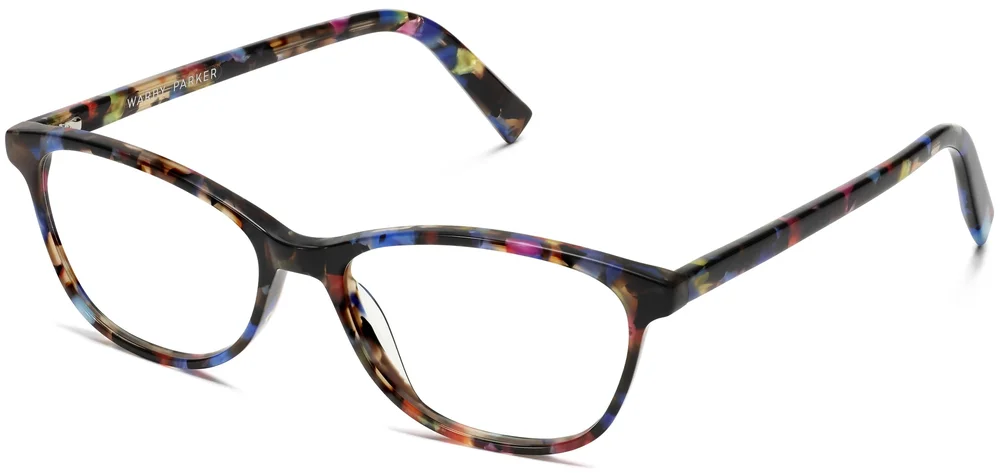
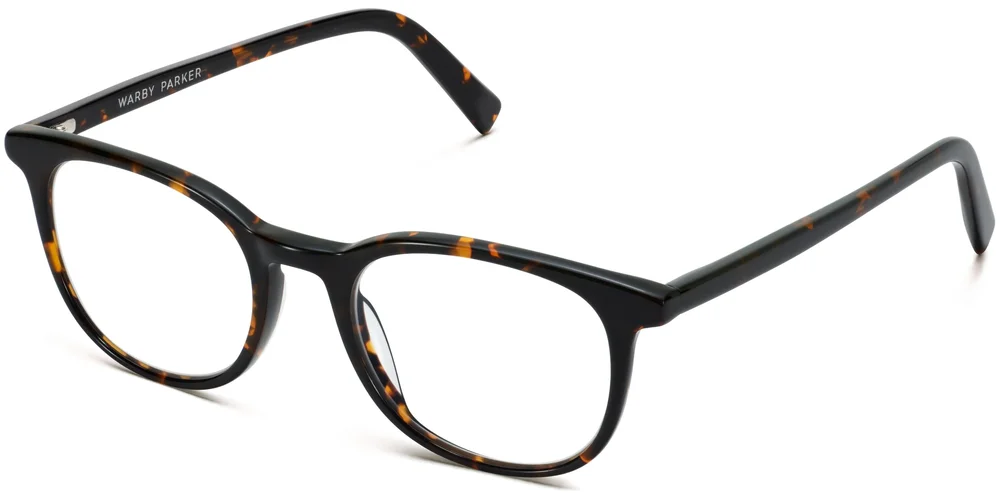
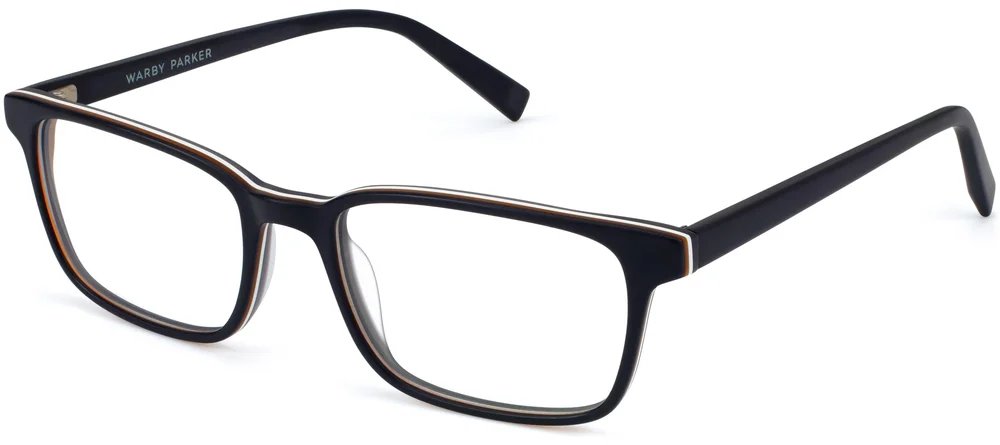
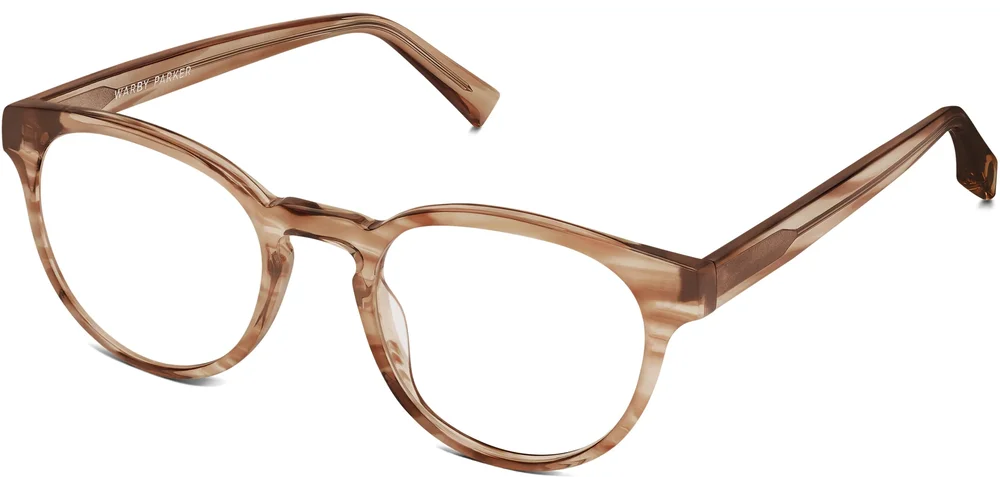
The Daisy is the softer cat-eye, just enough lift for a face that wants a little shape. The Durand sits between square and round, so it feels like the least argumentative everyday pair. Wilkie has a sloped brow and rectangular lenses that read more structured; Percey's round lenses and keyhole bridge go bookish without turning costume. I would start with Daisy for a feminine angle, or Percey if I wanted the round shape with some character. All four start at $95 for single-vision lenses, with free shipping and 30-day returns.
More choice, less commitment
Zenni's founding story is about making a practical necessity less expensive: Tibor Laczay and Julia Chen established the company in 2003, first as 19dollareyeglasses.com, and built the business around direct online sales and an efficient production process. The current women's range still reflects that idea, with low starting frame prices, virtual try-on, and plenty of lens choices. Zenni vs Warby Parker is especially persuasive if you like changing your frames or want a backup pair rather than one carefully budgeted purchase.
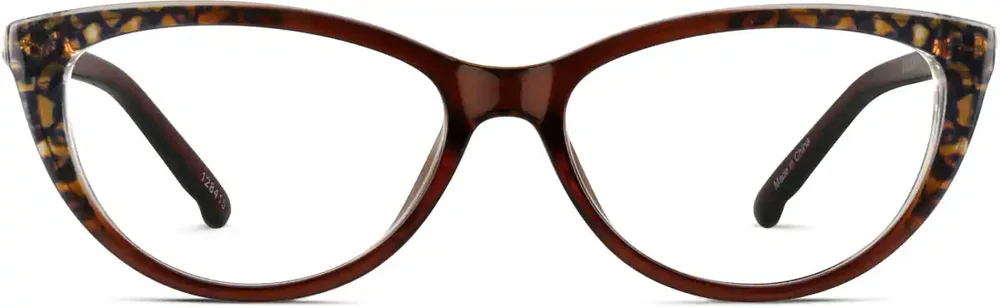
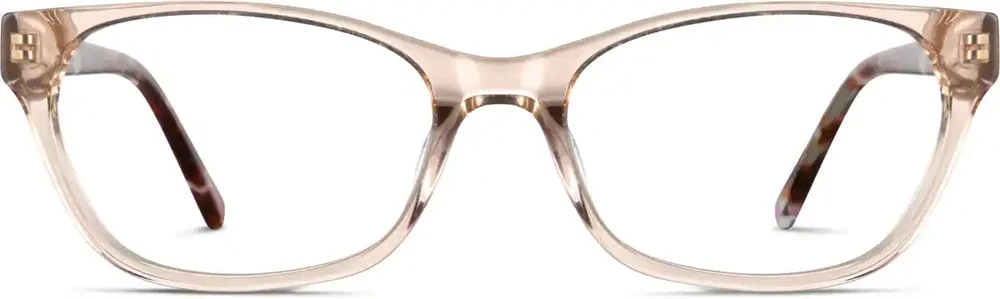
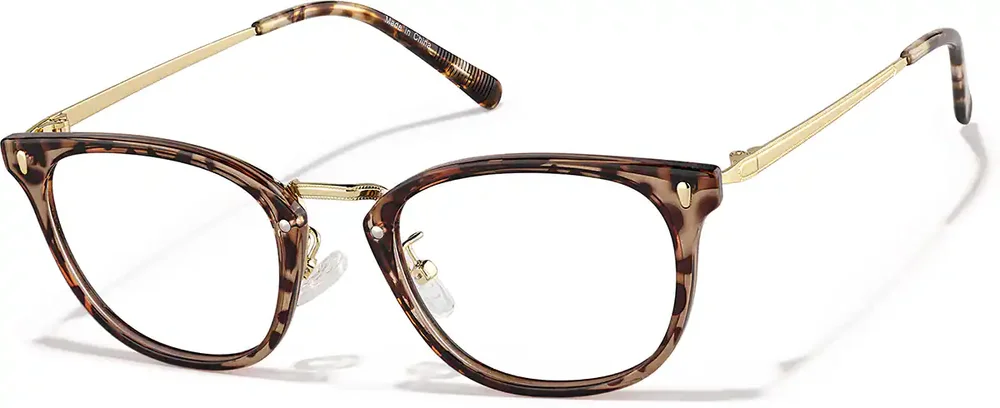
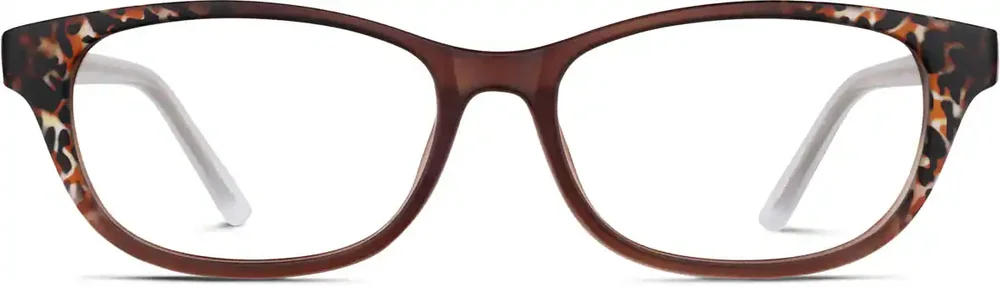
The Brown Cat-Eye Glasses are a small acetate frame with spring hinges, a good low-cost way to try an upswept shape. Light Brown Rectangle Glasses are a calmer medium frame; Tortoiseshell Square Glasses bring a polished acetate front with adjustable nose pads; Brown Oval Glasses are the simplest low-price option here. I would choose the rectangle for daily wear and the tortoiseshell square if fit adjustability matters. Just read the lens steps: a low frame price is not automatically the final total, especially when you need a thinner or specialty lens.
A fair round-frame test
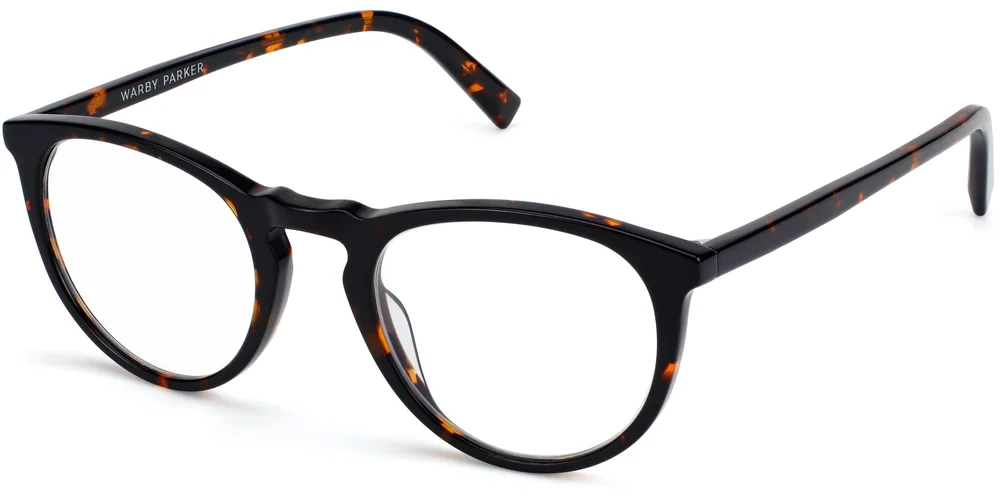
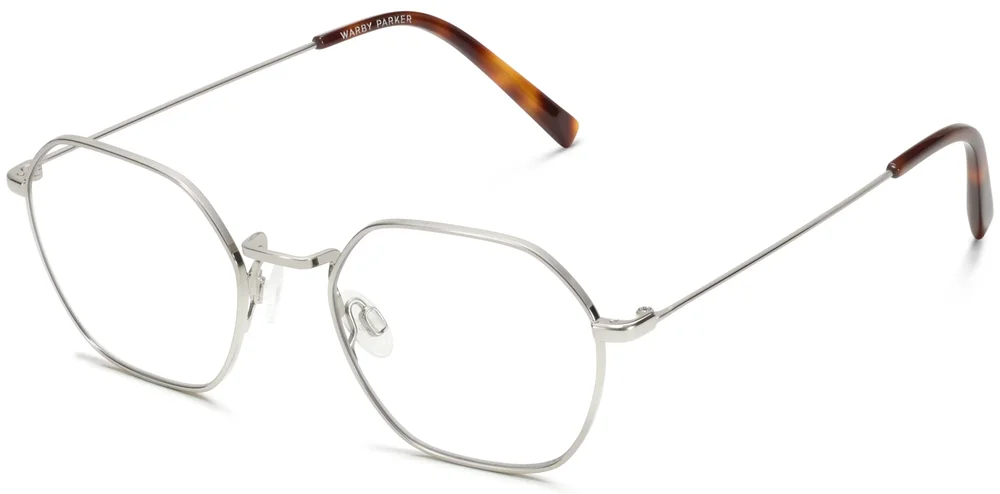
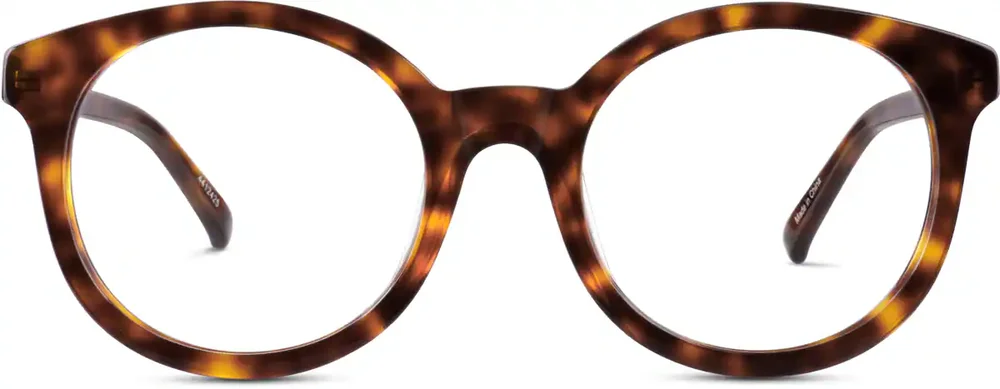
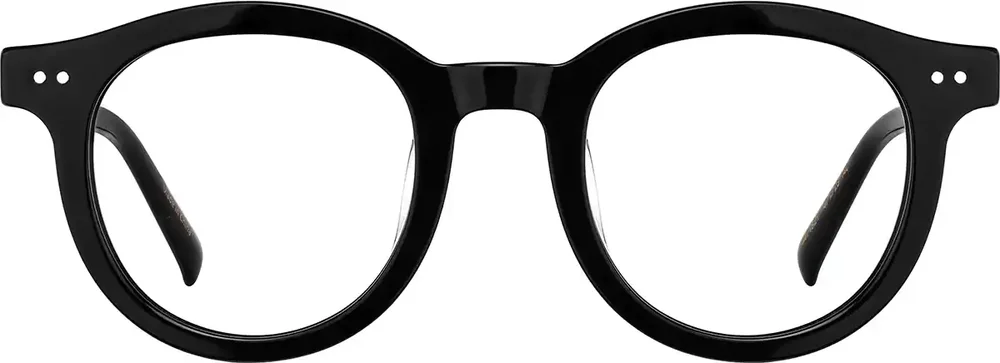
Round frames make the most useful head-to-head because both shops have a restrained option and a more noticeable one. Haskell pairs round acetate lenses with a keyhole bridge, while the slim metal Keiko is the more delicate Warby Parker choice. Zenni's Tortoiseshell Round Glasses are a fuller acetate frame with spring hinges; Black Round Glasses have a bolder, thicker outline. I would compare the bridge and overall frame width with a pair that already fits, not choose by face-shape labels alone.
Buy Warby Parker if you want a predictable single-vision bundle, free 30-day returns, and access to stores for exams. Buy Zenni if the prescription is straightforward, the smallest possible frame price matters most, and you are comfortable checking measurements and choosing lenses yourself. My pick for an everyday primary pair is Warby Parker; for a second pair or a frame experiment, Zenni makes the more persuasive case.