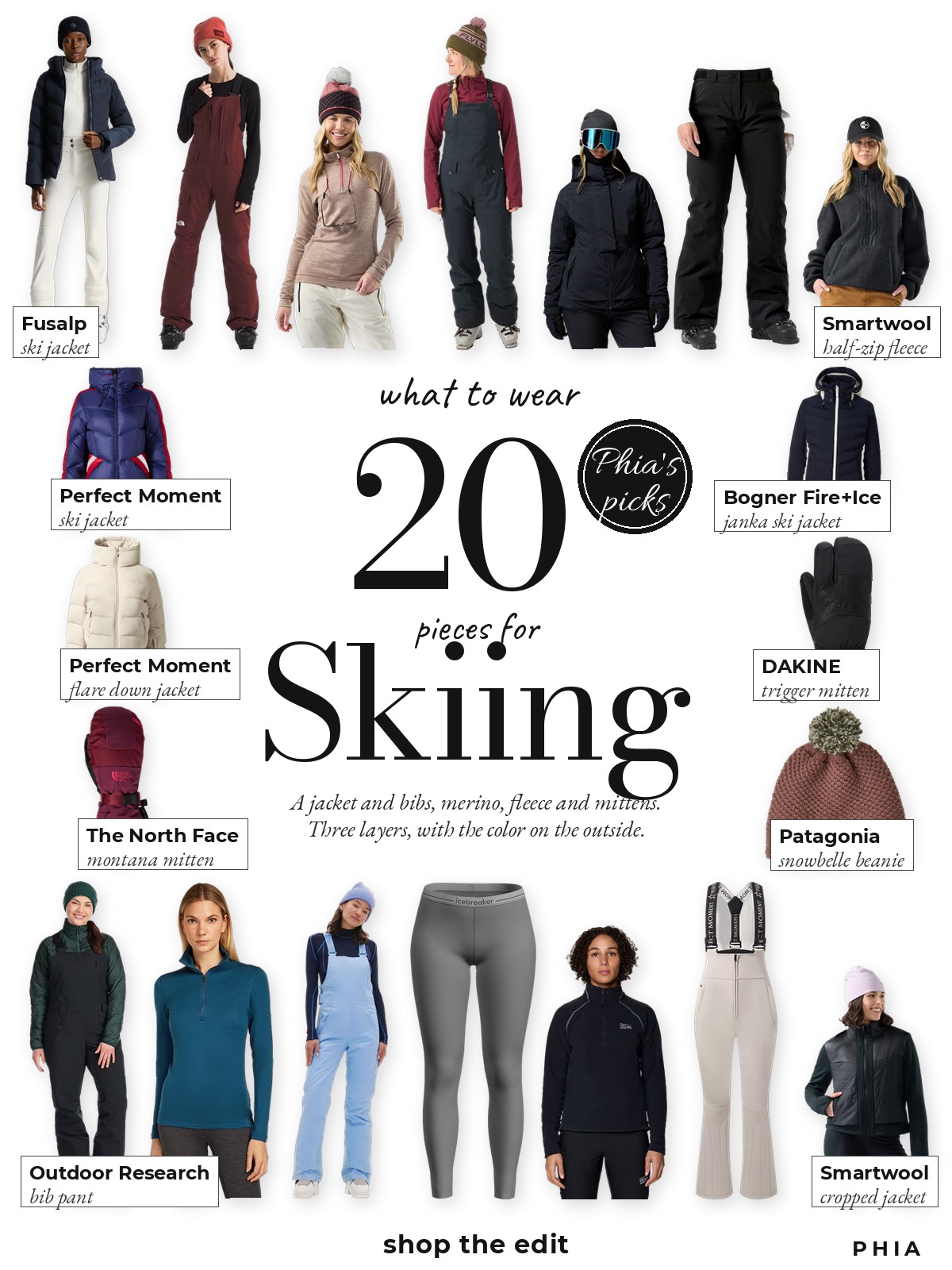
A packing guide for what to wear skiing, from the jacket and bibs to merino, fleece and mittens. I would build every day from three layers and keep the color for the outside.
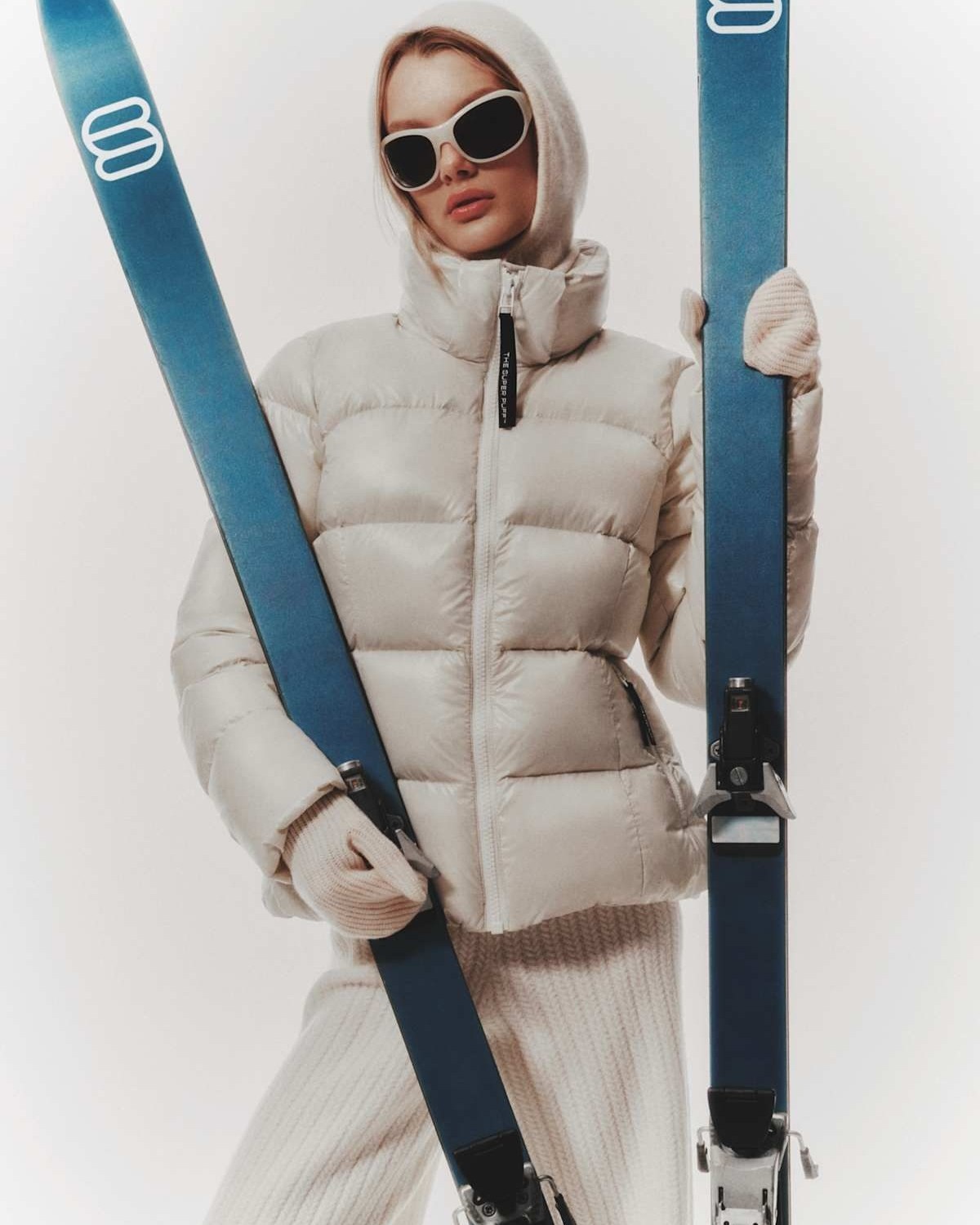
What to Wear Skiing: The Layers Pucci Started in Zermatt
A packing guide for what to wear skiing, from the jacket and bibs to merino, fleece and mittens
What to wear skiing, from Zermatt to now
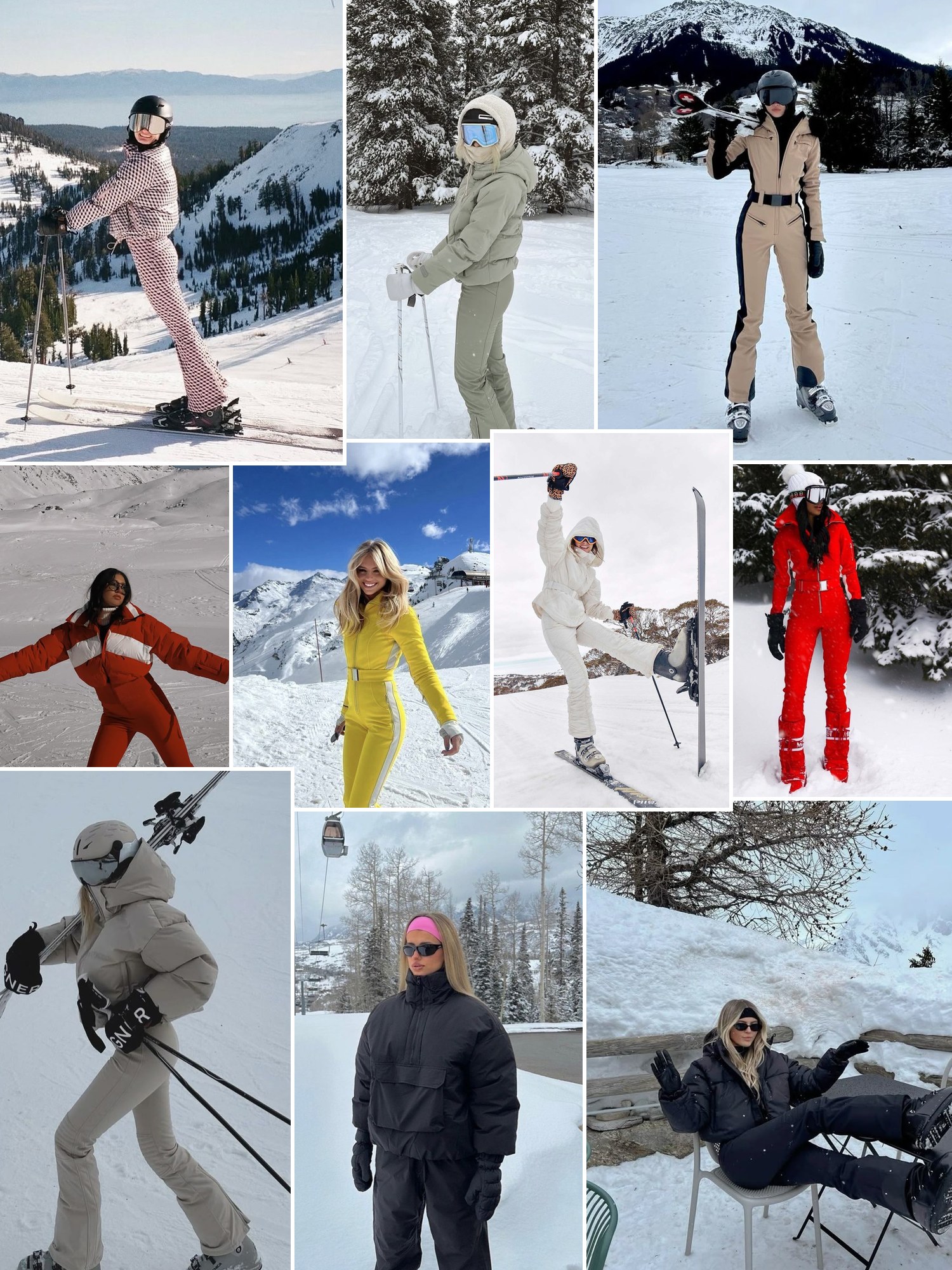
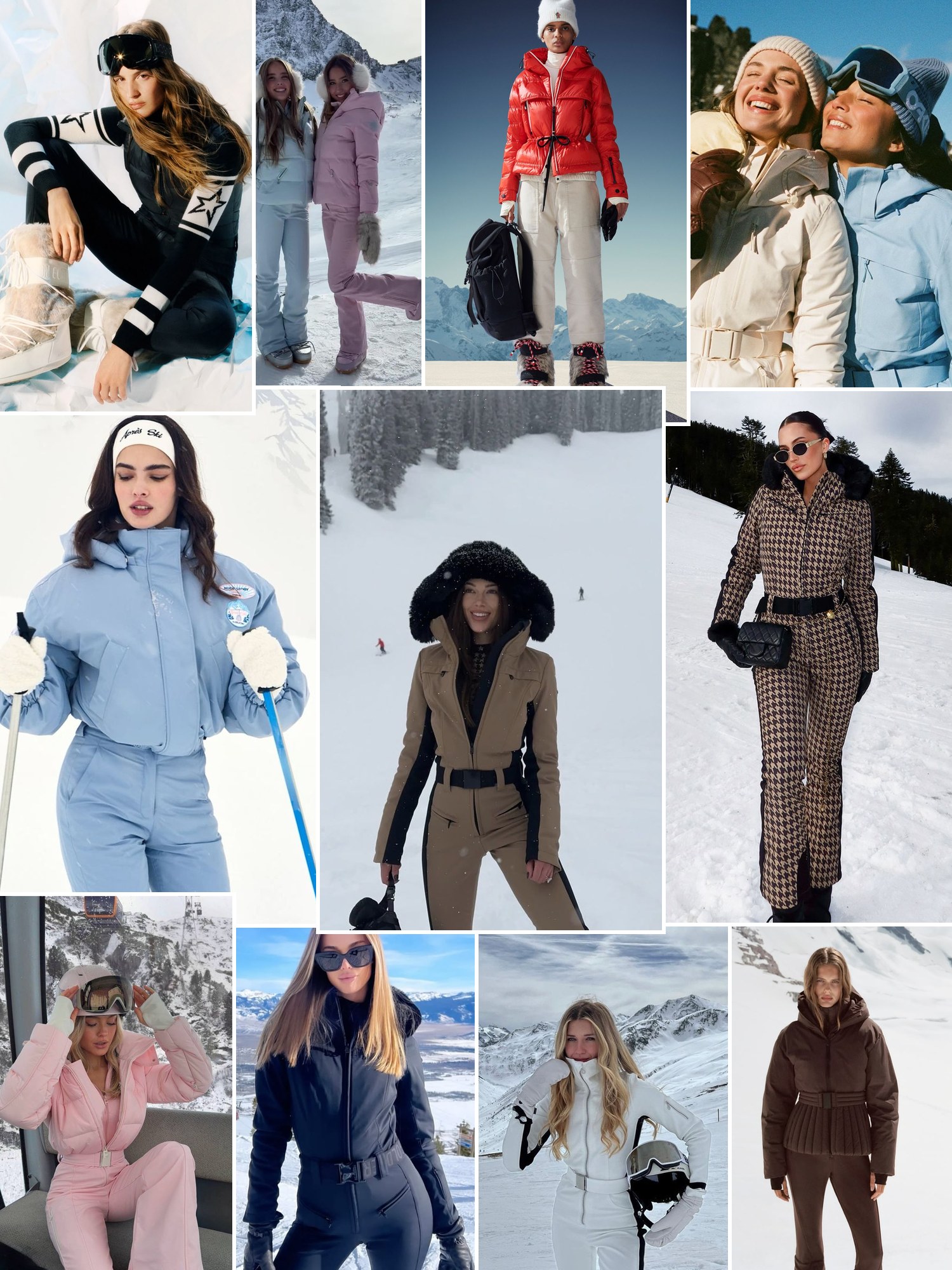
In 1947, in Zermatt, the photographer Toni Frissell shot Emilio Pucci and his female friends in slim, colorful ski clothes he had designed himself. The pictures reached Harper's Bazaar and ran in the December 1948 issue. That is roughly the moment skiing stopped being something you endured in gray wool and became something you could dress for.
So here is what to wear skiing, planned like a trip. The days are cold and bright, the lifts are windy, and the evenings are spent in a warm room with your hands around a mug. Moncler began in 1952 near Grenoble making jackets to keep workers warm in the French Alps, and the point has not changed: the mountain decides, you dress for it. The standard advice is a base, a mid and an outer layer any time you hit the slopes, and I would plan around that.
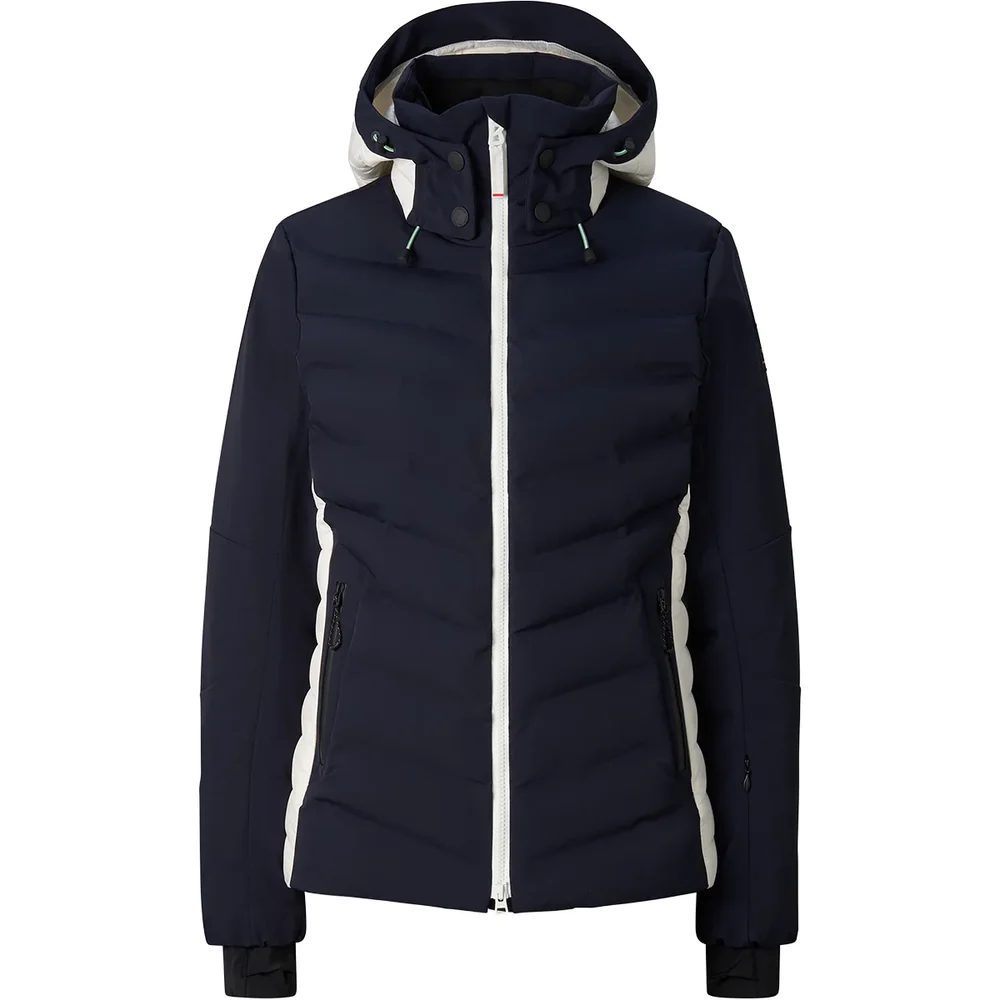
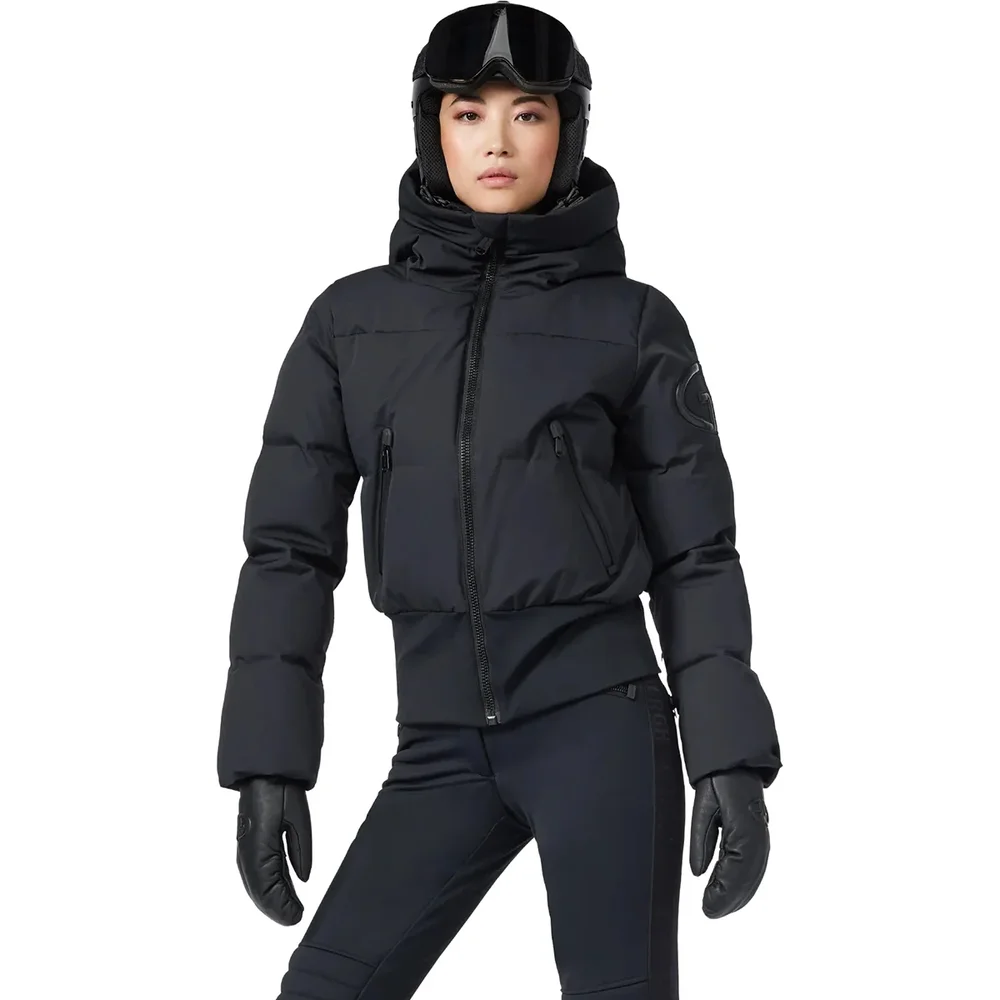
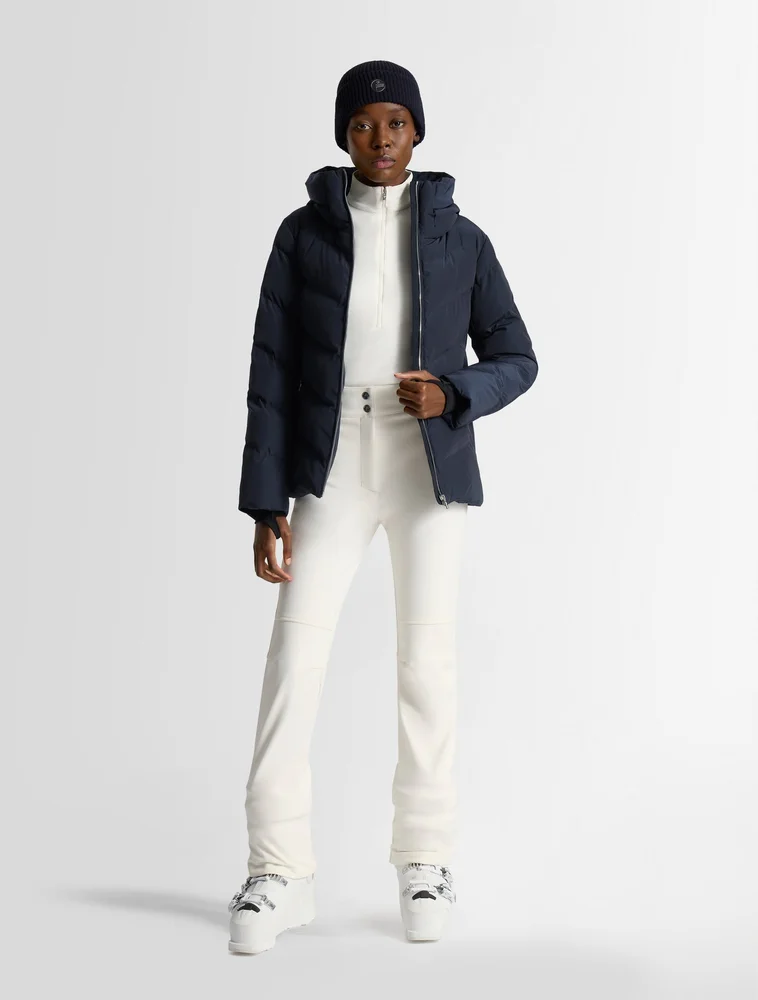
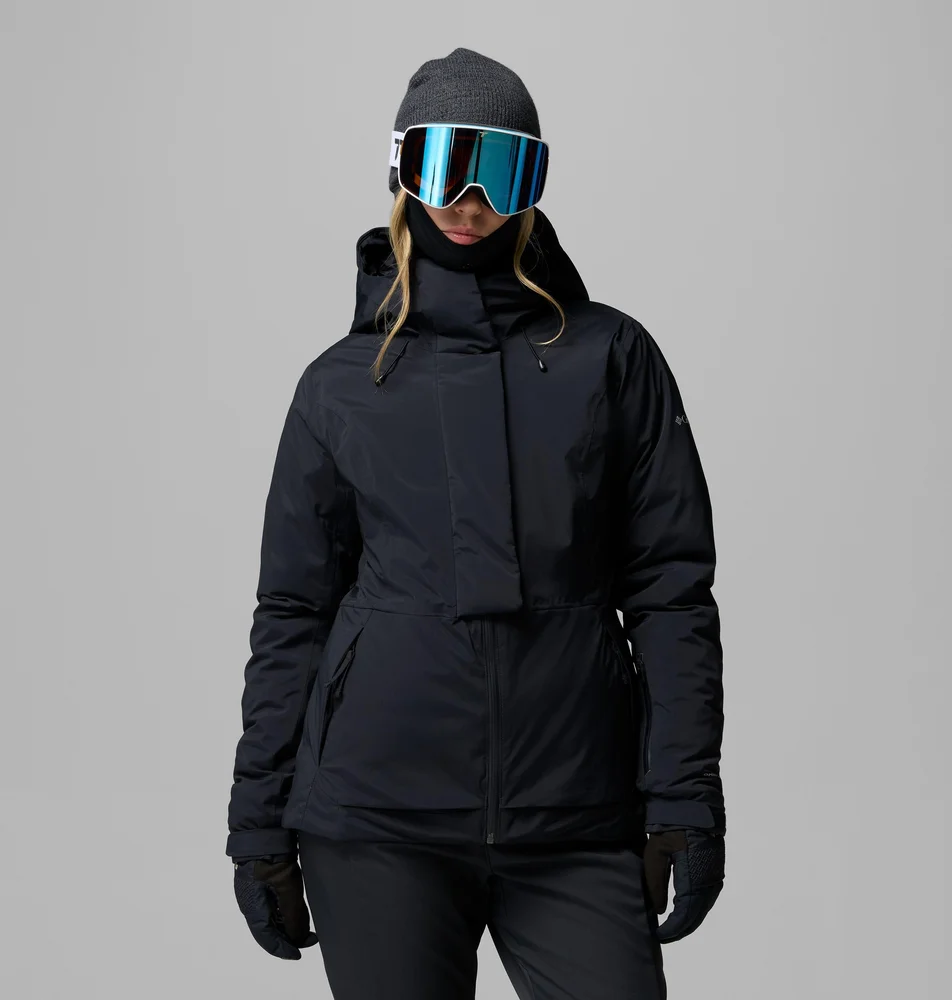
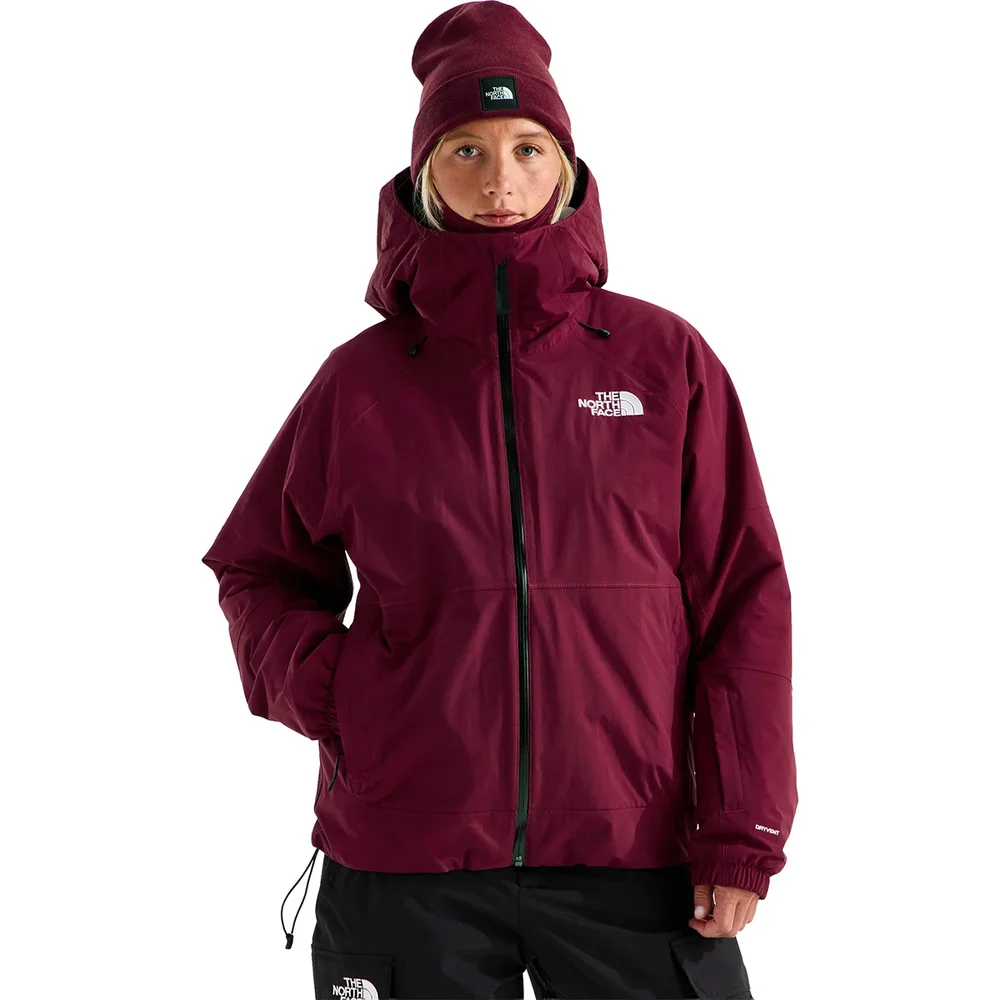
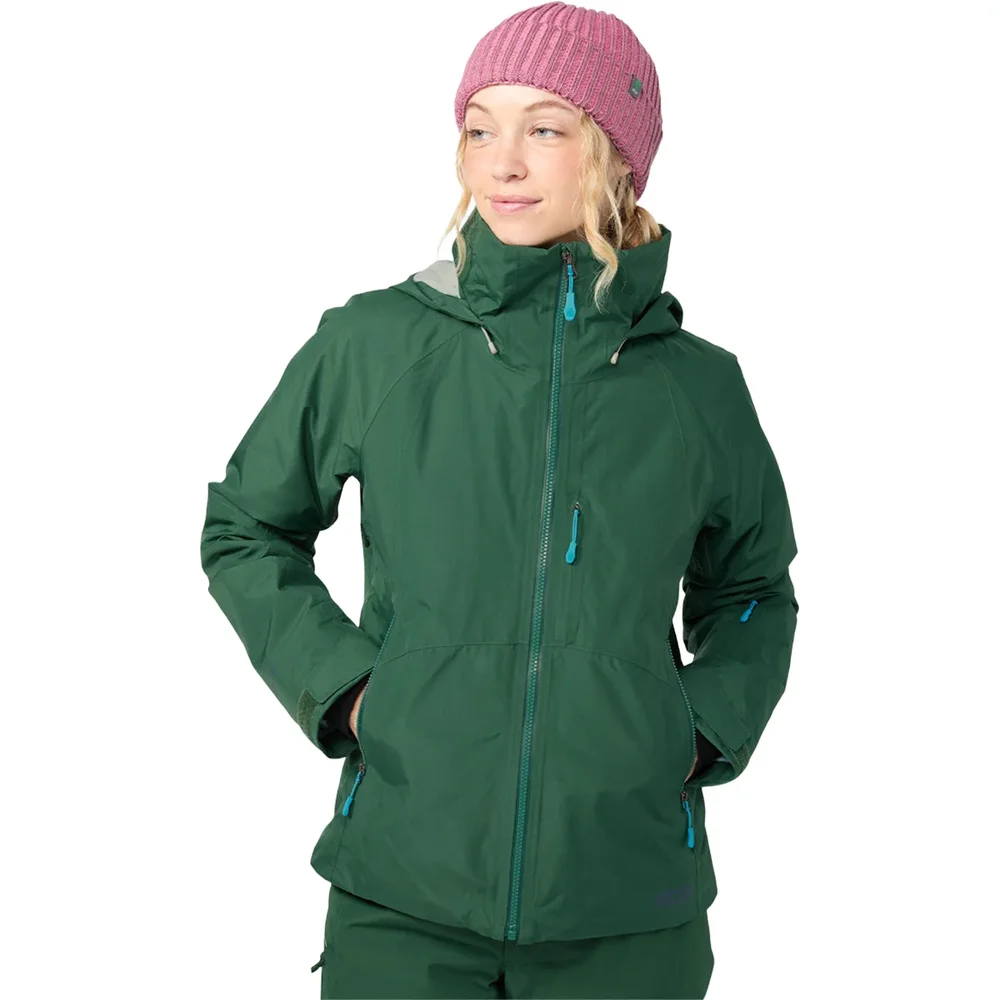
Start the packing with the jacket, because it sets the rest. Perfect Moment's Duvet in navy is a quilted down jacket with a tailored retro cut, an internal snow skirt and a ski pass pocket on the outside, which matters more than it sounds when you are digging for a lift ticket in gloves. The Polar Flare in oyster pink is cropped, with flared sleeves and 700-fill-power down, a good one if your ski days end in the village rather than the car park. For a heavier storm I would look at the Goldbergh Village in black, which lists a 30,000mm waterproof rating. The Fusalp Delphine in marine has that V quilting and shows up well beside white pants. The burgundy Slaydee from The North Face and the forest green Valara from STIO bring color without any fuss.
Before you buy, check three things: the hood fits over a helmet, the cuffs close over a glove, and the zips are covered.
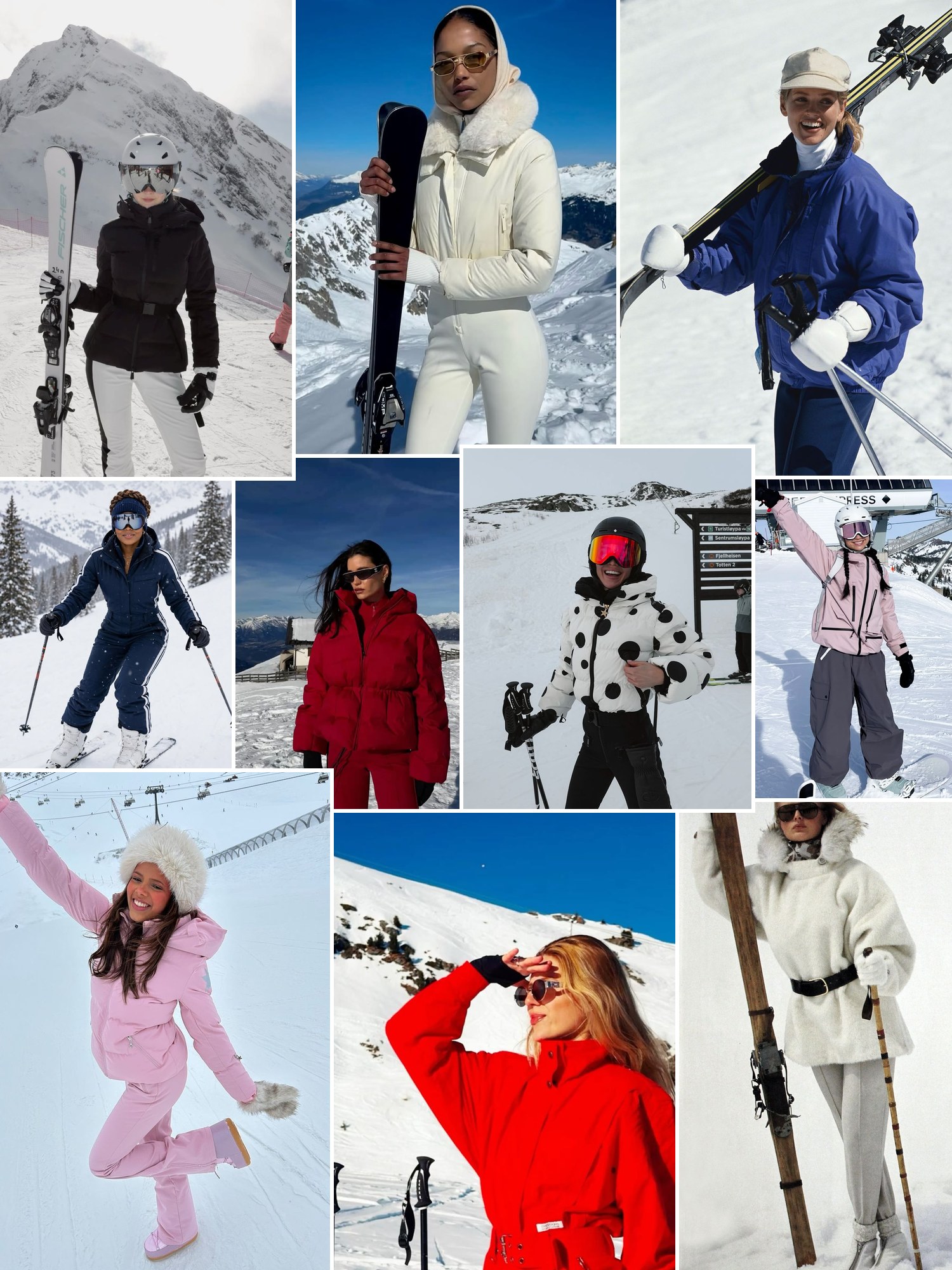
Insulated ski jackets
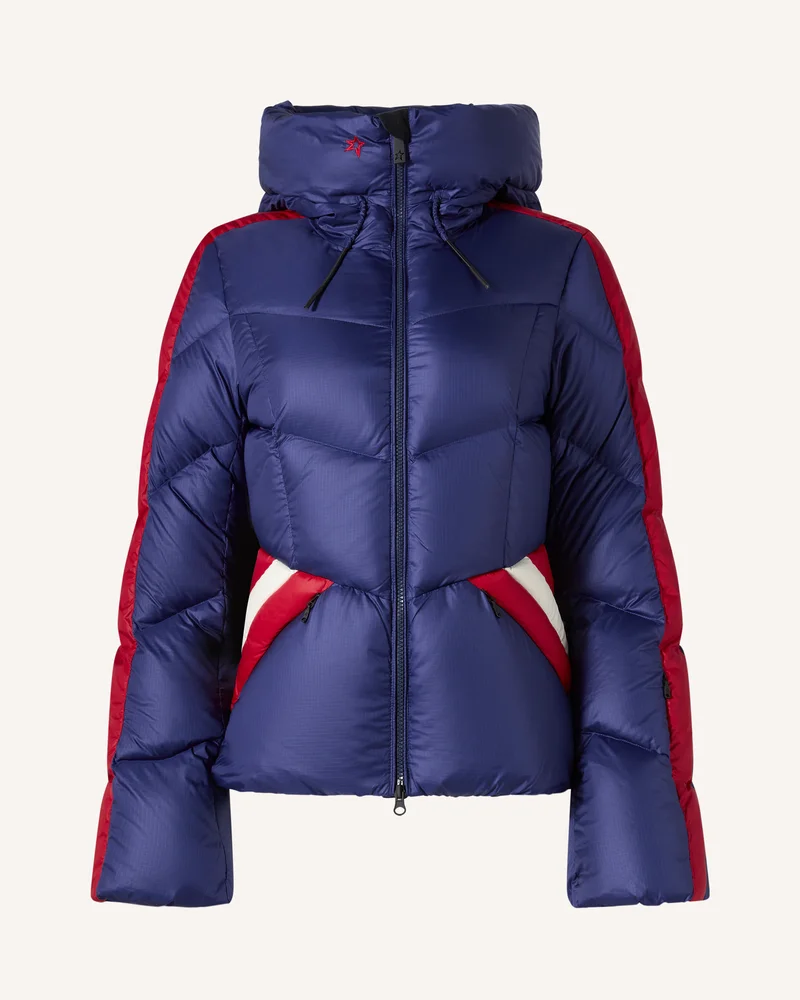
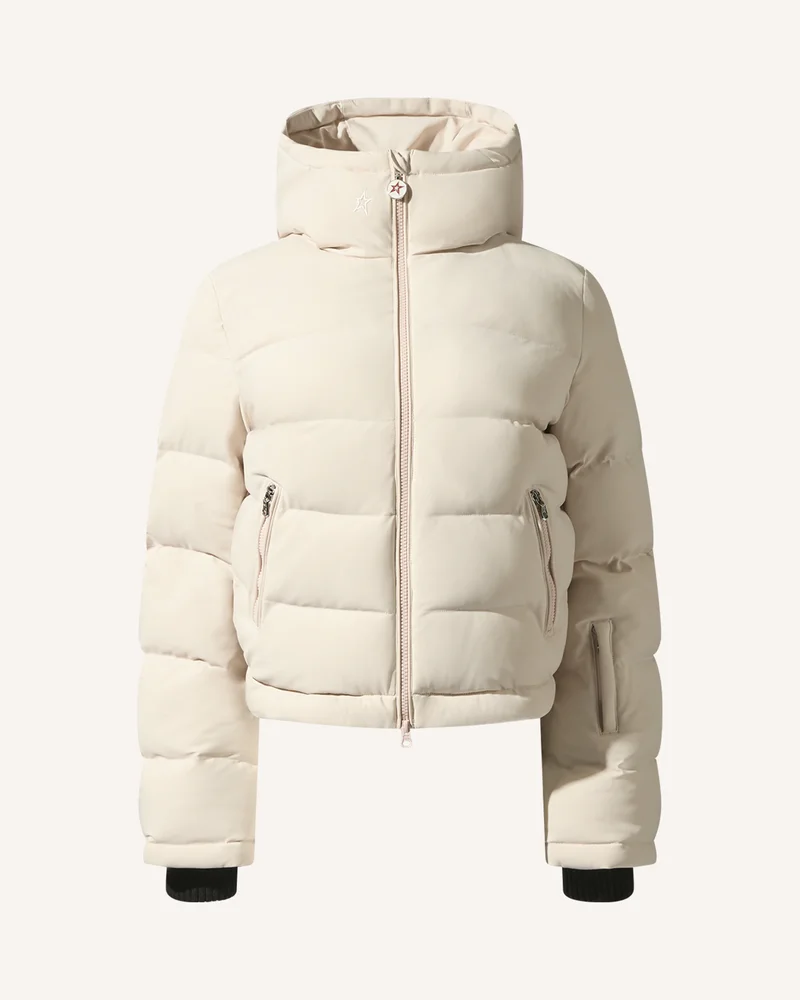
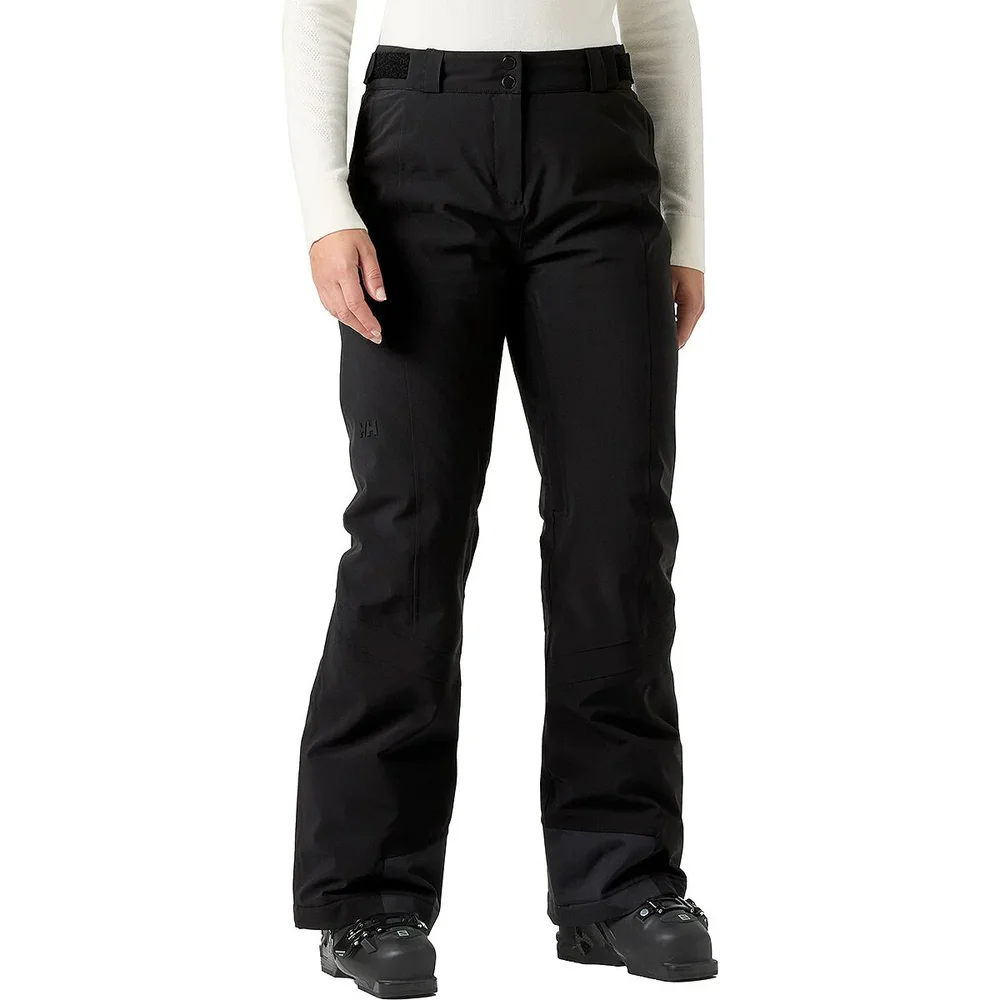
Ski pants and bibs worth packing
A waterproof rating in millimeters is simply how much water pressure a fabric can take before it starts to leak, and a high number can still let water in through poor seams and zips. Keep that in mind at the pants rail.
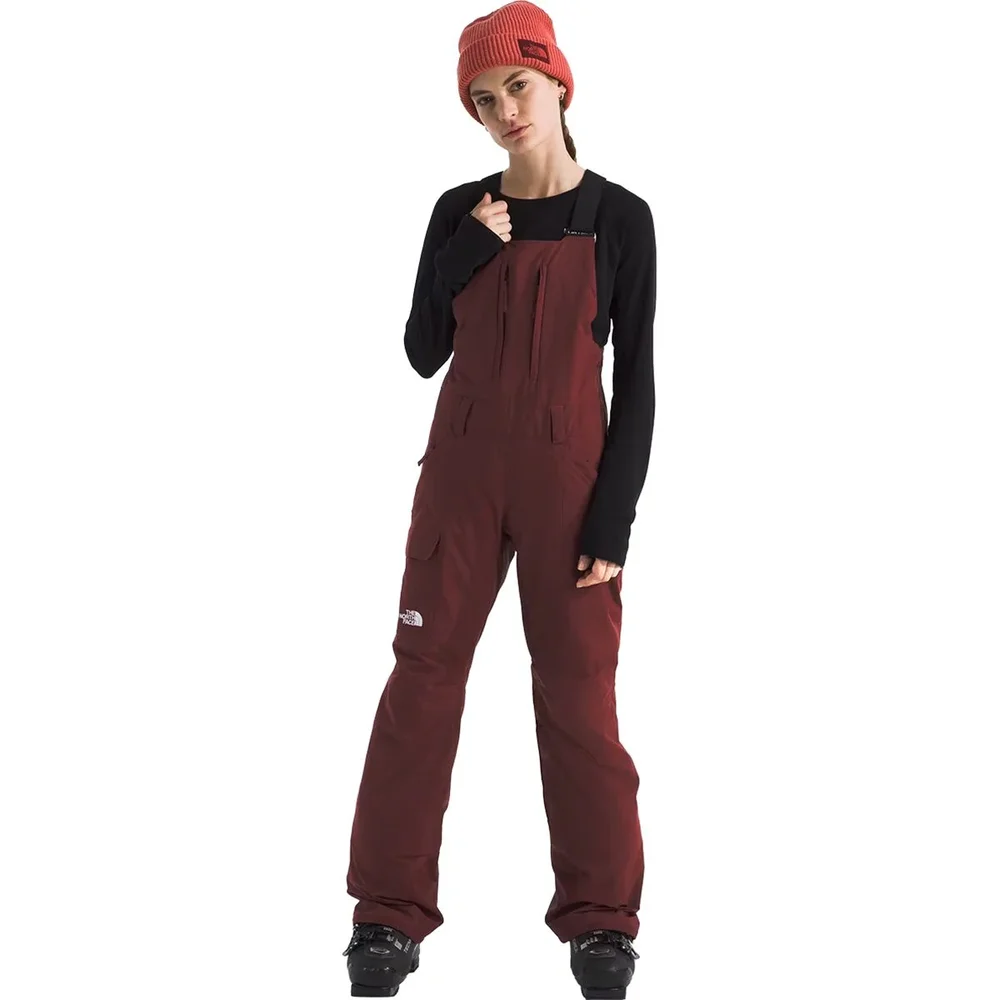
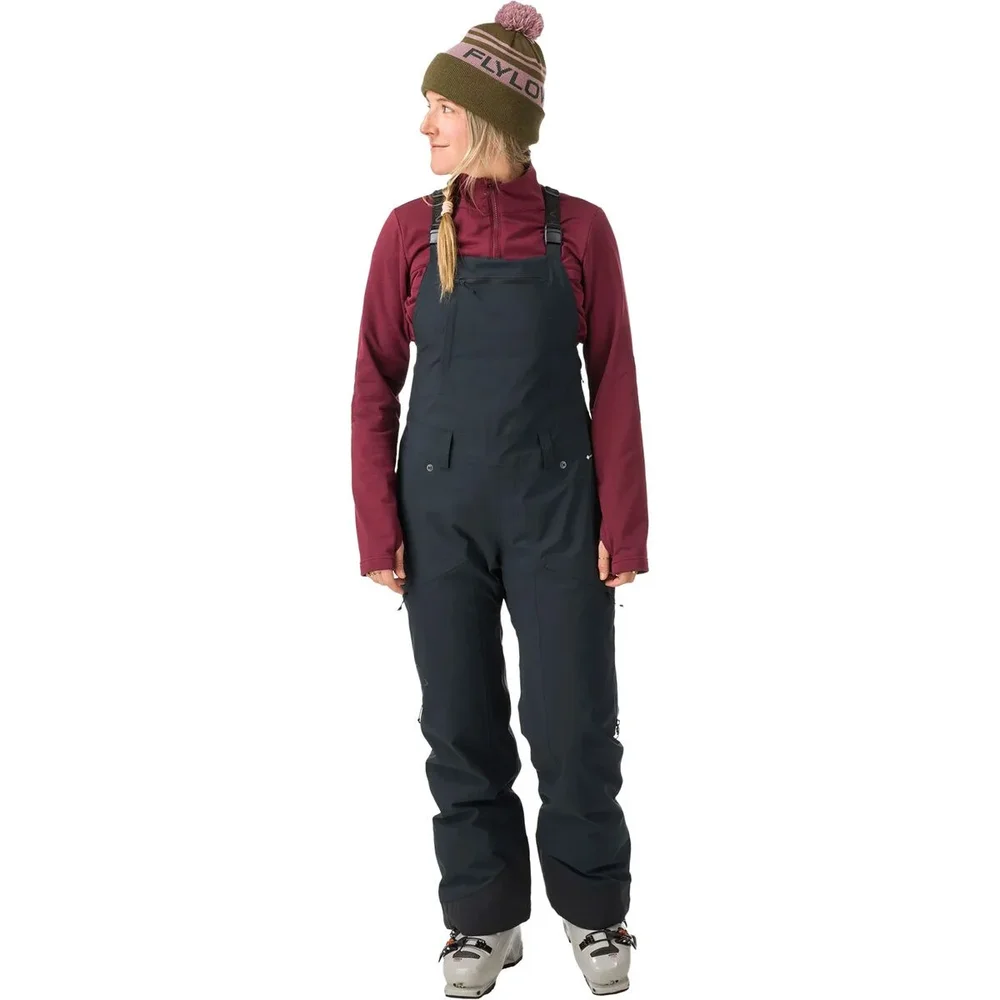
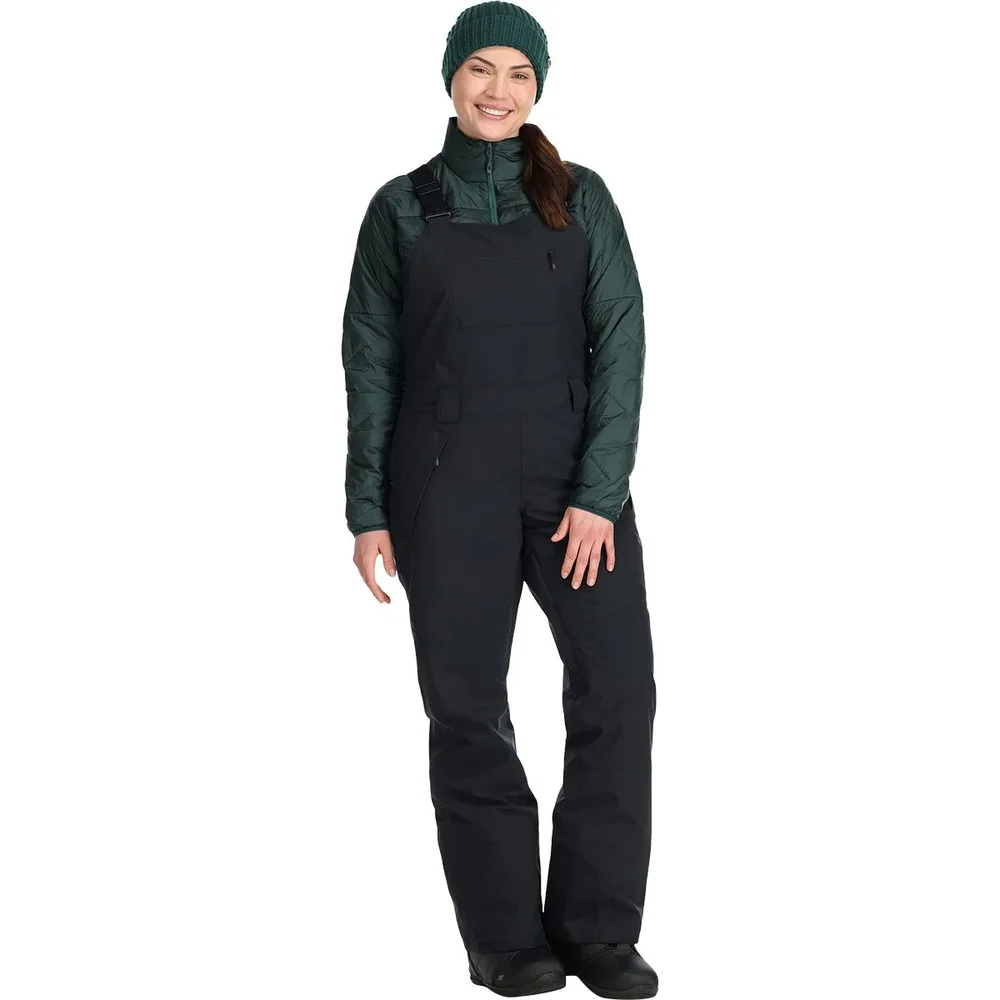
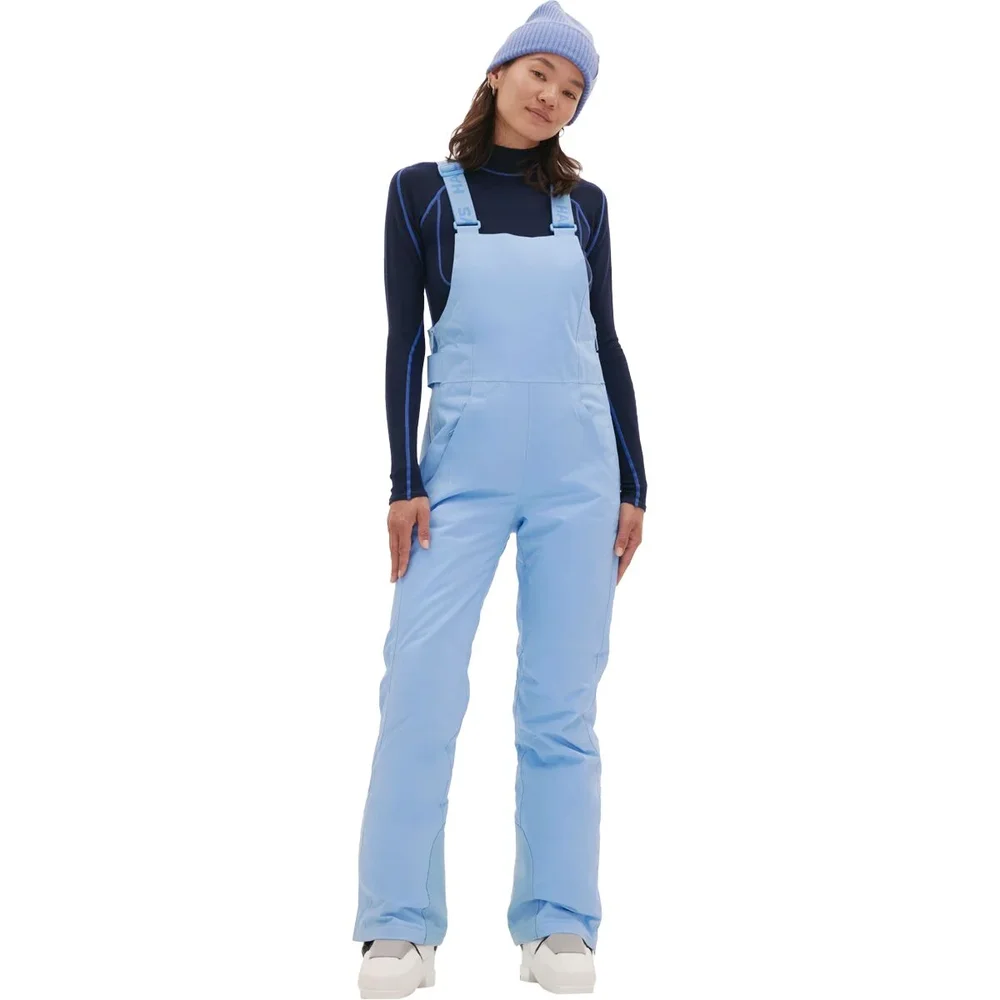
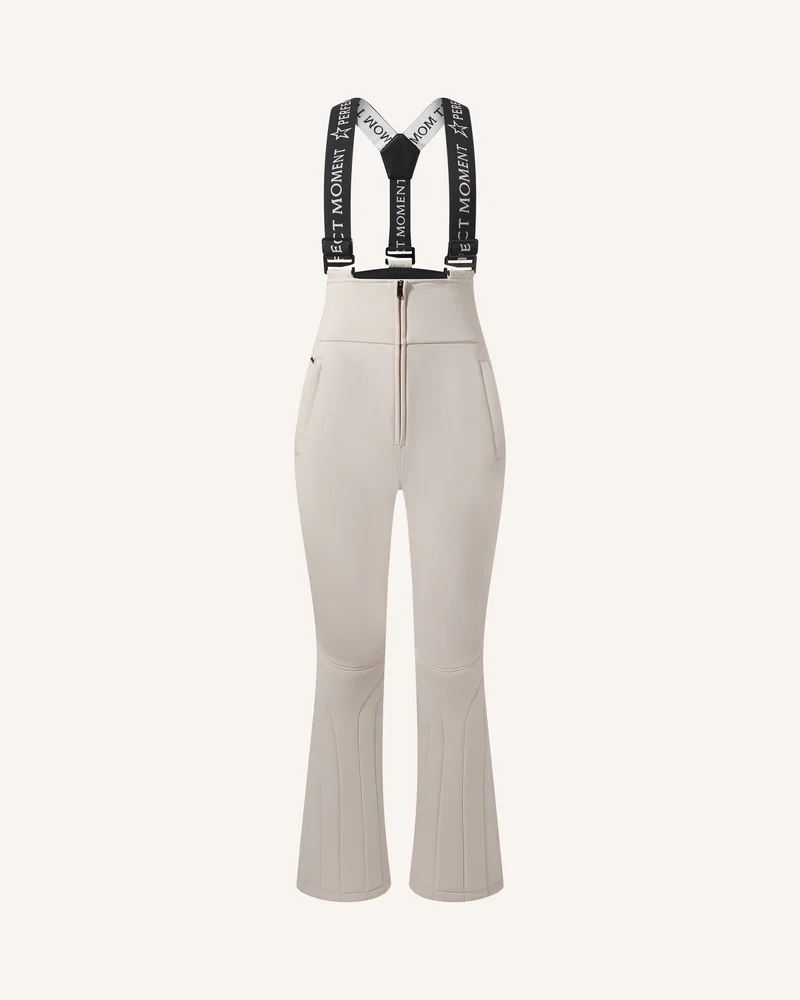
Bibs are my pick for a first ski trip because nothing rides up and no snow finds your lower back. The Freedom bib from The North Face in sumac is burgundy, insulated, with adjustable straps and boot-cut legs. The Flylow Foxy in black has a chest pocket for your phone and lip balm, and the Snowcrew from Outdoor Research keeps a relaxed fit for those who want room for a thick base layer. The Halfdays Carson in forget me not is a soft light blue with wide straps, the one to choose if you want the slopes to look a little sweet.
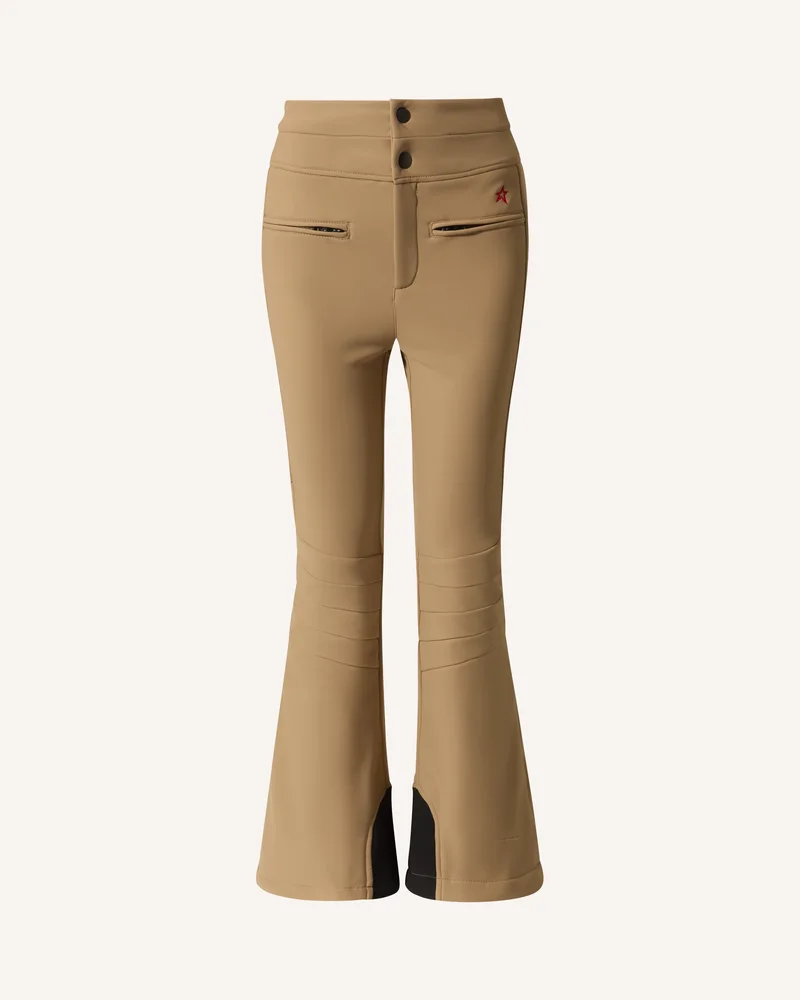
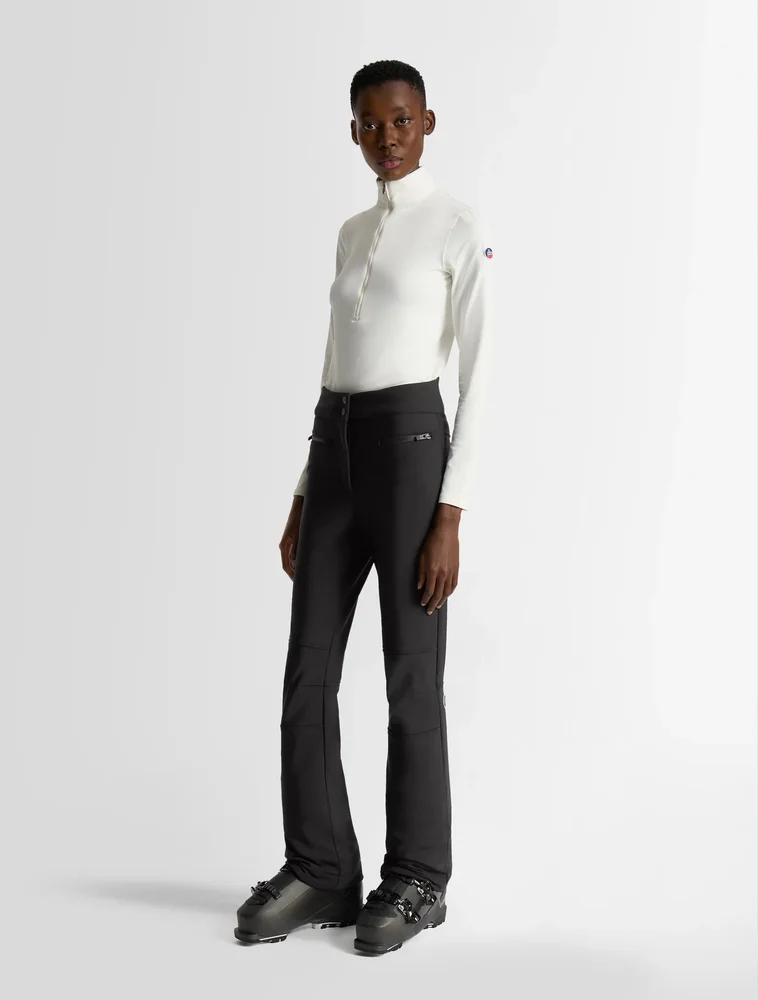
If you prefer a slimmer line, Perfect Moment's 80s Slalom bib in oyster pink is high-waisted, with a slim straight leg, 4-way stretch Dermizax fabric and a thermal fleece lining. The Aurora Flare in camel has denim-inspired seaming. Fusalp's Diana in black is a stretch softshell with a flared hem. All of it echoes Maria Bogner, who spent the summer of 1952 working out how to cut stretchy Helanca into ski pants.
In the fitting room, sit down, squat, and lift your knee to your chest. Then pull on the boots you will actually ski in and check the hem sits over them.
What I would skip: a flared hem on a day with deep powder and a lot of walking, where it will drag and collect snow.
Base layers that stay warm
The outdoor guides are blunt about cotton: it absorbs sweat, dries slowly and loses insulation, which means chill and blisters. So the first rule of what to wear skiing is that nothing touching your skin should be cotton, however nice your favorite tee is.
Merino is the easy answer. The Smartwool Classic Thermal quarter-zip in almond mini meadow is fitted, in dusty pink with soft print panels. Icebreaker's Merino 260 Tech half-zip in Atlantis is a blue top that is called heavyweight, and it has a matching BodyFit 260 Tech legging in metro heather. For real cold, Patagonia's Capilene Thermal Weight bottom in berry fig is billed as heavyweight for extreme conditions, and the Kari Traa Olea pant brings a high waist and a black and gray graphic print in merino.
For something that sits very close to the skin, Perfect Moment's Chalet top and pant in snow white are a soft lyocell blend that is meant to sit under skiwear and manage moisture. Fusalp's Troop crew neck in marine is made from a modal and cashmere blend, the one I would put on for a long lunch on the terrace.
At the shop, run a sleeve across the back of your hand. If it itches there, it will itch at the top of a chairlift. Check the waistband lies flat and that the cuffs do not bunch under a glove.
What I would skip: a thick, bulky base layer if you tend to run warm on the way up. The second skin is meant to be thin, with the warmth coming from layers over it.
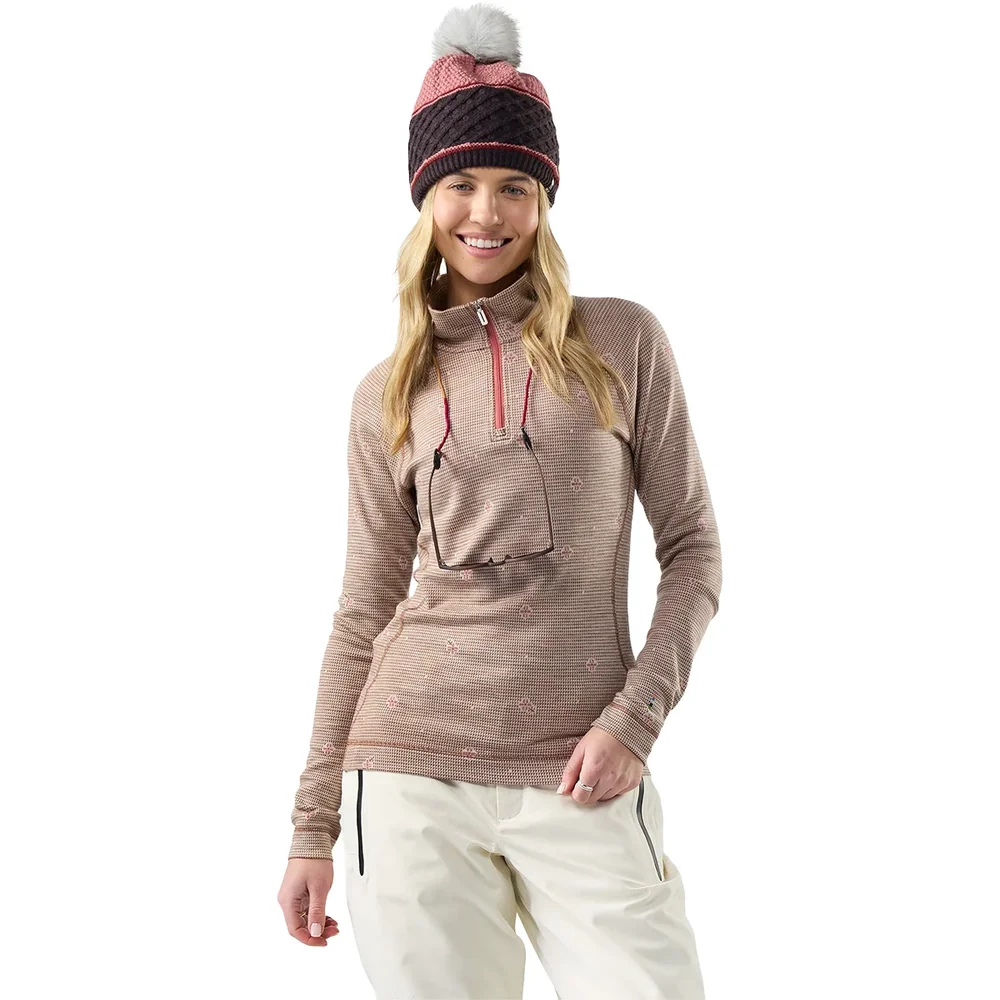
Classic Thermal Merino Base Layer 1/4-Zip Top
Smartwool
$130
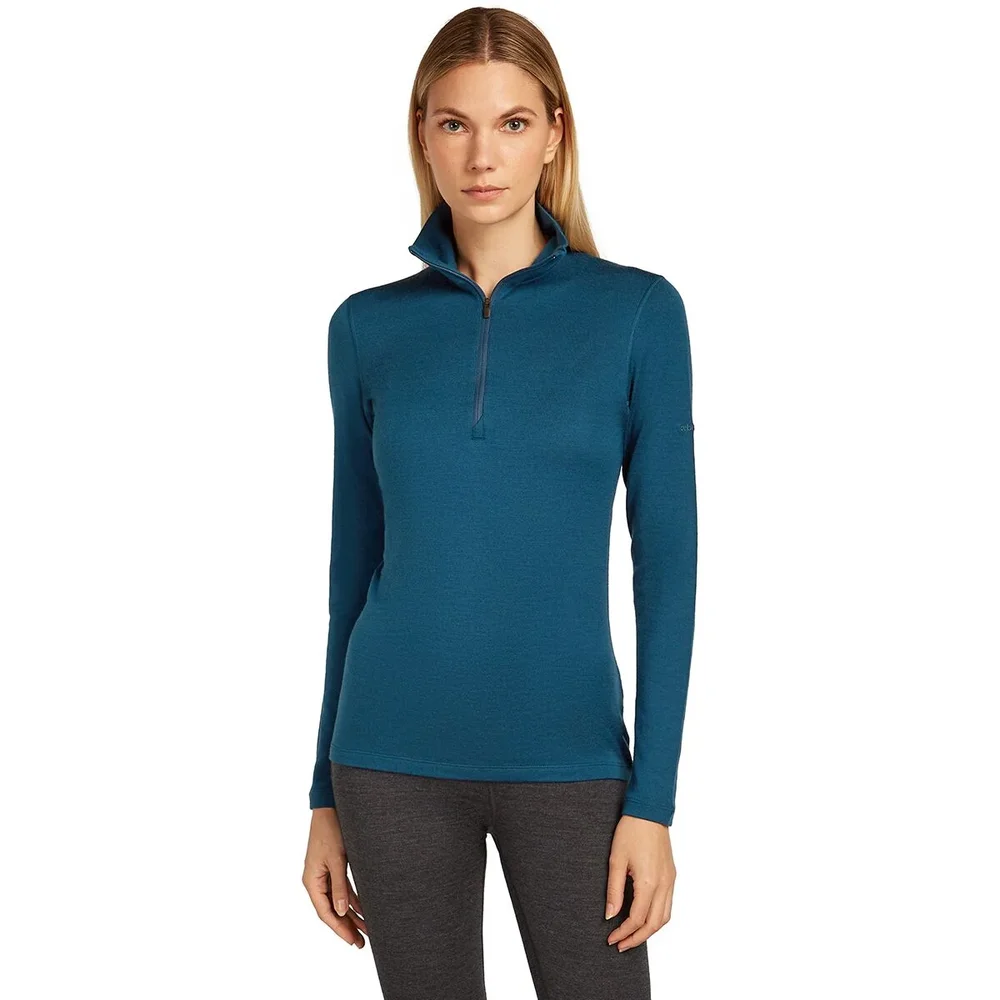
Merino 260 Tech 1/2-Zip Top
Icebreaker
$94.50
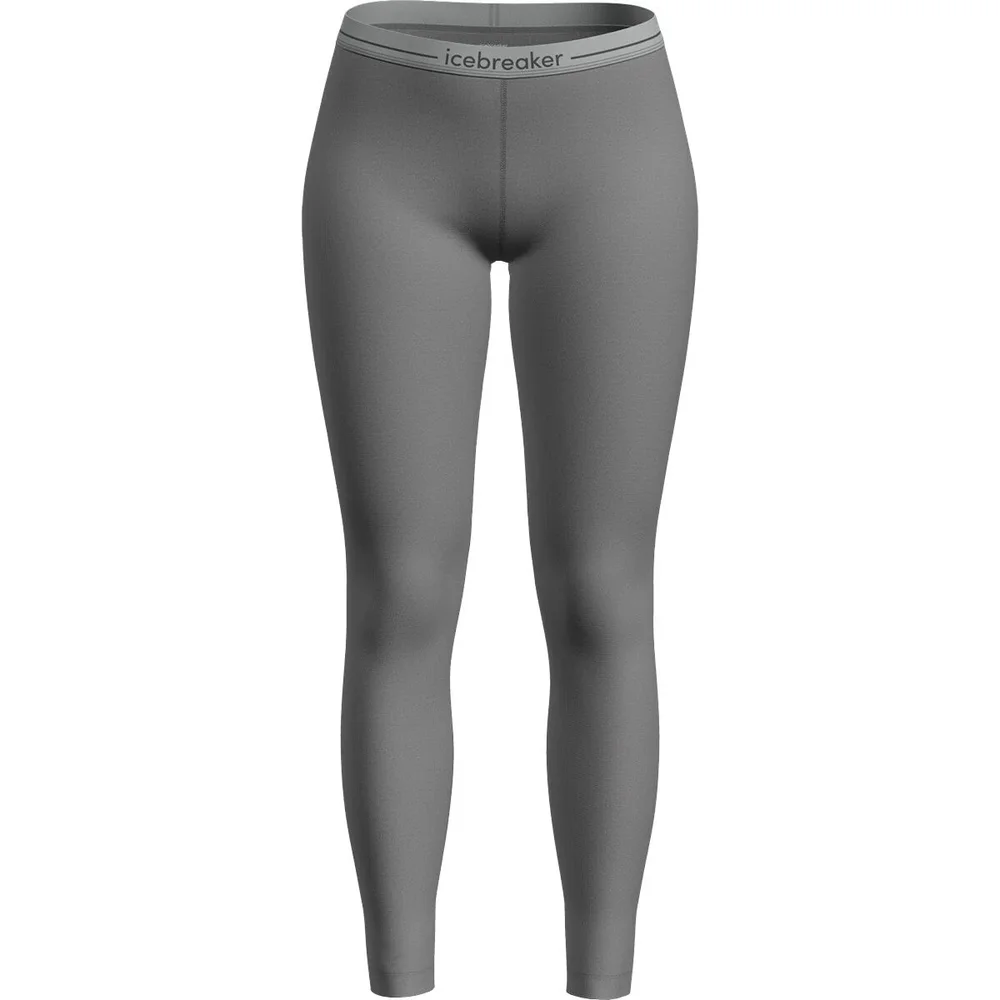
BodyFit 260 Tech Legging
Icebreaker
$140
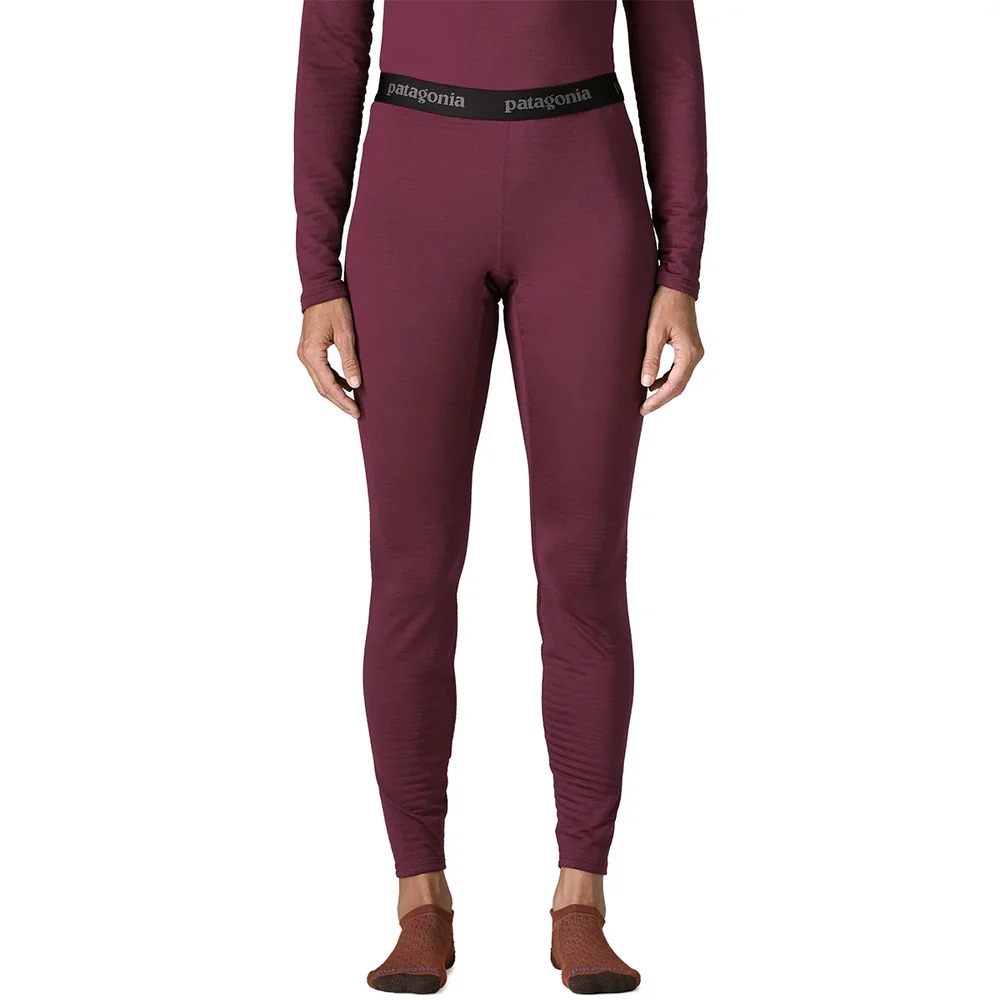
Capilene Thermal Weight Bottom
Patagonia
$109
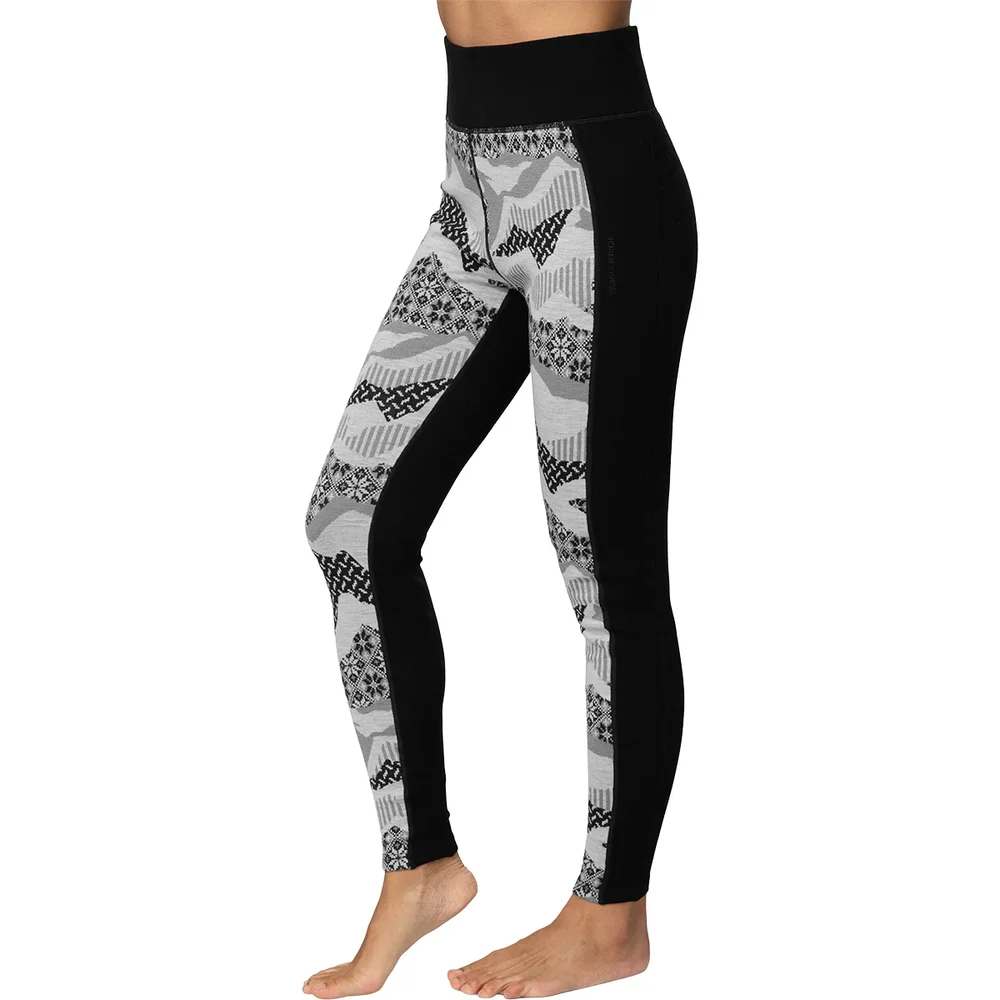
Olea Baselayer Pant
Kari Traa
$139.95
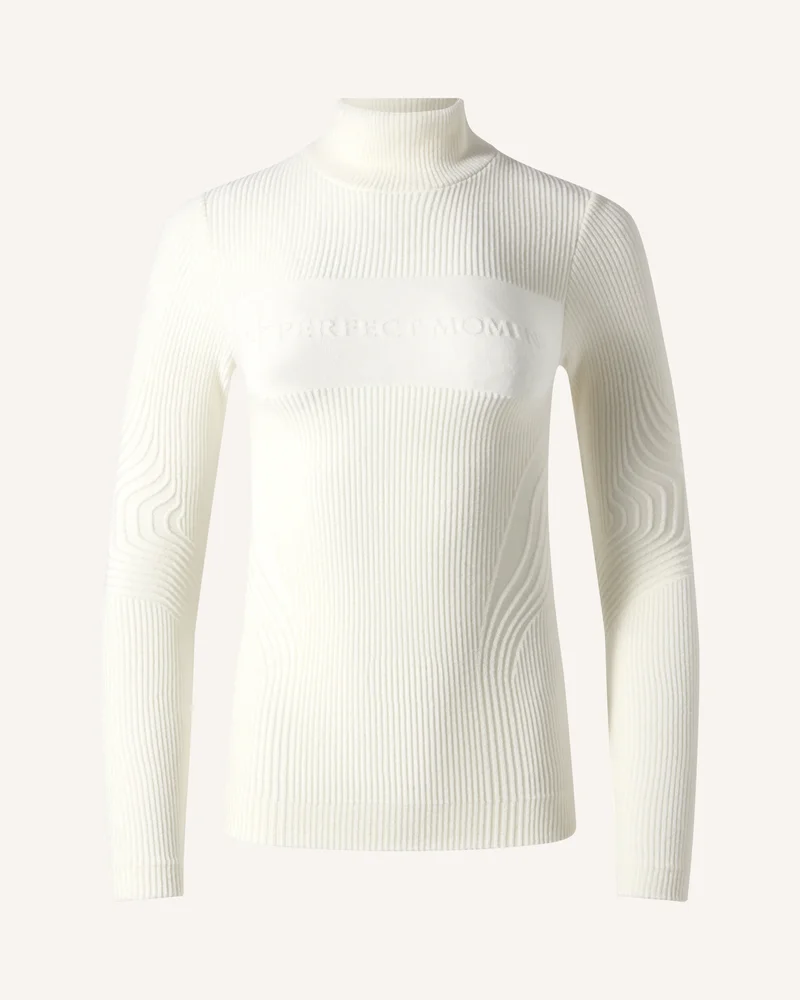
Chalet Base Layer Top
Perfect Moment
$225
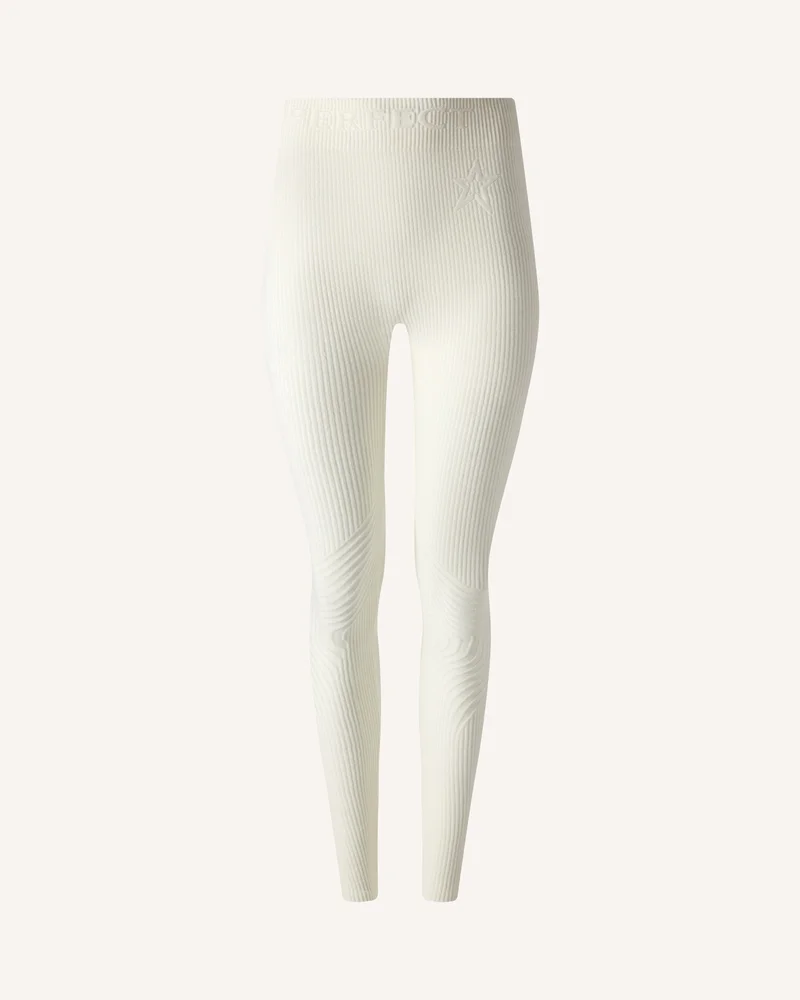
Chalet Base Layer Pant
Perfect Moment
$195
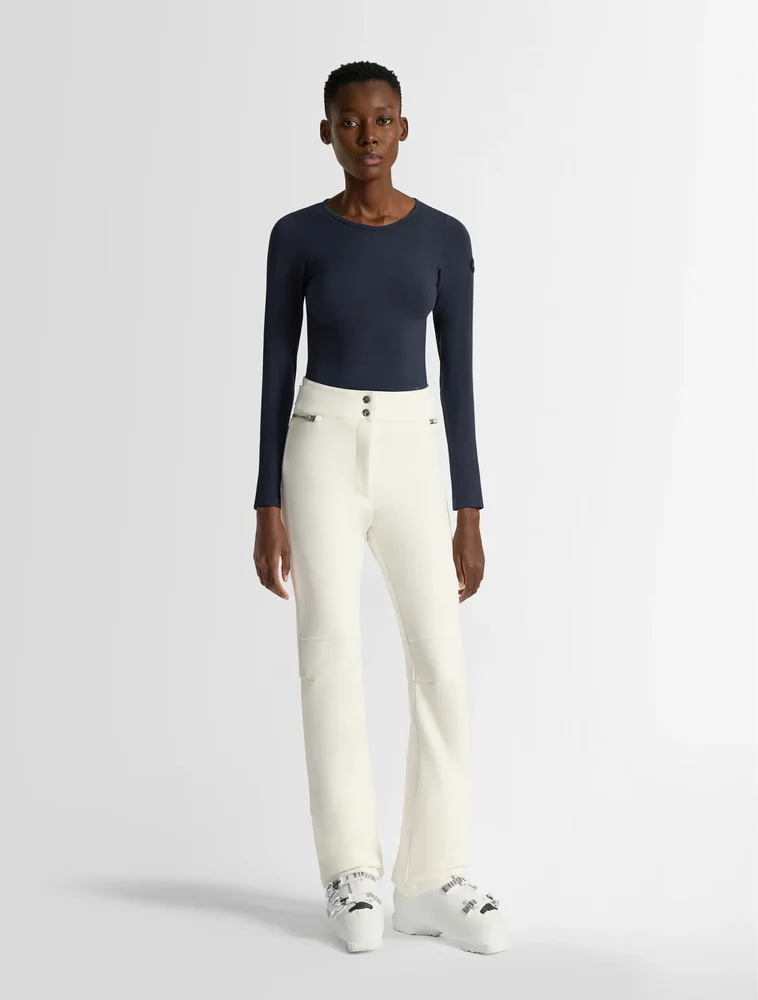
Troop Crew Neck Base Layer
Fusalp
$130
Fleece and midlayers
Maria Bogner's first big idea was color. Skiers had been choosing from black, navy, gray and forest green, and she offered red, royal blue, brown and beige. The midlayer is where that still happens today, because it shows when the jacket comes off at lunch.
Patagonia's Retro Pile Coat in basin green is a long, olive recycled shearling fleece with a snap front, which I would pull over leggings after the lifts close. The Helly Hansen Moonlit pile fleece in black has a pattern, a zip front and a high collar. For plain dependability there is the Smartwool Second Cut half-zip in charcoal, the Patagonia Textured Fleece pullover in black and the Mountain Hardwear Microchill quarter-zip, also in black.
If you want something cropped that sits well under a jacket, the Smartwool Smartloft in black is a quilted, insulated midlayer meant for cold, start-stop days. Kari Traa's Mika in light beige is a cropped cream fleece with pastel zip trim, easy to stash in a pack or wear on its own. Columbia's Arctic Crest II is a hooded full-zip fleece with a high warmth-to-weight ratio.
Test it with the jacket you plan to take. Put the fleece on first, then the shell, and check you can reach your arms forward without the sleeves bunching. A high collar is lovely, but make sure it clears a neck gaiter.
What I would skip: a long coat as your only midlayer if your jacket is already fitted. It will bunch at the hips.
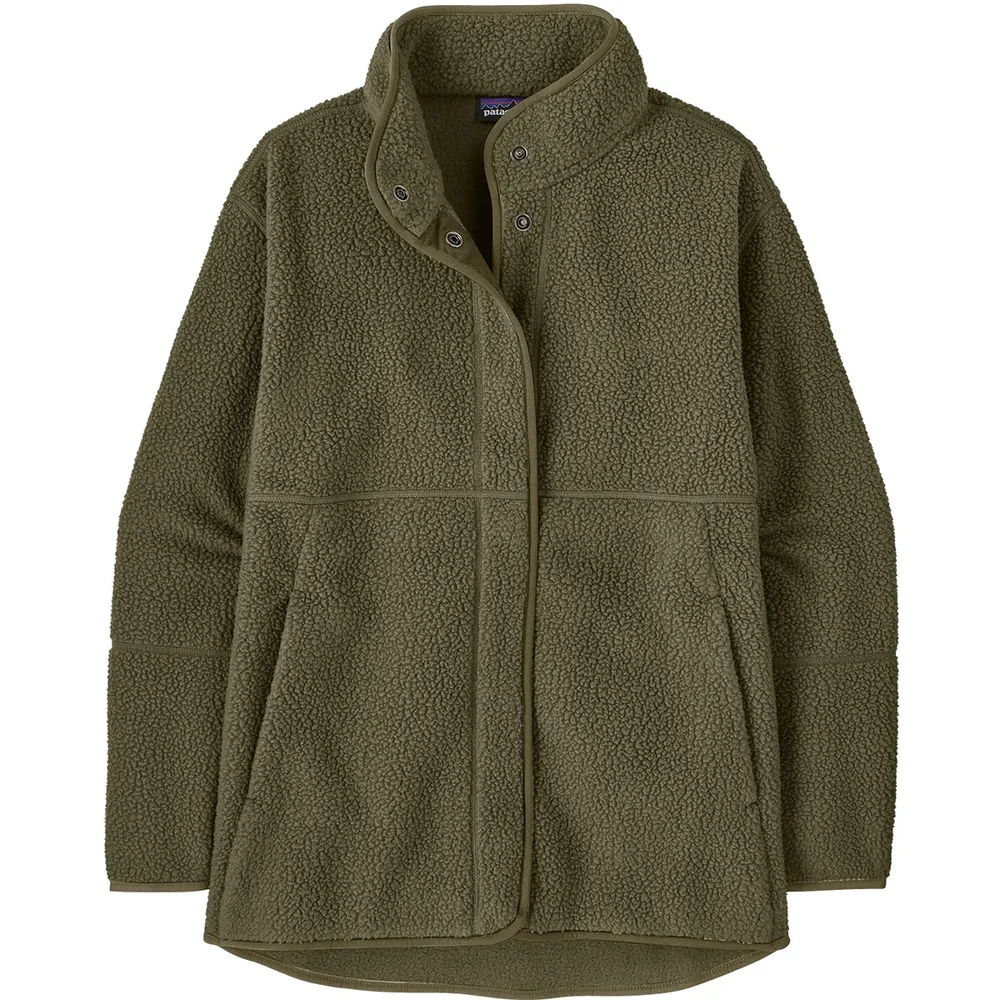
Retro Pile Coat
Patagonia
$189
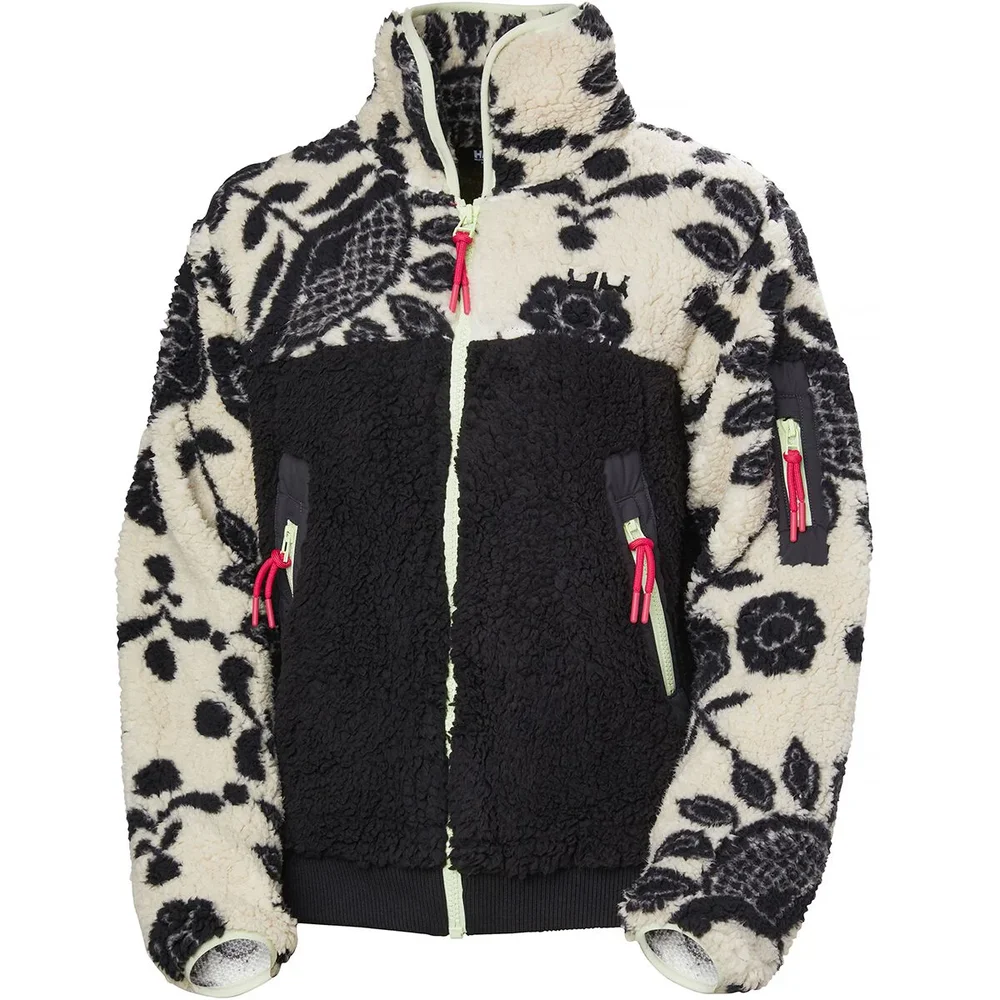
Moonlit Pile Fleece Jacket
Helly Hansen
$200
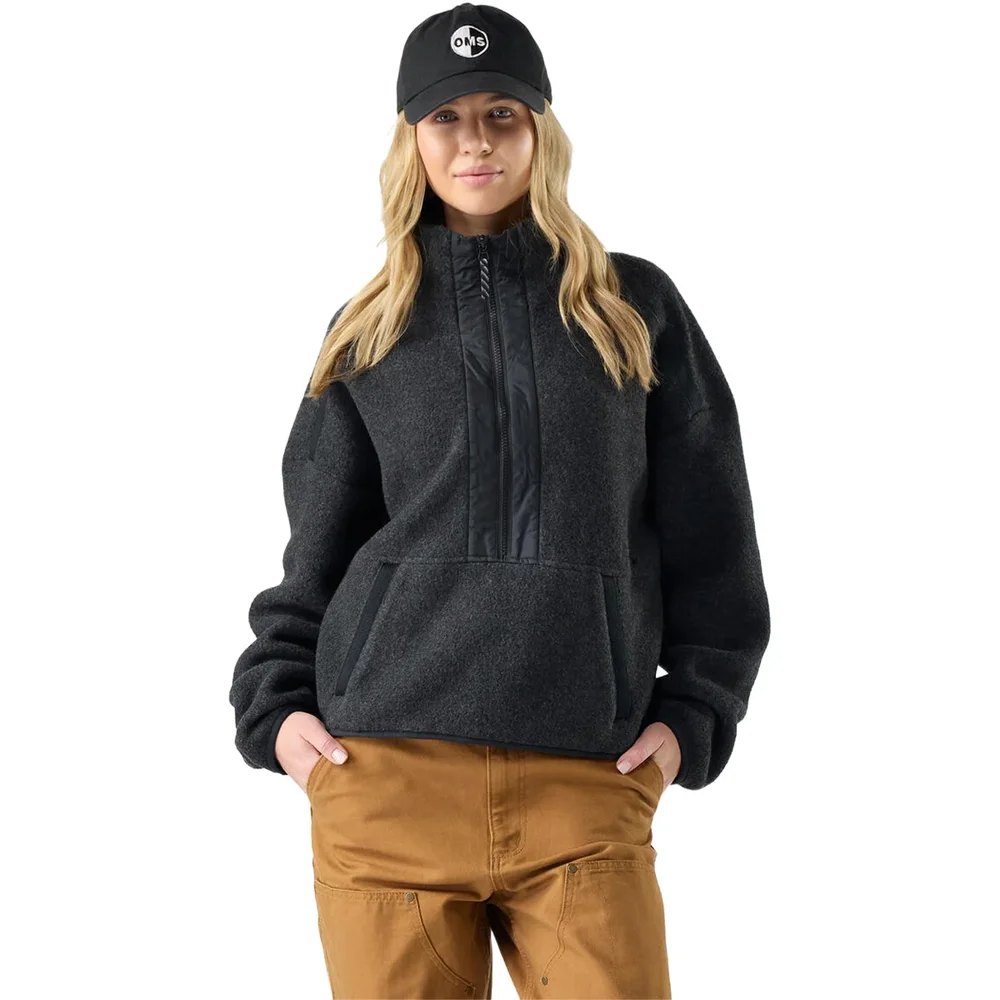
Second Cut Fleece 1/2-Zip
Smartwool
$160
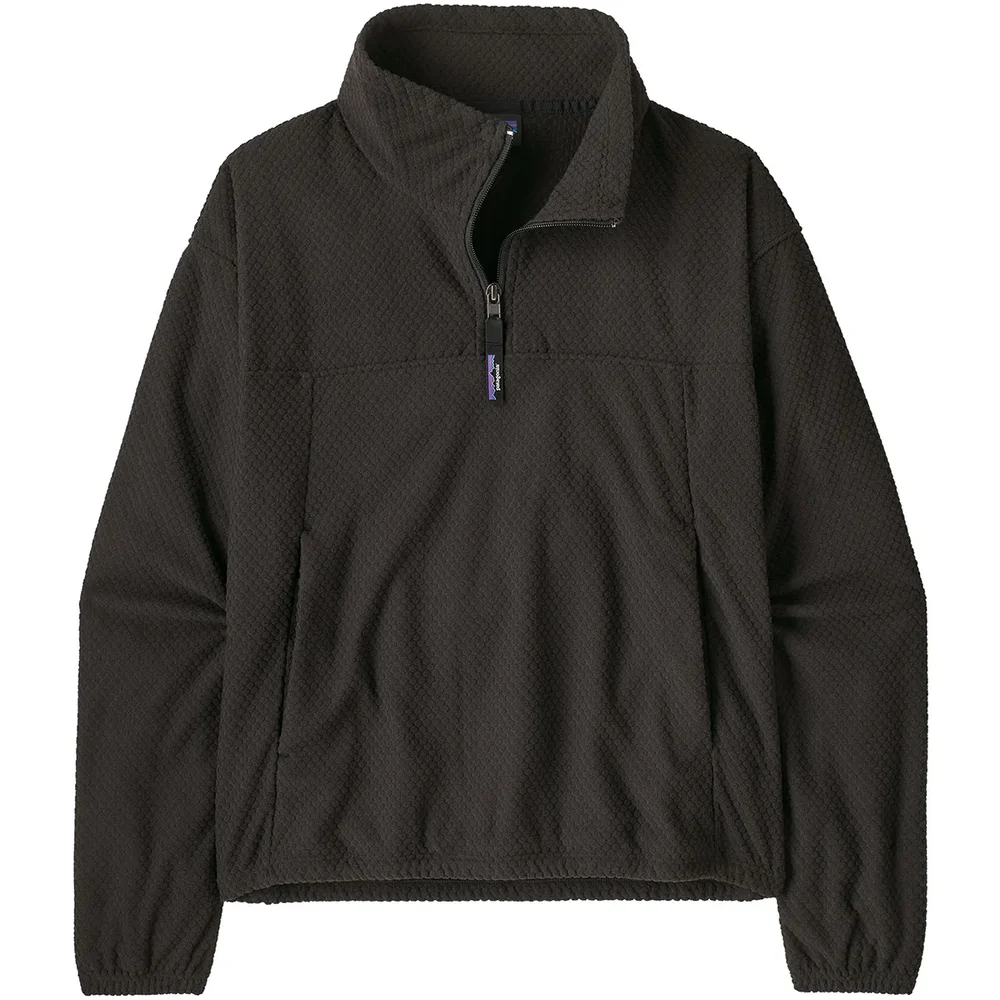
Textured Fleece Pullover
Patagonia
$155
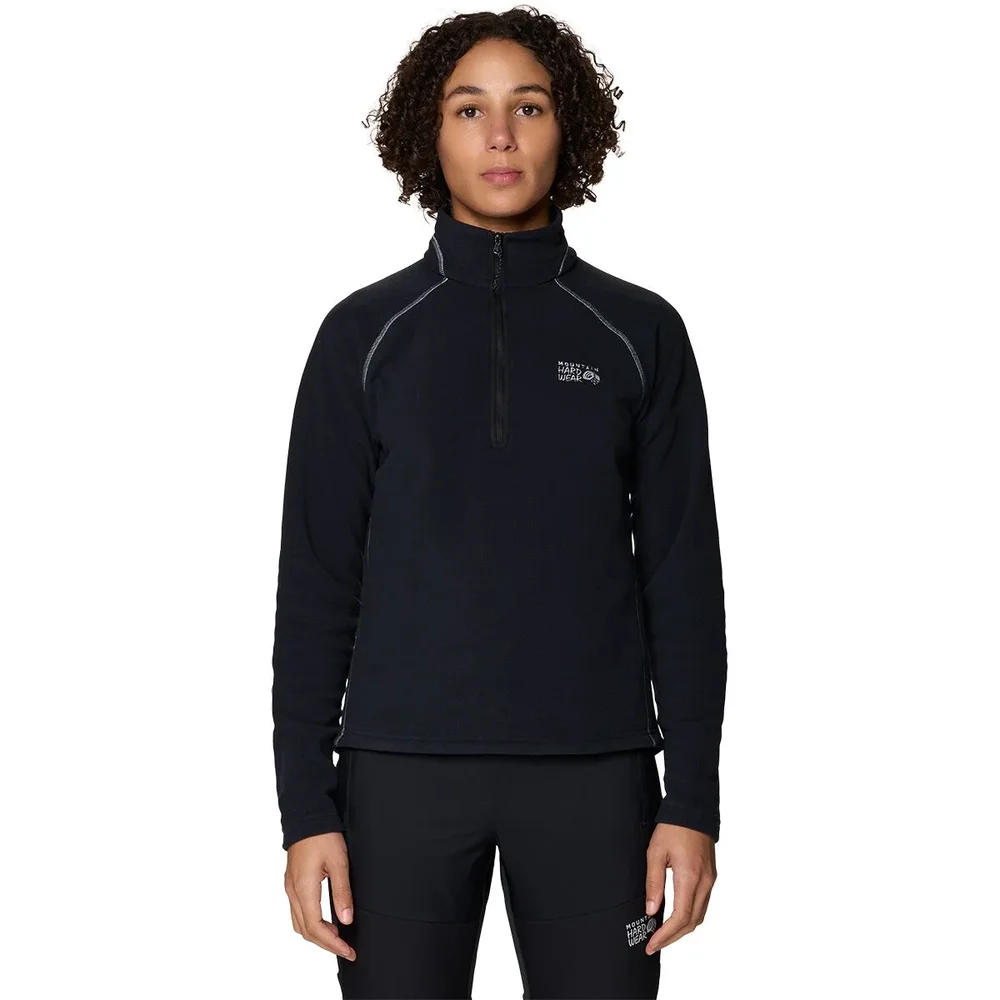
Microchill 1/4-Zip Pullover
Mountain Hardwear
$89.99
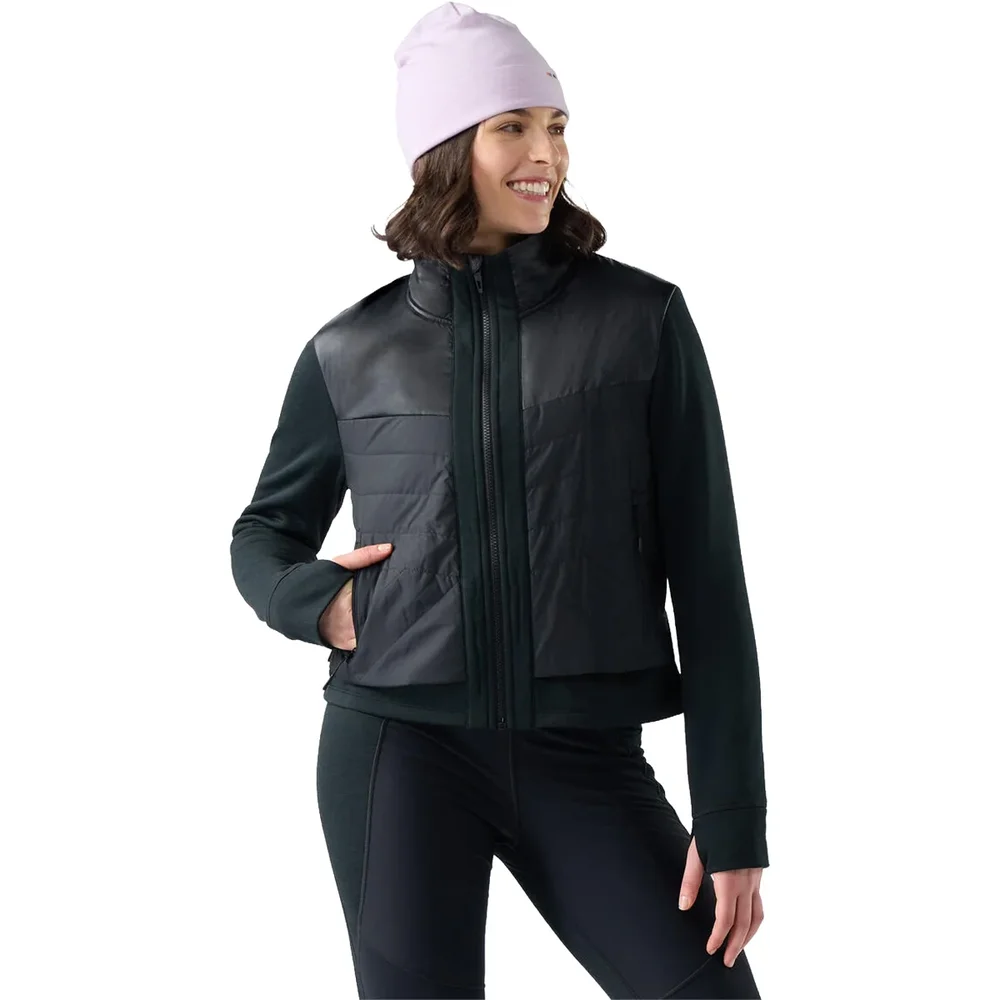
Smartloft Cropped Jacket
Smartwool
$250
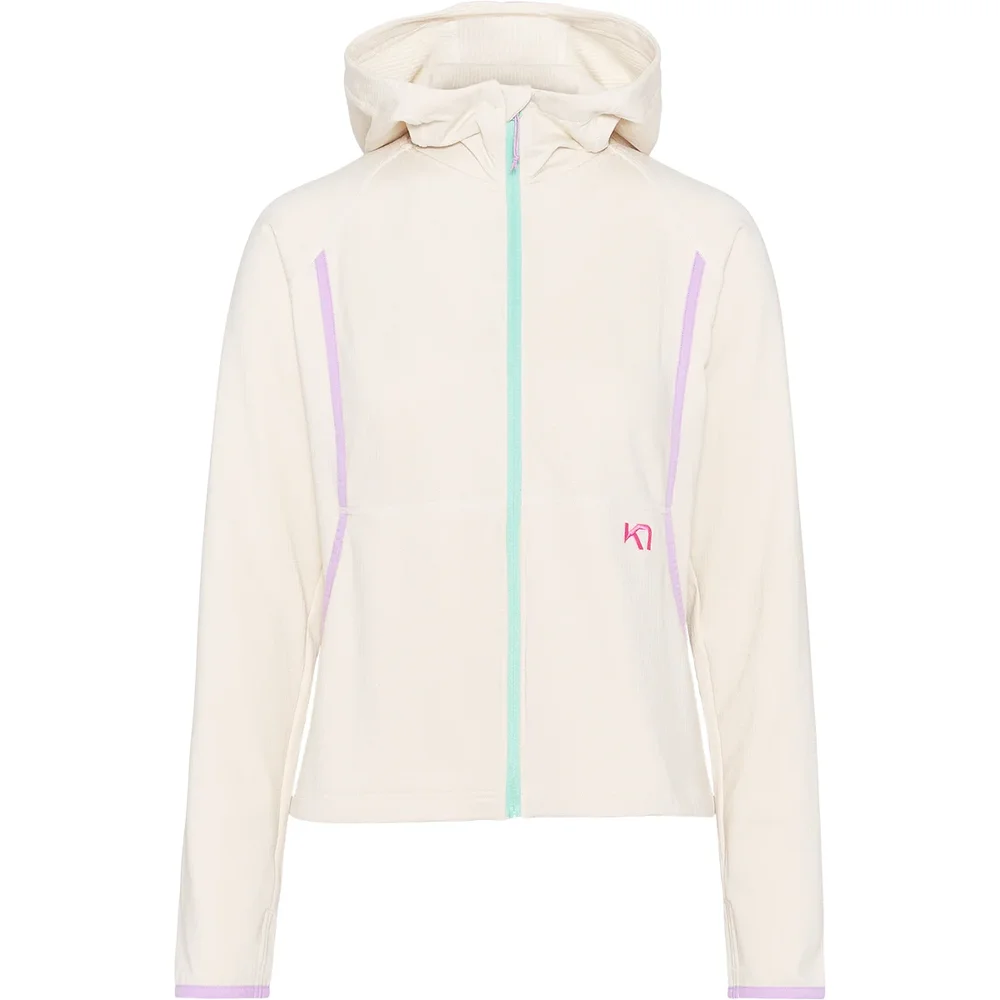
Mika Full-Zip Hooded Jacket
Kari Traa
$89.95
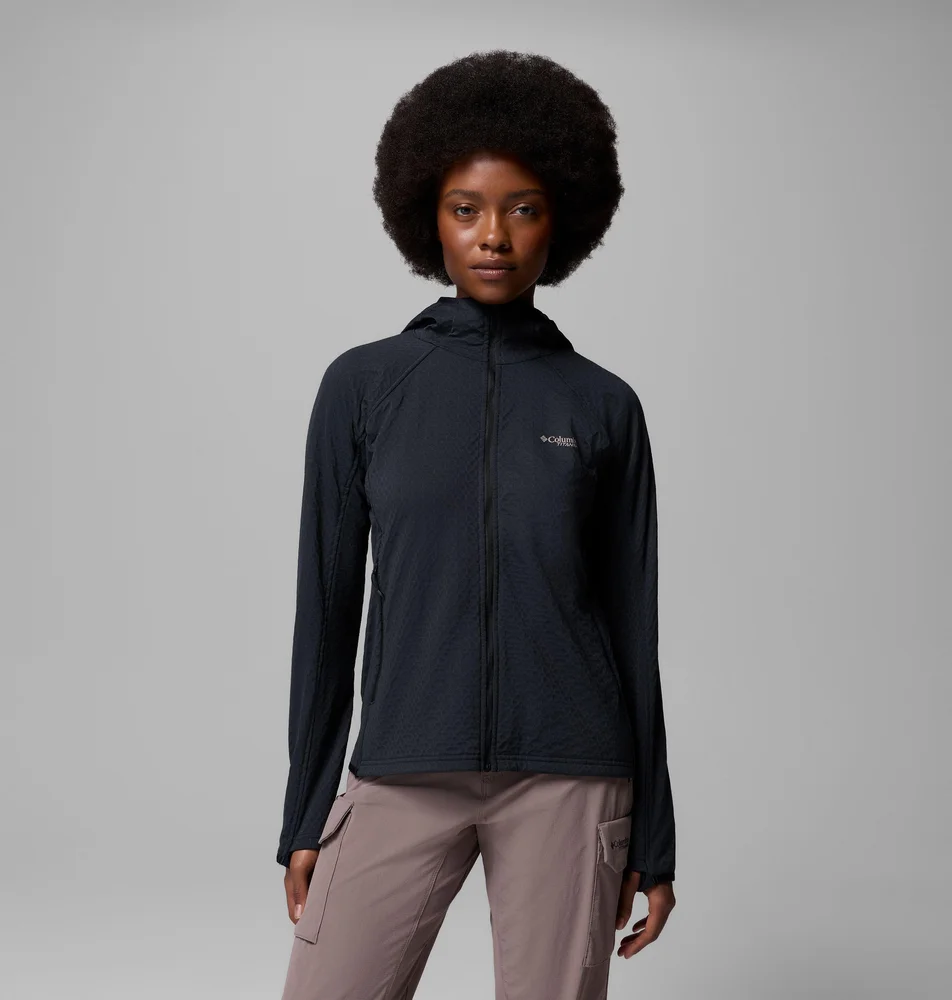
Arctic Crest II Hooded Full Zip Fleece
Columbia
$150
Gloves, mittens and beanies
Cold hands end ski days faster than anything else. For the coldest mornings, the mitten wins every time, since your fingers share the warmth.
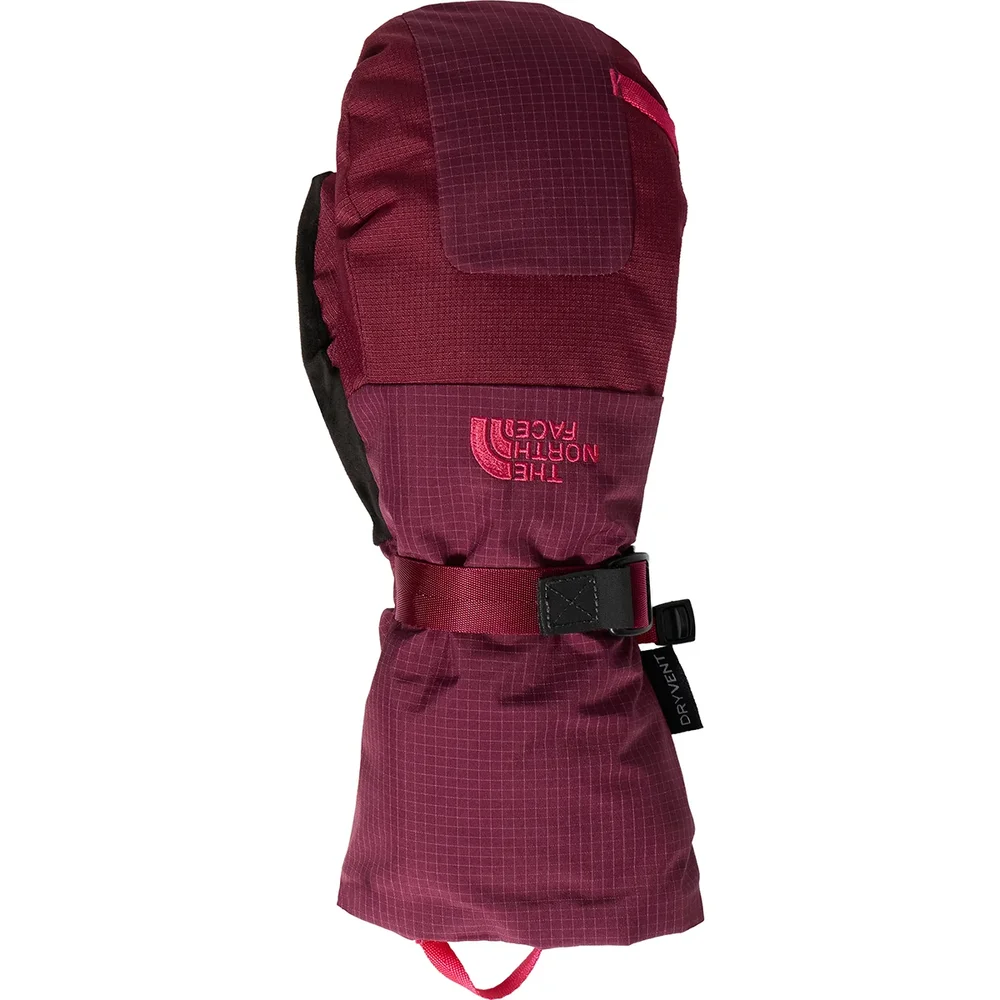
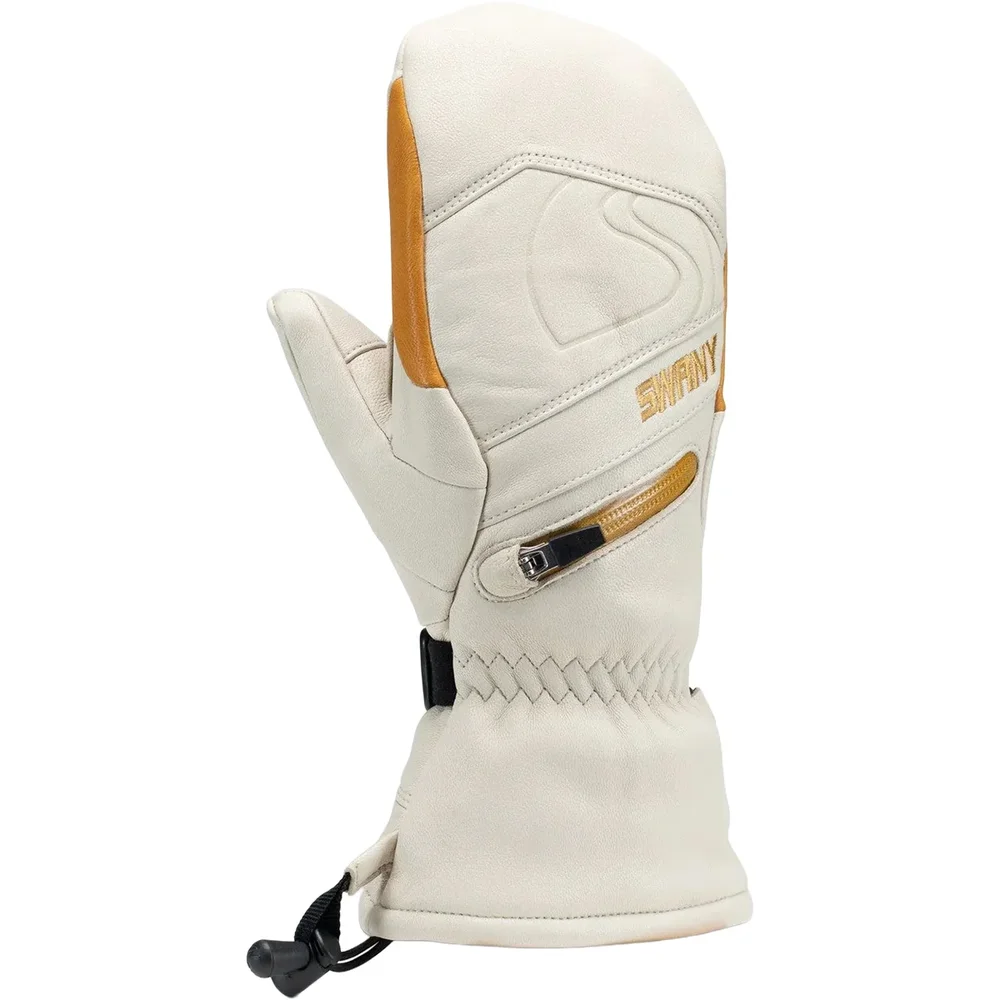
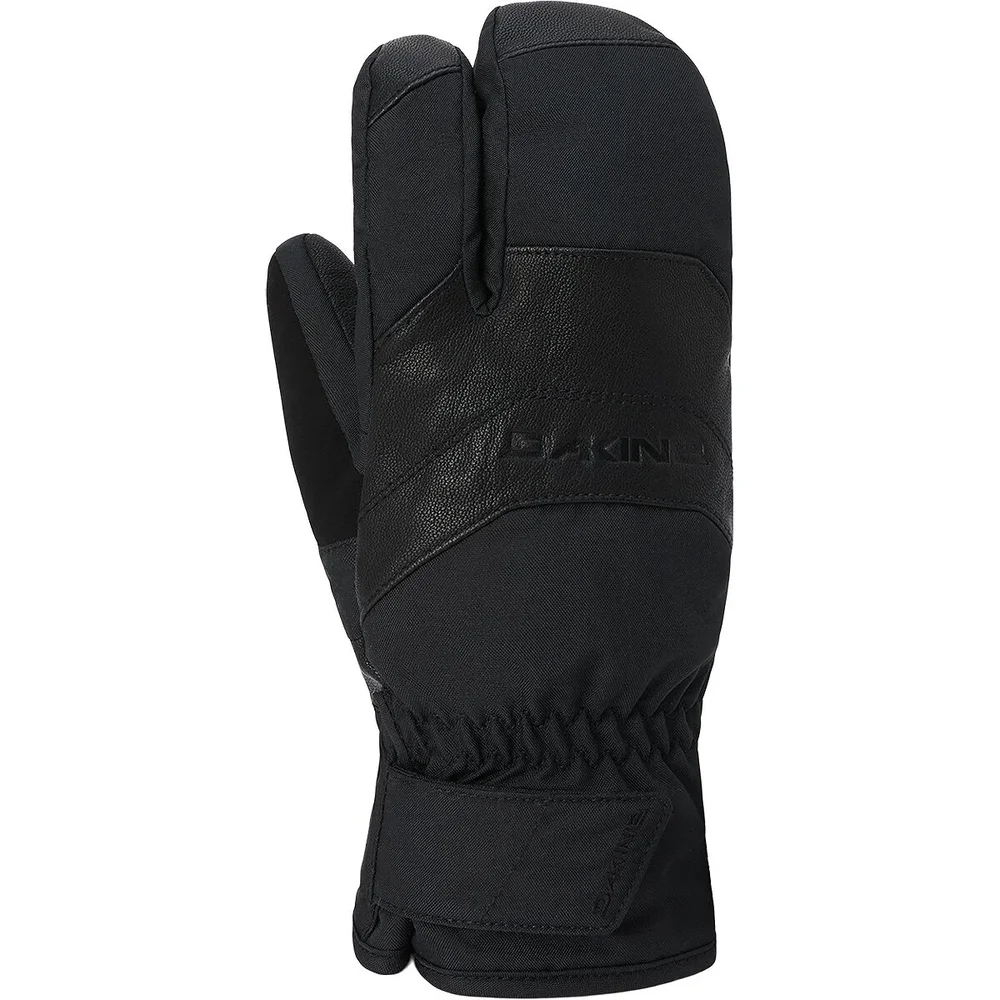
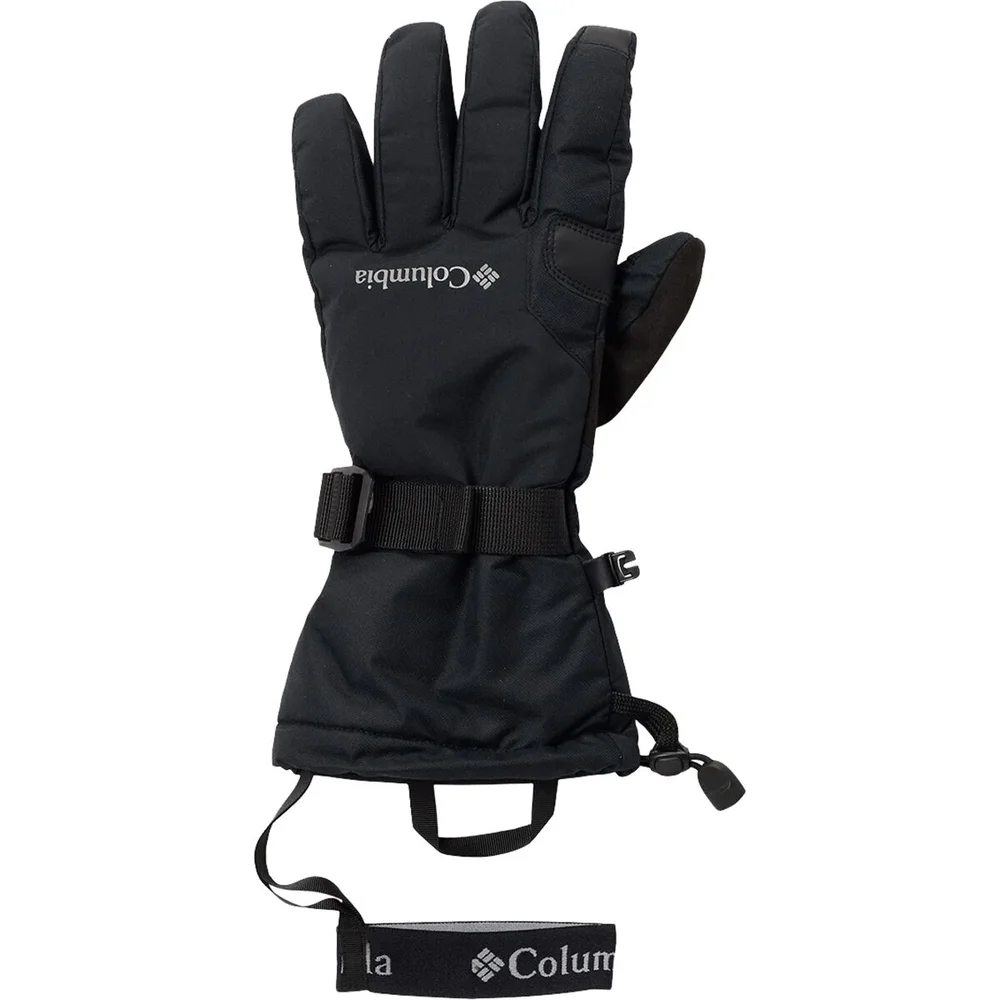
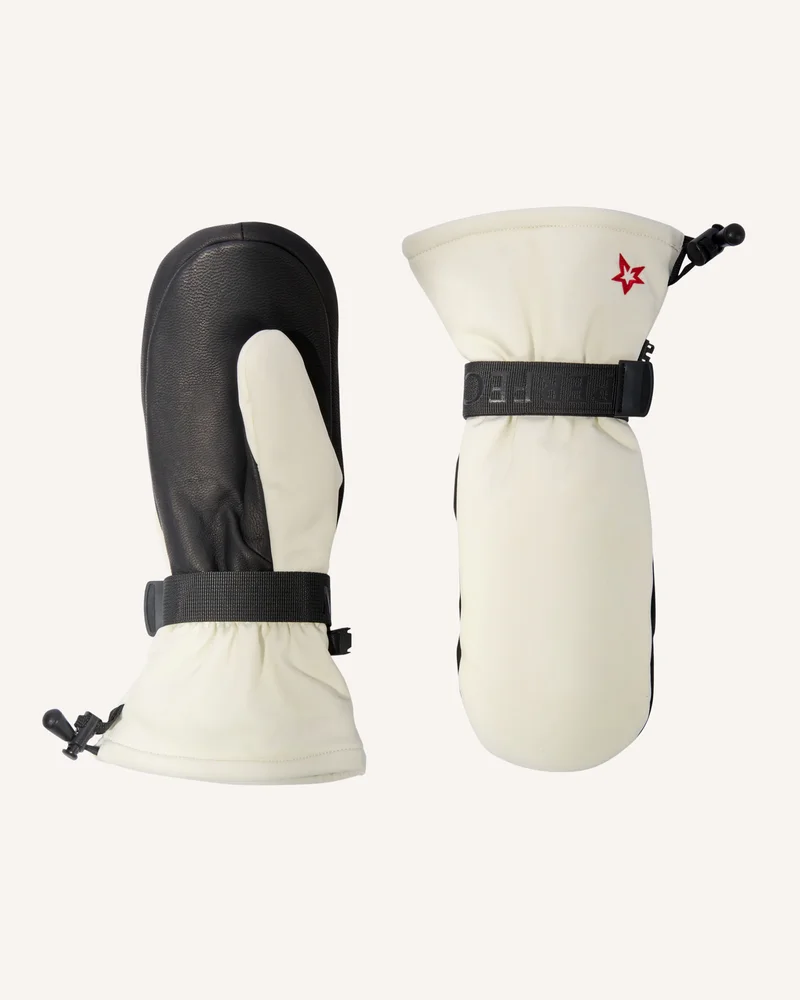
The North Face Montana mitten in burgundy crush is insulated, with a long cuff and a wrist strap. Swany's Apex Pro in beige is leather, in cream with tan trim, and made for serious cold. Perfect Moment's Davos mitts in snow white are water-repellent leather with branded cuff straps, made for glacial temperatures. If you need to use your fingers, the Dakine Camaro trigger mitten in black lets you grip a pole or a zip without taking a hand out, and the Columbia Arctic Slope Seeker glove in black has a long gauntlet cuff that goes over a jacket sleeve.
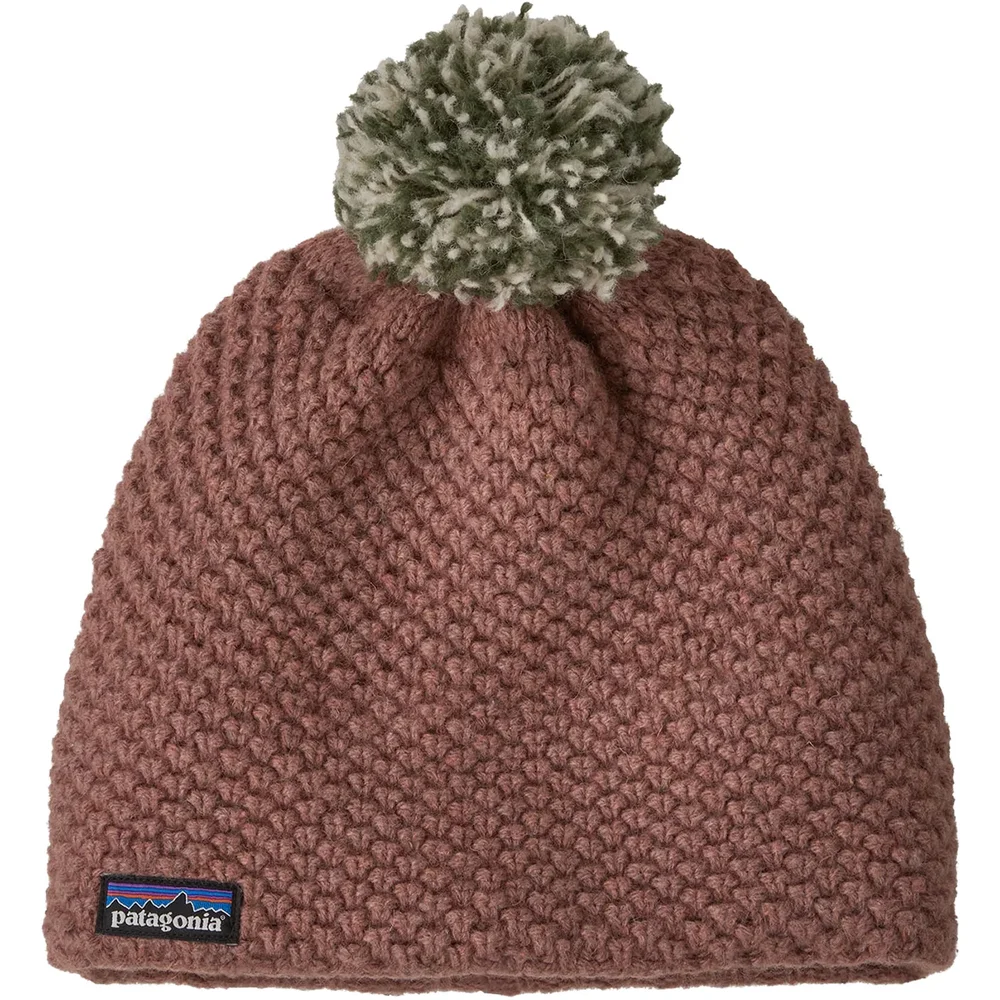
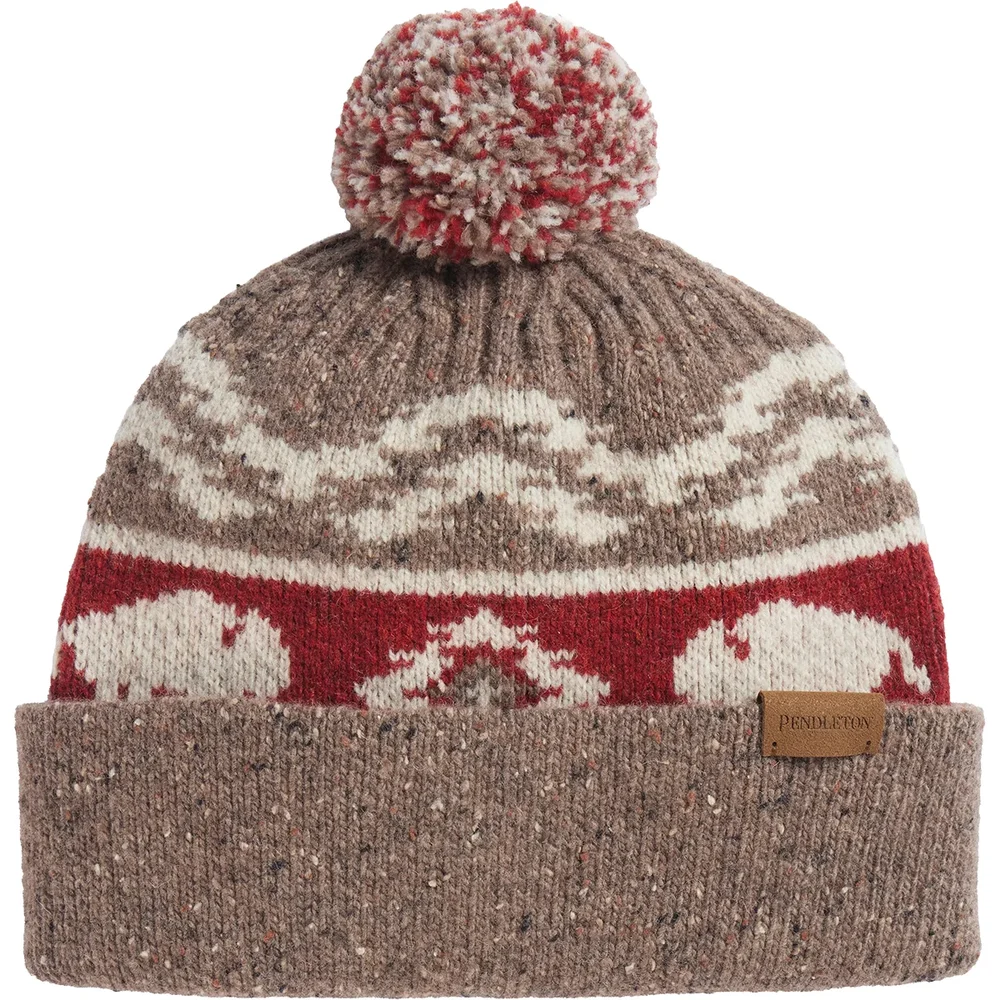
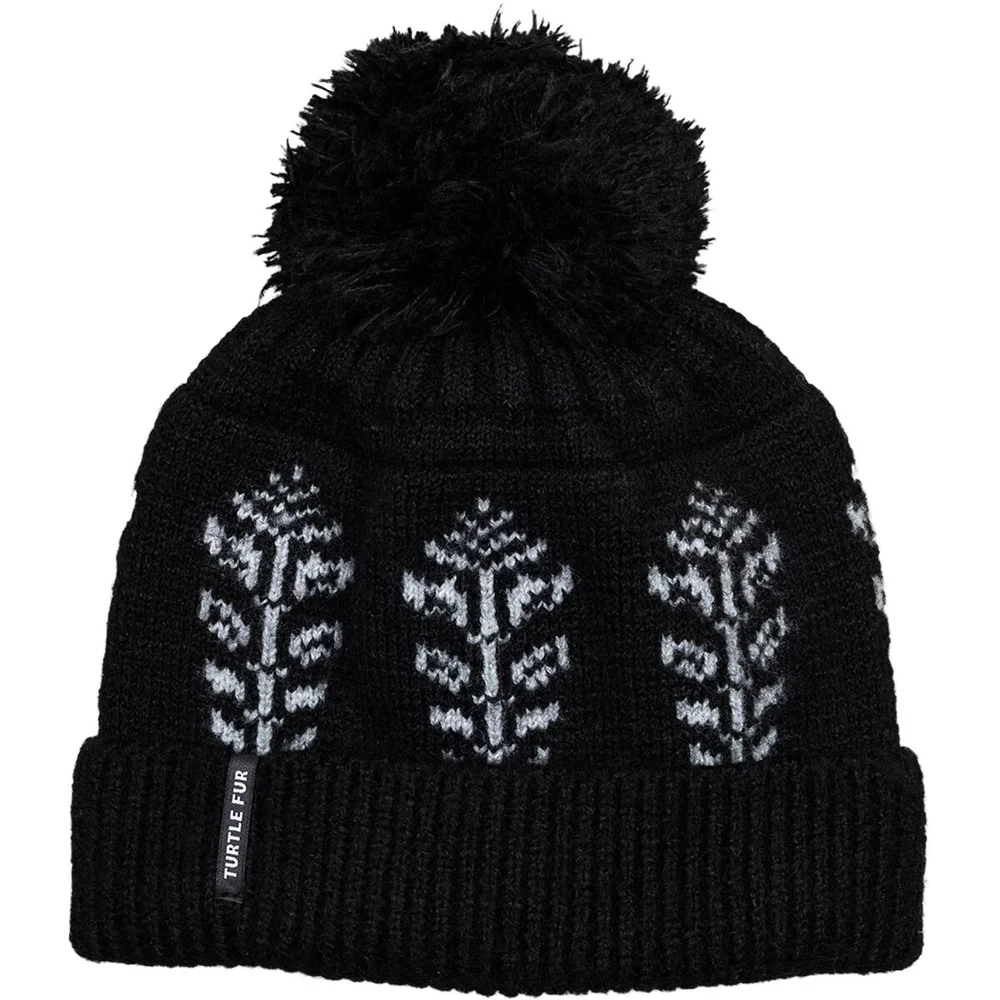
Then the hat, which is the most personal of all. Patagonia's Snowbelle in moonrise taupe is a mauve wool-blend knit with a sage pom-pom. Pendleton's lambswool pom beanie in bison brown has a red fair isle pattern, which would look very good with the navy jacket. The Turtle Fur Freya in black is a simple pom with a white leaf motif.
Try each glove with the strap tight, and make a fist, then pinch a zip. A mitten should leave a little air at the tips. Check the beanie sits under a helmet without a ridge, or choose the one meant for the village.
What I would skip: a thick pom on the slopes if you wear a helmet. Keep the pom for the walk to dinner.
The order I would pack in
So this is what I would do, in order. Choose the jacket first and check the hood, the cuffs and the pass pocket. Then the pants or bibs, tried with boots. Then a merino base, a fleece, and gloves or mittens for your hands.
I would take one cropped fleece and one long one, a spare base layer and two hats. Everything else is a suggestion, and the bag stays light enough to carry through a village on foot.
Pucci dressed his friends in Zermatt in 1947 so they could ski and still look like themselves. That is still the plan, and it is a good one.