When people ask what's my color palette, they usually mean the season a quiz or a stylist would give them. There is a second answer, which is the palette your closet already has, and the two are often far apart. Here is how to find both, compare them, and shop in between.

What's My Color Palette? Two Answers, and Which One to Trust
The answer you would be told
Ask what's my color palette in 2026 and the answer comes from a system. Spring, Summer, Autumn or Winter, or one of twelve sub-seasons like Soft Autumn and Deep Winter. The modern version comes from a long line, with Suzanne Caygill's Color: The Essence of You and Carole Jackson's Color Me Beautiful both published in 1980.
It tells you which colors tend to look good near your face, and that is genuinely useful. It also tells you almost nothing about the clothes you have.
Confession #1: I had my colors done and went home to a closet that ignored the result.

Install Phia for free on iPhone, or add the Chrome extension.
The answer already in your closet
The second answer is the palette you actually own. Phia's Style analysis reads every piece in your digital closet and lists your top colors with a percentage beside each. The closet fills from Gmail order confirmations, instant camera roll sync and checkouts through the Phia extension, so it reflects what you bought, not what you meant to buy.
A palette that works usually has a simple shape. One base color that is the biggest share, often a neutral. One or two supporting colors that pair with almost everything. And a short list of accents.
Mine came back roughly two thirds black, white and brown, with a long tail of blue. I would have guessed far more color.
Where the two answers disagree
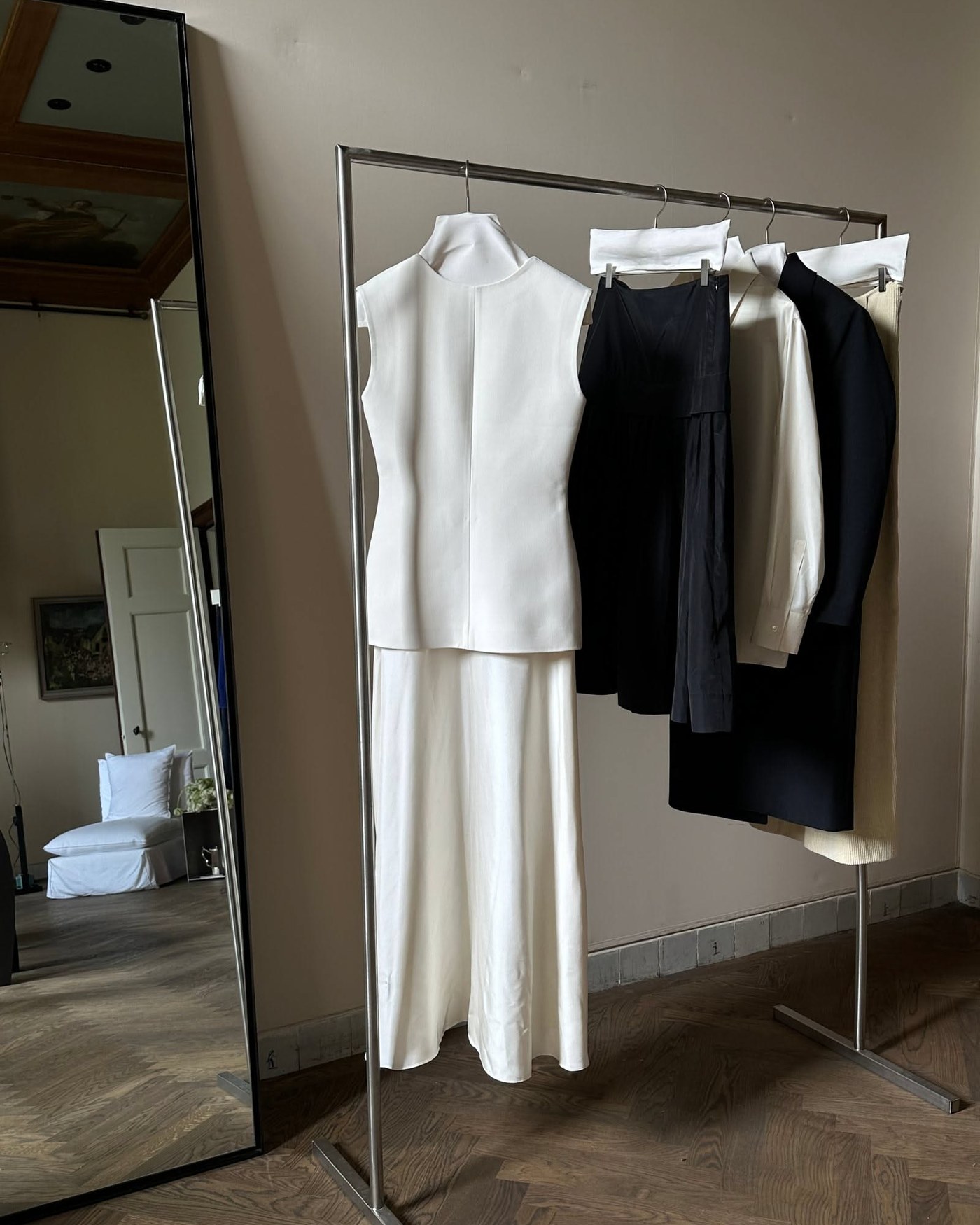
Say a system tells you that you are a Spring and your closet is two thirds charcoal and navy. That does not mean the system is wrong or your closet is. It means you have found a gap between the colors that flatter you and the colors you reach for.
That gap usually has a reason. Dark neutrals are easy and forgiving, and bright colors need confidence and a plan. A palette result is the plan.
A practical test: pick your top three closet colors and build five outfits from them. If it is easy, your closet is working and the quiz colors are an upgrade. If it is hard, a supporting color is missing.
Install Phia for free on iPhone, or add the Chrome extension.
Reconcile them one piece at a time
Do not rebuild a closet around a quiz. Add one piece in a flattering color that pairs with something you already own, wear it for a month and see whether you keep reaching for it.
You can also correct the data. In Phia you can edit an item's tags for season, color and style, which helps when a retailer calls something taupe and you know it is grey. Your Style analysis percentages get more accurate as the tags do.
Inside Style analysis there is also a Styling rules section for up to ten rules in your own words, like I hate green and red together. Phia keeps them in mind when it suggests outfits.

Shop inside the lines
The real payoff of knowing both answers is at the till. A new piece in your base or supporting color will work with most of what you own. A new piece in a color you have nothing to pair with will mostly hang there, however good it looked on the model.
Phia sits at that moment. It compares prices across more than 220,000 sites, new and secondhand, so when a piece passes the test you can buy it at the best price, and your closet is in the same app to check you do not already own it in the same shade. To be clear, Phia does not give you a season. It shows you the palette you have.
To find yours, download the free Phia app, connect Gmail, let the closet fill and open Style analysis. If you want the closet-first walkthrough, read How to Find Your Wardrobe Color Palette From Your Closet.