A structured bag holds its shape whether it is full or empty. A slouchy one takes the shape of what is inside it. The difference decides how much you can carry, how the bag ages, and how formal it reads.
Which Bag Shape Actually Suits You
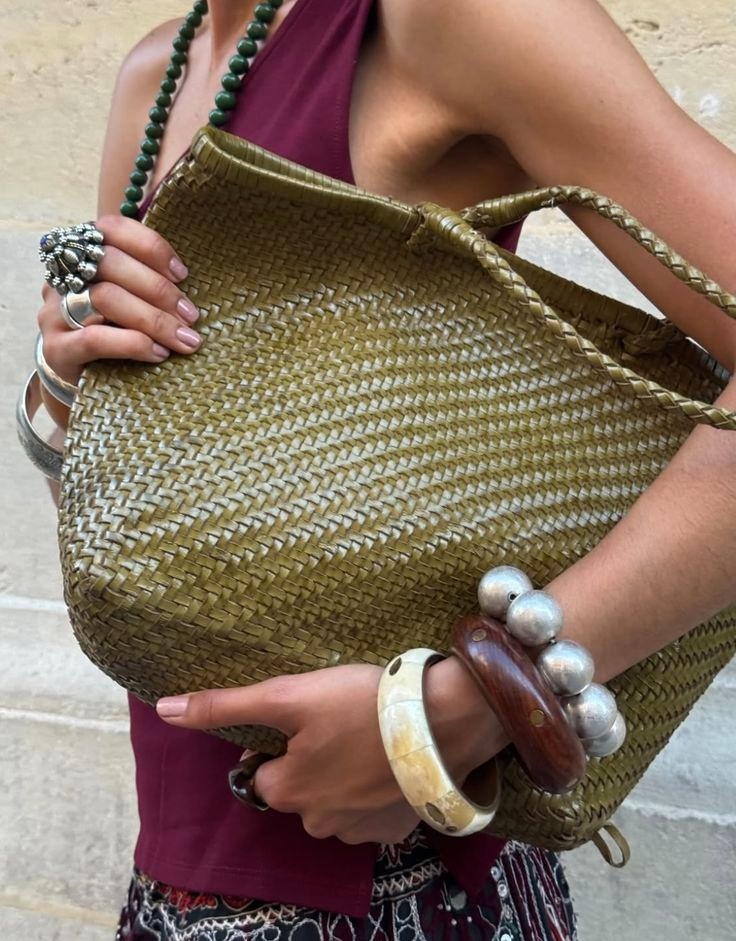
The difference is what happens when the bag is empty
A structured bag holds its shape whether it is full or empty. A slouchy bag takes the shape of whatever is inside it, and folds flat when there is nothing. That single difference drives almost everything else about living with the bag.
Structure comes from construction rather than from expensive leather. A firm base, a stiffener between the lining and the outer panel, a frame at the mouth, and a fastening that pulls the top closed. Slouch comes from the opposite: soft unlined or lightly lined panels, no frame, and a top that gathers or falls open.
Neither is better made. They fail differently. A structured bag will keep looking new for longer and then show its age suddenly at the corners, which take every knock. A slouchy bag starts looking lived in almost immediately and then stays that way for years, because there is no shape for it to lose.
So the honest question is not which is nicer. It is whether you want a bag that looks tidy on a bad day, or one that never looks like it is trying.
Structured: the bags that hold their own shape

Medium Mimi - Nylon Camo with Pink & Red Stripe
Parker Thatch
$628

Lily Crossbody - New Leopard
Parker Thatch
$558

Carolyn Clutch - Suede Caramel with Black
Parker Thatch
$454

Ace Belt Bag - Leather Yellow Boa
Parker Thatch
$548
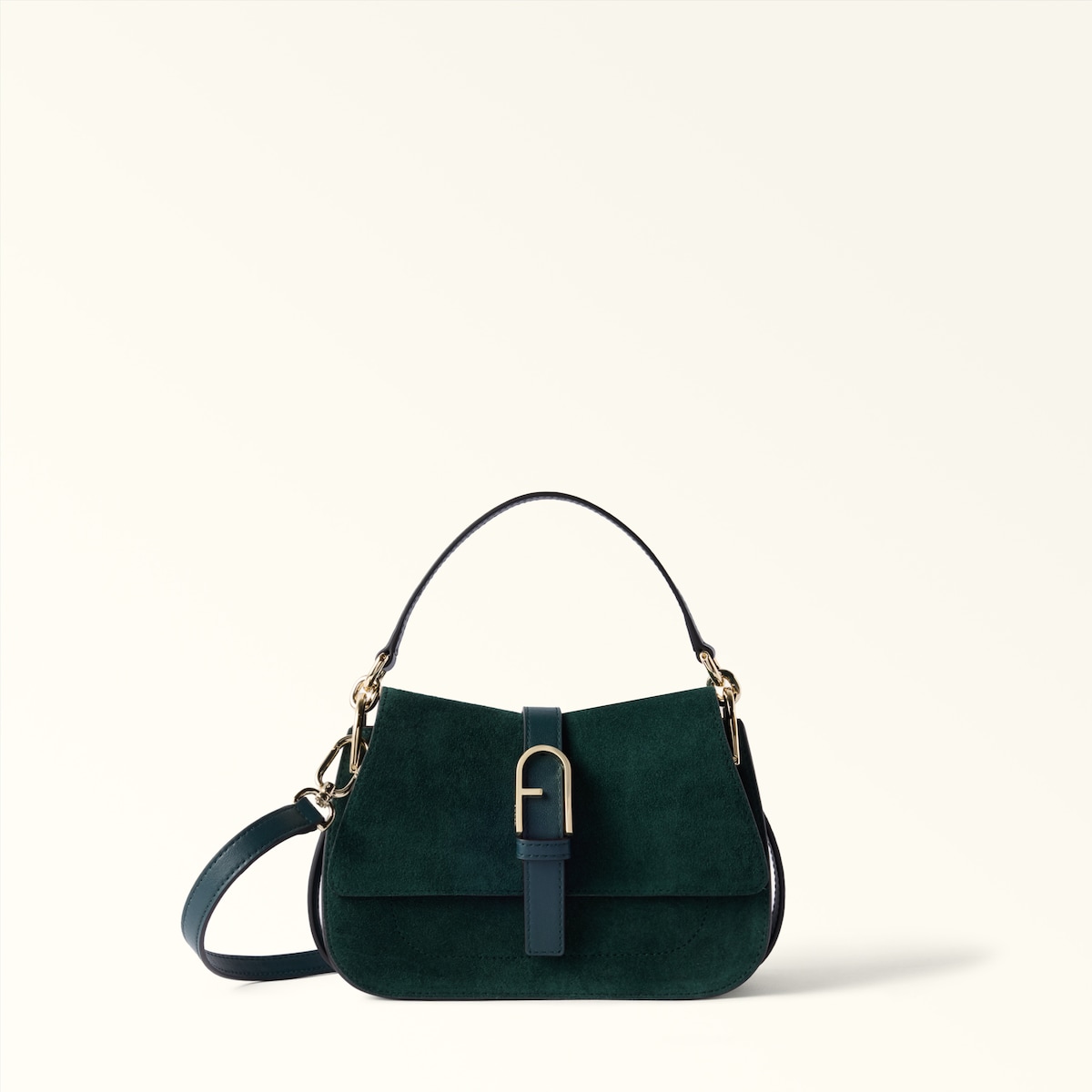
Furla Flow Top Handle MINI
Furla
$528
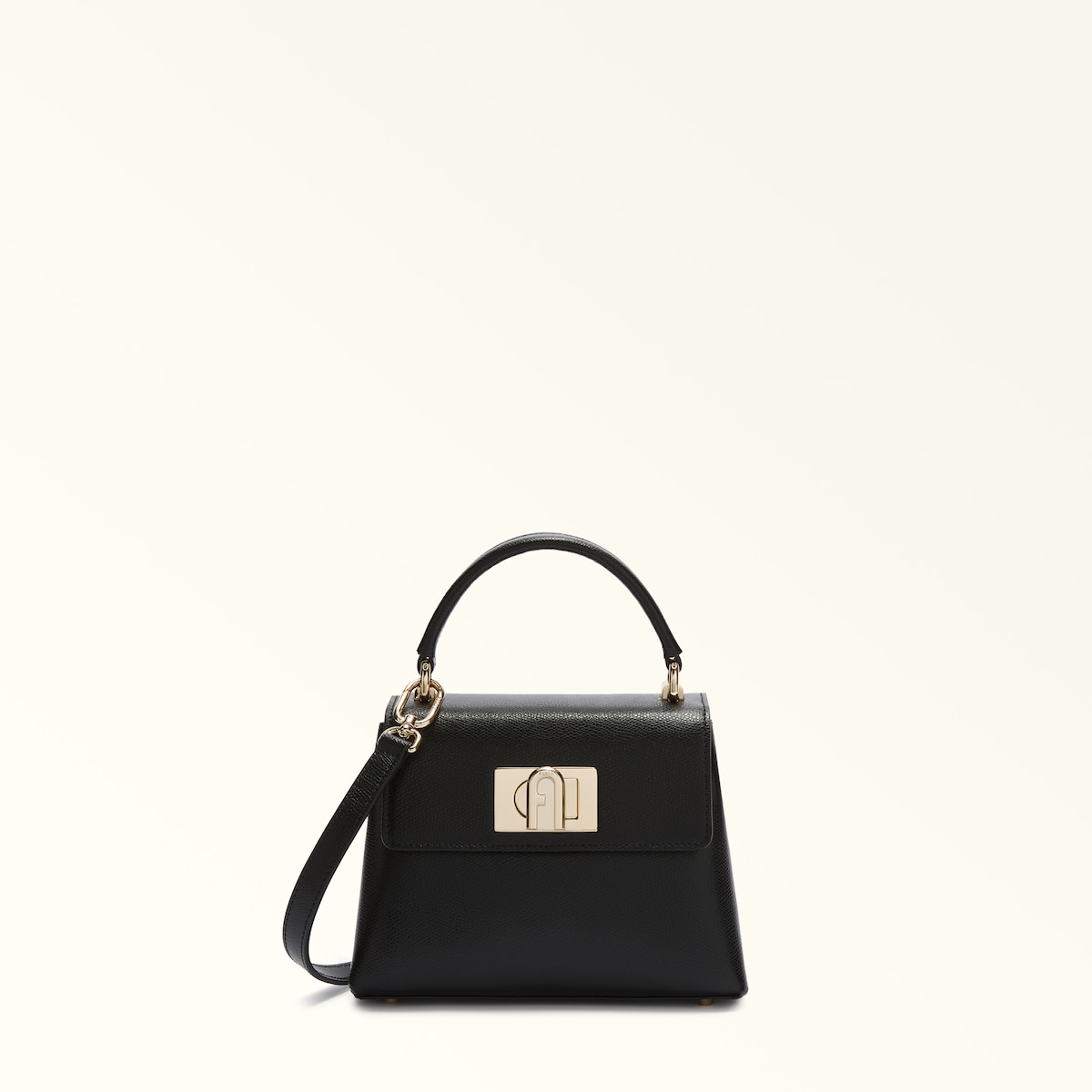
Furla 1927 Top Handle MINI
Furla
$498
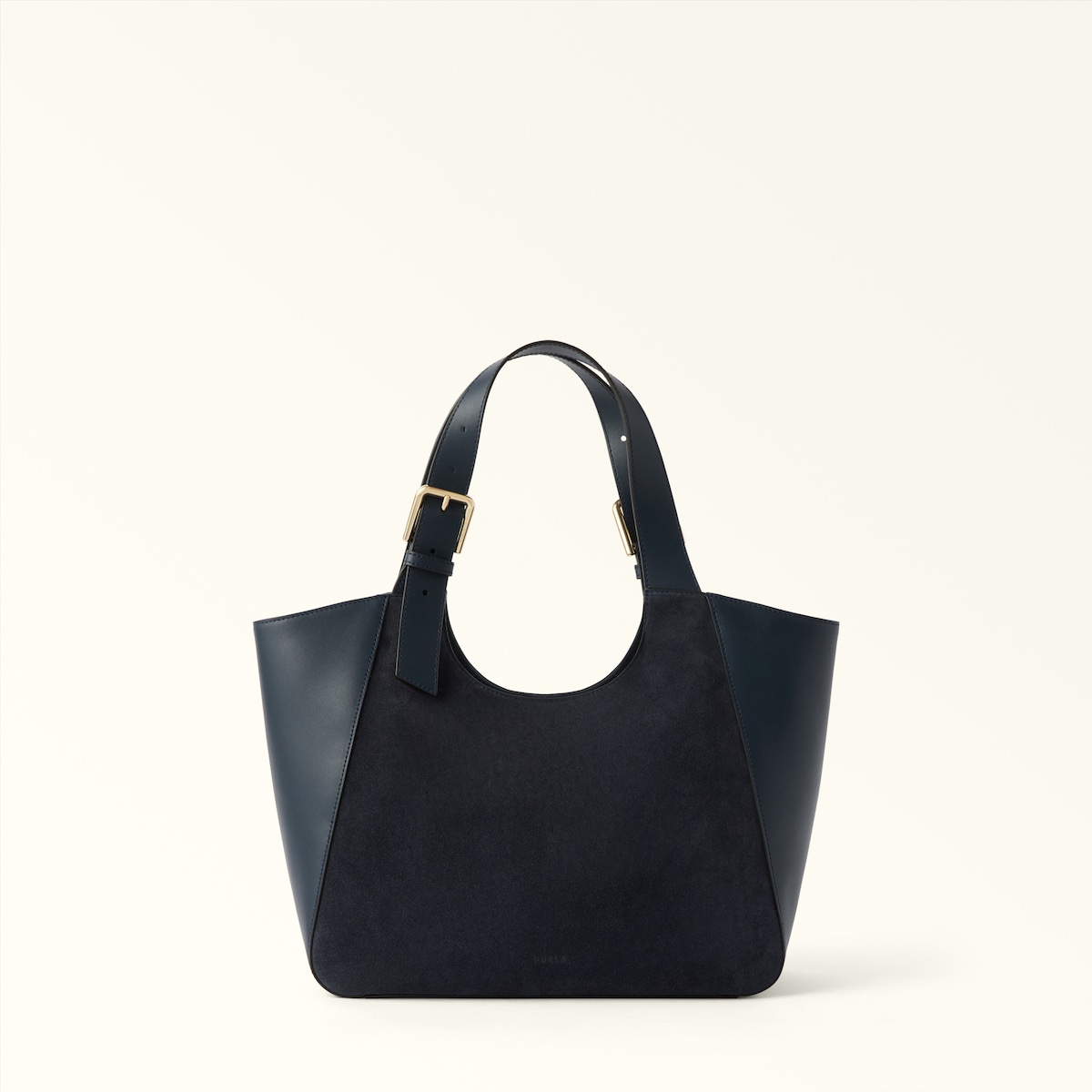
Furla Dora Tote M
Furla
$478
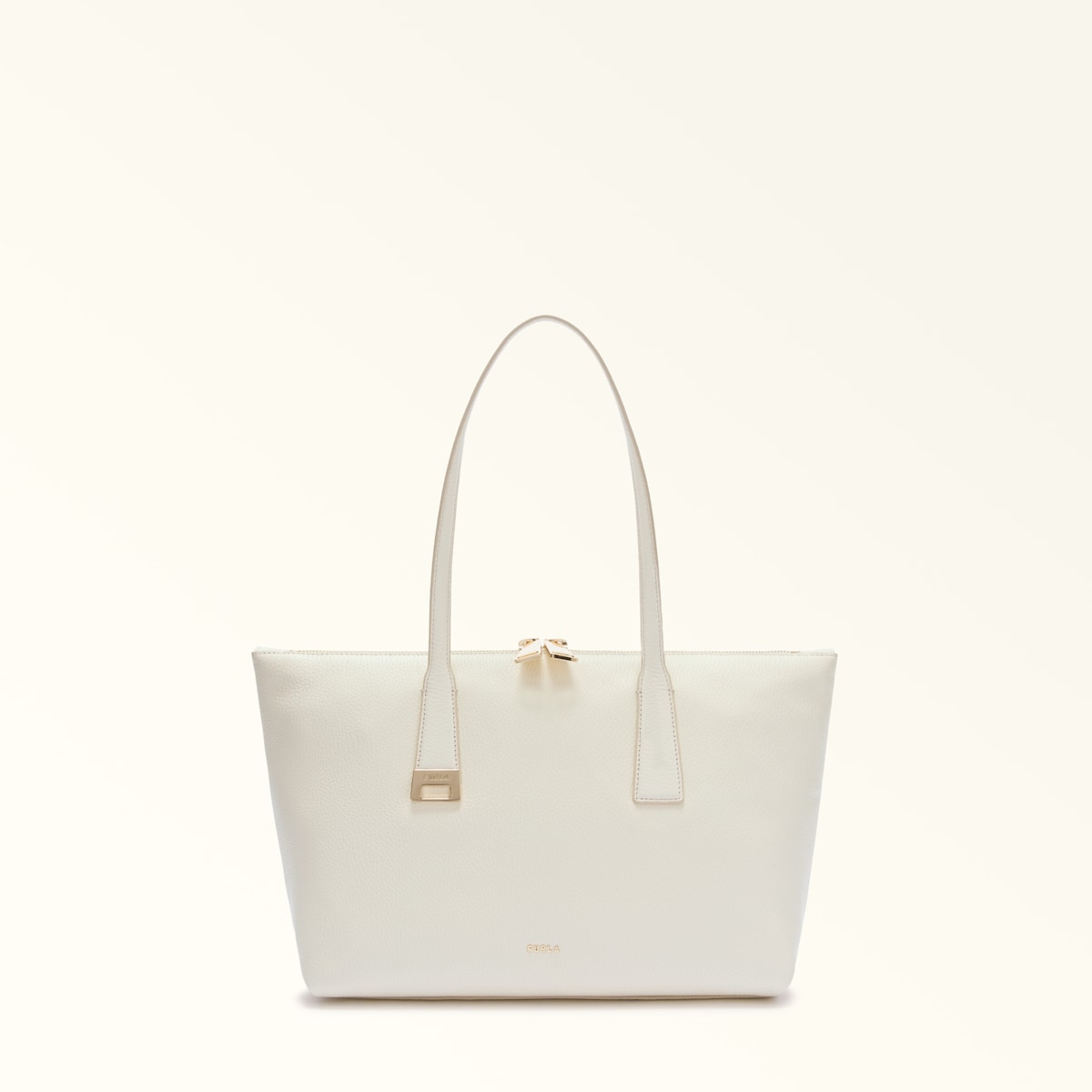
Furla Olivia Tote M
Furla
$398
What each one actually holds
Capacity is where the two shapes genuinely diverge, and not in the direction people assume.
A structured bag holds exactly what its dimensions say and no more. That is the point. A laptop either fits or it does not, nothing shifts around, and you can find a key without excavating. The cost is that it does not stretch on the day you need it to, and it takes up its full volume in a small car or under a plane seat even when almost empty.
A slouchy bag is more forgiving in both directions. It will swallow a jumper you took off, and it will collapse down when it is nearly empty. The cost is that everything inside migrates to the bottom, and a soft bag with too much in it loses the line that made it look good in the first place.
If you carry roughly the same things every day, buy structured. If what you carry changes by the hour, buy slouchy. Most people know which one they are and buy the other.
Slouchy: the bags that fall into a shape

Belted Mimi - Heritage "Broken-In" Leather Black
Parker Thatch
$898

Daily Bag - Wild Zebra
Parker Thatch
$748

Maurice Hobo - Heritage "Broken-In" Leather Tan
Parker Thatch
$778

Jane - Leather Silver
Parker Thatch
$750
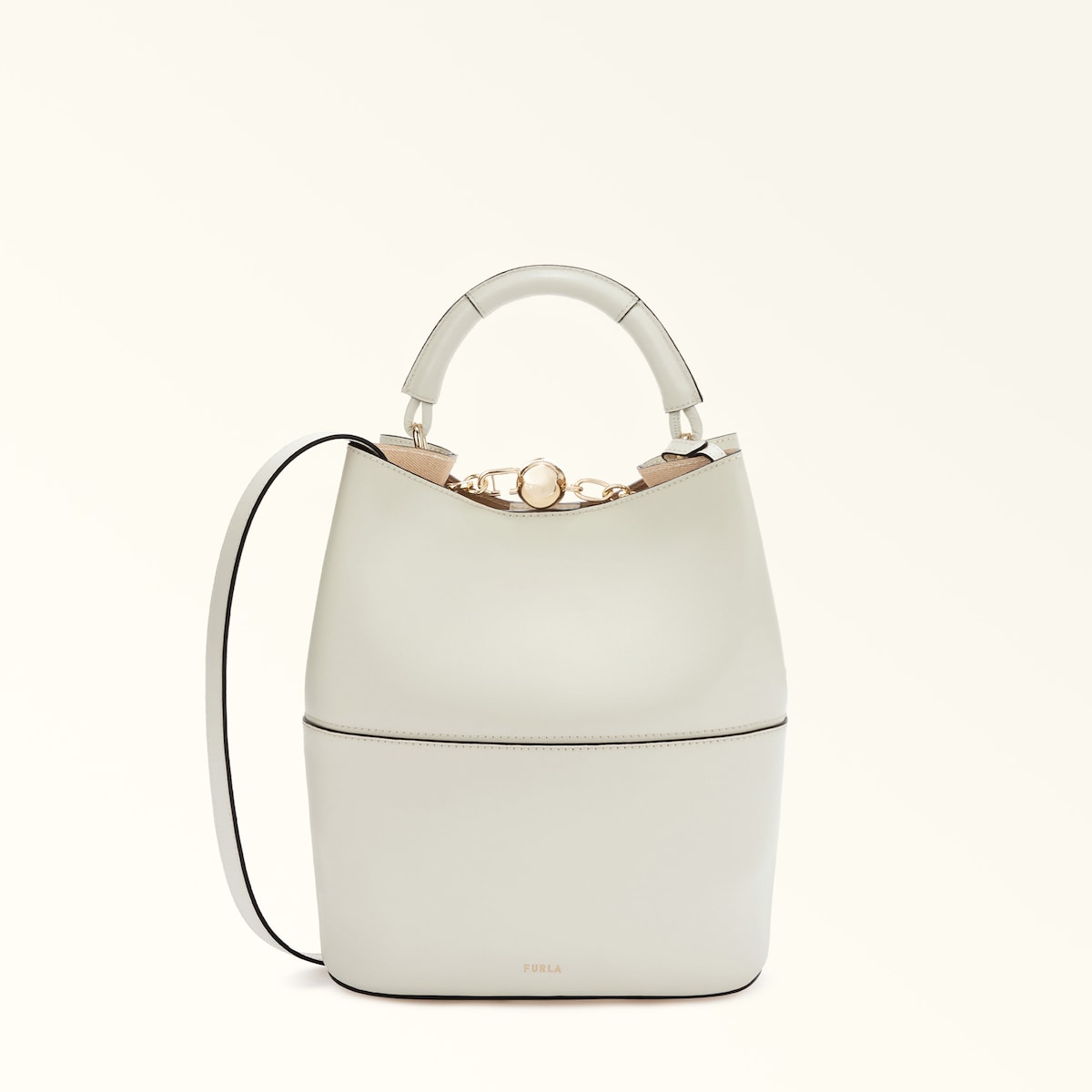
Furla Sfera Bucket Bag S
Furla
$478
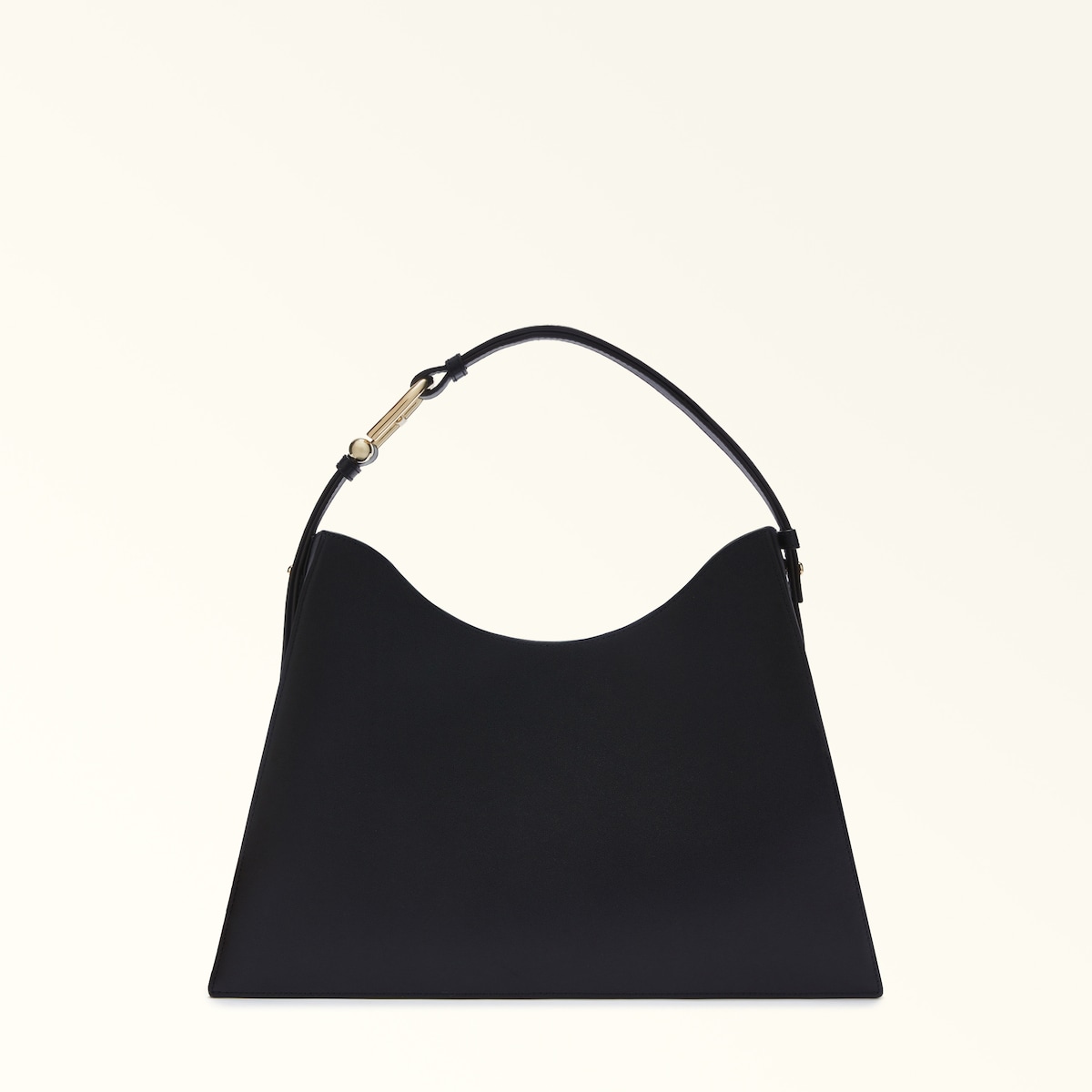
Furla Nuvola Shoulder Bag L
Furla
$438
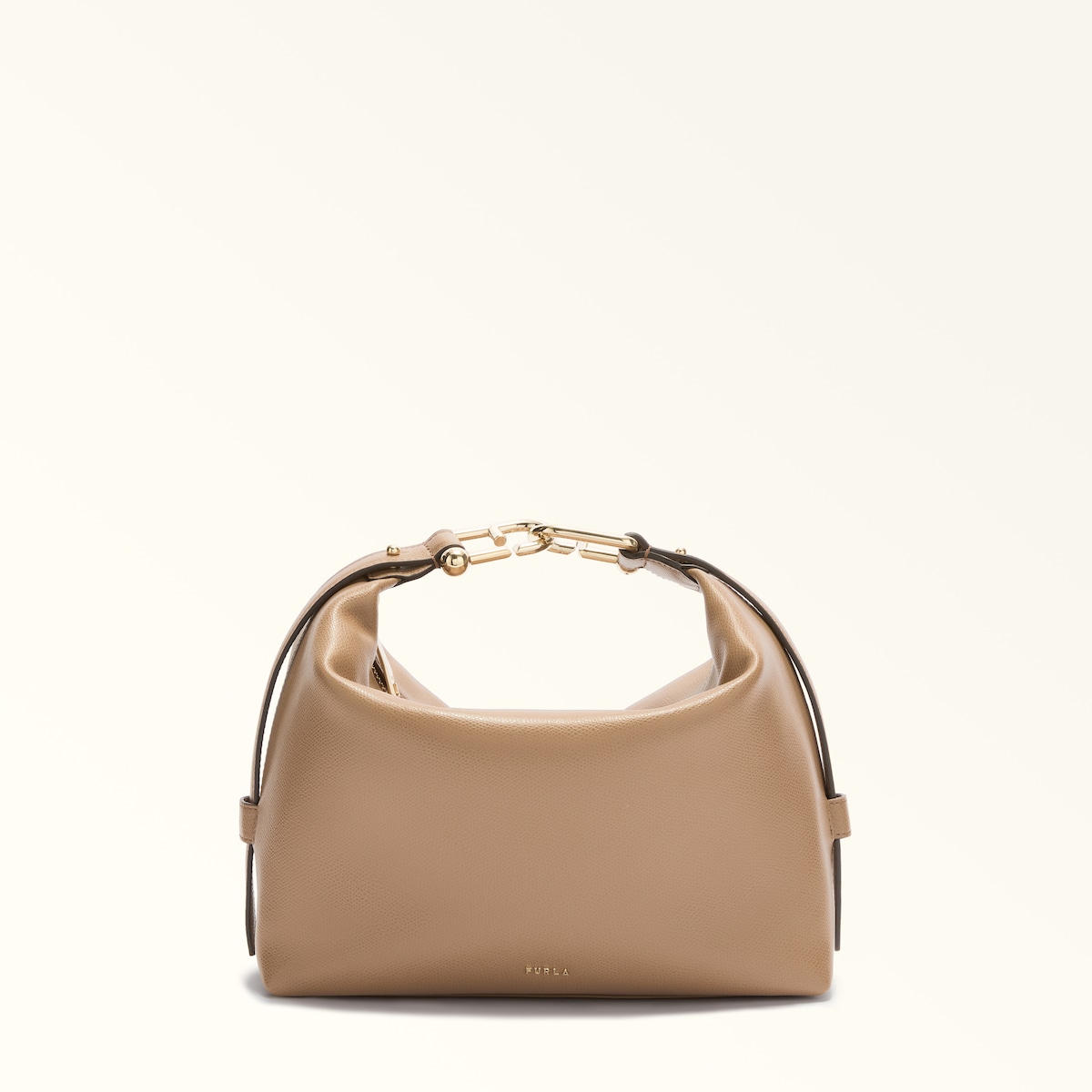
Furla Tonie Shoulder Bag M
Furla
$428
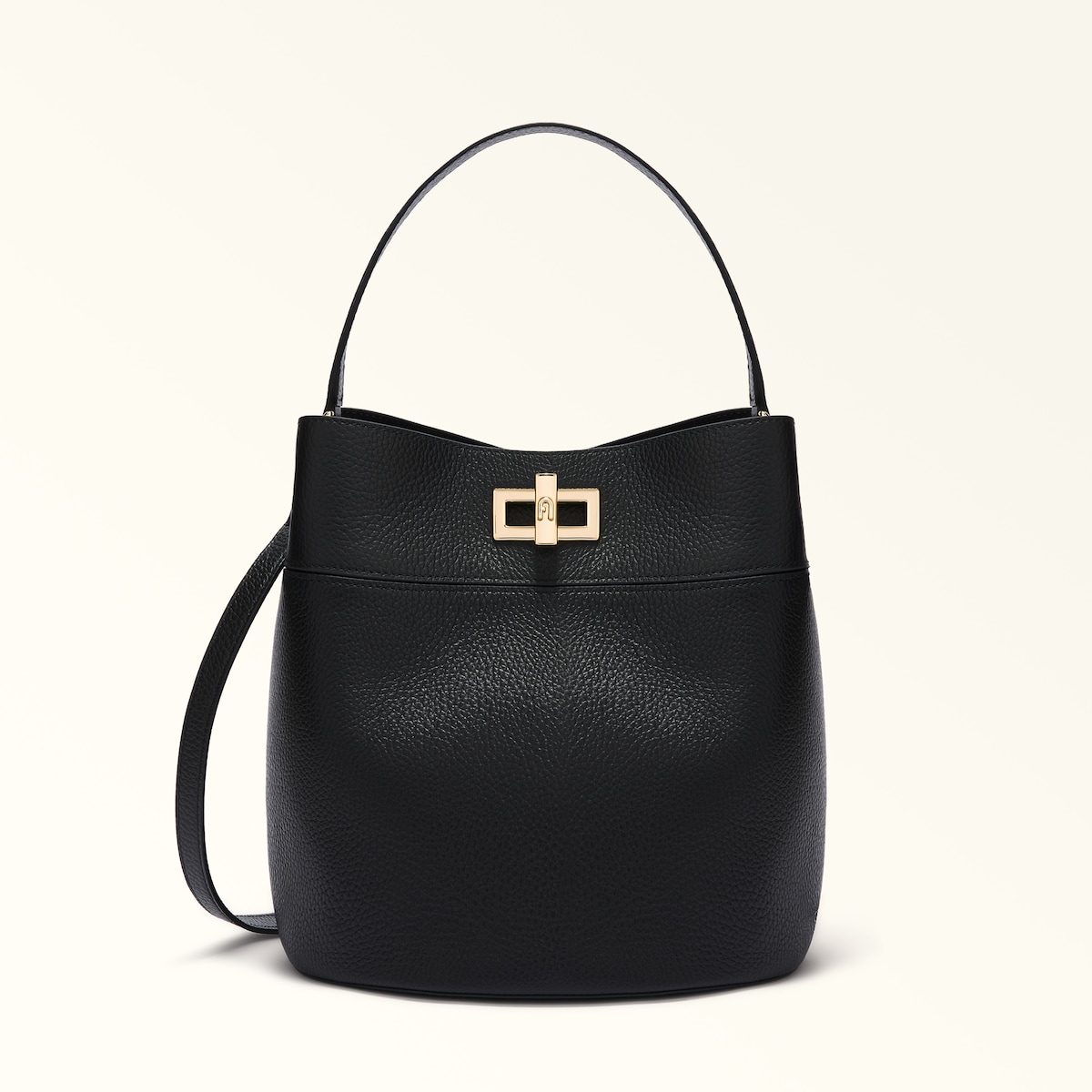
Furla Amelia Bucket Bag M
Furla
$428
How each one reads, and what to wear it with
Structure reads more formal, which is mostly about the silhouette staying put in a photograph. A top-handle or a firm tote is the shape that makes jeans look deliberate, and it is the safer choice for anything where you will be introduced to people. Carried in the hand or on the forearm it does more work than it does on a shoulder.
Slouch reads relaxed, and it flatters volume elsewhere. A soft hobo or bucket under the arm balances a wide trouser or an oversized coat in a way a rigid box cannot, because the bag moves with the clothes instead of arguing with them. The one combination to avoid is a very soft bag with a very soft outfit, where nothing holds a line and the whole thing reads shapeless.
Colour behaves differently too. A structured bag can take a loud print or an animal pattern, because the shape anchors it. On a slouchy bag the same print moves and folds, and it reads busier than you expect.
Small, and still one shape or the other

Everyday Phone Wallet Crossbody - Striped Hair
Parker Thatch
$198

Little Buddy - Suede Wineberry
Parker Thatch
$248

Keeper Clutch - "Broken-In" Leather Croc Chocolate
Parker Thatch
$378

Mini Zoe Satchel - Suede Blush Croco
Parker Thatch
$548
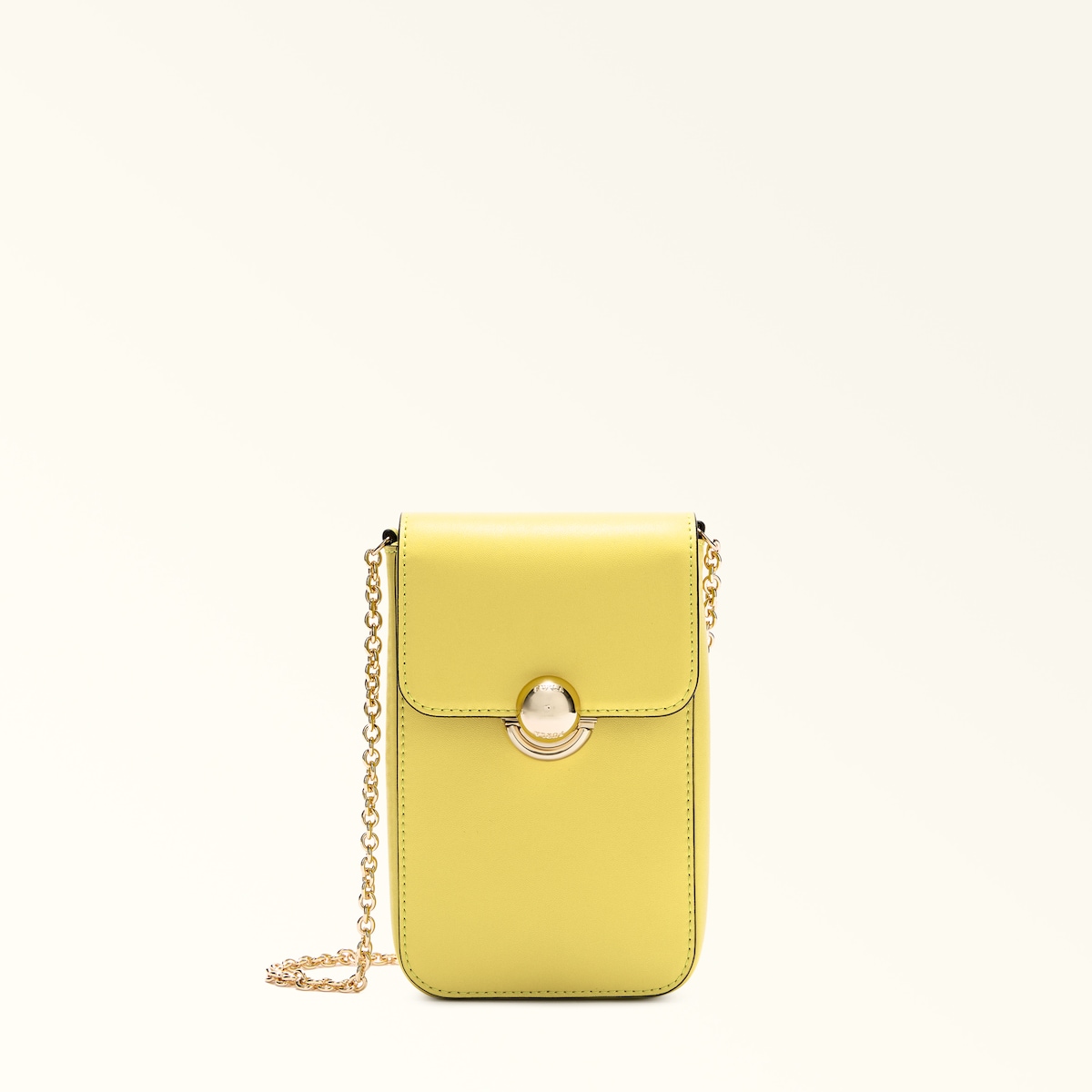
Furla Sfera Vertical Crossbody
Furla
$109
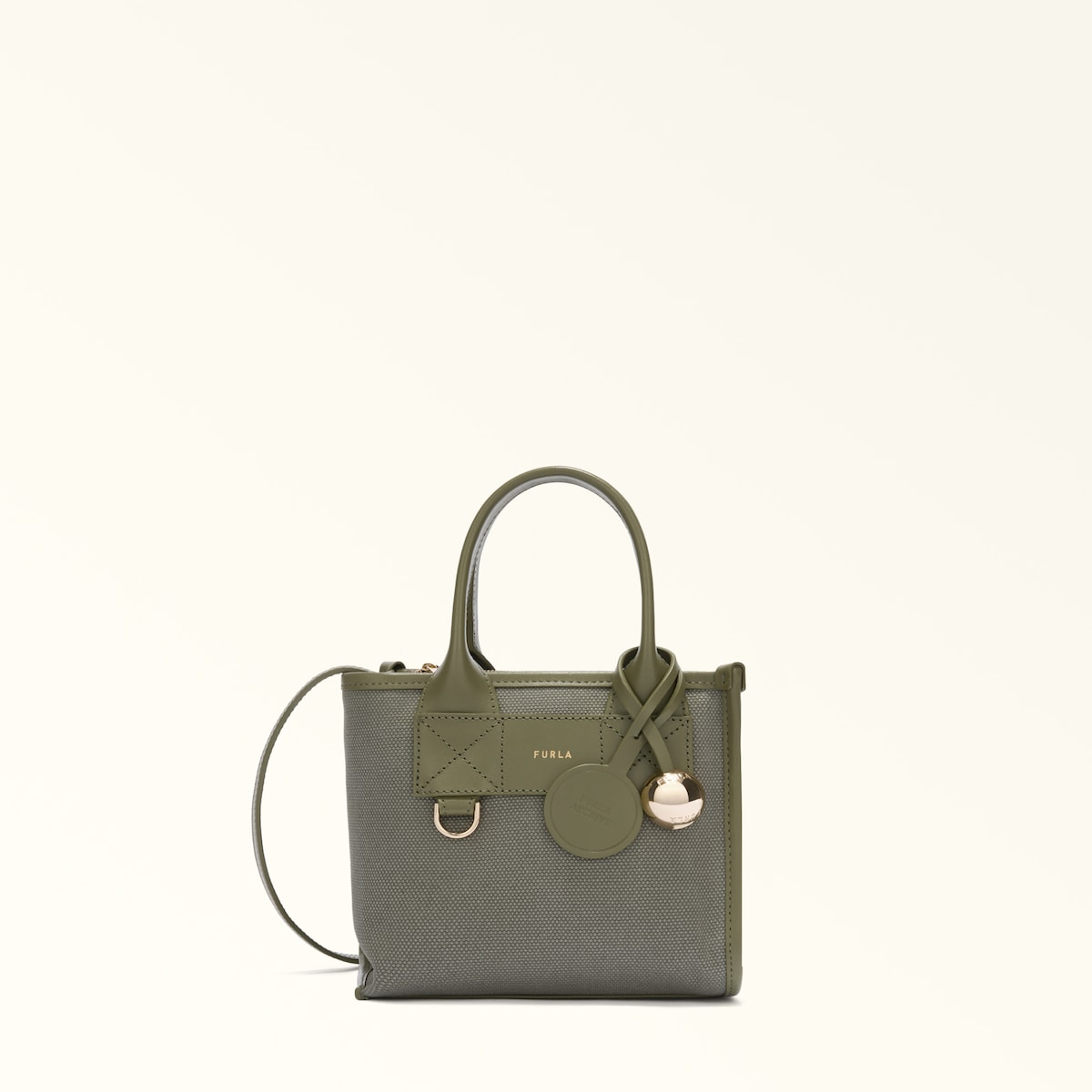
Furla Divide It Tote MINI
Furla
$178
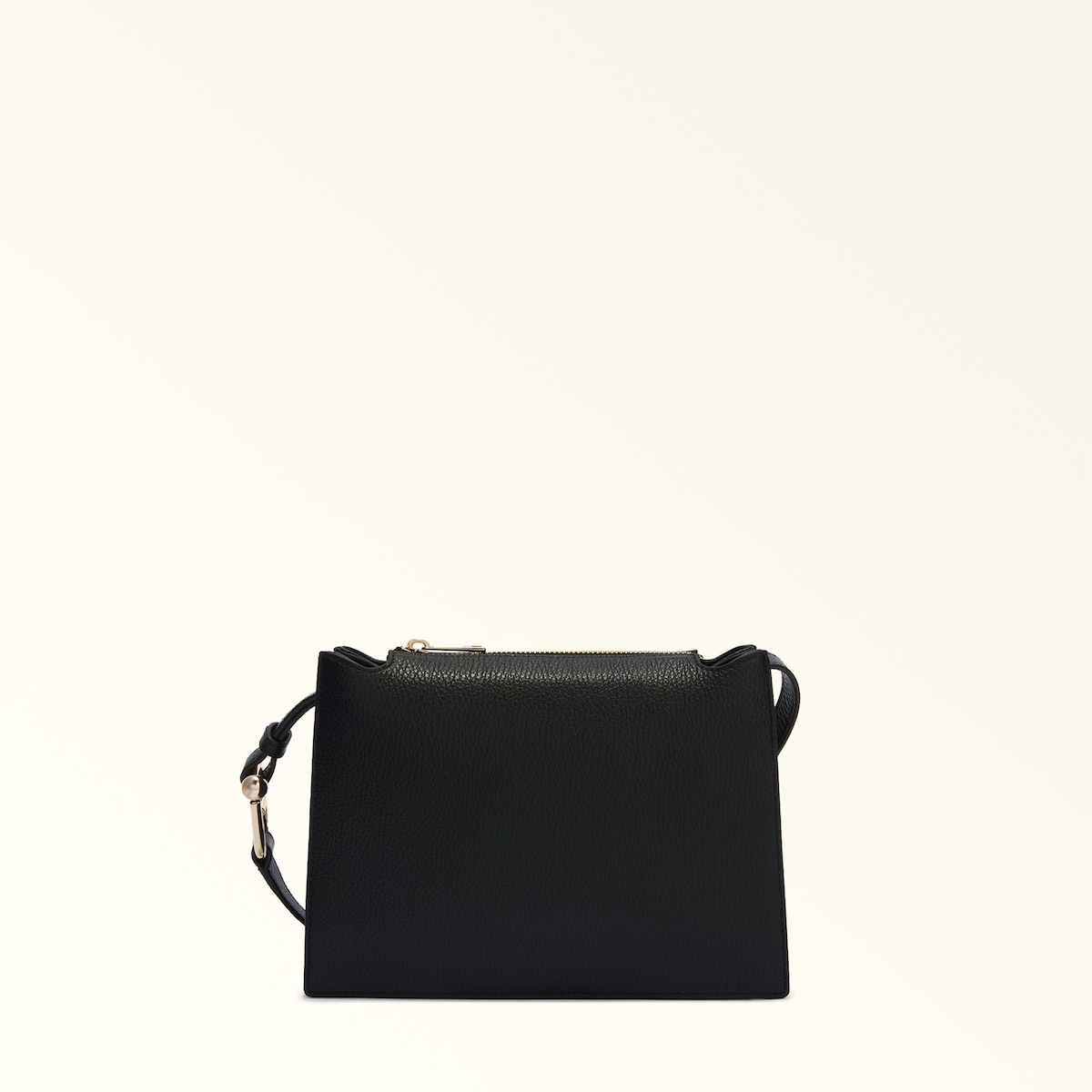
Furla Nuvola Crossbody S
Furla
$189
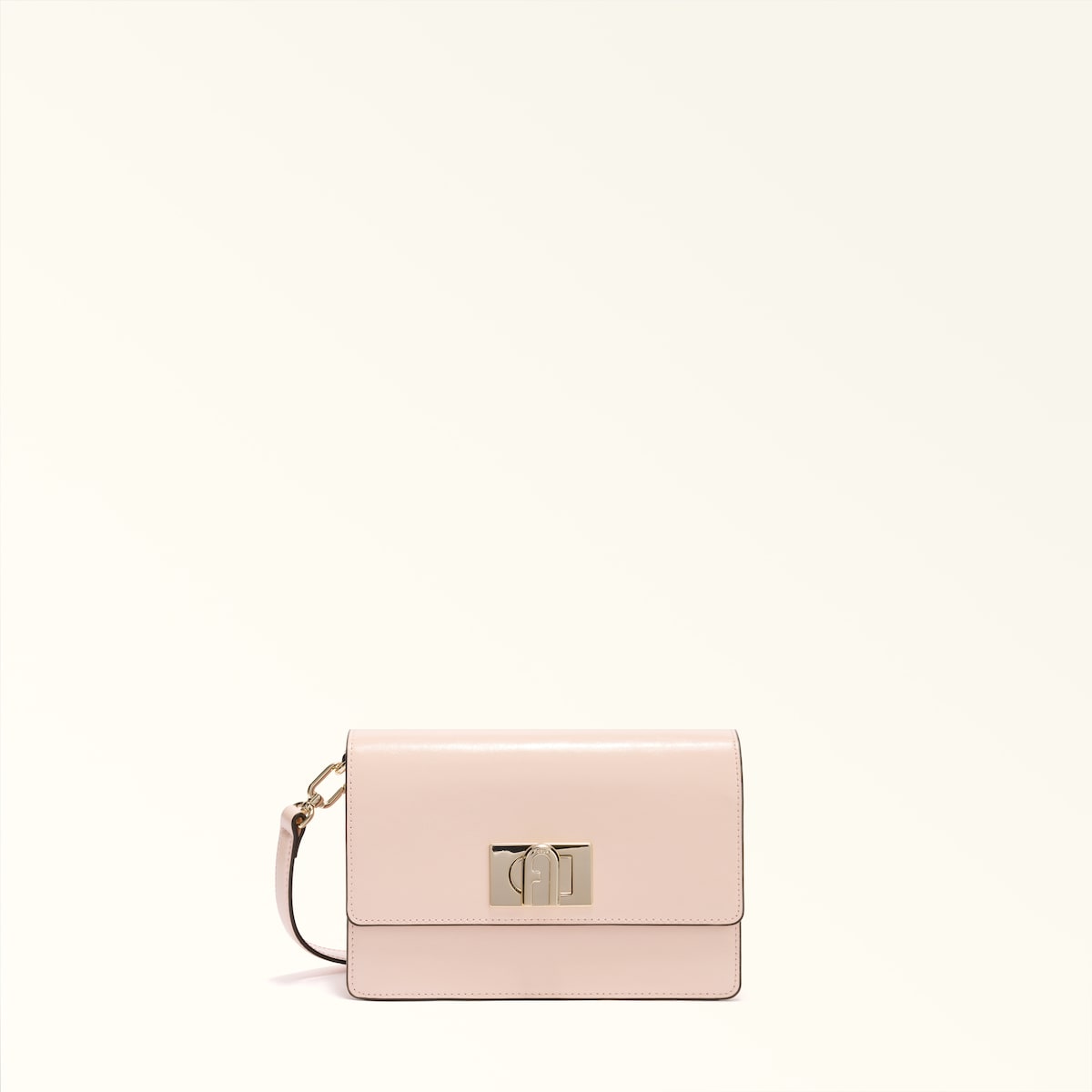
Furla 1927 Crossbody MINI
Furla
$199
A note from the Phia editors
If you are buying one bag, buy the structured one. It works in more situations, it survives a full day of being put on the floor, and it is the shape that still looks composed when you are not. The slouchy bag is the better second bag and the more pleasurable one to own, and we would not want to be without one, but it asks more of the outfit around it.
Two things we would skip: a soft bag in a stiff, heavily coated leather, which slouches badly and creases worse, and a structured bag in a size you have not measured against your laptop.
If you take one thing away: put your actual daily contents on a table, and buy the shape that holds them without straining or swimming.