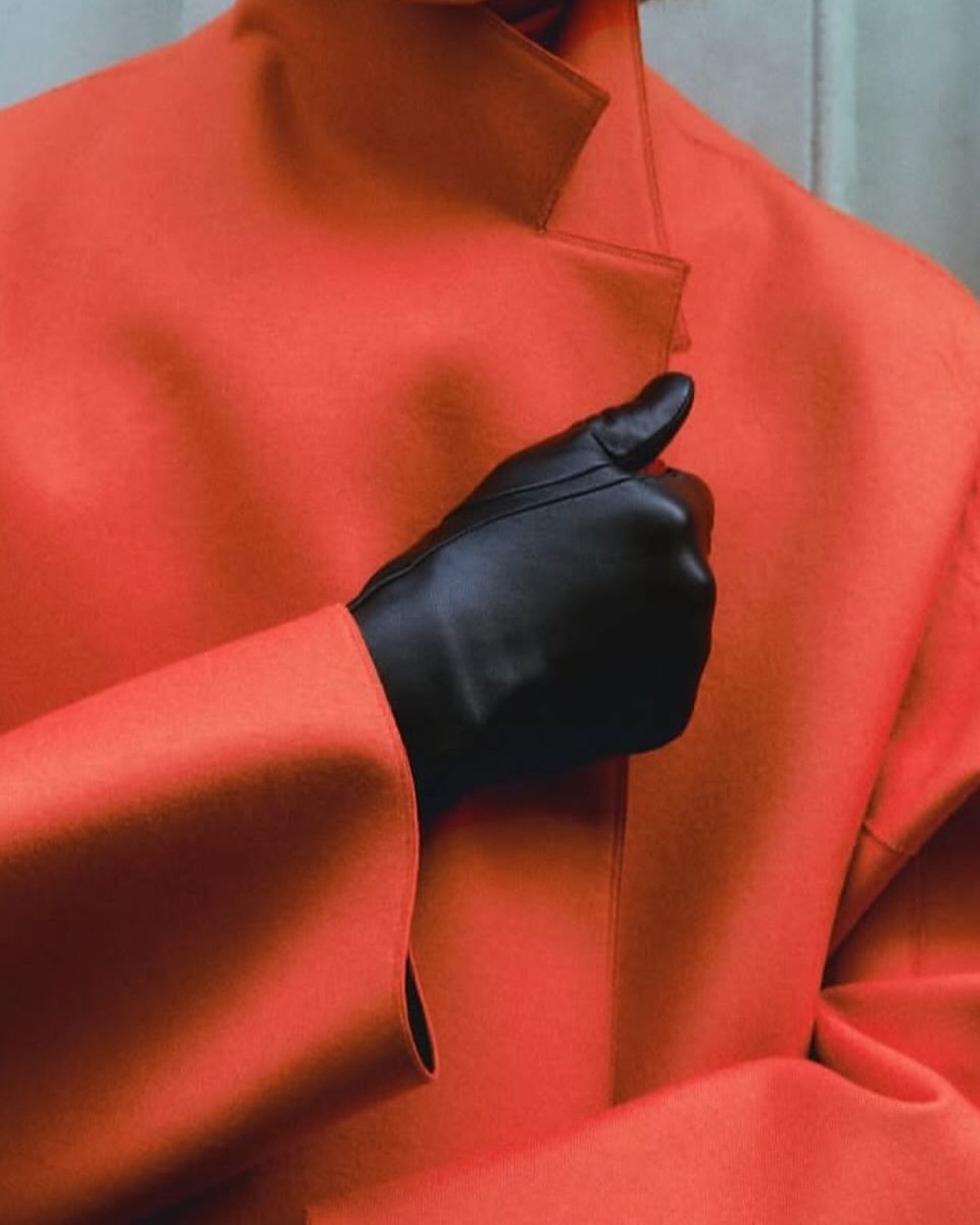
Canada Goose is public, but Bain Capital remains its controlling shareholder, with founder Sam Tick’s grandson Dani Reiss still CEO.
Who Owns Canada Goose? Bain Capital Still Controls The Votes
The Votes Tell The Story
Canada Goose is a publicly traded company controlled by Bain Capital, which took a majority stake in 2013. The latest detailed ownership numbers in the company’s fiscal 2026 annual report are as of March 29, 2026: Bain held about 55.5% of the combined voting power and chairman and CEO Dani Reiss held about 36.2%. Multiple voting shares carry ten votes each, while public subordinate shares carry one, so buying GOOS is not the same as buying control. That is the plain answer to who owns Canada Goose today.
The Canada Goose parent company is Canada Goose Holdings Inc., listed on the New York and Toronto exchanges under GOOS, with its principal office in Toronto. Reiss is Sam Tick’s grandson, and his role keeps the family story close to the business even as outside shareholders own shares. If you mean who makes Canada Goose, the company says nearly all of its down-filled outerwear was manufactured in Canada in fiscal 2026. I think the interesting point is less a single owner’s name than the split between public stock and concentrated voting rights.
A Factory Before A Fashion Label
Who founded Canada Goose? Sam Tick started Metro Sportswear in a small Toronto warehouse in 1957, making wool vests, raincoats, and snowmobile suits. His son-in-law David Reiss brought the down-filling machine and the Snow Goose label in the 1970s, and that label eventually became Canada Goose. Dani Reiss, David’s son and Sam’s grandson, joined in 1997 and became President and CEO in 2001. The origin is more factory floor than fashion fantasy, which is exactly why I like it.
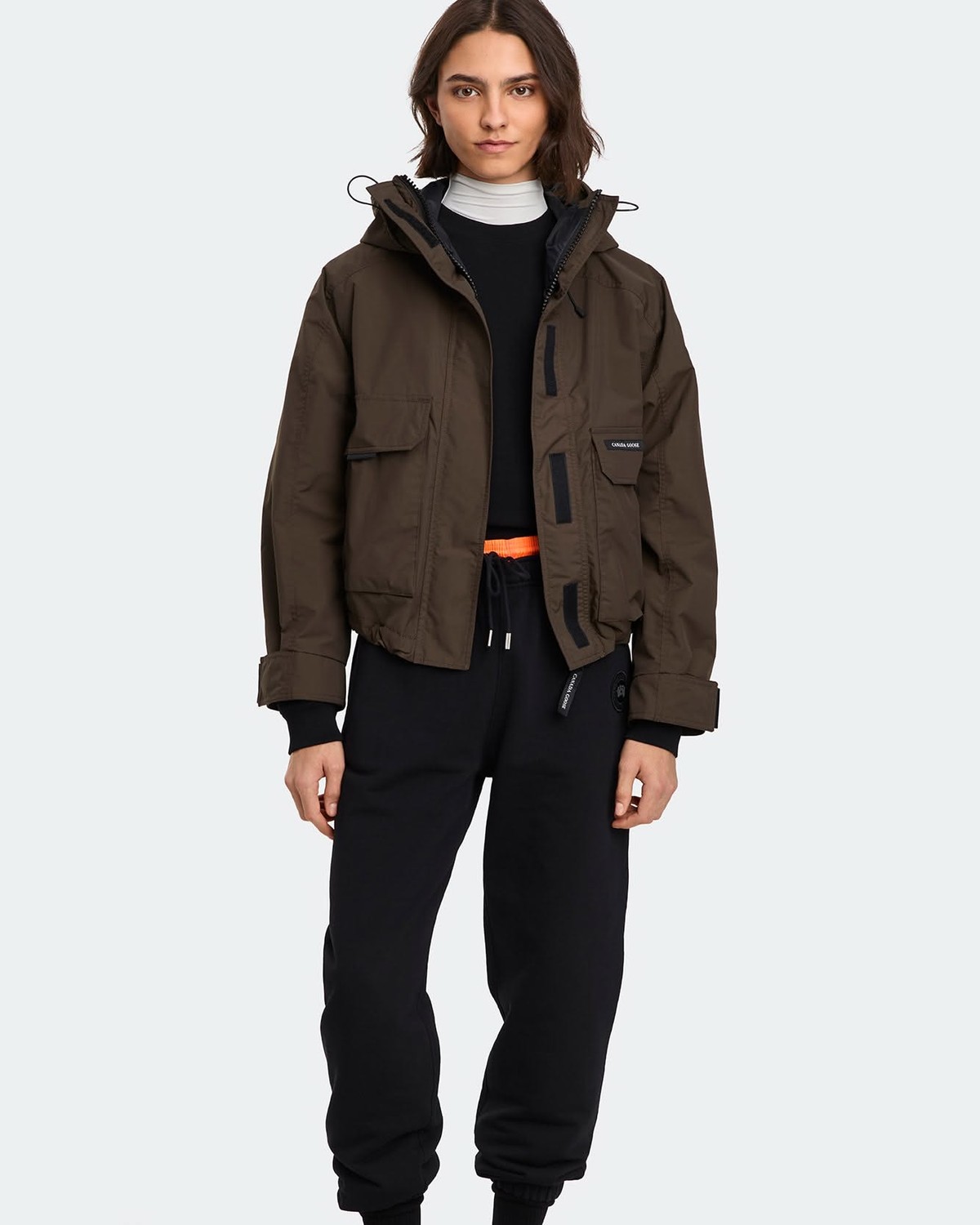
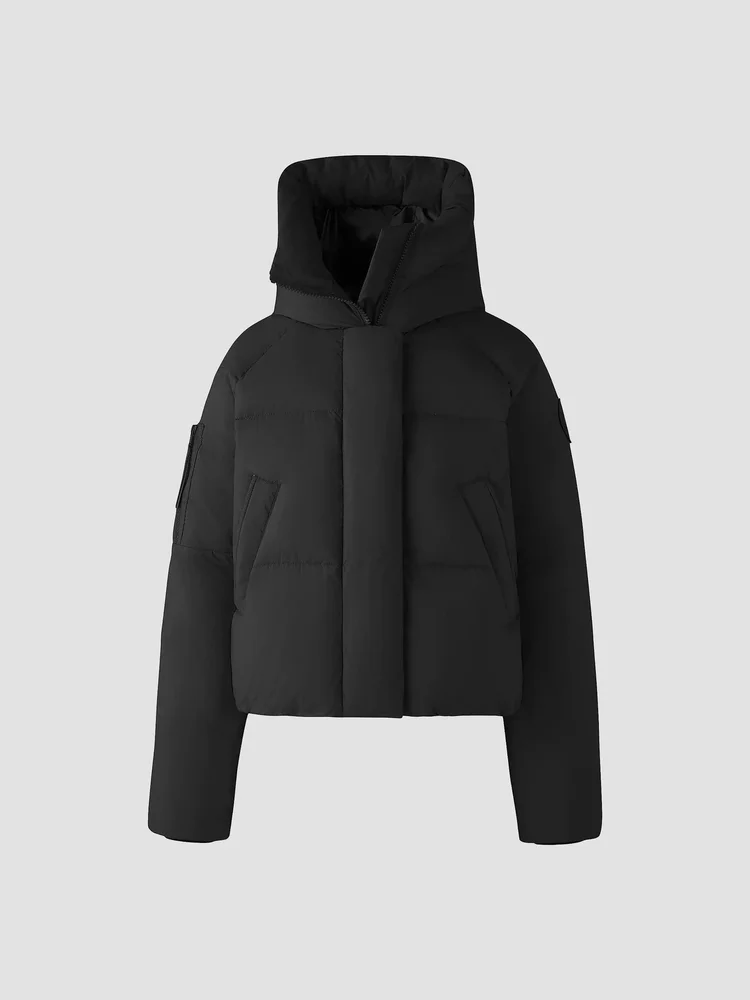
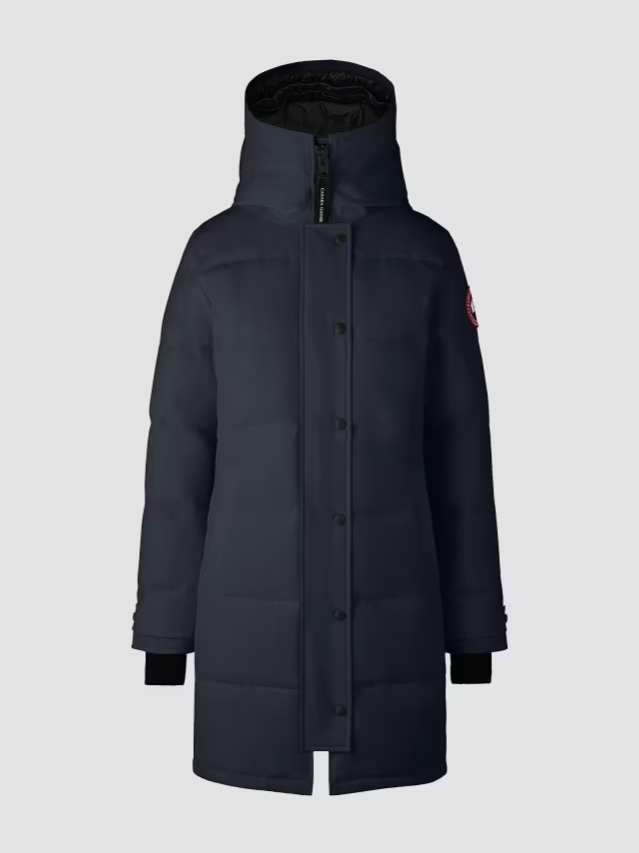
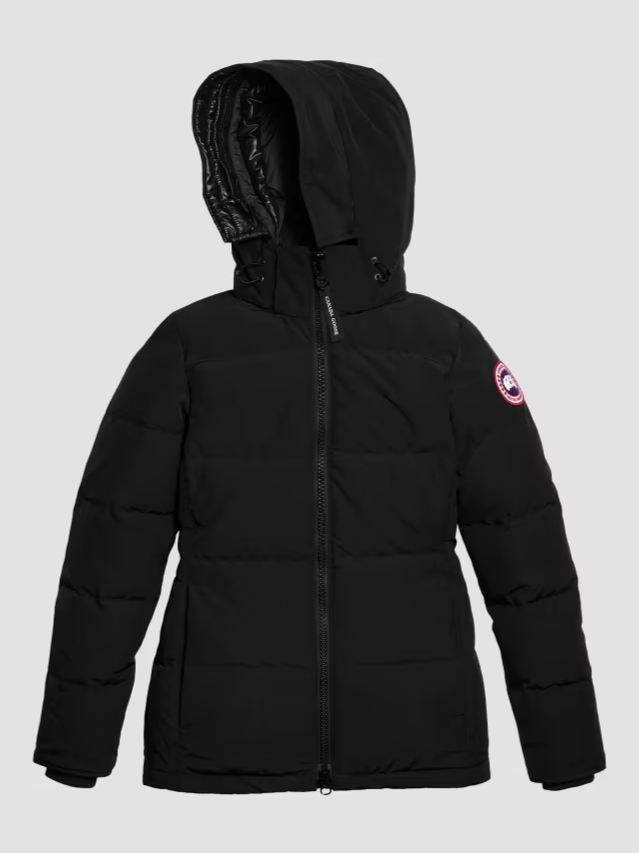
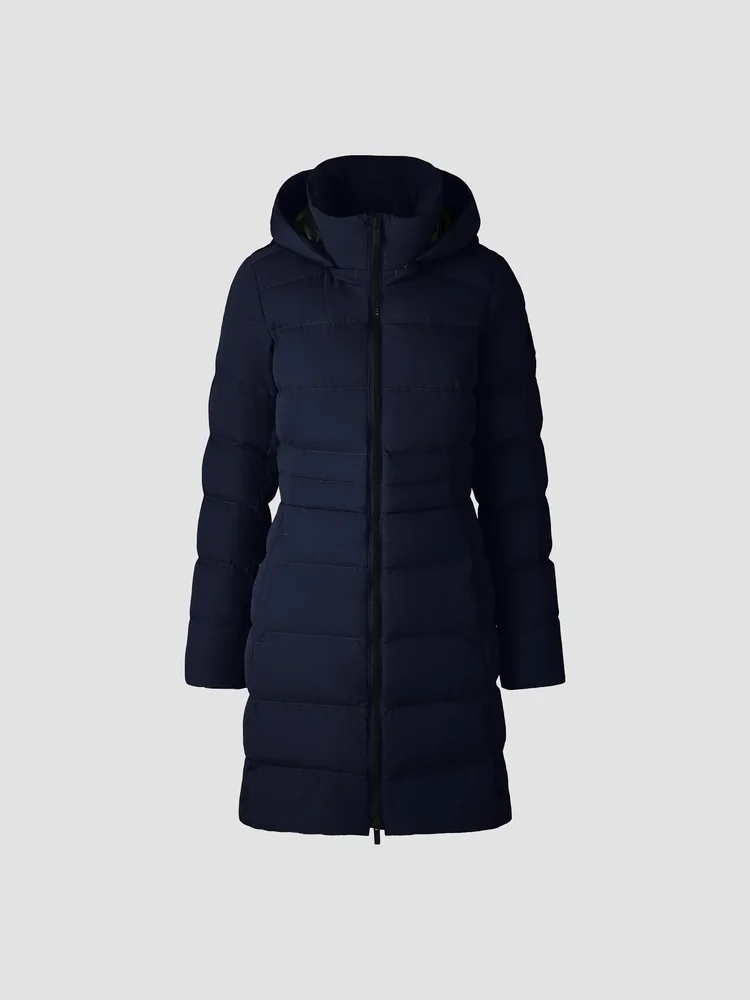
The weather-ready brief is still readable in the Chilliwack Hooded Puffer Jacket, a short puffer with a snorkel hood and backpack straps; the Shelburne Parka is the longer coverage option. The Chelsea Parka keeps things hip-length and quilted, while the Aurora Parka is a simple zip-front choice with a removable hood. My first pick here is the Chilliwack if I want a shorter parka, because the cut feels less imposing than a full-length coat.
A Public Company, A Bain Controller
Canada Goose was a family business before Bain bought a 70% equity interest in 2013, while Dani Reiss remained President and CEO with a significant minority stake. The brand went public in March 2017 on the New York and Toronto exchanges. Neither event erased the family connection, but the voting design has kept real influence concentrated: the annual report describes Bain as the controller, with Reiss holding another large voting block. I would not call a stock market debut a clean handoff.
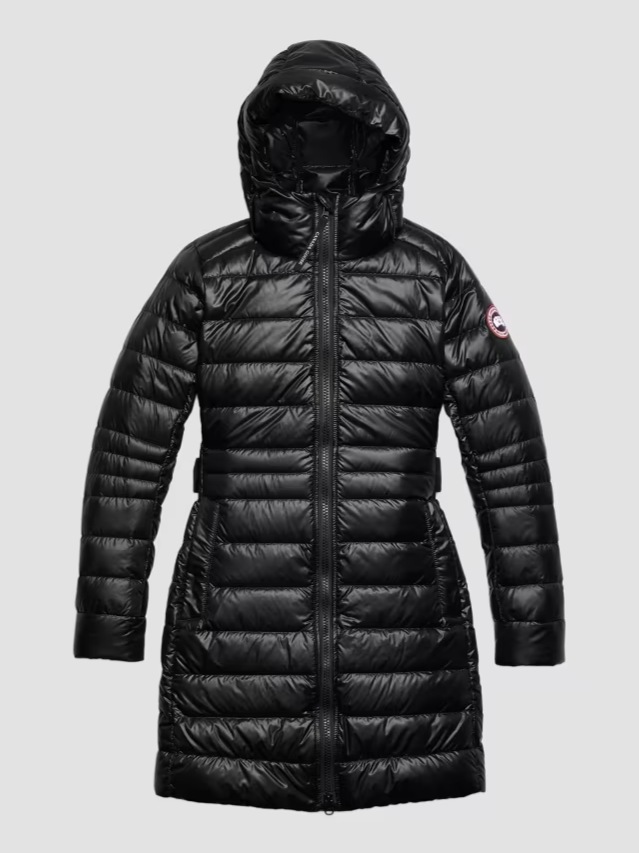
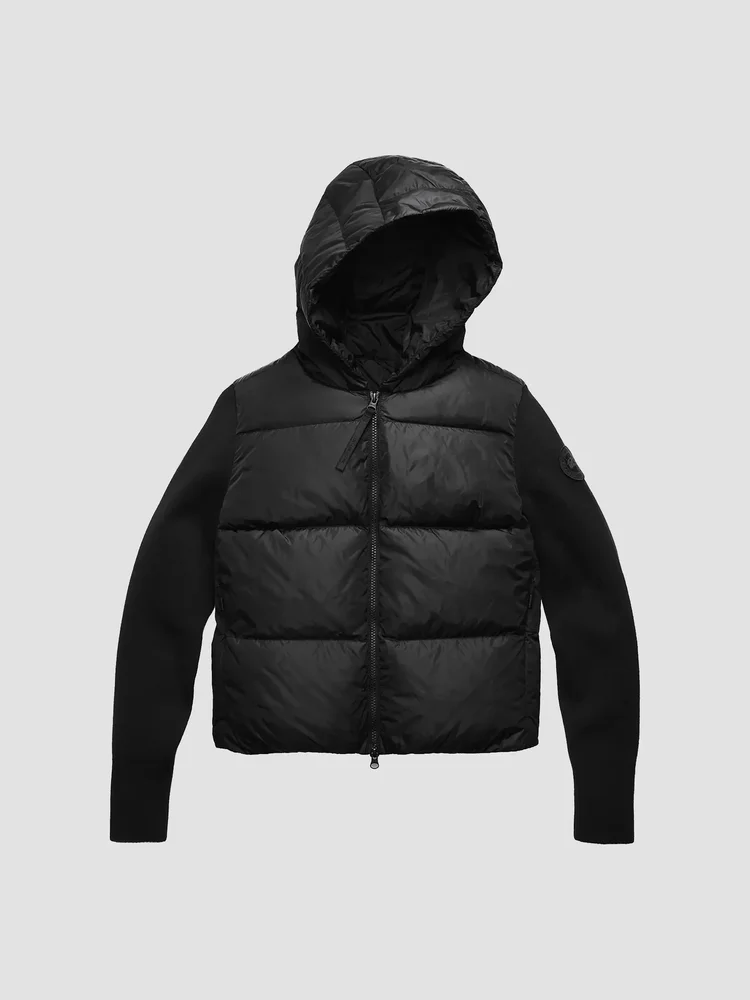
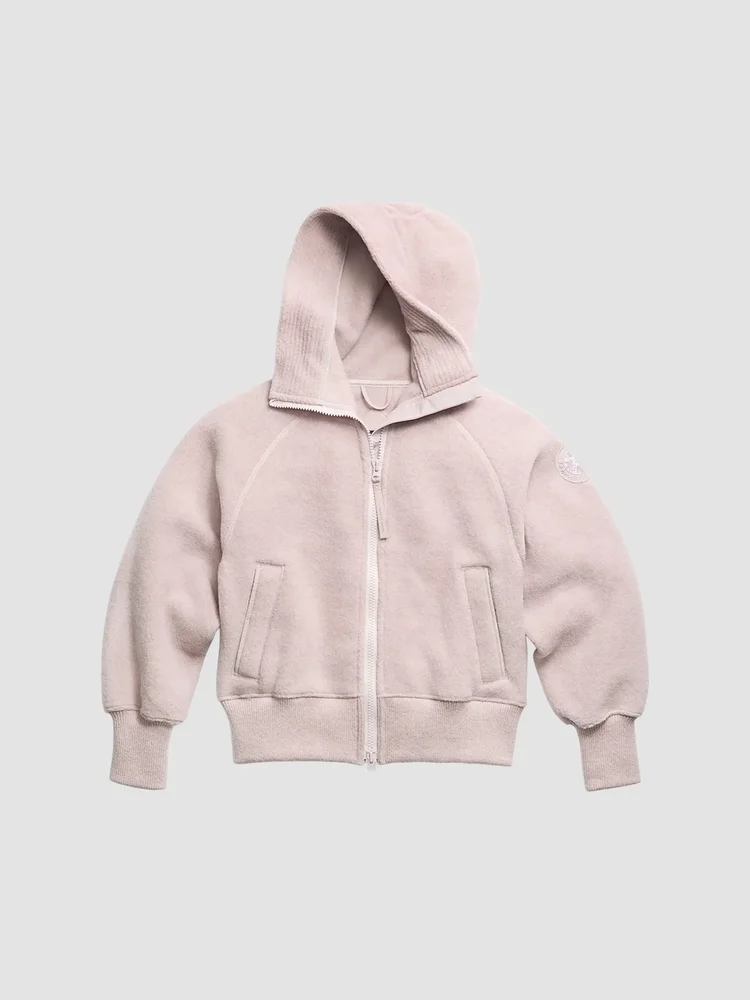
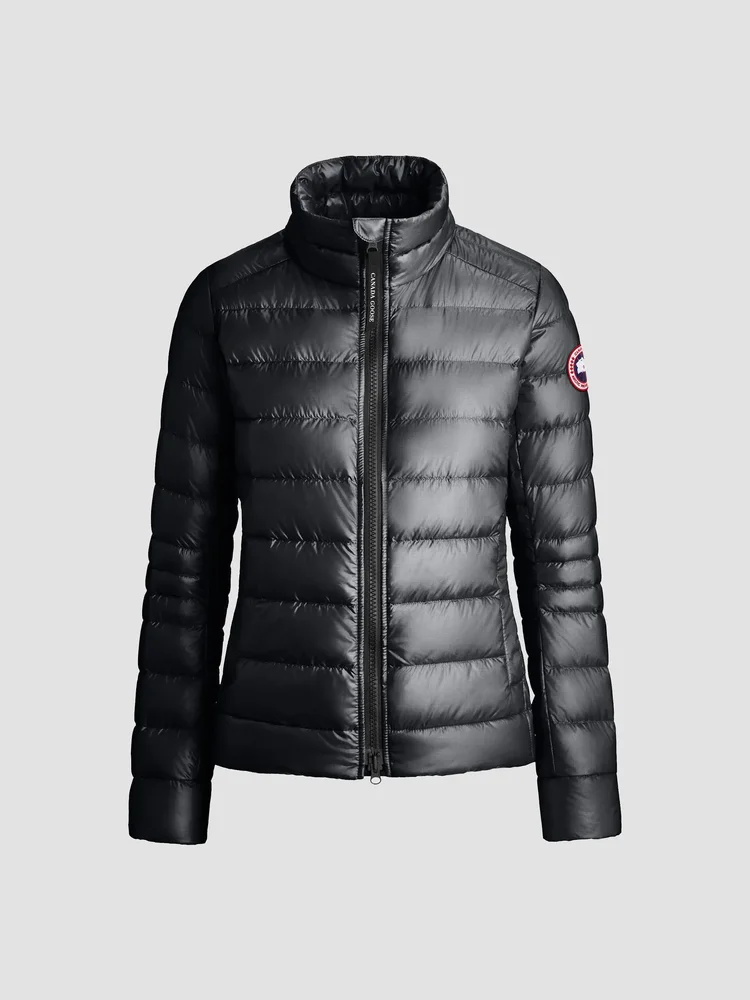
The Canadian manufacturing story is one product detail that can be verified: nearly all down-filled outerwear was made in Canada in fiscal 2026. The current assortment also stretches from big-weather parkas to lighter knits and fleece. The Cypress Hooded Jacket is longer and packs into its pocket; the Elba Hooded Puffer folds into an interior pocket; the Hybridge Wide Quilt Hooded Puffer pairs wide quilting with merino sleeves; the Chilliwack Fleece Bomber trades down fill for high-pile fleece. My choice is Cypress for travel and Elba for a shorter, casual layer.
Where I Would Start
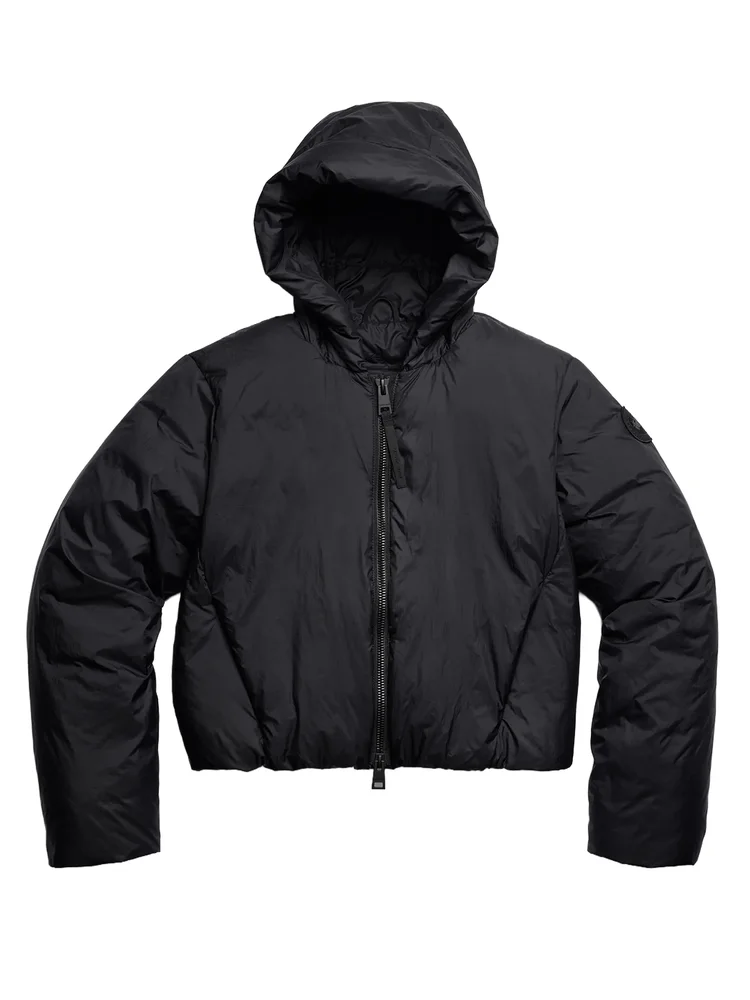
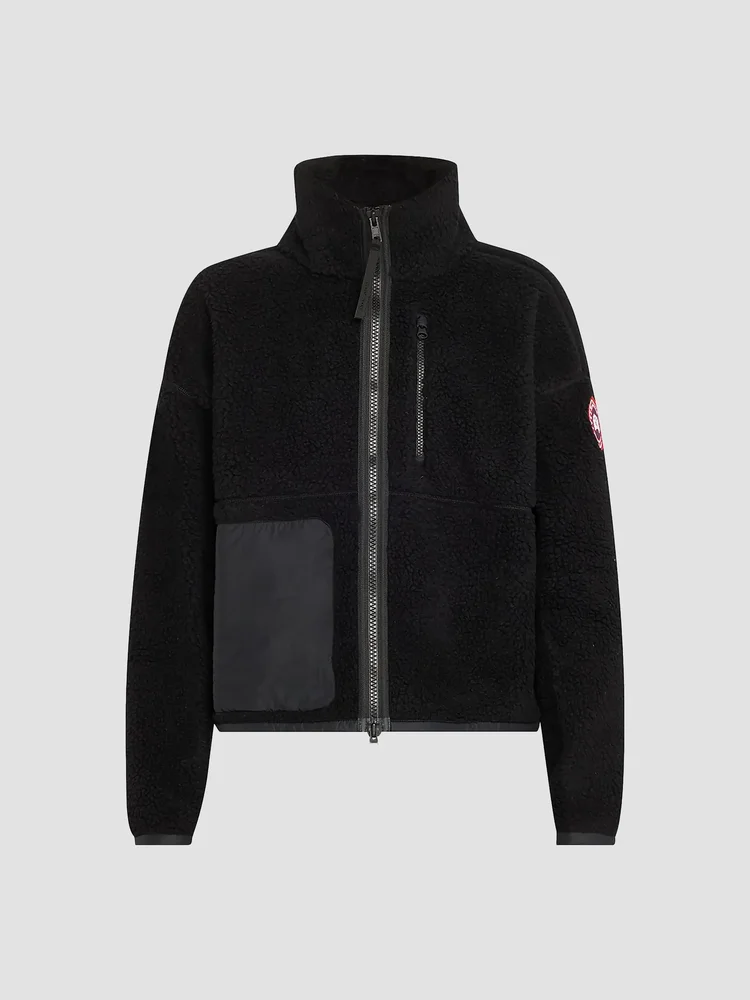
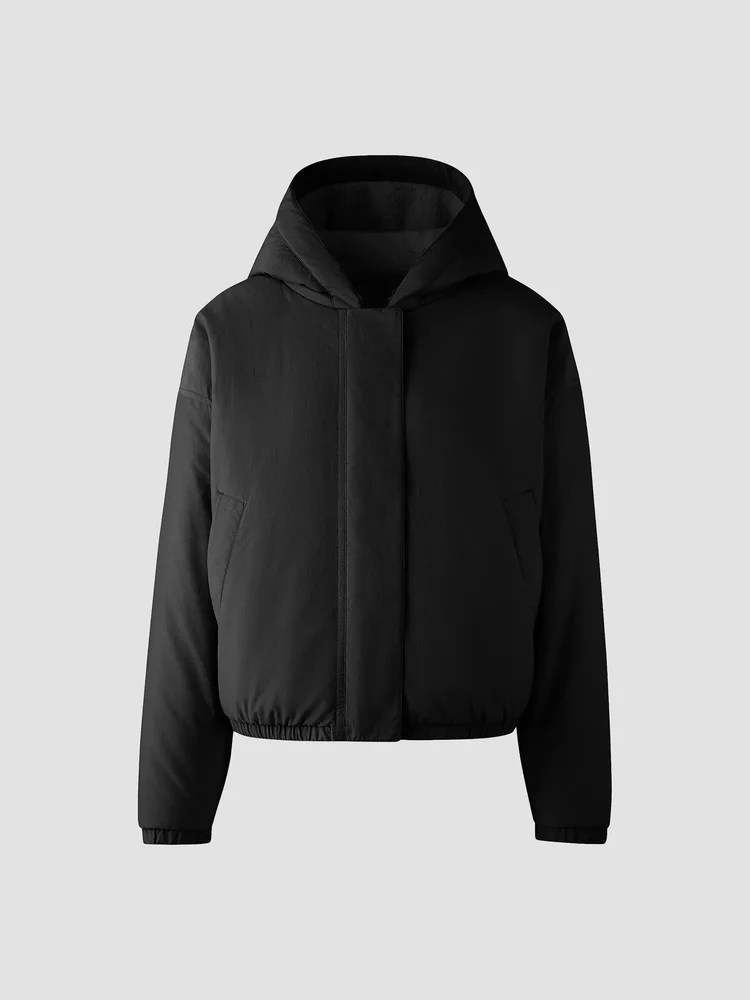
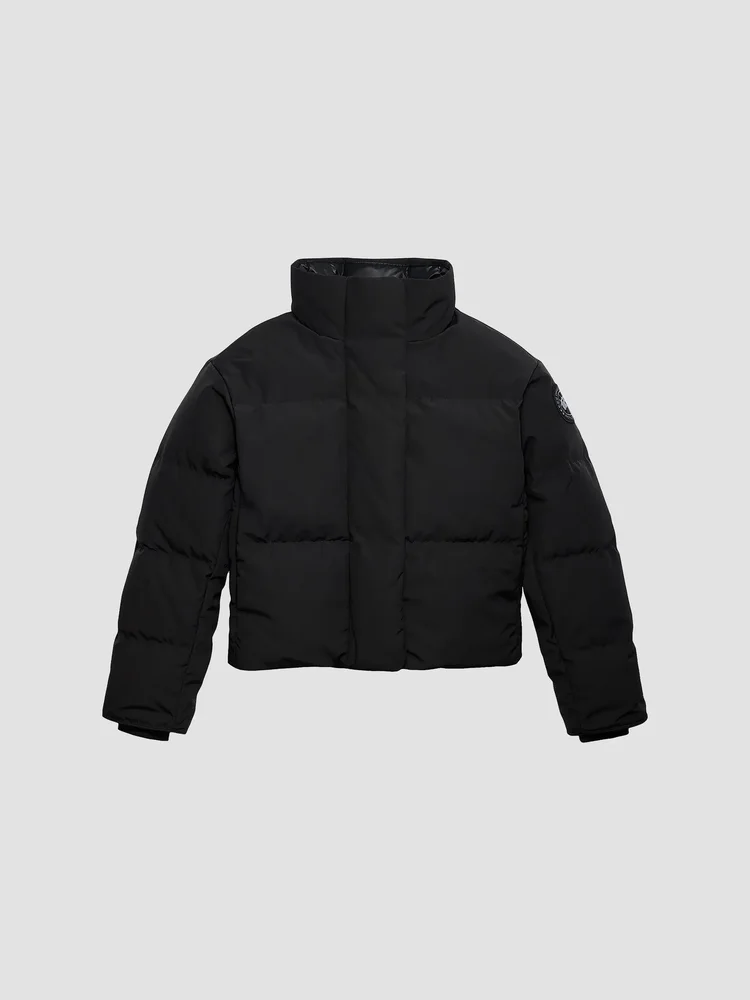
I would start with a lighter layer before buying a maximum-warmth parka unless I had a real cold-weather routine. The Simcoe Fleece Jacket has a boxy cut and zip pockets, good over a sweater; the Alberni Reversible Fleece Bomber gives you high-pile fleece on one side and ripstop on the other. The Cypress Down Jacket is the practical packable down choice, and the Grandview Crop Jacket is a shorter, more structured option in Arctic Tech fabric. I would pick Cypress Down for travel, then Simcoe if my closet already has a coat.
What I would skip is the biggest, warmest silhouette if most winter days are mild or spent driving. I like Canada Goose best when a technical detail earns its keep, not when I am paying for warmth I will unzip on the train. These four pieces make a more everyday entry than a floor-length parka, but I would still check whether their insulation and fabric suit the climate before choosing.