Dermalogica is owned by publicly traded Unilever, which acquired the skin-care brand in 2015. Jane and Raymond Wurwand launched it in 1986.
Who Owns Dermalogica? Unilever’s Professional Skin Care Brand
The Owner Today
Who owns Dermalogica? Unilever, a publicly traded company, owns the brand today; its 2025 annual report records the acquisition as completed on August 1, 2015. Unilever’s American depositary shares trade on the New York Stock Exchange. The Dermalogica parent company is therefore Unilever, while the brand’s origin is earlier and more personal: Jane and Raymond Wurwand launched it in Los Angeles in 1986.
The 2015 announcement said the founders retained an interest and would continue working with Unilever, while the price was not disclosed. Jane’s part of the story began with education for skin therapists, not a corporate beauty portfolio. If by who makes Dermalogica you mean who owns the label today, it is Unilever; the Wurwands gave it its professional skin therapy point of view. If you are asking who founded Dermalogica, Jane and Raymond are the names to know, with Jane as co-founder and chief visionary. I like keeping those two parts separate: ownership tells you who the parent is, but the origin story explains why the brand still centers skin therapist expertise.
The Therapist Before the Product
Jane Wurwand’s story starts with a training gap, not a cosmetics counter. In 1983, she opened the International Dermal Institute for postgraduate training for skin therapists; Dermalogica followed in 1986 with a stated goal of improving skin health without common irritants. The education first model was the idea, and the products came after.
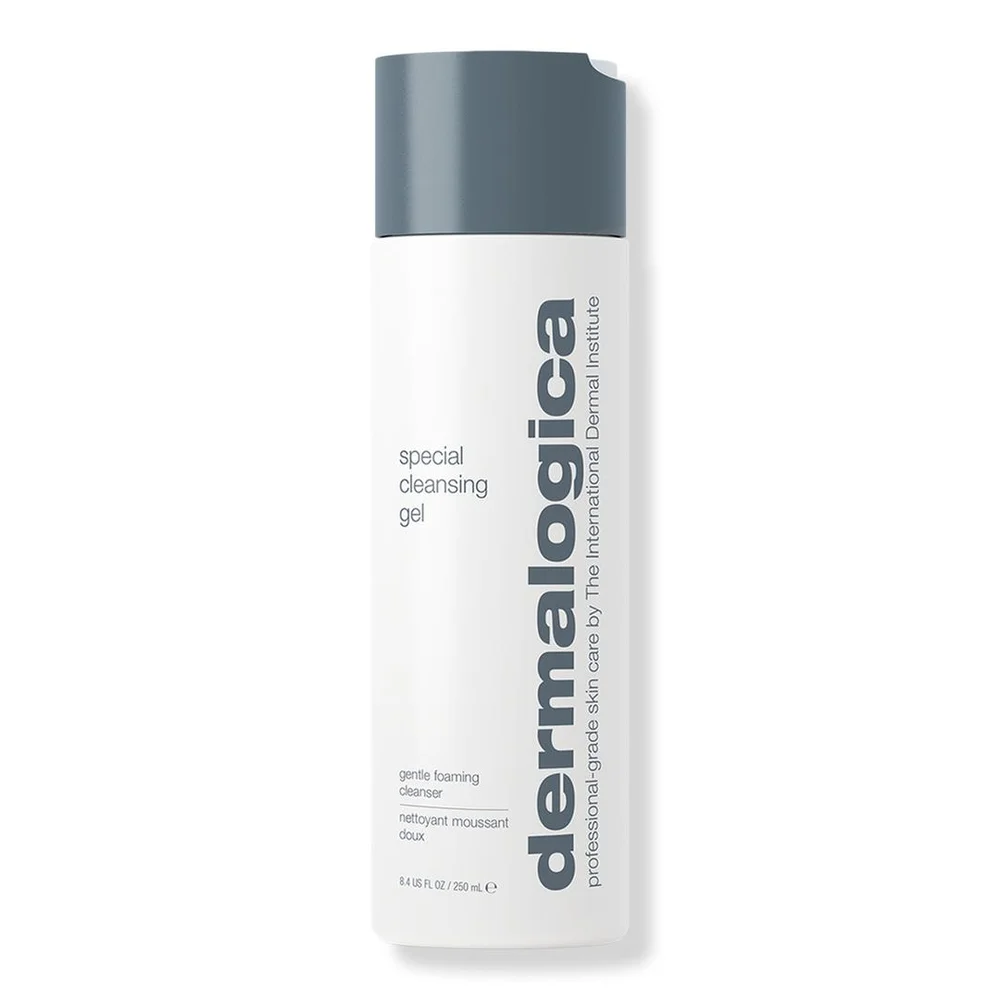
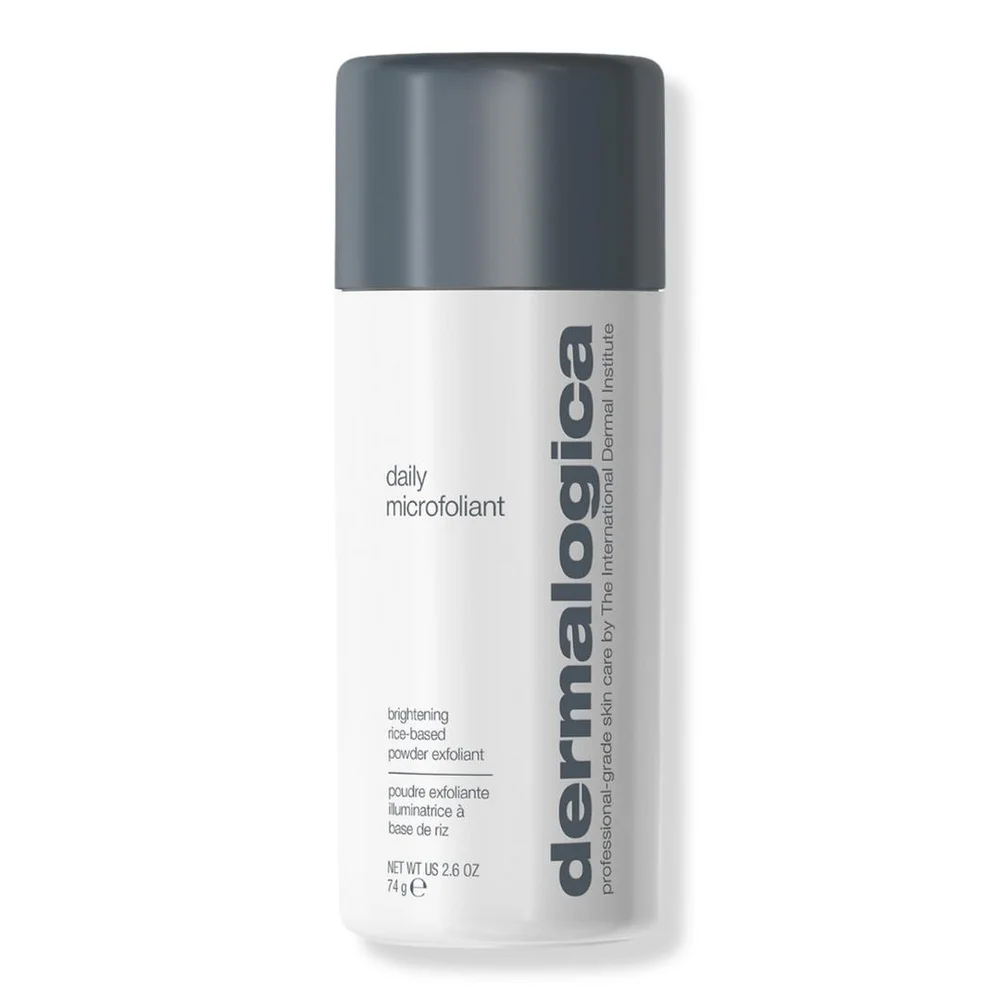
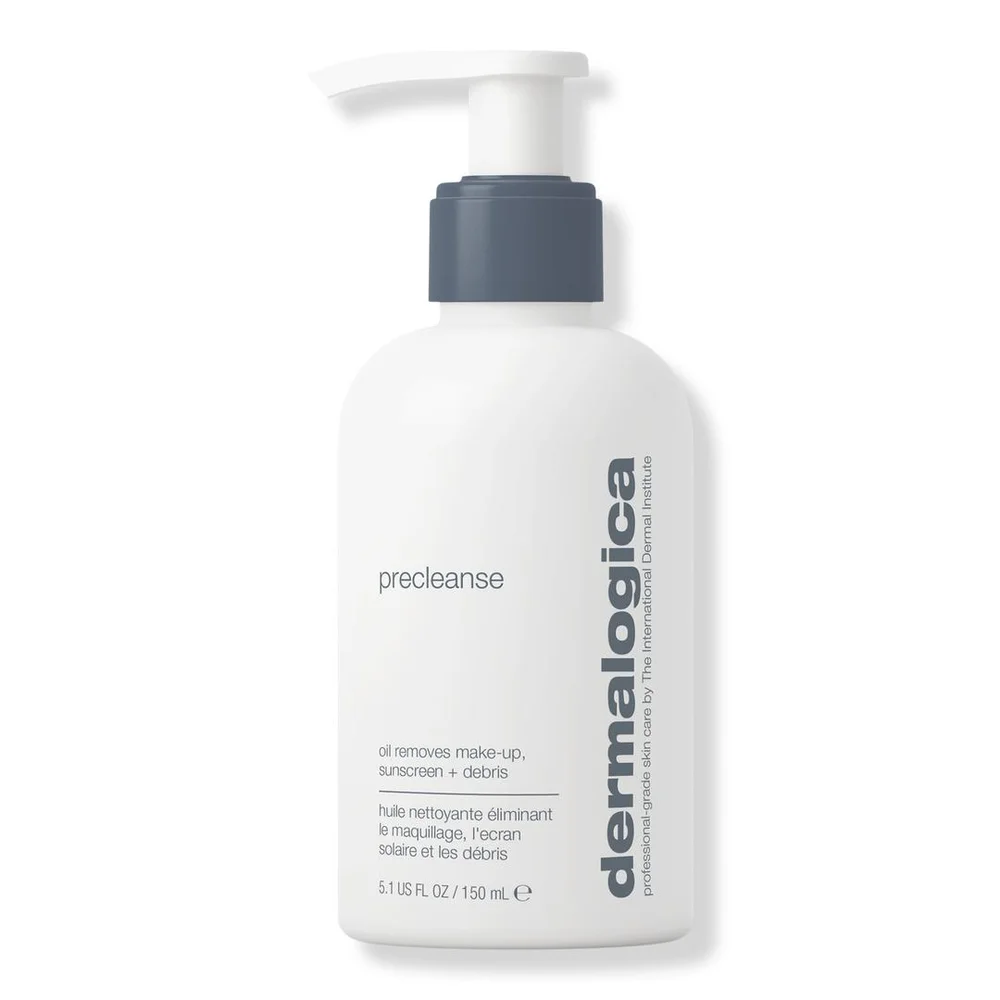
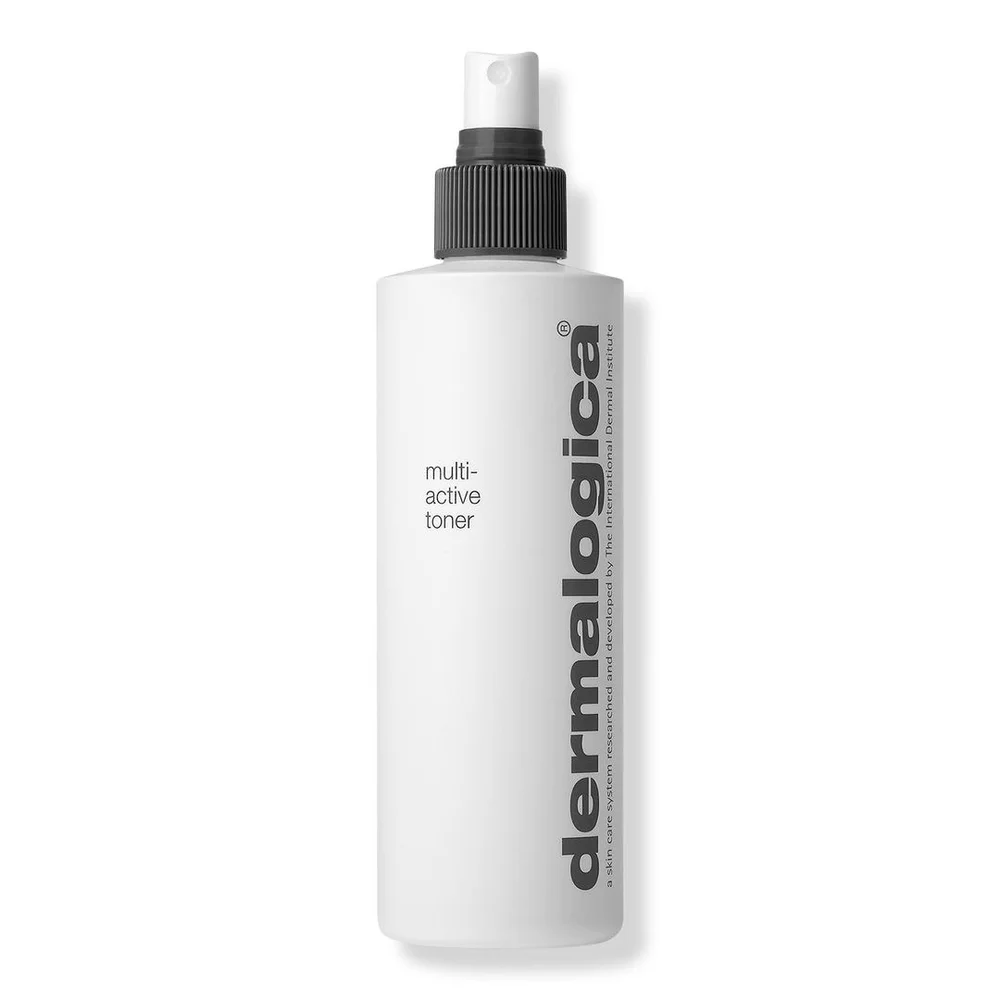
Special Cleansing Gel is more than an ordinary face wash in the brand’s chronology: Jane told W Magazine it was developed in 1985, before launch, as the first soap-free foaming cleanser. Daily Microfoliant became the signature powder exfoliant after its 2001 launch, while PreCleanse, introduced in 2007, starts the Double Cleanse. Multi-Active Toner Spray is the hydration and refresh step I would use after cleansing, not an excuse to add five more products. My first pick from the origin story is Special Cleansing Gel, since it tells you how this professional line began.
A Single Handoff, A Changed Portfolio
The ownership handoff is a one date story: Unilever completed its purchase on August 1, 2015, and its annual report says the assets acquired were principally the Dermalogica brand. The price was not disclosed, and Jane and Raymond Wurwand retained an interest after the announcement. I would not turn an acquisition date into a theory about product formulas.
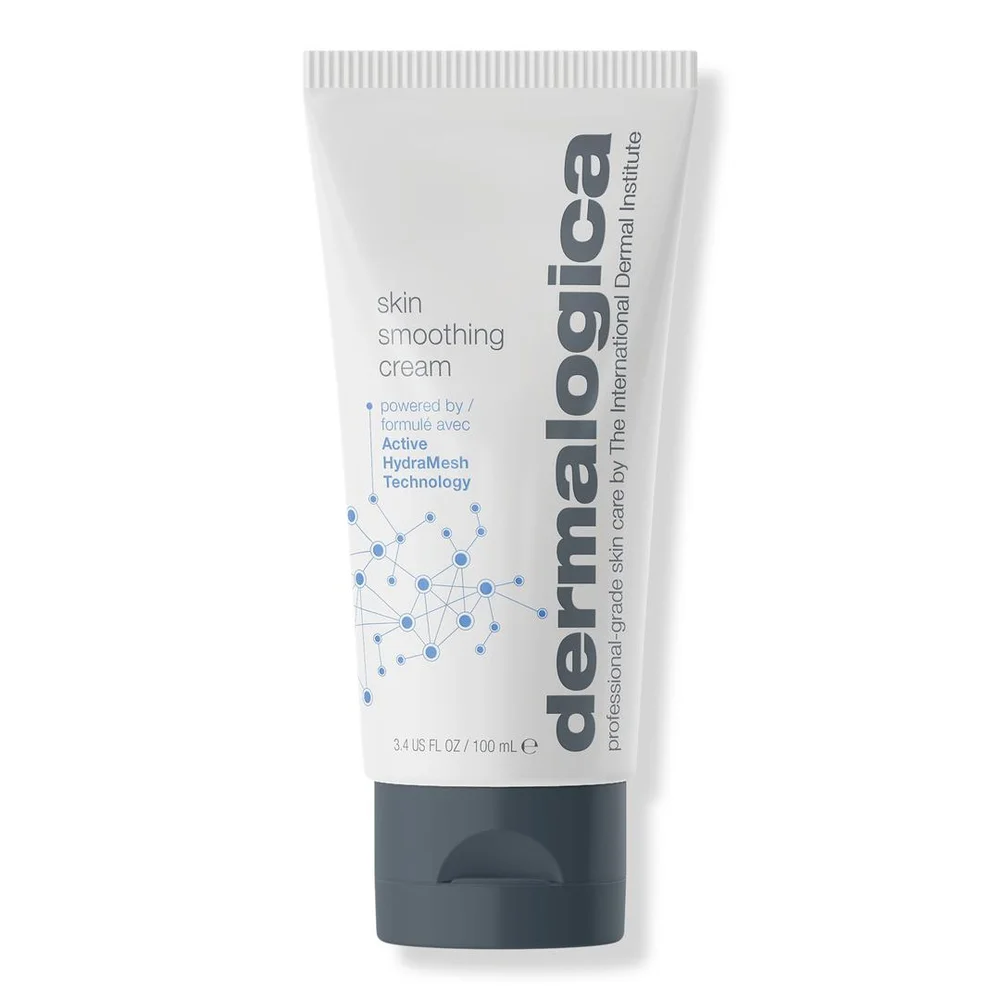
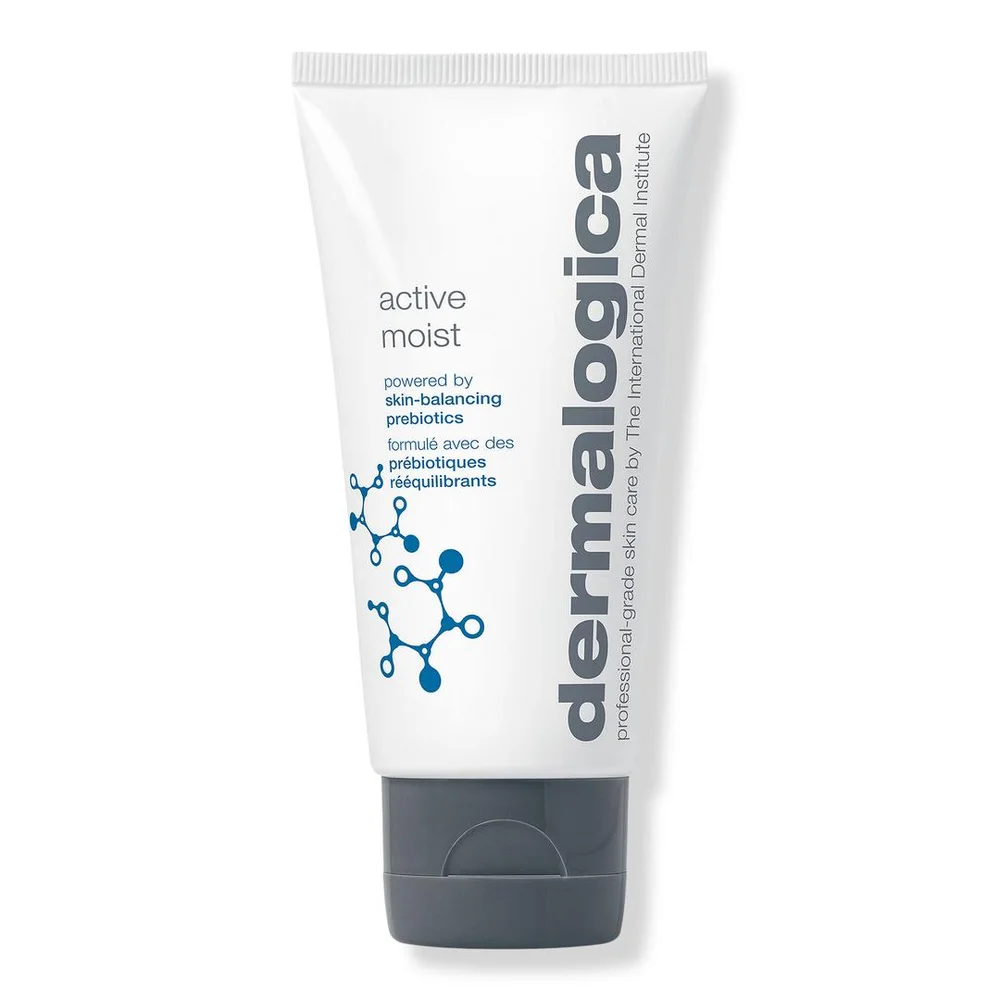
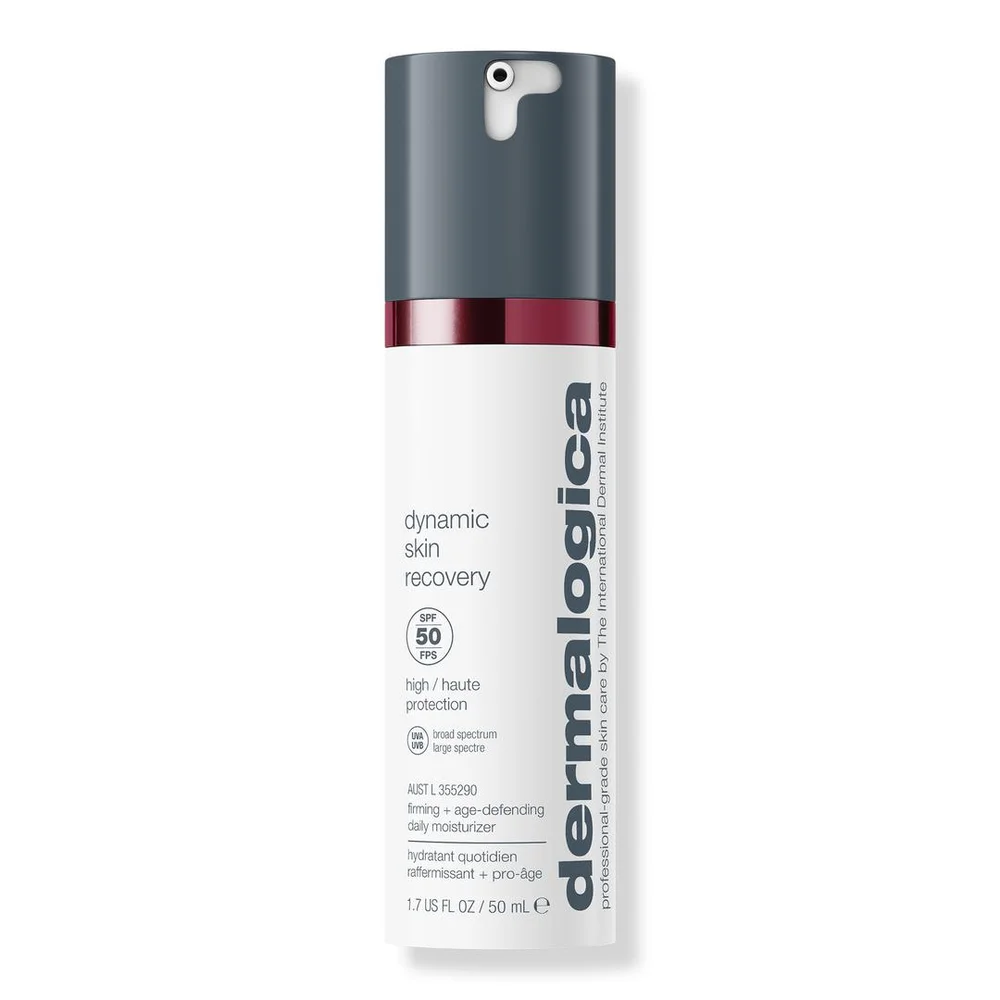
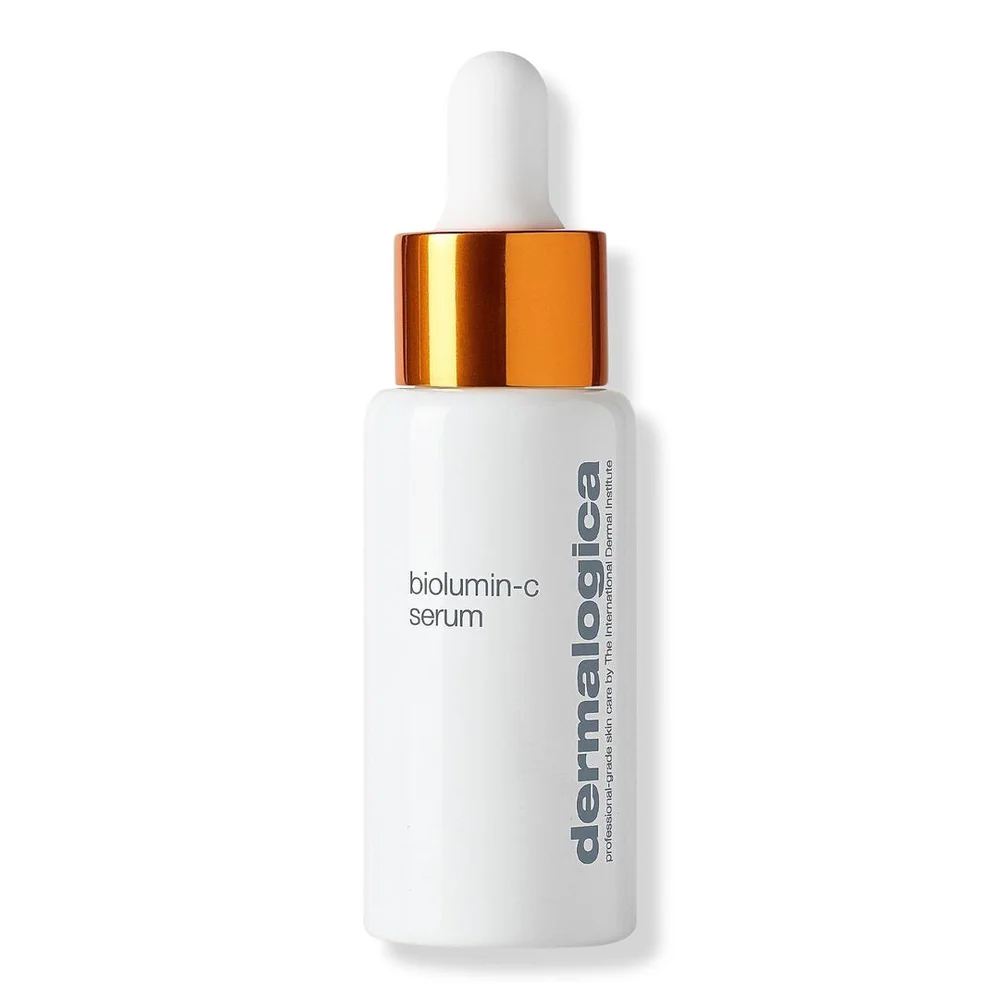
There has been a more recent shift in the sibling lineup. By 2026 Unilever had divested REN and Kate Somerville, focusing Prestige on Dermalogica, Paula’s Choice, Hourglass and K18, with Tatcha a core next brand; October reporting still named Dermalogica as a Unilever owned key brand. In the current range, Skin Smoothing Cream provides 48-hour hydration, Active Moist is the light, oil-free moisturizer, Dynamic Skin Recovery SPF 50 pairs daily moisture with UVA and UVB protection, and BioLumin-C Vitamin C Serum is the brightening treatment. I would choose by the job you need done, not by the longest claim on a box.
What I Would Buy First
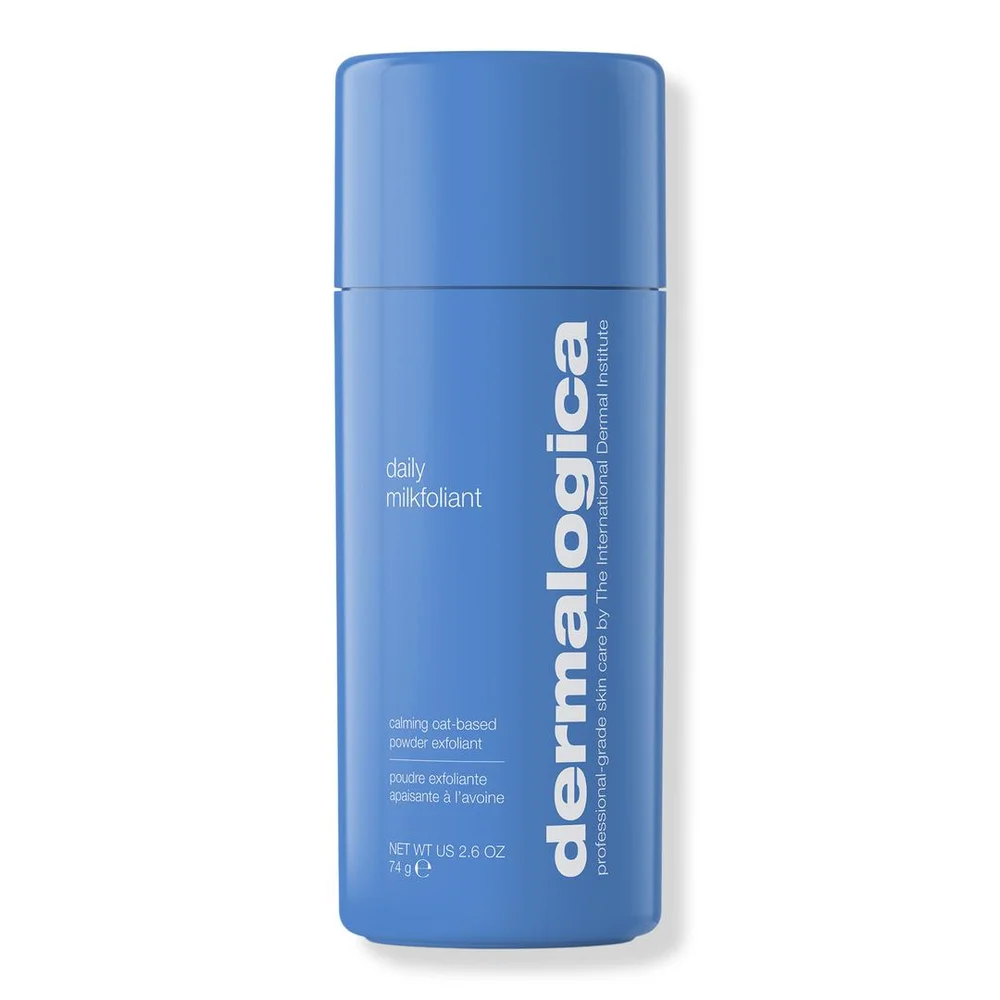
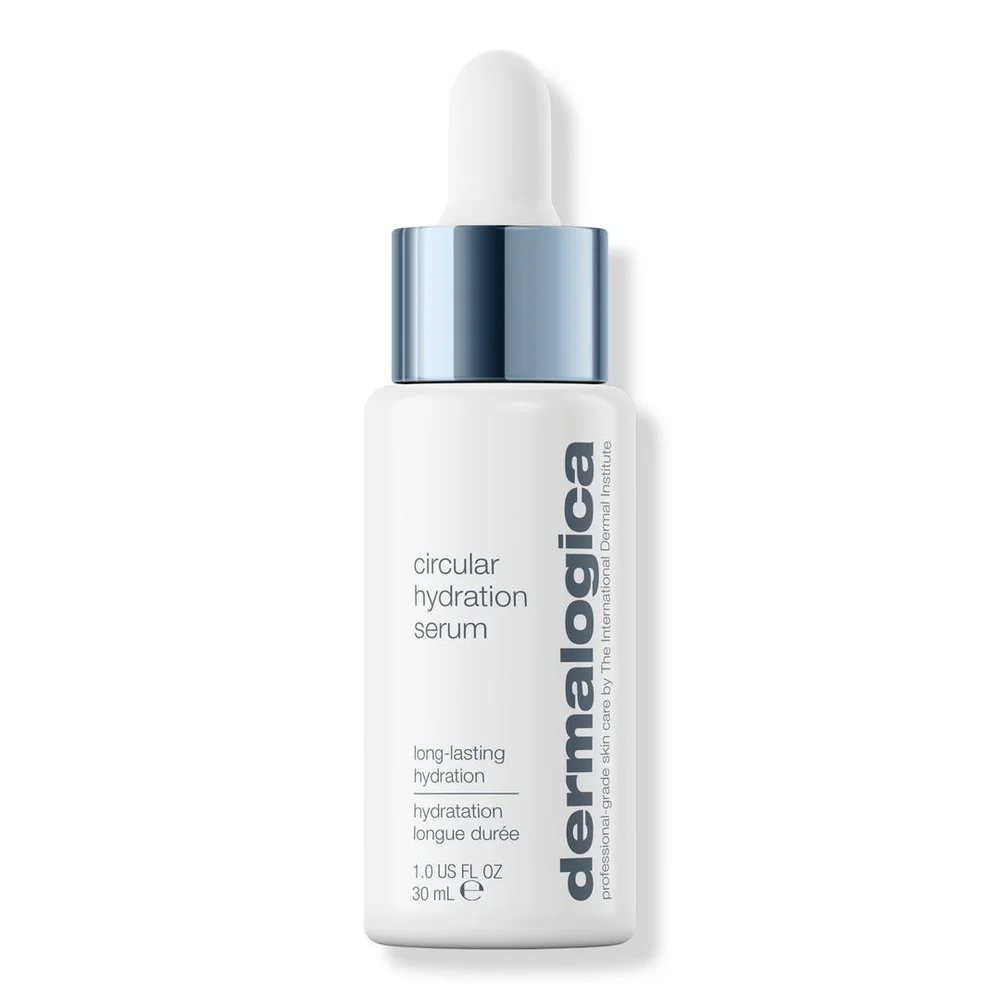
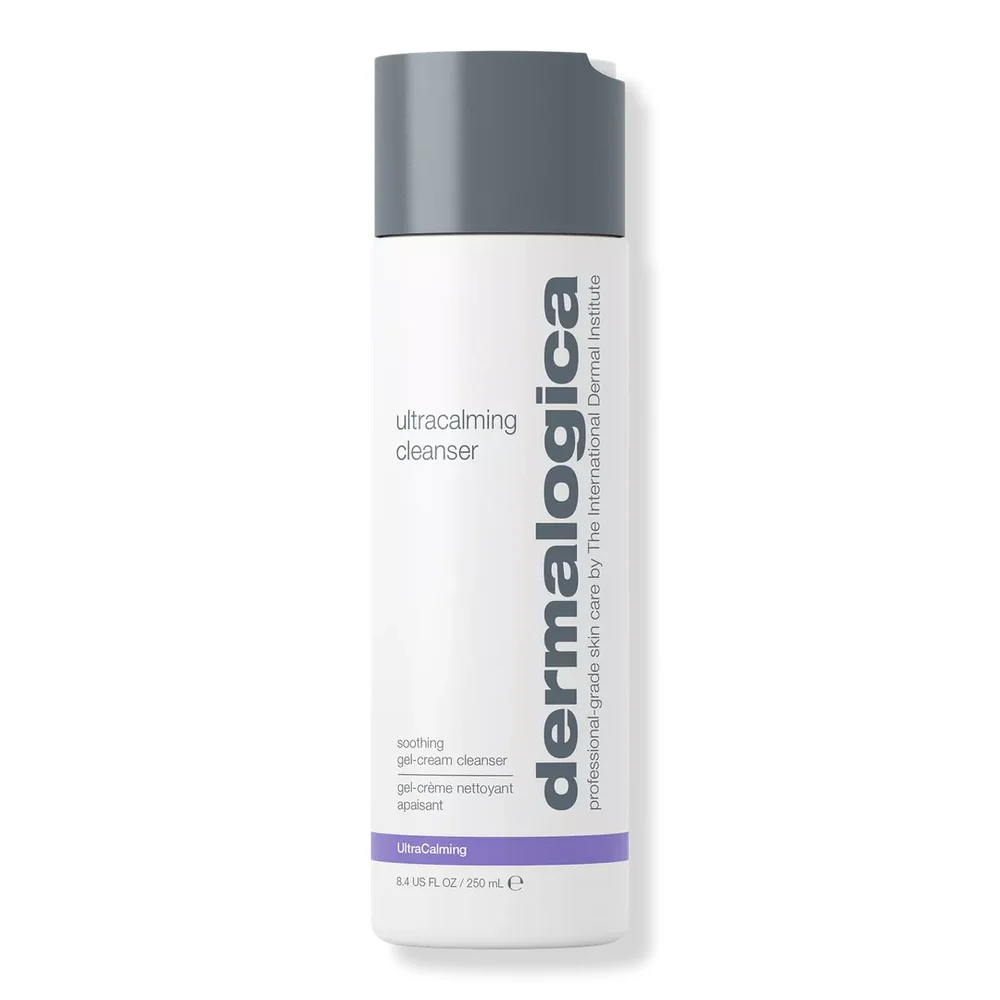
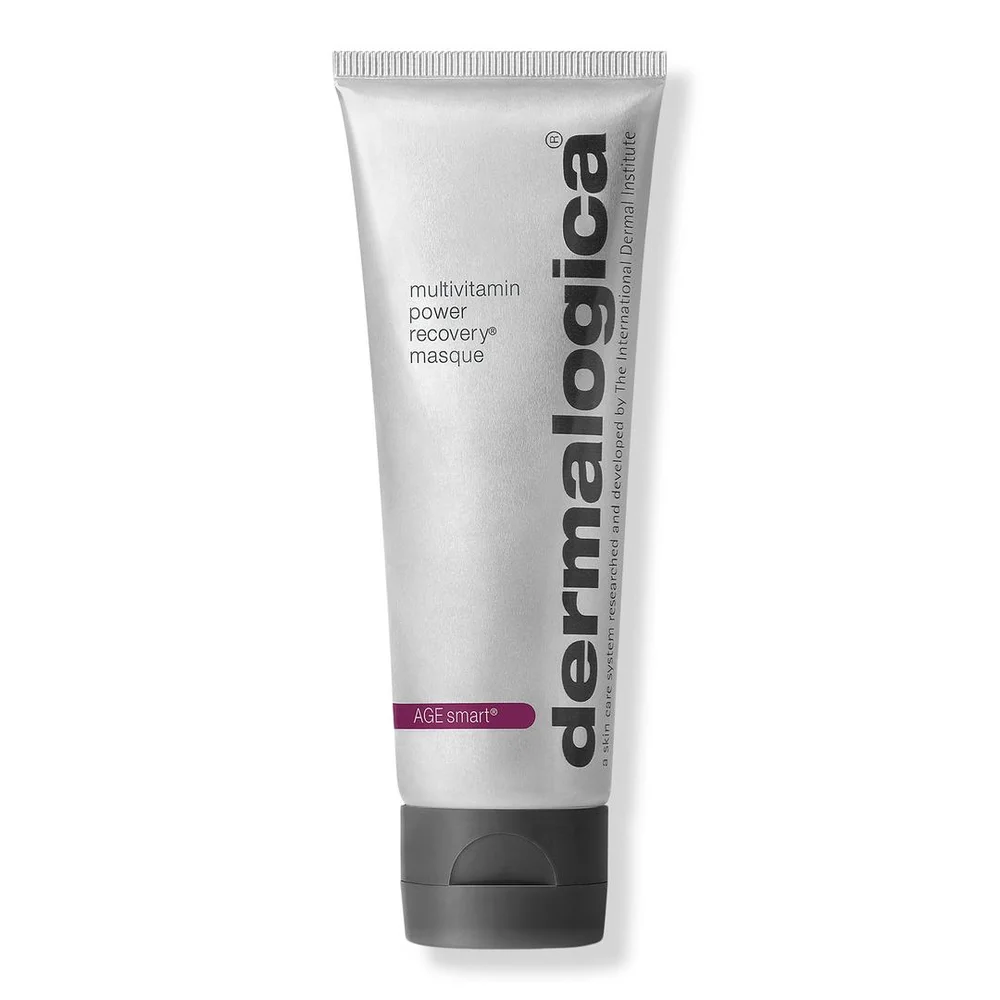
The more targeted options have clear jobs. Daily Milkfoliant is an oat-based powder exfoliant that gently polishes and supports the moisture barrier; Circular Hydration Serum uses hyaluronic acid for a hydration boost; Ultracalming Cleanser is a non-foaming gel cream for sensitive skin; Multivitamin Power Recovery Masque is the repair-focused treatment in the bunch. My first purchase would be Circular Hydration Serum if dehydration is the issue, or Ultracalming Cleanser if ordinary washes leave skin uncomfortable.
I would skip buying all four at once. If sensitivity is not your concern and your skin already feels comfortable after cleansing, a mask and a second exfoliant can wait; I would start with one product that fits the actual problem. Dermalogica began as professional skin care centered on skin health, so the fussy, five-step version is not automatically the smarter one.