Hourglass is owned by publicly traded Unilever, with founder Carisa Janes still at the helm. Here is the 2017 deal and what I would buy first.
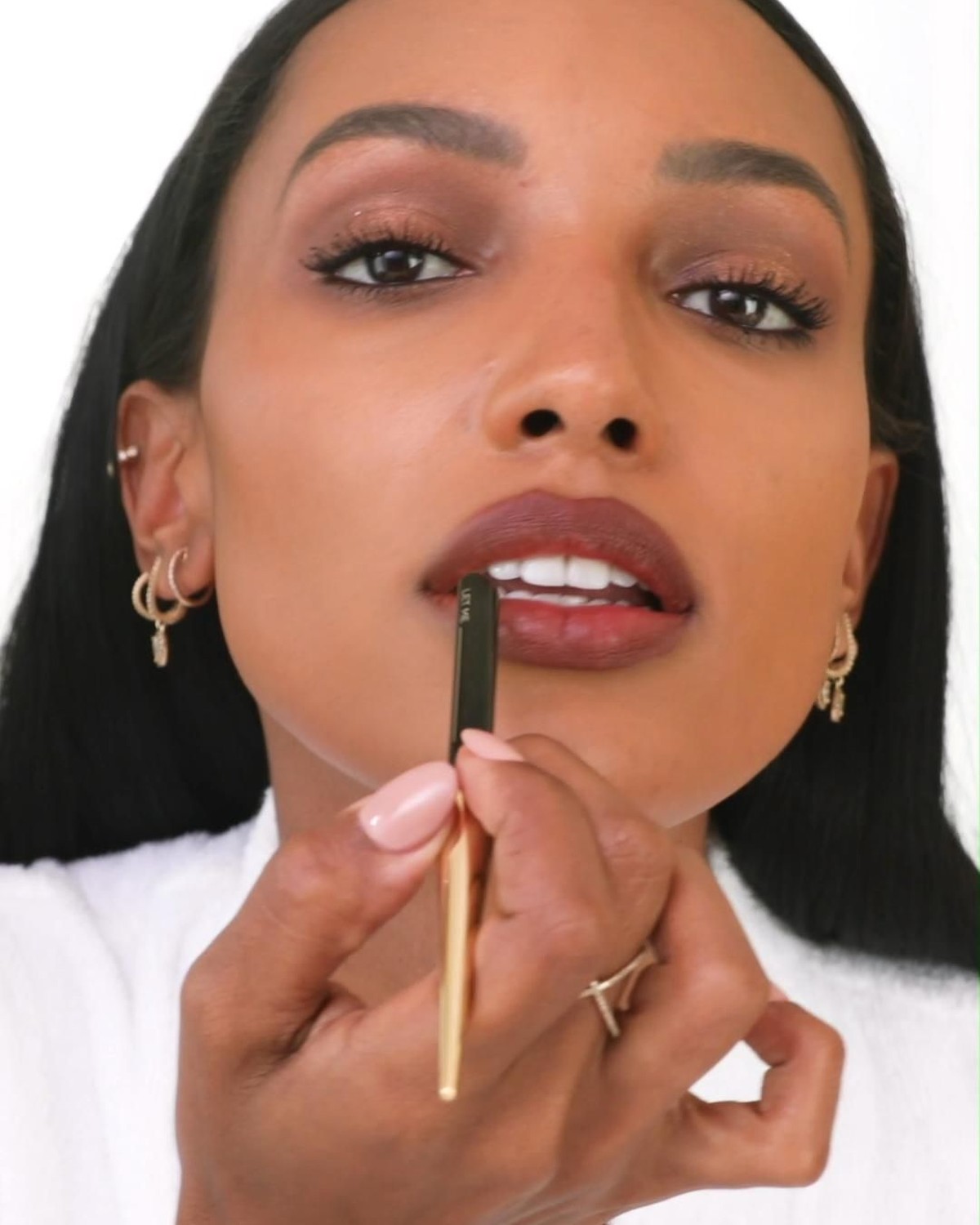
Who Owns Hourglass? Unilever and Carisa Janes Today
The owner today
Hourglass is owned by publicly traded Unilever PLC, which acquired the makeup brand in 2017. Unilever's October 2026 third-quarter update still places Hourglass inside its Prestige Beauty portfolio, naming it alongside Paula's Choice and Dermalogica among the brands leading prestige growth. So the question who owns Hourglass has a clean answer: Unilever, whose shares trade in London, Amsterdam, and New York. The ownership detail is less expected: Carisa Janes, Hourglass's founder, remains its CEO.
That distinction is what I would keep in view when shopping. The Hourglass parent company is a major public company, but the label still has its founding chief executive in charge. If the search is who makes Hourglass, the product work still sits under Janes's CEO leadership, while Unilever owns the business. I like this answer because it does not overstate the founder's control or flatten the brand into a corporate portfolio line. The short version is not founder-owned, but founder-led inside Unilever. I would read the origin story next, because the brand's best-known complexion ideas began with Janes's own wish for better foundations and flattering light.
Janes's first idea
Carisa Janes founded Hourglass in 2004 after seeing room for makeup that joined active ingredients, modern design, and useful performance. If you wonder who founded Hourglass, Janes is the answer, and she remains its CEO today. Her first product story is Veil Fluid Makeup, a foundation she created around the luxury base she could not find: SPF and skincare ingredients, without fragrance or parabens. That is a more specific origin than a vague wish to make things prettier, and it explains why complexion is the line I would start with.
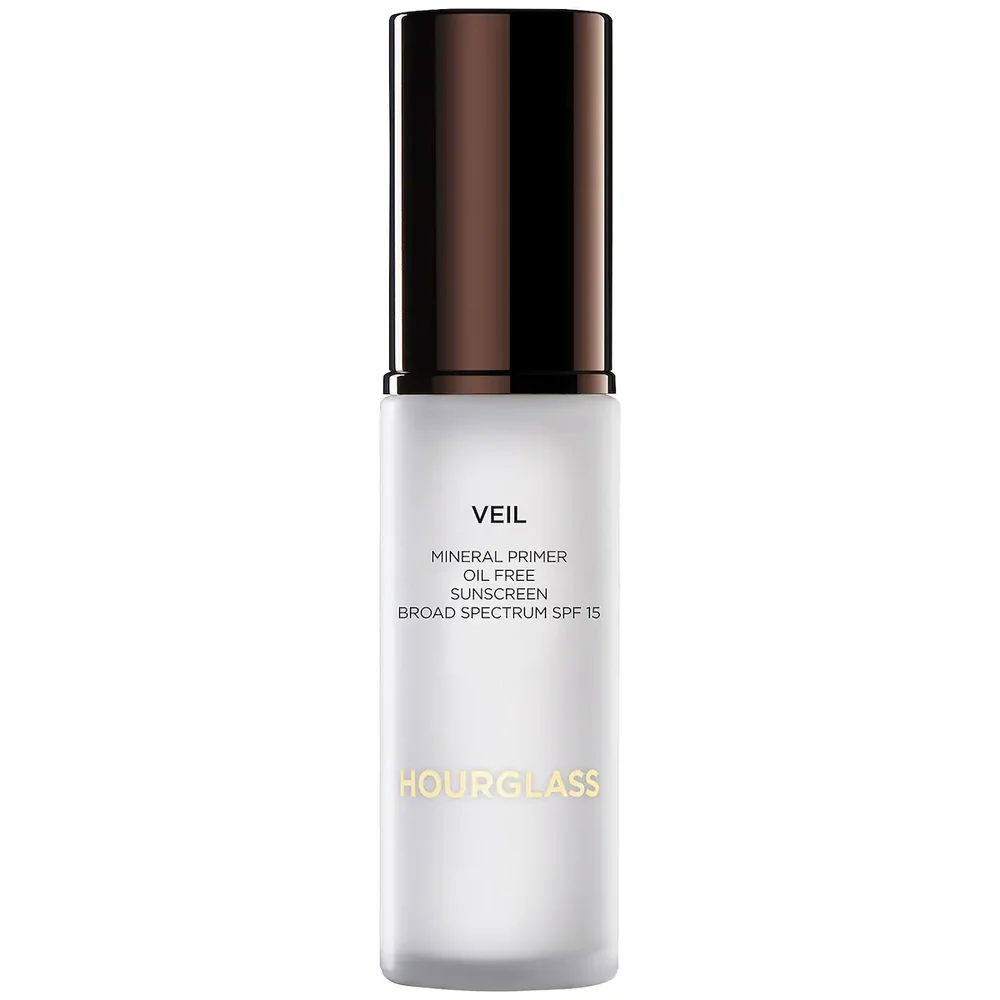
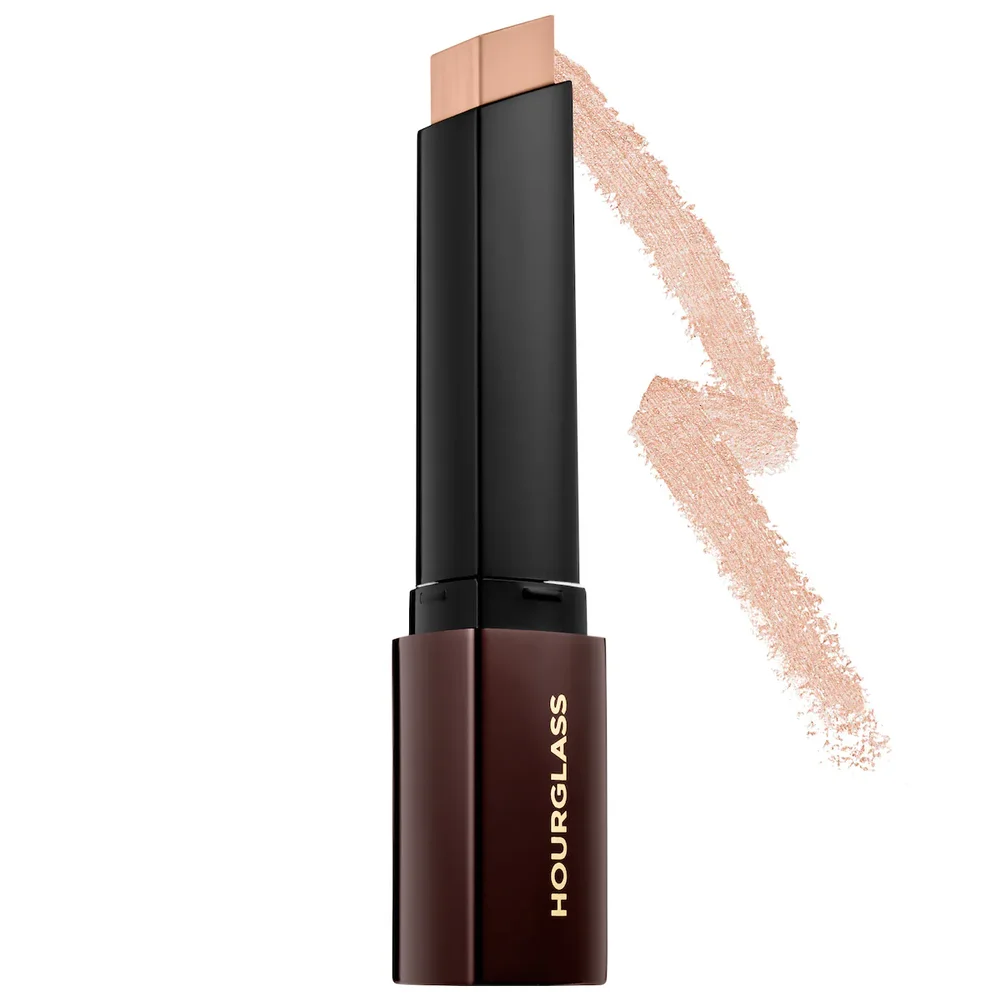
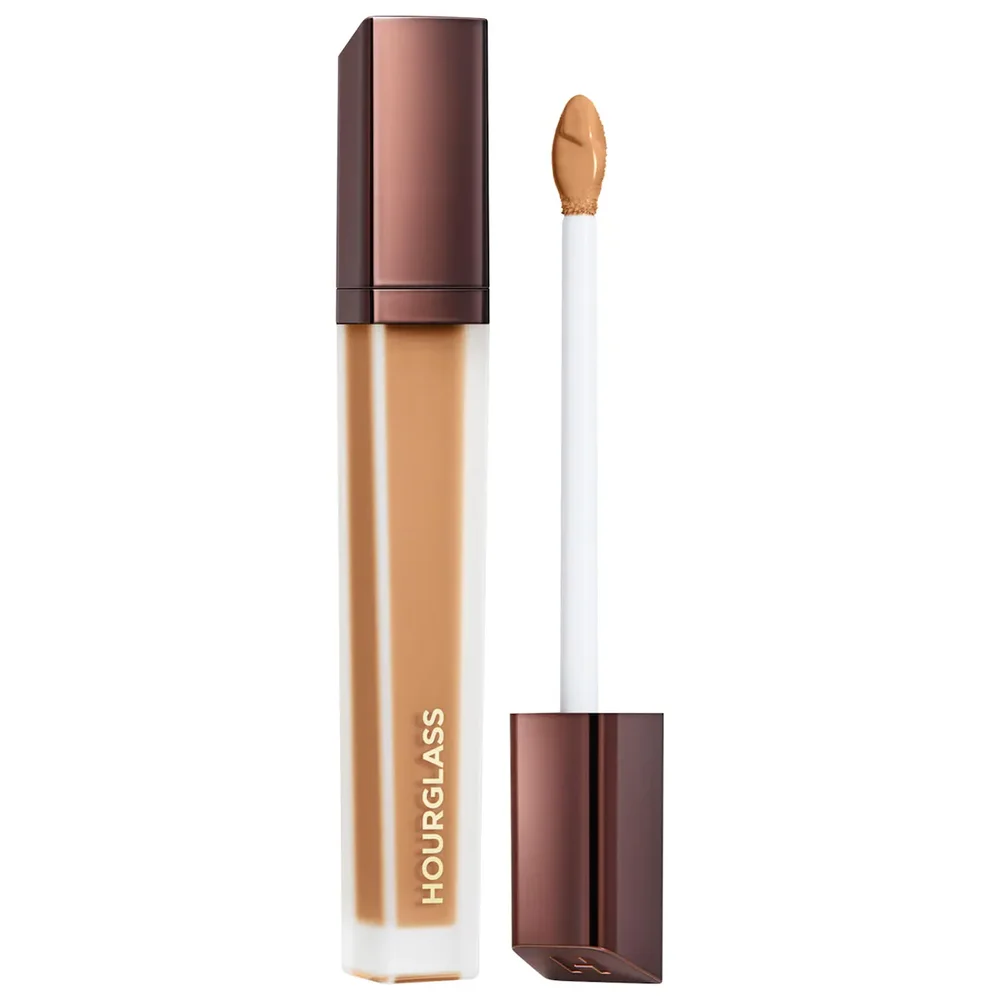
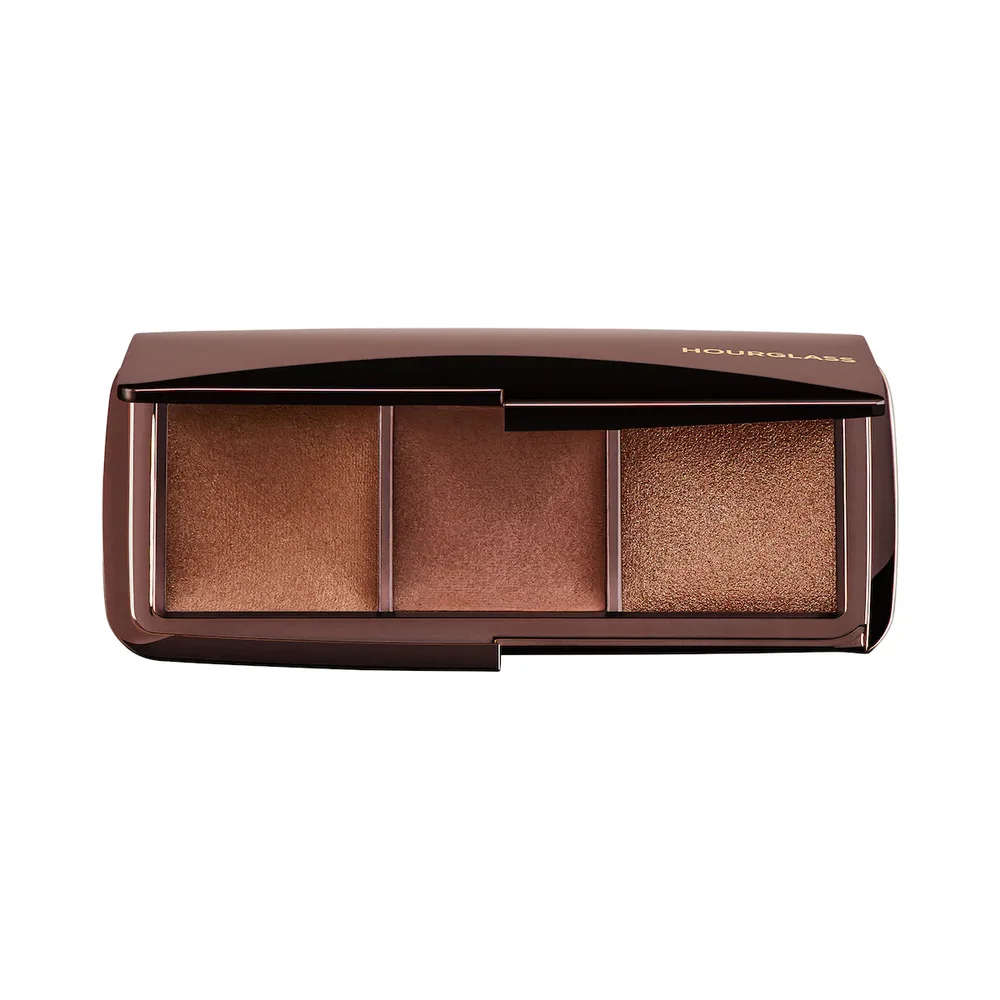
Veil Mineral Primer is the straightforward first step, oil-free with SPF 15. Vanish Seamless Finish Foundation Stick is the concentrated, waterproof base I would choose when I want more coverage; Vanish Airbrush Full Coverage Longwear Concealer has a lighter, airbrushed finish for targeted coverage. Ambient Lighting Palette is the powder I would use to soften a finished base rather than cover it again. I like these four for a simple reason: prep, coverage, correction, and finish each have a clear job.
What changed in 2017
Unilever acquired Hourglass in 2017 as its first move into prestige color cosmetics, while Carisa Janes stayed as CEO. That matters: the corporate owner changed, but the founder who set the product point of view remained in place. The brand had tripled in size since joining Unilever by 2024, and it still appears in the current Prestige lineup alongside Paula's Choice and Dermalogica. The owner also helped move the formula story forward: Unilever scientists developed Red 0, the vegan alternative to carmine used in red lipstick. Hourglass has been cruelty-free since its first launch and became fully vegan in 2020; its Unlocked line supports animal rights work too.
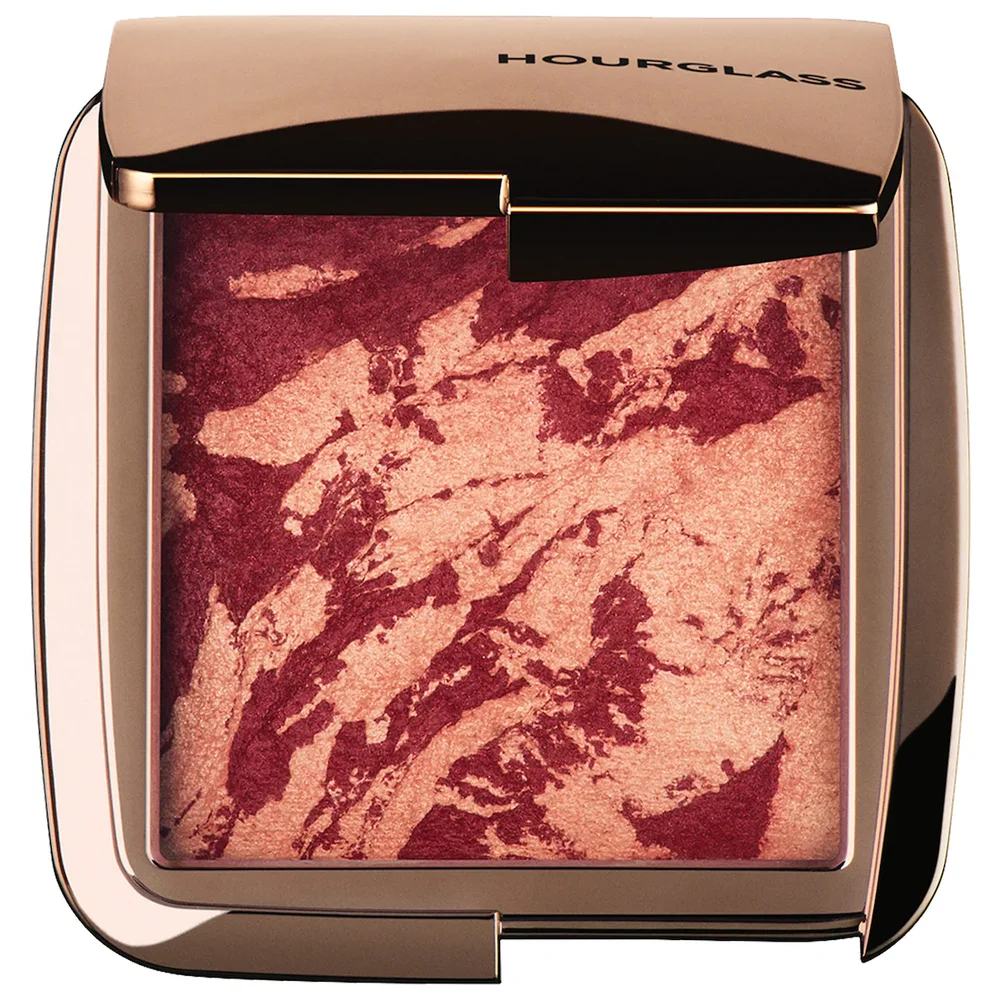
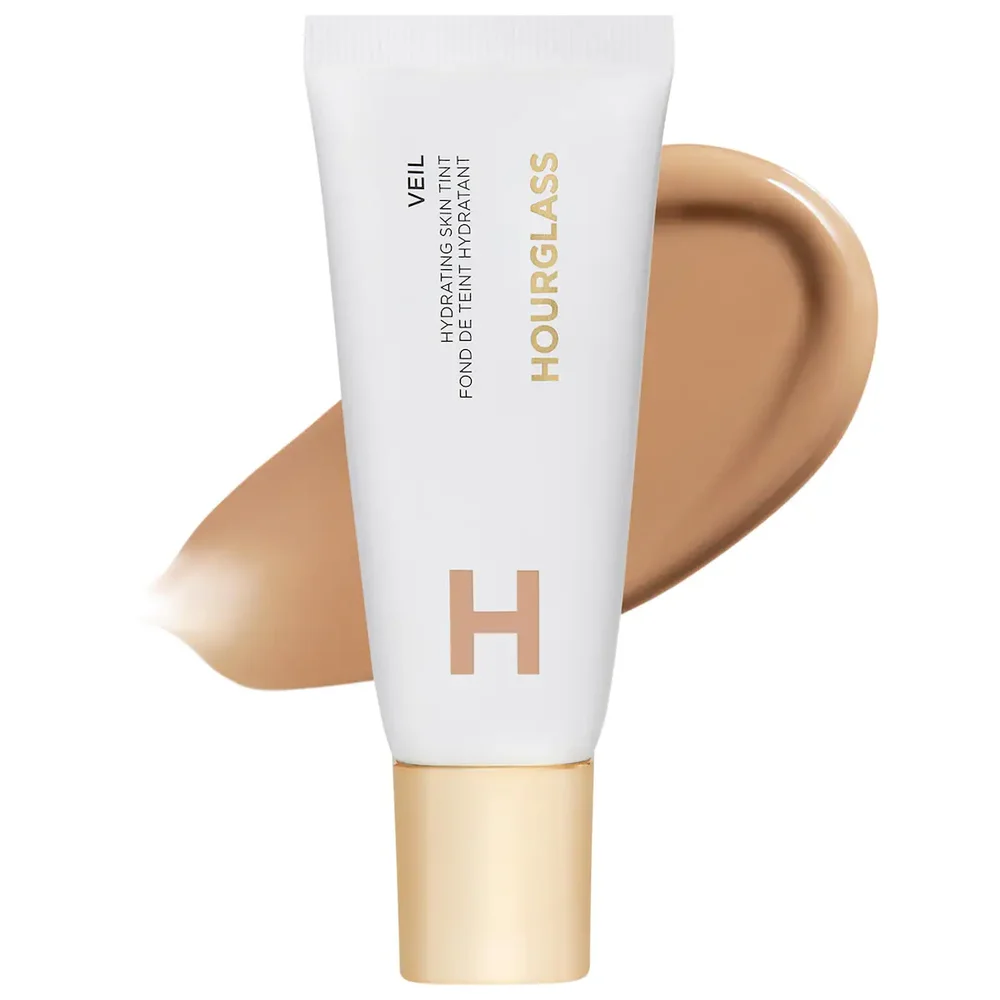
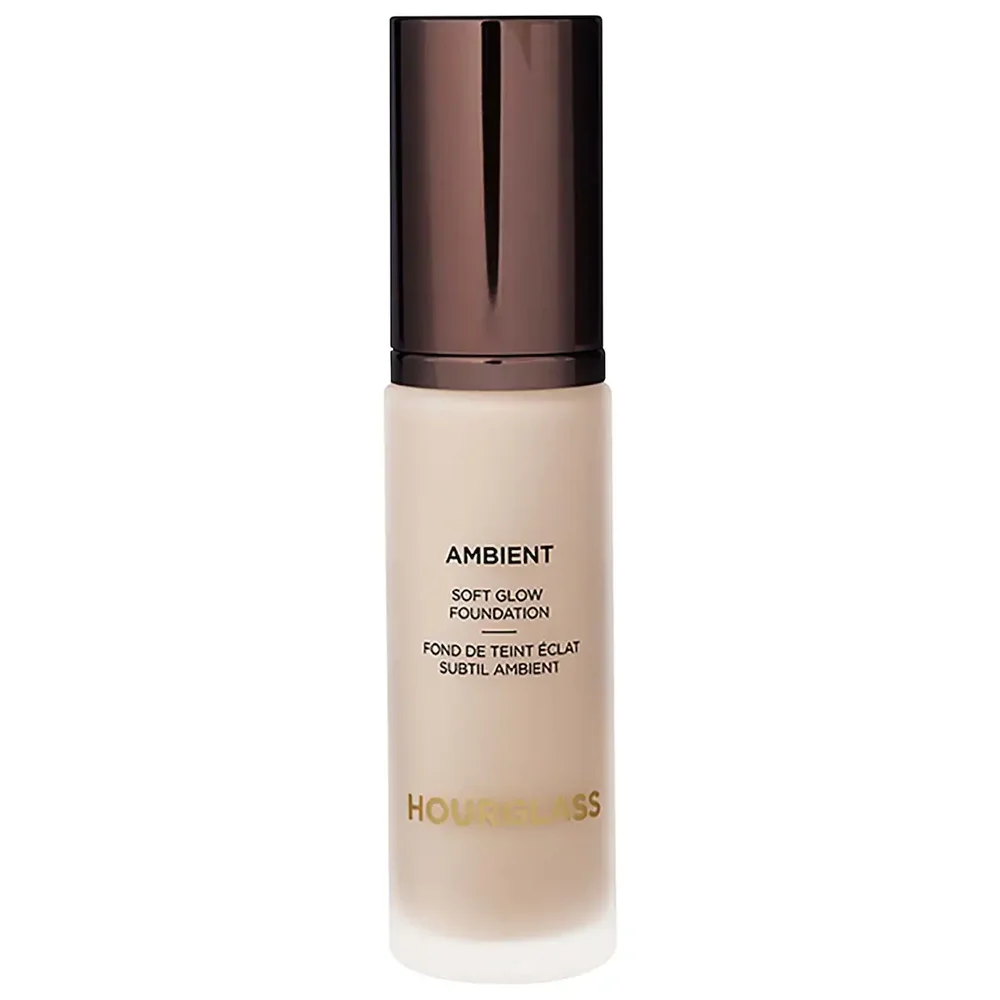
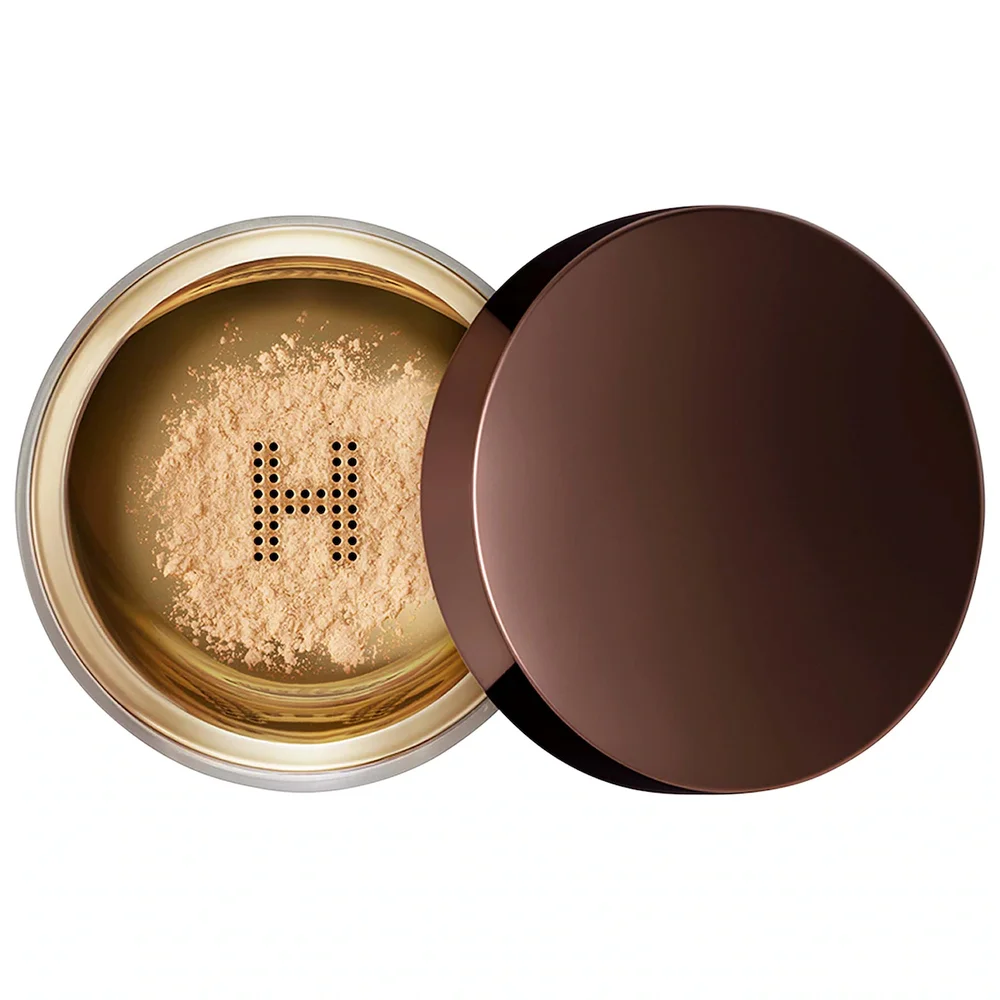
For a current complexion routine, I would compare Ambient Lighting Blush Collection, Veil Hydrating Skin Tint Foundation, Ambient Soft Glow Foundation, and Veil Translucent Setting Powder, Talc Free. The skin tint is the light, dewy option; the Soft Glow foundation is my step up when I want more coverage; blush and setting powder finish a face that already works. I would try one base first, rather than treating all four as compulsory.
What I would buy first
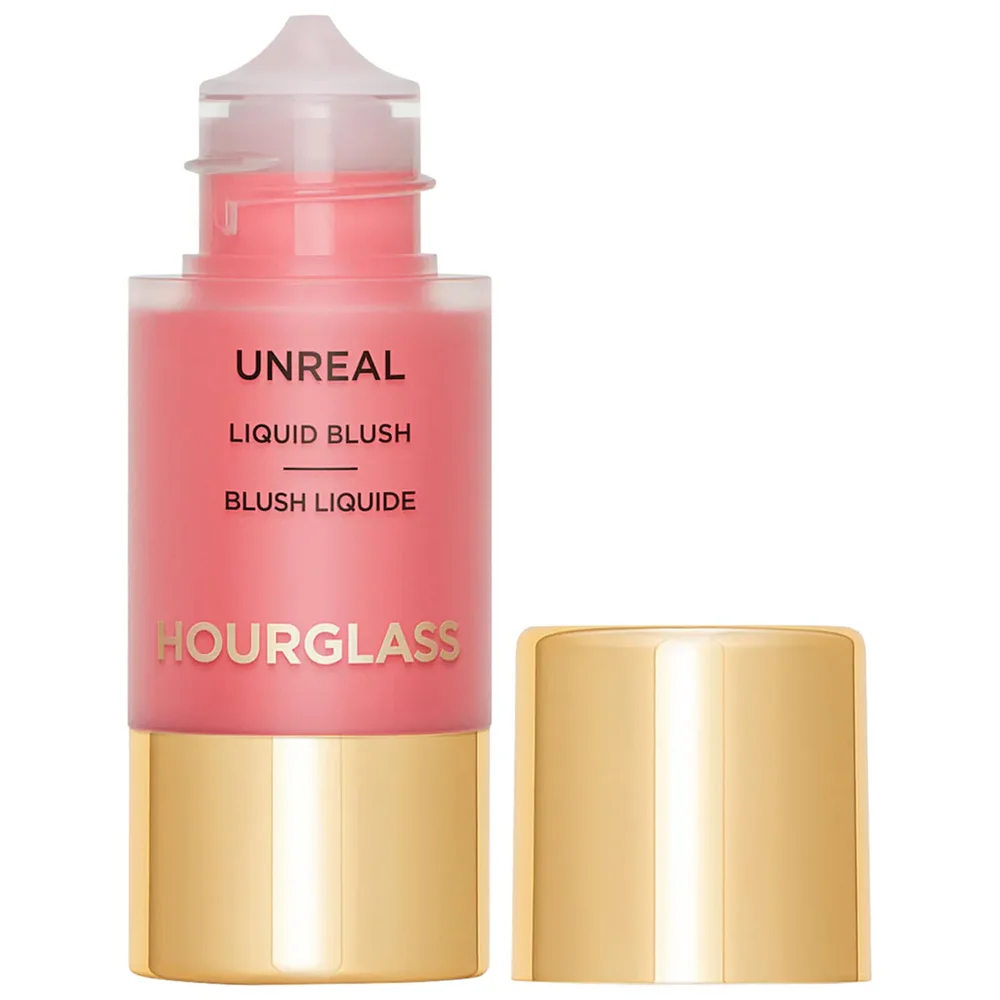
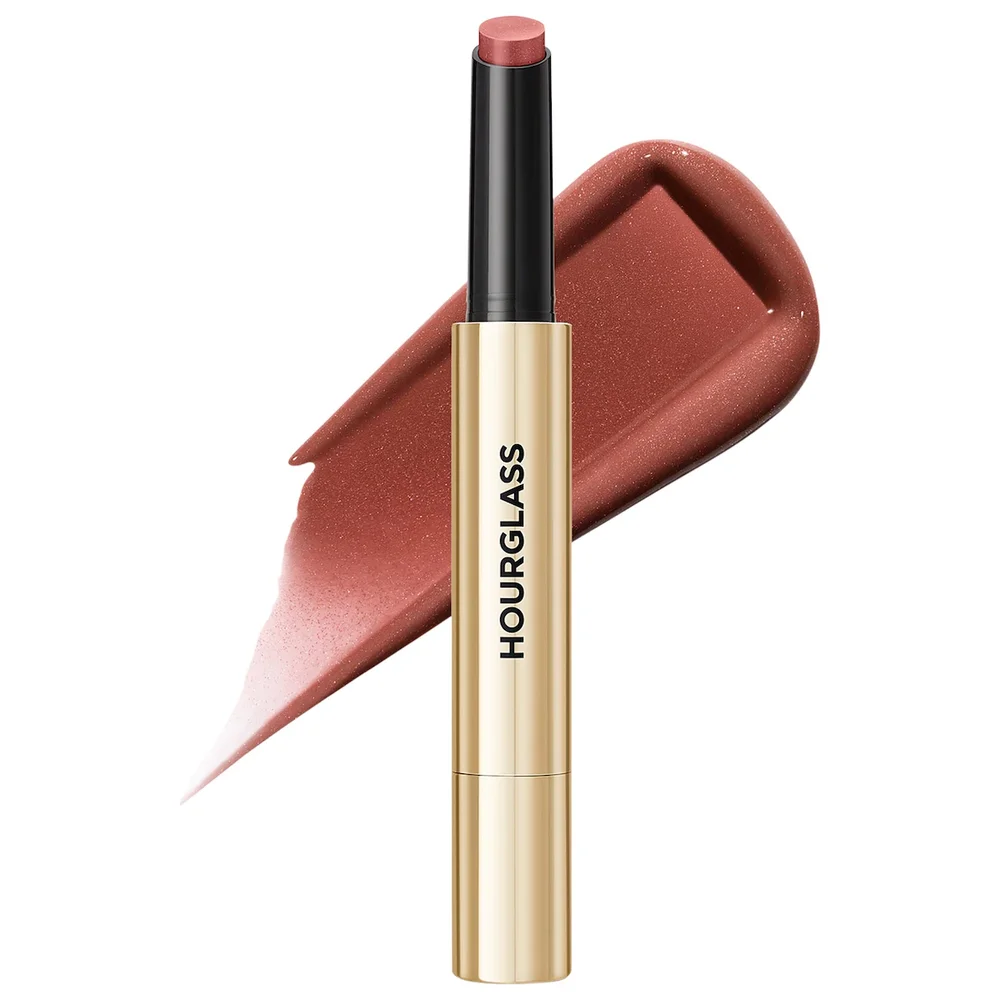
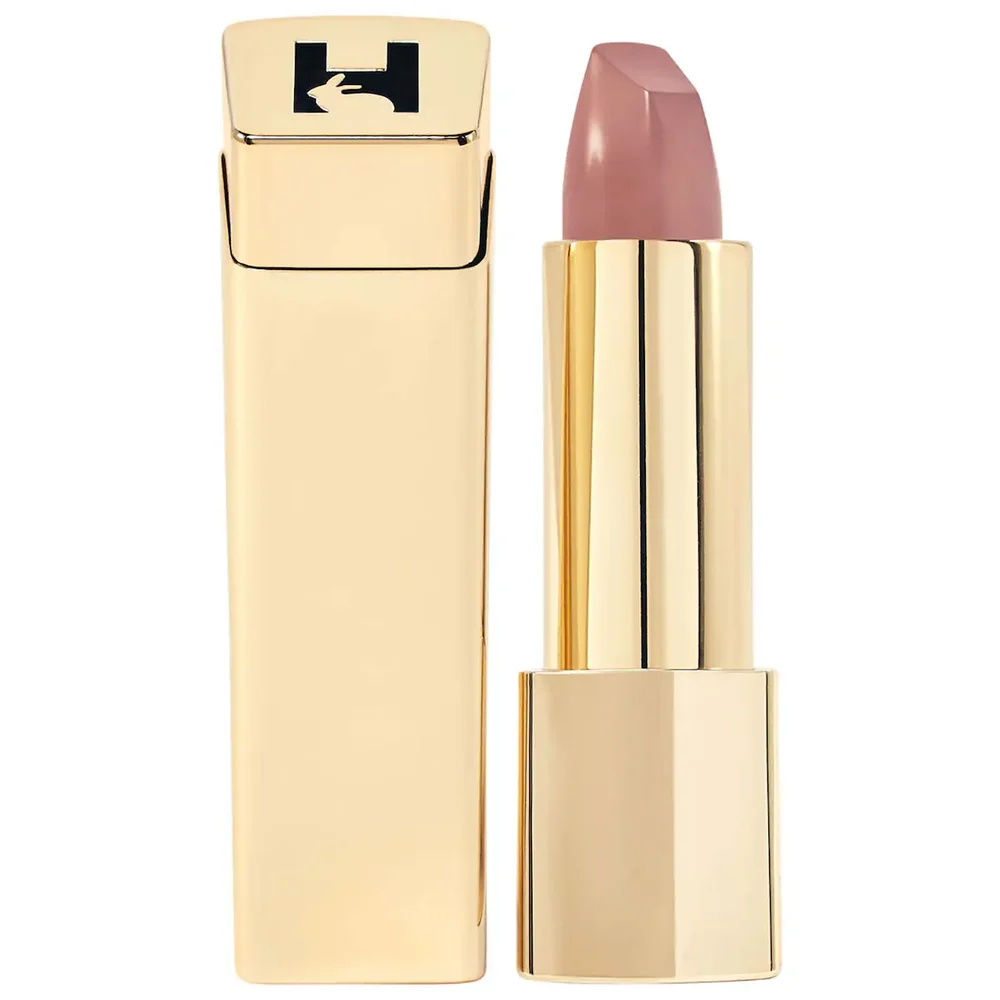
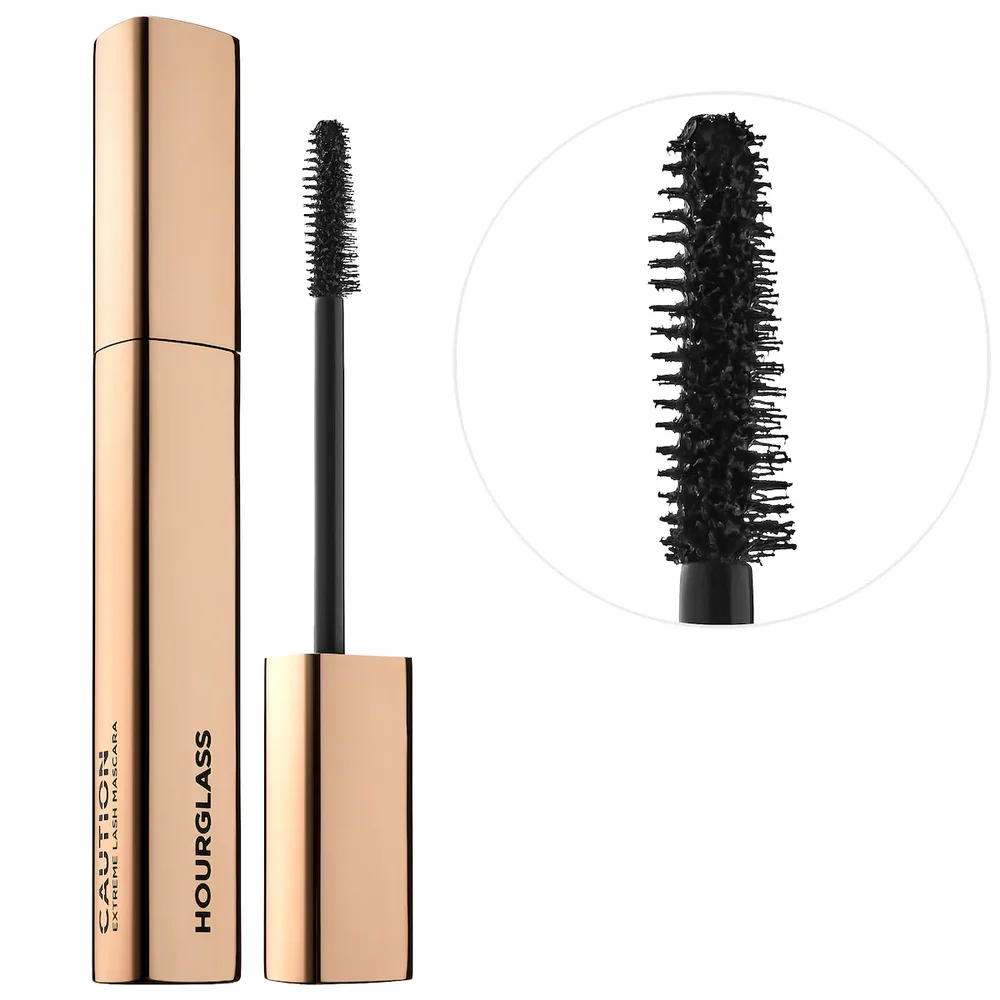
Unreal Liquid Blush is the liquid cheek option, with buildable color and a natural finish that lasts up to 12 hours; I would use a single drop and blend it before powder. Phantom Volumizing Glossy Lip Balm is my easy gloss-balm pick, while Unlocked Satin Creme Lipstick is for a more deliberate lip; Caution Extreme Lash Mascara is the one-step eye option I would keep if mascara is already in your routine.
I would not buy all four unless I knew I would use them: choose between the two blushes first, then decide whether you reach for a balm or lipstick more often. My first Hourglass purchase would be the primer if I want a practical base, or the Ambient Lighting Palette if I would rather test the brand's light-diffusing idea. I would skip buying another foundation just because a new formula is interesting; with so many base options, a product that fills a real gap matters more than owning the whole routine.