Kith is privately owned by founder Ronnie Fieg and his business partner, with no outside investors. Here is how it grew from a shoe shop.
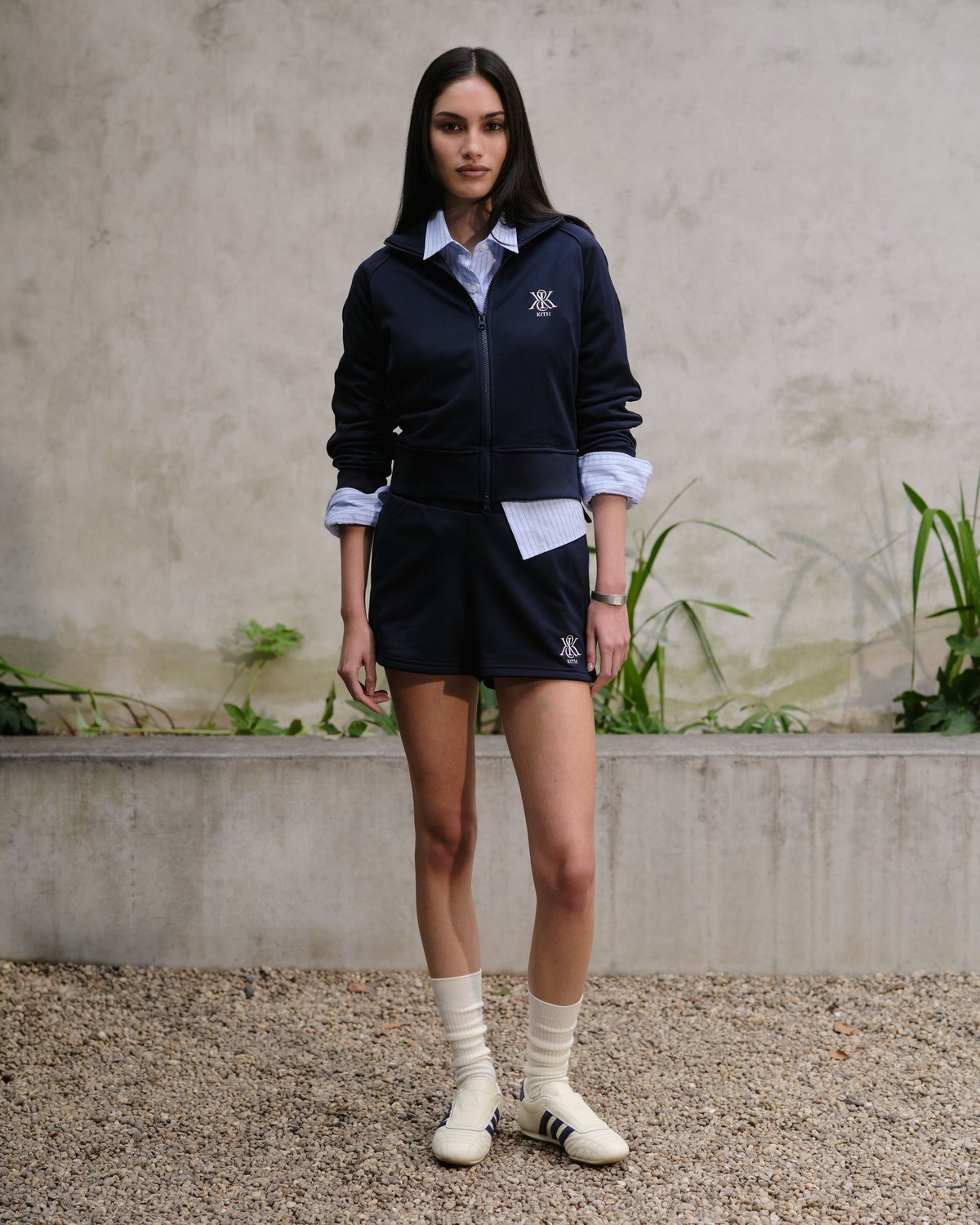
Who Owns Kith? Ronnie Fieg and His Business Partner
Who Owns Kith Now
Kith began in New York in 2011 with founder Ronnie Fieg and his business partner Sam Ben-Avraham; as of September 2026, it is privately held with no outside investors, Fieg said. Who owns Kith? The best-supported answer is Fieg and his partner, not a publicly traded fashion conglomerate.
The Kith parent company question has a less corporate answer: Fieg described Kith as private and said no when asked about investors; the brand's own introduction does not name an outside parent. Fieg is its CEO and creative director, and he says he is involved in designing every product. So if by who makes Kith you mean who shapes its product, it is a founder-led business; I won't pretend that tells us which factory sews each piece. Kith's own site describes a specialty retailer with its own apparel, accessories, and footwear for men, women, and children, alongside food and hospitality ventures. I find the direct ownership answer unusually clear for a brand with so many moving parts.
From Footwear to the Mercer Pant
Who founded Kith? Ronnie Fieg, a Queens native, started it in New York in 2011 after entering the footwear trade as a 13-year-old stockroom worker at David Z and eventually becoming a buyer. Its first shape was a small multi-brand footwear shop, not a graphic-tee startup. The name Kith came from kith and kin, and the early Just Us line made the store feel like a community project.
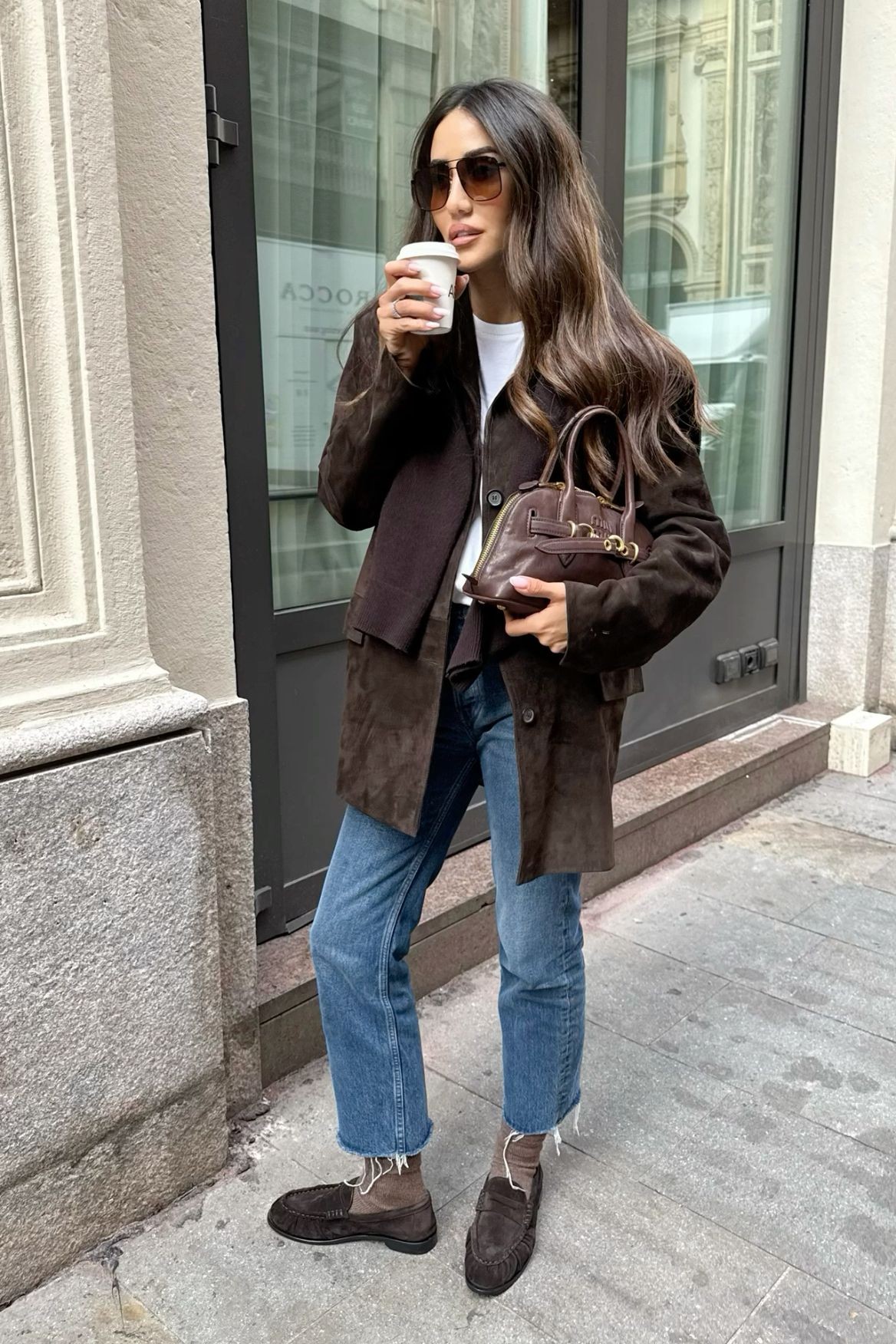
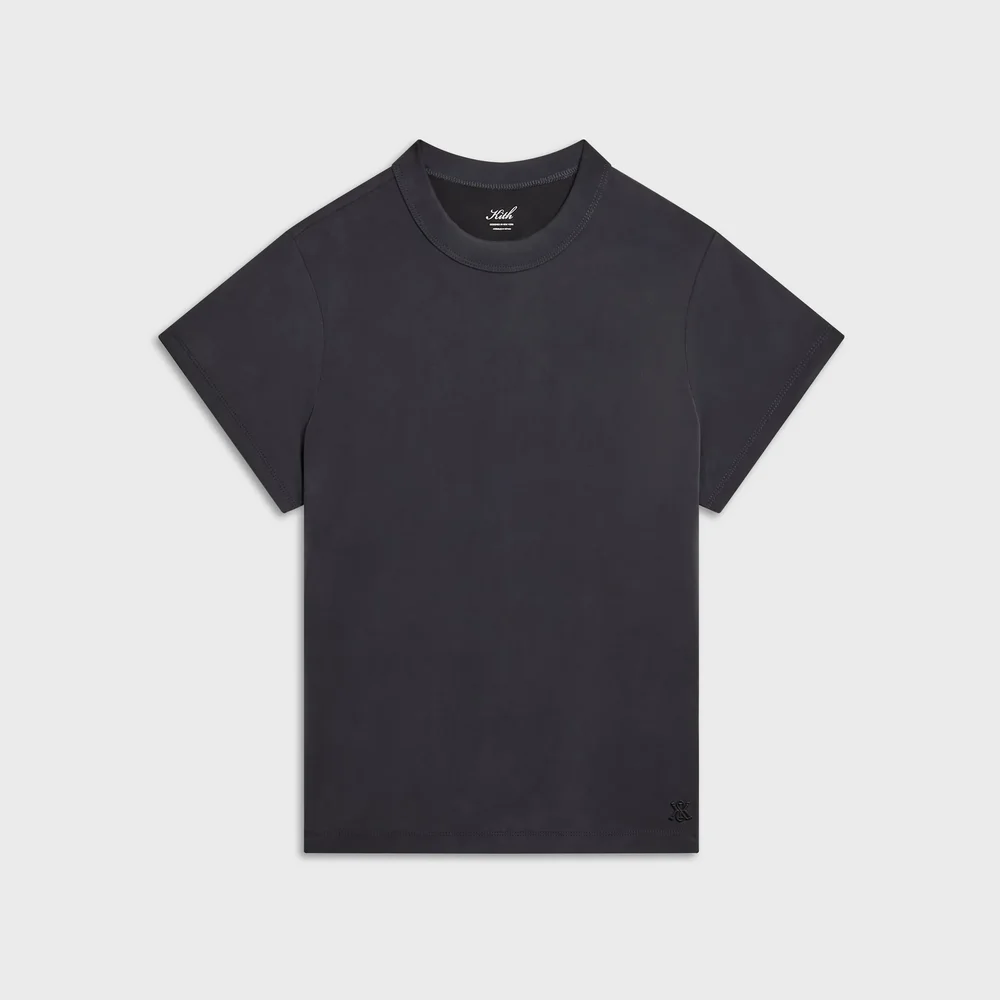
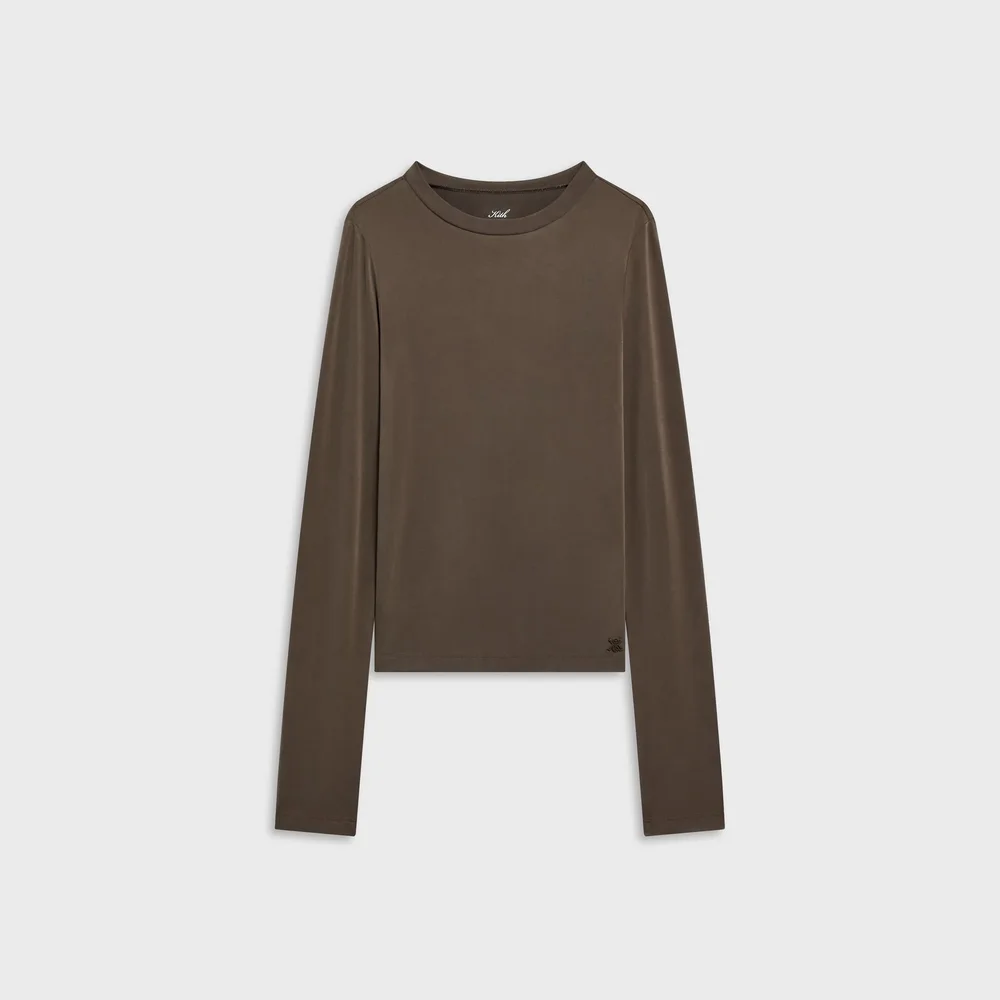
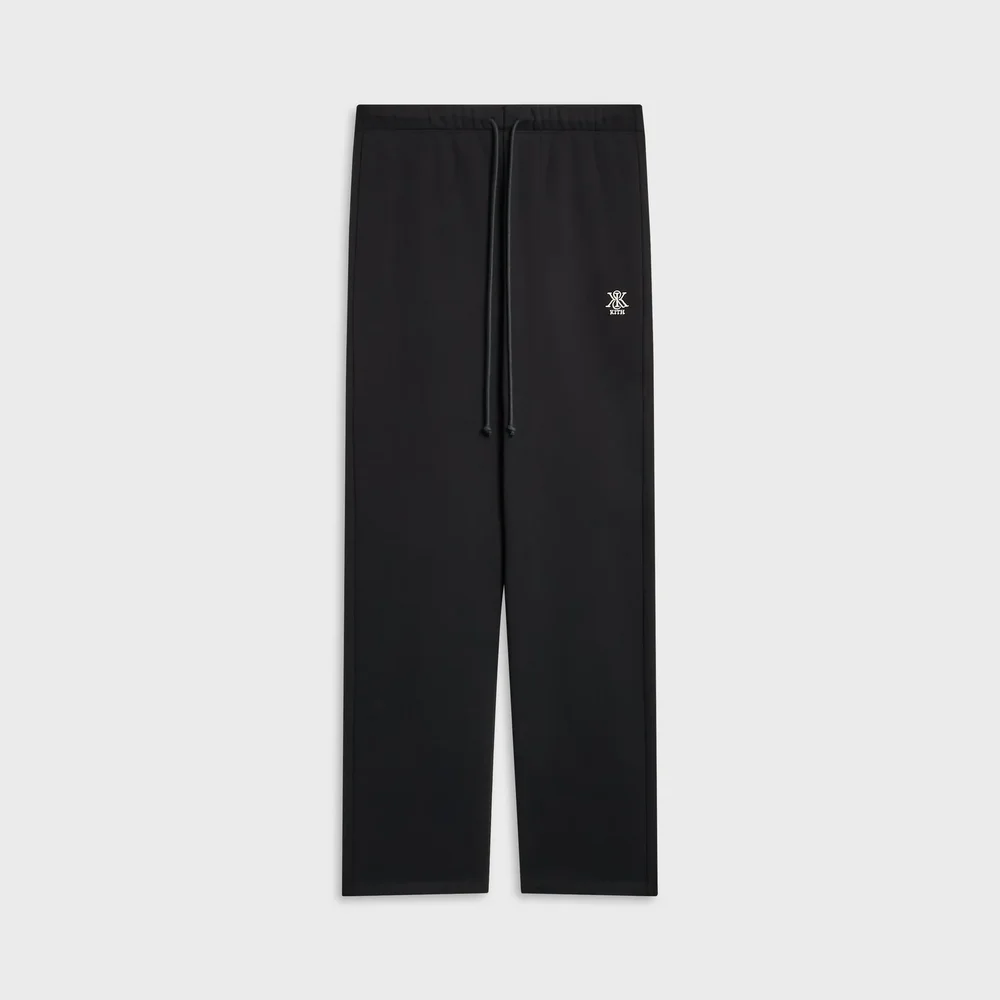
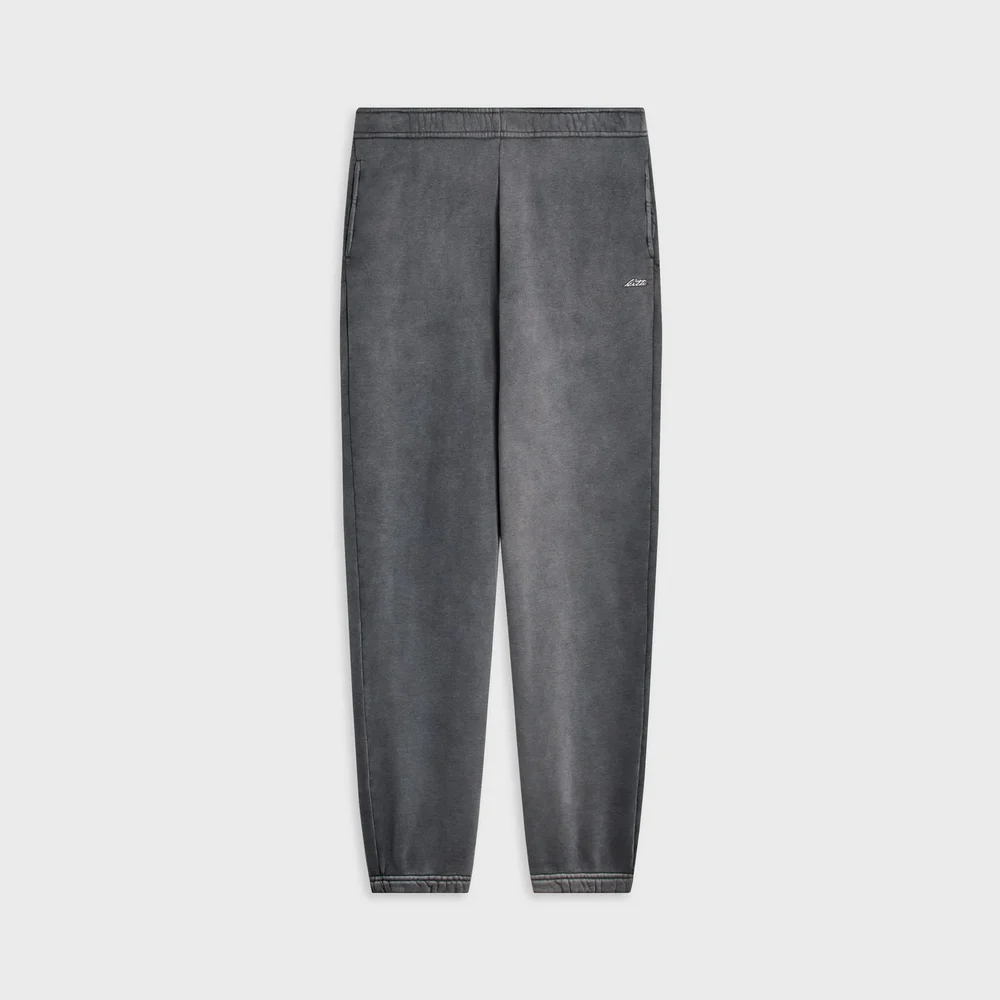
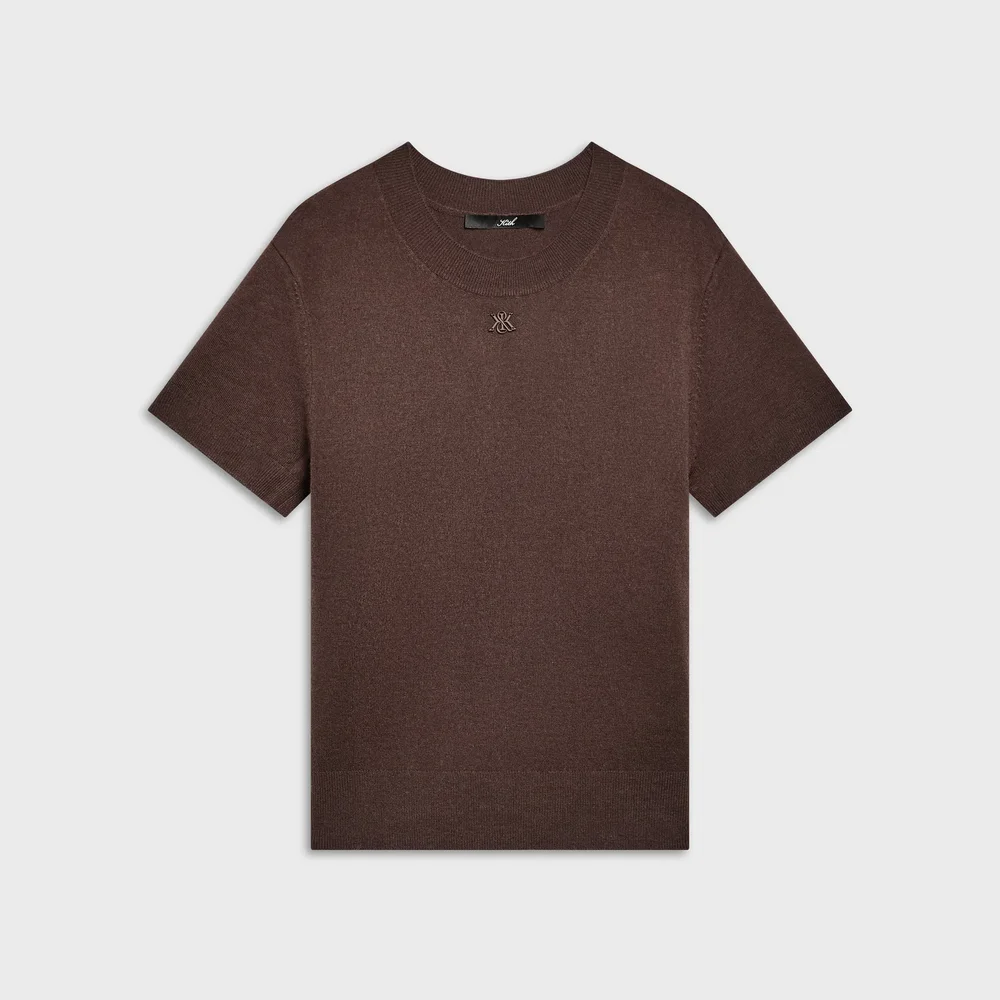
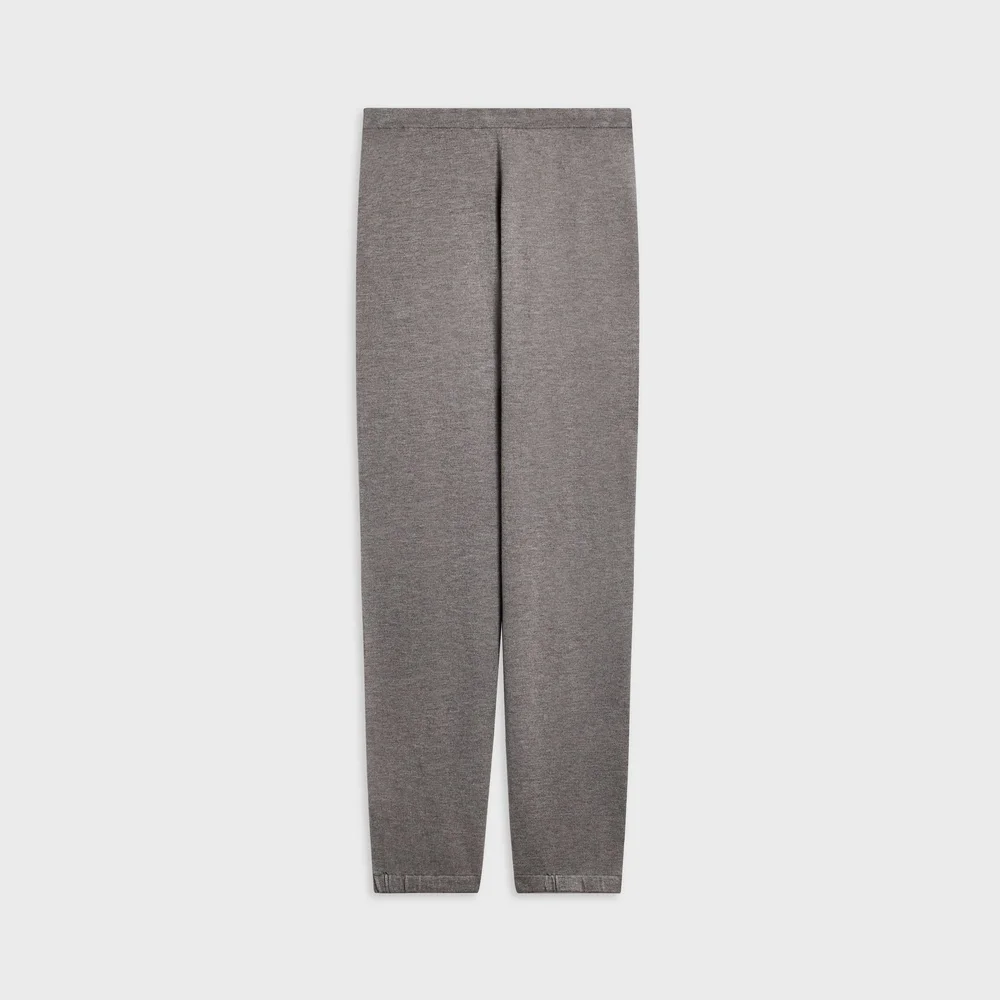
The first signature clothing story came in 2012 with the Mercer Pant, a camouflage army trouser Fieg modified with an elastic cuff to let sneakers show; it led to varsity jackets and six-panel hats. I like that it began with a practical styling problem, not a logo exercise. Mulberry Vintage Cupro Tee is an easy short-sleeve base; Nori Cupro Long Sleeve is a quiet foundation with more coverage; Olivia Sweatpant is a full-length black drawstring pair; Chelsea III Sweatpant gives the relaxed uniform a washed finish and cuffed leg. These are not the original Mercer, but they explain how Kith's first in-house product moved from footwear into daily dressing.
Private by Design
Ownership history is mostly a founder story, not a chain of buyouts: Kith began in New York in 2011, and in a September 2026 interview Fieg still described it as private, owned by him and his partner, with no outside investors. The milestones I can verify are the 2011 launch and that 2026 ownership snapshot; the direct account does not describe a transfer.
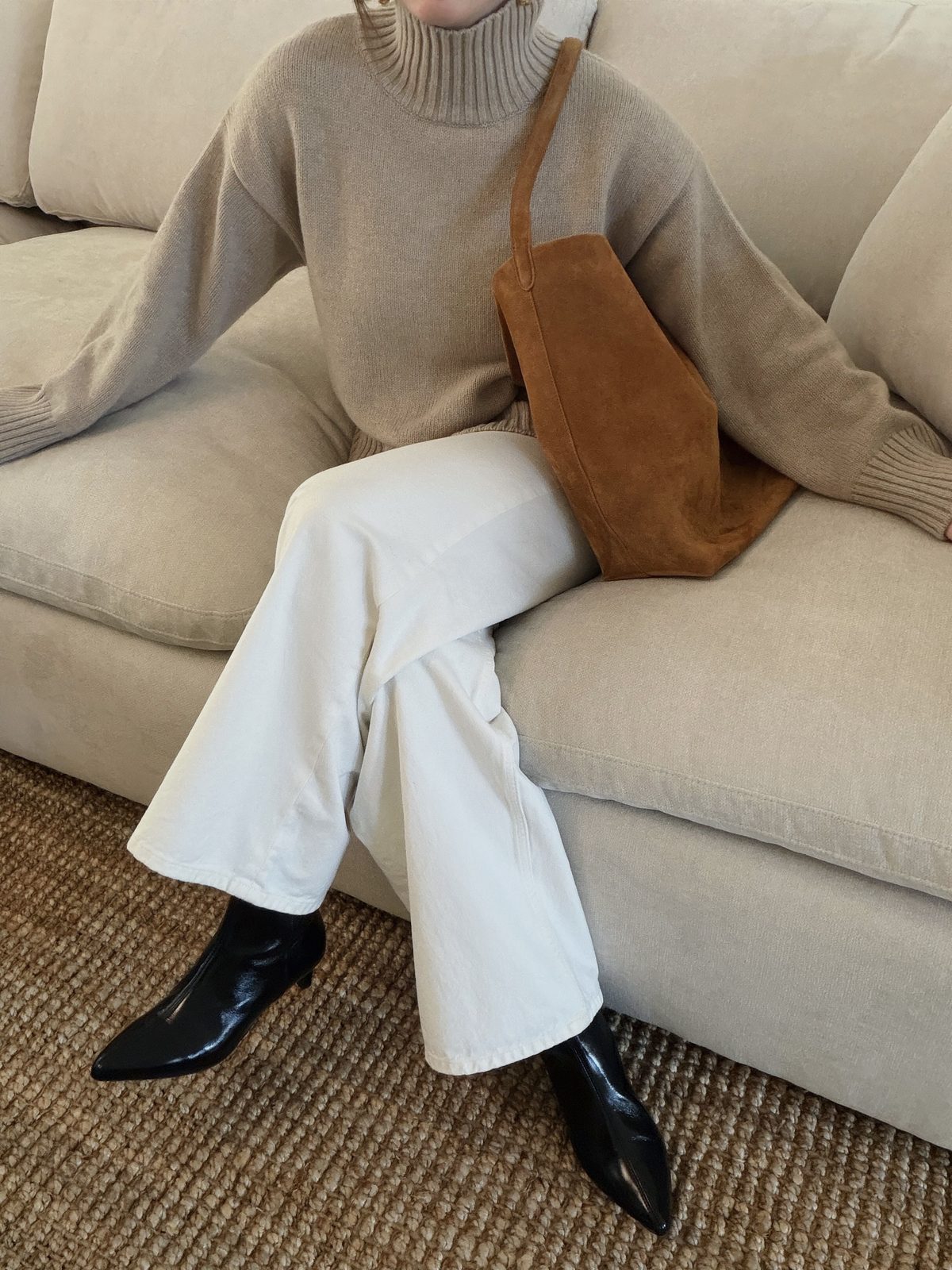
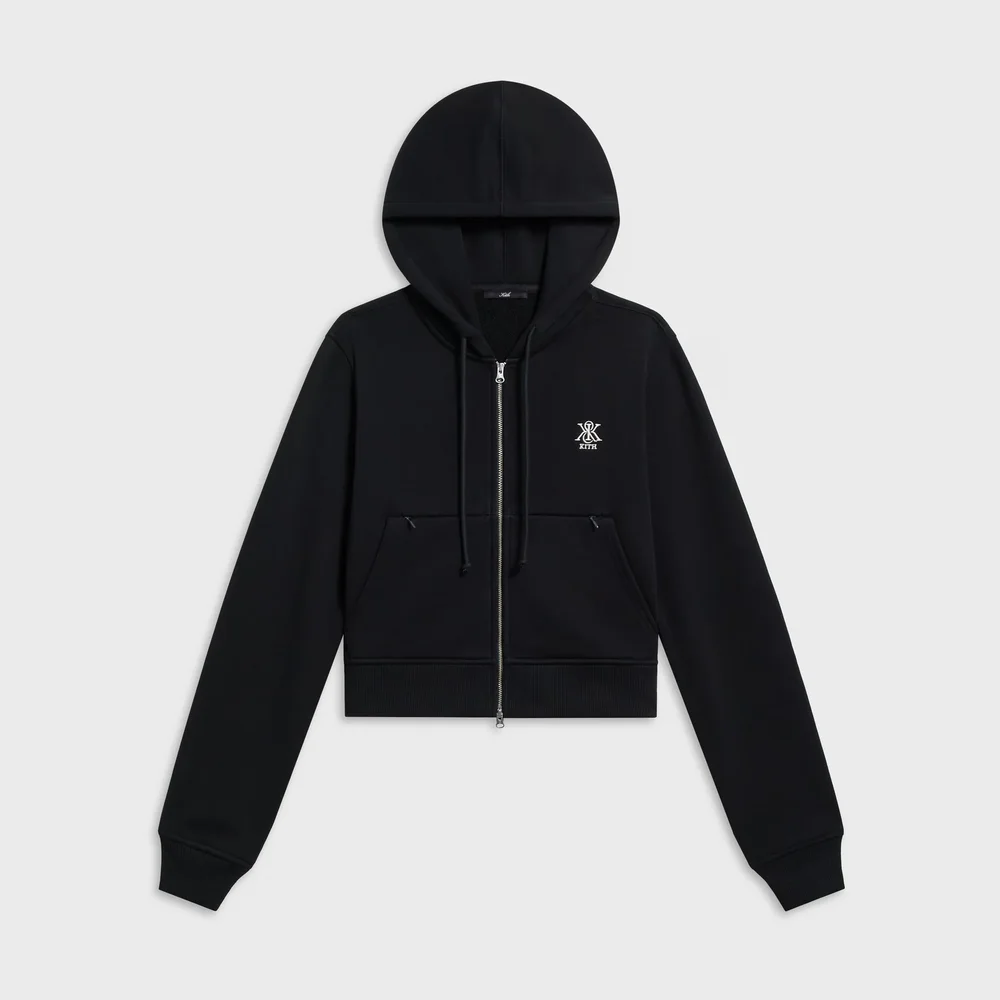
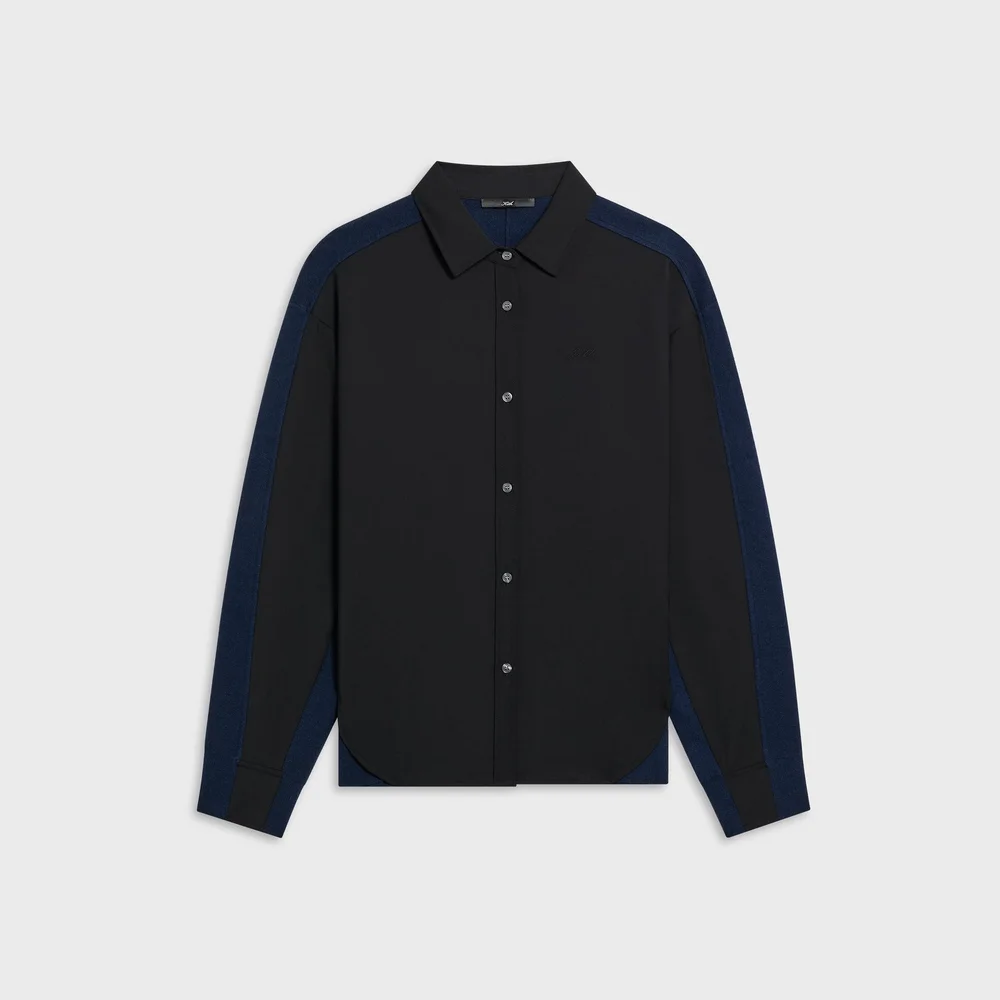
The same interview presents &Kin as a newer label within Kith's product world, with higher-cost construction and Italian and Japanese fabrics, rather than a separate parent company. I would keep the ownership story separate from the collaboration list: a Nike or BMW project is a partnership, not proof that either company owns Kith. Mulberry IV Sweater Tee is a more polished take on the knit top, Tye Zip Hoodie brings the sporty layer, Ora III Sweater Shirt combines a button-front with knit panels, and Chelsea Sweater Pant makes the soft set. I would start with the tee and hoodie, then add the set pieces if you like a softer silhouette.
What I Would Buy First
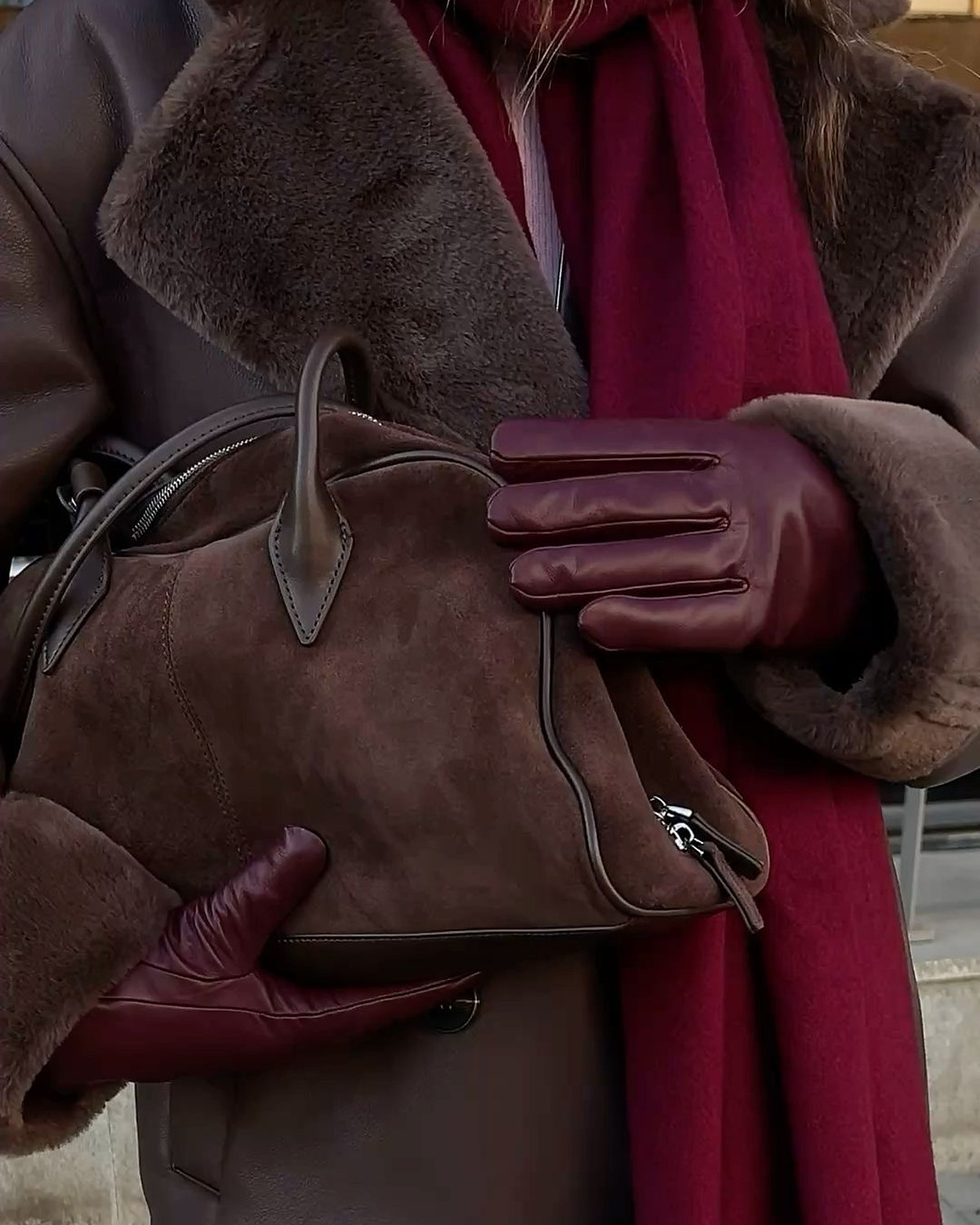
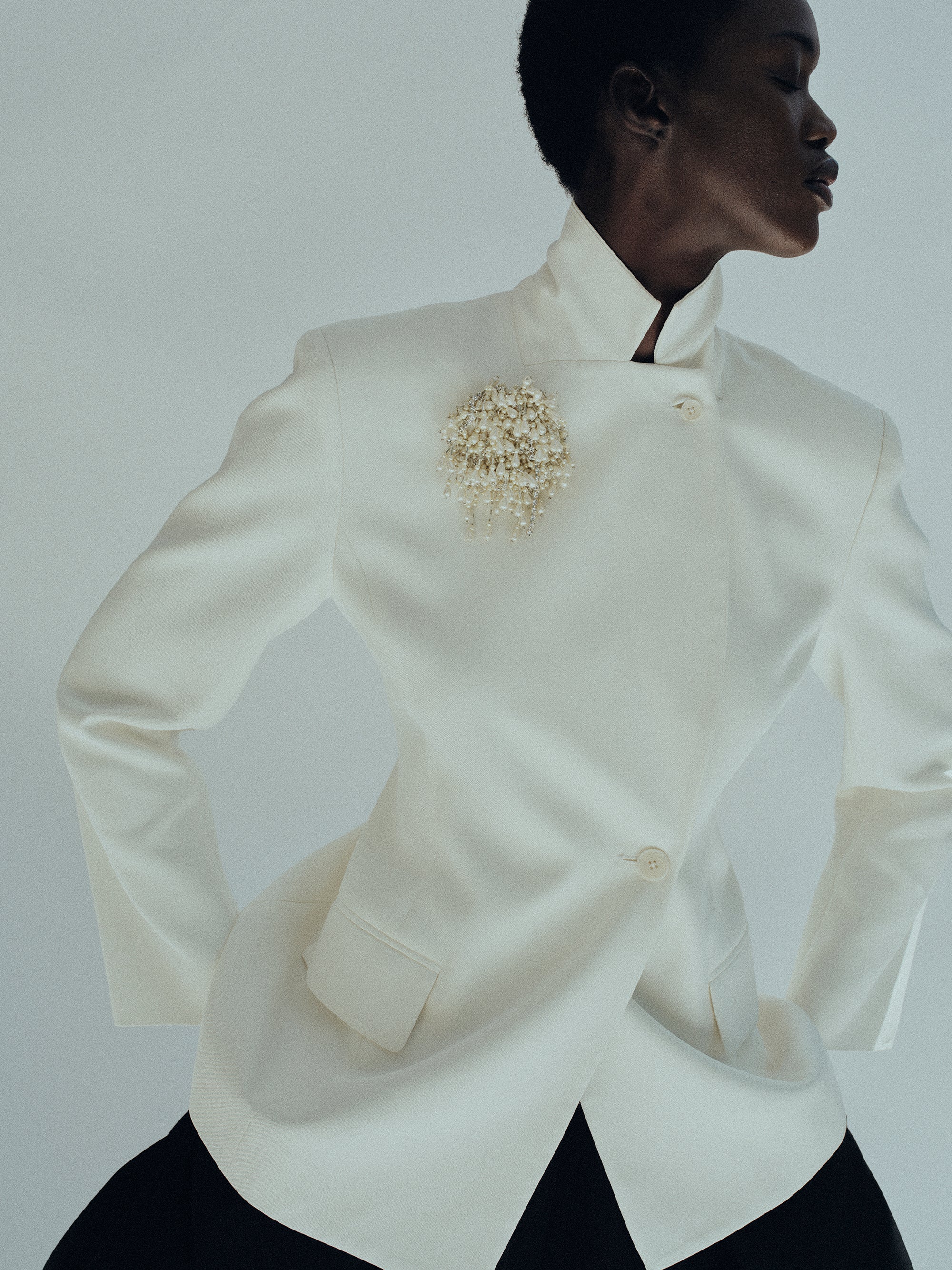
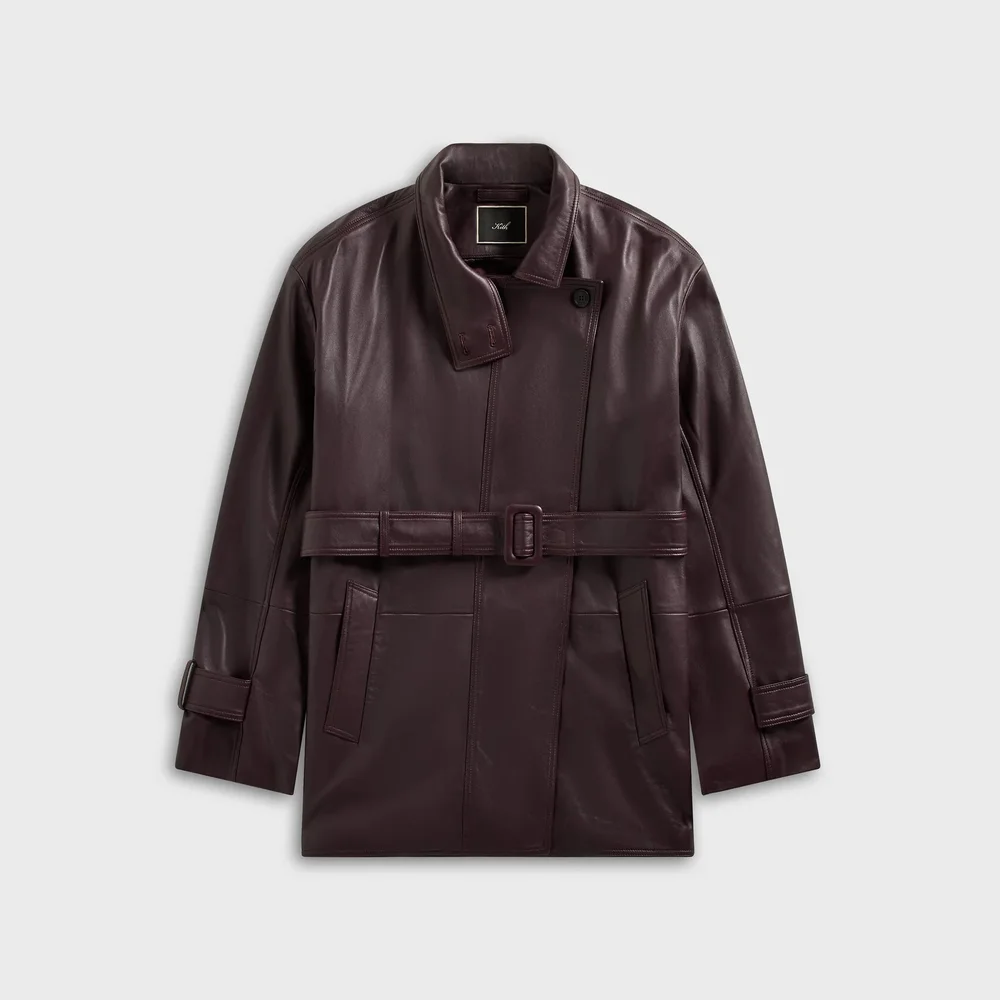
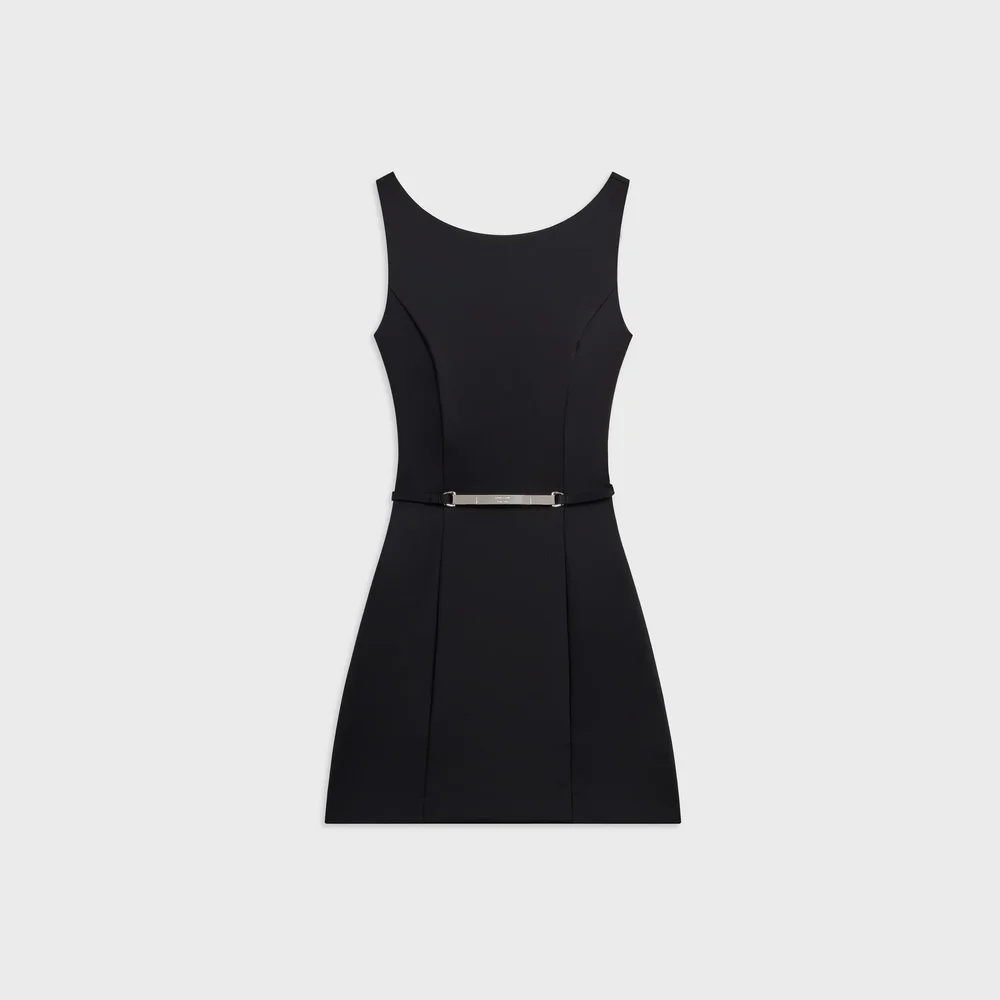
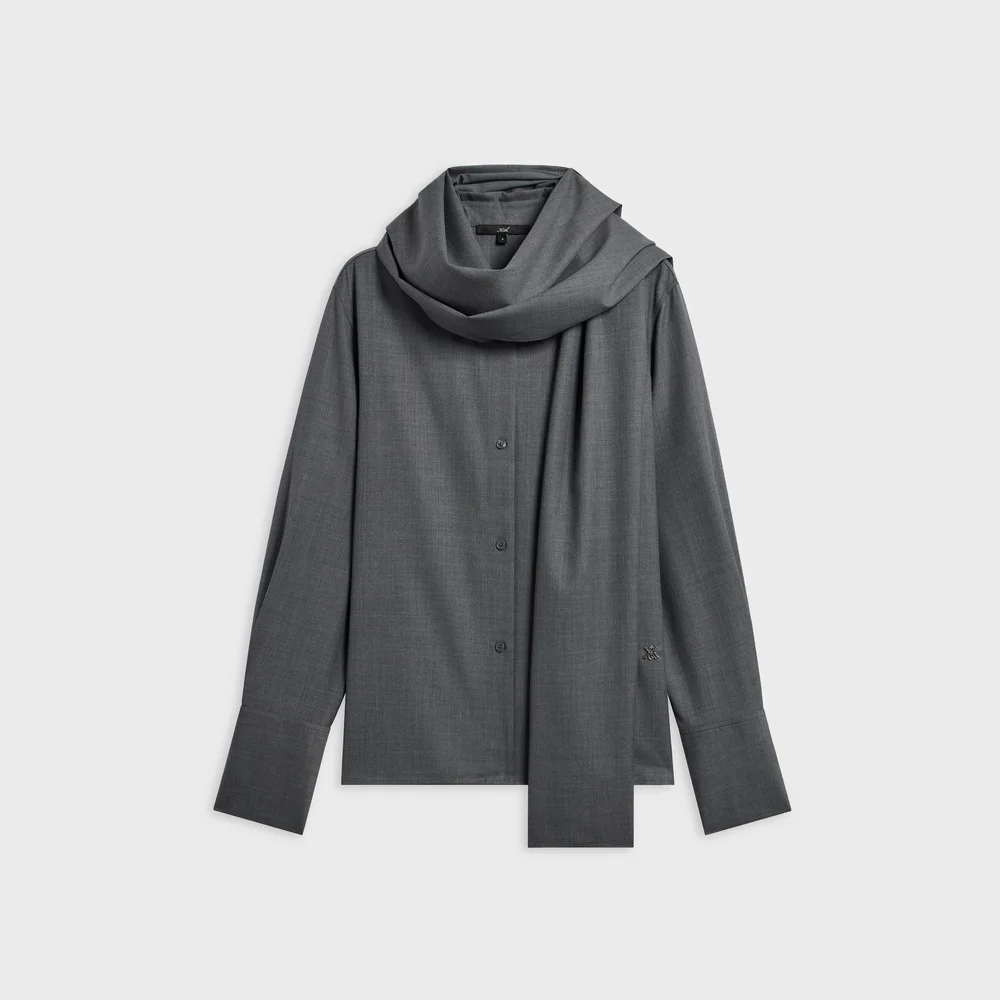
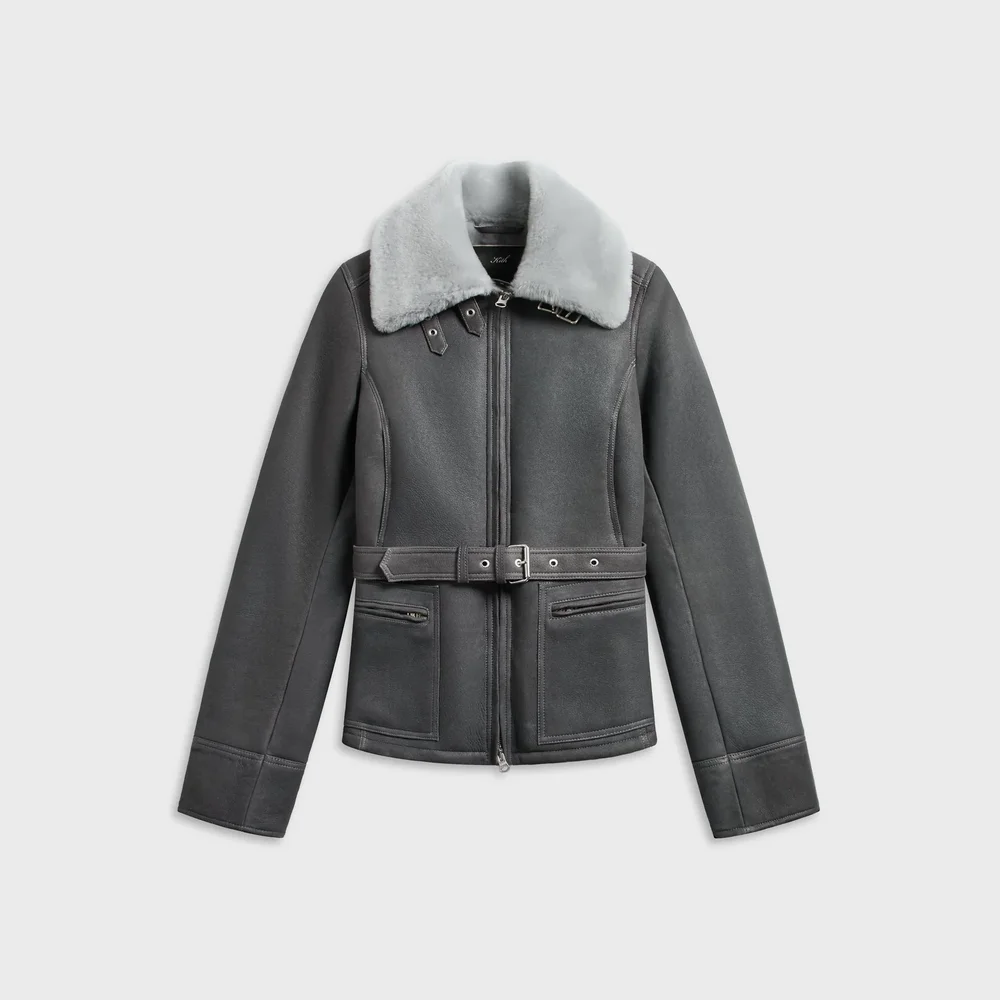
I would buy a lower-key layer that will earn its place in a weekly rotation, and skip high-ticket outerwear unless I already knew I wanted that exact silhouette. Jun Leather Trench Jacket is a belted burgundy lambskin statement, while Taria Shearling Belted Jacket has an oversized shape and plush collar; both are appealing, but they ask you to build an outfit around them. Desma Suiting Dress is an easier occasion choice, with a sleeveless shape and buckle waist, while Perla Scarf Shirt is a clever day-to-night piece because its attached scarf supplies the styling.
My pick is the Perla if you want one special piece that still works with ordinary trousers, and the Desma if the calendar already has a dinner or event on it. I would pass on the big coats until trying Kith's simpler tees and sweats, because it is easier to judge the proportions without a four-figure decision. There is a wide gap between Mercer-Pant practicality and leather-trench drama, and the less dramatic purchase tells me more about whether I would wear Kith often.