Marc Jacobs is privately held through a 50/50 WHP Global and G-III joint venture, while G-III runs operations. Here is the ownership story.
Who Owns Marc Jacobs? WHP and G III Share It Today
The Ownership Answer
Marc Jacobs is privately held through a 50/50 joint venture between WHP Global and G-III, which completed the acquisition on September 1, 2026. WHP leads global brand licensing; G-III acquired and runs the operating business, including wholesale, retail and e-commerce. The designer remains Founder and Creative Director. So, who owns Marc Jacobs? Both companies own the brand's intellectual property equally, while G-III runs the business that sells it.
The Marc Jacobs parent company story is really an ownership split: WHP and G-III share the brand rights, and G-III is the public partner, trading on Nasdaq as GIII. It is not a standalone publicly traded label. LVMH had held the majority stake since 1997, until this sale closed. If you mean who makes Marc Jacobs, G-III now handles commercial operations and WHP oversees licensing. WHP's fashion family also includes Vera Wang, rag & bone and G-STAR. I would keep those roles separate in my head: brand owner is not always the same thing as the company running the stores.
A Downtown Label Starts With Its Founder
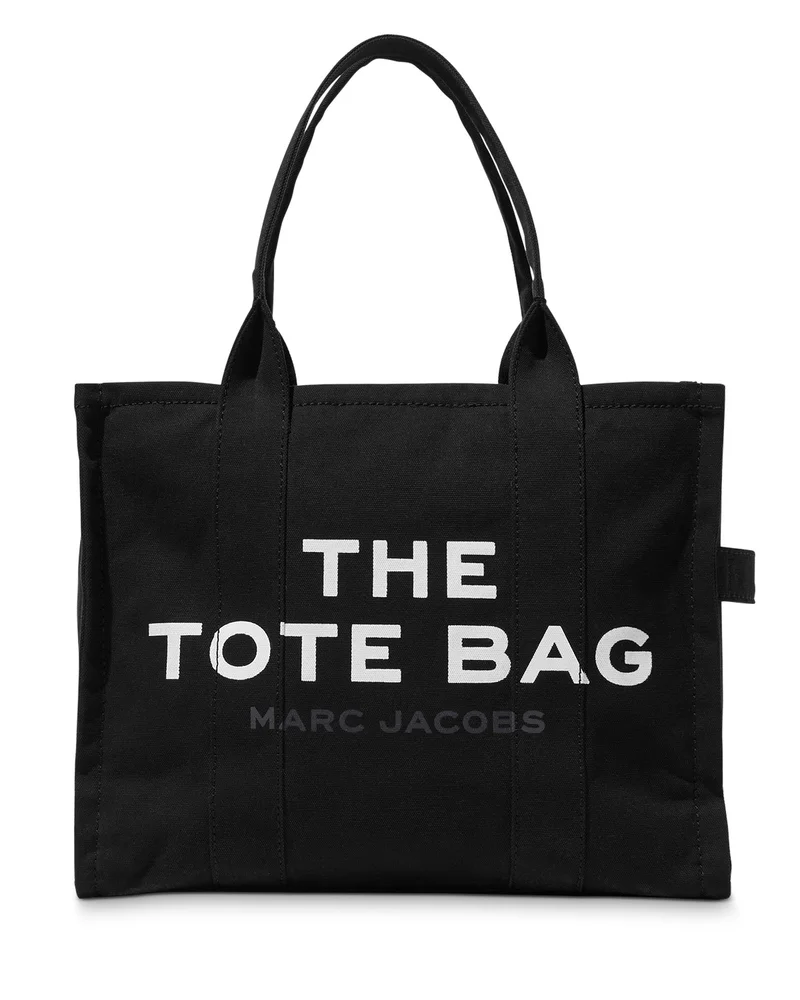
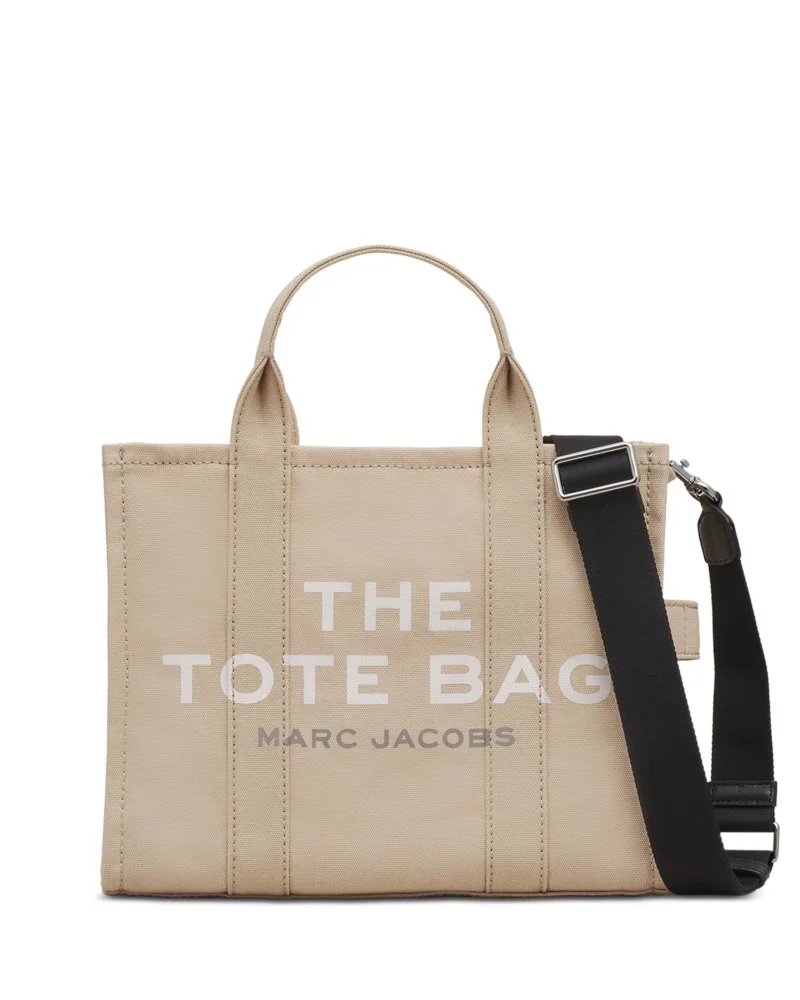
Marc Jacobs and Robert Duffy created Marc Jacobs International in 1984 around two straightforward ideas, a love of fashion and a commitment to quality. Jacobs's original grunge collection appeared in 1993; his eponymous collection debuted in April 1994, and the first SoHo store followed in 1997. If you are wondering who founded Marc Jacobs, it was the designer and his business partner, years before the label's later ownership changes. The Tote Bag arrived in 2019, decades after the first collection, and gave the house a more everyday, highly recognizable carryall.
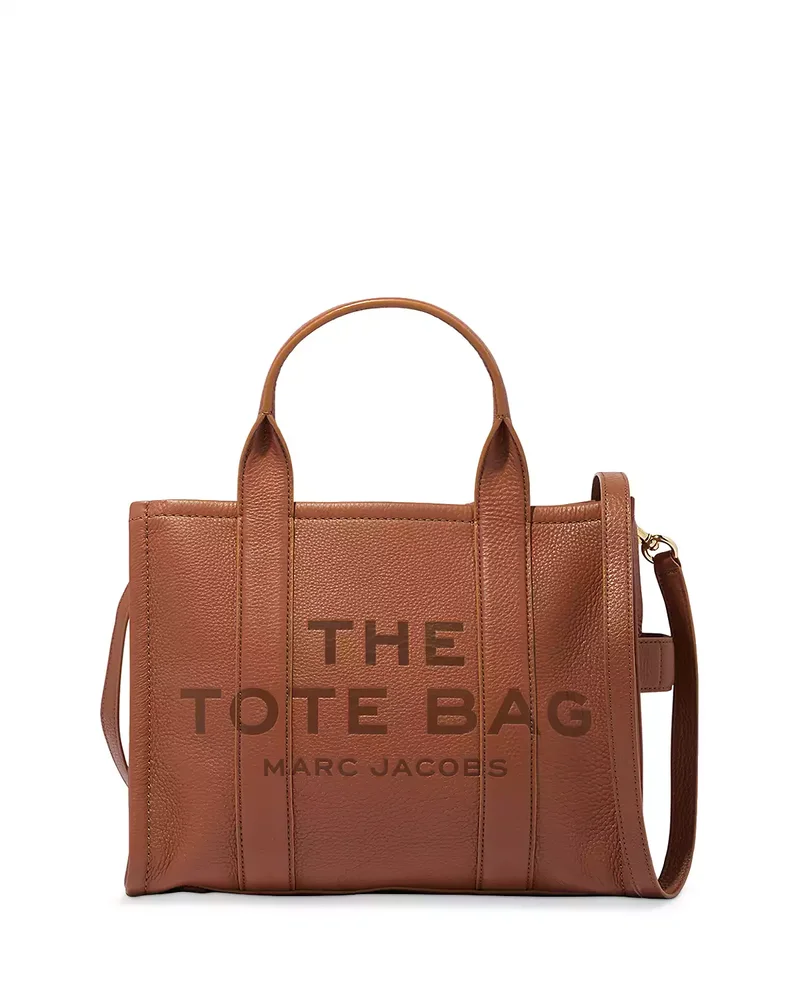
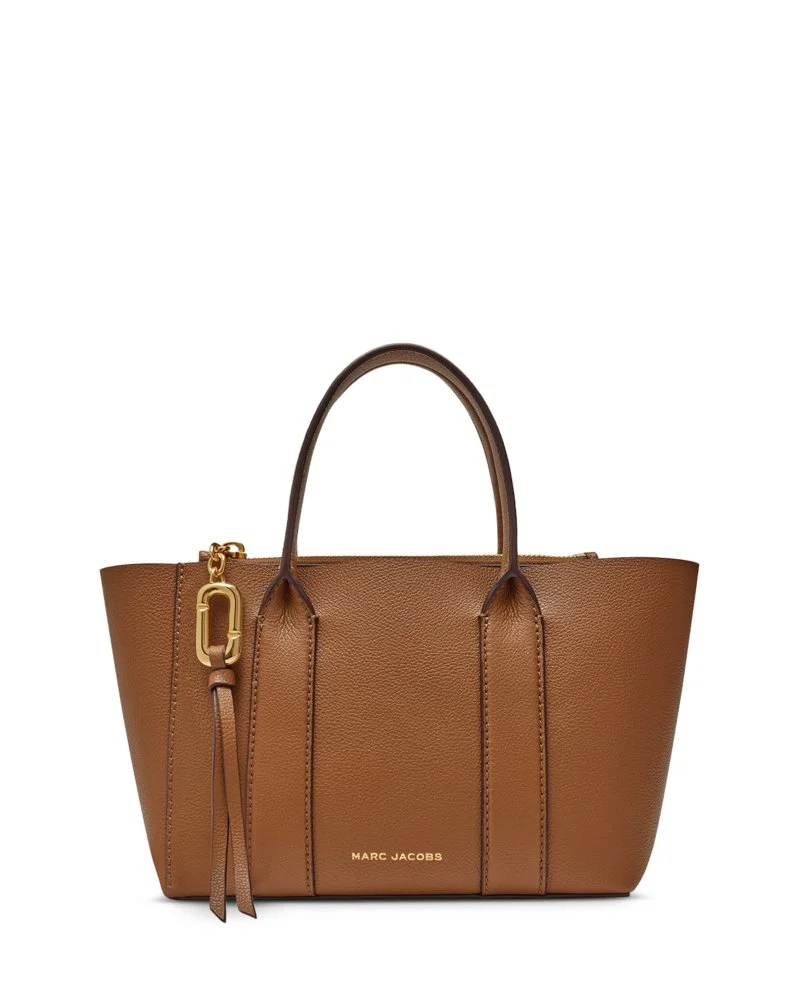
The Canvas Large Tote Bag is cotton canvas with a zip and side luggage strap, my practical travel pick. The Canvas Medium Tote Bag is easier for daily errands and adds a removable crossbody strap. The Leather Medium Tote Bag is the same useful idea in leather, while The Babe City Tote gives you leather with oversized link handles. I would start with the medium canvas if I wanted one everyday bag and did not need a laptop-sized carryall.
From LVMH to a Shared Owner
LVMH held the majority stake from 1997 until the September 2026 sale closed, moving the label from a single corporate majority owner into a shared intellectual-property venture. WHP Global and G-III each hold half of the brand rights now. WHP leads global licensing; G-III owns and operates wholesale, retail and e-commerce. Marc Jacobs remains Founder and Creative Director, so the confirmed change is about corporate structure, not a new creative lead. G-III's owned labels include DKNY, Donna Karan, Karl Lagerfeld, Sonia Rykiel and Vilebrequin, while WHP's fashion roster includes Vera Wang, rag & bone and G-STAR. I would wait for a specific product announcement before claiming the deal changed the clothes or bags.
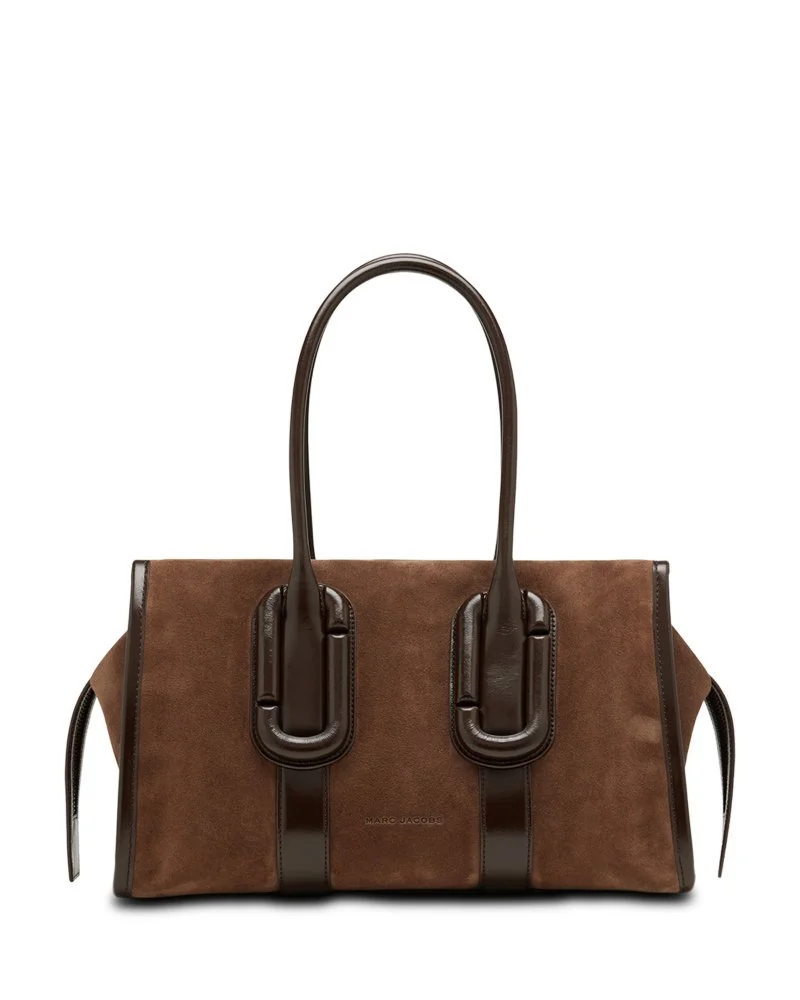
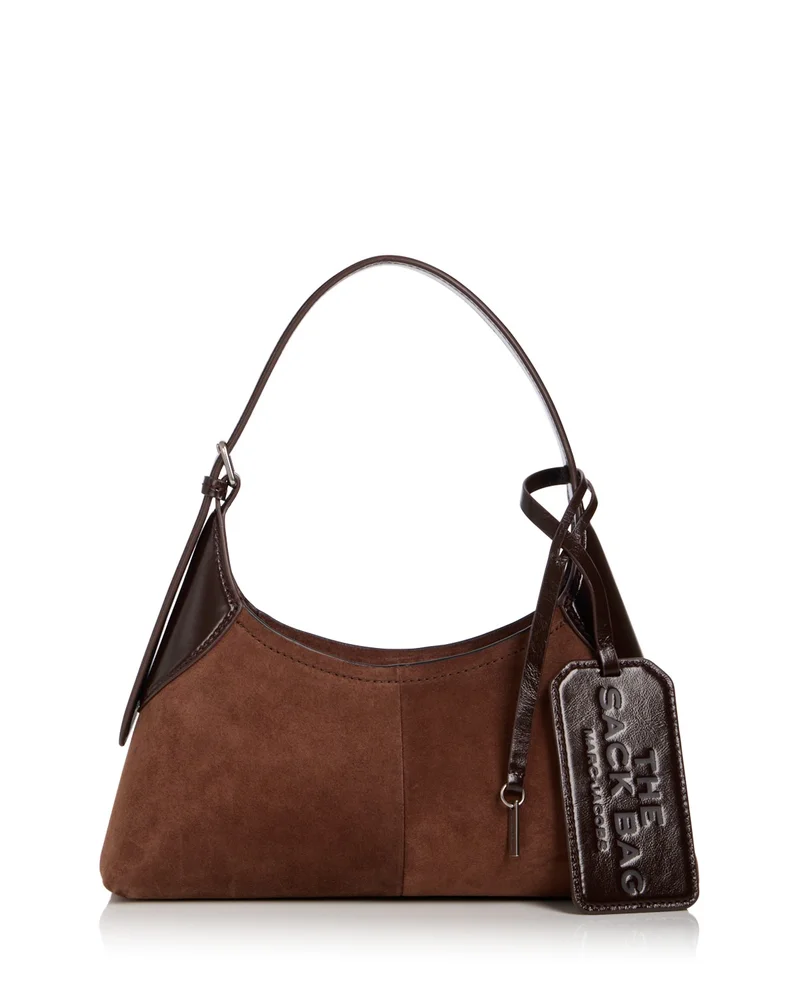
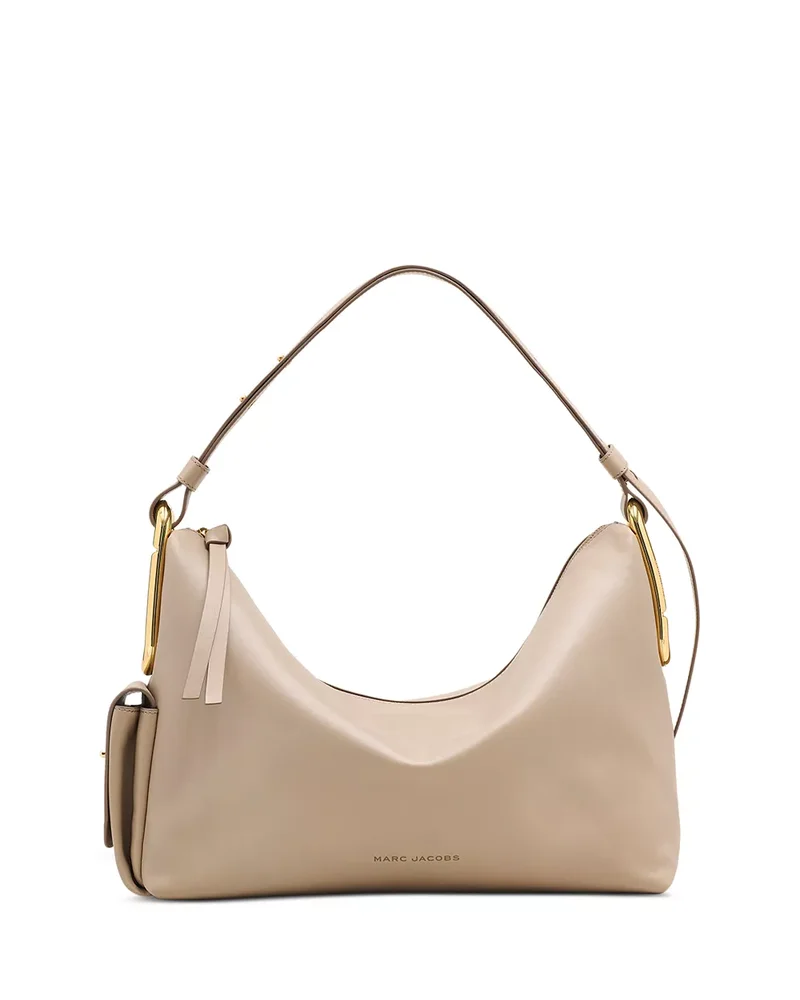
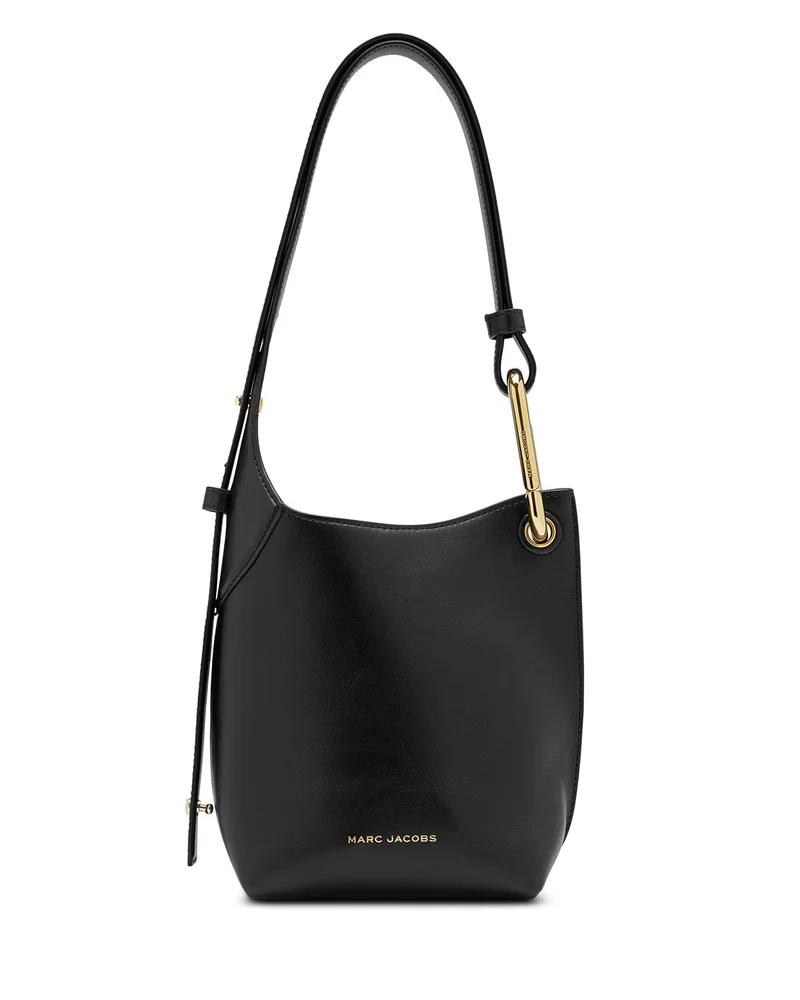
The Sack Small Belted Suede Shoulder Bag has a zipped, compact shape; The Scene Large Hobo Bag is a roomier leather option; The Scene Small Bucket Bag keeps the silhouette tidy; and Scene Small Patent Leather Work Tote Bag adds a center zip compartment. My pick of these is the hobo when I'm carrying more than a wallet, but I would choose the small bucket for a day with a lighter load.
What I Would Buy First
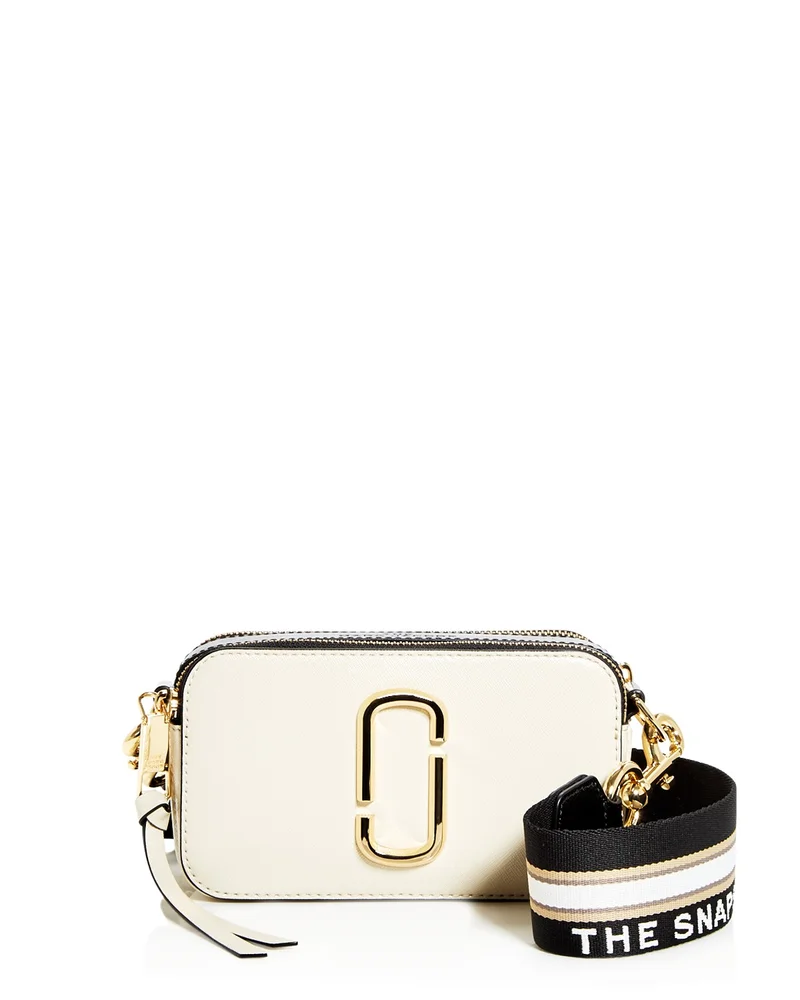
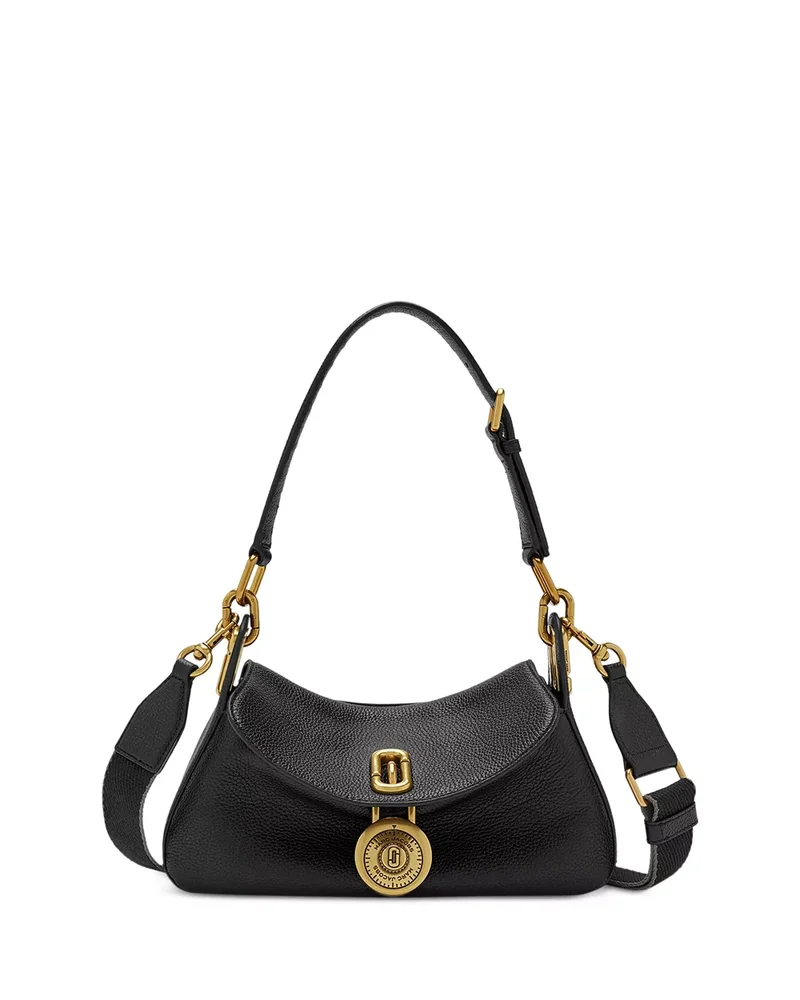
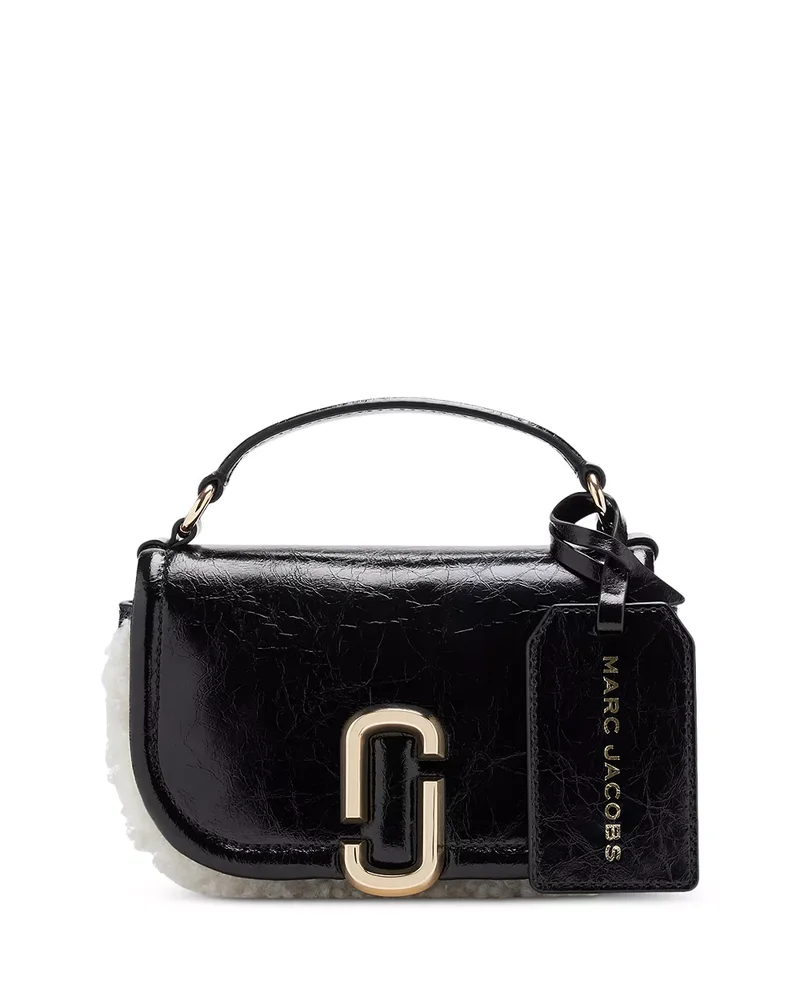
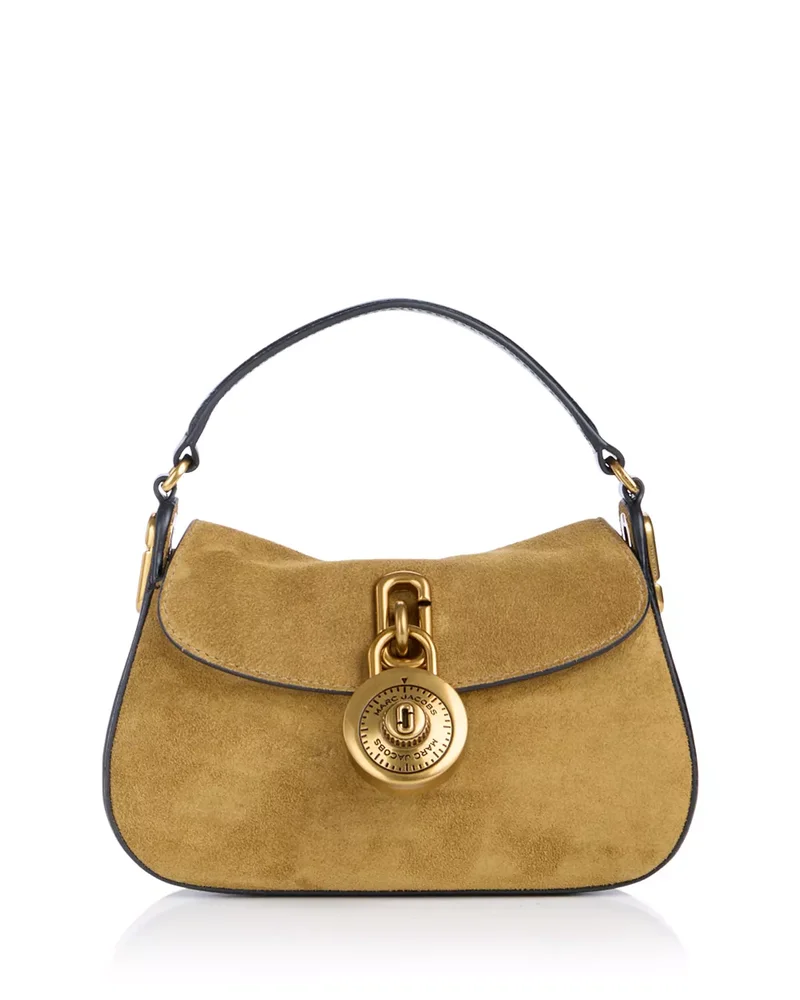
What I would buy first is The Snapshot: its double zip closures and interior compartments make the small leather crossbody more useful than its size suggests. Locker Leather Shoulder Bag has a functional padlock and a removable crossbody strap, so it can be worn two ways. JJ Crinkle Leather Crossbody is a top-handle option with a removable strap and plush trim; Convertible Suede Crossbody brings a magnetic flap and padlock detail. I like that each solves the hands-free problem in a different mood. If I had to pick one, I would choose The Snapshot for weekday use.
I would skip buying a bag just because its most distinctive detail is a finish I would have to baby. For a heavier workday, I would start with a tote; for dinner or errands, I would rather have a compact crossbody than carry empty space. The brand's best trick, to me, is balancing playful design with useful closures, pockets and straps. I would not treat a structured small bag as a substitute for an all-day carryall.