Oakley is owned by publicly traded EssilorLuxottica, its parent since the 2018 combination; Luxottica acquired the brand in 2007.

Who Owns Oakley? EssilorLuxottica And The 2007 Takeover
The Owner Today
Oakley is owned by EssilorLuxottica, a publicly traded eyewear company; its current parent relationship began in 2018, after Luxottica bought Oakley in 2007. So, who owns Oakley today? The direct answer is EssilorLuxottica, whose shares trade on Euronext Paris. Its latest 2026 release still lists Oakley among its brands and Sunglass Hut among its retail businesses. I would keep the two dates straight: 2007 is the first Luxottica buyout, while 2018 is when the current parent name arrived. The company's Q3 2026 release is the freshest confirmation I found.
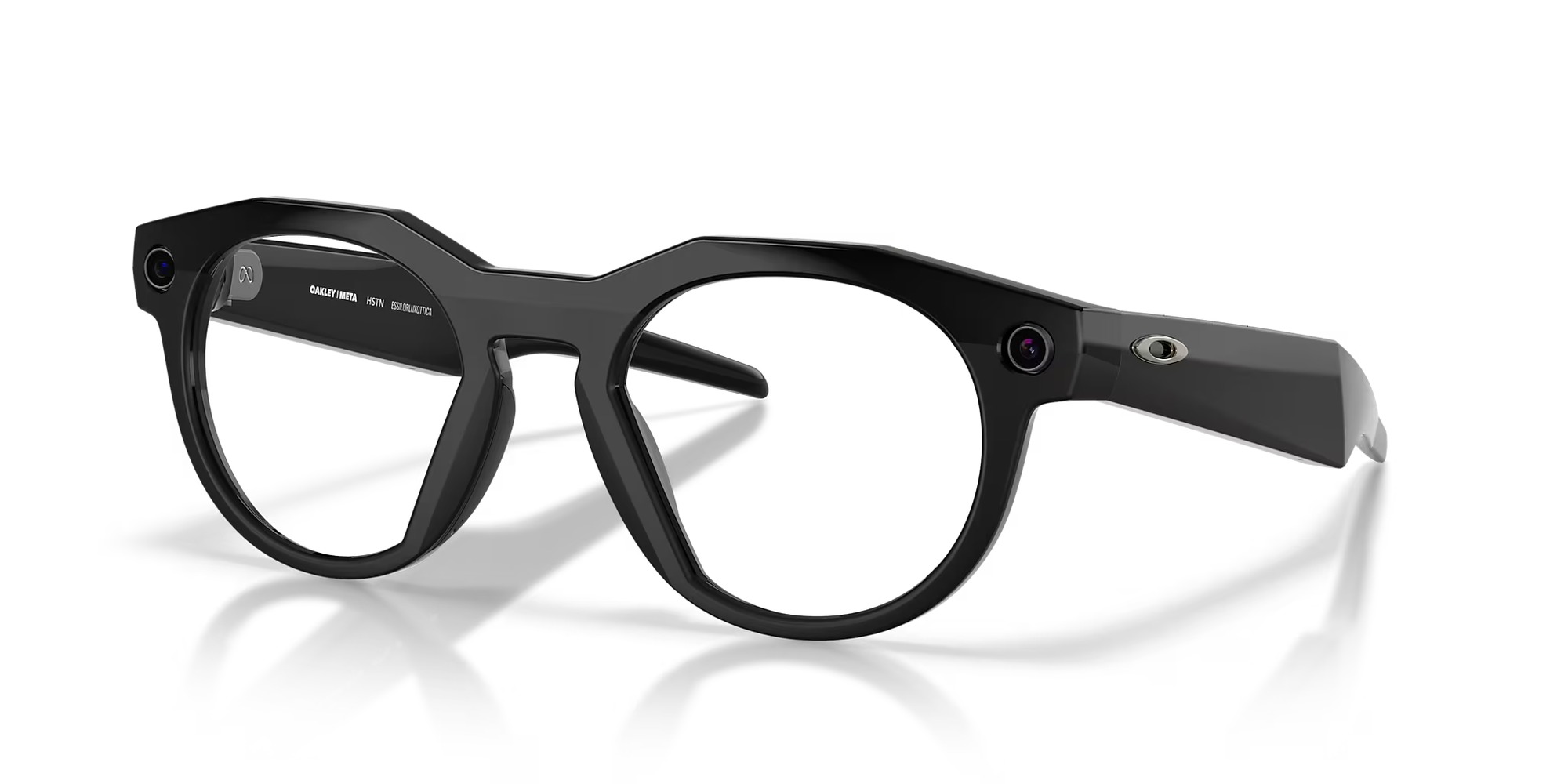
The Oakley parent company question has a tidy answer, but who makes Oakley is really asking about the company behind the label. EssilorLuxottica describes its business as designing, manufacturing and distributing eyewear; Oakley is one of its brands, and Meta is a partner on the Oakley Meta product line, not the owner of Oakley. My opinion: the corporate chart is less interesting than the brand's odd, practical beginnings, but it helps separate a parent company from a product collaboration.
From Grip To Eyeshade
Who founded Oakley? Jim Jannard left a sales job in 1975 to start a brand around his own ideas, and named it after his English Setter, Oakley Anne. The first product was not eyewear but a motorcycle grip, made with an exclusive rubber compound Oakley registered as Unobtainium. In 1980, Oakley took that hands-on approach into protective racing eyewear with the O Frame MX. Four years later, a problem with sunlight slipping through the side of his sunglasses led Jannard to improvise the Eyeshade prototype from a goggle lens, coat hanger and electrical tape. I like that the brand's route into sunglasses started as a practical fix, not a branding brainstorm. Oakley's heritage account lays out that sequence.
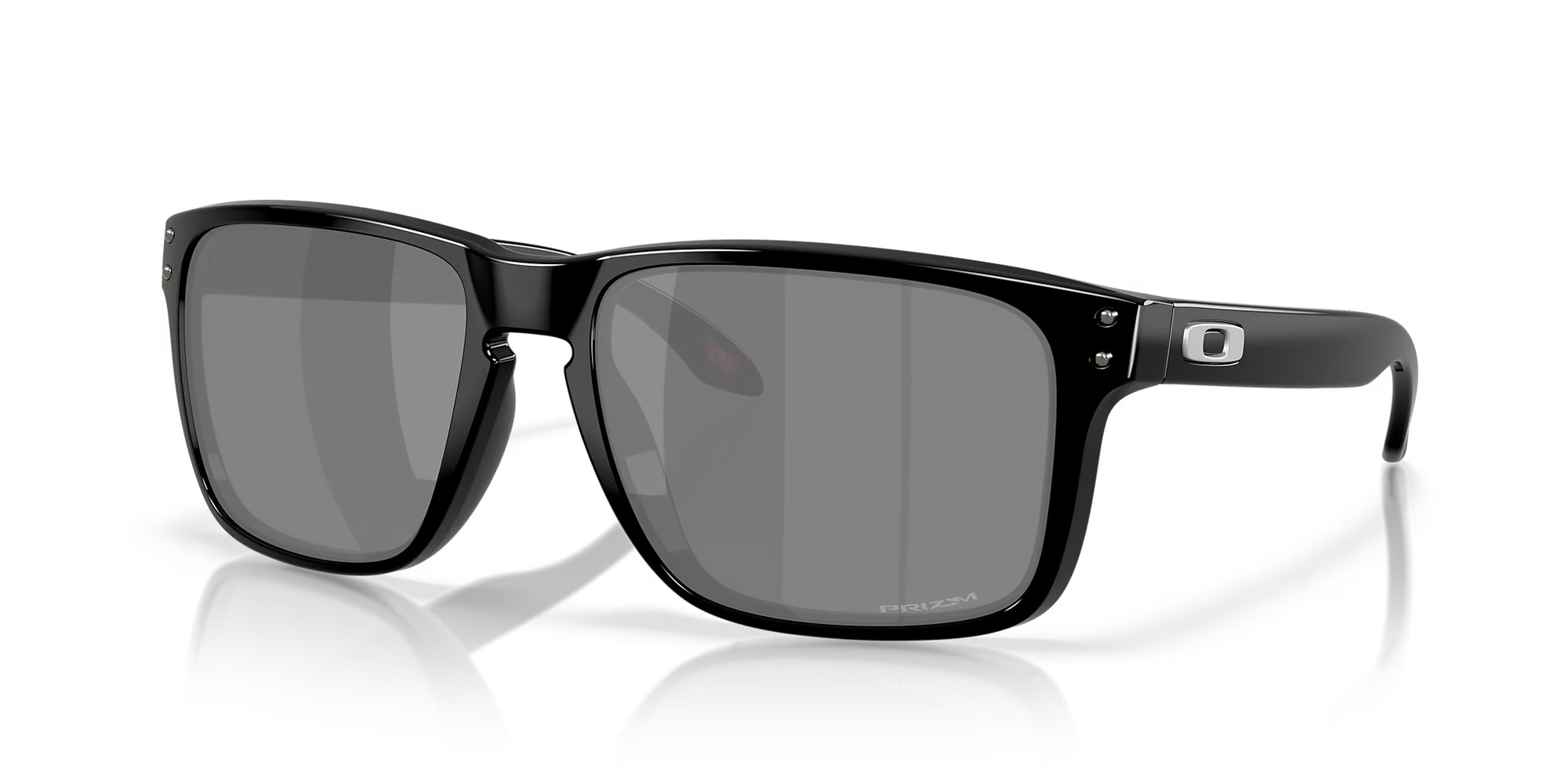
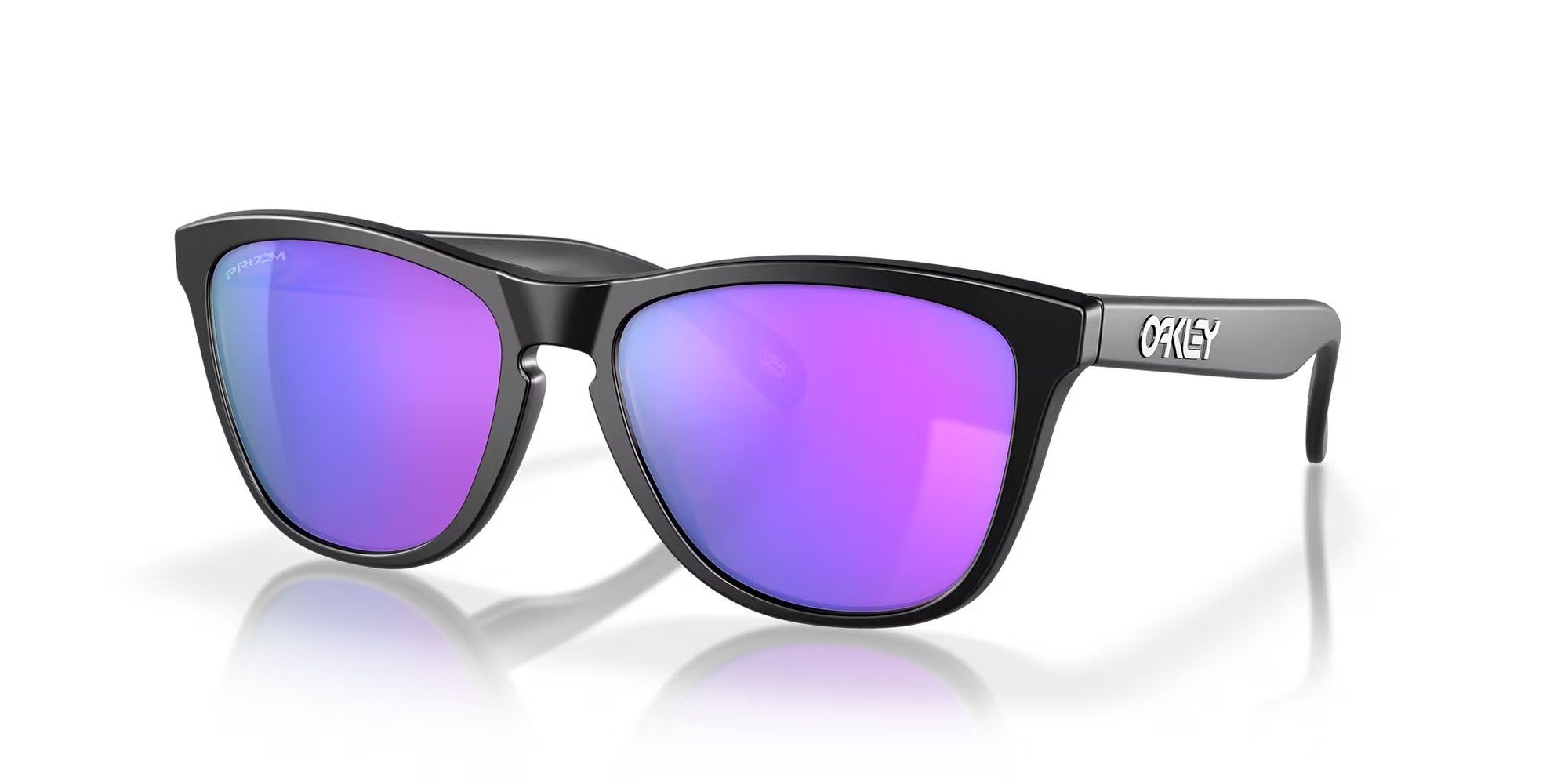
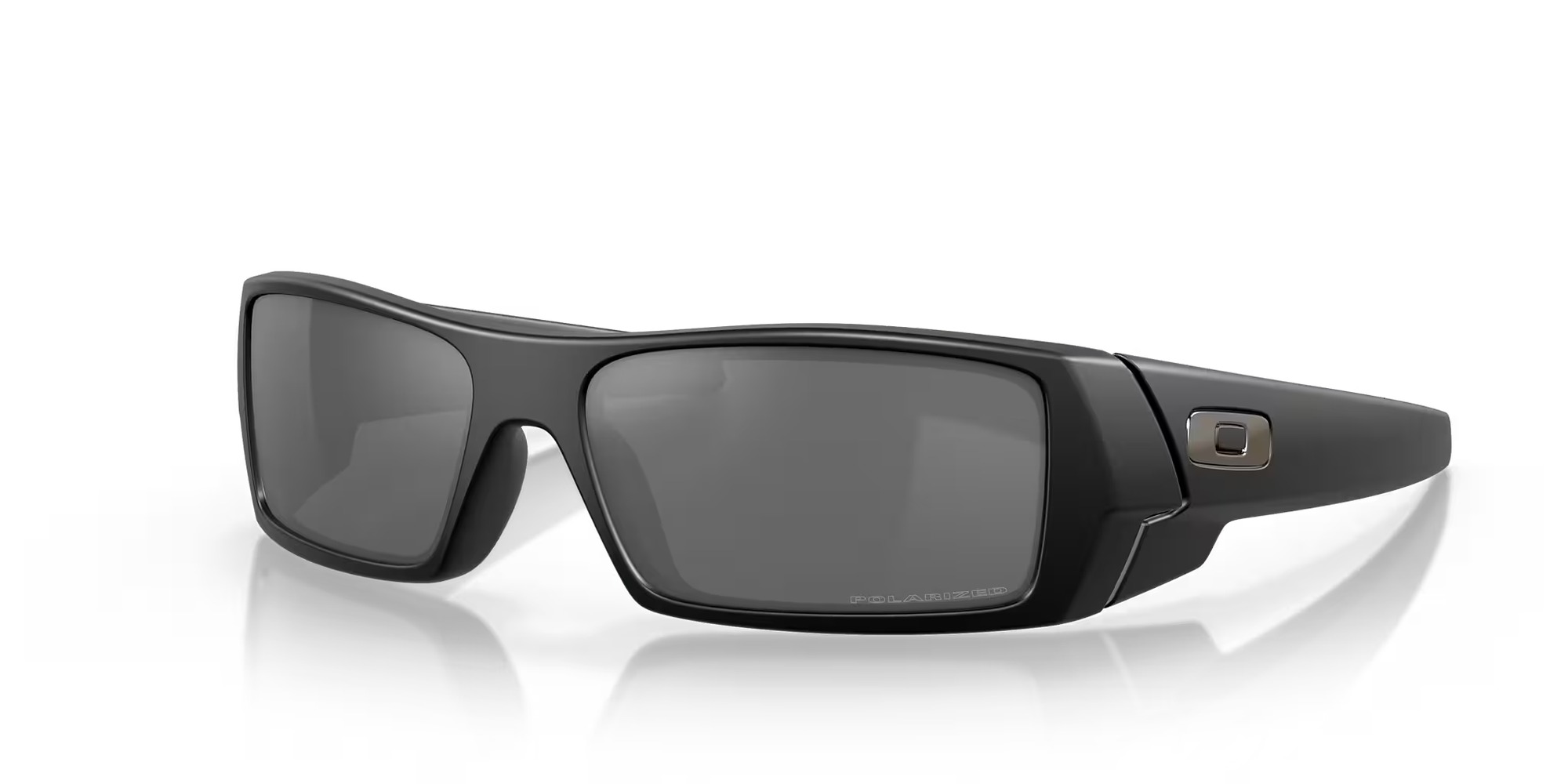
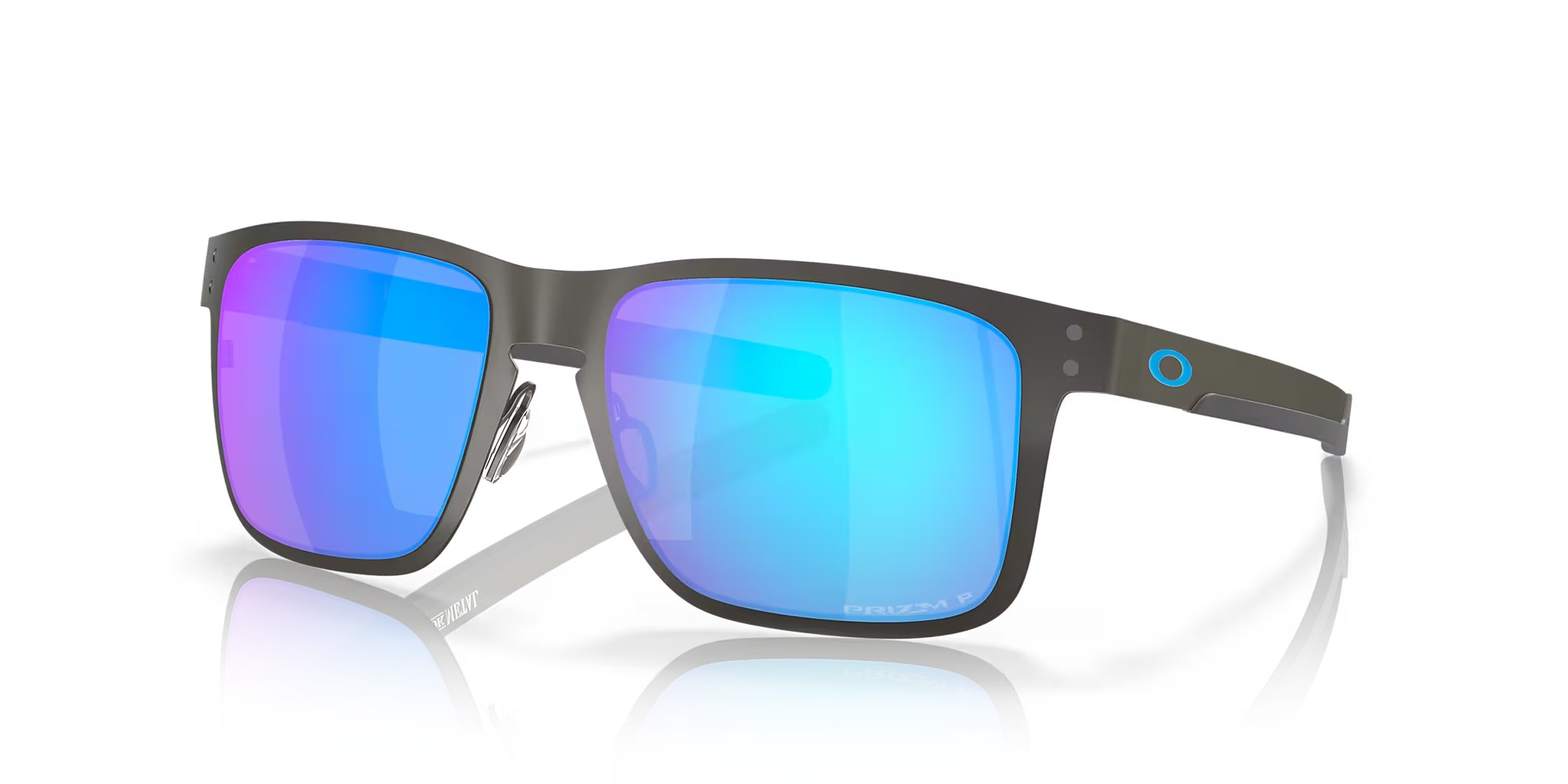
If I were starting with Oakley's familiar shapes, I would compare Frogskins and Holbrook XXL first, then look at Gascan and Holbrook Metal. Frogskins is my easygoing pick; the larger Holbrook XXL feels bolder, Gascan is the more assertive choice, and Holbrook Metal gives the same family a cleaner finish. I would buy Frogskins for an uncomplicated first pair, unless I wanted the metal frame's more polished feel.
Two Ownership Changes
Luxottica acquired California-based Oakley in 2007. The next corporate shift came on October 1, 2018, when Essilor became Luxottica's parent and took the EssilorLuxottica name. The company's 2018 announcement described a combination of lens expertise and eyewear craftsmanship, and named Ray-Ban and Oakley among its brands. I can verify that ownership timeline; I cannot point to a specific product change caused by the deal, so I would not claim that the acquisition suddenly changed how an Oakley frame feels. The interesting twist is that the company behind the Oakley parent company also has its own retail network, including Sunglass Hut. I prefer that clear chronology to the vague shorthand that Oakley is simply Luxottica.
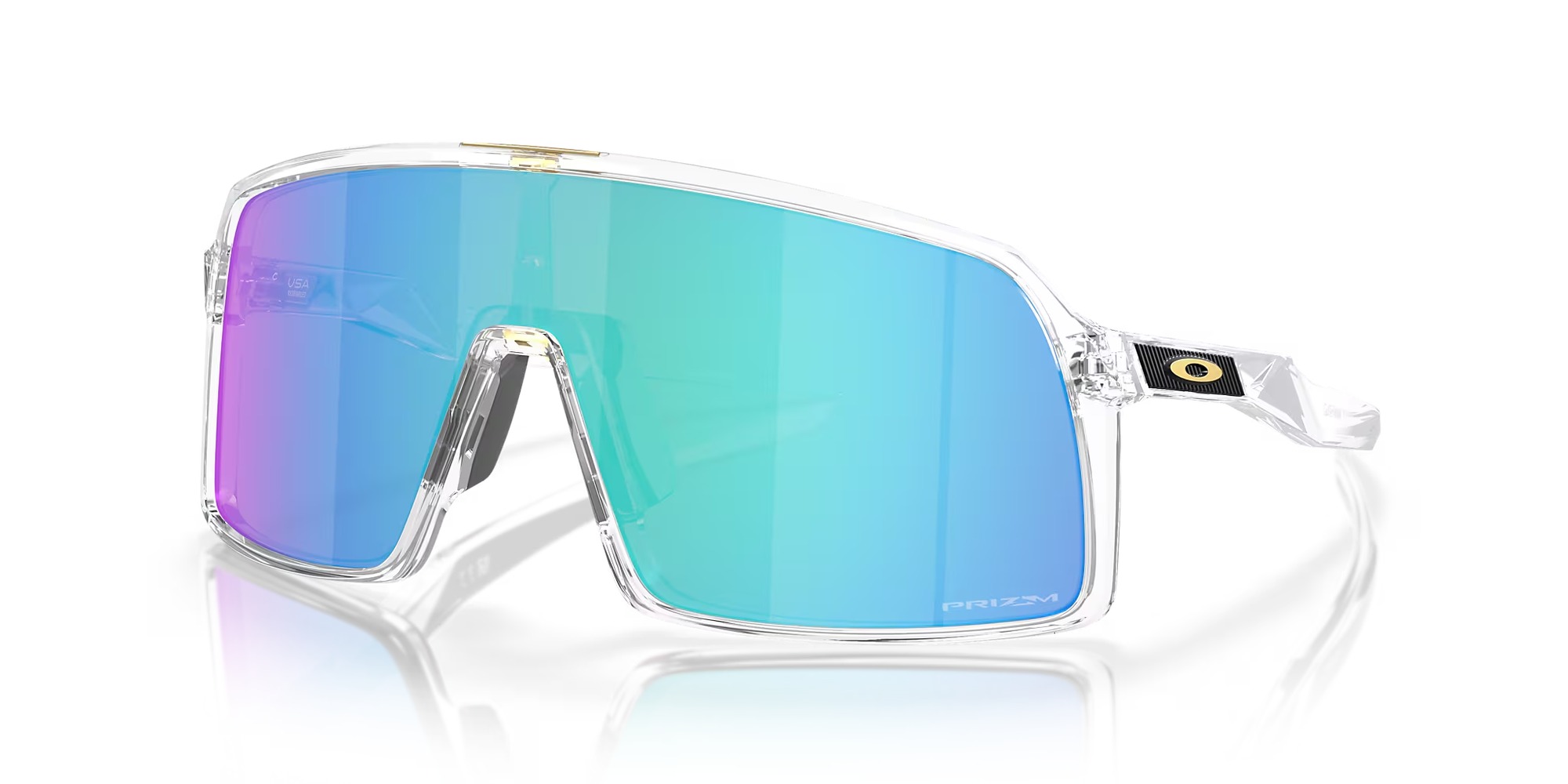
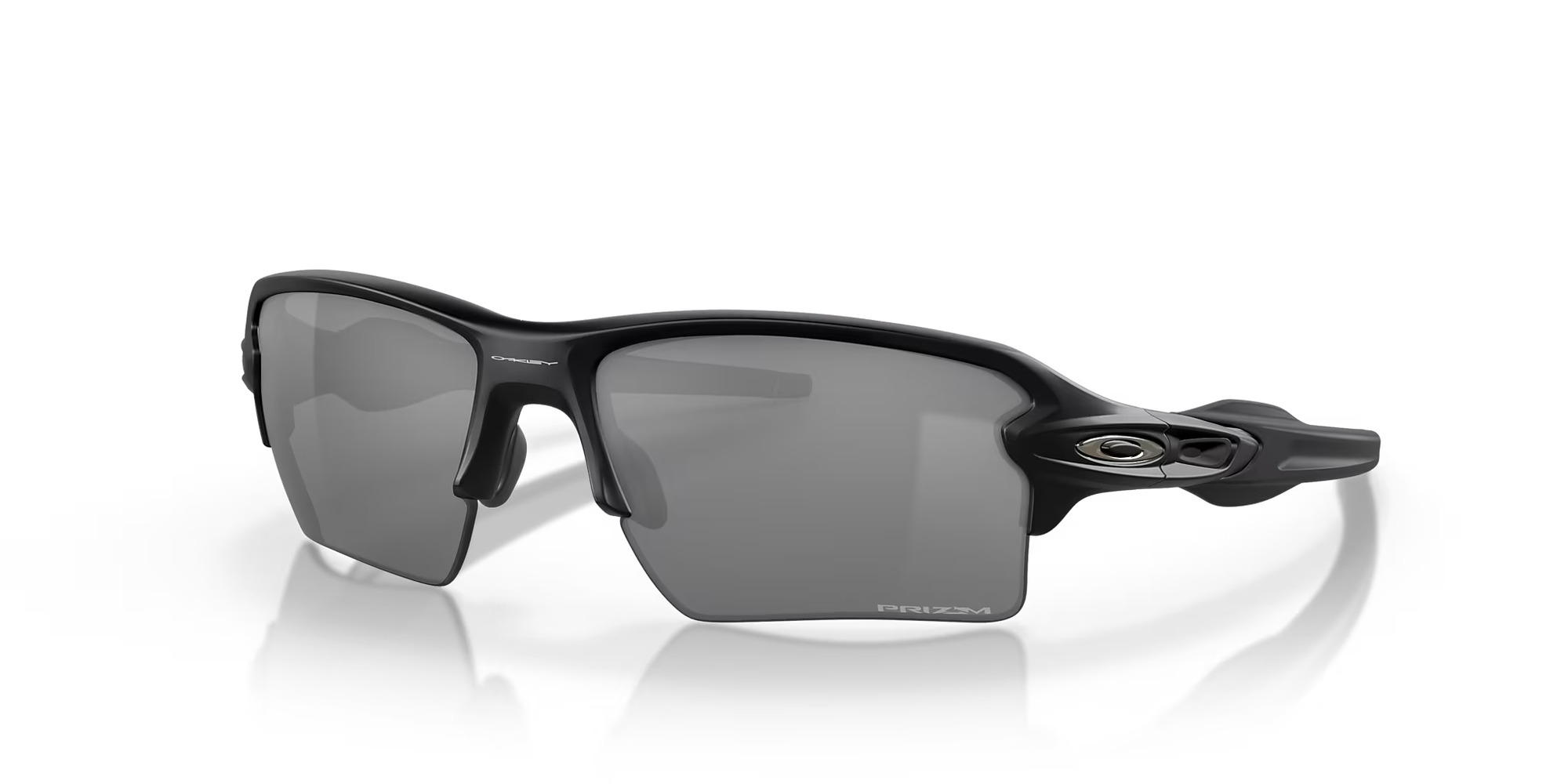
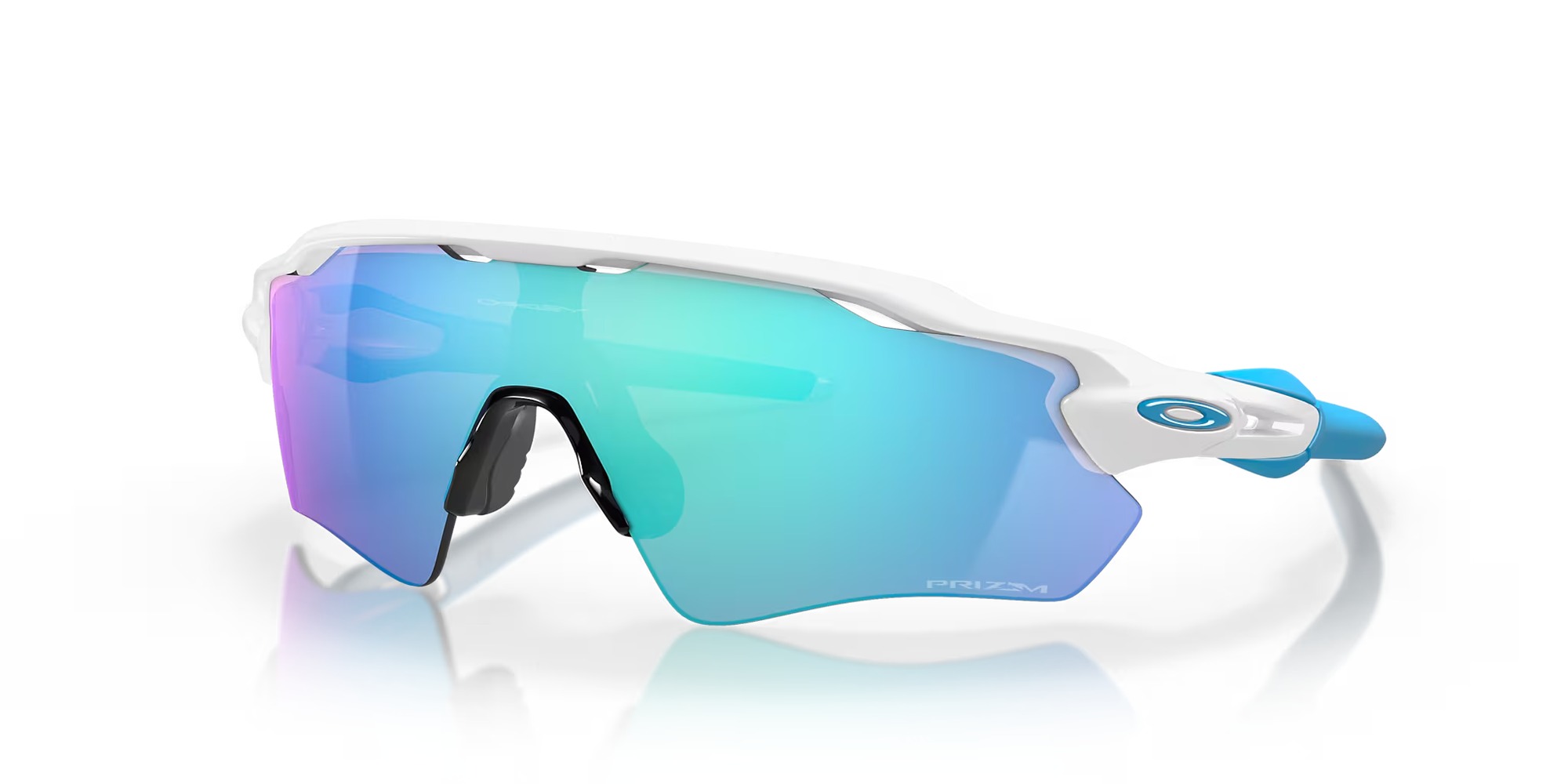
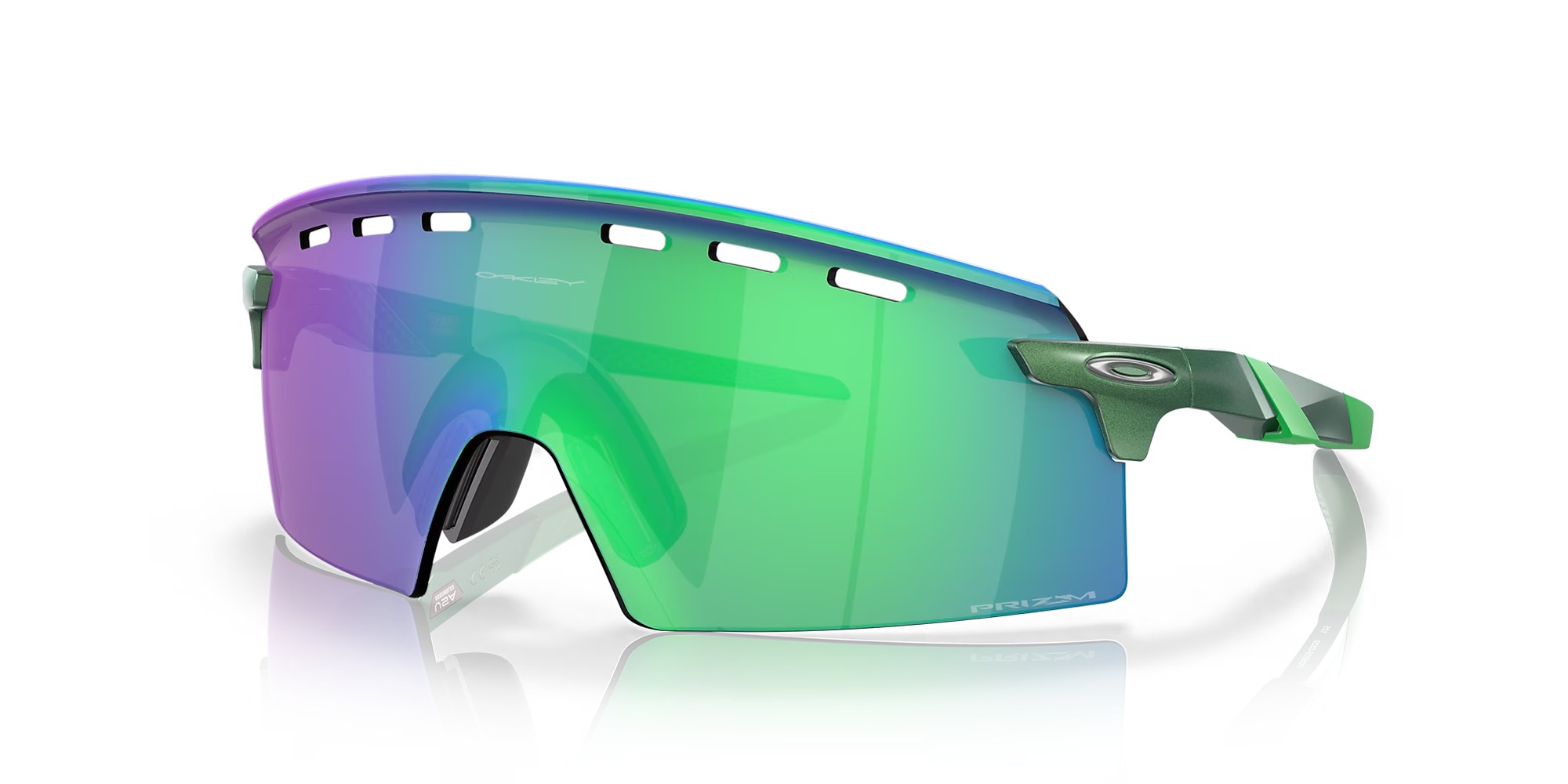
For the performance side, I would compare Sutro, Flak 2.0 XL, Radar EV Path and Encoder Strike. Sutro is my pick for a more dramatic shield silhouette; Radar EV Path reads as the more sport-first choice, while Flak and Encoder are the pairs I would consider when I want the whole look to feel active. I would start with Sutro, then decide whether I want the rest of the frame to feel more aggressive or more restrained.
What I Would Buy First
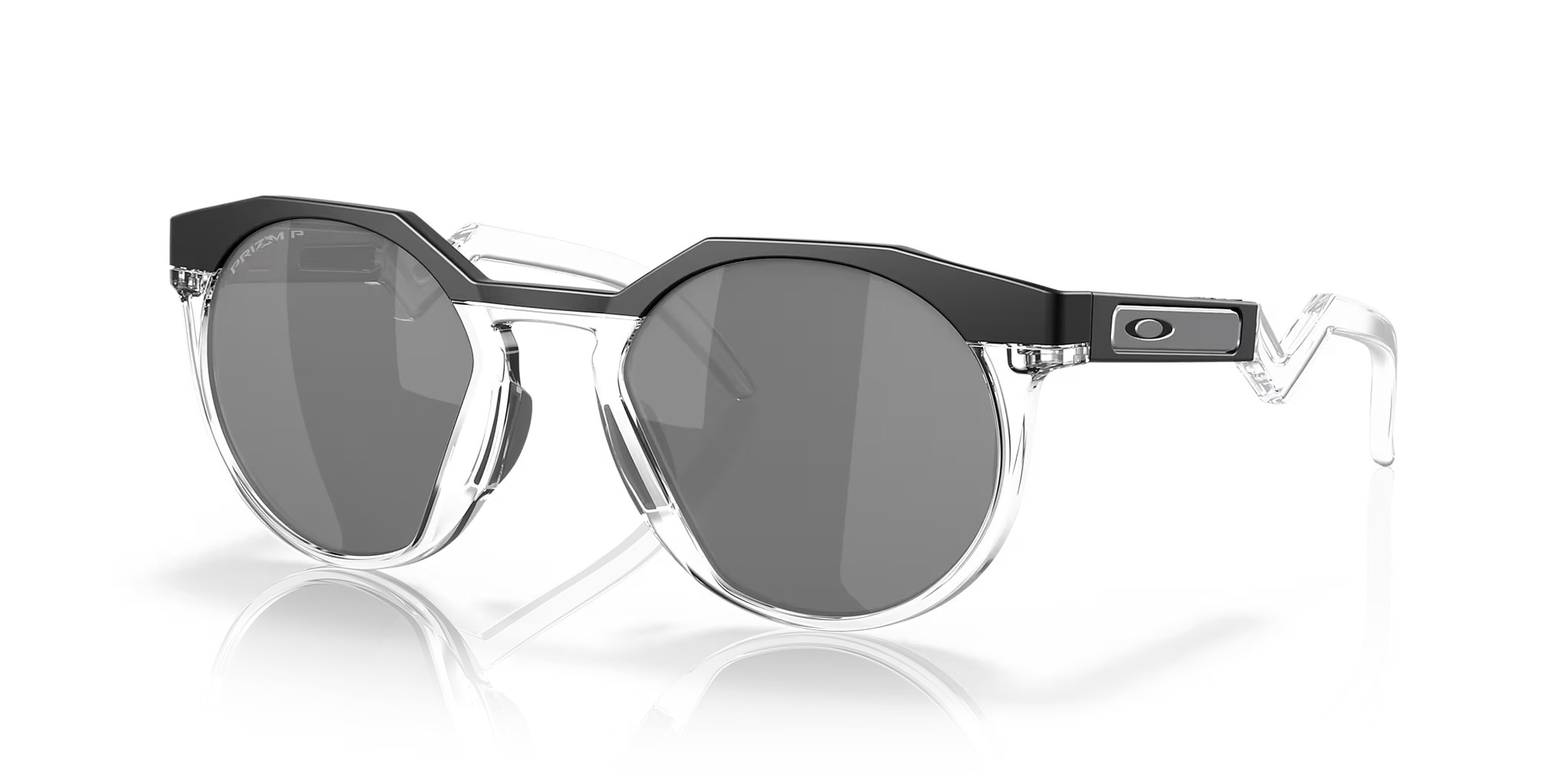
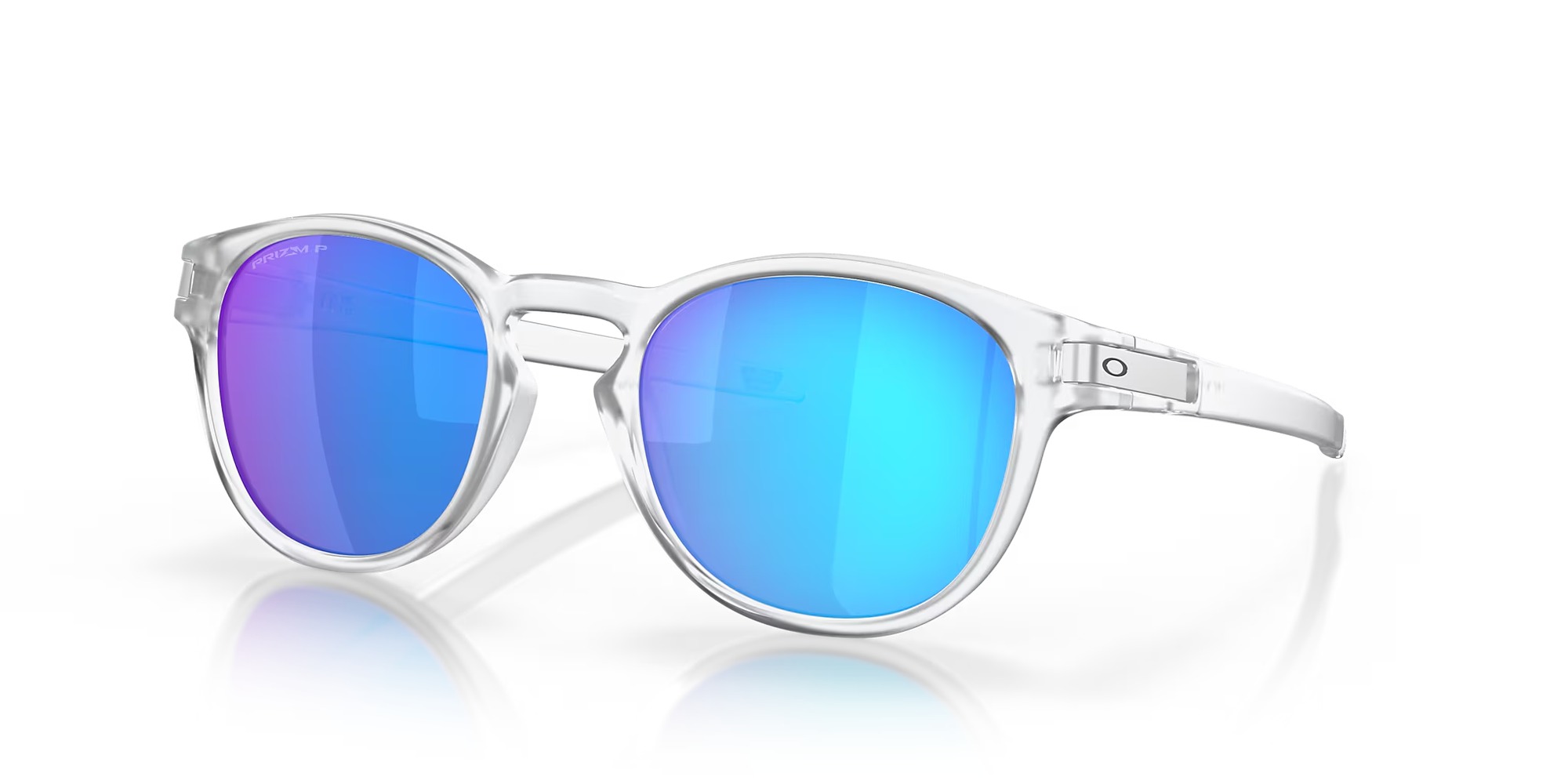
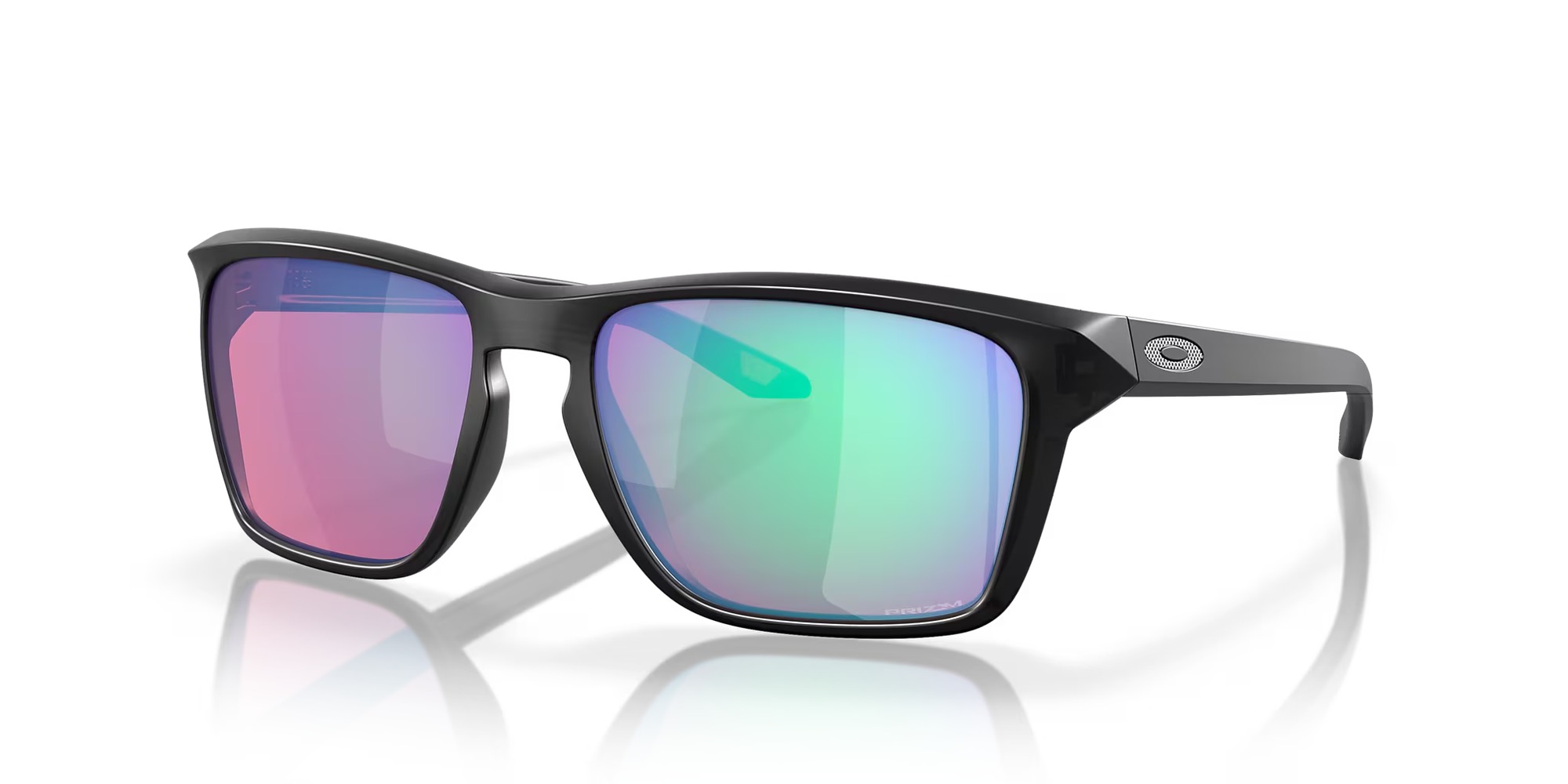
I would buy for the day I actually have, not pay extra just because a frame carries a new feature. HSTN and Sylas are where I would start for something I can picture wearing beyond sports; Latch is another everyday option, and the round HSTN frame is my pick if I want a more noticeable shape. Oakley Meta HSTN makes sense only if I would use the hands-free camera and open-ear audio. That pair earns a place on the list because it has a different job, not because smart glasses are automatically better. My first pick is HSTN, and I would skip the Meta version unless recording and listening from my glasses would genuinely be useful. The better buy is the pair that solves my own small daily annoyance, not the one with the busiest headline.