Ray-Ban is owned by publicly traded EssilorLuxottica, formed in 2018; Luxottica acquired the brand from Bausch & Lomb in 1999.
Who Owns Ray-Ban? From Luxottica To EssilorLuxottica
The Owner Today
Ray-Ban is owned by EssilorLuxottica, which is listed on Euronext Paris; the current parent structure dates to 2018, when Essilor and Luxottica combined. So, who owns Ray-Ban? EssilorLuxottica is the direct answer today, while Luxottica is the company that bought the label in 1999. The Ray-Ban parent company also has eyewear names like Oakley, Persol, Oliver Peoples and Vogue Eyewear in its portfolio. I think that distinction matters more than a tidy one-word answer: the current parent was formed in 2018, but the earlier purchase happened under Luxottica.
Meta is part of the product story, not a substitute for the owner. The 2025 registration document describes Ray-Ban Meta as developed with Meta and the company's business as eyewear design, manufacture and distribution. If you are asking who makes Ray-Ban, that is the practical answer; I would not pretend every frame comes from one factory. For the ownership question, the short version is that EssilorLuxottica owns the brand, while the line's origin and changes of hands stretch across a much longer story.
The First Frame
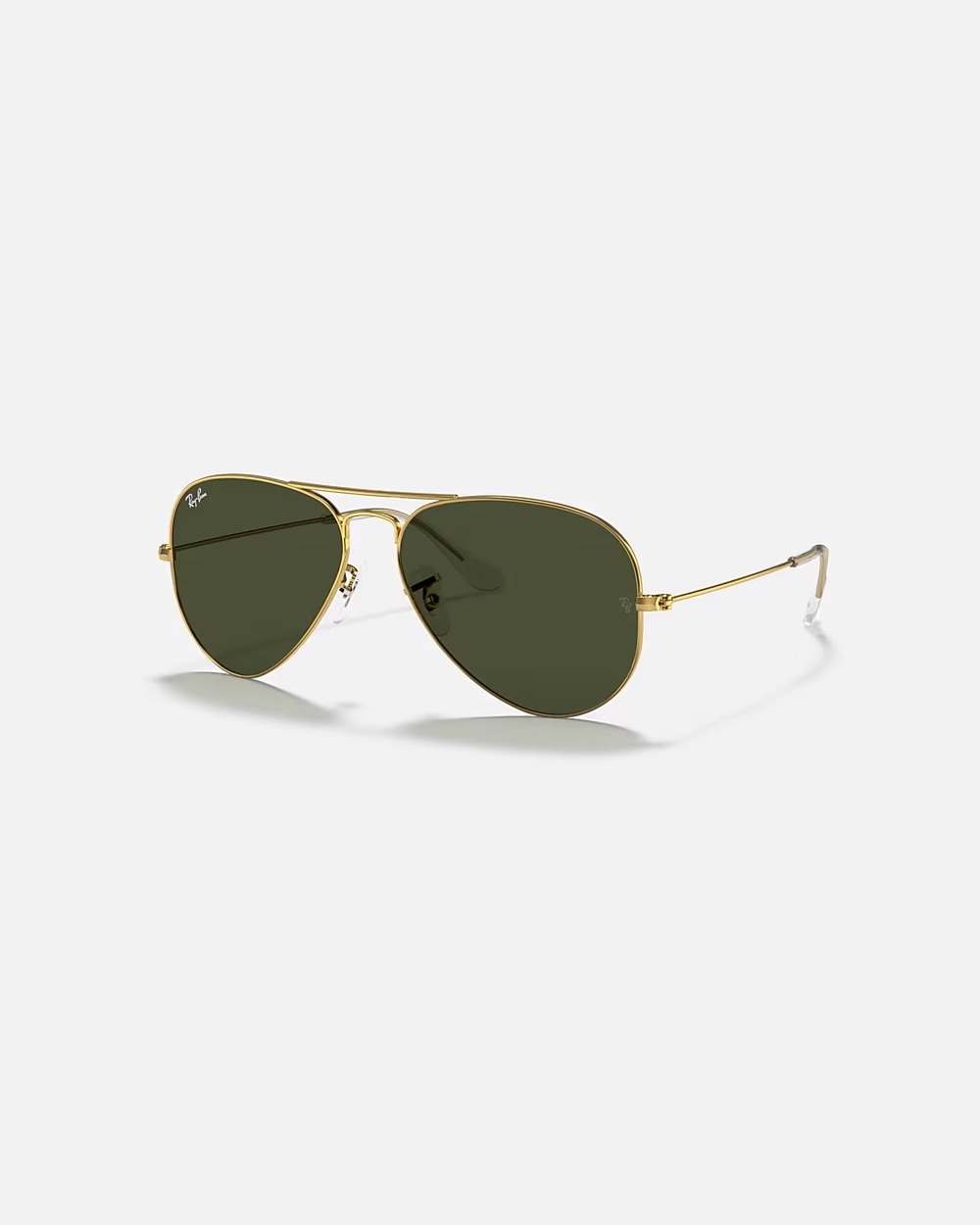
Who founded Ray-Ban? Bausch & Lomb did, creating the Aviator for military pilots. The first examples went on sale to the public in 1937 with green glare-cutting lenses and a teardrop plastic frame. It is a good origin story because the shape solved a problem before it became a fashion shorthand.
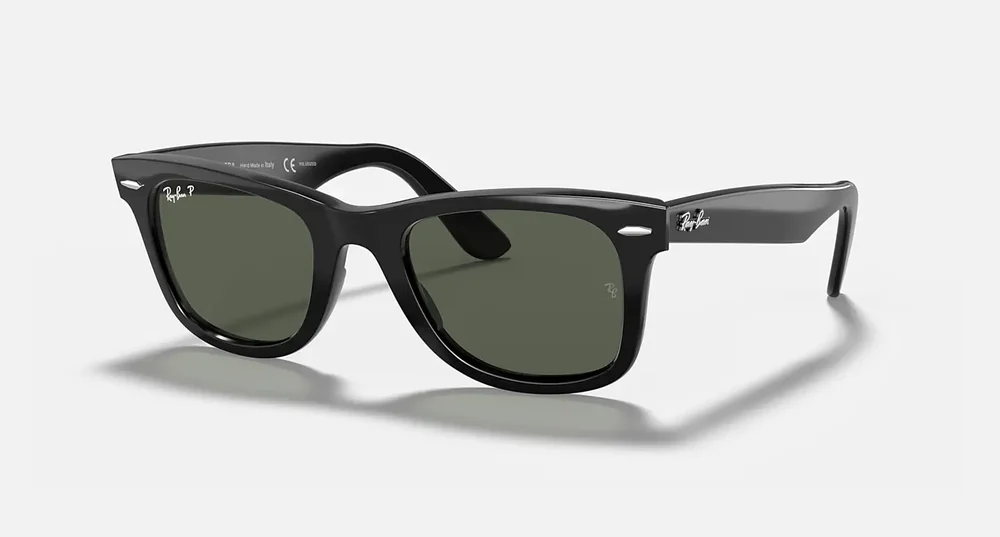
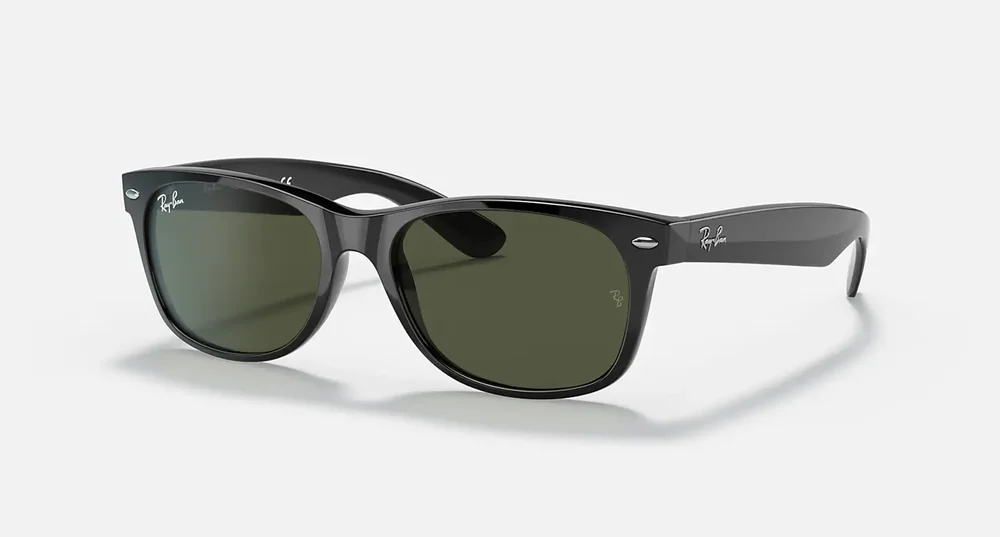
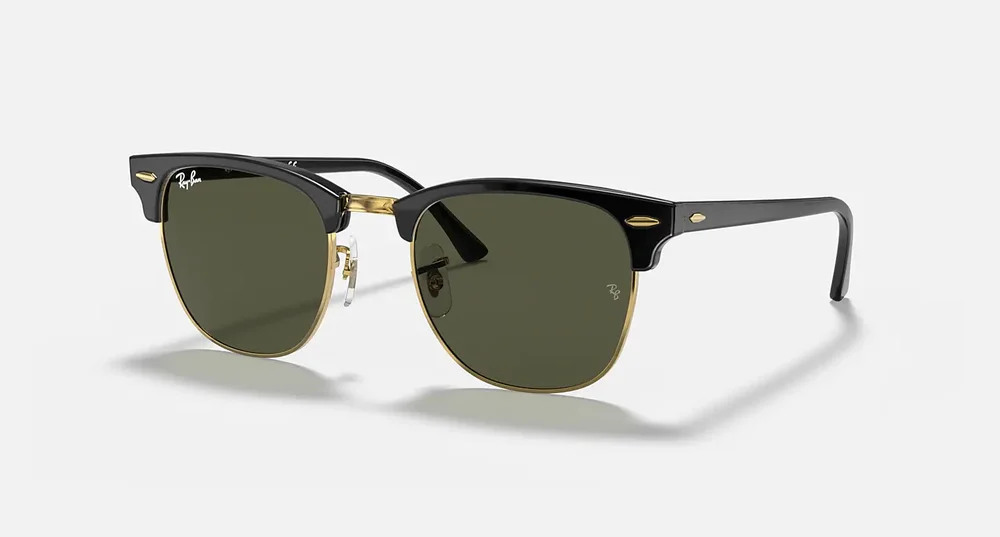
TIME's story of Ray-Ban dates the Wayfarer's launch to 1952 and calls it the Aviator's edgier sibling, with a thick square frame that turned away from the delicate metal pilot look. Aviator Classic uses Arista gold with green lenses; Original Wayfarer Classic has a black frame and green polarized lenses. New Wayfarer Classic is black with G-15 green lenses, while Clubmaster Classic blends a black-on-gold frame with green lenses. I would start with Aviator Classic for the origin story and Original Wayfarer if a square frame feels more like me.
From Luxottica To The Parent
Luxottica acquired Ray-Ban in 1999, bringing a brand that had begun at Bausch & Lomb into a new eyewear business. EssilorLuxottica took shape in 2018 when Essilor and Luxottica combined. The sequence is the ownership answer in miniature: Bausch & Lomb created the line, Luxottica bought it, and EssilorLuxottica is its current corporate owner. The same company portfolio includes Oakley, Persol, Oliver Peoples and Vogue Eyewear. I find that more useful than pretending a brand's inventor must remain its owner. The 2025 registration document records the acquisition timeline and the sister labels.
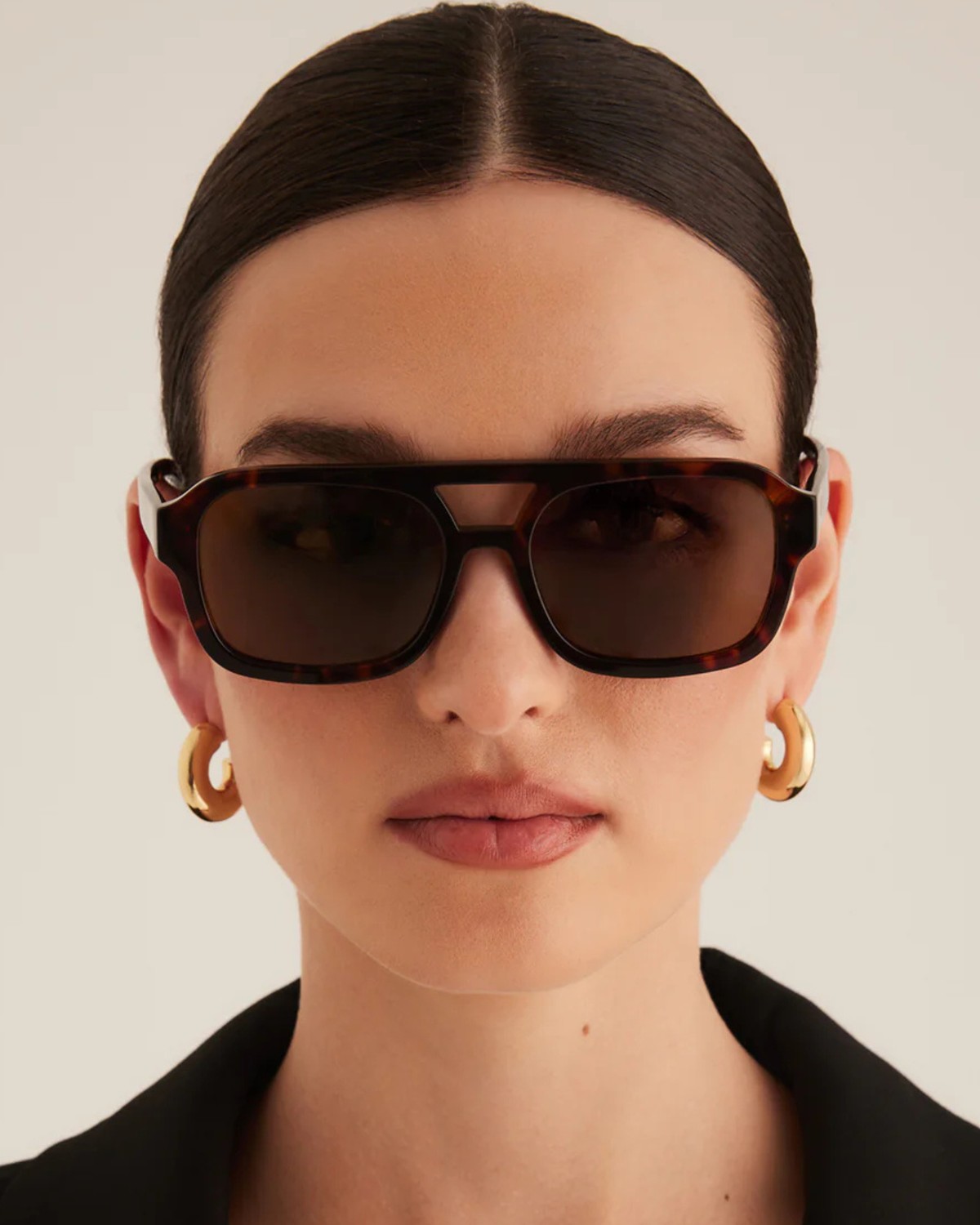
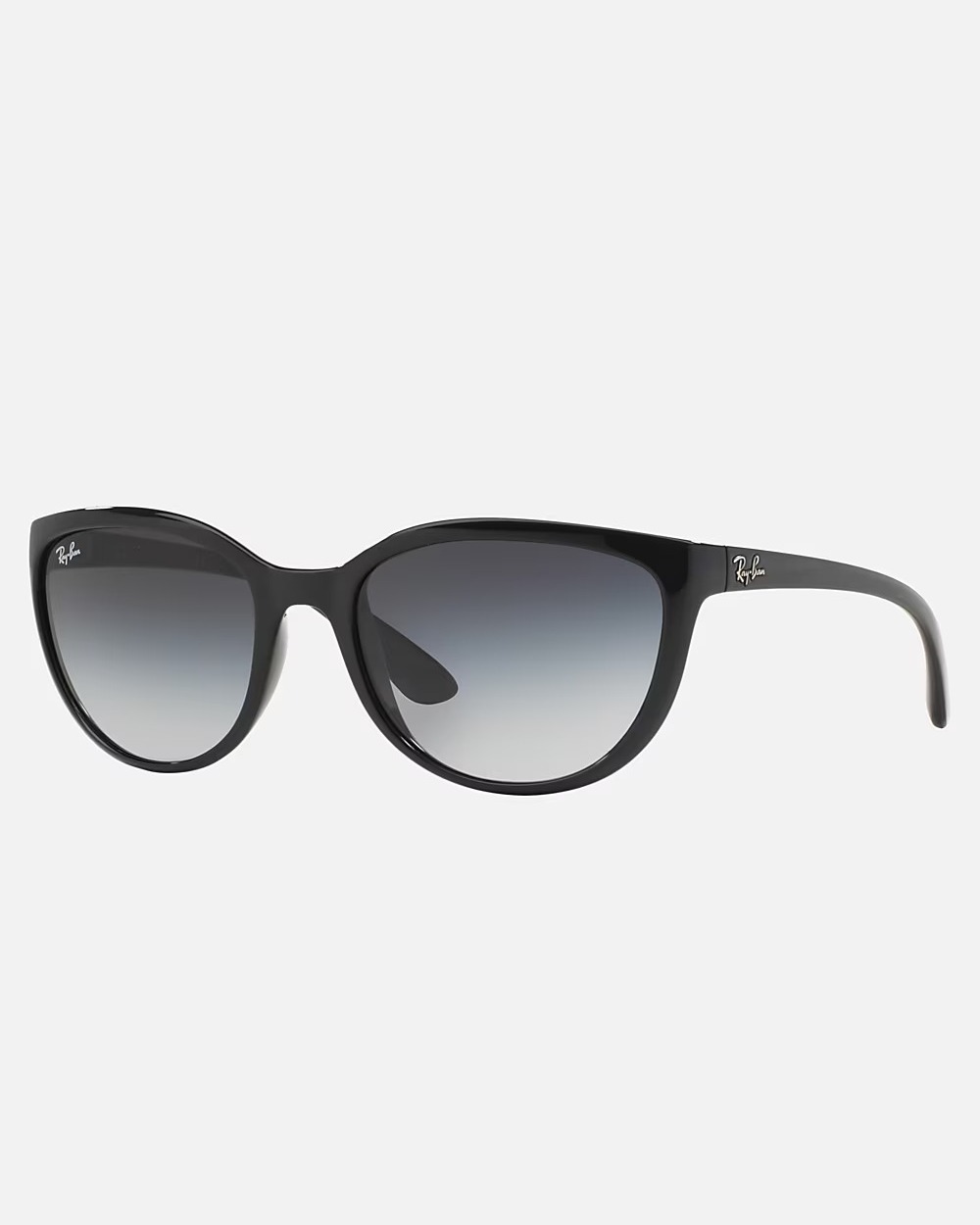
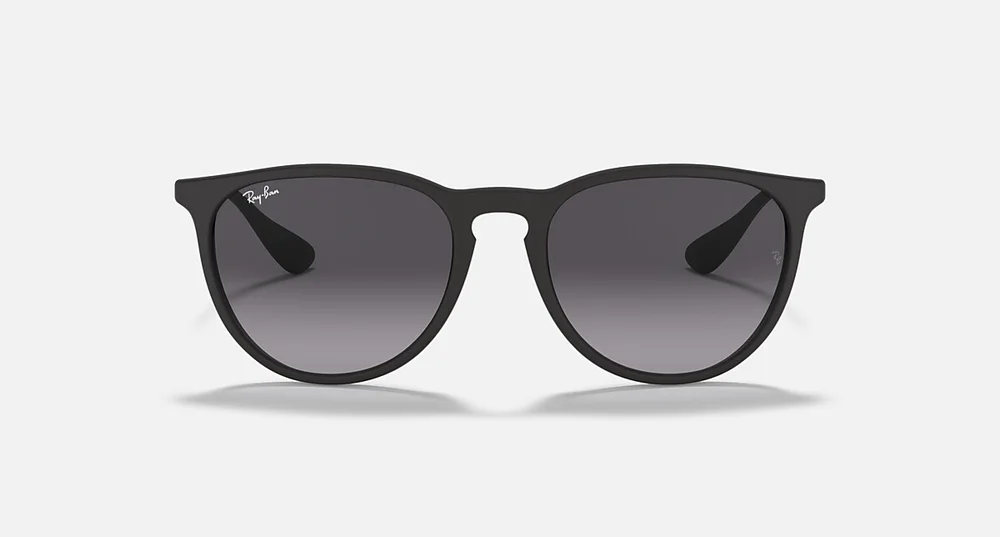
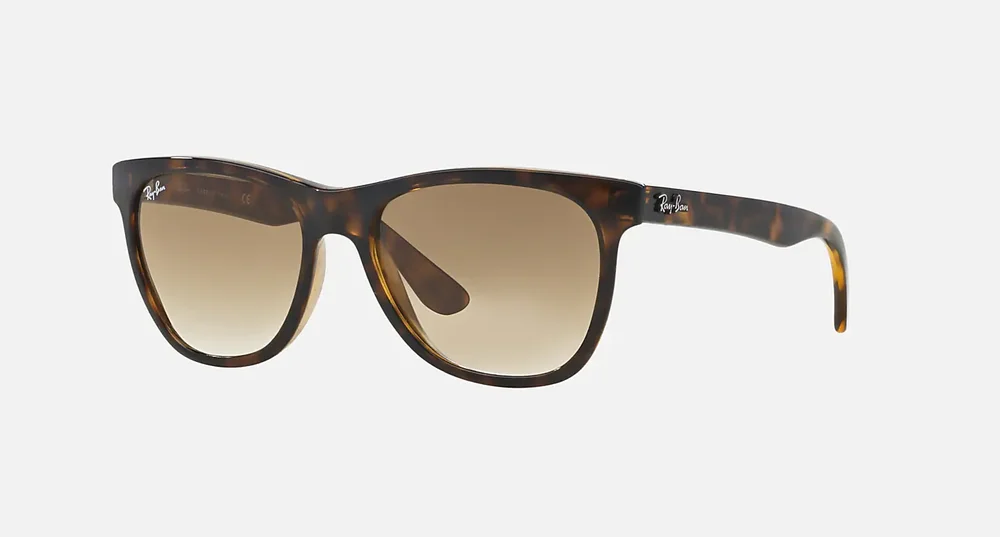
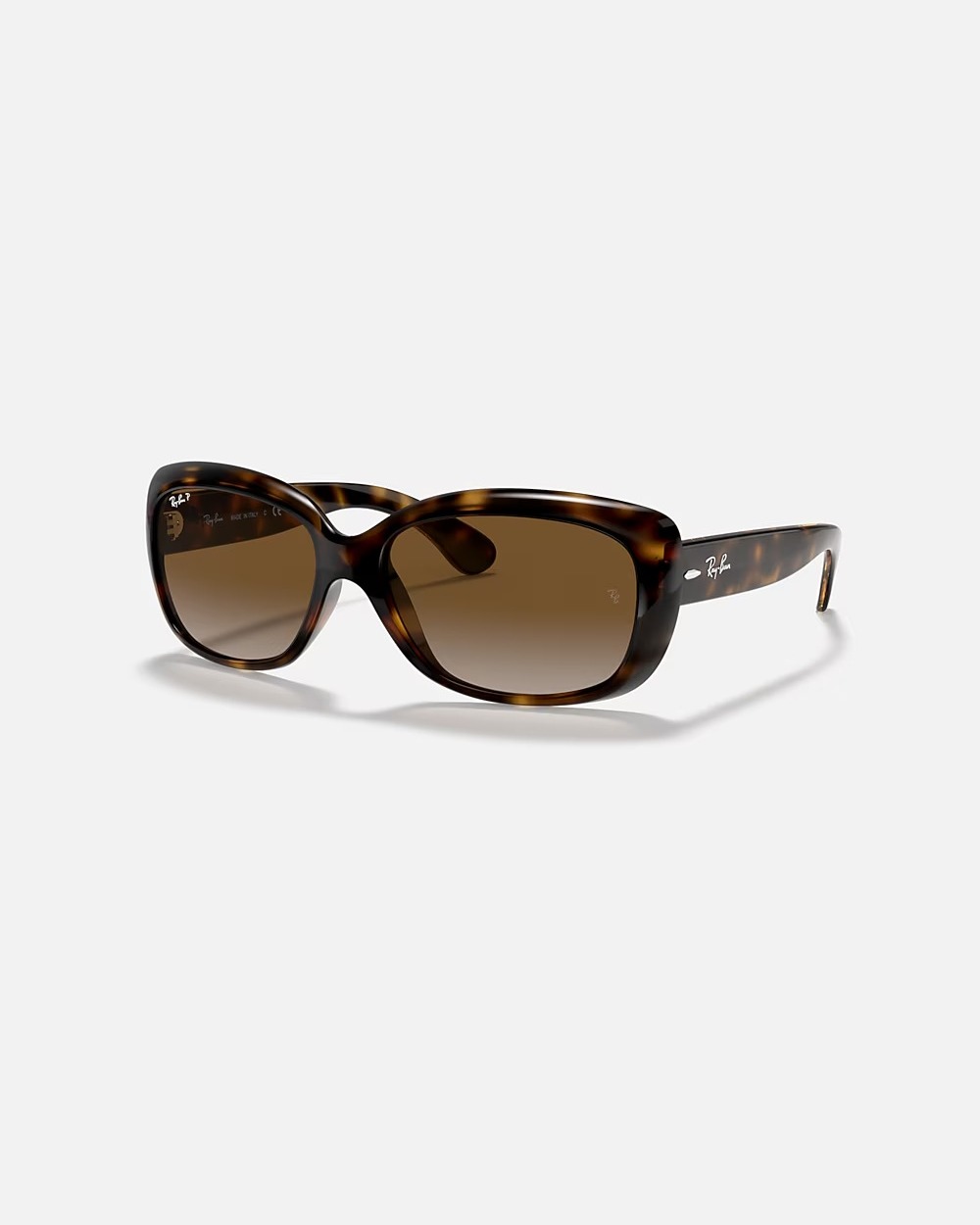
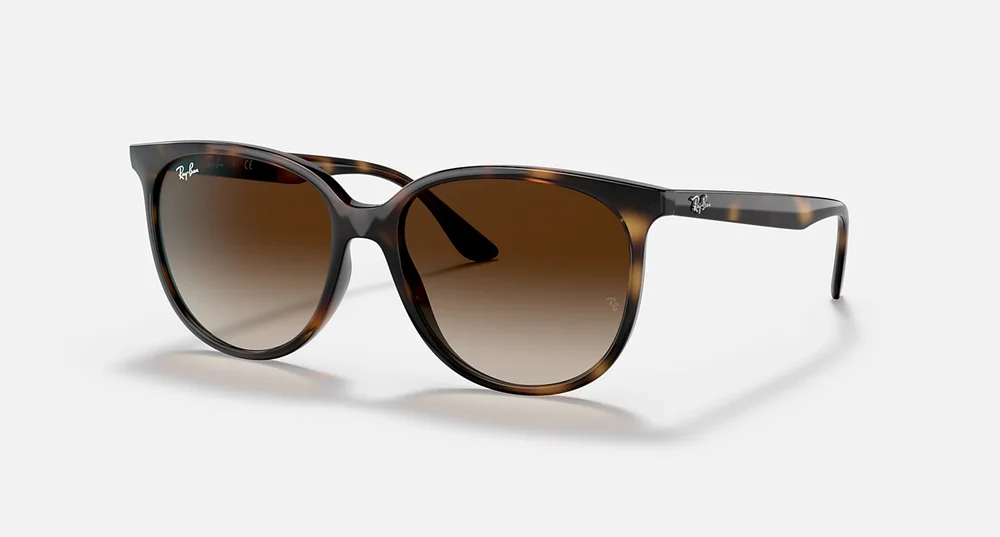
The everyday frame choices have their own family resemblance. RB4167 in black has grey gradient lenses; Erika Classic Rubber pairs matte rubber black with grey gradient lenses. RB4184 is polished Light Havana with brown gradient lenses, and Jackie Ohh is Light Havana with brown polarized gradient lenses. I would pick RB4167 for a plain black frame, or Jackie Ohh for a warmer and polarized option.
Where I Would Start
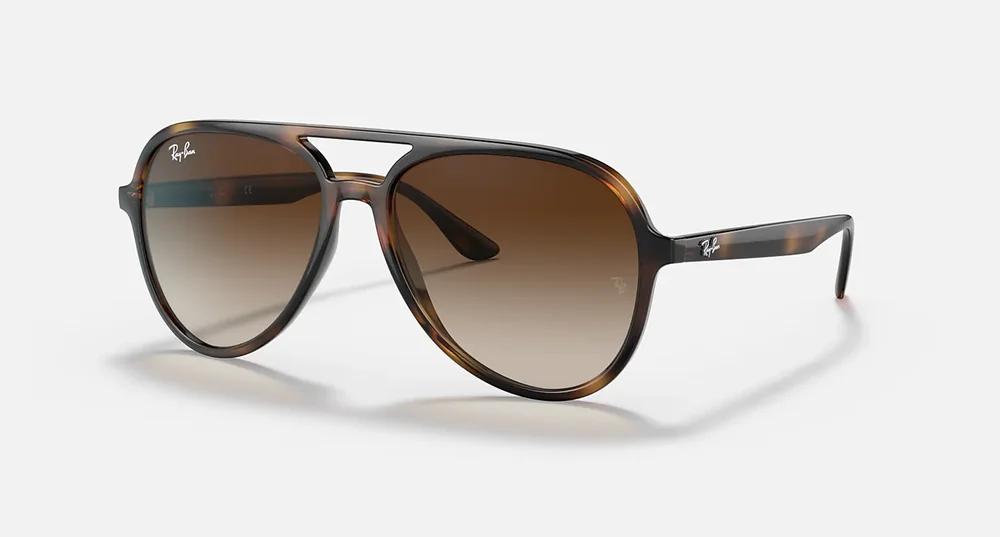
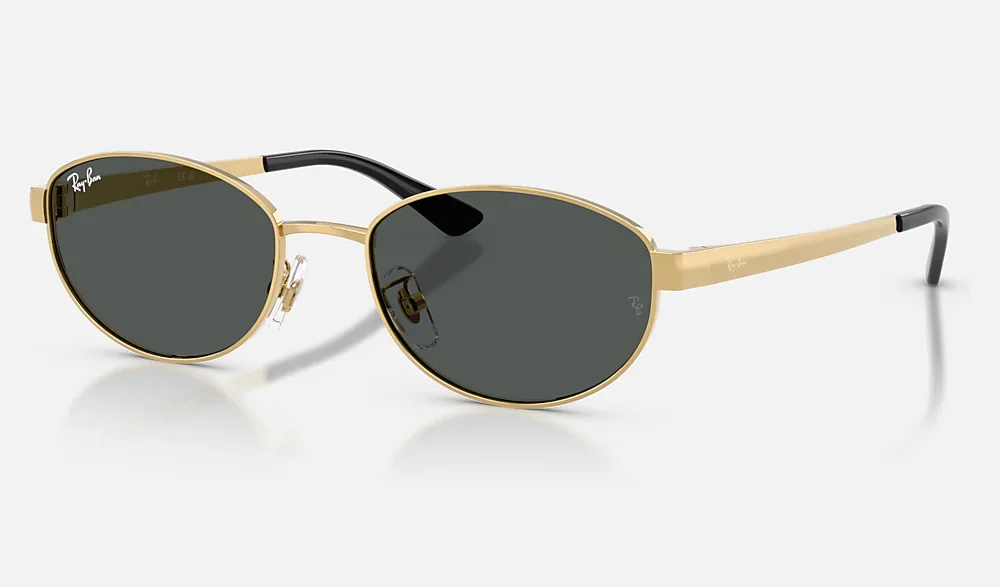
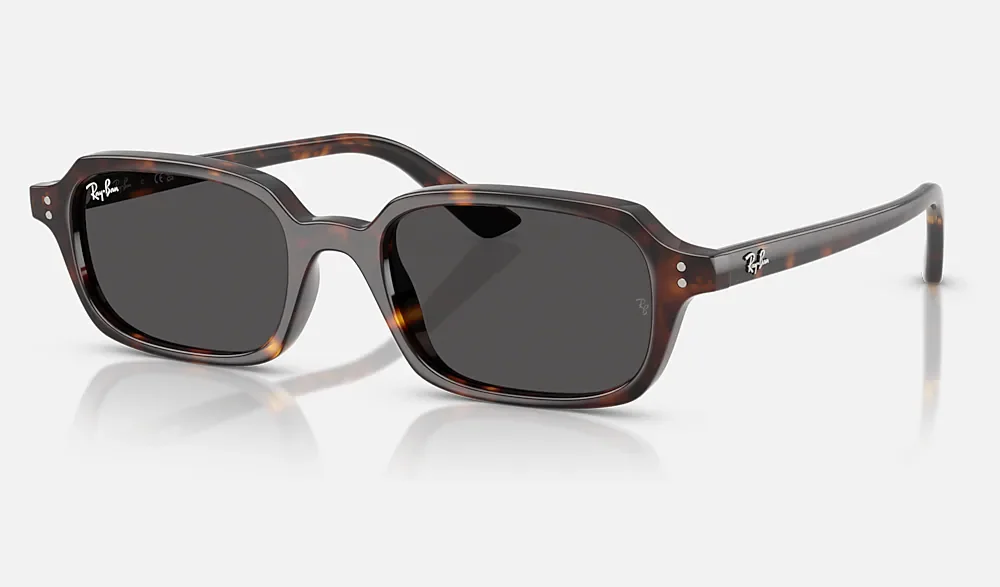
Before buying a fourth near-identical frame, I would decide between warm brown and metal. RB4376 pairs polished Havana with brown gradient lenses in a 57mm size, while RB4378 gives a 54mm version of the same Havana-and-brown-gradient idea. RB3774D pairs Arista gold with dark grey lenses; Zuri Bio-Based keeps polished Havana and dark grey lenses at a smaller 52mm size. That gives me a useful range from warm brown frames to gold and dark grey.
My buy-first choice is RB4378: it has the softer Havana-and-brown combination without going back to an Aviator. I would skip buying both RB4376 and RB4378 unless the different lens widths are what you want; compare the size that feels right instead. The ownership story may be a large corporate one, but buying Ray-Ban is still just about whether the shape earns its place on your face.