Stüssy is privately held by the Sinatra family, who took ownership in 1996 after Shawn Stüssy left. Here is its story and what to shop.
Who Owns Stüssy? The Sinatra Family Still Runs the Surf Label
The Family Behind the Name
Stüssy is privately held by the Sinatra family, and its current ownership dates to 1996, when founder Shawn Stüssy sold his shares and left the company. Recent Complex coverage identifies David Sinatra, Frank Sinatra Jr.'s son, as the brand's CEO and still describes Stüssy as family-owned and independent. The short answer to who owns Stüssy today is the Sinatra family, not the founder whose signature is on the clothes.
The Stüssy parent company question is simpler than it sounds: reporting describes an independent, privately held label rather than a subsidiary of a public fashion conglomerate. If you search who makes Stüssy, separate the person who began it from the people who own it now: Shawn Stüssy created the mark, while the Sinatra family has controlled the company since his 1996 exit. Frank Sinatra Jr. was a business partner and accountant, unrelated to the singer, who joined Shawn in building the apparel line.
That handoff is the useful twist, and I like that it's not fuzzy: the brand's name and original signature remained while the founder's ownership did not. For shopping, I would start with a tee or hoodie that makes the graphics worth wearing, not with the name alone.
The Signature Came Off a Surfboard
Who founded Stüssy? Shawn Stüssy, a California surfboard shaper who began making boards in 1980 and put his hand-drawn signature on them. In the early 1980s, trade-show buyers wanted the shirts carrying that mark; in 1984, Shawn teamed up with accountant Frank Sinatra Jr. to build an apparel line. I love that the brand identity began as a working signature, not a corporate logo exercise.
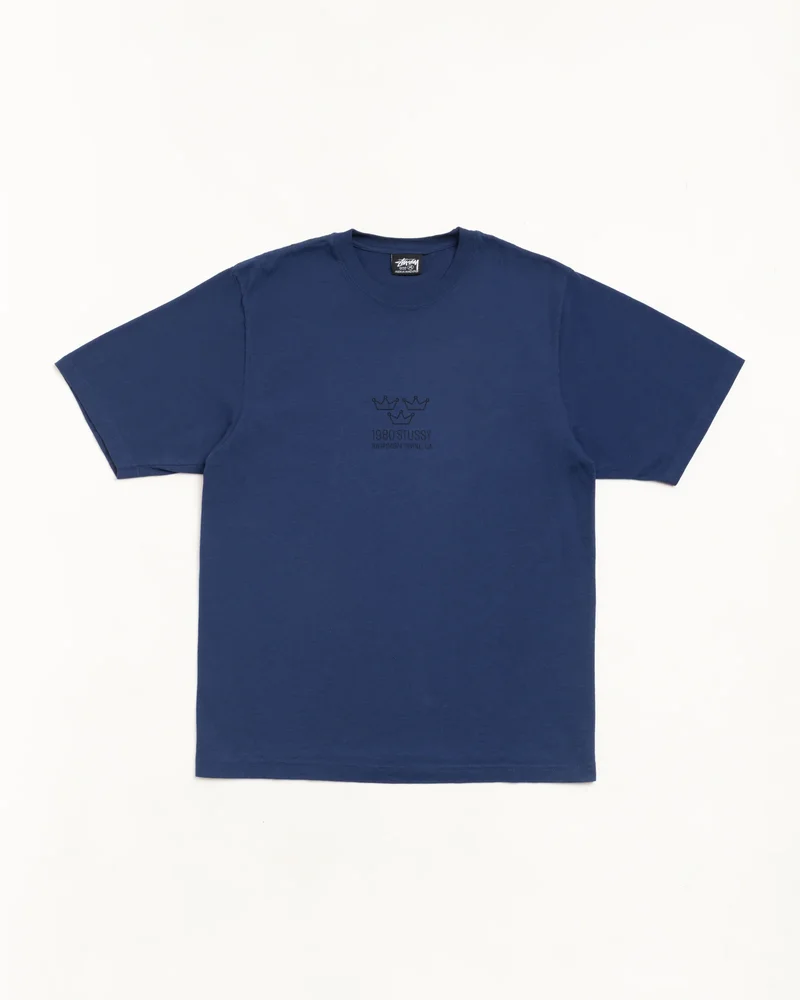
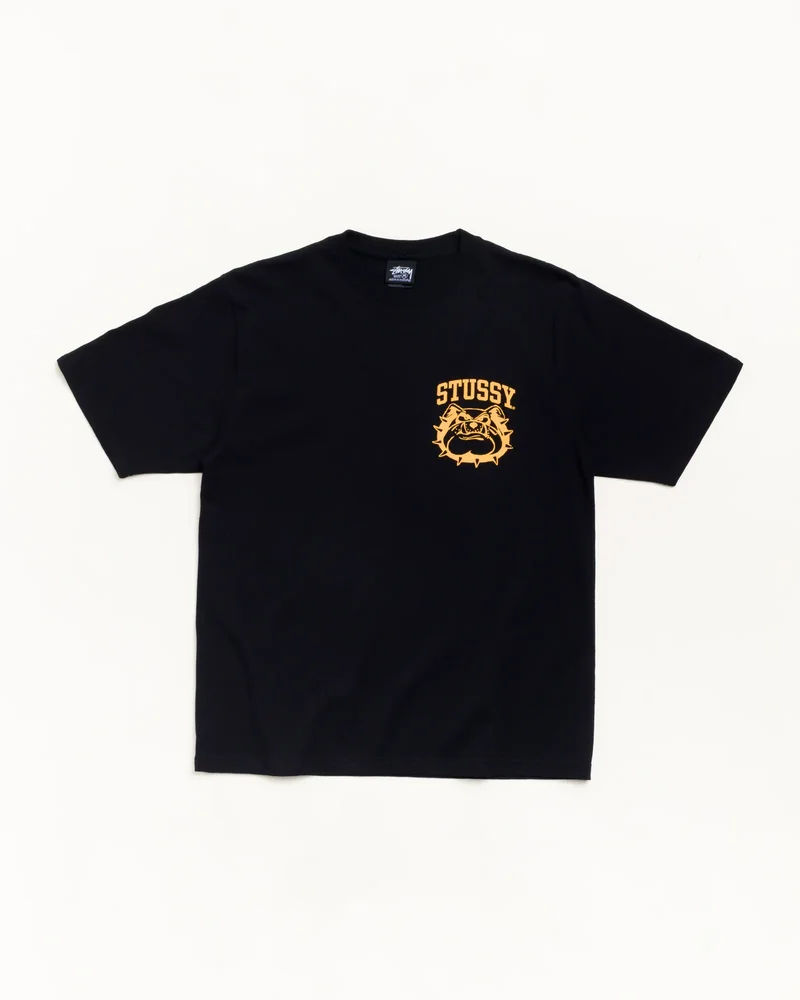
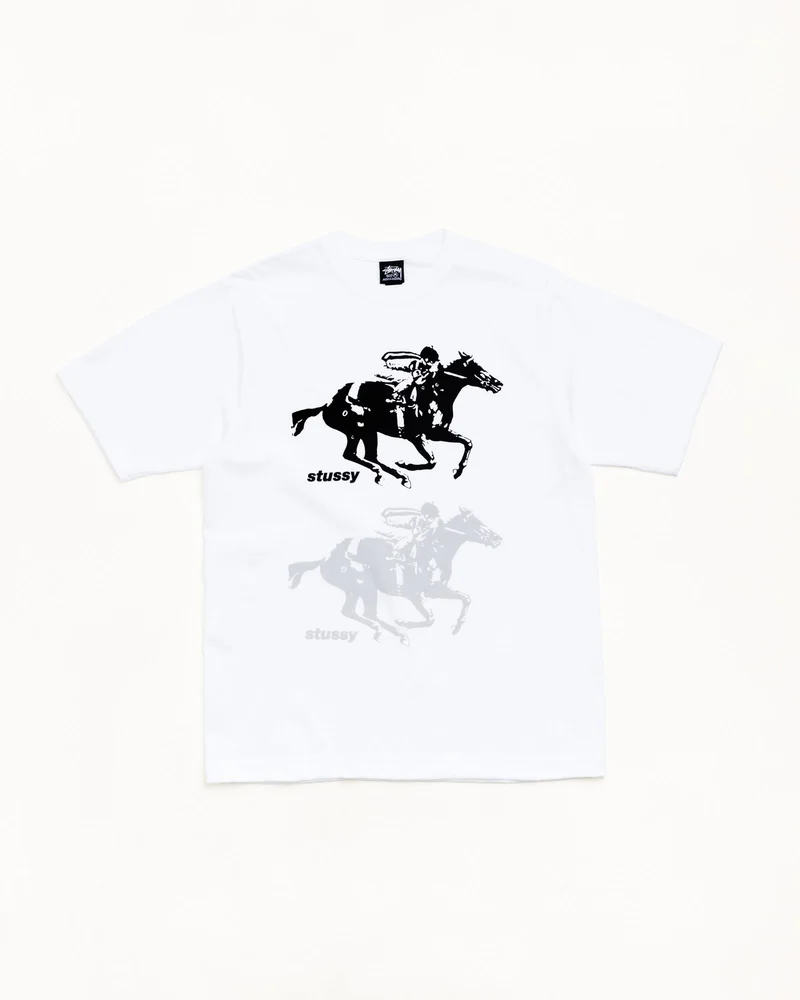
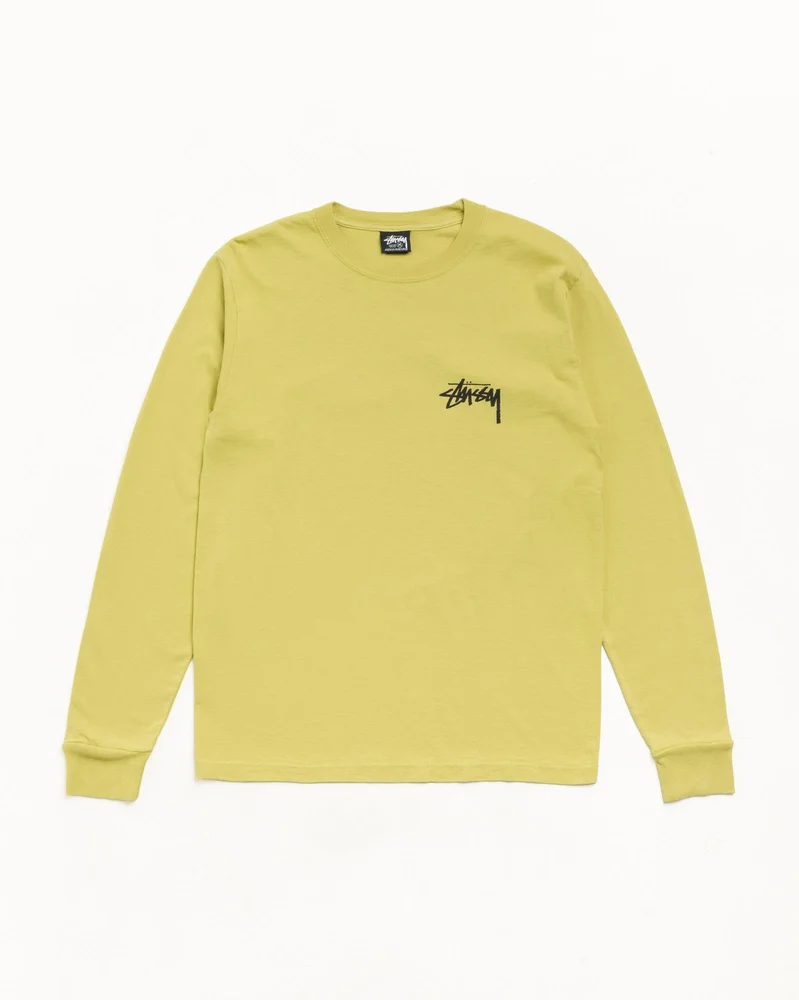
That surfboard-to-tee path makes graphic cotton the most honest place to begin. The Triple Crown Tee is a relaxed, pigment-dyed cotton jersey with print on both sides; Bulldog Tee also puts graphics at front and back, while Derby Tee keeps its printed artwork on the front. Dragon LS Tee takes the same idea into long sleeves, so it is the one I would buy for an extra layer rather than another short-sleeve rotation. I would pick the Triple Crown for an all-around tee, and skip buying both front-and-back prints unless you genuinely wear graphics often.
The 1996 Handoff Changed the Business
Shawn's exit was a real ownership handoff: he left in 1996, and Frank Sinatra Jr. took the reins, then brought in a new creative team. Under Sinatra's direction, the company focused on international business, particularly Japan and Europe. The change of owner did not erase the founder's signature, which remained central to the label's visual language.
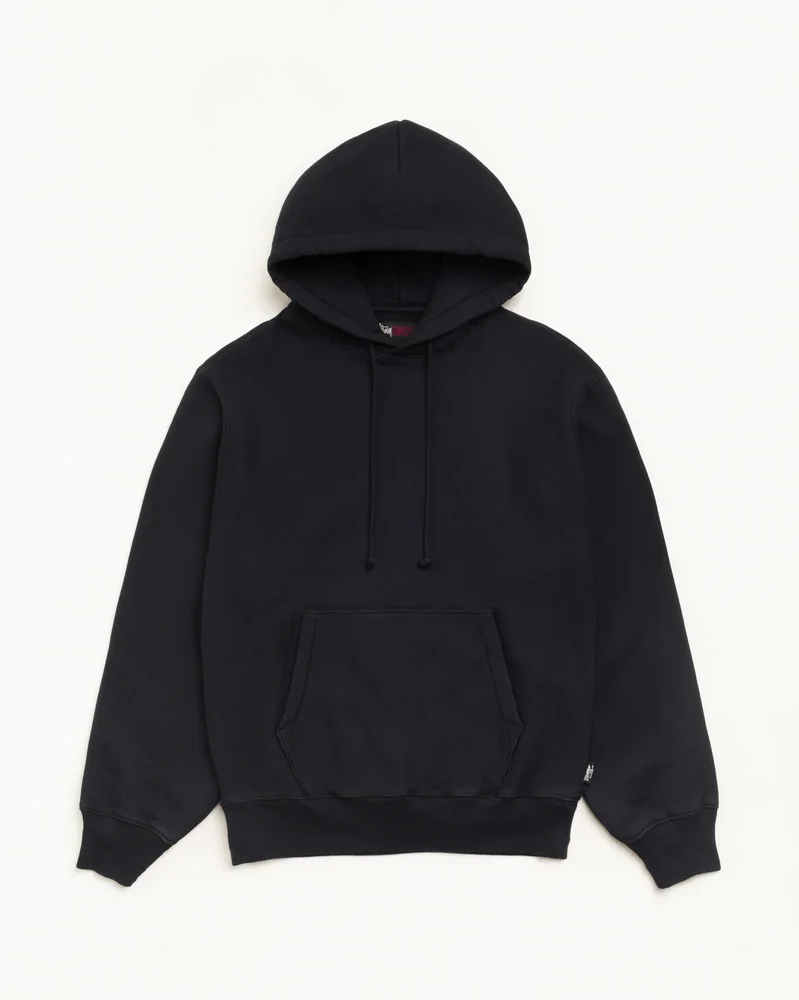
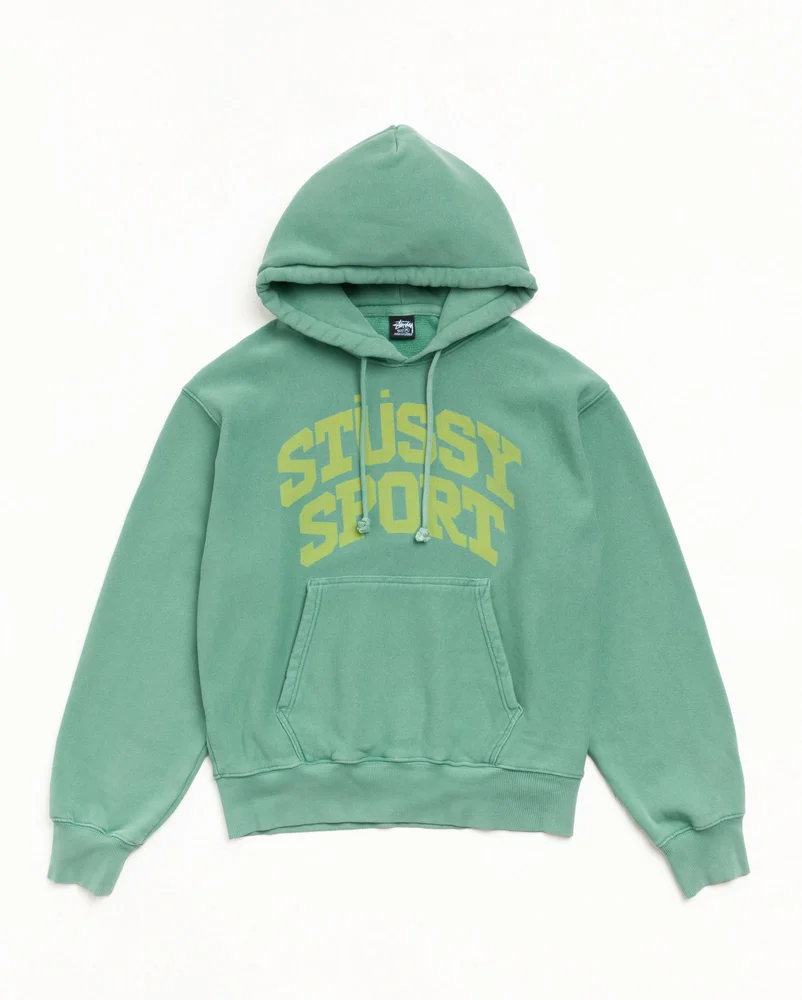
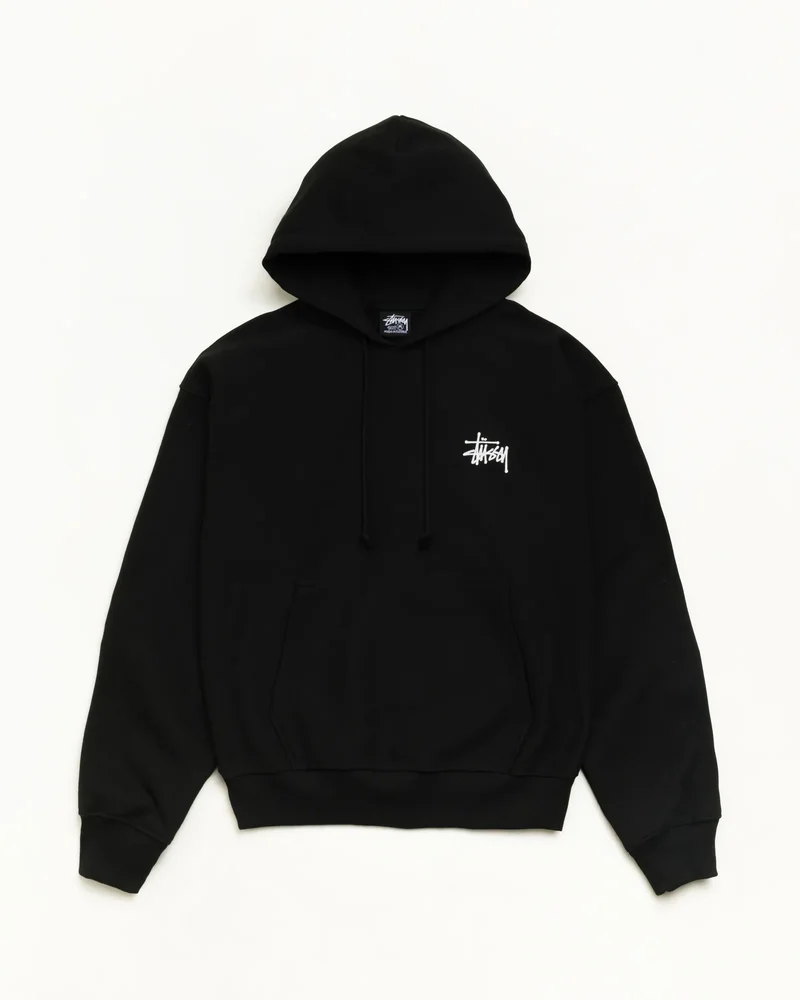
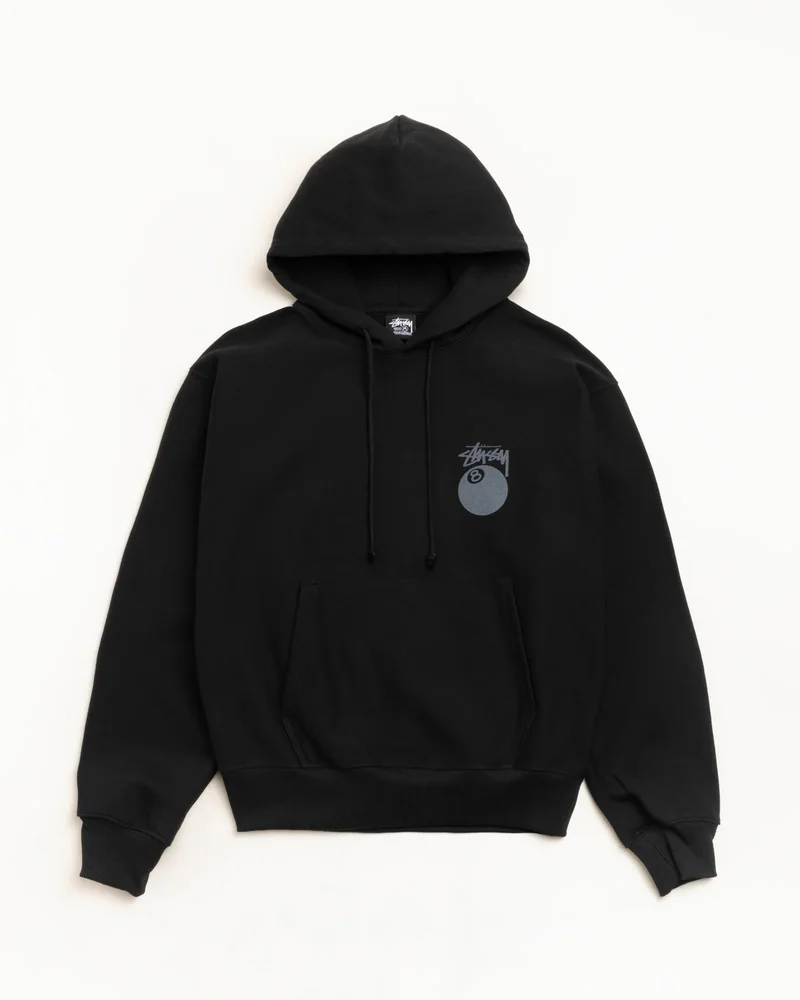
Today's hoodie selection is the easiest test of whether you want a quiet logo or a graphic one. The Fleece Hoodie is the quietest pick, made from heavyweight cotton; Block Sport Hoodie Garment Dyed has a front print; Basic Stüssy Hoodie carries the basic logo at the left chest and across the back; 8 Ball Hoodie puts printed graphics on both sides. My pick is Fleece for repeat wears, Basic for the clear Stüssy signature, and 8 Ball if the graphic is the point.
What I Would Buy First
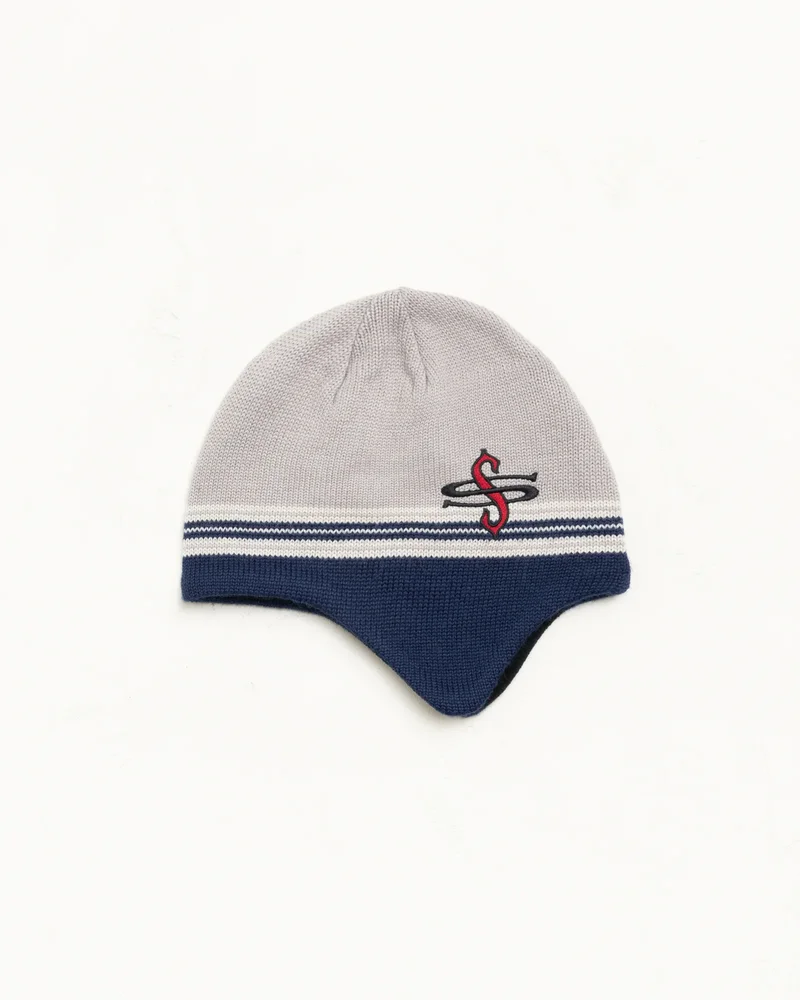
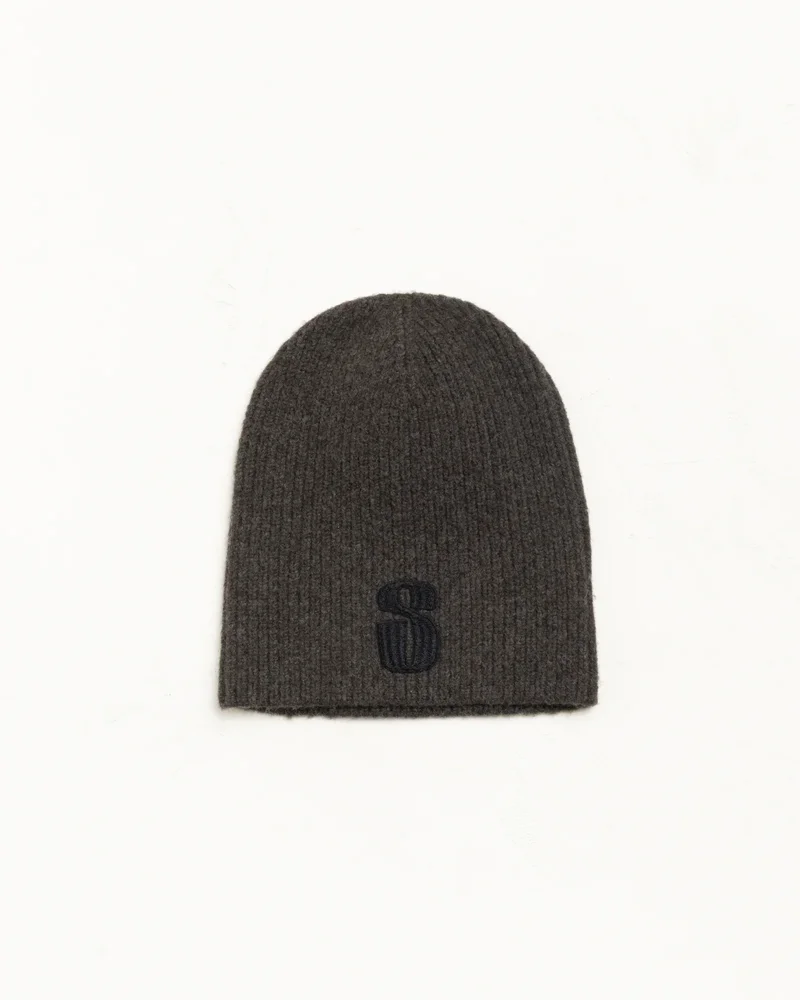
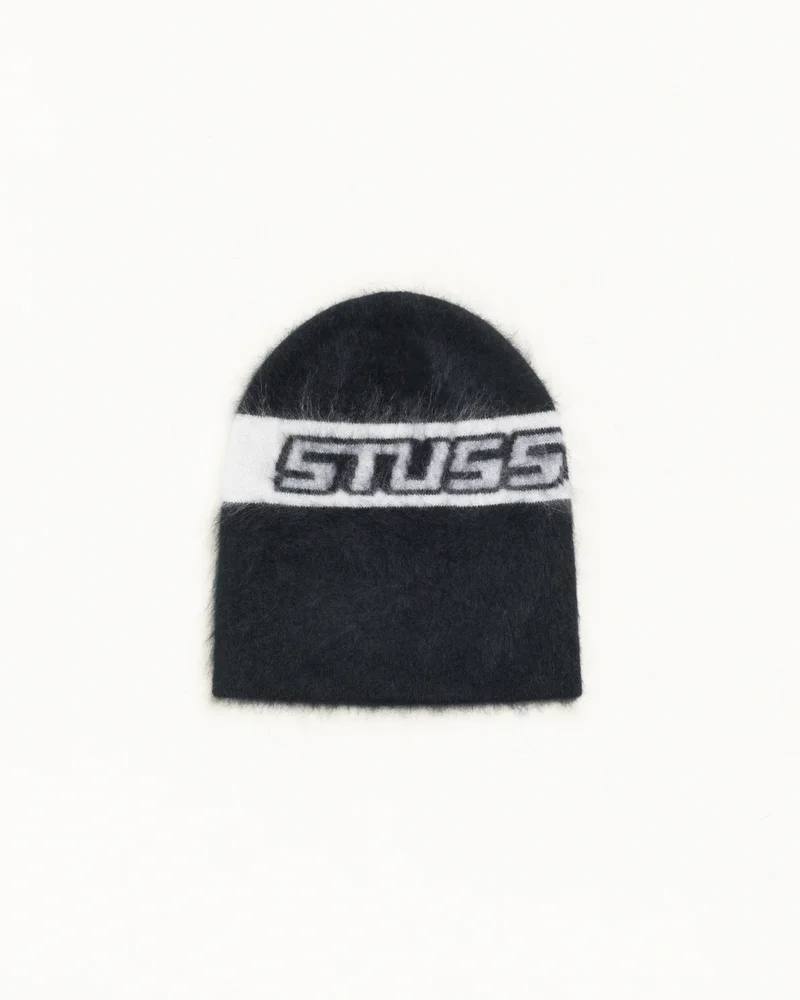
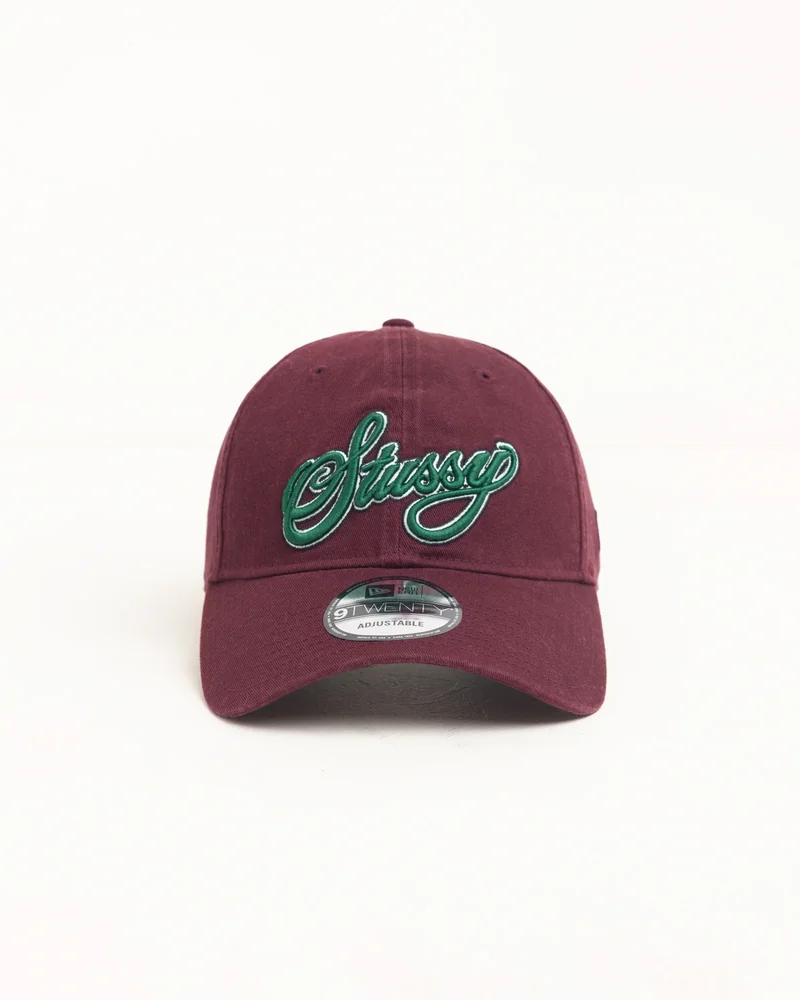
With that story in mind, I would buy a tee or a quiet hoodie first, then pick one hat. The Stripe Earflap Beanie has the most playful shape; the Knitted S Skullcap and Cashmere Moto Skullcap are more understated; the 9Twenty Cursive Cap is the brimmed choice. I would not double up on two skullcaps: they do similar work, and the cap is the more useful everyday shape if you already have winter basics.
What I would skip is an extra hat bought only for the logo. The signature is already the whole origin story, so a specific shape should earn its place. I would choose the 9Twenty Cursive Cap for a brim or the Stripe Earflap Beanie for a colder-weather mood; Cashmere Moto Skullcap is the one I would save for a deliberate treat, not a first purchase.