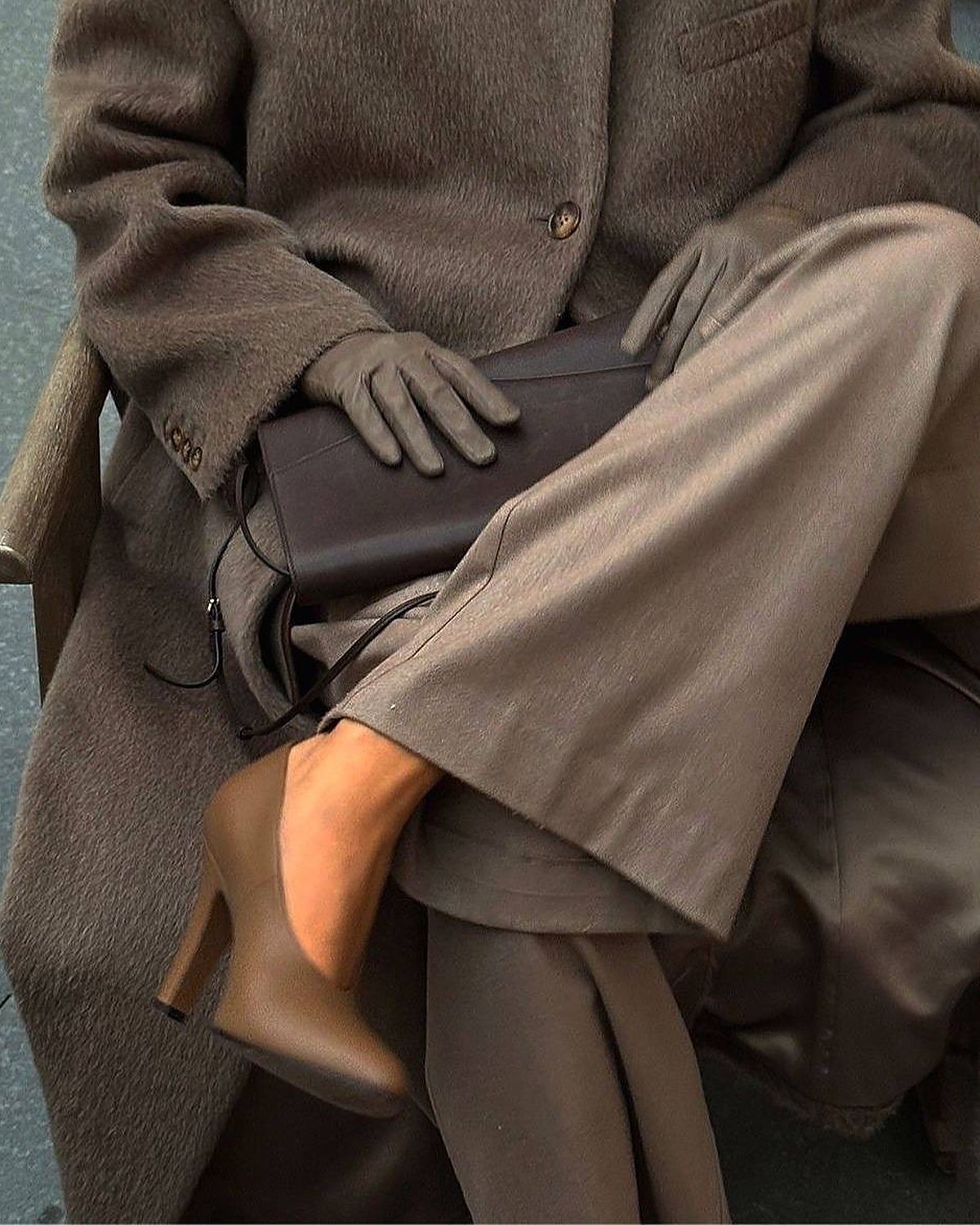
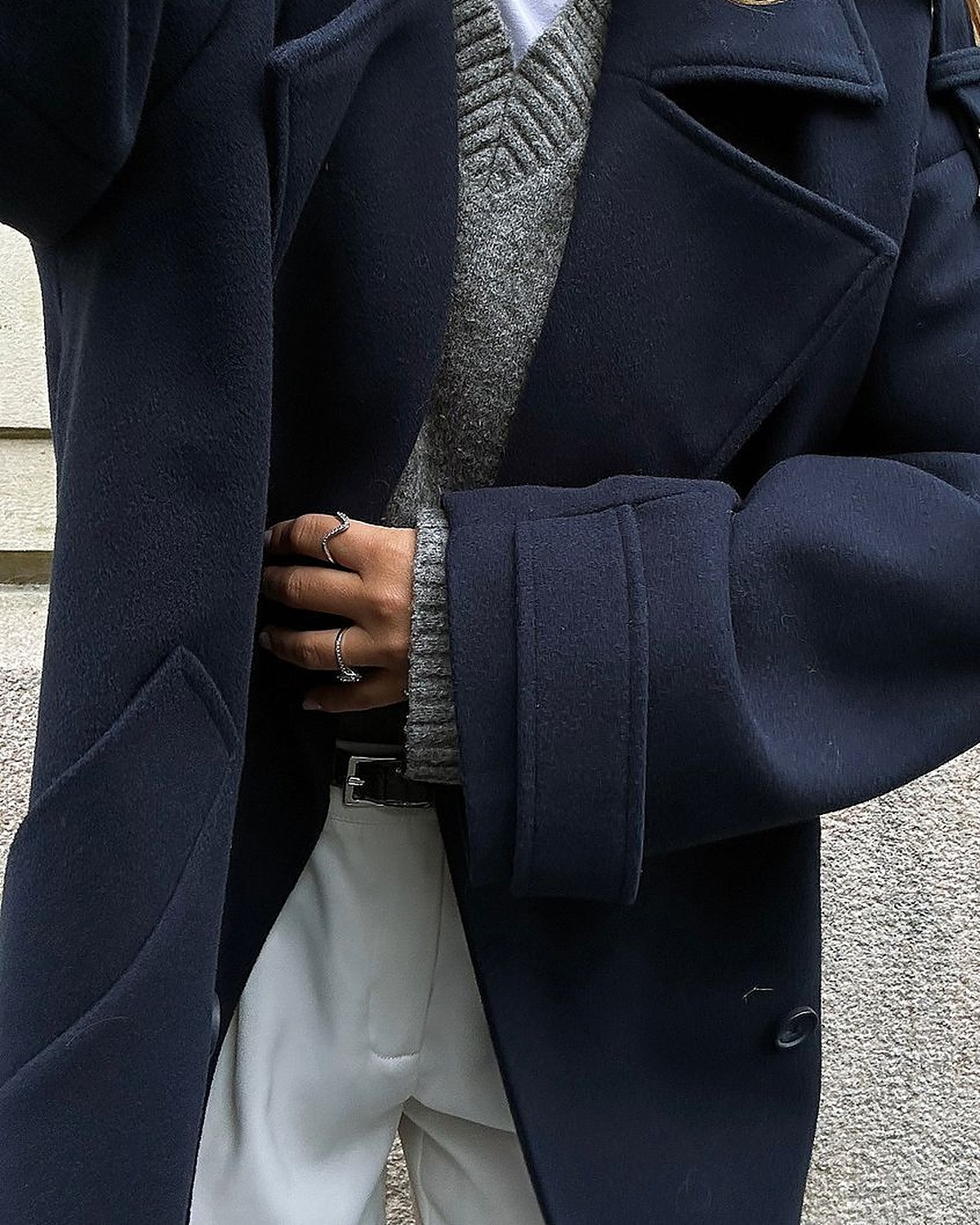
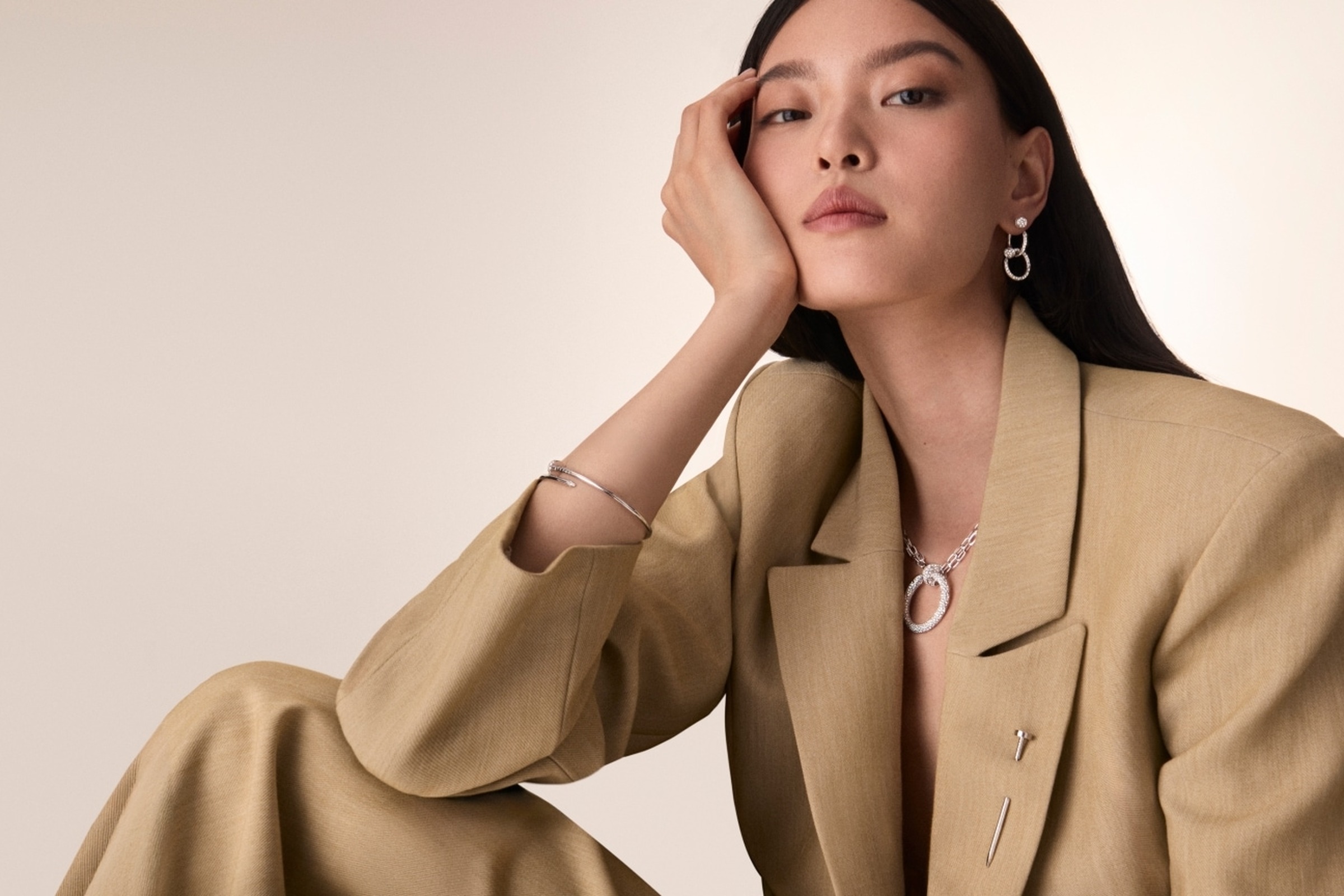
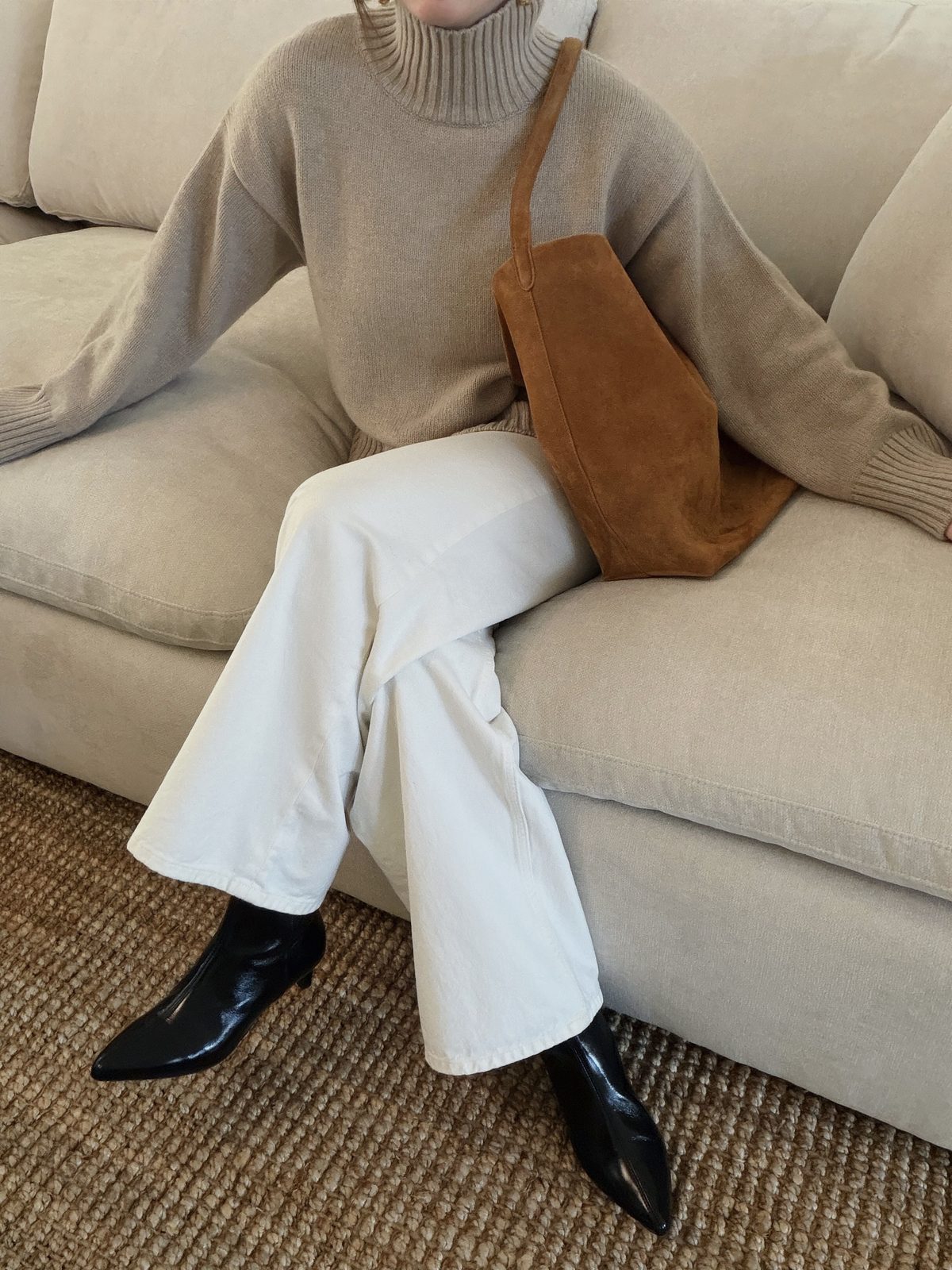
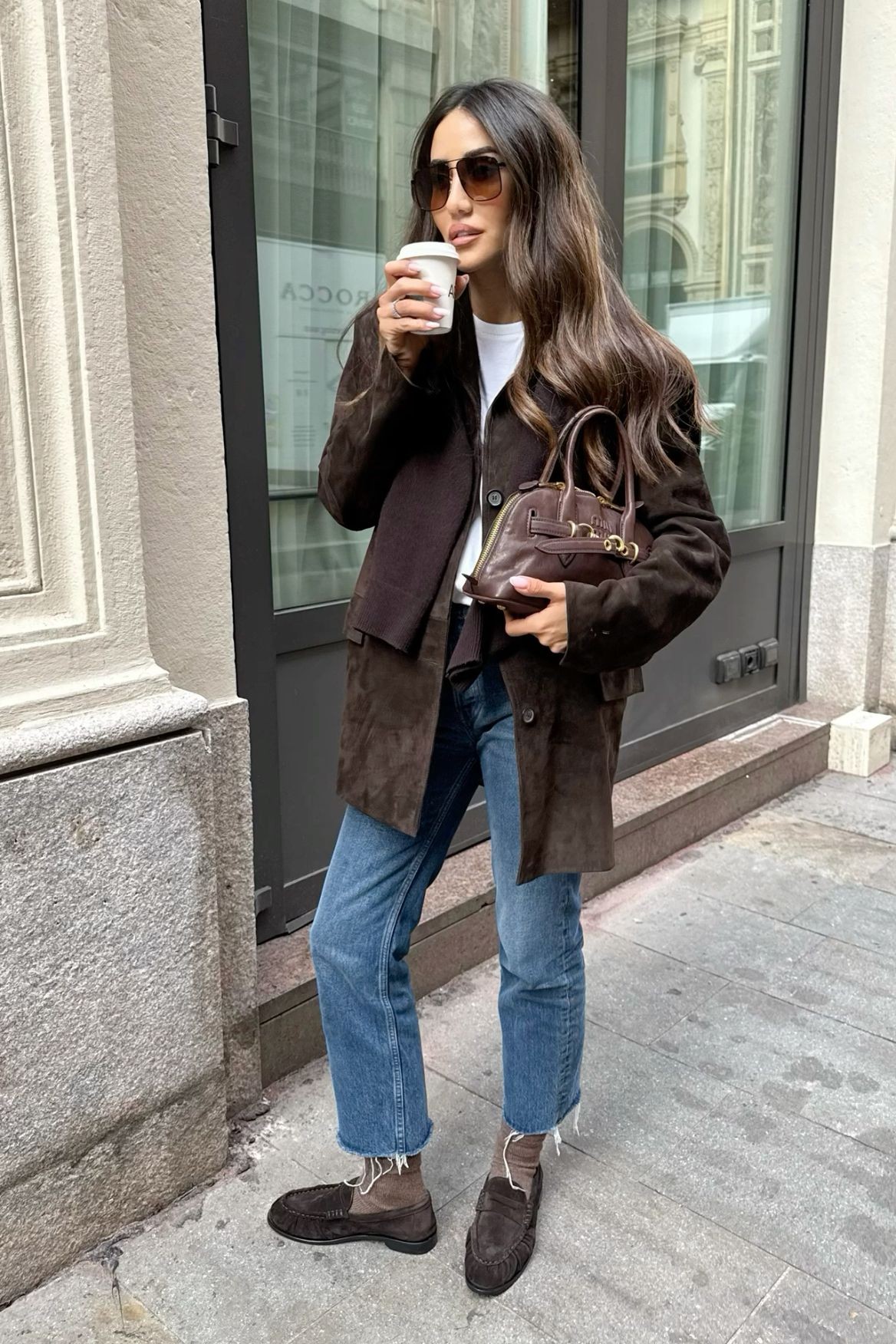
Winter fashion women can approach winter dressing through layers, outerwear, footwear, and a few useful body-care additions. I would begin with the coat or boot that sets the day's shape, then build around it with texture and practical coverage.
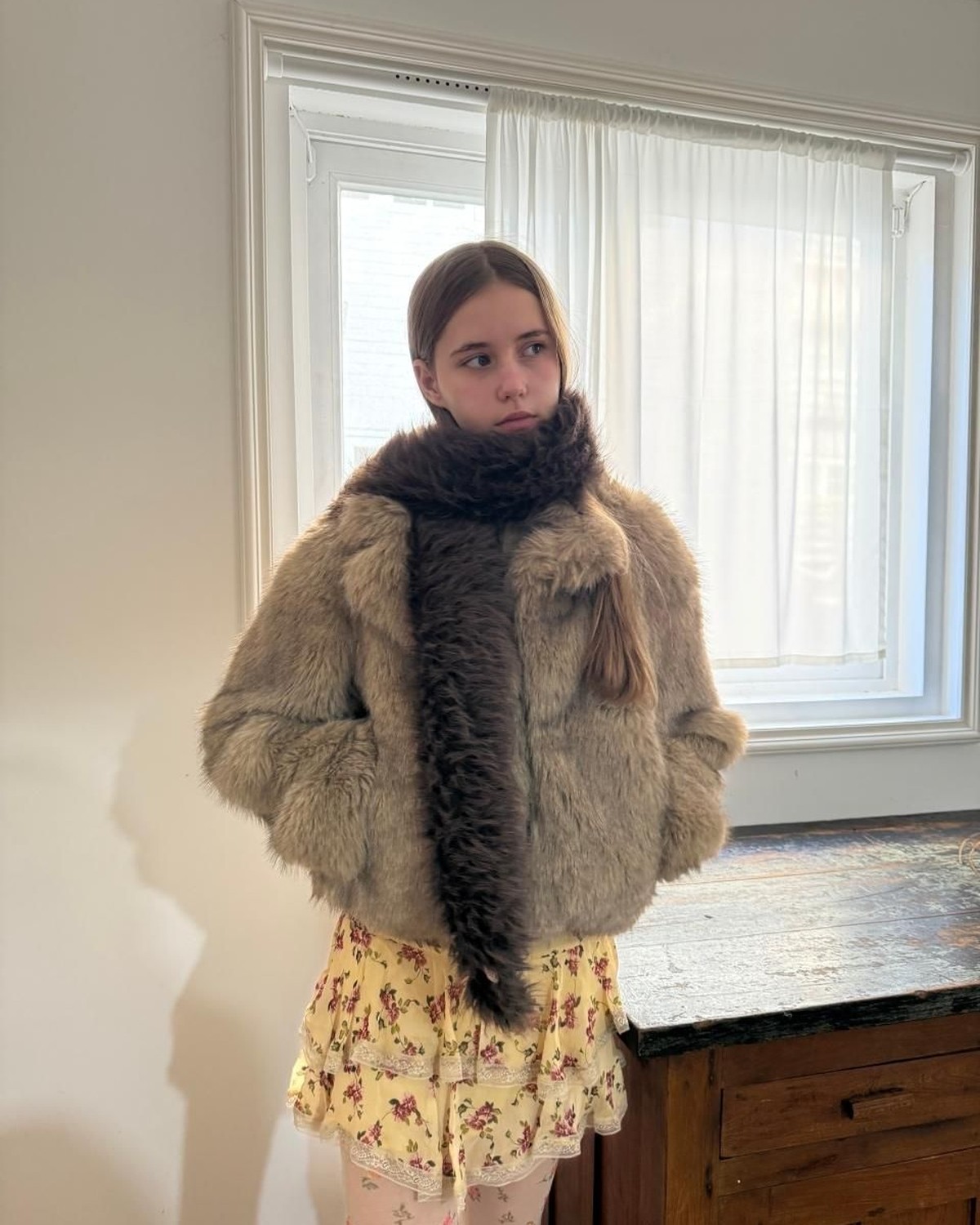
Winter fashion women: Warmth With a Little Point of View
Winter fashion women can approach winter dressing through layers, outerwear, footwear, and a few useful body-care additions.
The winter silhouette
On February 12, 1947, Christian Dior showed his first collection at 30 Avenue Montaigne in Paris. Dior's account says the Bar suit helped establish the New Look, a useful reminder that winter dressing can have a point of view as well as a practical job. For winter fashion women, I would start with the balance between warmth and shape, then decide how much of the outfit should feel soft, tailored, or outdoors-minded.
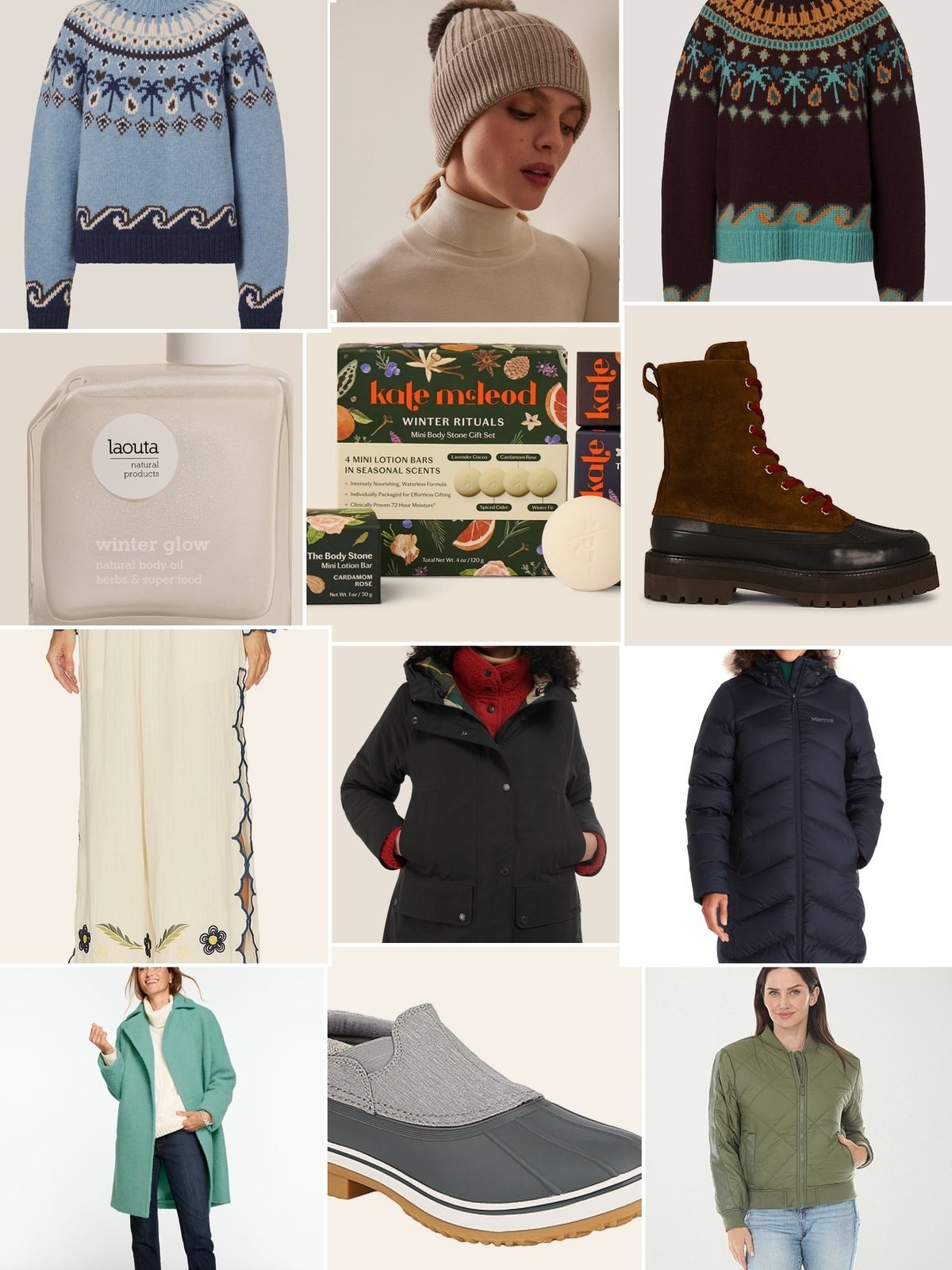
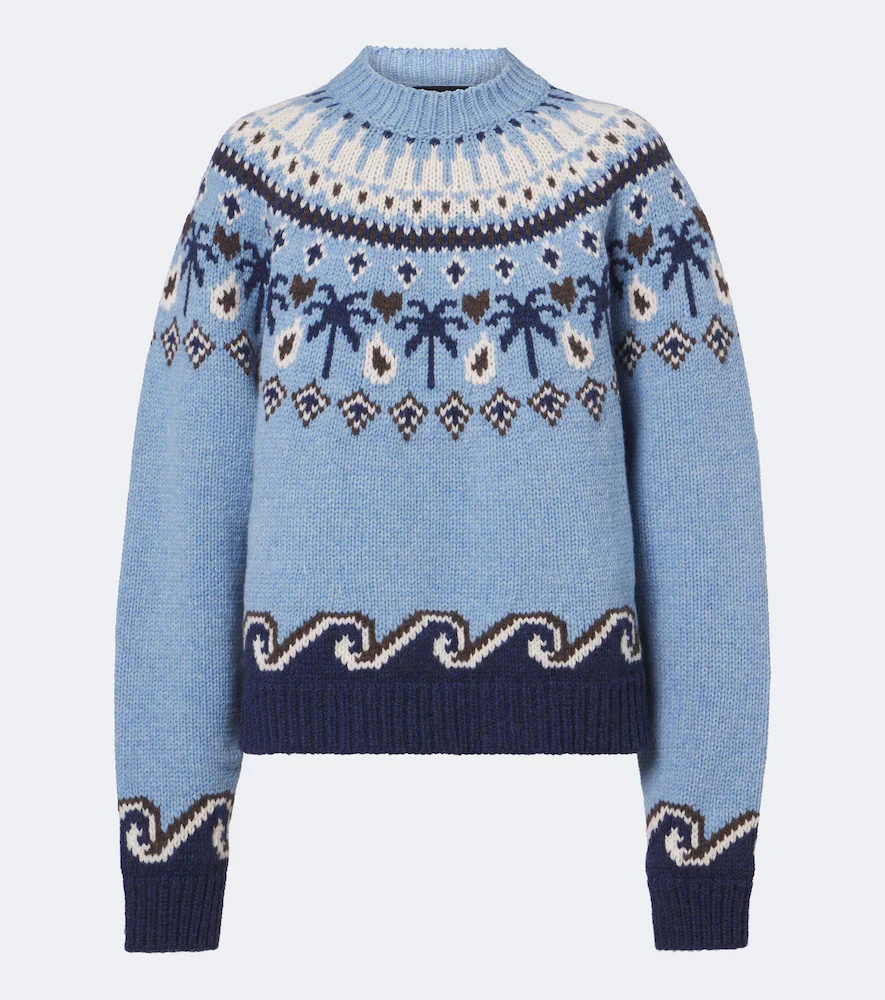
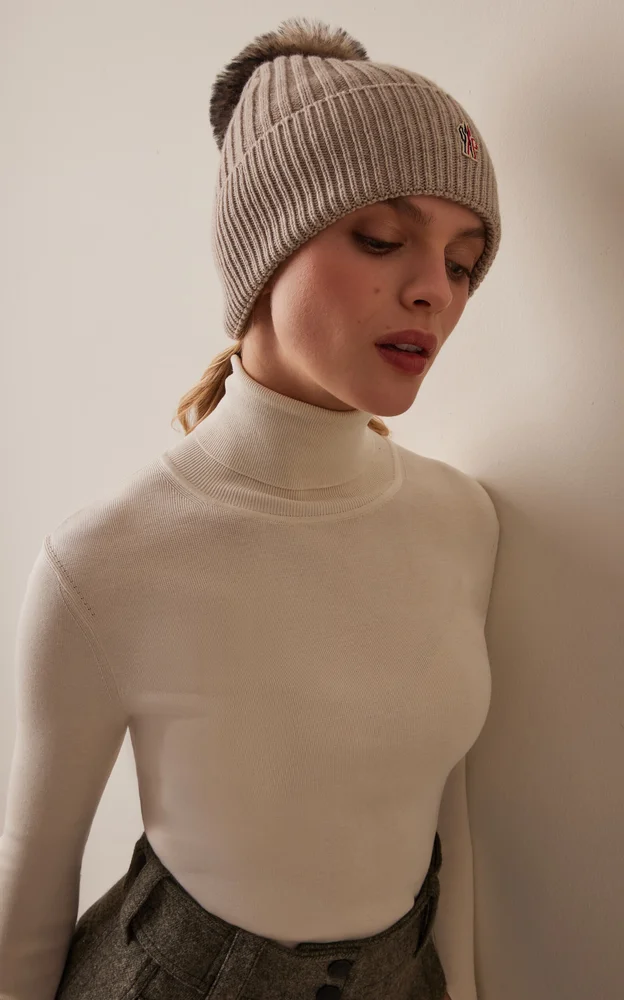
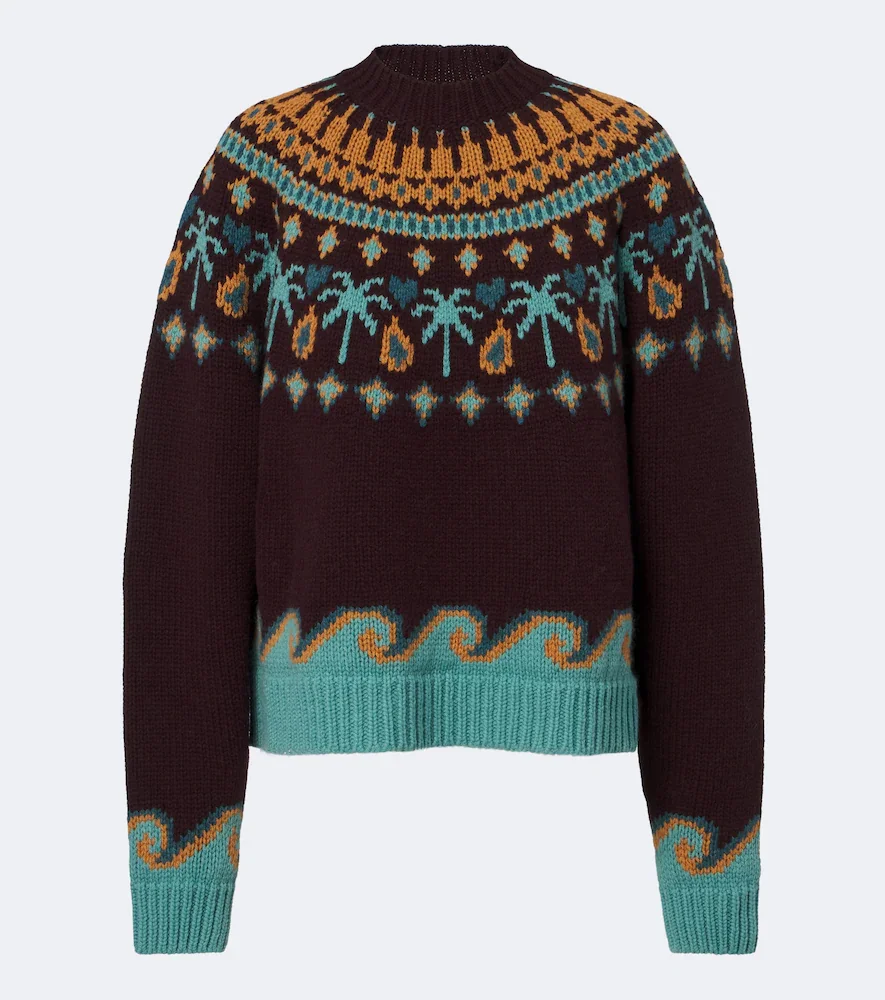
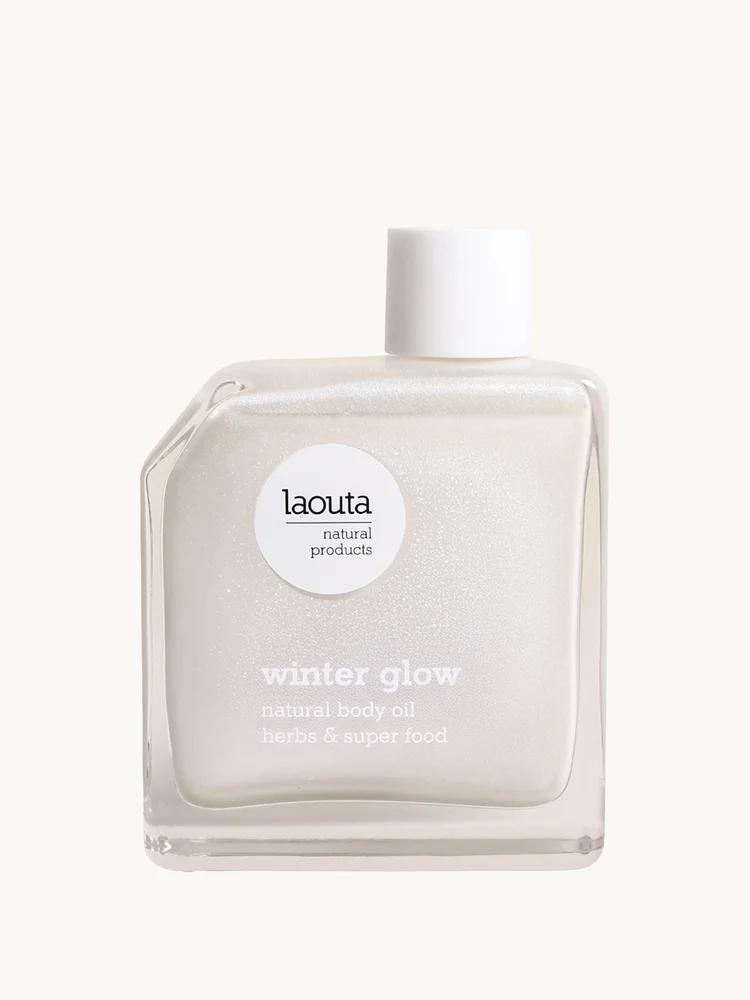
The first group sets up that mix. Alanui's Sweet Winter virgin wool sweater appears twice, making it the clear clothing anchor, while Moncler Grenoble's Shearling-Trimmed Wool Beanie and Laouta's Winter Glow Body Oil are small body-care additions. The names alone give each a different role: one is a wool sweater, one is a stick duo, and one is body oil.
I would let the Alanui sweater do the visible work and keep the rest of the outfit simple, perhaps with a clean trouser and a coat that does not compete. The Kate McLeod duo and Laouta oil make sense as quiet cold-weather companions rather than styling features. If the day has a lot of indoor transitions, I would think in layers that can come off without leaving the outfit unfinished.
A useful check is to decide which layer will stay on for most of the day. Build around that piece first, then see whether the sweater and smaller care items support the same routine.
Layers for outside
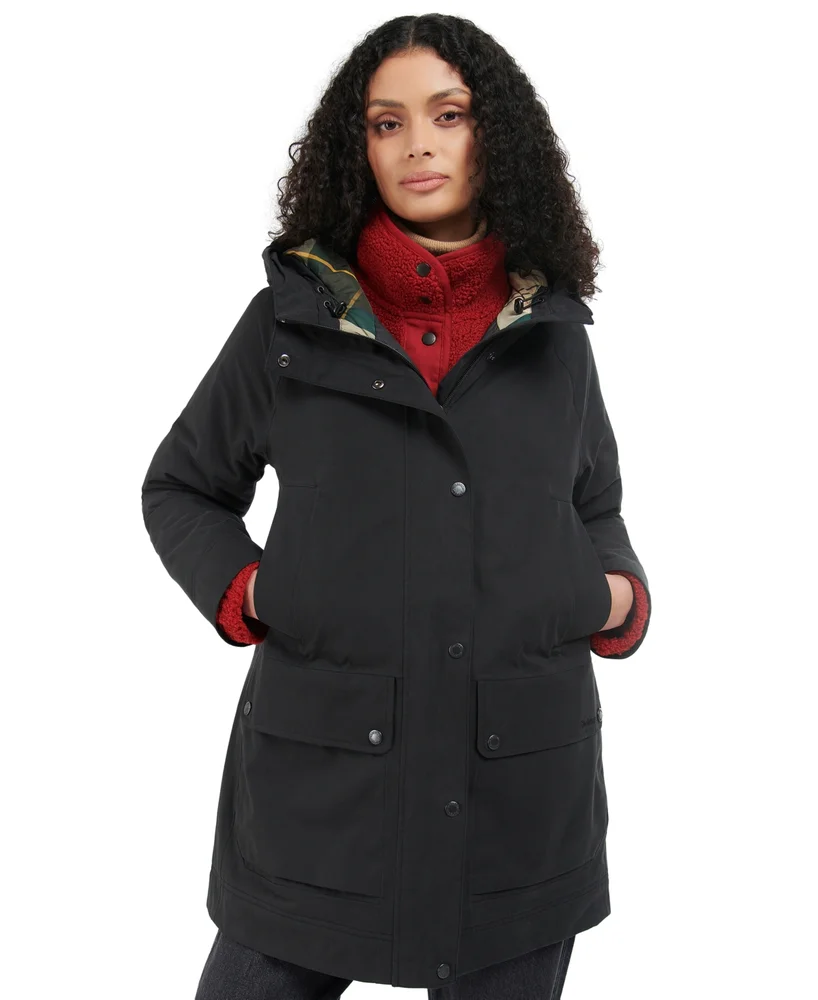
Barbour's company history begins in 1894 in South Shields, where John Barbour supplied oilskins and other protective garments to sailors, fishermen, and mariners. That origin gives the brand an unusually practical starting point for a winter edit, though I would still judge this particular Beadnell coat by its own fit and listed details. The product name identifies it as a women's winter coat, not the material or finish.
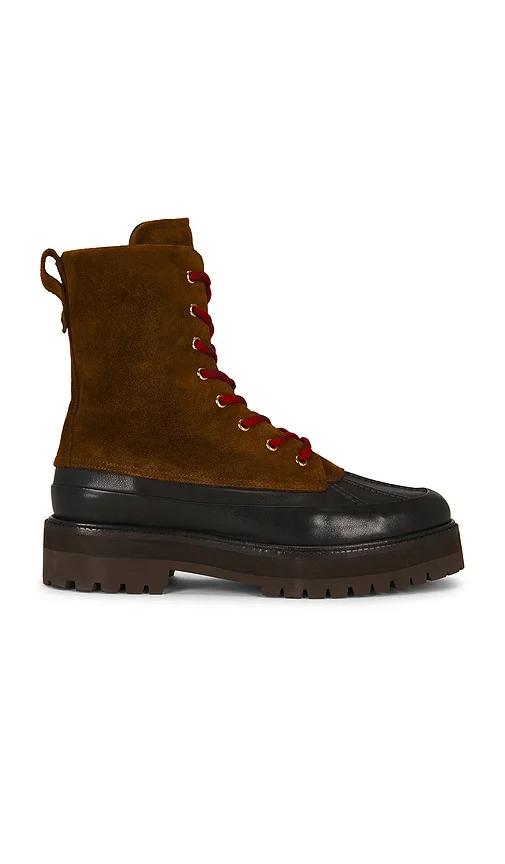
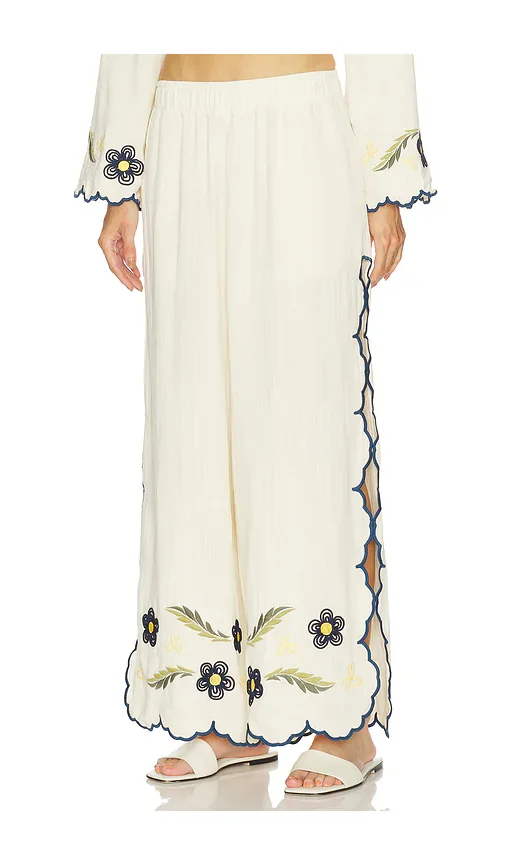
The second group balances that coat with Kate McLeod's Winter Rituals Mini Body Stone Set, Varley's Silo Winter Boot Leather Boots, and Agua Bendita's Winter Pants. I would think of the boot and pants together first, checking how their lengths meet before adding the coat. Then the body stone set can sit outside the outfit question, a small routine piece for colder days.
For winter fashion women, outerwear often determines whether the rest of the layers feel considered or merely piled on. I would check the coat over the thickest sweater I plan to use, lift my arms, and sit down in it. With the boots, I would look at the opening and hem together so the trouser does not bunch awkwardly.
What I would skip: adding another bulky layer before checking the coat over a sweater. A little room is useful, but the shoulders and sleeves should still let the whole outfit move.

Coats and boots
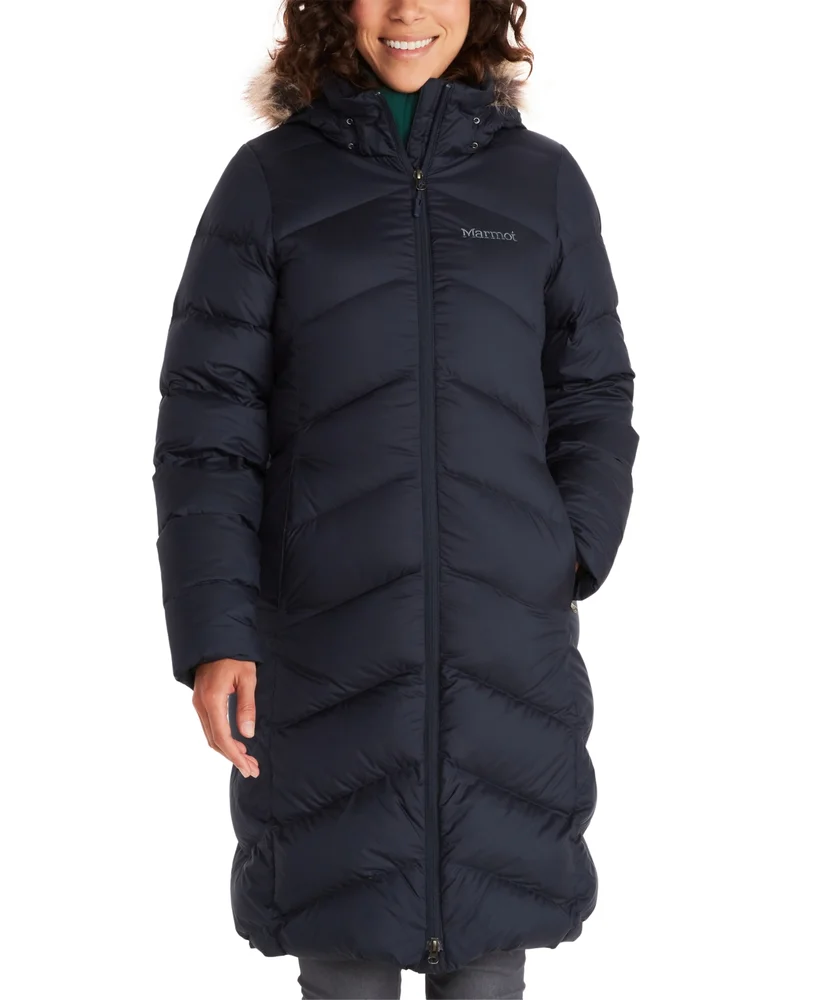
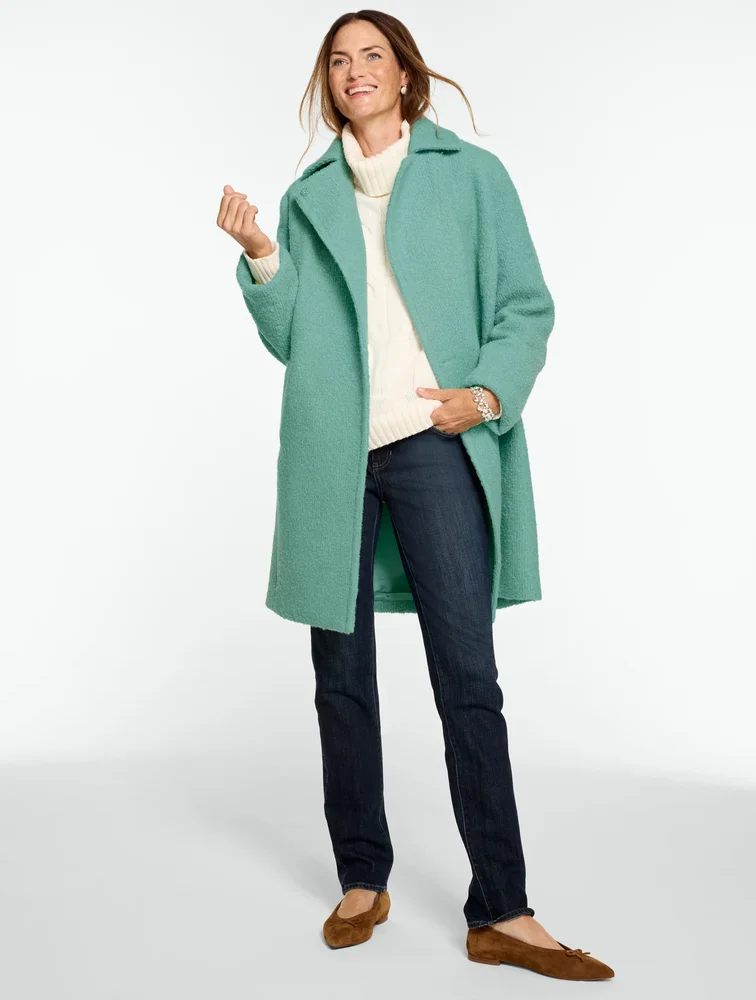
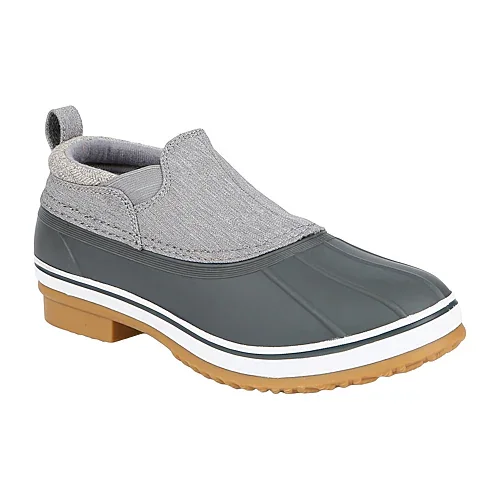
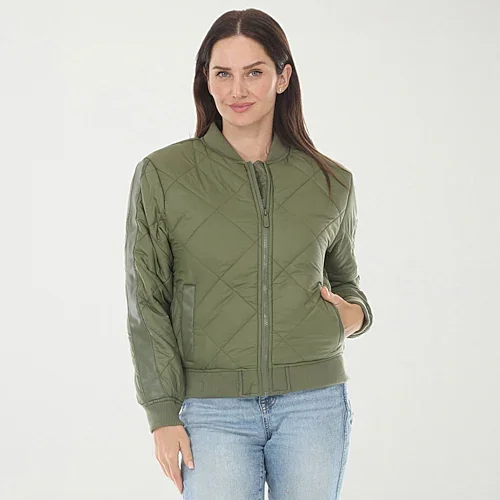
The last group is more straightforwardly about coverage. Marmot's Montreaux winter coat sits beside Talbots' boucle coat, while NORTHSIDE's Bradie flat-heel winter boots and WHITE MARK's midweight jacket round out the set. The names point to different jobs: two coats, one flat-heel boot, and a lighter-sounding jacket. I would decide which of those jobs is missing before choosing a color story.
For winter fashion women, the coat is worth considering over the pieces already in rotation, not in isolation. I would compare the Marmot Montreaux with the Talbots boucle coat by imagining each over the same knit, then choose the shape that leaves room for a scarf without swallowing the outfit. The NORTHSIDE boots invite a practical hem check, and the WHITE MARK jacket could be a layer for days that do not call for the heaviest coat.
A simple test: wear the thickest sock you expect to use with the boots and check that there is still comfortable room at the toes. For the coats, look at sleeve length with your arms bent, not only standing straight. That small check can make cold mornings less fussy.
What I would skip: treating every cold day as a reason for the bulkiest option. A midweight jacket or a more structured coat can be the right layer when the rest of the outfit already brings warmth.
Choose the first layer
I would make the coat or boots the starting point, depending on what the day asks for. From there, winter fashion women can build a sensible rotation of a wool sweater, a lighter jacket, and one layer that holds its shape over everything else. The body-care pieces are useful extras, but they do not need to dictate the outfit.
The best winter combination is the one that can handle a commute, a warm room, and the walk back outside without requiring a full change. I would test the layers together before the first cold morning, then keep the pieces that work in motion as well as in the mirror.