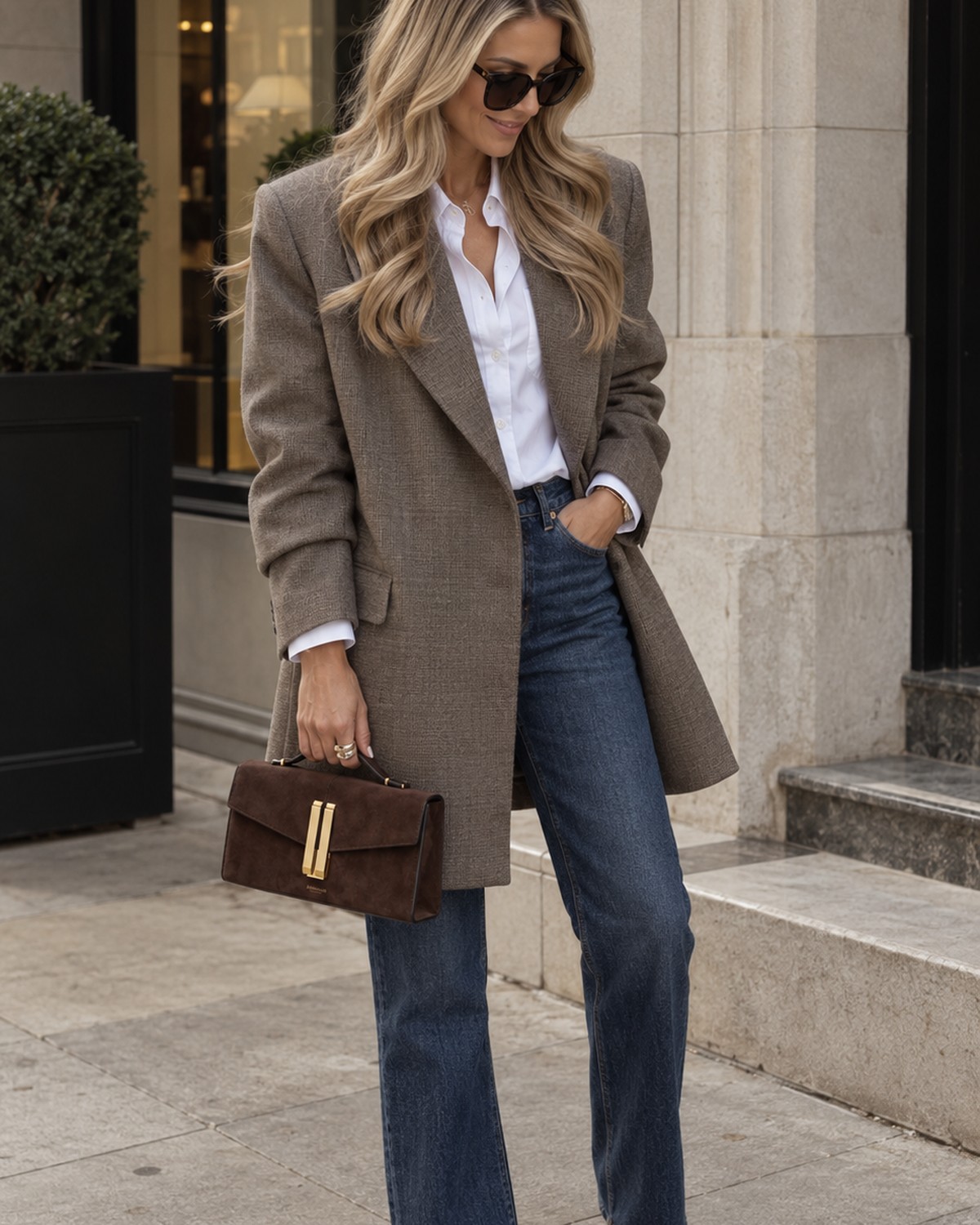
A woman blazer can move between tailored, relaxed, and softly structured without losing its sense of direction. This edit compares pinstripes, linen, denim, sleeveless tailoring, and leather so you can choose a shape that works with the clothes you already reach for.
Woman blazer: A Shape with a Long Public Life
A woman blazer can move between tailored, relaxed, and softly structured without losing its sense of direction.
A Public First Appearance
The blazer has been part of women's dress for longer than the current office wardrobe suggests. Vogue Portugal notes that the garment first appeared in American Vogue in June 1893, in a piece about yachting clothes, and that by the turn of the century women wore it with a shirtwaist and tailored skirt. That is a lovely starting point for a woman blazer edit: the shape was never only about a workplace. It began as a practical, public-facing layer, then kept changing as women made tailoring their own.
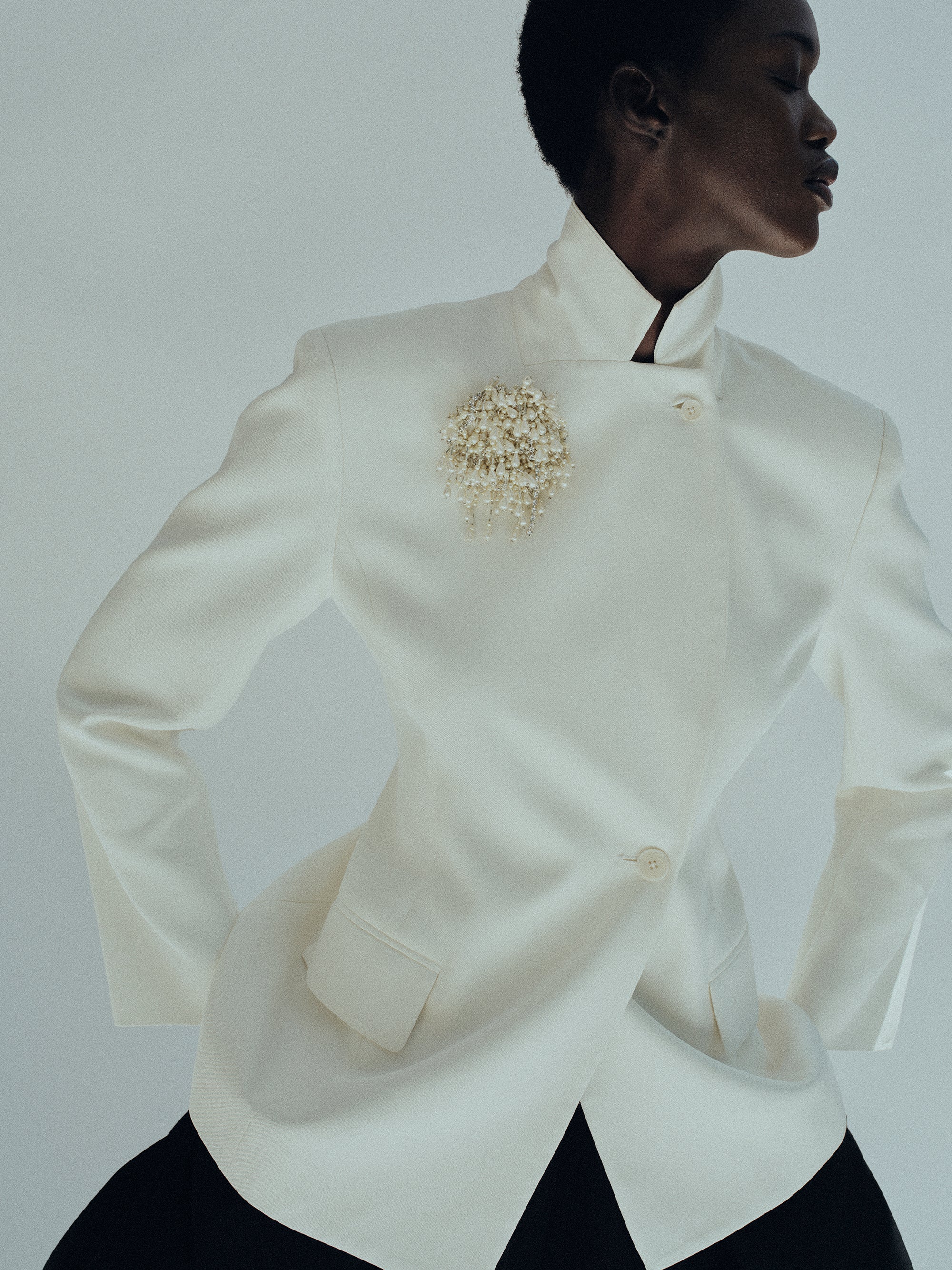
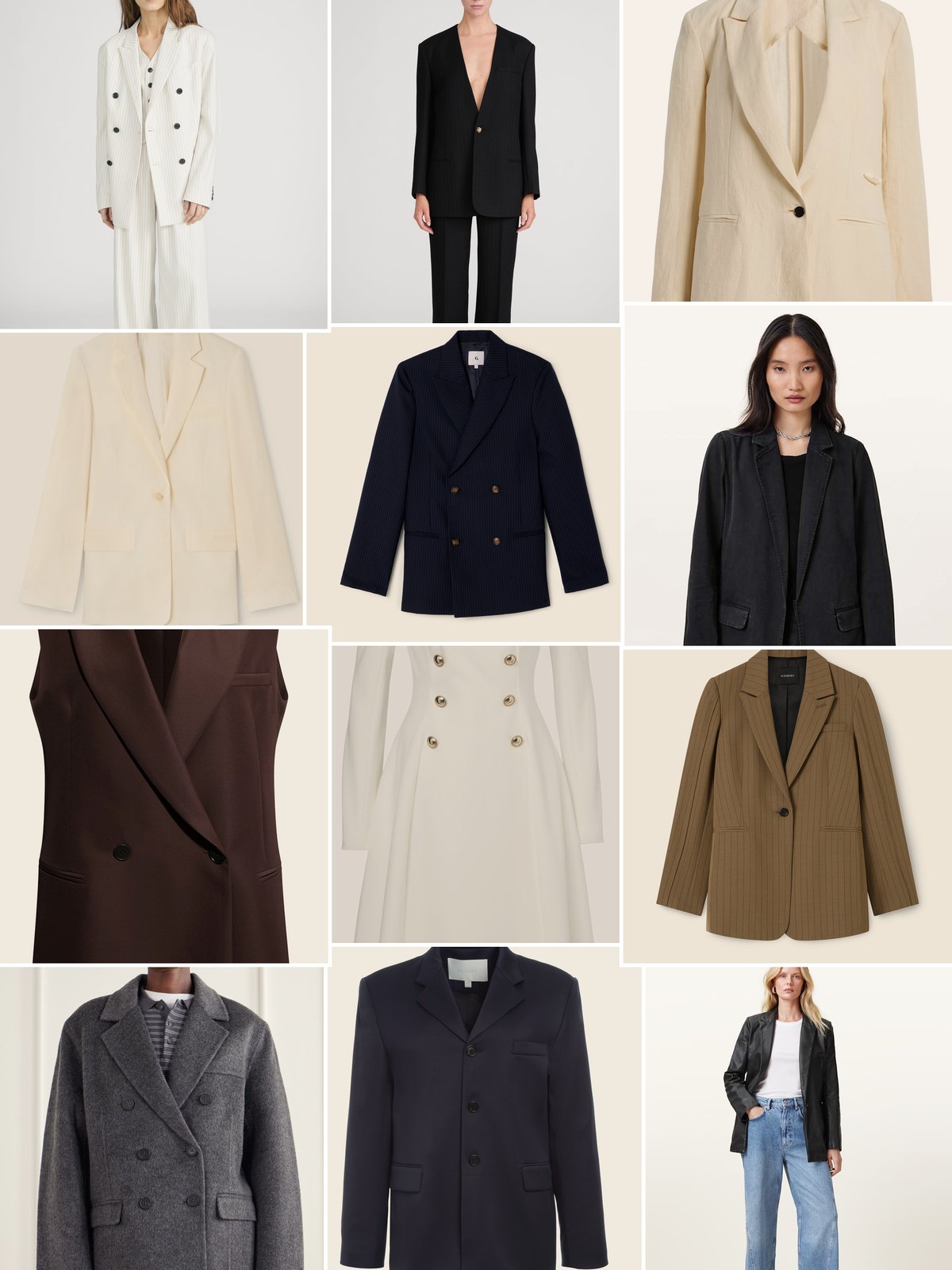
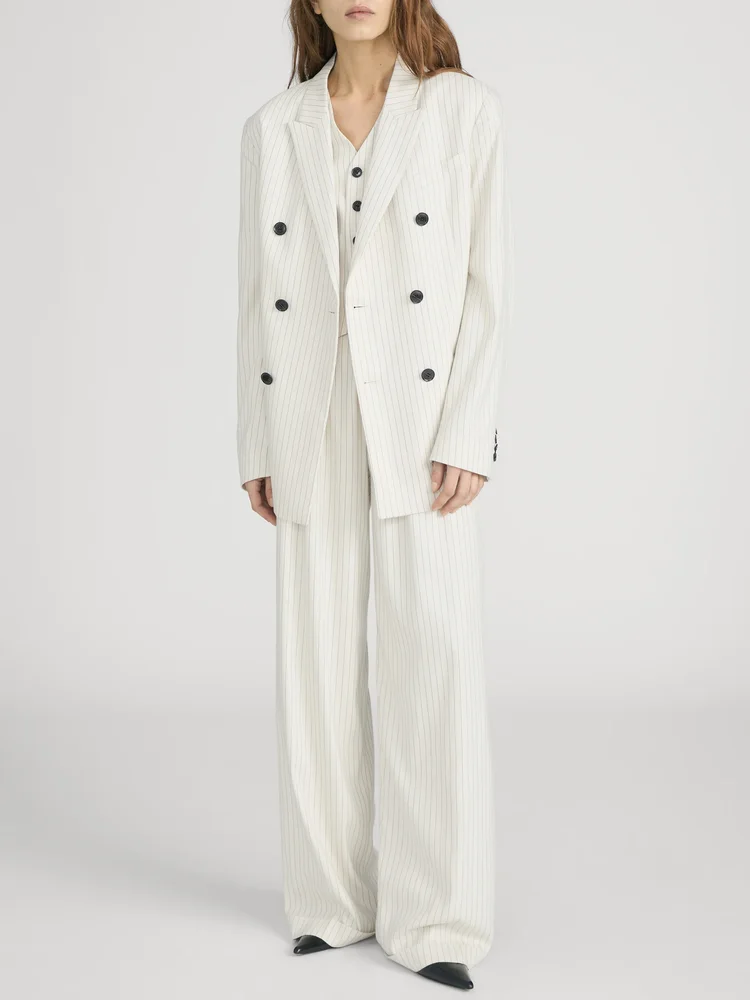
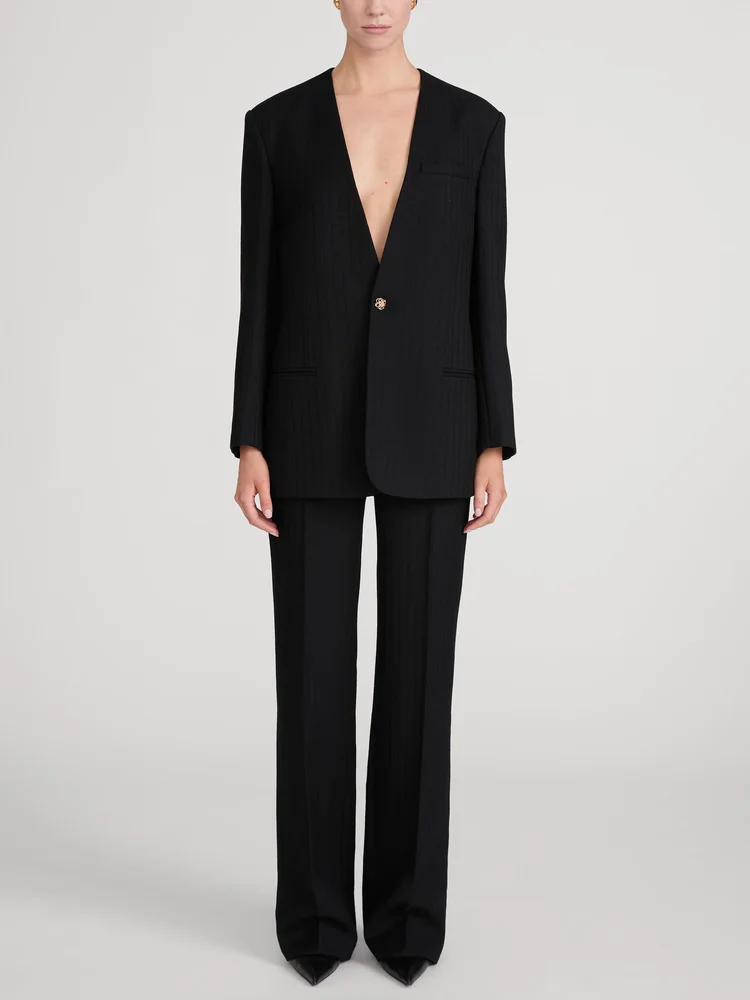
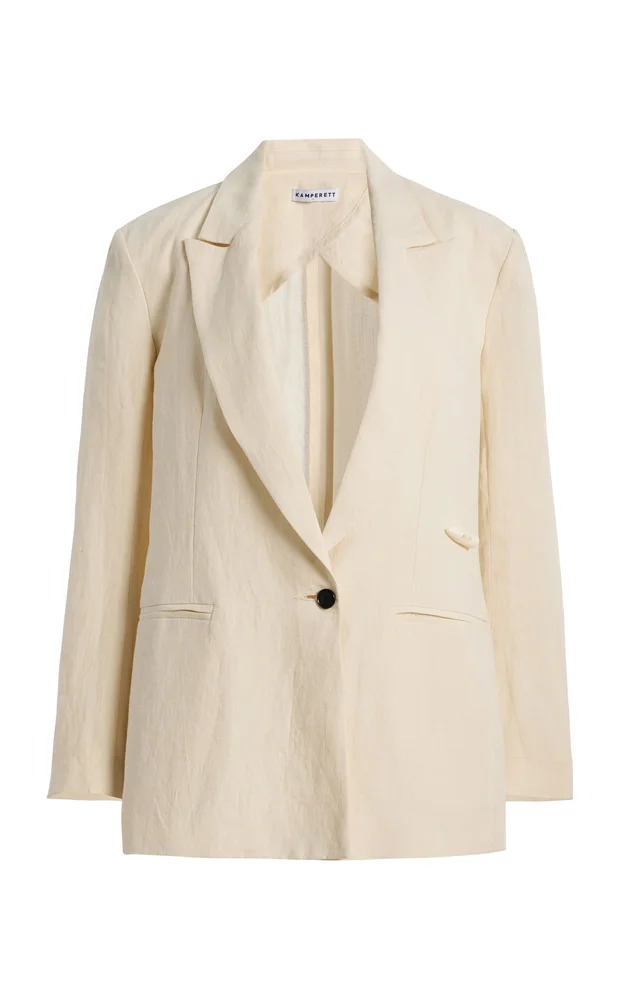
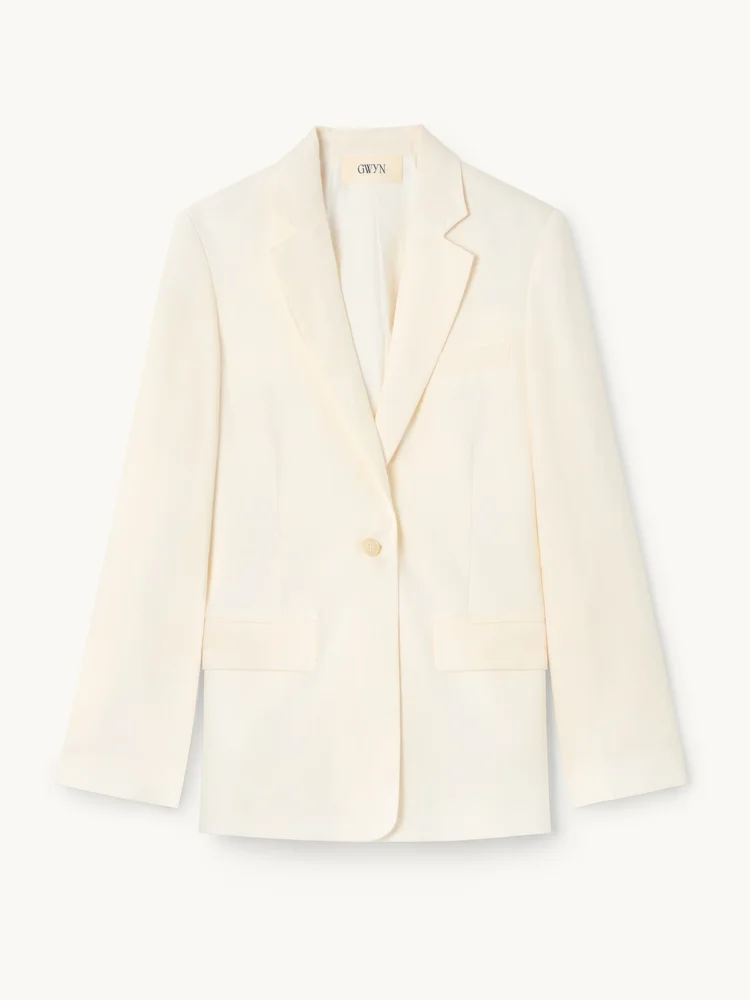
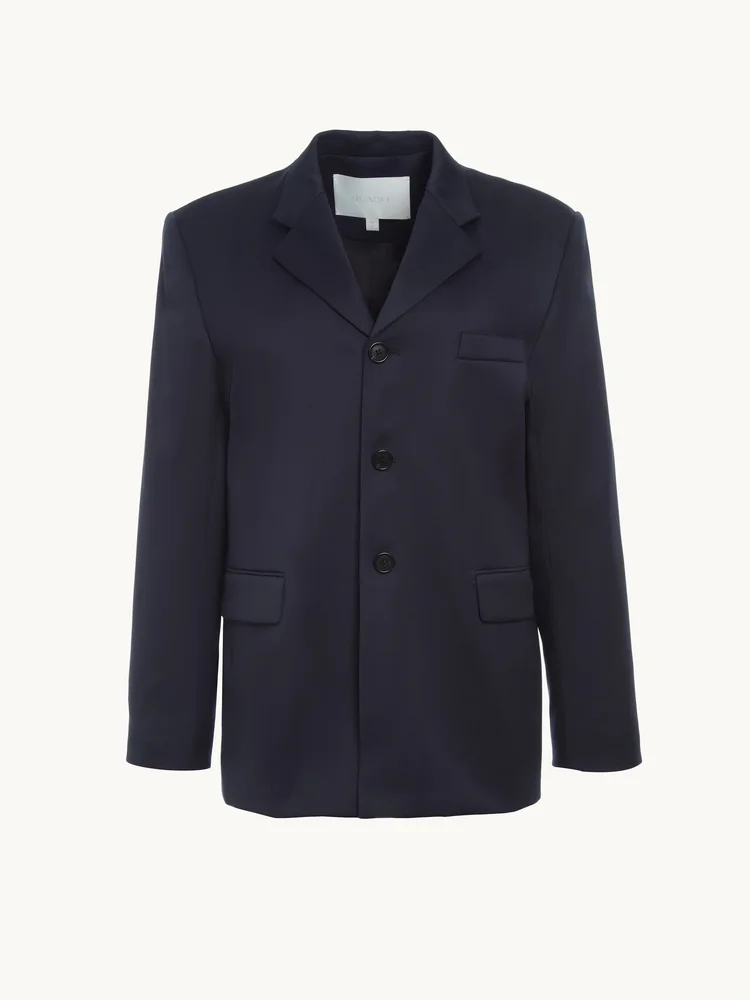
FRAME's The Pinstripe Avenue Blazer gives the first group a clear line, while The Collarless Blazer removes one of the classic tailoring cues for a quieter finish. Kamperett's Exclusive Orere Linen Blazer brings linen into the mix, a useful contrast if you prefer a lighter-looking texture, and GWYN's Madeleine Blazer adds another route into a clean, composed silhouette. Each pick answers a slightly different styling question without needing an elaborate outfit around it.
I would begin with the shoulder and sleeve, then decide how much structure feels right over your usual top. A pinstripe can look sharp with plain denim; a collarless shape leaves room for a scarf or a more detailed neckline. The linen option makes sense beside soft trousers or a simple skirt, while the Madeleine can anchor a dress or a monochrome outfit. Try the blazer over the exact layer you plan to wear most often. A small difference in sleeve ease can decide whether it feels like a useful layer or an outfit that needs constant adjusting.
Tailoring with a Twist
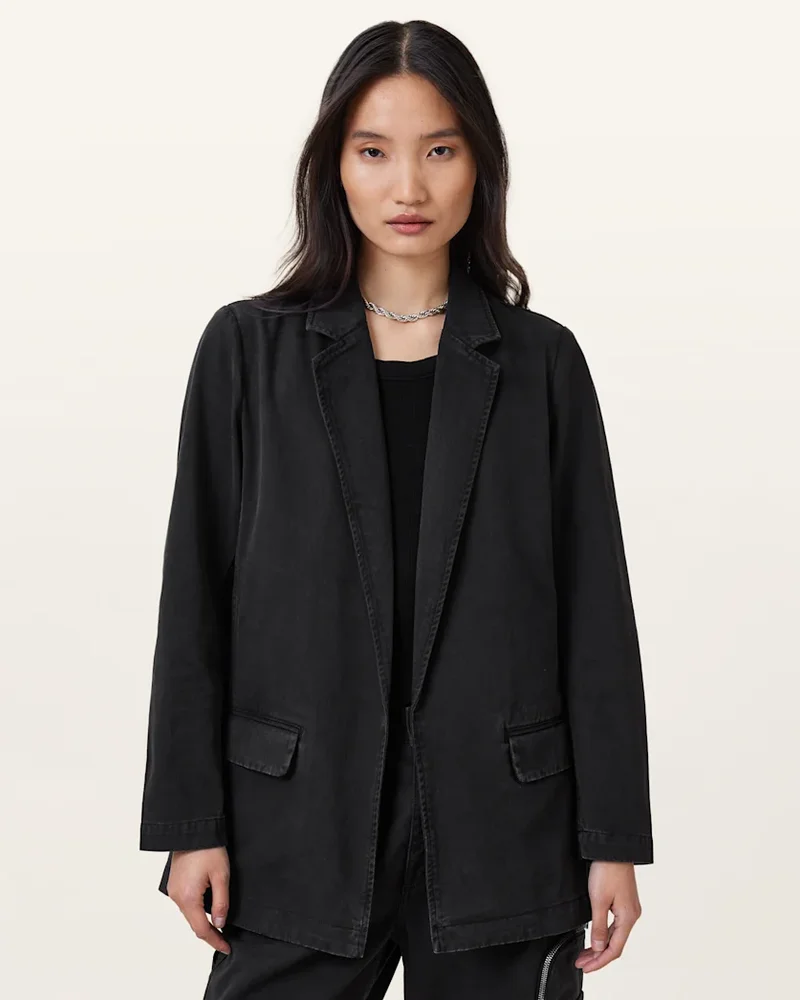
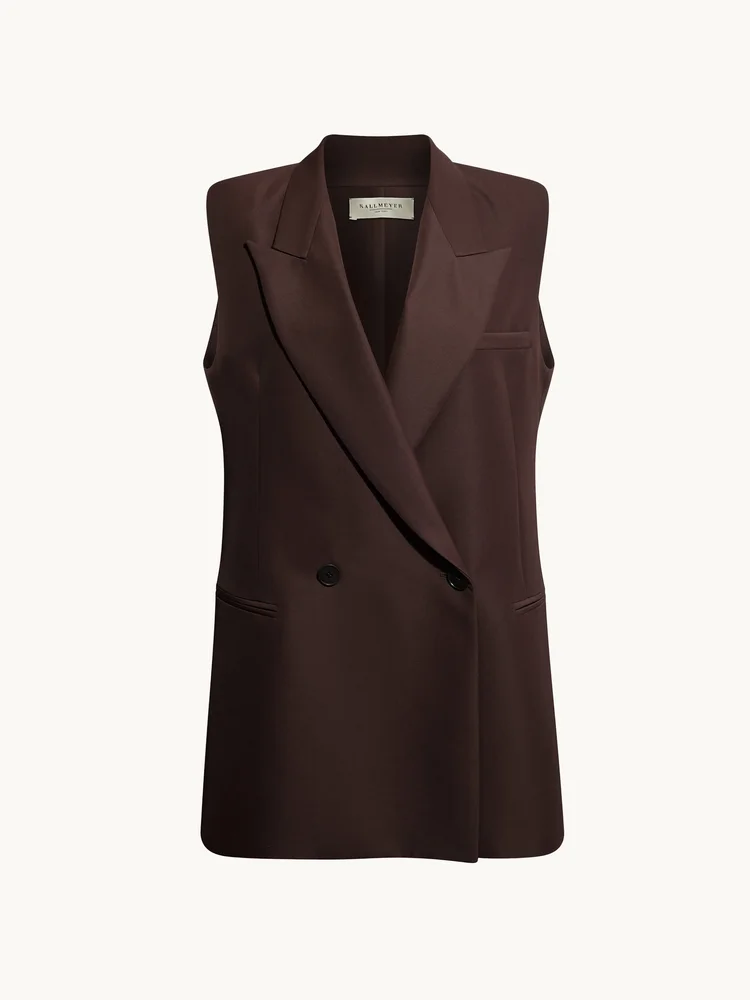
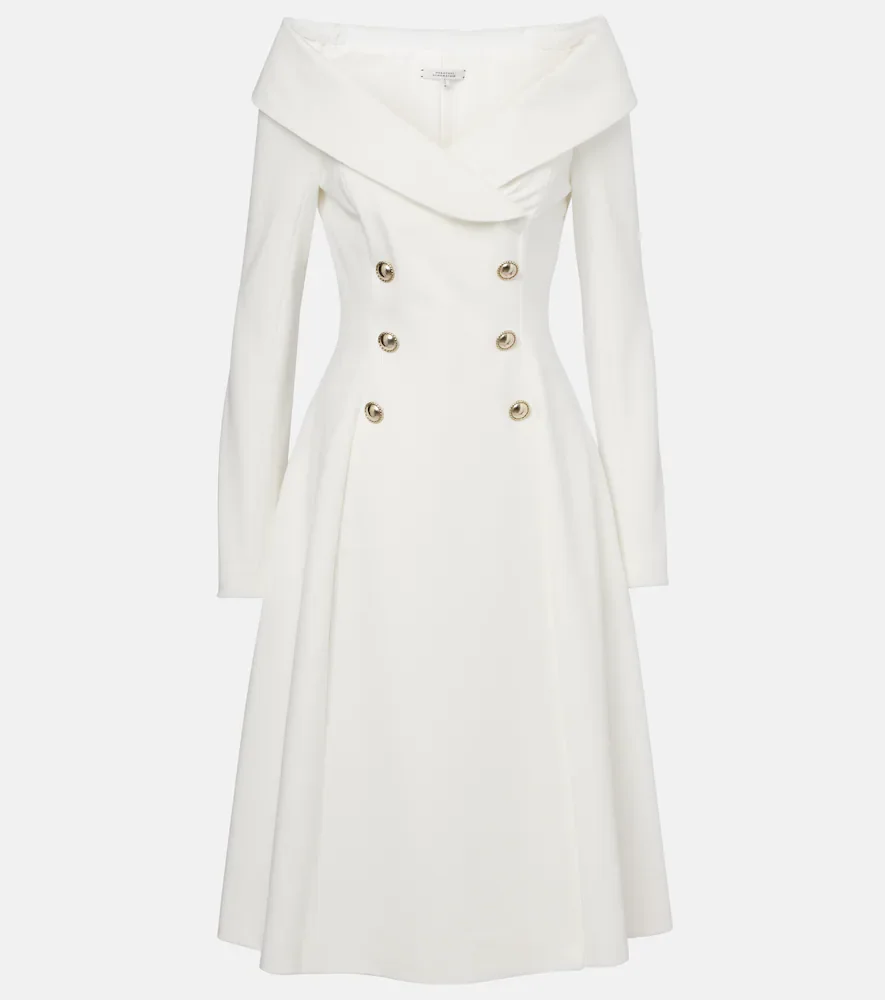
The second group shows how much range a woman blazer can cover once the familiar lapel shape starts to shift. GWYN's Jude Blazer offers another take on straightforward tailoring, while AllSaints' Aleida Denim Blazer brings denim into the conversation. KALLMEYER's Deon Sleeveless Blazer makes the arm line part of the design, and Dorothee Schumacher's Pleated blazer dress blurs the boundary between jacket and dress. The names alone point toward different levels of formality, from an everyday denim layer to a one-piece outfit with a tailored mood.
I would style the Jude over a plain tee and relaxed trousers when the day calls for a little definition but not a full suit. Aleida can sit easily beside a soft white shirt or a simple knit; the denim texture already adds enough character. For KALLMEYER, a sleeveless cut leaves the arms free and works well over a fine long-sleeve layer when you want more coverage. Dorothee Schumacher's pleated blazer dress can take the place of several separate pieces, so keep shoes and jewelry uncomplicated and let the silhouette carry the look.
Check whether the shoulder sits comfortably and whether a sleeveless blazer gives enough room across the armhole over your intended base layer. I would skip pairing the denim blazer with several other strong denim pieces at once. With the dress, avoid a competing jacket that hides the pleats; a cleaner outline makes the one-piece shape easier to read.
Soft Lines, Strong Layers
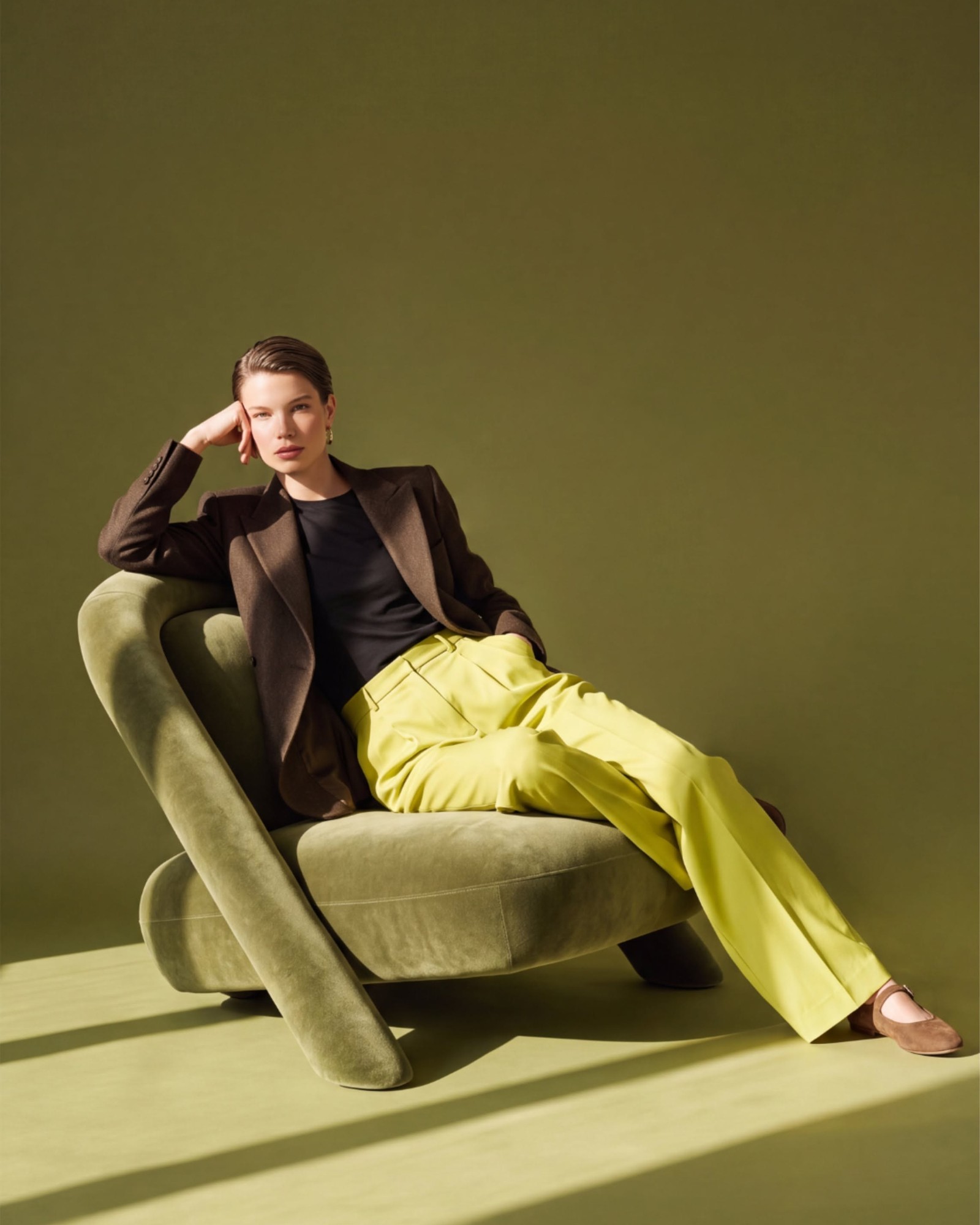
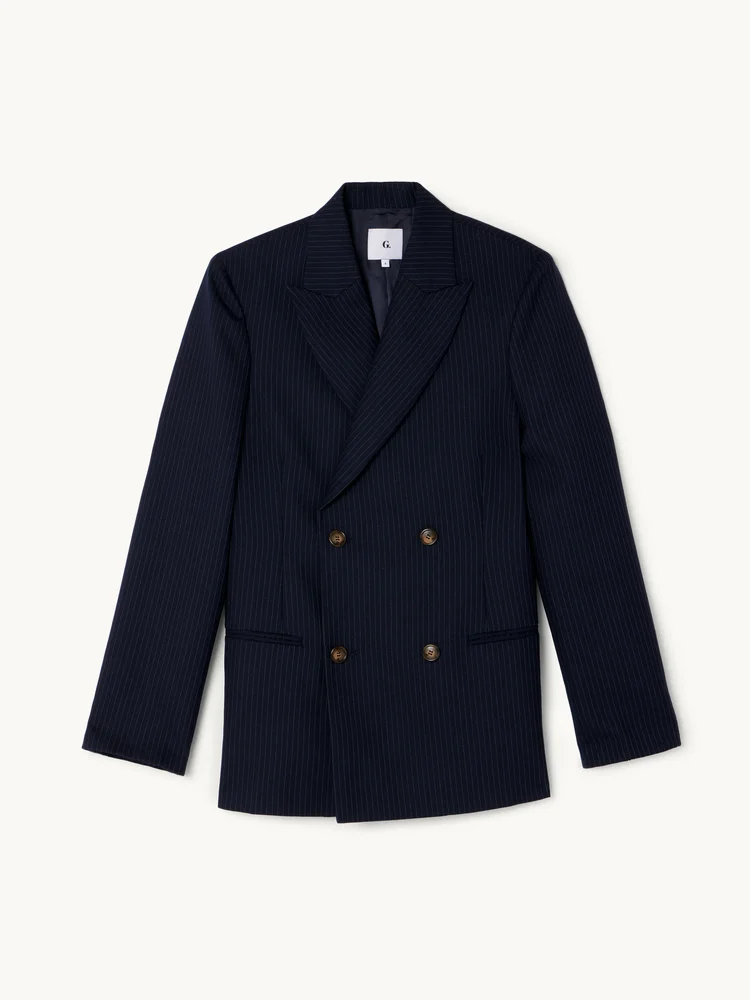
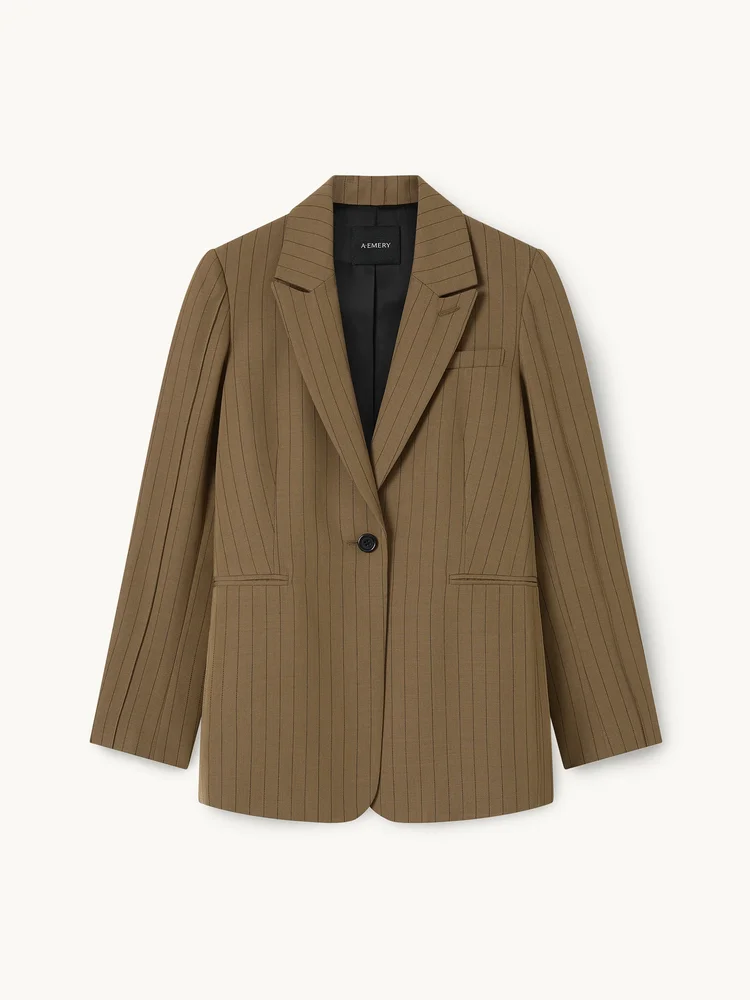
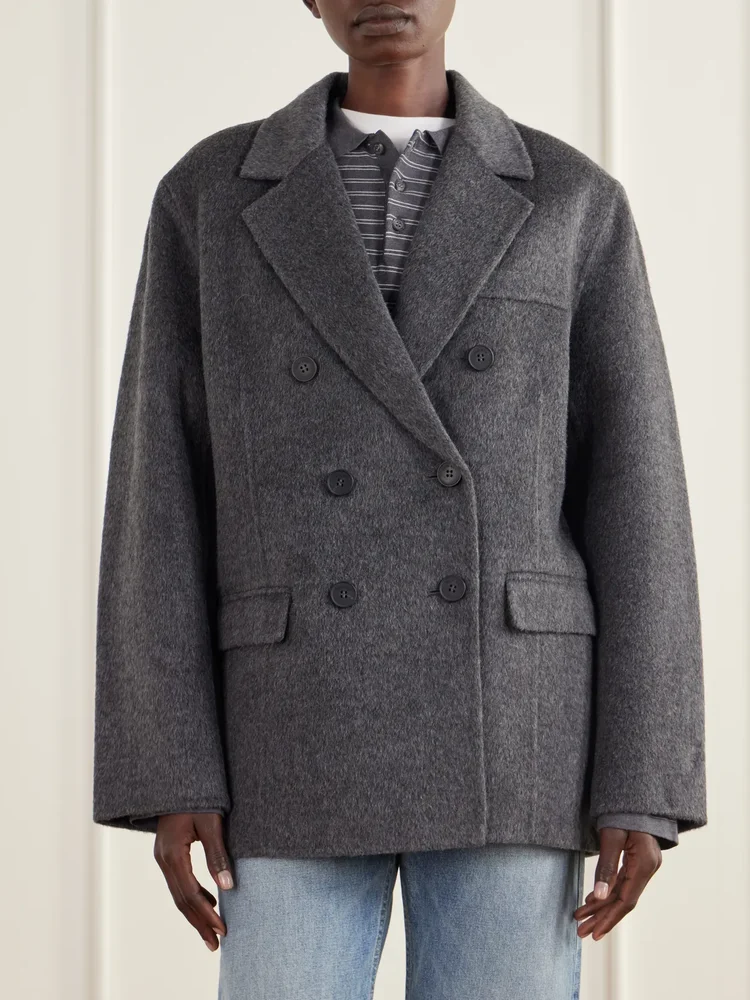
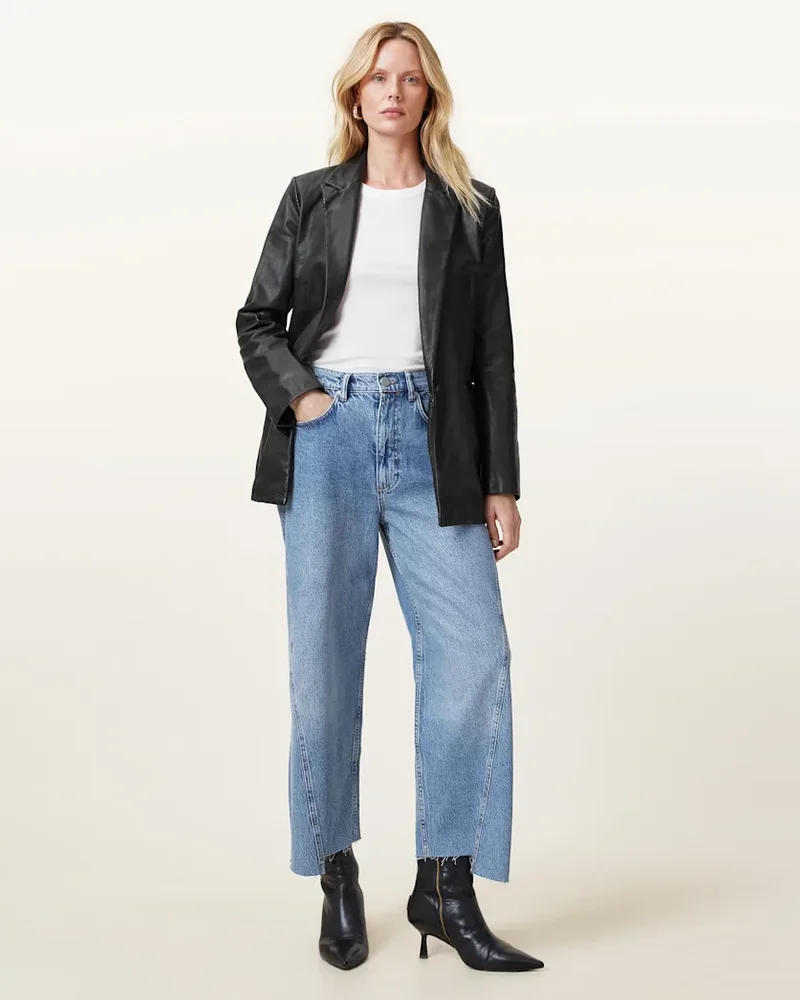
These final woman blazer picks are for anyone who wants tailoring to feel personal rather than uniform. A Emery's The Maya Blazer keeps the focus on a simple named shape, while Anine Bing's Sali double-breasted wool-felt blazer makes its fabric and front closure part of the story. Rùadh's The Stewart Blazer gives the group another distinct silhouette, and AllSaints' Deri Single Breasted Leather Blazer shifts the familiar jacket into leather. The contrast is useful: wool-felt reads soft and substantial, while leather makes the blazer the most noticeable layer in a pared-back outfit.
For a practical pairing, wear the Maya with a slim knit and wide-leg trousers, then let the blazer establish the shoulder line. Sali can work with a simple skirt or denim because the double-breasted front already gives the outfit structure. The Stewart offers a different line to compare, while Deri can sit over a tee and straight trousers when you want the texture to lead. I would test all four with the same simple base outfit before deciding which one fits your normal rhythm.
Keep the other pieces quiet around the leather blazer, and let wool-felt meet cotton, denim, or a soft knit. I would skip layering an additional heavy texture over Deri. With a blazer this defined, the best styling move is often to leave one thing unsaid.
Tailoring on Your Terms
A woman blazer does not need to signal one particular kind of day. Pinstripes can feel crisp, linen can soften the outline, denim can make tailoring less formal, and a sleeveless cut or blazer dress can change the proportions altogether. I would choose the version that works with your regular layers instead of building a whole new wardrobe around it.
Check the shoulder, sleeve, and hem with the clothes you already wear most. If the jacket sits comfortably and gives one familiar outfit a fresh line, it has found its place. From a clear pinstripe to a quiet collarless shape, the most useful blazer is the one that lets you move through the day as yourself.