This women scarves edit treats a scarf as a styling decision, not just a layer for cold weather. I compare prints, fibers and proportions so a small accessory can change the whole mood of an outfit.
Women scarves: Texture, Pattern and the Art of the Small Shift
This women scarves edit treats a scarf as a styling decision, not just a layer for cold weather.
A Patterned Past
The V&A records a Liberty & Co. printed silk head scarf made in London in the 1930s, patterned with a paisley border and curved motifs. That museum object is a good reminder that women scarves have always been able to do two jobs at once: provide a layer and carry a point of view. The current choices here move between warmth, print and texture, so I would begin by deciding which of those jobs matters most.
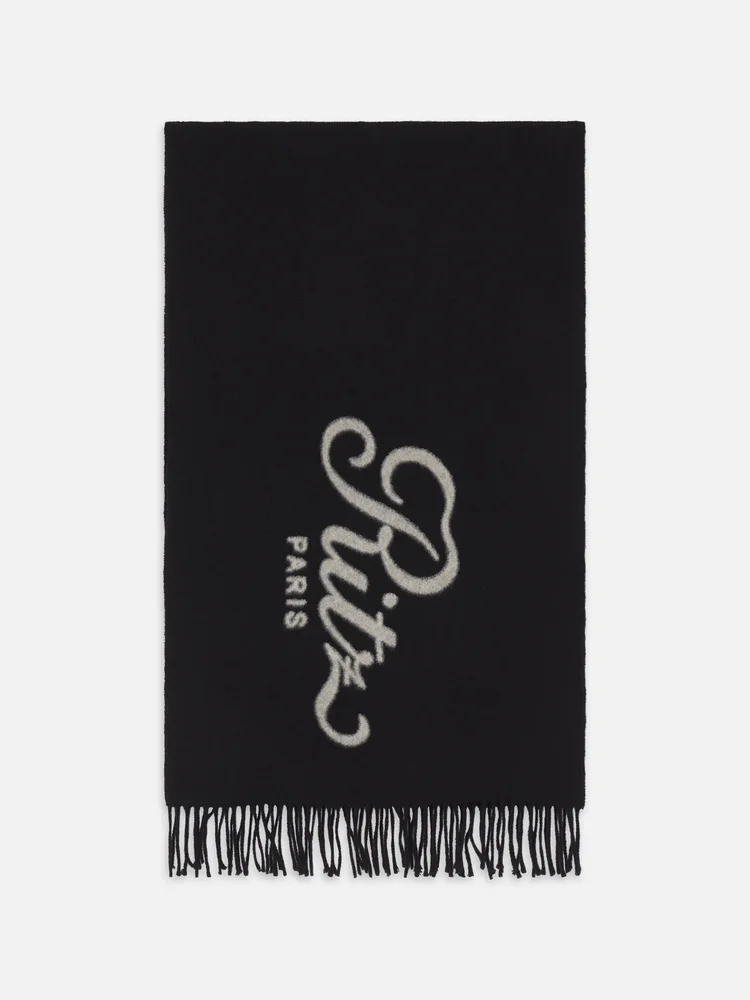
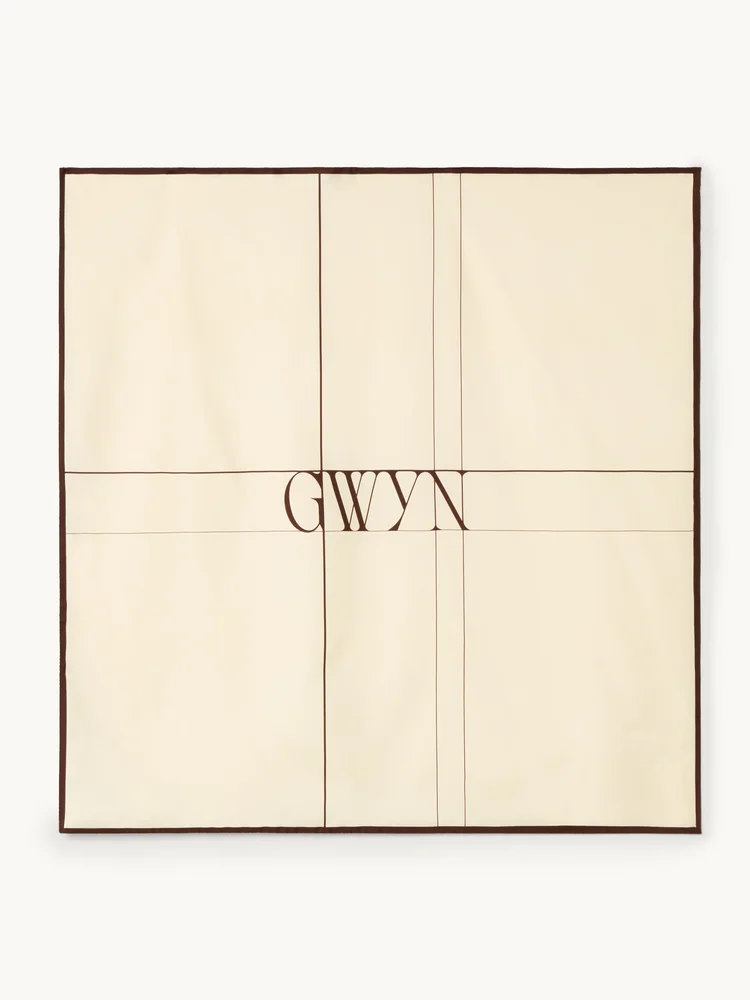
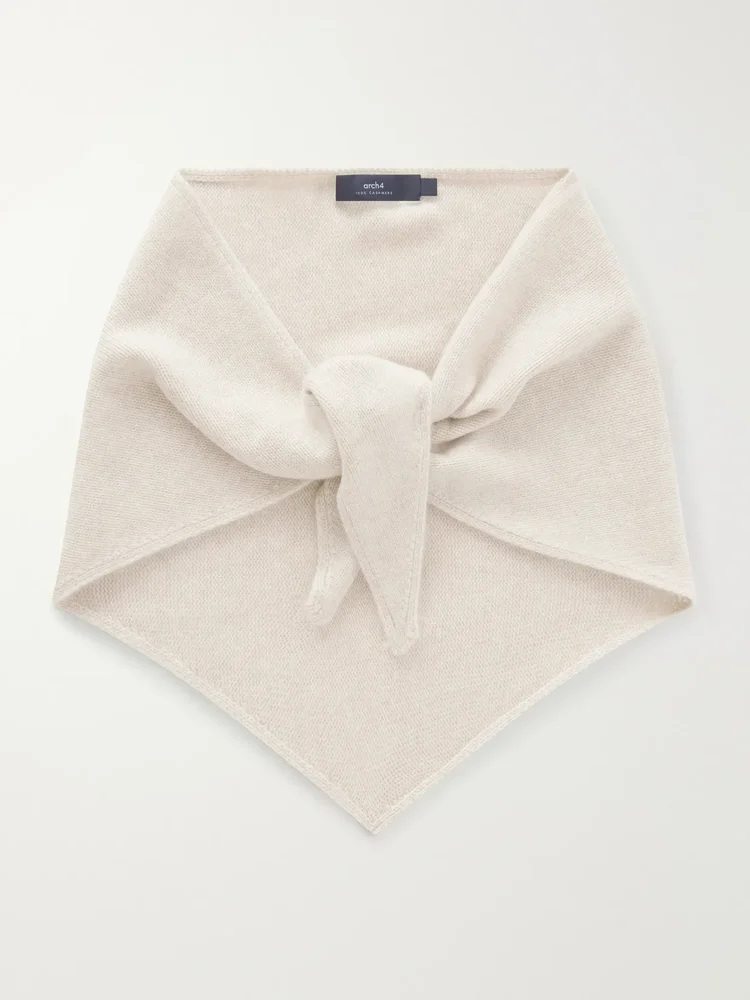
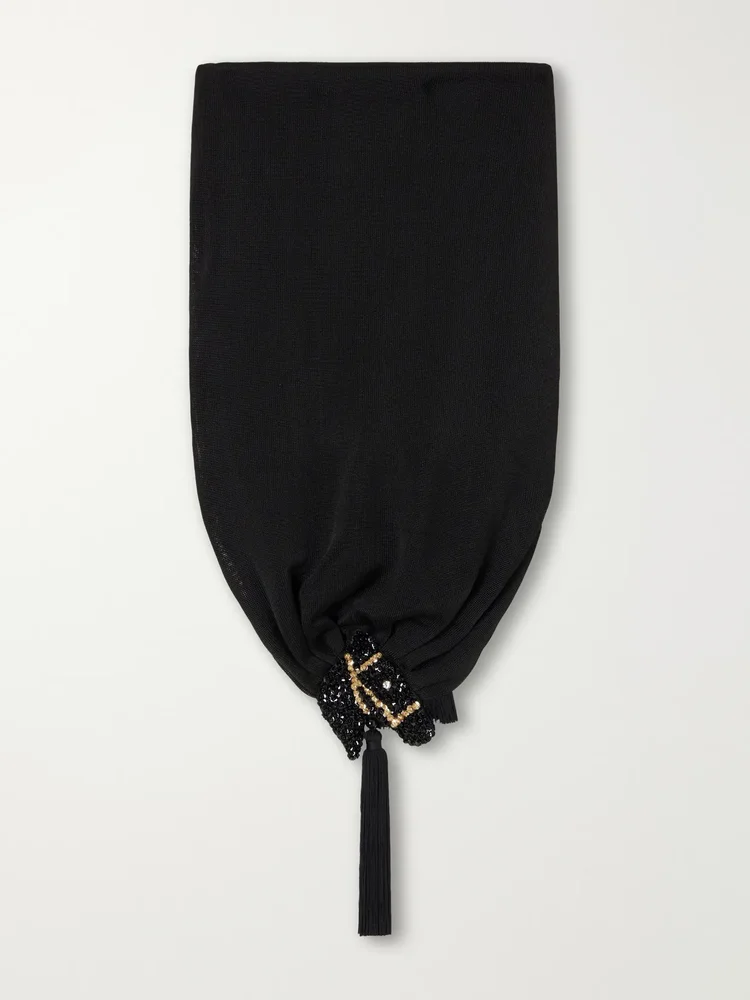
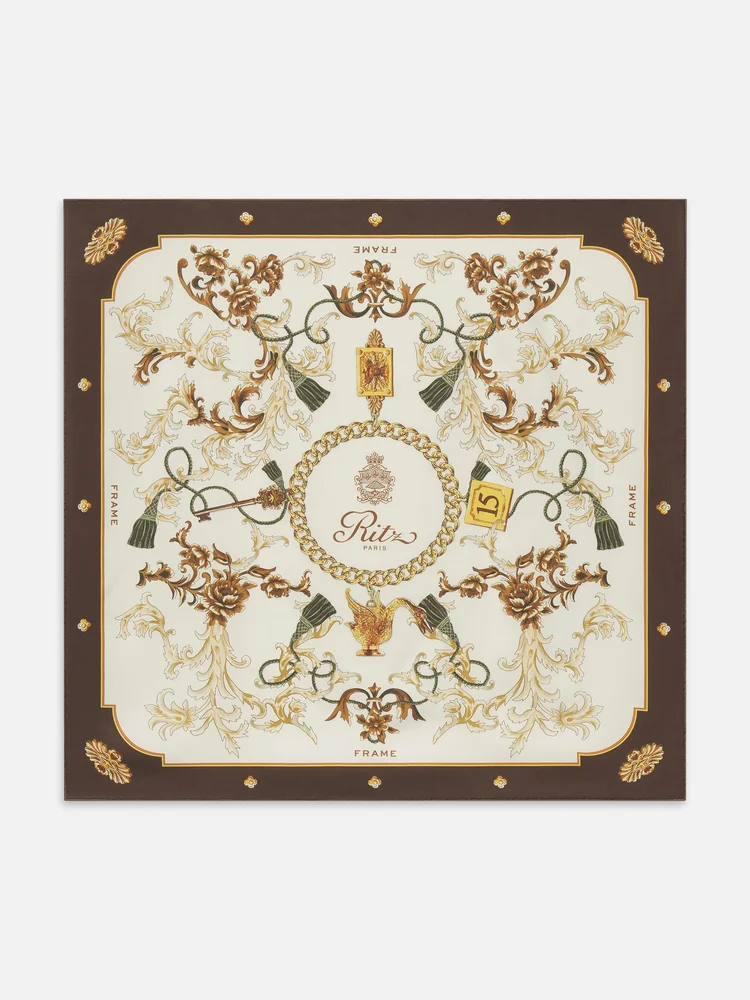
FRAME's Ritz Wool Scarf sounds like the grounded option in the first group, while GWYN's Logo Silk Scarf shifts the emphasis from warmth to a more graphic finish. Arch4's Jude cashmere scarf offers another soft-texture direction by name, and BODE's Embellished tasseled woven scarf brings ornament and movement into the mix. The best part of these four is that they do not all ask to be styled the same way. A wool or cashmere scarf can settle into a coat, while a silk or embellished piece can be the detail that keeps a plain outfit from feeling too neat.
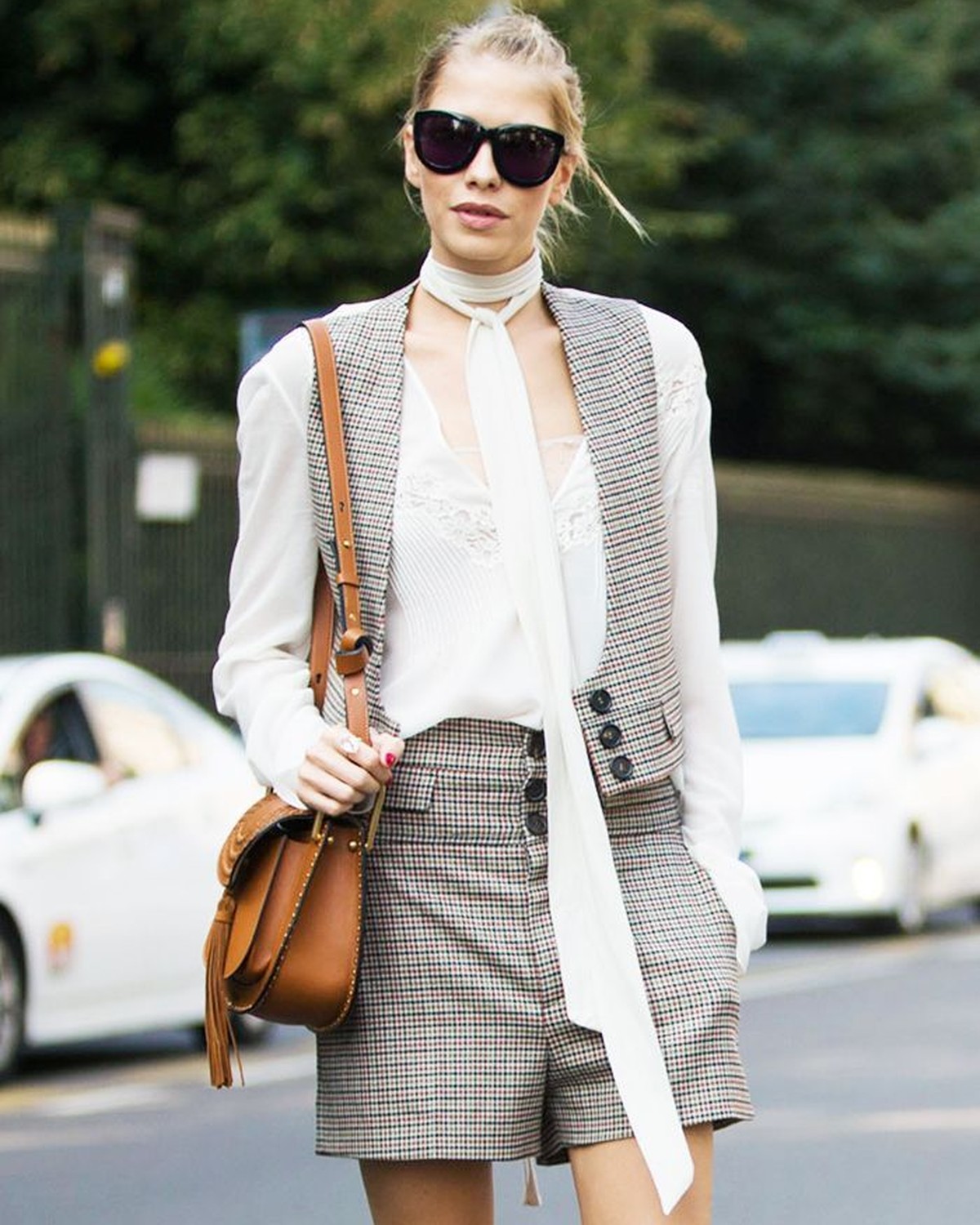
For an everyday look, I would try the scarf once close to the neck and once loosely over the shoulder before deciding where it belongs. The length and texture should decide the tie, not a tutorial. If the outfit already has a strong collar or a busy print, let the scarf sit quietly; if everything else is simple, a motif or tassel can have the room. A scarf is small, but it changes the frame around your face, which is why I never treat it as an afterthought.
Softness Without Bulk
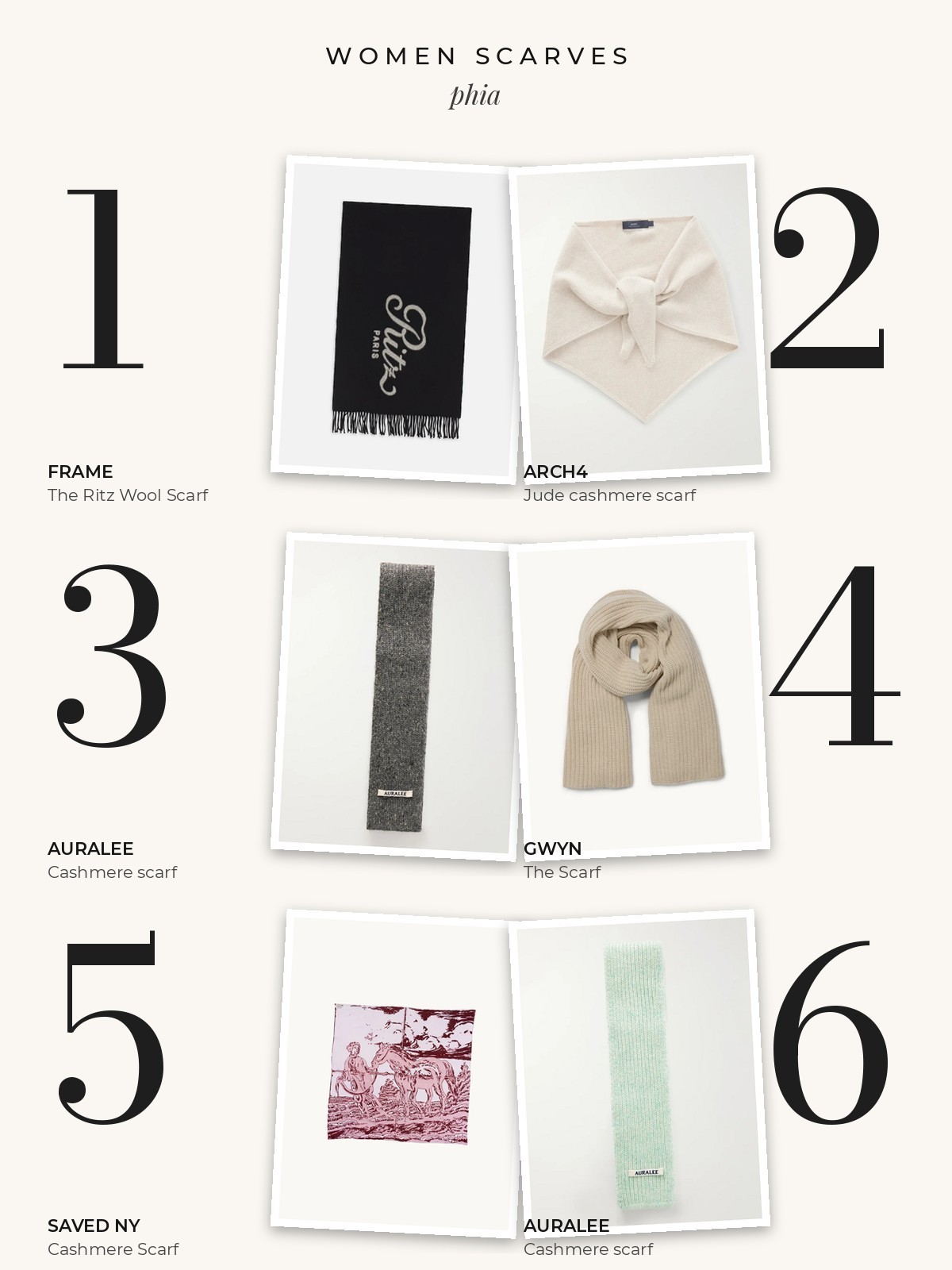
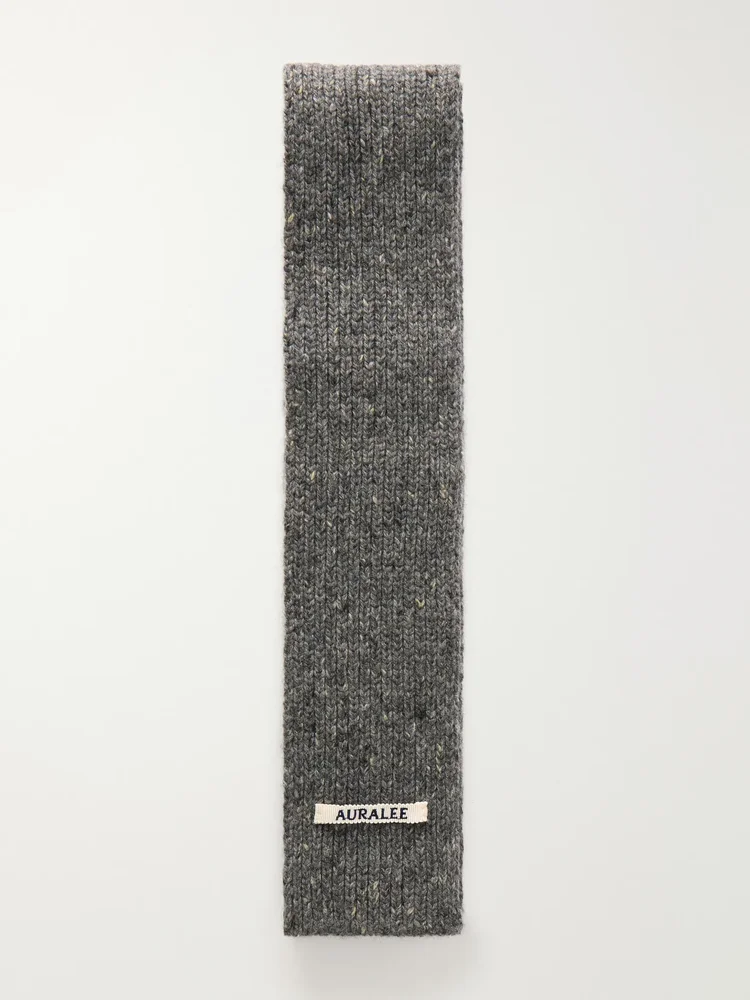
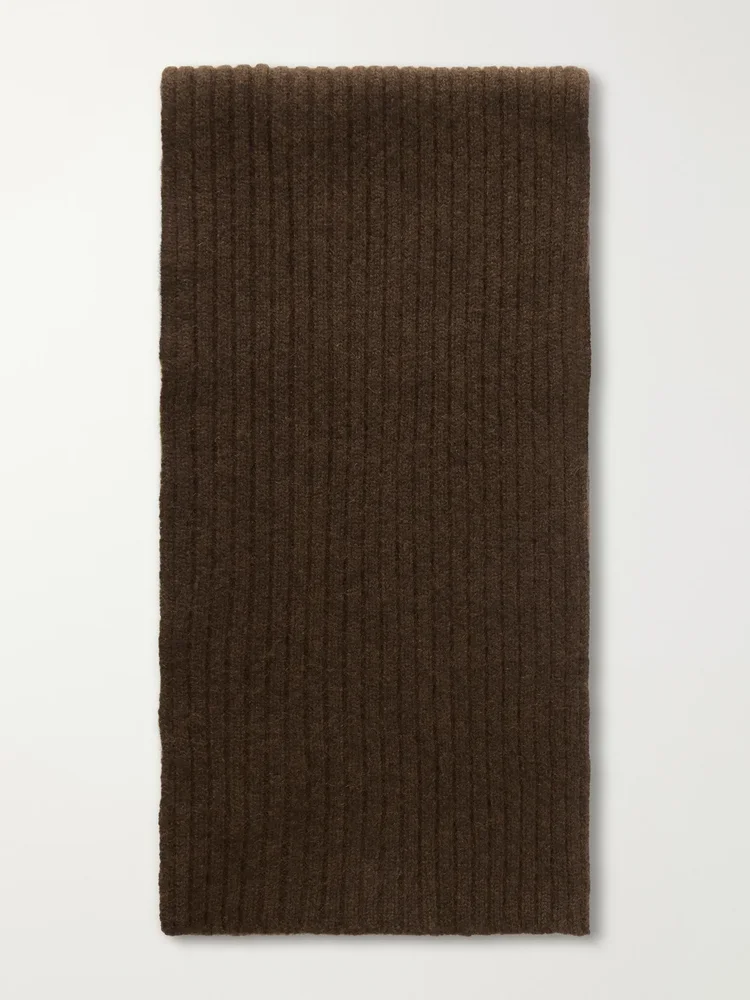
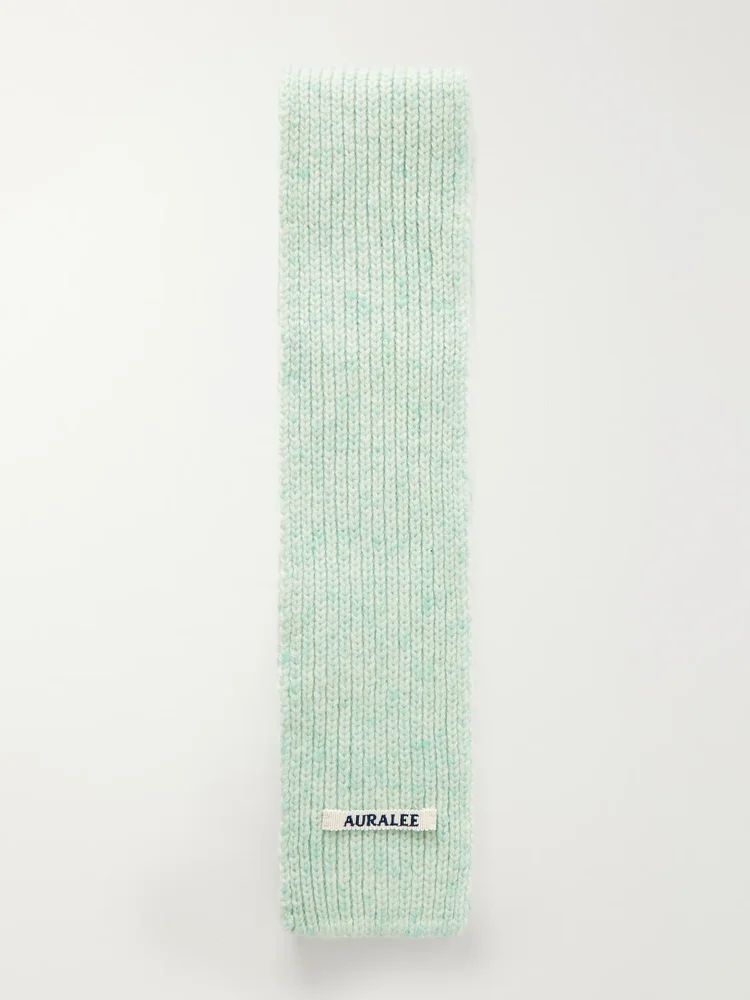
This next group is about how cashmere can make women scarves feel like a layer rather than a flourish. Auralee's Cashmere scarf keeps the name simple, so I would look at how its size and drape work with the collar of a coat. Arch4's Nancy ribbed cashmere scarf adds a ribbed surface, a small structural detail that can make a soft accessory feel more defined.
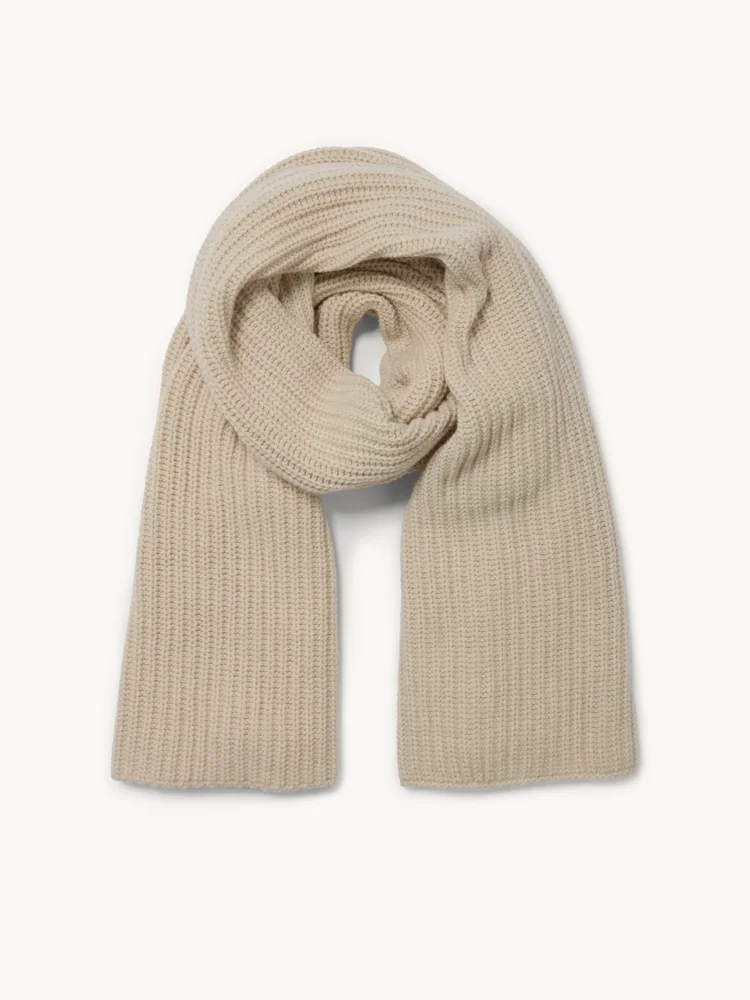
GWYN's The Scarf is deliberately open-ended by name, while SAVED NY's Cashmere Scarf states its fiber directly. Together, those picks make a useful exercise in restraint: the fabric can carry the outfit, but only if the rest of the layers give it space. I like a soft scarf with a clean neckline and a coat that does not compete at the lapel. The effect is less about elaborate wrapping and more about letting texture show.
Try folding the scarf once, then placing it under the coat rather than over the lapels. That quick test shows whether the bulk sits comfortably or swallows the neckline. What I would skip is a thick knot over a high collar, especially when the coat already has a strong shape. A relaxed loop or a clean drape gives the cashmere room to look soft instead of crowded.
Prints With Their Own Rhythm
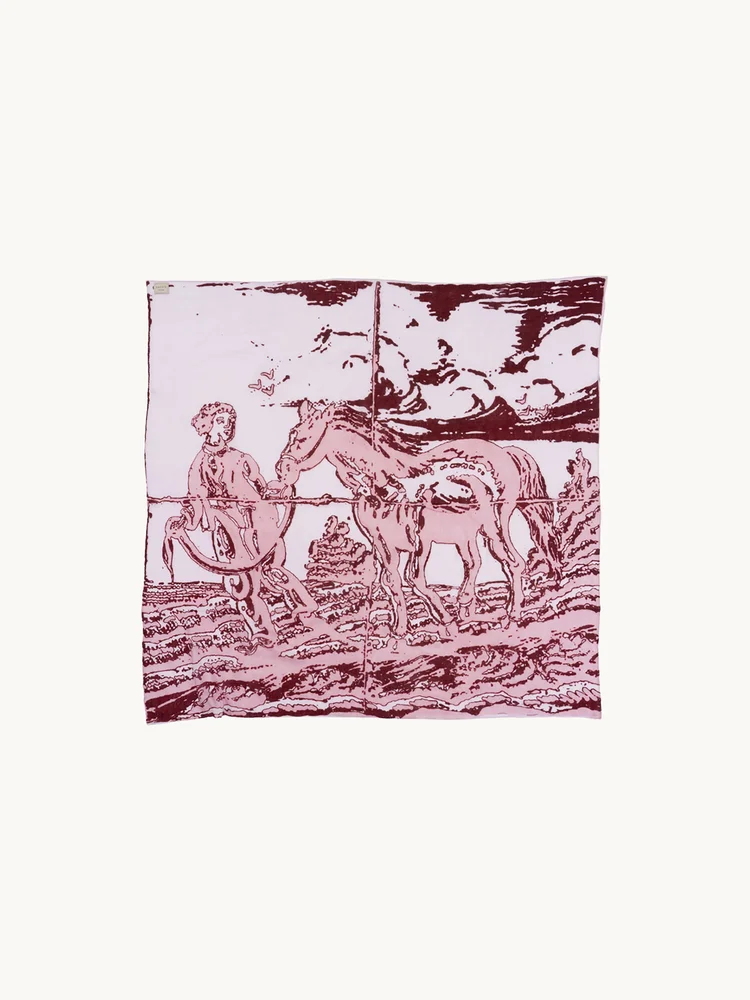
The last group turns women scarves toward pattern and a more expressive finish. FRAME's Ritz Silk Scarf sounds like the lightest counterpoint to its wool scarf in the first group, with the silk changing how it can sit against a collar or blouse. Auralee's Cashmere scarf brings softness back into the set, which is helpful when a printed accessory needs a quieter neighbor.
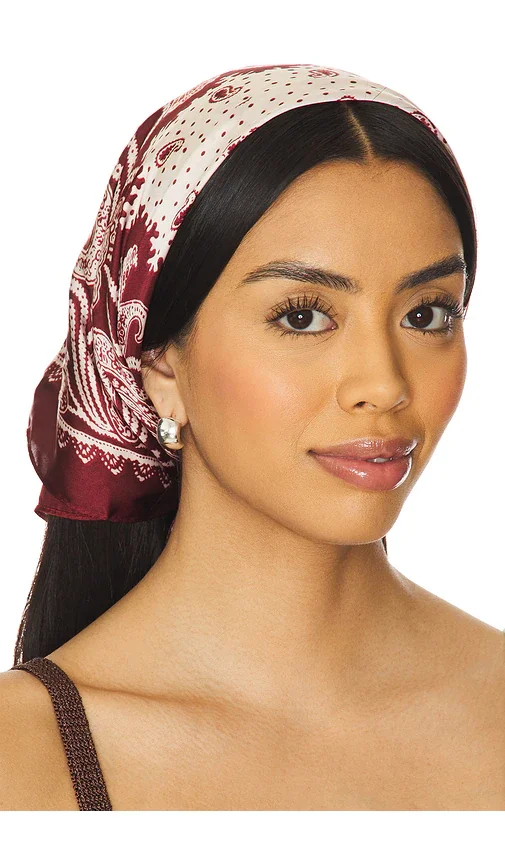
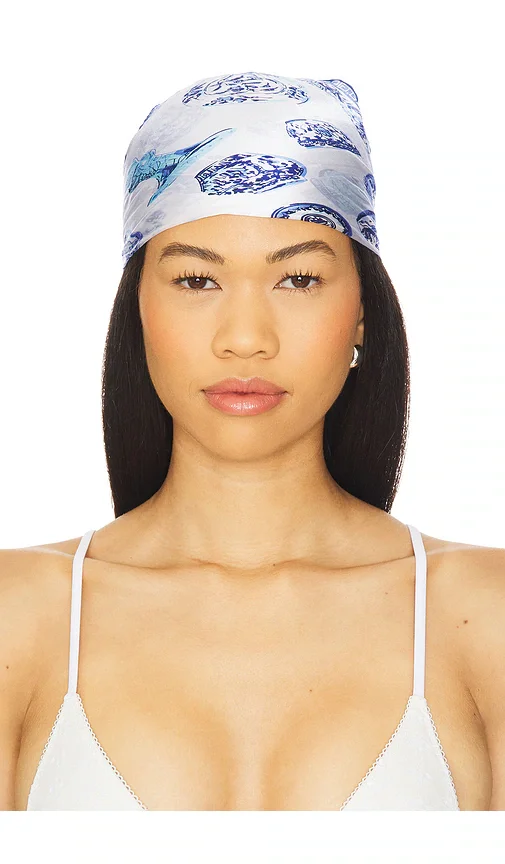
8 Other Reasons has both Paloma Scarves and Royal Scarves here, making those two names the most obviously playful pair. I would let one scarf do the visual work and keep the rest of the outfit calm, rather than try to echo every color or motif. The point is not to make pattern behave; it is to give it a clear place in the outfit. A silk scarf can be tied small or left long, while a more ornate print often needs nothing beyond a plain top and a clean neckline.
My practical test is to hold the scarf near the face in daylight and see whether the colors sharpen the outfit or compete with it. What I would skip is combining two assertive prints just because they share a color. A single strong motif is easier to wear and gives the accessory its own rhythm.
One Small Decision
Women scarves are an easy way to shift an outfit without changing its whole silhouette. A soft cashmere layer can make a coat feel less severe, while silk, woven texture or tassels can bring a little movement to a simple top.
I would choose the scarf by the space the outfit leaves for it: an open neckline, a plain collar, or a coat that needs a softer edge. Then I would use the simplest tie that lets the material and pattern show. The point is not to master a complicated knot. It is to make one small decision that feels like yours.