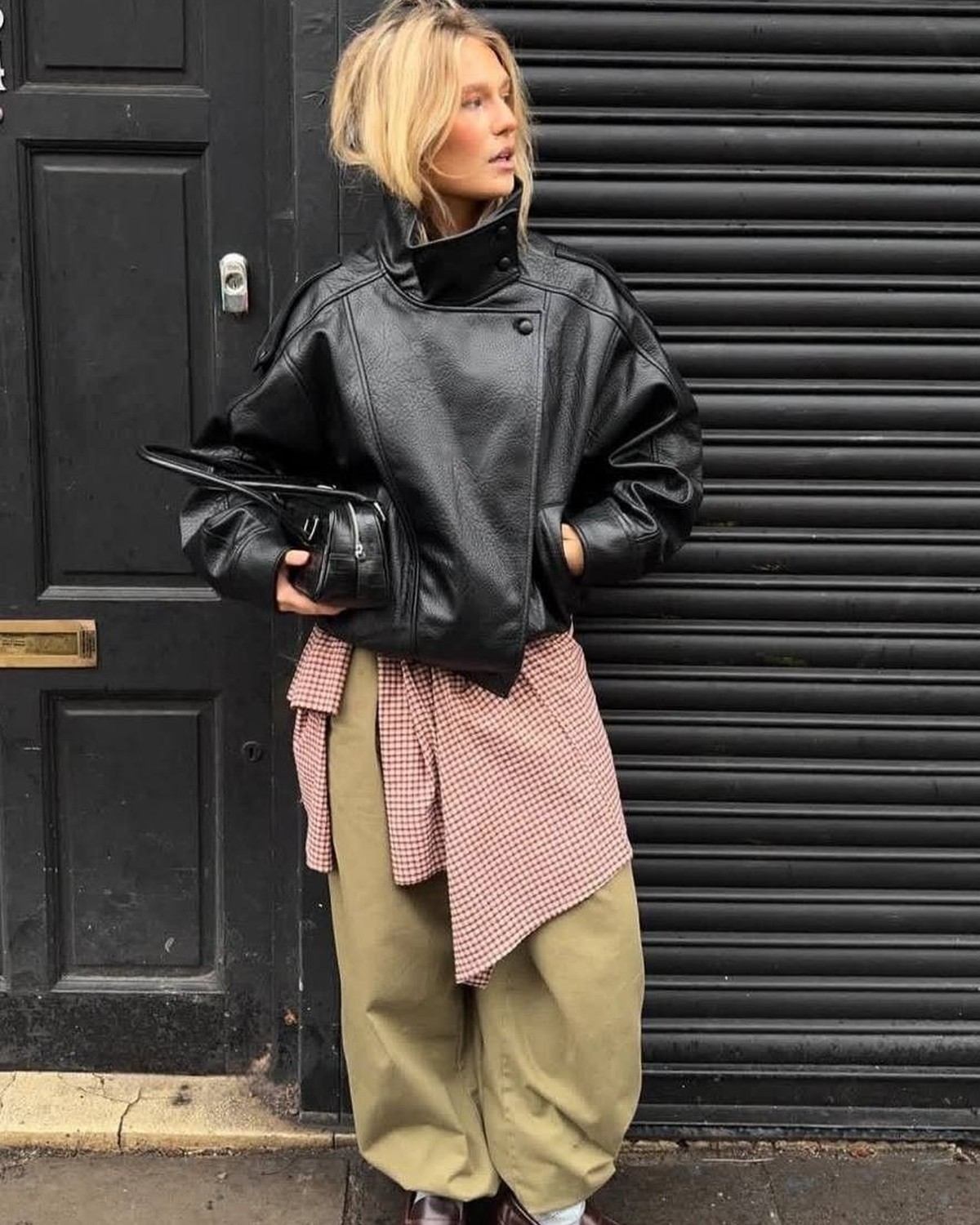
This womens designer jackets edit moves from waxed cotton and wool to shell, velvet, denim, tweed, and suede. I would choose by weather and layering space first, then let one material or detail set the tone.
Womens designer jackets: Layers With a Point of View
This womens designer jackets edit moves from waxed cotton and wool to shell, velvet, denim, tweed, and suede.
Function Finds Its Shape
The V&A traces the trench coat to practical outerwear: Thomas Burberry patented the Tielocken in 1912, and during the First World War the protective qualities of gabardine coats led officers to adopt them, giving rise to the trench. That history is a good entry point for womens designer jackets, because a layer has to answer the weather before it becomes the outfit. The best ones make function look considered, not overworked.
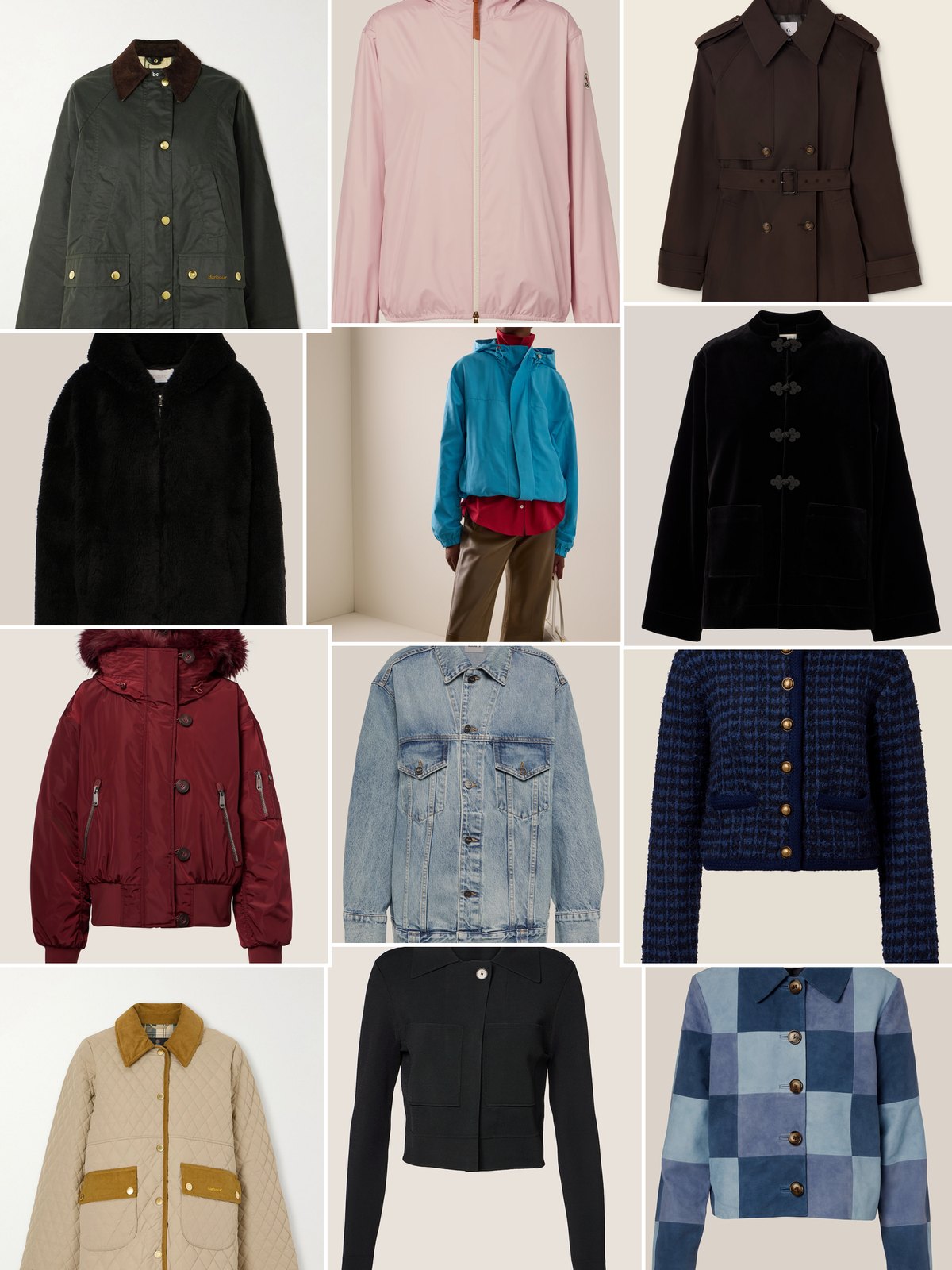
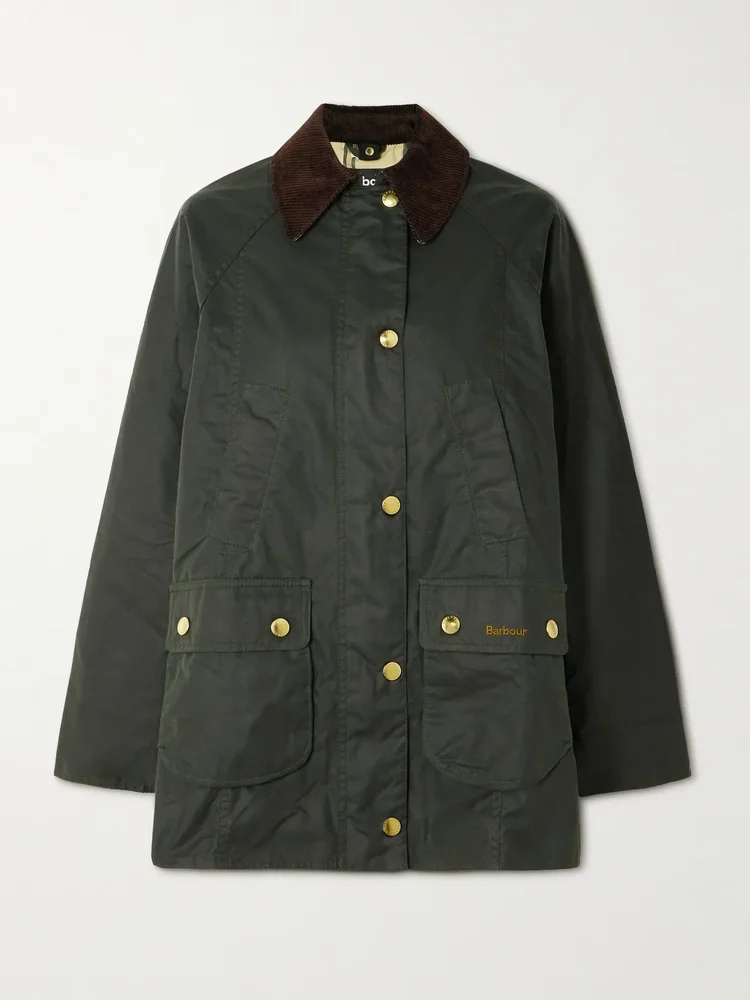
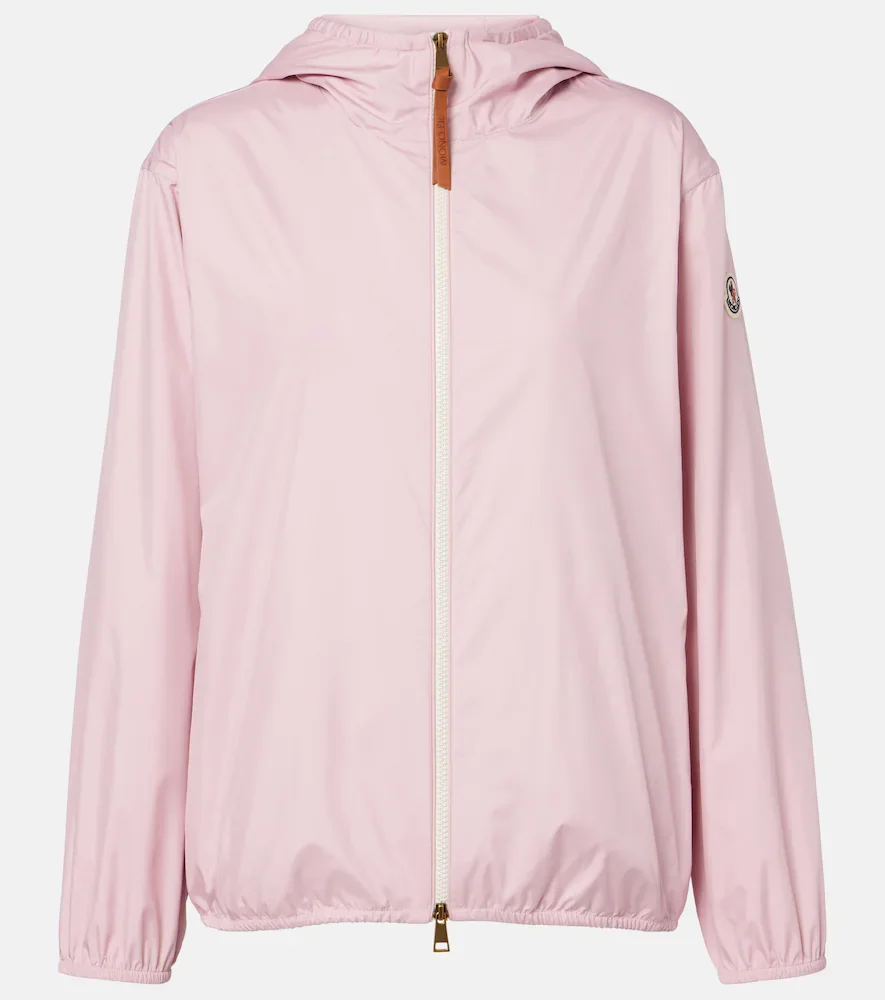
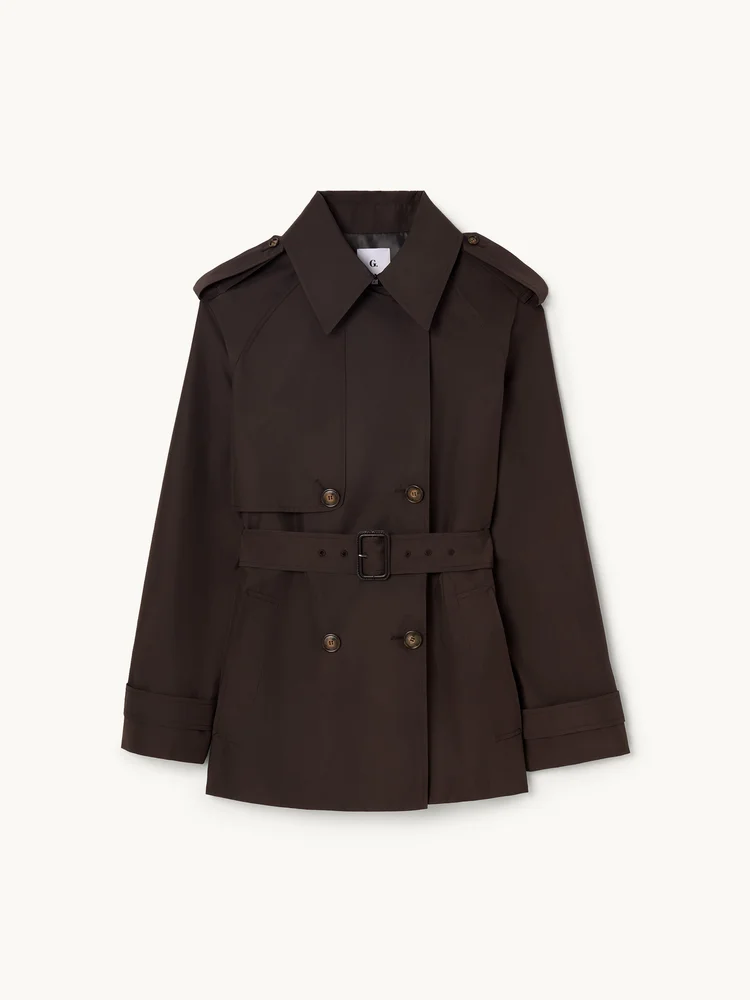
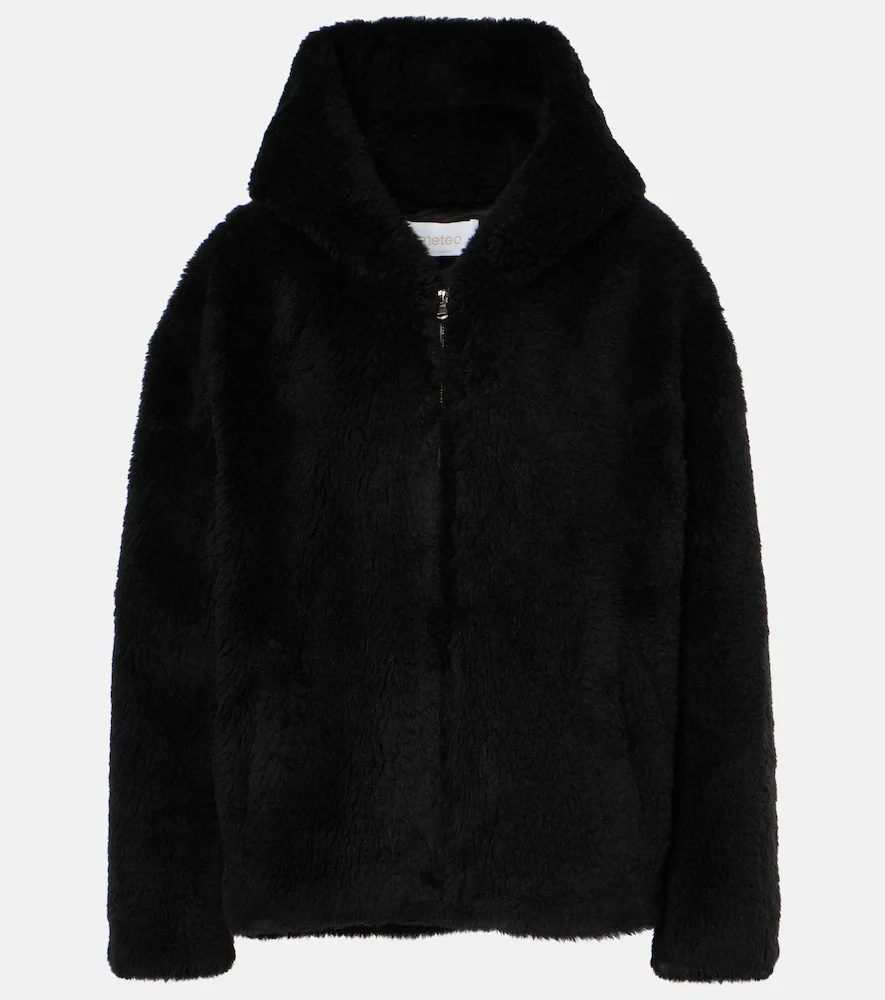
Barbour’s Beadnell corduroy trimmed waxed cotton jacket is the sturdy country-minded option here, with its fabric and trim doing much of the talking. Moncler’s Fegeos hooded jacket adds a hood to the silhouette, while GWYN’s Nina Trench Jacket gives the edit a classic long-line reference. Yves Salomon’s Wool jacket shifts the material toward warmth and a softer surface. I would choose among them by the day ahead: rain, a breezy commute, or a cold evening that calls for a fuller layer.
The practical check is what fits underneath. I would wear the knit I expect to layer, lift my arms, and see whether the shoulders still move comfortably. On the Beadnell, I would look at the corduroy trim and waxed surface together; on the Nina, I would check how the belt and hem sit when walking. A jacket should work with the rest of the day, not only with a still pose. That is the quiet promise of good outerwear: the shape stays clear while the weather does what it wants.
Layers for Changing Weather
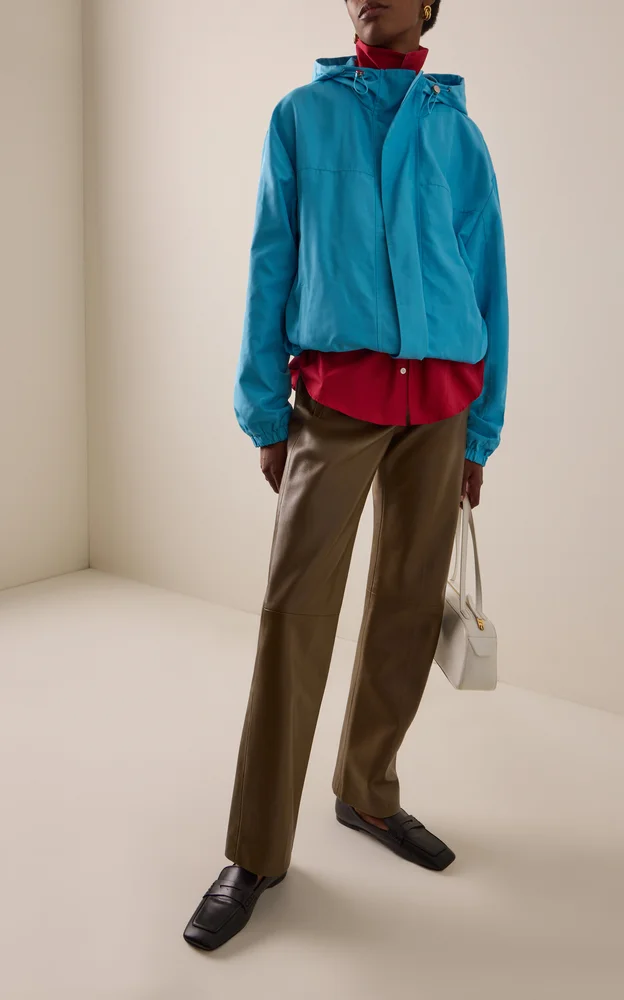
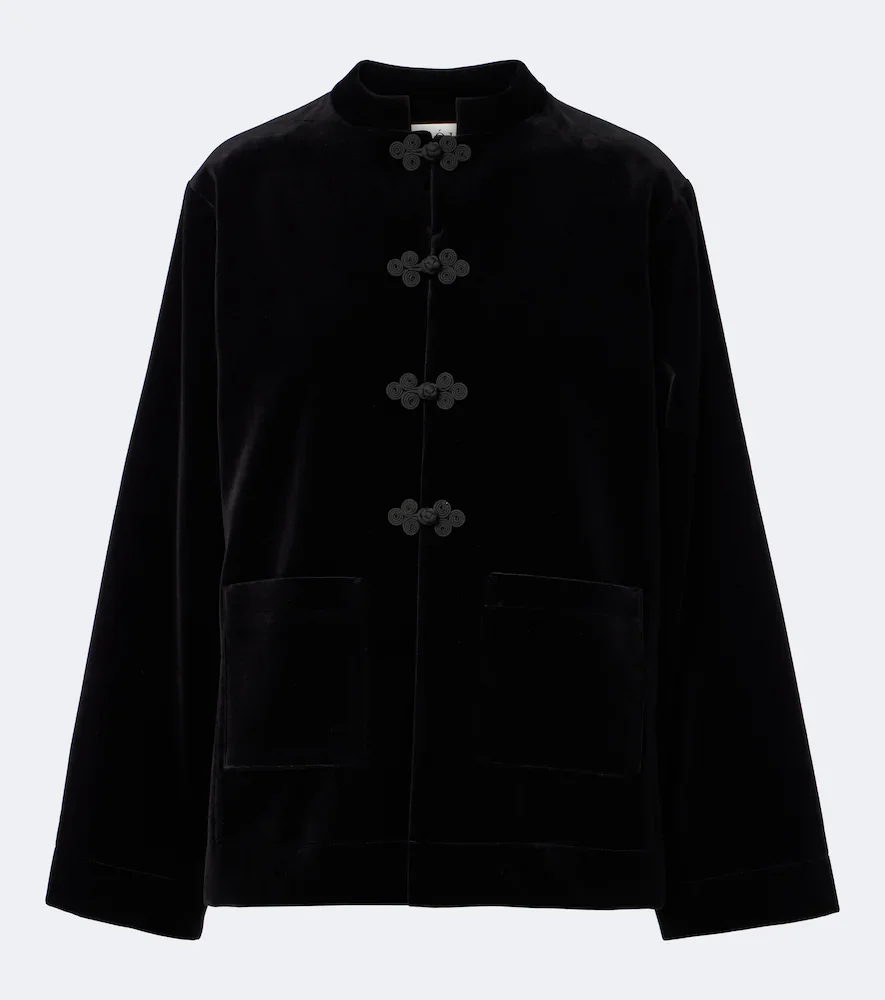
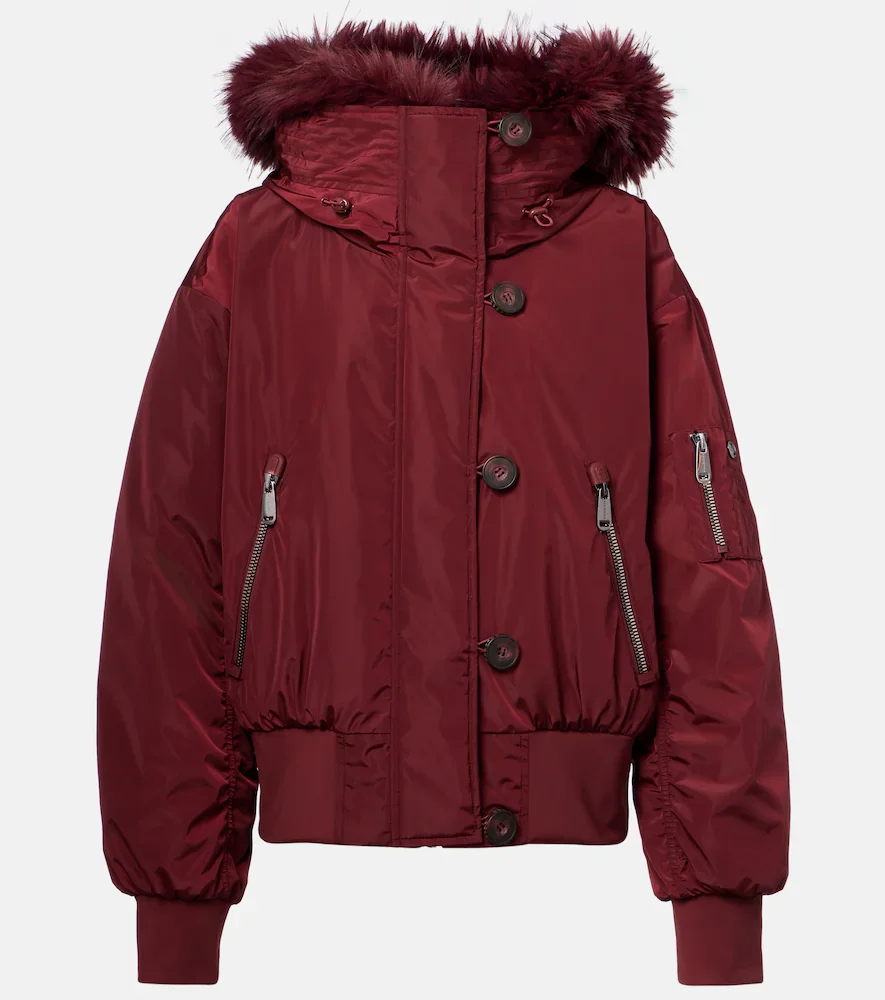
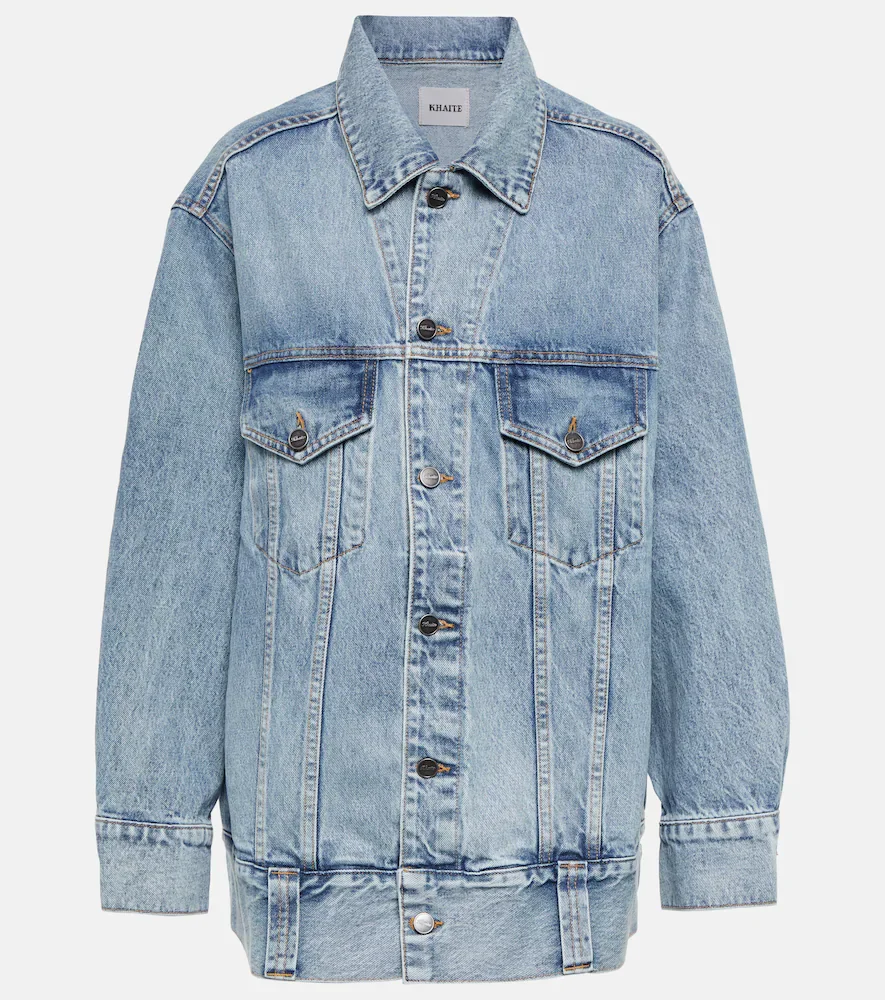
The useful question with womens designer jackets is how much protection I want without losing the shape of the outfit underneath. Lii’s Hooded Shell Anorak Jacket is the light, practical direction, while Róhe’s Cotton velvet jacket brings a richer surface for a calmer day. Goldbergh’s Jeanne ski jacket makes its intended cold-weather role clear, and Khaite’s Grizzo denim jacket gives the group a familiar, shorter layer.
I would compare these by what has to fit beneath them. A shell anorak needs enough room over a sweater without bunching at the cuffs; velvet calls for a smoother layer below so its texture remains the focus. For the ski jacket, I would check the collar and sleeves with the layers I expect to use outdoors. Khaite’s denim option could sit over a dress or a thin knit, and I would test the hem against the waistband rather than letting it land without intention.
What I would skip: layering a bulky sweater under every jacket just because the weather is uncertain. I would bring the actual mid-layer into the fitting room and see which piece leaves room to move. If the plan is an active day outside, the shell or ski shape makes sense; if the day is mostly indoors, velvet or denim can carry the outfit without feeling overbuilt. One honest weather check is better than packing a second jacket for every possibility.
Texture Makes the Difference
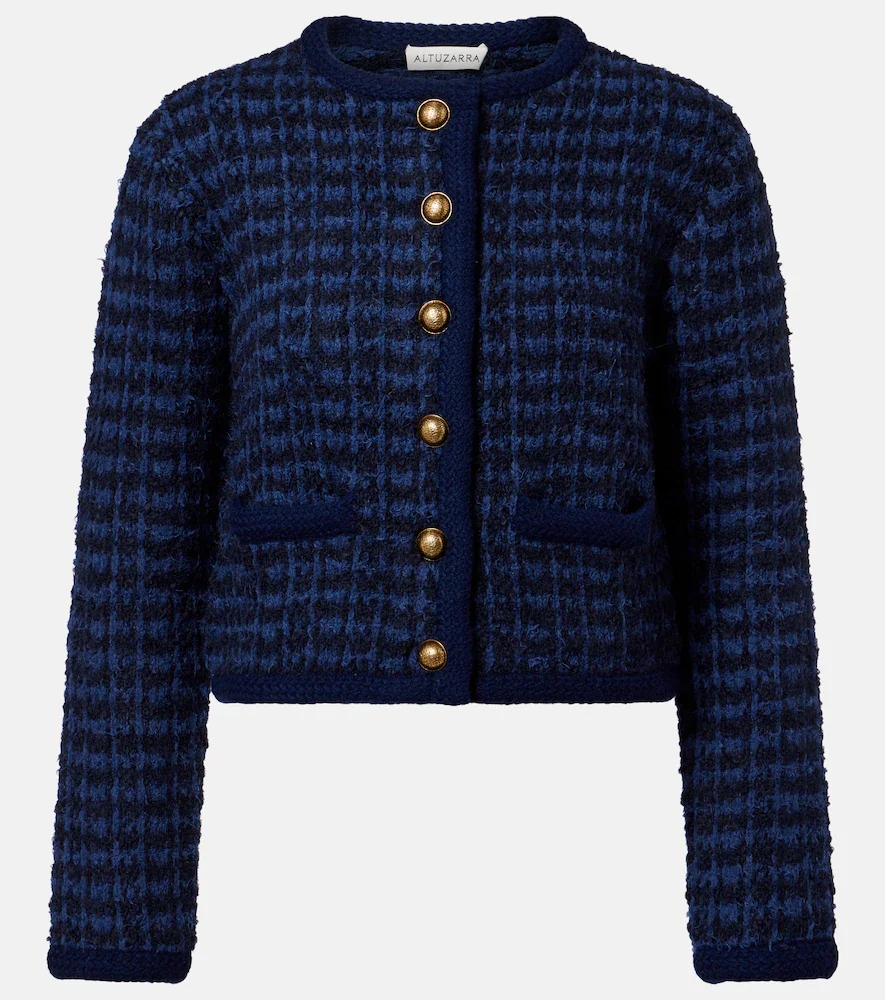
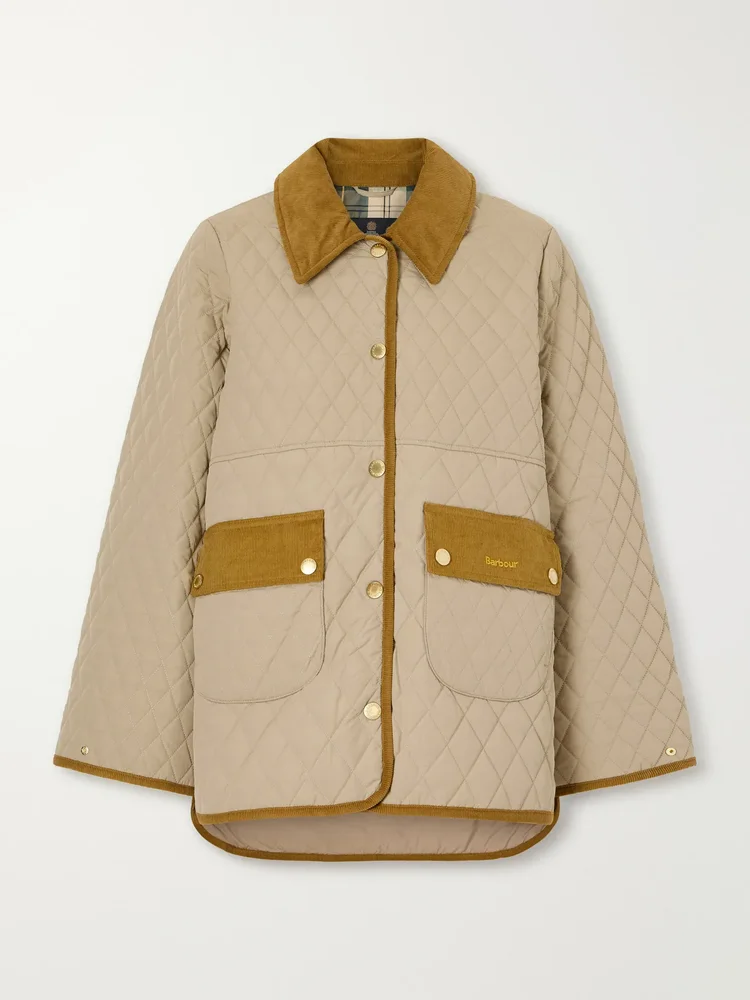
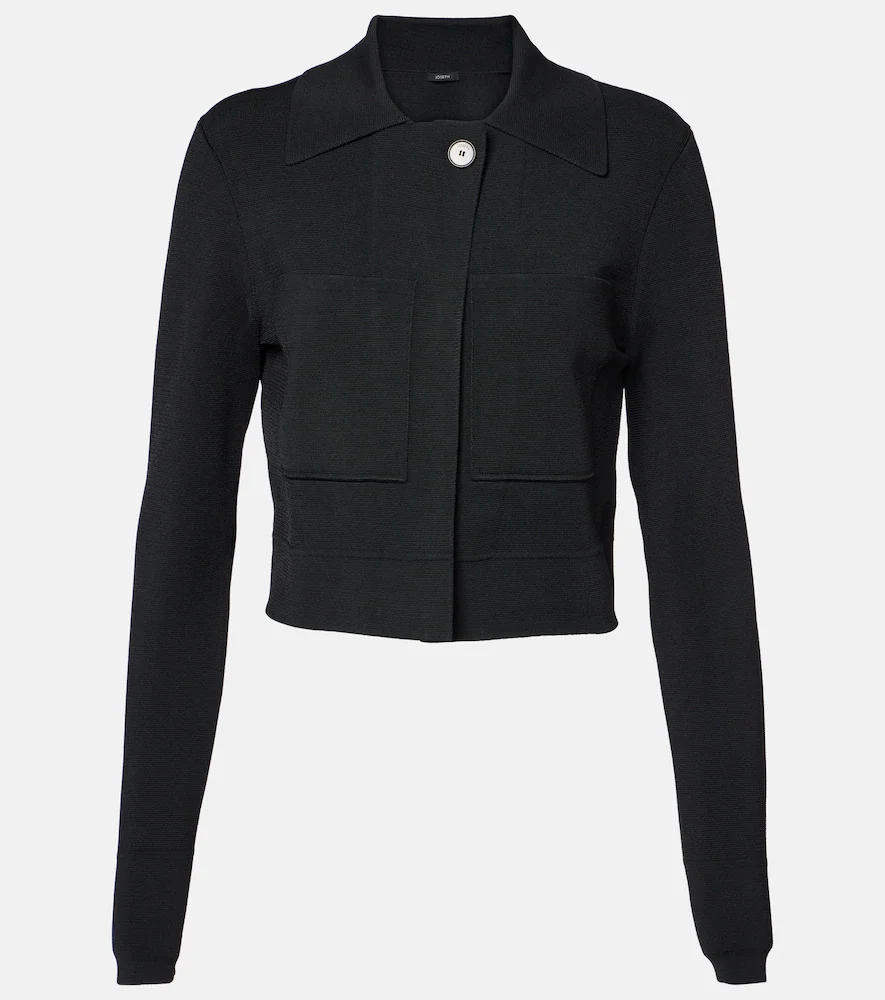
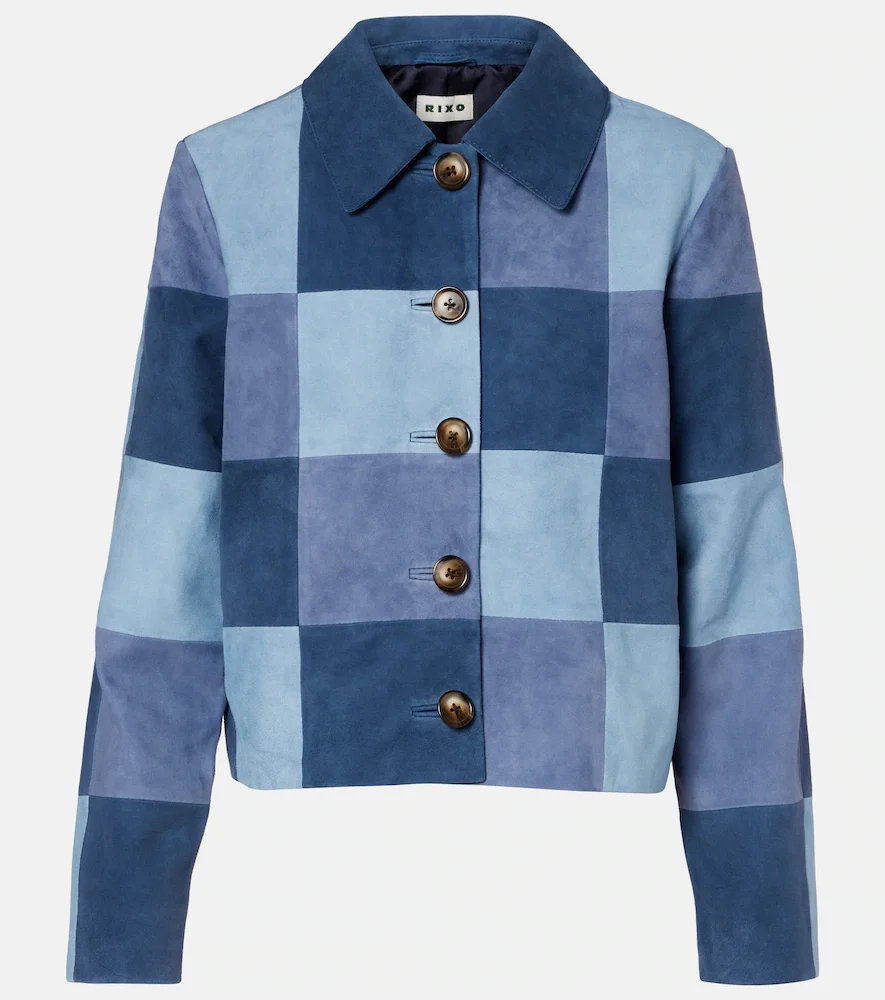
A jacket can change the whole outfit through texture alone, which is why this final set reads differently from the shell and ski options. Altuzarra’s Conroy tweed jacket brings a more tailored surface; Barbour’s corduroy trimmed logo embroidered quilted shell jacket combines trim with a quilted shell. Joseph’s Milano jacket offers a more minimal-sounding counterpoint, while Rixo’s Patchwork suede jacket makes the material and patchwork the main event.
I would let the Conroy do the work over a plain dress or a simple trouser, then keep the bag and jewelry quiet. With Barbour’s quilted shell, I would check the weight and arm movement over the layers I actually use. The Milano jacket would be my choice when I want the rest of the outfit to have more detail; the Rixo patchwork piece asks for a calmer base so its surface does not compete with another print.
What I would skip: mixing several strong textures just because each one looks interesting on its own. I would test one contrast at a time, perhaps tweed with smooth cotton or suede with a clean knit. For womens designer jackets, the fit check is simple: fasten it, sit down, reach forward, and see whether the shoulder and hem still feel easy. Then the material can be the memorable part, not a compromise in movement.
Dress for the Forecast
I would pick a jacket from this edit by answering one practical question first: what does the day ask of it. For wet weather, I would compare the Beadnell with the shell anorak. For cold conditions, I would try the wool option against the ski jacket. If the plan is mostly indoors, the velvet, tweed, or suede pieces can give a simple outfit its point of view.
Then I would check the layer beneath, fasten the jacket, and move in it before choosing. The trench’s history began with protection, but womens designer jackets also have to work with the clothes I already want to wear. I would keep the rest of the look straightforward and let one fabric, collar, or trim earn the attention. The right outer layer is the one I can leave on through the whole day without wishing I had chosen differently.