Yes, on most bags, and on a bag with D-rings it takes about ten seconds. What to check on your hardware first, how strap length changes where the bag sits, and which materials are worth paying for.
Can You Put a Different Strap on Your Handbag? How Strap Swapping Actually Works
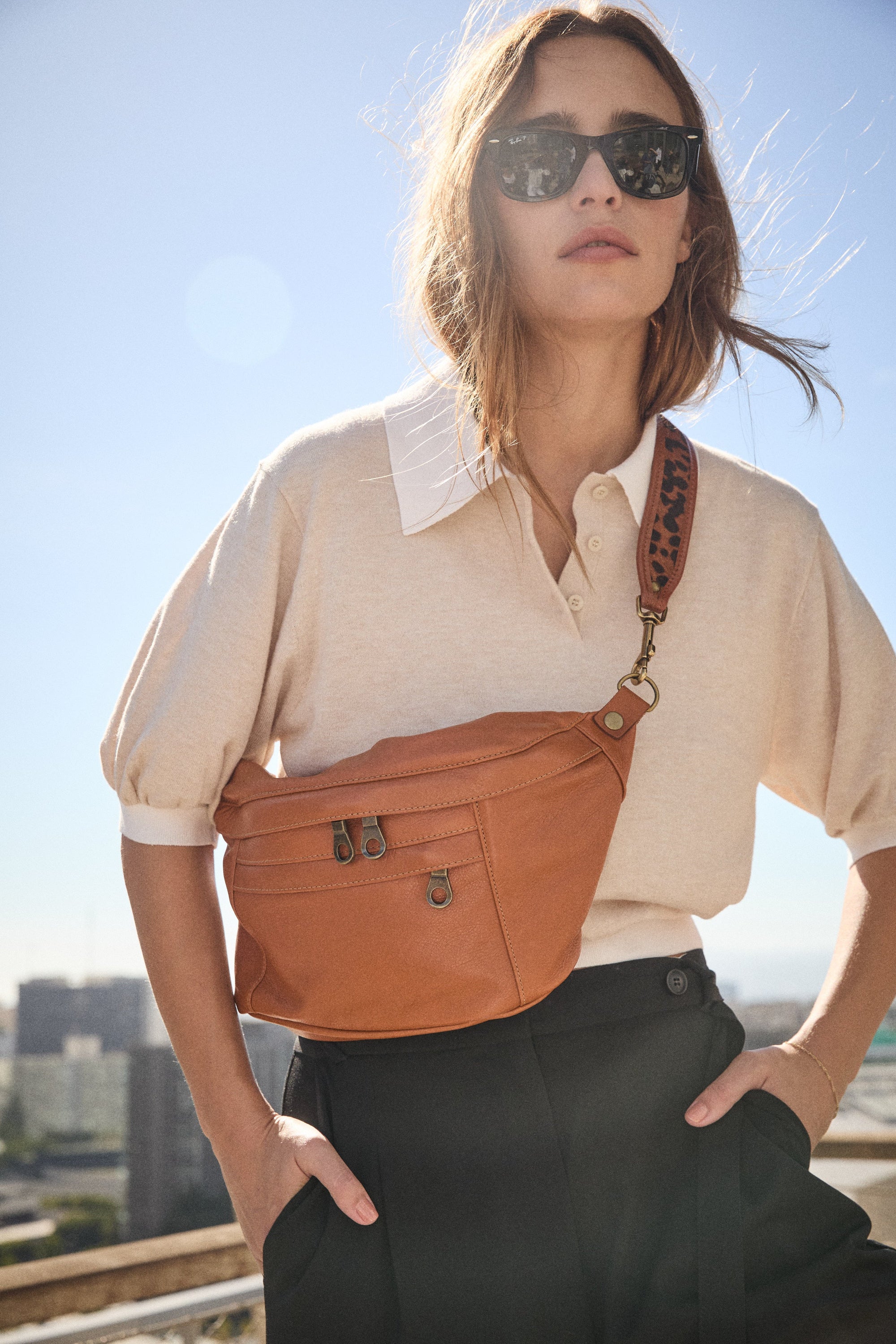
Yes, if your bag has the right hardware
Yes, you can put a different strap on most handbags, and on a bag built for it the swap takes about ten seconds. What decides whether it works is the hardware, not the brand.
Look at where the existing strap meets the body of the bag. Most swappable bags have small metal D-rings sewn into the sides, and the strap ends in a clip that opens against a thumb. Parker Thatch describes its own straps as fitting any of its bags with D-rings, and its clips are O-rings with a spring opening, which is the mechanism you are looking for on any brand. If the strap is instead stitched or riveted straight into the leather, it is fixed, and your only routes are an extender or a cobbler.
Then check that the clip is physically smaller than the ring it has to pass through. A clip wider than the D-ring will not close, and that is the most common reason a strap arrives and does not fit. Product pages rarely mention it.
If both check out, one bag becomes three.
Crossbody straps, long enough to wear across the body

Adjustable Crossbody Strap - Khaki & Black Stripe
Parker Thatch
$98

Leather Rope Crossbody Strap - Light Tan
Parker Thatch
$158

Crossbody Strap - Cable Chain
Parker Thatch
$168

Adjustable Hand-Woven Crossbody Strap - Pink & Orange Pattern
Parker Thatch
$188

Beaded and Suede Crossbody Strap - Black, Brown & White Pattern
Parker Thatch
$198

Adjustable Crossbody Strap - Red
Parker Thatch
$98

Adjustable Crossbody Strap - Pink & Red Stripe
Parker Thatch
$98

Adjustable Crossbody Strap - Racer Stripe - Green & Red
Parker Thatch
$98
Length is the decision, not colour
Strap length is what changes how a bag behaves, and it is the part people get wrong. Brands publish the measurement clip to clip, so it is easy to check before you buy.
The adjustable crossbody straps in the first grid run 30.5 to 55.5 inches, which covers wearing the bag high under the arm all the way down to the hip. That span is the reason to pay for adjustable: the same strap works over a winter coat and a summer T-shirt. Fixed crossbody straps here are 40 inches, and the hand-woven one adjusts from 24.5 to 44 inches.
Shoulder straps are shorter and sit the bag under the arm. Parker Thatch's Links and Jackie shoulder straps are 26 inches, the tortoise bead one is 21 inches, and the short chain straps are 18.5 inches, which is short enough to turn a pouch into something closer to a top-handle.
Decide which of those two you actually need before you look at a single colour. If you want both hands free, you want the long one.
Shoulder straps: chain, beads, braid and studded leather

Gumball Yarn in Chain Shoulder Strap - Blue & Green
Parker Thatch
$168

Links Shoulder Strap - Navy
Parker Thatch
$98

Shoulder Strap - Tortoise Beads
Parker Thatch
$98

Braided Shoulder Strap - Black & Natural
Parker Thatch
$178

Jackie Shoulder Strap - Leather Black Studded
Parker Thatch
$248

Gumball Yarn in Chain Shoulder Strap - Pink Multi
Parker Thatch
$228

Short Slim Chain Strap
Parker Thatch
$78

Links Shoulder Strap - Denim Blue
Parker Thatch
$98
Chain, beads, leather or webbing
Material changes weight, wear and how loud the bag reads, in that order.
Woven cotton and paracord webbing is the lightest and the cheapest, it takes a pattern well, and it is the one to buy if the point is colour. It will fray at the edges eventually, though on a strap that costs under a hundred dollars that is a fair trade.
Leather is the quiet one. It softens rather than degrades, it does not snag knitwear, and a plain leather strap in tan or black will make an expensive-looking bag out of a plain one. Braided and rope leather adds texture without adding noise.
Chain is the heaviest, and weight matters more than people expect once a bag is loaded. A slim cable chain is manageable. A thick chain on a full tote will pull on one shoulder within a mile. Beaded and yarn-in-chain straps sit in between and are genuinely the most decorative option, which is also why they are the ones you will get bored of first.
Buy one quiet strap and one loud one. That covers almost everything.
The bags worth restrapping

XL Mimi - Nylon Camo with Pink & Red Stripe
Parker Thatch
$698

Cross Your Heart Sling - Leather Butterscotch
Parker Thatch
$498

GIANT Tote - "Broken-In" Leather Croc Chocolate
Parker Thatch
$950

Jack - Suede Navy
Parker Thatch
$950
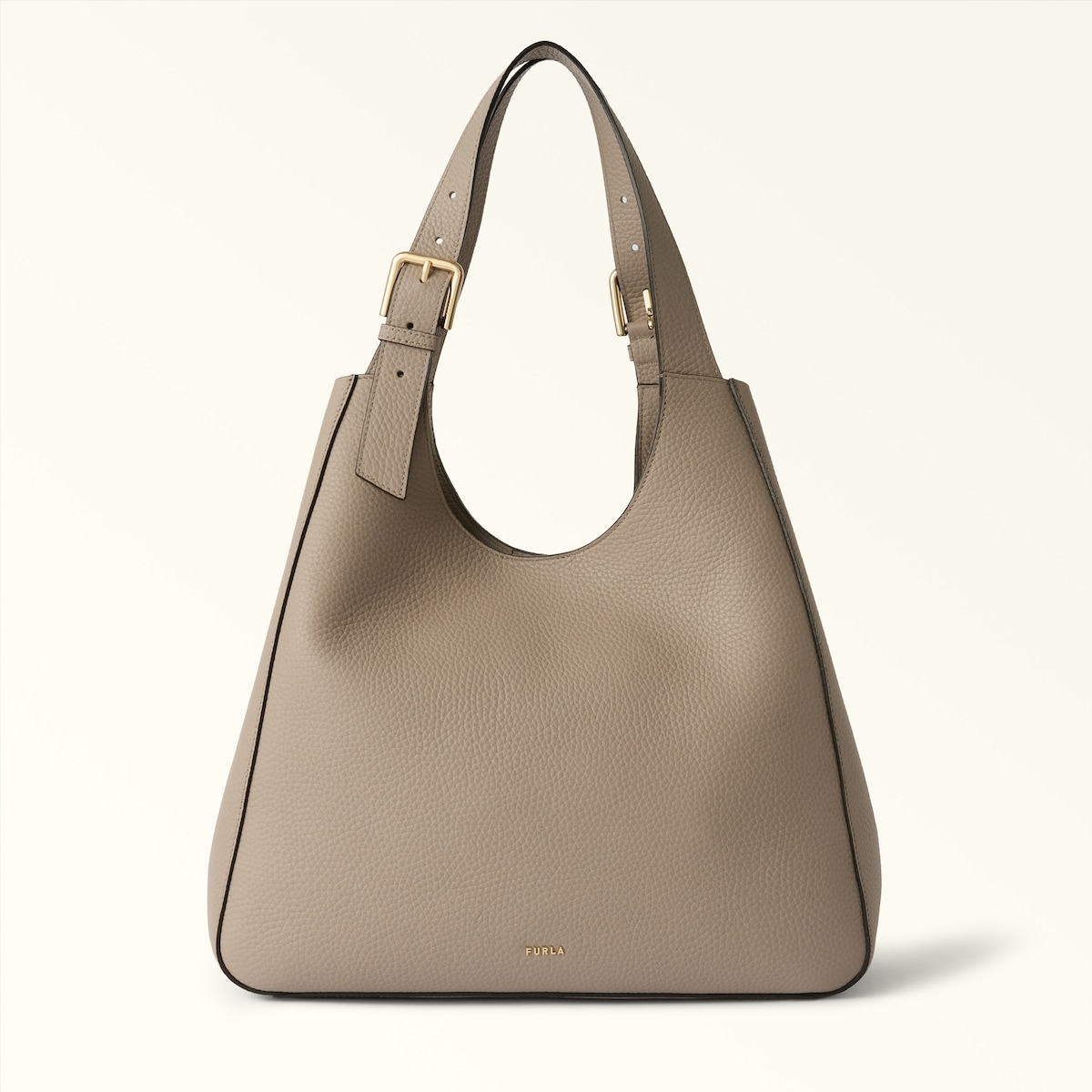
Furla Dora Tote L
Furla
$628
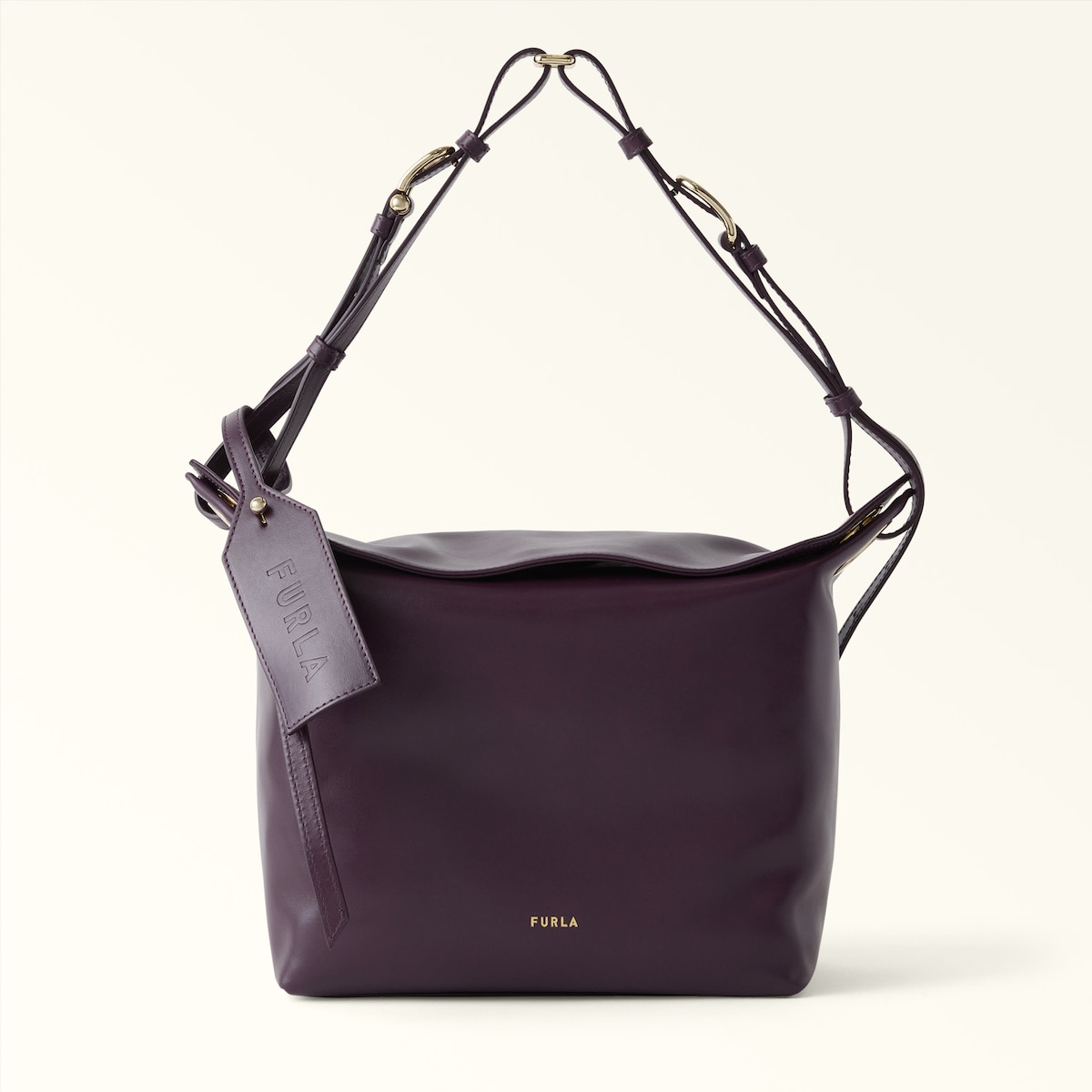
Furla Ginevra Shoulder Bag M
Furla
$548
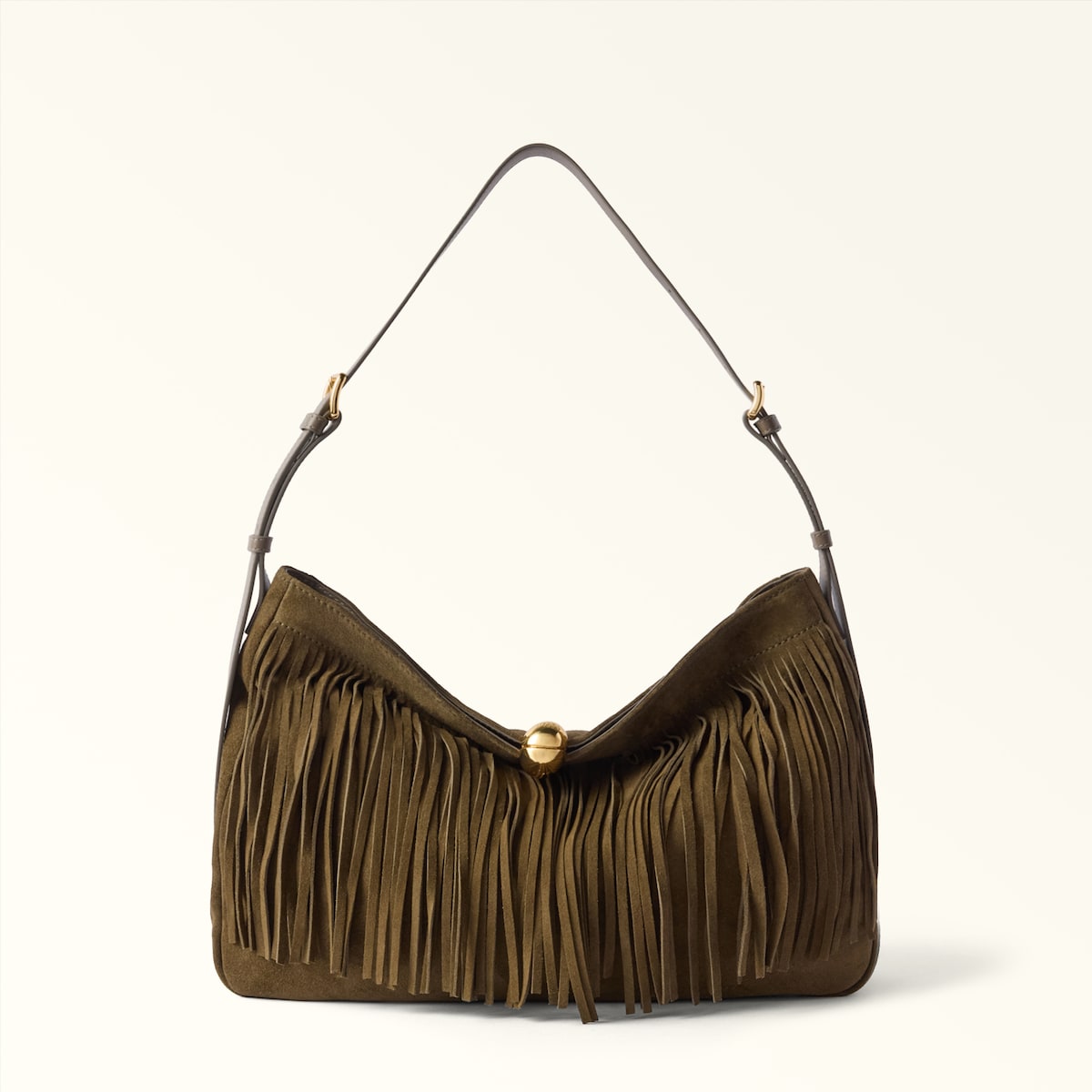
Furla Sfera Soft Shoulder Bag L
Furla
$498
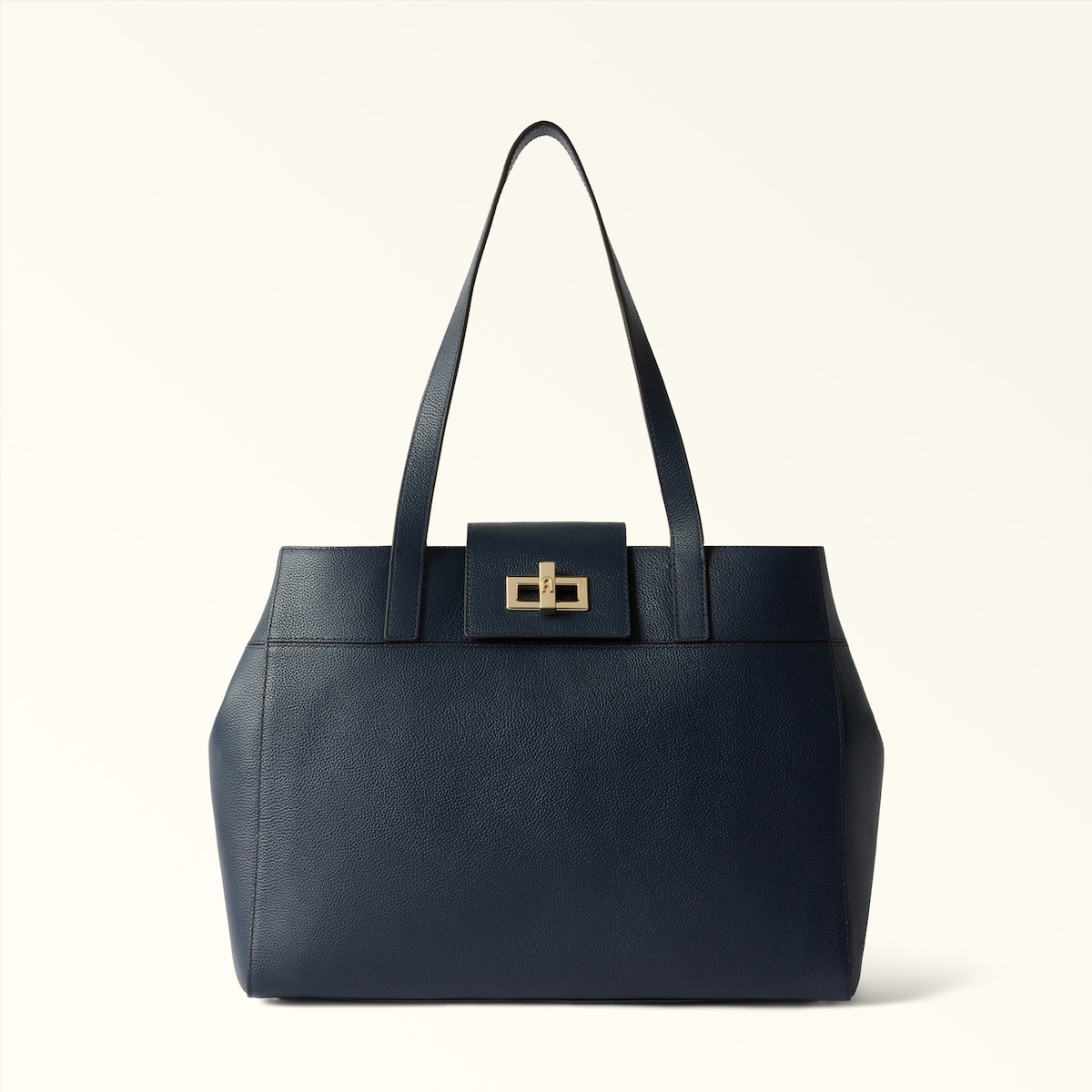
Furla Amelia Tote L
Furla
$478
Our honest take
Strap swapping is one of very few accessory upgrades that is actually good value, because a hundred-dollar strap changes a bag more visibly than a hundred-dollar anything else. It is also the fastest way to make a bag you already own feel new without buying another bag.
Where it goes wrong is buying the decorative ones first. A beaded strap is a wonderful third strap and a frustrating only strap, because it dictates the outfit rather than serving it. Skip the heaviest chains entirely if you carry a laptop.
If you take one thing away: measure the ring on your bag before you buy anything, then buy the adjustable neutral strap first and the interesting one second.