Clothing
Clothing
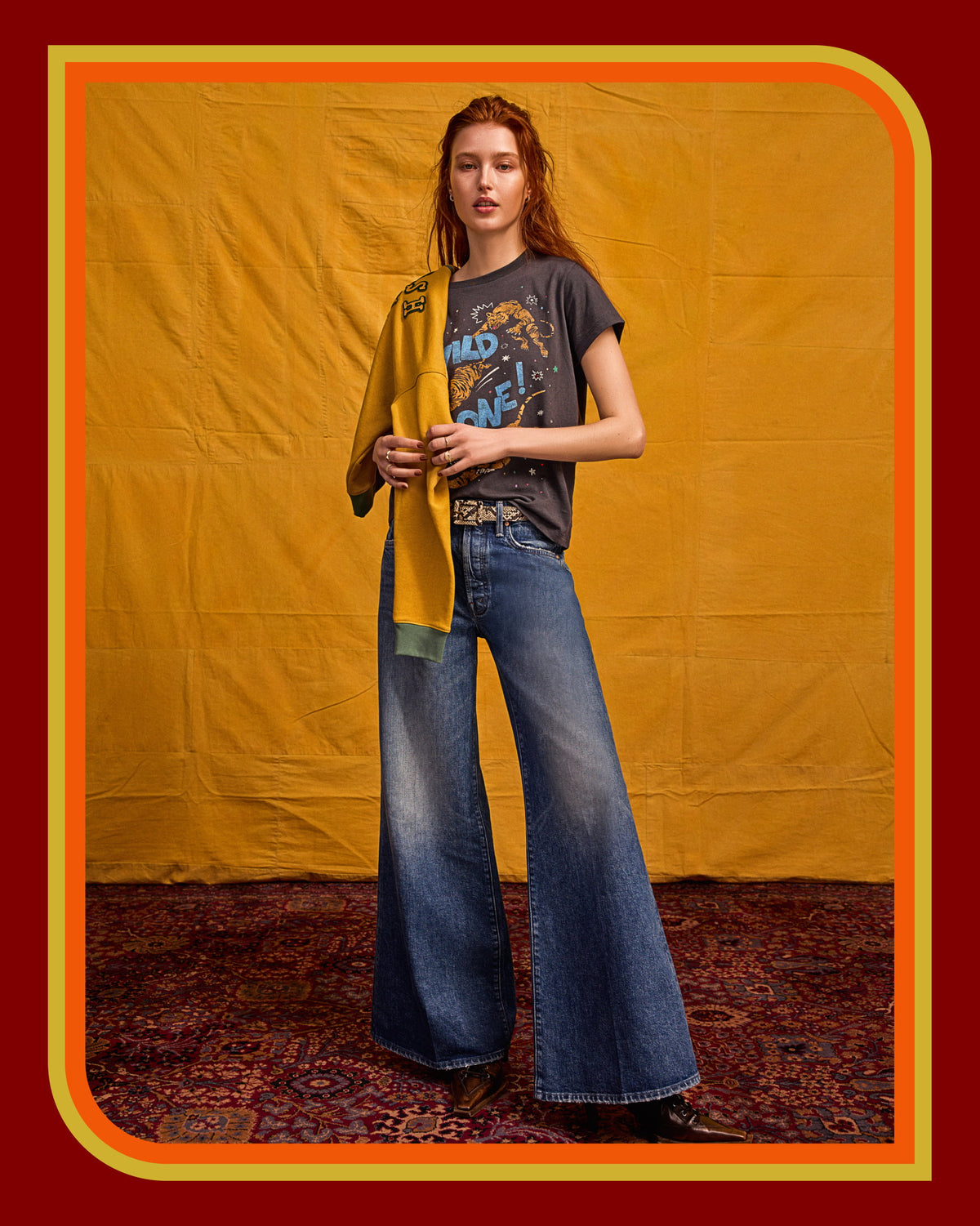
MOTHER
Mother spent eight months building everything but the jeans: the name, the 1970s Polaroid-style imagery, the nostalgic style names, before founders Tim Kaeding and Lela Becker cut a single pair. The pitch from day one was softest fabric first, fit second, which is why silhouettes like the Looker and the Hustler still lead with how the denim feels rather than how it looks on a hanger. Two decades on, the brand has grown into a full closet without ever letting go of that original idea.

La Ligne
La Ligne launched in 2016, founded by former Vogue editors Meredith Melling and Valerie Macaulay with Molly Howard, formerly of Rag & Bone. The brand began with a serious devotion to stripes, then widened the idea into polished everyday clothes with a distinctly New York ease. This edit follows that logic through soft knits, wide-leg trousers and dresses that know when to stop talking.
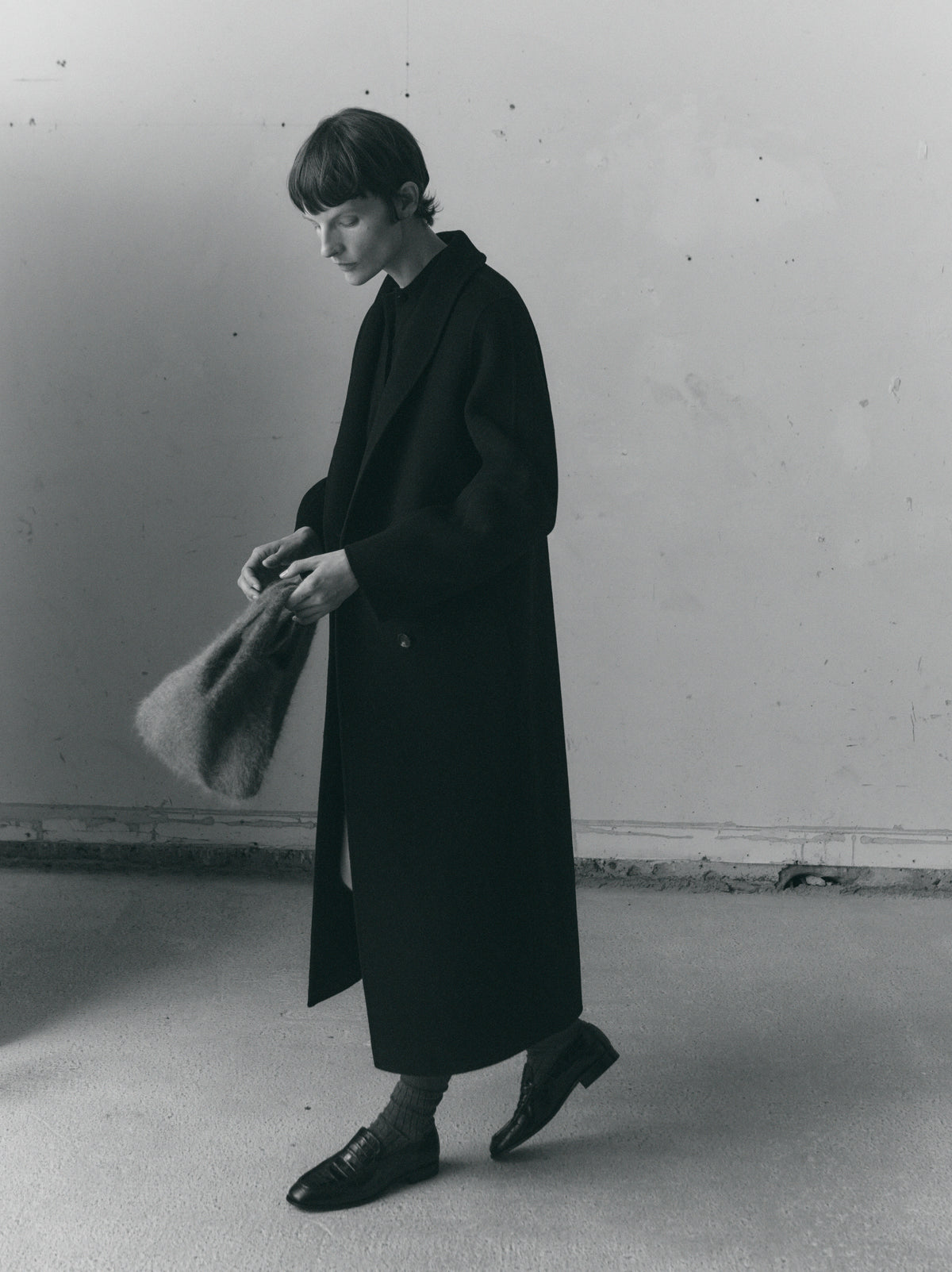
Lisa Yang
Lisa Yang builds a whole wardrobe around the quiet authority of cashmere, where texture does the work that logos usually volunteer for. Founded in Stockholm in 2014 by Lisa Yang and Samuel Stenberg, the label connects Yang's Inner Mongolian heritage with a distinctly Scandinavian ease. The palette may be calm, but the proportions and knit techniques keep the clothes from becoming background noise.
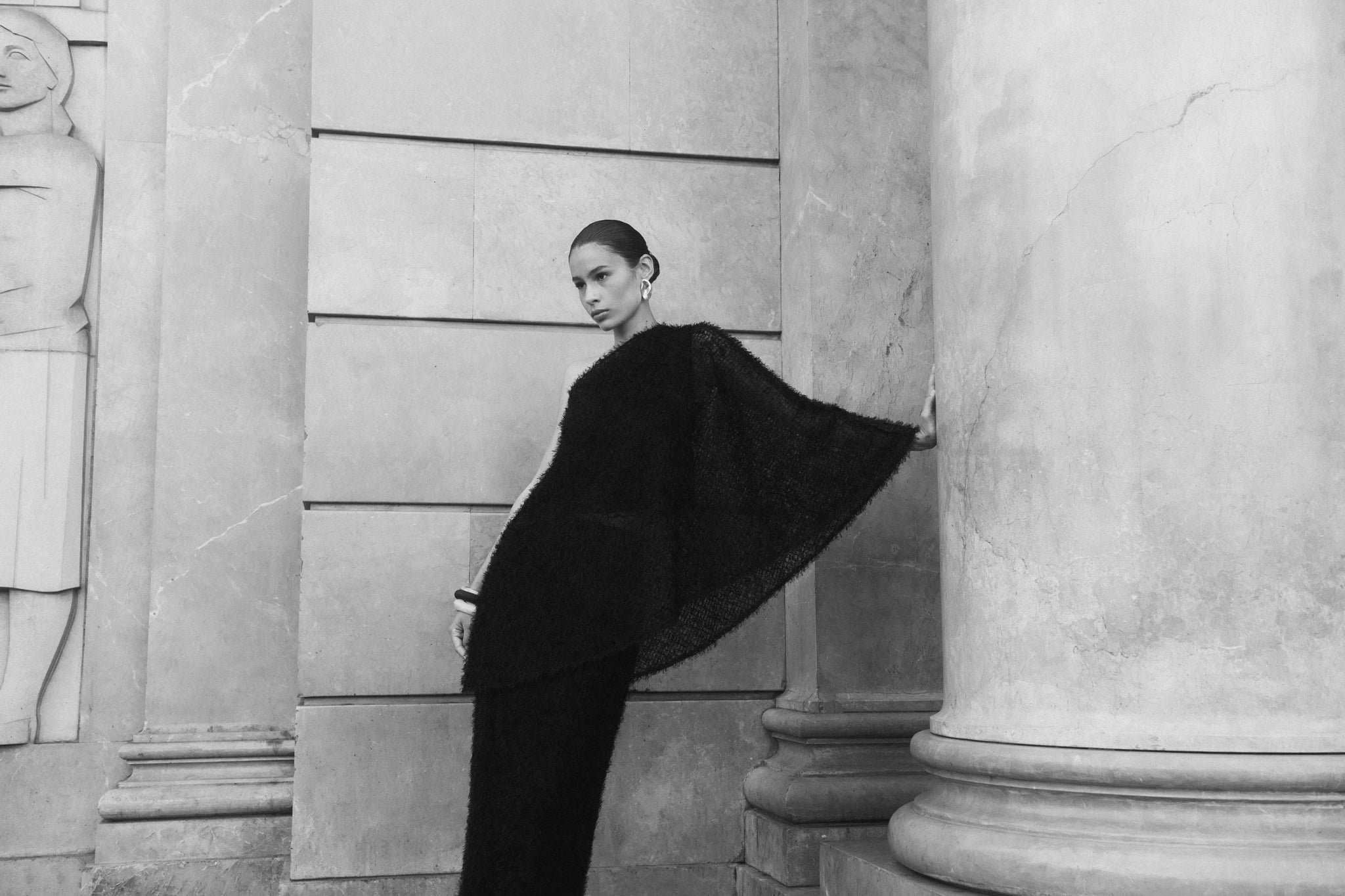
Abadia
Abadia brings Saudi craftsmanship into a modern evening wardrobe, with draping that feels architectural. Founded by Shahd Al-Shehail and her aunt Naeema the house draws on regional heritage while working in a distinctly contemporary register. The result is formalwear with a point of view, made for people who prefer a sculpted silhouette to a predictable party dress.
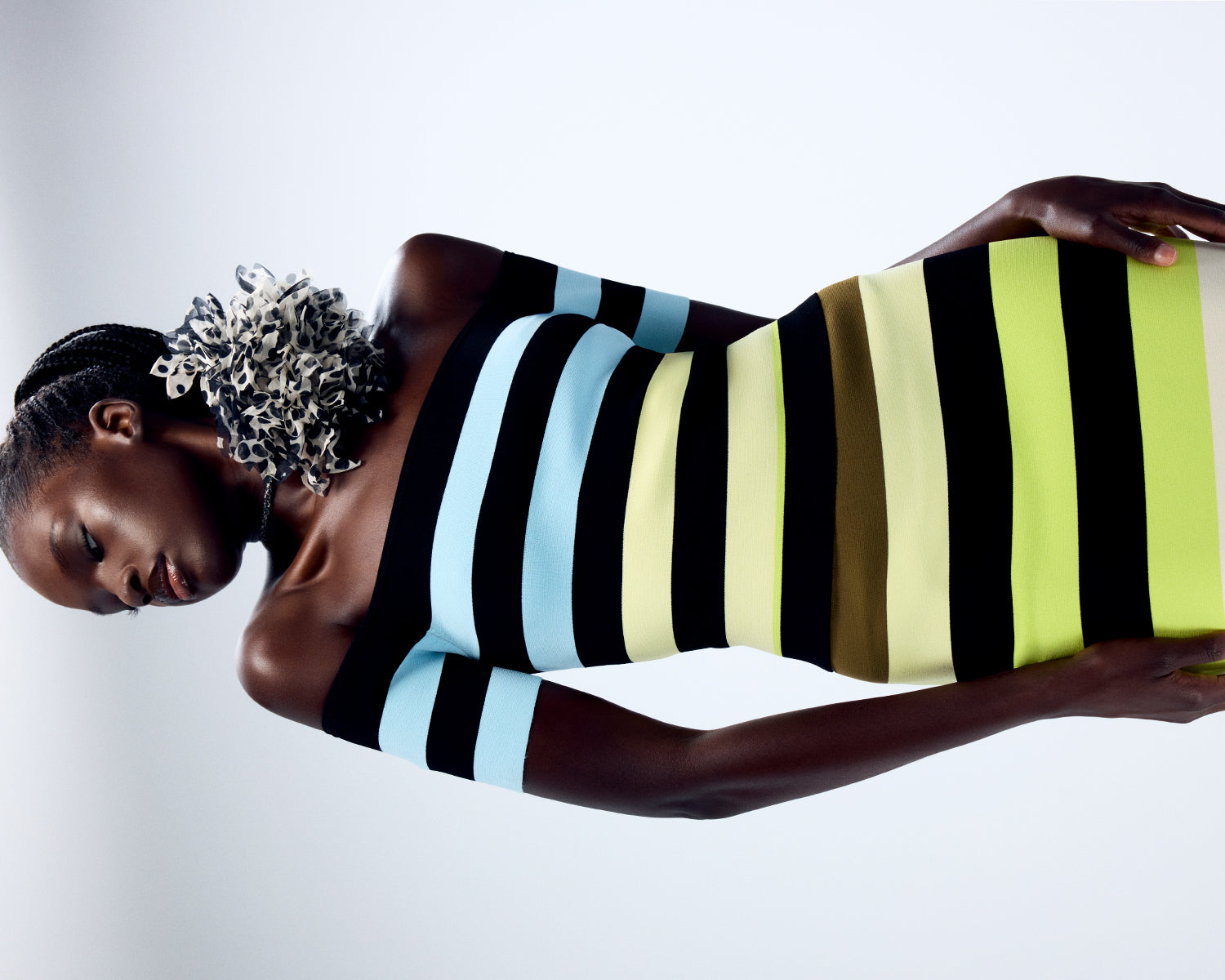
Christopher John Rogers
Christopher John Rogers makes occasion dressing feel large in the best possible way. His clothes bring together saturated pattern, sculptural volume and the polish of American ceremony without losing a sense of play. The collection is short, but every piece seems to know where the entrance is.
Cortana
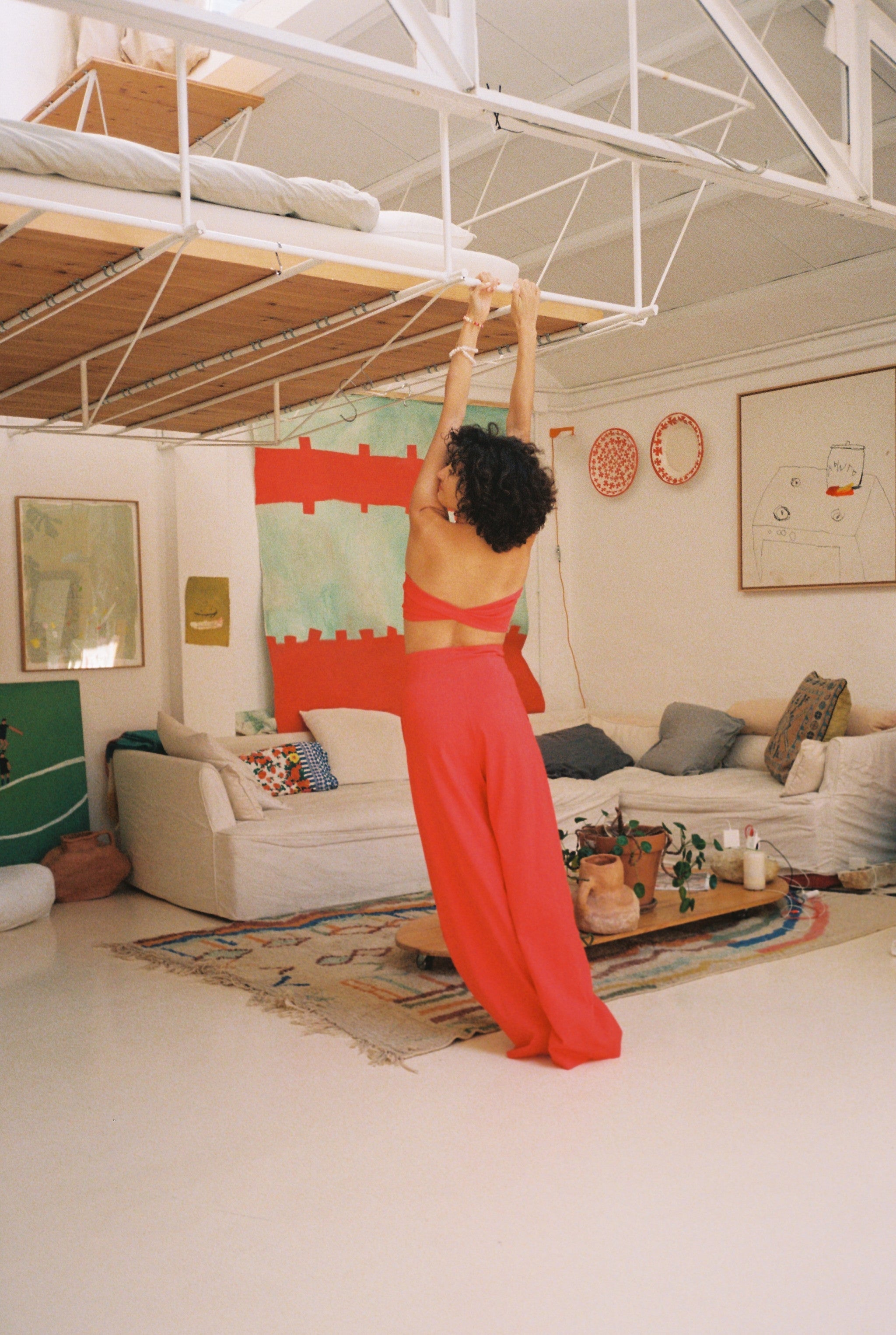
Cortana makes Mediterranean ease feel thoughtful rather than casual. Rosa Esteva’s collections use silk, linen and fluid proportion to create dresses and separates that move with the body instead of arguing with it. The mood is quiet, but the cut is never anonymous.

Lanvin
Lanvin began in Paris in 1889, when Jeanne Lanvin opened a small hat shop at 16 Rue Boissy d’Anglas. She later expanded into clothing, children’s wear, interiors and perfume, building a house around color, craft and a highly personal sense of ornament. This compact edit keeps the old Parisian tension between clean line and a little flourish.
Maria McManus
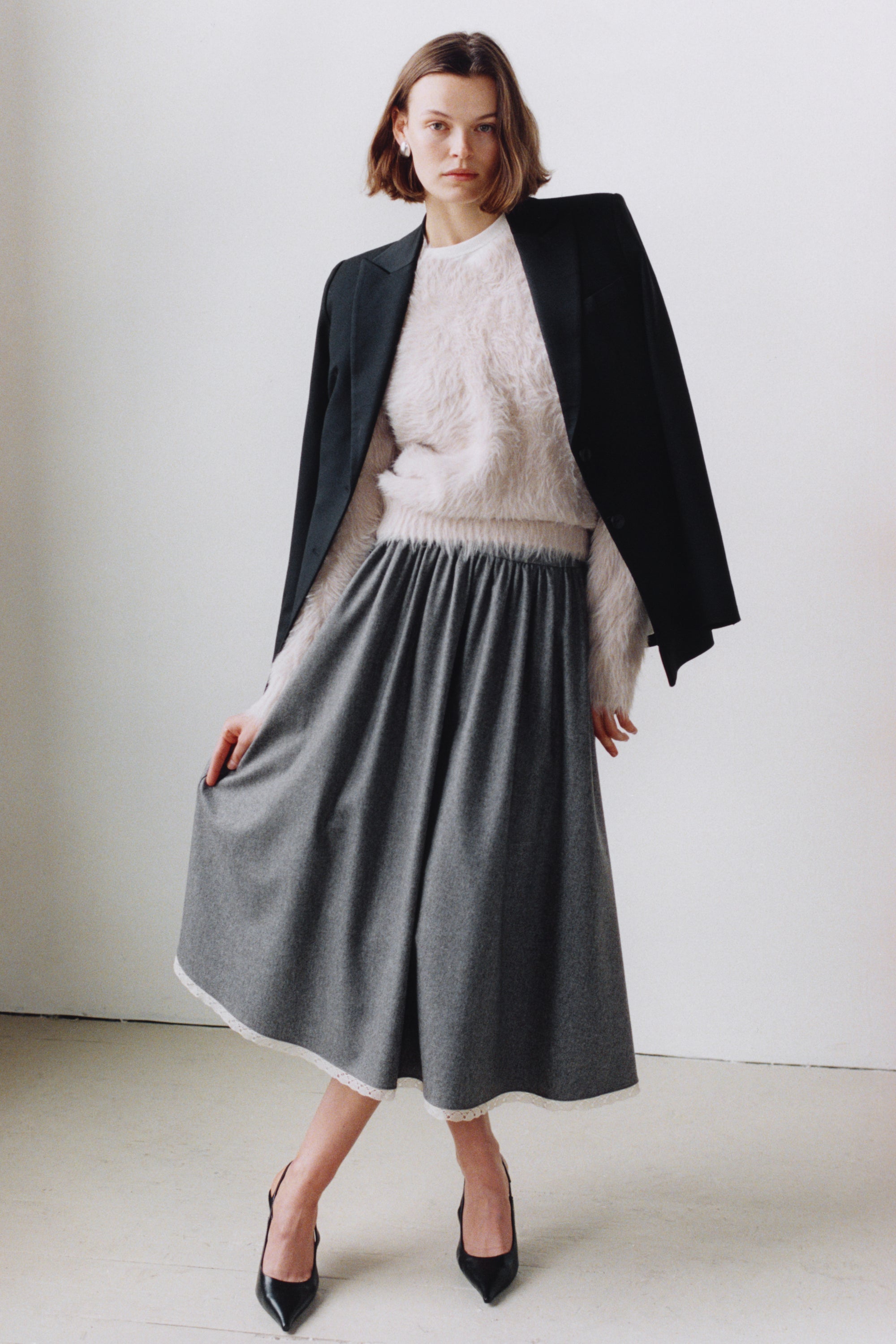
Maria McManus launched her namesake label in 2020 after more than two decades in fashion, with a brief built around lower-impact materials. Her own account describes a wardrobe of natural, certified and recycled fibers rather than trend chasing. The point is quiet utility with an unusually specific conscience.

MFPEN
Copenhagen label mfpen was founded by Sigurd Bank in the mid-2010s. Bank began working with deadstock fabrics because they were available, then turned that practical choice into a broader design language of relaxed tailoring and classic menswear references. The clothes feel considered without sounding like they are asking for attention.

Loro Piana
Loro Piana makes the quiet case that luxury begins with the material, then leaves the silhouette to speak softly. The family business was founded in Quarona in 1924 by Pietro Loro Piana after generations of wool trading in Piedmont, and later became known for rare fibers such as cashmere, vicuña and Baby Cashmere. This selection is built for a life of good coats, serious knitwear and clothes that do not need an introduction.
STOULS
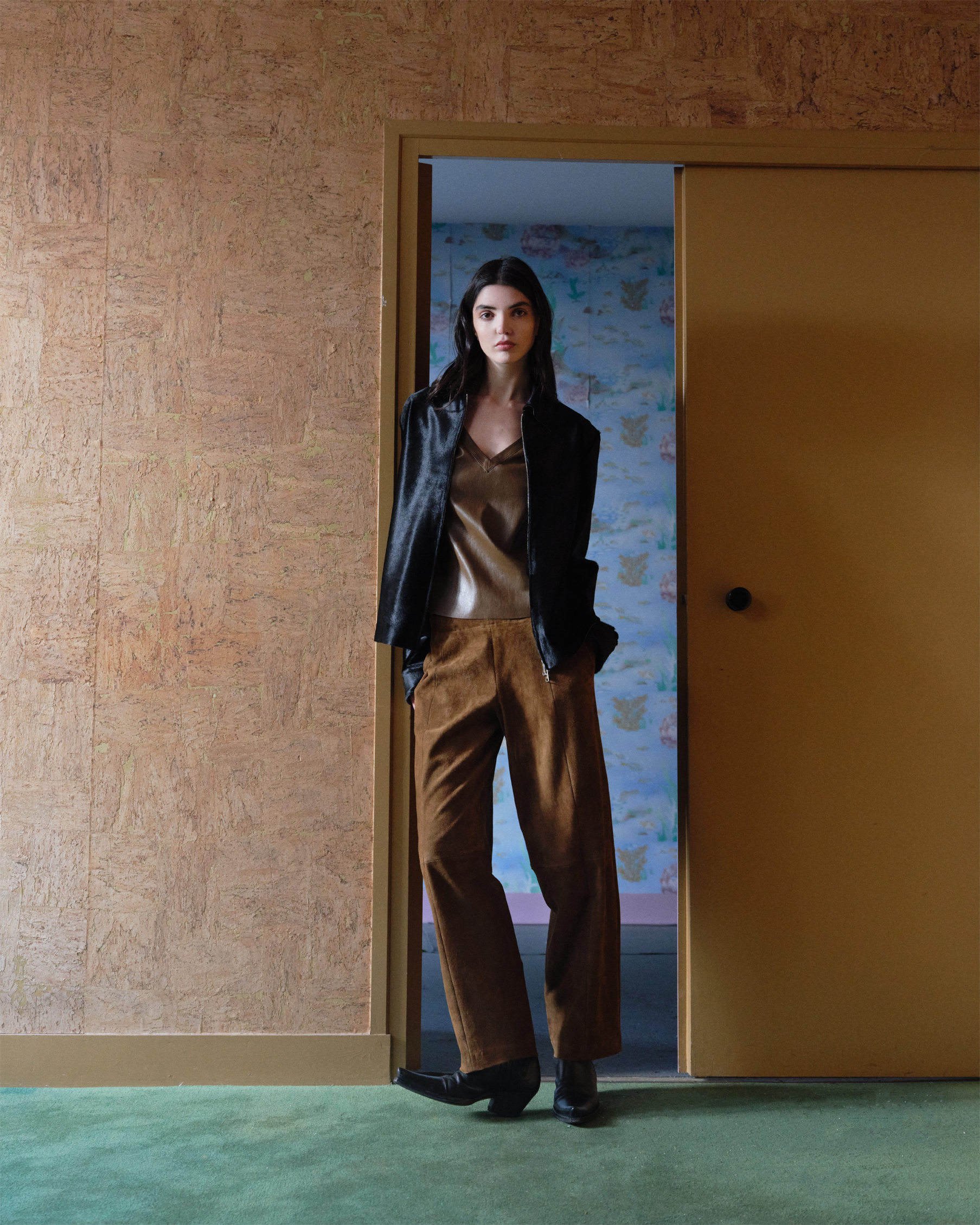
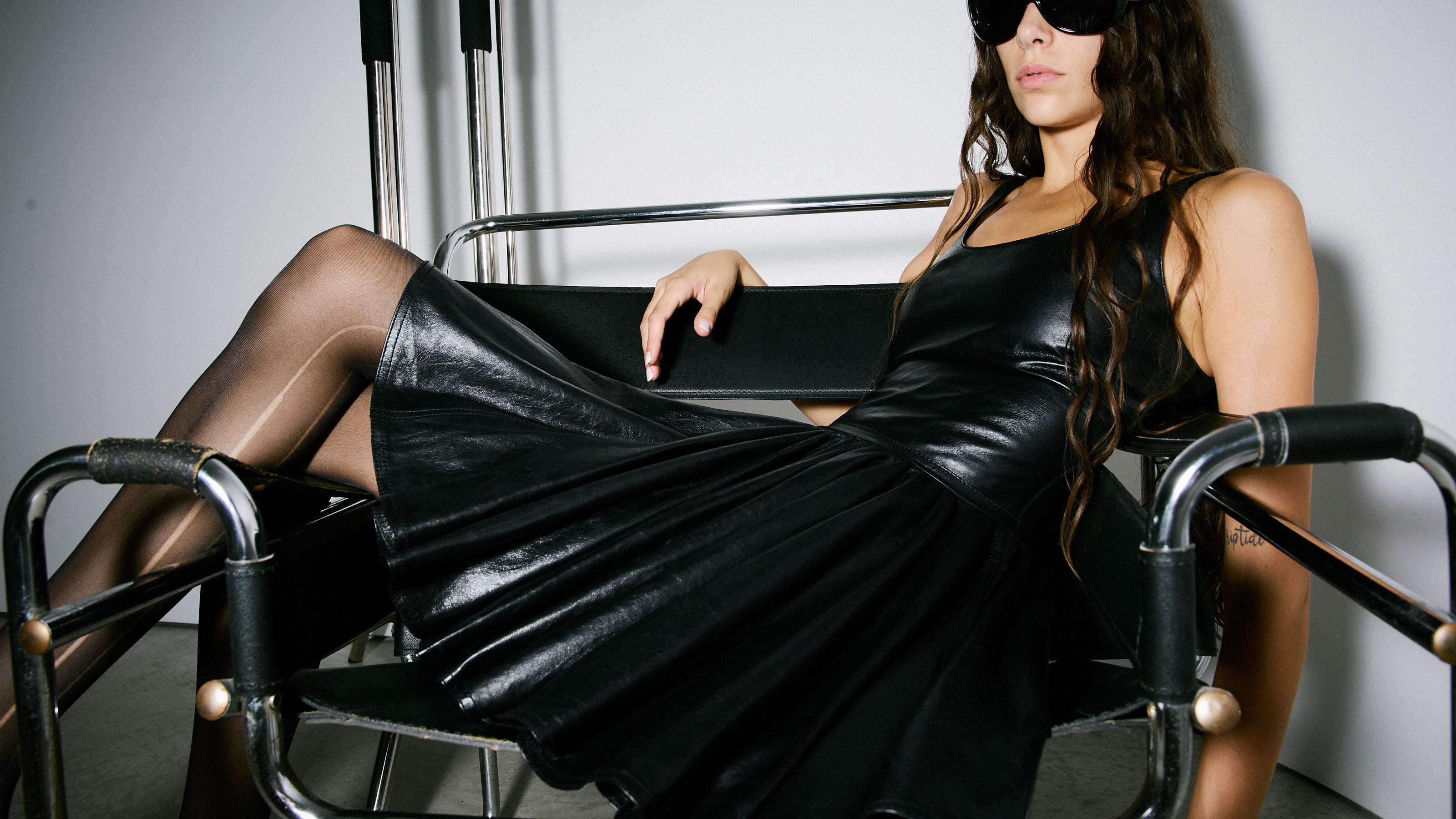
STOULS treats leather as a daily fabric rather than a special occasion costume. Founded by Aurélia Stouls in 2004, the Paris label built its identity around machine-washable stretch lamb leather. The result is a wardrobe of sharp, tactile pieces that ask less ceremony of getting dressed.
Ruohan
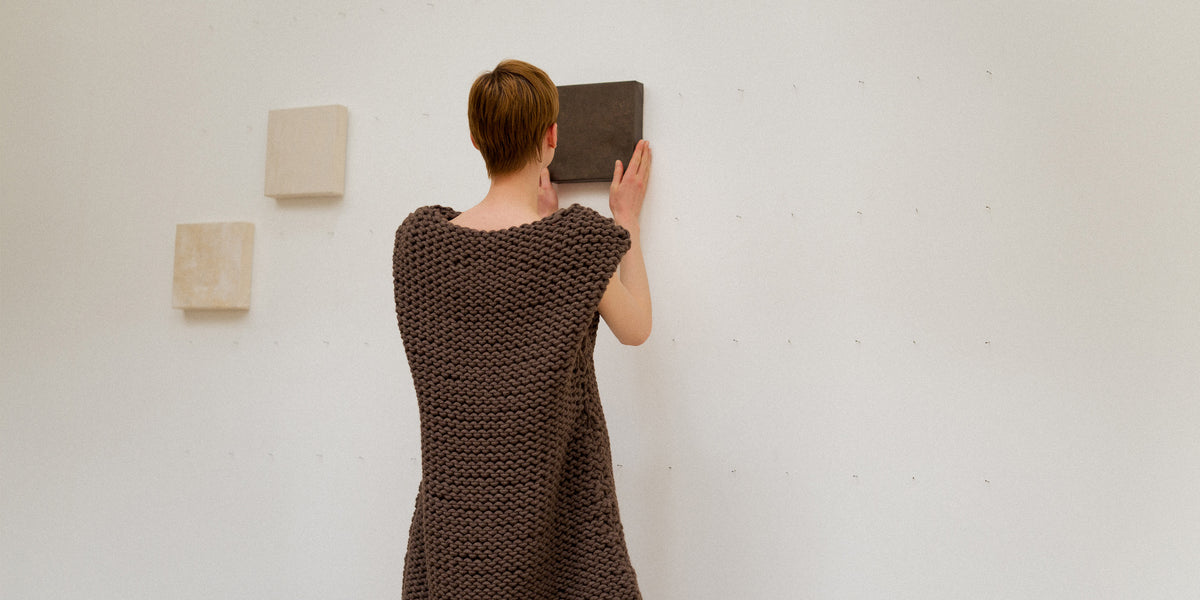
Ruohan makes quiet clothing with a strong internal rhythm, balancing fluid silhouettes against the discipline of fine materials. Founded by Ruohan Nie in 2021, the Shanghai-based label grew from her Parsons training and experience with The Row before debuting at Shanghai Fashion Week. Silk, cashmere and gauze are treated as atmosphere as much as fabric, giving the wardrobe a softness that still feels considered.
Haikure
Haikure is an Italian denim brand established in 2011, built on the manufacturing expertise of C&S, a company working with luxury and contemporary labels since 1981. Its name nods to haiku poetry and its design language stays similarly spare, mixing familiar denim shapes with a more considered approach to production and transparency. The current edit adds leather, knitwear and shirting without losing the jeans-first focus.

DÔEN
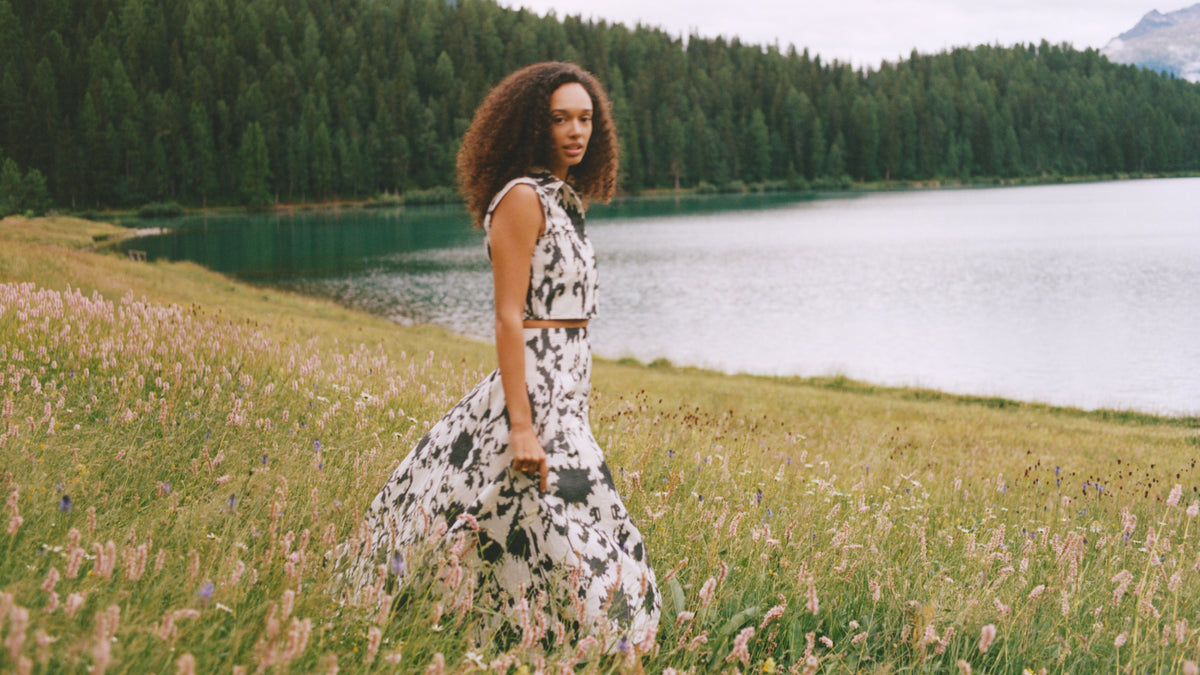
DÔEN was launched in Los Angeles in 2016 by Santa Barbara-born sisters Margaret and Katherine Kleveland with a collective of women partners. Its nostalgic California vocabulary is soft around the edges but not precious, built from the sisters’ wish for clothes that could meet real life and changing bodies. The edit stays with dresses, tops, skirts and easy layers that work harder than their prettiness suggests.
Emporio Sirenuse
Emporio Sirenuse began in 1993 as the boutique expression of the Sersale family’s Le Sirenuse Hotel in Positano. Carla Sersale built the label around the colours and layered cultural references of the Amalfi Coast, later joined by designer Viola Parrocchetti. The clothes are made for warm air, long lunches and the particular confidence that comes from dressing like the holiday has already started.
La DoubleJ
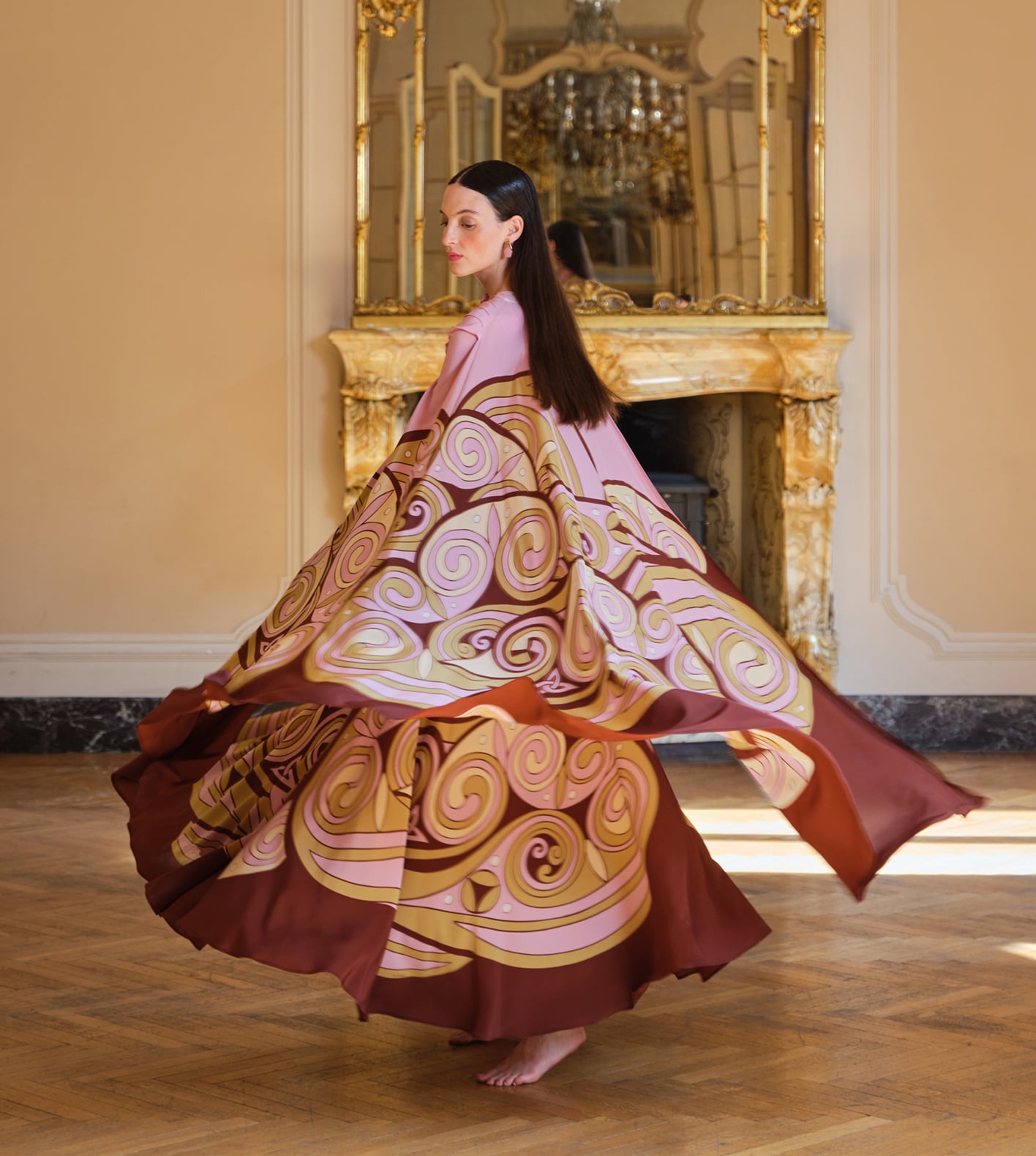
La DoubleJ began in 2015 as J.J. Martin’s shoppable magazine for vintage clothing and the women shaping Milan’s creative life. By 2017 it had expanded into original fashion and homeware built around Italian craftsmanship, saturated color and a very serious appetite for pattern. The edit is happiest when the print is allowed to be the architecture.
lemlem
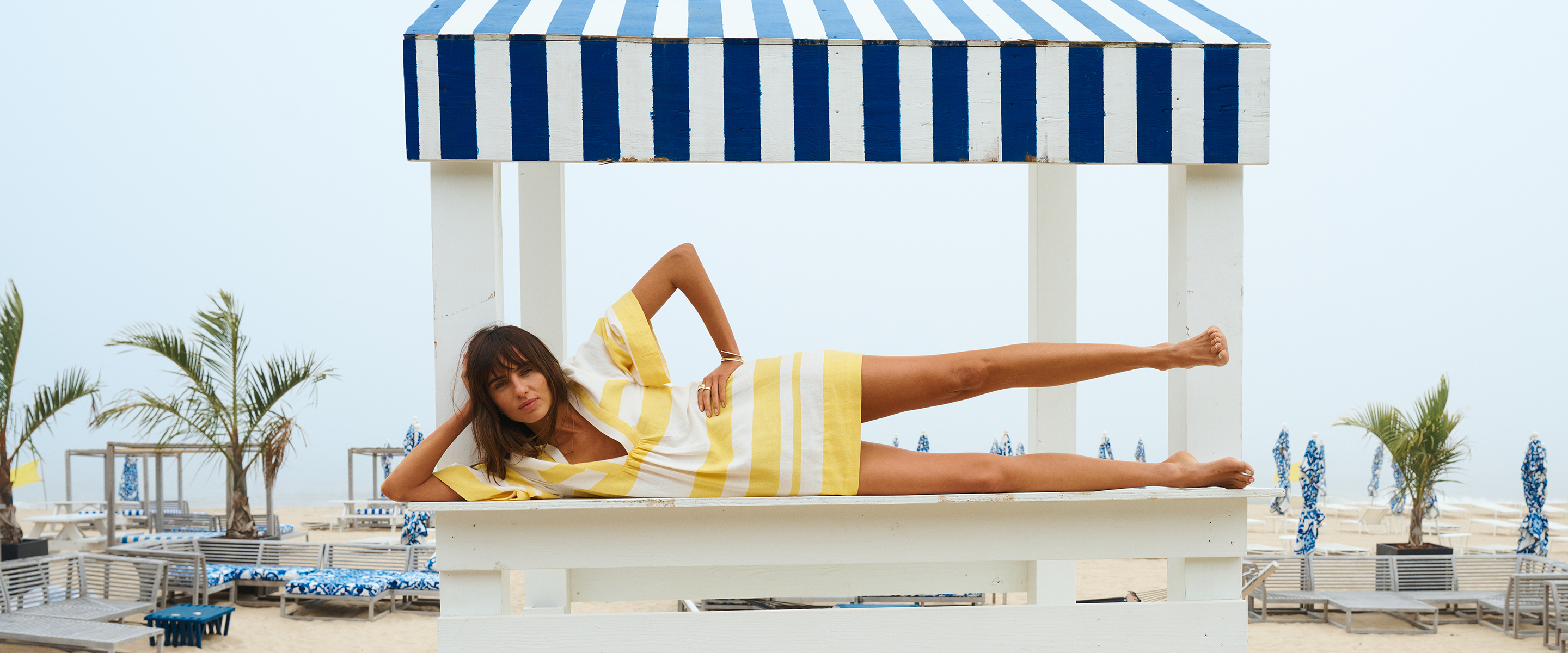
lemlem brings the easy rhythm of Ethiopian handweaving into modern resort clothes, with striped cotton, gauze and linen doing most of the talking. Liya Kebede founded the label in 2007 after seeing traditional weaving communities in Ethiopia lose work, and built the business around creating jobs for local artisans. The clothes are bright without being loud, made for sun, movement and a suitcase that can stay open.

Open Edit The Icon Trousers
Wide-leg tailoring stopped being a trend and turned into the default trouser. Open Edit The Icon trousers are the clearest example of that shift reaching the everyday end of the market, in twill rather than suiting wool. This edit covers the Icon family first and then the rest of the label's trouser range.

Loretta Caponi
Loretta Caponi brings Florentine embroidery into dresses, separates and evening pieces that feel closer to heirlooms than seasonal merchandise. Loretta opened her first atelier in Borgo Ognissanti in 1967 after learning embroidery as a child, and her early nightgowns made smocking and vivid prints feel daring rather than quaint. Today the house still treats lace, cotton, silk and handwork as the main event, with silhouettes that let the detail stay visible.
Sacai
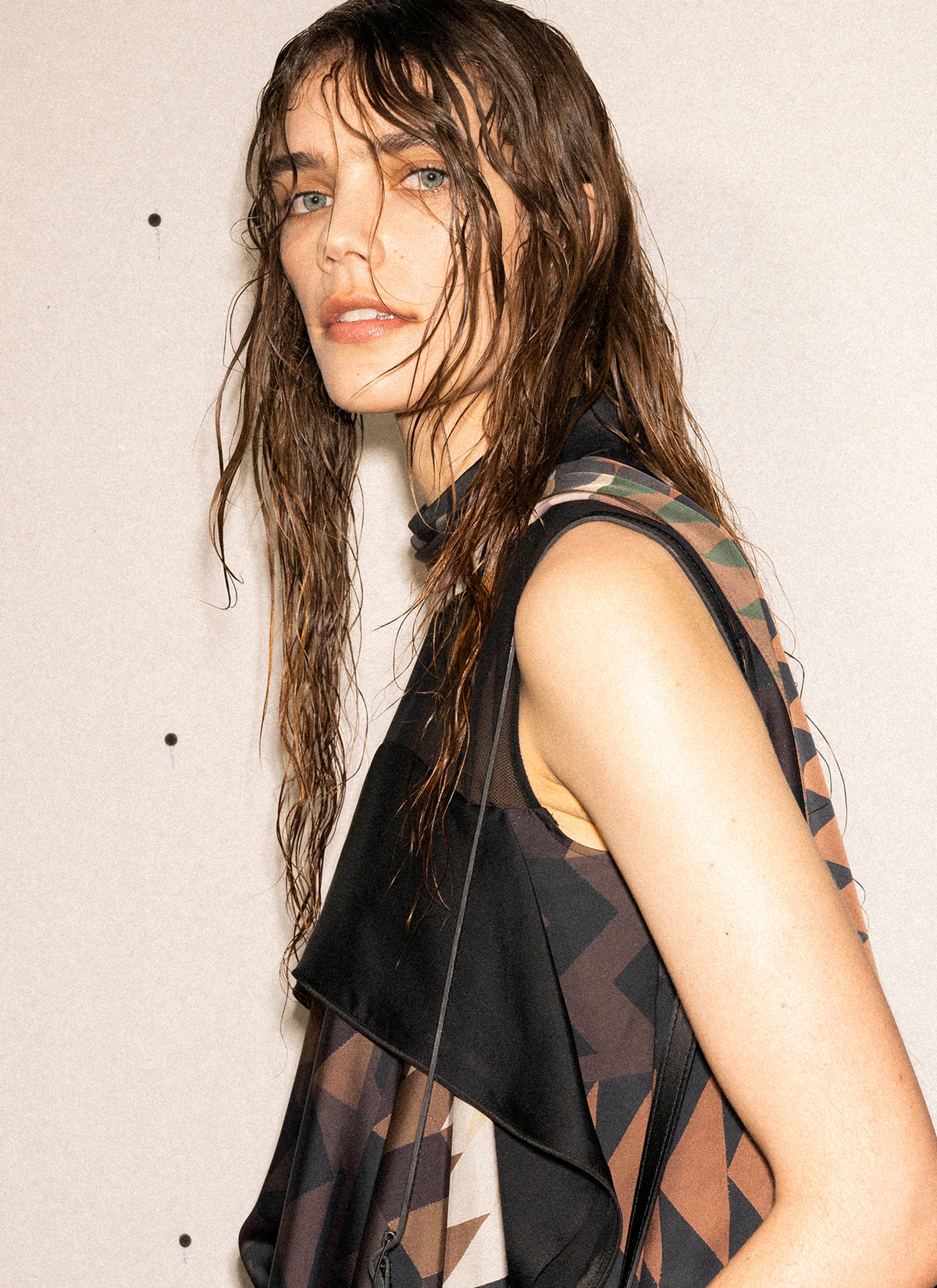
Sacai turns familiar garments into arguments about how clothes can be built. Chitose Abe founded the Tokyo label in 1999 after working at Comme des Garçons, beginning with a small run of hand-knitted pieces and developing a practice she calls hybridization. Tailoring, sportswear, knitwear and utility details meet here in silhouettes that reward a second look.
Simone Rocha
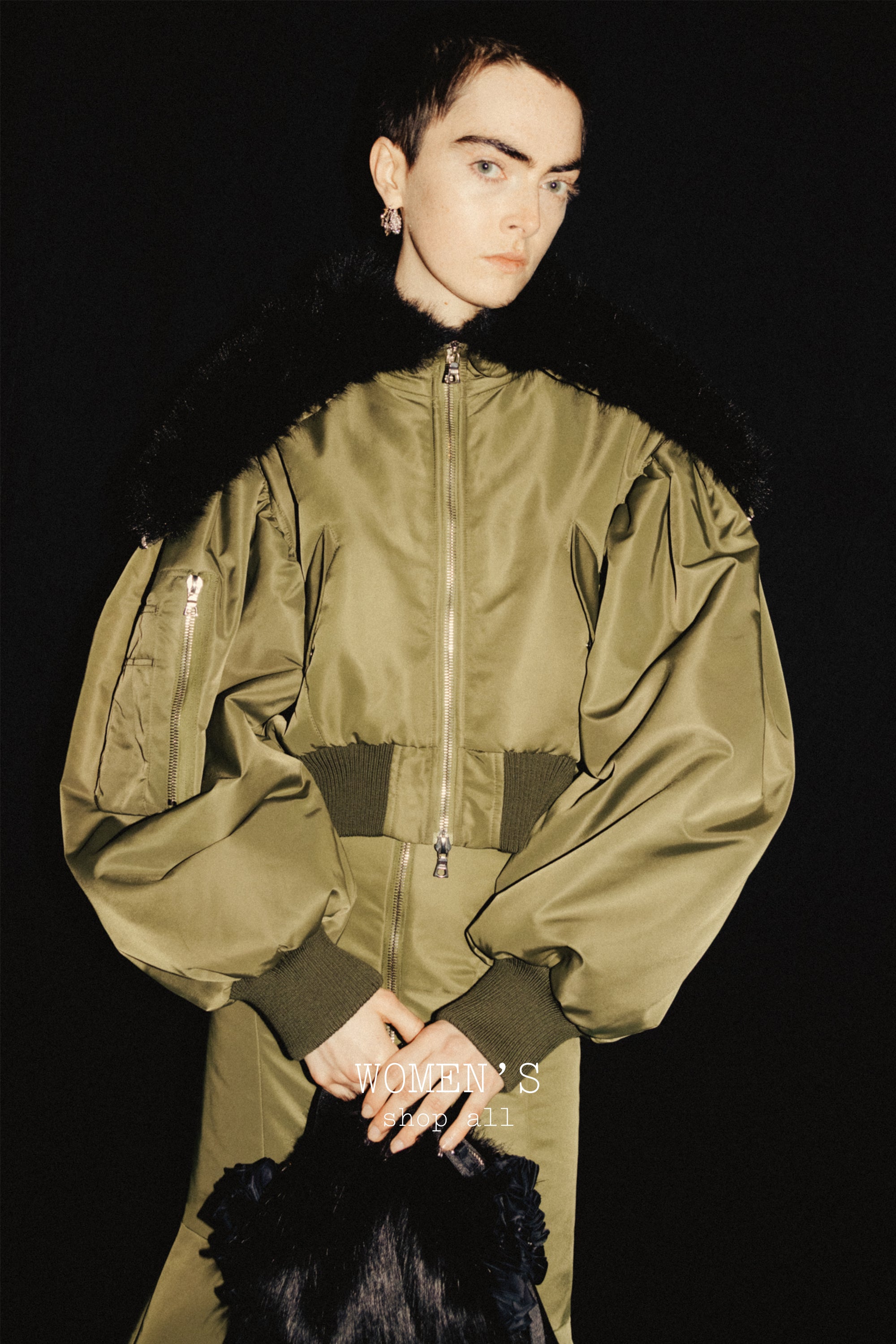
Simone Rocha builds romance with a little darkness at the edges, using bows, pearls, lace and athletic references to keep prettiness from becoming predictable. Born in Dublin, Rocha launched her label after graduating from Central Saint Martins in 2010 and quickly made London Fashion Week her stage. The collection moves between dresses, sculptural separates and accessories with the same instinct for contrast.
Tibi
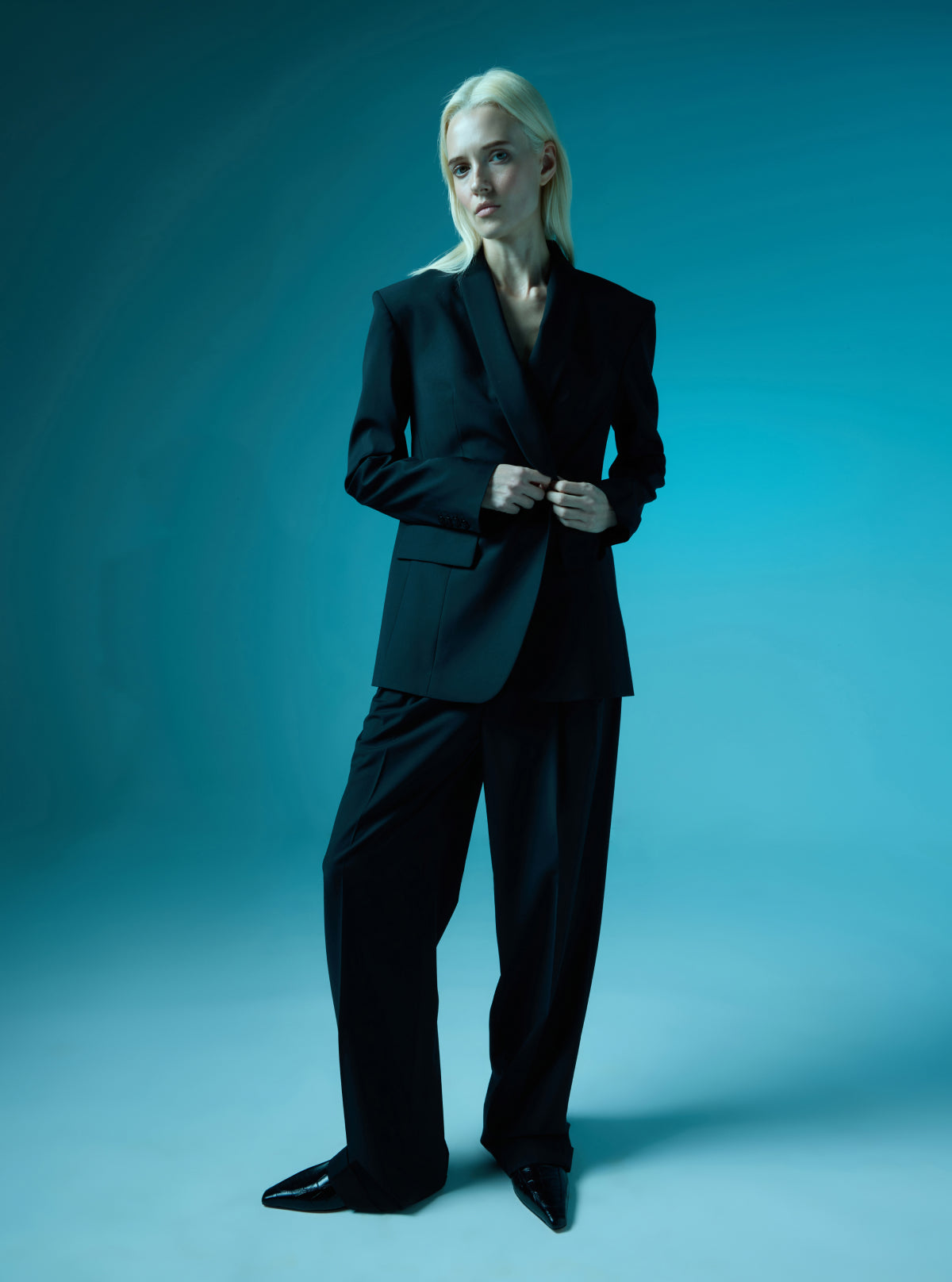
Tibi is built around a useful contradiction: clothes can be conceptually sharp and still have somewhere to go. Amy Smilovic founded the label in Hong Kong in 1997, later naming its design philosophy Creative Pragmatism, a balance between expression and function. The current wardrobe makes that idea visible through strong proportions, practical fabric and pieces that refuse to stay in one style category.
RIER
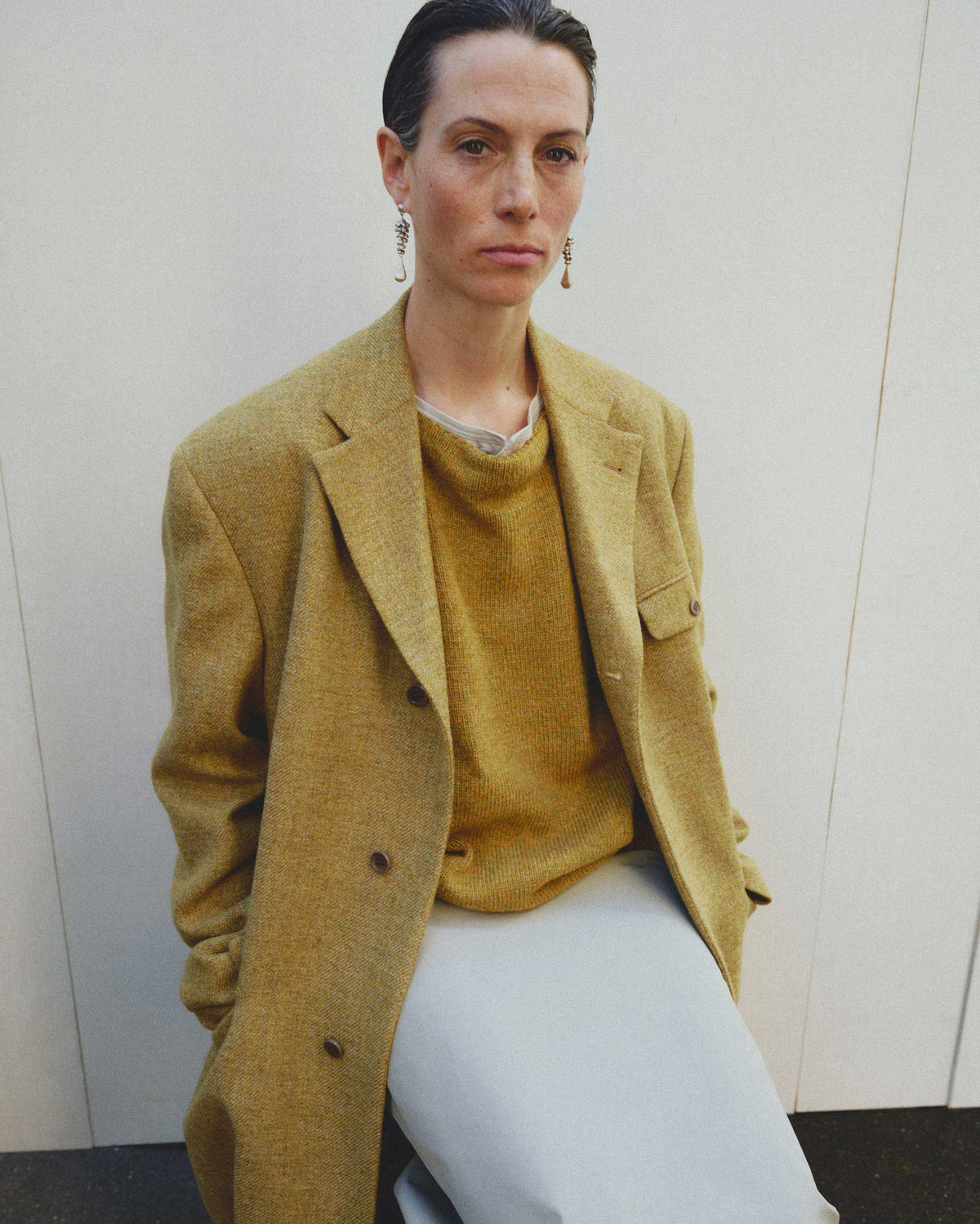
RIER translates the practical memory of the Alps into clothing that works in the city. Founded in Paris in 2019 by South Tyrol-born designer Andreas Steiner, the label draws on local artisans, natural materials, and the mountain garments of his childhood. Wool fleece, clean shapes, and a restrained palette make the idea feel current rather than folkloric.
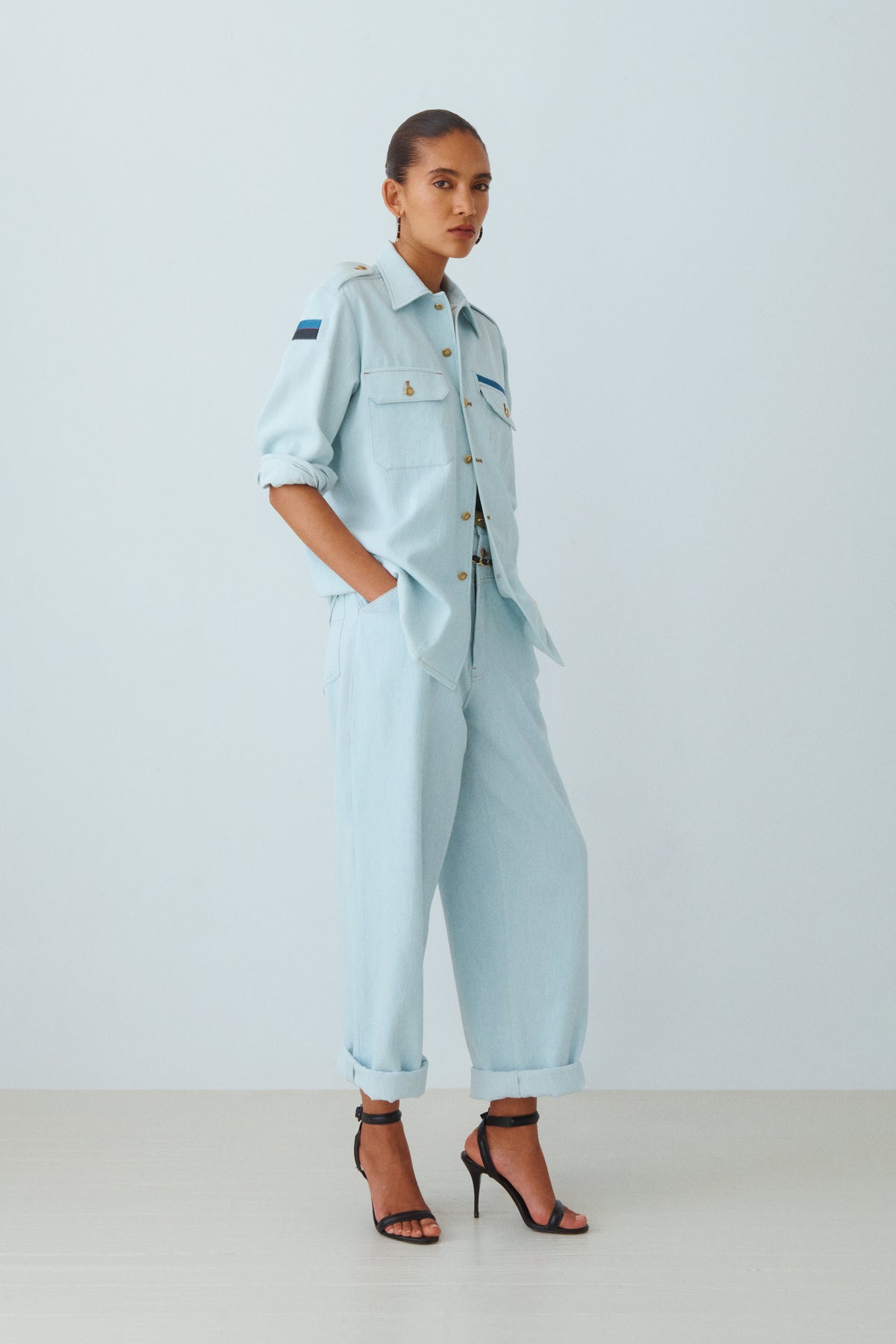
MAISON MAYLE
MAISON MAYLE makes clothes that feel like they arrived with a backstory, somewhere between a New York apartment, an old film and a very good dinner. Jane Mayle founded her namesake line and NoLita boutique in 1999, stepped away from fashion after 2009, then returned with Maison Mayle in 2016. The new pieces keep the original appetite for ruffles, lace, silk and vintage references while giving them a more deliberate present tense.