Clothing
Clothing

The Third Piece
A top and a bottom is clothing. Add a knit, a scarf or a belt and it reads as an outfit. Twenty four pieces that cost almost nothing in luggage space.

The Striped Sweater Has a New Social Life
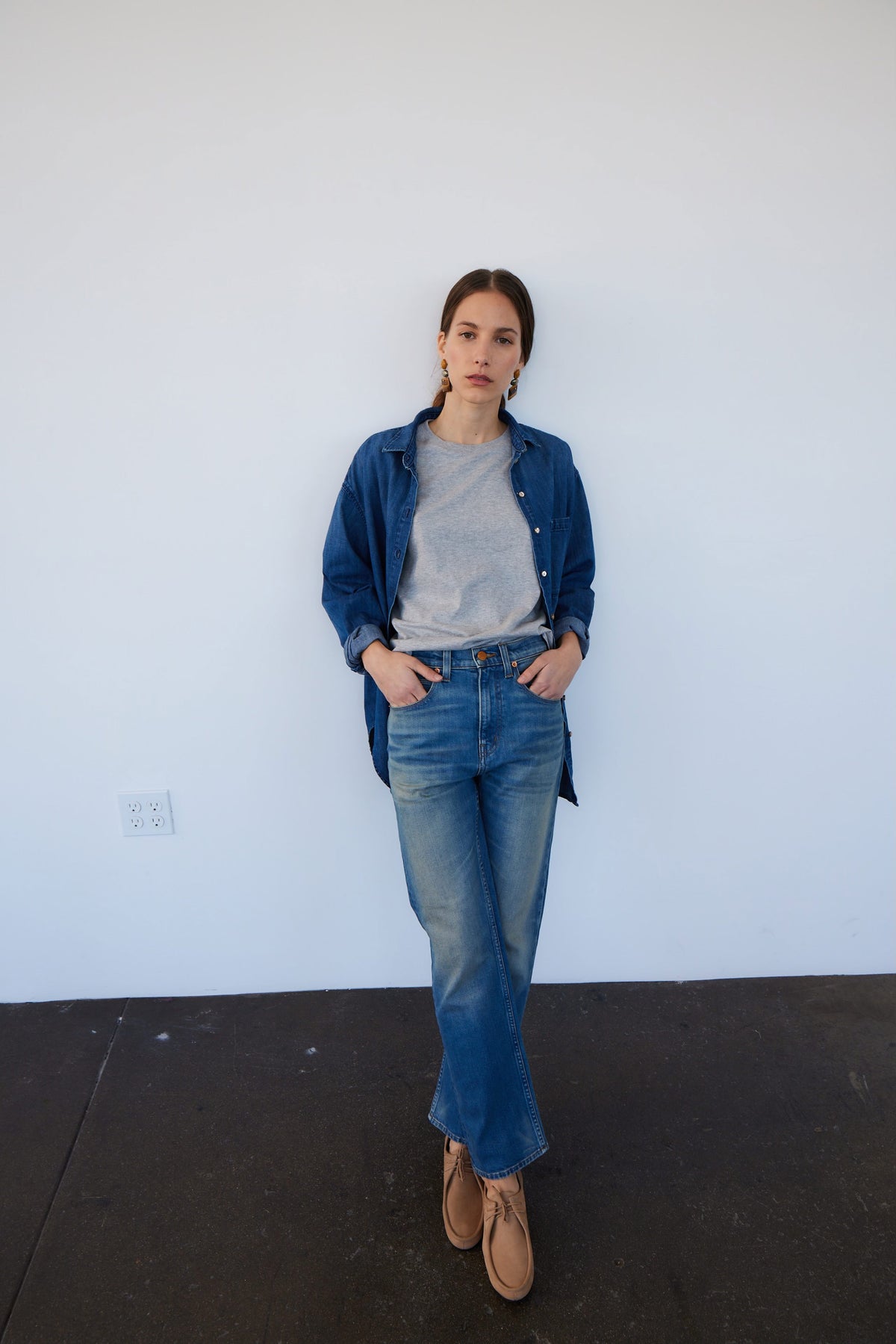
A striped sweater now sits between polished knitwear and easy staples, with denim and loafers changing the register.
Jamie Haller
Jamie Haller launched her namesake label in Los Angeles in 2020 after more than two decades in fashion. She began with shoes, working with an Italian atelier on soft, glove-like slippers and loafers, then expanded into denim and everyday clothing. The useful thread is the same throughout: understated pieces with a clear point of view.

Amelie Teje Makes Clothes For The Long Australian Summer
Amelie teje makes clothes for a climate that stays warm for most of the year. The Australian label works in a tight palette and a small number of shapes. That narrowness is the point rather than a limitation.

The Villa Wardrobe
No lobby, no dress code and usually a kitchen. Eight long dresses, eight linen separates and the flat sandals that survive a stone terrace.

Pack Light, Not Less
Packing light works as substitution rather than subtraction. Eight light knits, eight plain tops and eight pairs of cotton shorts from $95.

The Graphic Tee Is More Than a Weekend Uniform
The graphic tee keeps casual dressing from feeling anonymous, with printed, embellished, and long-sleeve options giving the simple shape room to shift.

Dressing For City Heat
No swimming to break the day up and air conditioning at every door. Eight linen separates, eight loose tops from $90 and eight totes with structure.
What to Wear to a Fall Rehearsal Dinner
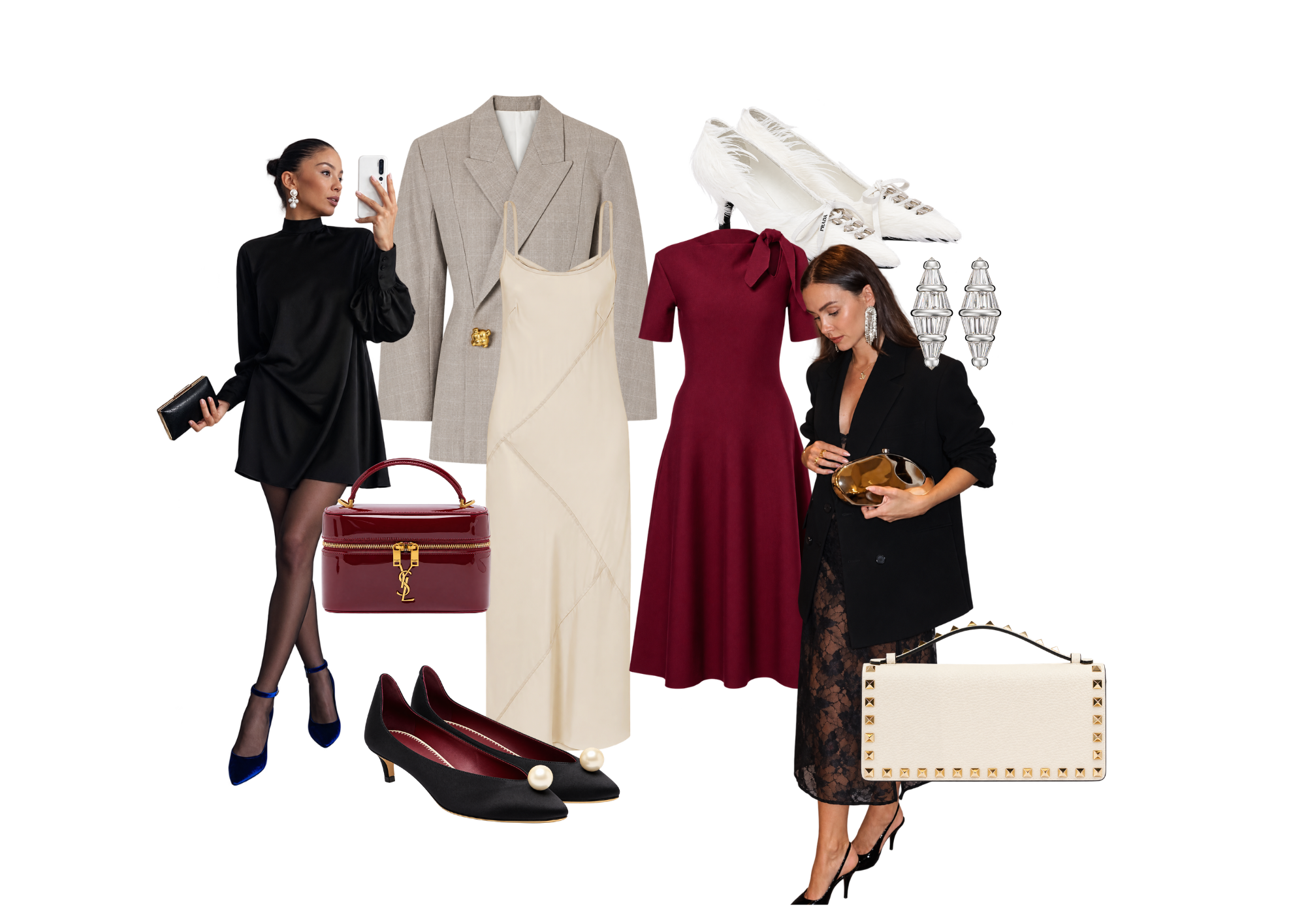
Cocktail-adjacent dressing for an evening that deserves polish without wedding-day formality.

Missoni
Ottavio and Rosita Missoni started a small knitwear workshop in Gallarate, Italy, in 1953, the same year they married after meeting at the 1948 London Olympics, where Ottavio ran the 400m hurdles for Italy. Their signature zigzag pattern arrived later, in the early 1960s, made possible by Raschel knitting machines from Rosita's family's scarf textile business which budded into this heritage brand
Dressing With Intent
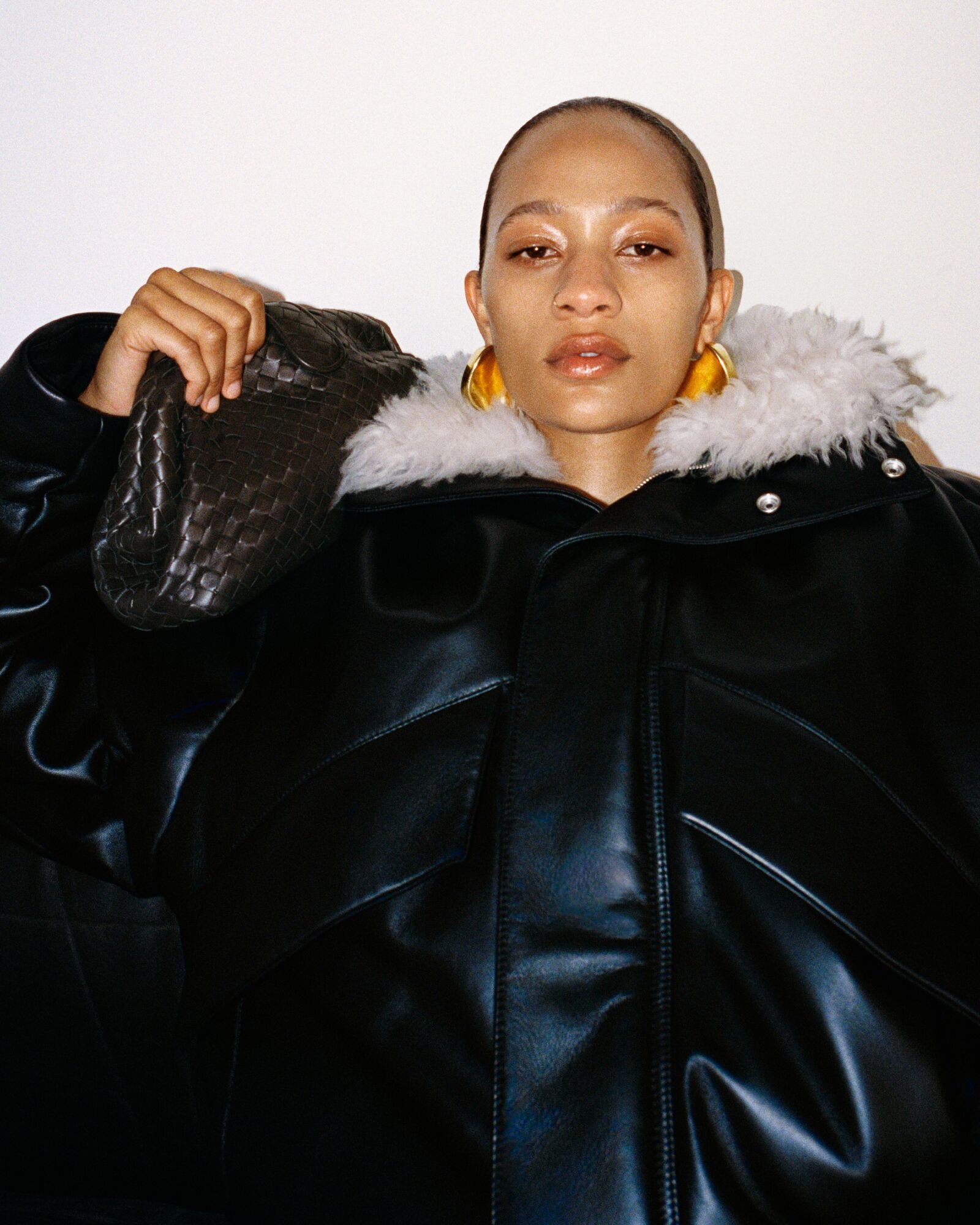
Elegance stopped being about occasion and became about intention. The current version is quieter and heavier, built out of fabric rather than embellishment. This edit follows that logic through a full autumn wardrobe.
Faithfull
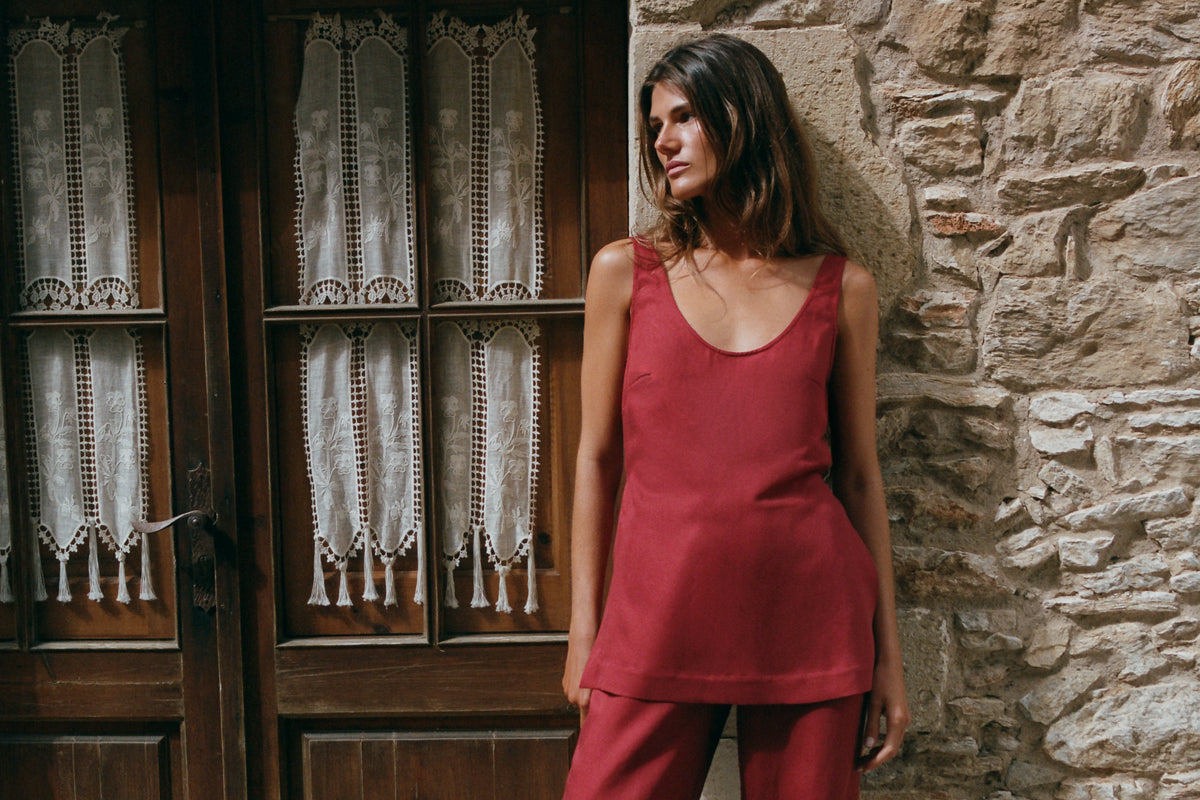
Faithfull began in 2014, founded by Sarah-Jane Abrahams and Helle Them-Enger after they met in Bali. The label still works between Bali and Sydney, turning travel references, stripes and sun-washed colour into clothes that can handle more than one destination. Its strongest idea is simple summer dressing with enough texture and shape to feel considered rather than precious.
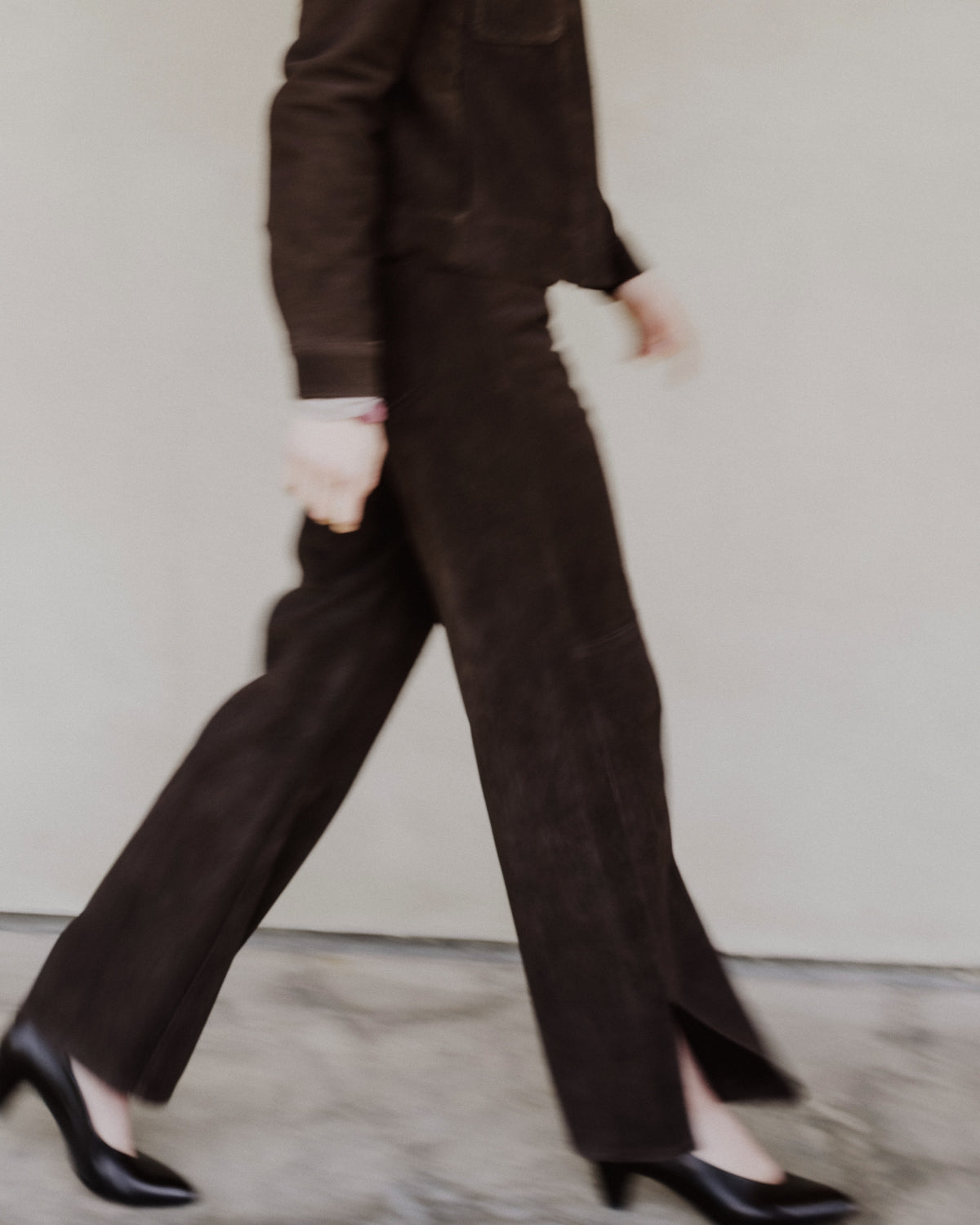
B SIDES
It all began with Claire Lampert and Stacy Daily, who collected antique denim through their vintage boutique Where I Was From. In 2012 they started making patchworked jeans from old pairs, naming the label after the overlooked side of a record. Their current pieces keep that archival instinct visible in the wash, fade and proportion.
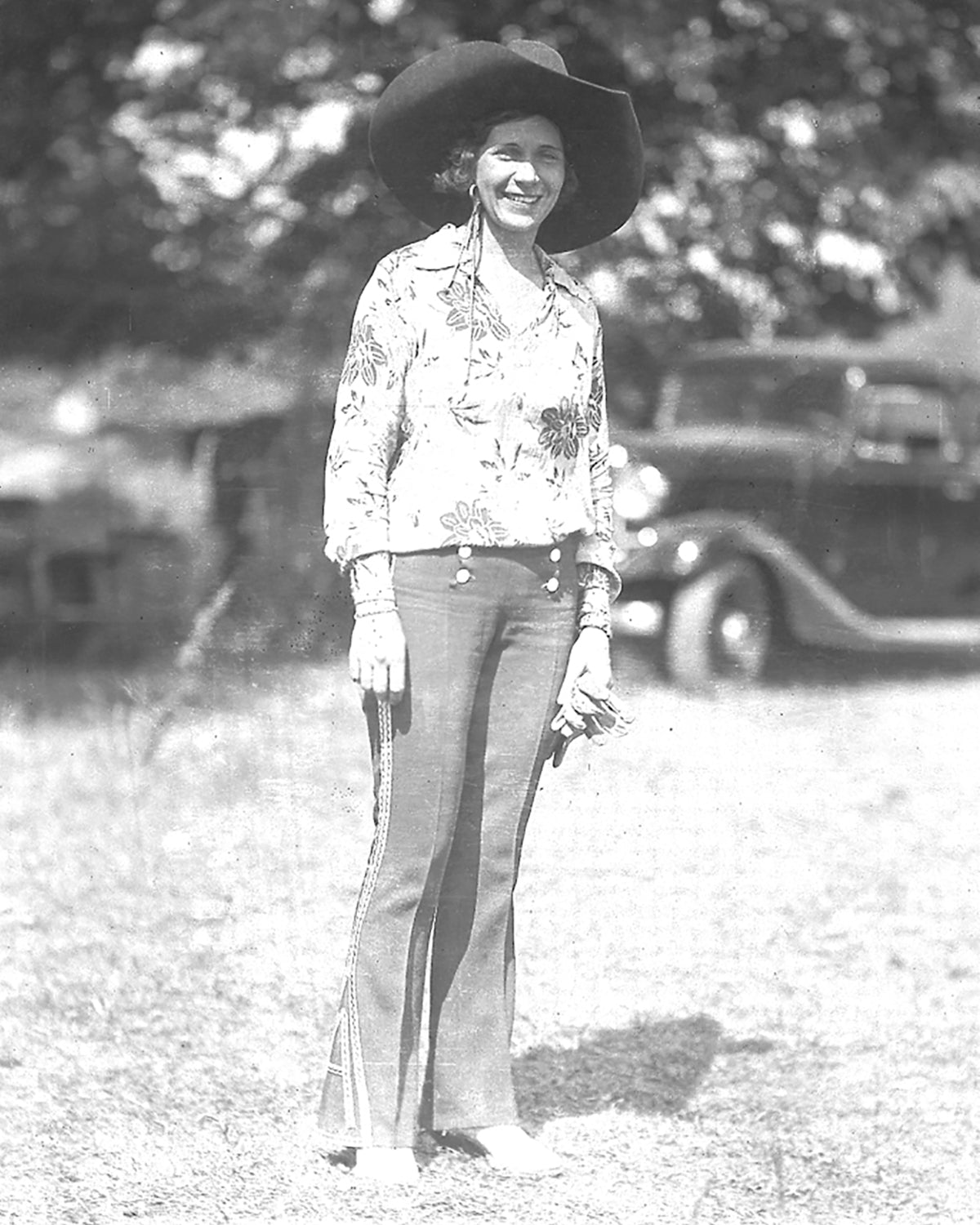
BODE
BODE was founded in 2016 by Emily Adams Bode Aujla and began with garments made from antique textiles. Its work treats clothing as a place for memory, preservation and traditional technique, from quilting and patchwork to embroidery. The womenswear selection carries that same interest in old stories rendered as very present clothes.
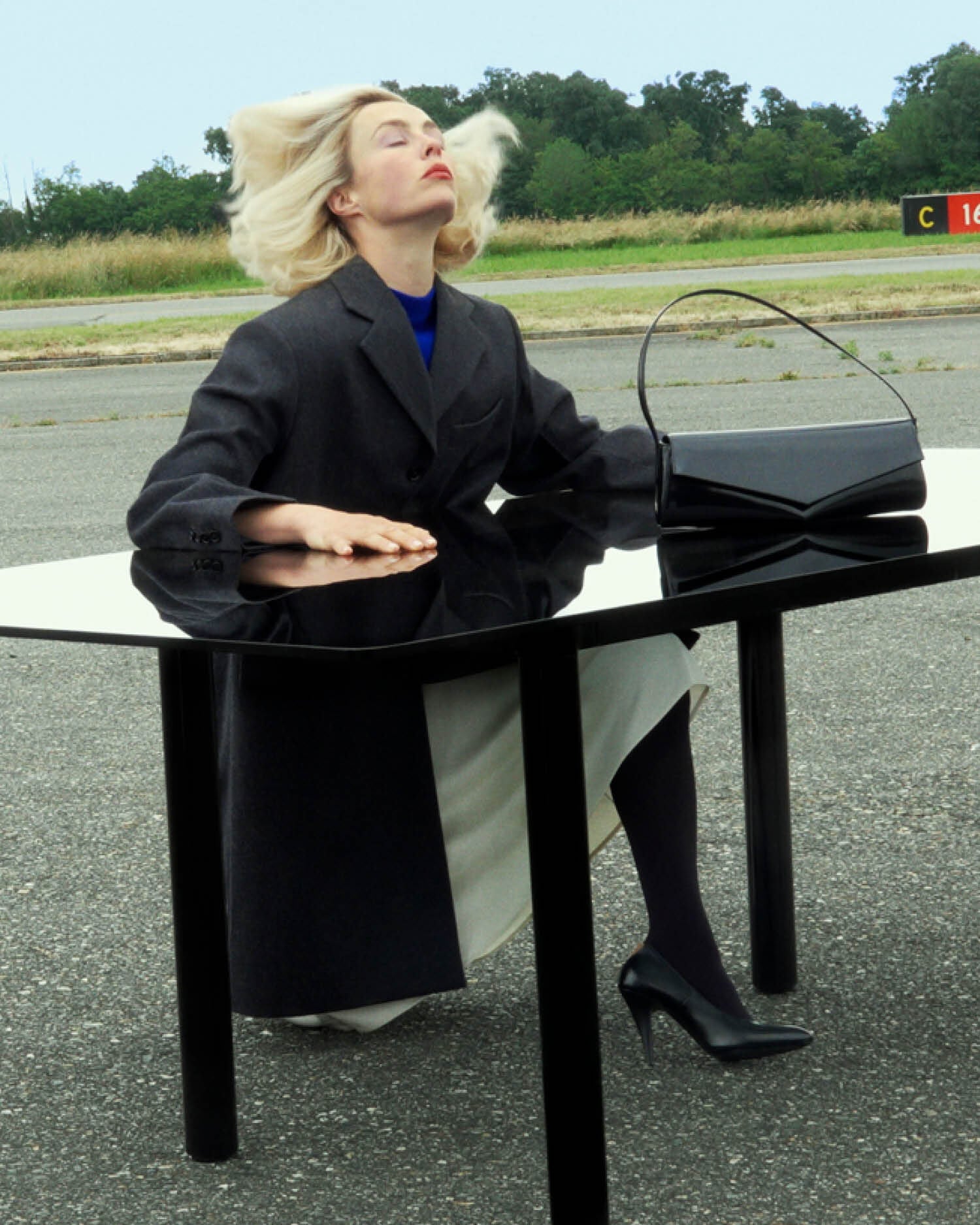
Jil Sander
Jil Sander founded her Hamburg fashion house in 1968, initially working from a mother’s sewing machine and building a language around restraint. The label’s early collections were deliberately pared back, a position that later became one of modern minimalism’s defining references. Here, clean tailoring sits beside tactile knitwear, sculptural accessories and practical shoes.
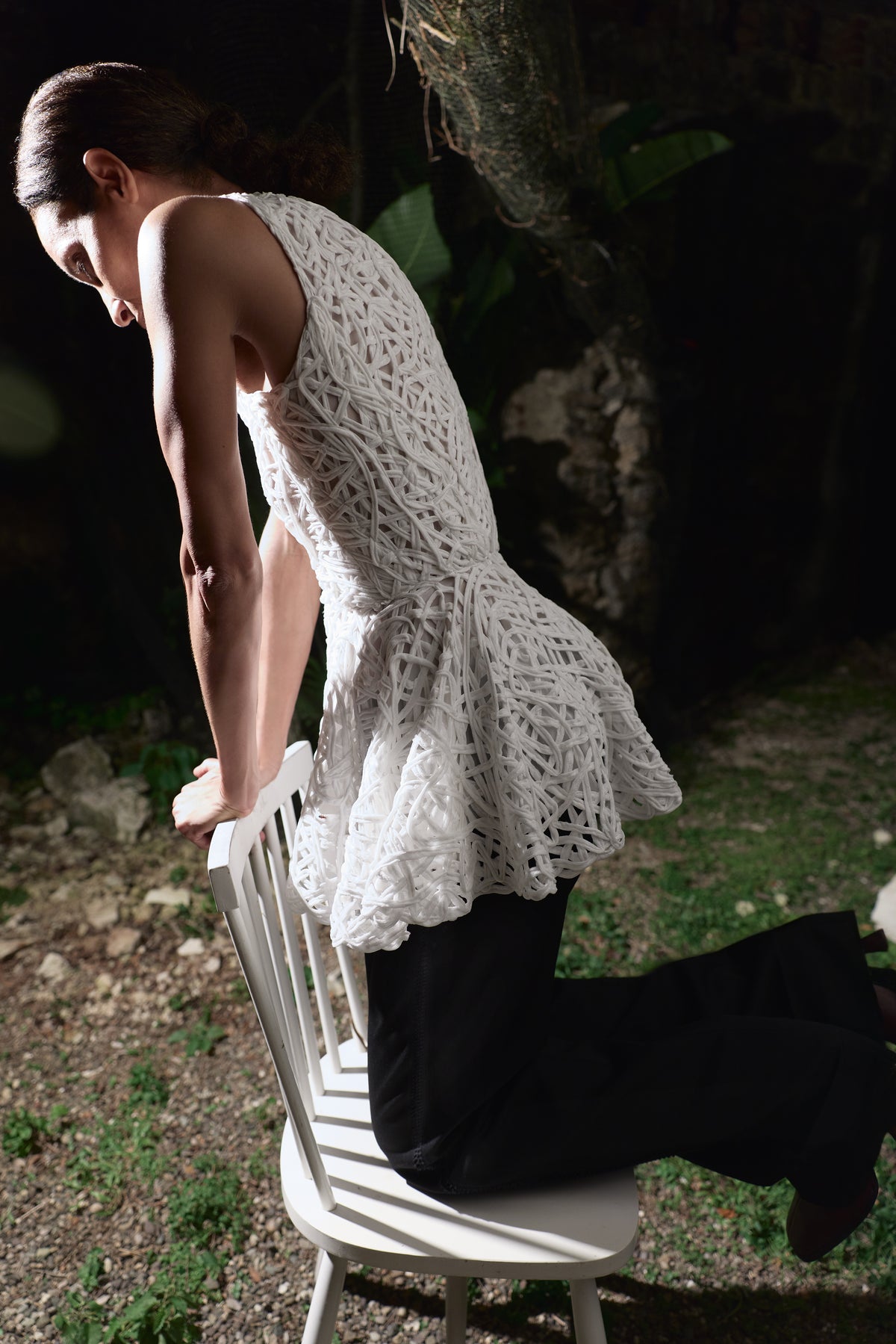
Diotima
Rachel Scott launched Diotima in 2021 after building a relationship with Jamaican craftswomen during the first months of the pandemic. The New York label joins Jamaican hand crochet with tailoring, draping and a clear interest in Caribbean cultural history. These are clothes with a visible hand in them, made for evenings when texture matters as much as silhouette.

Le Kasha
Le Kasha is a French house built around the soft logic of cashmere, linen and silk. Its story reaches back to 1918, when the original company supplied fabrics to houses including Lanvin, Patou and Chanel, before Mali Marciano relaunched it as a travel-minded wardrobe in 2016. The clothes are quiet, polished and made for a suitcase that does not want to be overpacked.
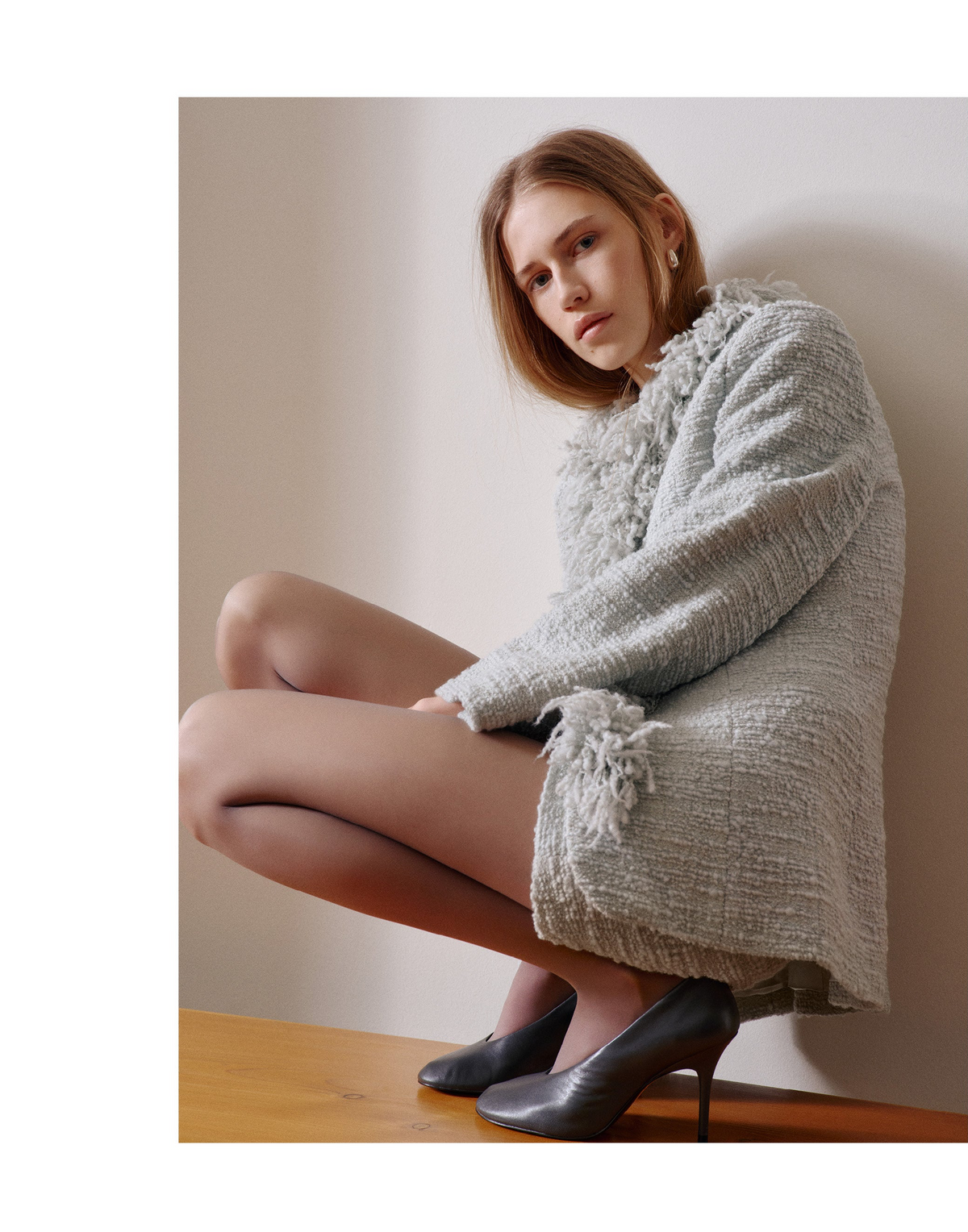
LIBEROWE
LIBEROWE turns the language of menswear into something more fluid, pairing disciplined tailoring with the sensuous ease of silk, velvet and chiffon. Founded by Paris-raised, London-trained designer Talia Loubaton, the label began with a jacket inspired by her travels in India and a small rail of bespoke orders. The result is clothing with a strong point of view, where a sharp shoulder or narrow collar does more work than a loud logo ever could.
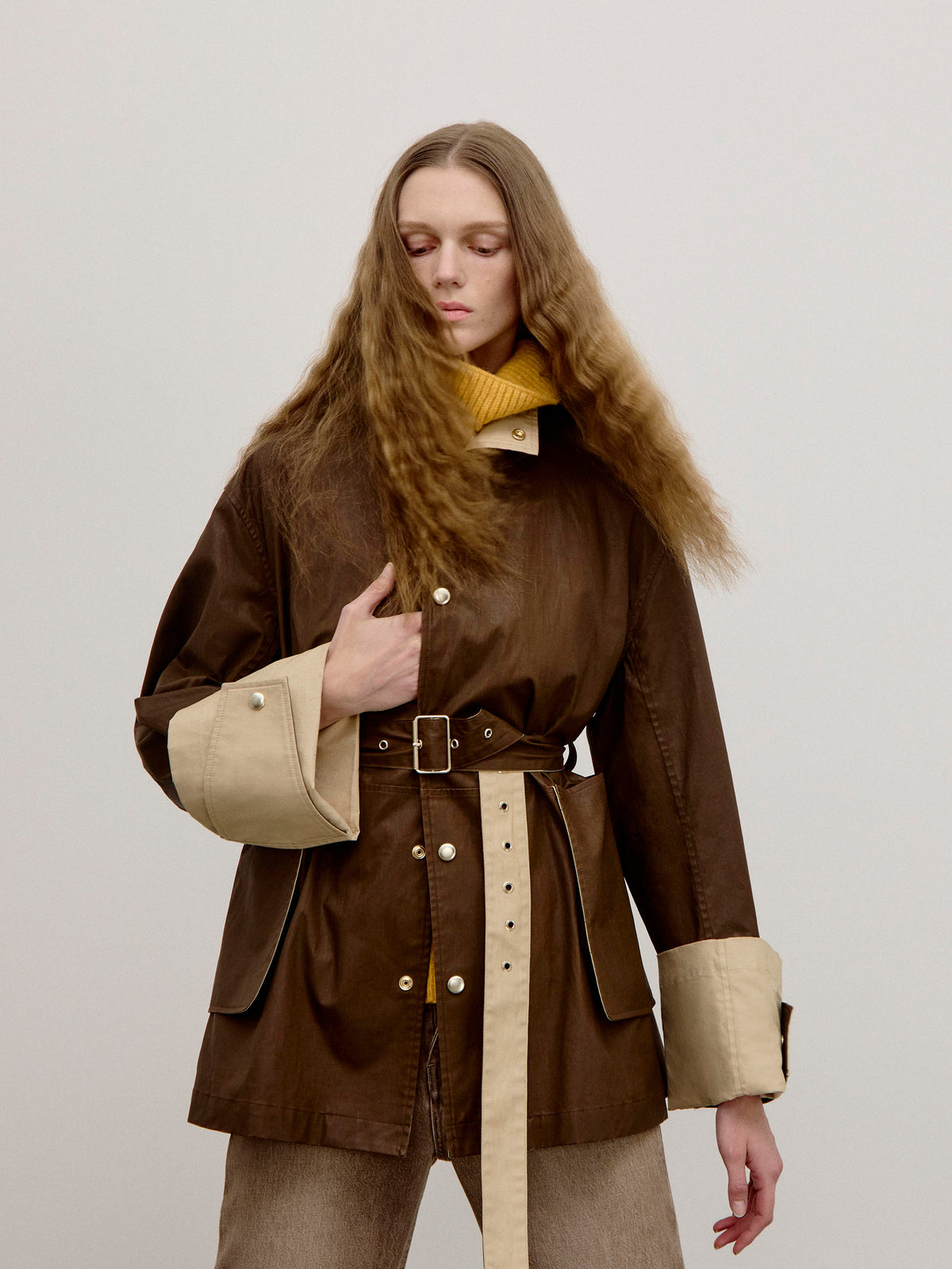
OSSOU
OSSOU treats denim as the structural part of a wardrobe, then builds outward in soft tailoring and useful layers. Founded in New York by Nina Khosla and Talia Shuvalov, the label takes its name from the Latin word for bone and makes that idea literal through jeans, shirting, and jackets. The result is spare, tactile, and more interested in proportion than decoration.
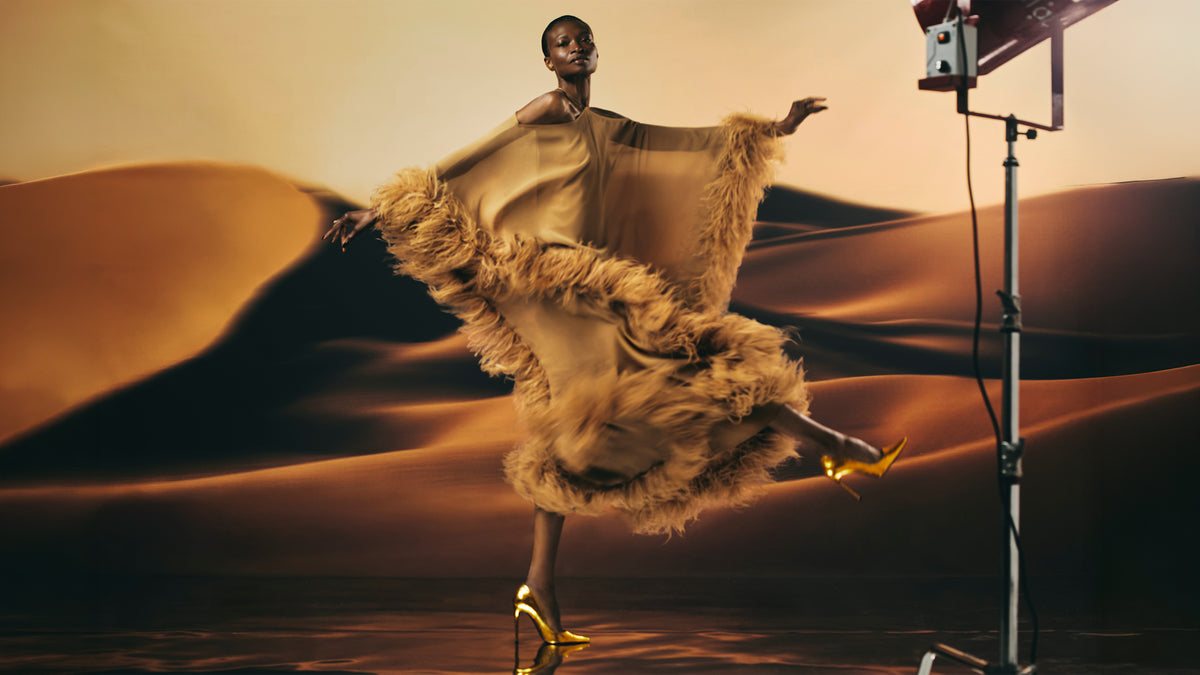
Taller Marmo
Taller Marmo makes occasion dressing feel less like a costume and more like a position. Riccardo Audisio and Yago Goicoechea founded the label in Dubai in 2013 after meeting in Milan, building their point of view around the fluidity of the kaftan and the glamour of the 1960s and 1970s. Fringes, feathers and luminous fabrics are handled with enough ease to keep the drama from becoming stiff.
Theory
Theory began with a simple challenge: make modern clothes that could move through real life. Founded in New York in 1997 by Andrew Rosen and Elie Tahari, the label made stretch fabric and precise fit central to its idea of the urban uniform. Today the wardrobe still reads clean and practical, with enough tailoring to keep comfort from looking casual.
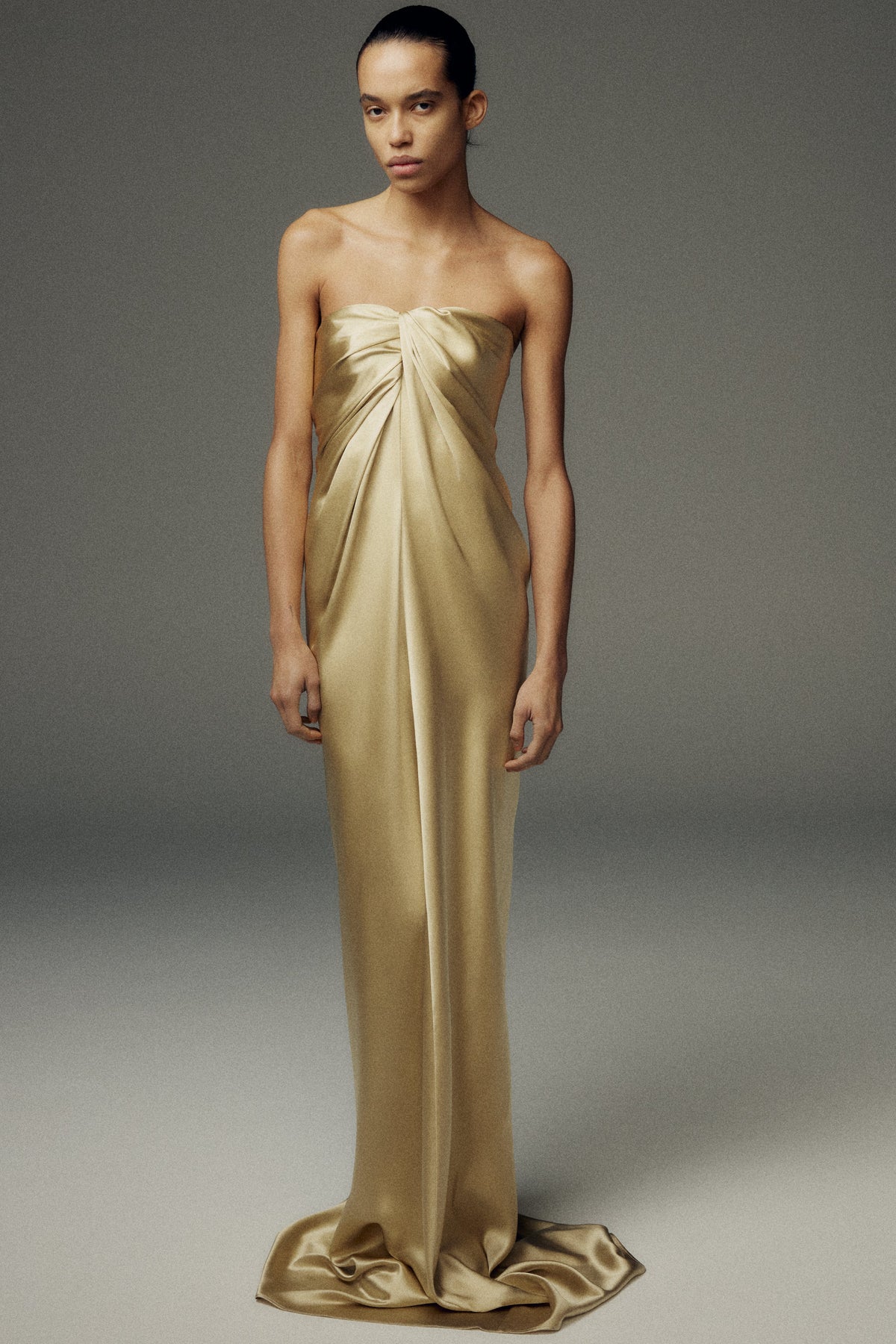
TOVE
TOVE makes clothes for the part of life that happens between the invitation and the next appointment. Camille Perry and Holly Wright founded the London label in 2019 after working together at Topshop, with a brief to create refined, feminine pieces that could move across work, dinner and travel. The silhouettes are quiet, but the fabrics and draping keep them from becoming anonymous.
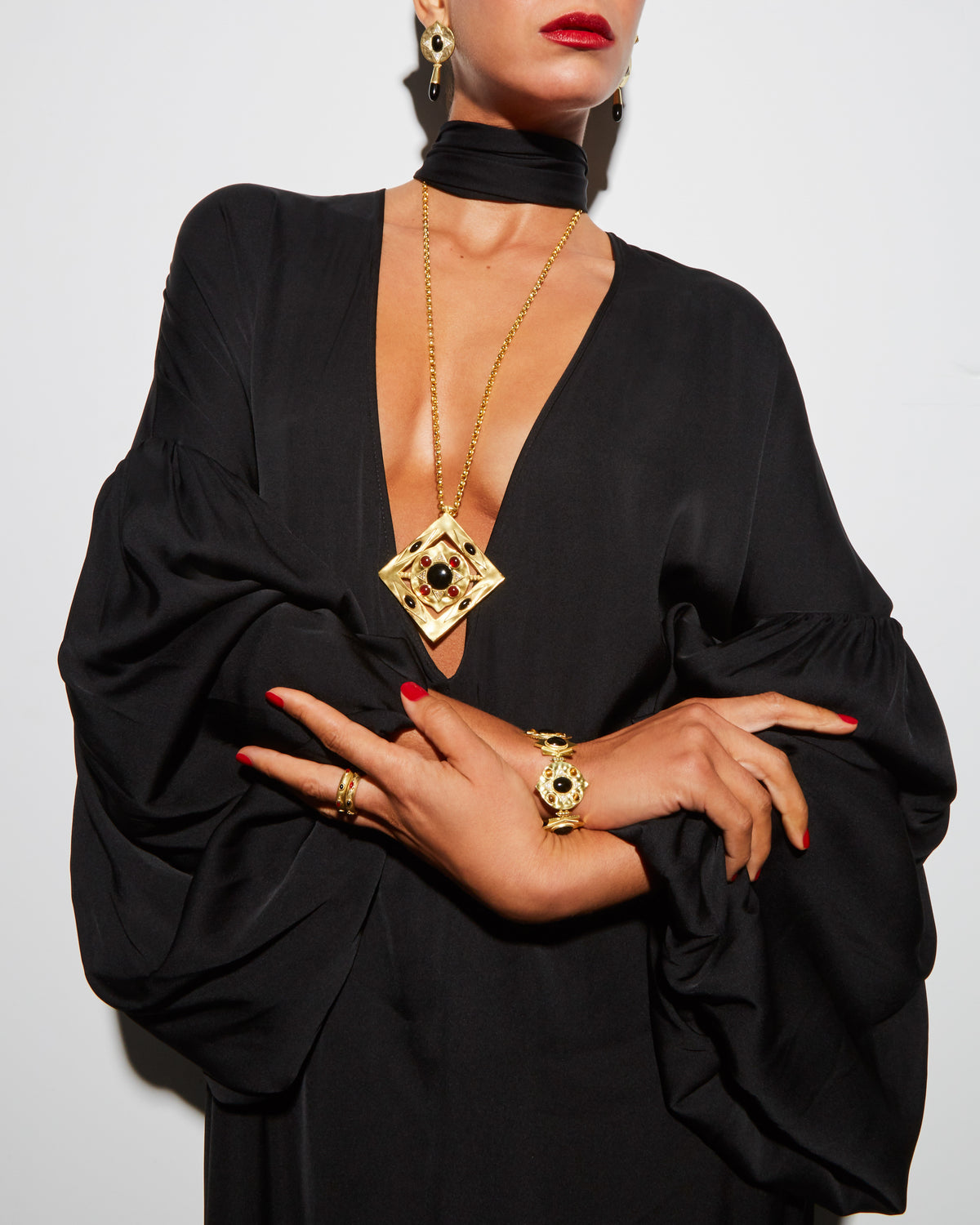
House of Harlow 1960
Nicole Richie built House of Harlow out of a childhood spent playing dress-up in the wings of her father's tours, and it shows in how unapologetically costume-inspired the pieces still are. What started as a small jewelry line with a Beverly Hills jeweler in 2008 grew into a full lifestyle label named after her daughter, worn by everyone from Rihanna to Michelle Obama. It is one of the rare celebrity-founded brands that has stayed in the hands of the person who started it.

Isabel Marant
Isabel Marant started sewing at fifteen after asking her father for a machine, then trained at Studio Bercot and apprenticed under Michel Klein before launching her own label in 1994 out of a Paris squat courtyard runway show. Her first boutique opened in 1998 on rue de Charonne and remains the flagship today, the same neighborhood logic she's built her entire aesthetic around: Parisian, unbothered, dressed like you didn't try. She's the designer credited with putting the wedge into the sneaker around 2010, a shoe that a decade later is still copied more than it's matched.