Cream or powder blush: which suits your skin, how each one wears through a day, and how to apply them without patchiness.
Cream Or Powder Blush, Explained
The choice is about your skin, not the shade
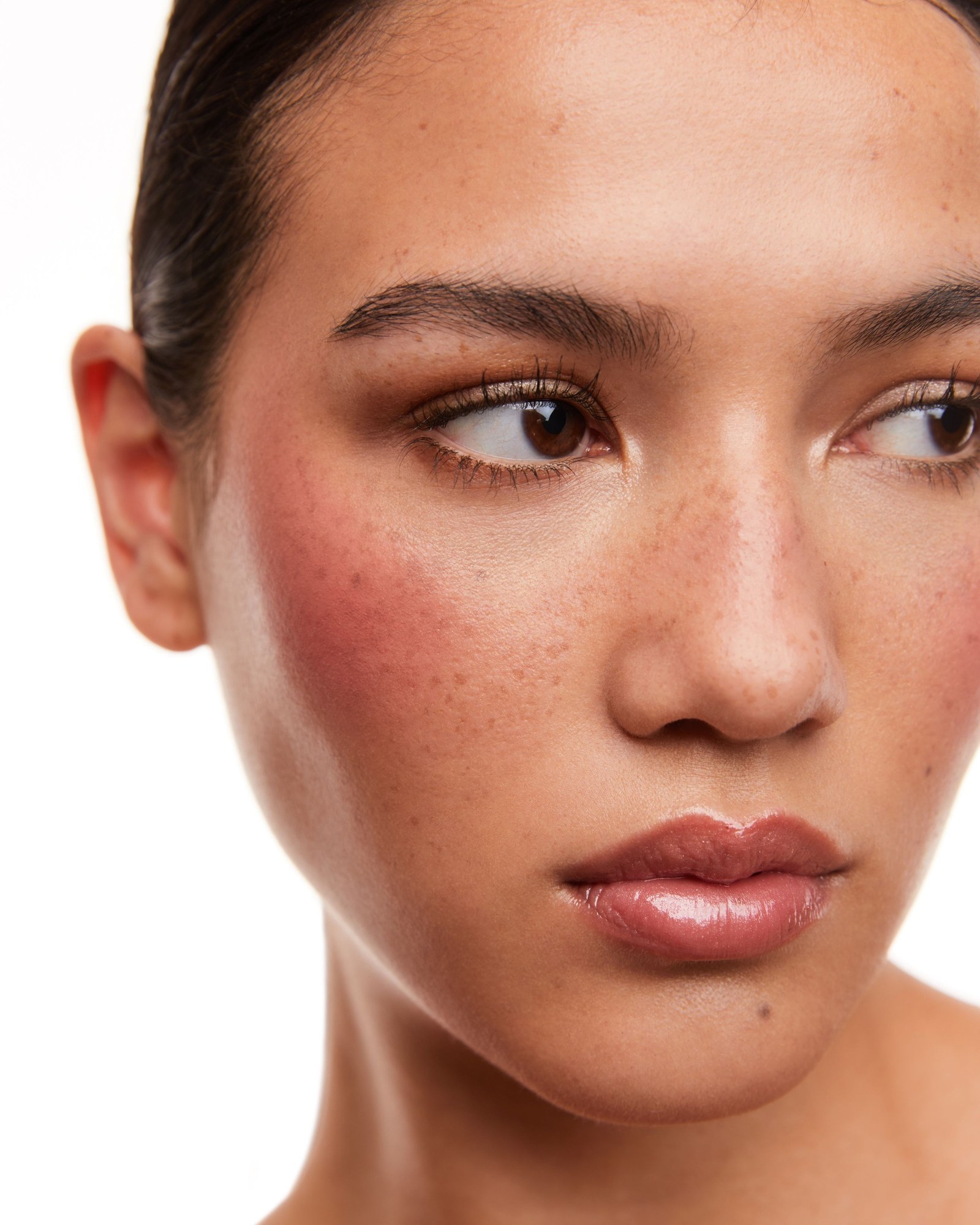
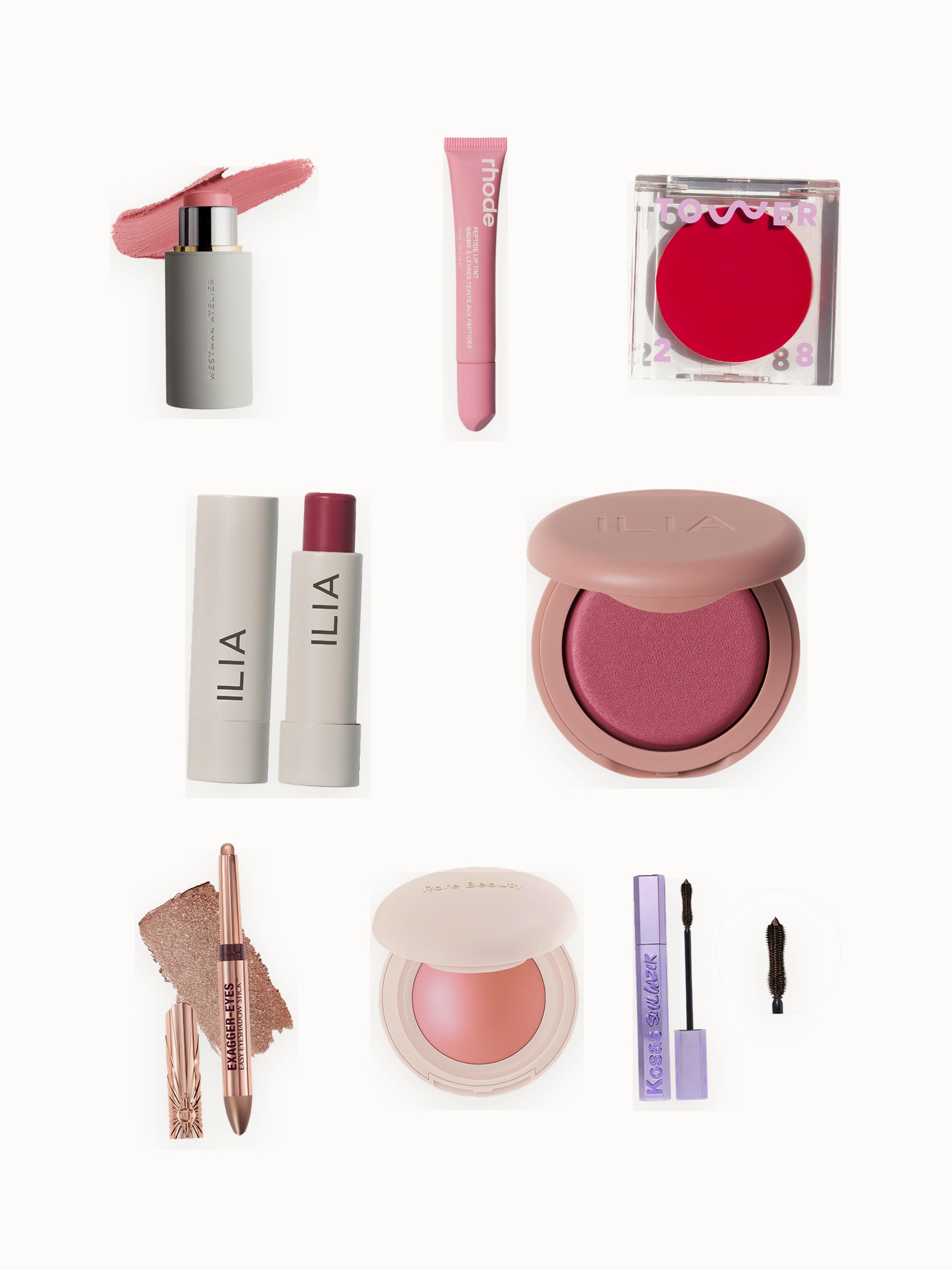
Cream and powder blush can be identical in colour and behave completely differently on a face, because the decision is really about the surface they are sitting on. Cream blush sits in the same family as the skin underneath it, so it melts into moisturiser and foundation and leaves a finish that reads as flush rather than as makeup. That makes it the better answer for dry skin, for mature skin where powder settles into texture, and for anyone who wants to look like they have been outside. Powder blush sits on top and absorbs a little oil while it is there, which is why oily and combination skin gets a longer, cleaner wear from it. Liquid formulas are a third category and behave like a stain: the pigment grabs fast, dries down and does not move for hours, which is excellent for longevity and unforgiving of a heavy hand. Formula changes with the season and with your skin, which is why the blush that looked perfect in February can look chalky in July. Oilier summer skin breaks down a cream faster and grabs at a powder harder, so it is reasonable to own one of each and let the weather decide rather than searching for a single product that works all year. The first group puts both textures side by side. Westman's Baby Cheeks and Tower 28's BeachPlease are easy creams to start with, NARS's Laguna comes as a cream and a powder, and Rare Beauty's Soft Pinch is a good example of how soft a powder can look.
Blush and bronzer, both textures

Light Reflecting™ Blush
NARS
$49

Laguna Bronzing Powder
NARS
$39.6

The Multiple
NARS
$36

Insatiable Liquid Blush
NARS
$32.4

Powder Blush
NARS
$32.4

Blush
NARS
$30.6

Powder Mini Blush
NARS
$16.2

Laguna Bronzing Cream
NARS
$39.6

Baby Cheeks Lip + Cheek Cream Blush Stick
Westman Atelier
$48

BeachPlease Lip + Cheek Dewy Cream Blush
Tower 28 Beauty
$20

Soft Focus Blurring Blush - Talc-Free Powder Blush
ILIA
$36

Soft Pinch Luminous Powder Blush
Rare Beauty
$27
Application is where each one fails
Cream blush fails when it is applied over powder. If you have set your base, a cream will drag, lift the powder underneath and leave a patch. Apply cream while the base is still slightly tacky, use fingers or a dense small brush, and tap rather than sweep. Powder blush fails in the opposite way, by grabbing on a damp or oily area and going down too strong to blend out. The fix is to load a fluffy brush, tap the excess off completely, and build in two or three light passes rather than one committed one. Liquid formulas fail fastest of all, because they set in seconds: put the product on the brush rather than on your face, work one cheek at a time, and never try to correct one after it has dried. Bronzer follows the same logic. A cream bronzer wants to go on before powder, a powder bronzer after. Brushes matter more with powder than with cream. A dense brush deposits a lot of pigment in a small area and is very hard to correct; a fluffy one deposits little and blends as it goes. If your powder blush always looks too strong, the brush is the likely culprit rather than the shade.
The base it has to sit on

The Light Reflecting™ Foundation & Setting Powder
NARS
$100

Natural Radiant Longwear Foundation
NARS
$49.5

Sheer Glow Foundation
NARS
$45

Soft Matte Complete Foundation
NARS
$40.5

Radiance Primer SPF 35
NARS
$34.2

Light Reflecting™ Advanced Skincare Foundation
NARS
$49.5

Natural Matte Longwear Foundation
NARS
$49.5

Pure Radiant Tinted Moisturizer SPF 30
NARS
$45
Layering, placement and making it last
Placement changes a face more than shade does. Colour on the apple of the cheek reads youthful and round; the same colour swept slightly higher toward the temple lifts. Both work, but choosing deliberately is better than defaulting. If you want a blush to survive a long day, layer it: a cream first, then a matching powder on top of it. The cream gives the colour something to hold on to and the powder locks it, and this combination outlasts either alone. Keep the rest of the face quiet if the cheek is strong. A saturated blush plus a full lip plus a dark eye is three things competing, and the usual result is that the blush reads as too much when the real problem is elsewhere. Match the finish of the blush to the finish of the base: a matte base with a very dewy cream cheek can look like two separate products having an argument. Setting is the last variable. A light dusting of translucent powder over a cream blush extends its wear and mutes it slightly, which is useful if you have gone in too heavy. Spraying a setting mist afterwards does the opposite and brings back some of the dewiness a powder took away. With a strong cheek, a sheer lip like rhode's Peptide Lip Tint or ILIA's Balmy Tint and one coat of Kosas's Soulgazer mascara keep things balanced, and Charlotte Tilbury's Exagger-Eyes stick is an easy wash of color on the lids if you want a little more.
Finishing the rest of the face

Quad Eyeshadow
NARS
$49.5

Ultimate Luxury Explicit Lipstick
NARS
$42

Audacious Lipstick
NARS
$34

Afterglow Sensual Shine Lipstick
NARS
$32.4

Powermatte Lipstick
NARS
$32.4

Air Matte Ultra Lip Tint
NARS
$28

Climax Liquid Eyeliner
NARS
$27

Notorious Mascara
NARS
$26.1

Peptide Lip Tint Nourishing Glaze
rhode
$20

Balmy Tint Hydrating Lip Balm
ILIA
$29

Exagger-Eyes Waterproof Eyeshadow Stick
Charlotte Tilbury
$32

Soulgazer Lengthening Mascara + Lash Serum
Kosas
$28
Our honest take
If you only buy one, buy a cream, because it is more forgiving on skin that is not perfectly smooth and it is far easier to apply badly and still look fine. Powder is the better choice only if you are genuinely oily or you set your whole face, in which case a cream will never behave. Skip the very pigmented liquid stains unless you have practised, since they are the least correctable thing in a makeup bag. And ignore any rule matching blush shade to skin tone, because intensity matters far more than hue. If you take one thing away: build in light layers and stop one pass earlier than you think, since you can always add more.