Estate, antique and vintage are not synonyms, and the difference changes the price. What each word actually claims about a piece.
Estate, Antique or Vintage Jewelry: What the Words Mean
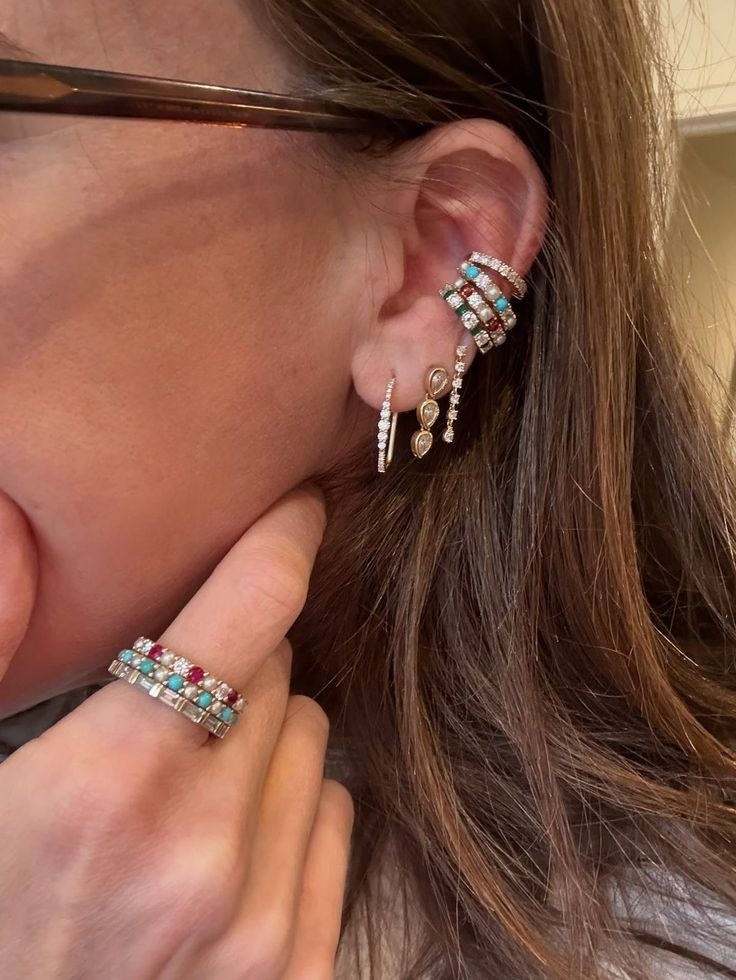
Three words, three different claims
Antique has the firmest meaning of the three. It conventionally means a piece at least a hundred years old, and in most markets that is treated as a real threshold rather than a flourish. Vintage is softer and usually means somewhere between twenty and a hundred years old, which is a very wide range covering pieces with almost nothing in common. Estate is the word that catches people out, because it says nothing about age at all. Estate means previously owned. A piece made in 2019 and sold on is estate jewellery, entirely accurately. Understanding this matters because the three words carry different price expectations, and a seller using estate to imply antique is not lying, only allowing you to. When a listing uses estate as its headline description, the useful follow up is always the same question. What is the date, and how is it established. A specific answer means documentation or a datable hallmark. A vague answer means an estimate.
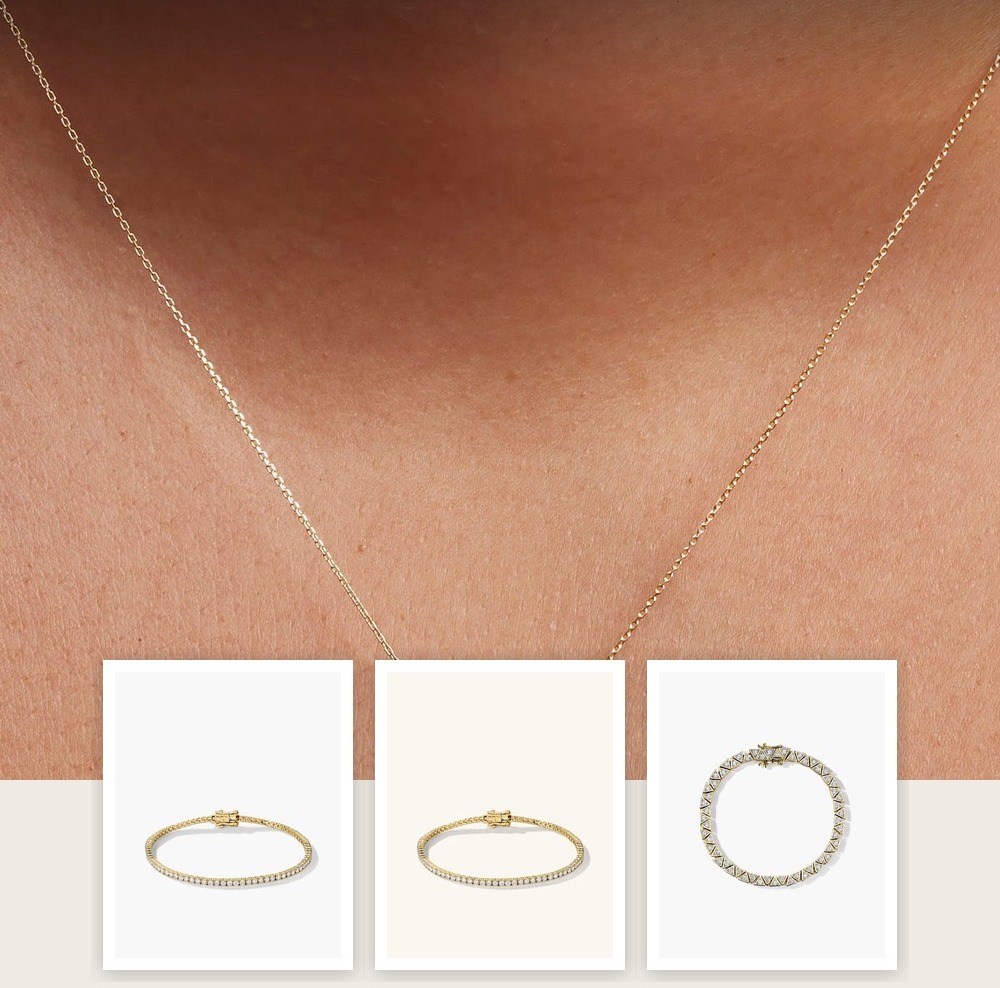
Estate-style pieces

Kenneth Cole - Fur Coat
Kenneth Cole
$150

iets frans - Green Sporty Top - T Shirt - Size M
iets frans
$10

Meshki - Bellamy Lace Set - XXS
Meshki
$50

Camila Coelho White Crochet Cold-Shoulder Mini Dress
Camila Coelho
$70

Lab Grown Diamond Graduated Modern Tennis Bracelet
Aurate New York
$8,898

Lab Grown Diamond Oval Tennis Bracelet
Aurate New York
$8,798

Lab Grown Diamond Emerald Tennis Bracelet
Aurate New York
$8,798

Diamond Tennis Bracelet 1.8mm
Mejuri
$4,400

Patra Diamond Tennis Bracelet
Mejuri
$4,400
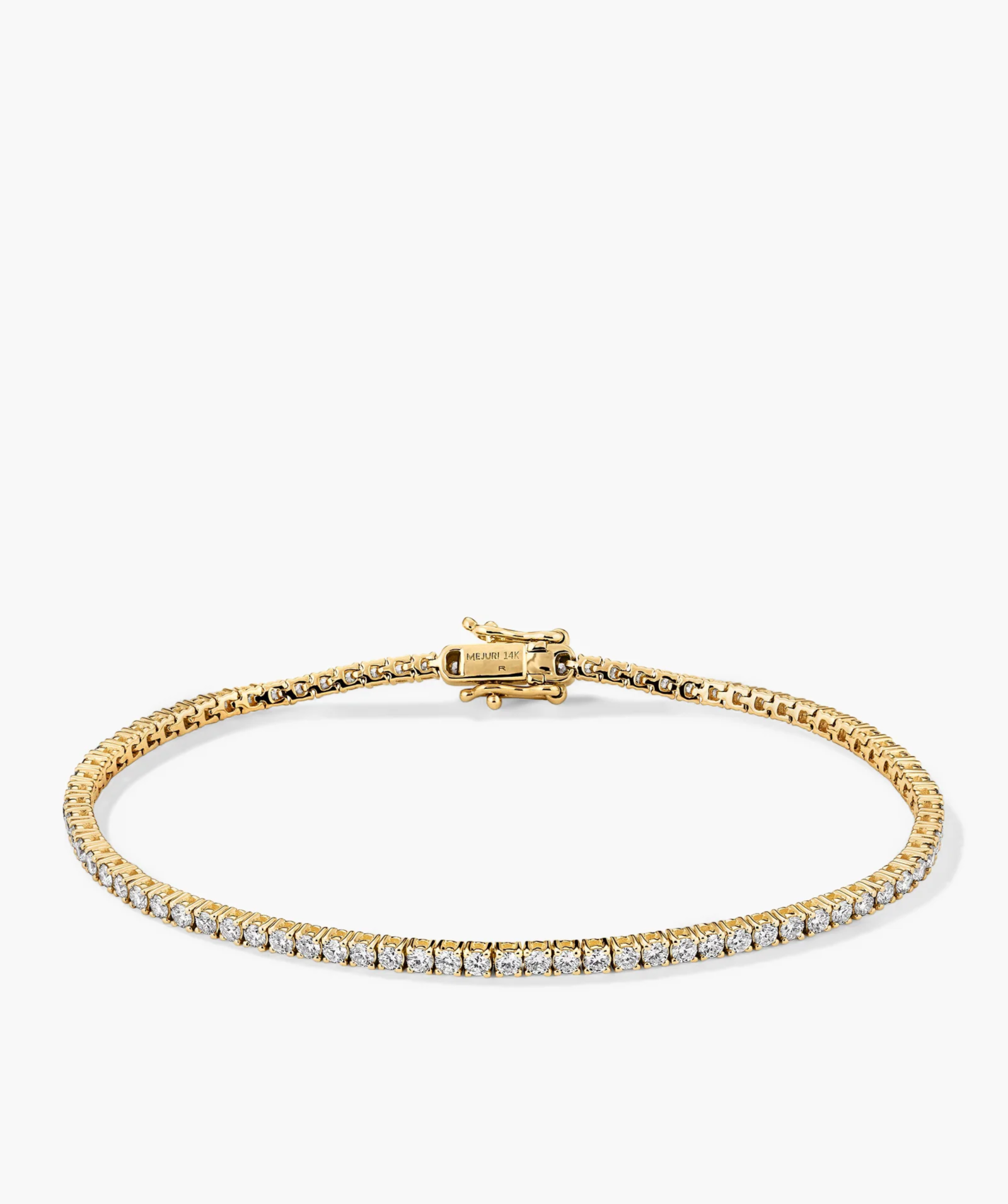
Lab Grown Diamond Tennis Bracelet 1.8mm
Mejuri
$3,200

14K Princess Cut Double Diamond Pendant Necklace
Jenny Bird
$795

14K Stacked Baguette Diamond Necklace
Jenny Bird
$595
How age is actually established, and what it is worth
Age is established from hallmarks, from construction methods, from cut, and from the setting style. Hallmarks are the strongest evidence where they exist, since assay marks in several countries encode a year. Construction is next. Hand-cut stones, closed-back settings and certain solder techniques place a piece within a period even without a mark. Stone cut is a good clue, because older cuts were made for candlelight and read differently from modern brilliants. What is worth paying for is a different question from what is old. Age alone adds little unless the piece is also well made and in good condition, and a worn antique is often worth less than a good vintage piece. Signed pieces from known houses carry a premium that has nothing to do with age. And condition beats everything, because a piece with a cracked stone or a rebuilt shank is a repair project regardless of the decade it came from.


Our honest take
The words matter mostly as a defence against paying antique prices for secondhand. If a seller says estate, hear previously owned, and price accordingly. If a seller says antique without a mark or a documented provenance, hear probably old. And if a seller says vintage, hear almost nothing, because the term covers a piece from the 1930s and a piece from the 1990s with equal comfort. None of this should put you off. Secondhand is the best value in jewellery by a wide margin, and a well made piece from thirty years ago will outlast most things made now. The pieces here are new rather than secondhand, in the estate idiom, for anyone who wants the look with a warranty attached. If you take one thing away, ask how the date was established, because a seller who can answer that is a seller who knows what they have.






Next read
Secondhand Louis Vuitton Damier Ebene Or Damier Azur
Damier Ebene and Damier Azur are the same coated canvas in two colourways, and the secondhand market treats them as two different products.
Read Editorial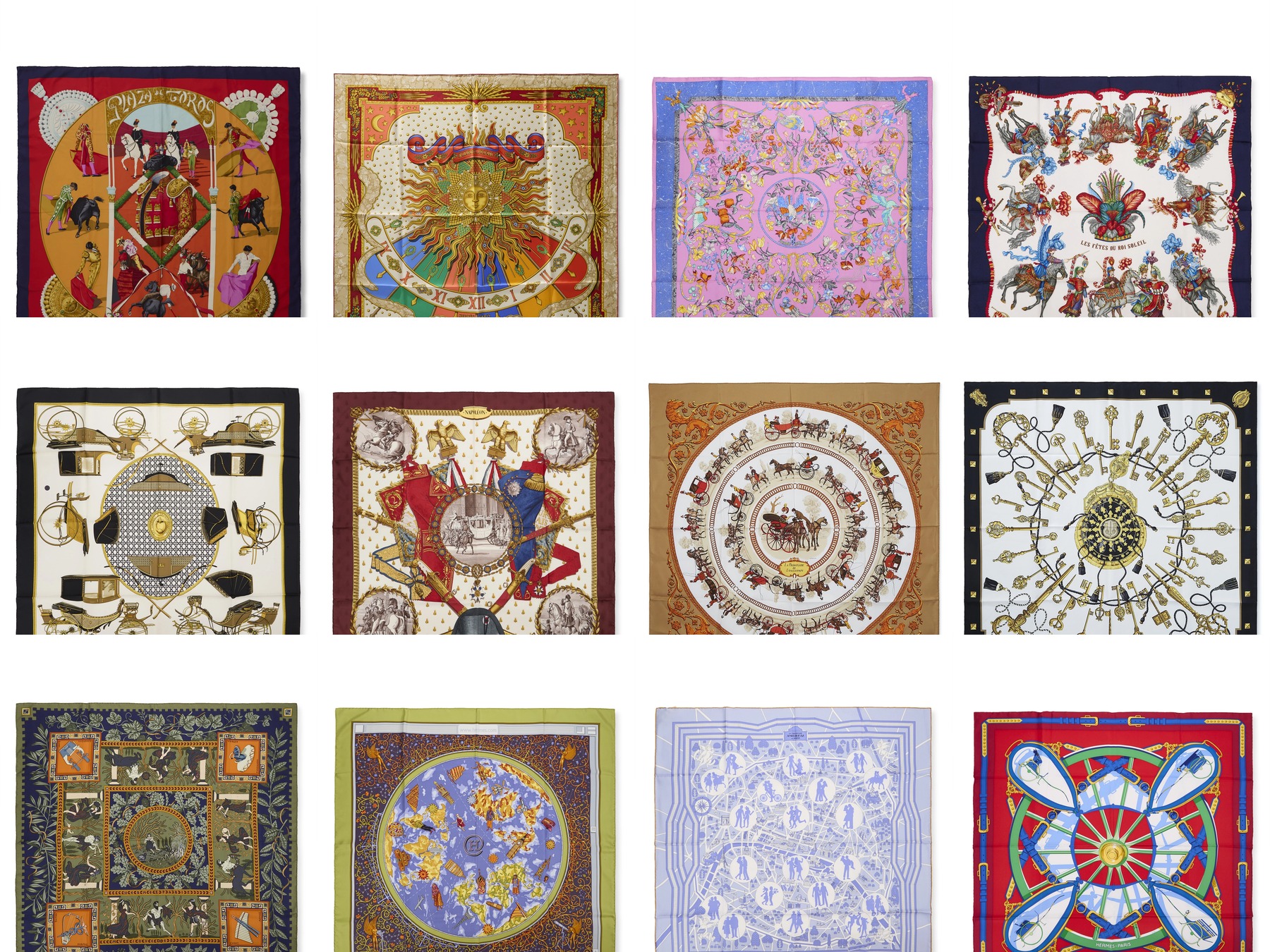
Secondhand Silk My Favs
My sixteen selects of scarves below are all ninety centimetre squares, split into two price bands