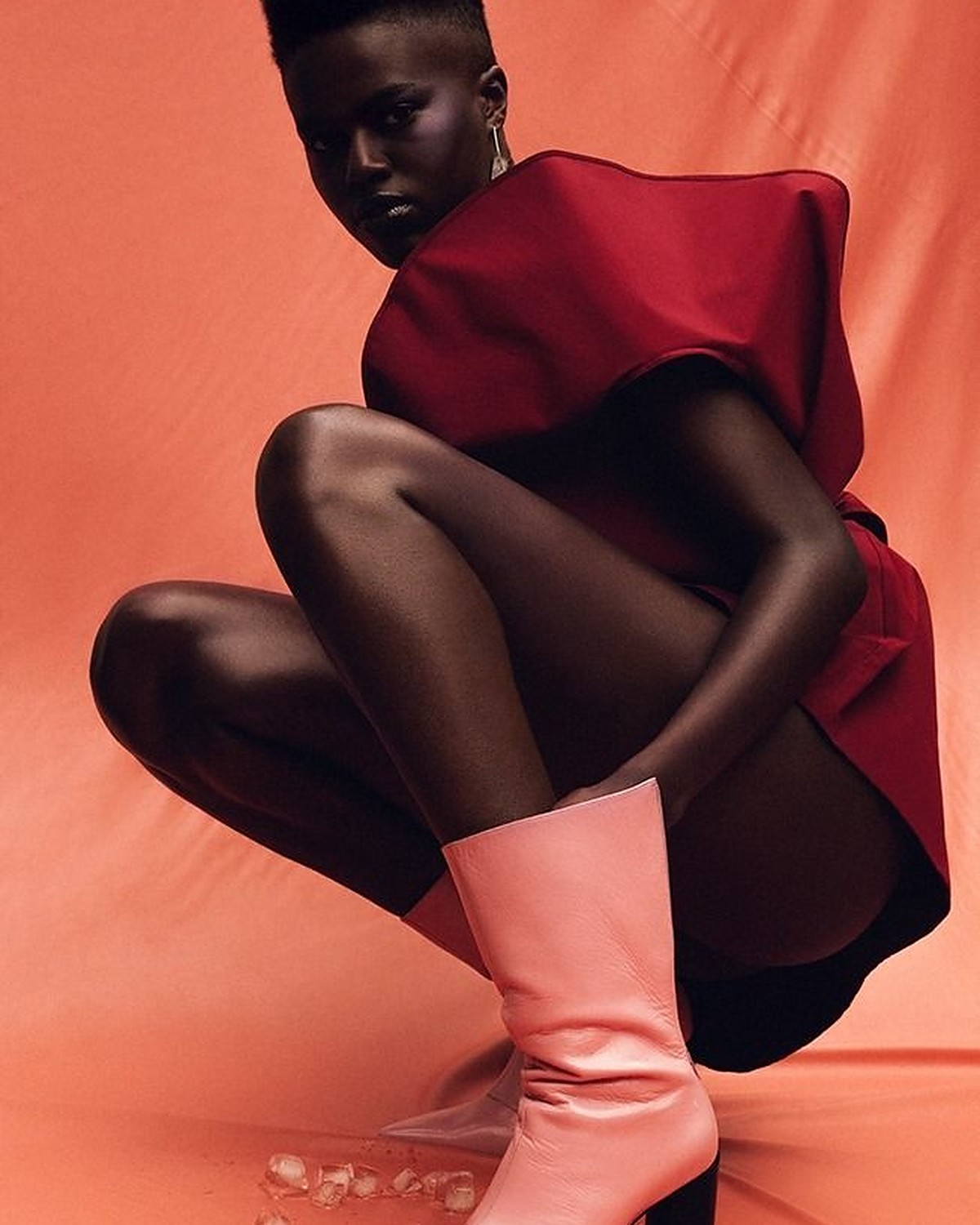
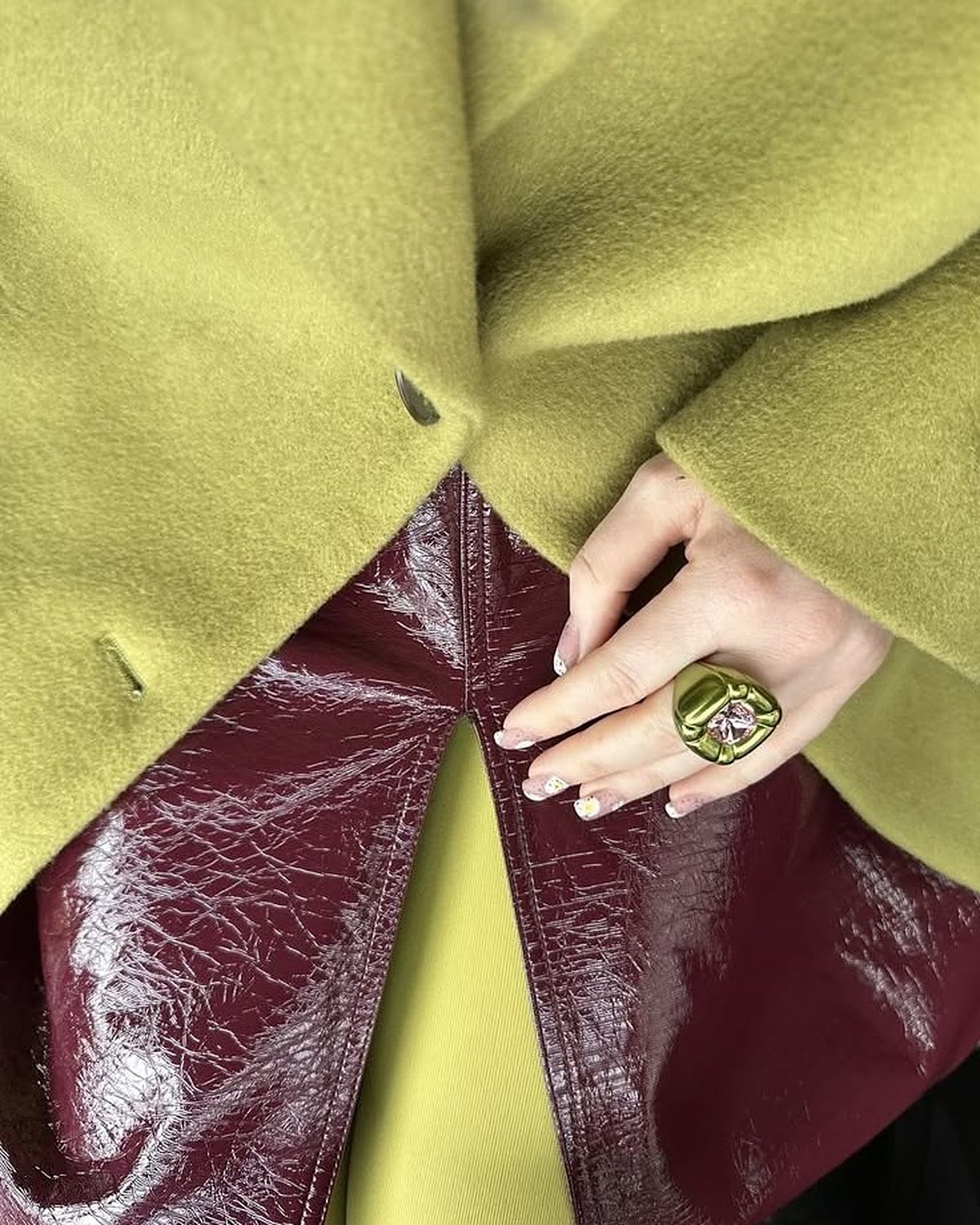
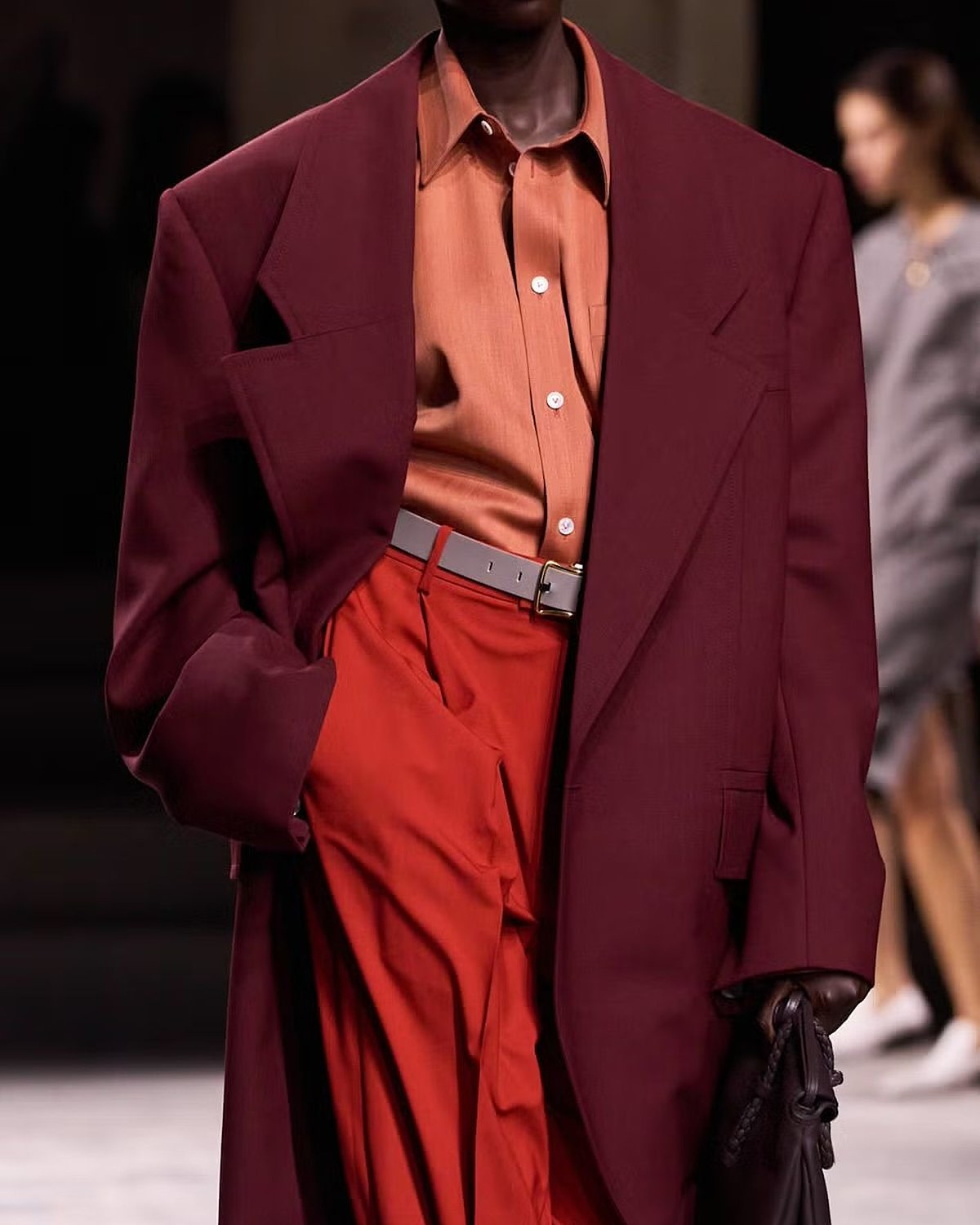
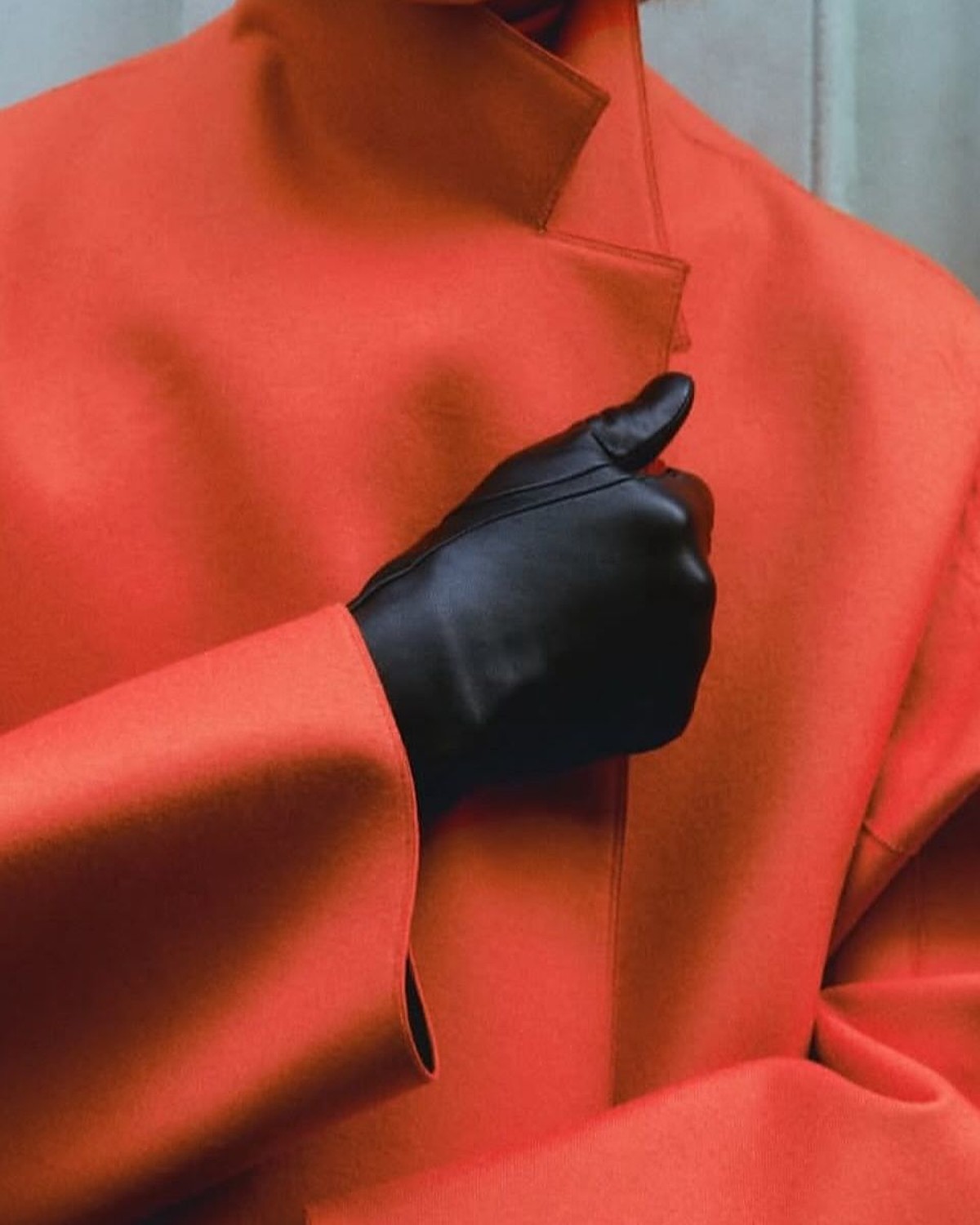
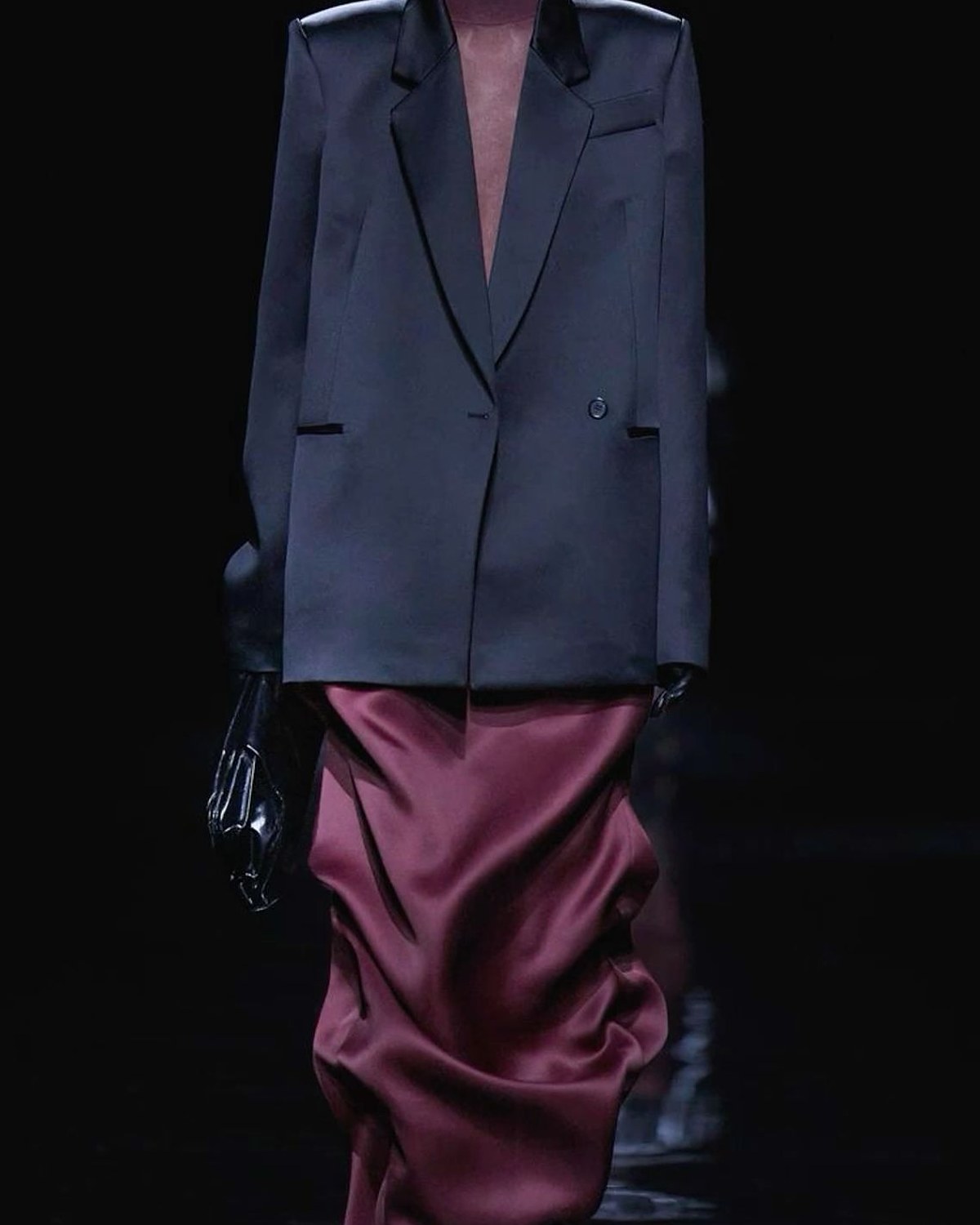
A collective of Spanish leather artisans opened a workshop on Madrid's Calle Lobo in 1846, and in 1872 the German leather craftsman Enrique Loewe Roessberg joined the operation and put his name on it, which is the moment most histories date the house's real founding to. Loewe has spent nearly two centuries since as a leather-goods specialist first, later expanding into ready to wear and accessories, and its main atelier still operates in Madrid where the whole thing started.
Loewe
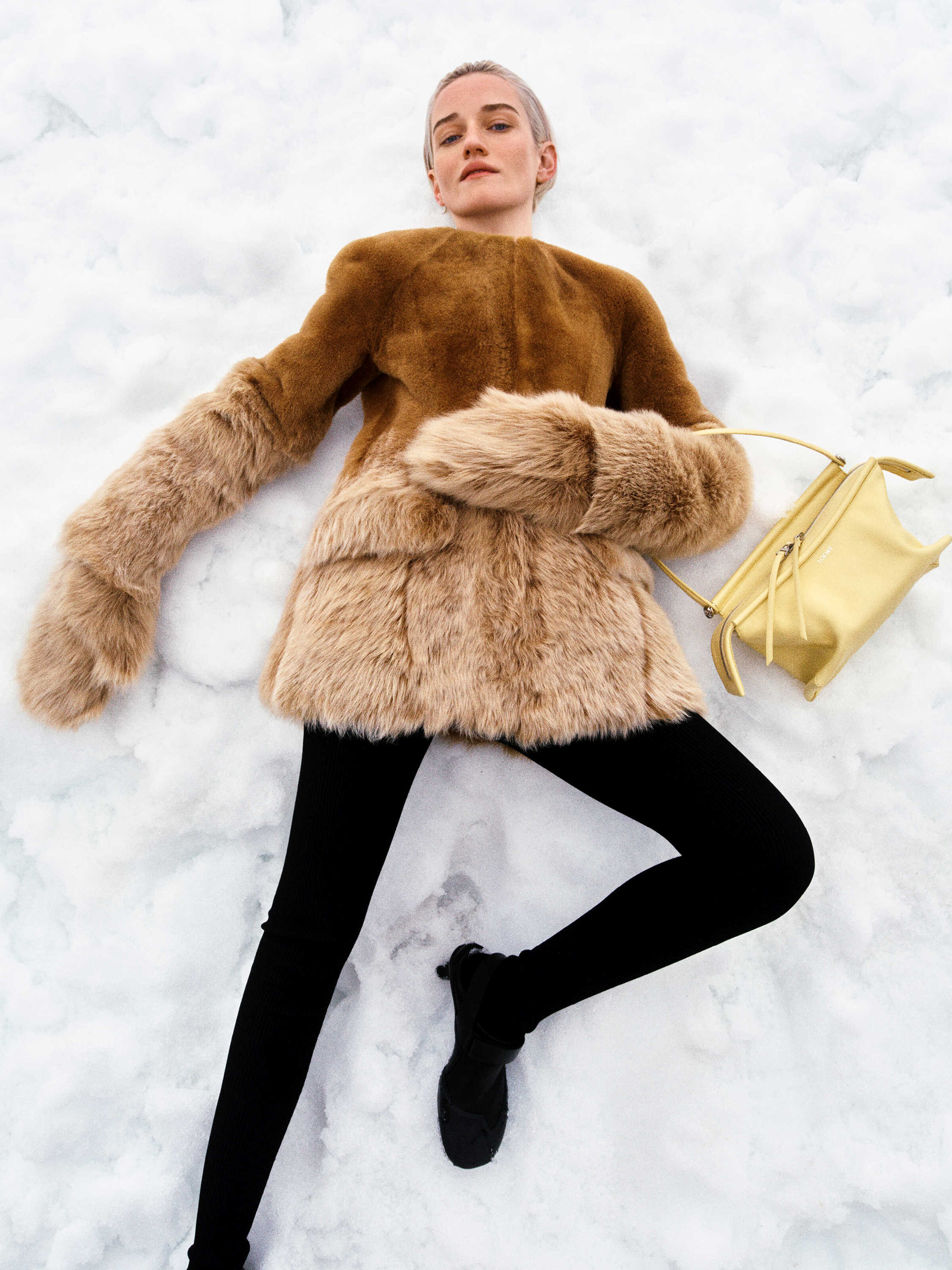
Accessories
Leather is the category Loewe was actually built on, back when the original Madrid workshop made purses, wallets and cigarette cases rather than clothing. Everything in this grid traces back to that original leathermaking specialty rather than a later runway addition. It is the house's oldest and most literal skill on display.

Anagram Oval-Frame Acetate Sunglasses
Loewe
$420

Slim Square-Frame Acetate Sunglasses
Loewe
$360

Slim Square-Frame Acetate Sunglasses
Loewe
$360

Anagram Square-Frame Acetate Optical Glasses
Loewe
$420

Signature Square-Frame Metal Sunglasses
Loewe
$590

Signature Square-Frame Metal Sunglasses
Loewe
$590

Signature Cat-Eye Acetate Sunglasses
Loewe
$440

Slim Square-Frame Acetate Optical Glasses
Loewe
$410

Signature Square-Frame Acetate Sunglasses
Loewe
$440

Signature Cat-Eye Acetate Sunglasses
Loewe
$440

Signature Square-Frame Acetate Sunglasses
Loewe
$440

Signature Cat-Eye Acetate Sunglasses
Loewe
$440

Slim Round-Frame Metal Sunglasses
Loewe
$560

Signature Square-Frame Acetate Sunglasses
Loewe
$440

Signature Cat-Eye Acetate Sunglasses
Loewe
$440

Curvy Cat-Eye Acetate Sunglasses
Loewe
$360

Slim Square-Frame Acetate Optical Glasses
Loewe
$320

Anagram Square-Frame Acetate Optical Glasses
Loewe
$410

Anagram Square-Frame Acetate Sunglasses
Loewe
$420

Cat-Eye Acetate Sunglasses
Loewe
$360

Slim Aviator-Frame Acetate Glasses
Loewe
$310

Butterfly Acetate Sunglasses
Loewe
$420

Shield Mask-Frame Metal Sunglasses
Loewe
$520

Beveled Pentagon Acetate Sunglasses
Loewe
$420
More Accessories
A second stretch of the same leather-first logic, expanded across shapes and finishes but still anchored to the artisanal techniques the house has kept in its Madrid workshop since the nineteenth century. Loewe was granted the title of official supplier to the Spanish Royal Court in 1905, a fairly formal stamp on a very old skill. This is that skill working at range.

Shield Mask-Frame Metal Sunglasses
Loewe
$520

Shooting Star Cat-Eye Metal Sunglasses
Loewe
$500

Aviator-Frame Acetate Sunglasses
Loewe
$420

Anagram Oversized D-Frame Acetate Sunglasses
Loewe
$440

Island Round-Frame Metal Sunglasses
Loewe
$490

Aviator-Frame Acetate Sunglasses
Loewe
$420

Curvy Oversized Aviator-Frame Acetate Sunglasses
Loewe
$340

Square-Frame Acetate Sunglasses
Loewe
$340

Oversized Cat-Eye Acetate Glasses
Loewe
$310

Epsilon Slim Round-Frame Acetate Glasses
Loewe
$310

Round-Frame Acetate Sunglasses
Loewe
$360

Anagram Cat-Eye Acetate Sunglasses
Loewe
$420

Oversized Round-Frame Acetate Glasses
Loewe
$320

Cat-Eye Acetate Sunglasses
Loewe
$410

Square-Frame Acetate Glasses
Loewe
$290

Cay-Eye Acetate Sunglasses
Loewe
$360

Cat-Eye Acetate Sunglasses
Loewe
$410

Square-Frame Acetate Sunglasses
Loewe
$360

Square-Frame Acetate Sunglasses
Loewe
$360

Cat-Eye Acetate Sunglasses
Loewe
$420

Anagram D-Frame Acetate Sunglasses
Loewe
$390

Triangle Slim Acetate Sunglasses
Loewe
$360

Slim Rectangle-Frame Acetate Sunglasses
Loewe
$340

Aviator-Frame Acetate Glasses
Loewe
$410
Still more Accessories
Accessories make up the widest part of most Loewe assortments for a reason: it is the part of the business the house never really had to reinvent, unlike ready to wear, which came much later. What is gathered here reflects nearly two centuries of leather craft rather than one creative director's single season. It rewards close attention to construction, not just silhouette.

Square-Frame Acetate Glasses
Loewe
$410

Slim Aviator-Frame Acetate Glasses
Loewe
$310

Square-Frame Acetate Sunglasses
Loewe
$340

Square-Frame Acetate Glasses
Loewe
$290

Round-Frame Acetate Glasses
Loewe
$320

Epsilon Slim Round-Frame Acetate Sunglasses
Loewe
$340

Square-Frame Acetate Glasses
Loewe
$360

Square-Frame Acetate Glasses
Loewe
$320

Round-Frame Acetate Glasses
Loewe
$320

Anagram Round-Frame Acetate Glasses
Loewe
$390

Collage Acetate Mask Sunglasses
Loewe
$520

Paula's Ibiza Dive in Mask Acetate Sunglasses
Loewe
$390

Round-Frame Acetate Glasses
Loewe
$360

Shooting Star Cat-Eye Metal Sunglasses
Loewe
$500

Epsilon Slim Round-Frame Acetate Glasses
Loewe
$310

Anagram Square-Frame Acetate Glasses
Loewe
$390

Square-Frame Acetate Glasses
Loewe
$320

Cat-Eye Acetate Glasses
Loewe
$320

Anagram Square-Frame Acetate Sunglasses
Loewe
$460

Square-Frame Acetate Glasses
Loewe
$410

Pilot Slim Acetate Glasses
Loewe
$410

Coil Sunglasses
Loewe
$490

Coil Sunglasses
Loewe
$490

Panthos Coil Sunglasses
Loewe
$520
Even more Accessories
This closing accessories stretch keeps circling the same premise, that Loewe's leather work is the throughline connecting its earliest workshop days to its current status as one of the world's oldest luxury houses. The pieces vary in shape and function but not in that underlying discipline. It is craft that predates every trend it has since been dressed up in.


Jackets and blazers
Ready to wear came to Loewe long after leather goods did, so tailoring here carries less of the house's founding history and more of its modern ambitions as a full fashion house rather than a leather workshop. The construction still leans on the same attention to material the house built its name on. It is the newer half of a very old story.


Trousers and shorts
Trousers and shorts sit in that same newer chapter of the house, clothing built to stand next to a two-century-old leather-goods reputation without simply trading on it. The fabrication choices tend to be where the house's material obsession still shows through, even outside leather. It is Loewe's craft instinct applied to a different material.


More from the collection
This last stretch rounds out the edit with pieces that do not sit neatly under one category but still carry the house's basic argument, that meticulous material work matters more than any single season's silhouette. Loewe has been part of LVMH since 1996, the year of its 150th anniversary, without losing the Madrid atelier where it all began. It closes the assortment on the same craft the house opened with in 1846.

Signature Sunglasses
Loewe
$590

Slim Sunglasses
Loewe
$360

Logo Embroidered Wool Crewneck Sweater
Loewe
$990

Embroidered wool-blend sweater
Loewe
$1,800

Plush-trimmed ribbed wool sweater
Loewe
$1,350

Anagram Eye Glasses
Loewe
$420

Anagram Eye Glasses
Loewe
$440

Slim Eye Glasses
Loewe
$340

Amazona 180 medium suede shoulder bag
Loewe
$4,900

Whisker leather shoulder bag
Loewe
$3,400

Flamenco medium suede clutch
Loewe
$3,150

Striped Draped Waist Button-Down Shirt
Loewe
$1,300

Logo-embroidered ribbed T-shirt
Loewe
$1,350

Double L suede loafers
Loewe
$1,150

Dive 45 logo-detailed rubber-trimmed leather slingback pumps
Loewe
$1,650

Backless Draped Crepe Maxi Dress
Loewe
$4,700
Our honest take
Our honest take is that Loewe's real advantage is time: very few houses this old still run production out of the same city, let alone the same craft discipline, that they started with. The accessories and leather goods are where that history is least diluted and most worth paying attention to. Ready to wear is newer territory for the house and, season to season, more dependent on whoever is currently steering the design.