What you actually get for $150, $300 and $600 in a leather bag, what changes when you go further up, and how to tell the difference in a photograph.
How Much Should a Leather Bag Cost? Shopping the $150 to $650 Range

What the money is buying
Ask what a leather bag should cost and you get either a shrug or a lecture. Here is the practical version, based on what is genuinely different between price tiers rather than what the marketing says.
Below about one hundred and fifty dollars you are usually buying coated split leather or polyurethane. It looks correct for a season, then the coating cracks at the fold points and there is no repairing it.
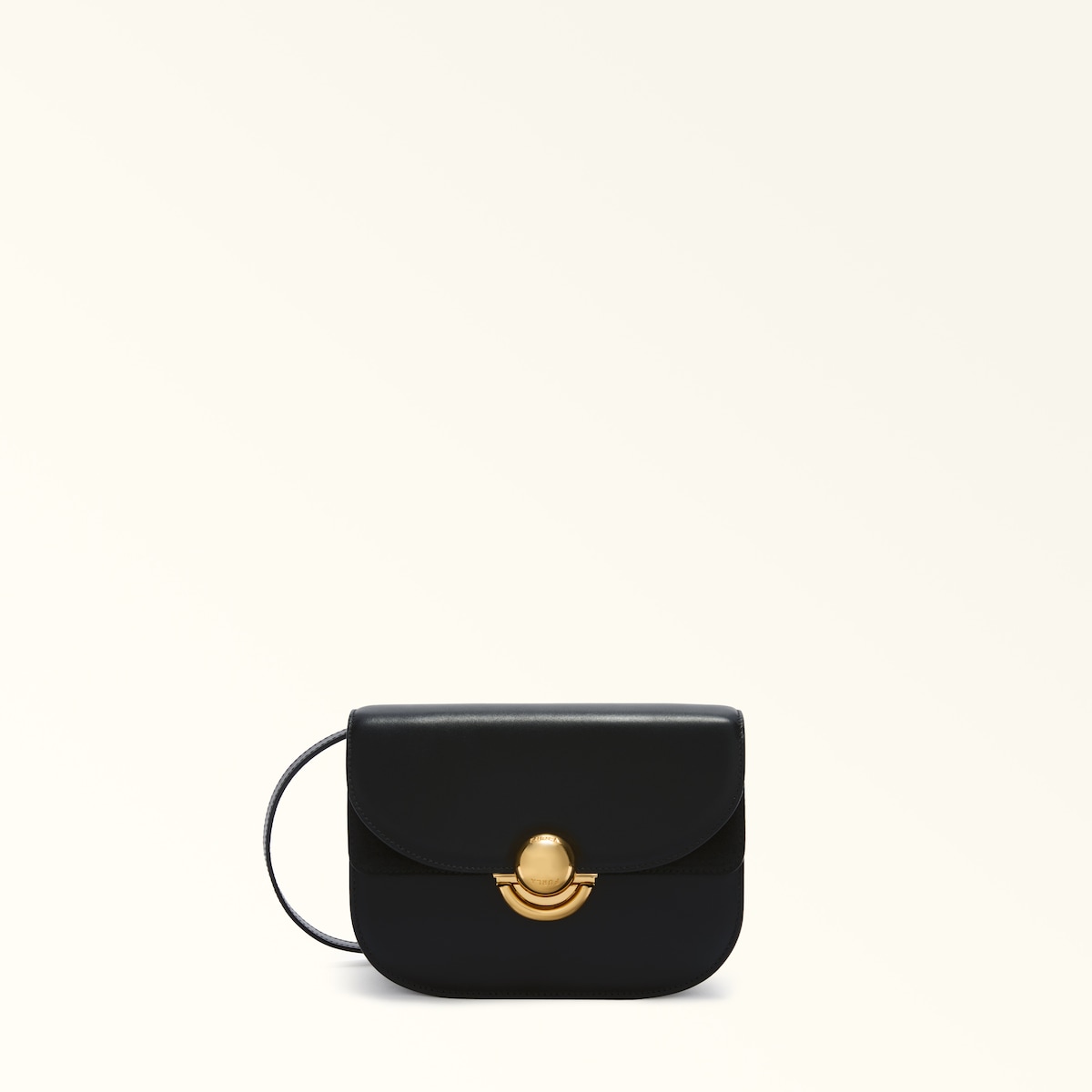
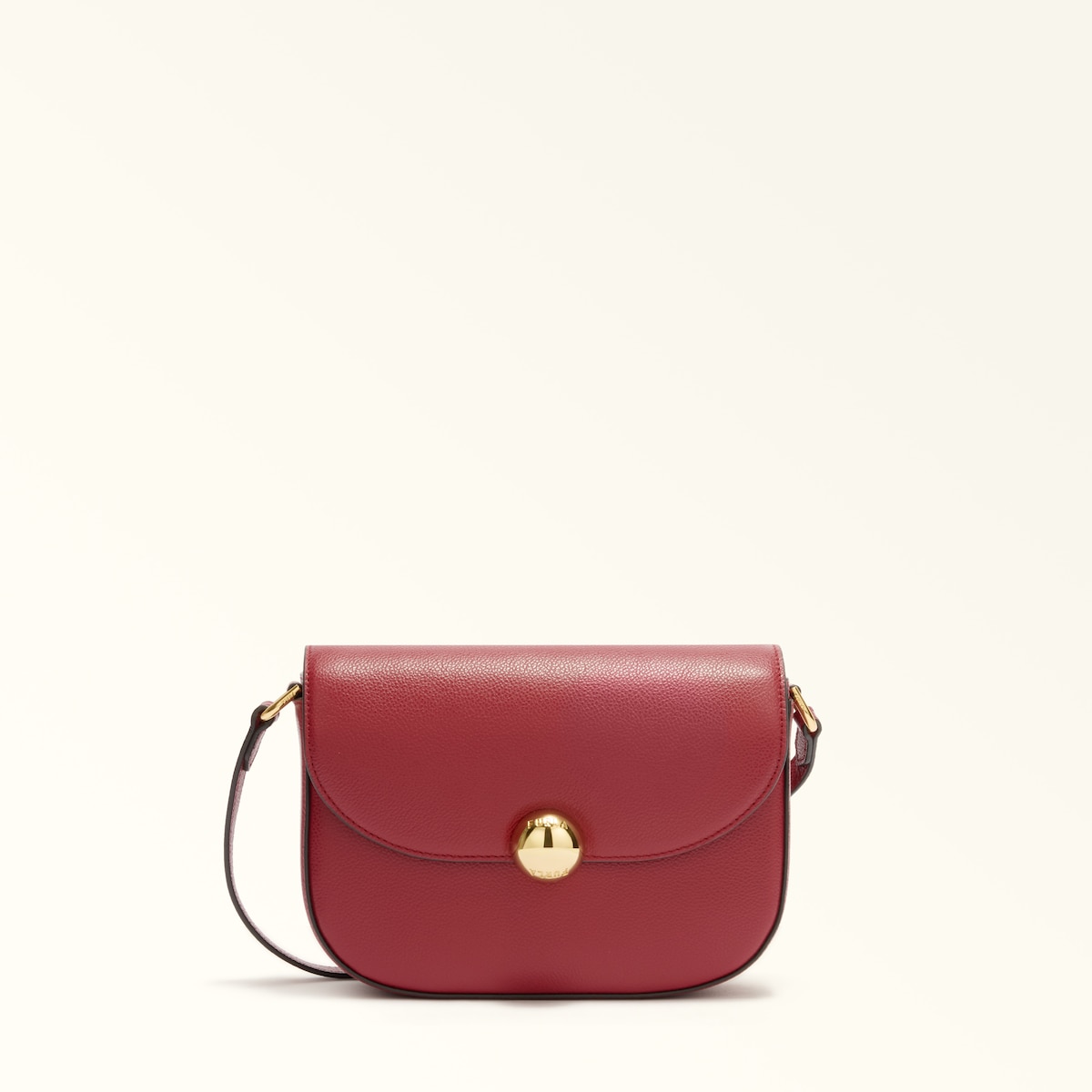
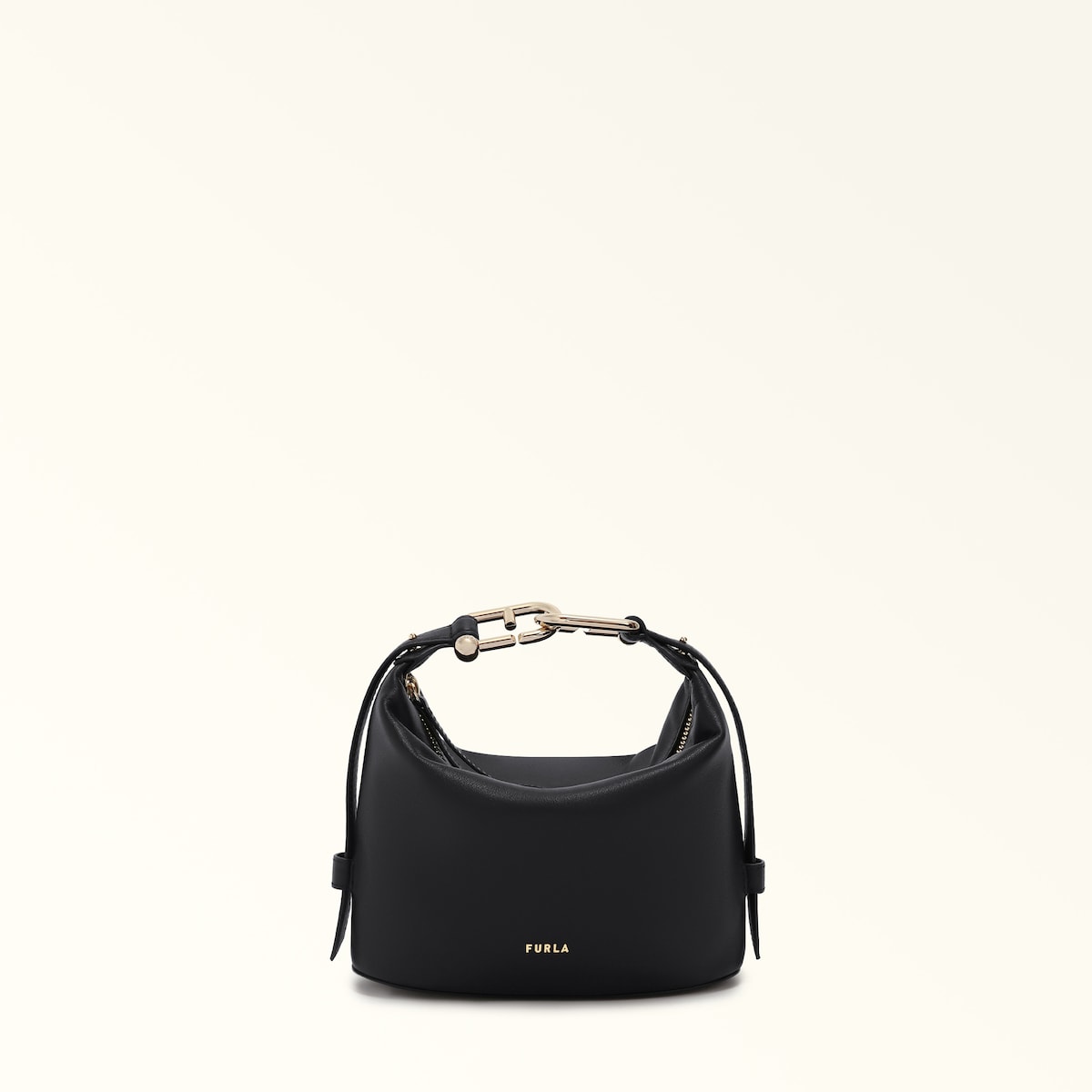
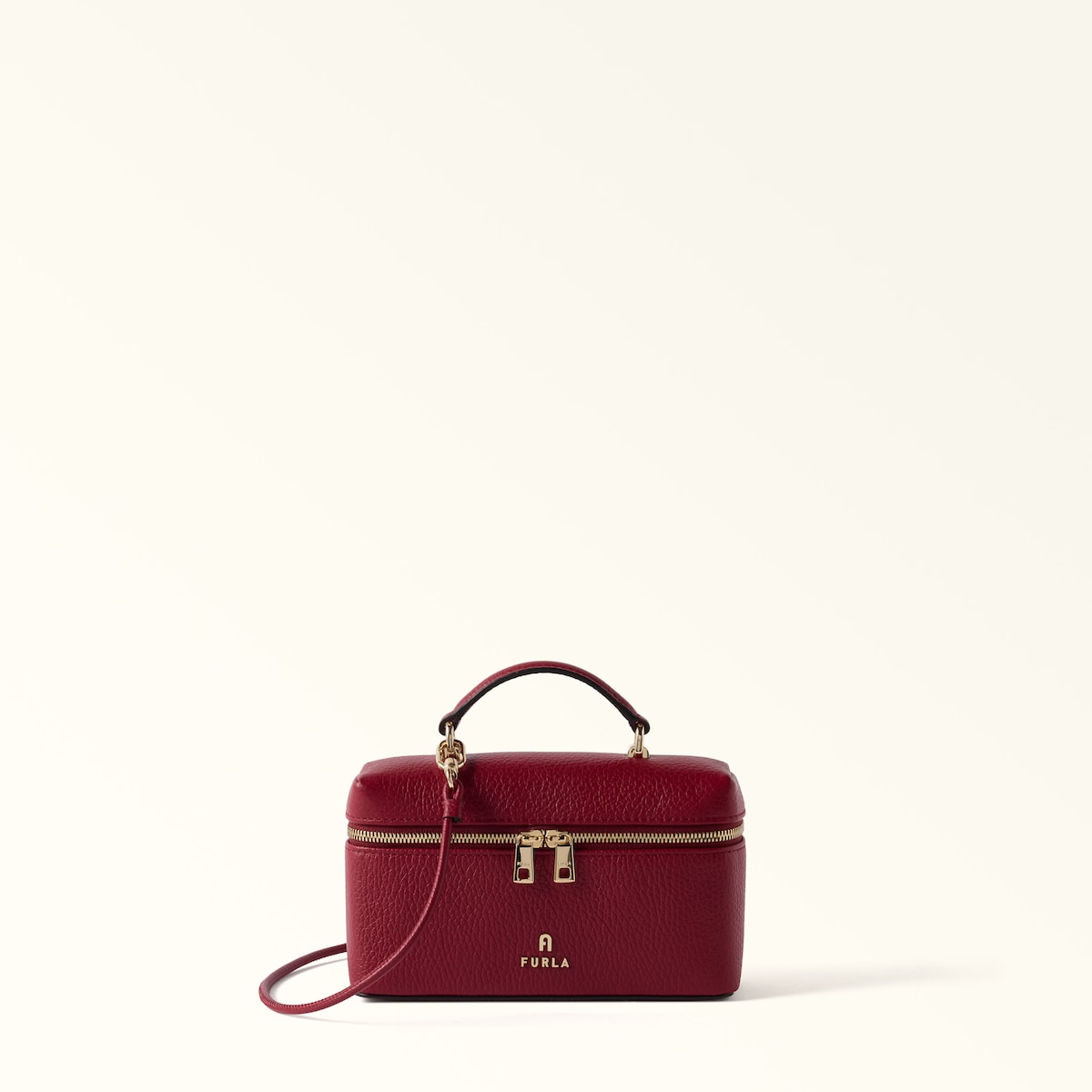
Between roughly one hundred and fifty and three hundred you reach real leather in small shapes. Small is the operative word. A mini bag or a compact crossbody at this price can be genuinely good, because there is not much material in it and the maker can afford proper hide.
From three hundred to about six hundred and fifty you get the same leather in a bag large enough to hold a laptop, plus better hardware, a lined interior and stitching that will survive being overloaded. This is the range where a bag stops being an accessory and starts being equipment.
Above that you are paying for the house, the atelier and the design. That is a real thing, but it is a different purchase.
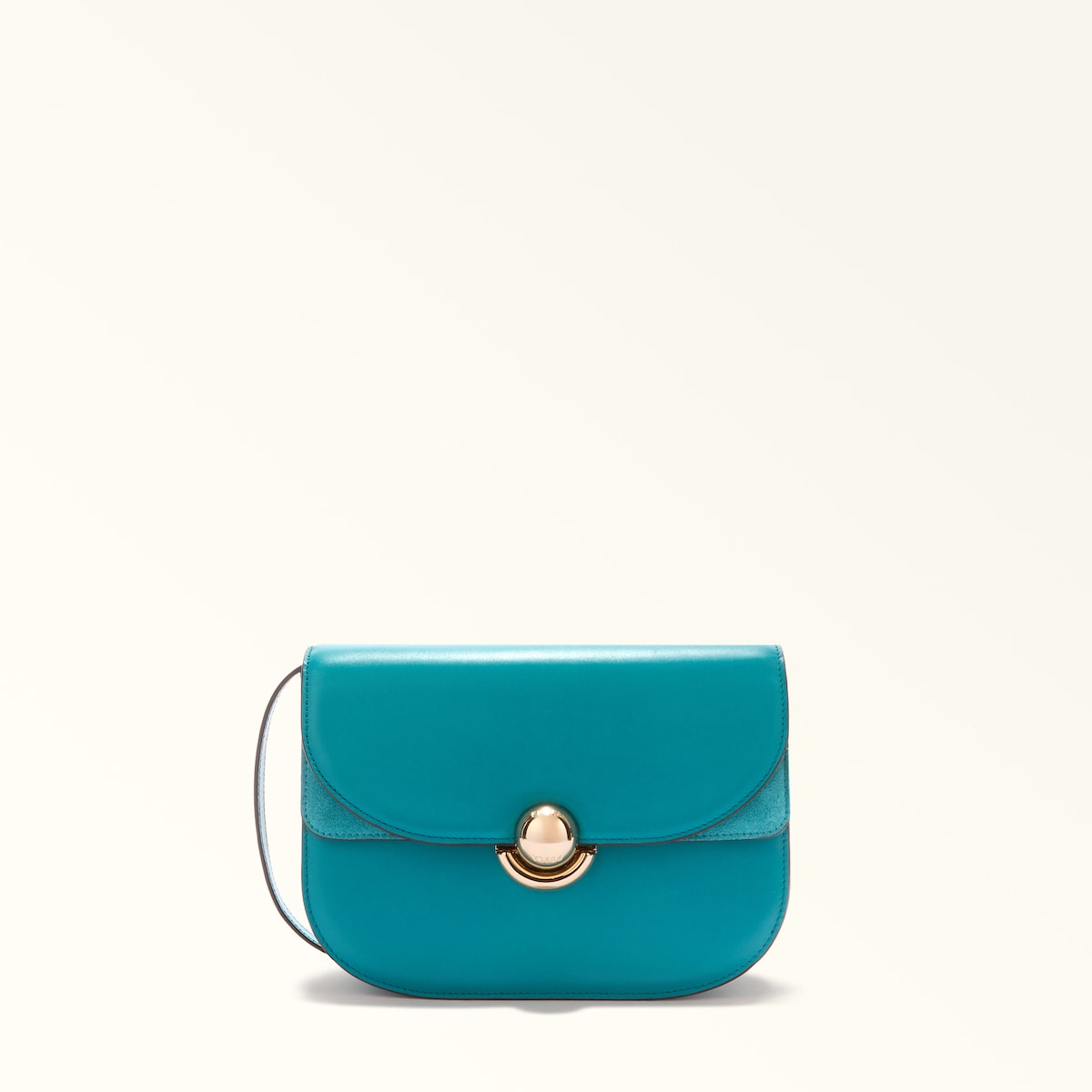
The small bags: mini, crossbody and top handle
How to read a bag from a photograph
You are almost always buying online, so learn what the picture tells you.
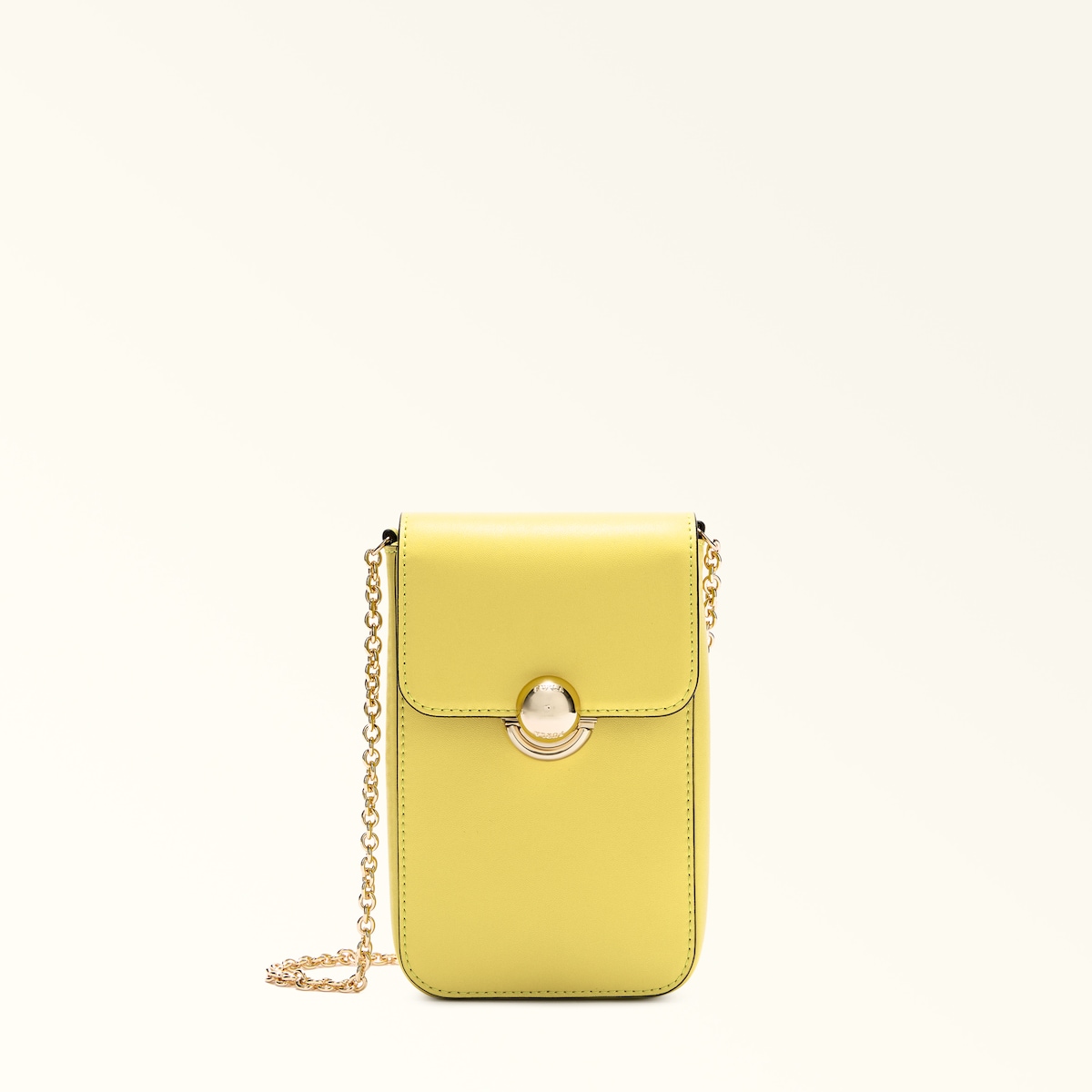
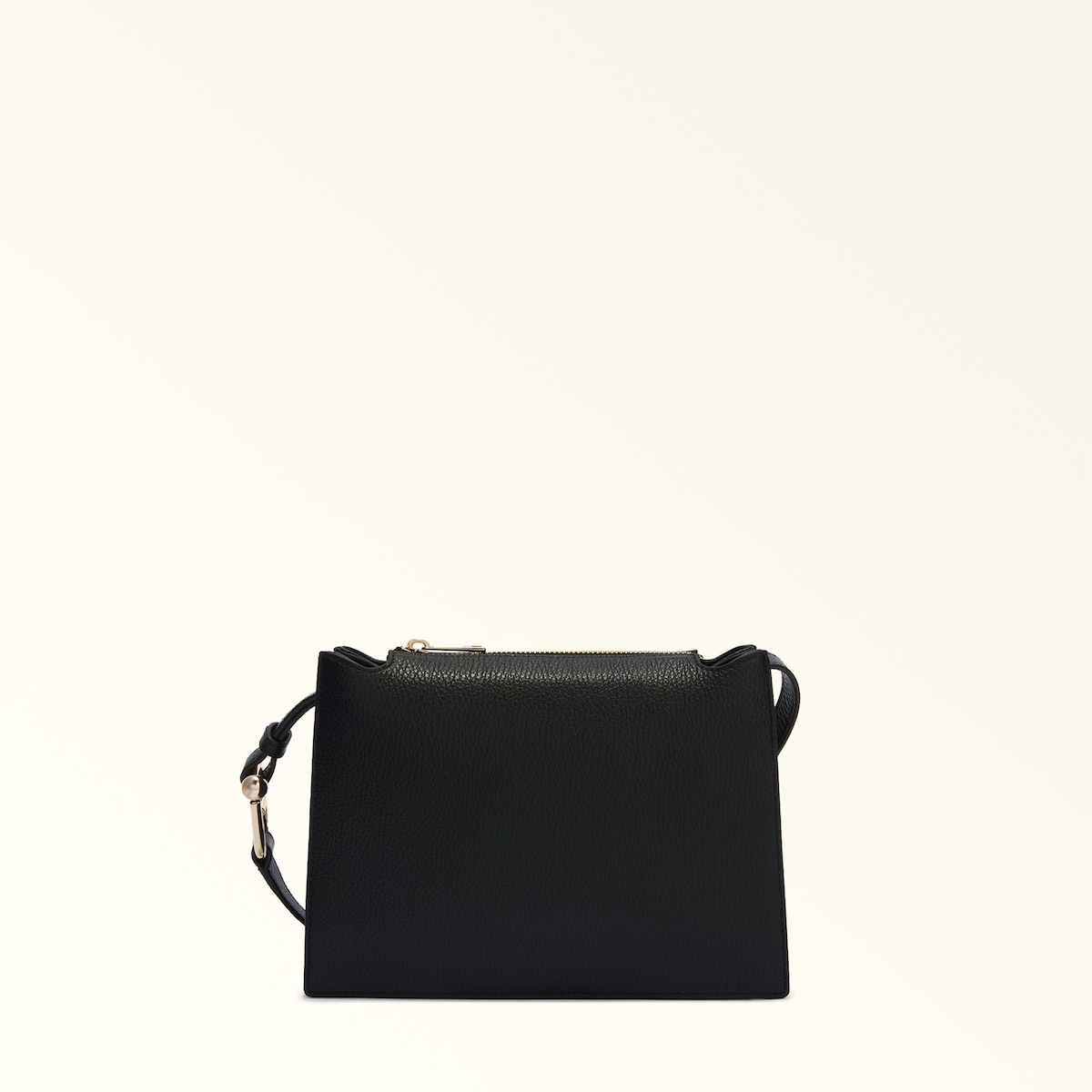
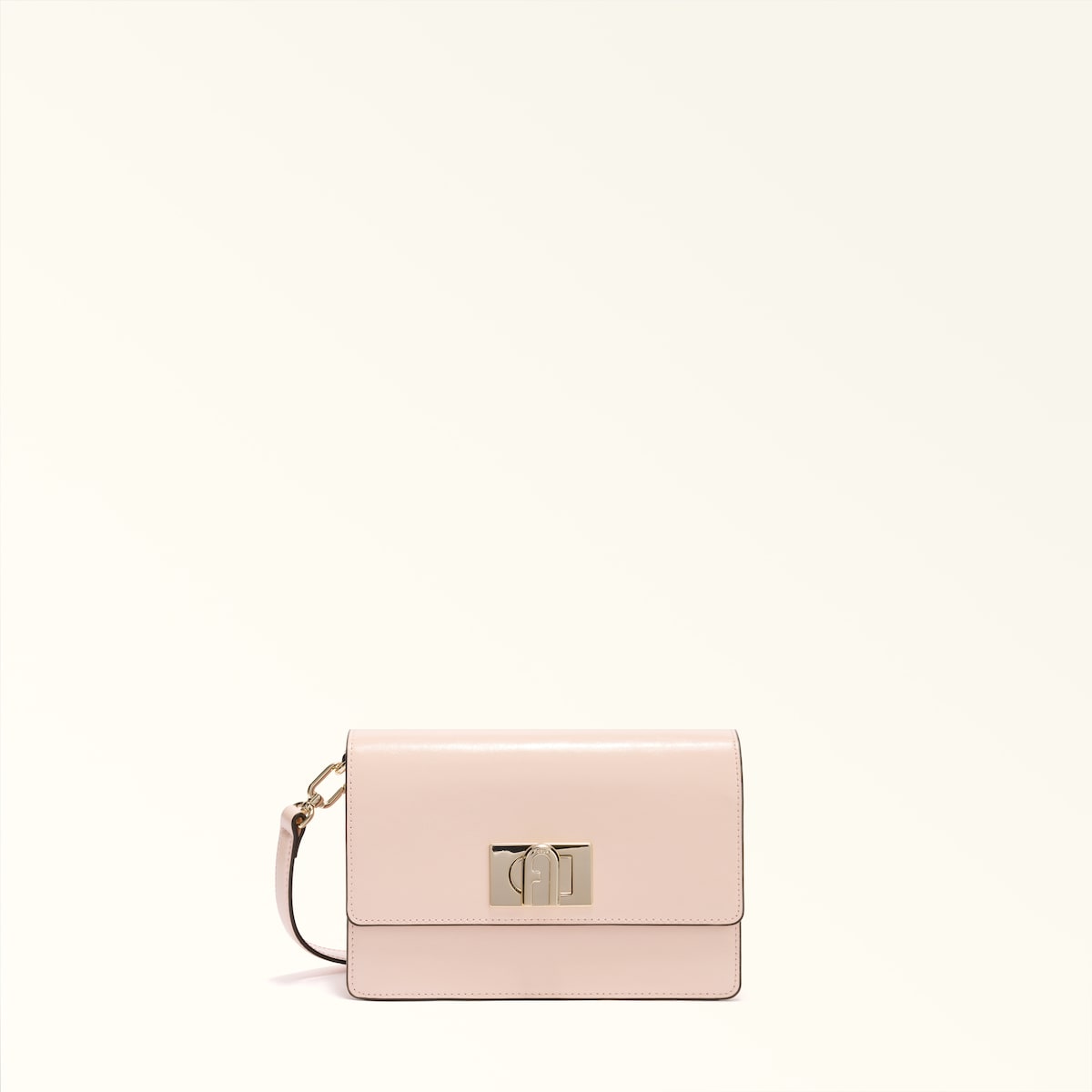
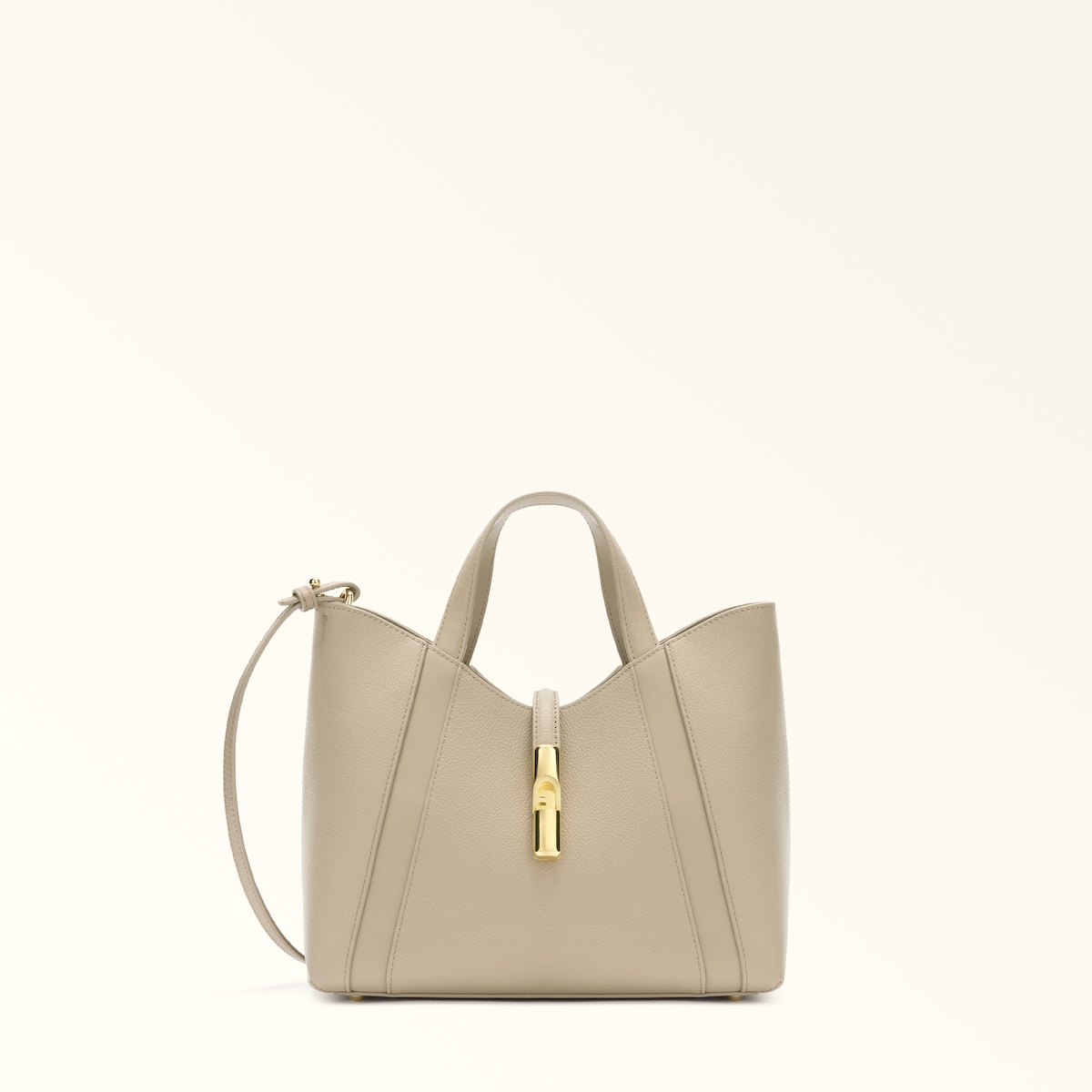
Look at the corners first. Cheap construction shows there before anywhere else, as a slightly rounded, soft corner where the leather has been folded rather than skived and stitched. A well made bag has a defined edge.
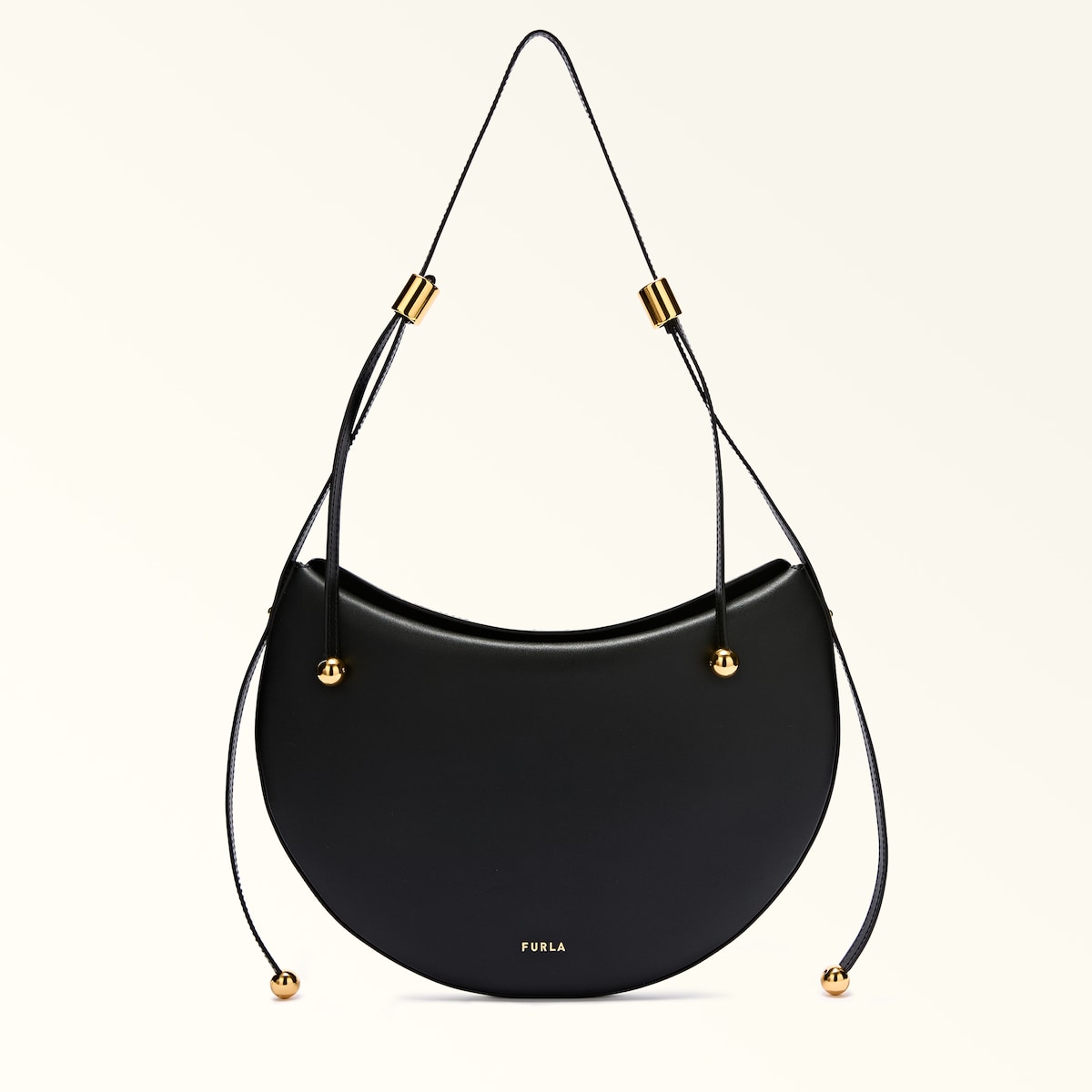
Then look at the edge paint on the straps. A clean, even painted edge means the maker finished the raw leather properly. A raw or fraying edge on a bag over two hundred dollars is a bad sign.
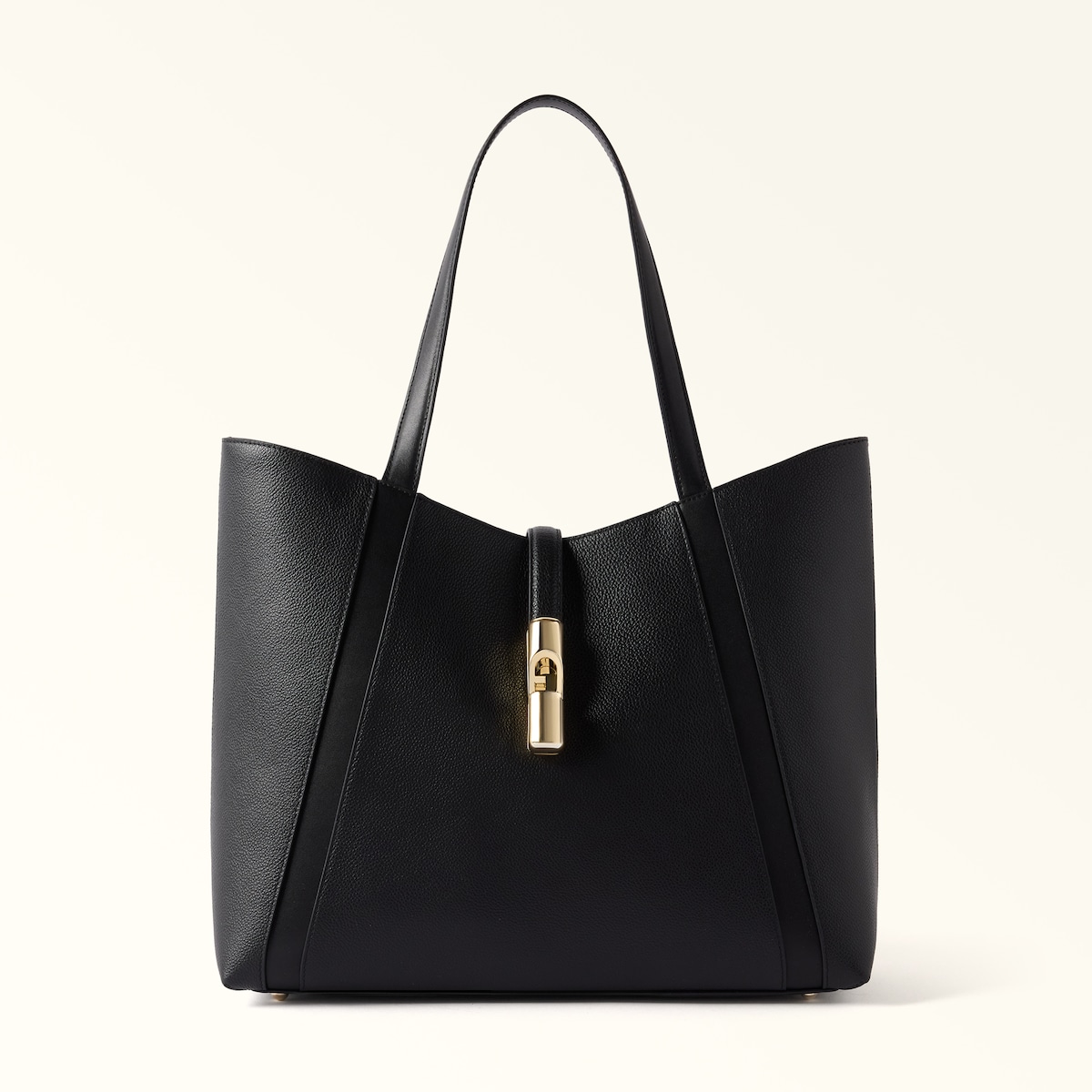
Hardware next. Solid metal feet on the base of a tote are the difference between a bag that survives being put on the floor and one that does not. Zip pulls should look heavy in the photograph, not stamped and flat.
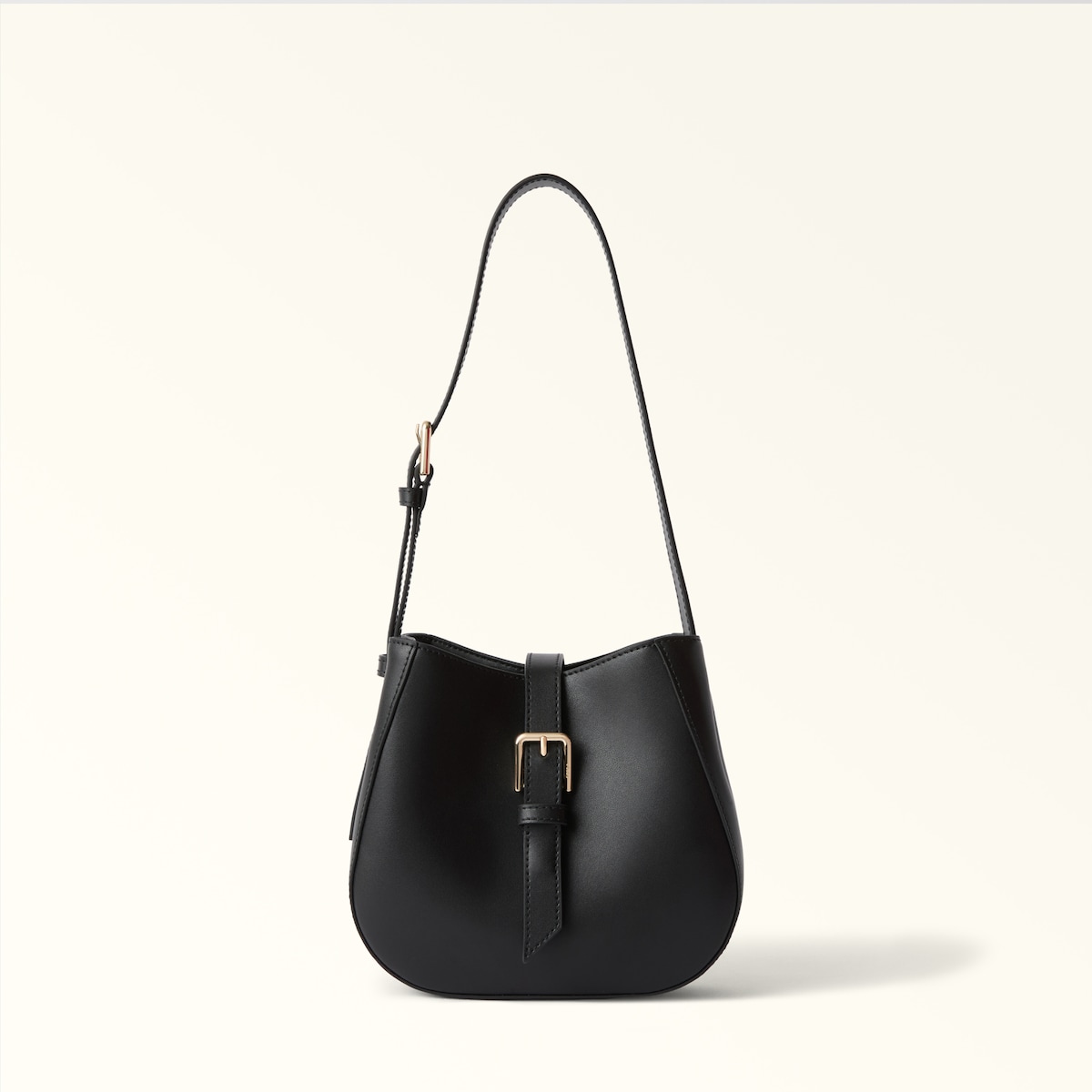
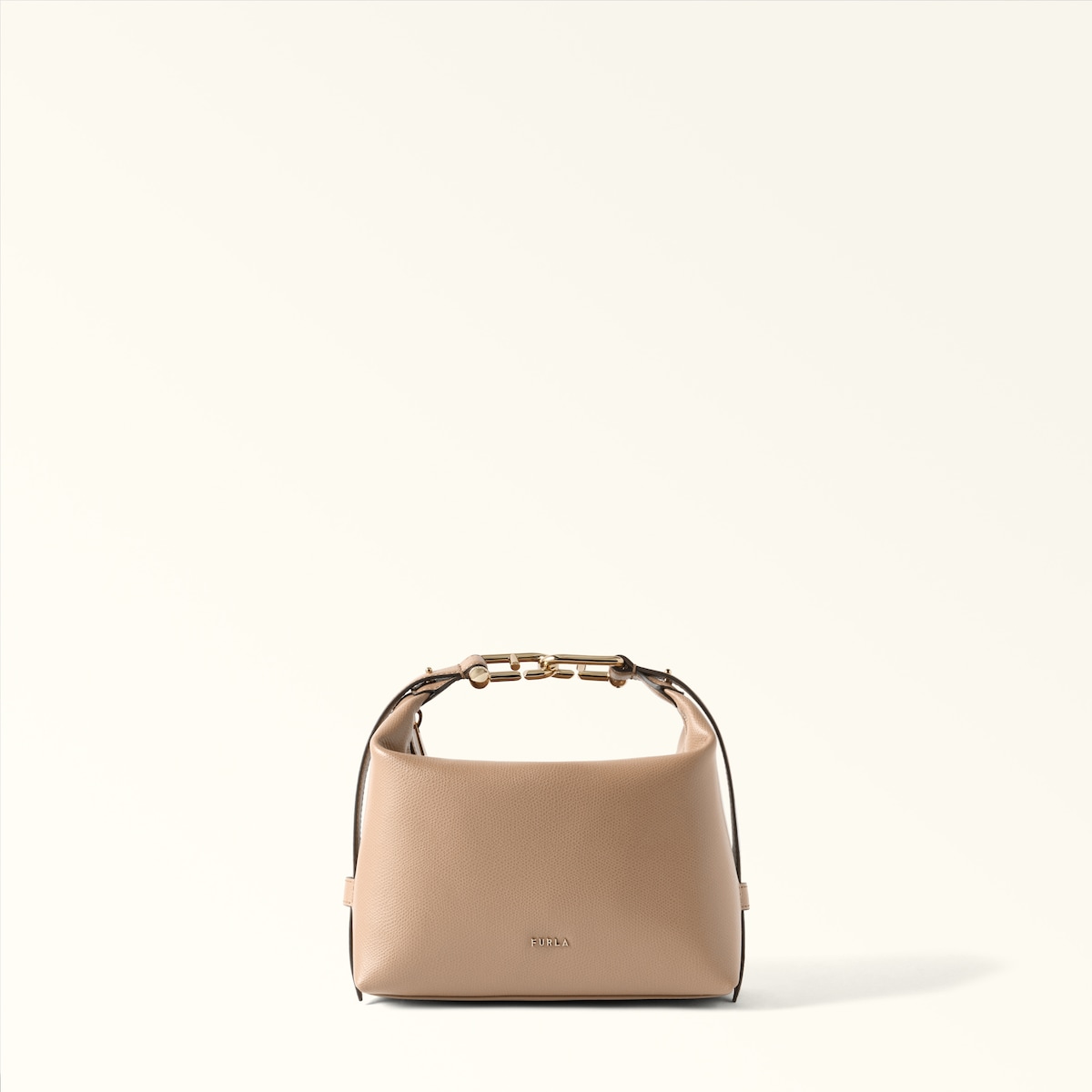
Finally, check whether the bag holds its shape in the product shot when it is empty. Structured leathers stand up. Softer, more supple leathers slump, which is a style choice rather than a fault, but it does tell you the bag will look different in your hand than it does on the page.
The everyday carry: shoulder bags, buckets and totes
Match the size to how you actually carry things
Most bag regret is a sizing error rather than a quality one.
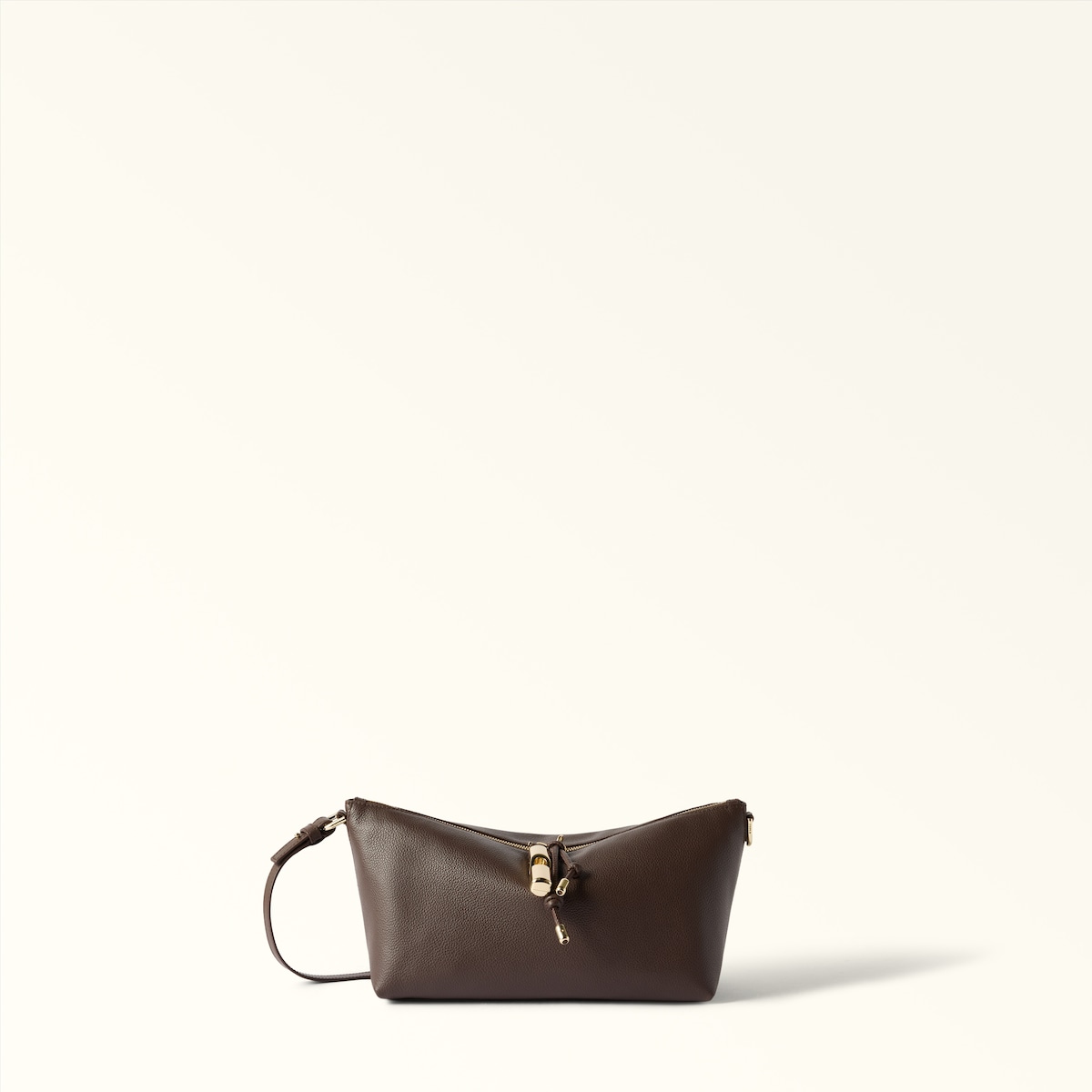
A mini or a small crossbody carries a phone, a card case and a key. That is genuinely all. It is the right answer if you already carry a tote for work and want something for evenings and weekends, and the wrong answer if it is your only bag.
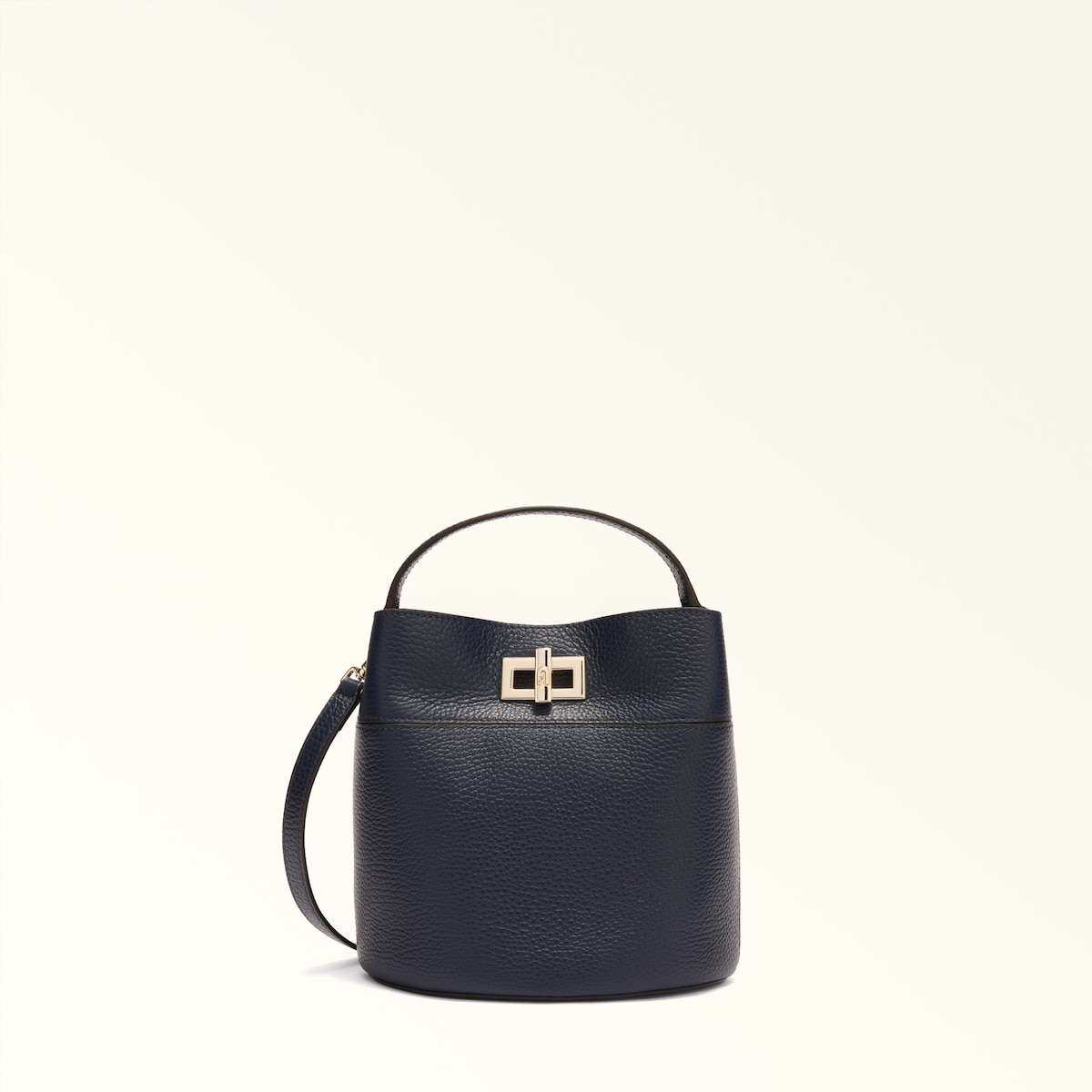
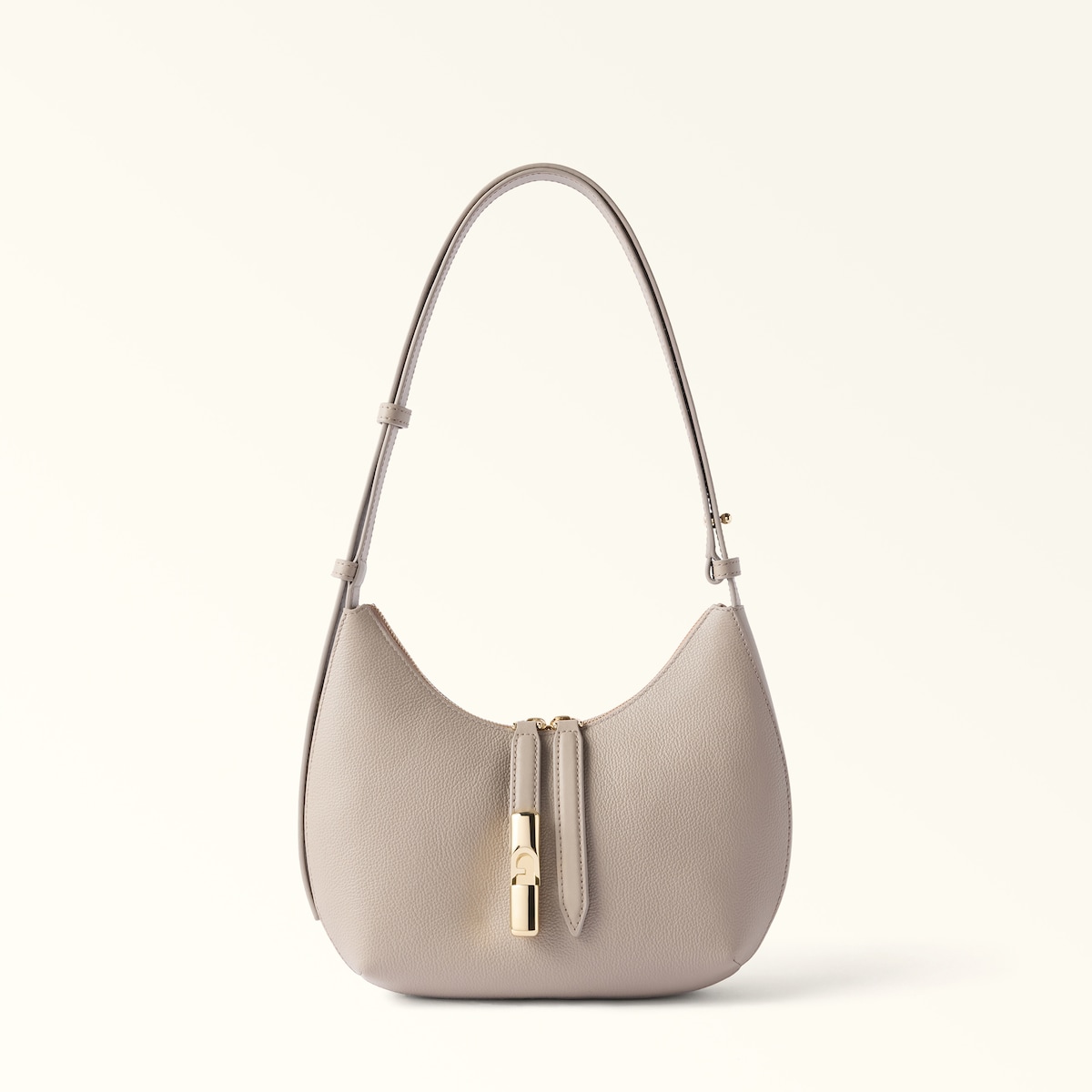
A shoulder bag in the medium range is the most useful single purchase for most people, because it clears a phone, a wallet, sunglasses and a small book while still working after six o'clock. A bucket bag does the same job with more depth and less structure, which suits people who dig rather than organise.
A large tote is for carrying a laptop, and it should be judged on whether the handles clear a coat shoulder. If they do not, you will end up carrying it in your hand and resenting it.
Try this: empty your current bag onto a table, then buy for that pile, not for the pile you wish you carried.
What the next tier up buys you
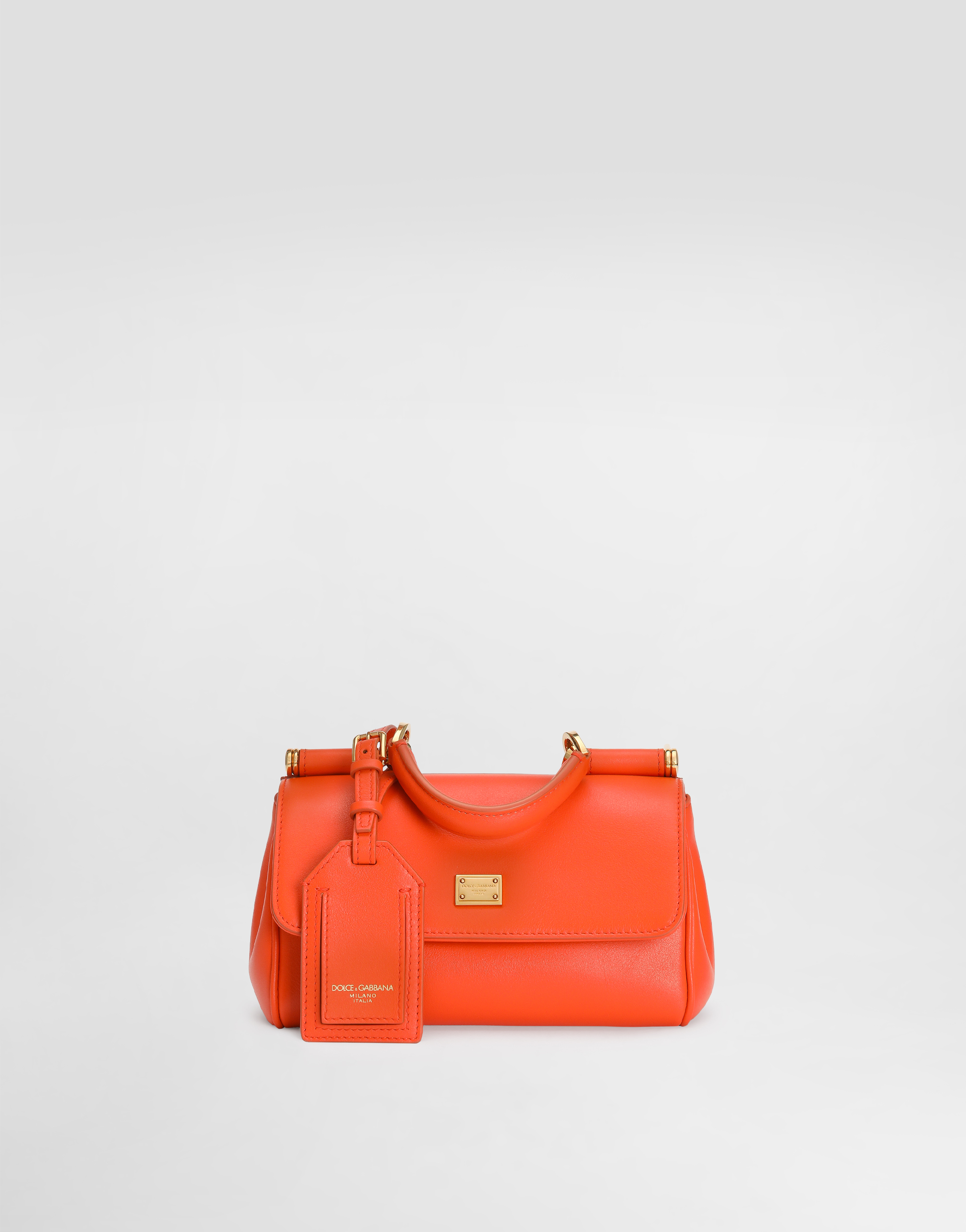
Mini My Sicily handbag in calfskin
Dolce&Gabbana
$2,395
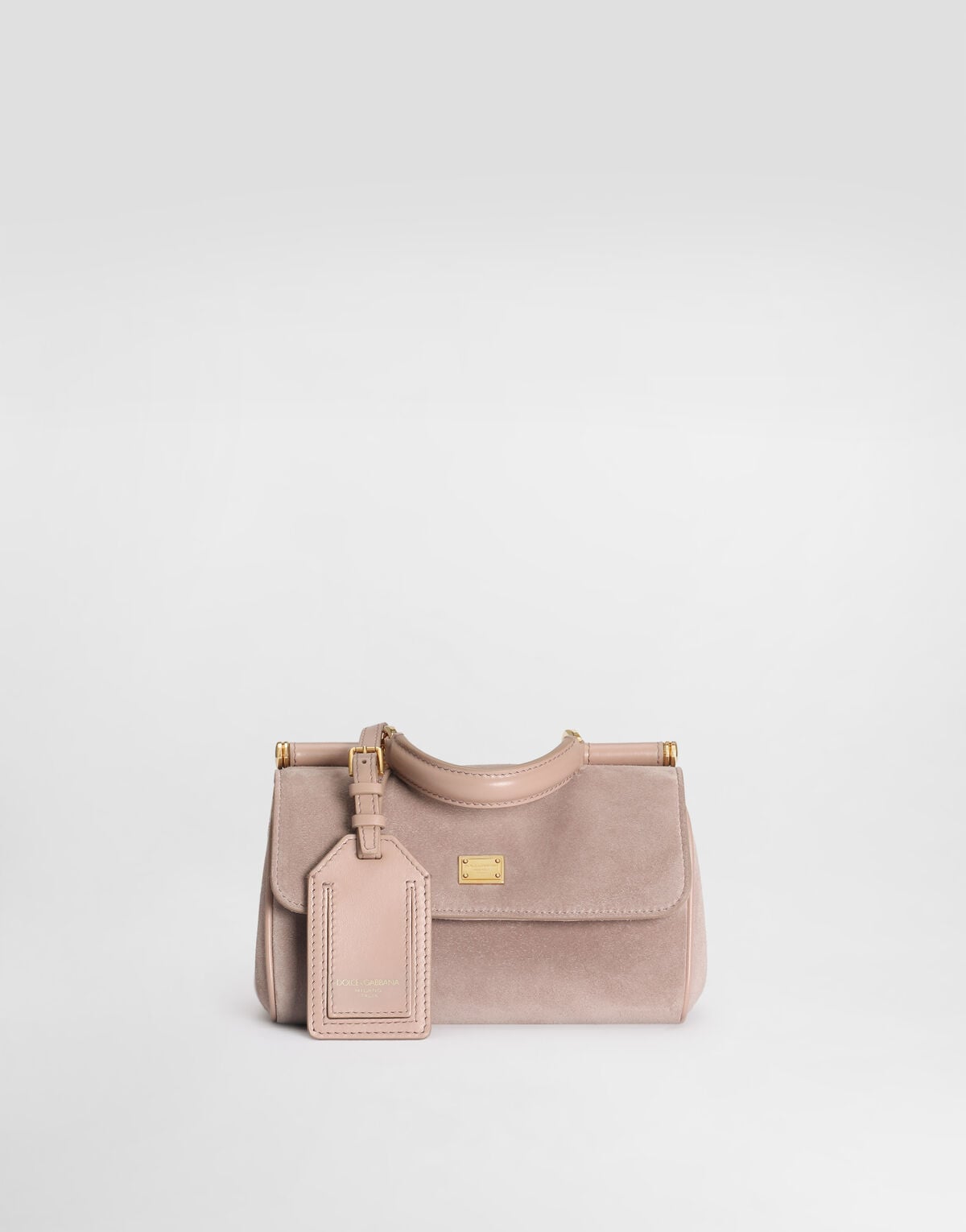
Mini My Sicily handbag in split leather
Dolce&Gabbana
$2,095
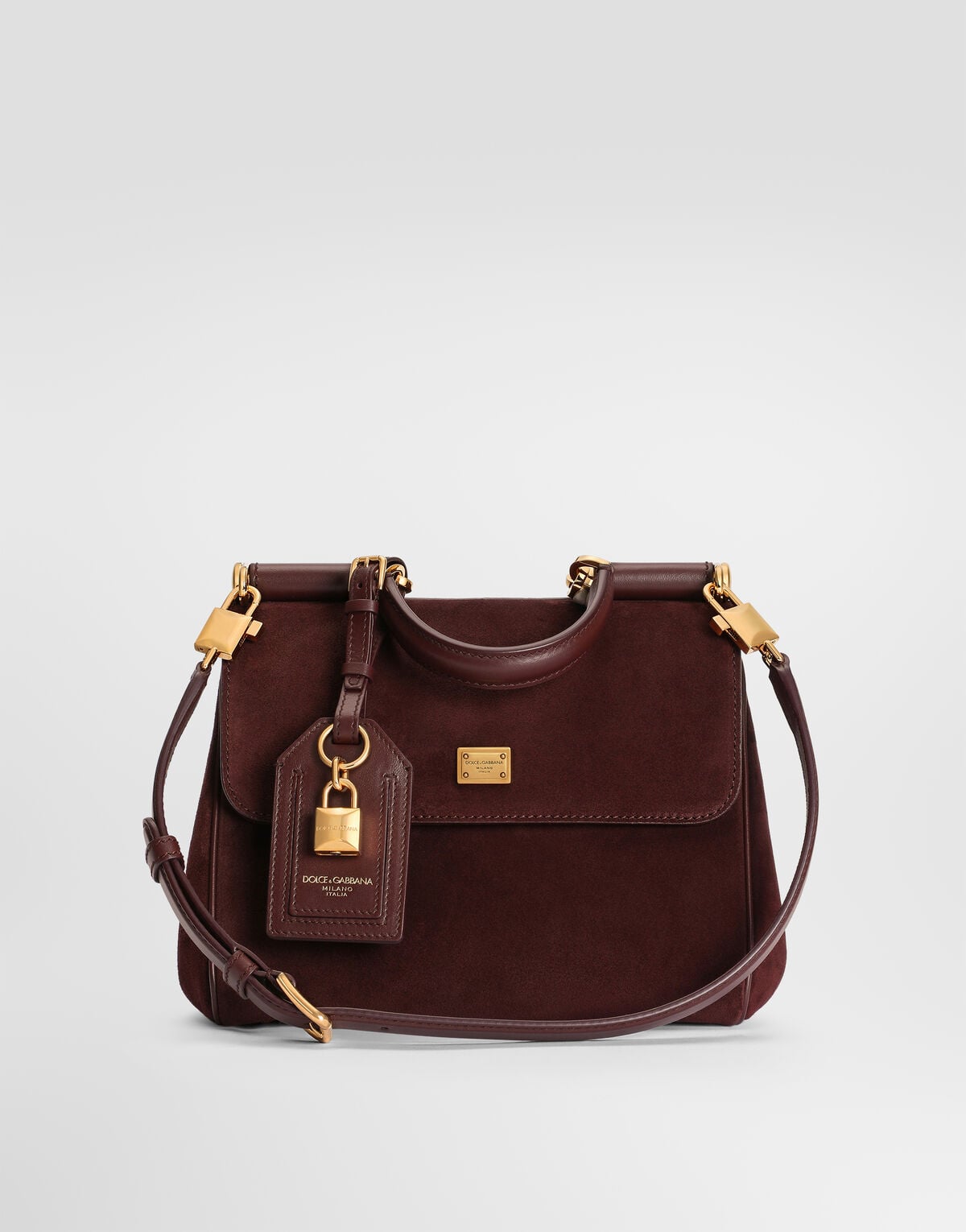
Small My Sicily handbag in split calfskin
Dolce&Gabbana
$3,395
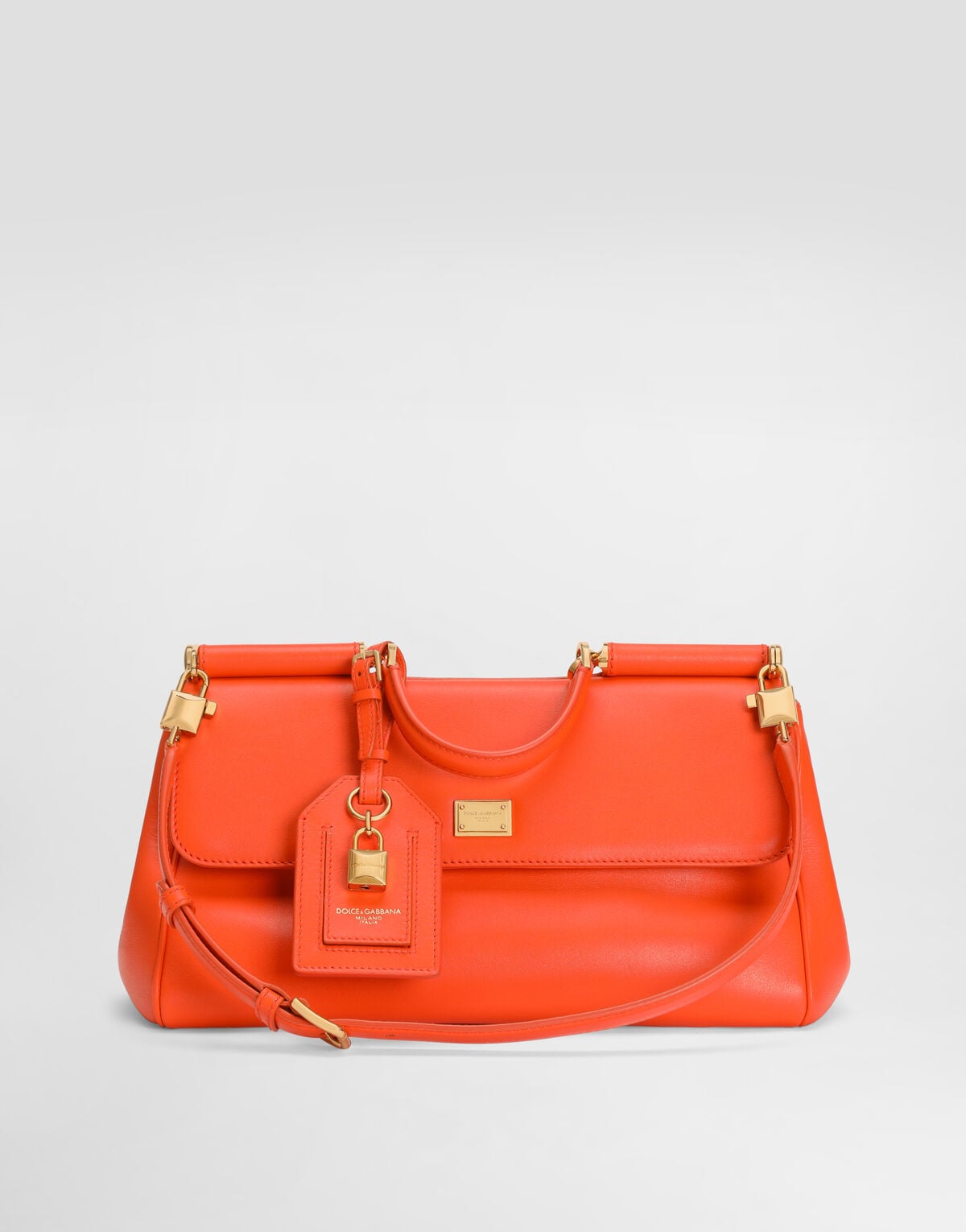
Medium My Sicily handbag in calfskin
Dolce&Gabbana
$3,845

1981 Leather Shoulder Bag
Emporio Armani
$625

1981 Leather Mini Bag
Emporio Armani
$645

1981 Leather Handbag
Emporio Armani
$775

1981 Leather Shopper Bag
Emporio Armani
$825
Our honest take
The sweet spot is narrower than the market wants you to believe. For most people, one well made shoulder bag in the three to six hundred range plus one small crossbody under three hundred covers everything, and costs less than a single entry-level luxury piece.
That is not an argument against the tier above. A structured calfskin handbag from a couture house is a different object, built with different margins, and if you want one you should buy it with clear eyes rather than pretend it is a value proposition. It is not. It is a good thing that costs a lot.
If you take one thing away, make it this: spend your money on the bag you carry on a Tuesday, not the one you would carry to an event. Everyday leather earns its price back. Occasion leather almost never does.