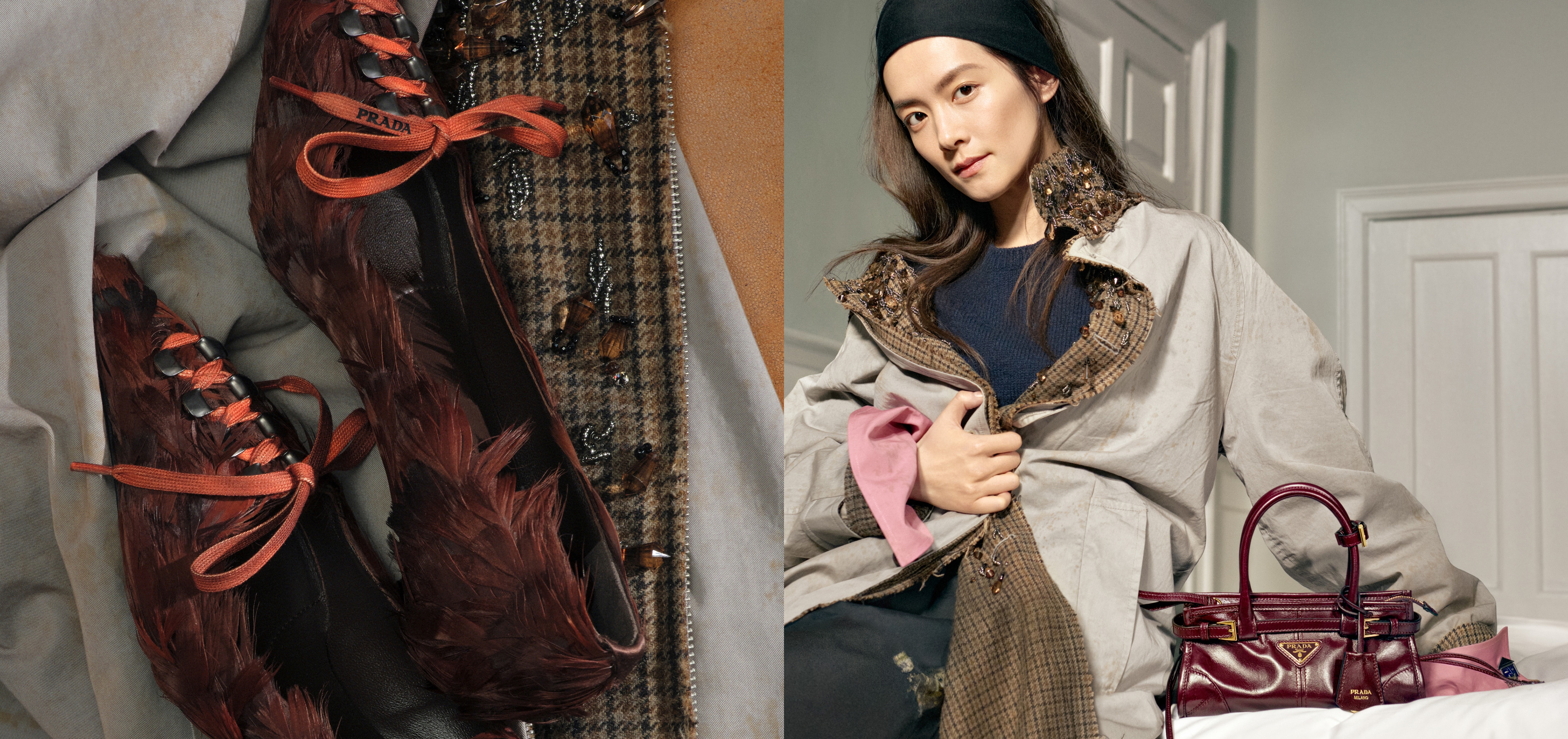
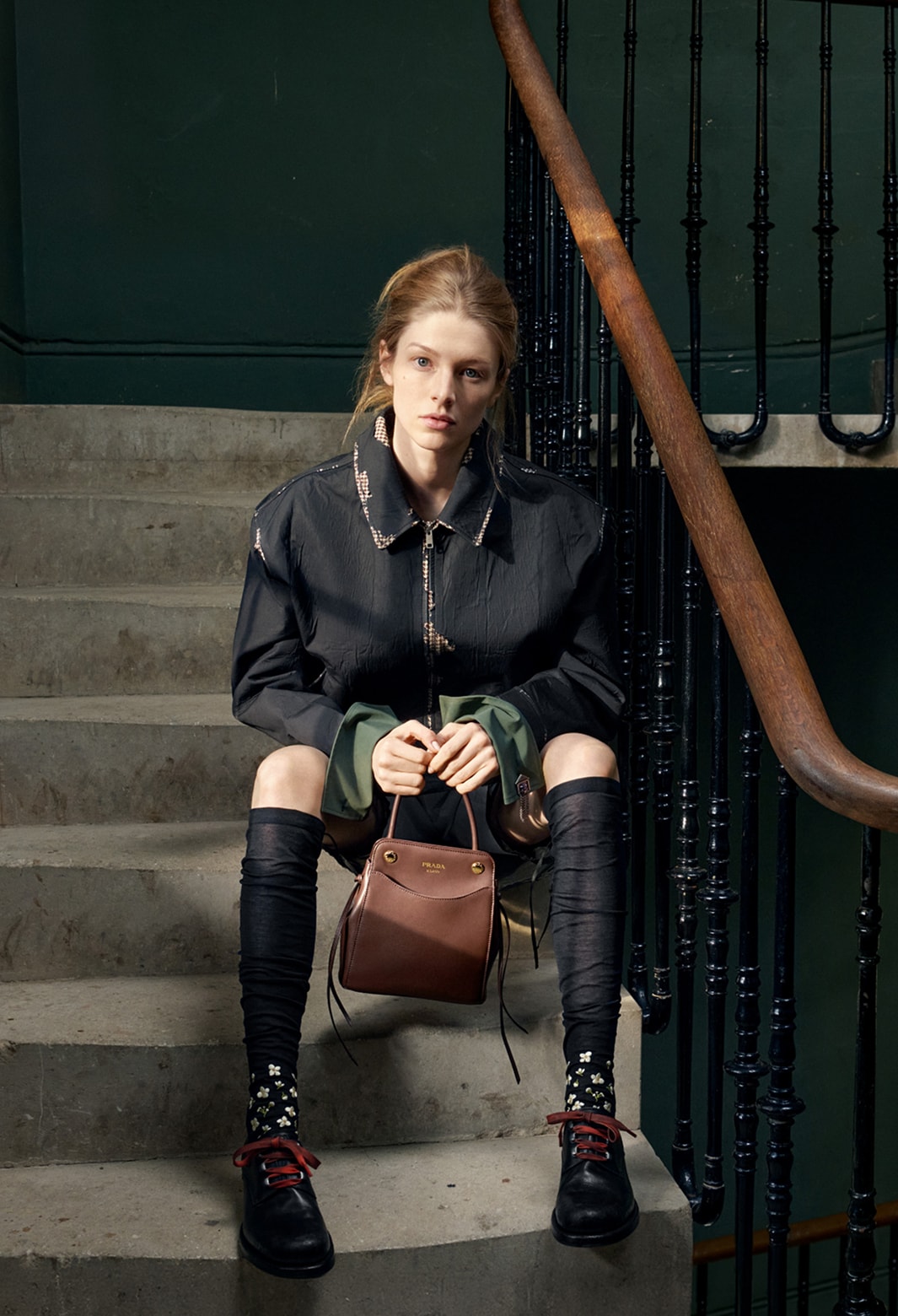
Ballet flats, loafers and low sneakers solve different problems. A clear comparison of how each one fits, holds on and wears, with Prada and Miu Miu styles for each.
Ballet Flats or Loafers: How to Pick the Flat You Will Actually Wear
The difference is structure, not style
Ballet flats and loafers get filed together as flat shoes, which hides the thing that actually decides between them. They hold on to your foot in completely different ways, and that is what determines which one you reach for without thinking.
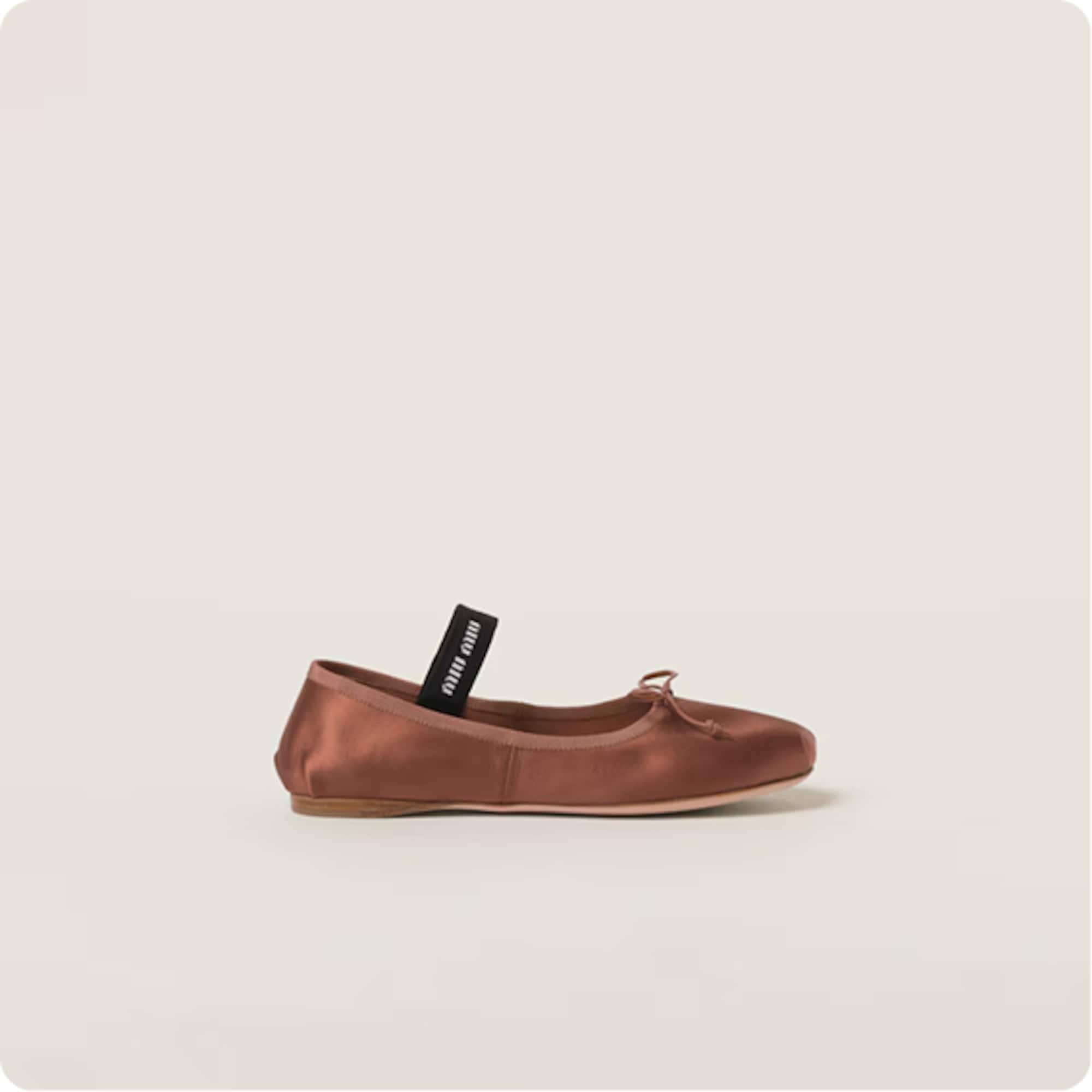
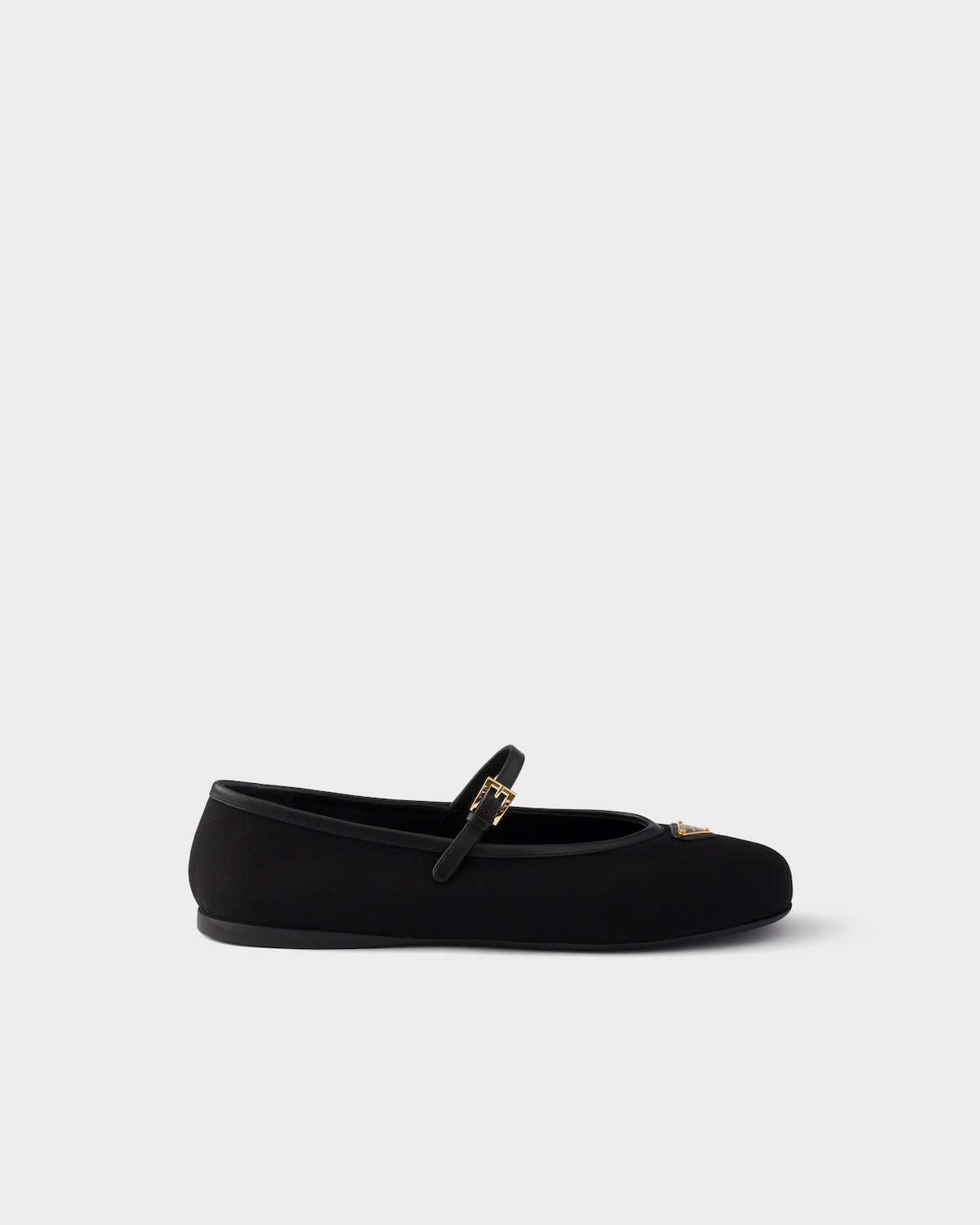
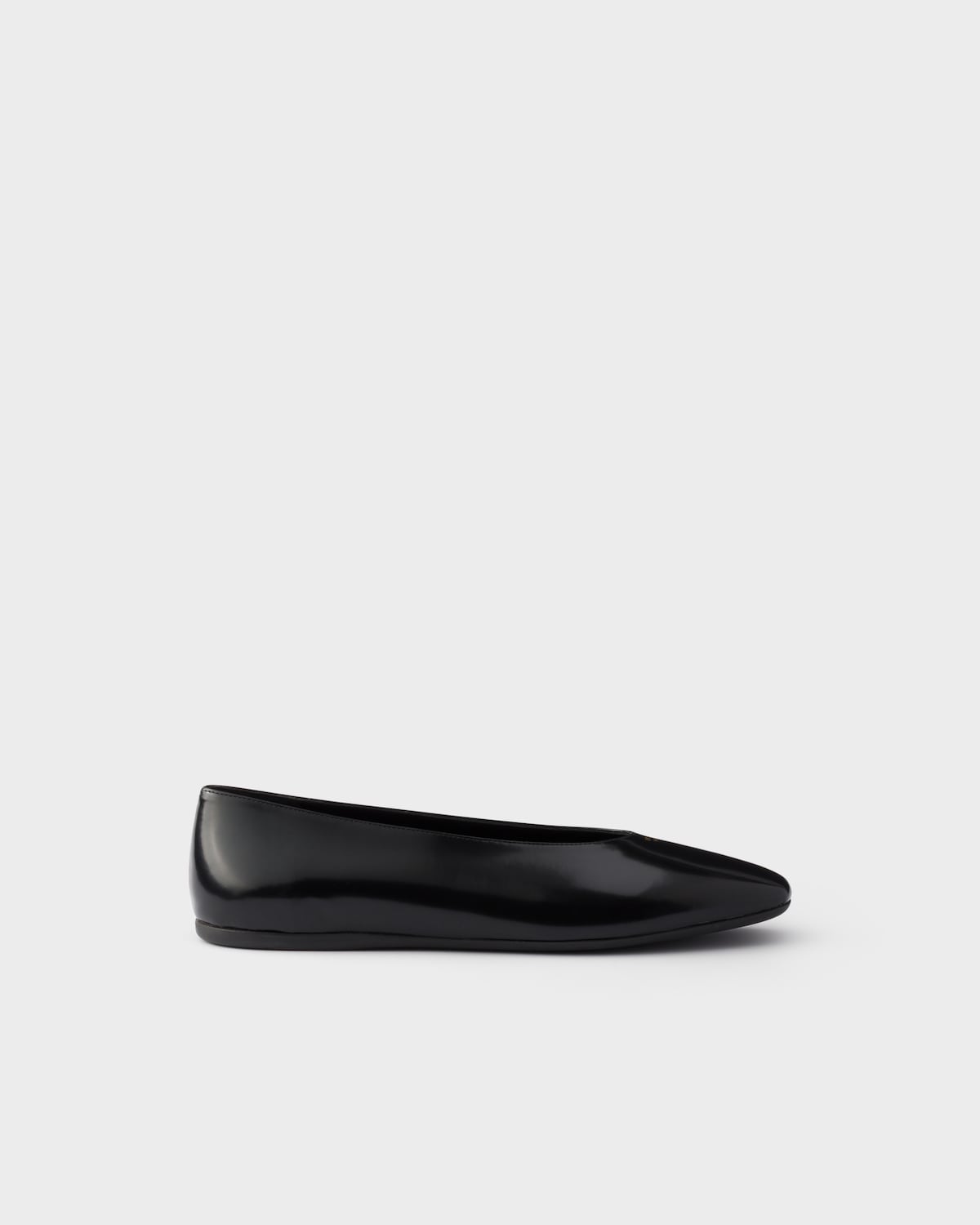
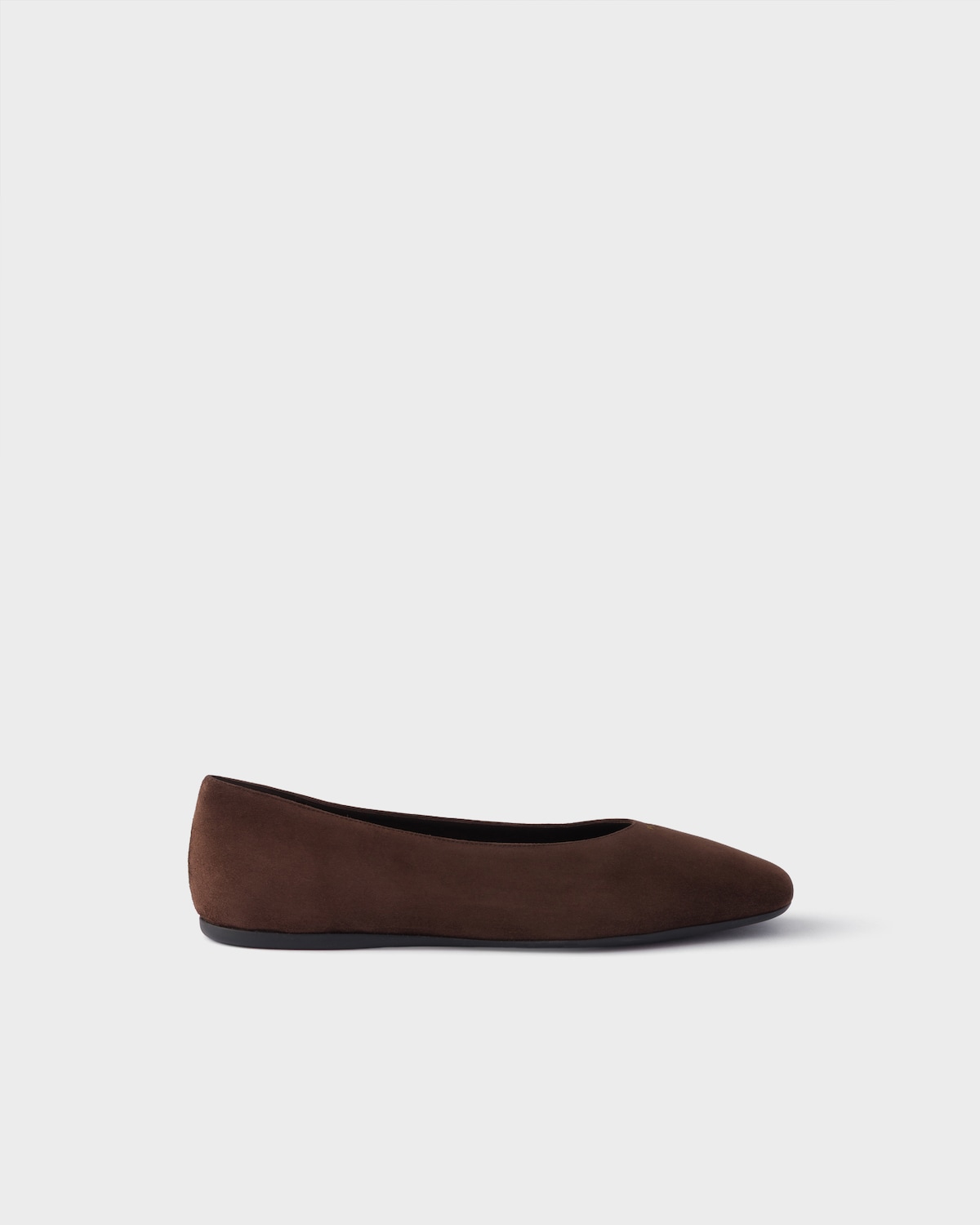
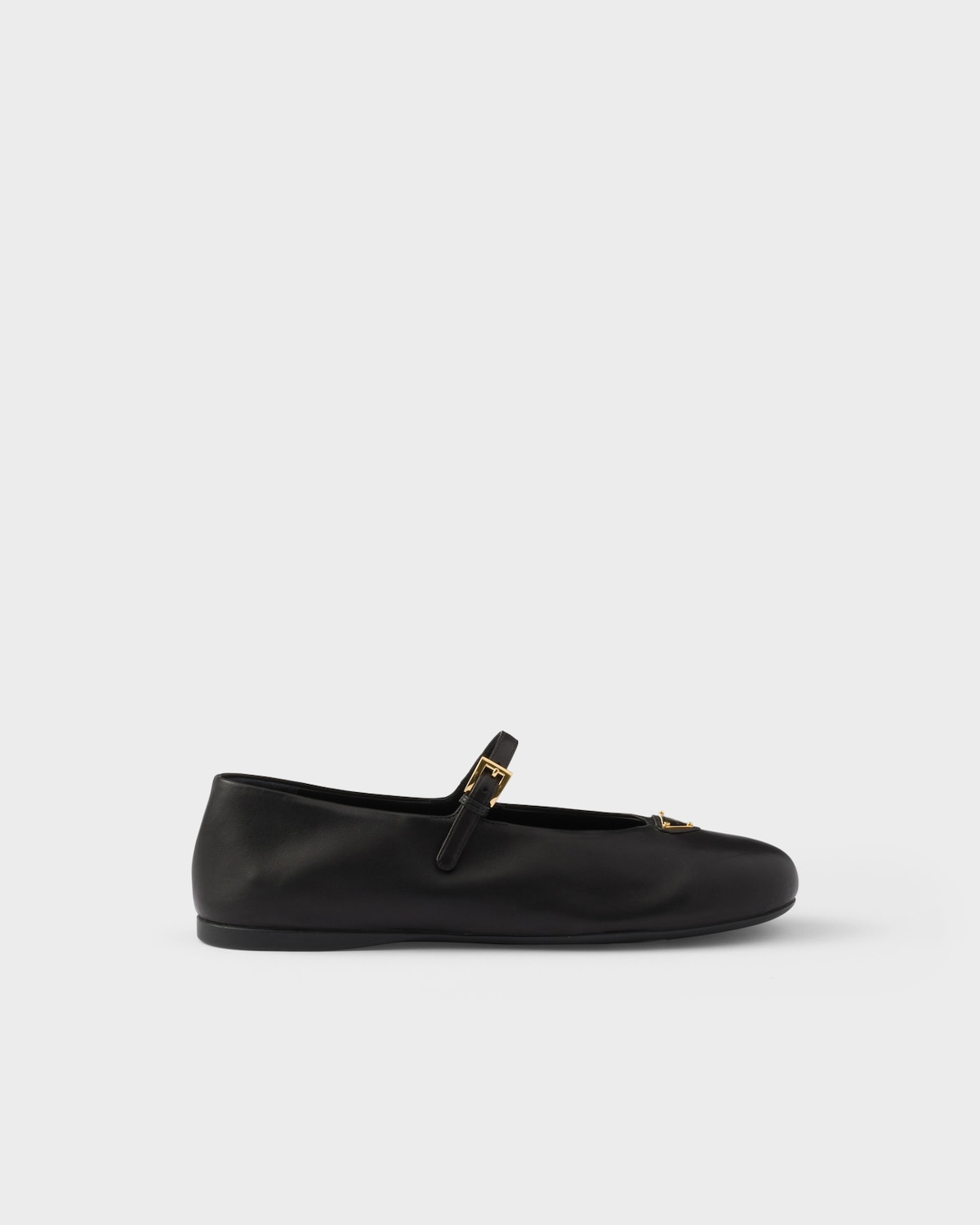
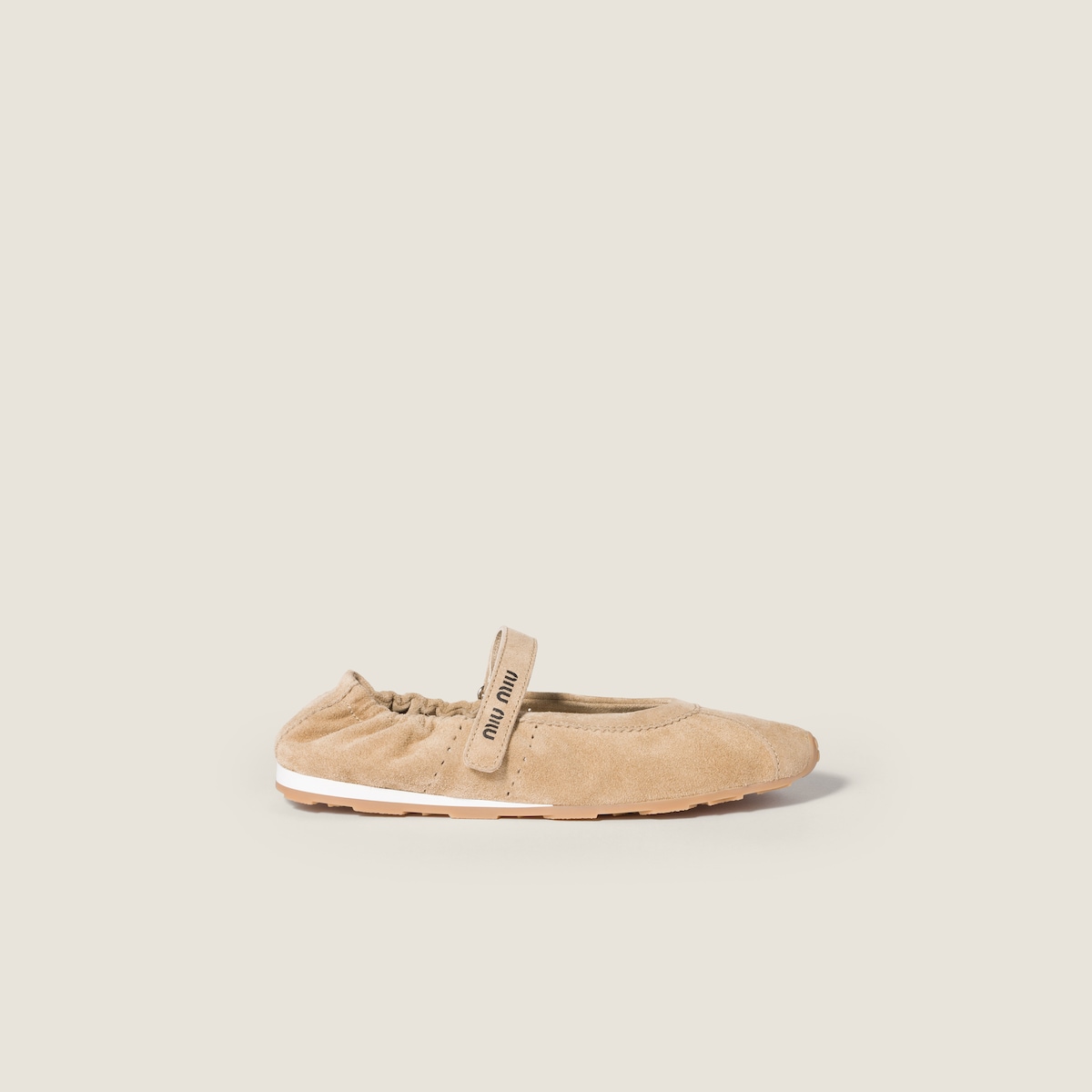
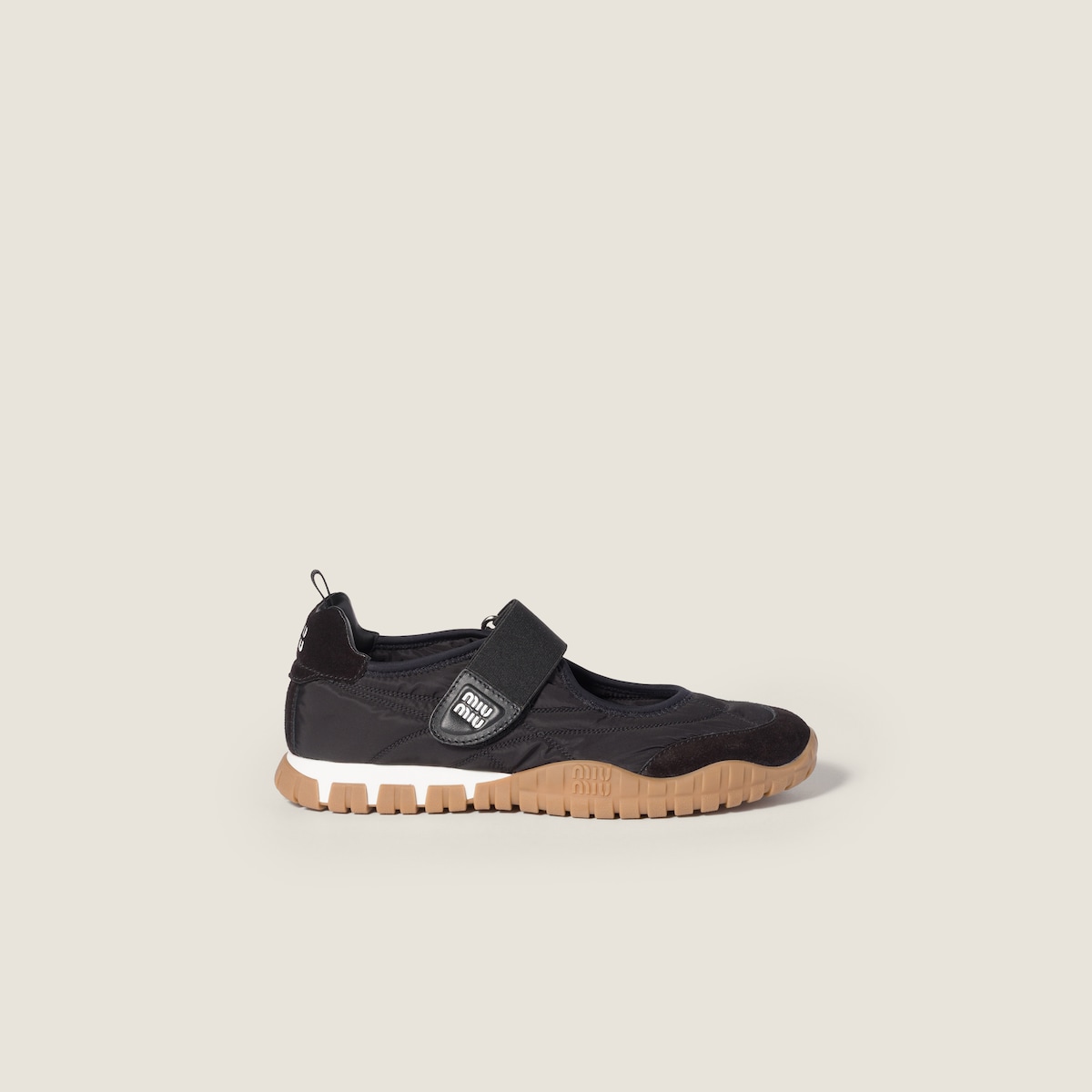
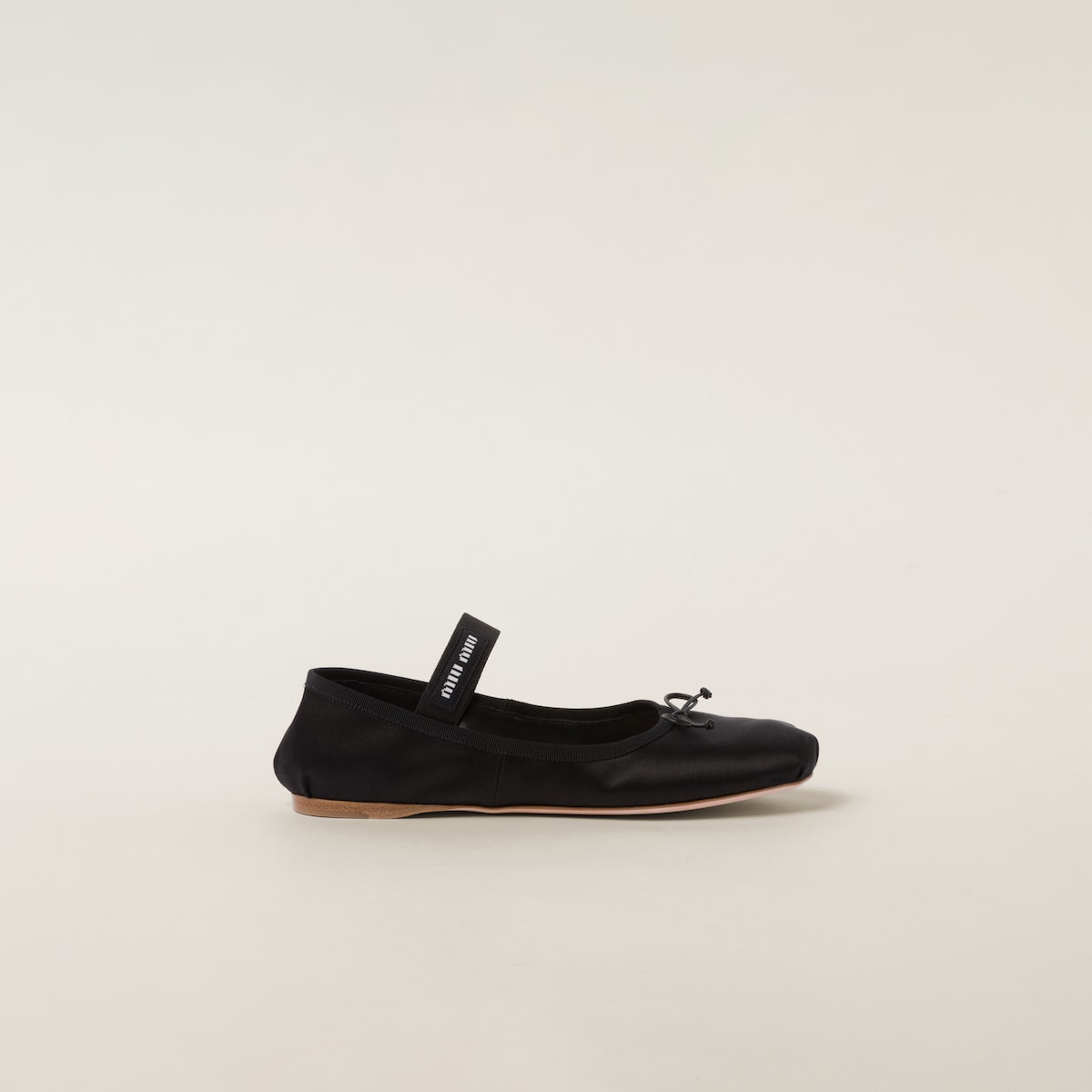
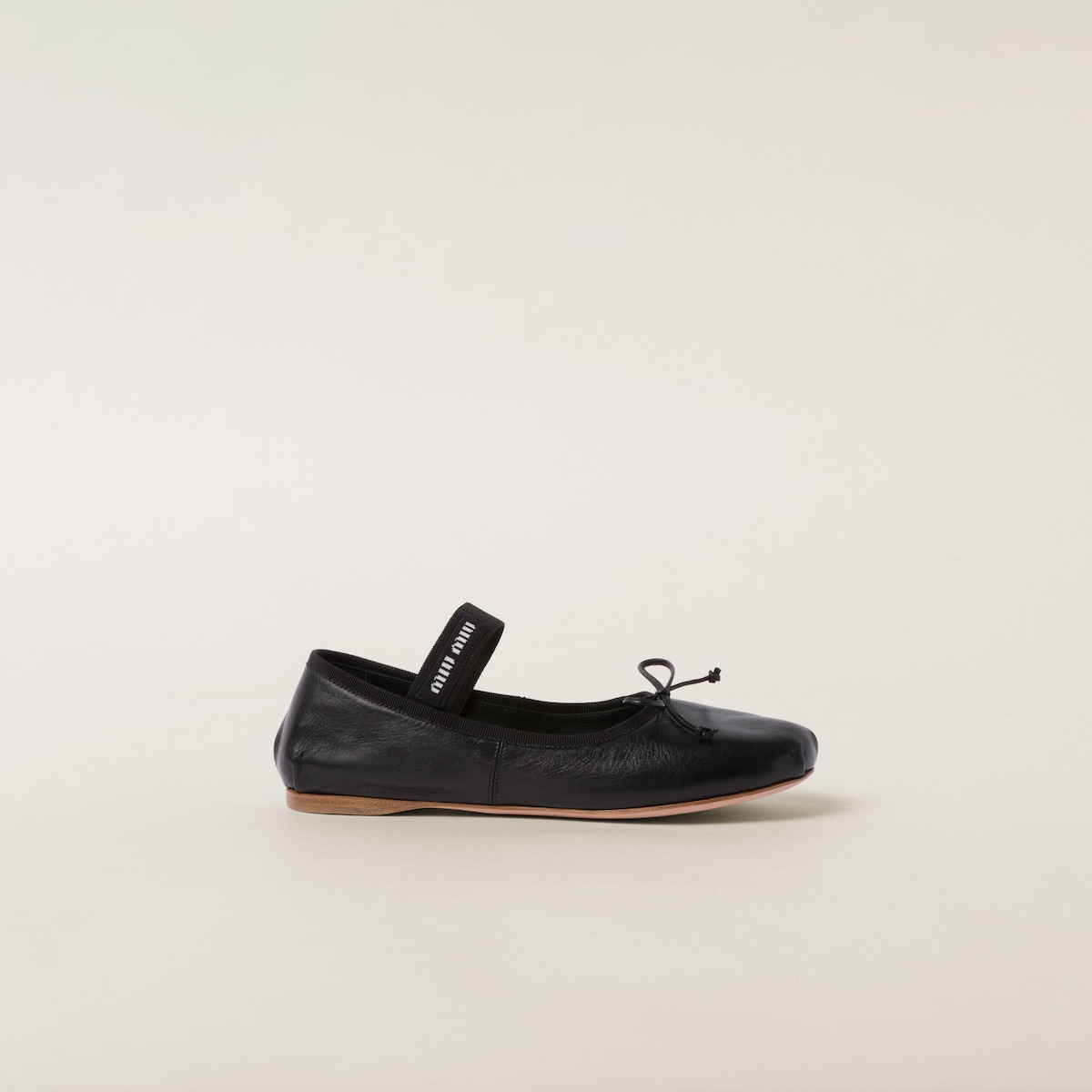
A ballet flat is soft. The upper is thin, the sole is thin, and the shoe stays on because the vamp cuts across the top of your foot and grips it. That construction is why a ballet flat disappears under a hem and folds into a bag, and also why it slips at the heel if the vamp sits too low or the shoe is even slightly too big. A strap across the instep, the Mary Jane version, solves this properly and is worth looking for if you have a narrow heel.
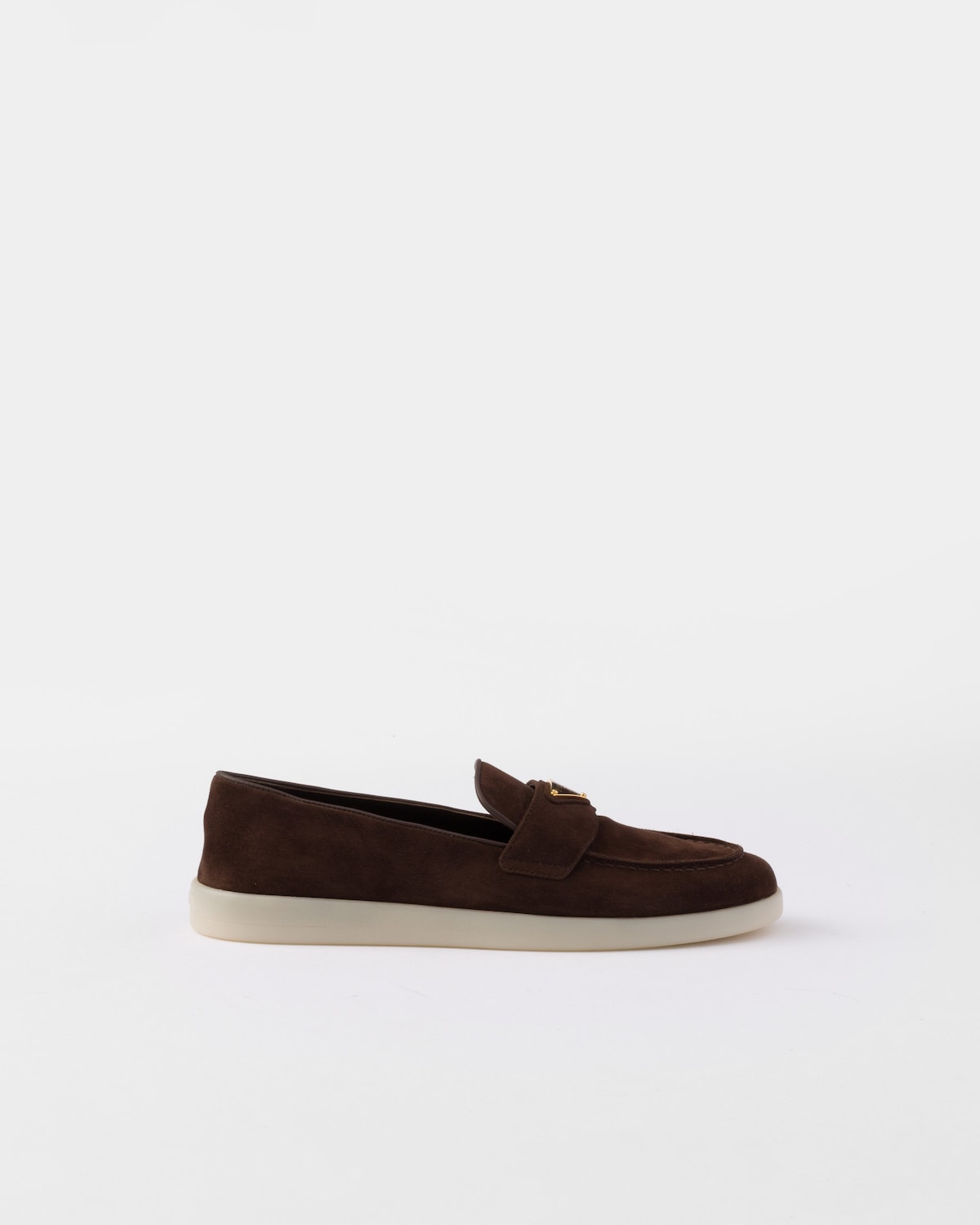
A loafer is built. It has a stiffened heel counter, a proper sole and usually a slight heel, so it holds the back of your foot rather than relying on the top. That makes it more forgiving over distance and more resistant to rain, and it means a loafer will hold its shape for years while a ballet flat gradually takes on the shape of your foot.
Neither is more correct. They are answers to different days.
Ballet flats worth starting with
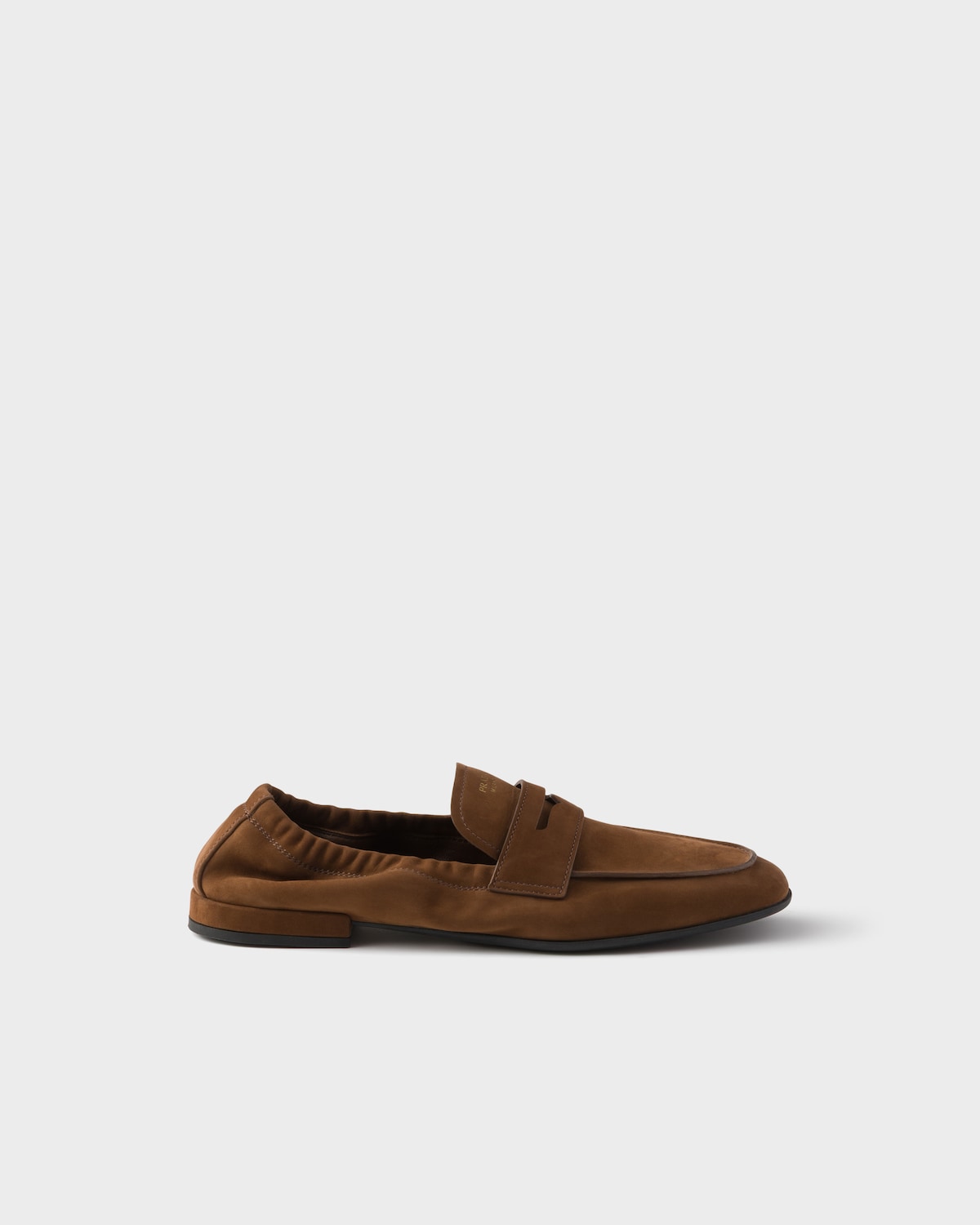
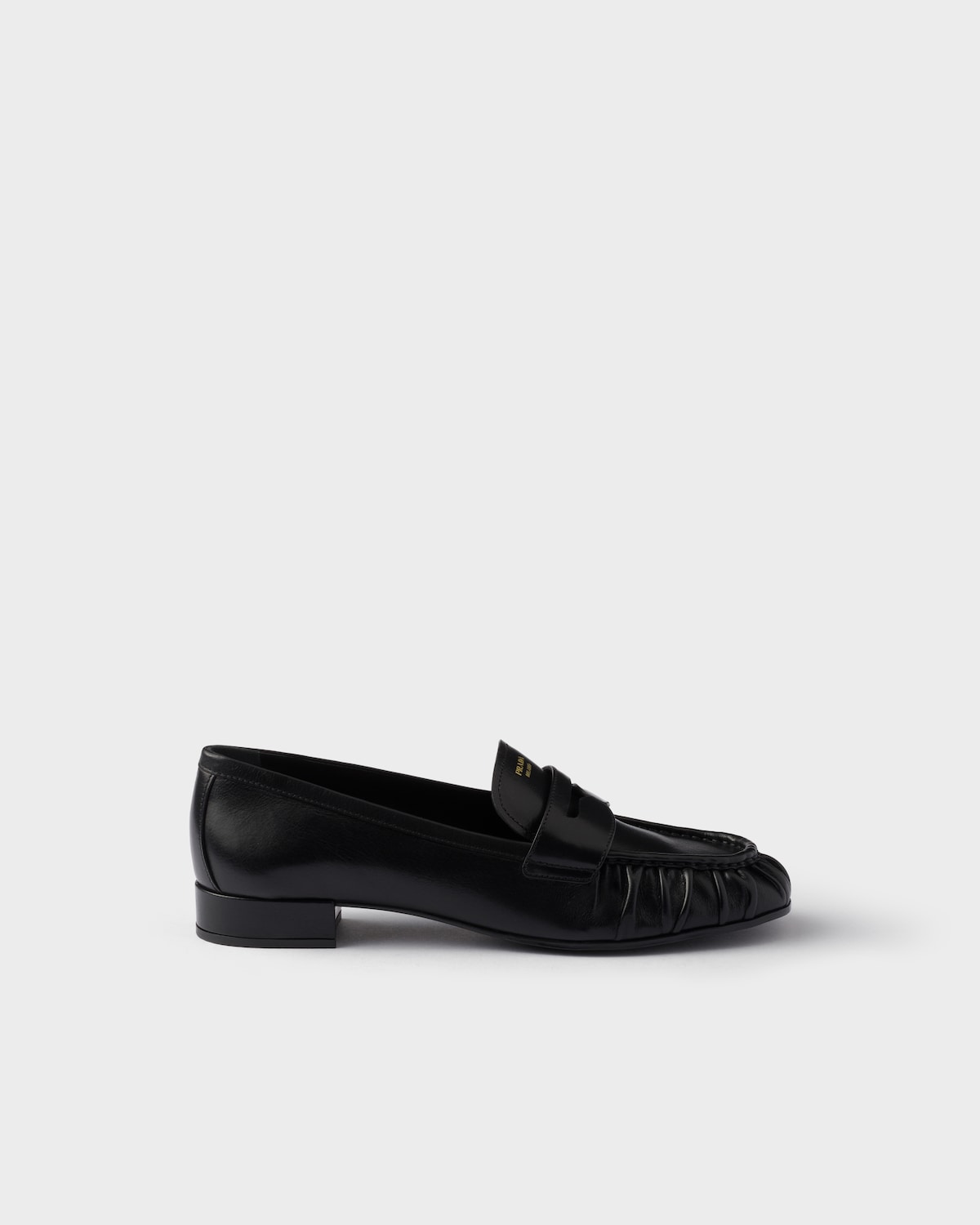
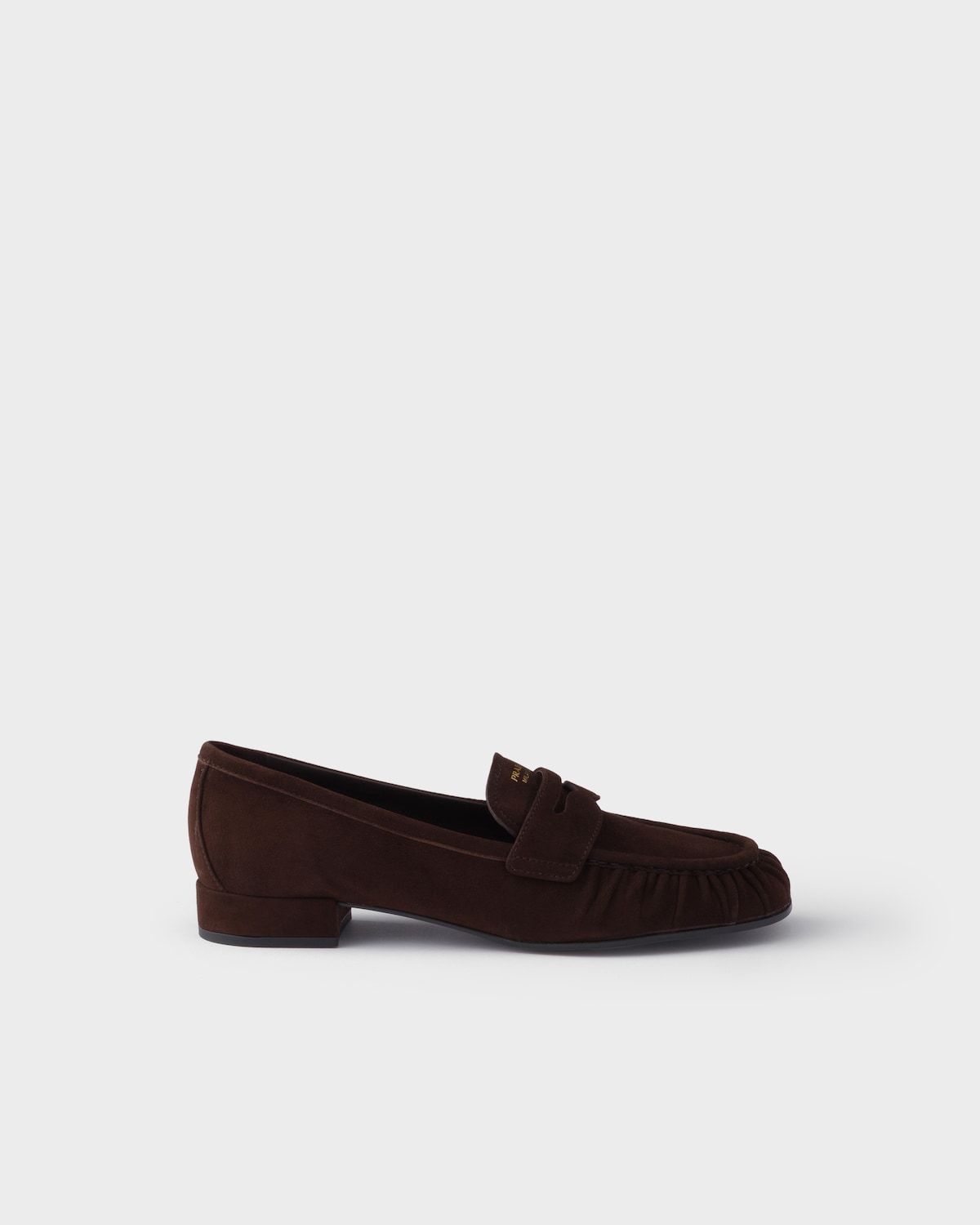
When a loafer is the better buy
If you walk more than a few blocks, stand for long stretches, or want one pair of flats to cover both an office and a weekend, the loafer is usually the more useful shoe. The structure that makes it less packable is the same structure that makes it comfortable at hour six.
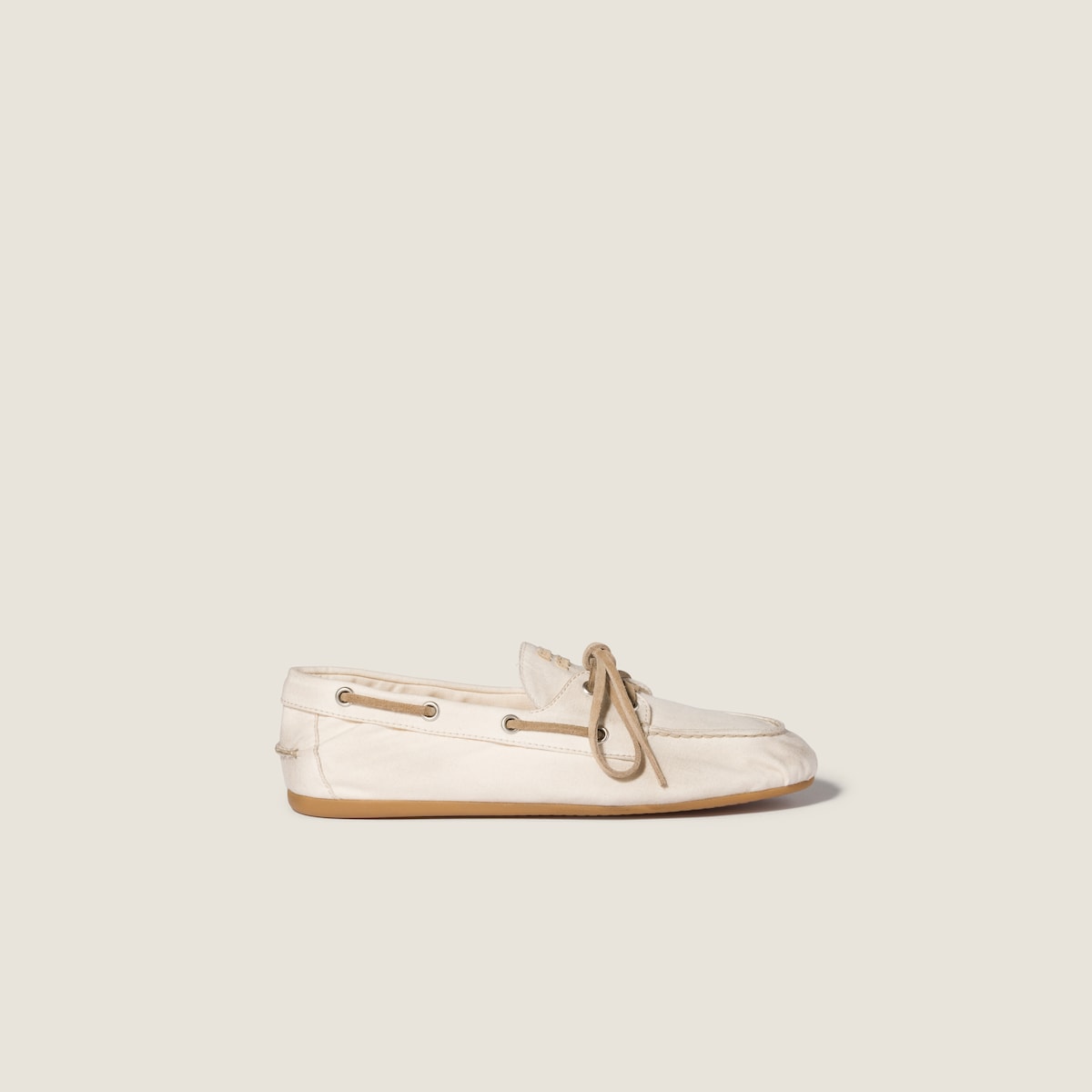
It also takes weather. A leather or suede loafer with a real sole handles a wet pavement in a way a thin ballet sole does not, and it can be resoled, which quietly changes the maths on price. Miu Miu's Deck shoes are the relaxed end of this idea, closer to a boat shoe, with a soft upper and a light sole that suits warmer months and looser trousers. Prada's leather and suede loafers are the more formal reading and are the ones that work under tailoring.
Fit is the part people get wrong. A loafer should be snug across the widest part of your foot and hold your heel with only slight movement when you walk. Leather will give a little across the width and almost nothing in length, so buy for length first. If you plan to wear socks, try them on with socks, because half a size can disappear.
A loafer that fits well is one of the few shoes that gets better with wear.
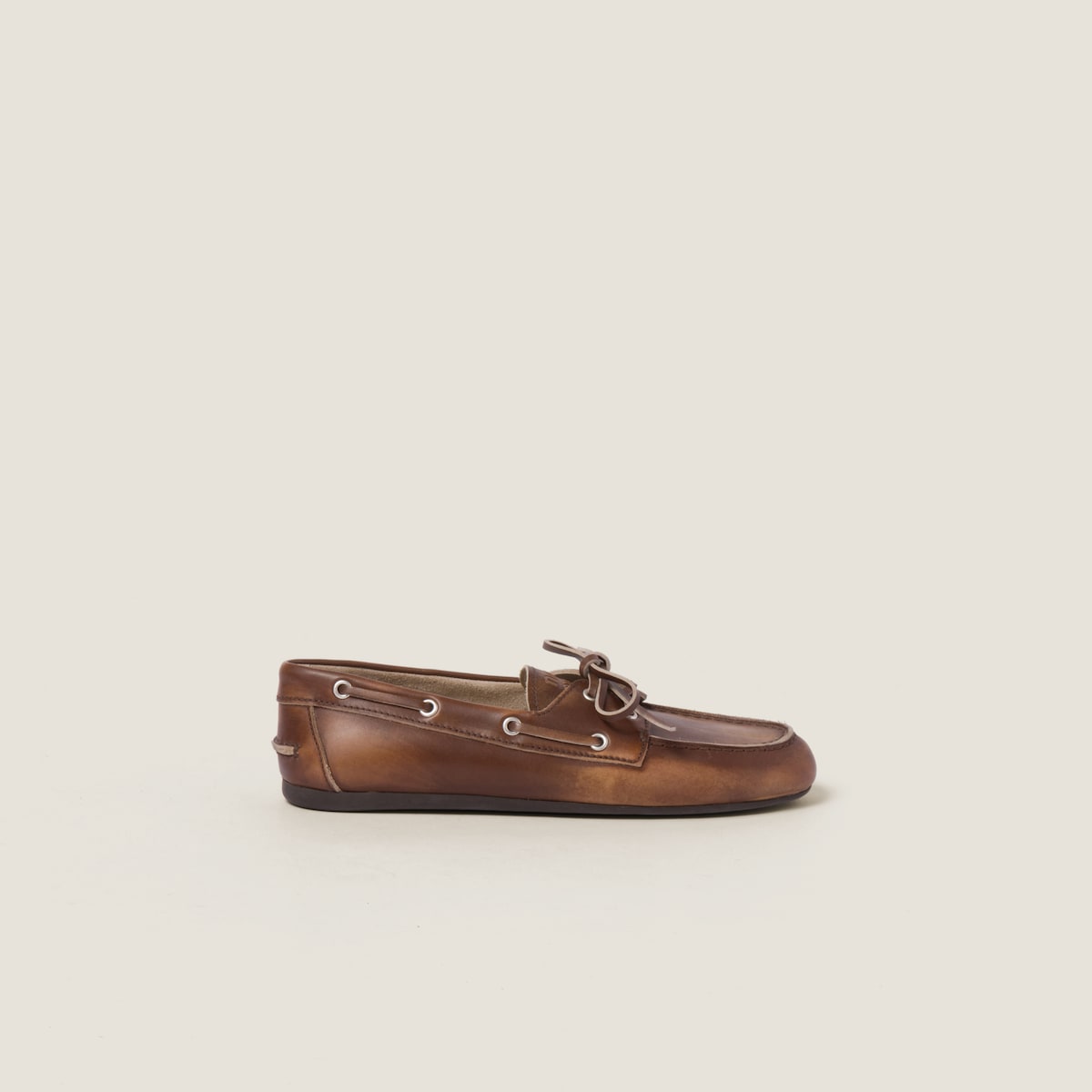
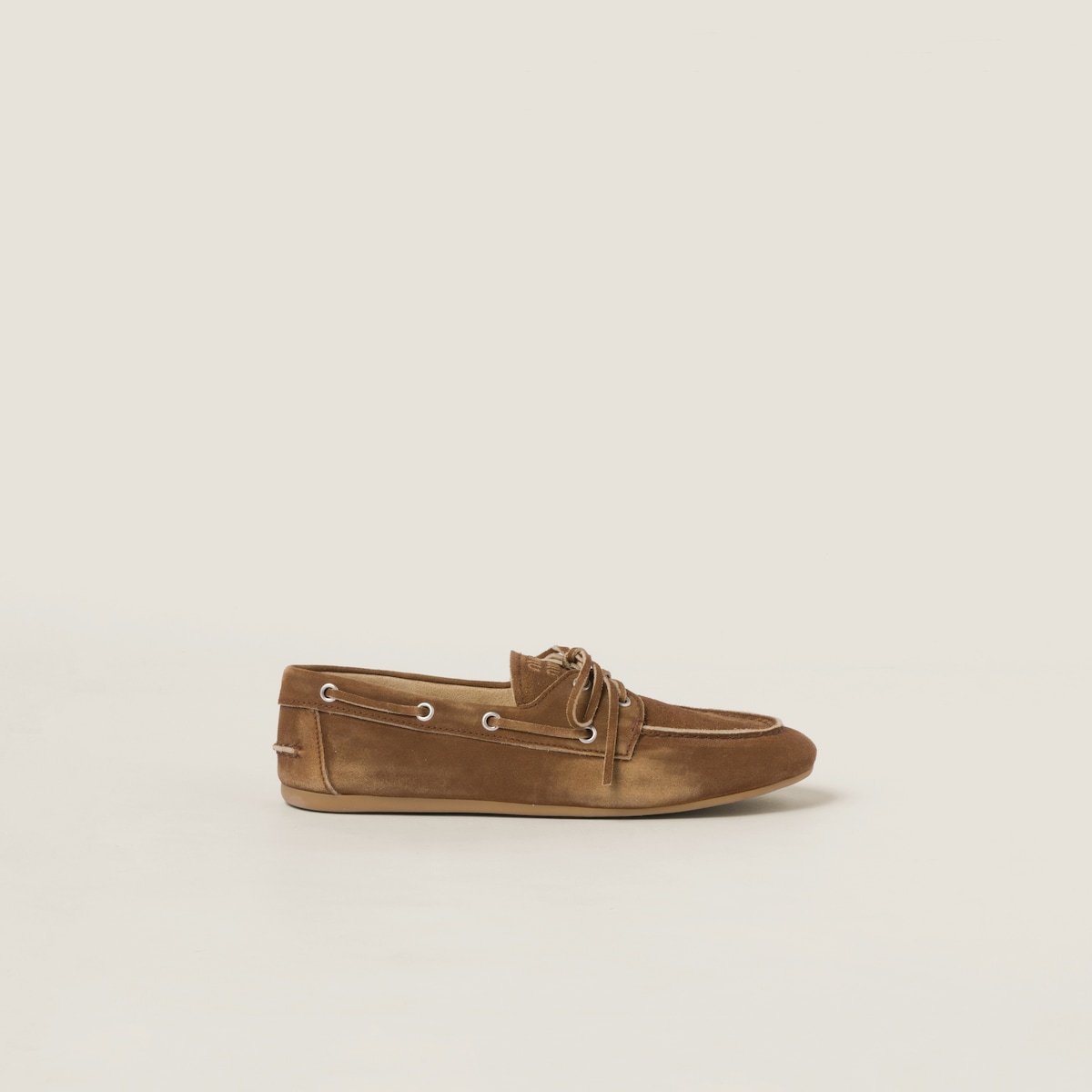
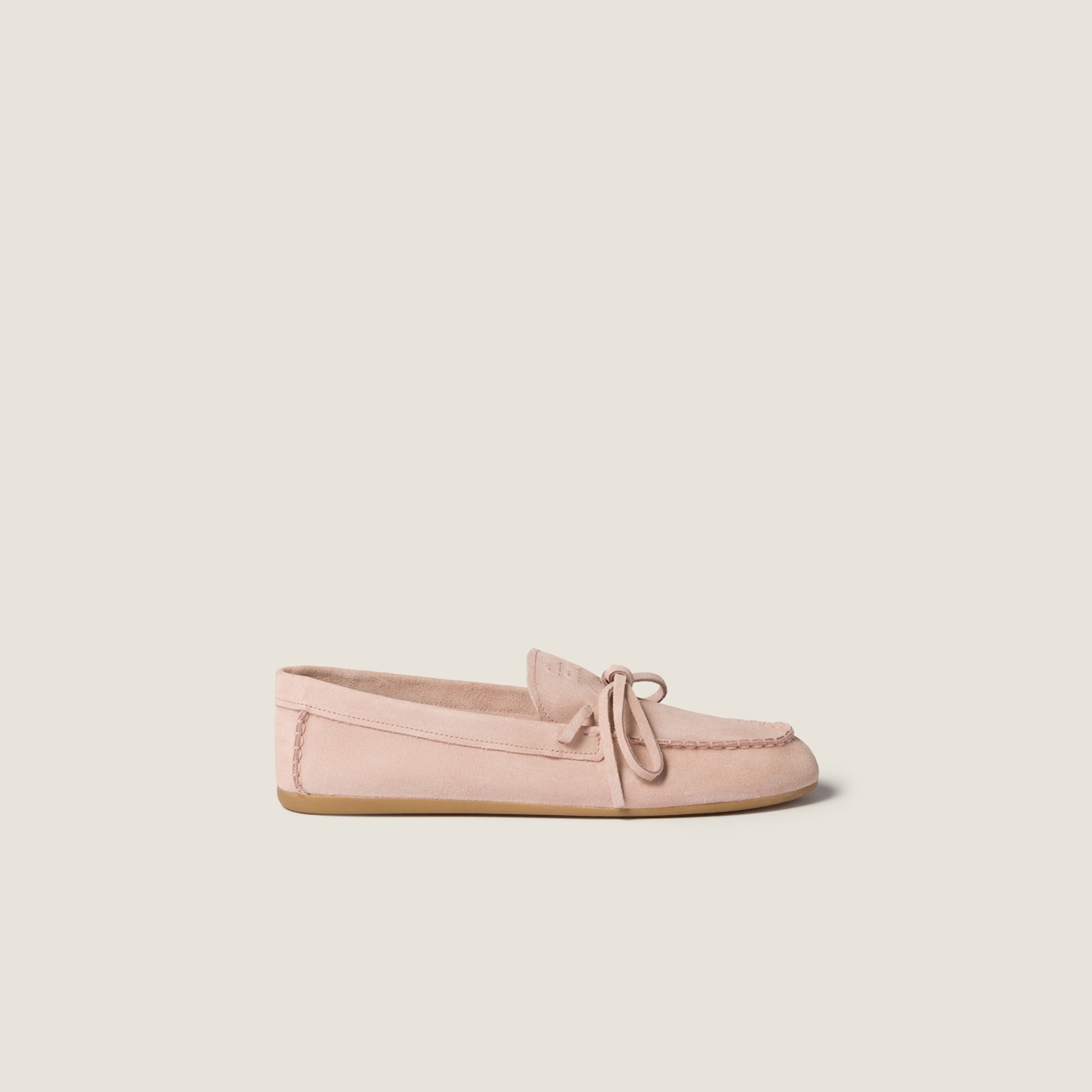
The third option most people actually wear
It is worth admitting that the flat many people reach for most is a low sneaker. Ignoring that produces a shoe wardrobe that looks tidy on paper and goes unused, so it is better to choose a good one deliberately than to default to whatever is by the door.
The sneakers that sit comfortably next to loafers and ballet flats are the low, clean profile ones: leather or suede uppers, a slim sole, minimal branding, nothing engineered to look technical. In that register a sneaker reads as a flat shoe rather than as sportswear, which means it works with trousers and with a dress in a way a running shoe does not.
Prada's Court and America's Cup shapes and Miu Miu's Chino and Plume styles all sit in this territory. Suede is the softer, more forgiving option and marks more easily; smooth leather wipes clean and creases across the toe box with time, which most people find acceptable and some find distracting. It is worth knowing which of those two you are before you choose.
If you buy one pair of flats a year, alternate. A ballet flat and a loafer cover very different weather, and a low sneaker covers most of the rest.
Sneakers, the third kind of flat
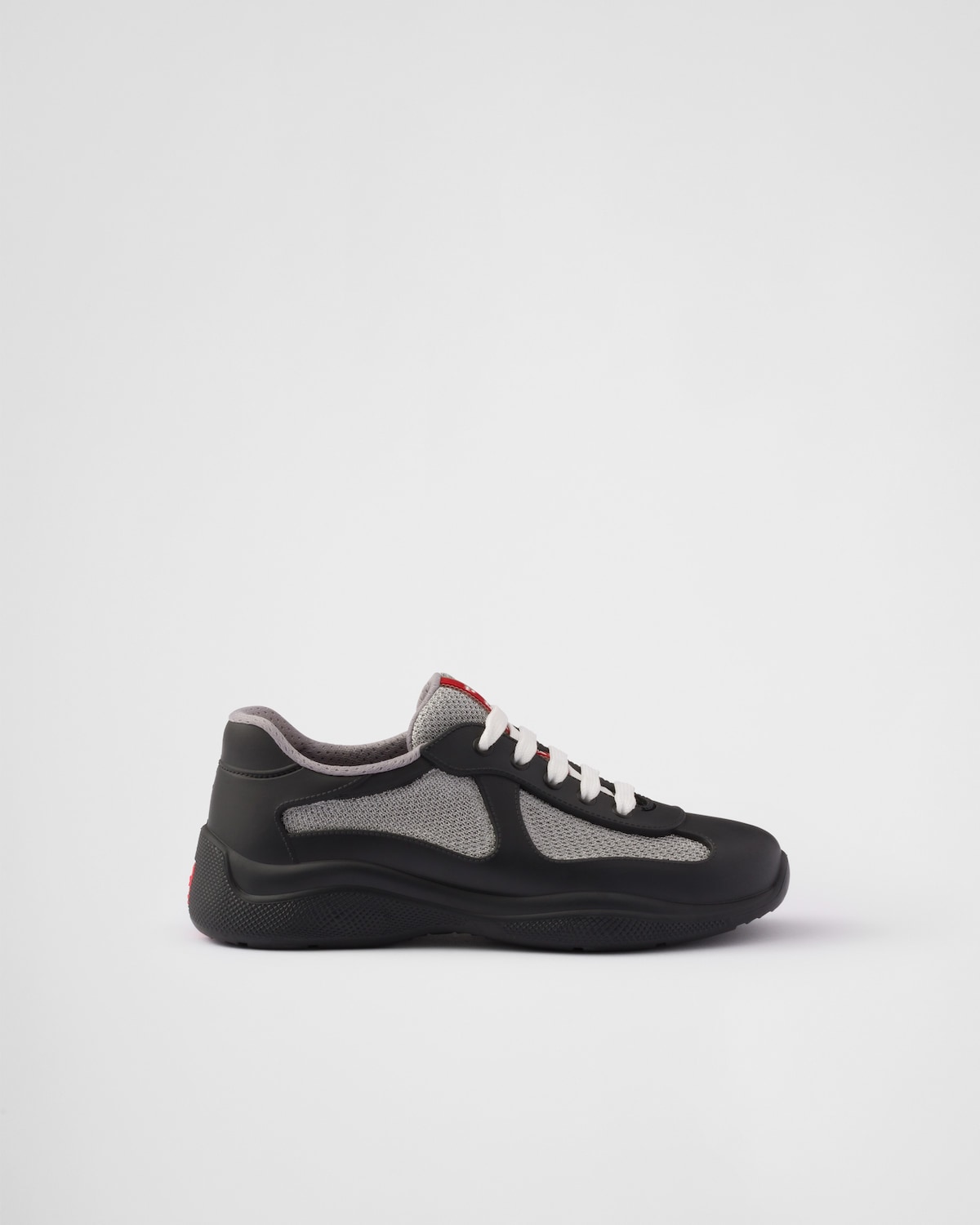
Prada America's Cup Soft rubber and bike fabric sneakers
Prada
$895
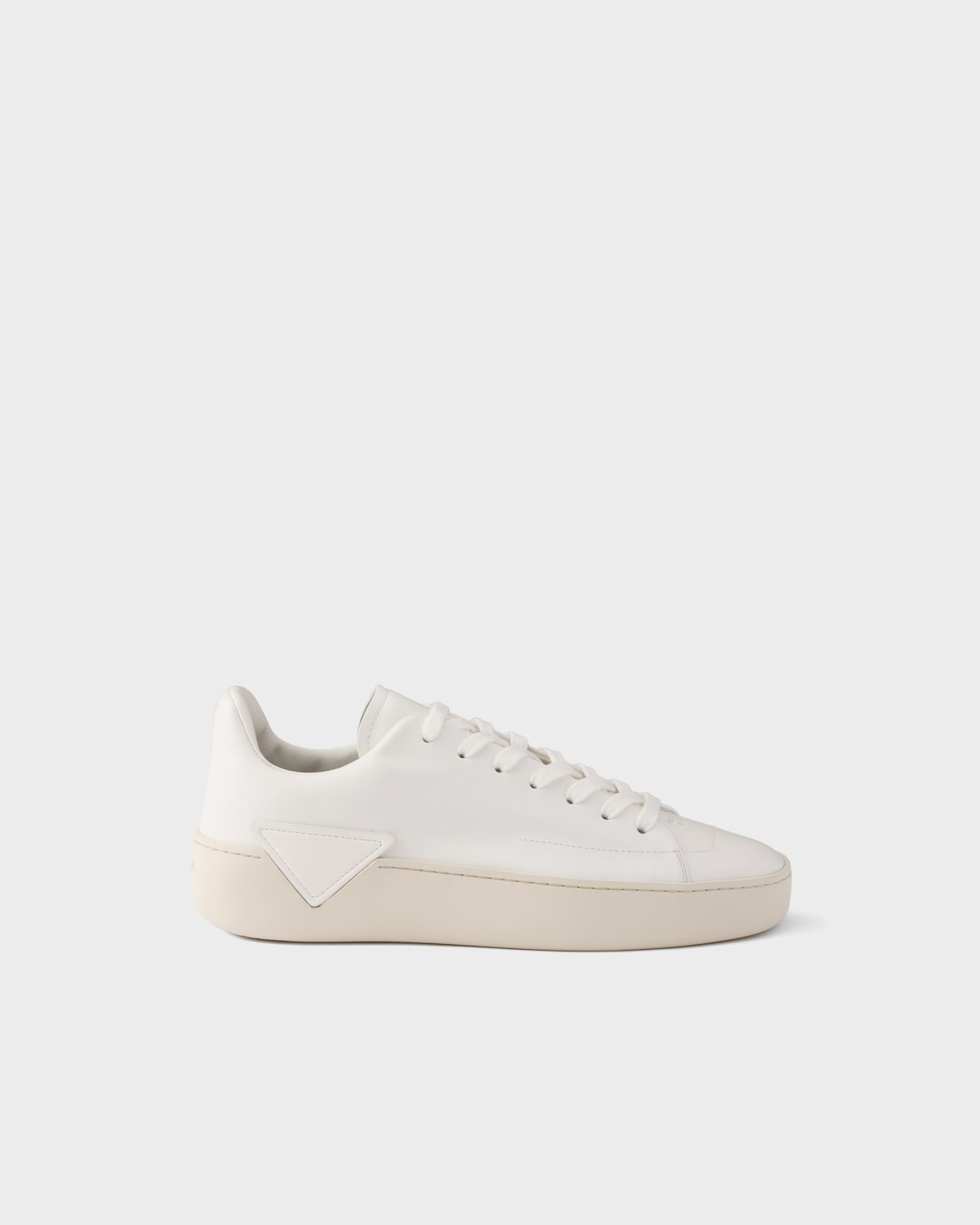
Court leather sneakers
Prada
$950
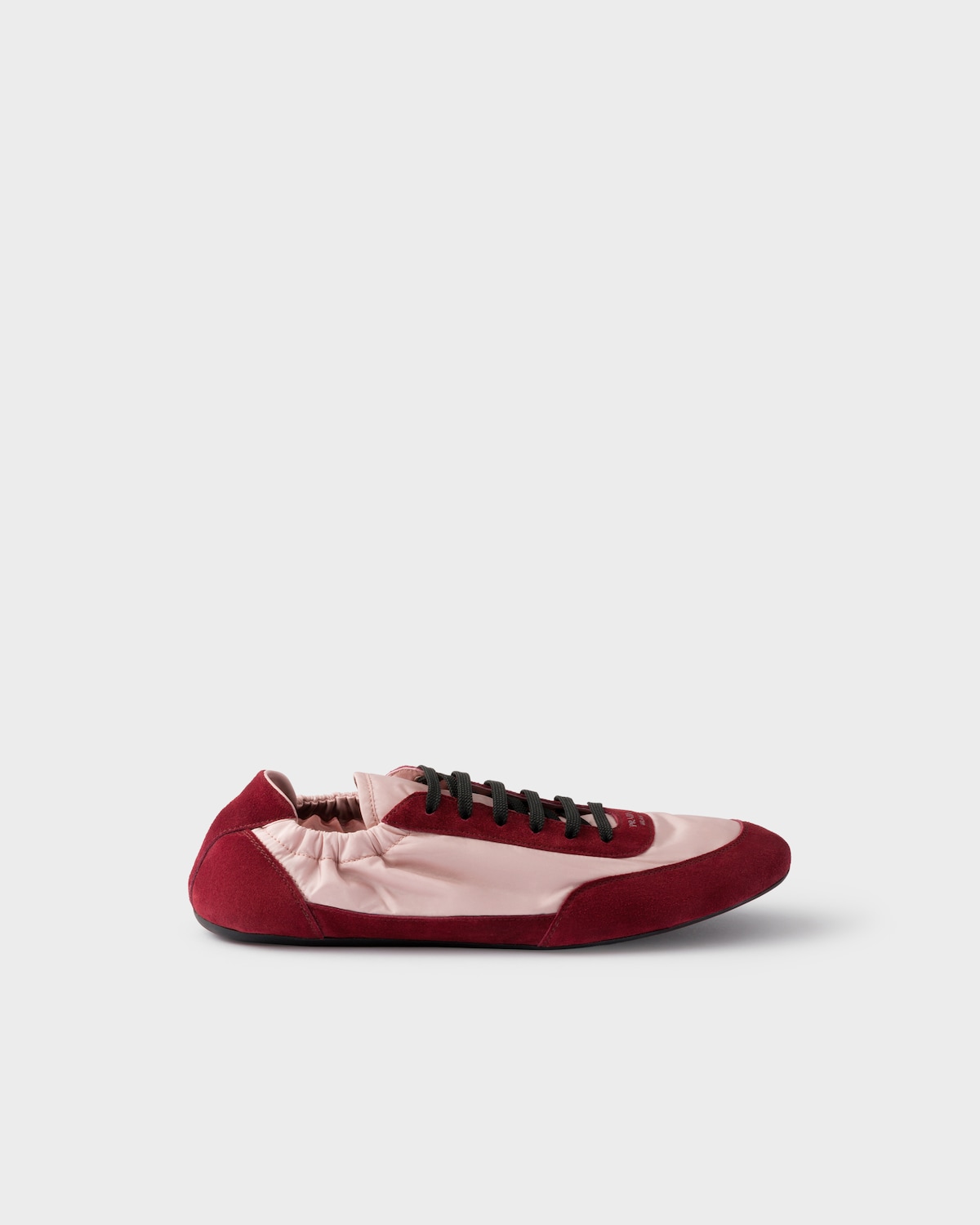
Collapse Re-Nylon and suede sneakers
Prada
$1,050
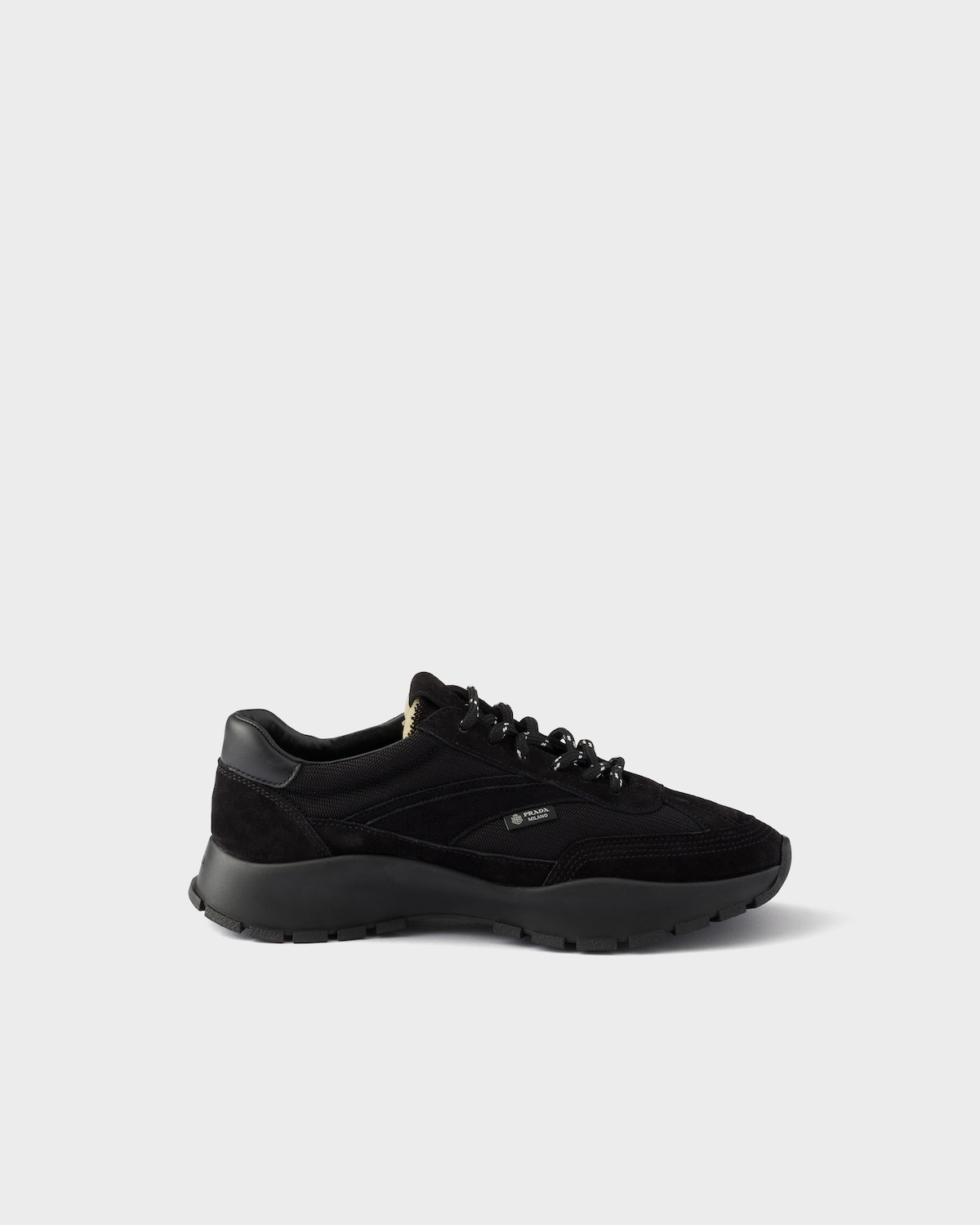
Mesh fabric and suede sneakers
Prada
$1,070
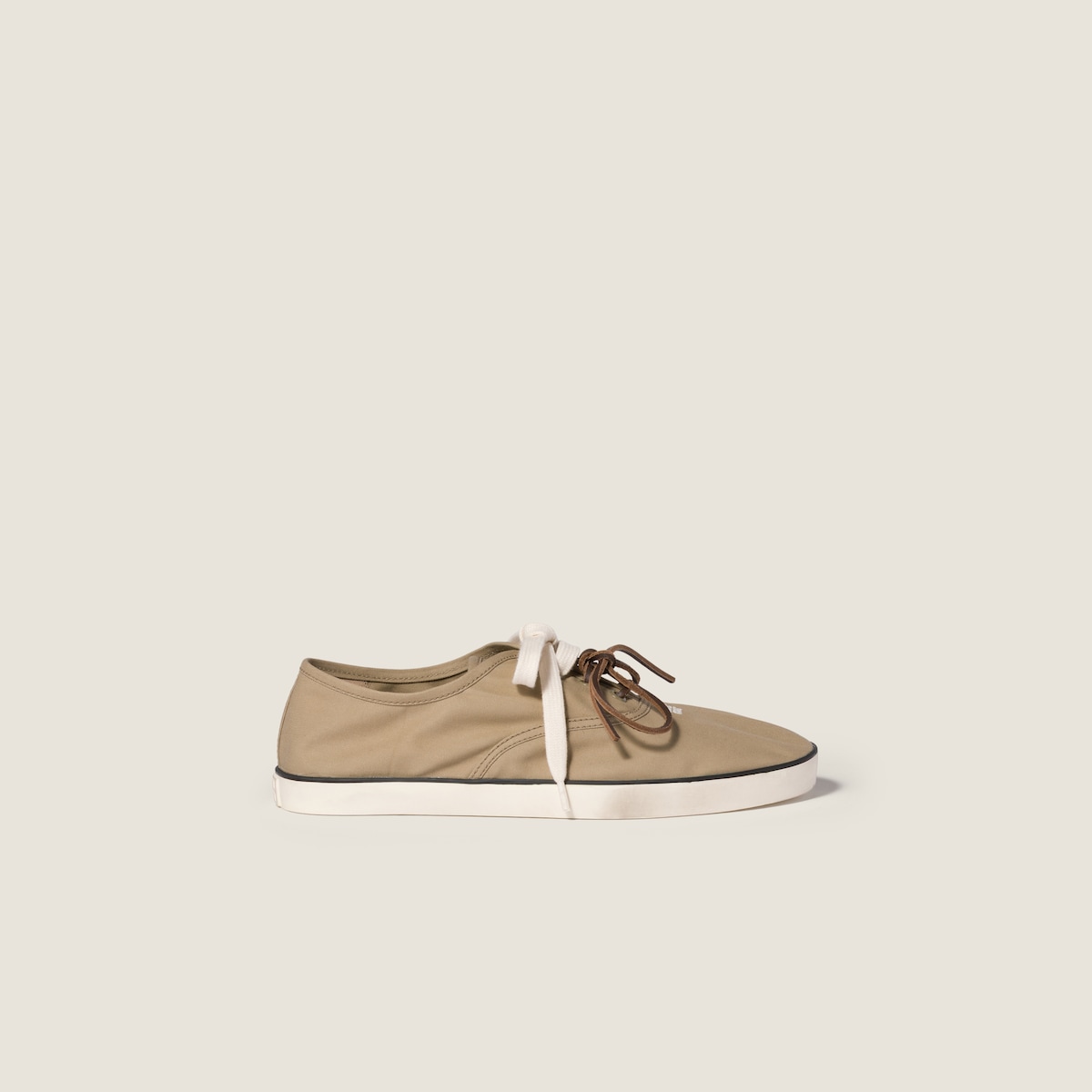
Chino sneakers
Miu Miu
$895
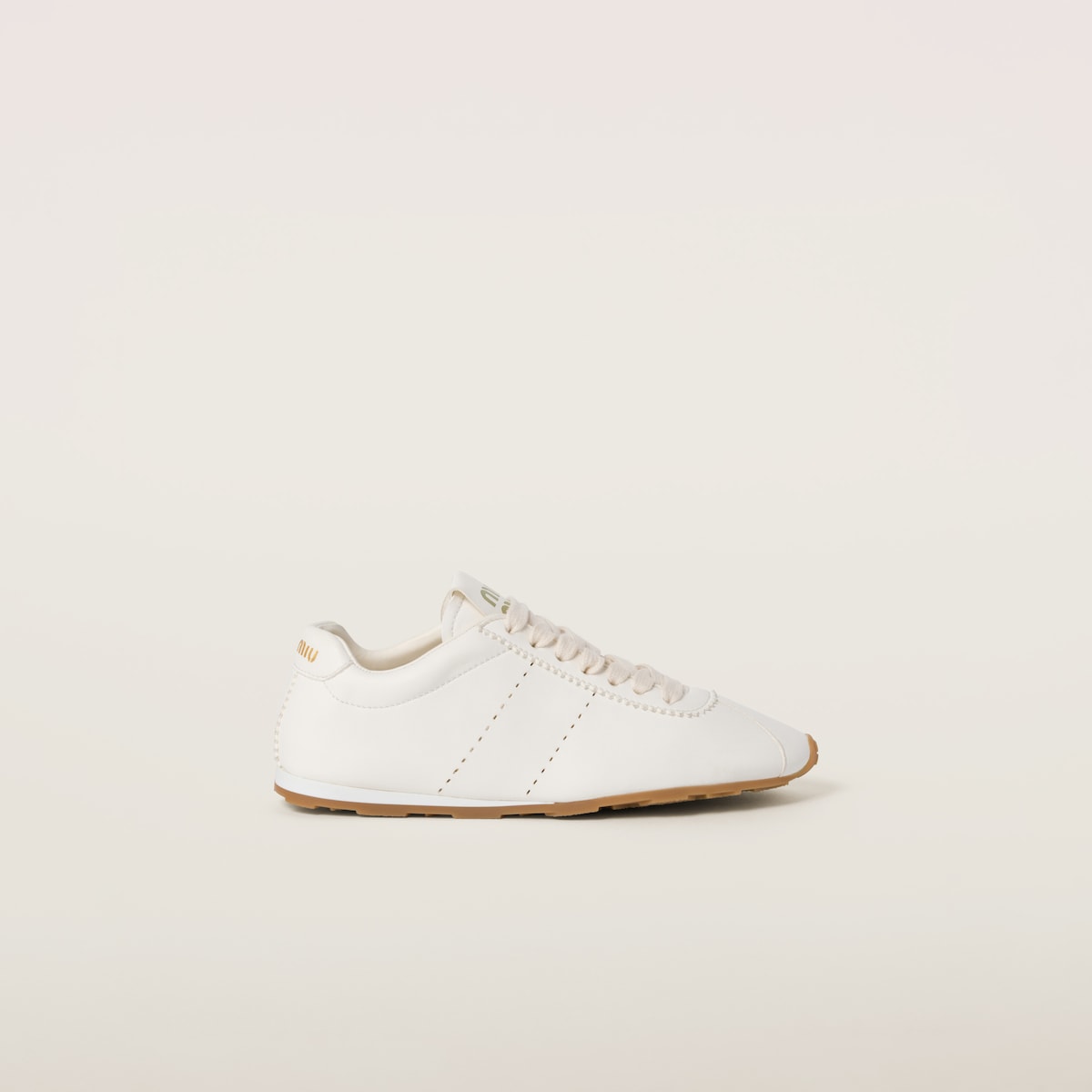
Plume nappa leather sneakers
Miu Miu
$995
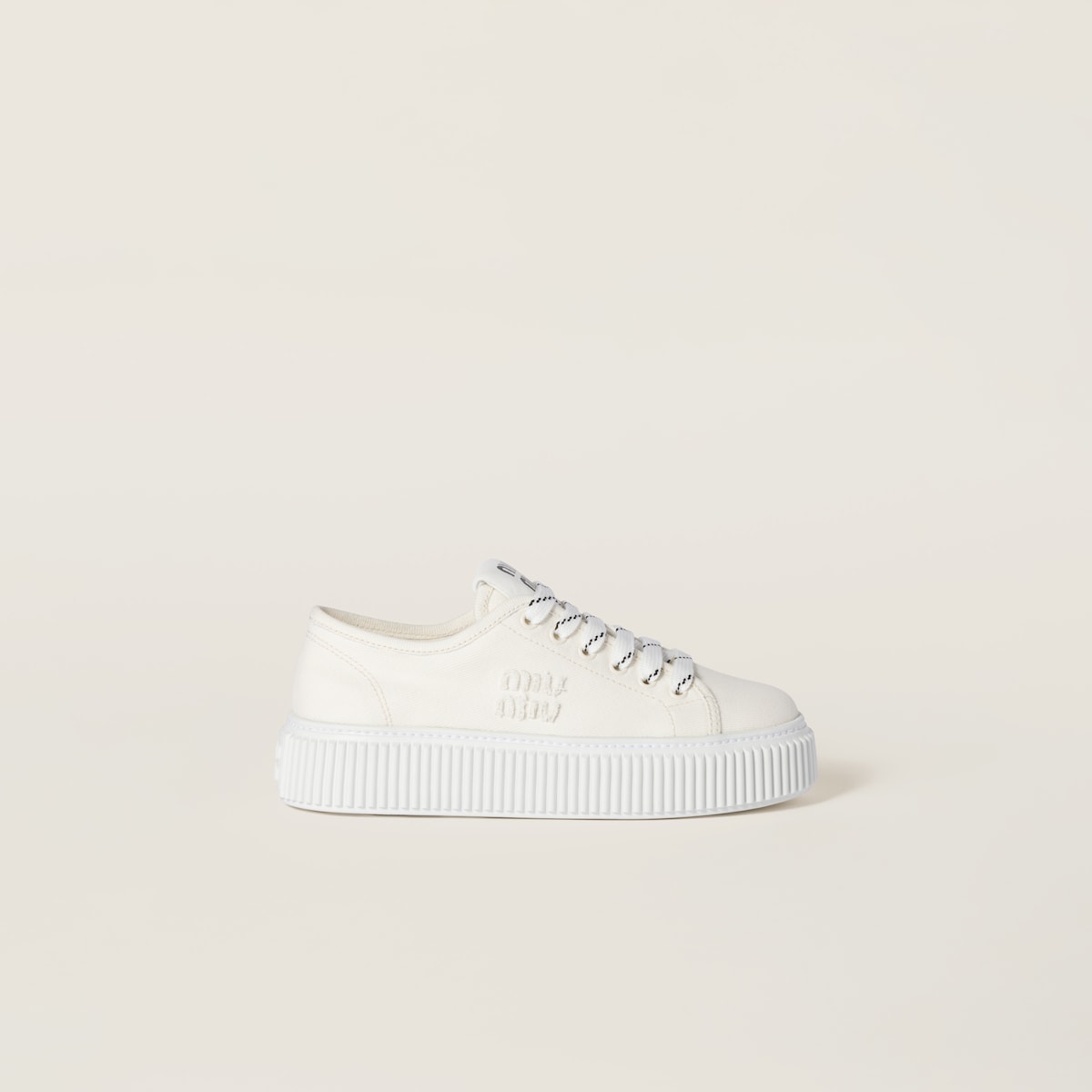
Denim sneakers with logo
Miu Miu
$1,070
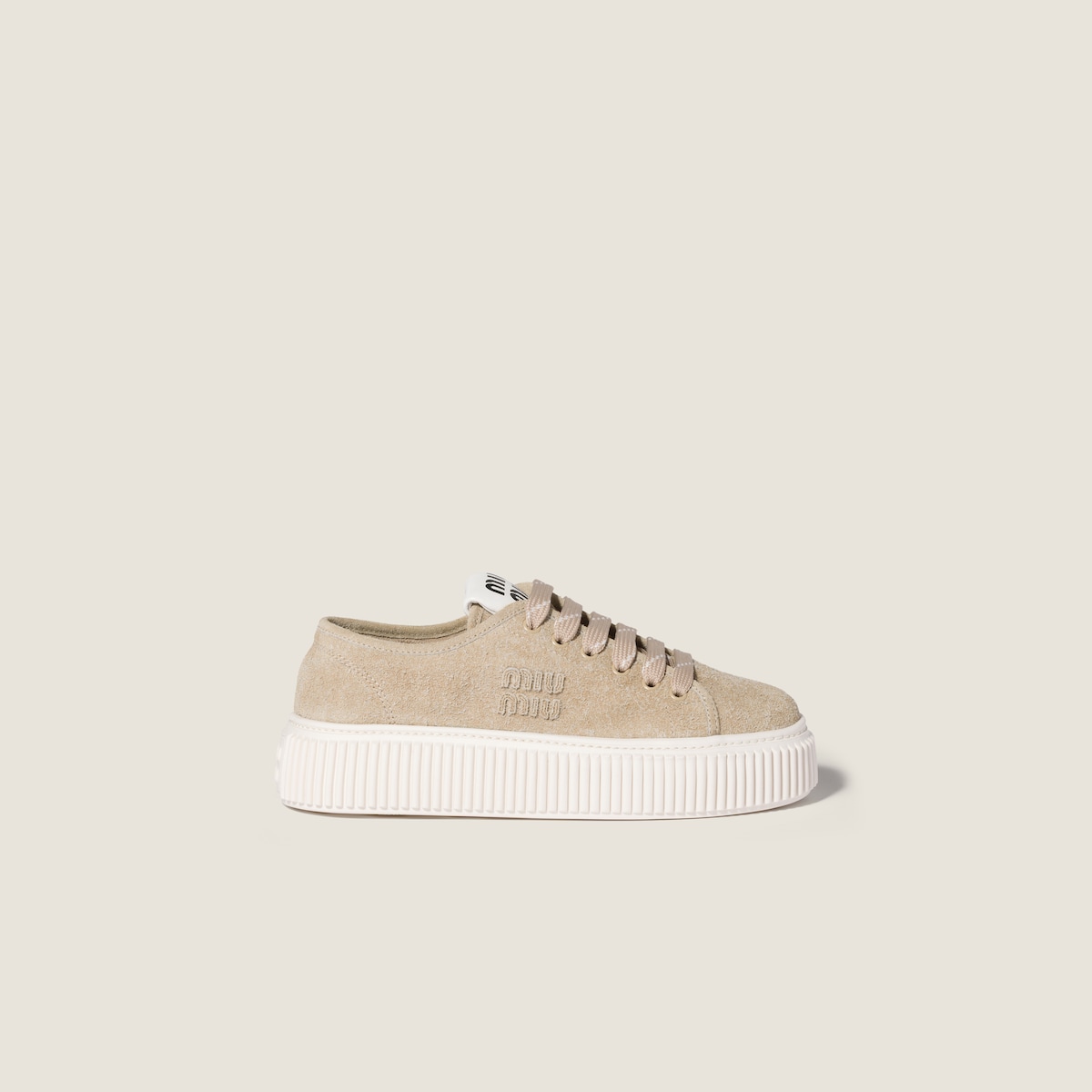
Suede sneakers
Miu Miu
$1,100
Common questions
Why do my ballet flats slip off at the heel? Almost always because the vamp is too low for your foot or the shoe is marginally too long. Try a Mary Jane style with a strap, or size down half a size, since a soft flat will stretch across the width but will not shorten.
Are ballet flats bad for your feet? A very thin sole gives you little cushioning or arch support, so they are not ideal for long walking days. Rotating them with a structured shoe matters more than avoiding them.
Should loafers be tight at first? Snug across the ball of the foot, yes. Tight in length, no. Leather widens with wear and does not lengthen.
Can I wear loafers with no socks? Yes, and a fine invisible sock will make them last longer, since bare feet put sweat straight into the lining.
Which of the three lasts longest? The loafer, comfortably. It has the most structure and is the only one of the three that can usually be resoled.
Shop brands in this edit


Next read
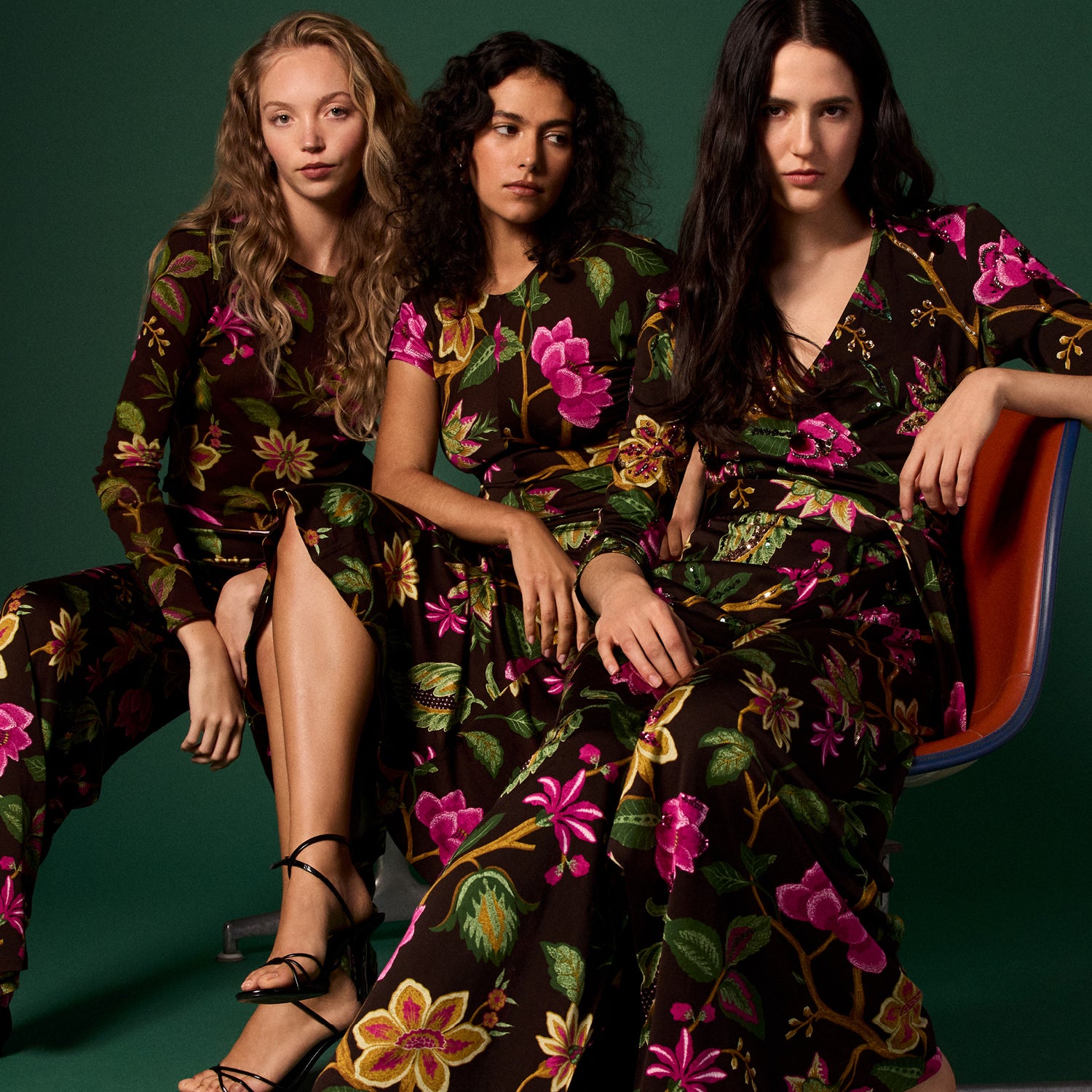
Floral, Geometric or Animal: How to Choose a Print You Will Actually Wear
Most unworn prints failed on scale or contrast, not on the motif. Here is how to judge a floral, a geometric and an animal print before you buy, and how to wear one so it looks deliberate rather than costumed.
Read Editorial
Mini, Midi or Maxi: How to Choose a Dress Length
Mini sits above the knee, midi falls between the knee and the ankle, and maxi runs to the floor. The right one depends on the occasion, your proportions and the shoes you plan to wear. Here is how to decide before you order three lengths and return two.