Cardigans and pullovers behave differently in real life, and fibre matters more than either. How to judge cashmere, ply and fit, with Prada and Miu Miu knitwear for each.
Cardigan or Pullover: How to Choose the Knit You Will Reach For
One opens, one does not, and that changes everything
The choice between a cardigan and a pullover sounds like a question of taste. In practice it is a question of temperature control, and that is why most people end up wearing one of them far more than the other.
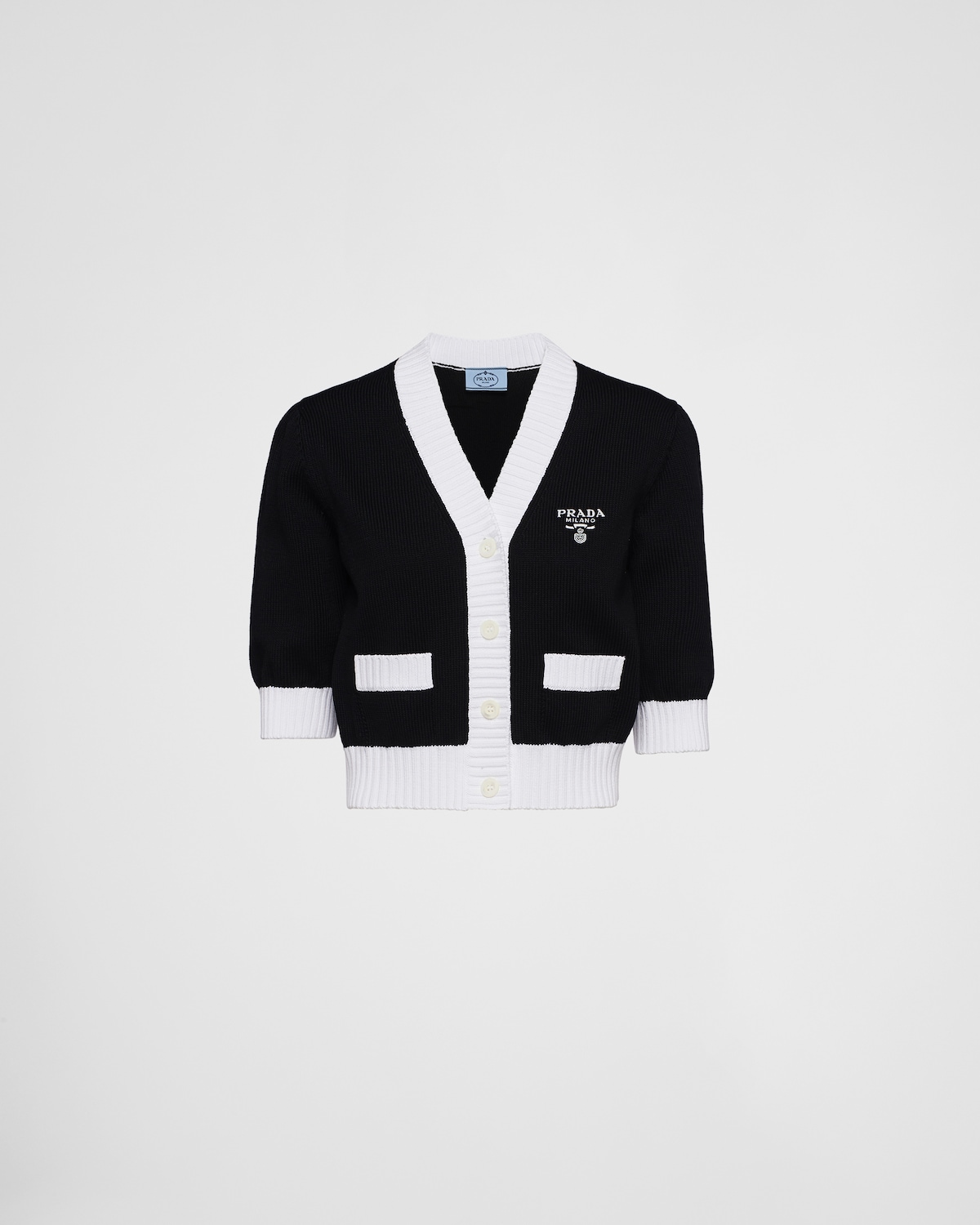
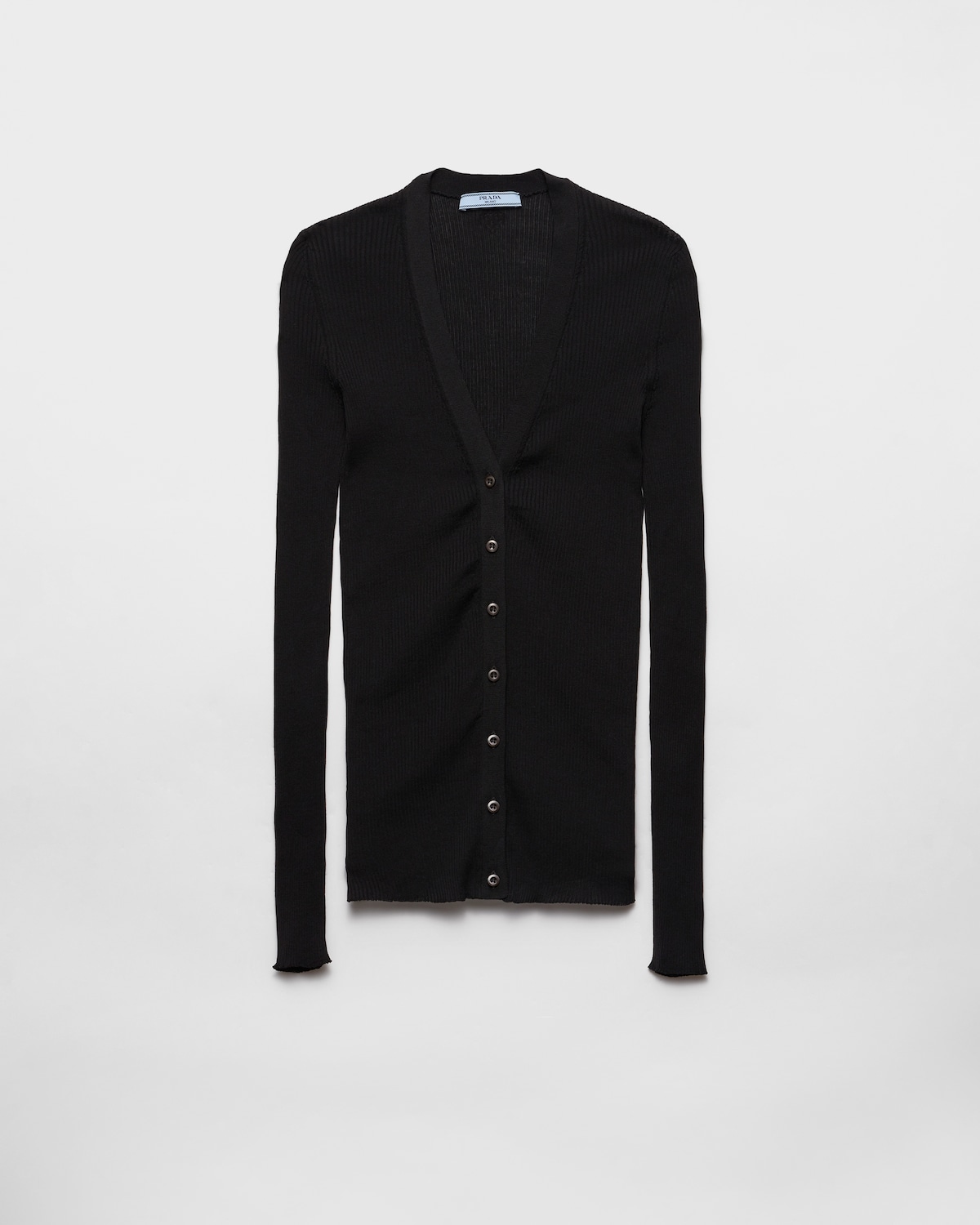
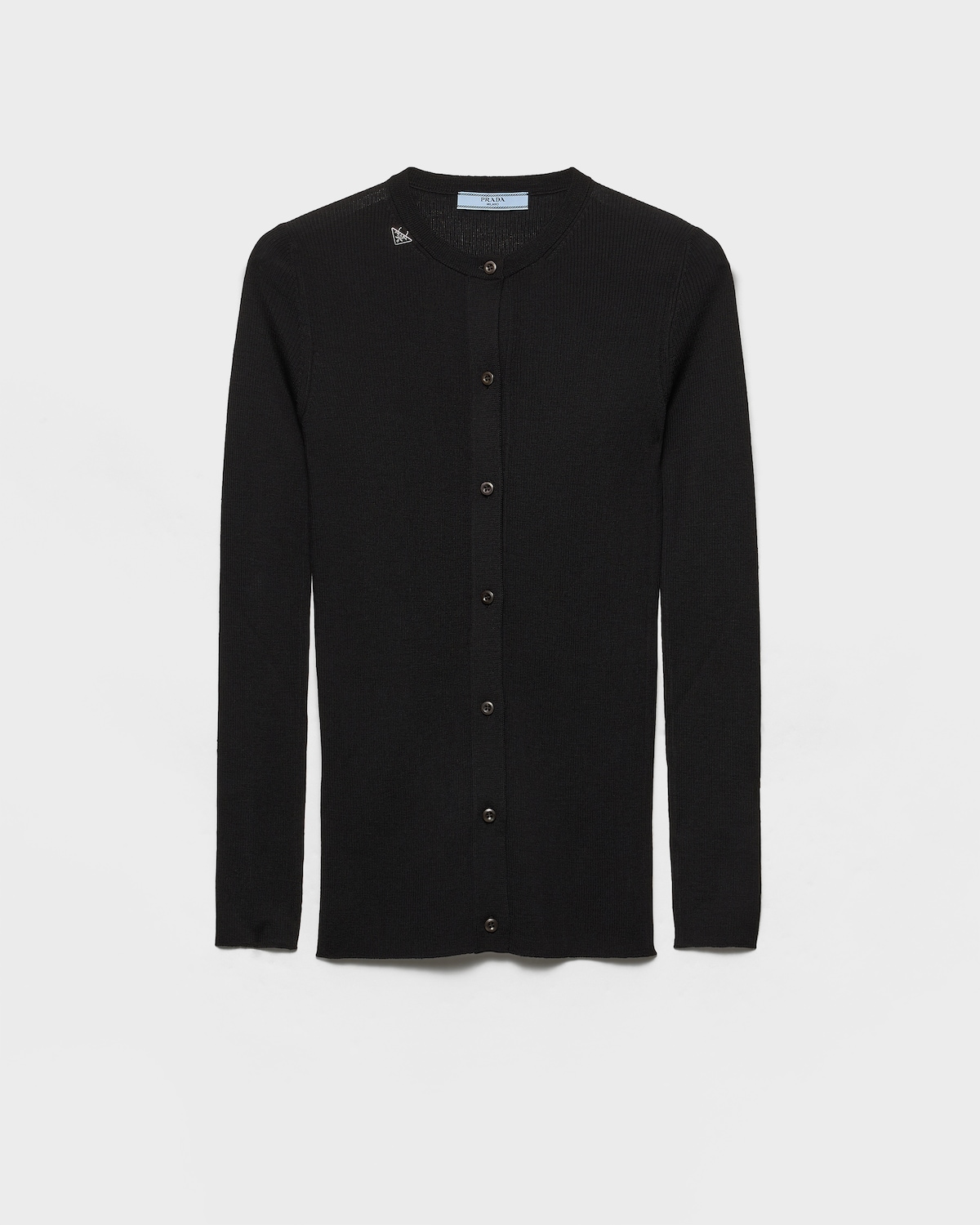
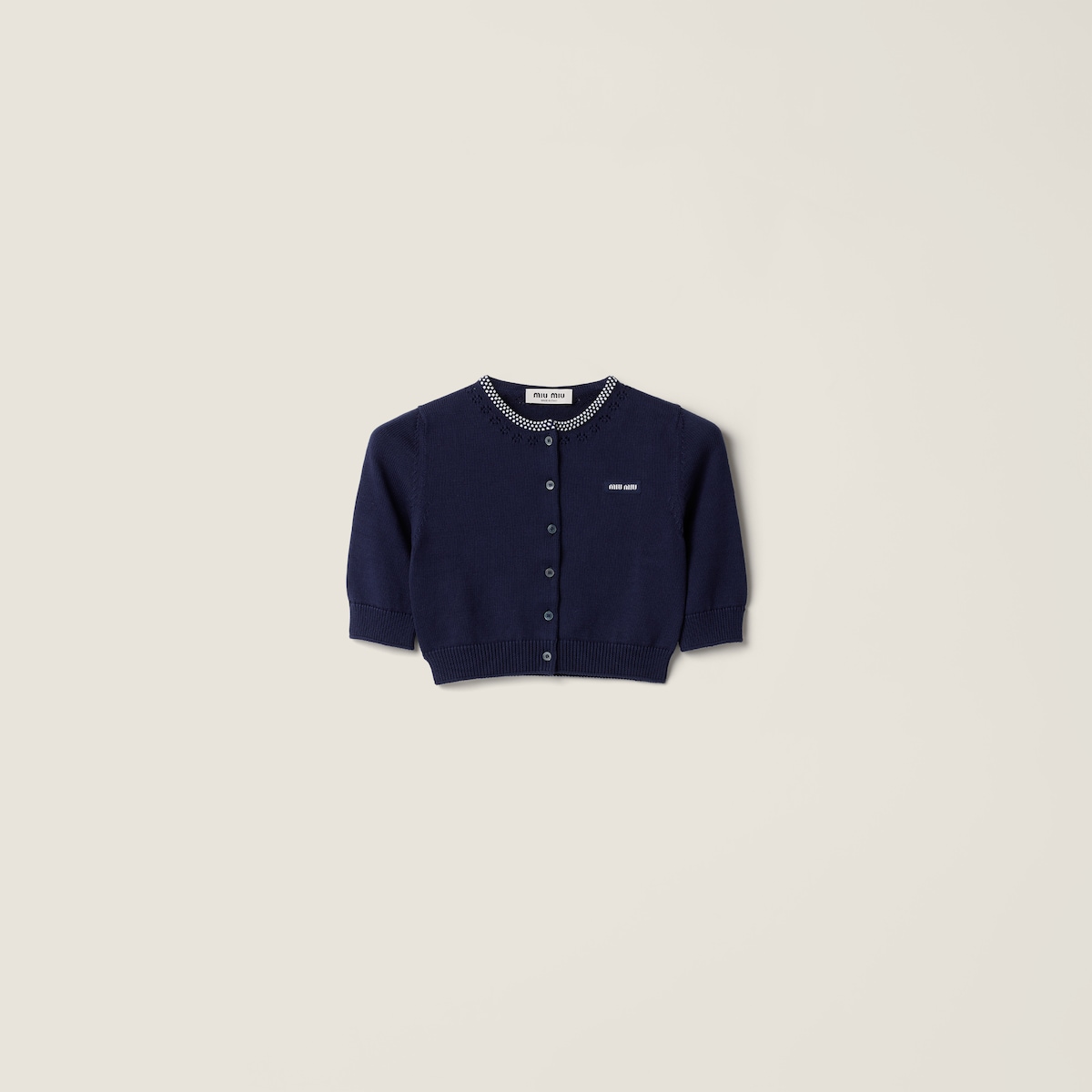
A cardigan opens. You can put it on over a shirt without disturbing your hair, take it off without standing up, wear it buttoned as a top or open as a light layer, and adjust it through a day that starts cold and ends warm. That flexibility is the whole argument, and it is a strong one for anyone who moves between an overheated office and a cold street.
A pullover does one thing and does it better. With no button band down the front, it sits flatter under a coat, holds a cleaner line, and is warmer for the same weight of yarn because there is no opening for air to move through. A crew neck or a V neck pullover is also the easier thing to wear alone, whereas a buttoned cardigan worn as a top can pull at the placket if the fit is even slightly close.
If you are choosing one, choose for the room you are actually cold in.
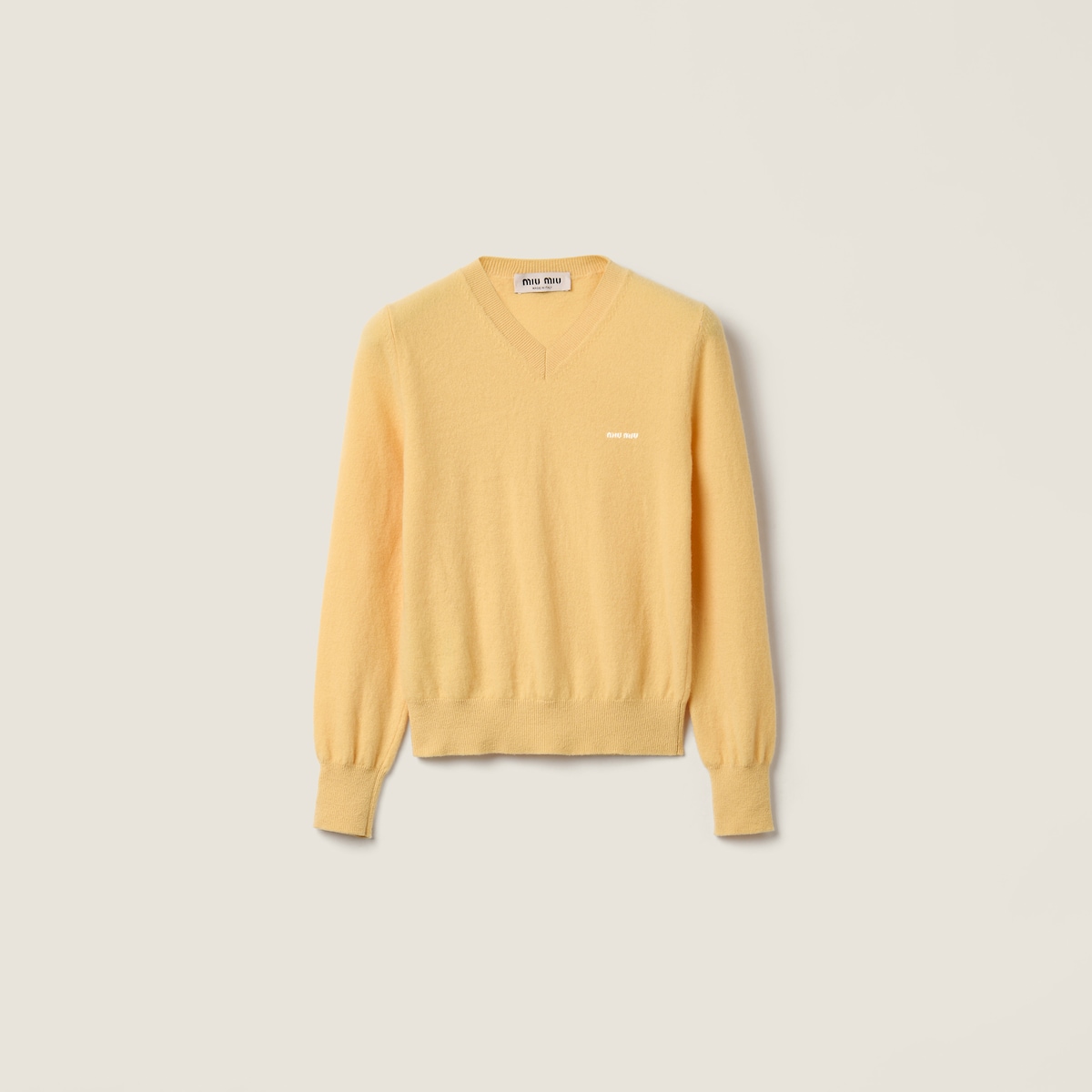
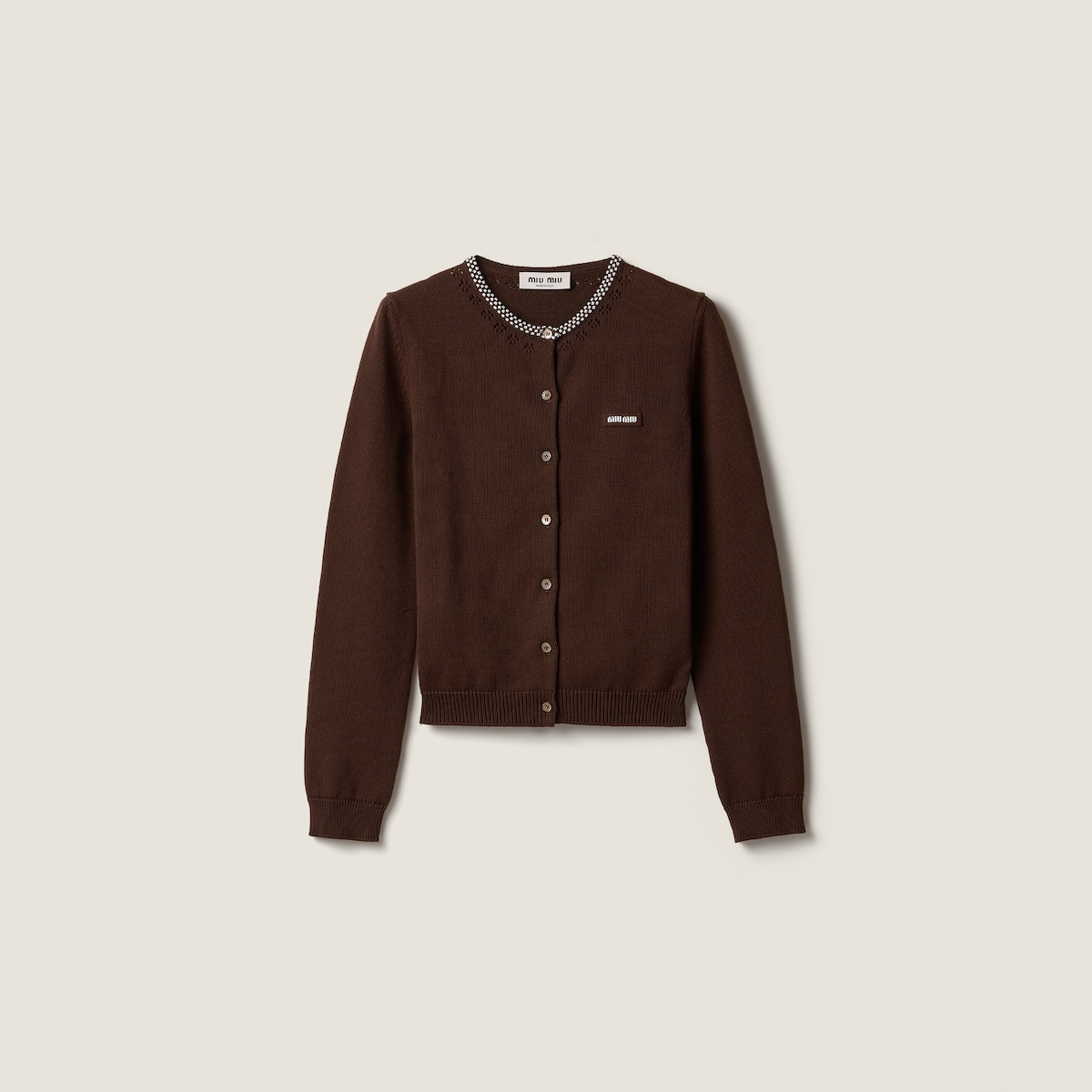
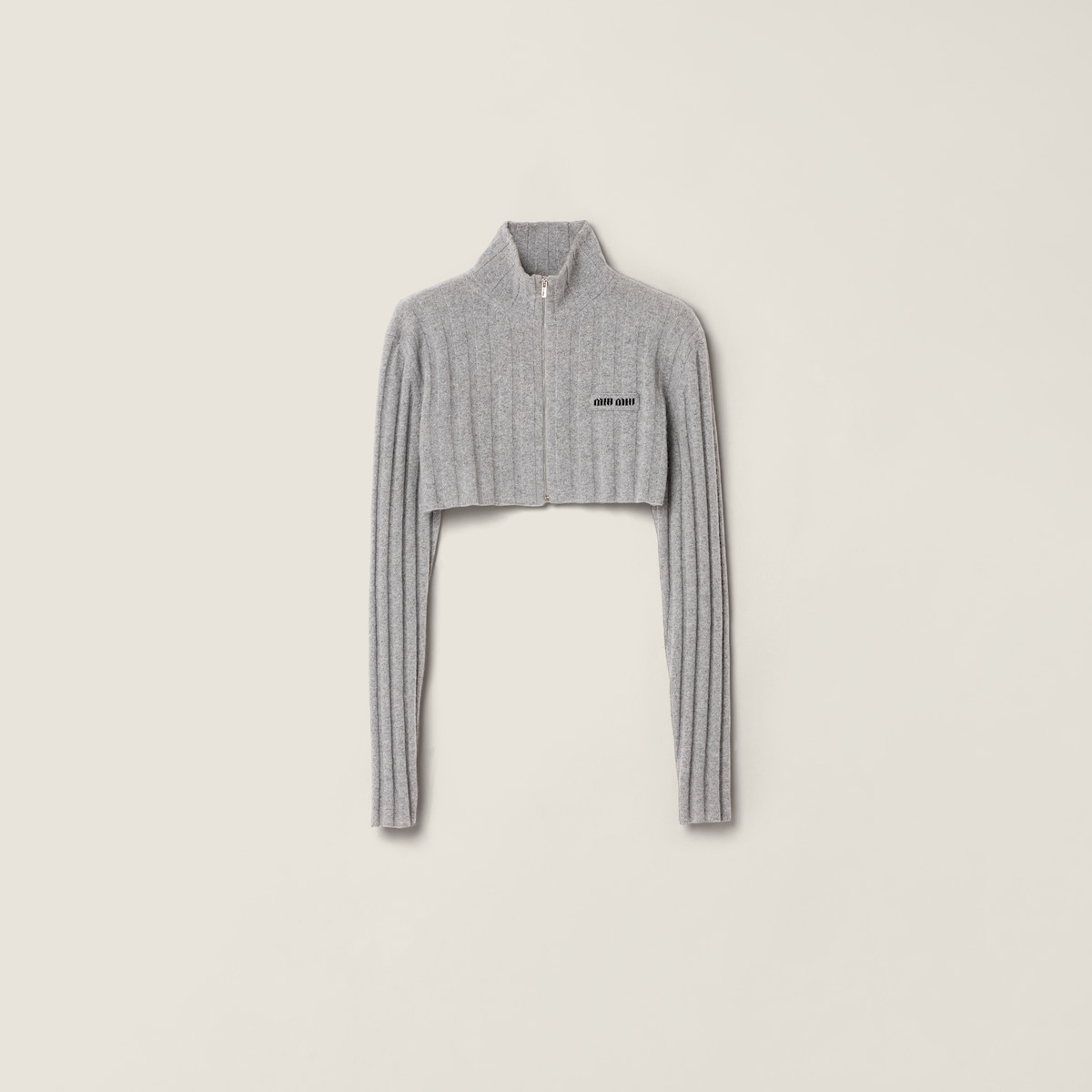
How to judge cashmere before you buy it
Cashmere is the fibre most likely to be oversold, so it is worth knowing what separates a piece that lasts from one that pills by February. Three things matter, and only one of them is softness.
Fineness is measured in microns. Cashmere graded for luxury knitwear generally measures around 14 to 15.5 microns, with commercial grades running coarser at roughly 16.5 microns and above. Finer fibre feels softer against skin, but fineness alone is not durability, which is where the second factor comes in. Staple length, the length of the individual fibres, sits around 34 to 40 millimetres in the better grades, and longer fibres spin into smoother yarn that sheds and pills less.
Ply is the one you can almost check by hand. Two ply means two strands twisted together before knitting, and it produces a noticeably stronger, more resilient yarn than a single ply of the same fibre. Hold the knit up to light: if you can see clearly through the stitches, it is thin, and thin single ply cashmere is where most disappointment comes from. Then press it and let go. Good yarn springs back.
Blends are not a compromise. Wool and cashmere together is often the more sensible everyday choice, since wool adds structure and resilience while the cashmere supplies the hand.
Where cashmere earns the money
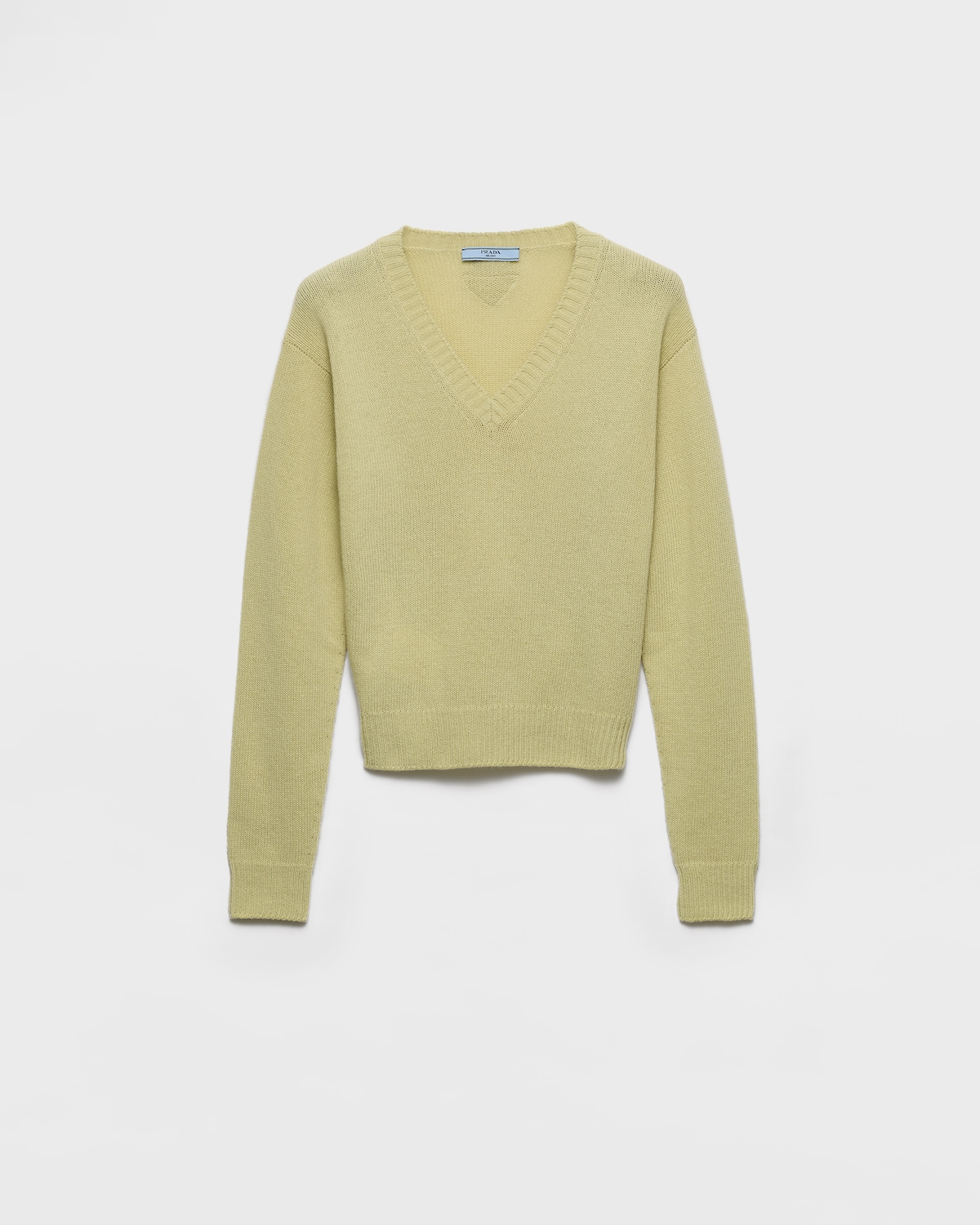
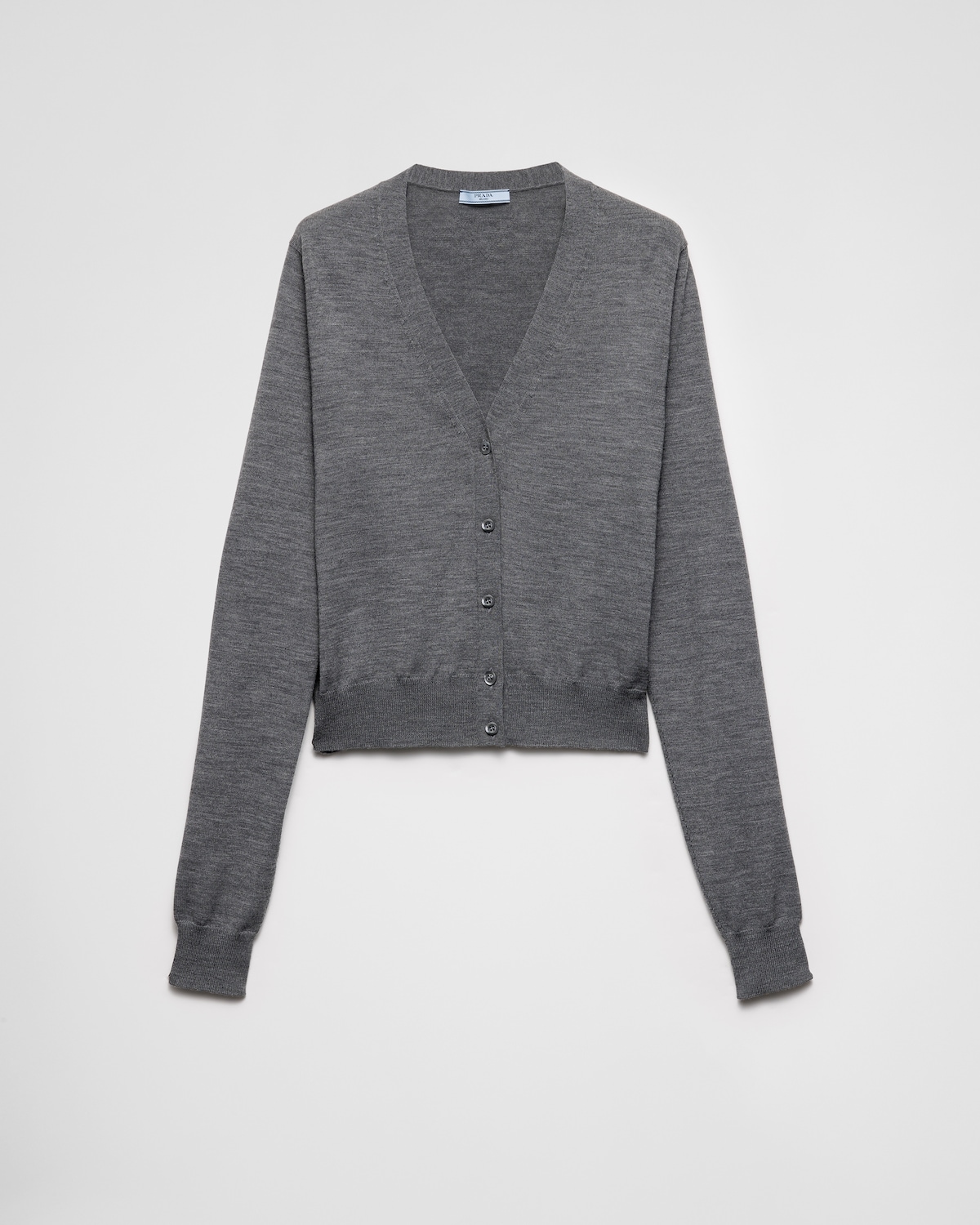
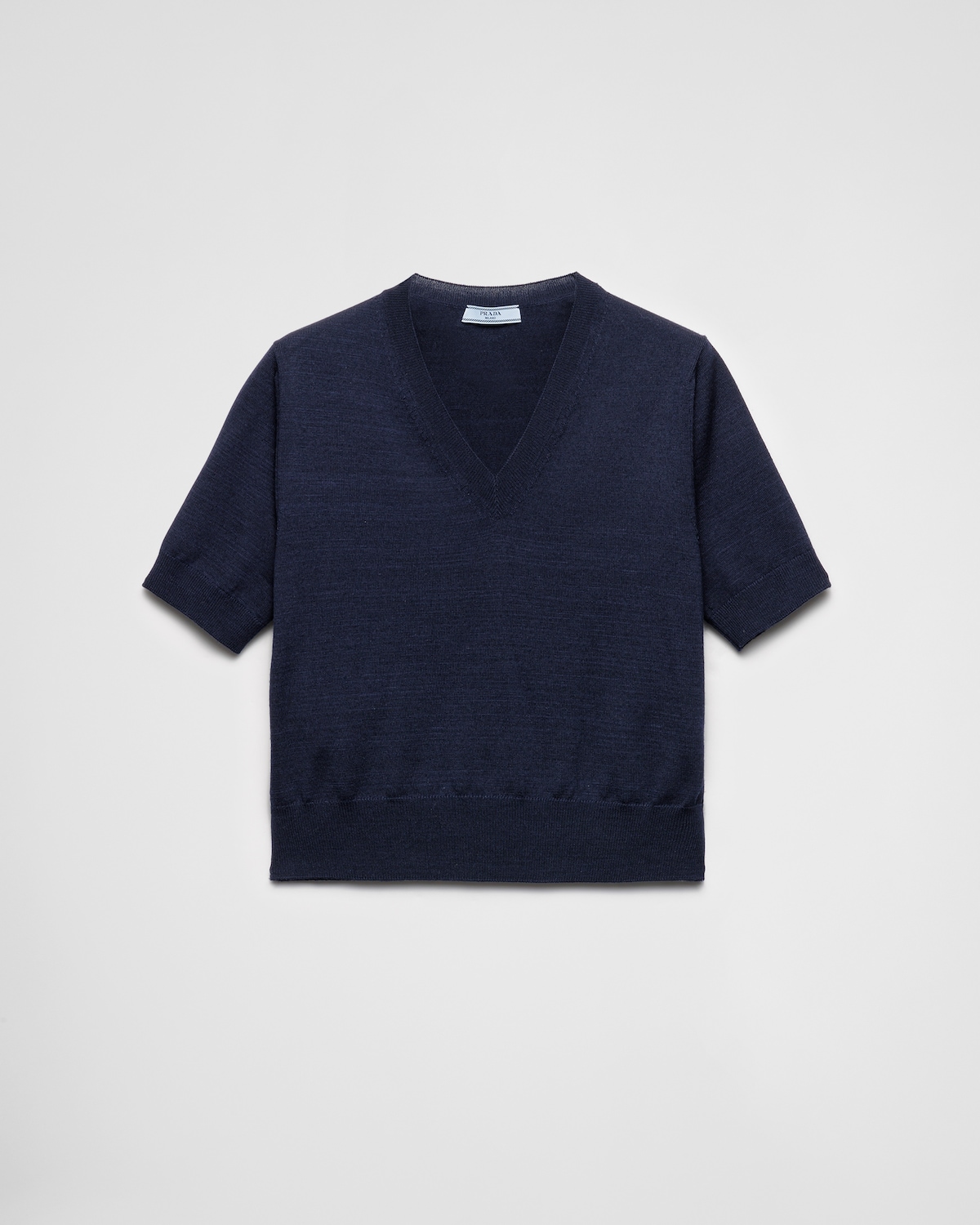
Wool and cashmere V-neck sweater
Prada
$1,720
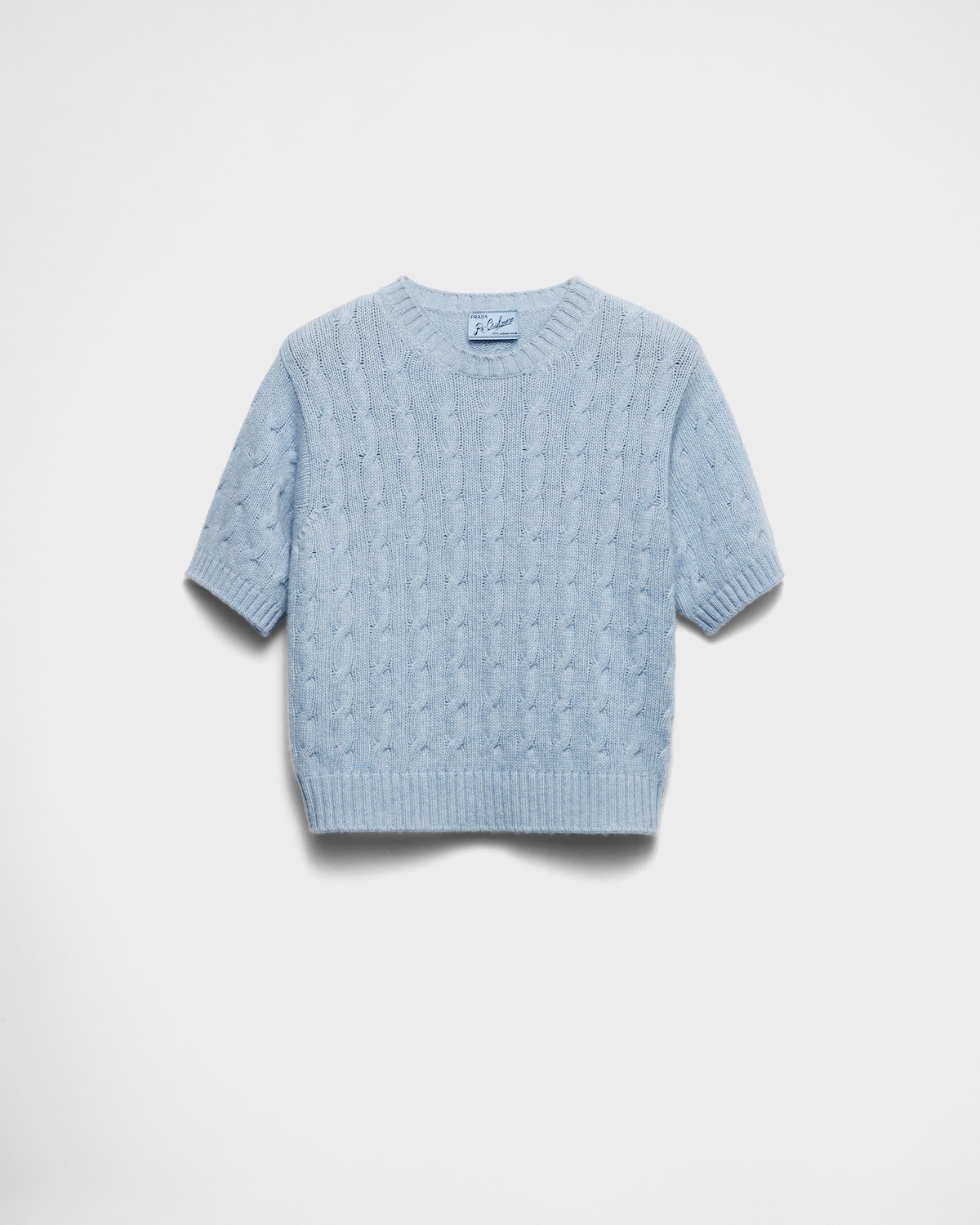
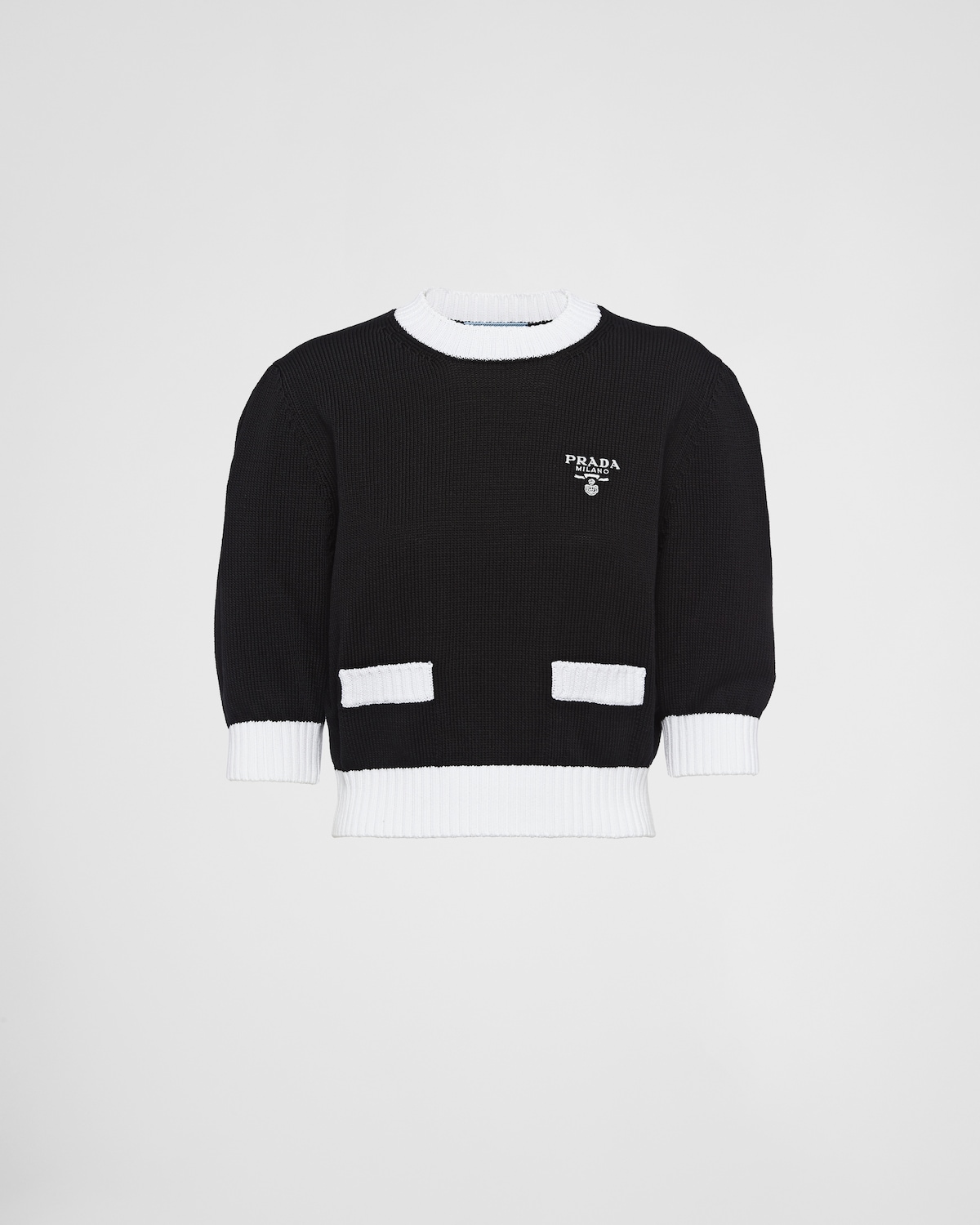
Cable-knit Re-Cashmere sweater
Prada
$1,990
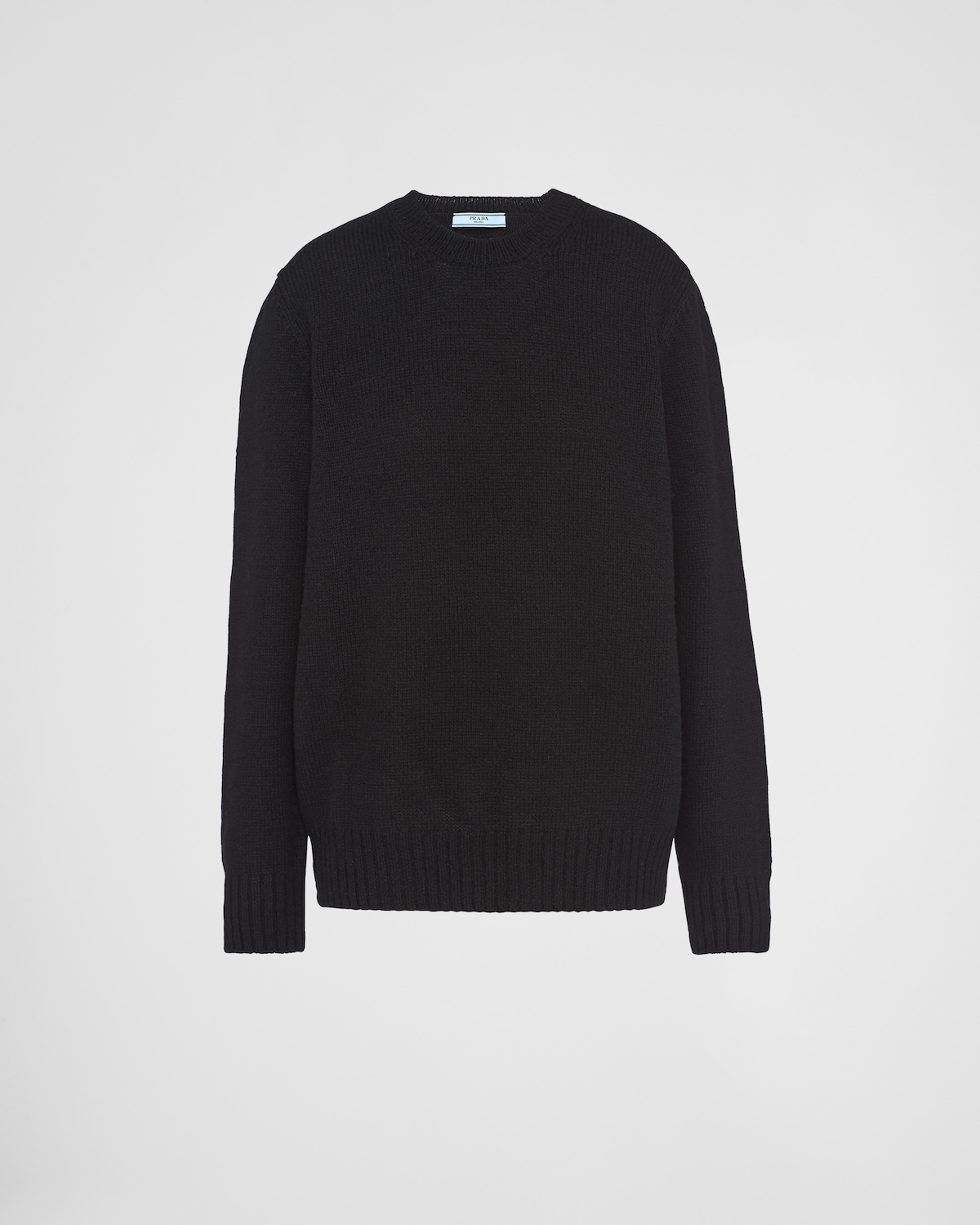
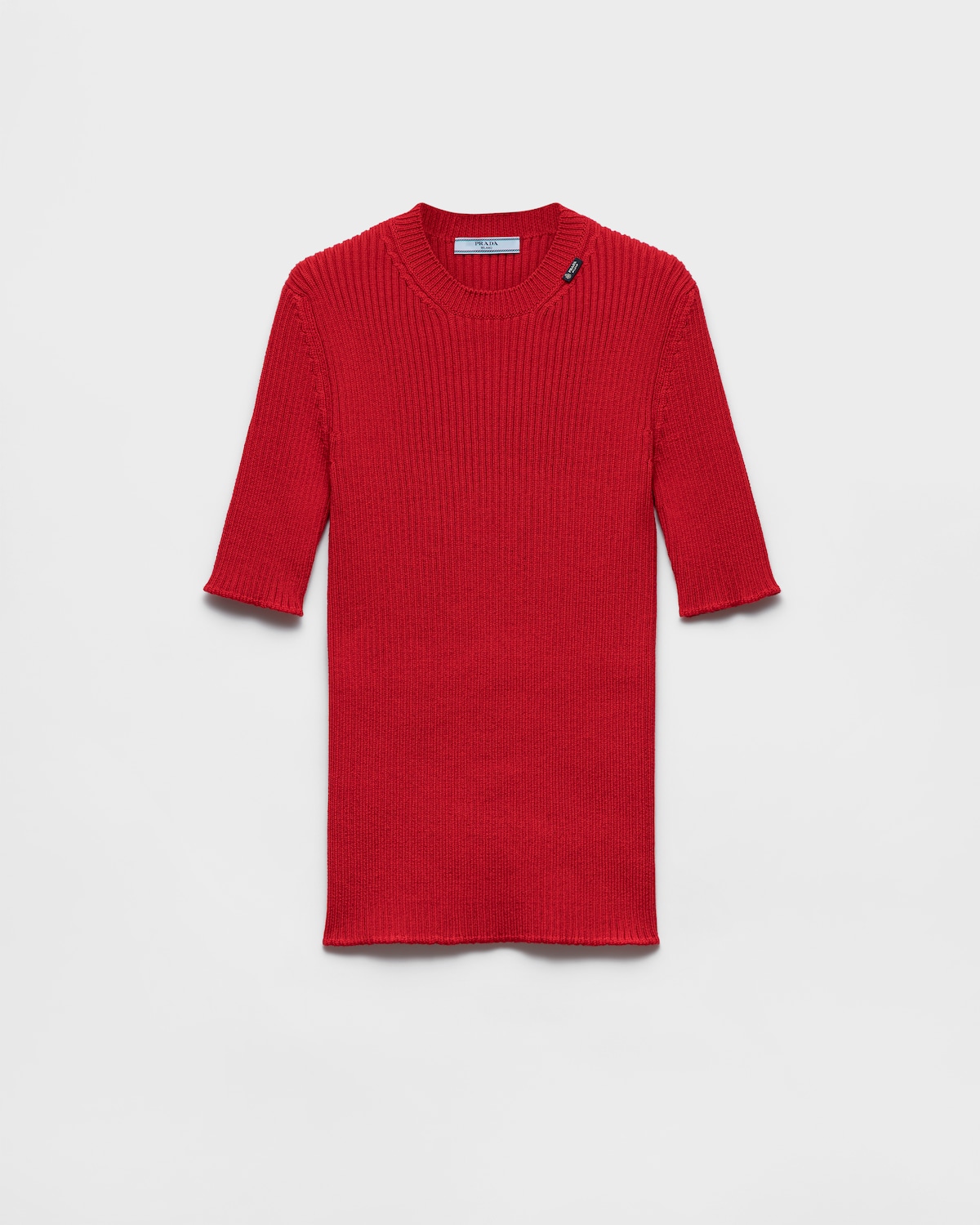
Wool and cashmere crew-neck sweater
Prada
$2,150
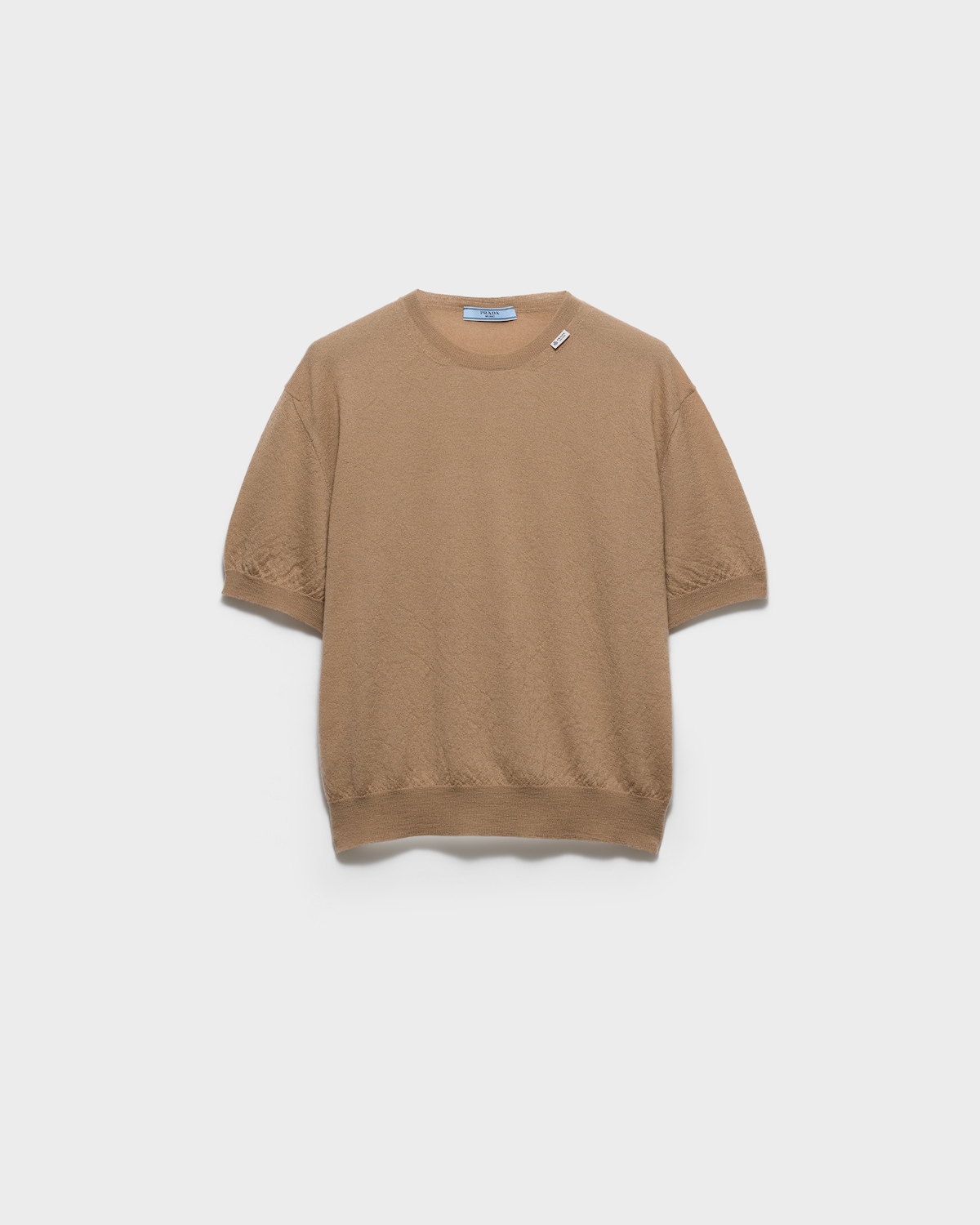
Short-sleeved cashmere sweater
Prada
$2,350
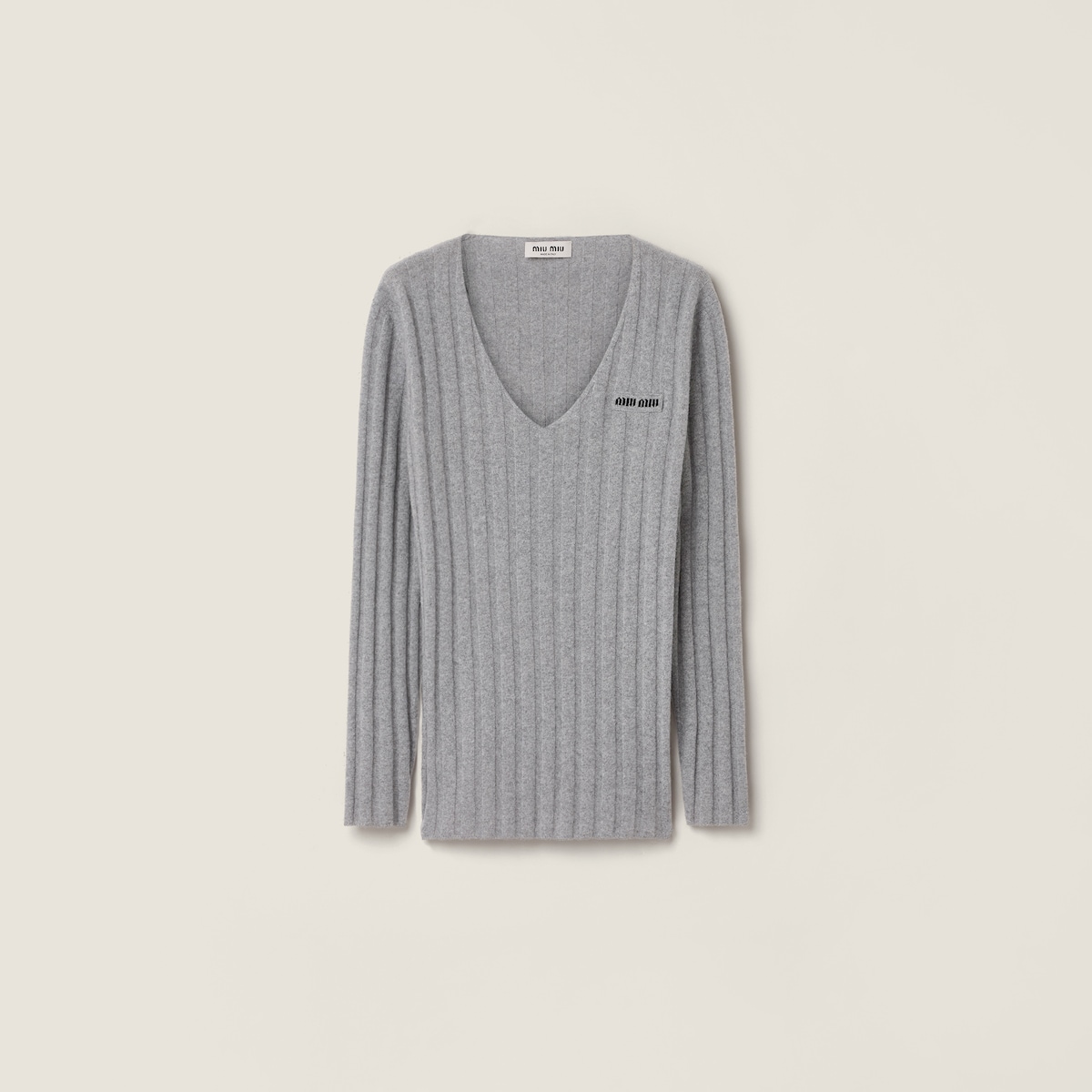
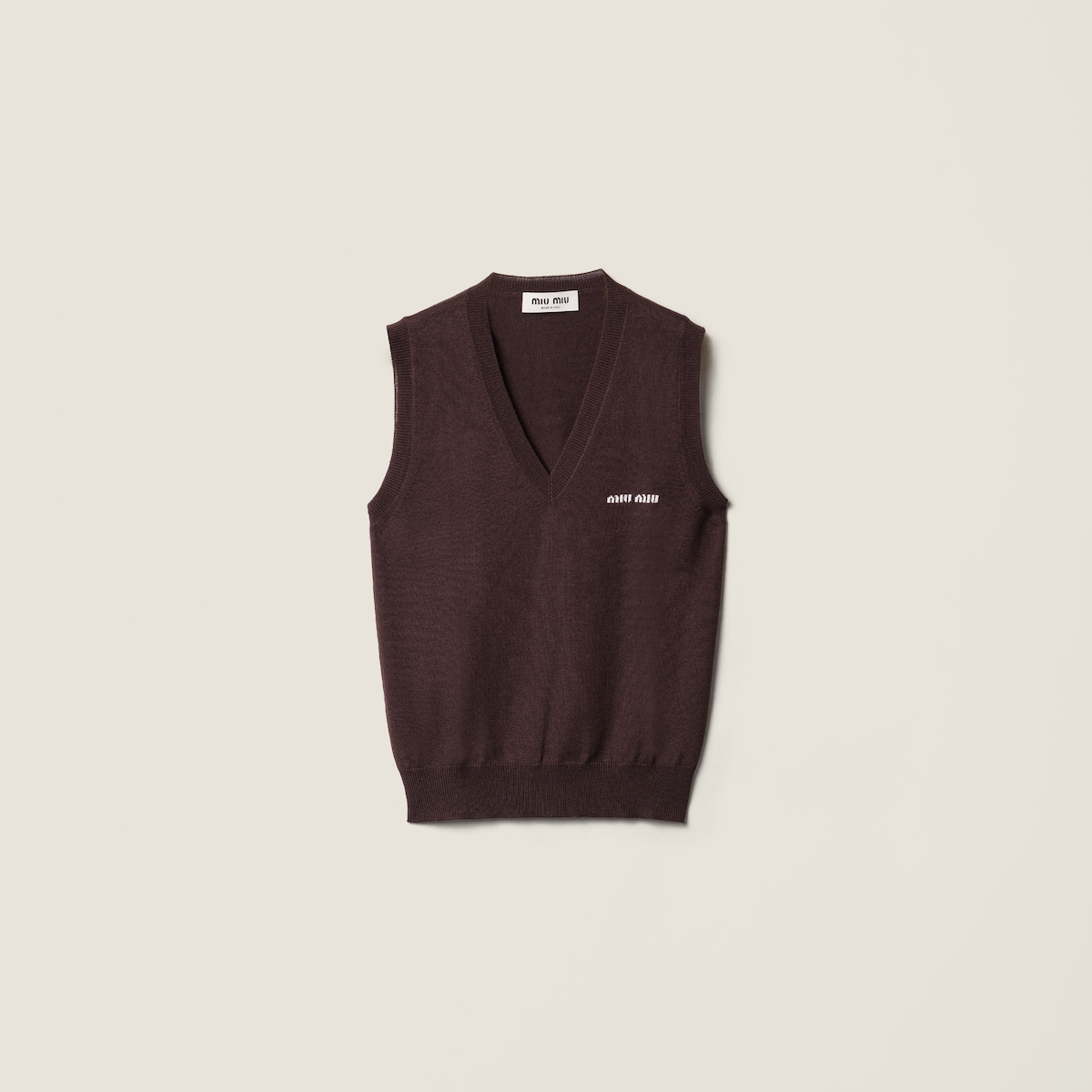
Wool and cashmere V-neck sweater
Miu Miu
$1,790
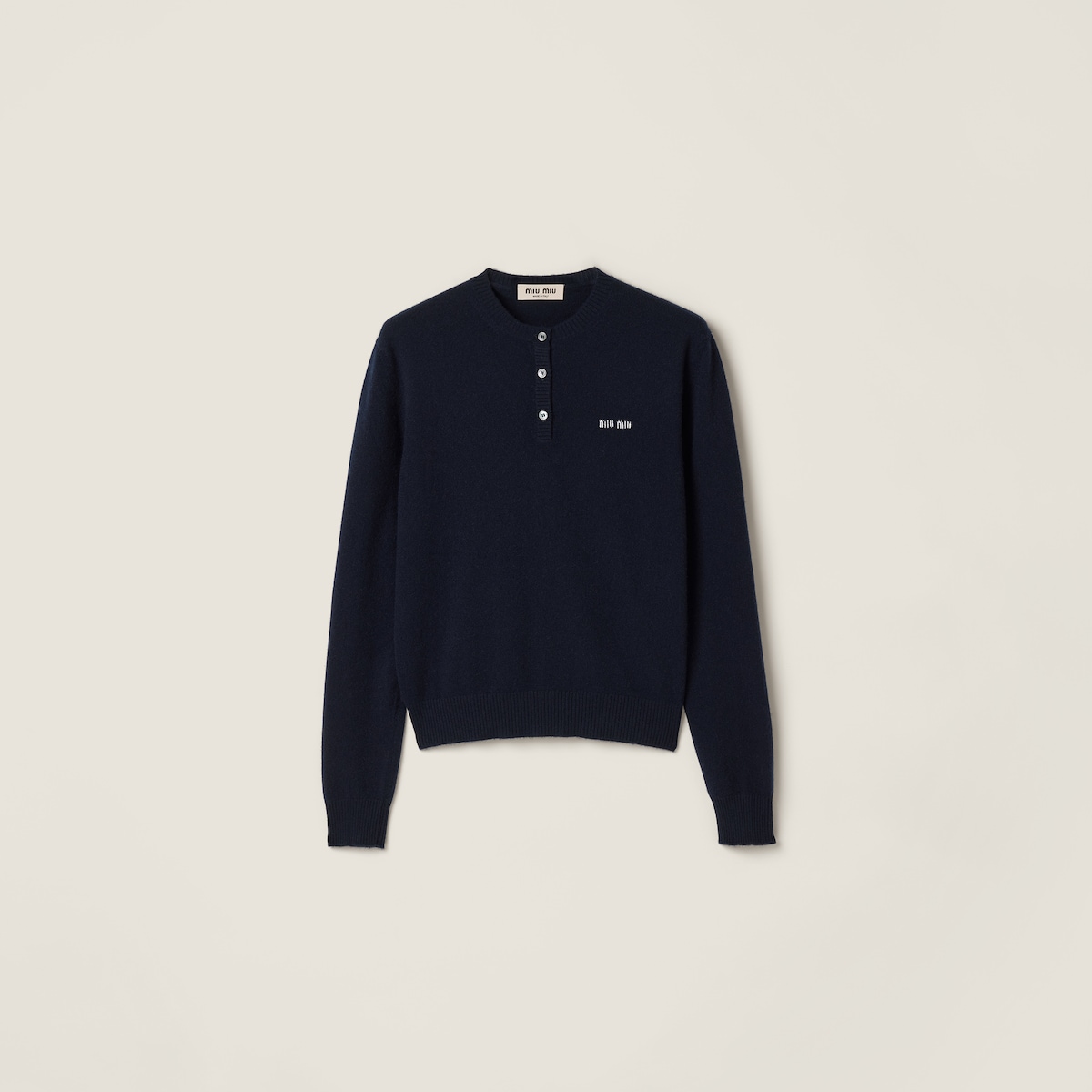
Cashmere sweater
Miu Miu
$1,990
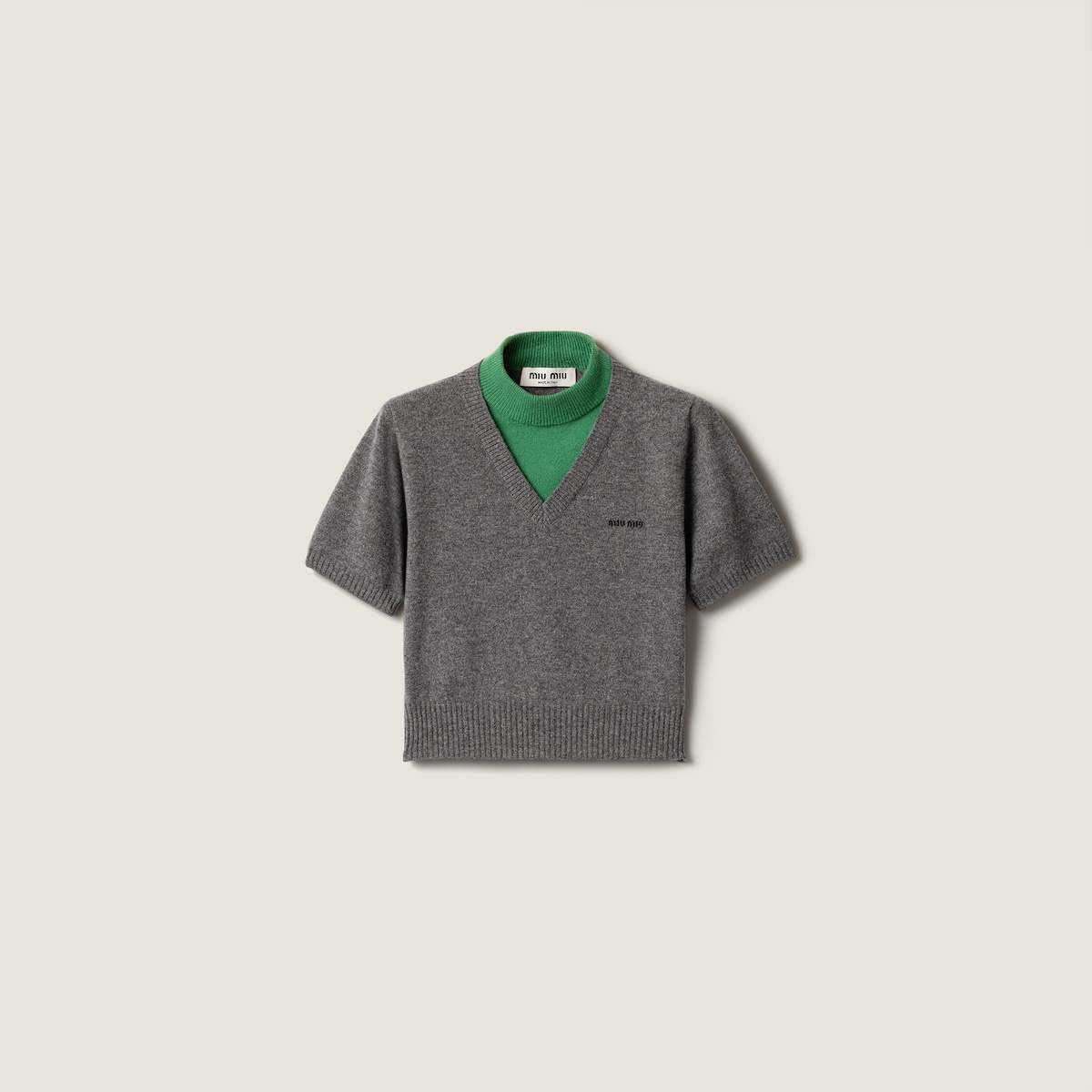
Cashmere turtleneck sweater
Miu Miu
$1,990
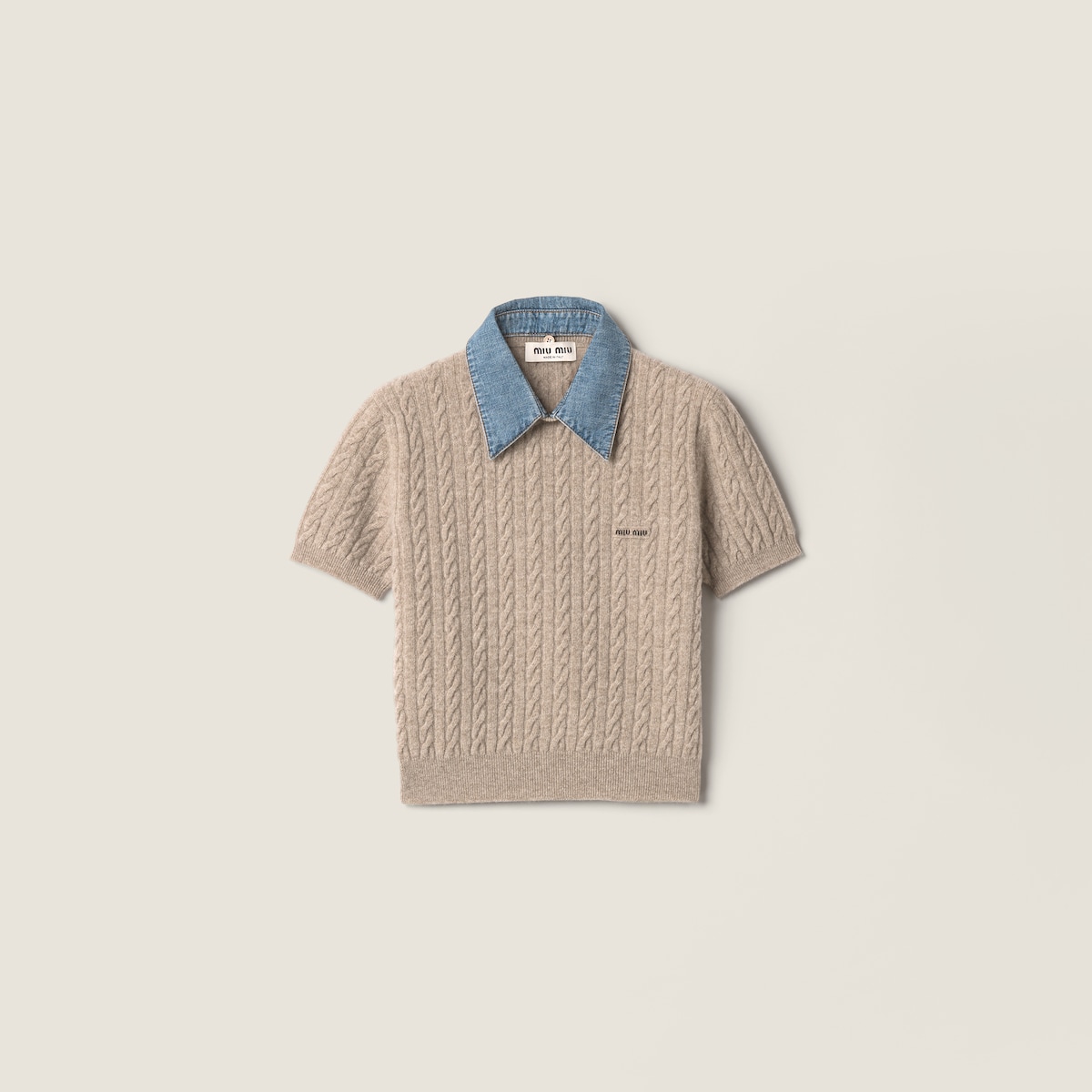
Wool and cashmere knit sweater
Miu Miu
$2,200
The pullovers that get worn every week
The knits that actually earn their place are rarely the most interesting ones in the shop. They are the mid weight pullovers in a colour that goes with everything, which is why it is worth spending well on those and treating the novelty pieces as extras.
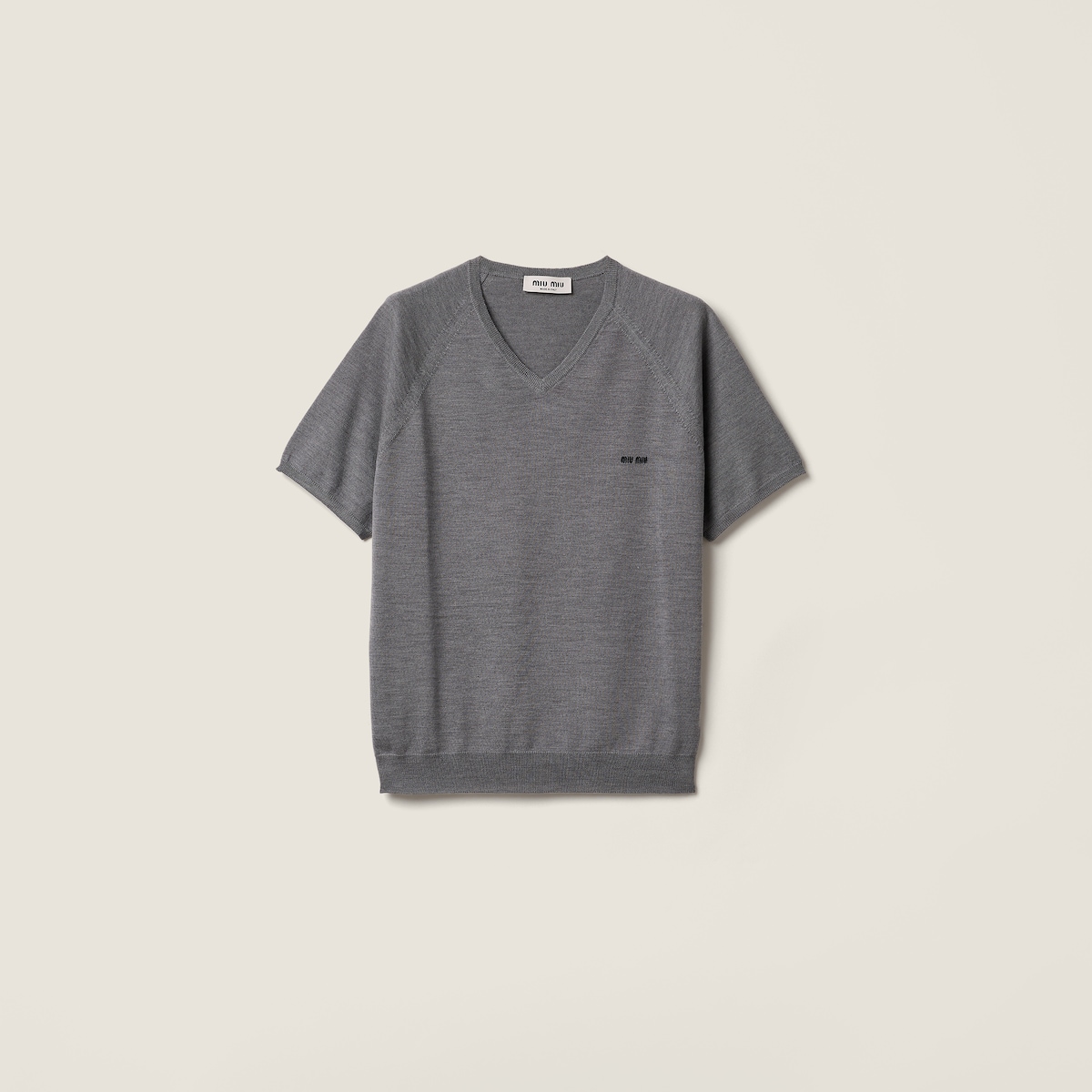
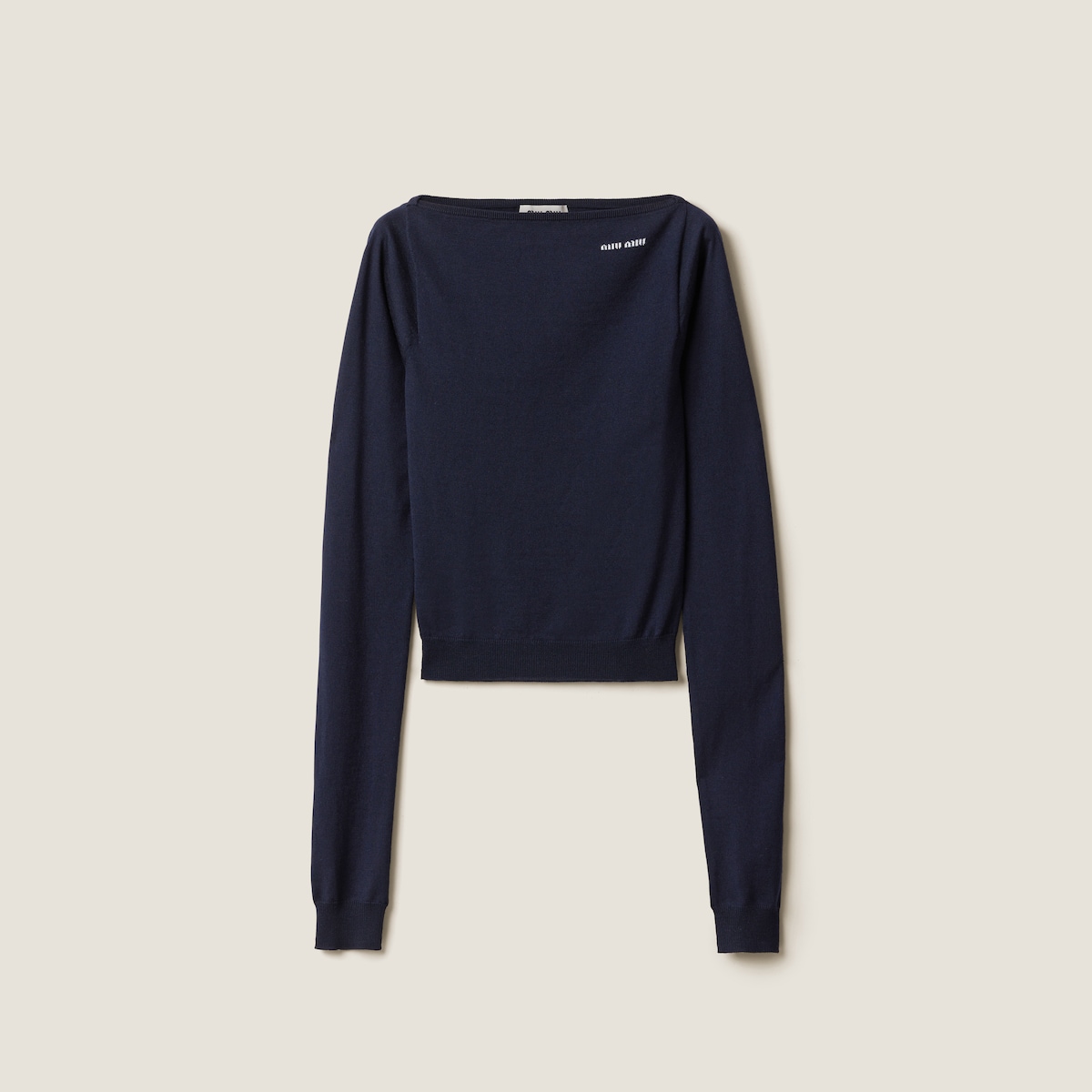
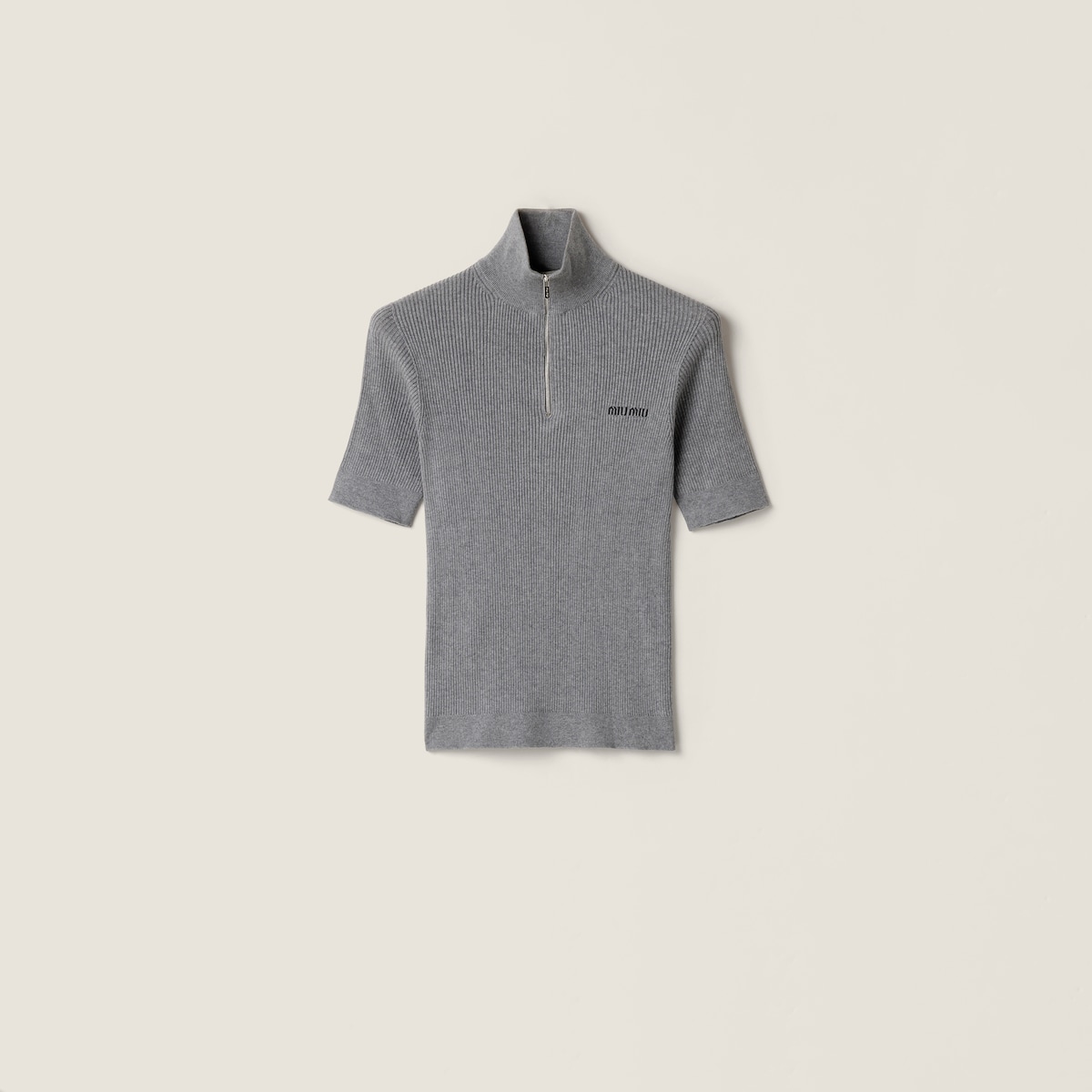
Neckline is the decision that matters most. A crew neck is the neutral option and works under a jacket or a coat collar. A V neck opens up the chest, which is useful if you wear a shirt underneath or if a high neckline feels closed in. A turtleneck is the warmest and the most particular, since it either suits your neck and shoulders or it does not, and no amount of fibre quality changes that. A boat neck sits wide and reads softer than a crew.
Weight is the other thing to get right. A fine gauge pullover layers under tailoring and can be worn most of the year, and a chunky gauge is warmer and will not go under a fitted coat. Most wardrobes need the fine gauge first.
Wash them by hand or on a wool cycle, dry them flat, and fold rather than hang, since a knit on a hanger stretches through the shoulders. That routine does more for the life of a sweater than the price did.
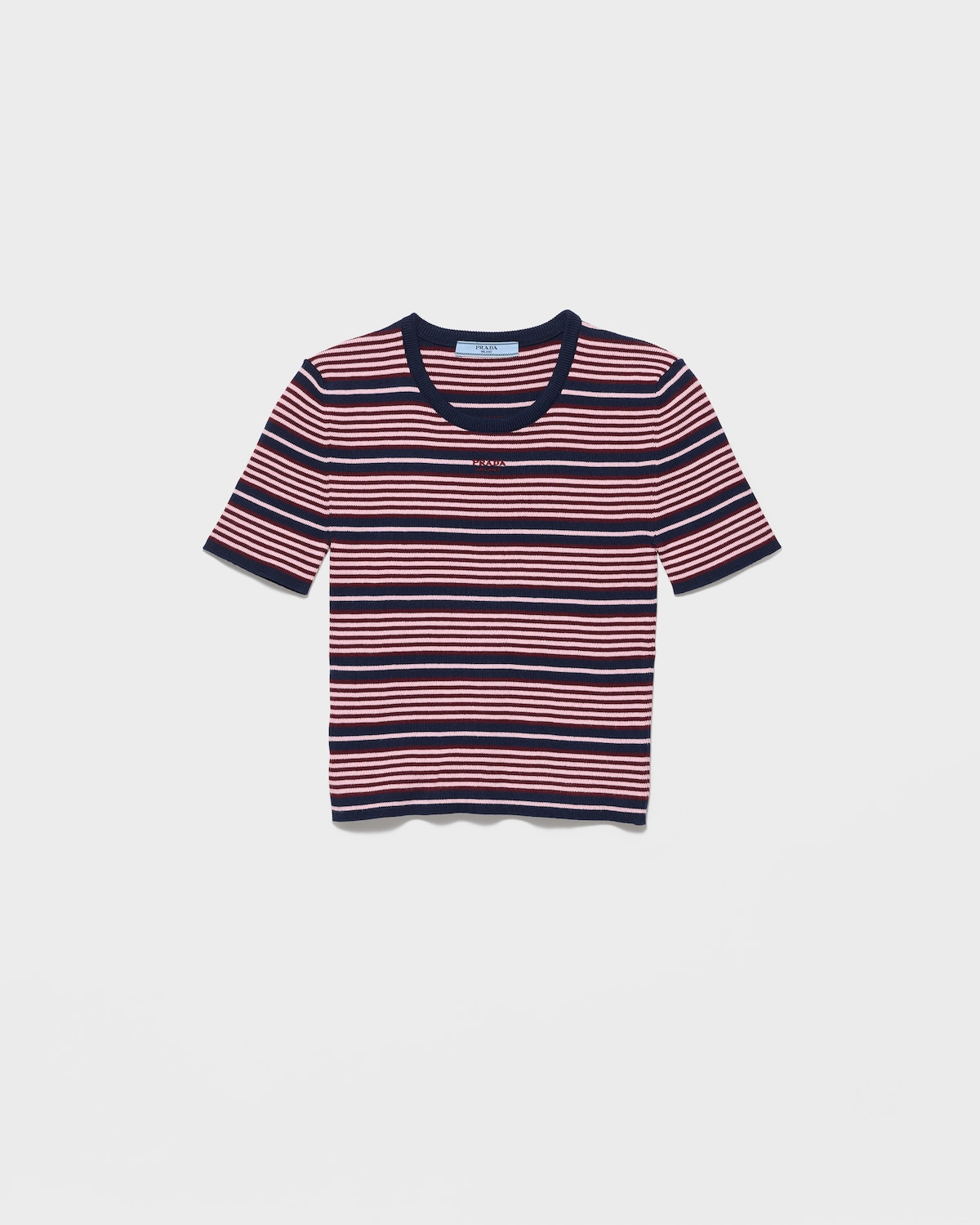
Pullovers for the everyday rotation
Common questions
Is a cardigan or a pullover more useful? A cardigan if your day swings between hot and cold rooms, a pullover if you mostly need one steady layer under a coat. The cardigan is more adjustable and the pullover is warmer for its weight.
How can I tell if cashmere is good quality? Hold it to the light to check it is not sheer, press it and see whether it springs back, and look for two ply construction. Softness on the shop floor is the least reliable signal, because surface treatments can fake it for a few wears.
Why is my cashmere pilling? Short fibres working loose, usually from a coarser grade or a single ply yarn, and made worse by friction from bags and seatbelts. Some pilling is normal at first; de-pill gently with a comb and it should settle.
Is wool and cashmere worse than pure cashmere? No, and often it is the better everyday buy. Wool adds strength and shape retention while cashmere adds softness.
Should I hang or fold knitwear? Fold. Hanging pulls the shoulders out of shape permanently.
Shop brands in this edit


Next read
Floral, Geometric or Animal: How to Choose a Print You Will Actually Wear
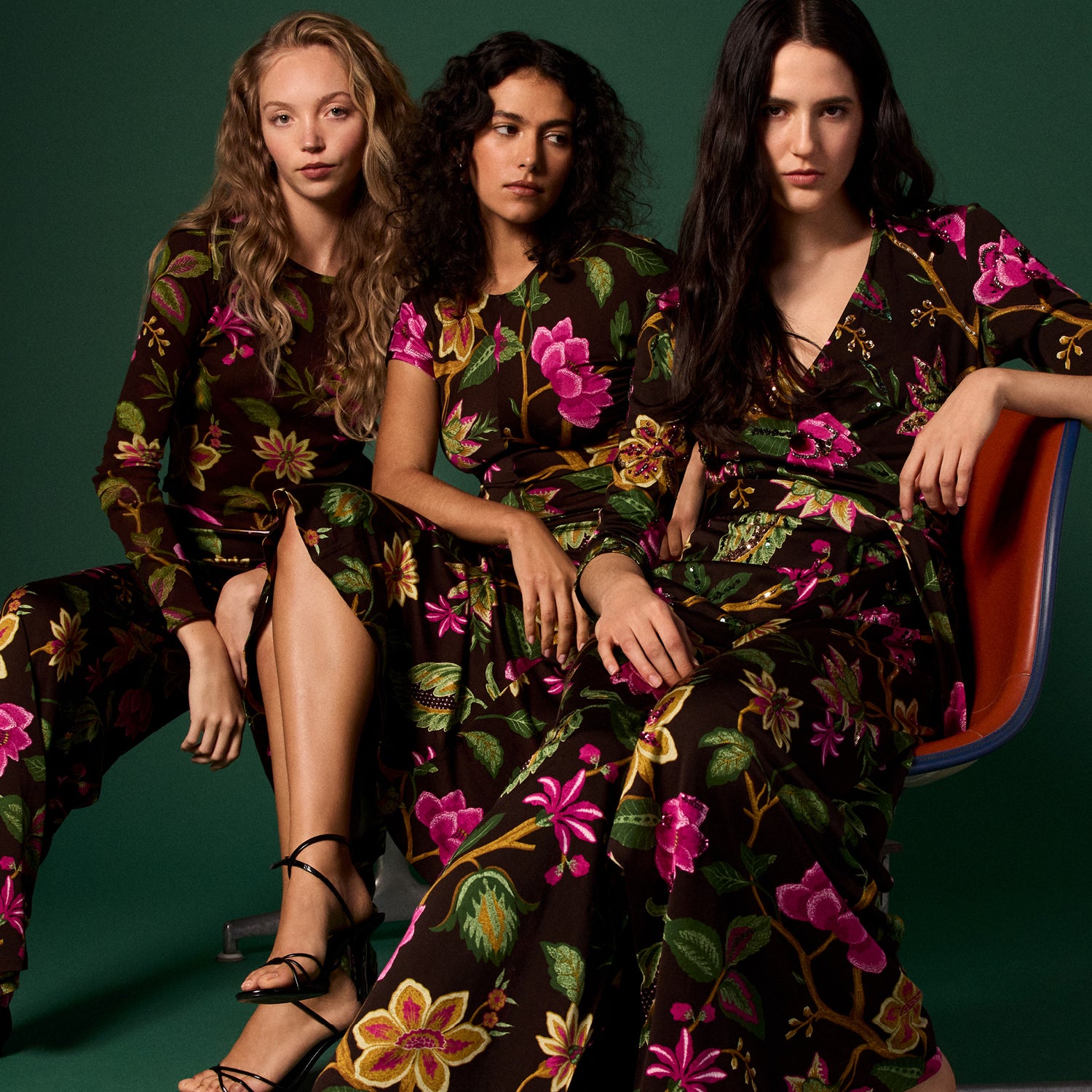
Most unworn prints failed on scale or contrast, not on the motif. Here is how to judge a floral, a geometric and an animal print before you buy, and how to wear one so it looks deliberate rather than costumed.
Read Editorial
Mini, Midi or Maxi: How to Choose a Dress Length
Mini sits above the knee, midi falls between the knee and the ankle, and maxi runs to the floor. The right one depends on the occasion, your proportions and the shoes you plan to wear. Here is how to decide before you order three lengths and return two.