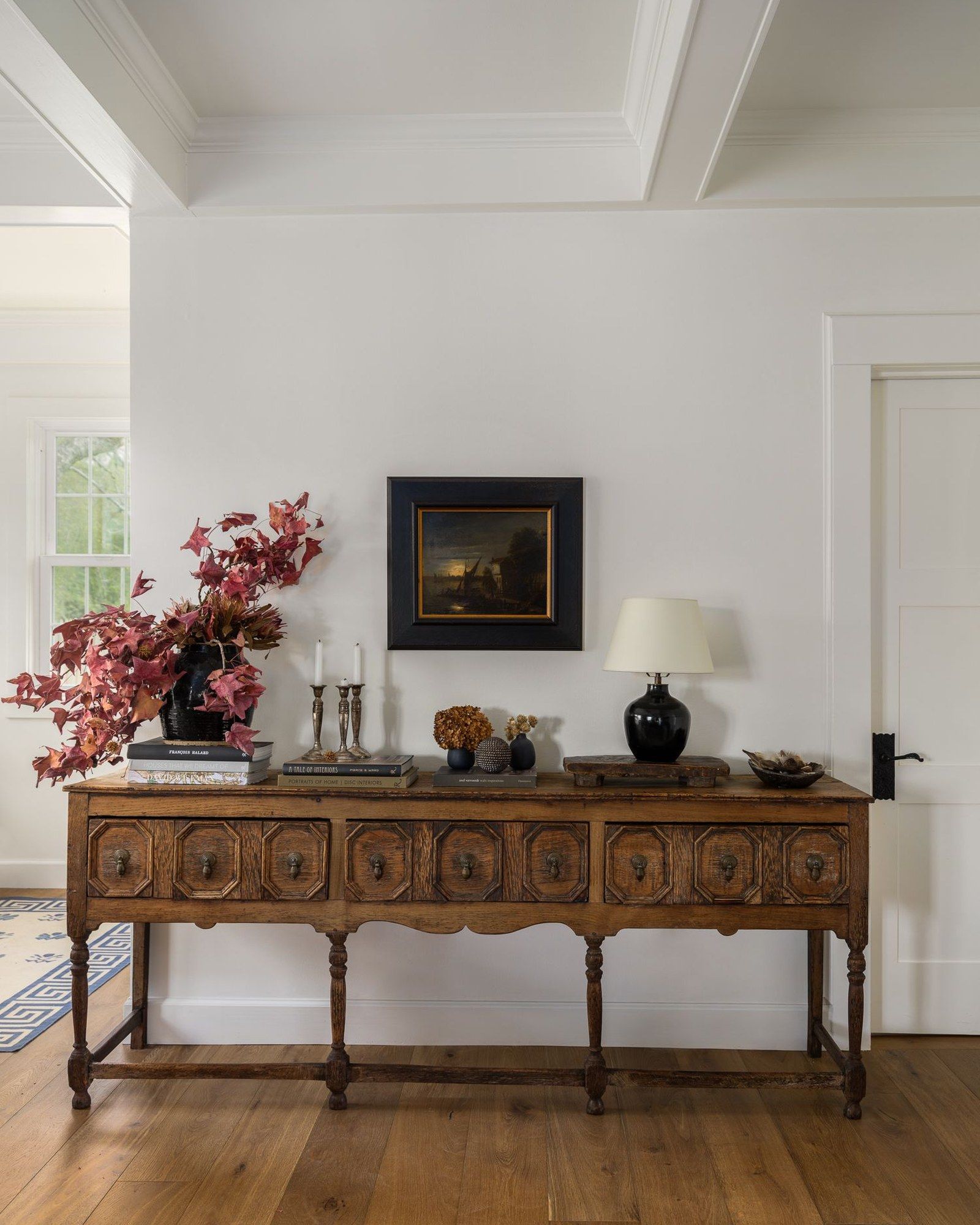
Athleisure was about wearing gym clothes everywhere, and it eventually collapsed under its own laziness. What replaced it borrows from actual sports with dress codes: tennis, golf, sailing, riding. This edit is about sportswear that was designed to be seen rather than sweated in.
Sport Left The Gym

Tops
The polo shirt is the engine of this whole trend and it came from golf, not the gym. Piped collars, cropped cotton and a real placket give it a formality that a technical top has never had, which is why it works with tailoring. It is the single most rehabilitated garment of the last two years.
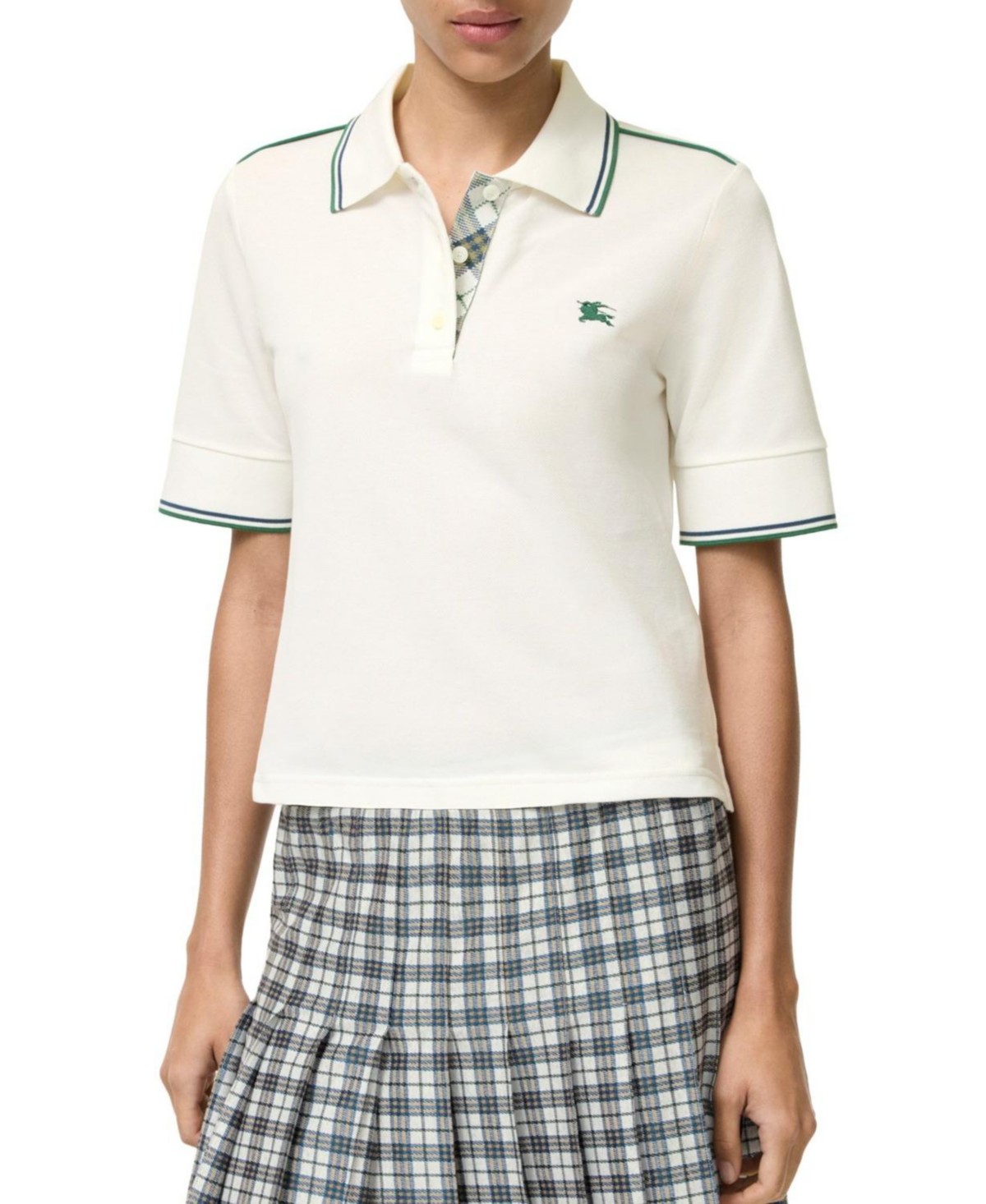
Cropped Cotton Tennis Polo Shirt
Burberry
$540
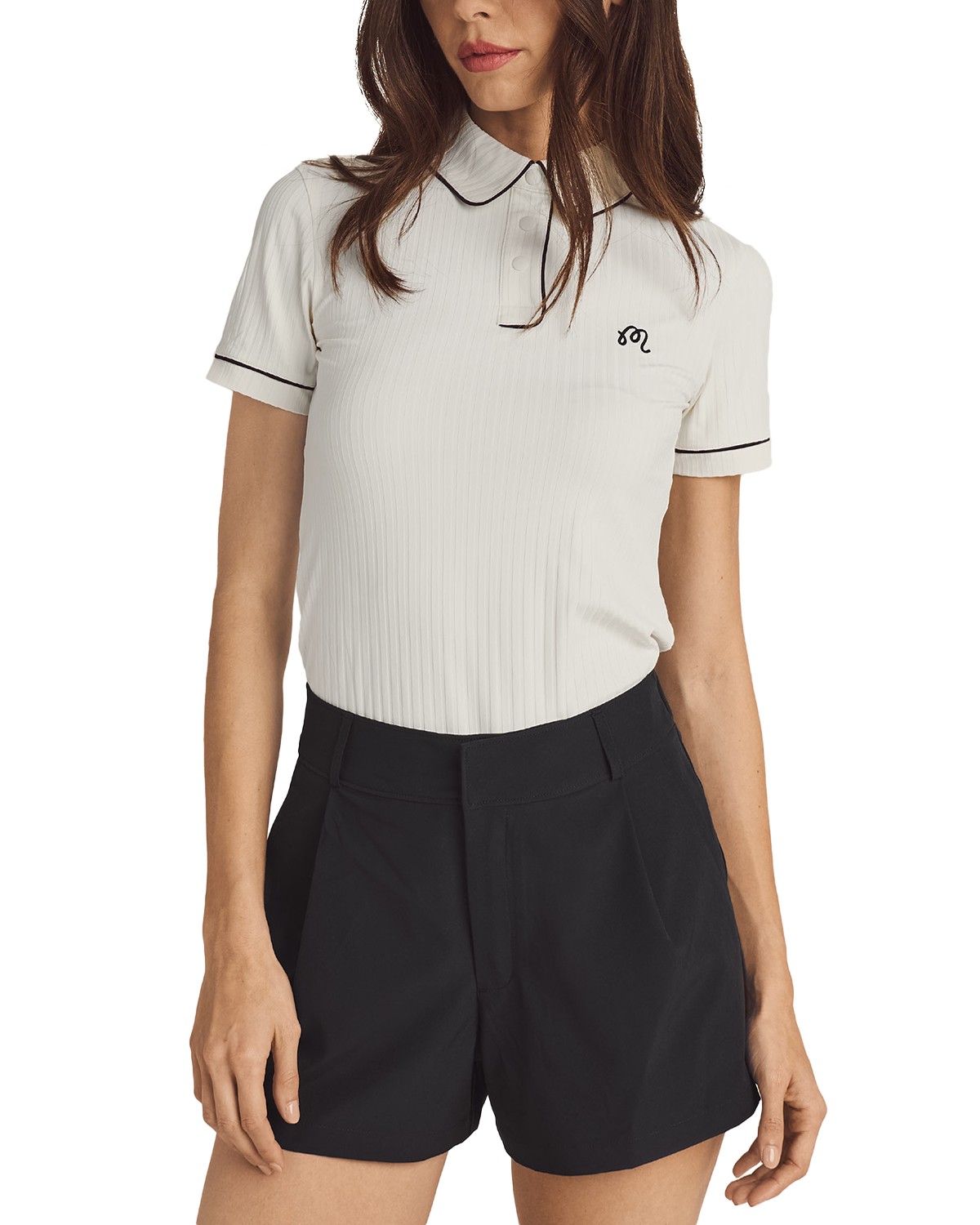
Anna Piped Trim Polo Shirt
Malbon
$108
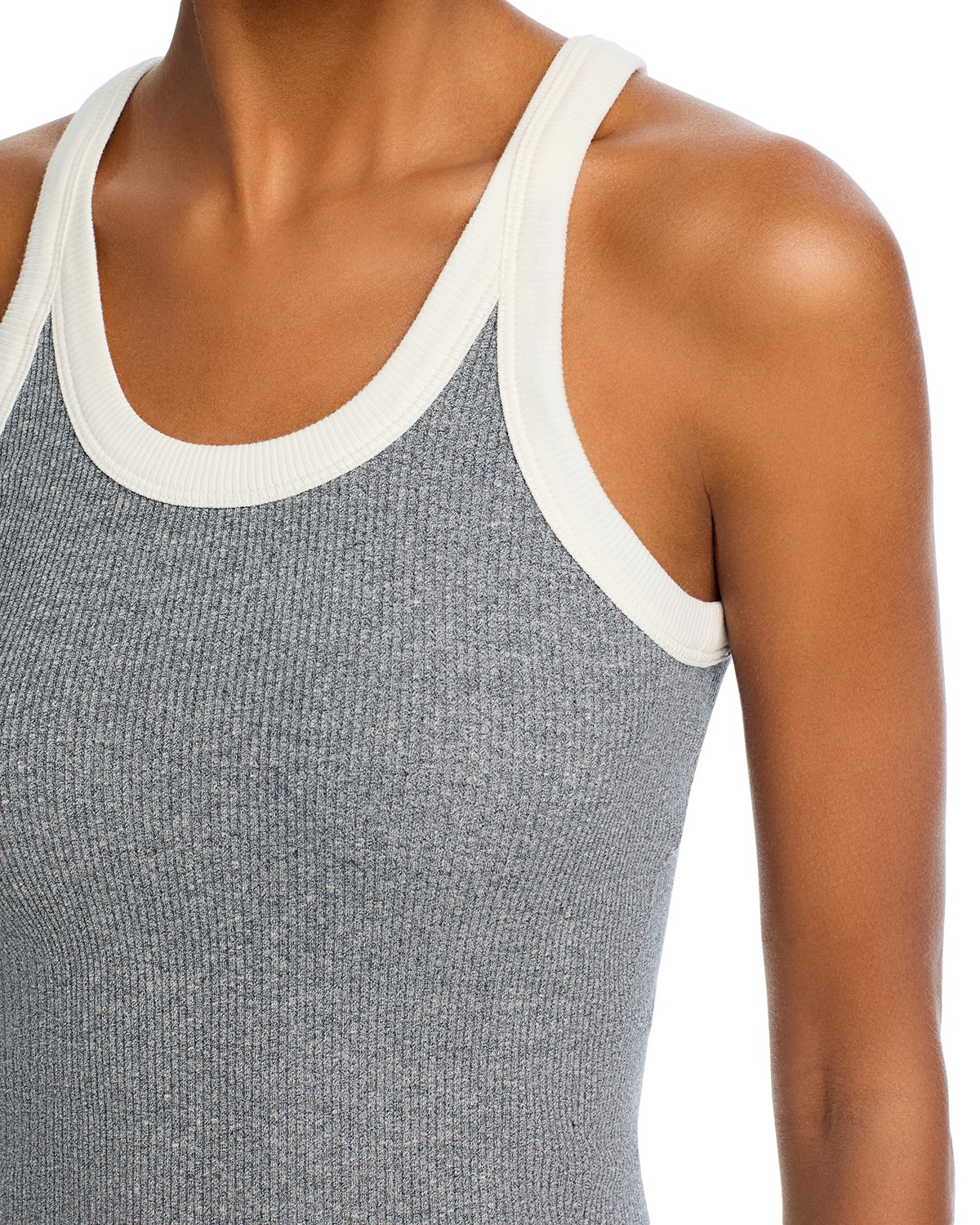
The Essential Rib Tank
rag & bone
$98
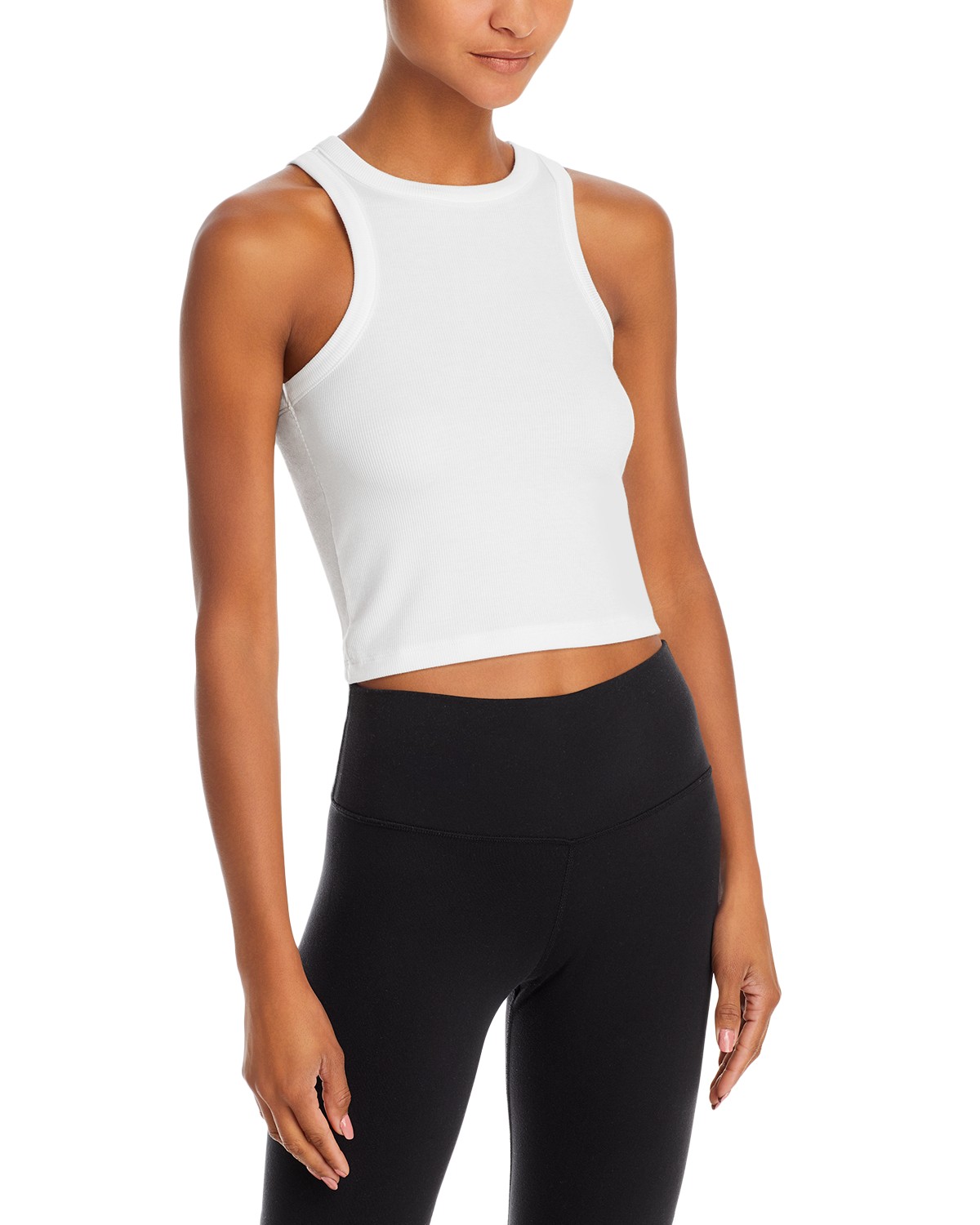
Kiki Cropped Tank Top
Splits59
$68
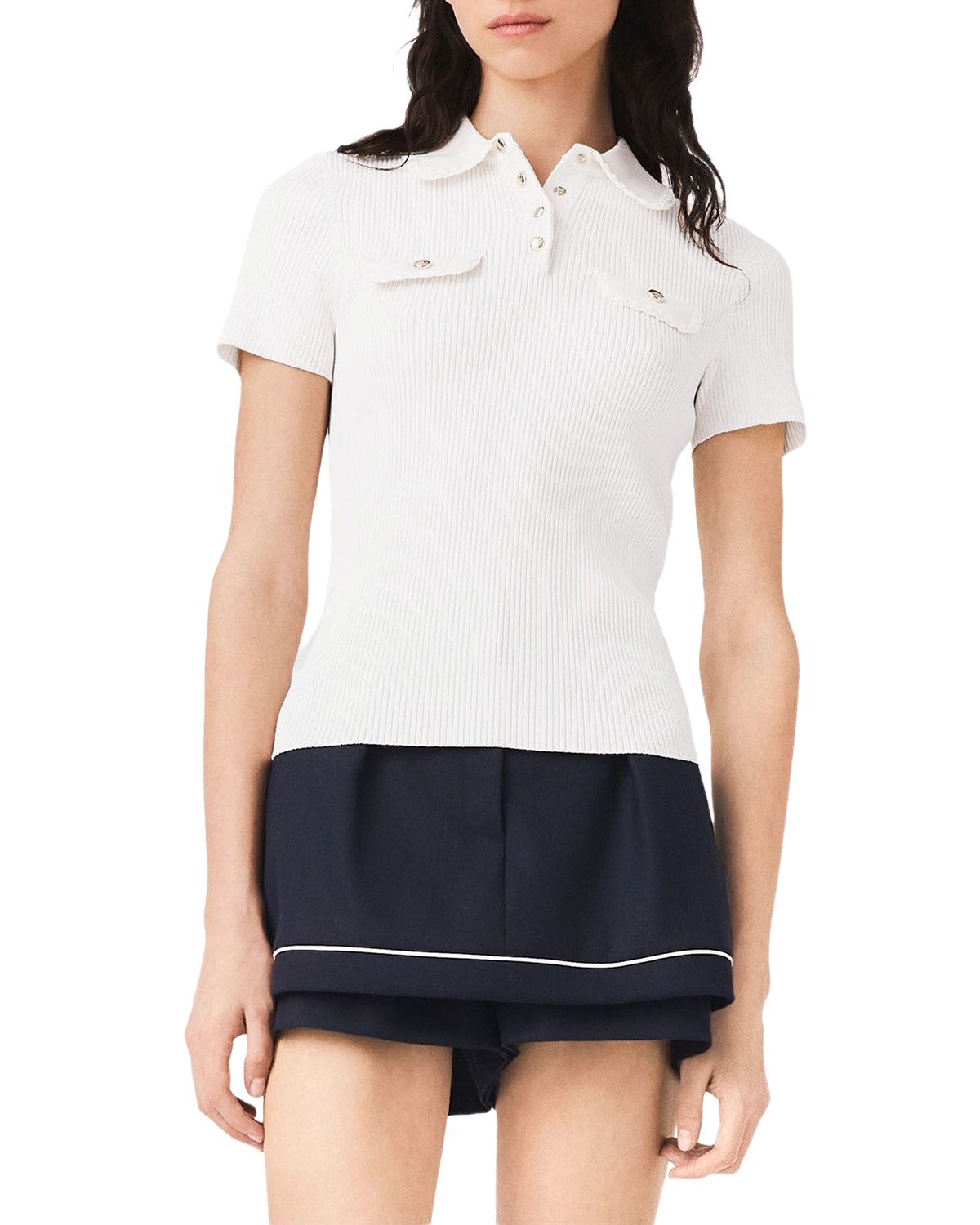
Chest Pocket Short Sleeve Polo
Maje
$255
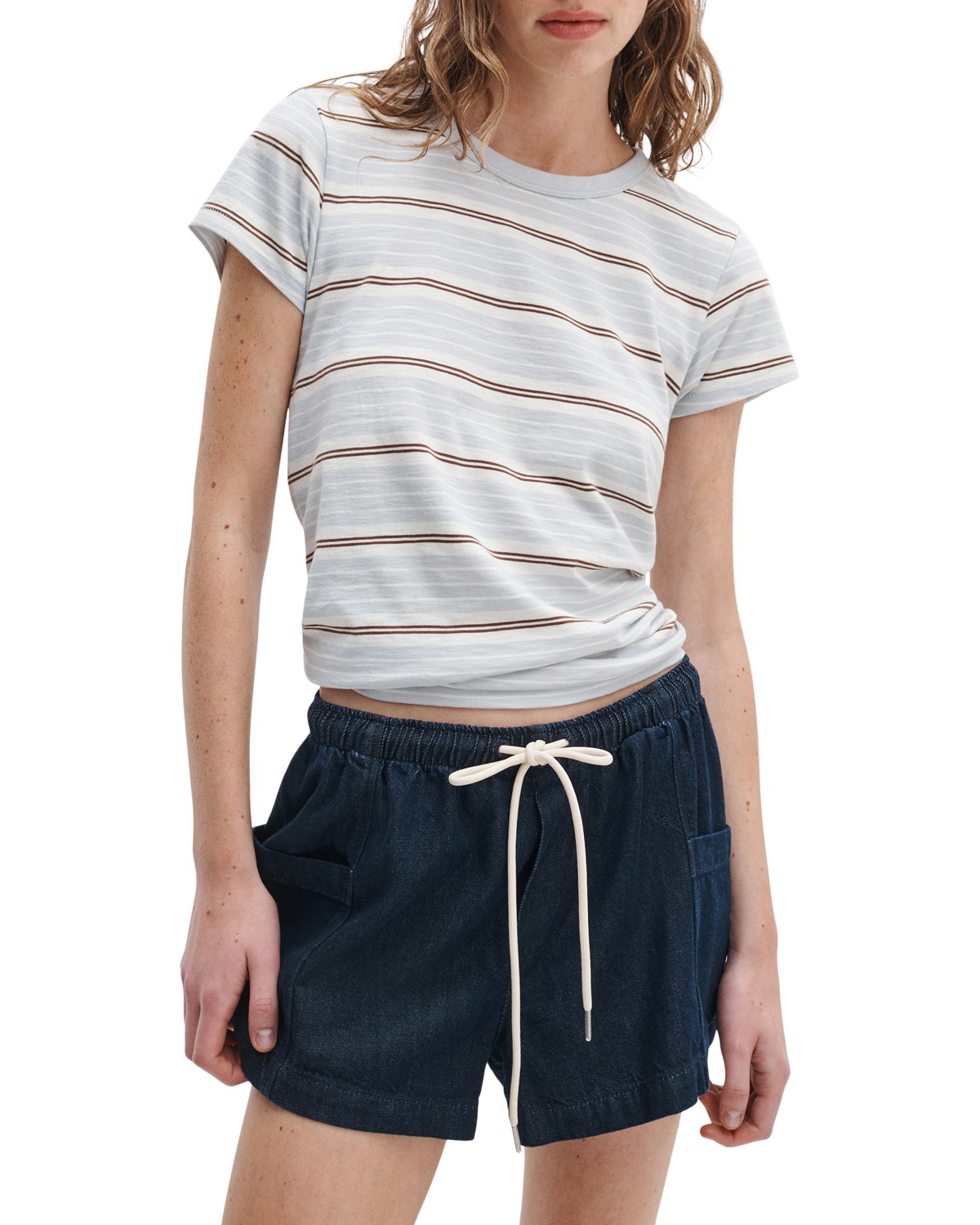
The Slub Stripe Tee
rag & bone
$138
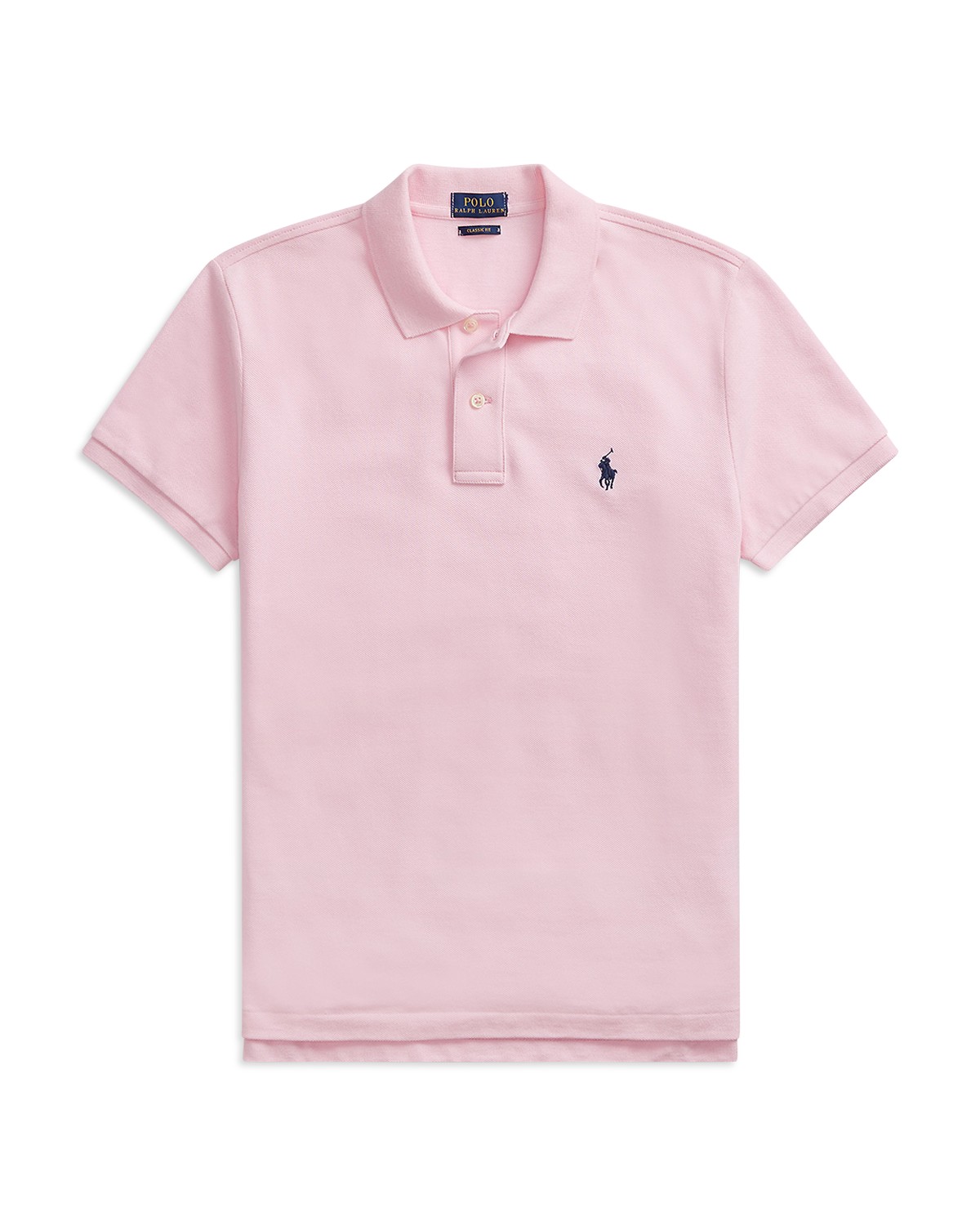
Classic-Fit Mesh Polo Shirt
Polo Ralph Lauren
$118
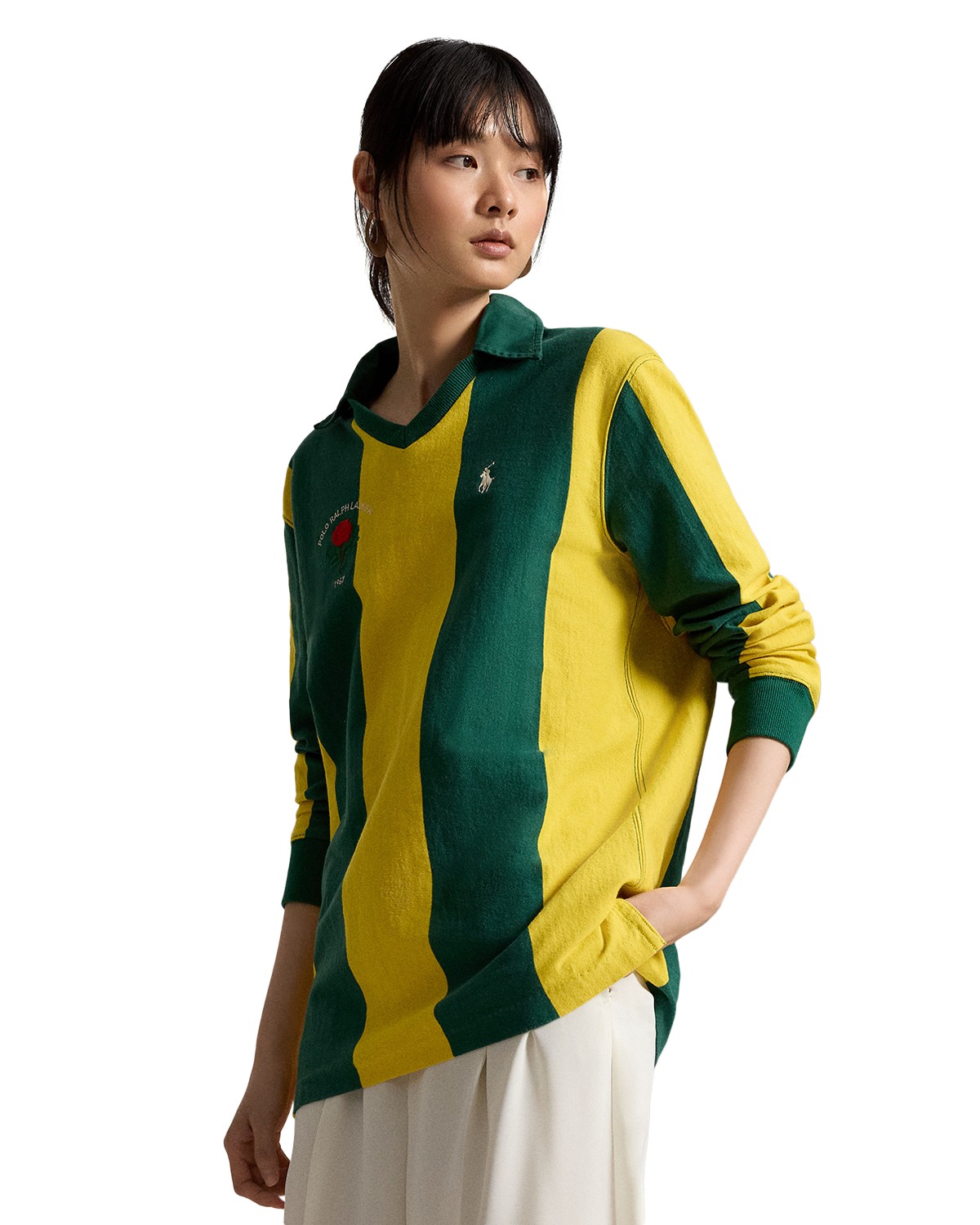
Oversized Rugby Shirt
Polo Ralph Lauren
$198
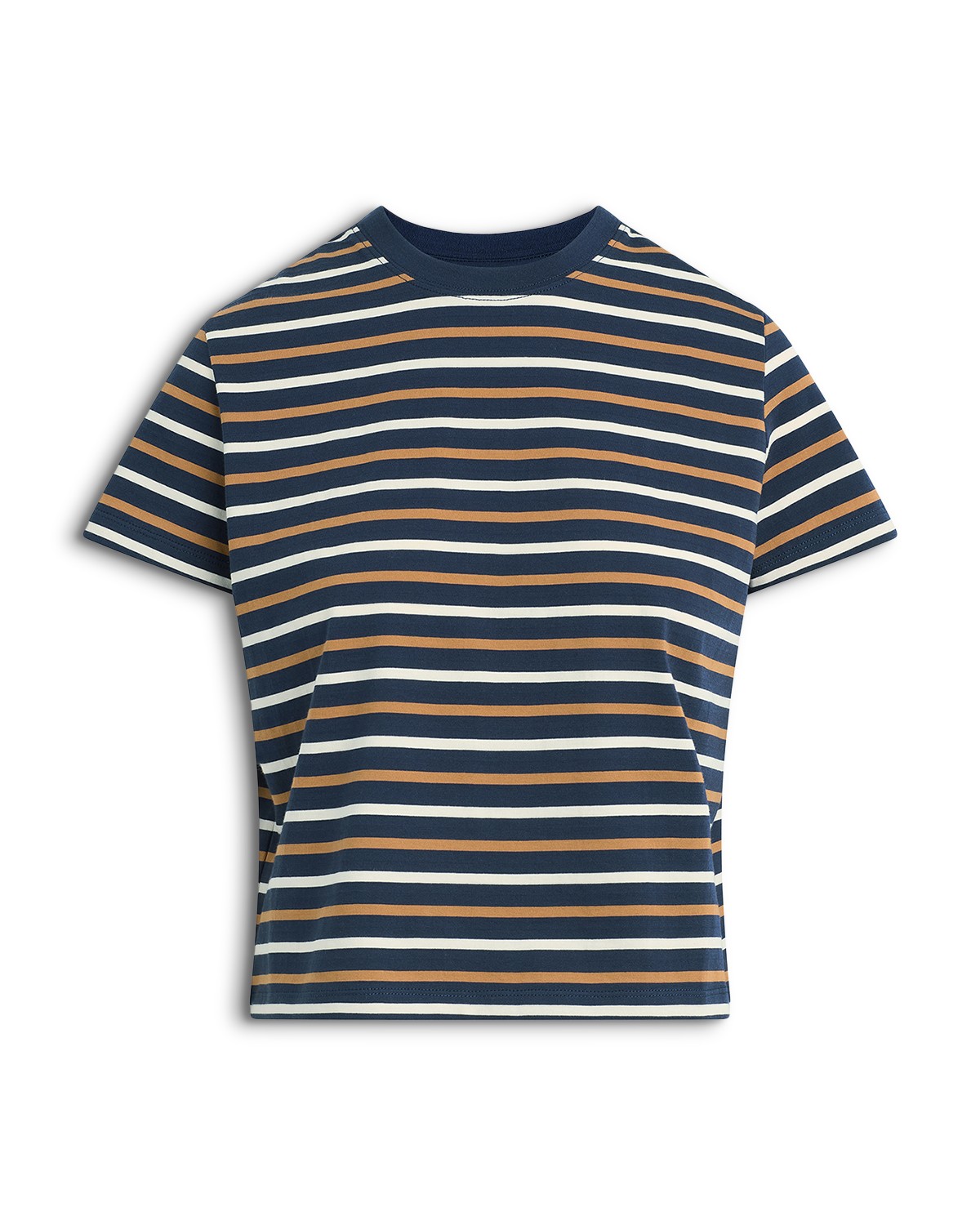
The Easy Tee
Joe's Jeans
$88
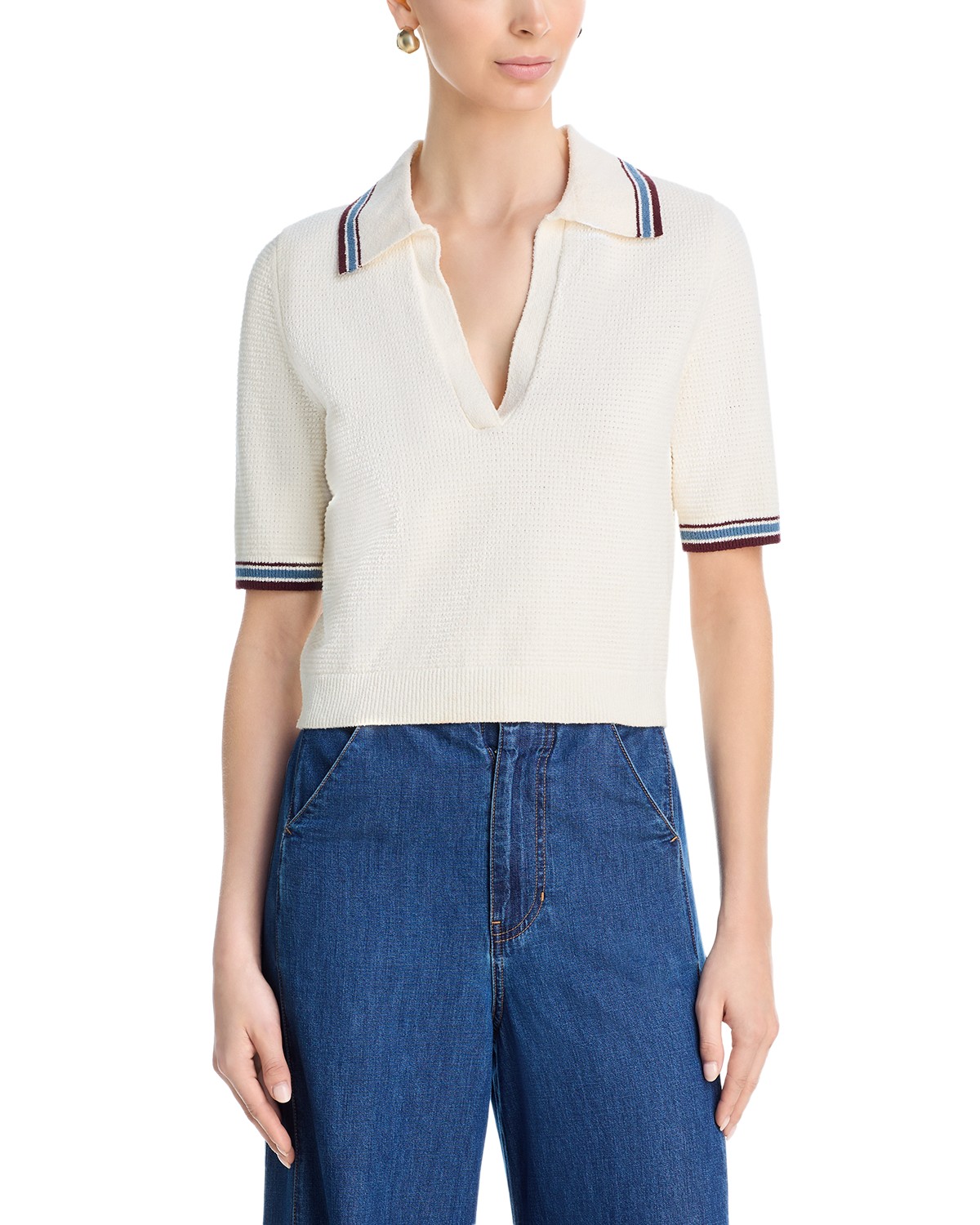
Quinelle Knit Polo Top
Veronica Beard
$348
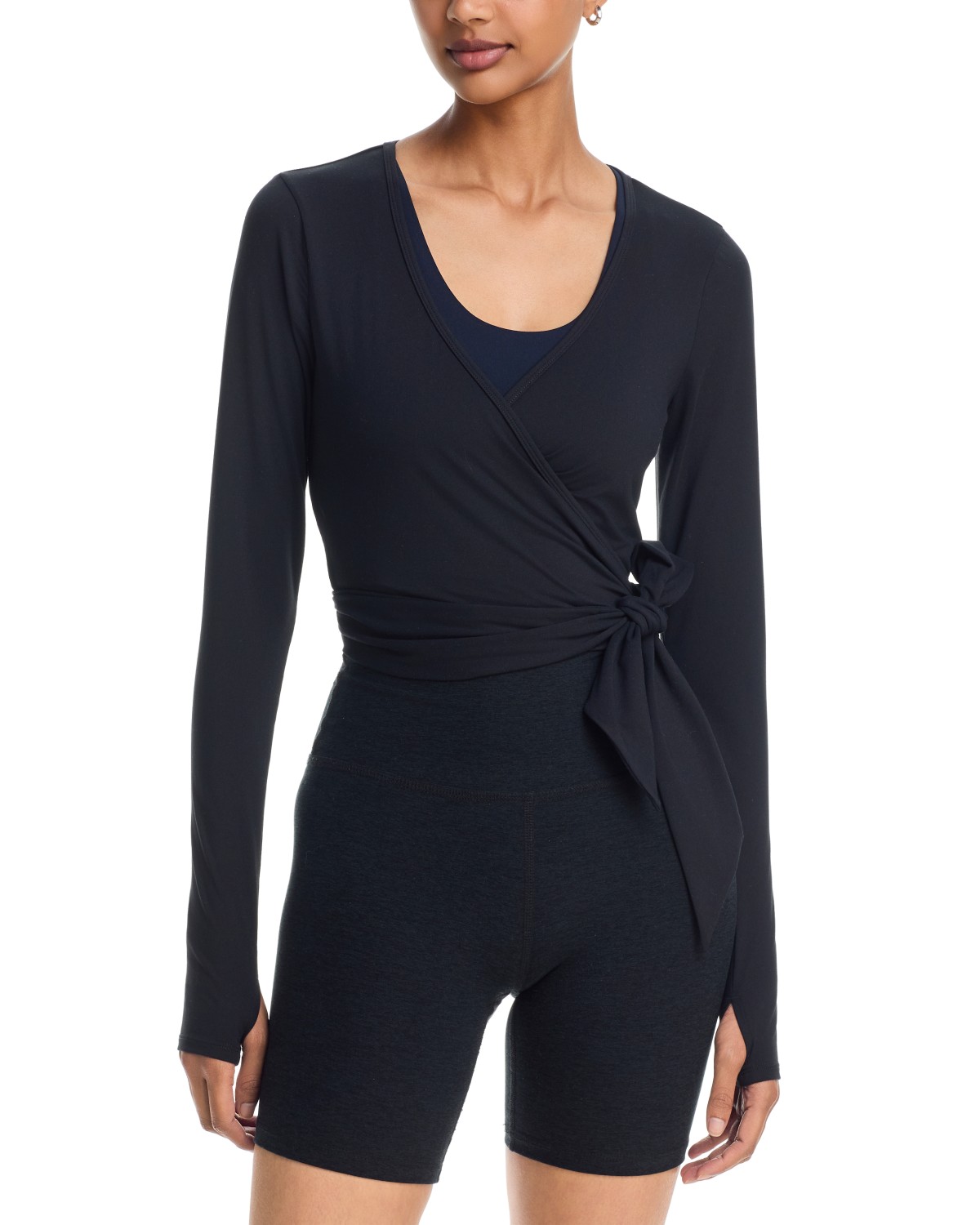
Bella Airweight Lite Wrap Top
Splits59
$98
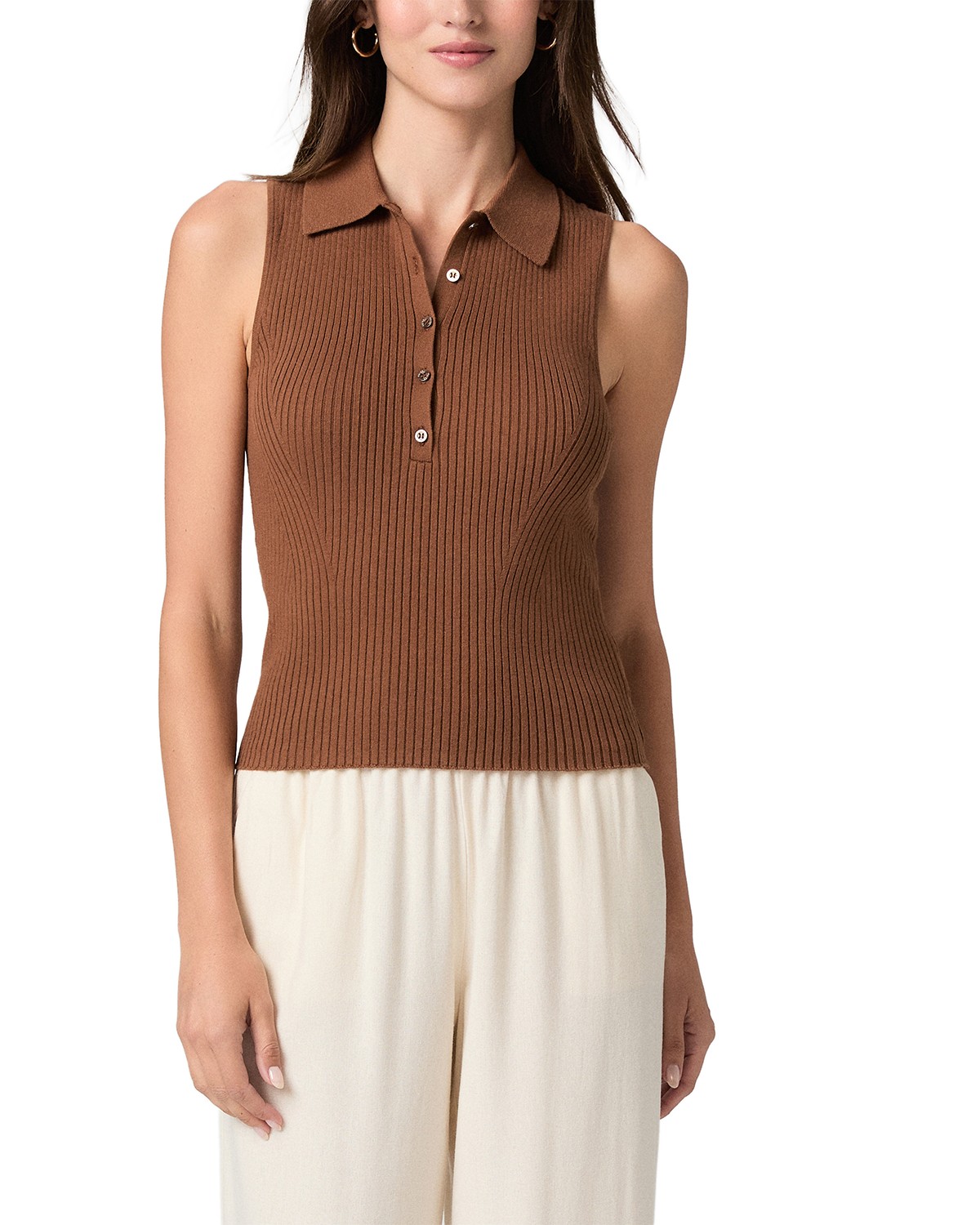
Vesta Top
PAIGE
$179
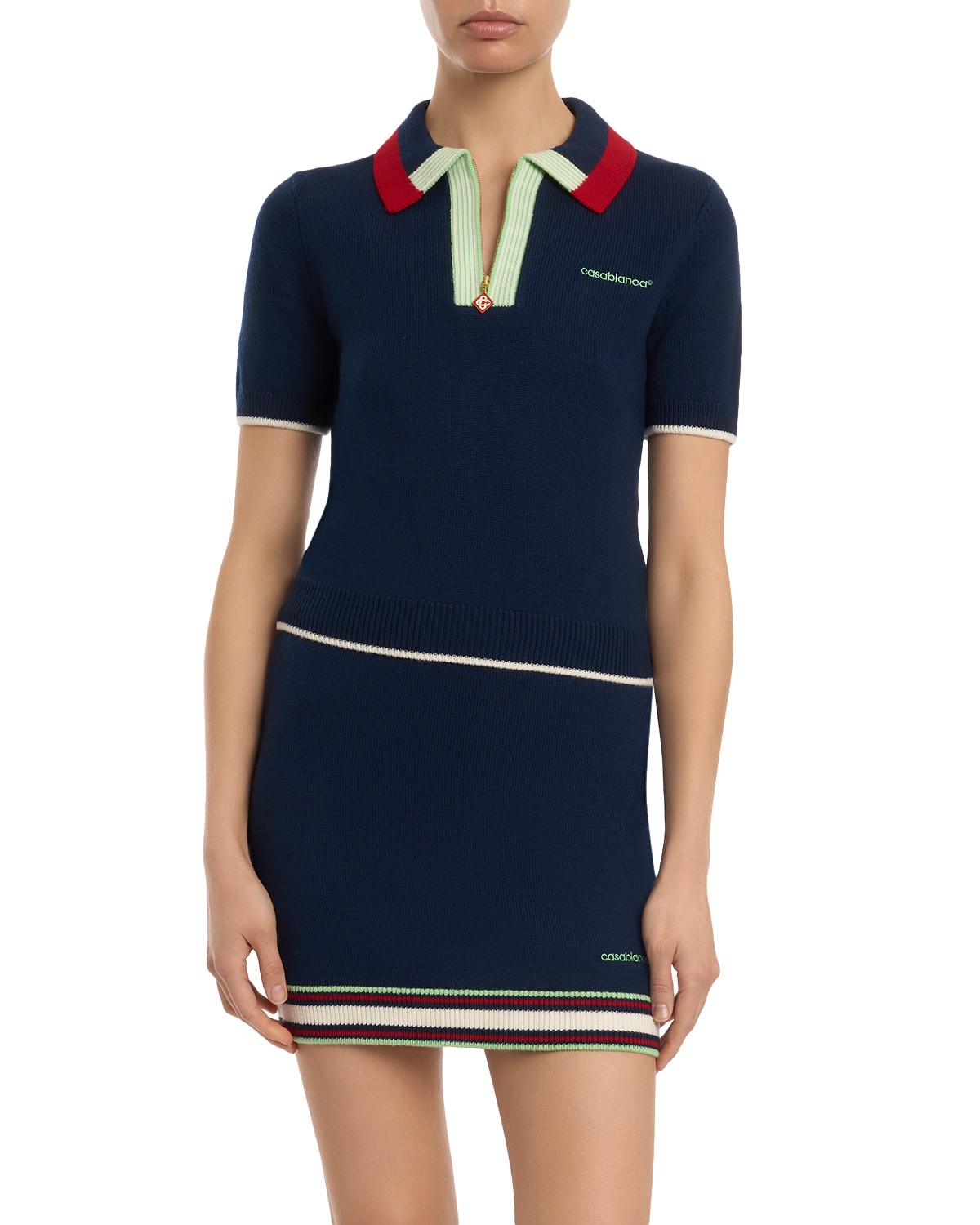
Merino Wool Polo Shirt
Casablanca
$550
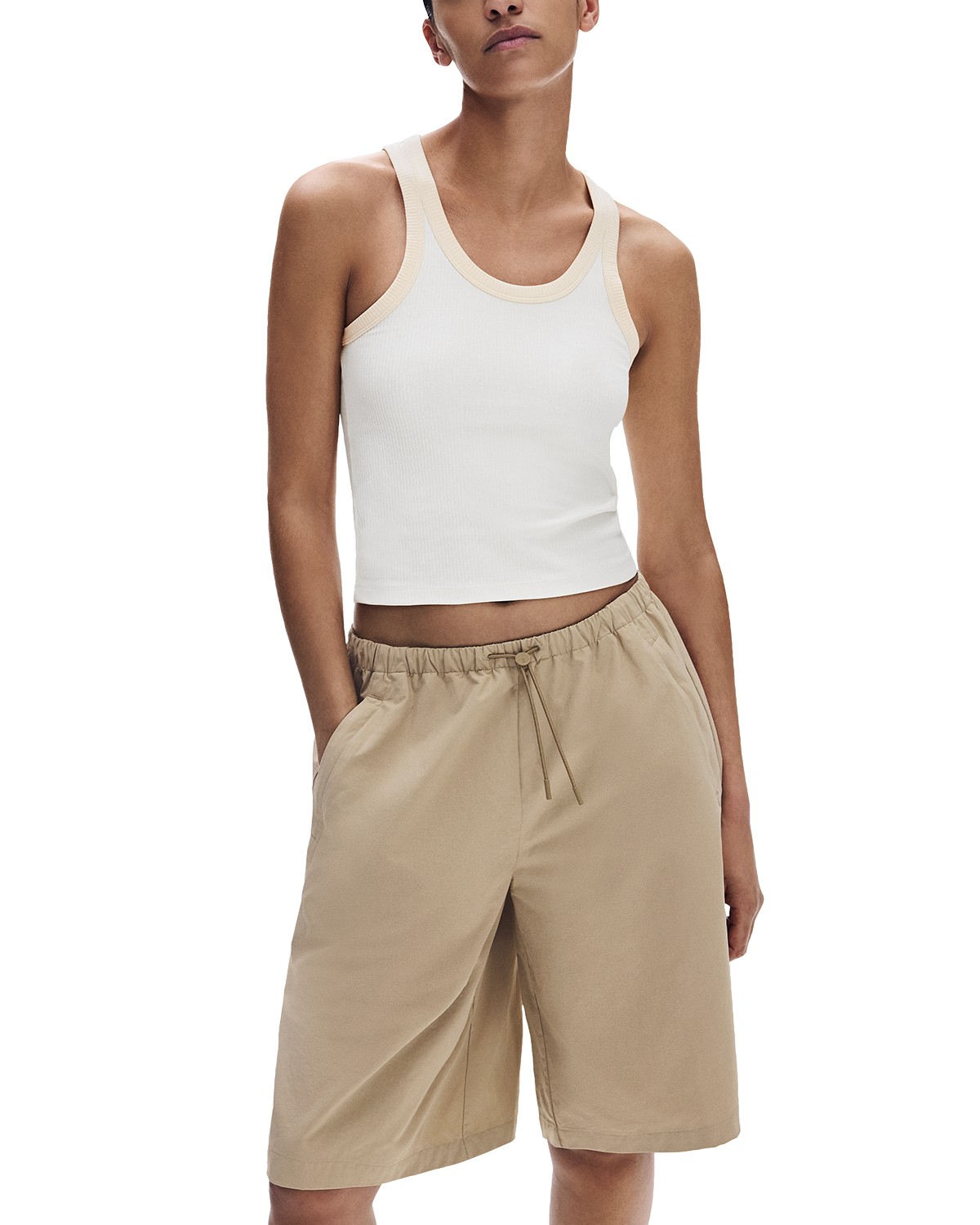
All Day Ribbed Tank Co-Created with Zendaya & Law Roach
On
$60
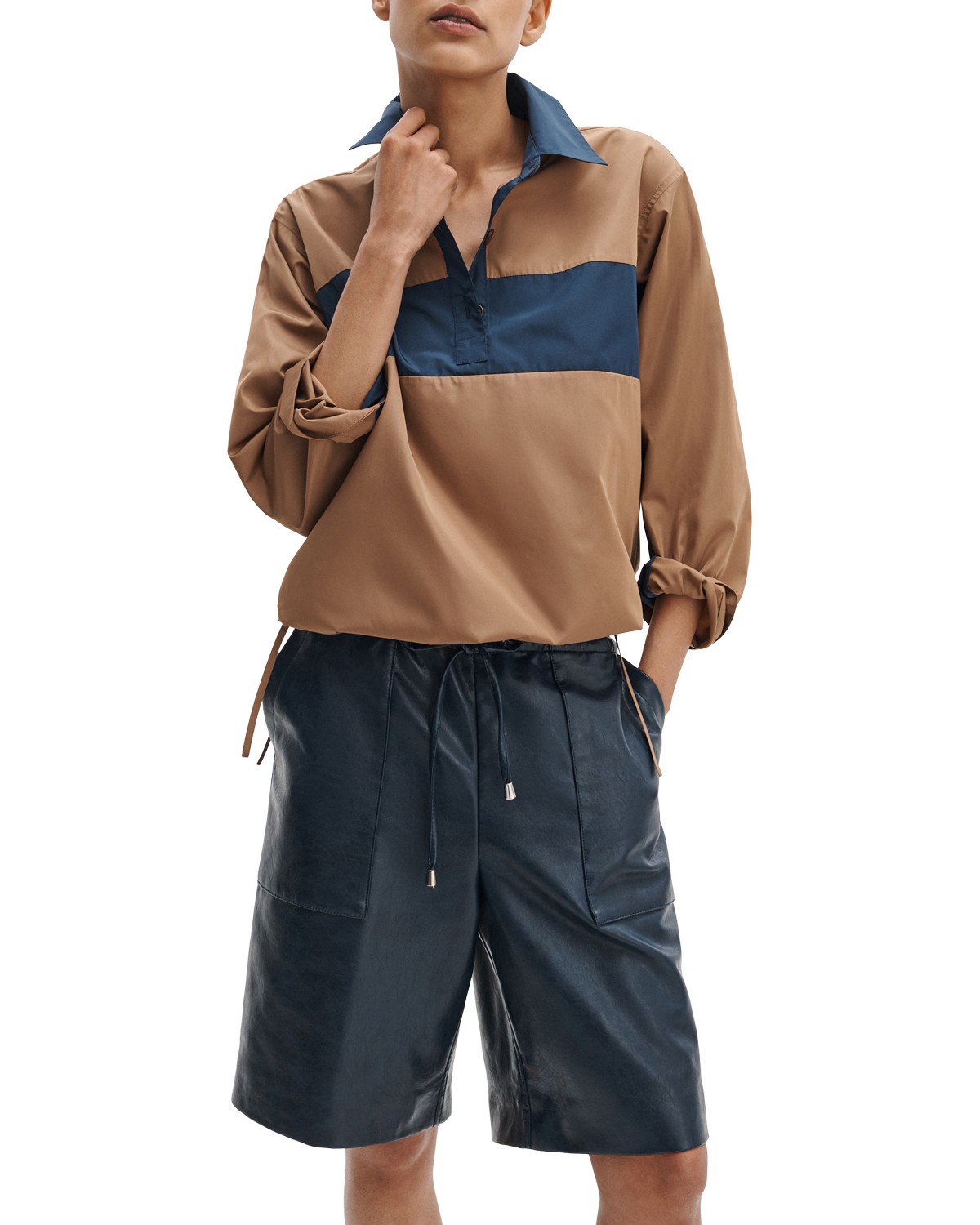
Oversized Rugby Shirt
rag & bone
$348
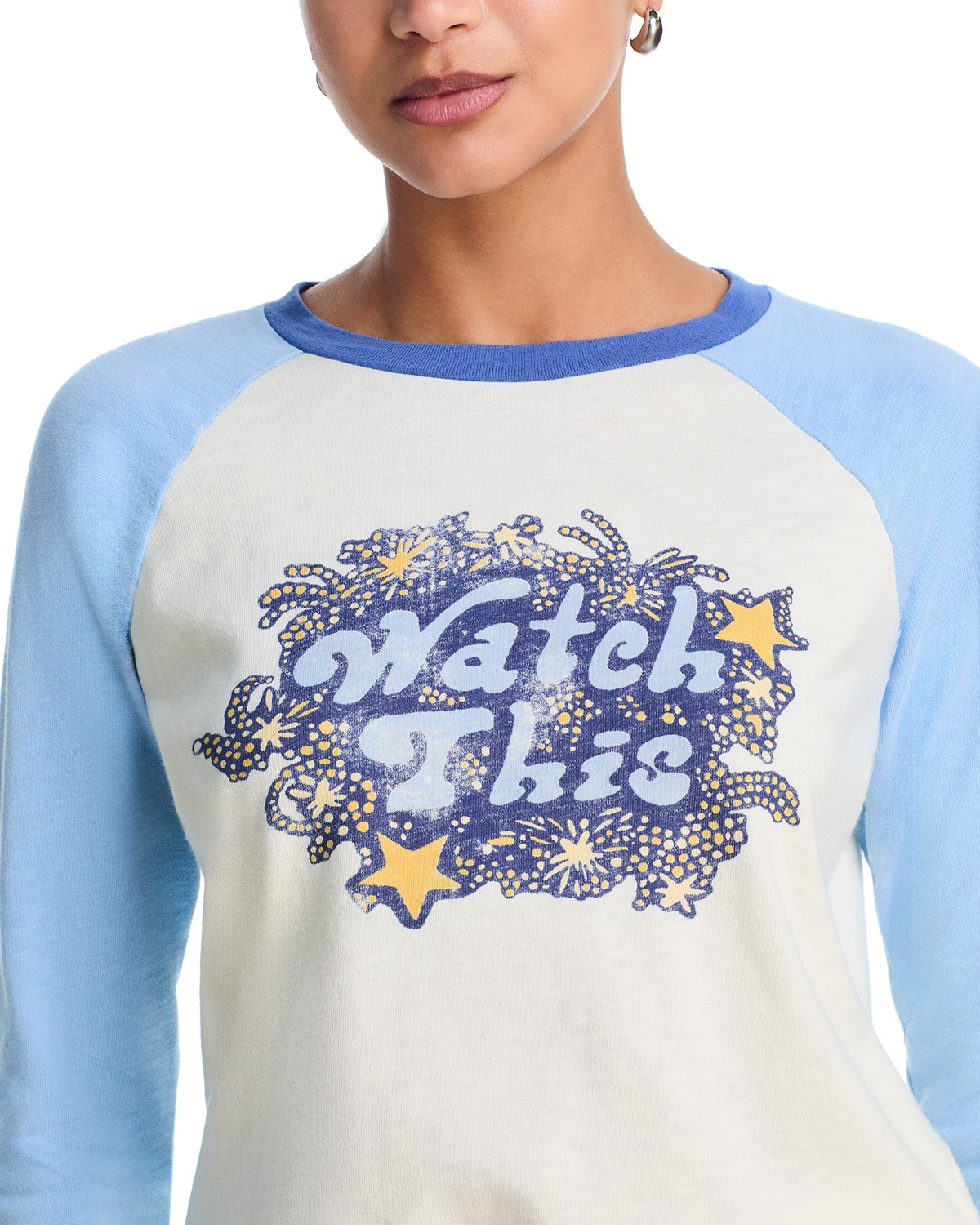
The Vintage Sporty Concert Tee
MOTHER
$168
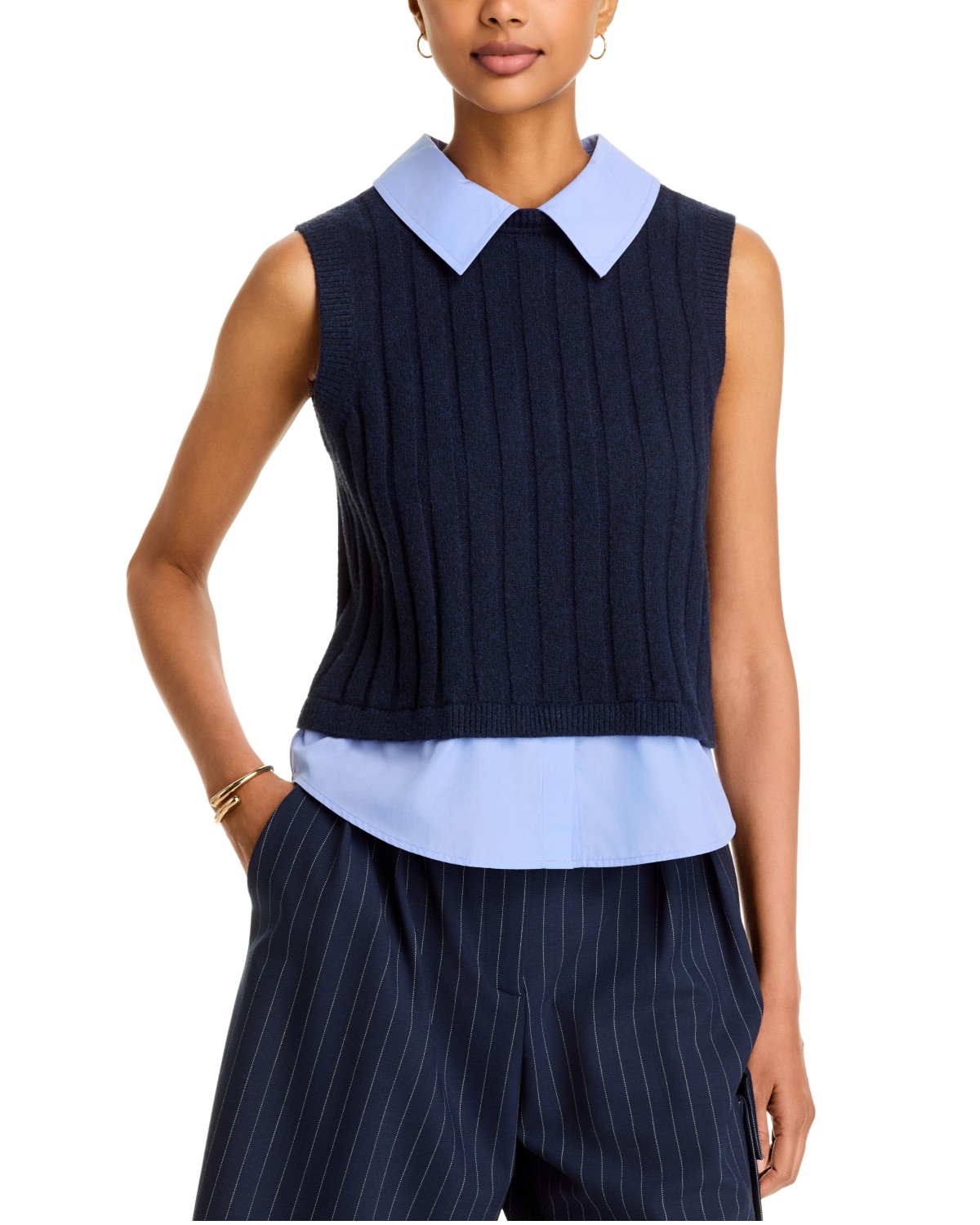
Aleyna Mixed Media Tank
FRENCH CONNECTION
$128
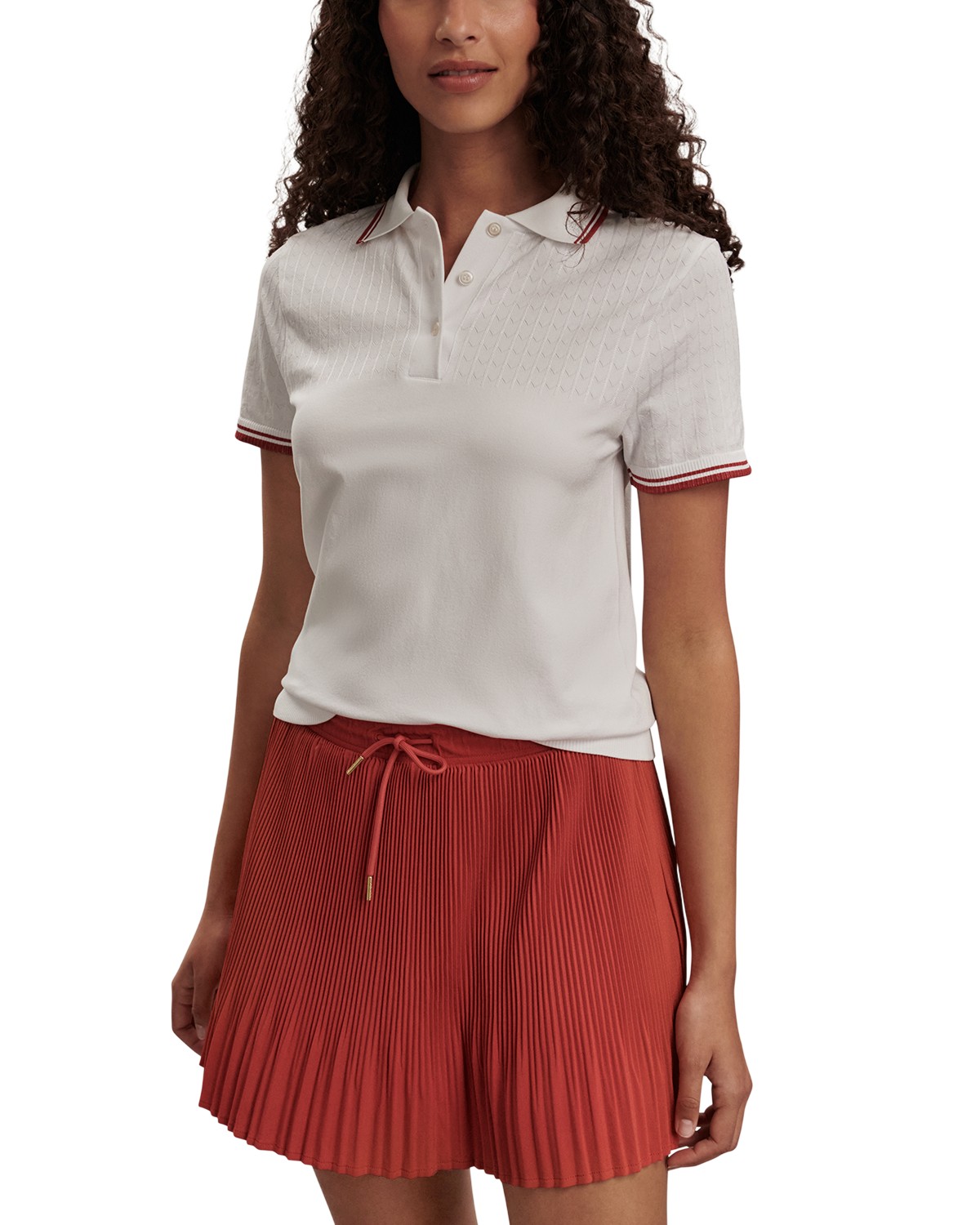
Mickey Seamless Polo
Varley
$110
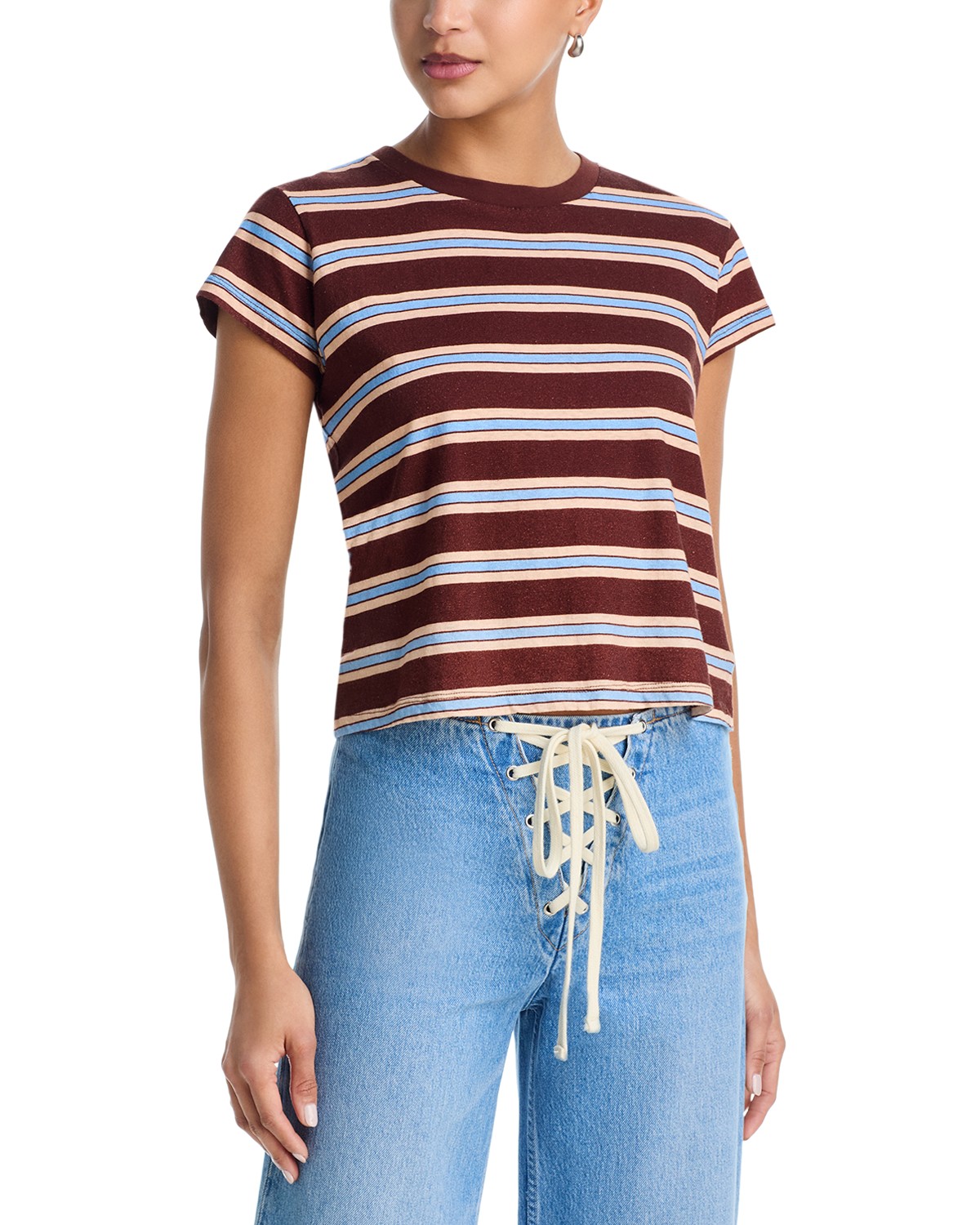
The Boxy Goodie Goodie Tee
MOTHER
$175
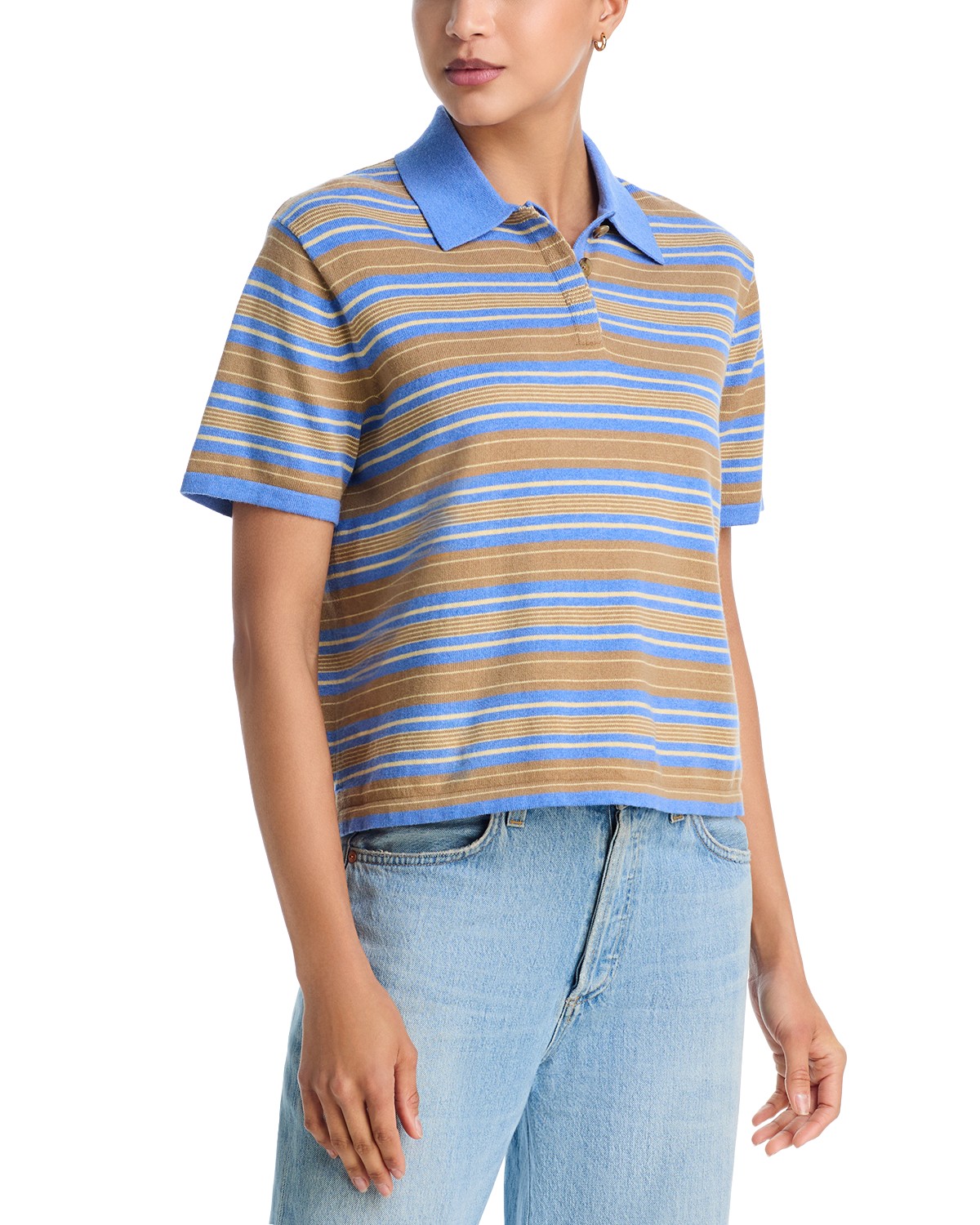
Striped Rugby Shirt
Guest in Residence
$295
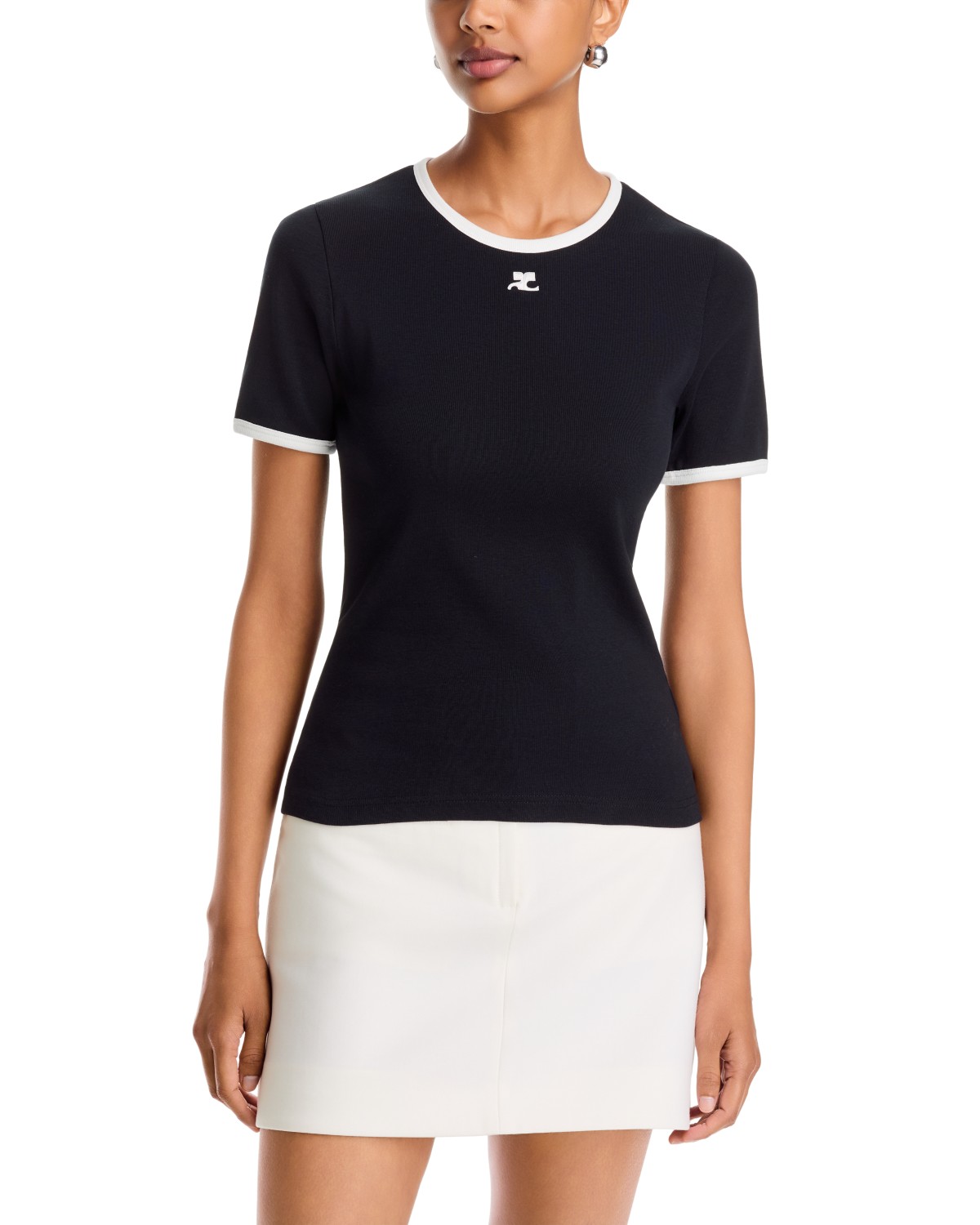
Signature Cotton Contrast Tee
Courreges
$290
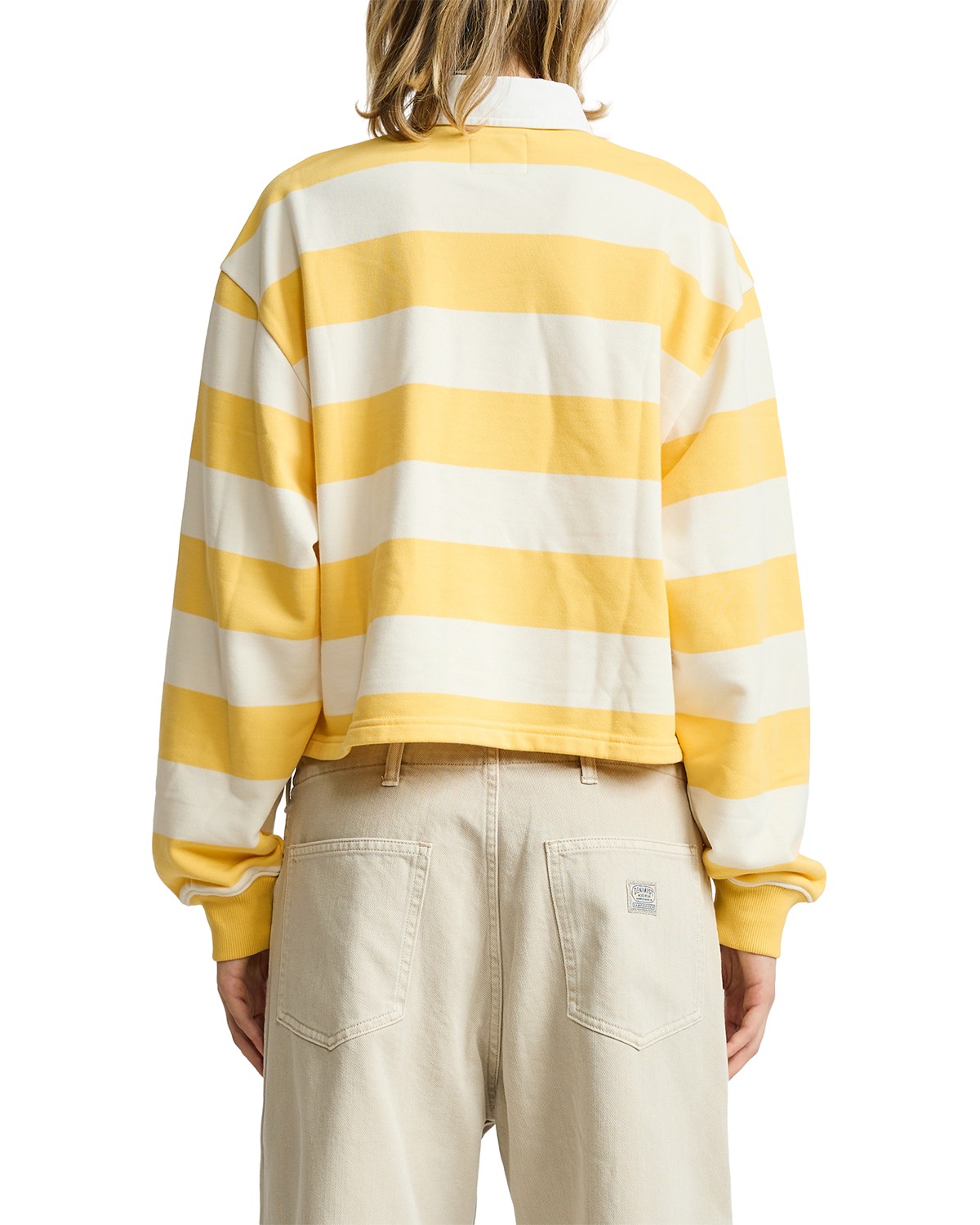
Charlie Striped Rugby Shirt
Denimist
$325
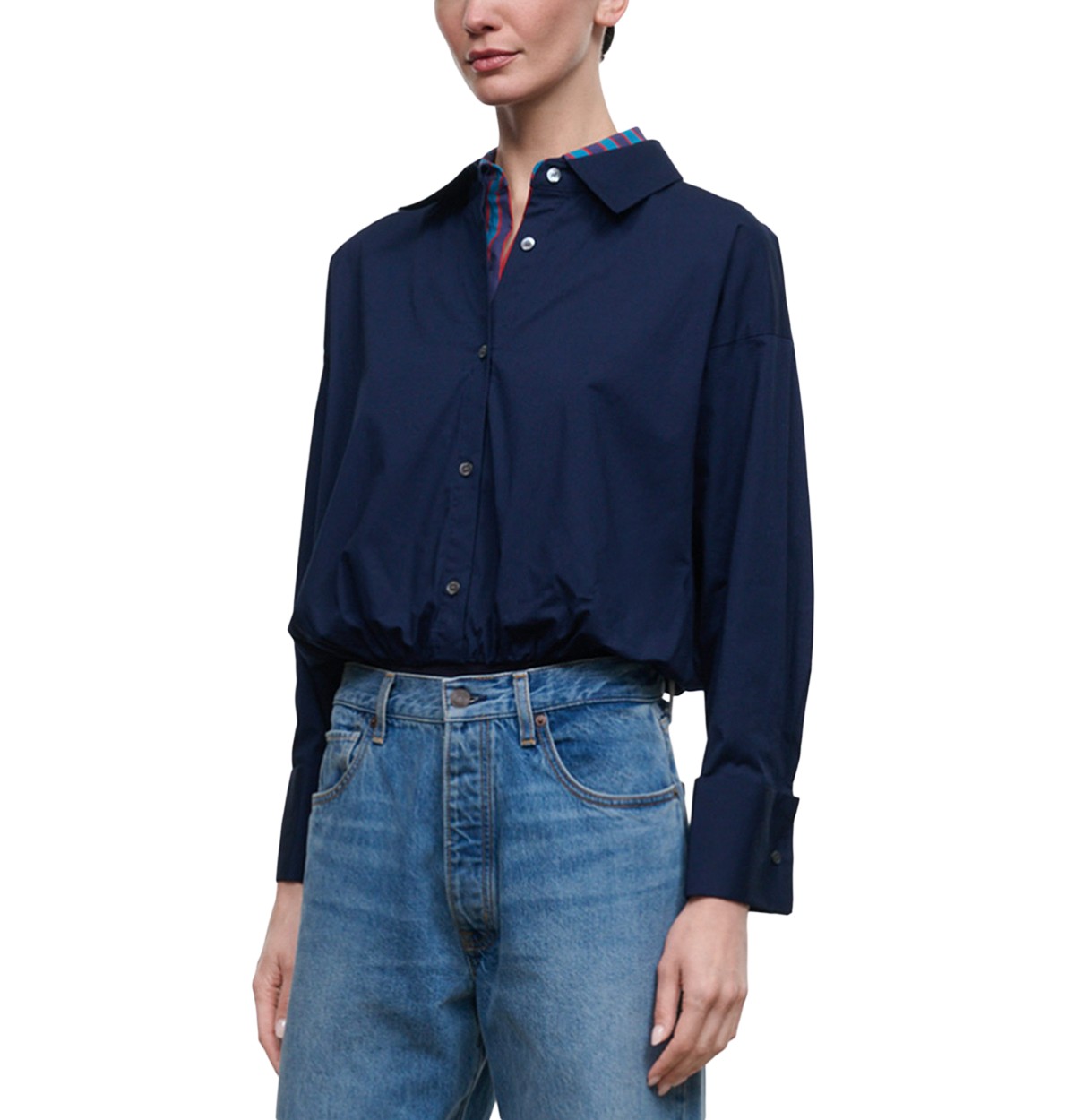
Uptown Cotton Stretch Bodysuit
STAUD
$295
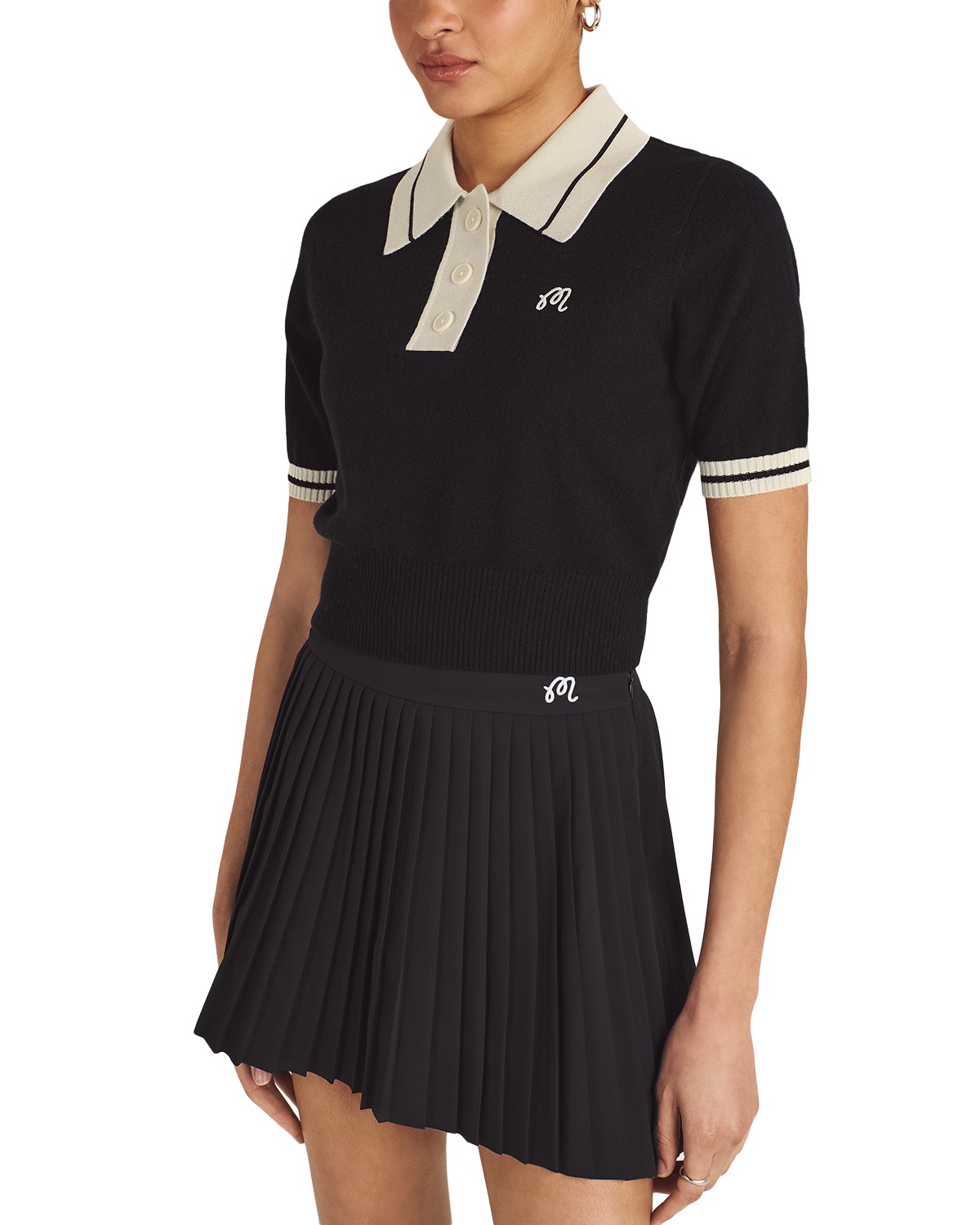
Mikayla Wool & Cashmere Knit Polo
Malbon
$198
More Tops
More tops, in a lighter register. Tanks, halters and crossover straps are the pieces that keep the look from reading as a uniform, and they borrow from tennis rather than golf. Court sports have better lines than gym equipment does.
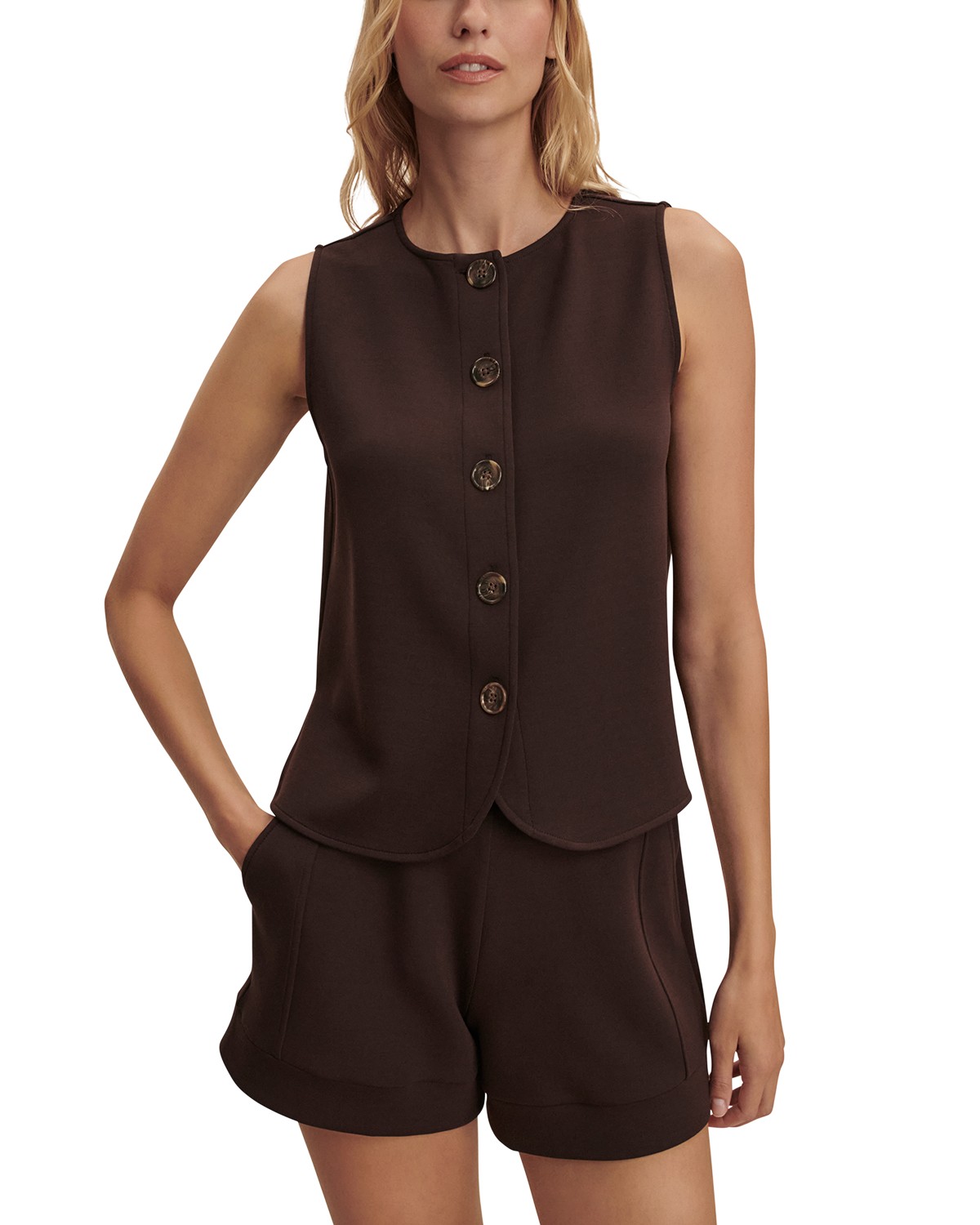
Josie Button Through Tank Top
Varley
$138
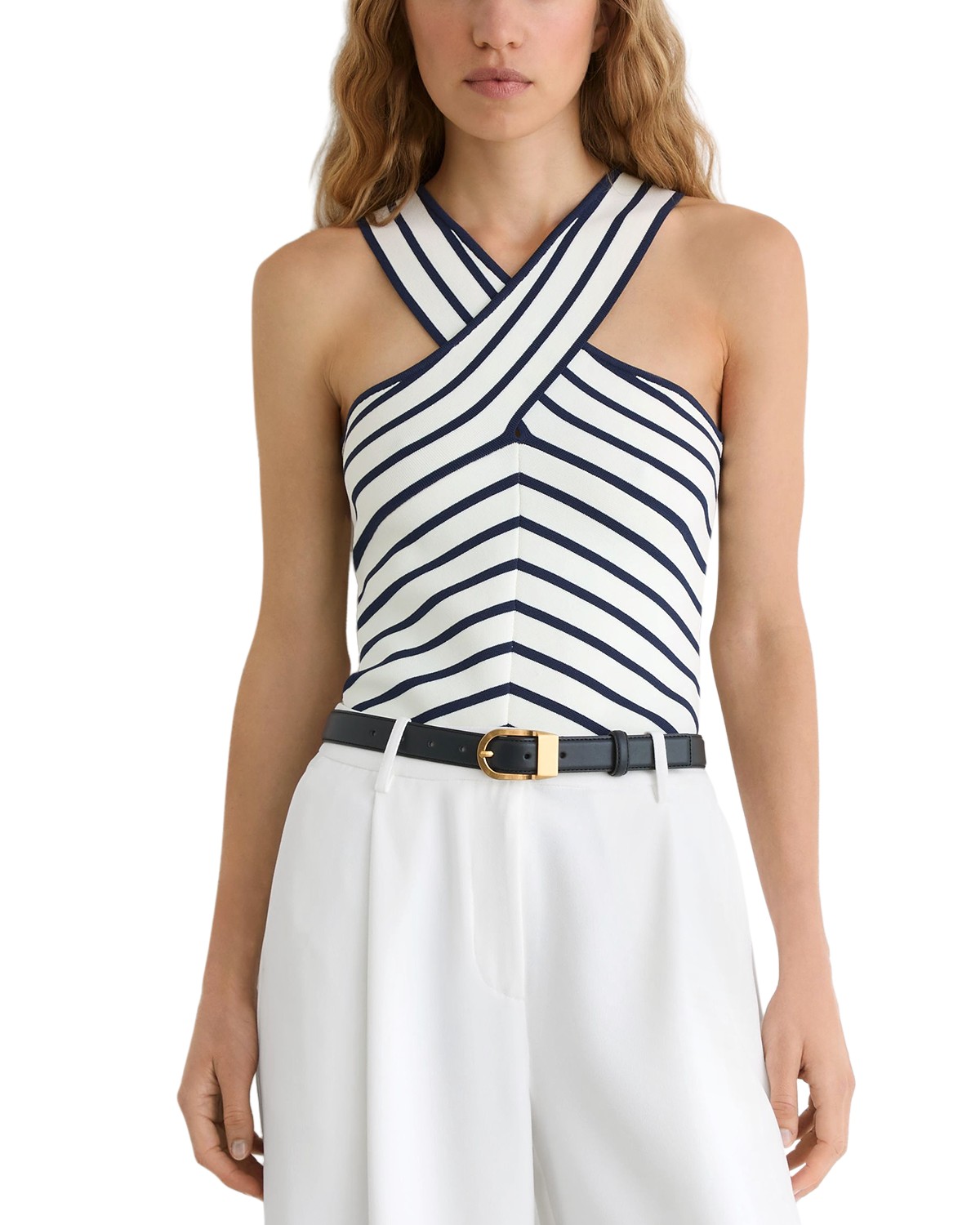
Aria Crossover Strap Halter Top
REISS
$195
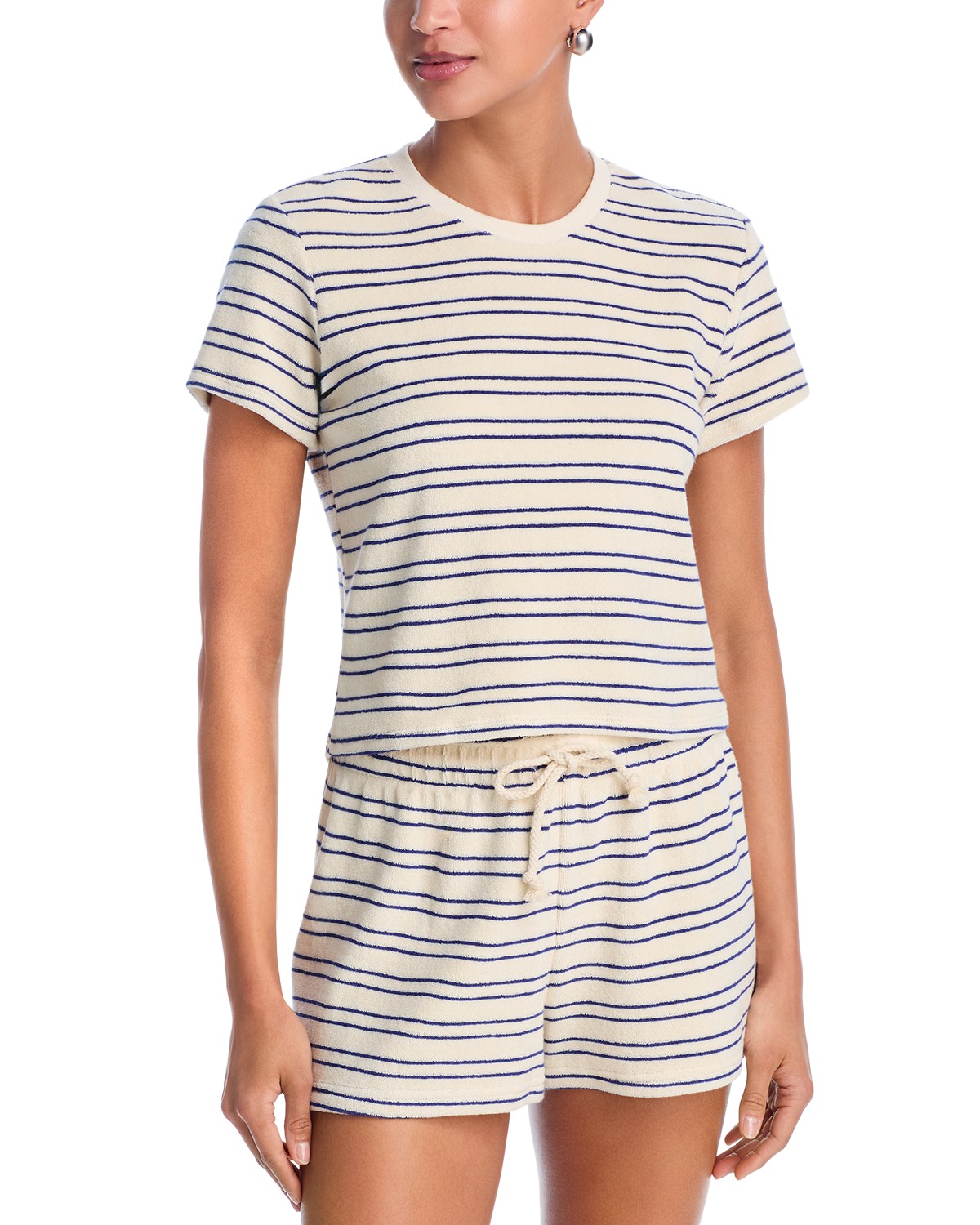
Stripe Loop Terry Tee
perfectwhitetee
$90
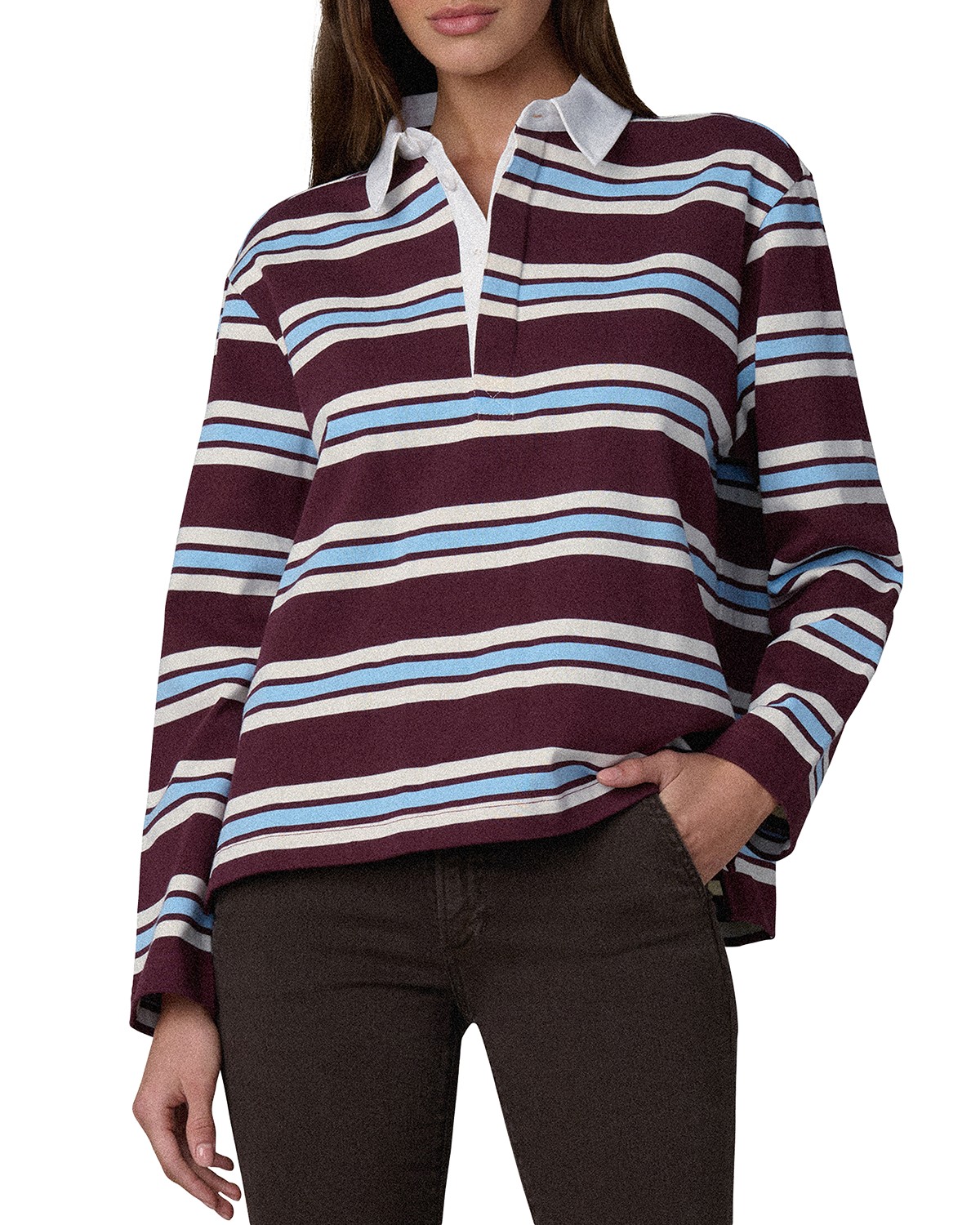
The Dylan Rugby Shirt
Joe's Jeans
$178
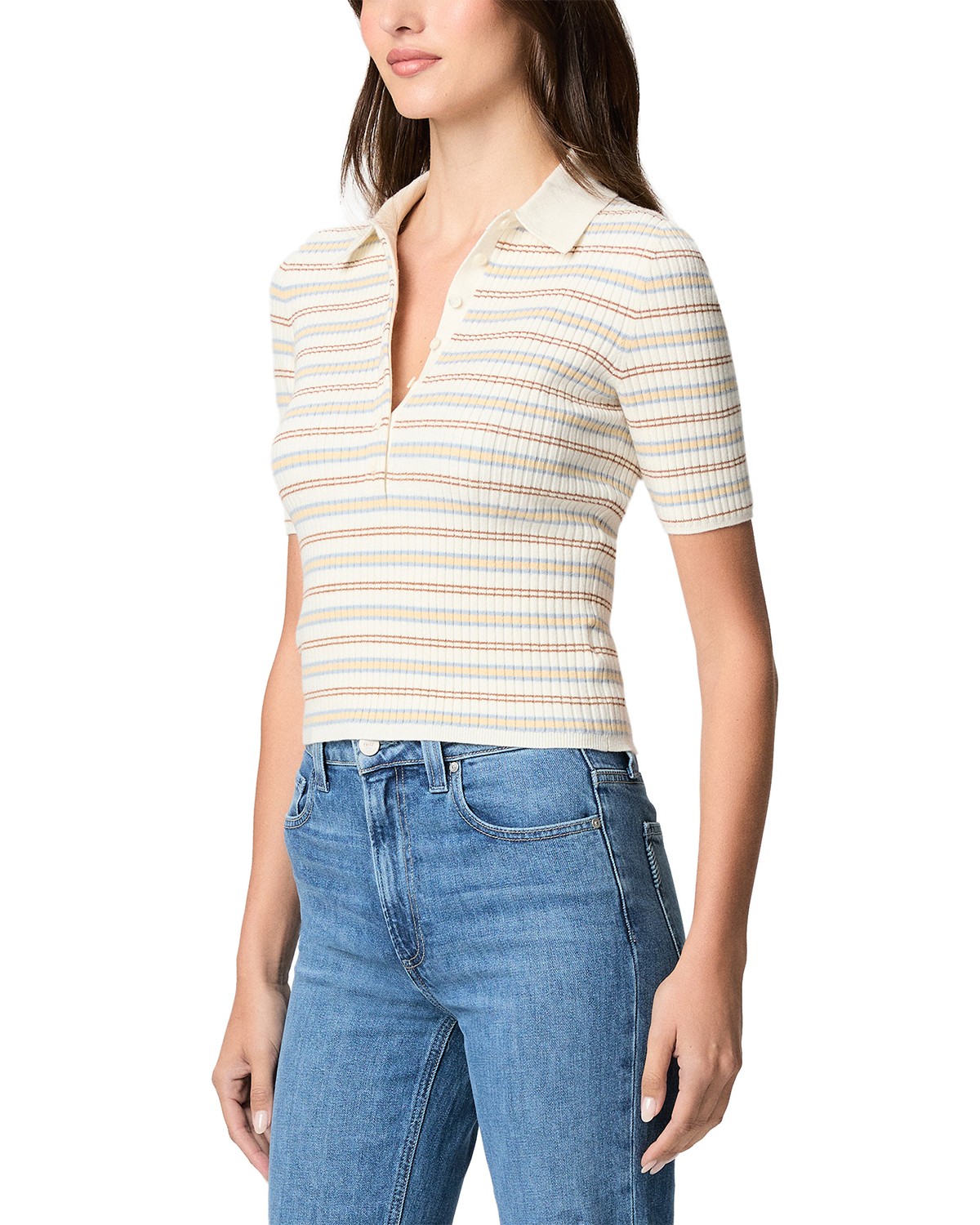
Summit Ribbed Polo Top
PAIGE
$199
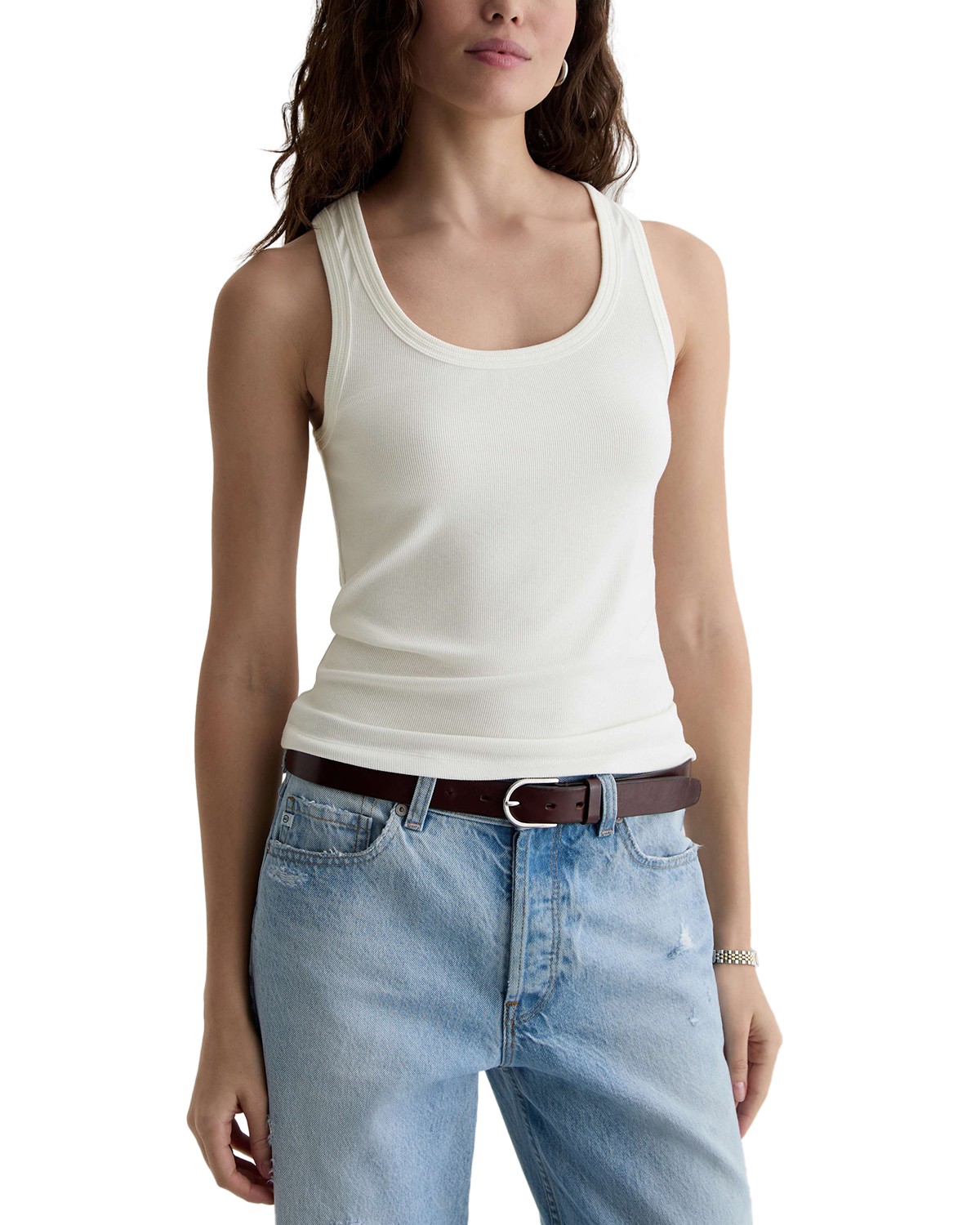
Ashley Tank Top
AG
$68
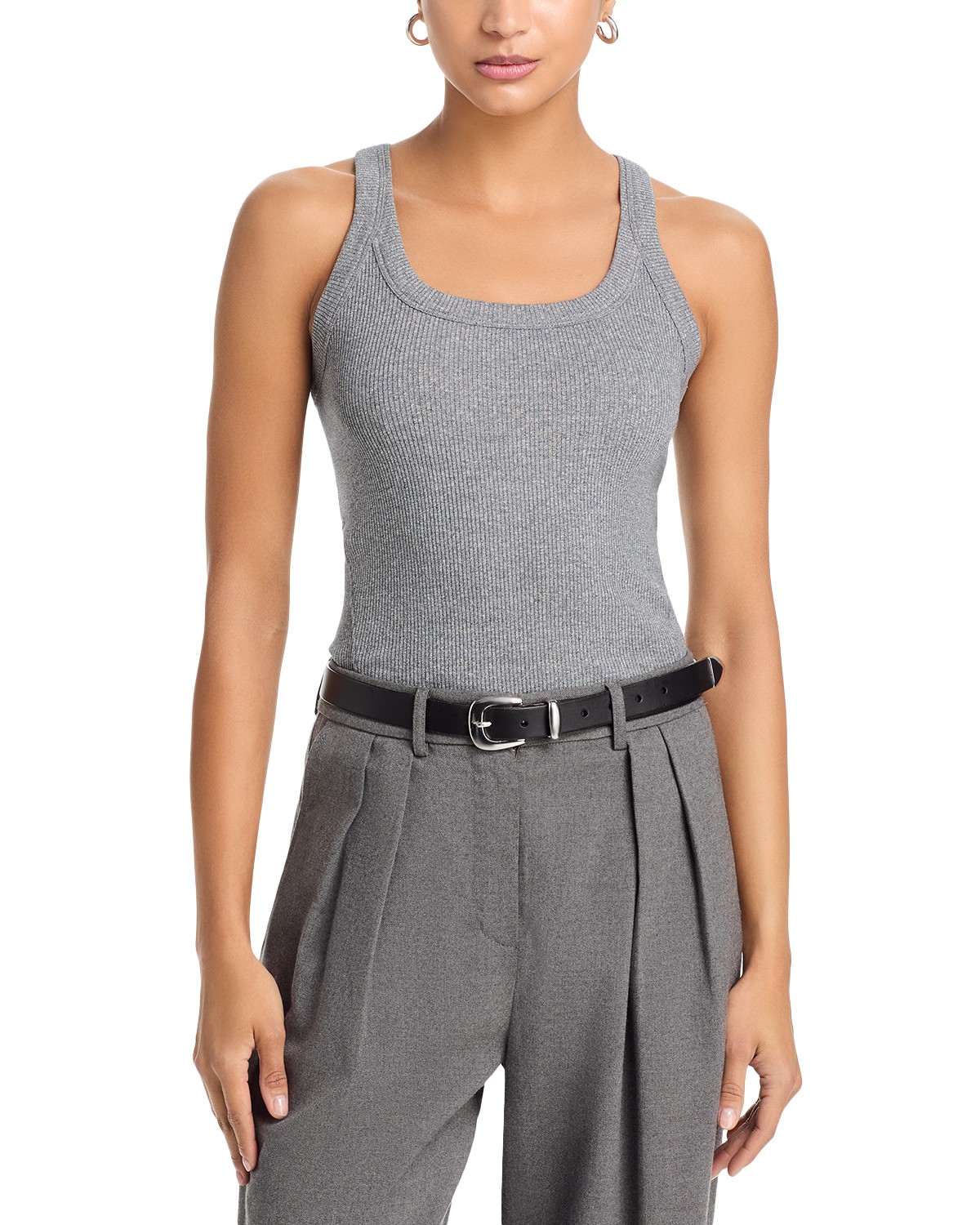
The Essential Rib Wide String Tank Top
rag & bone
$98
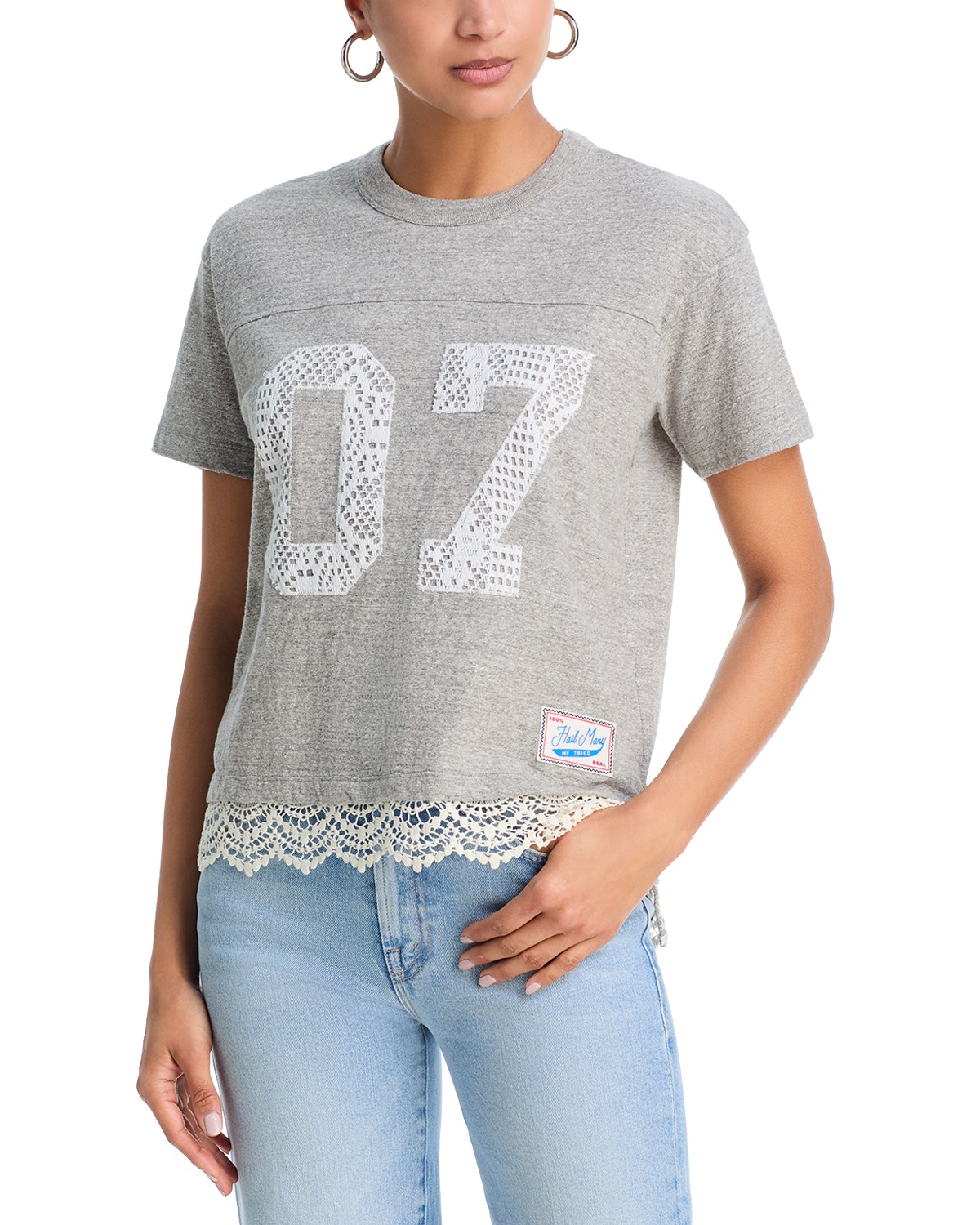
The Footballer Tee
MOTHER
$218
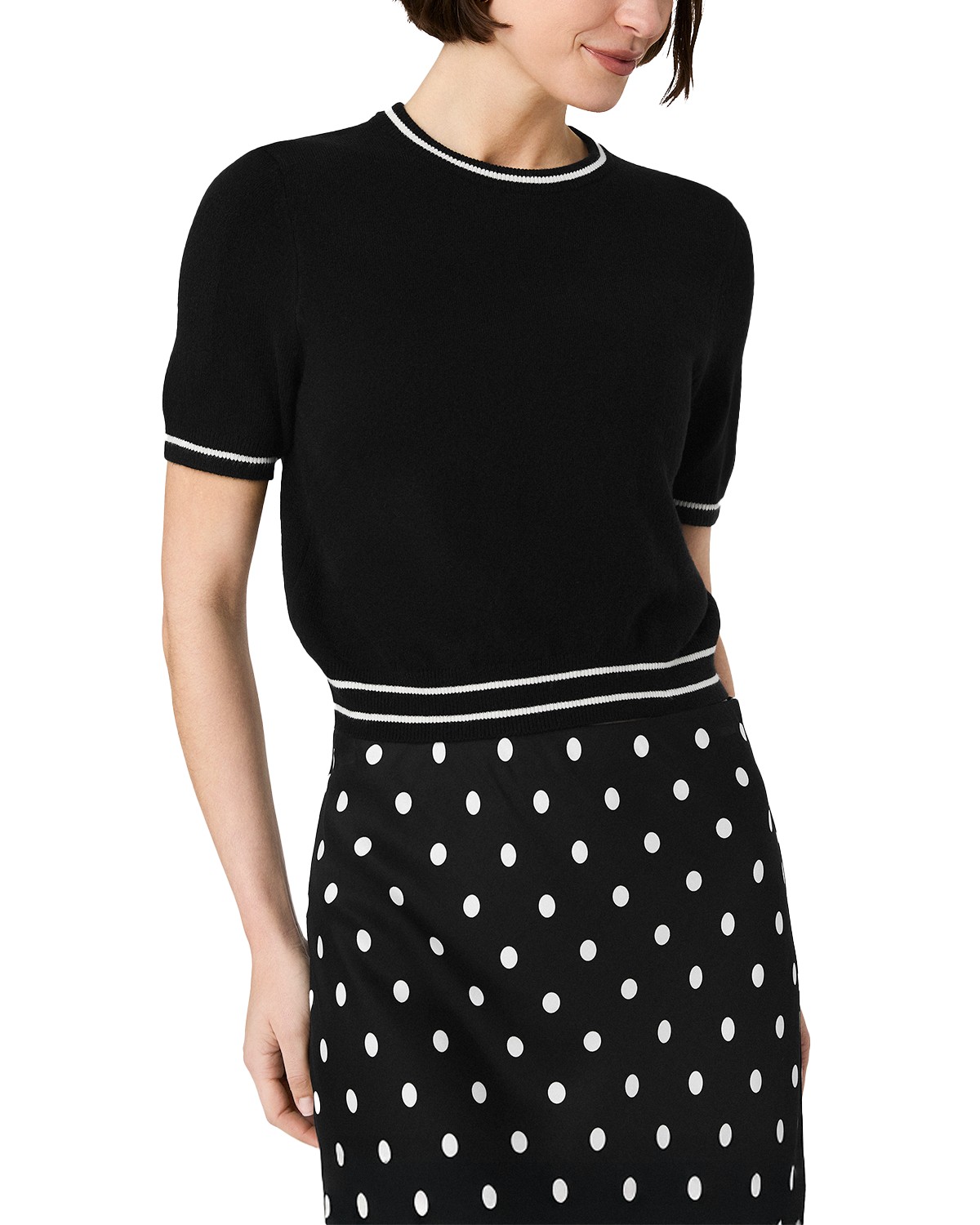
Babysoft Short Sleeve Rib Stripe Top
FRENCH CONNECTION
$98
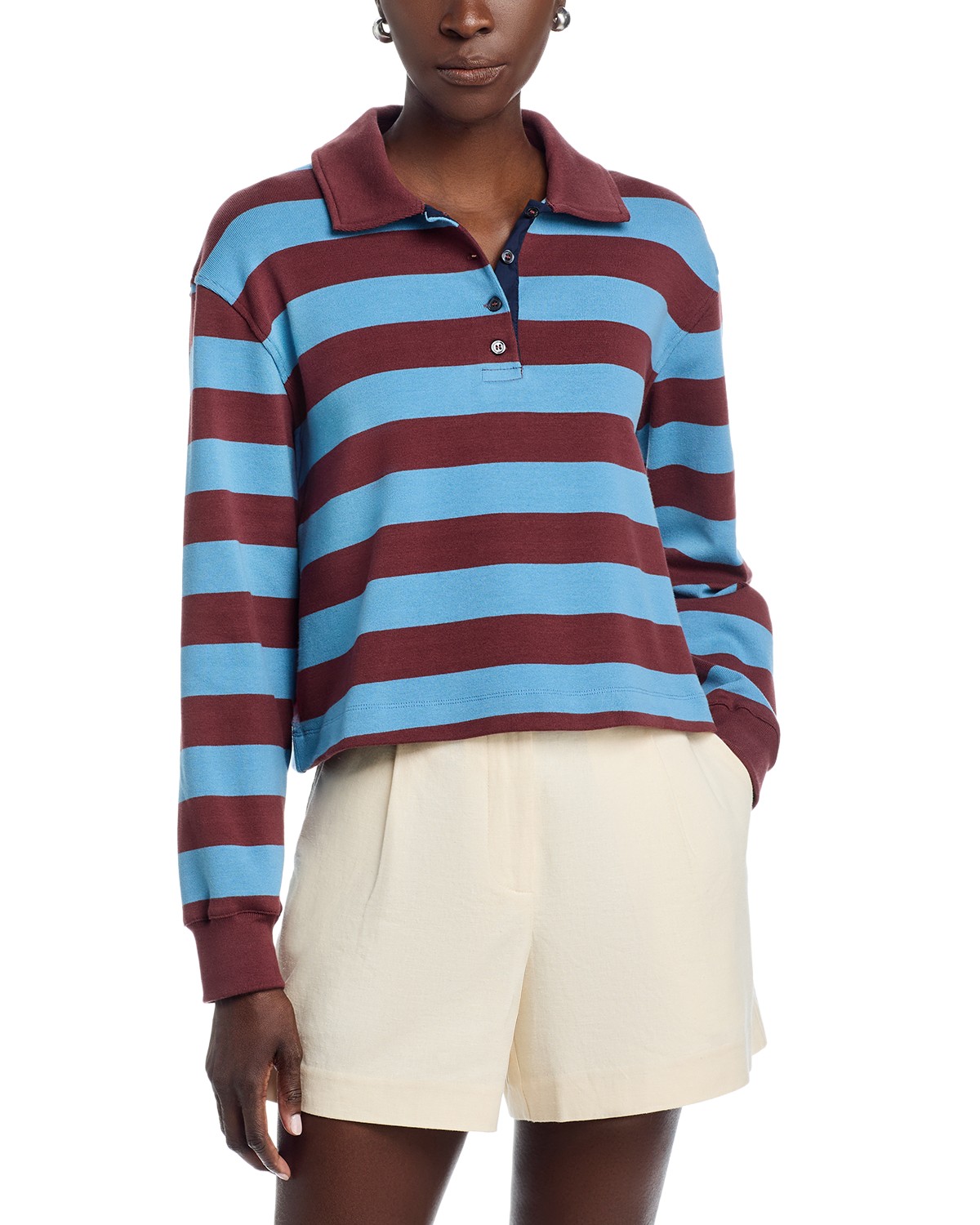
Barrett Striped Polo Top
Tanya Taylor
$295
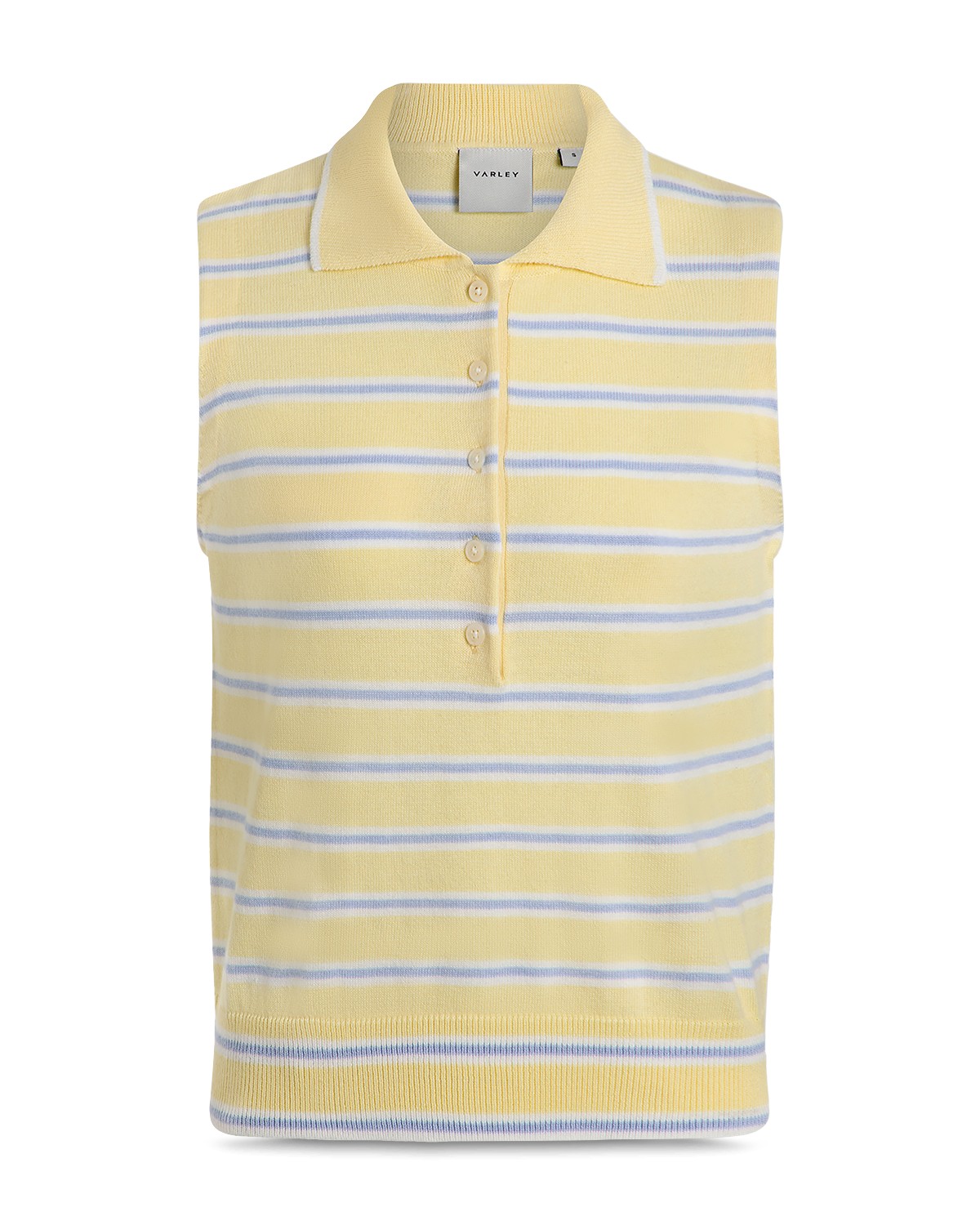
Rue Polo Tank Top
Varley
$118
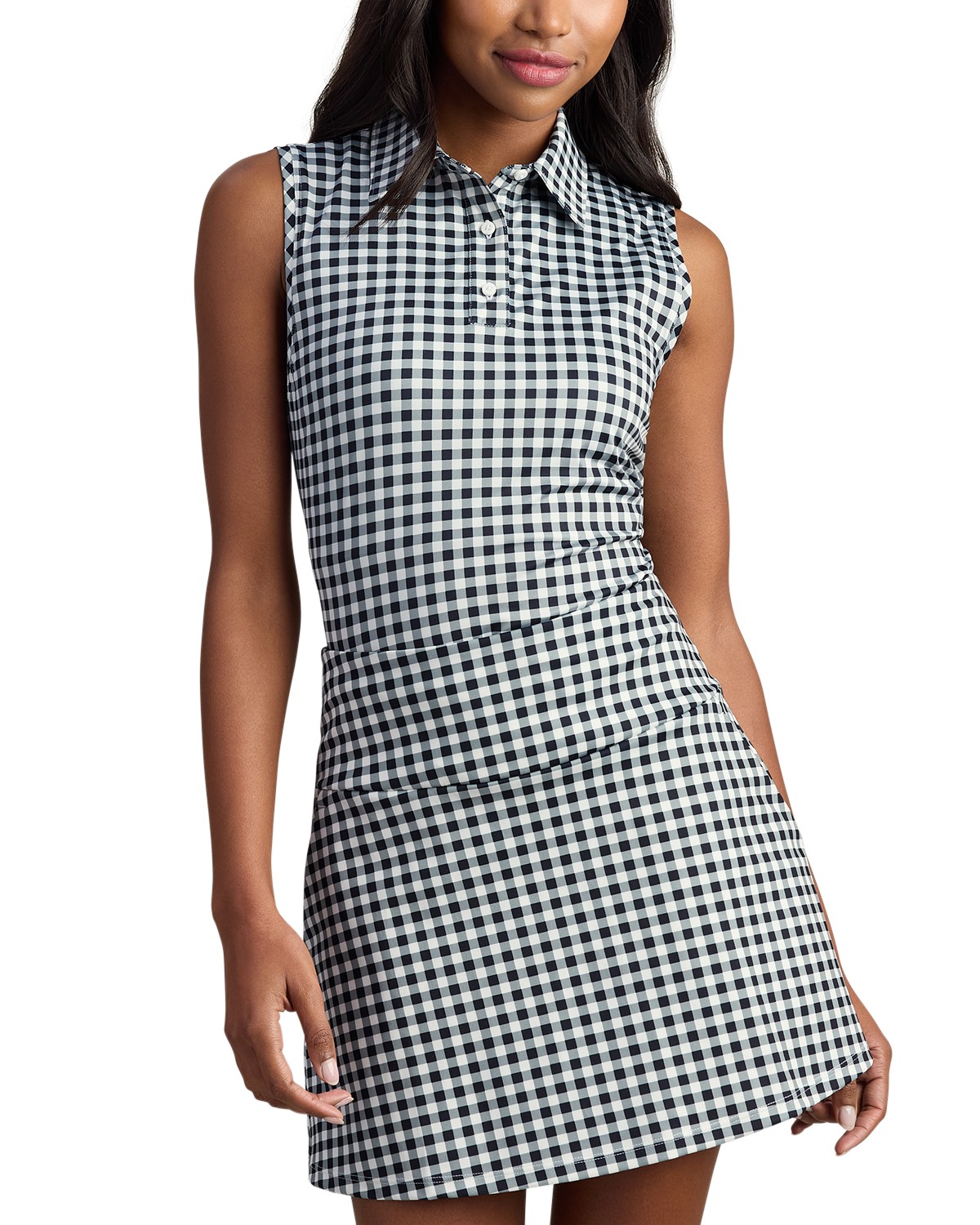
Course To Court Sleeveless Polo Shirt
Rhone
$98
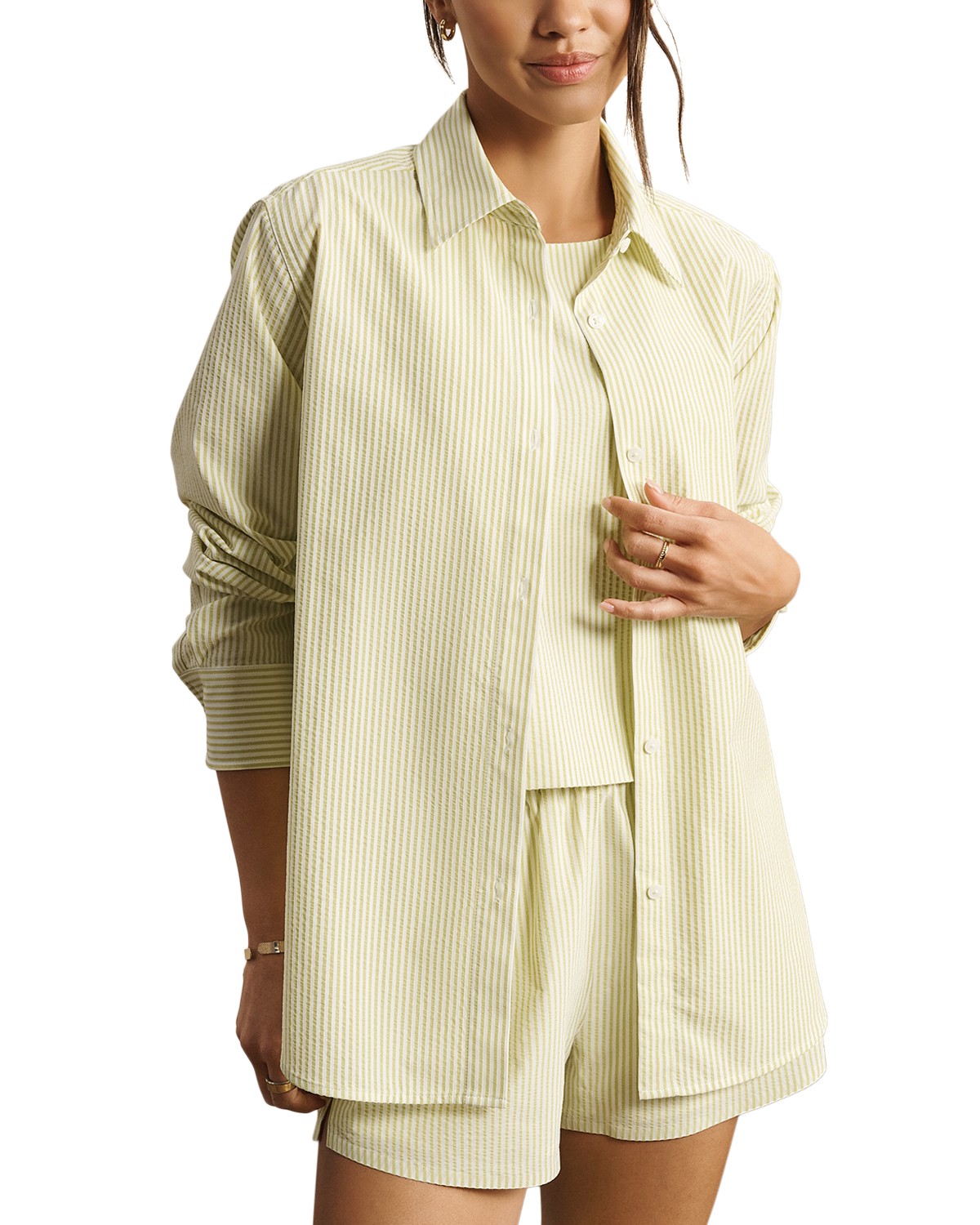
Button Up Shirt
Rhone
$138
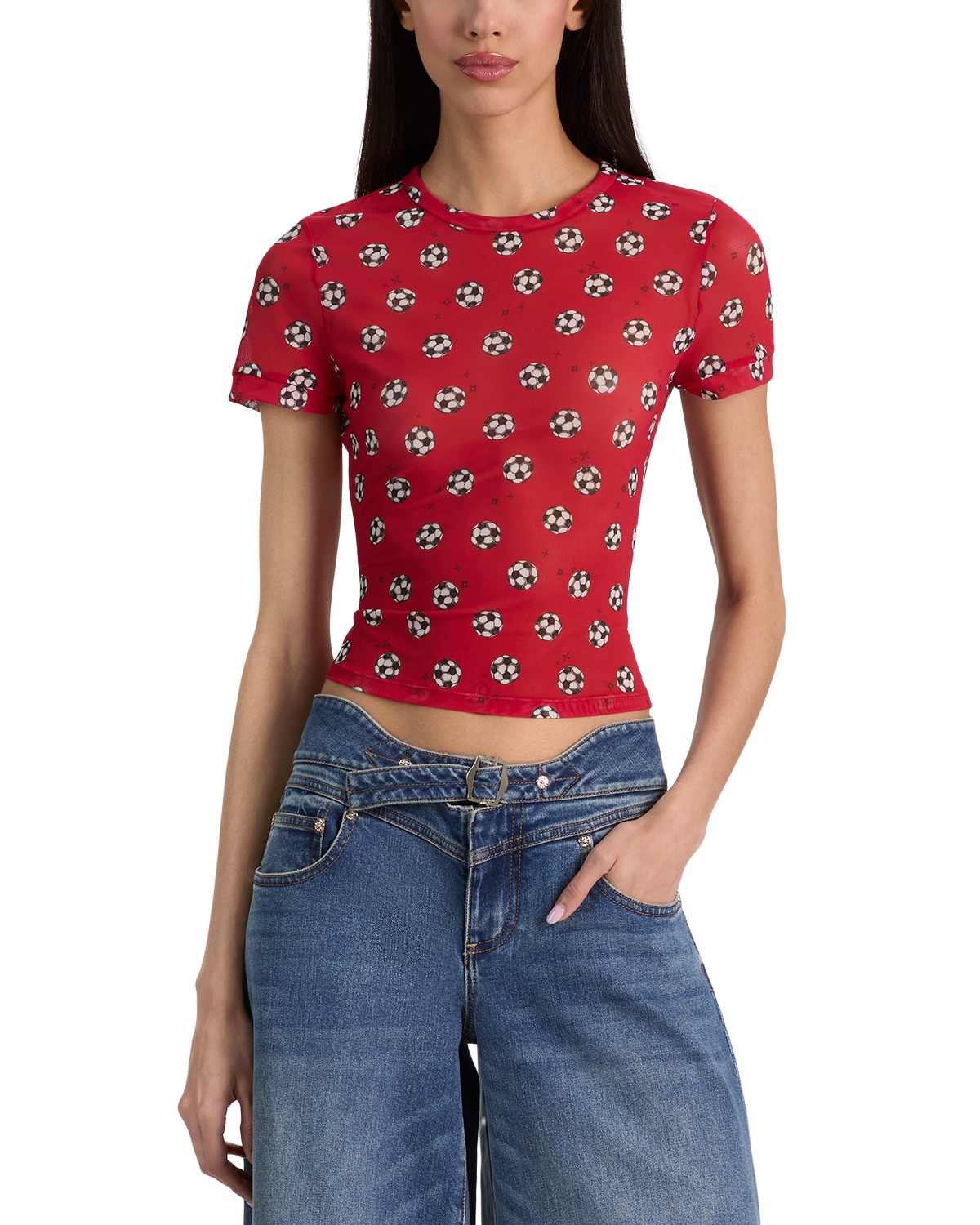
Tess Crewneck Tee
Alice and Olivia
$195
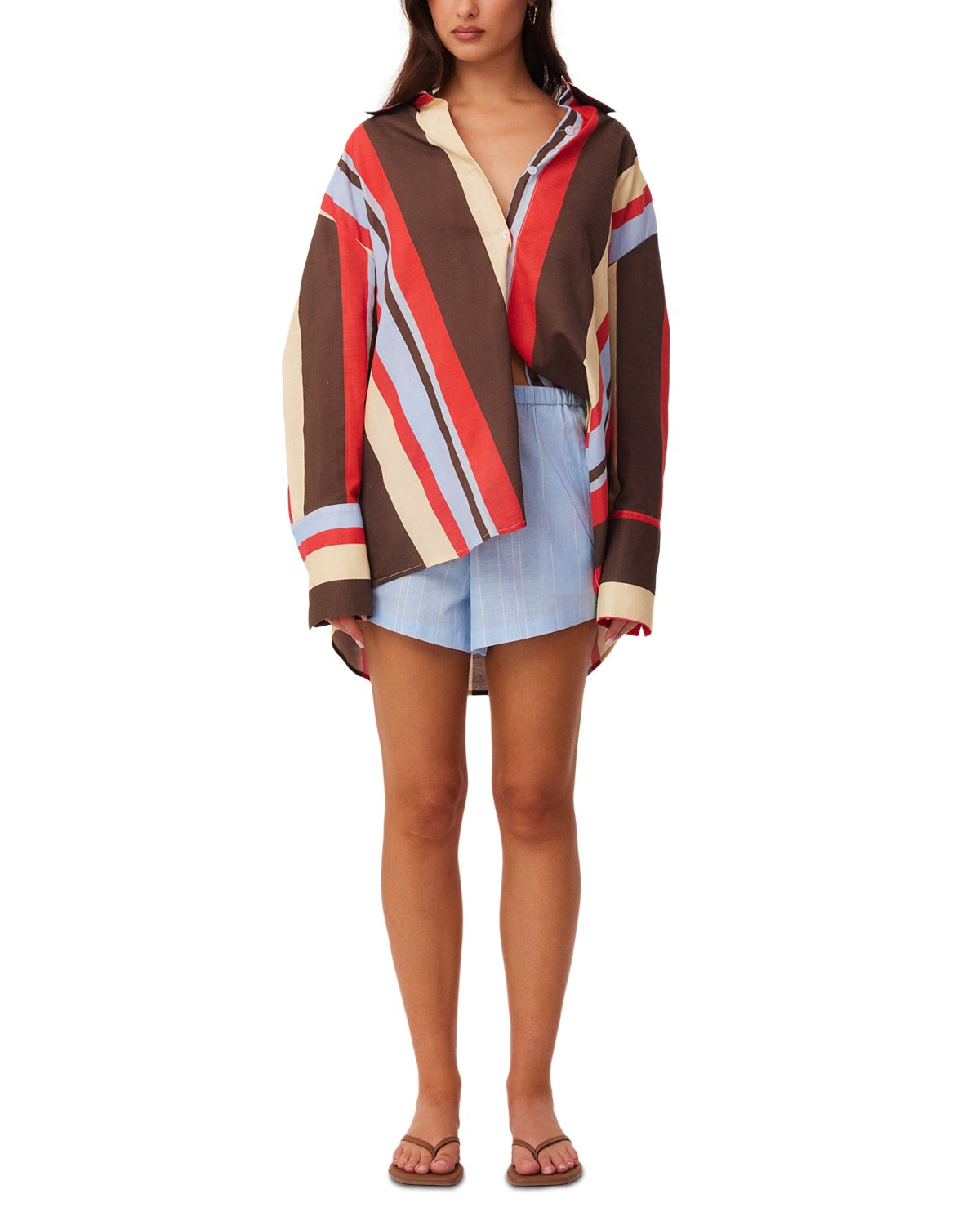
Trudie Button Front Shirt
SNDYS
$99
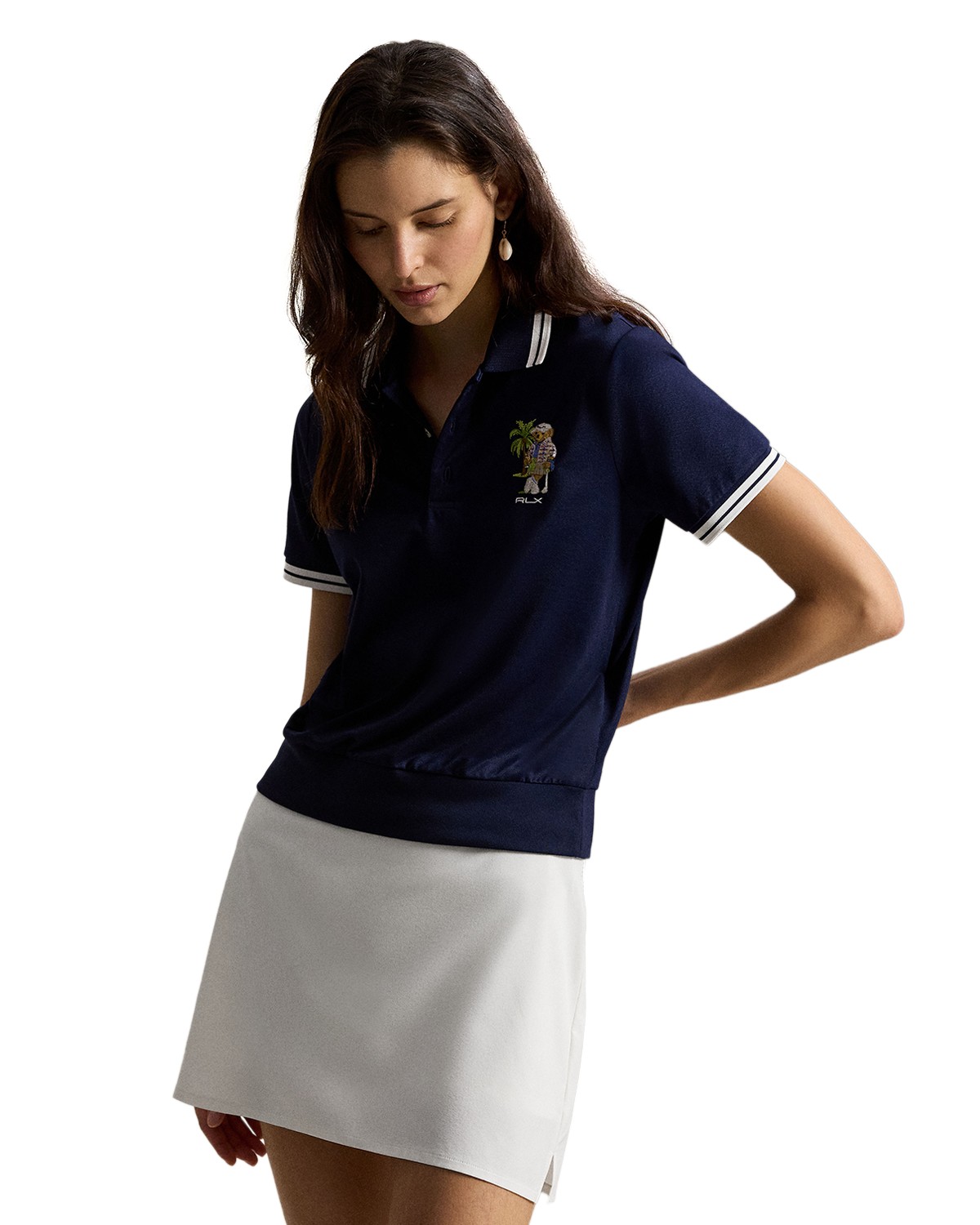
Polo Bear Jersey Polo Shirt
RLX Ralph Lauren
$140
Trousers
Trousers are where the trend proves it is not athleisure. Pull-on cuts, mini flares and cropped shapes are shaped clothes that happen to move well, as opposed to leggings pretending to be clothes. The distinction sounds pedantic and it is the whole point.
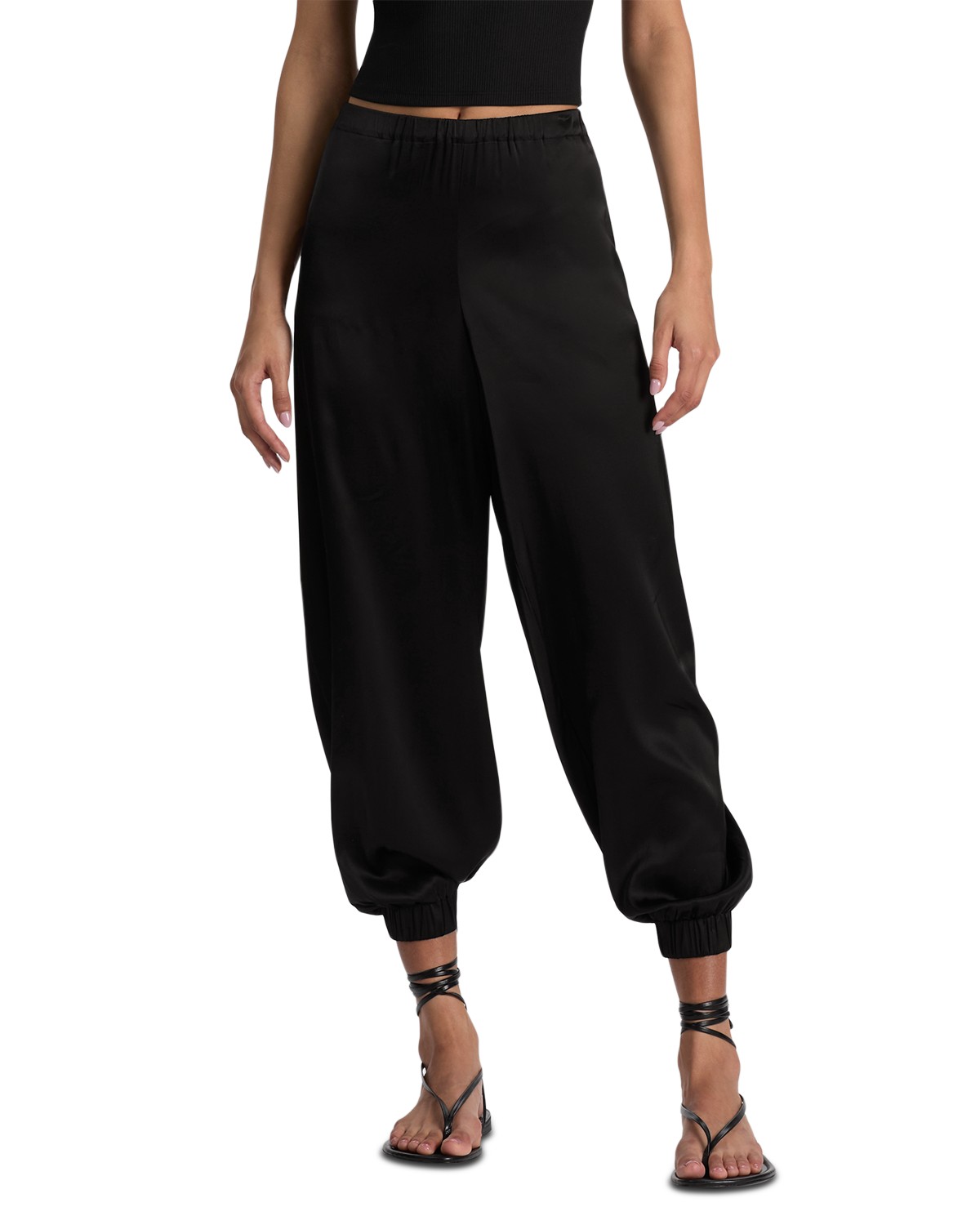
Declan Pull On Pants
Alice and Olivia
$350
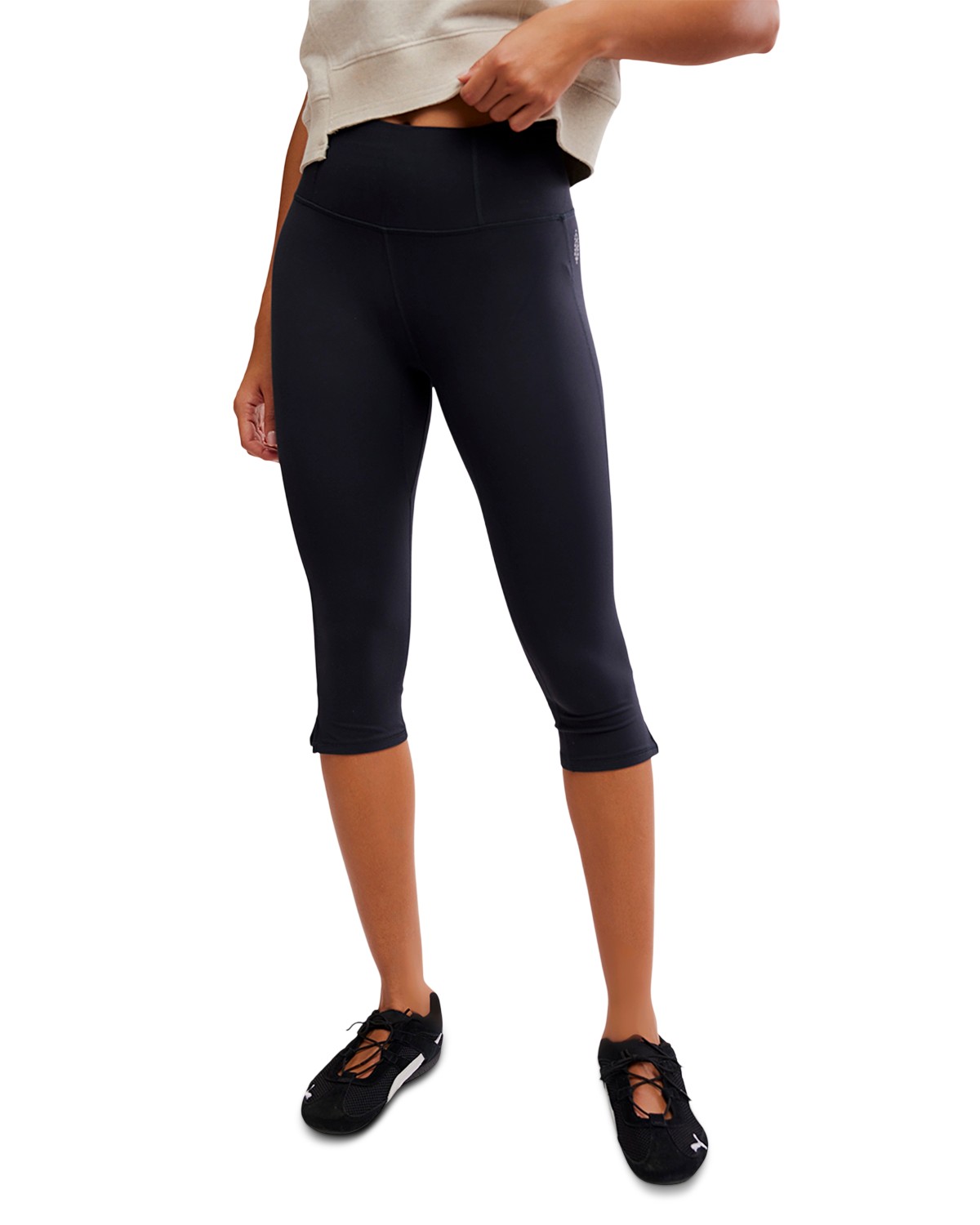
Never Better Mini Flare Cropped Leggings
FP Movement
$78
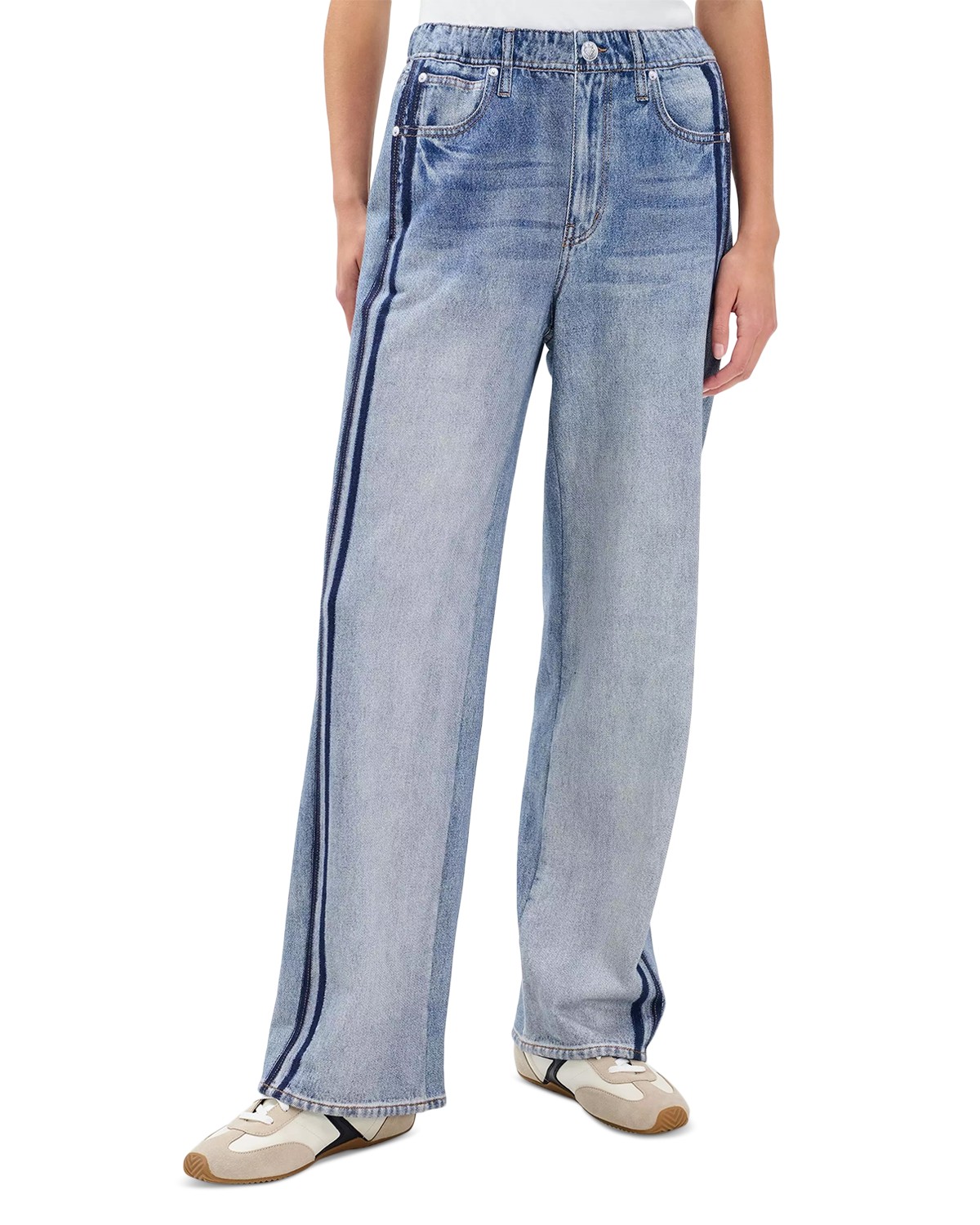
rb Miramar Terry Wide Leg Track Pants
rag & bone
$218
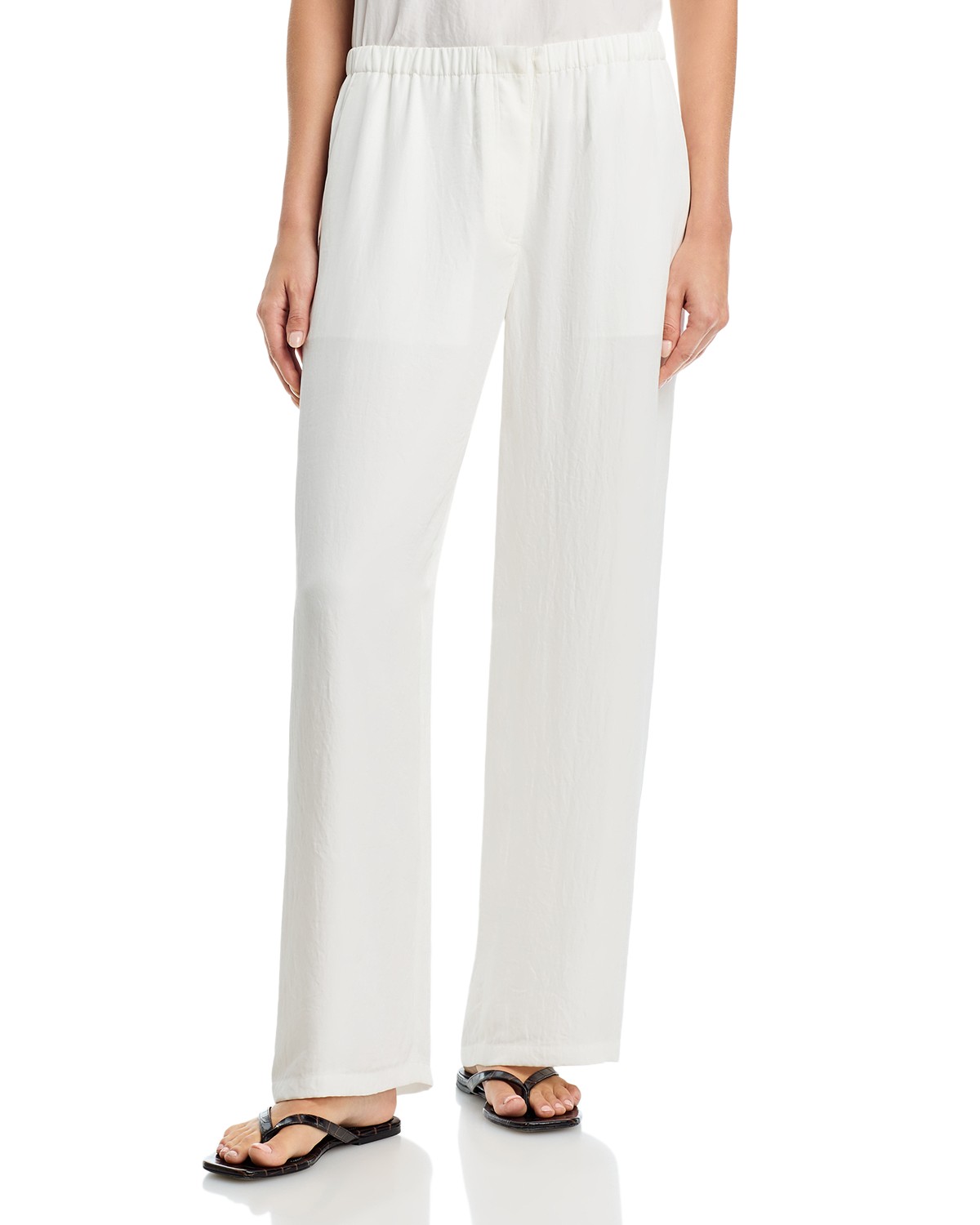
Flowy Pull On Pants
Theory
$345
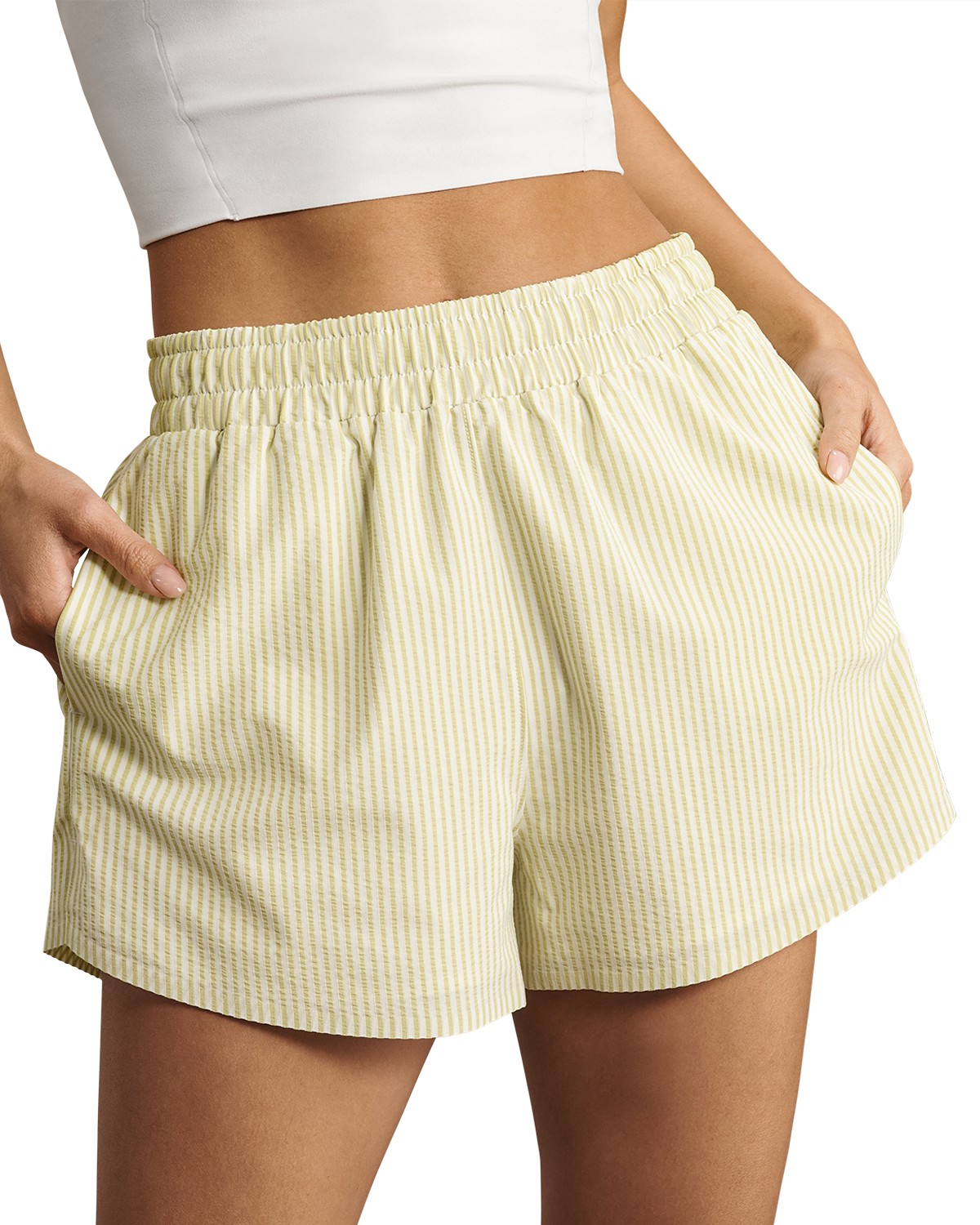
Saltair Shorts
Rhone
$98
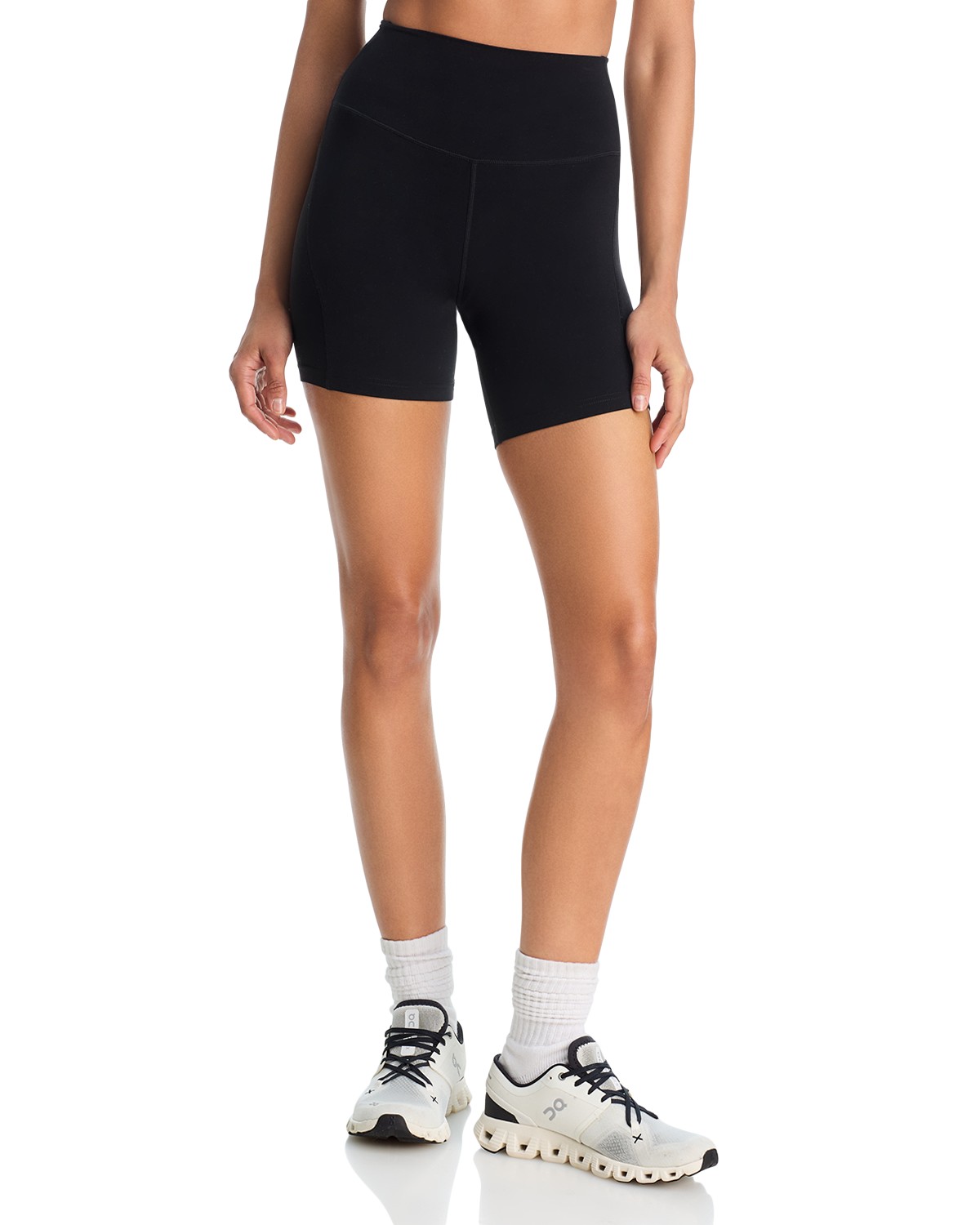
Airweight High Waist 6" Pocket Biker Shorts
Splits59
$88
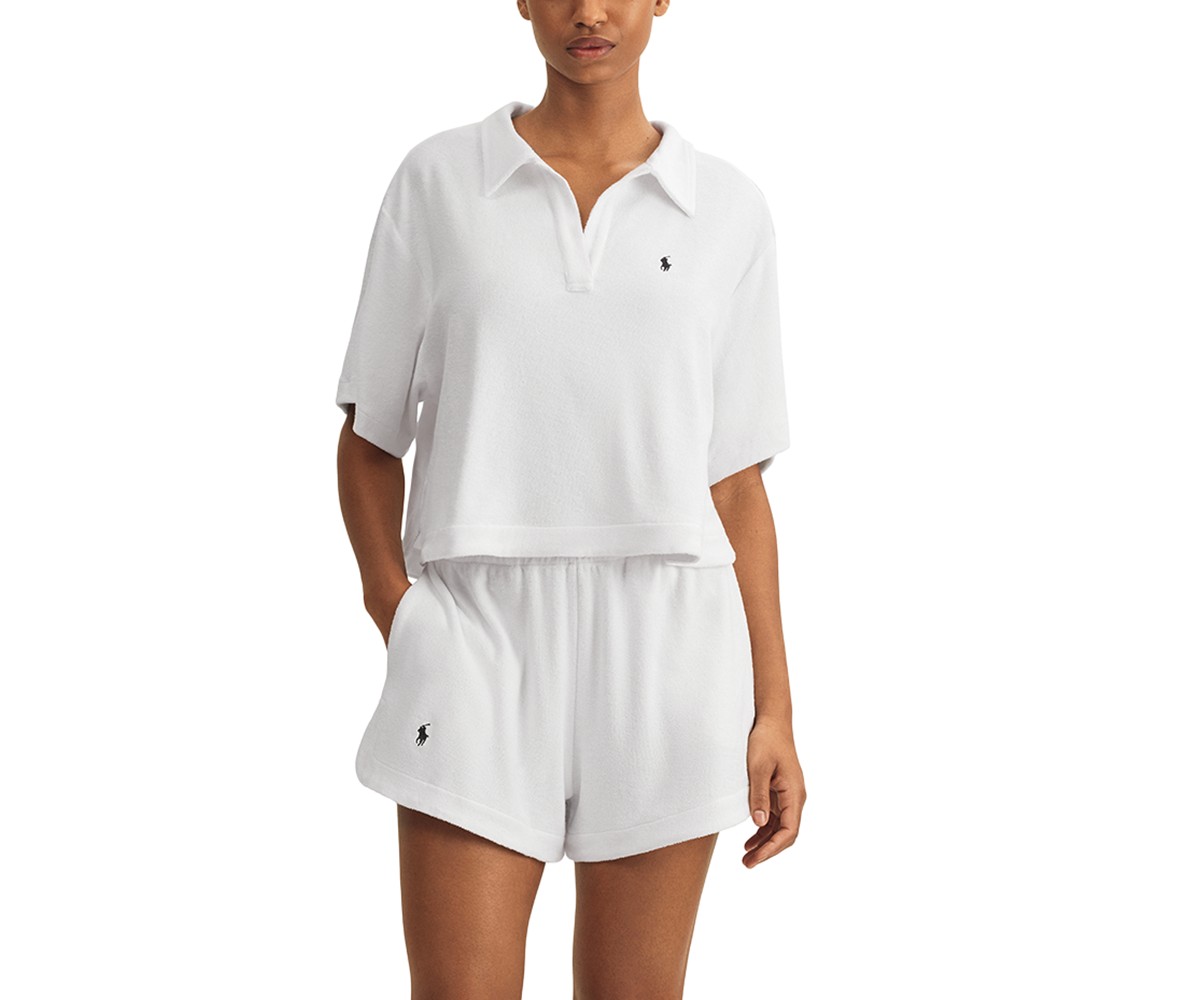
Terry Cloth Shirt & Short Cover Up Set
Polo Ralph Lauren
$160
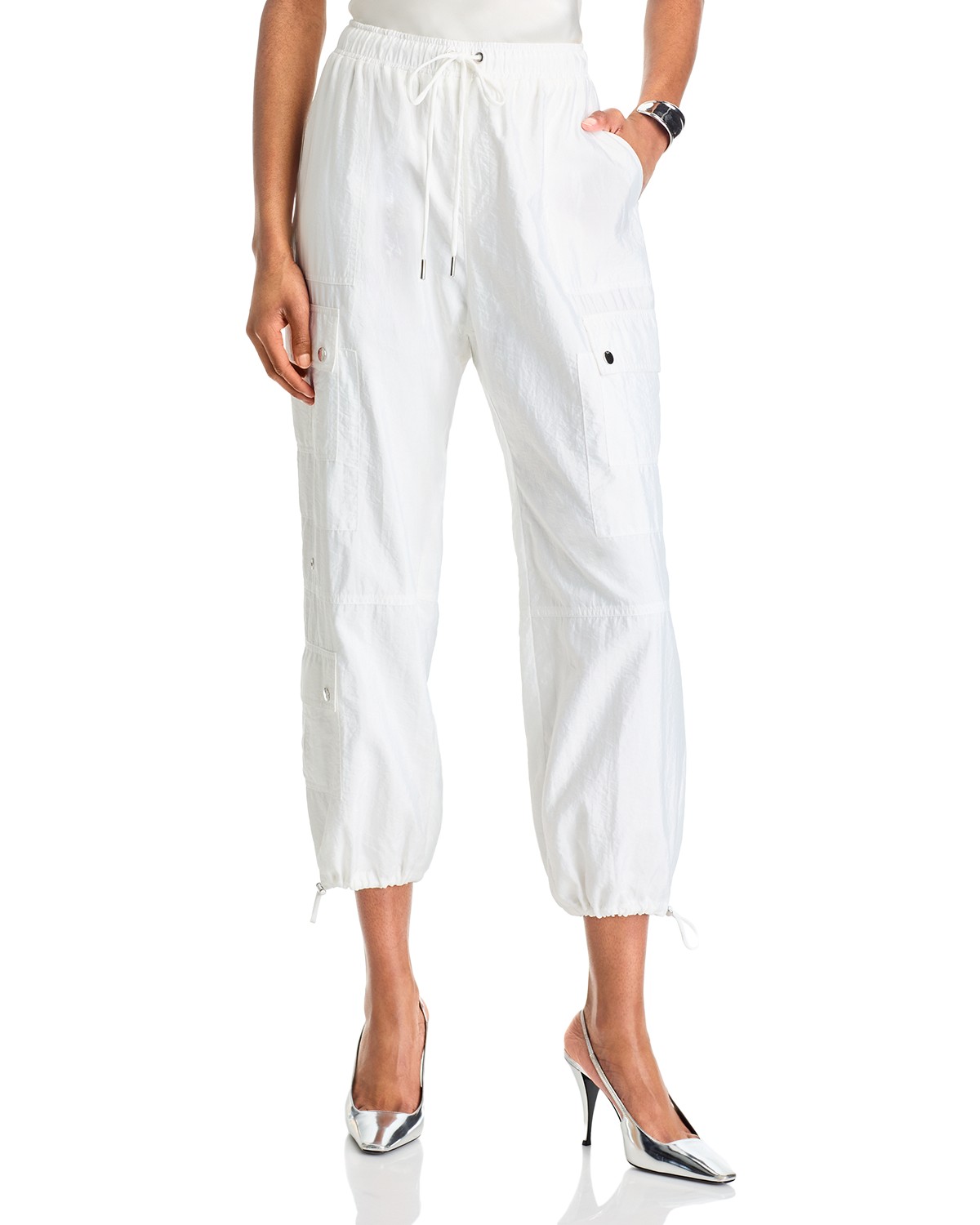
Nitsan Parachute Pants
Cinq à Sept
$295
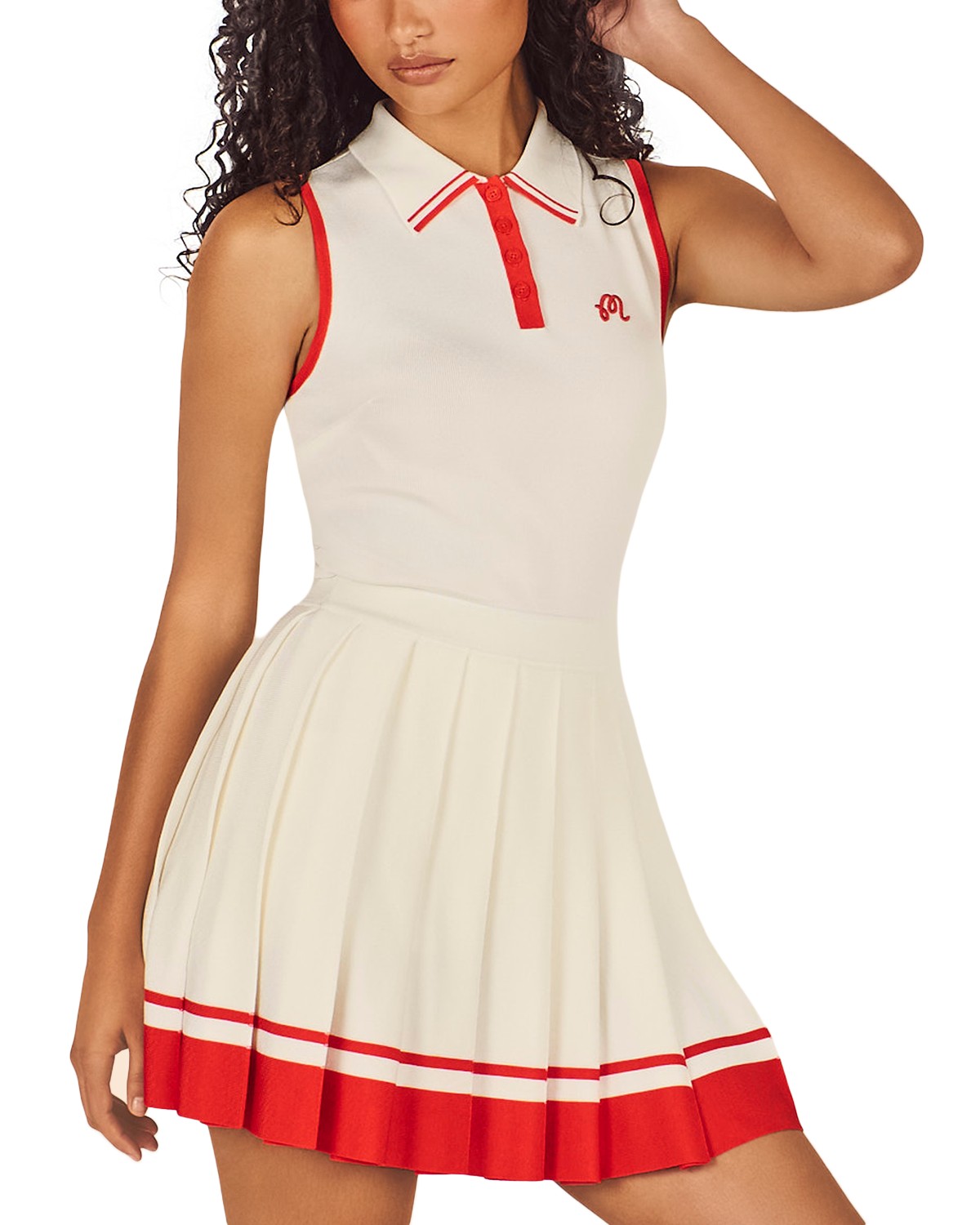
Astrid Dress & Shorts
Malbon
$328
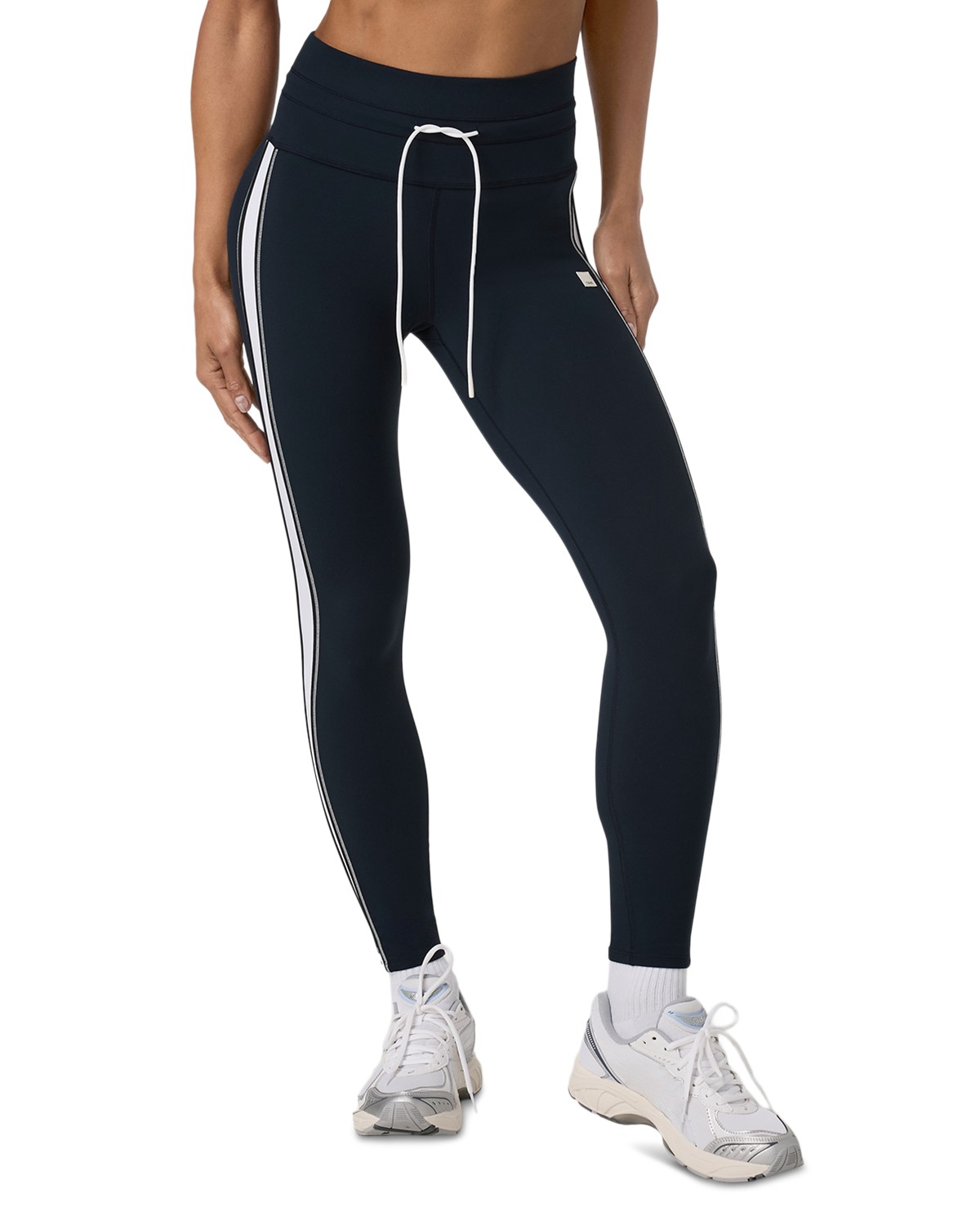
Daily Track Leggings
Vuori
$118
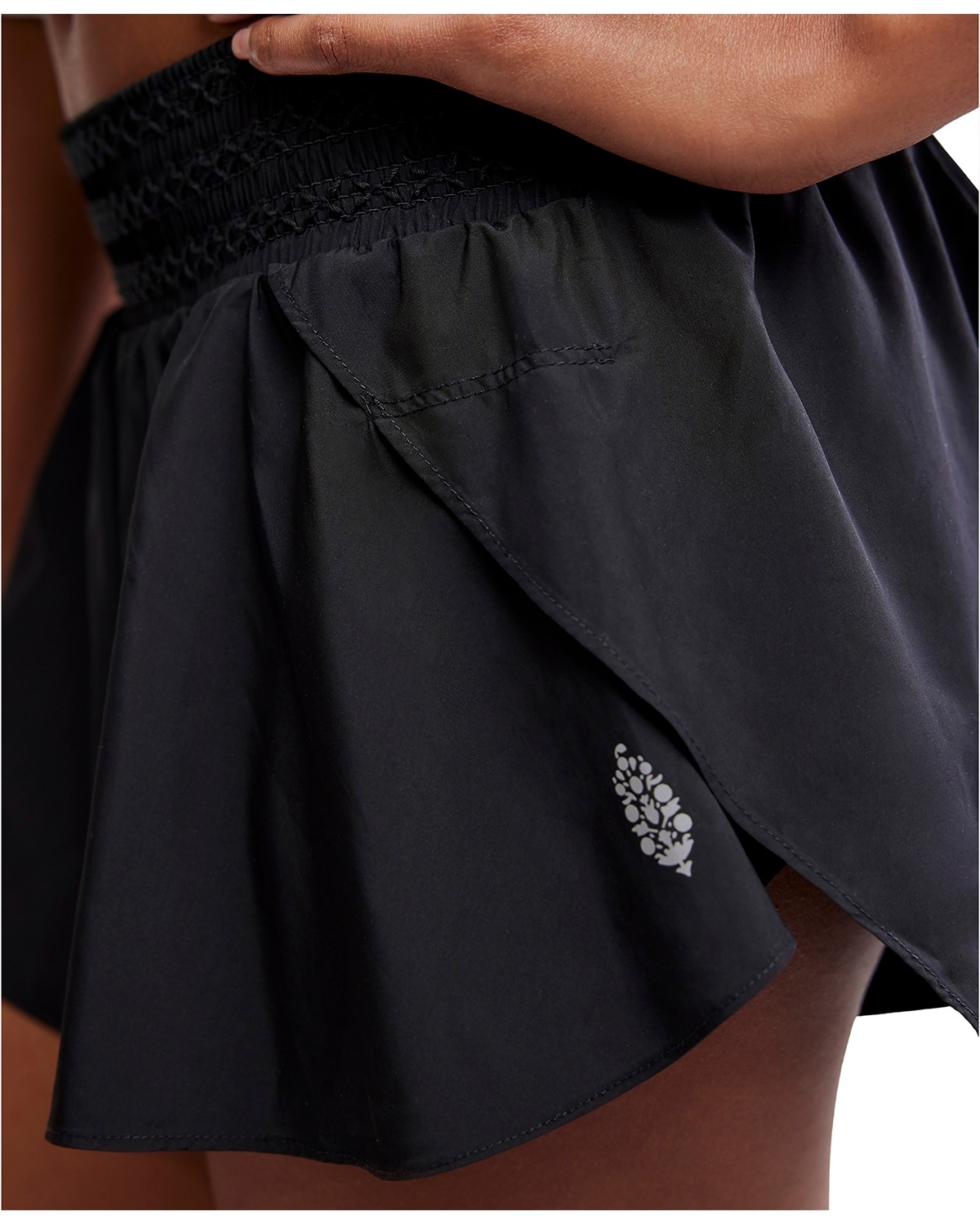
Element Shorts
FP Movement
$40
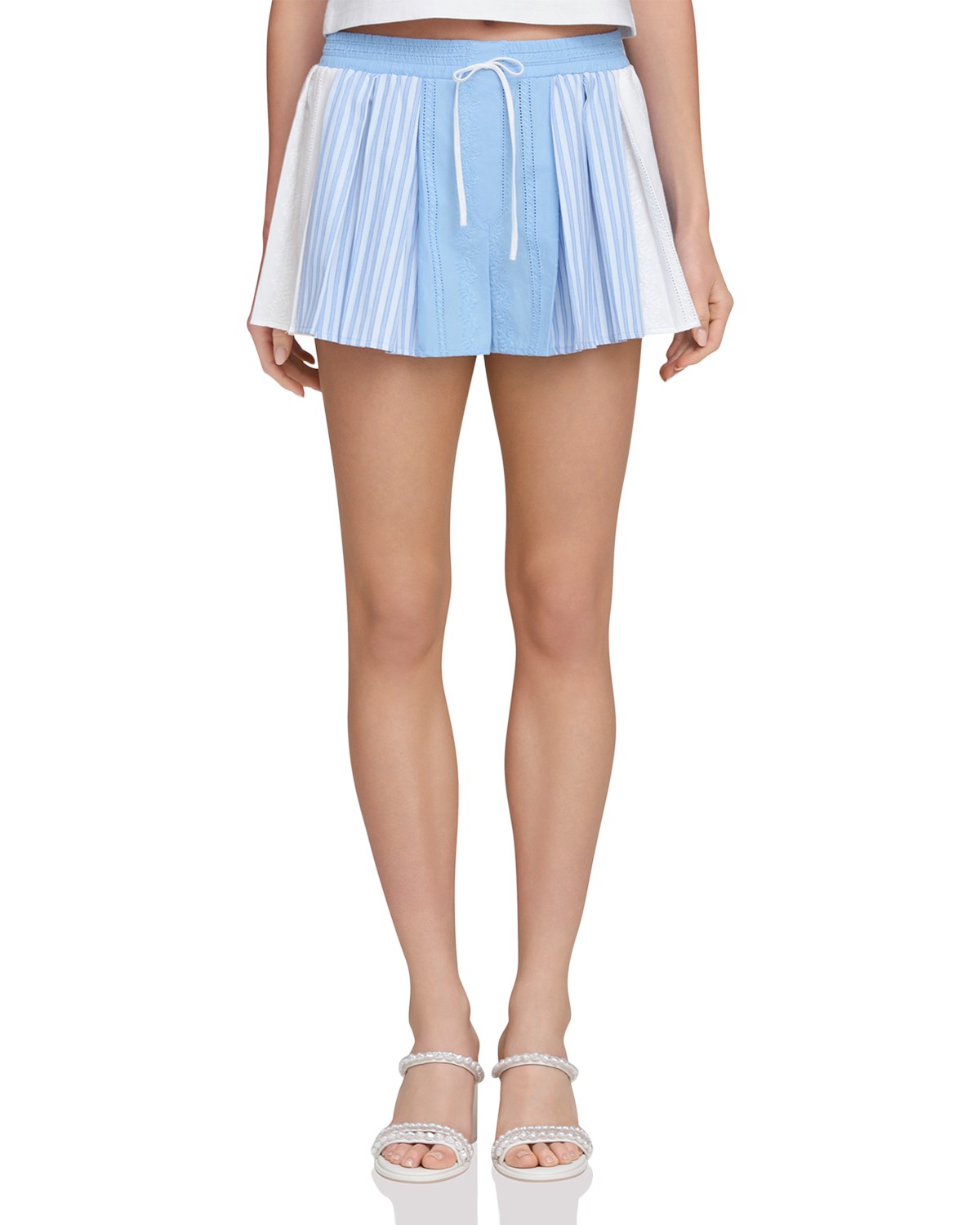
Pleated Boxer Shorts
Avec Les Filles
$108
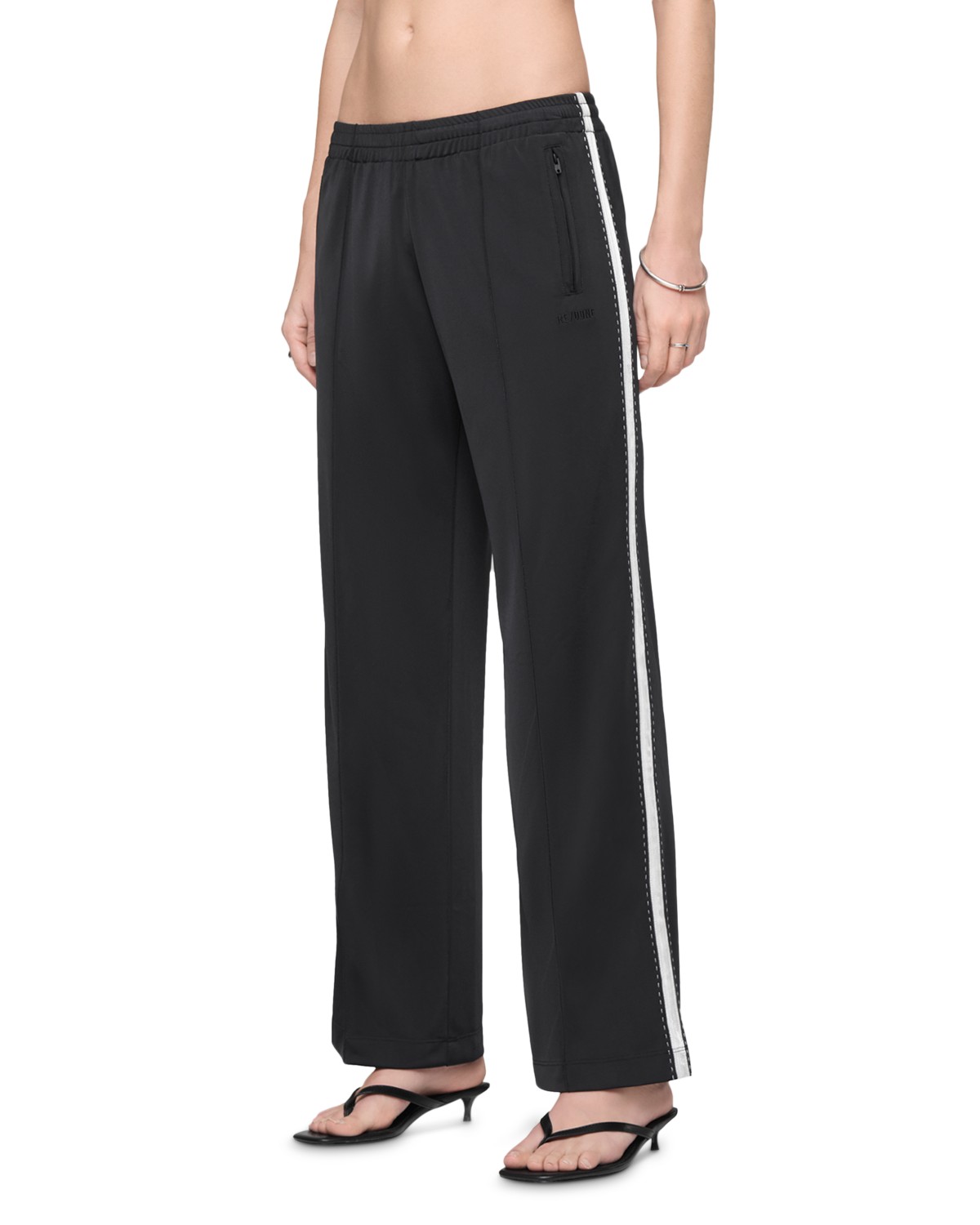
Mel Track Pants
RE/DONE
$250
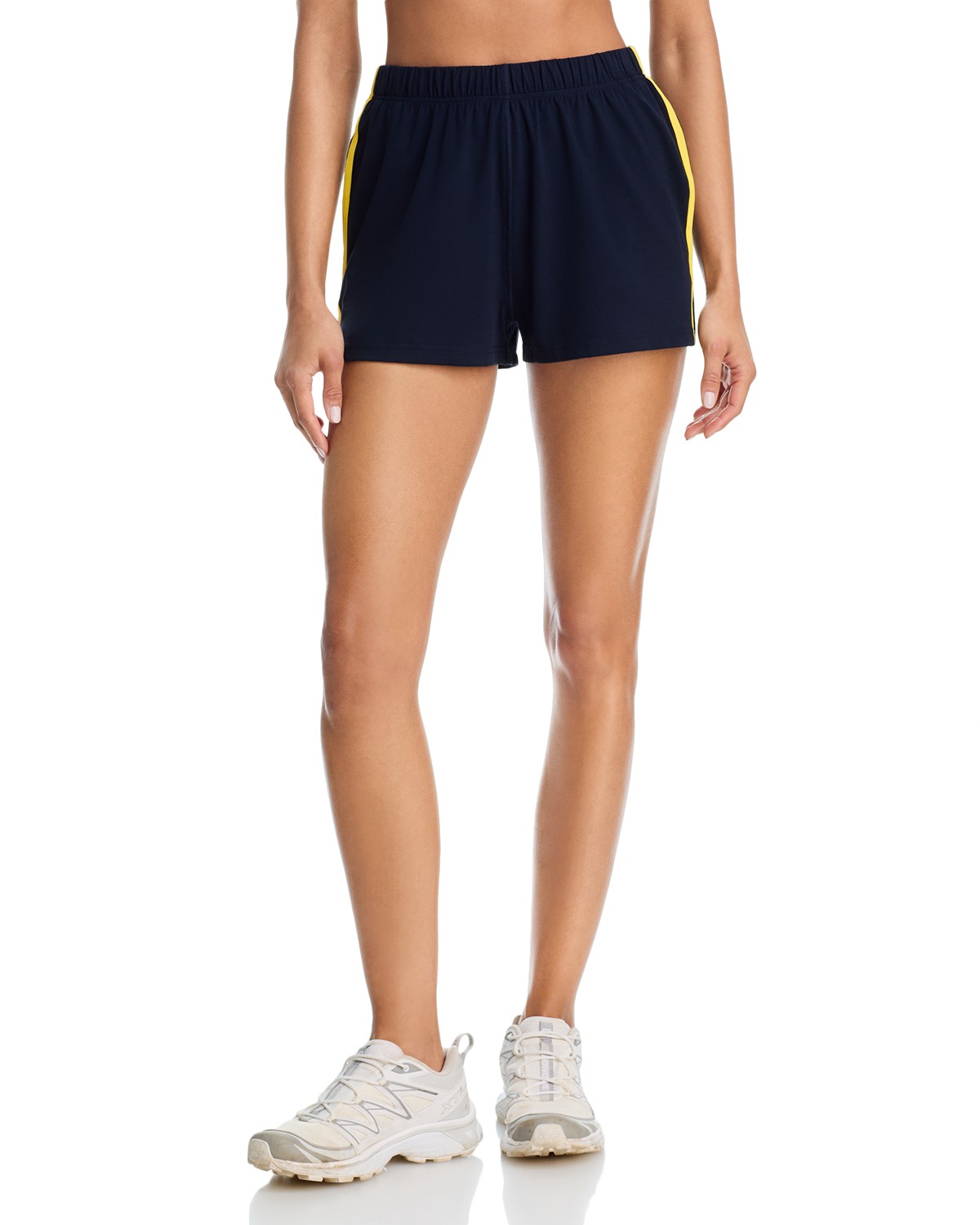
Ella Airweight Track Shorts
Splits59
$88
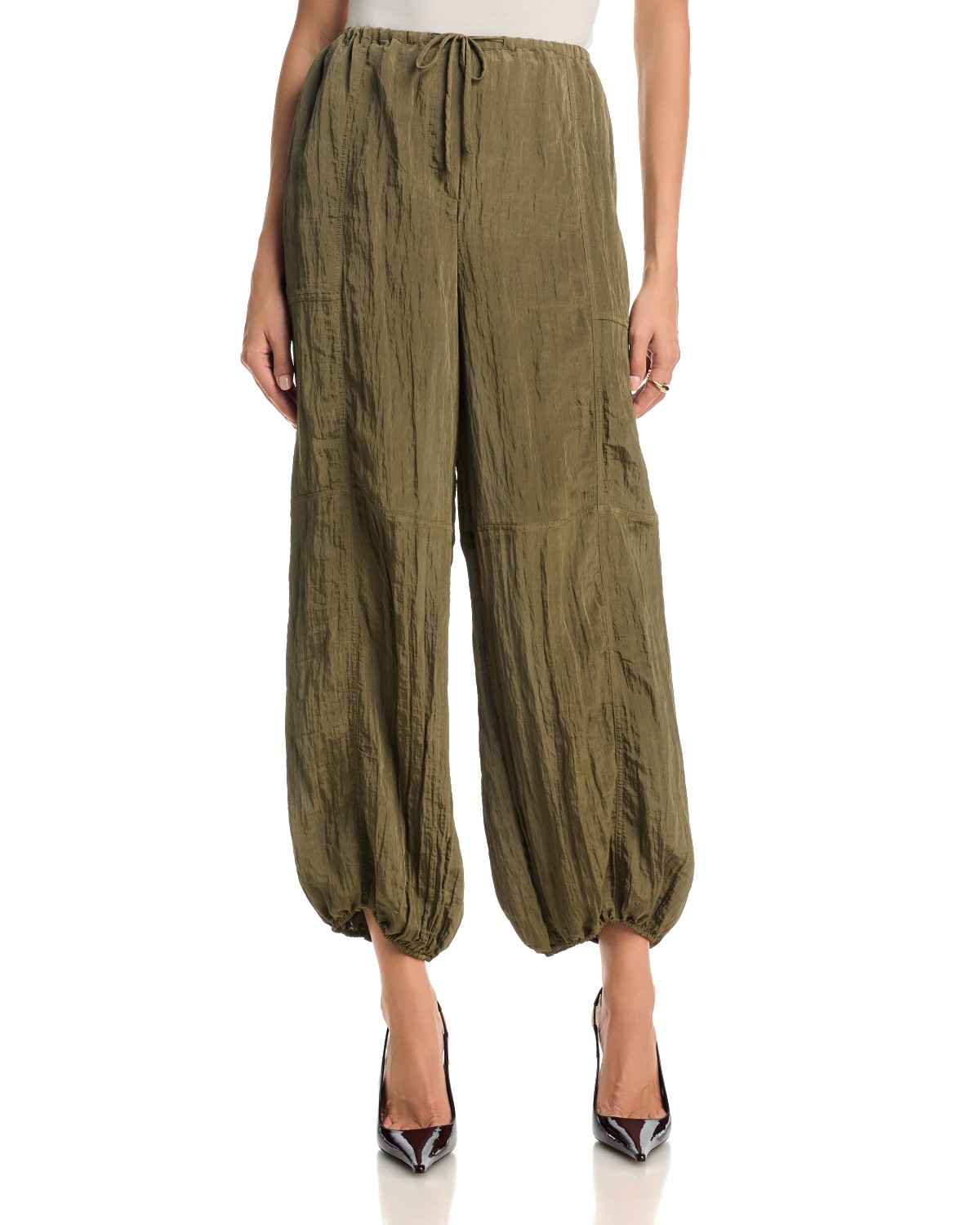
Freya Parachute Pants
SIMKHAI
$345
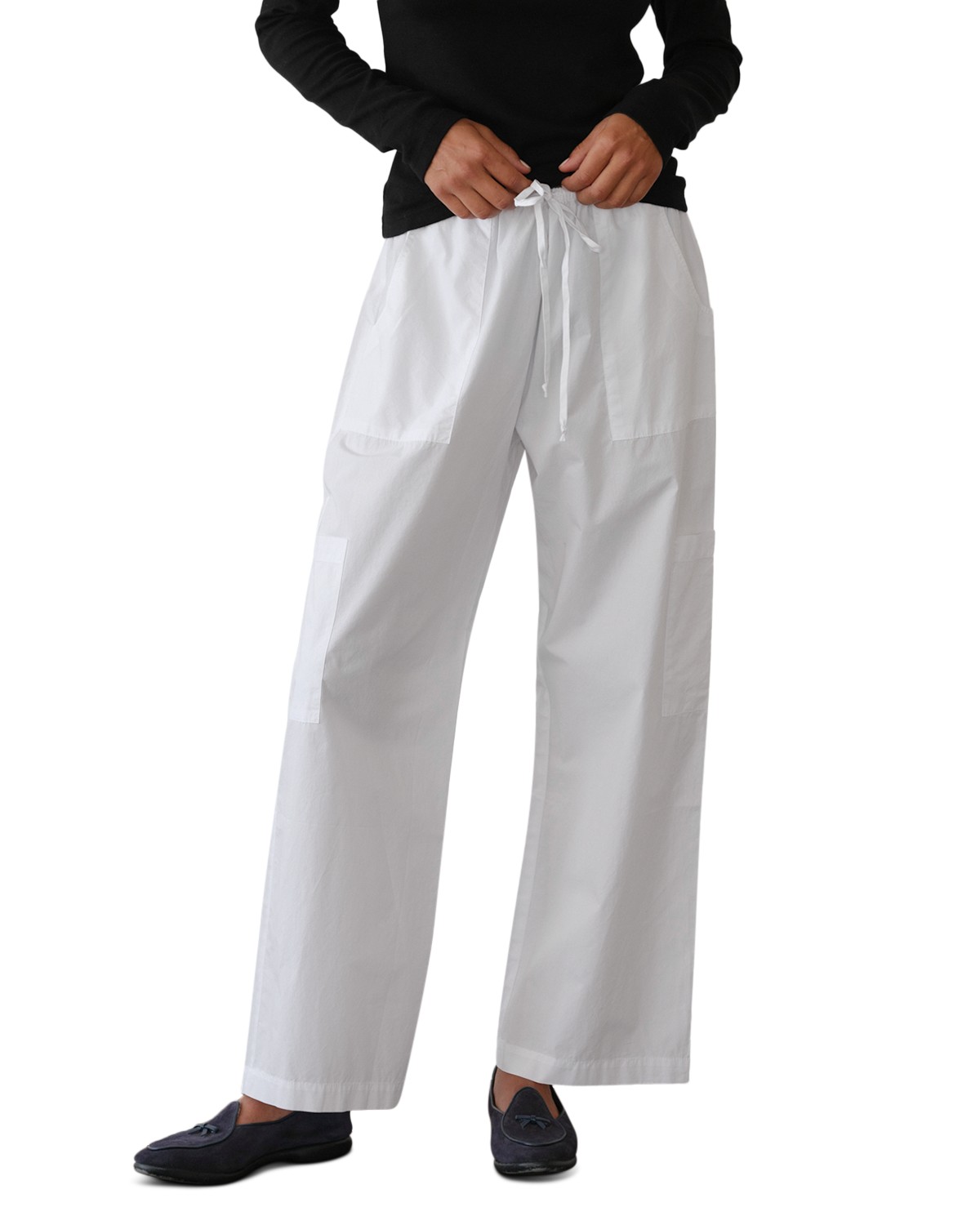
The Pop Drawstring Cargo Pants
Donni
$198
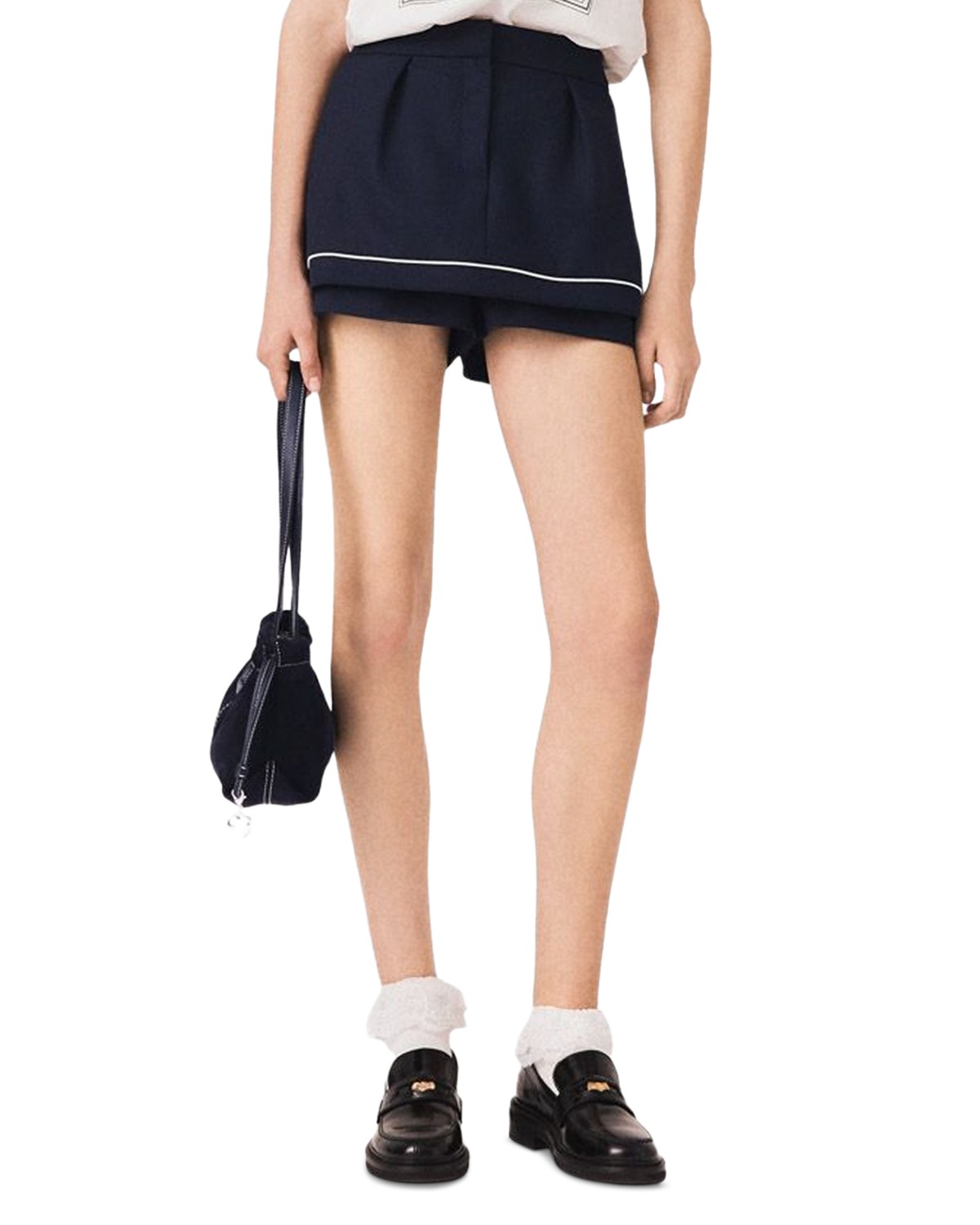
Layered Effect Suit Shorts
Maje
$320
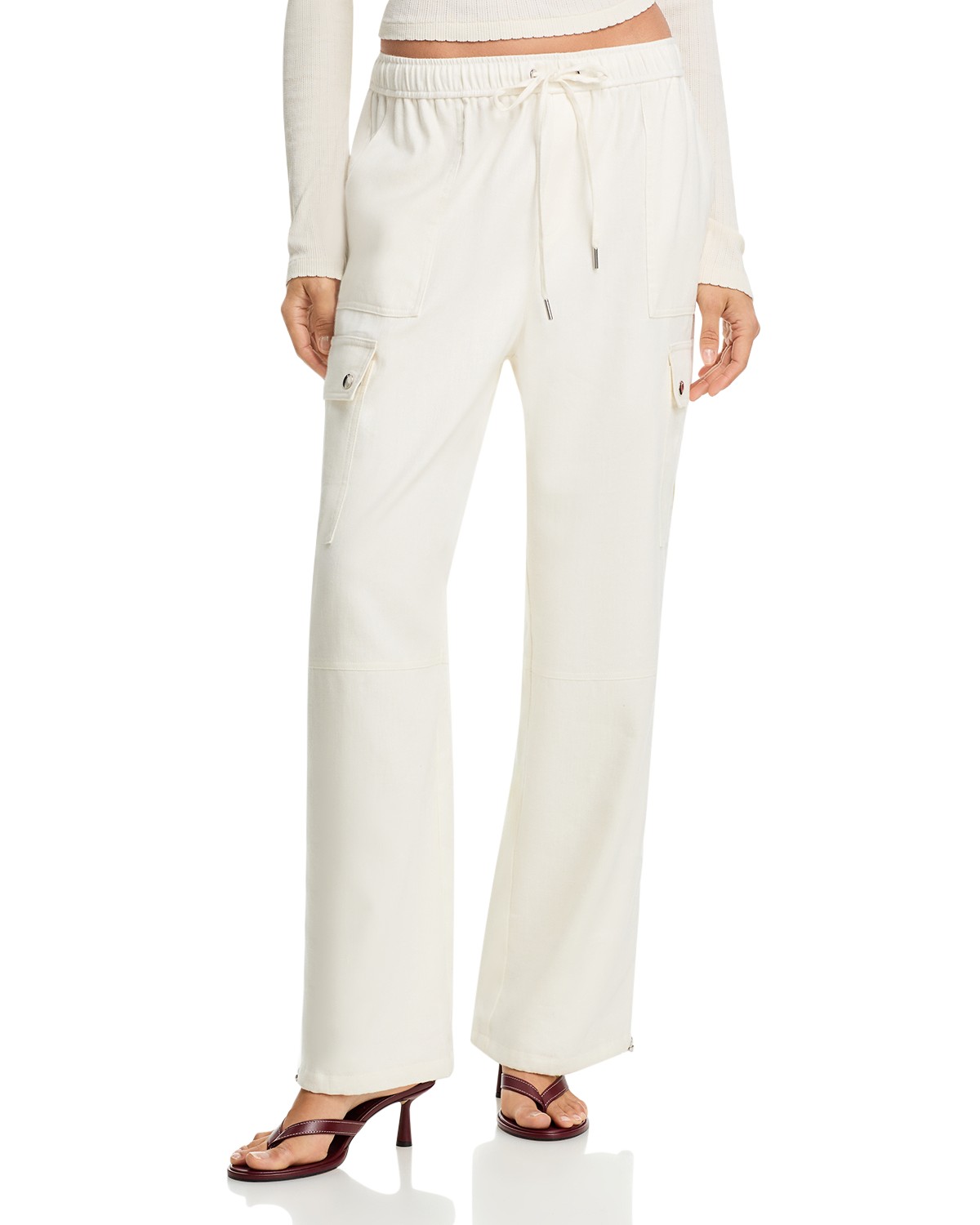
Crislin Pants
Cinq à Sept
$395
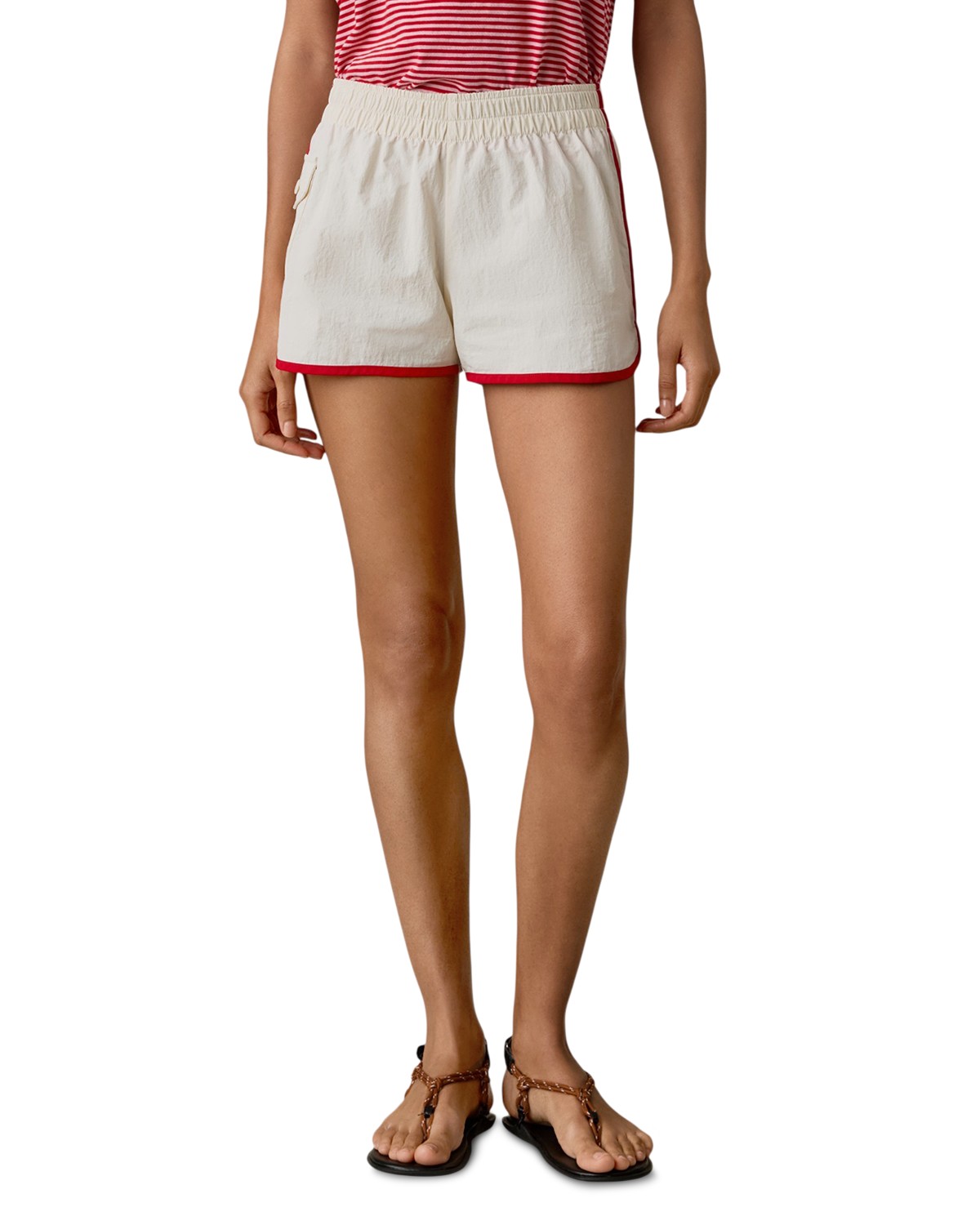
Shorelite Active Shorts
Faherty
$98
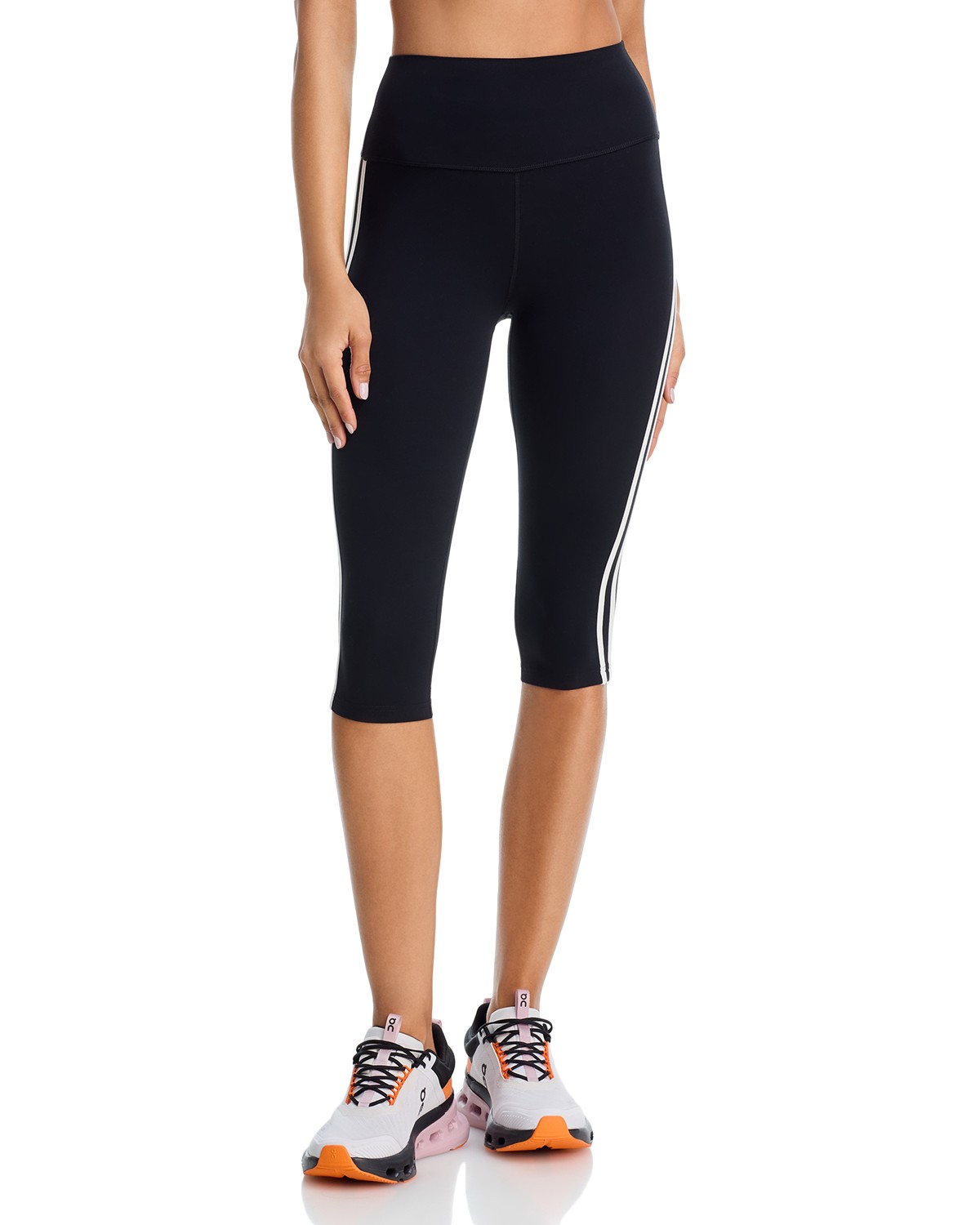
Ella High Waist Airweight Capri Leggings
Splits59
$128
Shoes
Sneakers here are flat, plain and low, which is the correction to a decade of enormous chunky soles. A slim court shoe reads as sportswear without announcing a workout, and it goes under a skirt or a trouser equally. The maximalist trainer is over for now.
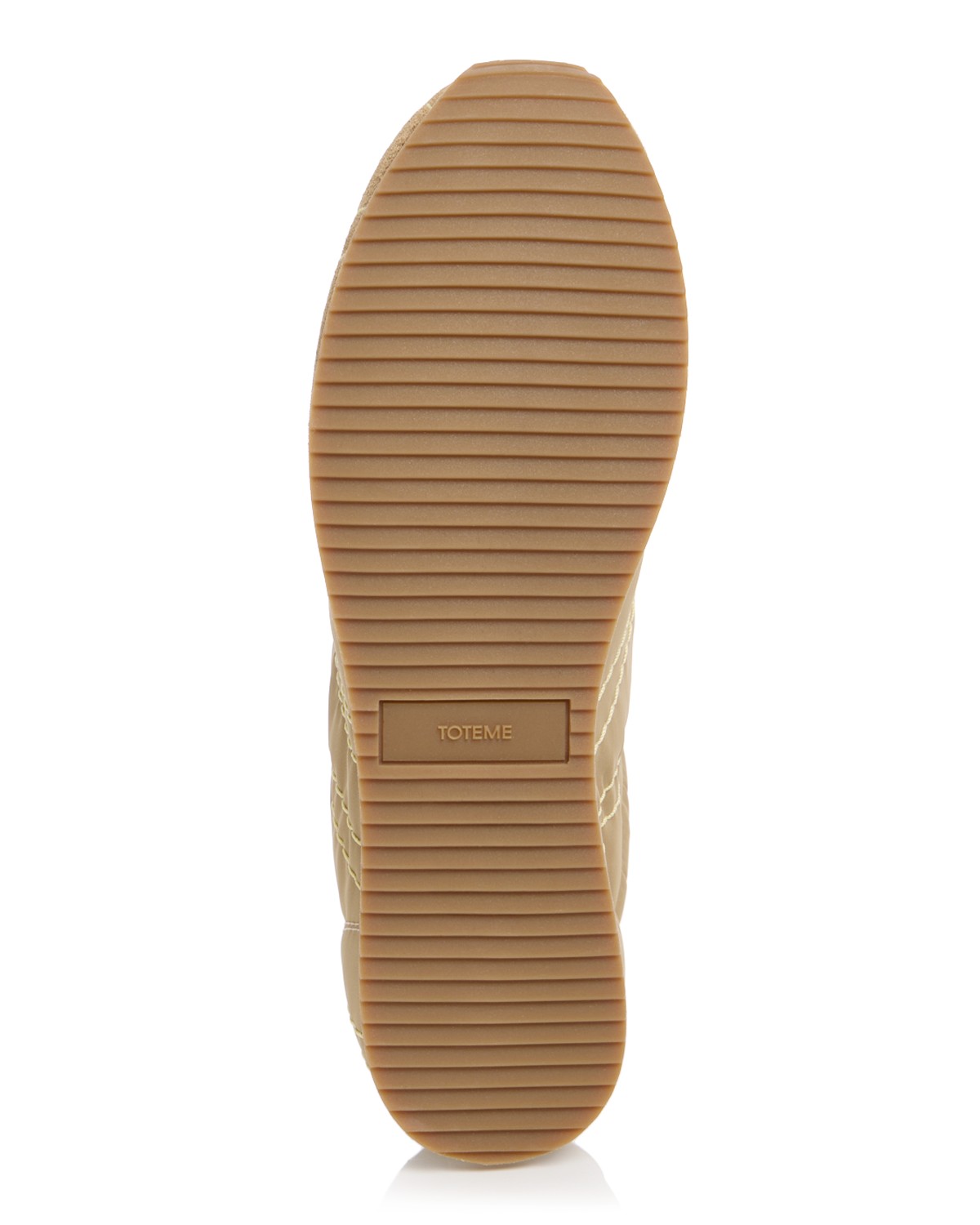
Women's Flex Sneakers
TOTEME
$480
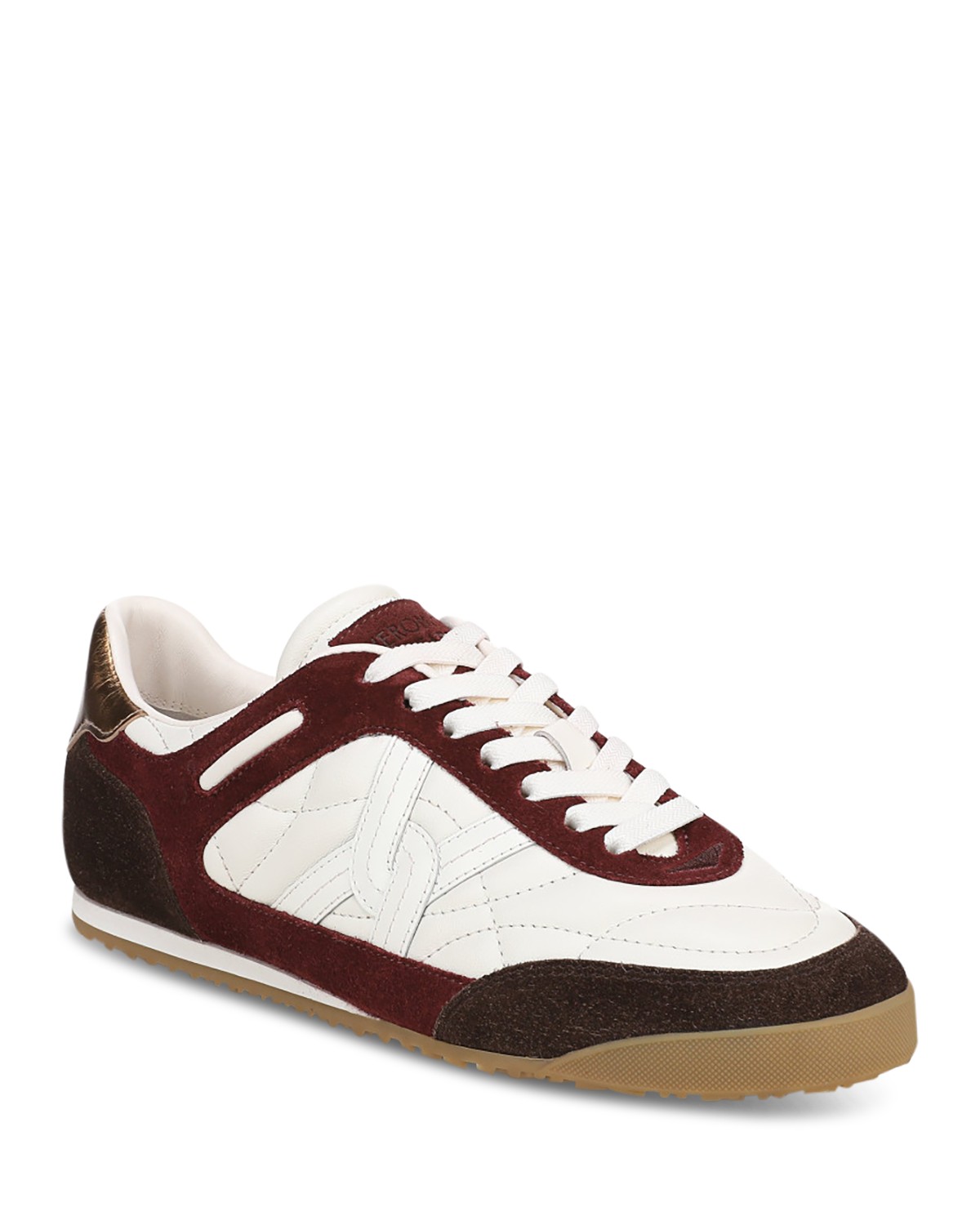
Women's Natalia Sneakers
Veronica Beard
$295
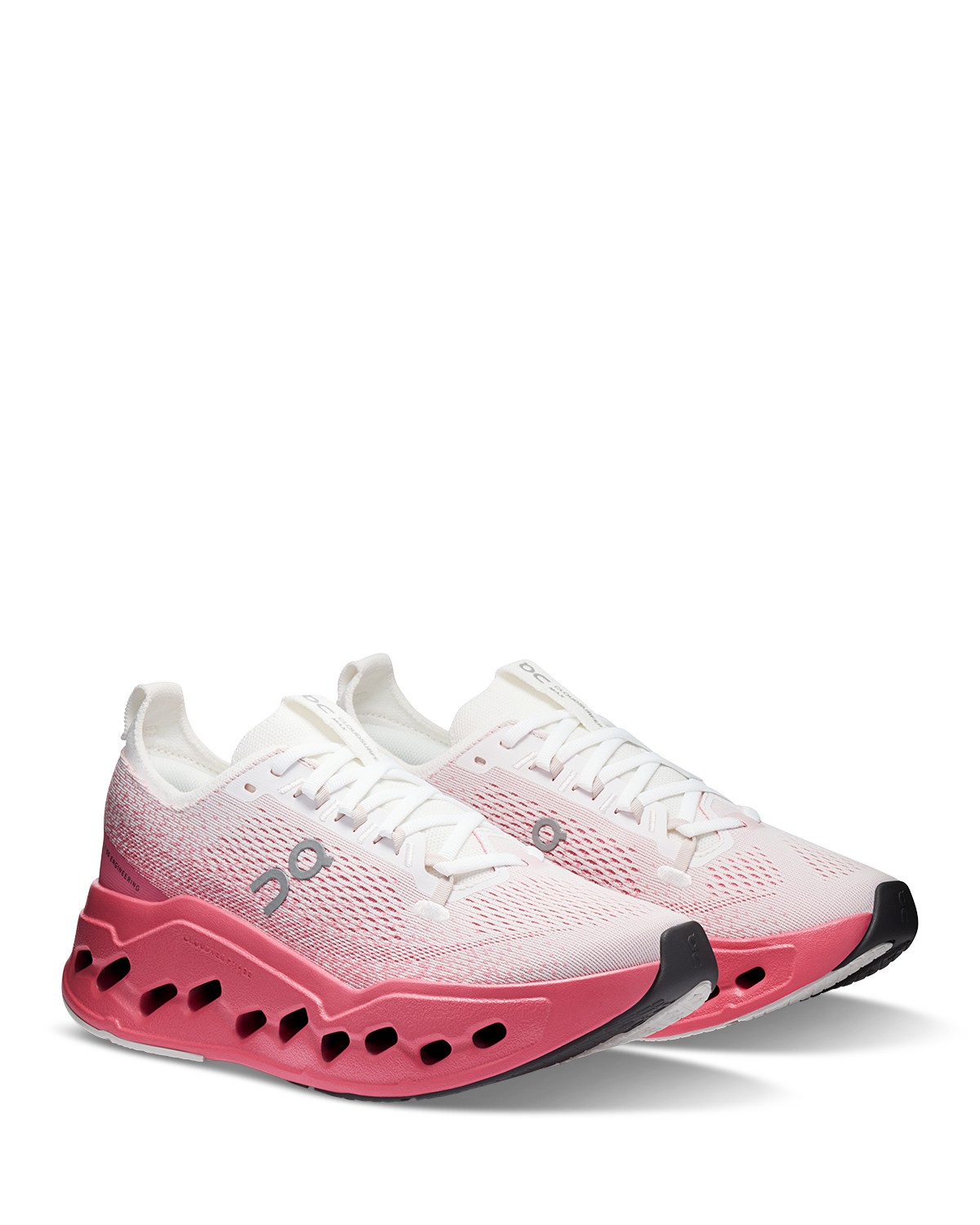
Women's Cloudsurfer Max Running Sneakers
On
$180
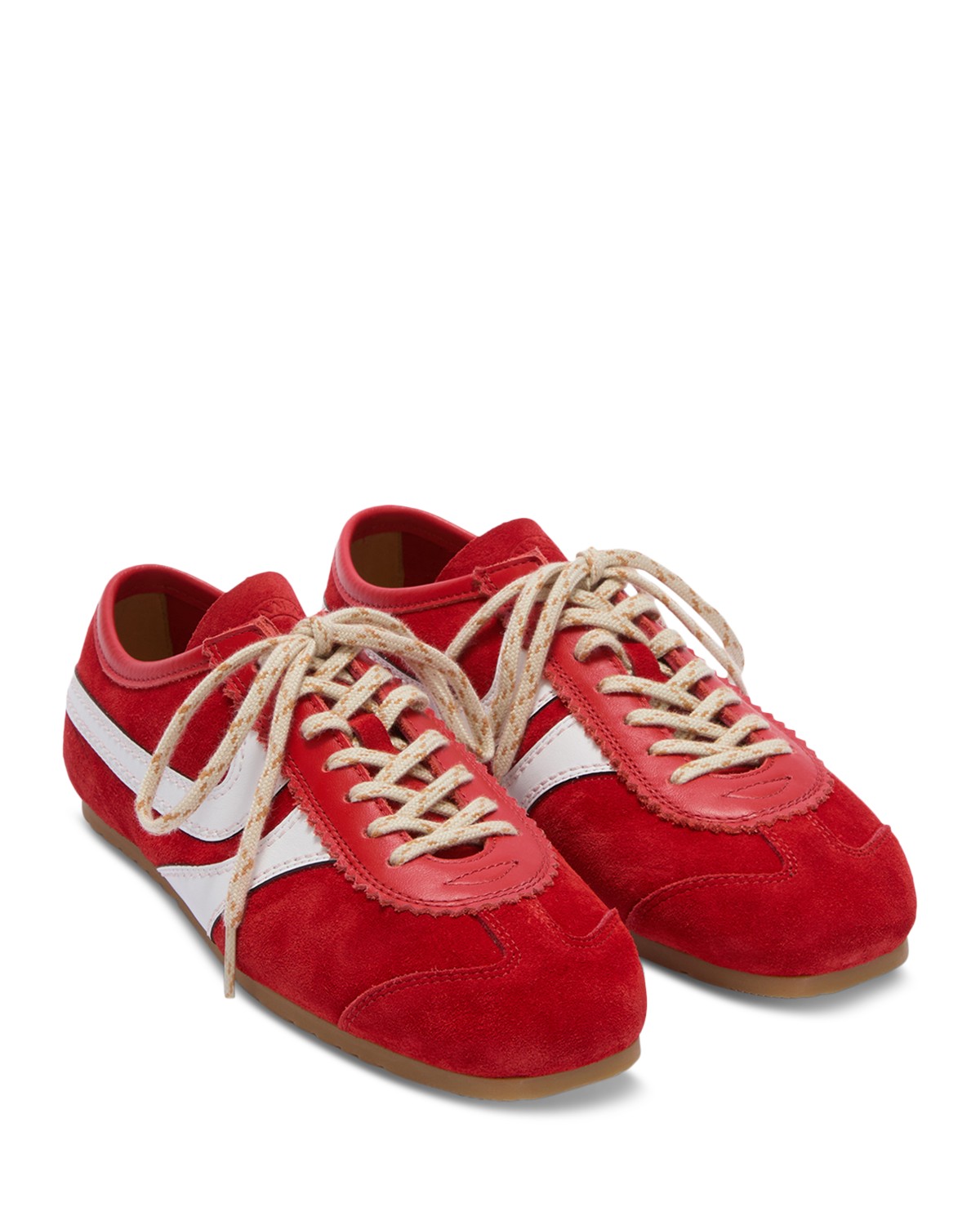
Women's Suede Sneakers
Dries Van Noten
$630
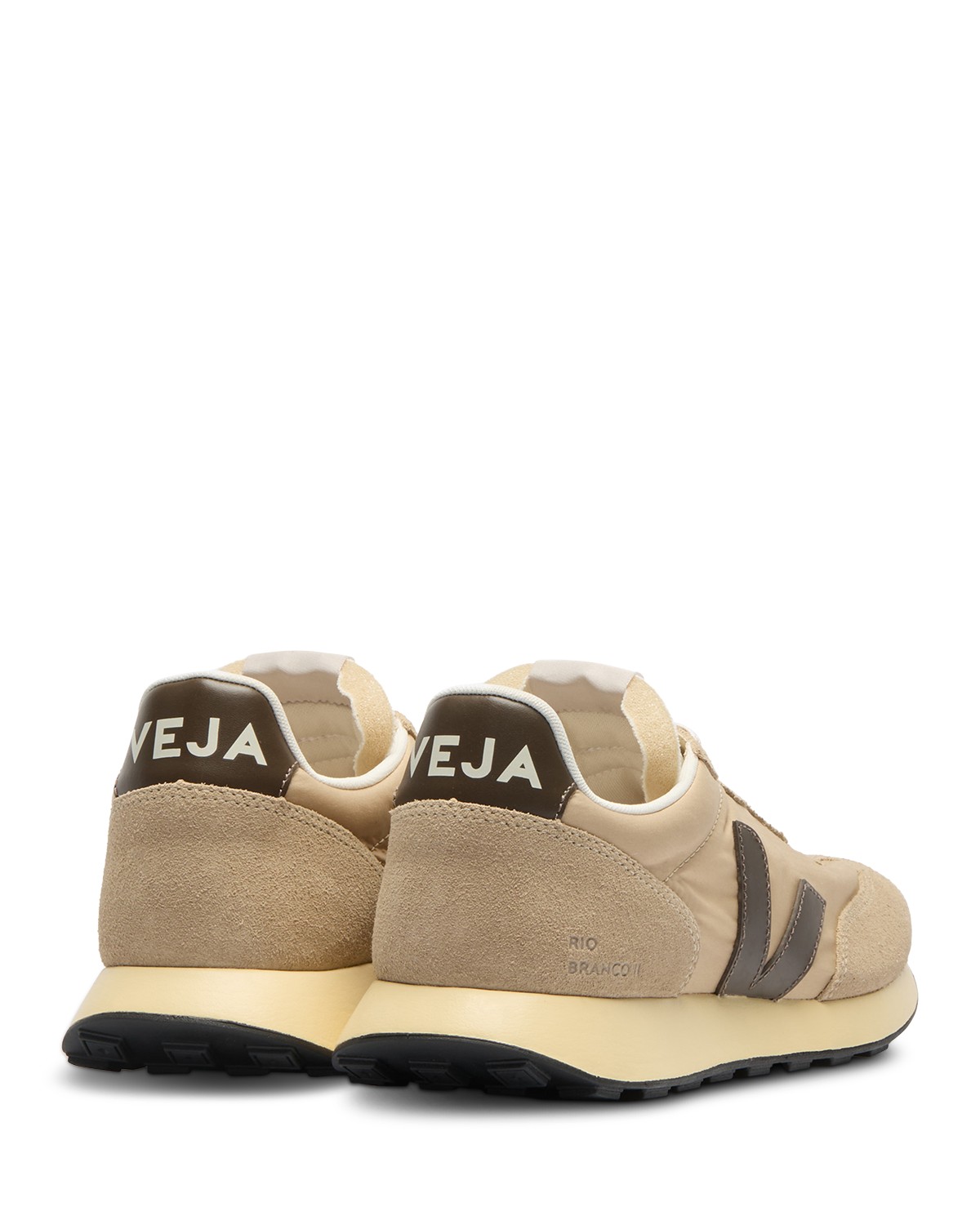
Women's Rio Branco Running Sneakers
VEJA
$175
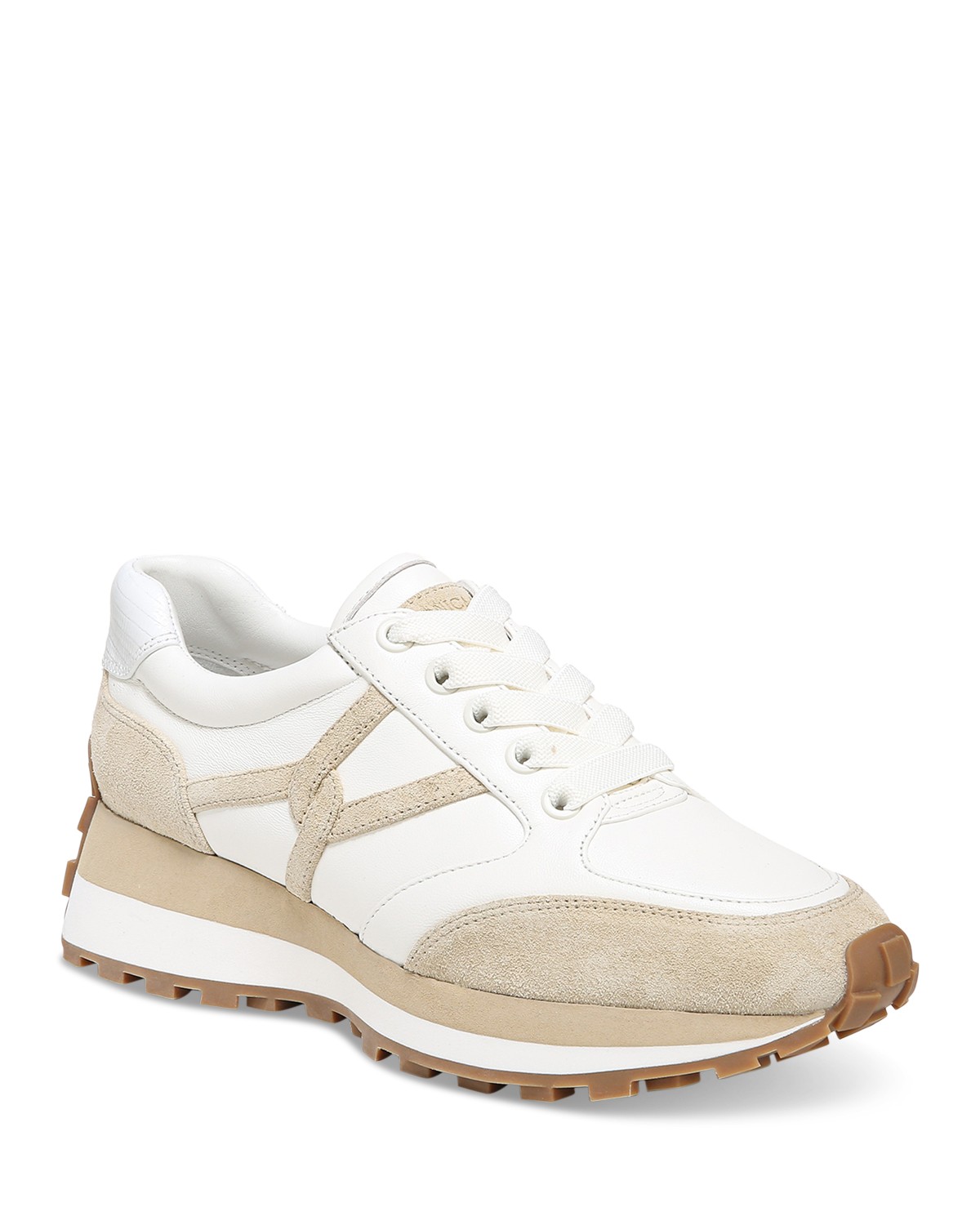
Women's Valentina Slip On Sneakers
Veronica Beard
$295
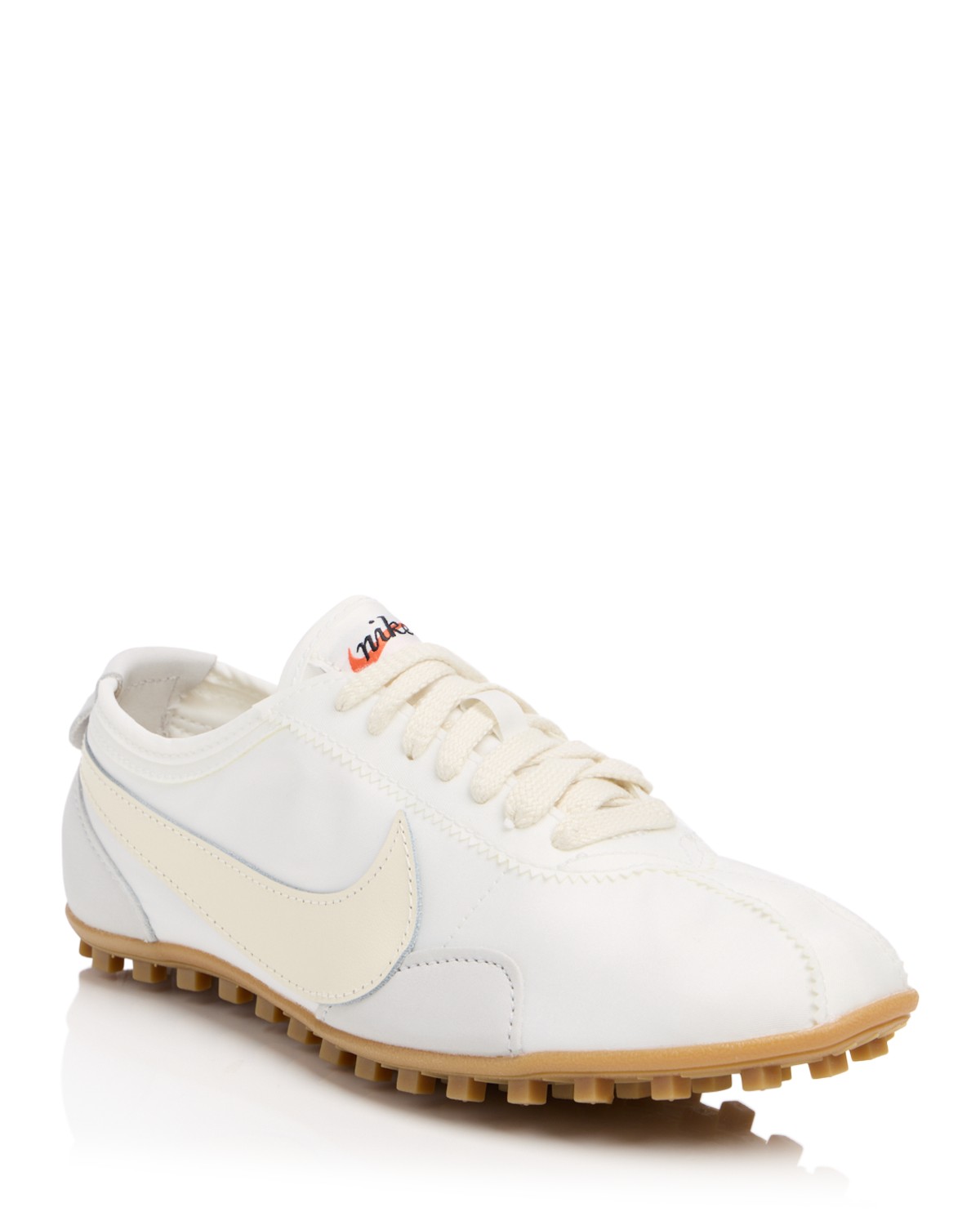
Women's Moon Sneakers
Nike
$105
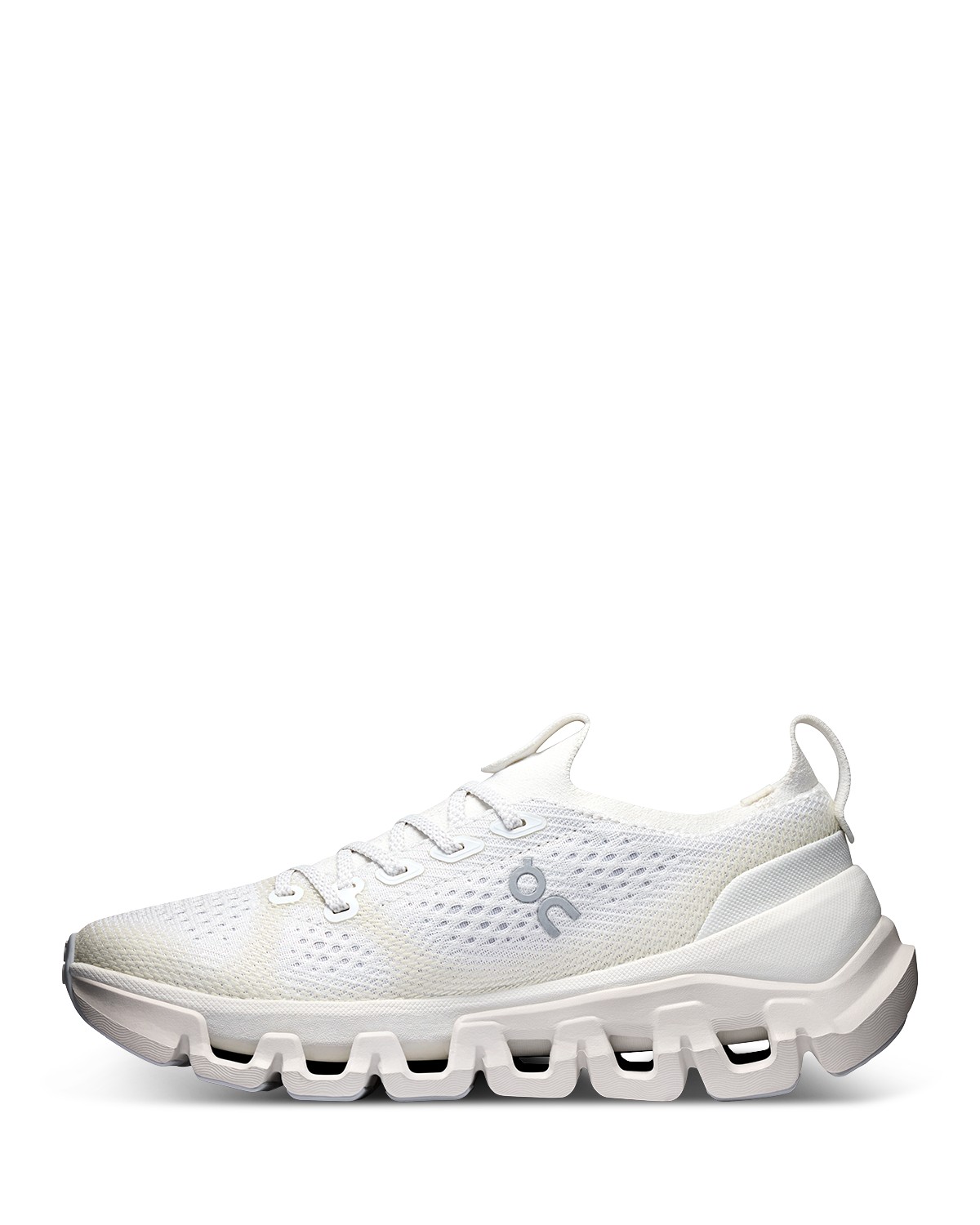
Women's Cloud X Tempo Running Sneakers
On
$180
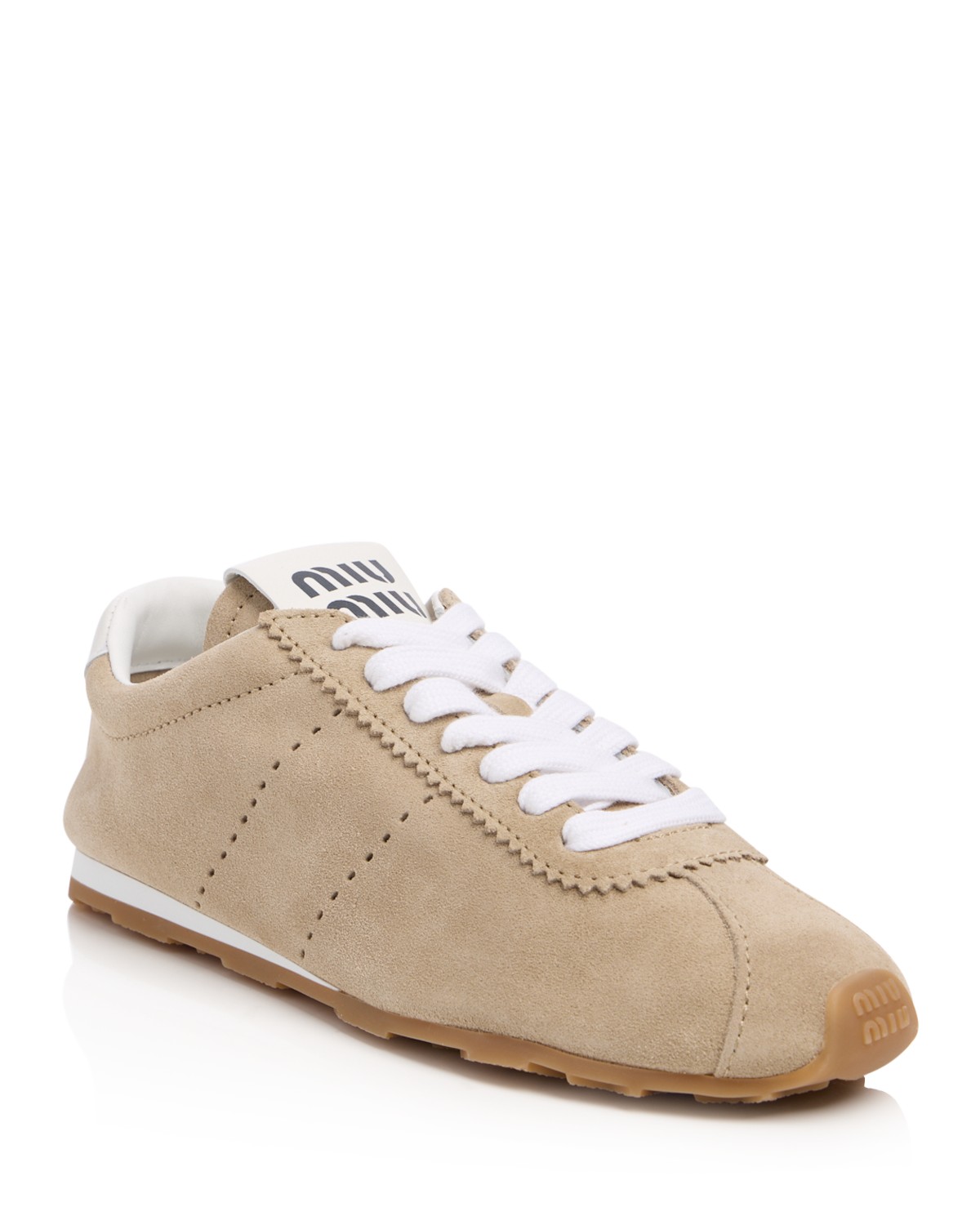
Women's Plume Sneakers
Miu Miu
$995
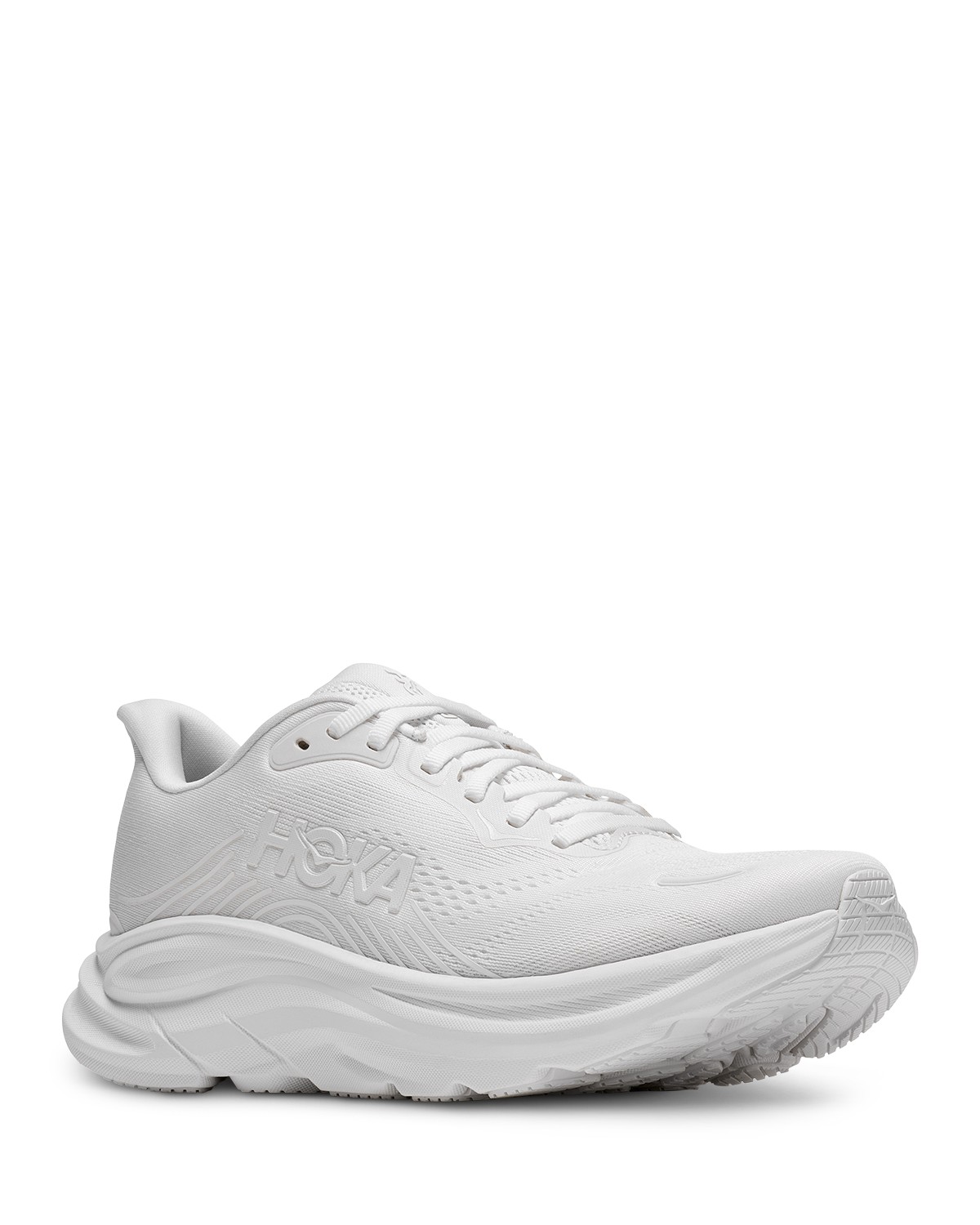
Women's Clifton 11 Sneakers
HOKA
$155
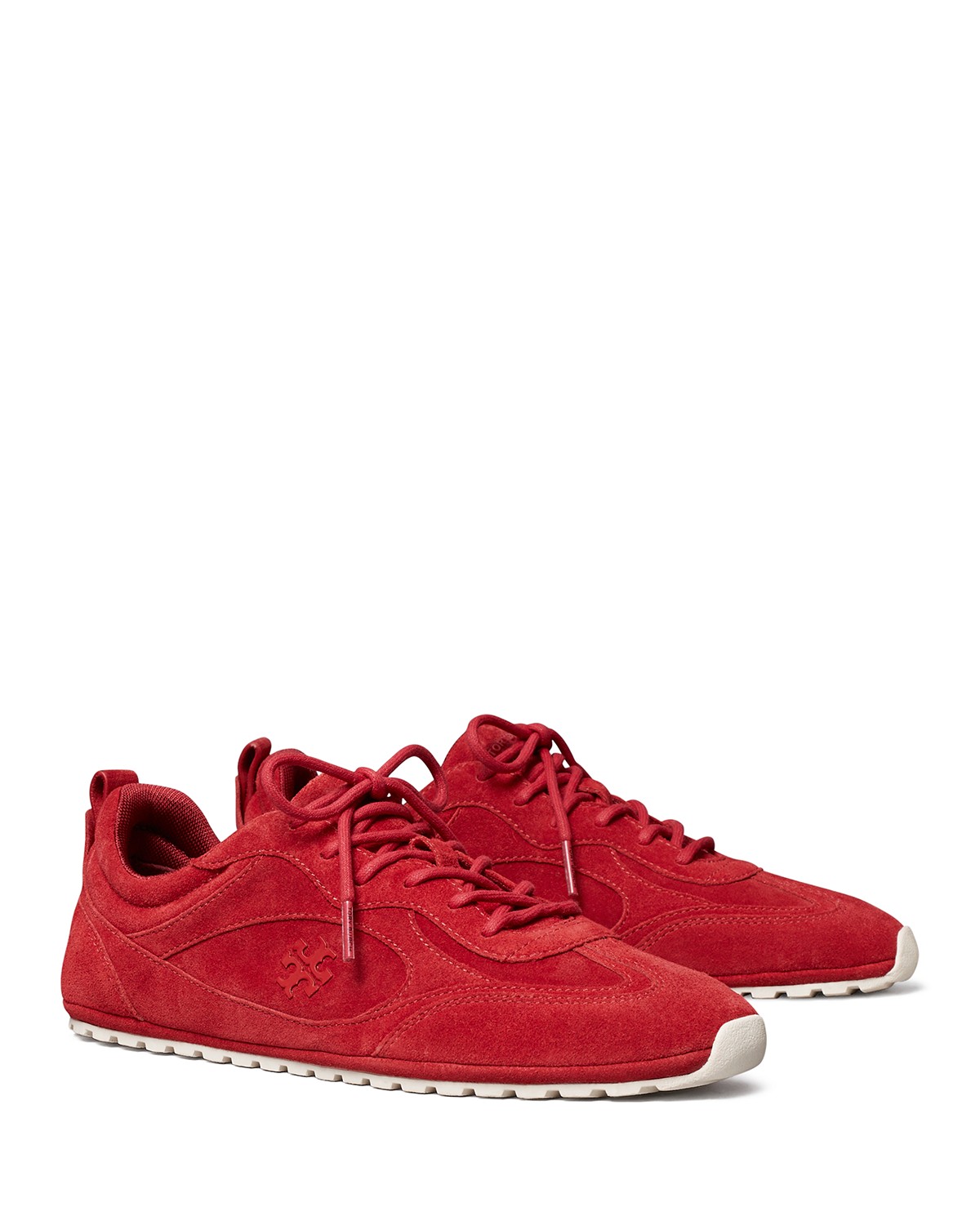
Women's Field Sneakers
Tory Burch
$250
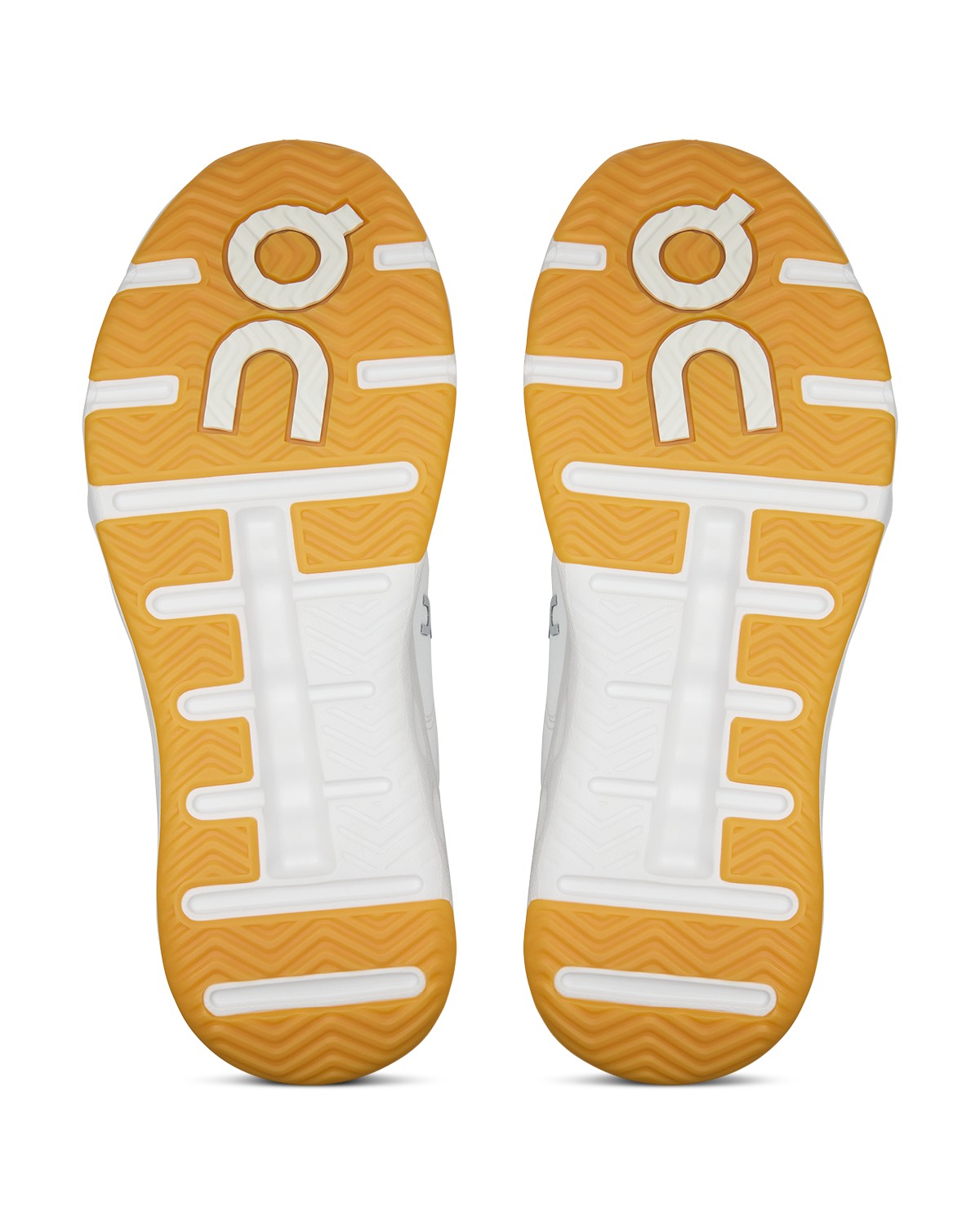
Women's The Roger Wildcard Sneakers
On
$160
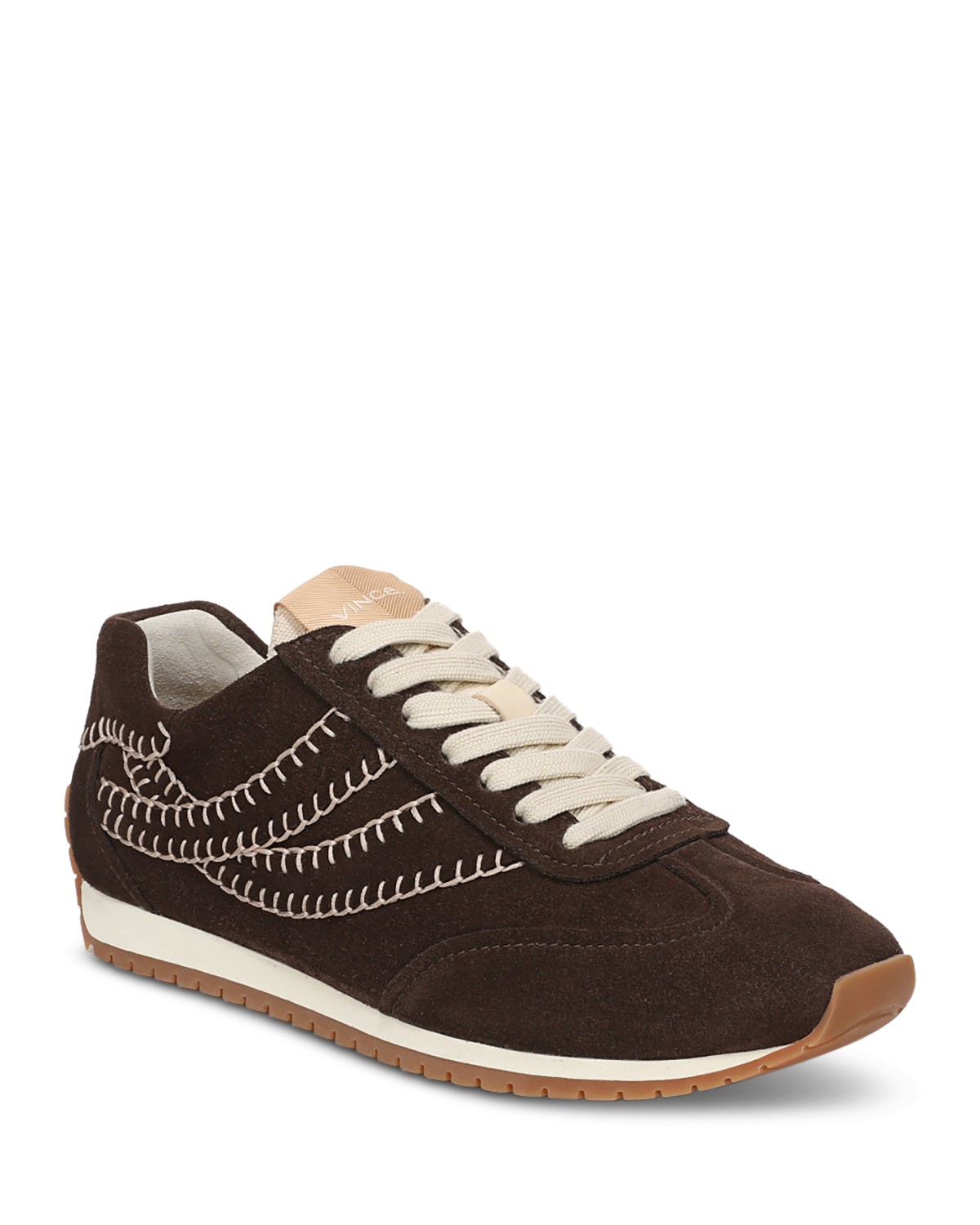
Women's Oasis Runner Boho Sneakers
Vince
$298
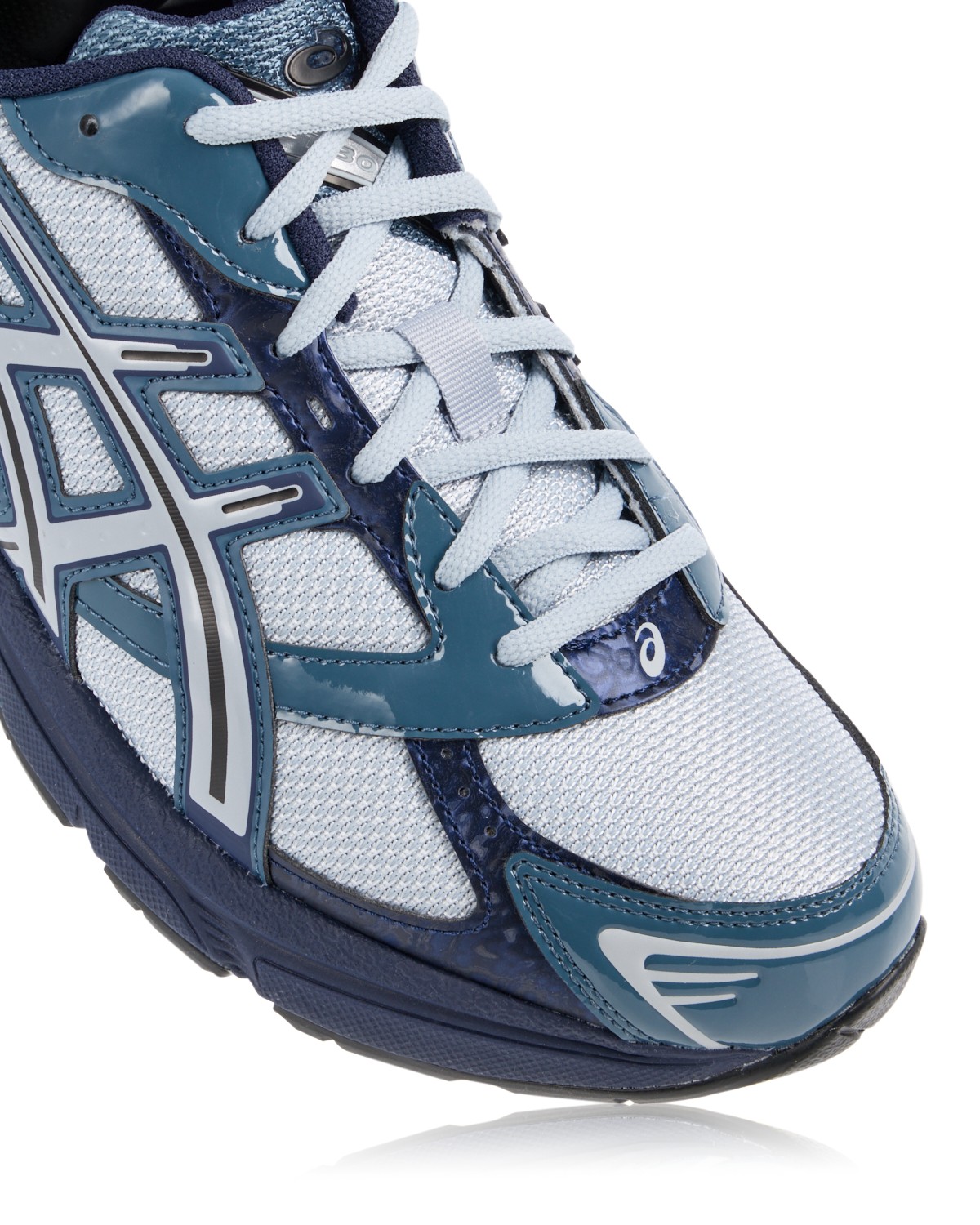
Unisex GEL-1130 Sneakers
Asics
$100
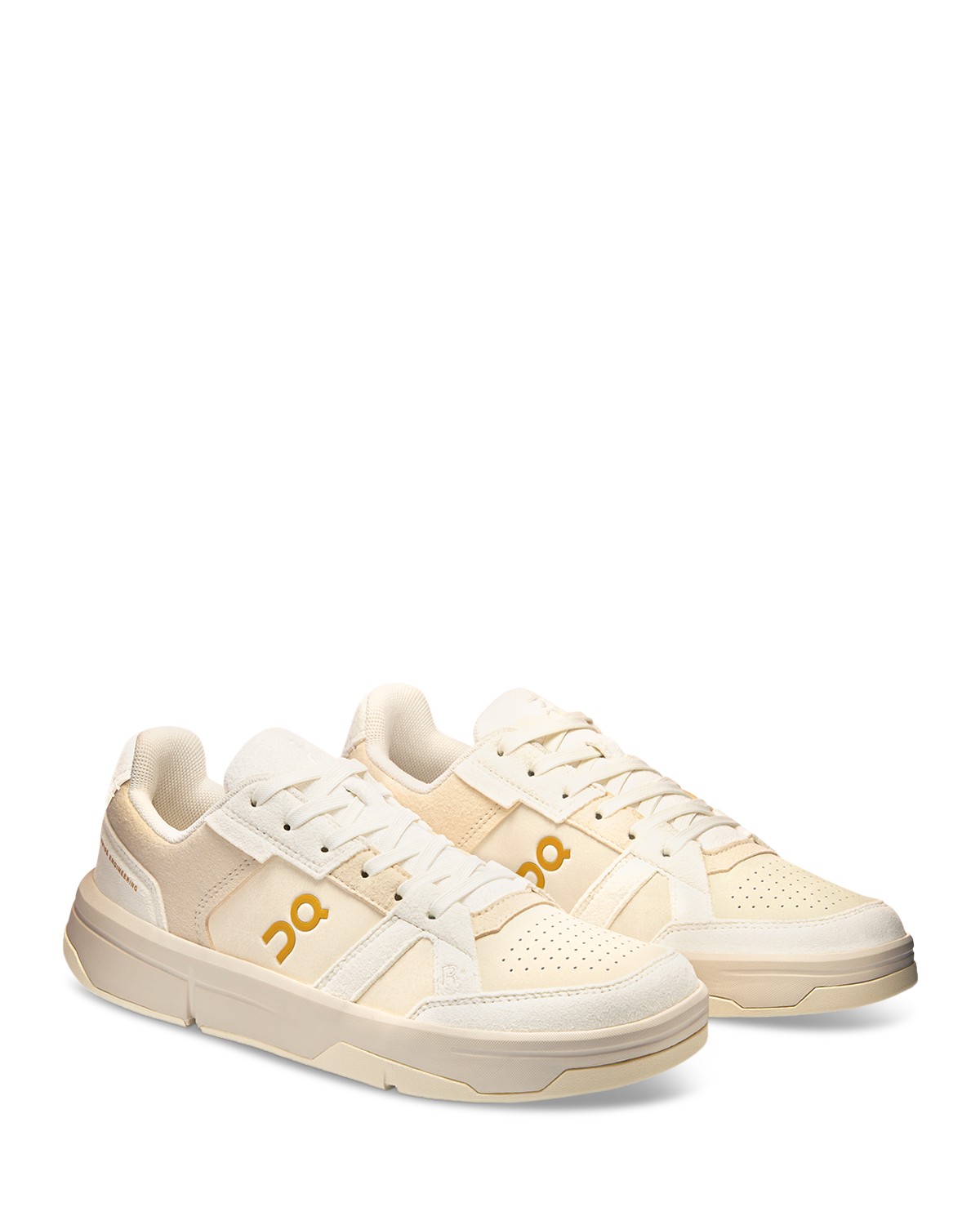
Women's The Roger Clubhouse Ace Sneakers
On
$75.6
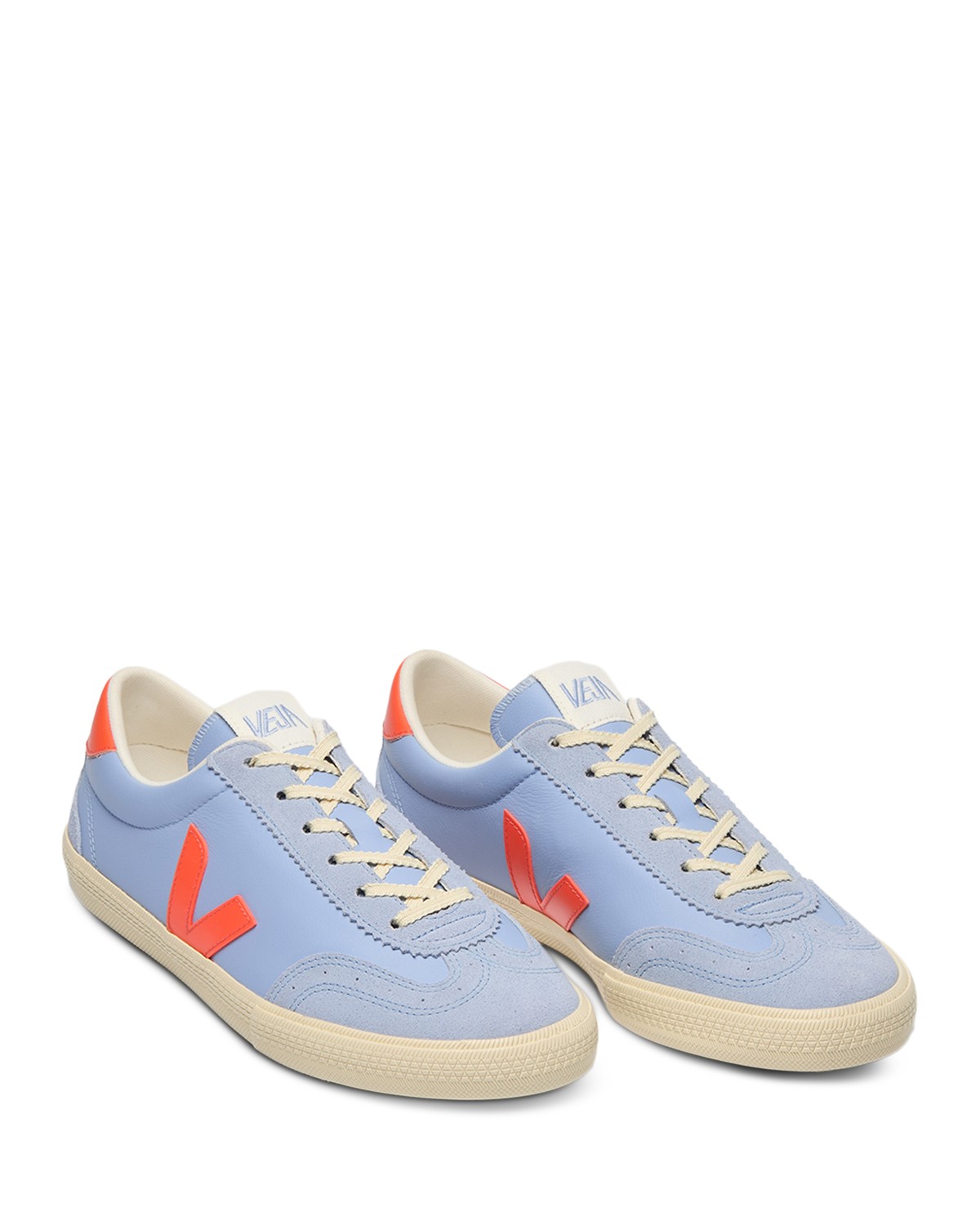
Women's Volley Sneakers
VEJA
$155
Knitwear
Knitwear is doing the country-club part. V-neck pullovers and point-collar sweaters come straight out of a clubhouse wardrobe, and worn ironically or not they are genuinely useful over a polo. This is the most specific reference in the edit.
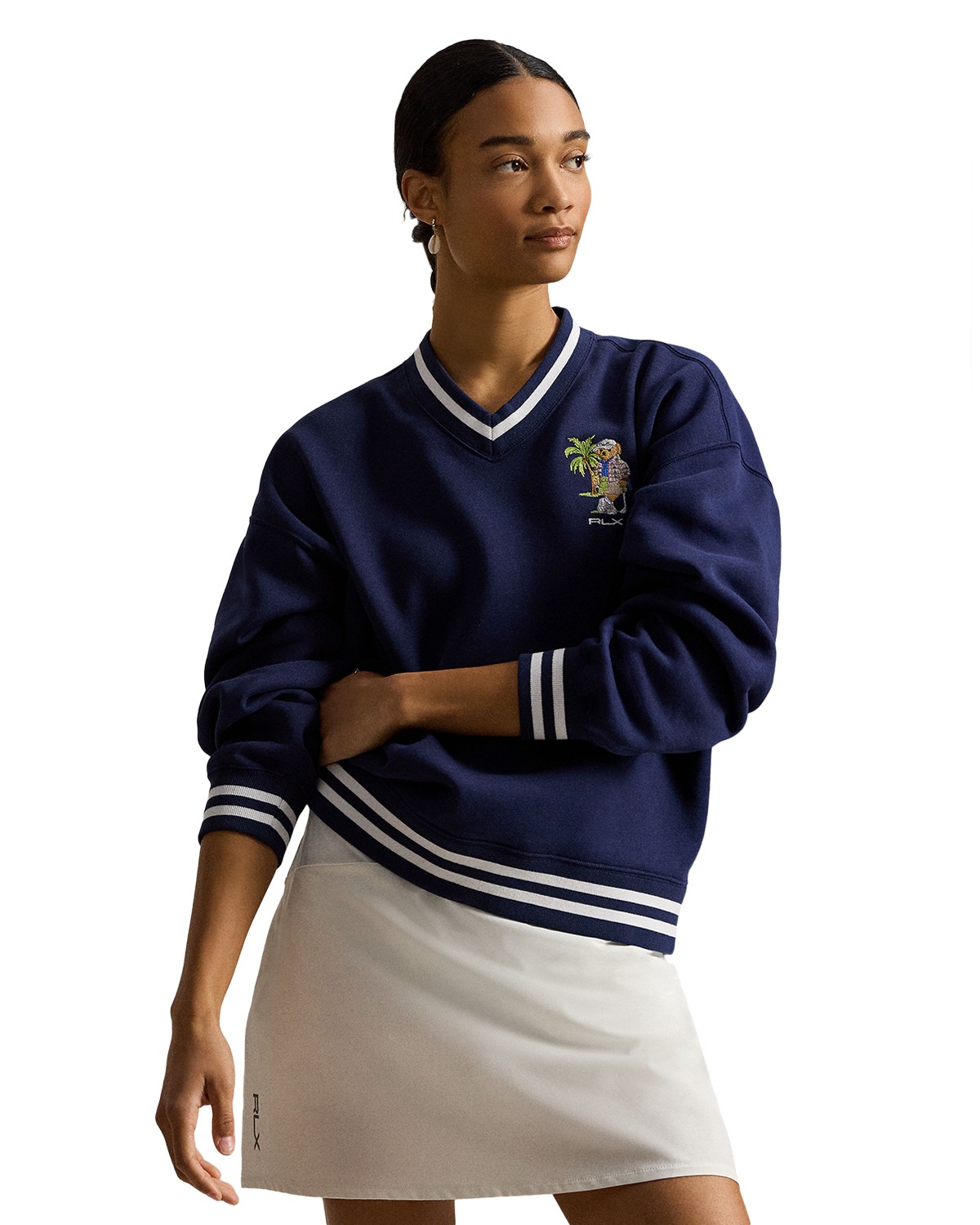
Polo Bear V Neck Pullover
RLX Ralph Lauren
$155
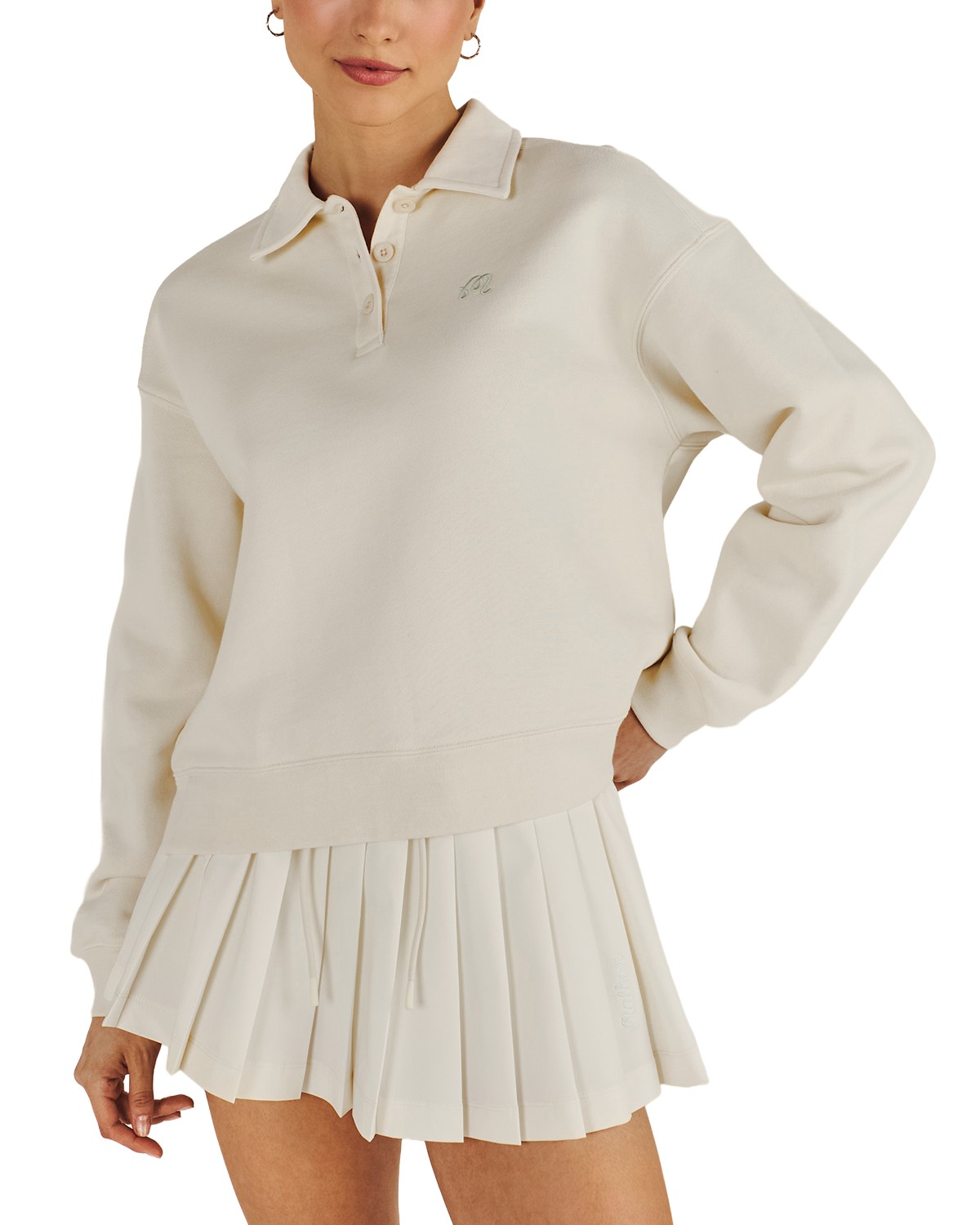
Teresa Cotton Point Collar Sweatshirt
Malbon
$168
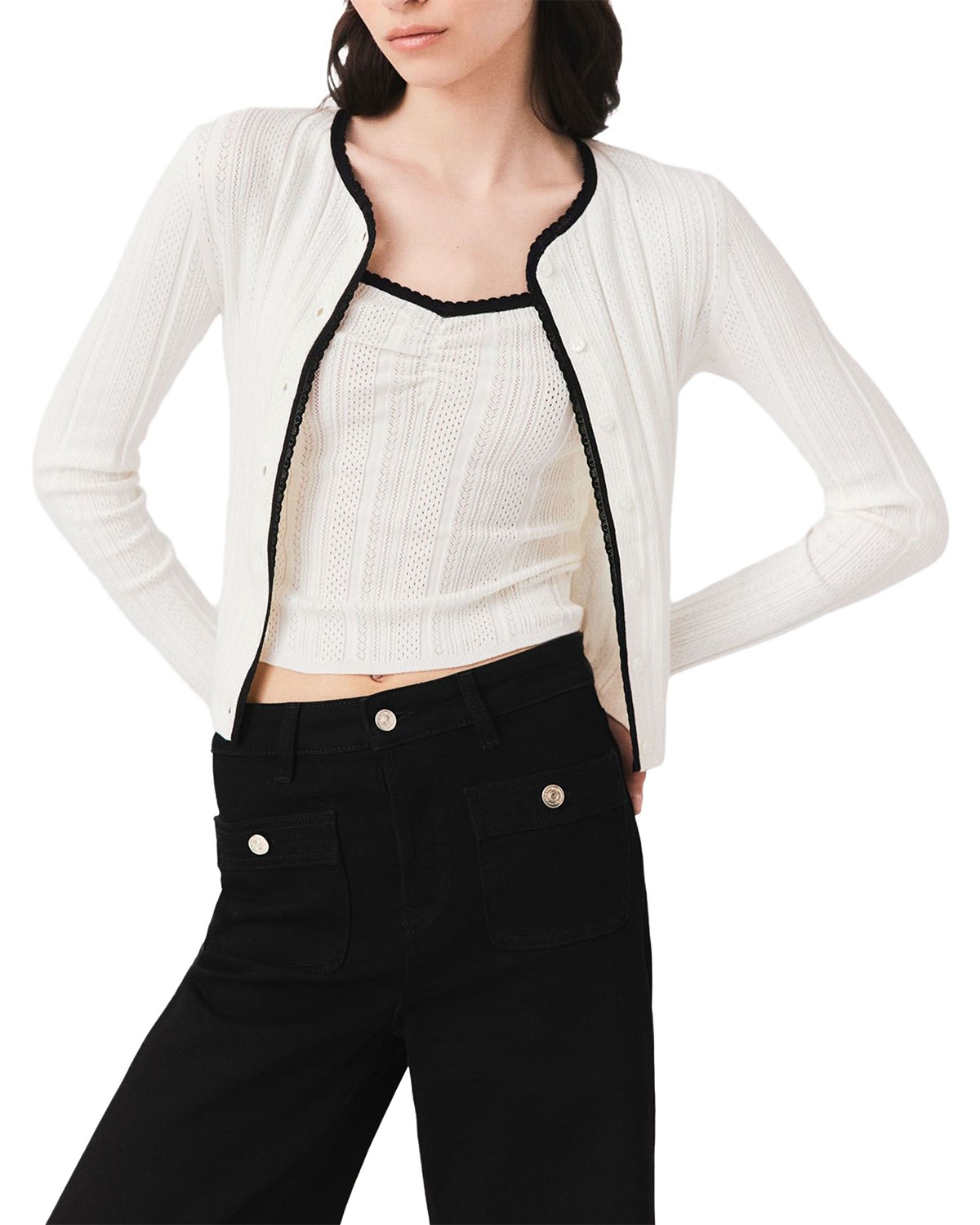
Pointelle Knit Cardigan
Maje
$400
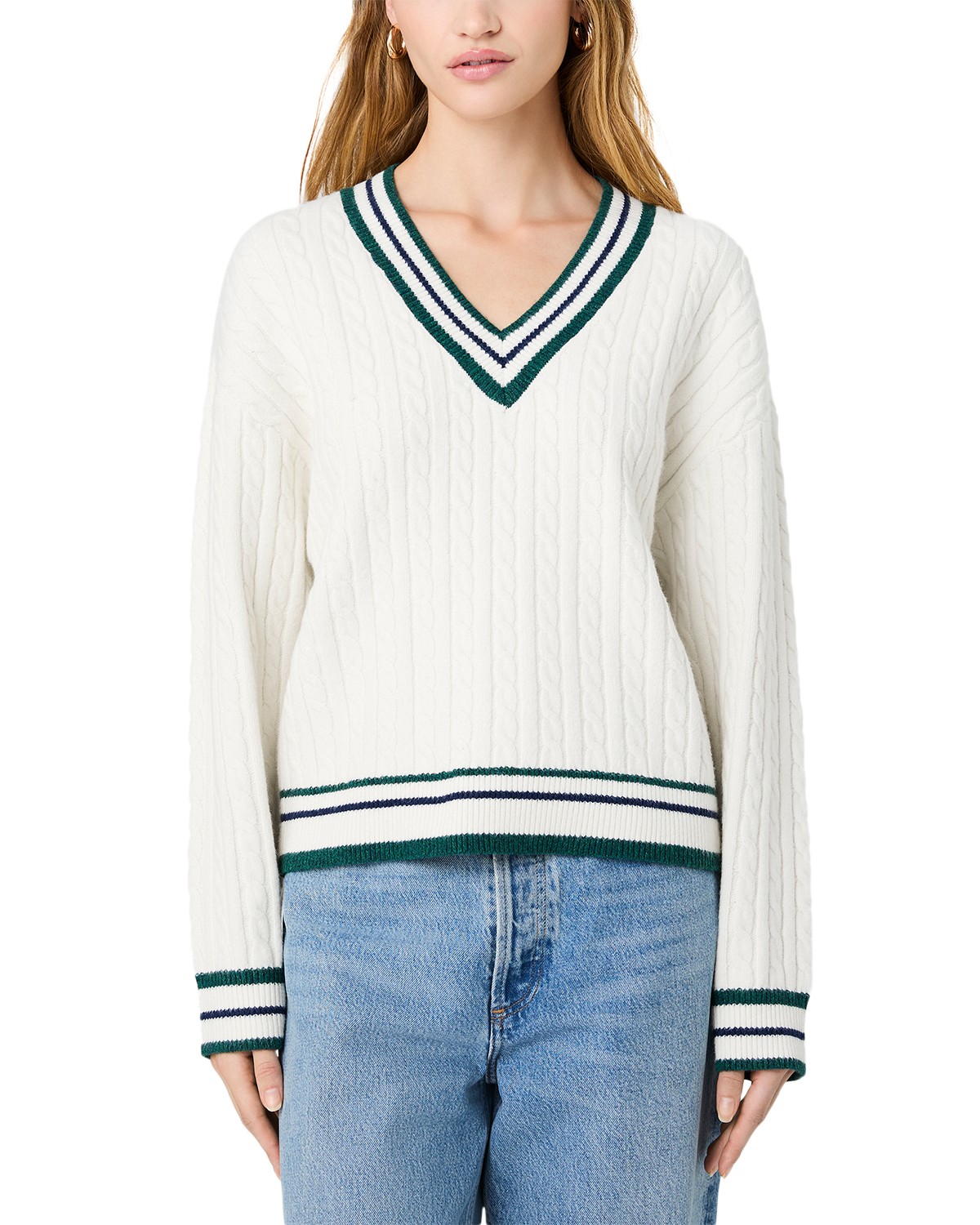
Aleyna Knit V Neck Sweater
FRENCH CONNECTION
$138
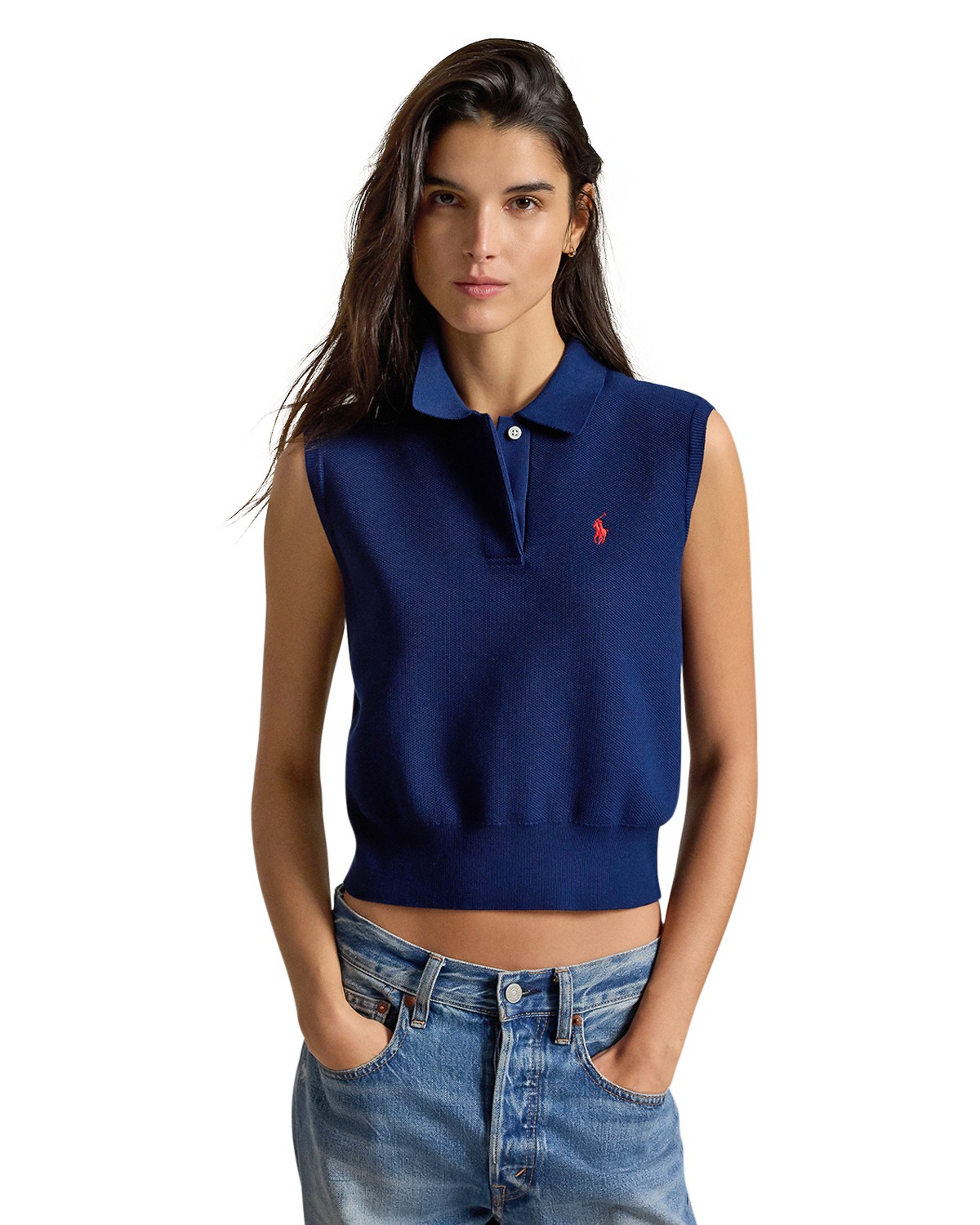
Cotton Cropped Sleeveless Polo Sweater
Polo Ralph Lauren
$77.7
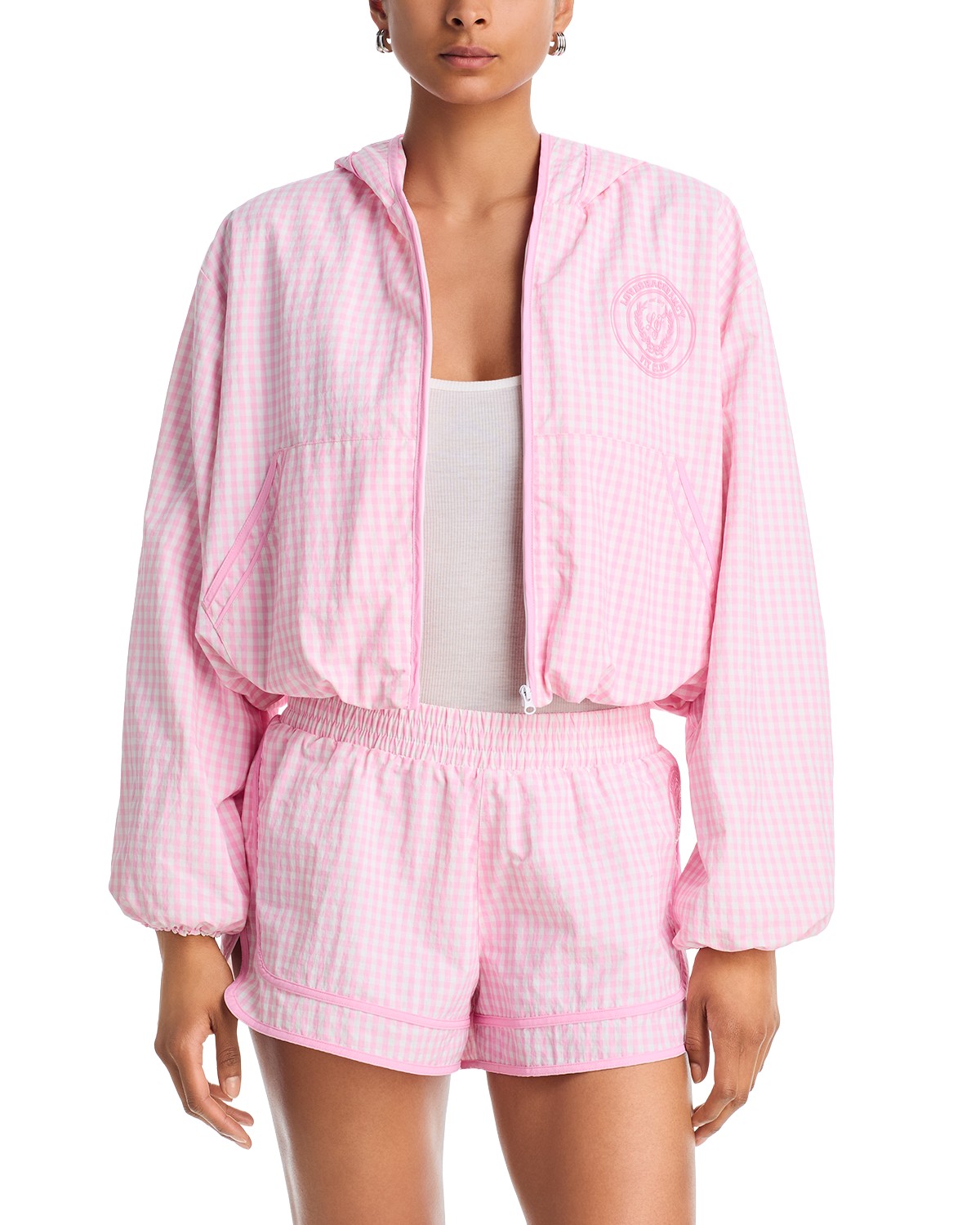
Kariana Hoodie
LoveShackFancy
$295
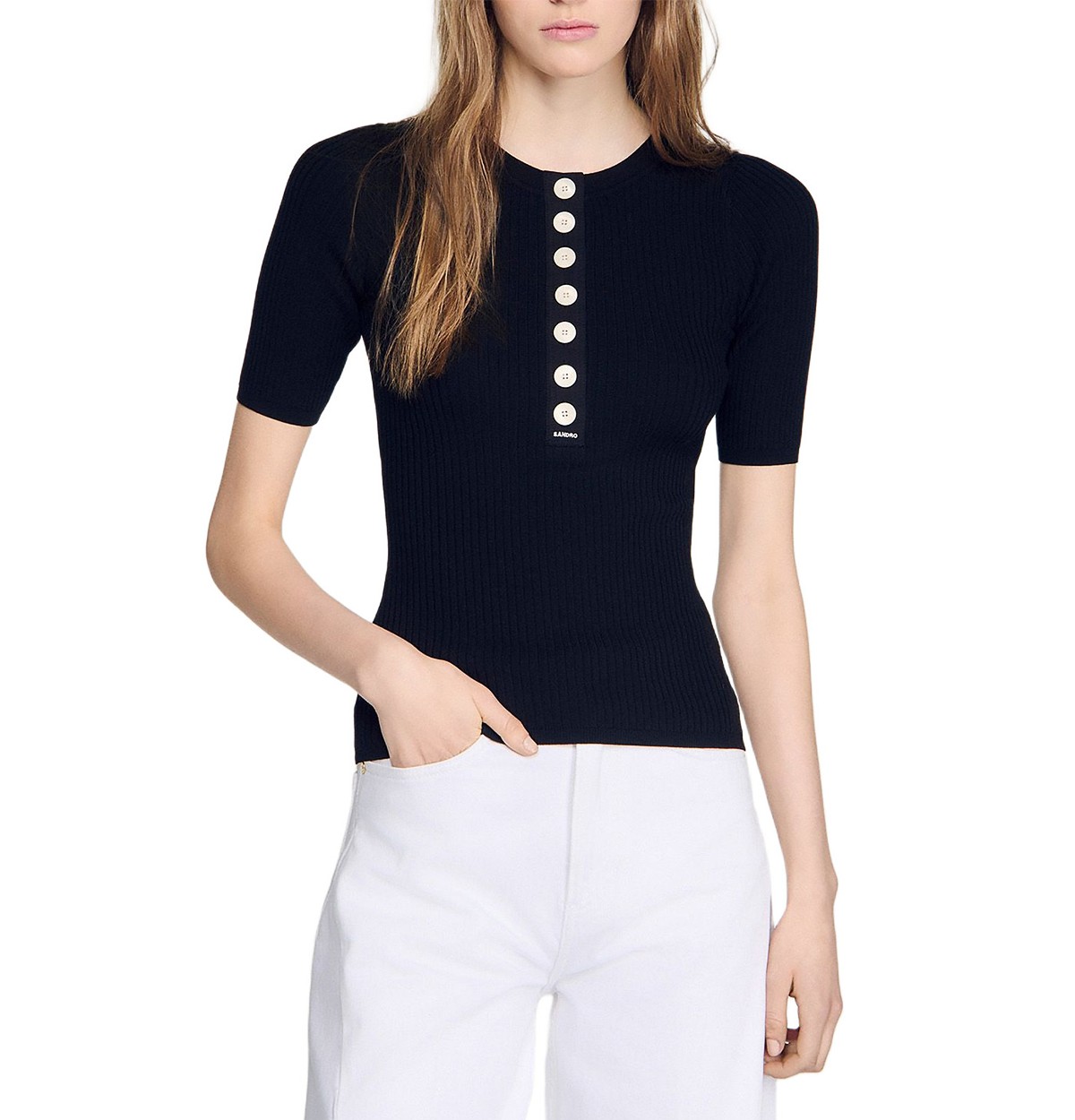
Calypsea Ribbed Round Neck Sweater
Sandro
$265
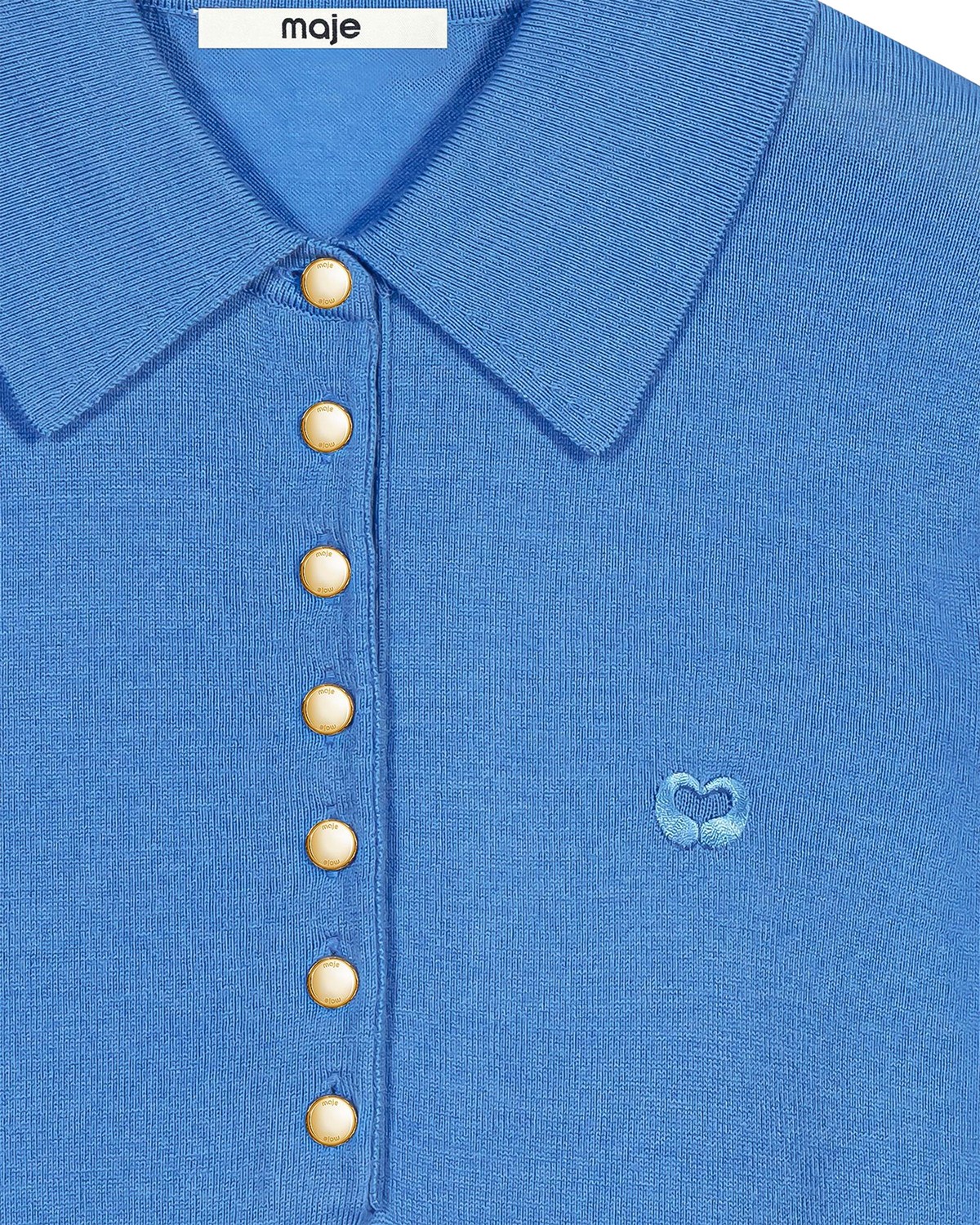
Polo Collar Short Sleeve Sweater
Maje
$285
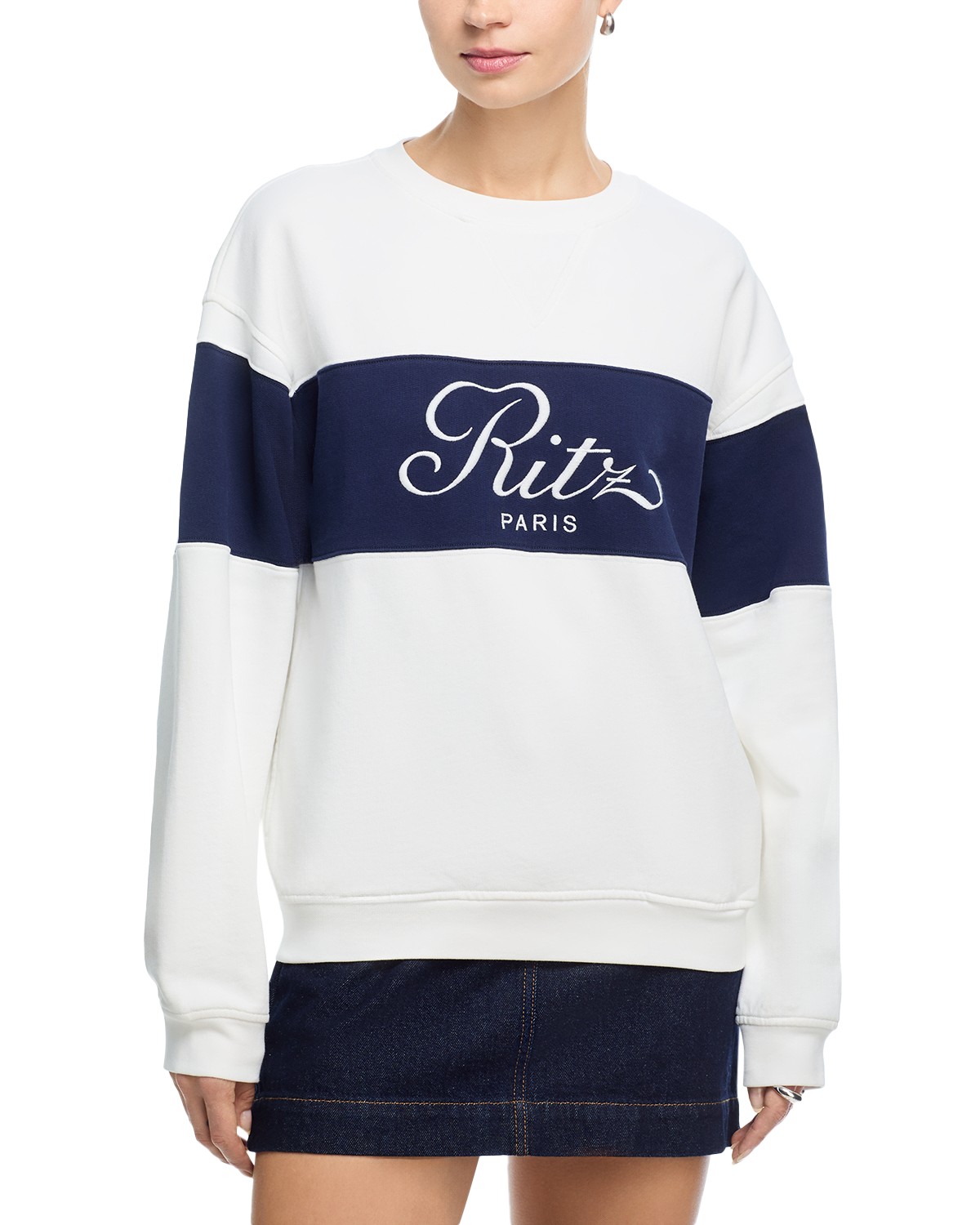
Ritz Sport Sweatshirt
FRAME
$398
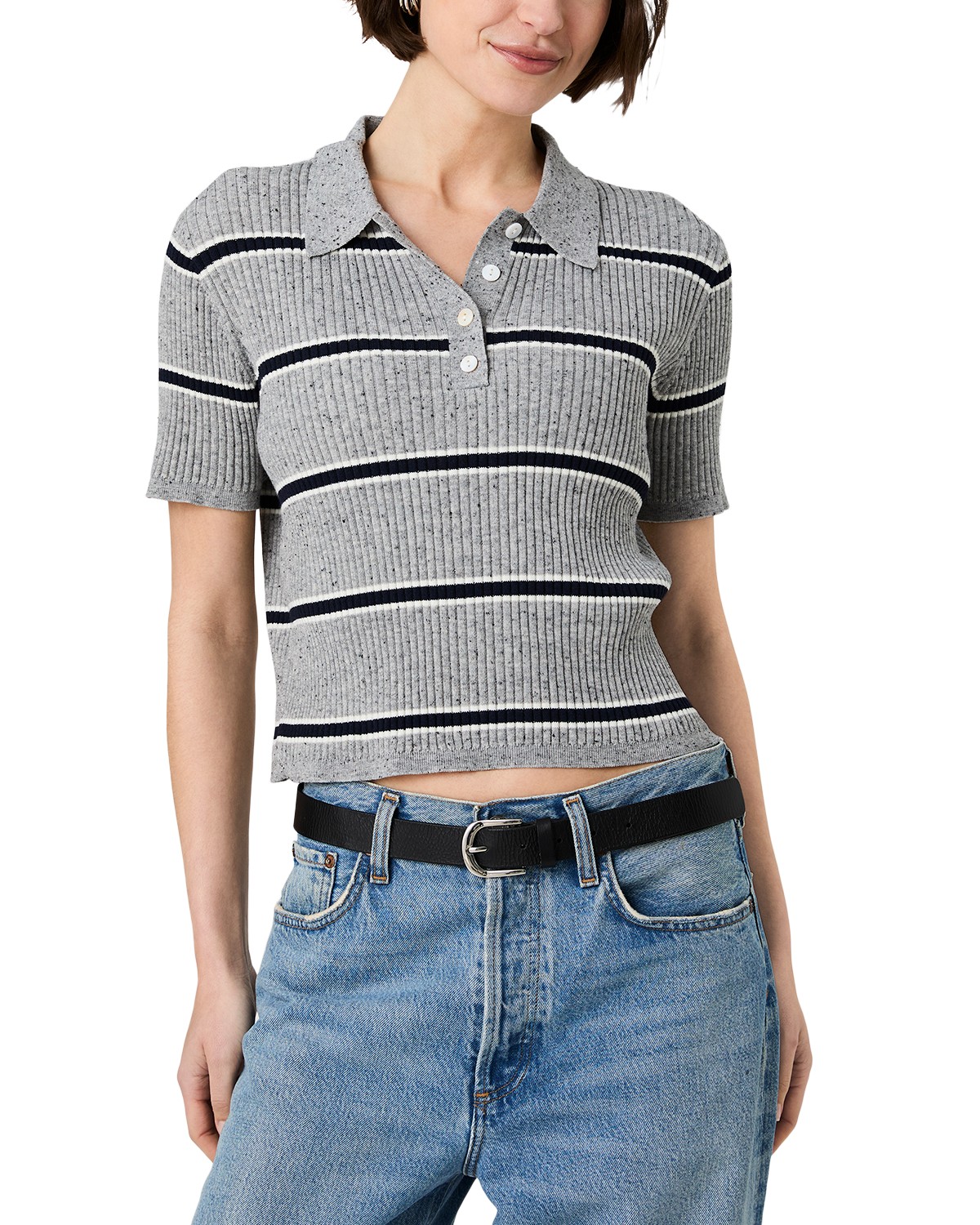
Mason Knit Varsity Stripe Polo Sweater
FRENCH CONNECTION
$118
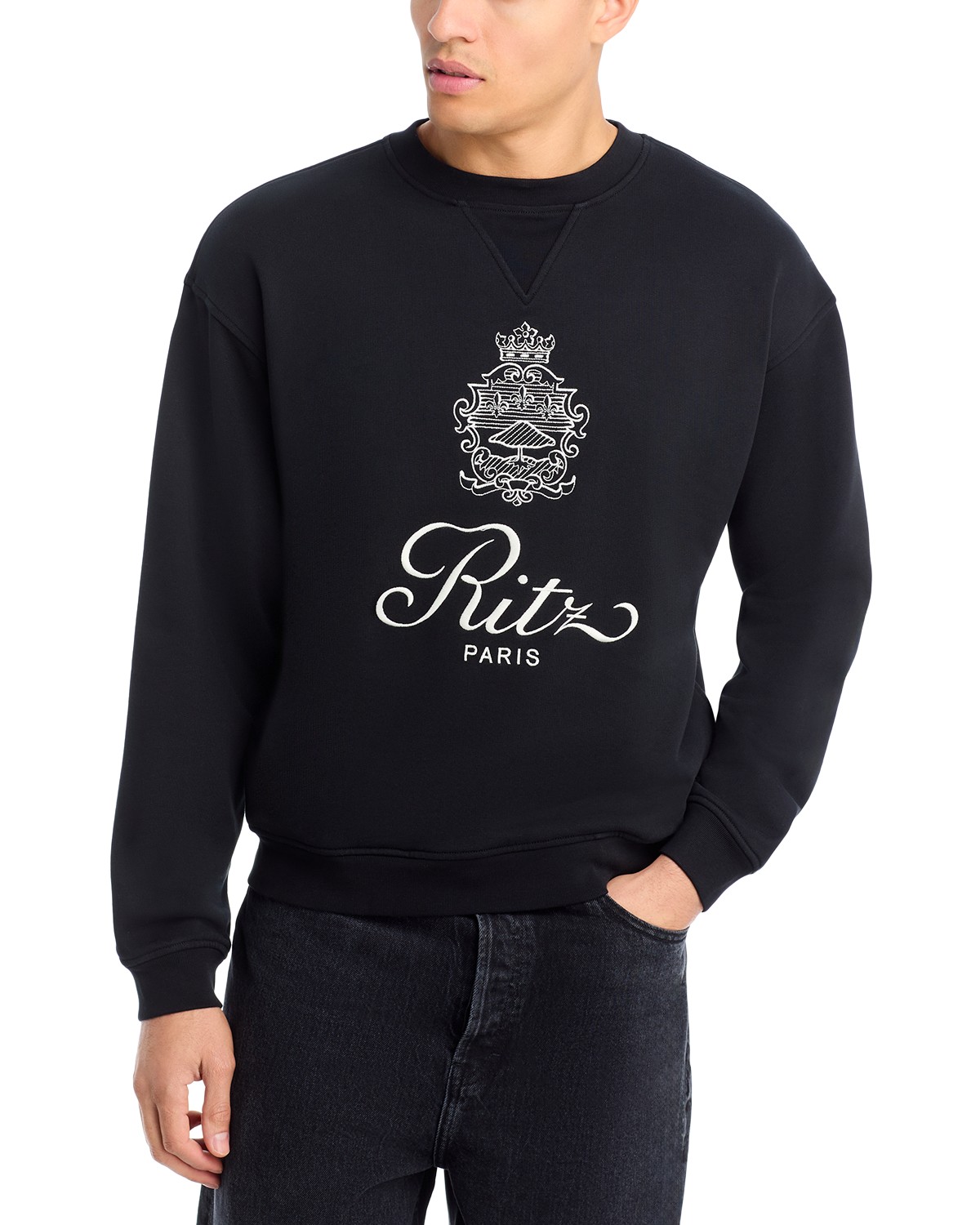
Ritz Unisex Sweatshirt
FRAME
$398

The Biggie Raquette Wool Sweater
MOTHER
$358
Dresses
Dresses arrive via tennis, which is the only sport that ever really had one. Sleeveless court cuts and tweed versions turn a sport dress into a normal dress, and the pleating is what carries the reference. Short, structured and surprisingly formal.
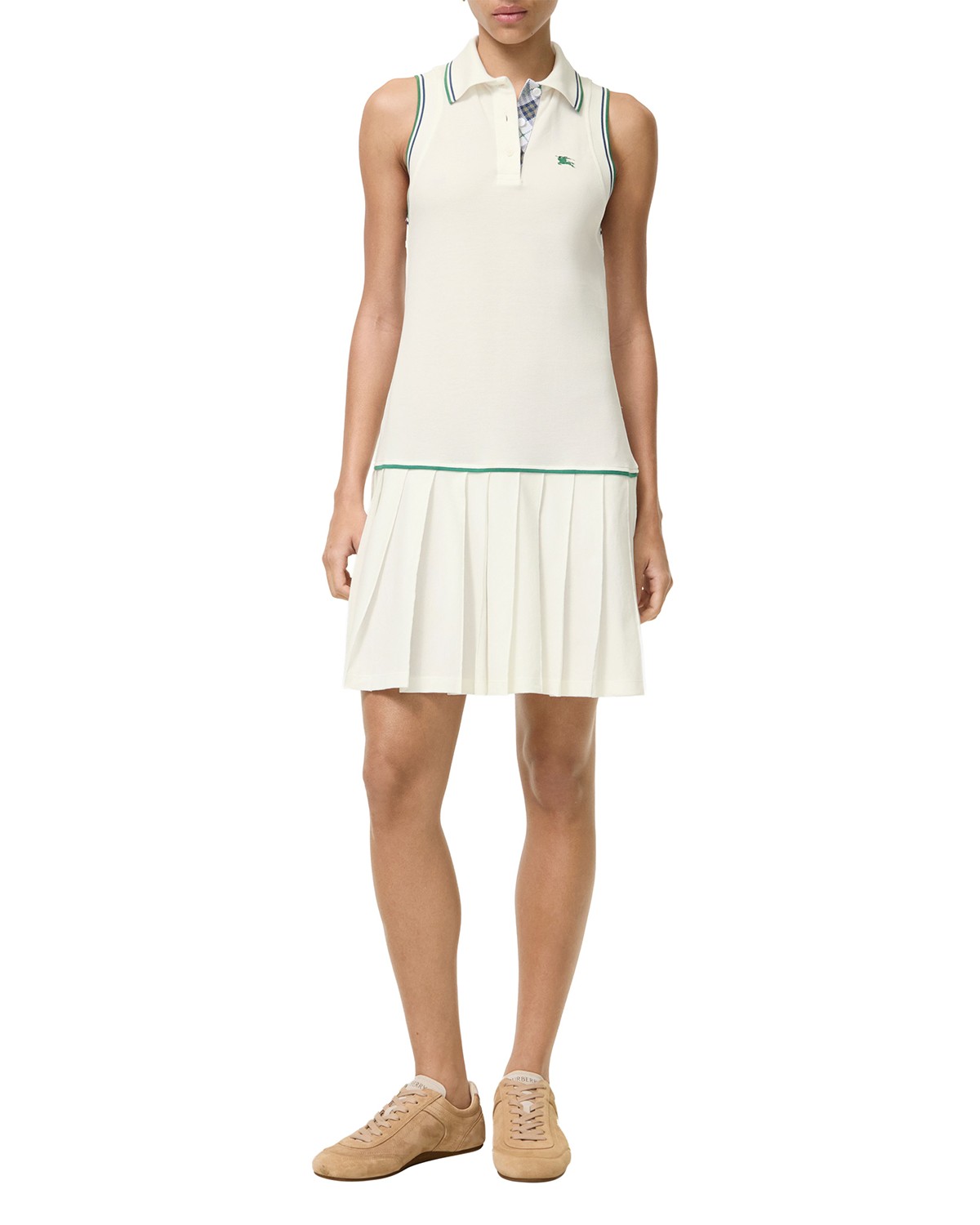
Martina Sleeveless Tennis Dress
Burberry
$870
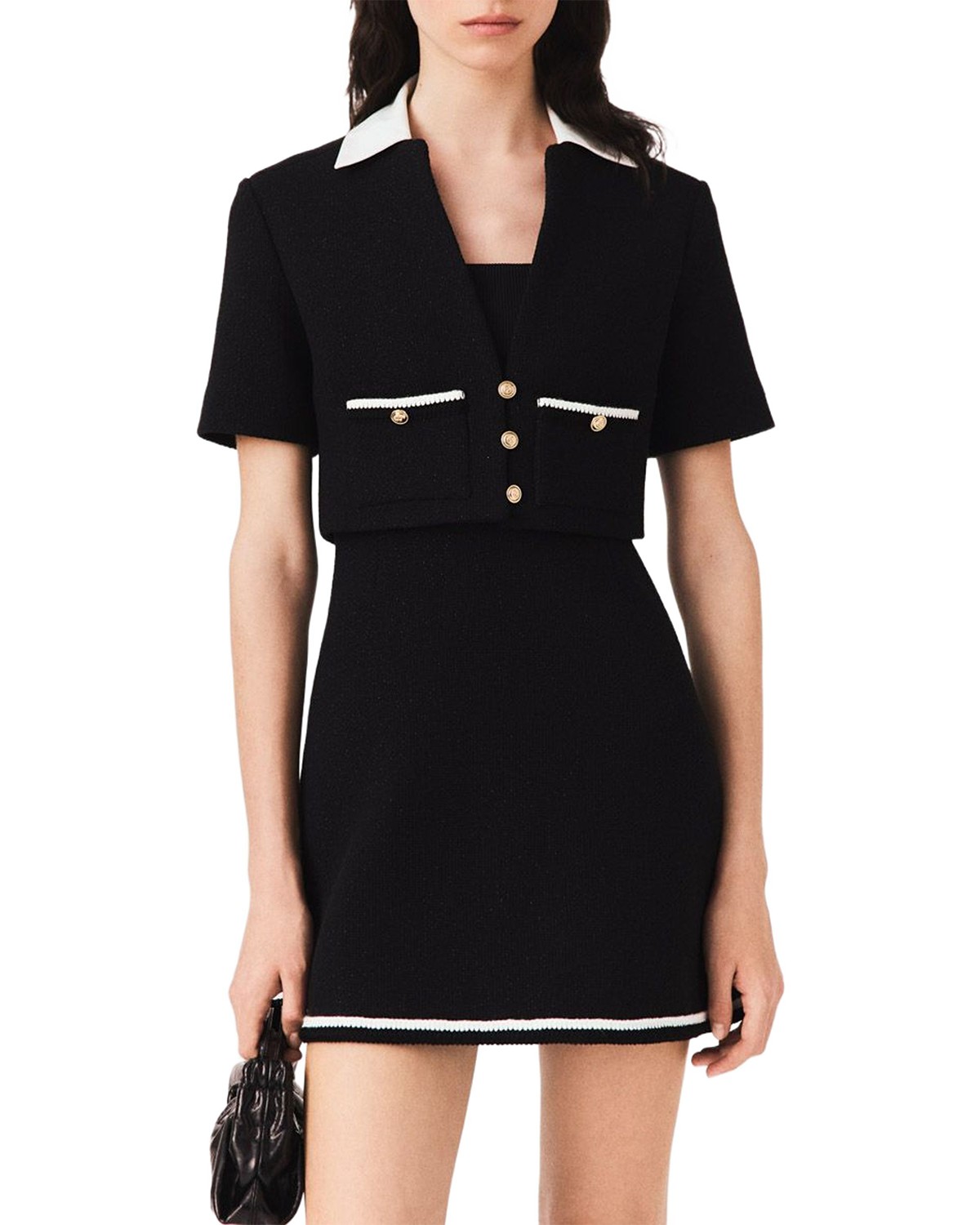
2 In 1 Tweed Dress
Maje
$610
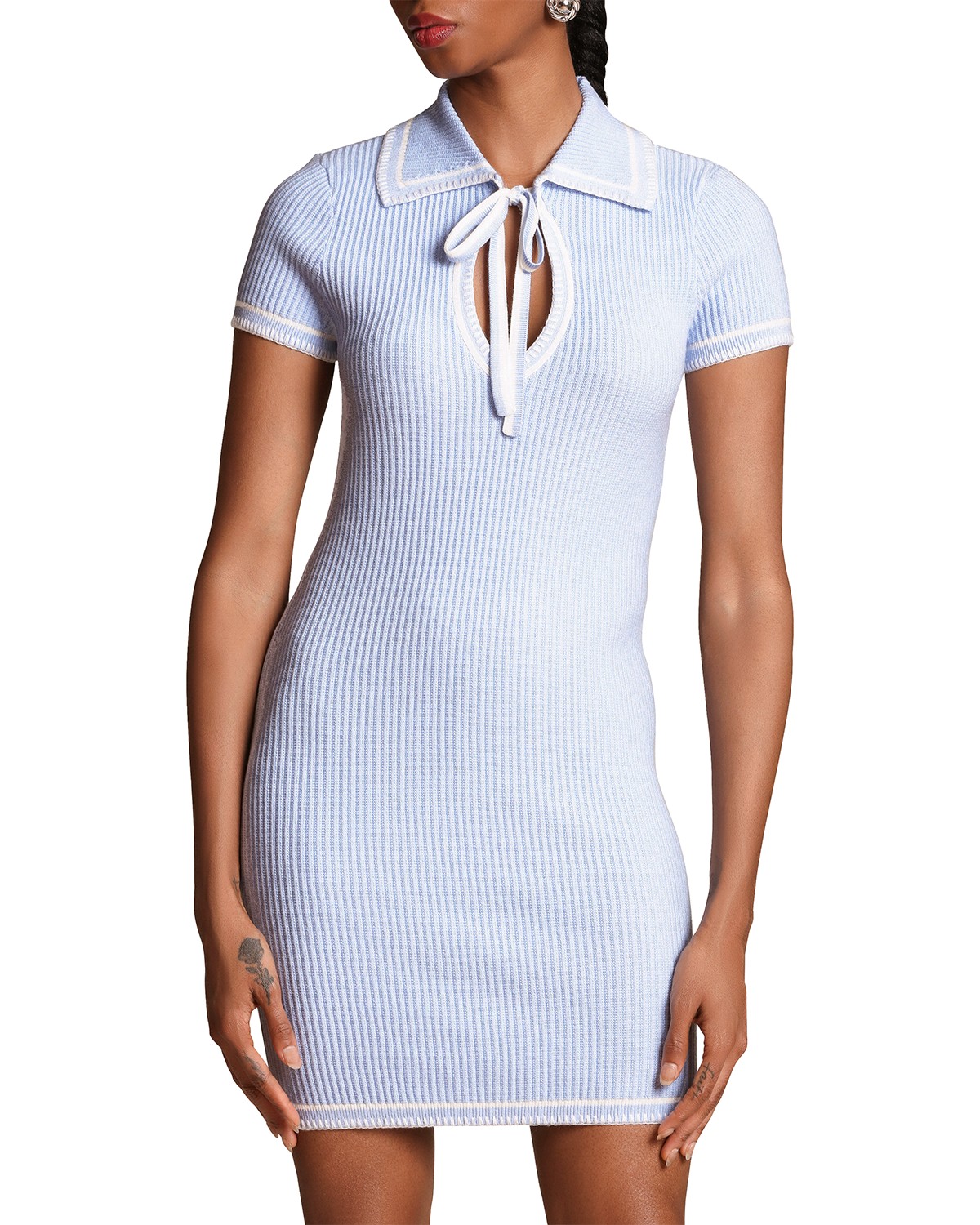
Tie Neck Fitted Mini Dress
Avec Les Filles
$128
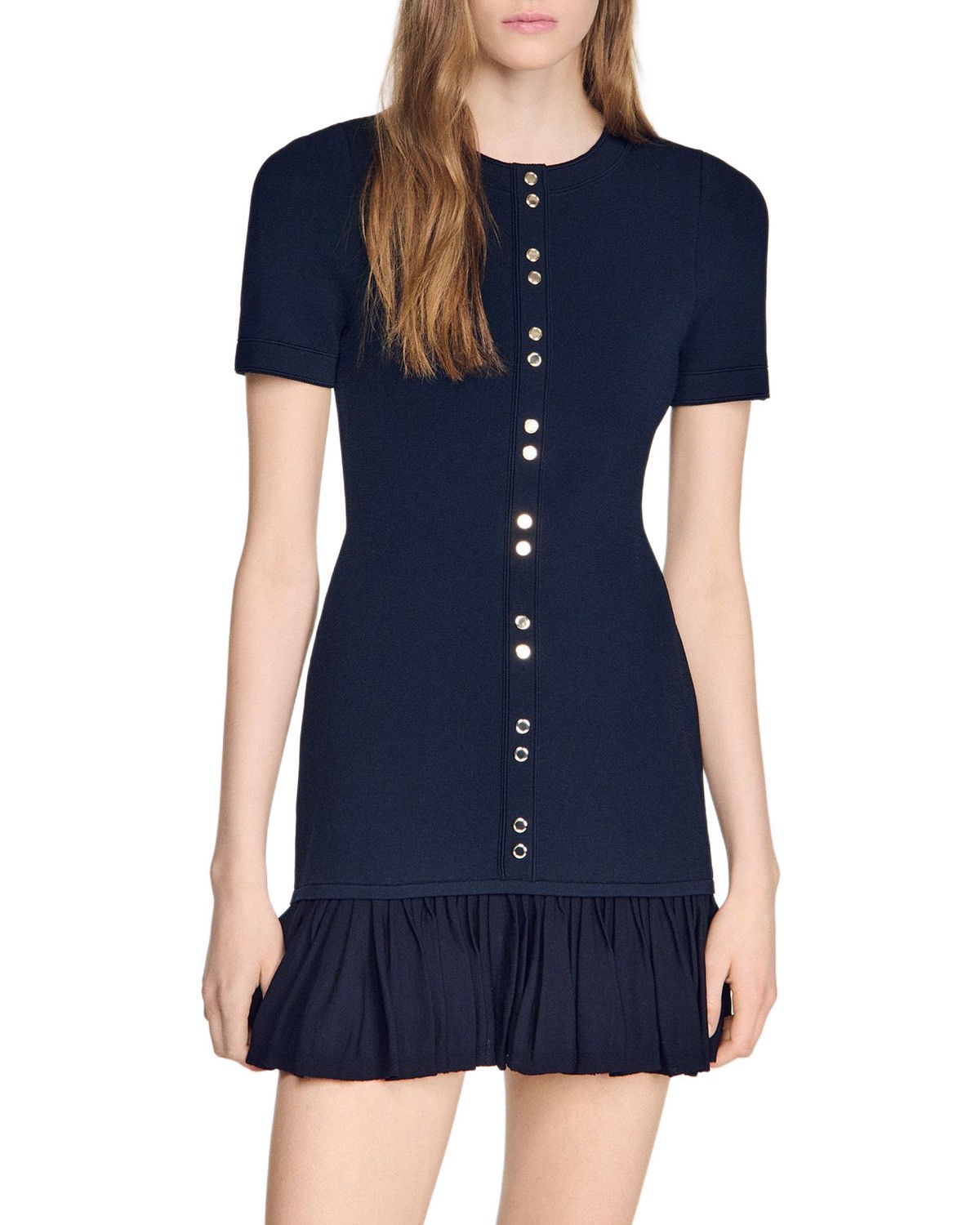
Keira Ruffled Short Knit Dress
Sandro
$400
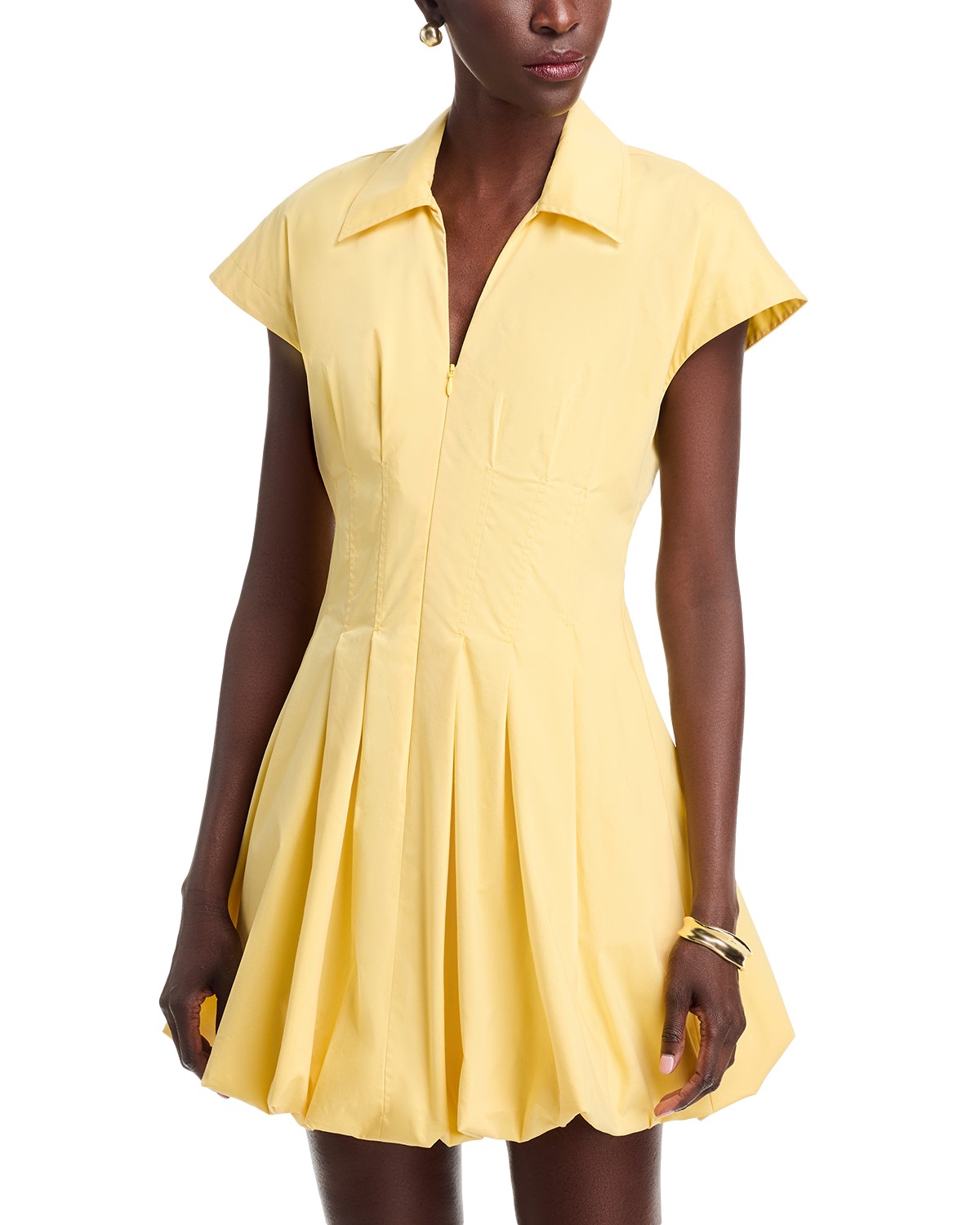
Lirinne Bubble Hem Cotton Blend Dress
SIMKHAI
$495
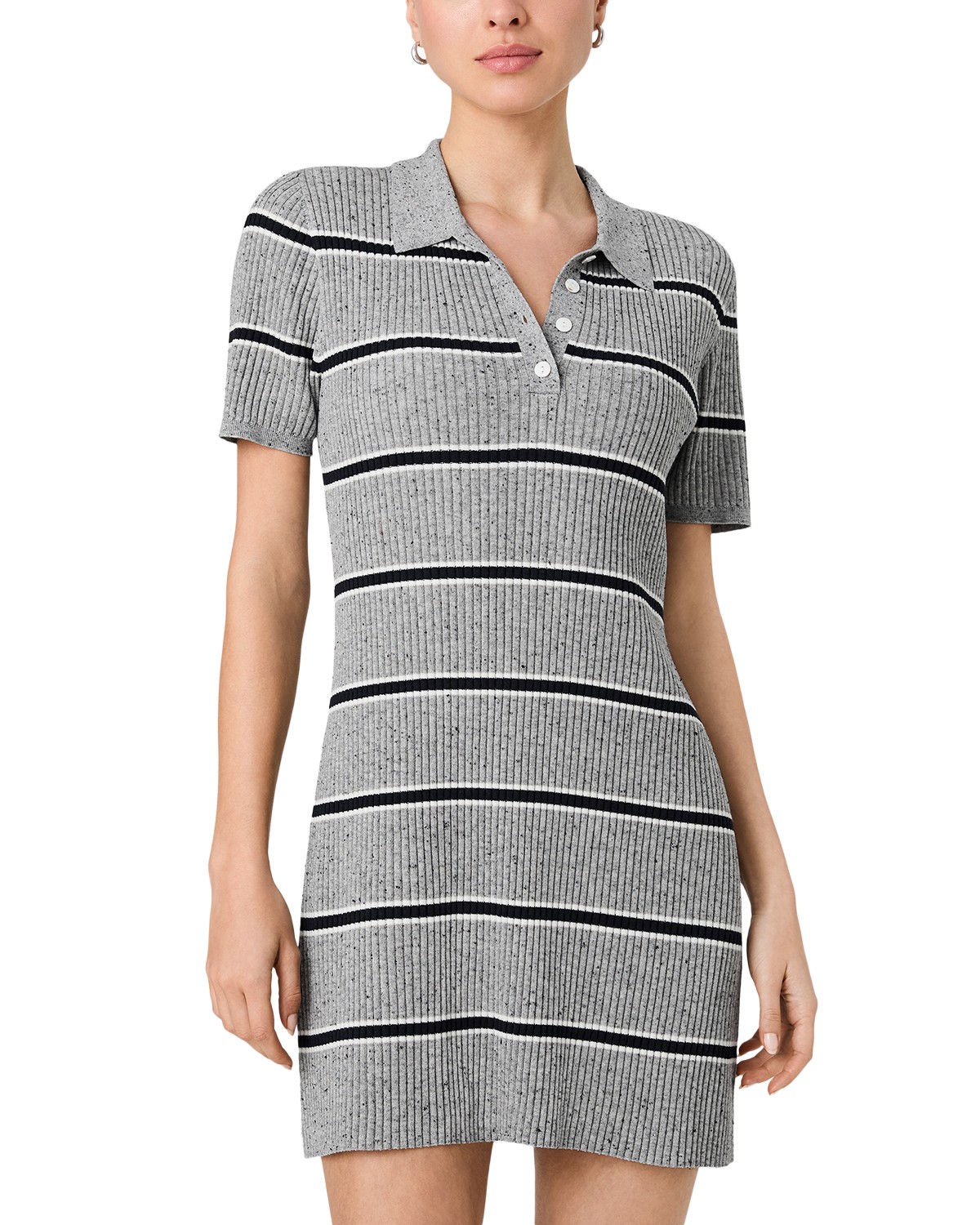
Mason Knit Varsity Stripe Polo Dress
FRENCH CONNECTION
$138
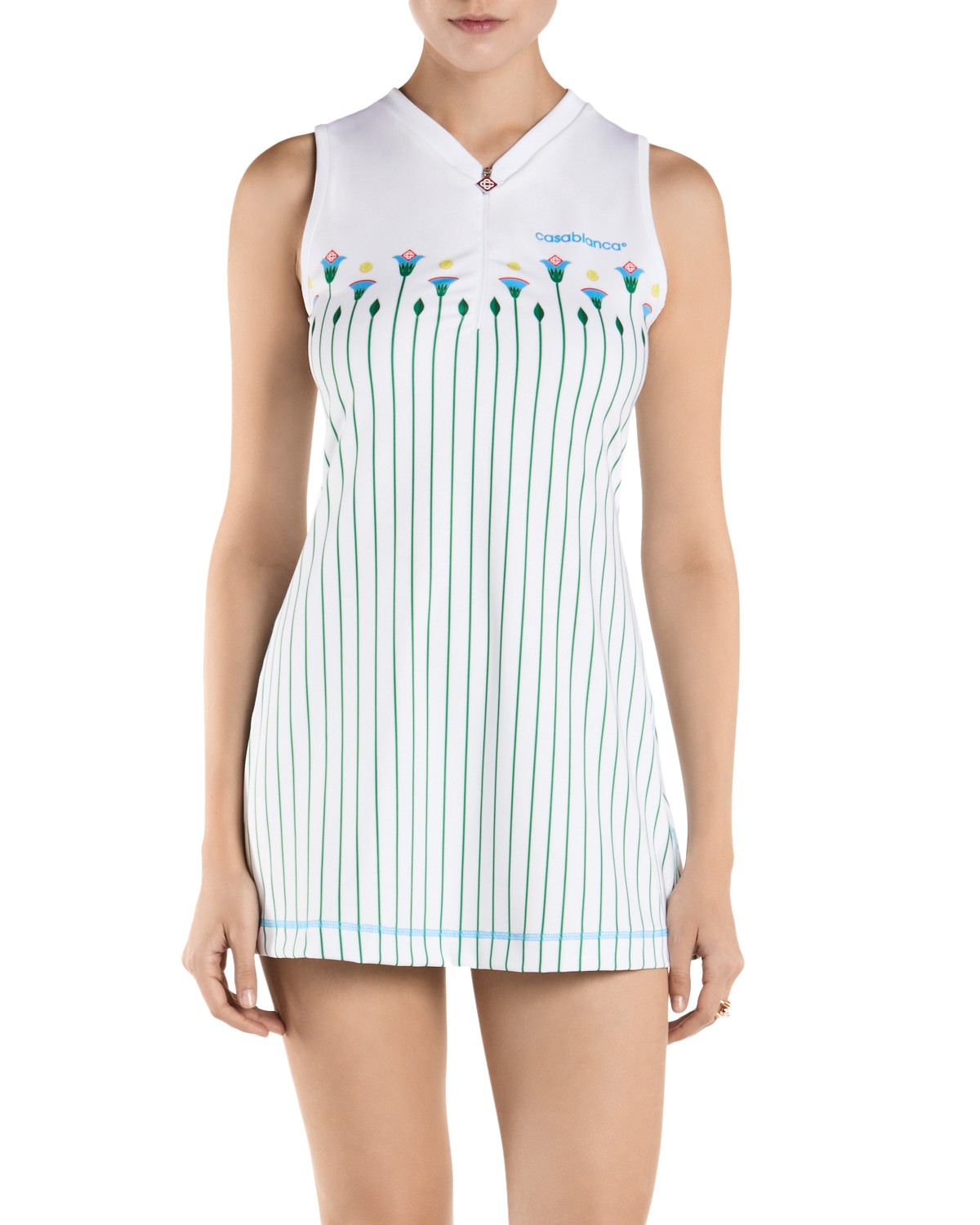
Printed Tennis Dress
Casablanca
$695
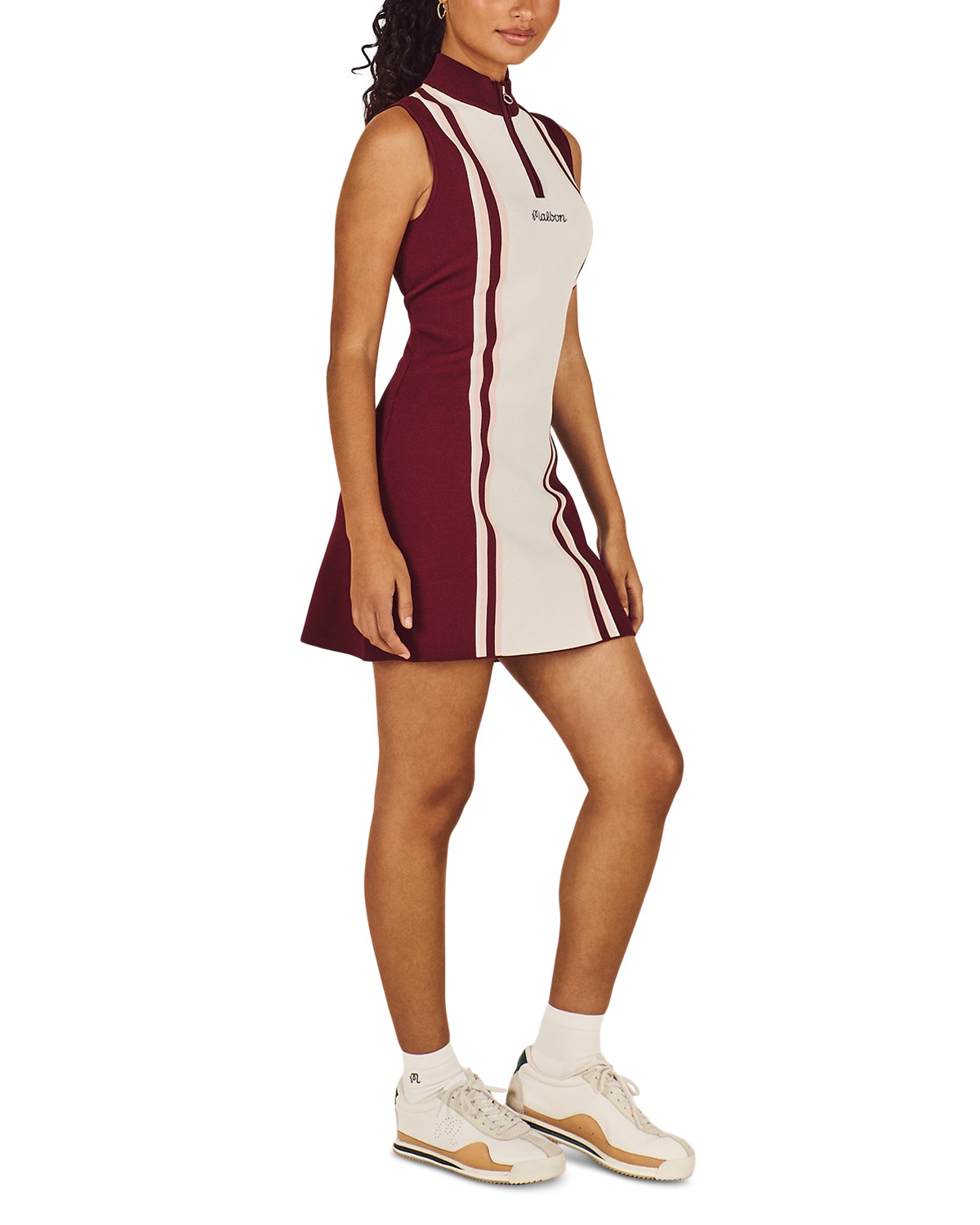
Fernanda Striped Sleeveless Dress
Malbon
$248
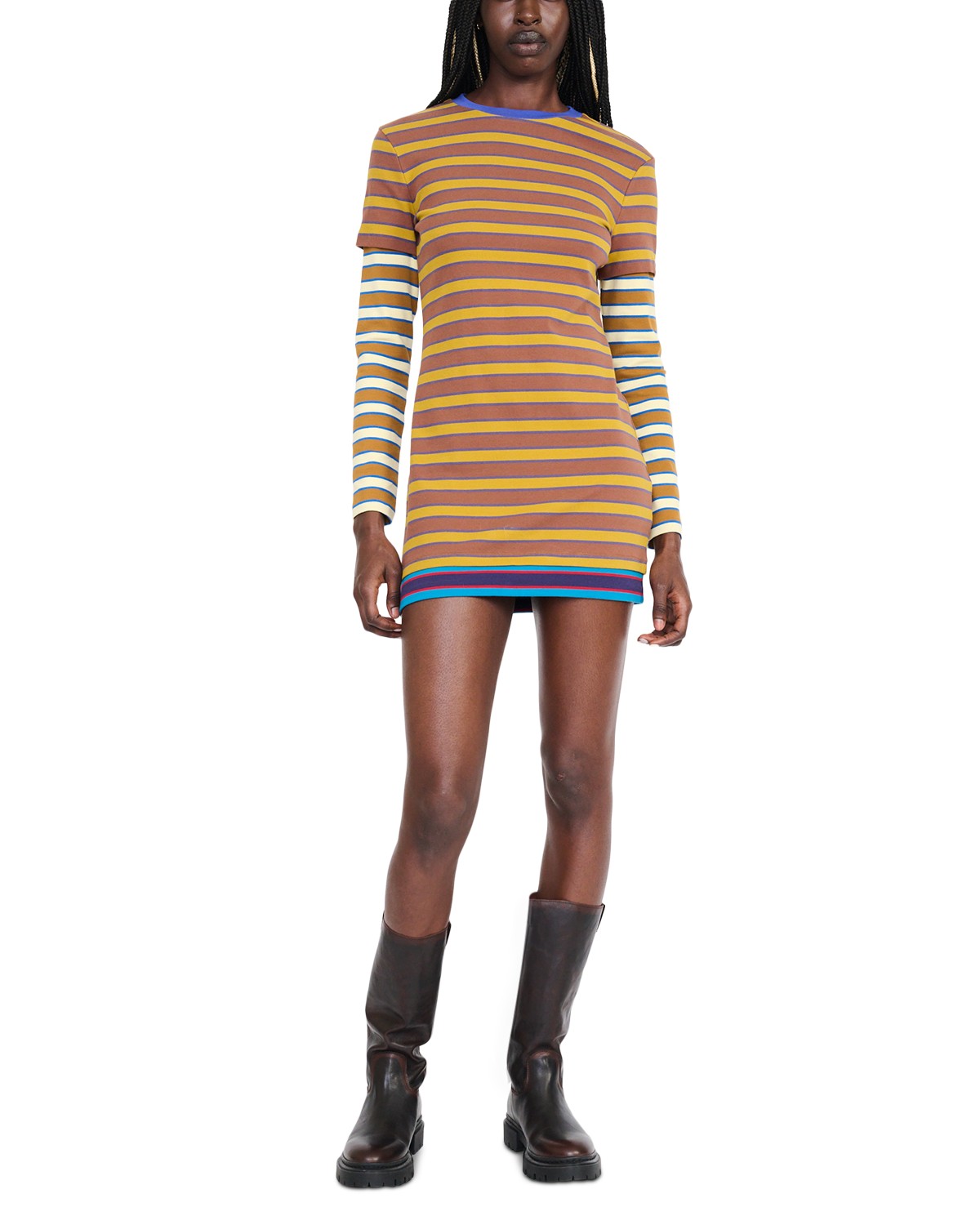
Dillon Cotton Stretch Mini Dress
STAUD
$245
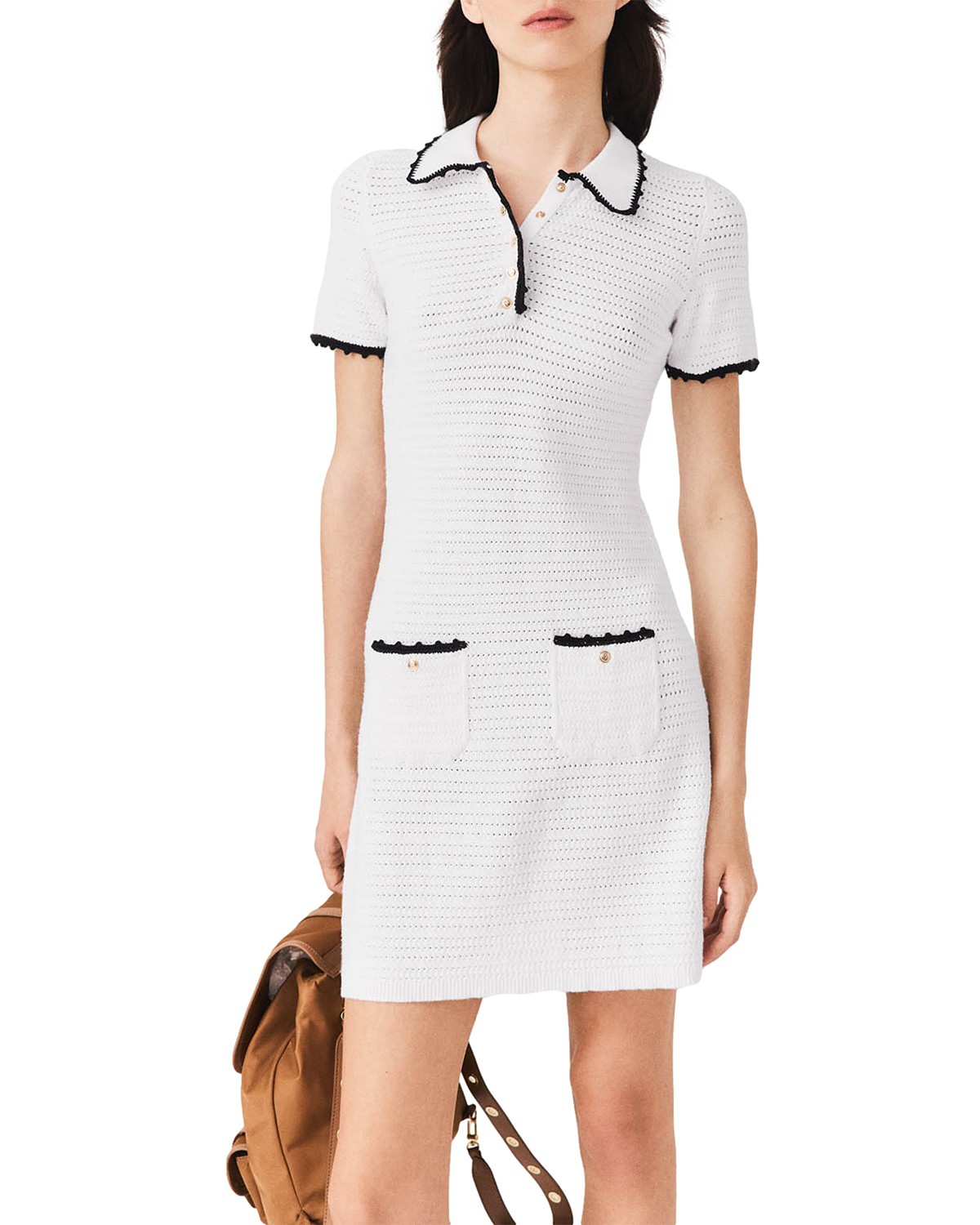
Knit Polo Dress with Crochet
Maje
$450
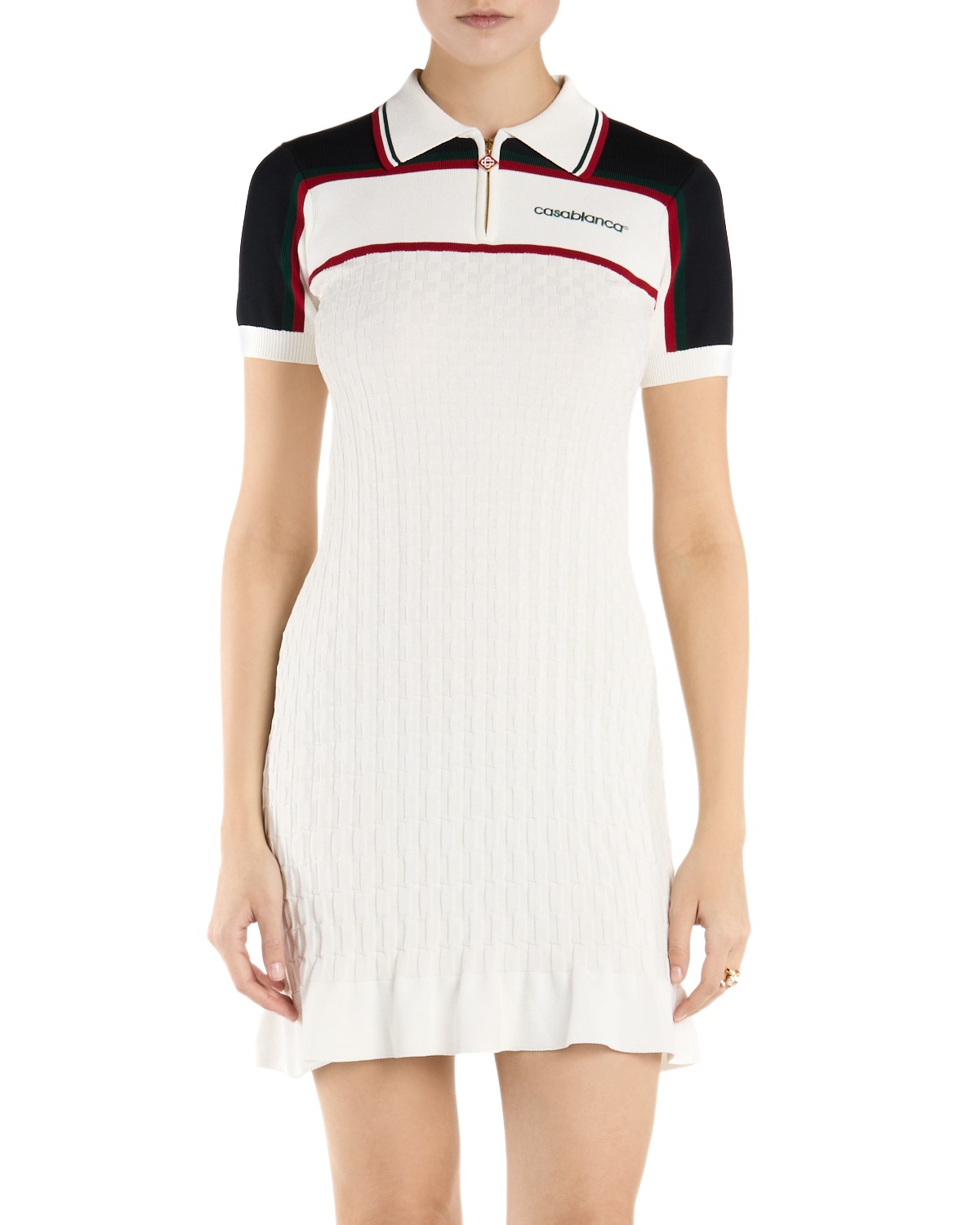
Tennis Polo Mini Dress
Casablanca
$725
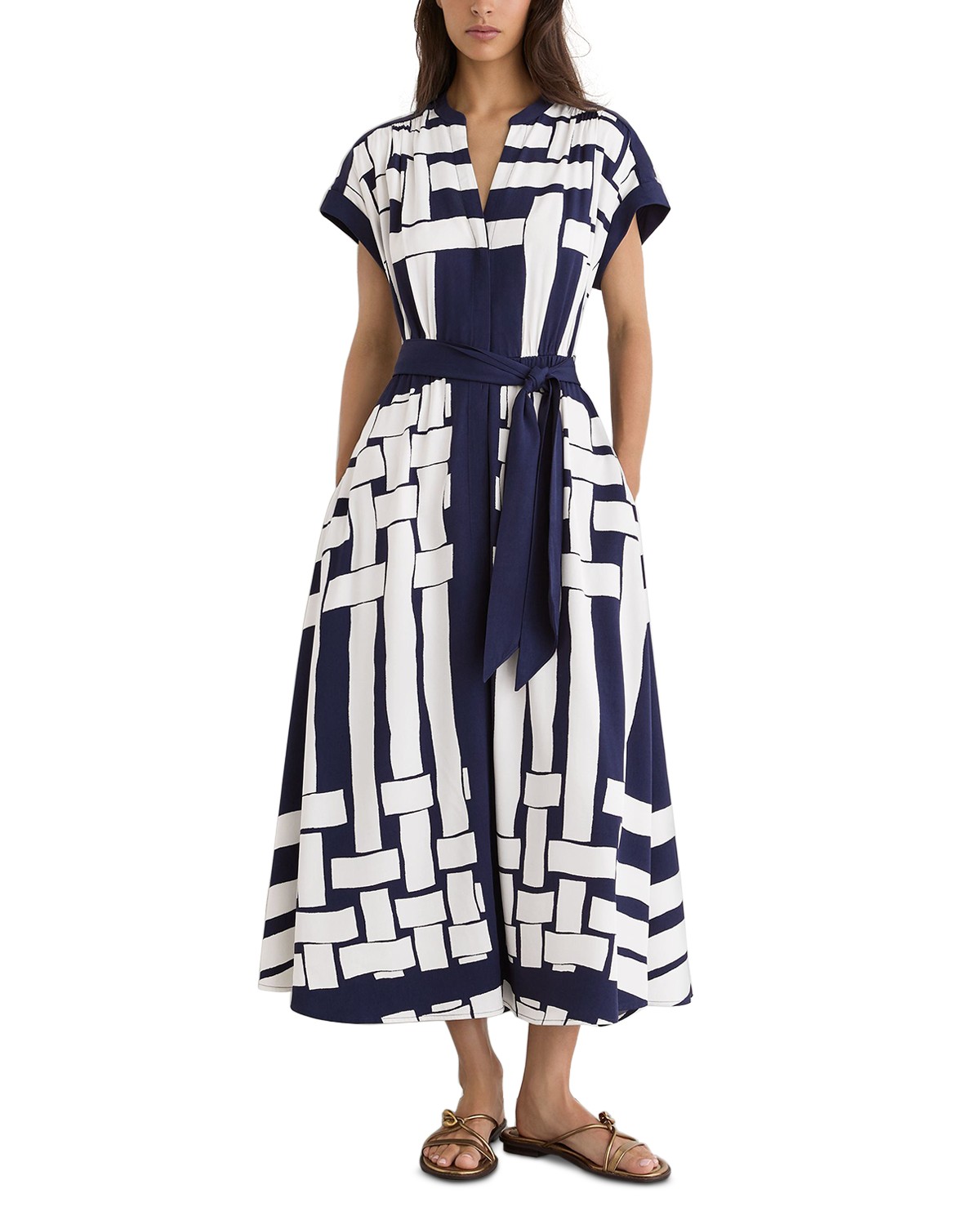
Samira Scarf Print Dress
REISS
$468
Accessories
Sunglasses are the accessory that makes the whole thing read as sport rather than as leisure. Round and oval metal frames come from a very particular sailing and skiing lineage. The fastest possible way to signal this look.
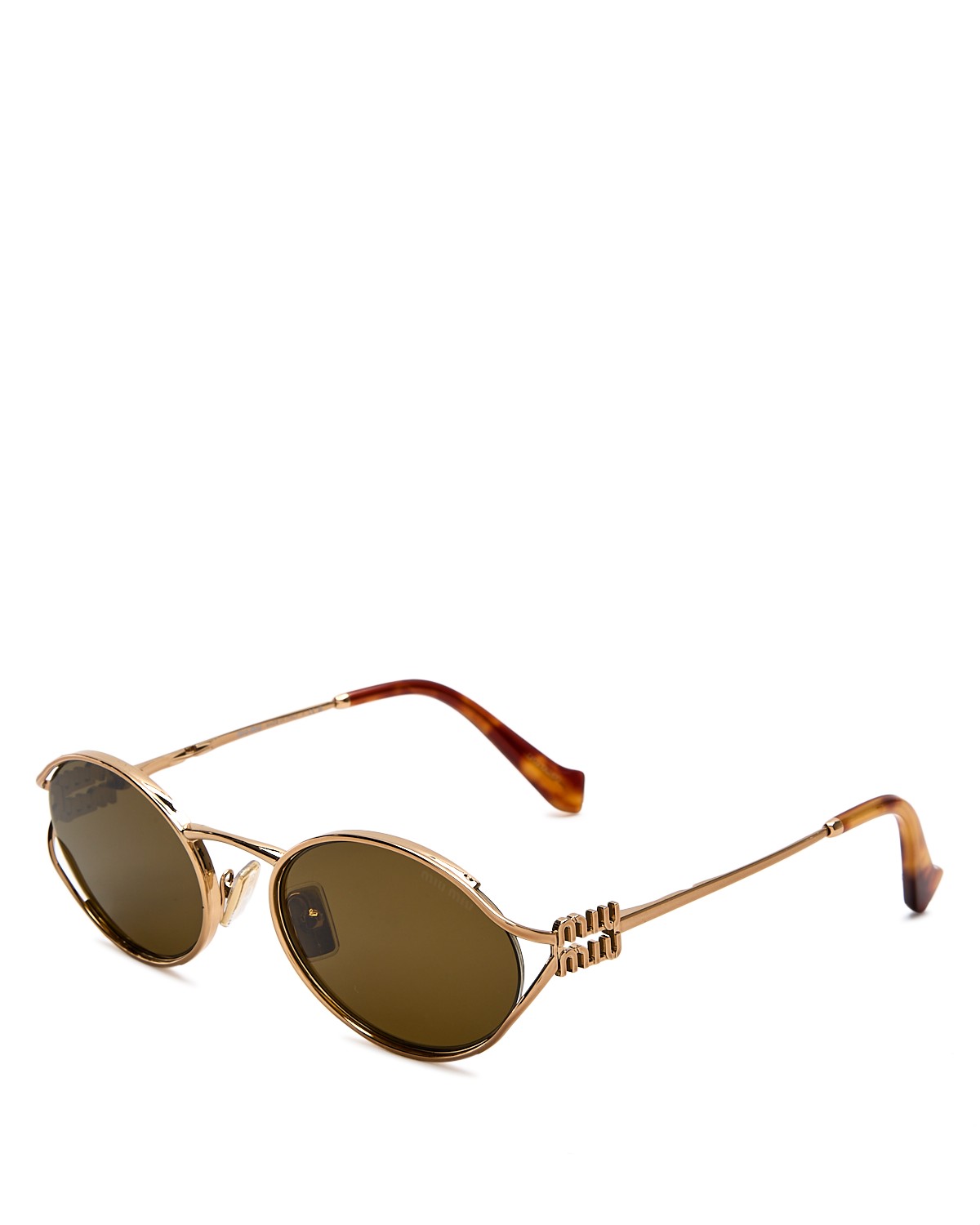
Metal Oval Sunglasses, 54mm
Miu Miu
$548
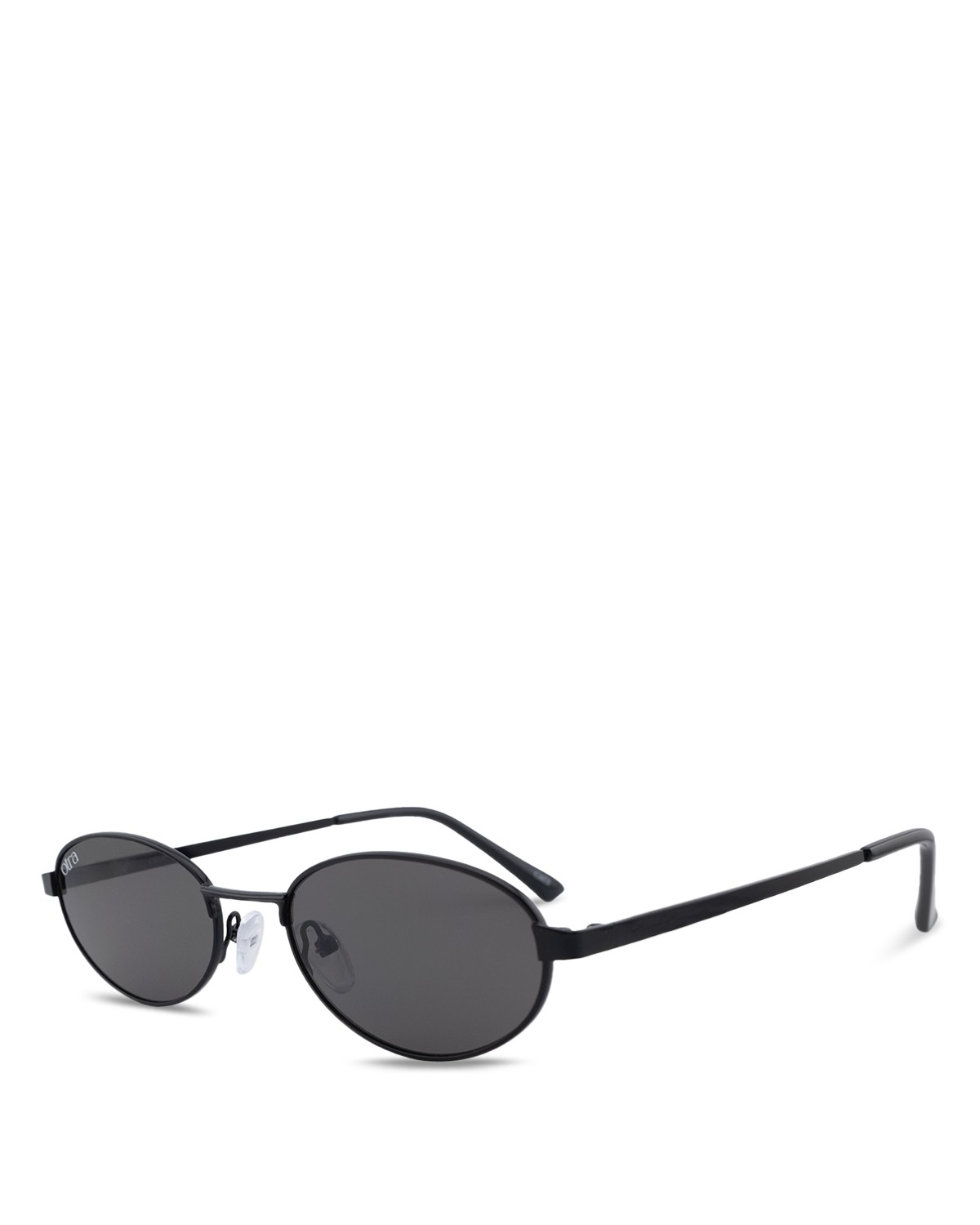
Rosie Round Sunglasses, 53mm
OTRA
$70
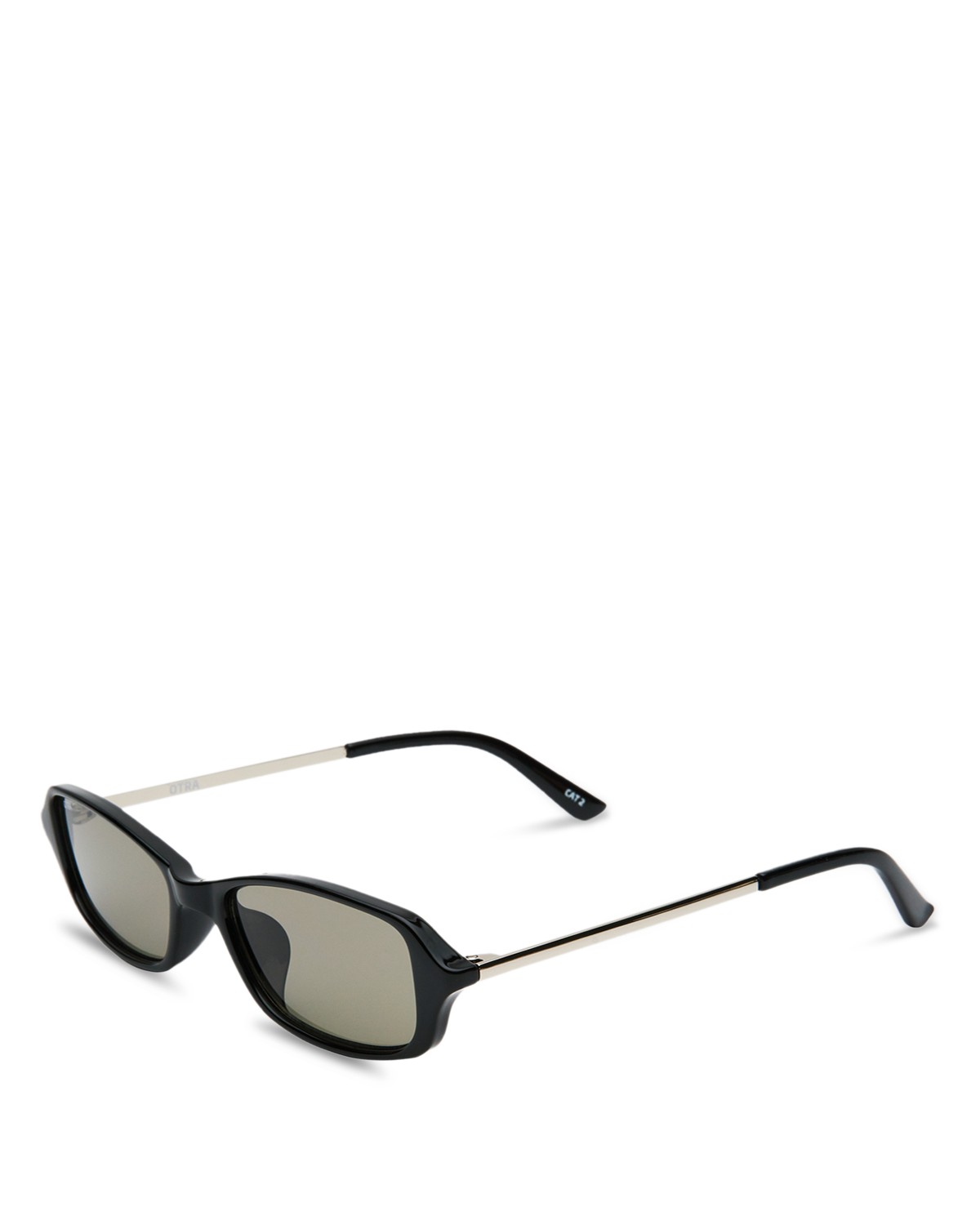
Caysee Rectangular Sunglasses, 53mm
OTRA
$70
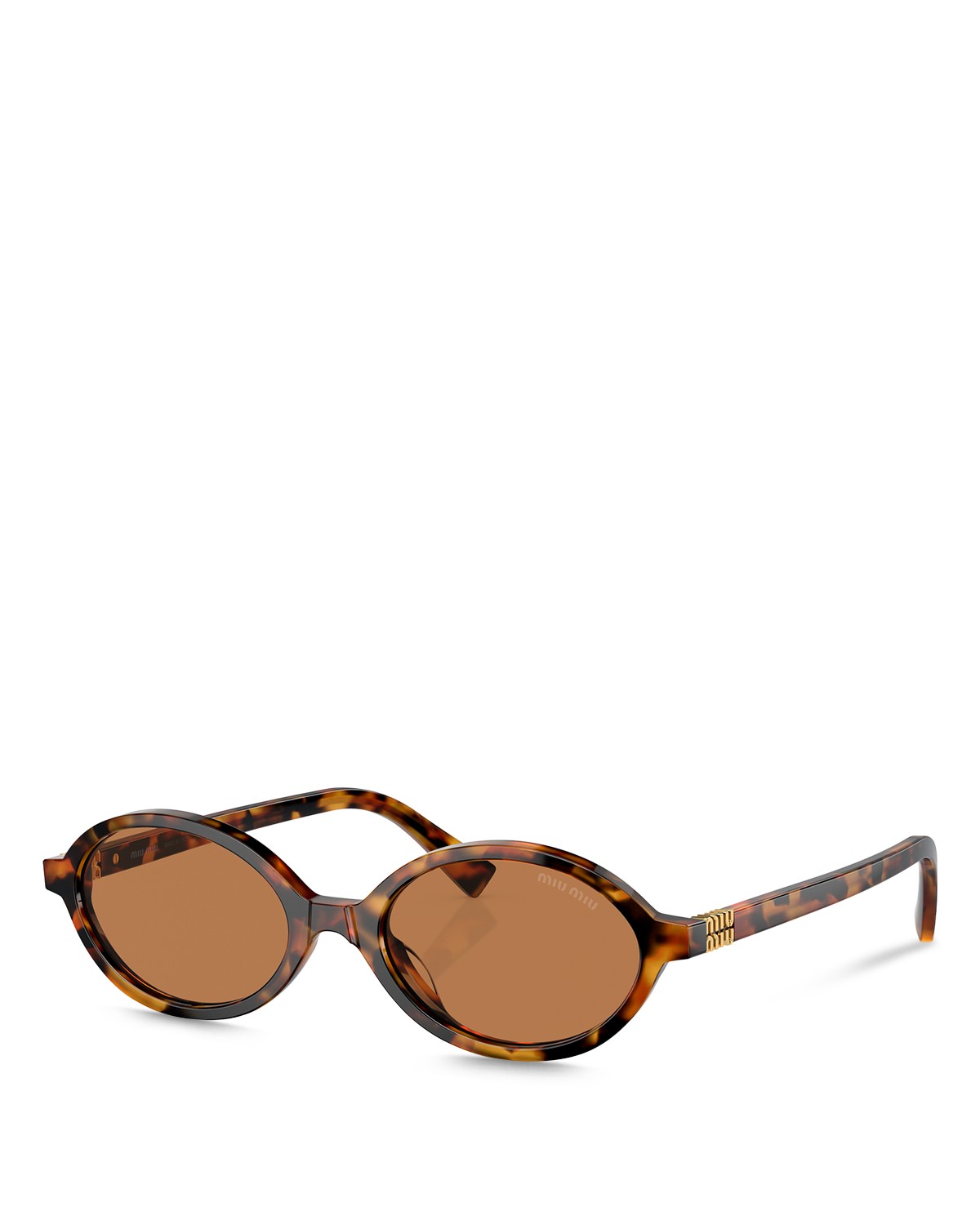
Regard Oval Sunglasses, 50mm
Miu Miu
$518
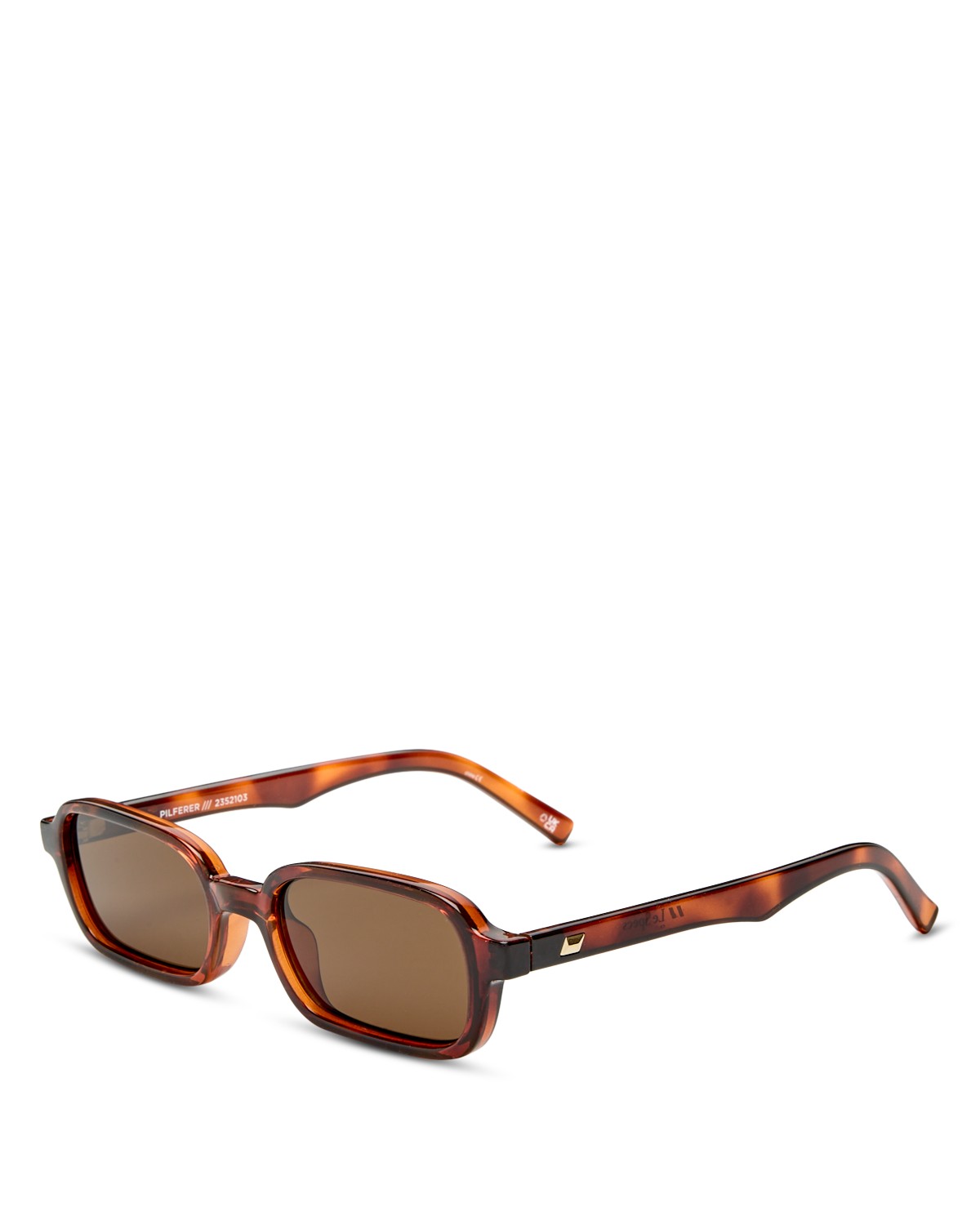
Pilferer Rectangle Sunglasses, 53mm
Le Specs
$75
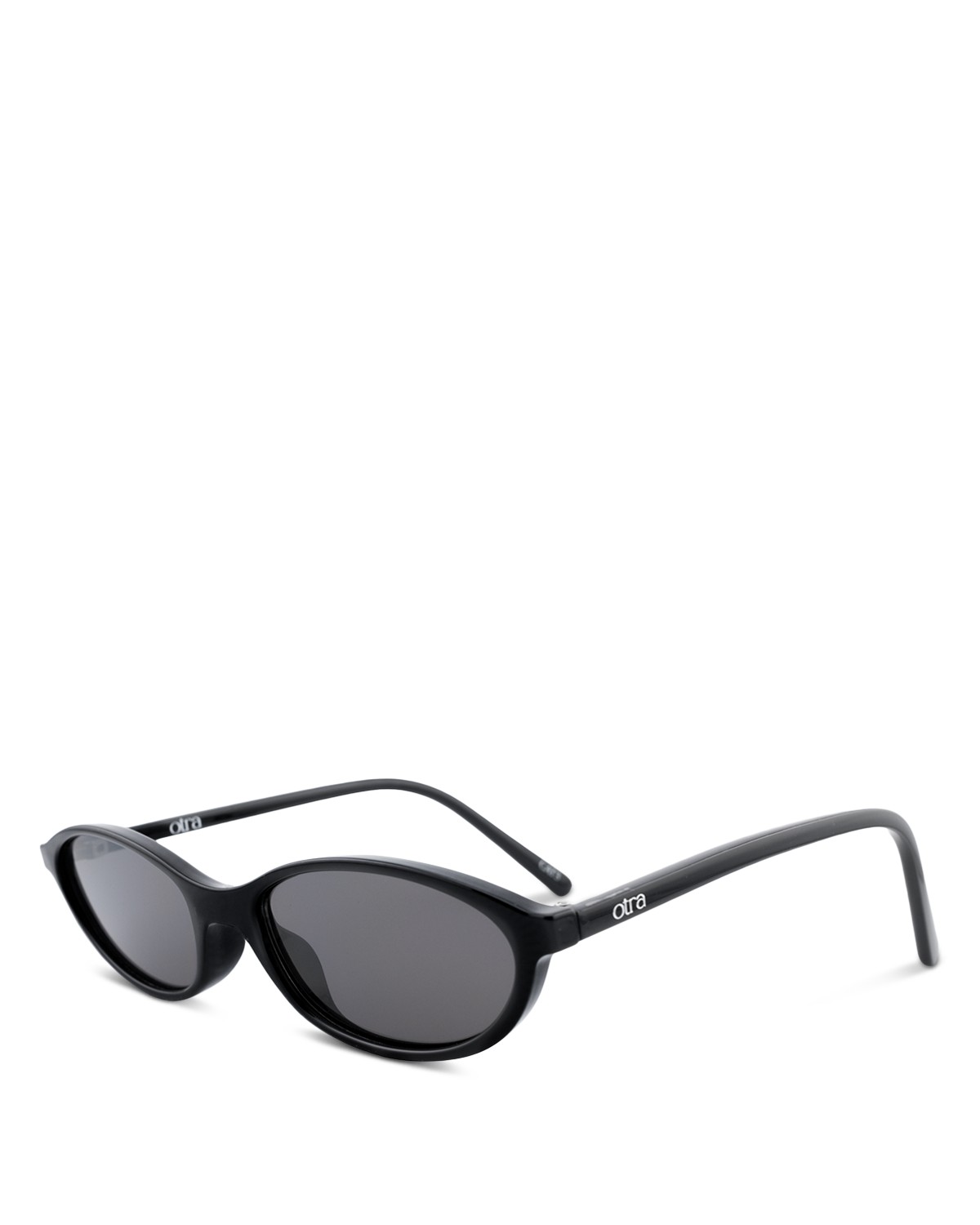
Hazel Cat Eye Sunglasses, 56mm
OTRA
$65
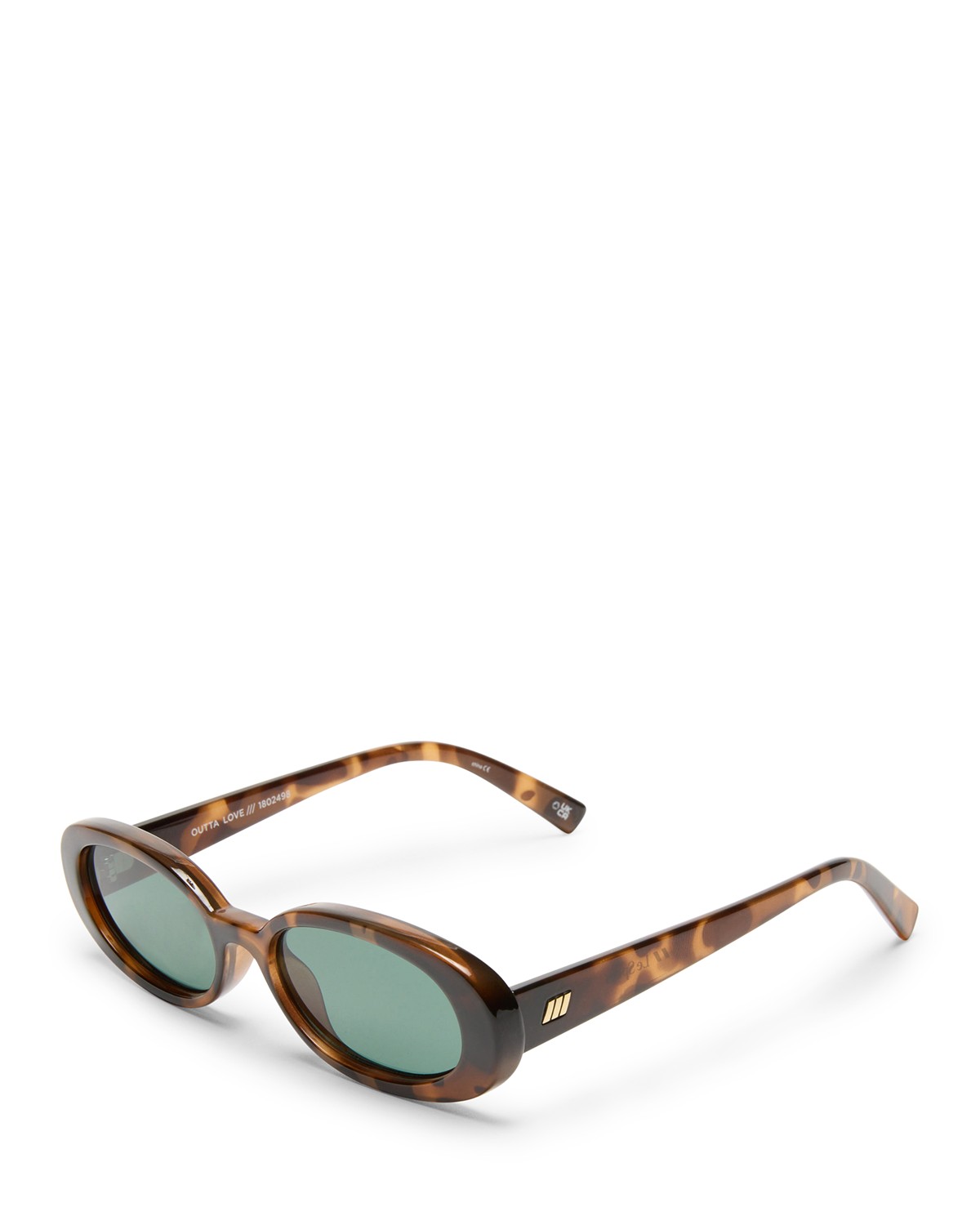
Outta Love Oval Sunglasses, 51mm
Le Specs
$75
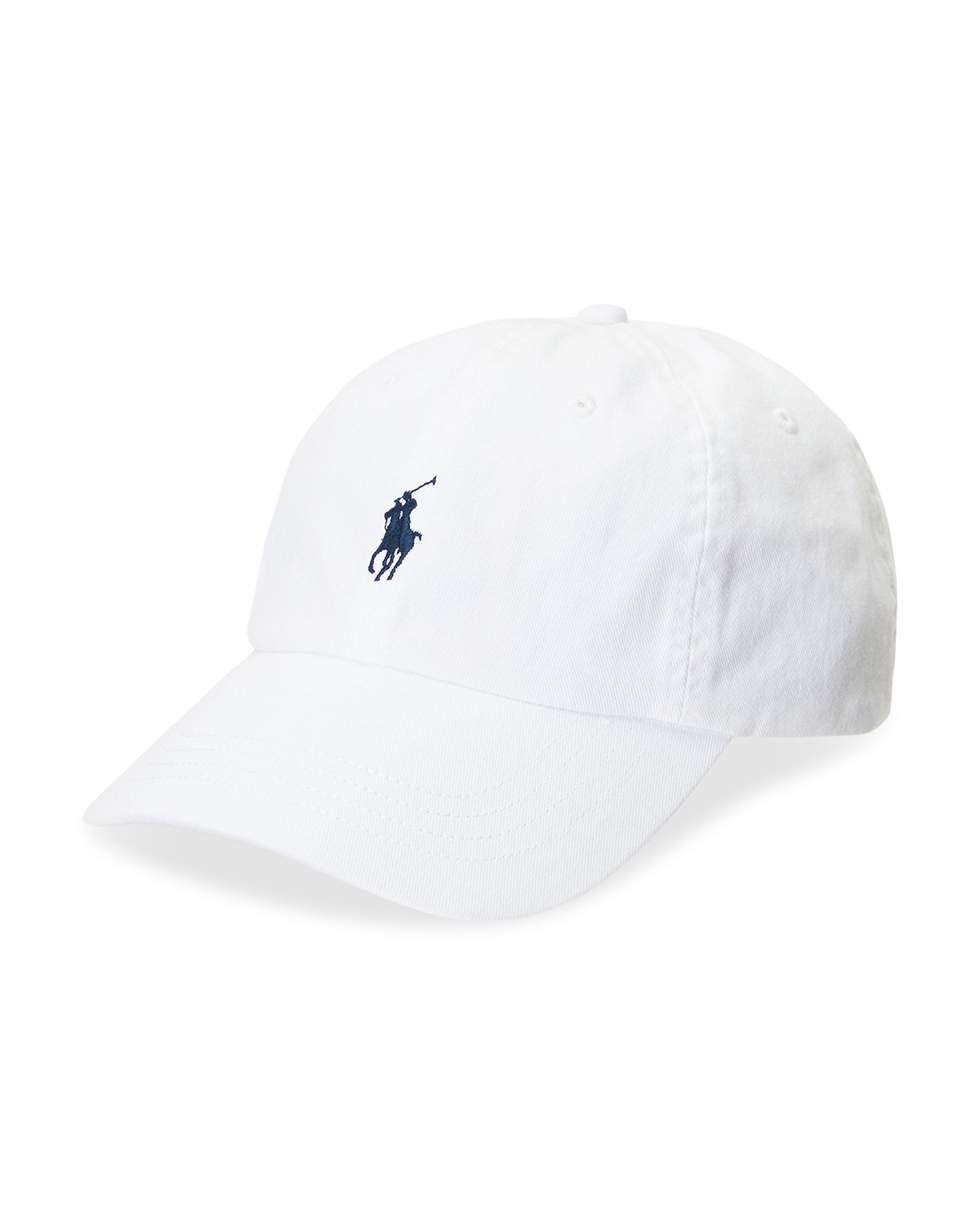
The Iconic Cotton Chino Ball Cap
Polo Ralph Lauren
$55
Bags
Bags follow the same logic: small, light, plain. Top-handle nylon and raffia clutches are what you carry to something rather than to the gym, which is again the distinction the whole trend rests on. Nothing here has a water bottle pocket.
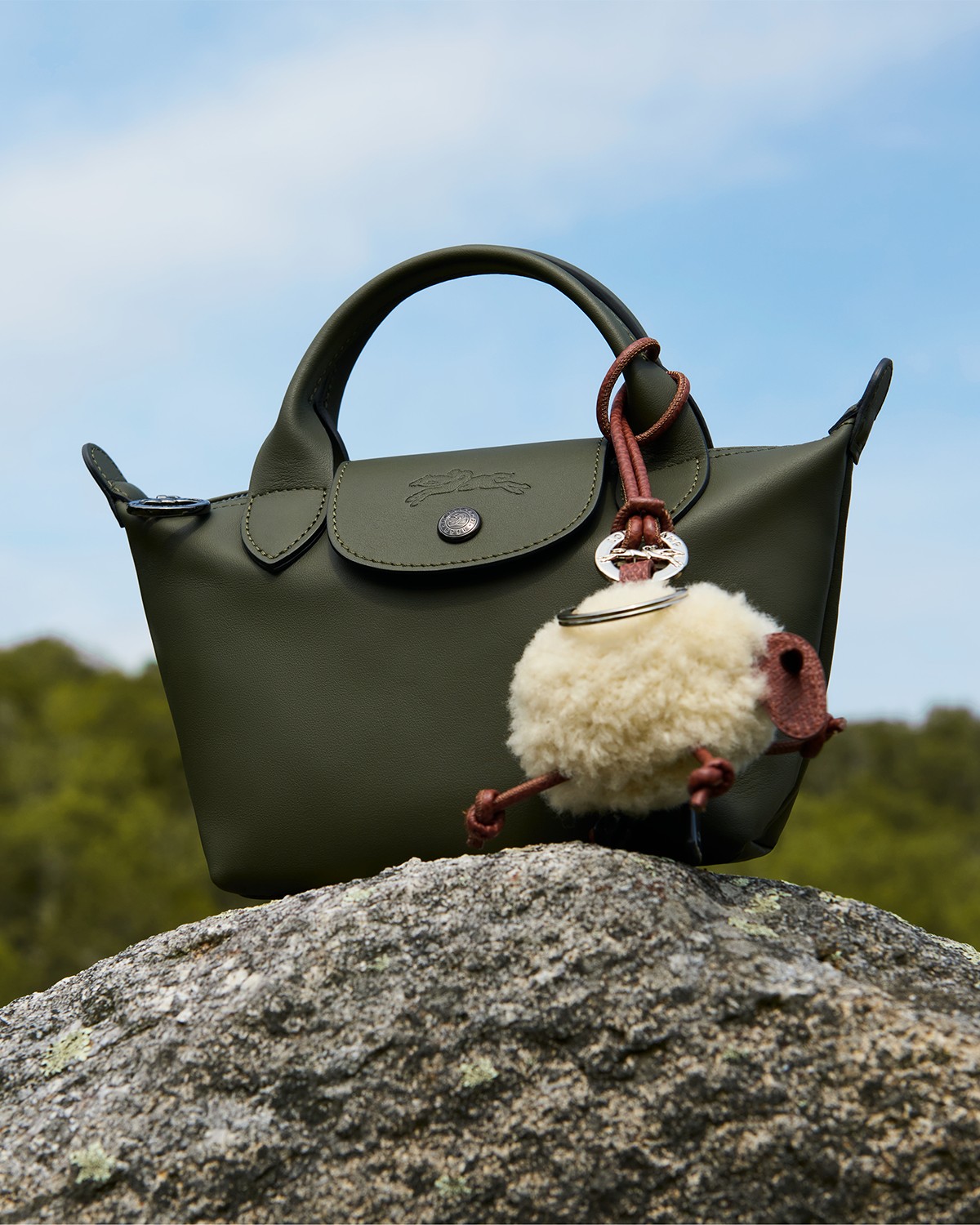
Le Pliage Xtra Top Handle XS Leather Crossbody
Longchamp
$570
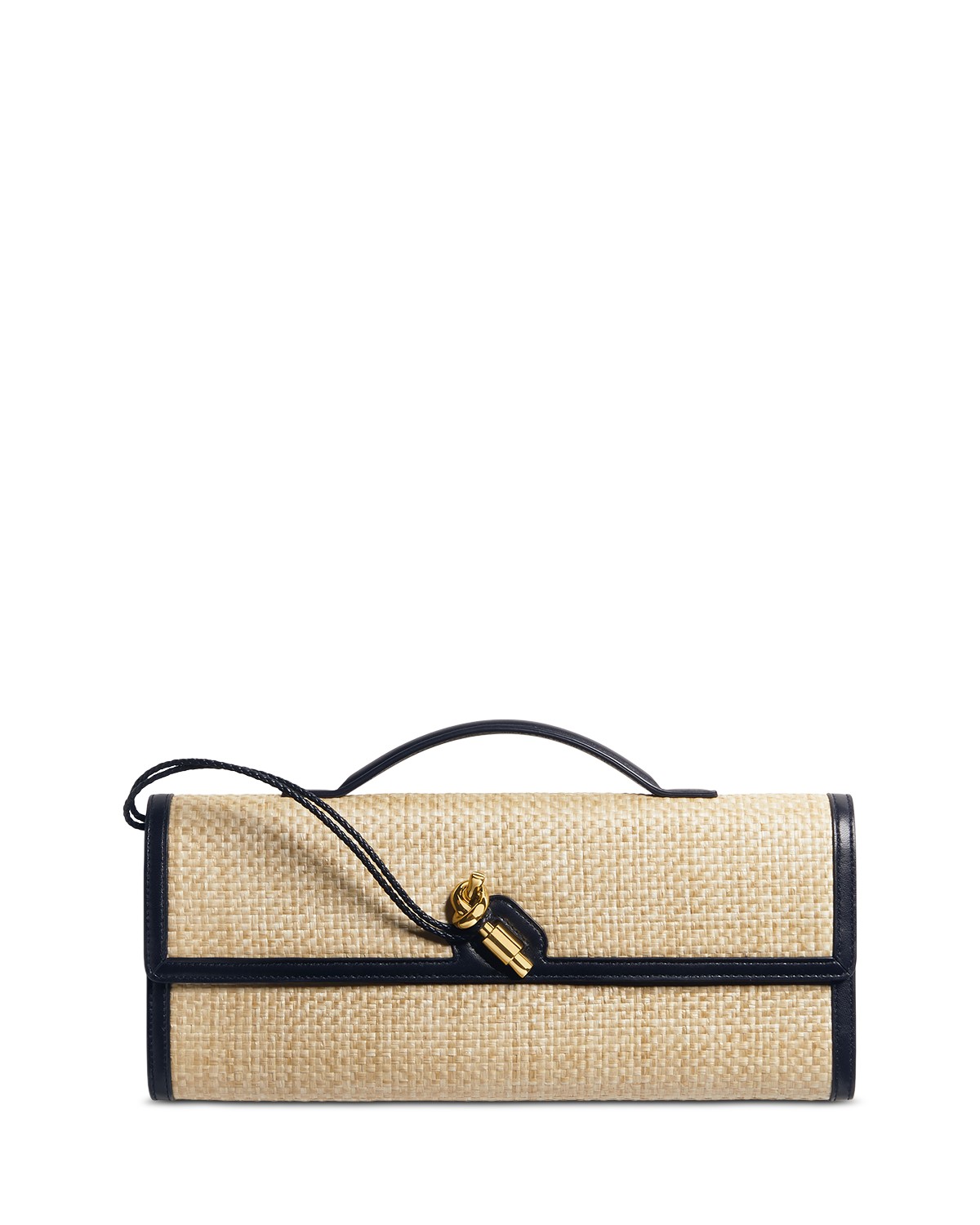
Andiamo Raffia Clutch
Bottega Veneta
$3,300
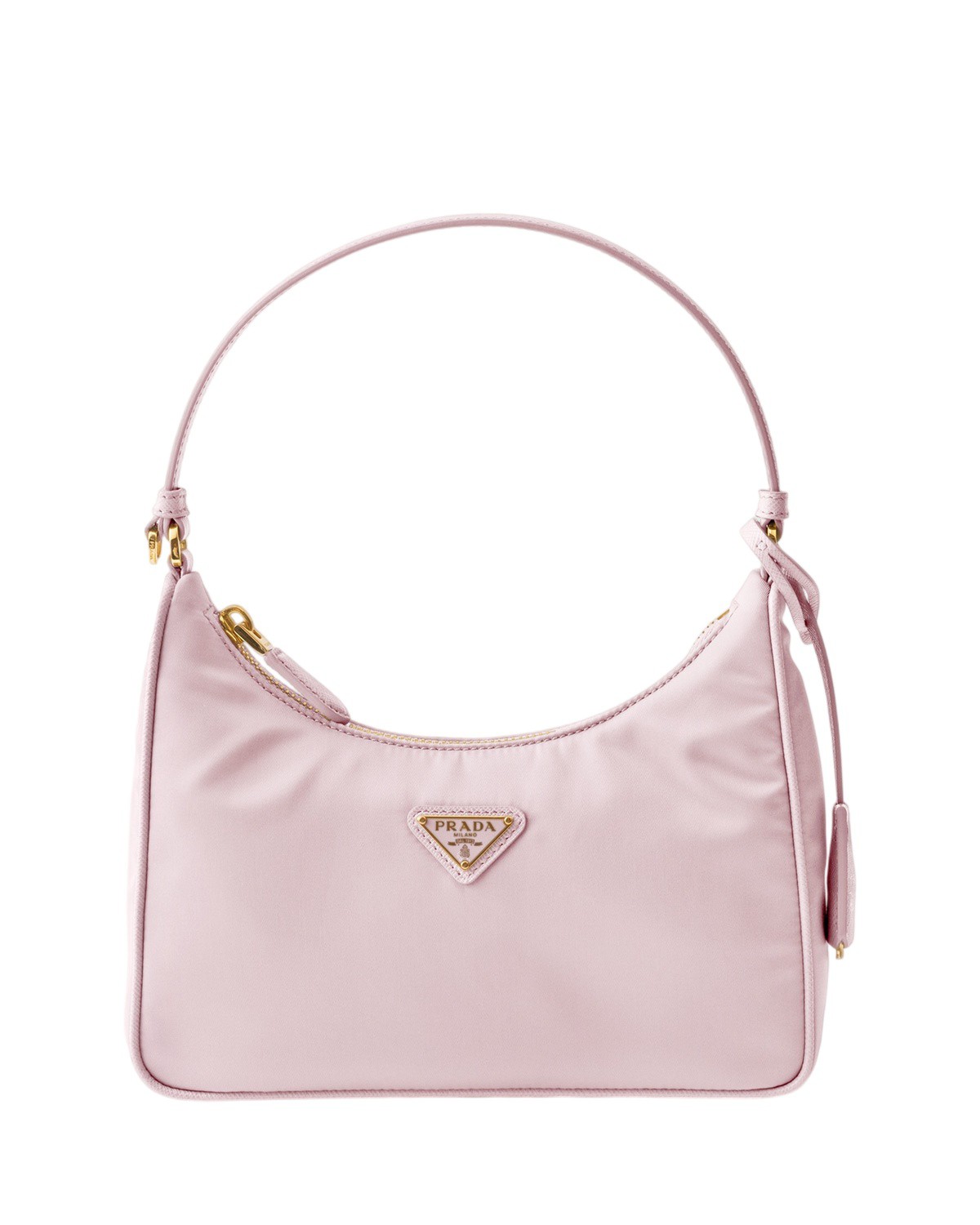
Re-Edition 2005 Re-Nylon and Saffiano Mini Bag
Prada
$1,390
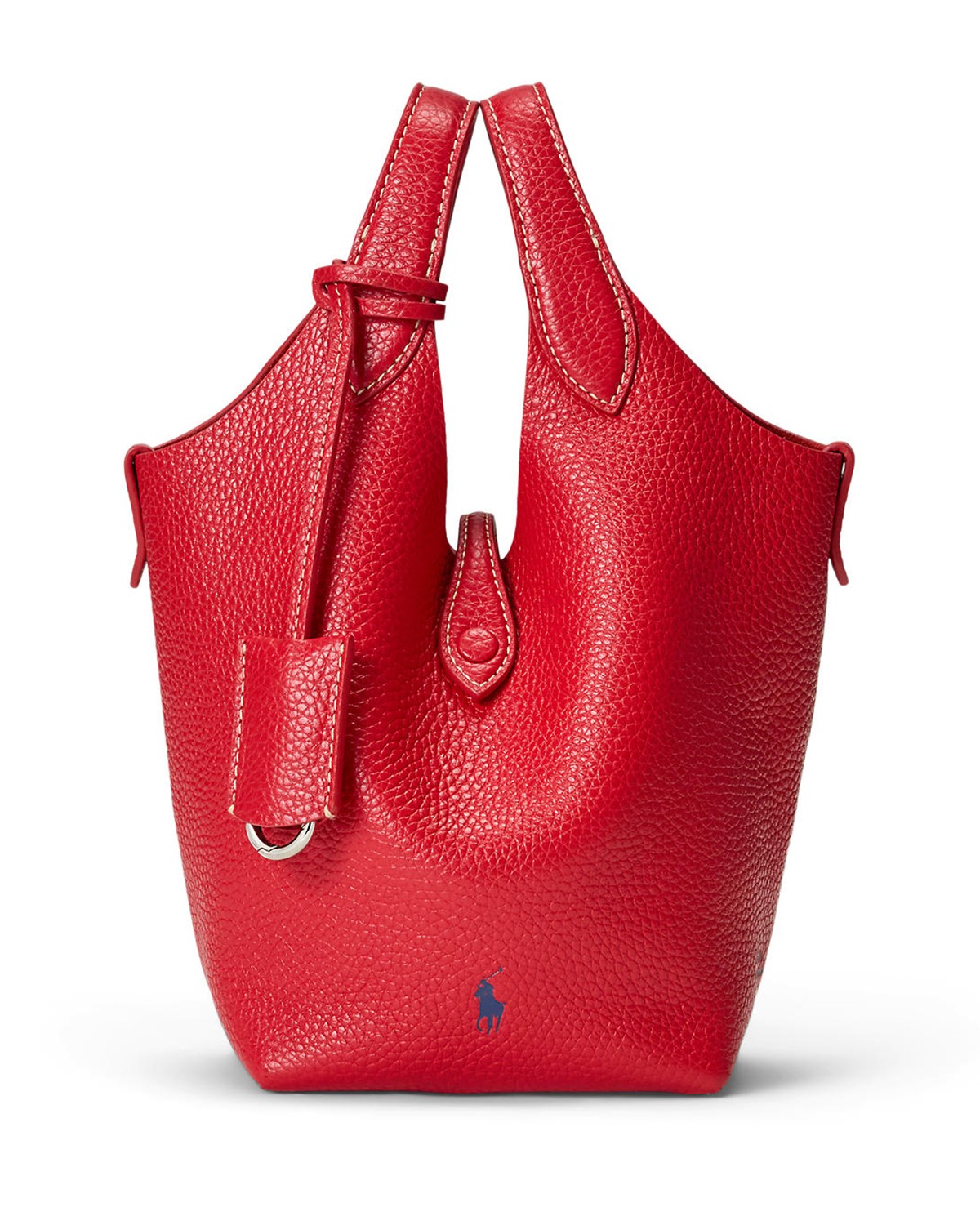
Polo Play Leather Small Tote & Crossbody
Polo Ralph Lauren
$348.6
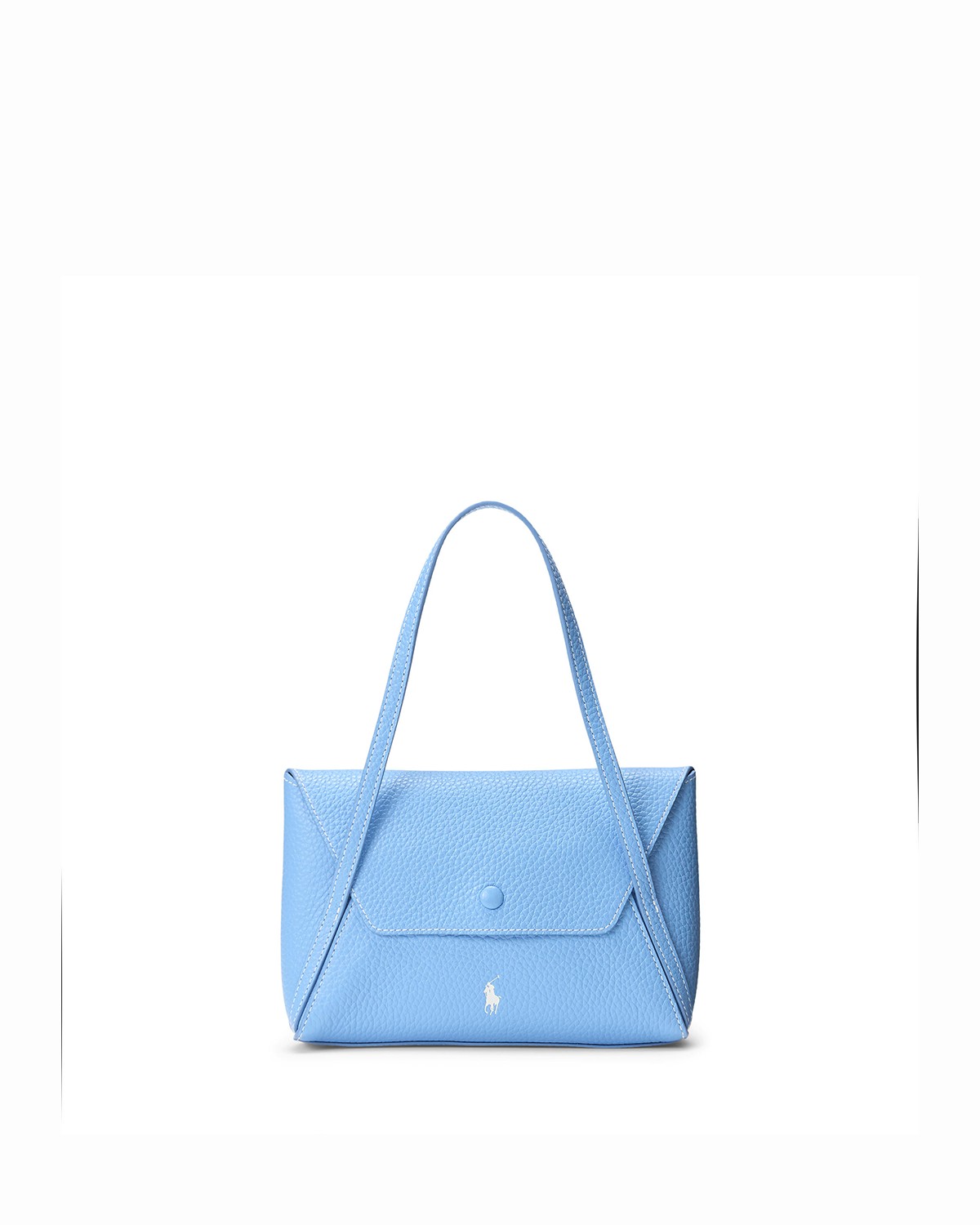
Polo Play Mini Leather Envelope Bag
Polo Ralph Lauren
$348
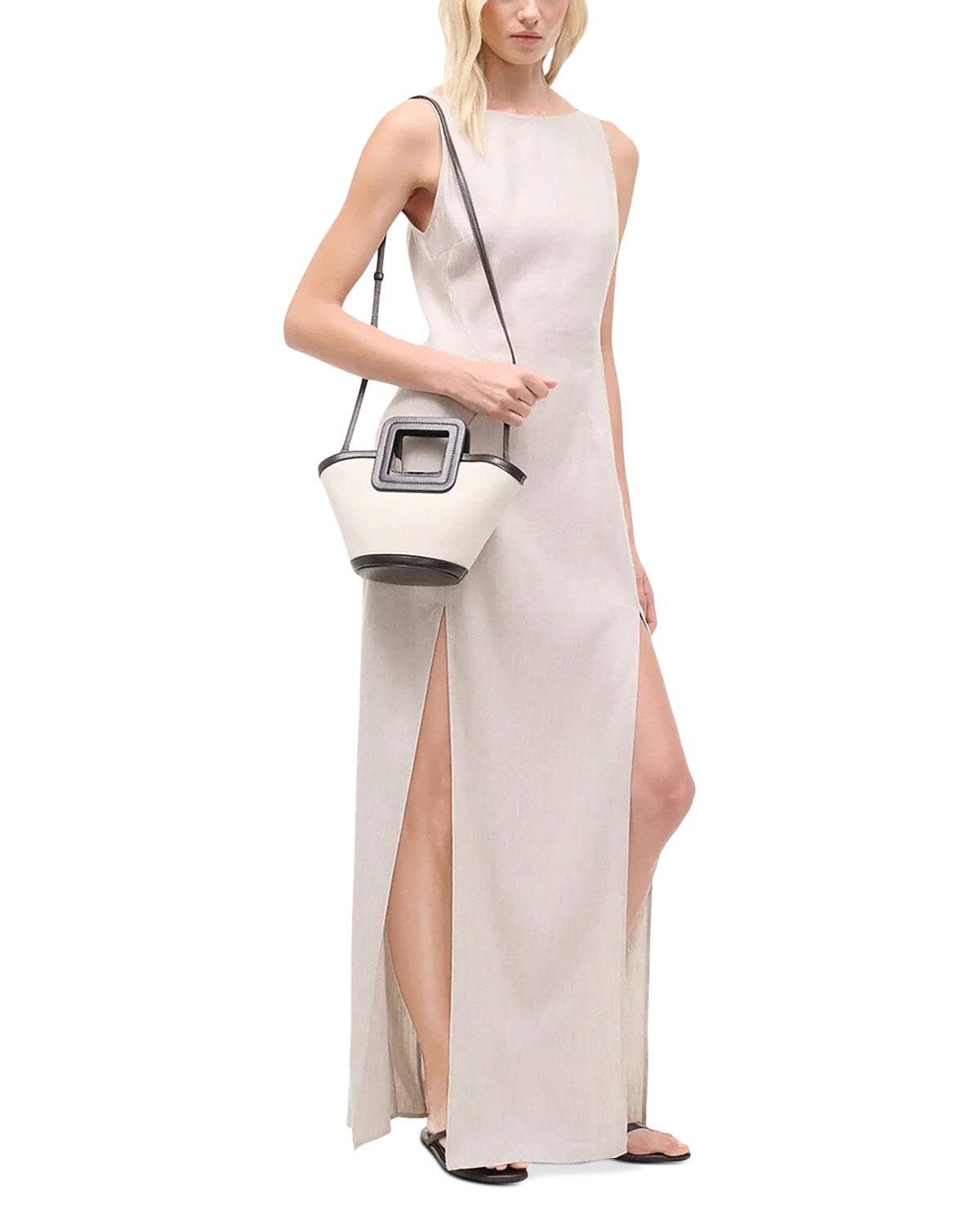
Shirley Mini Bucket Bag
STAUD
$295
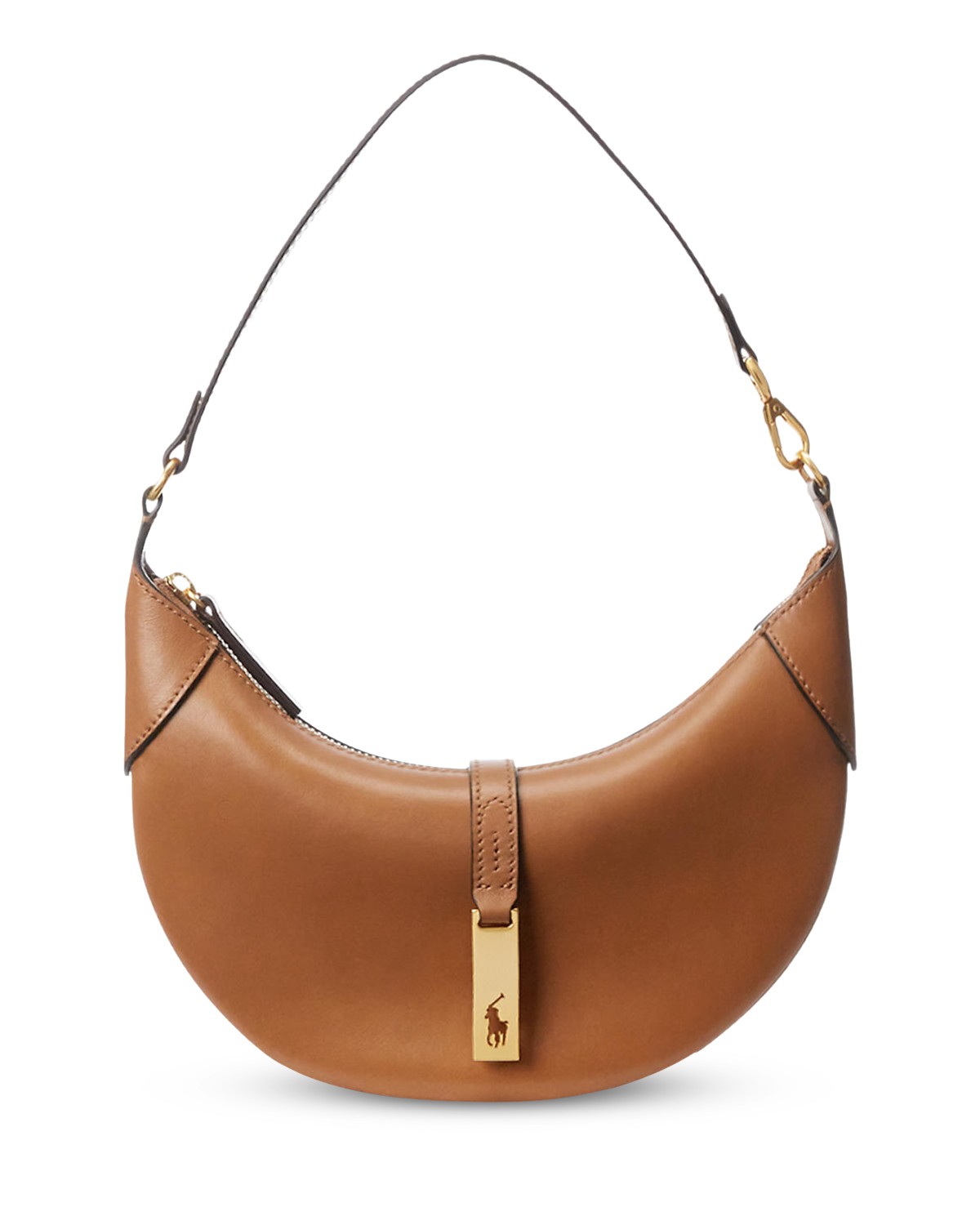
Polo ID Mini Shoulder Bag
Polo Ralph Lauren
$498
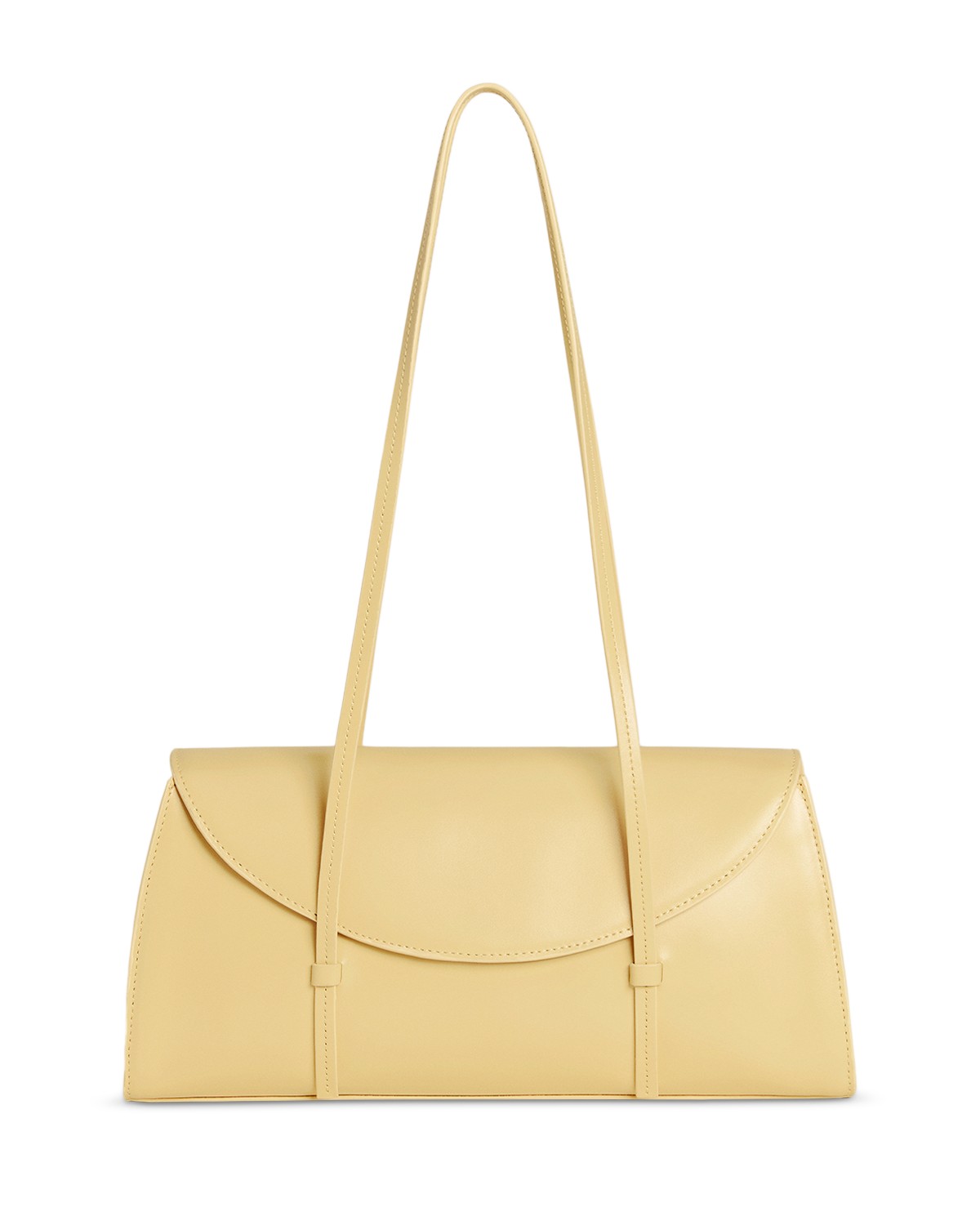
Elena Leather Shoulder Bag
Reformation
$348
Outerwear
Outerwear is minimal by design. Track jackets and short tweed cuts are the two poles of the category, and both are cut close rather than oversized. A big coat would flatten everything underneath.
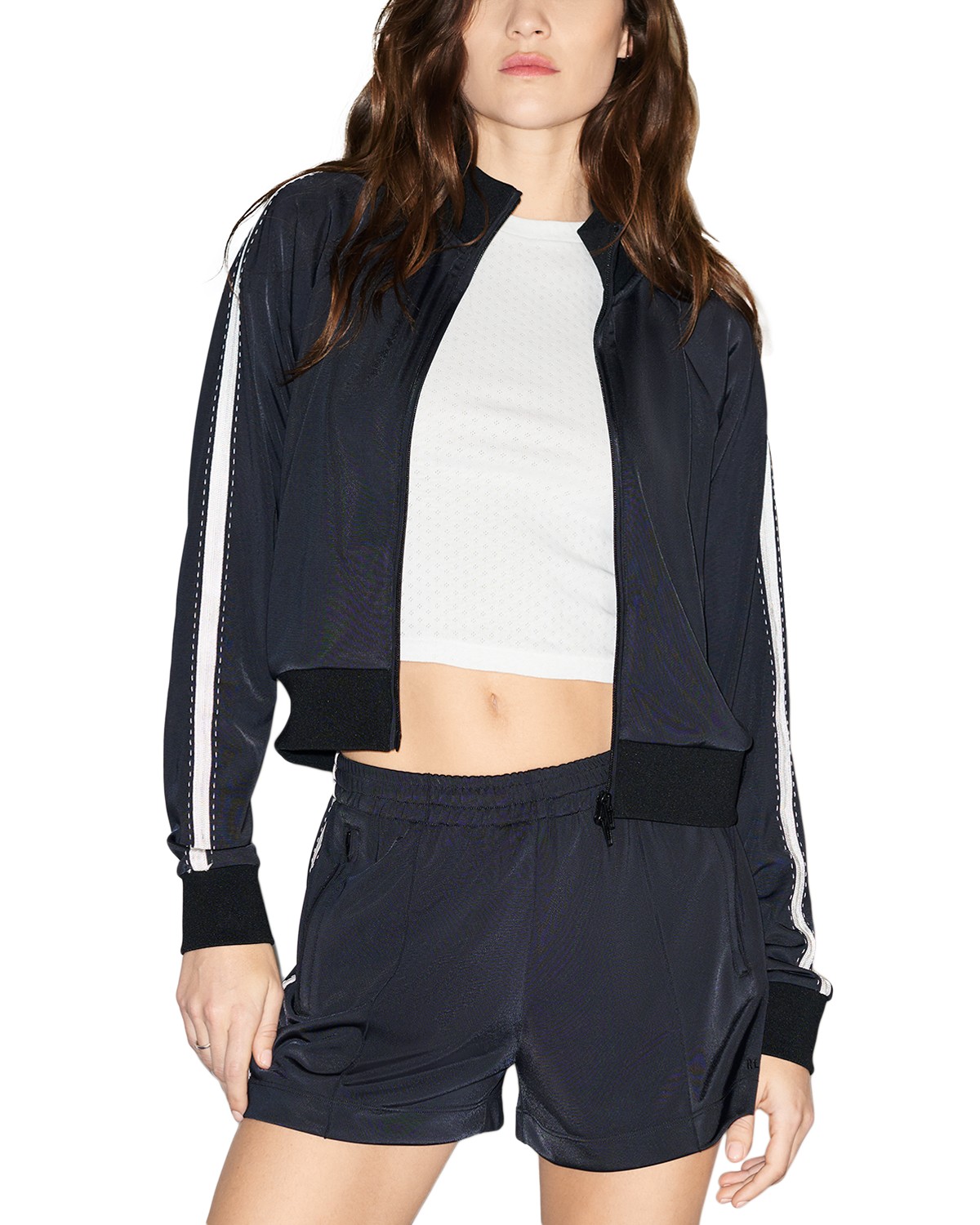
Chloe Track Jacket
RE/DONE
$265
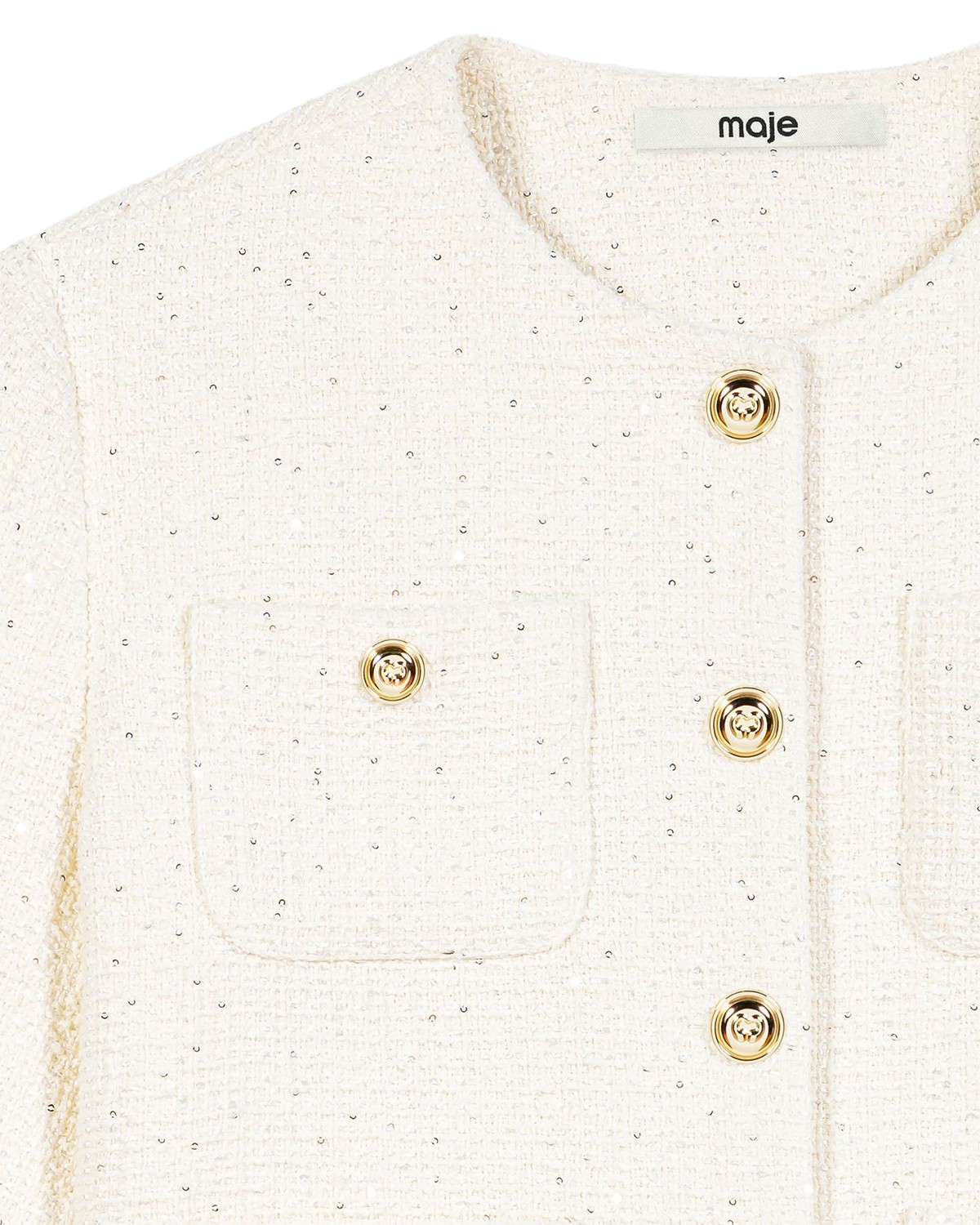
Vitanesse Short Sleeve Tweed Jacket
Maje
$450
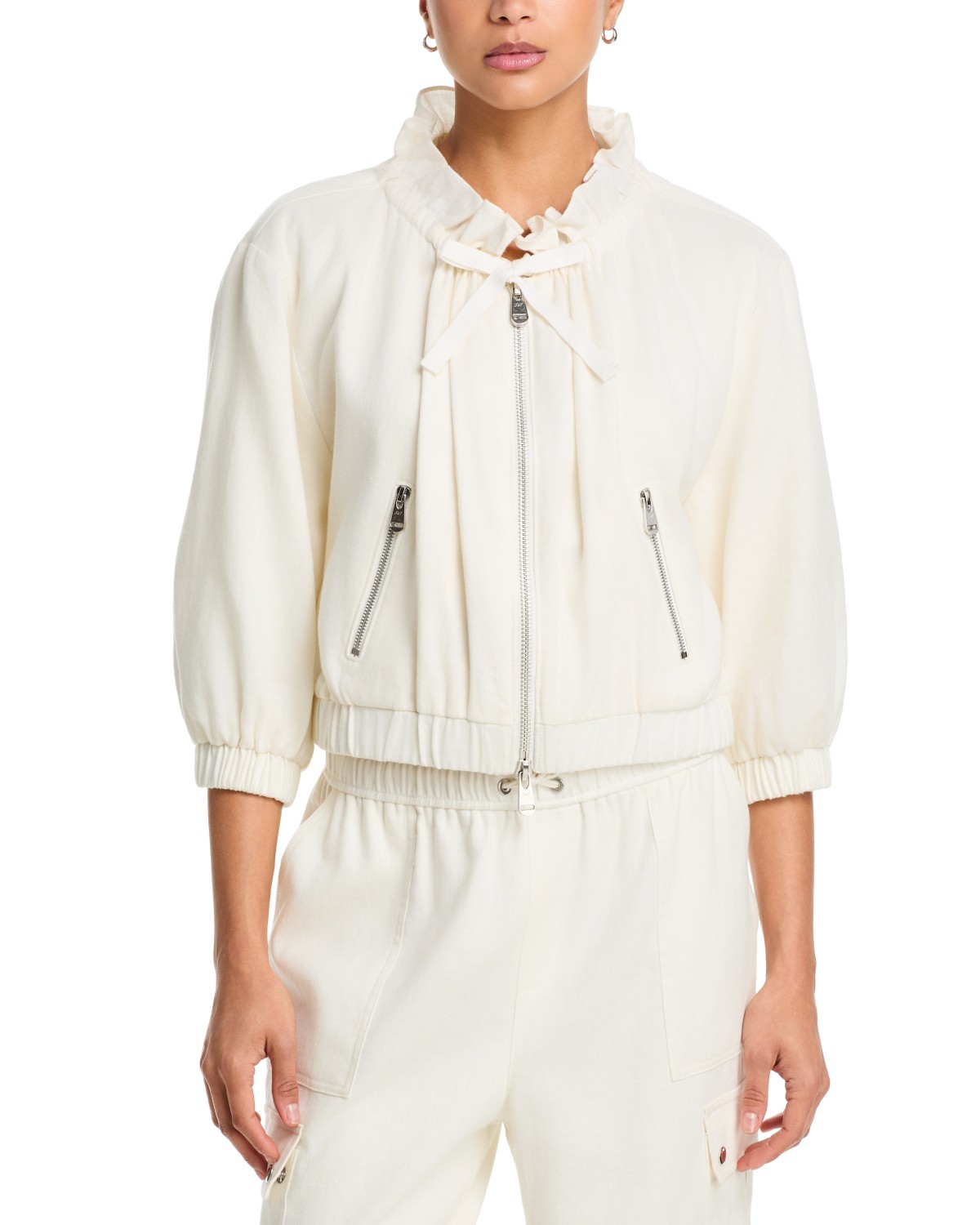
Kaylie Jacket
Cinq à Sept
$445
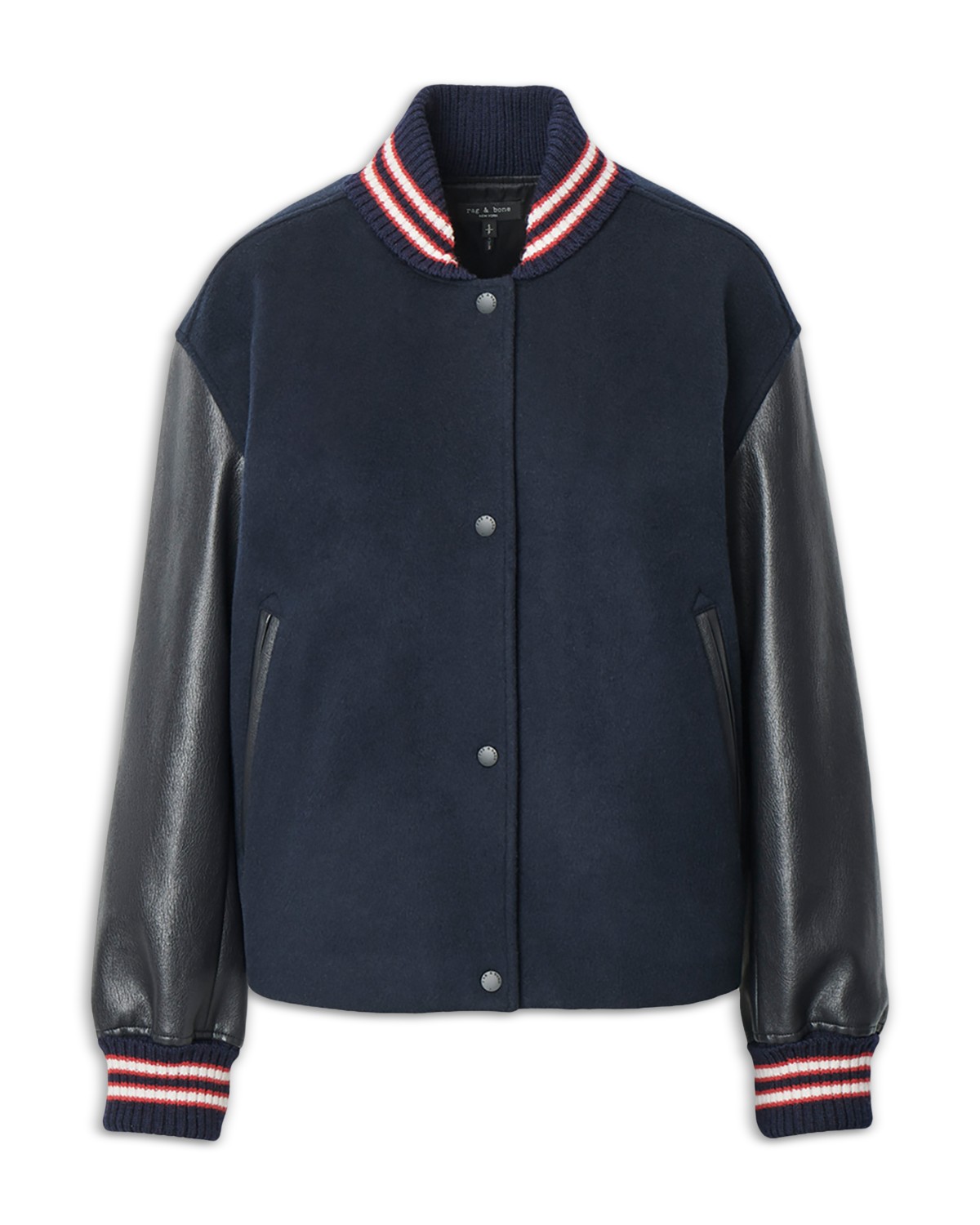
Scarlet Wool Blend Varsity Jacket
rag & bone
$648
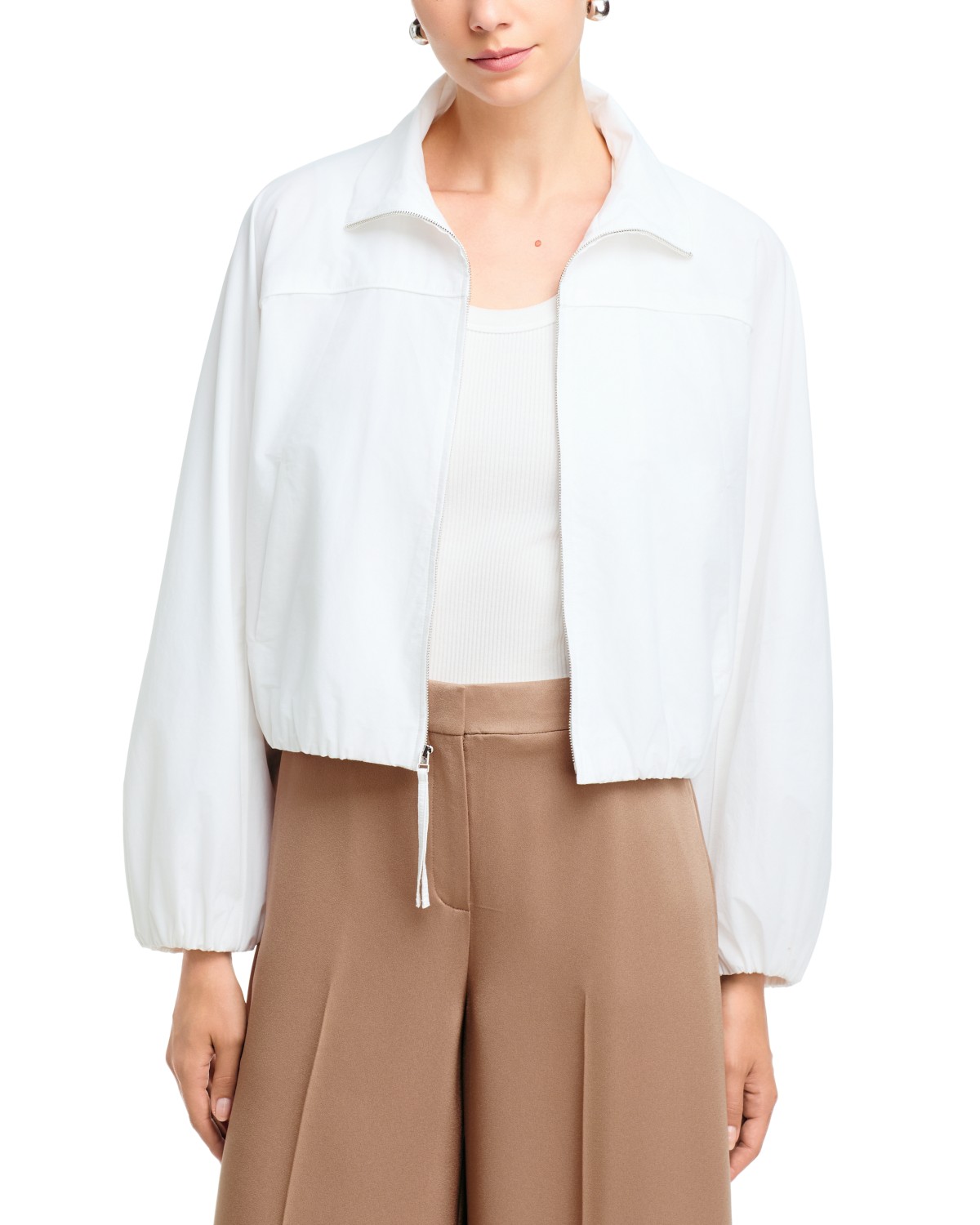
Spread Collar Zip Front Jacket
Theory
$425
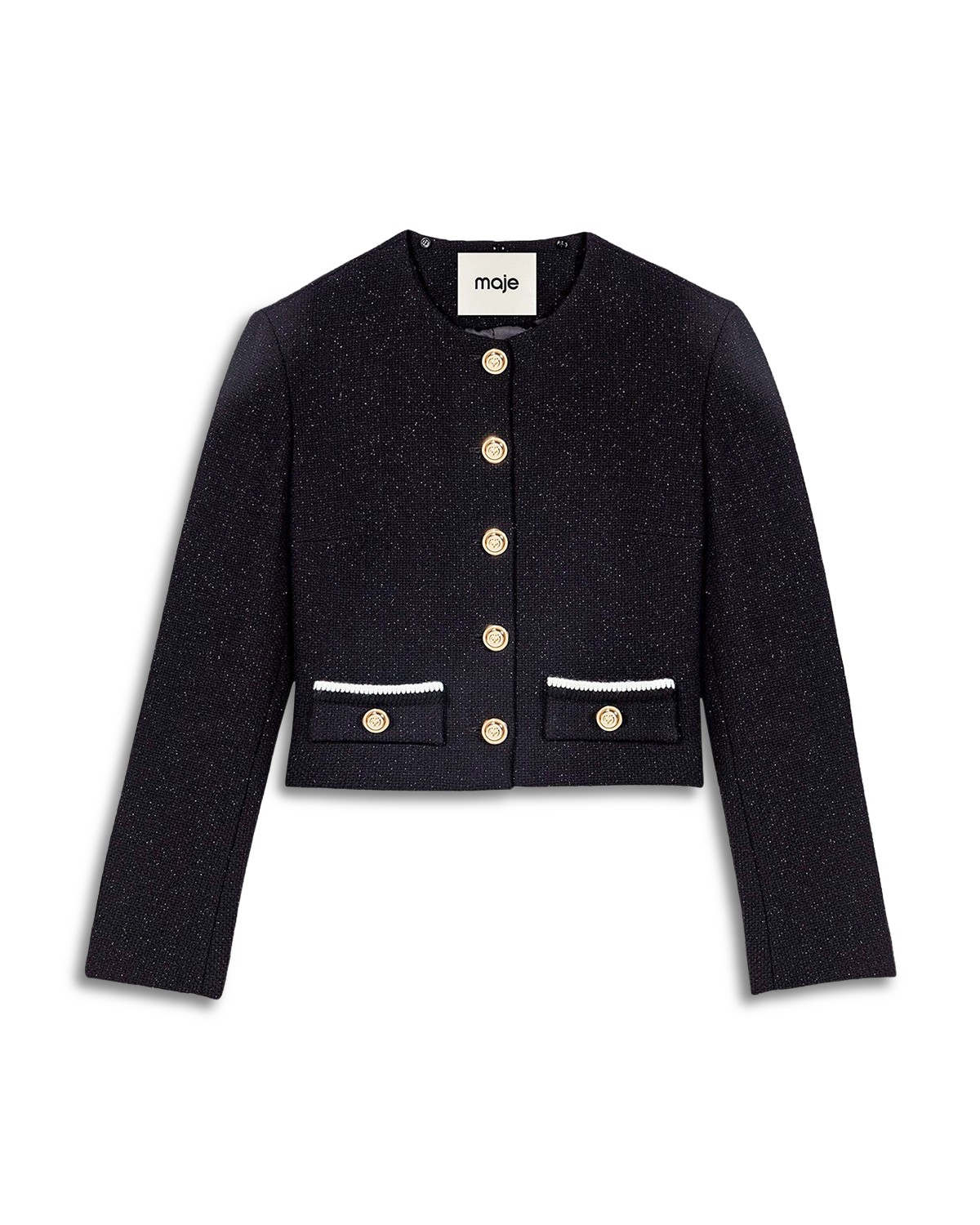
Vilynette Short Tweed Jacket
Maje
$560
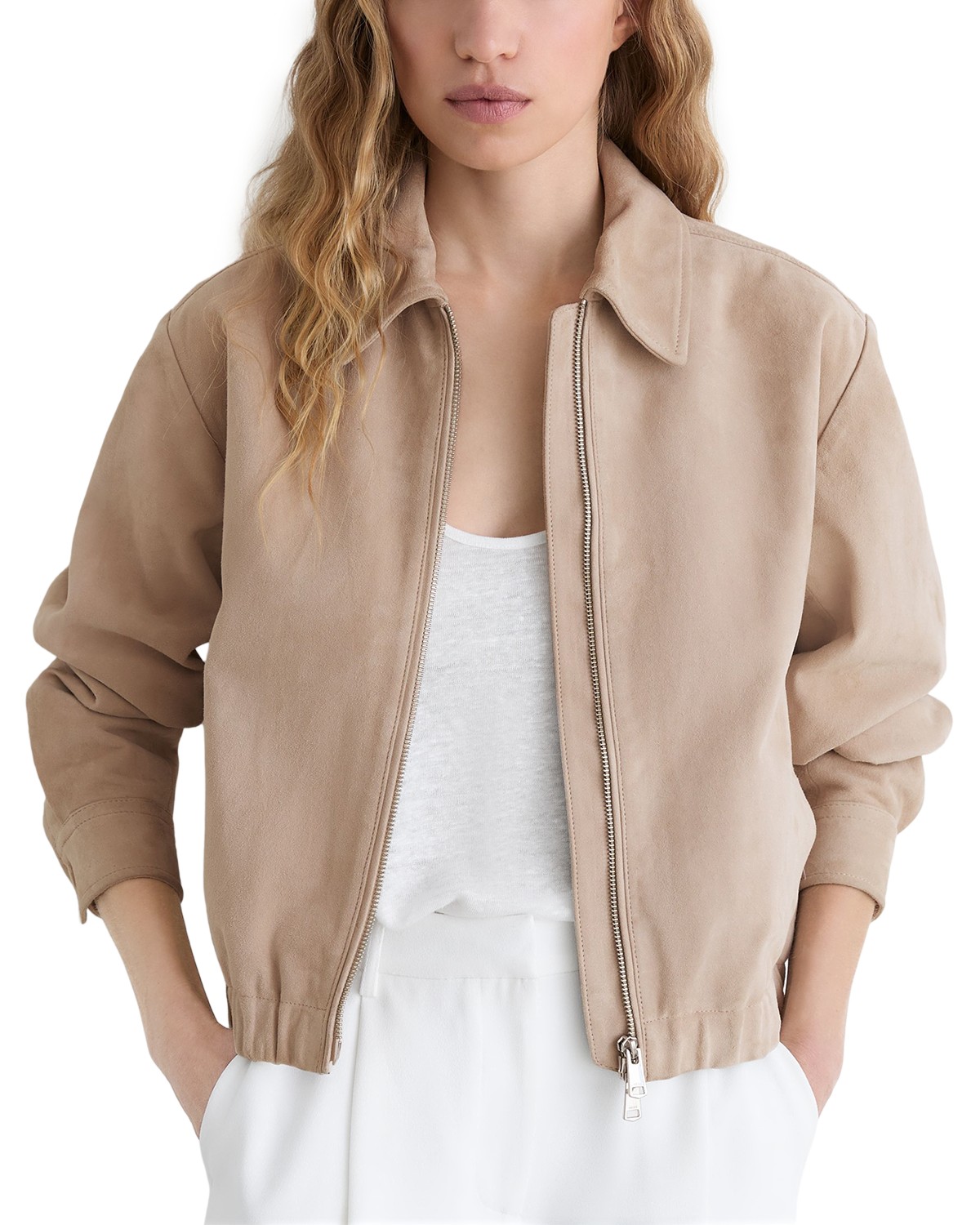
Lottie Suede Bomber Jacket
REISS
$698
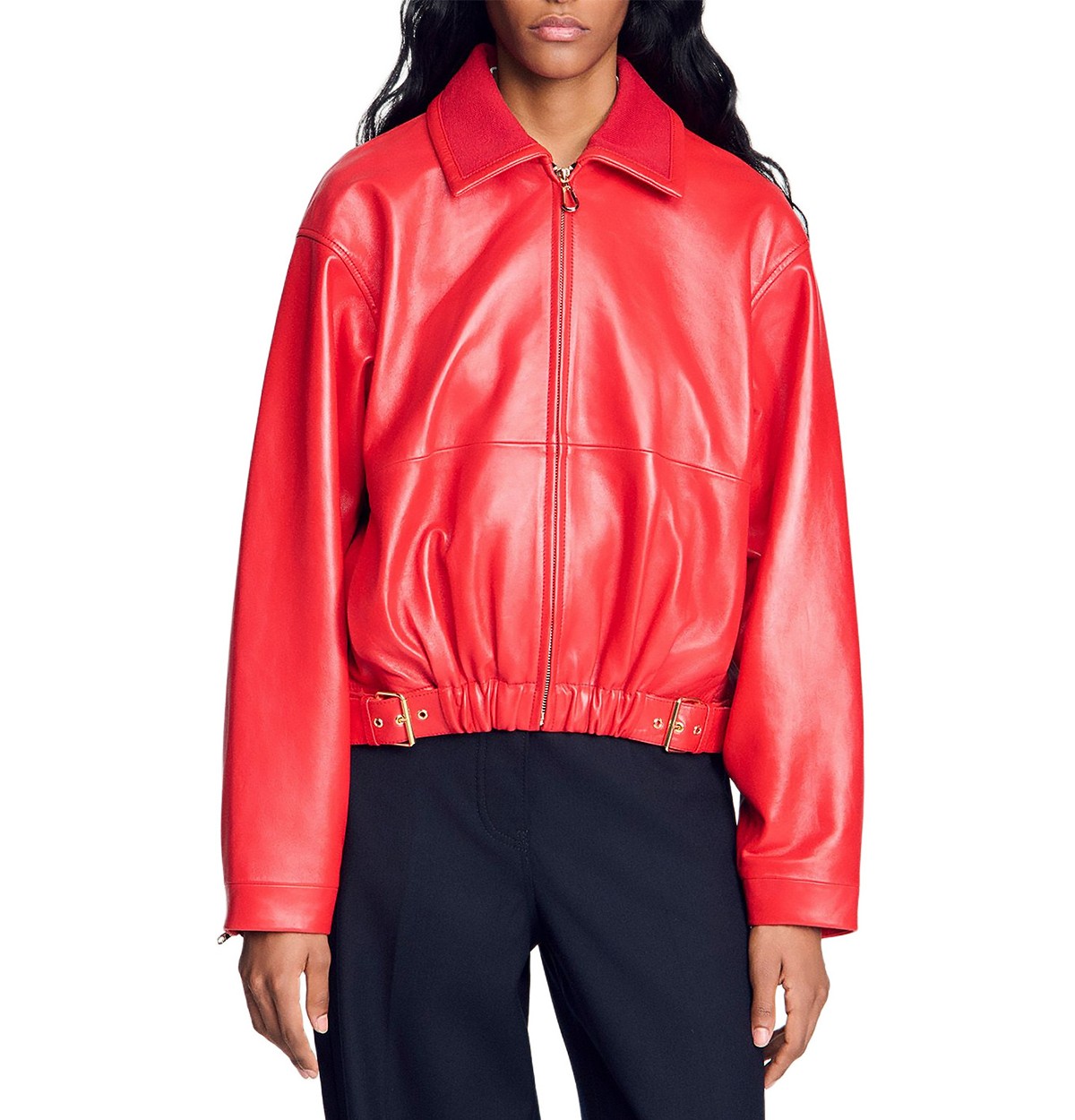
Clemy Zip Front Leather Jacket
Sandro
$1,095
Denim
Denim in this context is a compromise garment, and the terry and high-rise wide-leg versions are the ones that hold up. It is what people actually wear when they cannot wear the trouser above. Honest rather than aspirational.
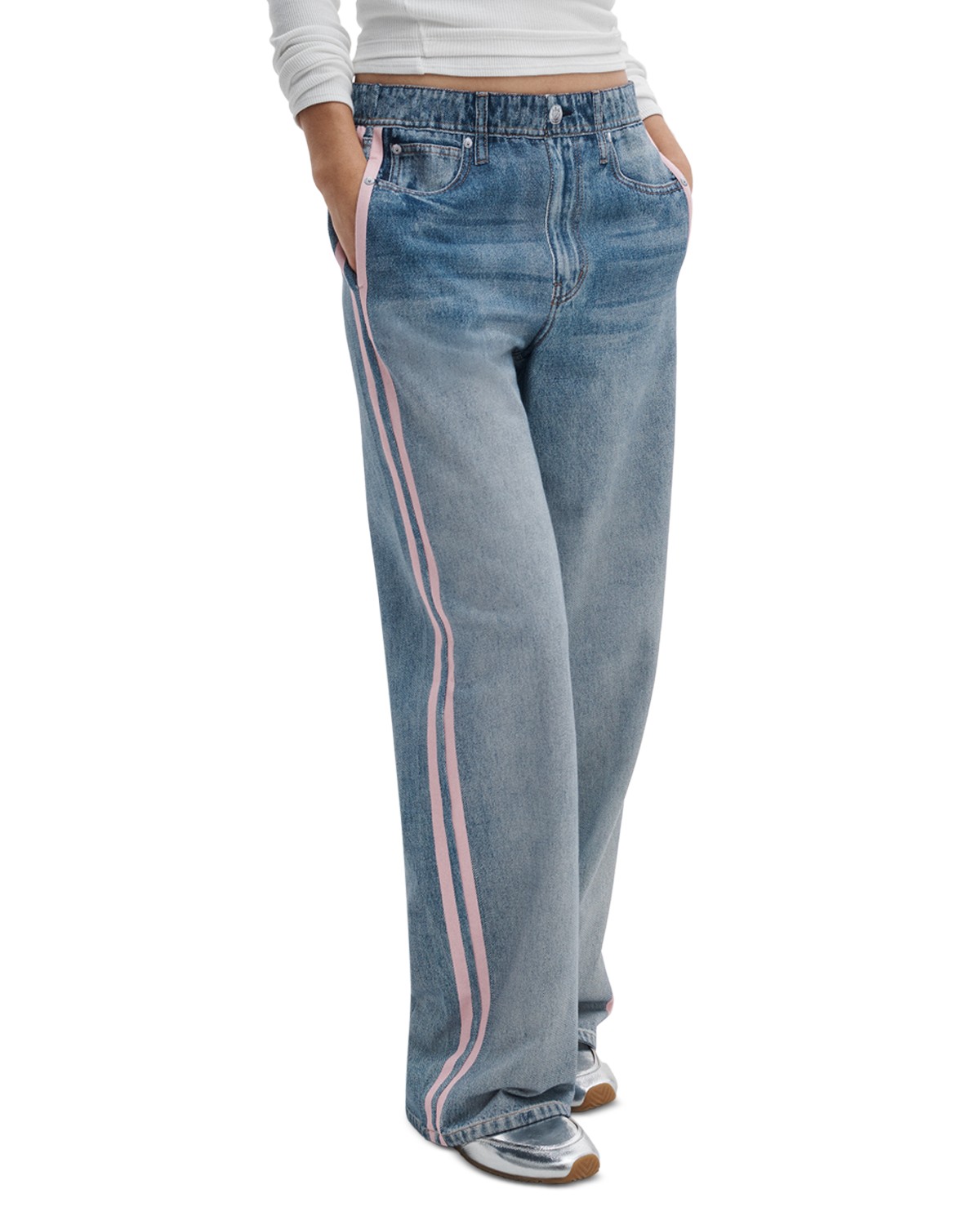
rb Miramar Terry Track Sweatpant Jeans
rag & bone
$218
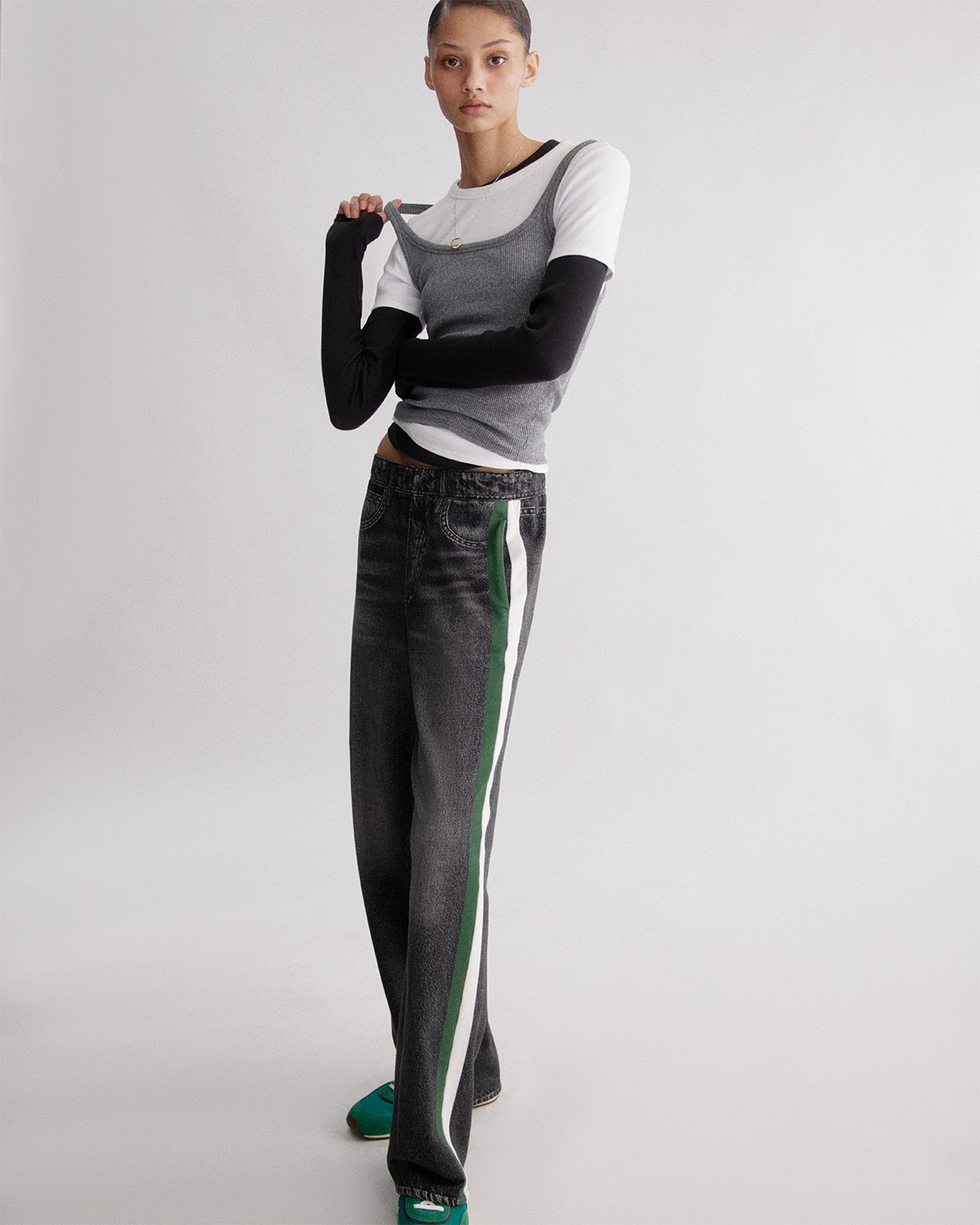
rb Miramar High Rise Wide Leg Track Pant Sweatpant Jeans in Washed Black
rag & bone
$228
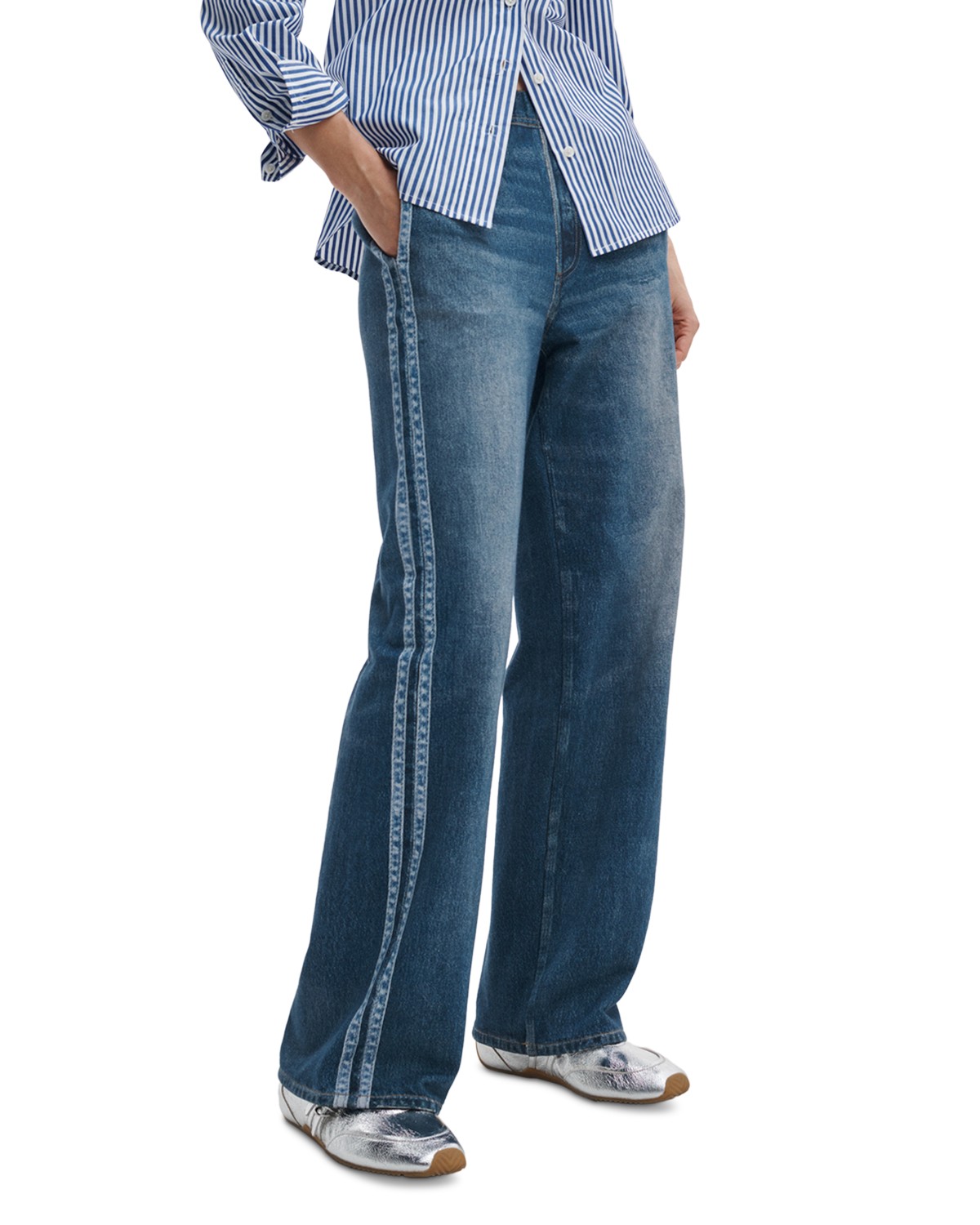
rb Miramar Terry Track Sweatpant Jeans
rag & bone
$218
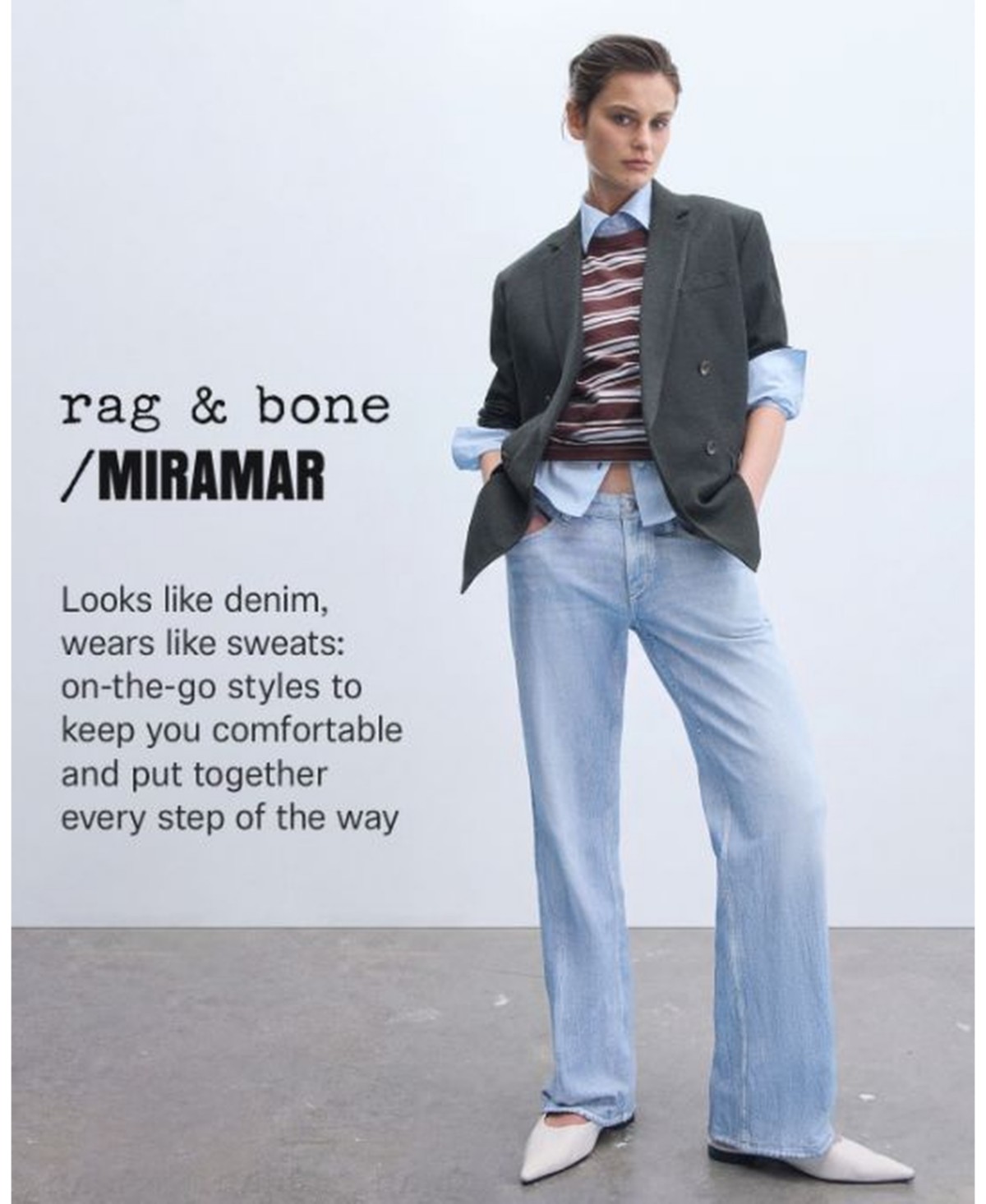
rb Miramar Terry Track Sweatpant Jeans
rag & bone
$228
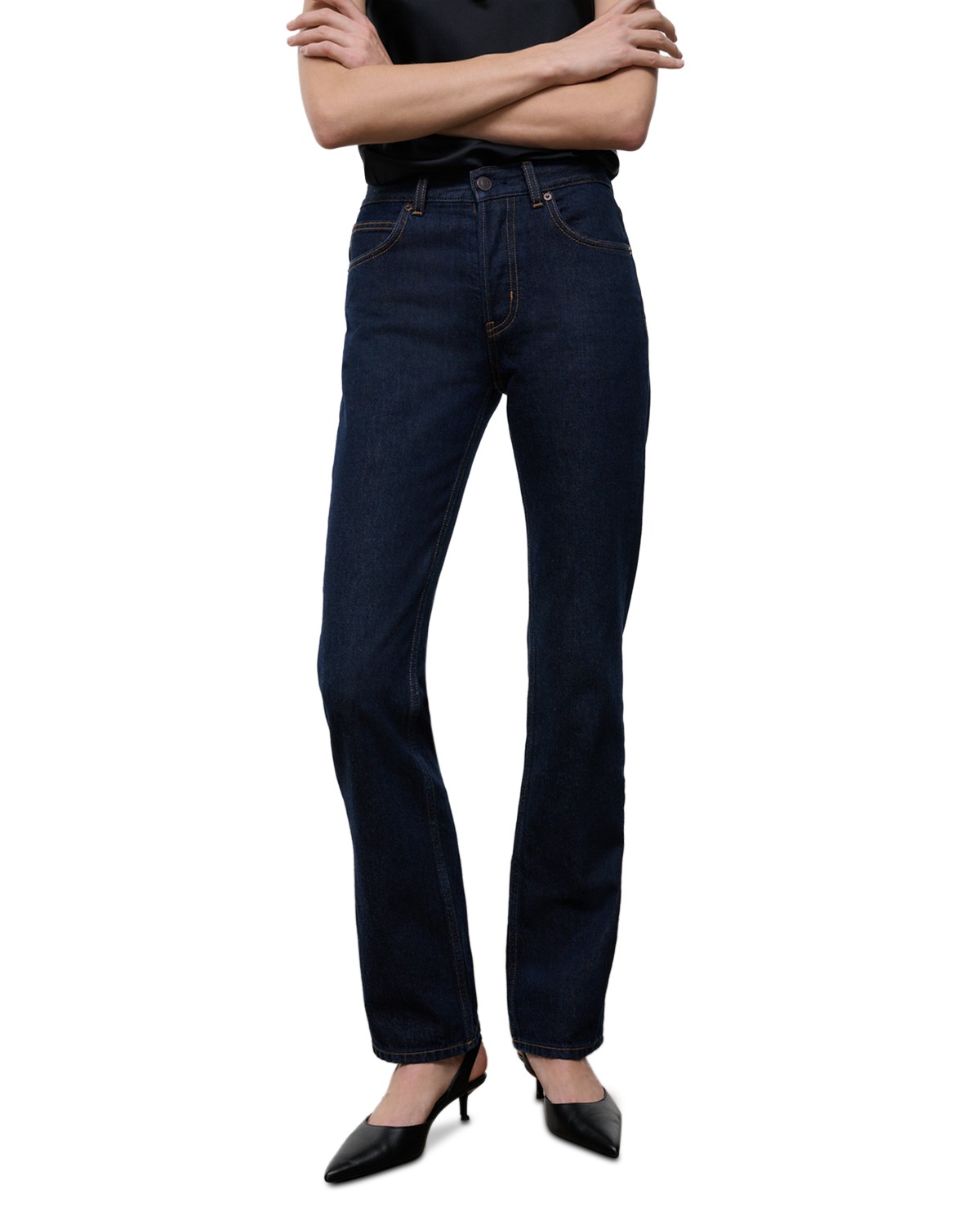
Teddy High Rise Straight Jeans in Indigo
STAUD
$245
rb Miramar Terry Pull On Wide Leg Sweatpant Jeans
rag & bone
$238
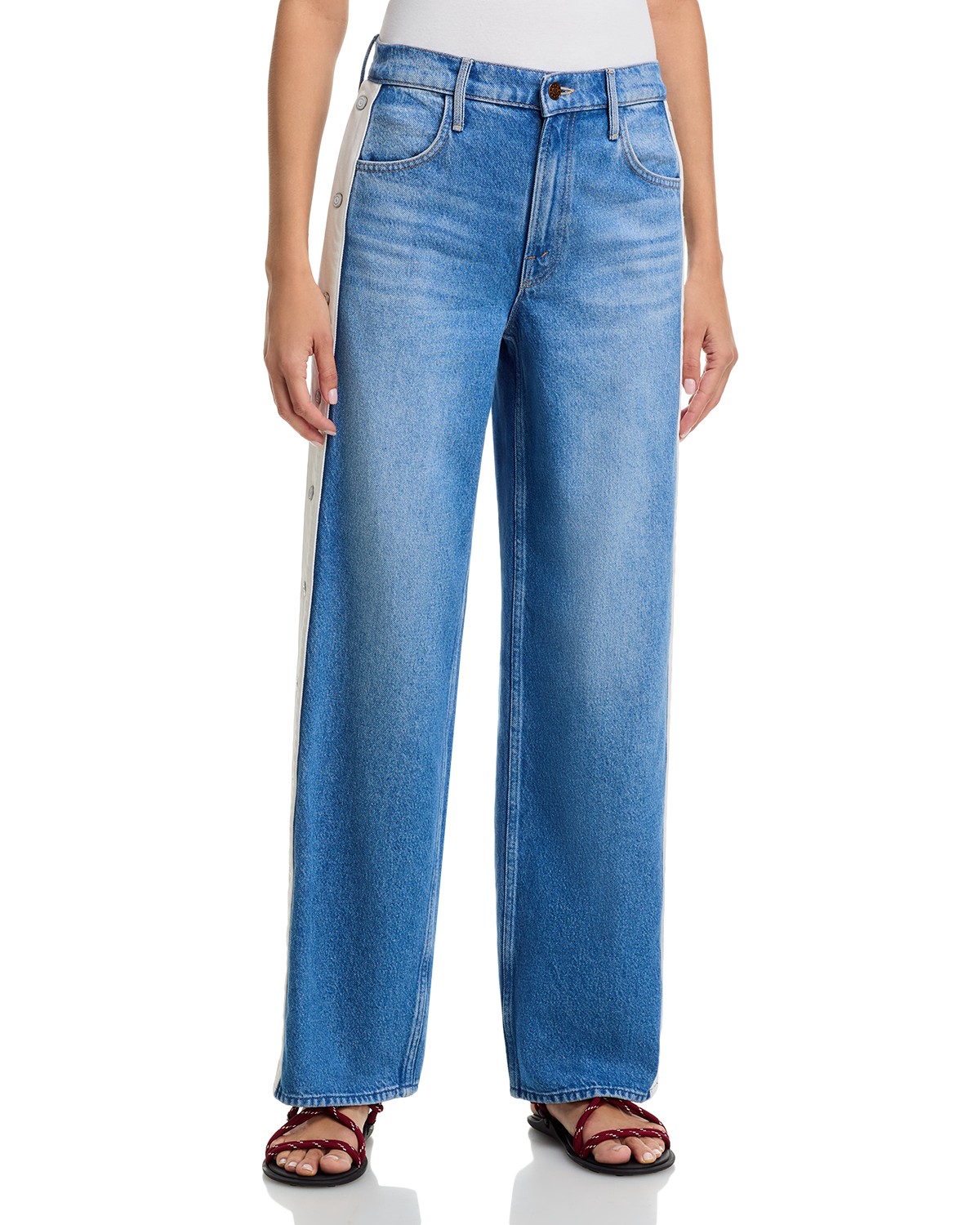
The Striped Resealable Skimp High Rise Straight Jeans in Quik
MOTHER
$358
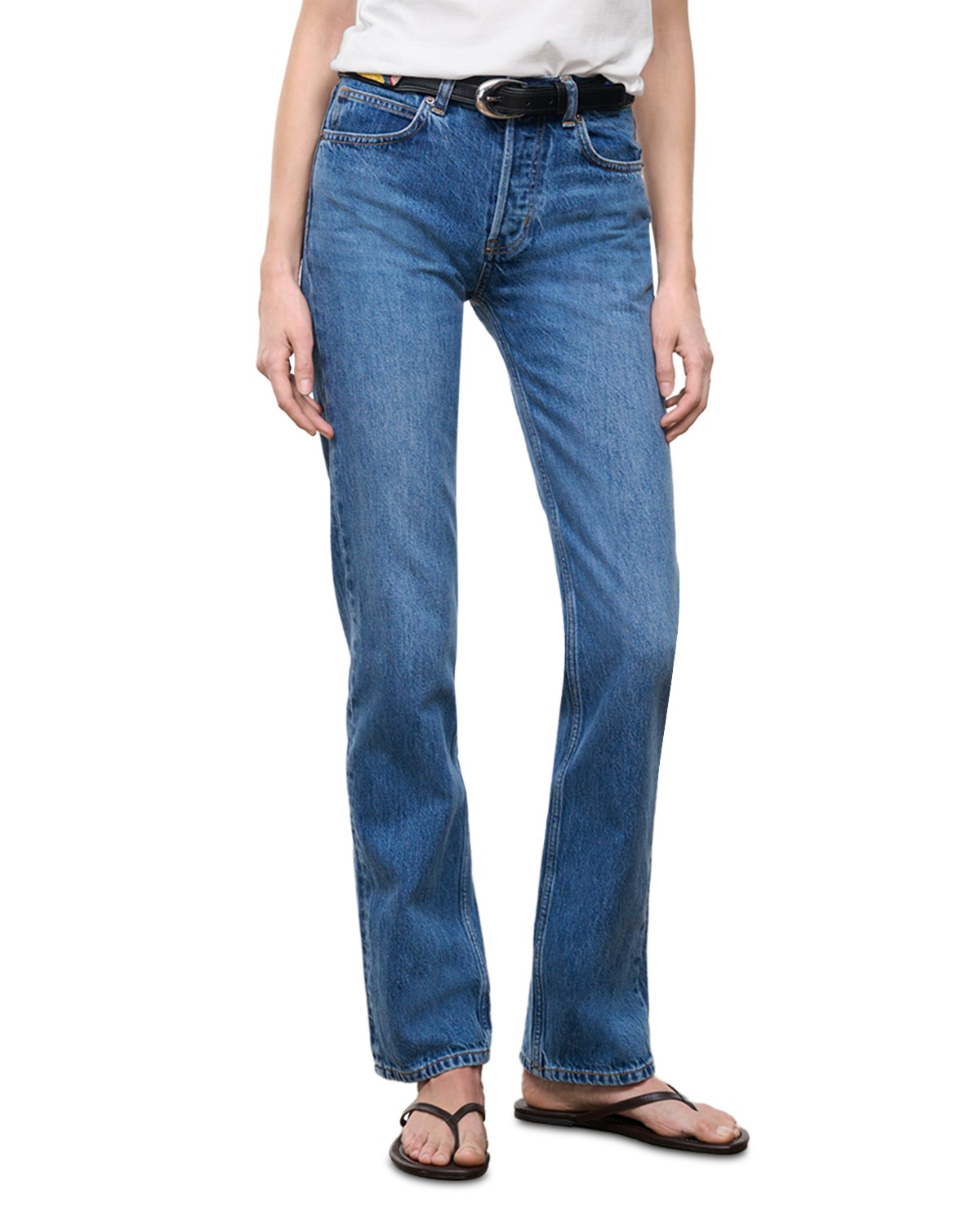
Teddy Mid Rise Straight Jeans in Vintage Wash
STAUD
$245
Skirts
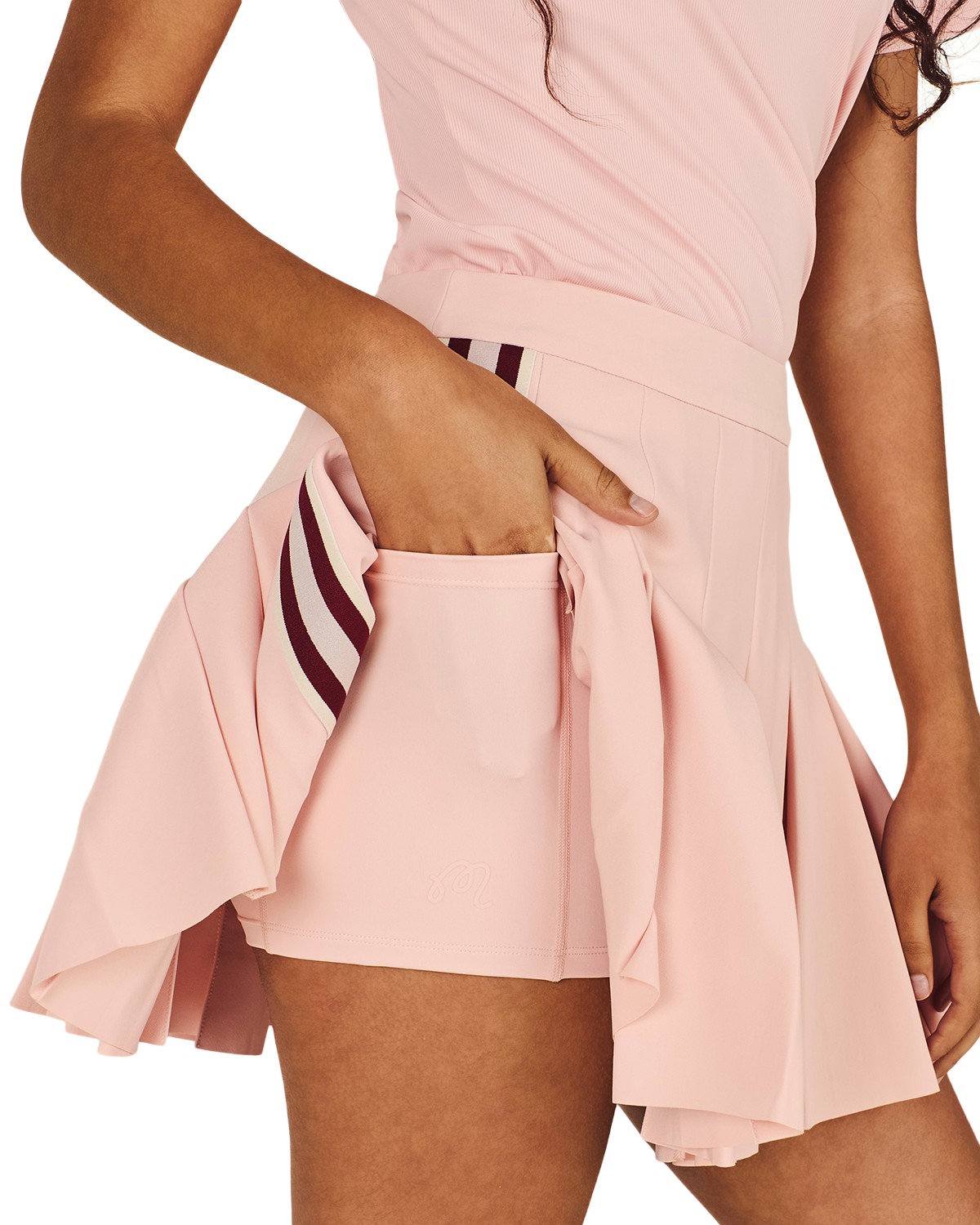
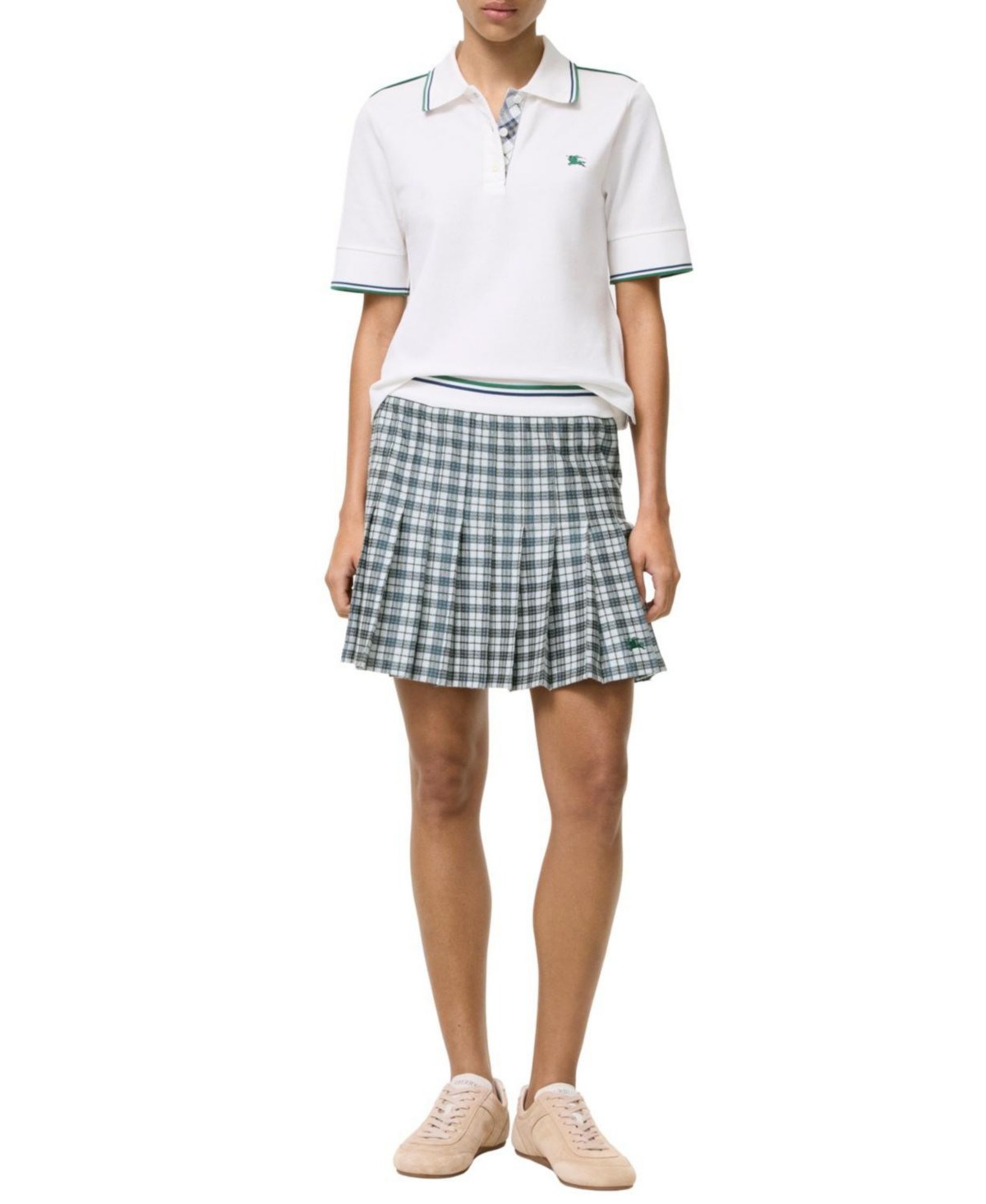
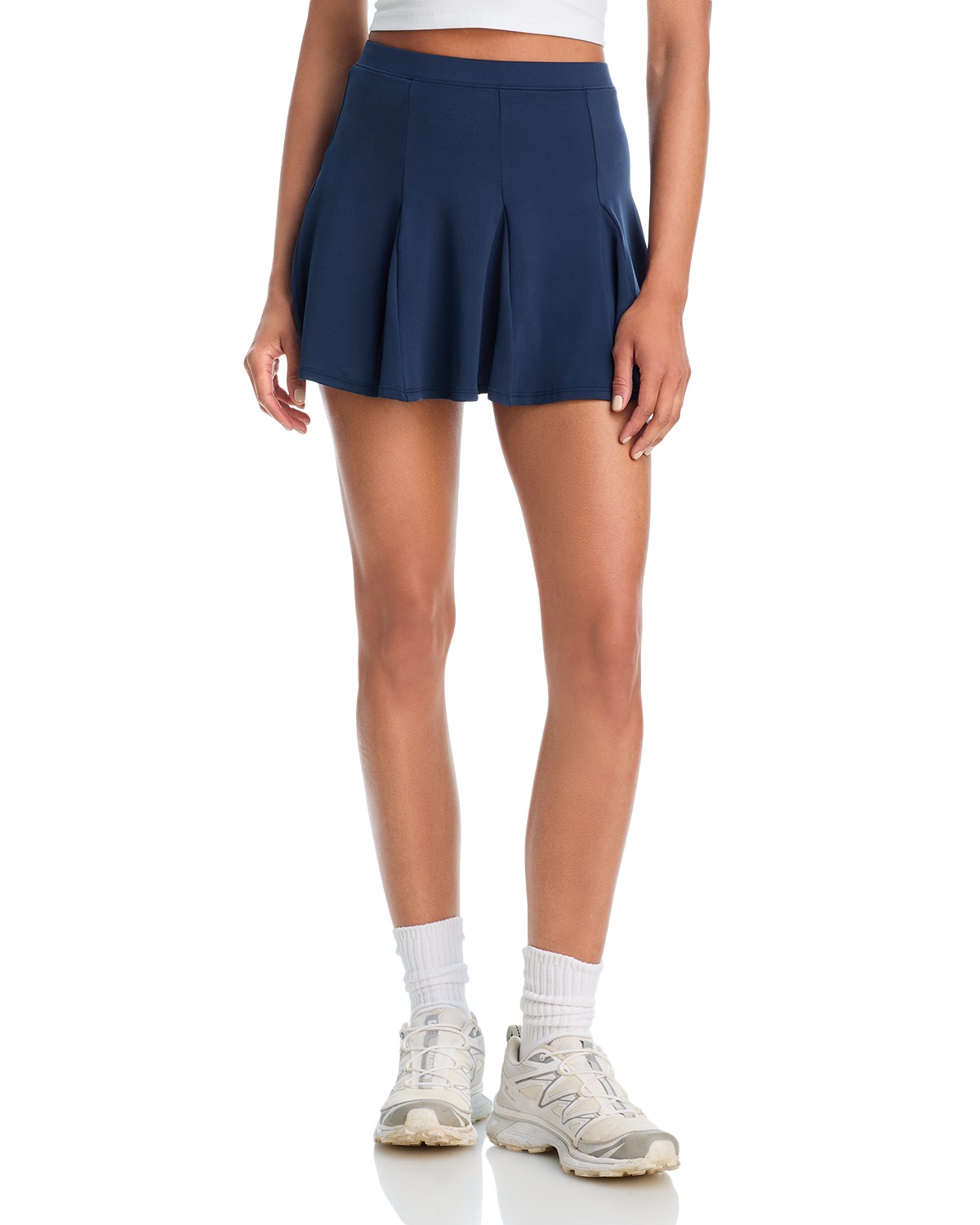
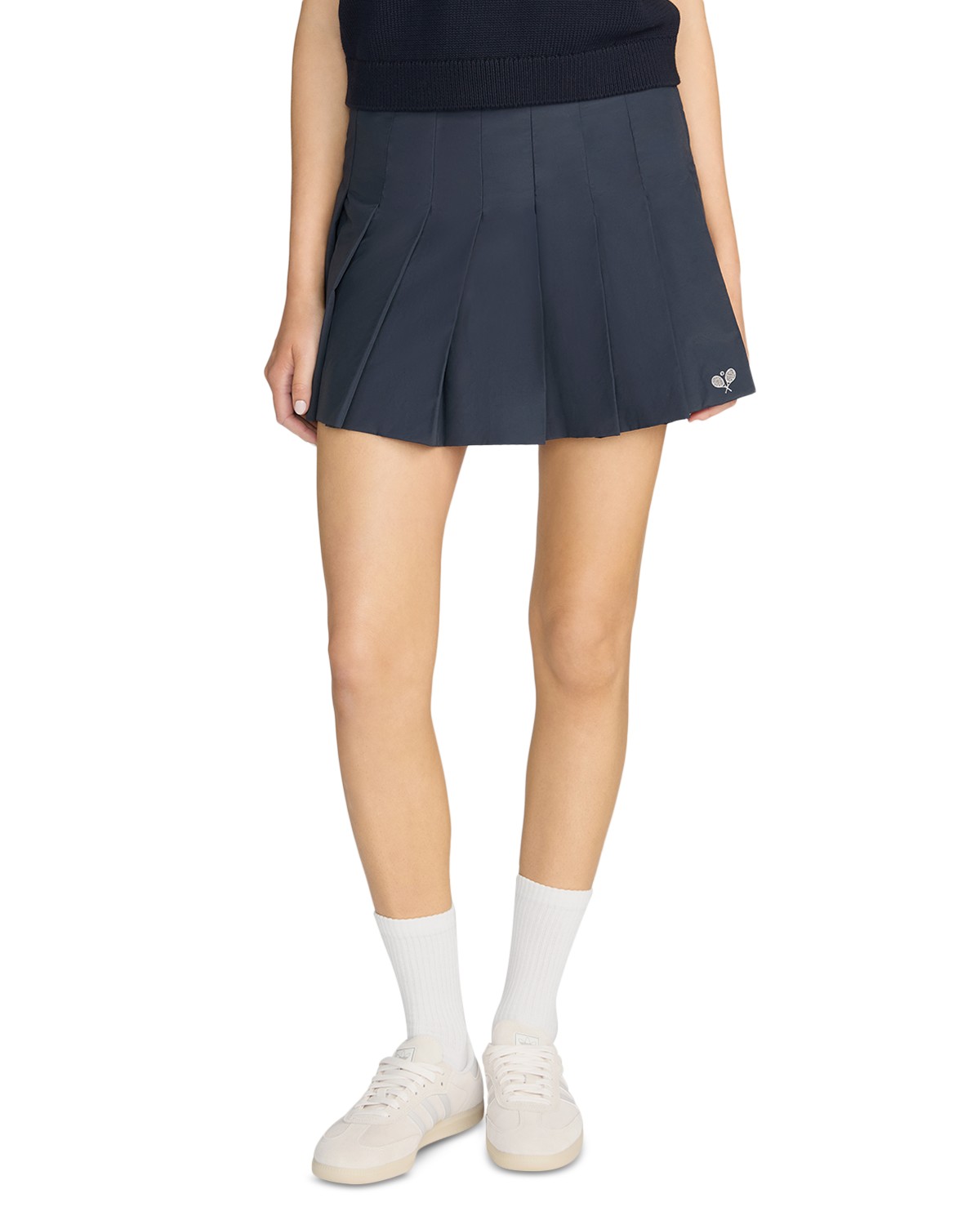
Skirts are the most literal expression of the look. Pleated golf and check tennis minis are the reference in undiluted form, and they are the easiest thing here to overdo. One pleated skirt per wardrobe.
Jewelry
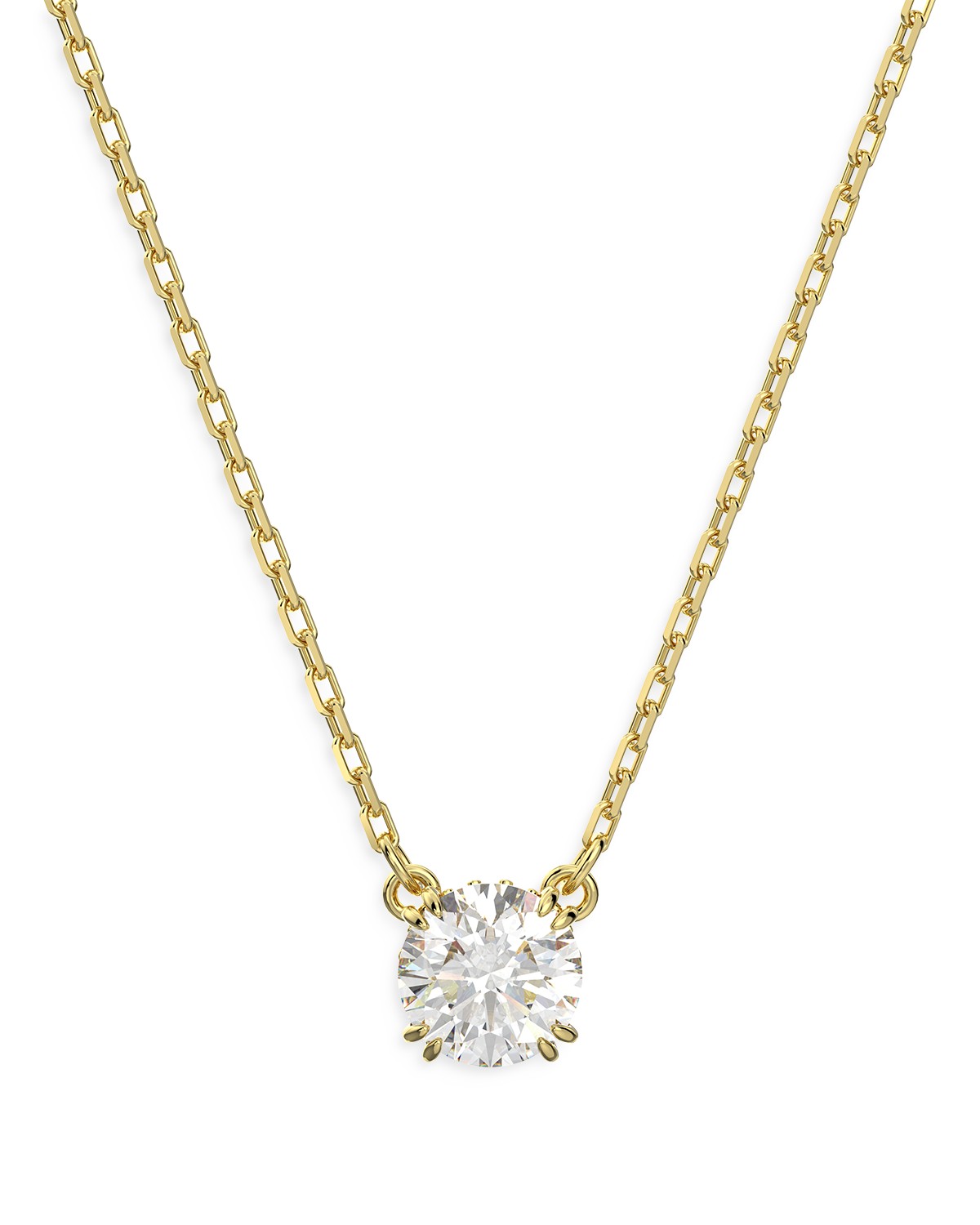
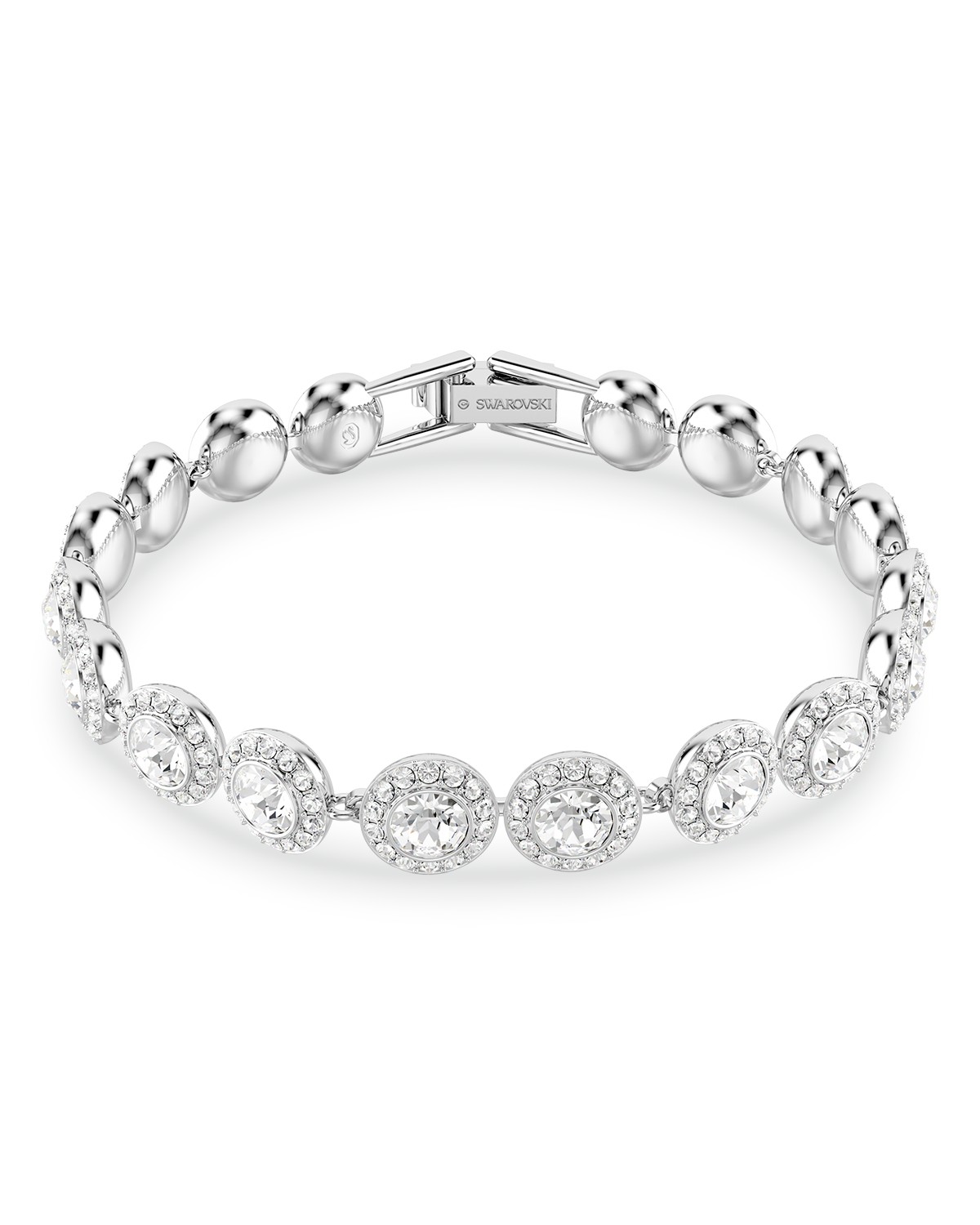
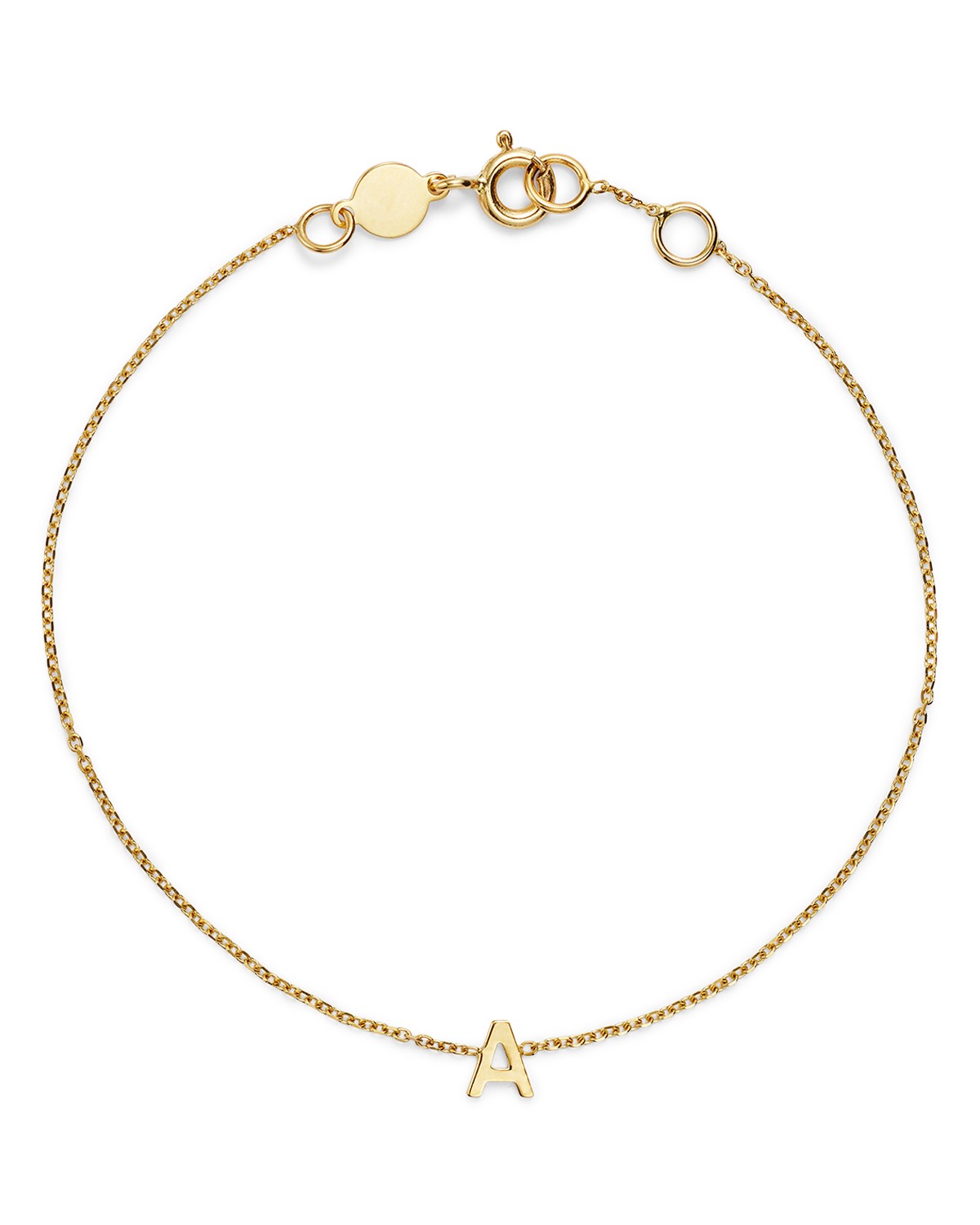
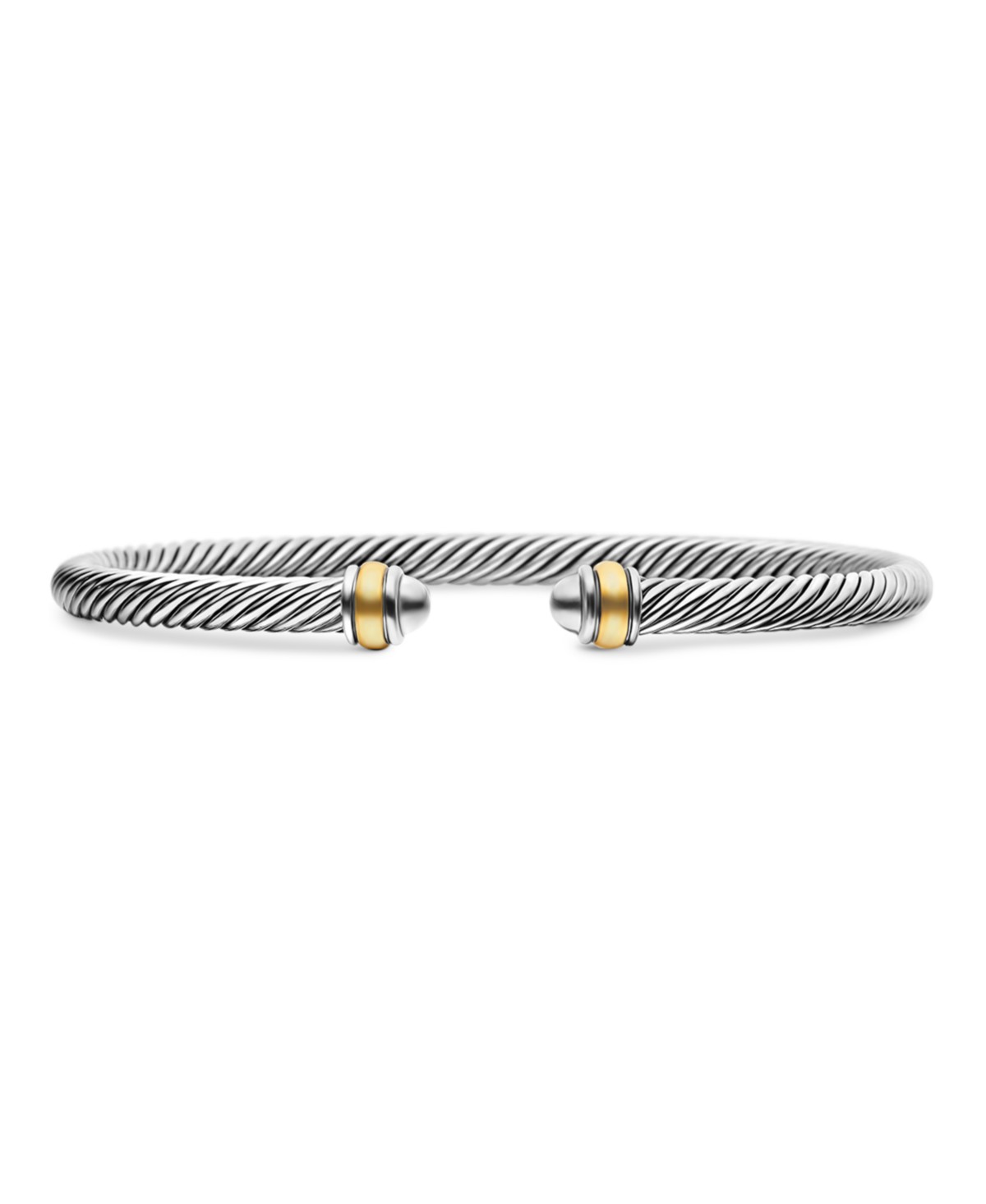
Jewelry stays small, plain and metallic. A pendant or a flex bracelet is all a sport-derived outfit can carry without looking confused about what it is. Restraint is structural here.
Also in the edit
The rest is polos, tennis bracelets and pieces that belong to several categories at once. Sport-derived wardrobes always blur like this, because the source clothing was designed as a kit rather than as separates. Useful to see it grouped.
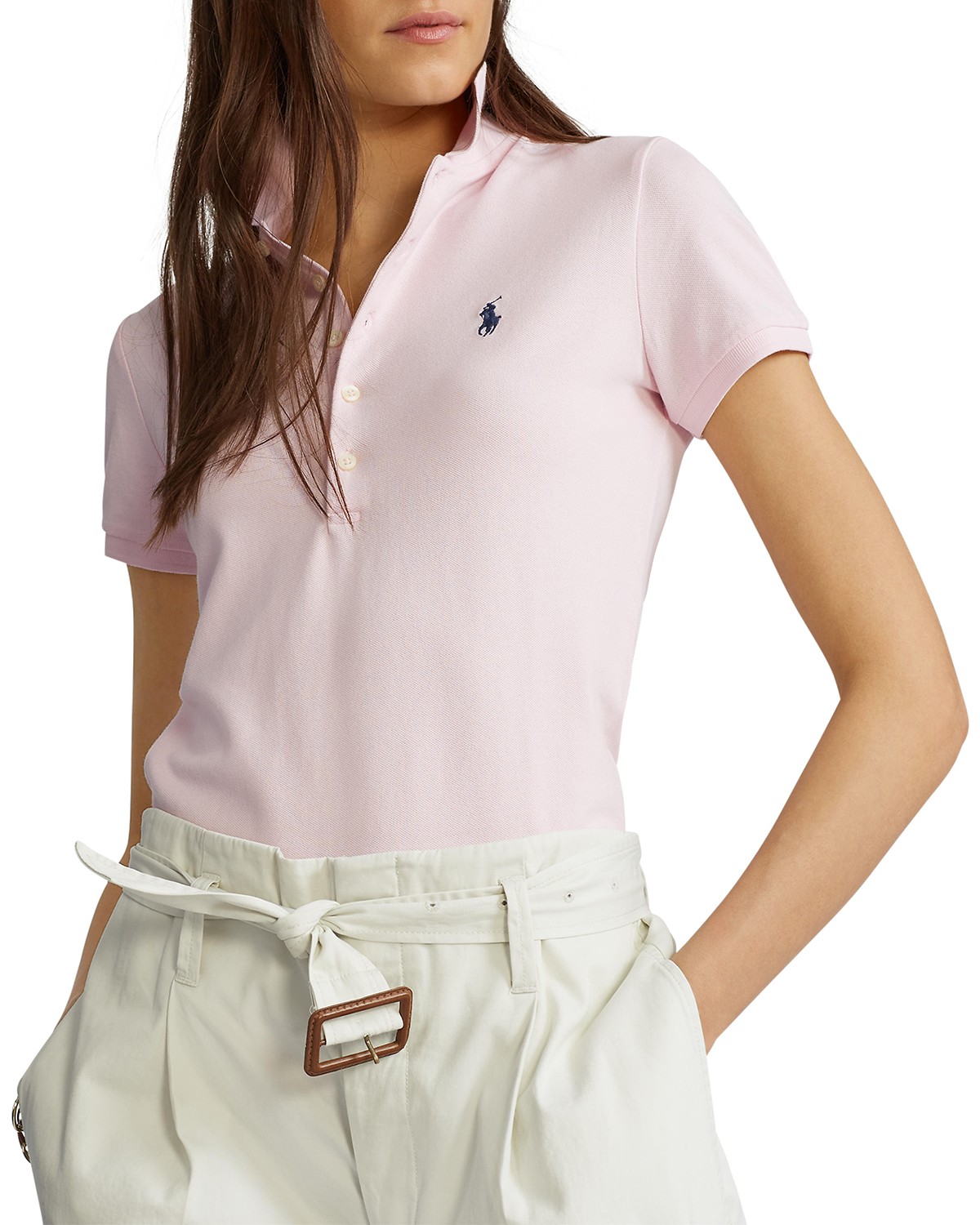
Slim-Fit Stretch Polo Shirt
Polo Ralph Lauren
$128
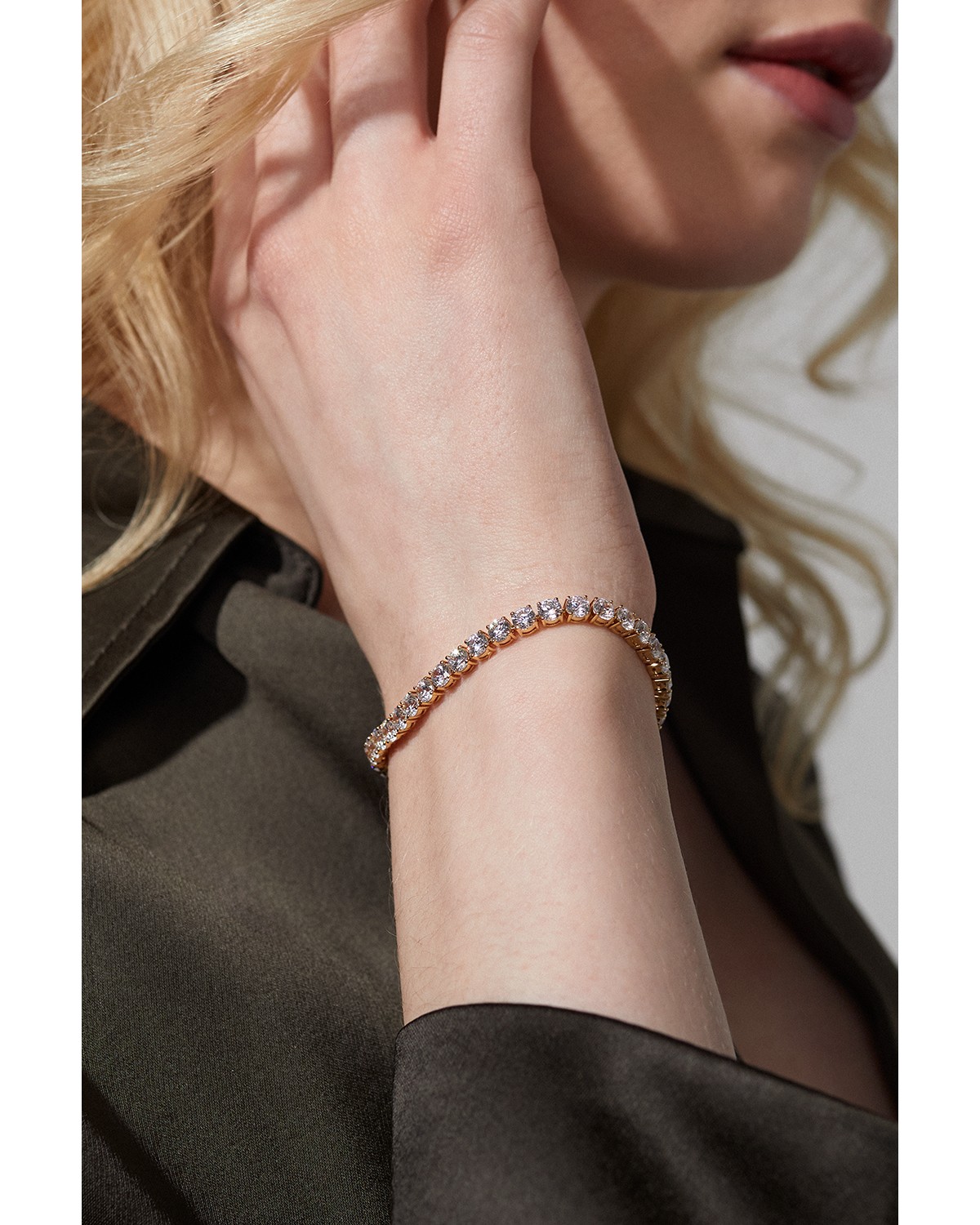
Perfect Tennis Bracelet
Nadri
$150
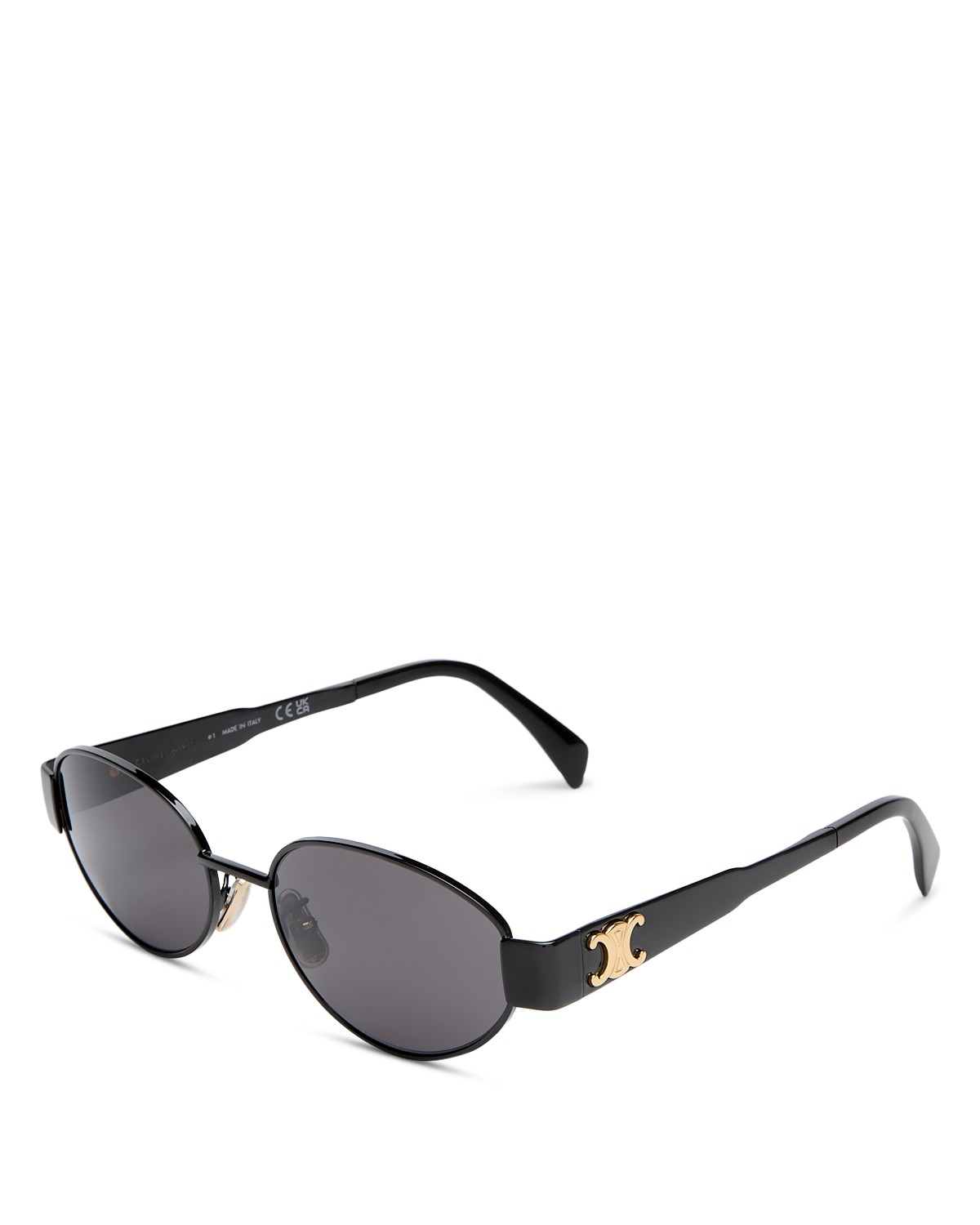
Triomphe Metal Round Sunglasses, 54mm
CELINE
$420
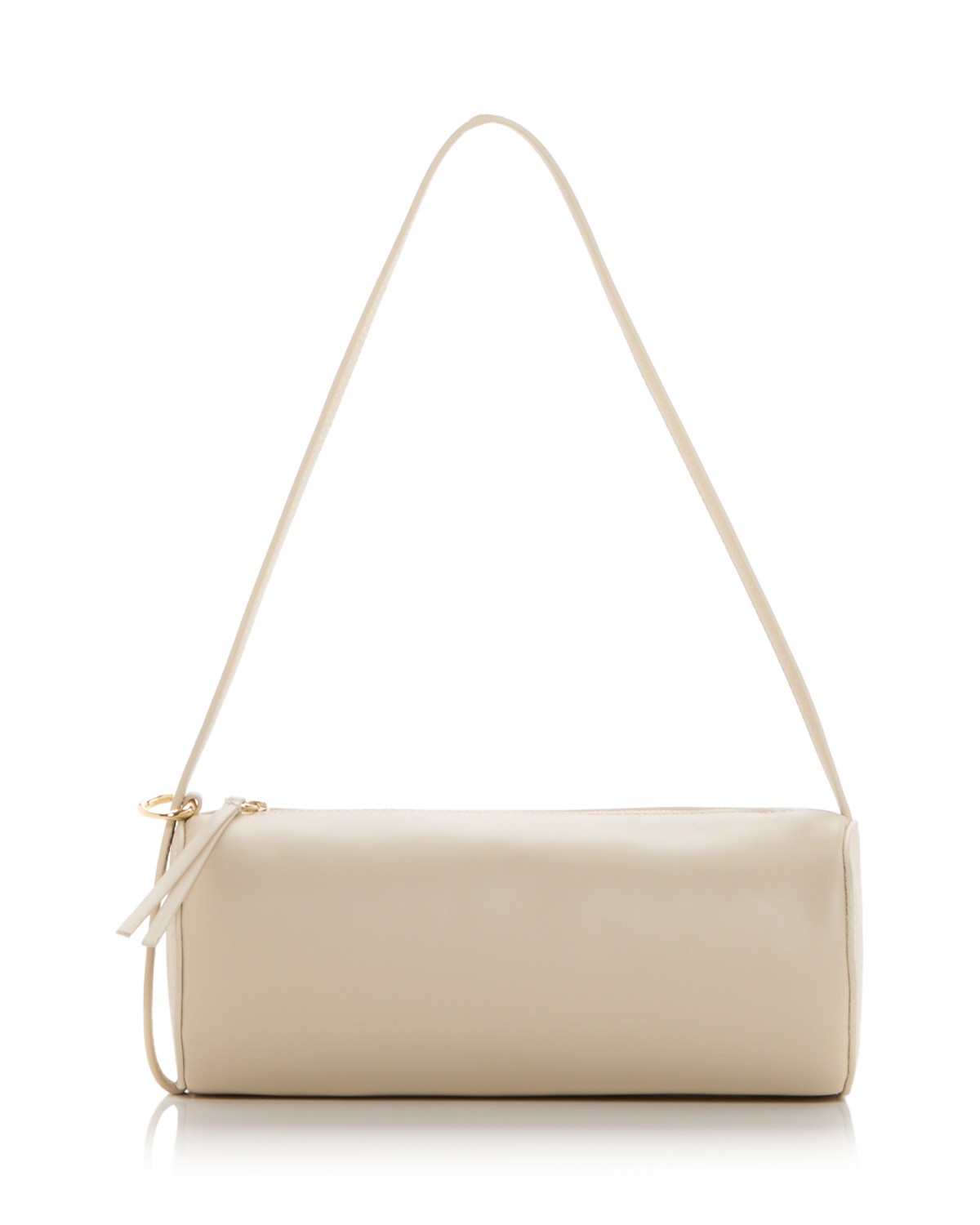
Simona Cylinder Bag
Reformation
$268
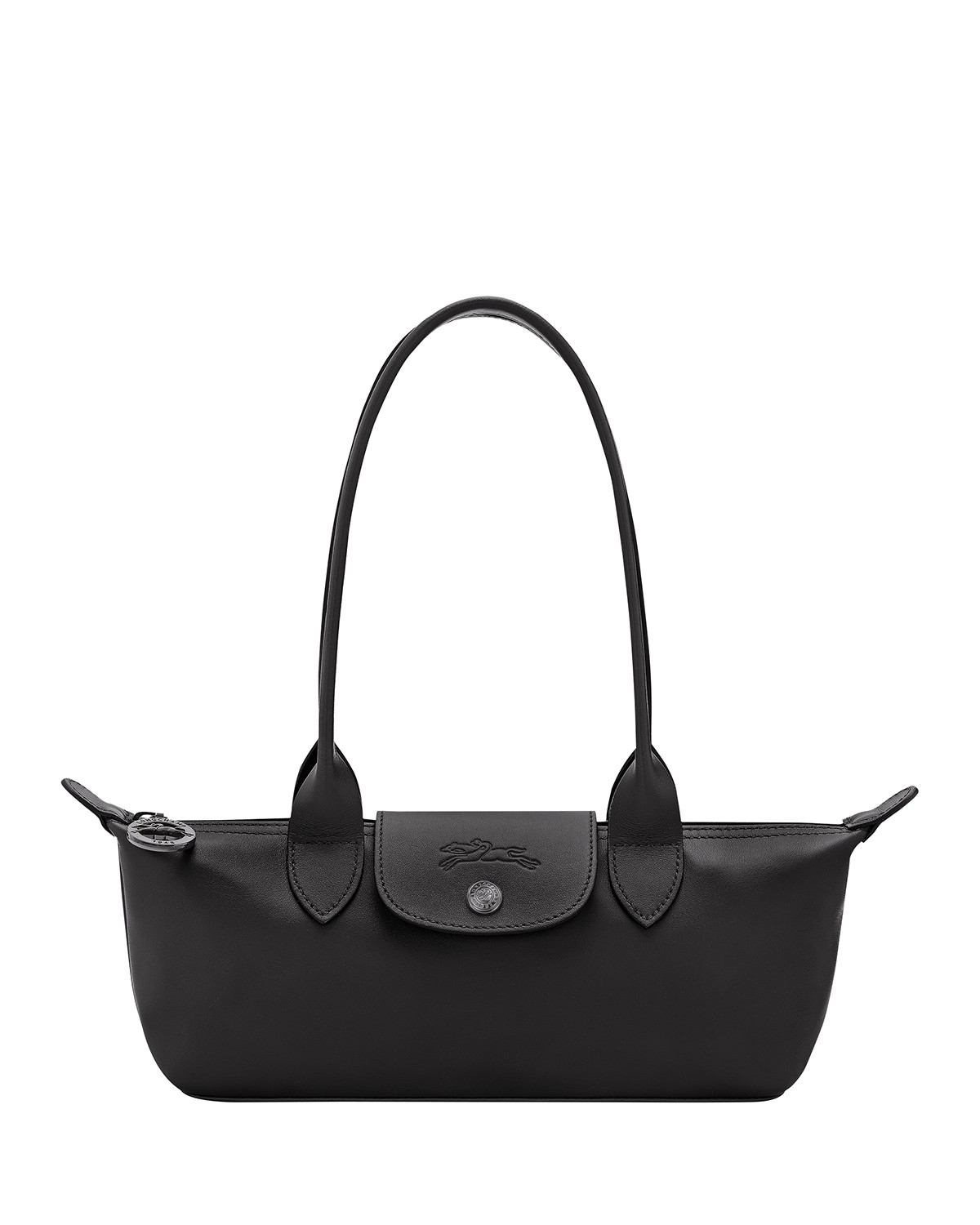
Le Pliage Xtra Small Shoulder Bag
Longchamp
$425
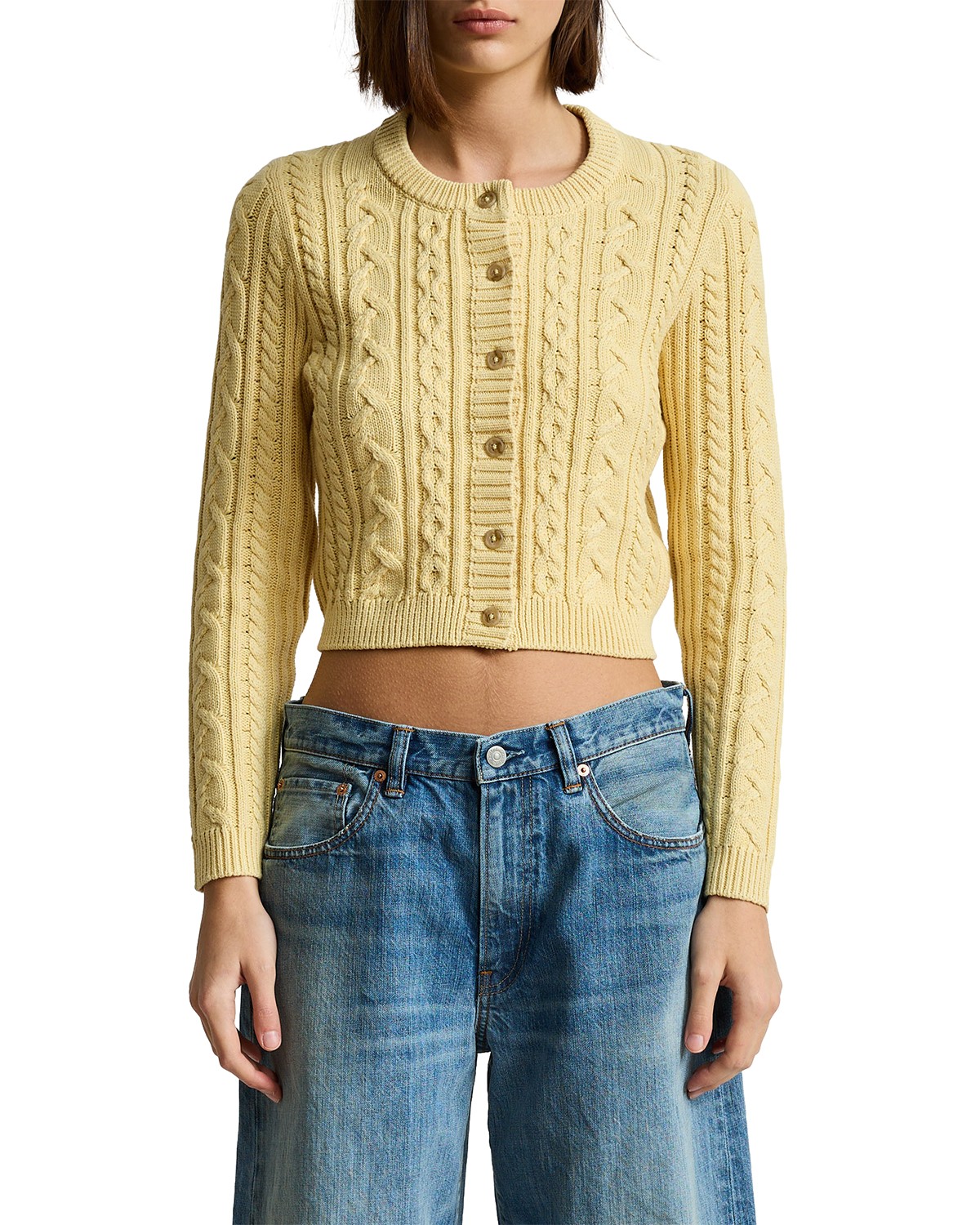
Riley Crewneck Cardigan Sweater
Denimist
$395
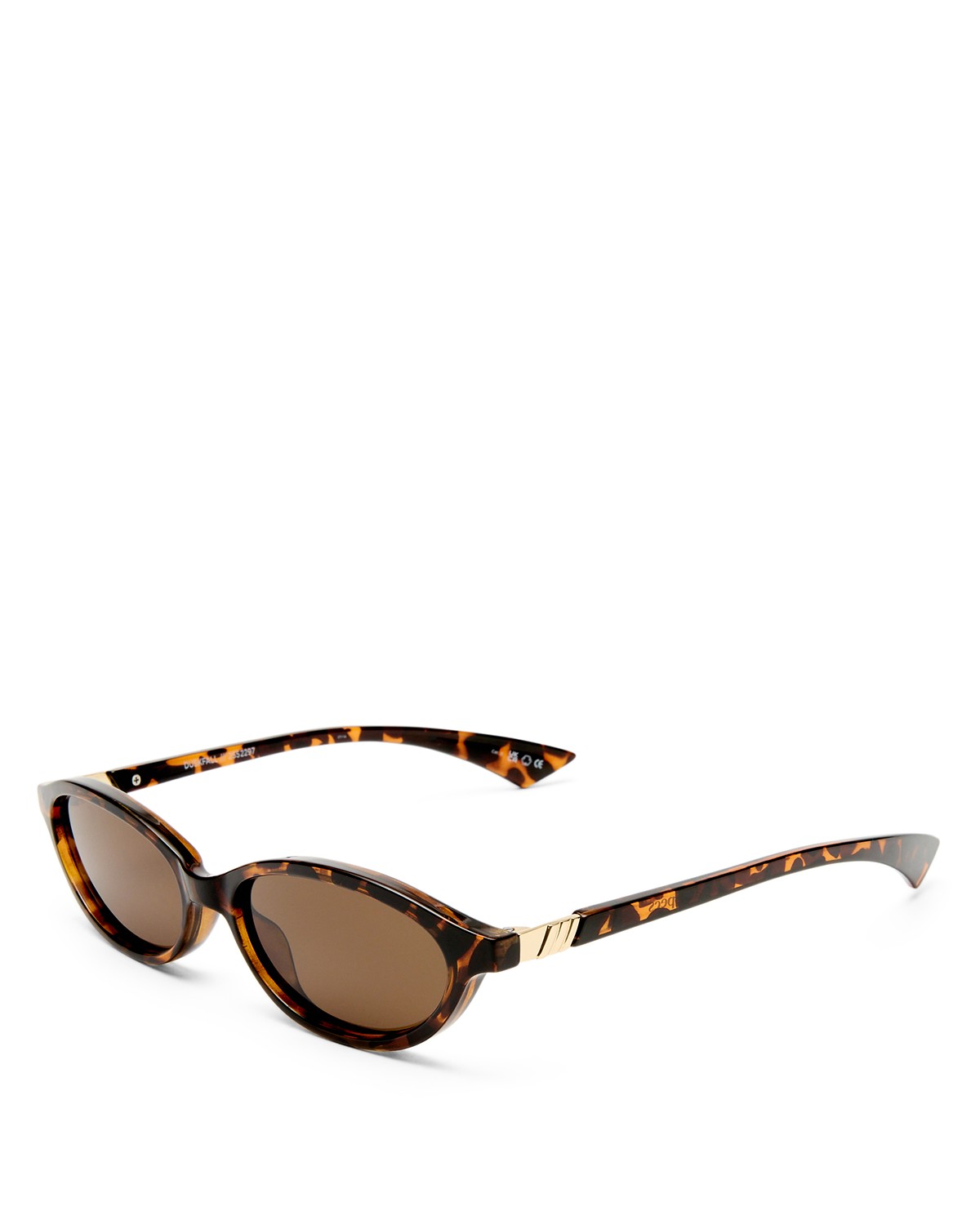
Duskfall Oval Sunglasses, 55mm
Le Specs
$85
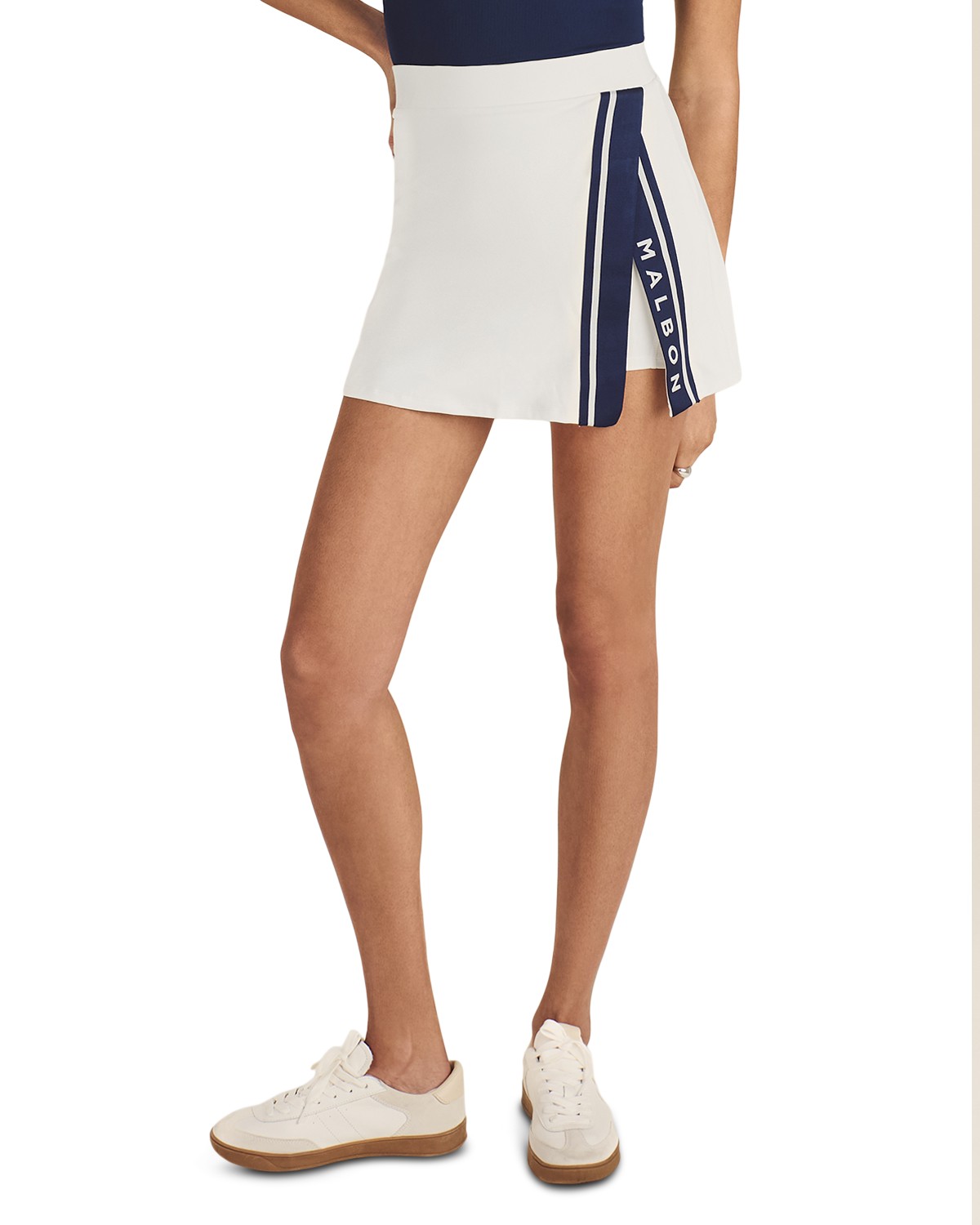
Baseline Performance Golf Skirt
Malbon
$128
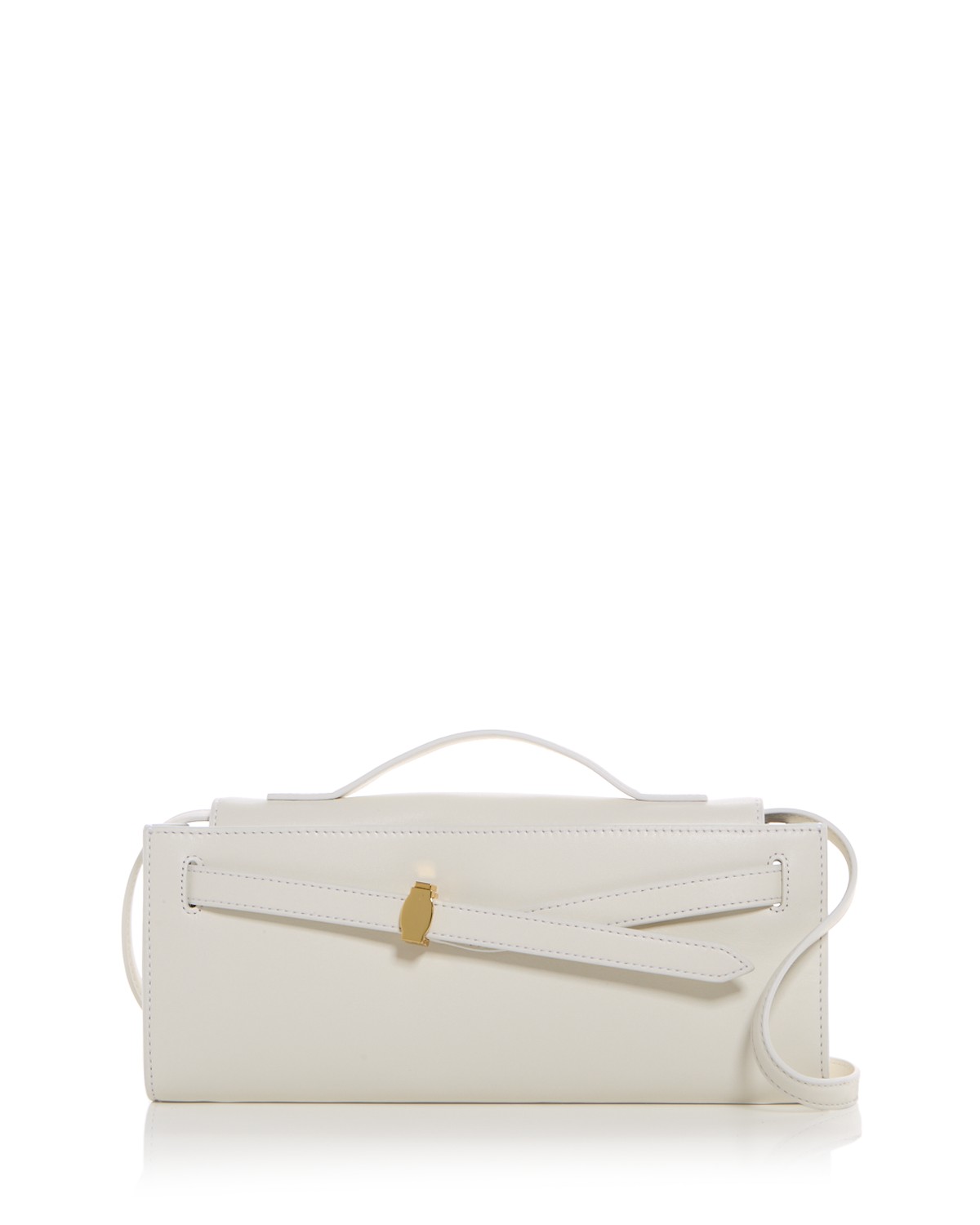
Dash Leather Clutch
Veronica Beard
$495
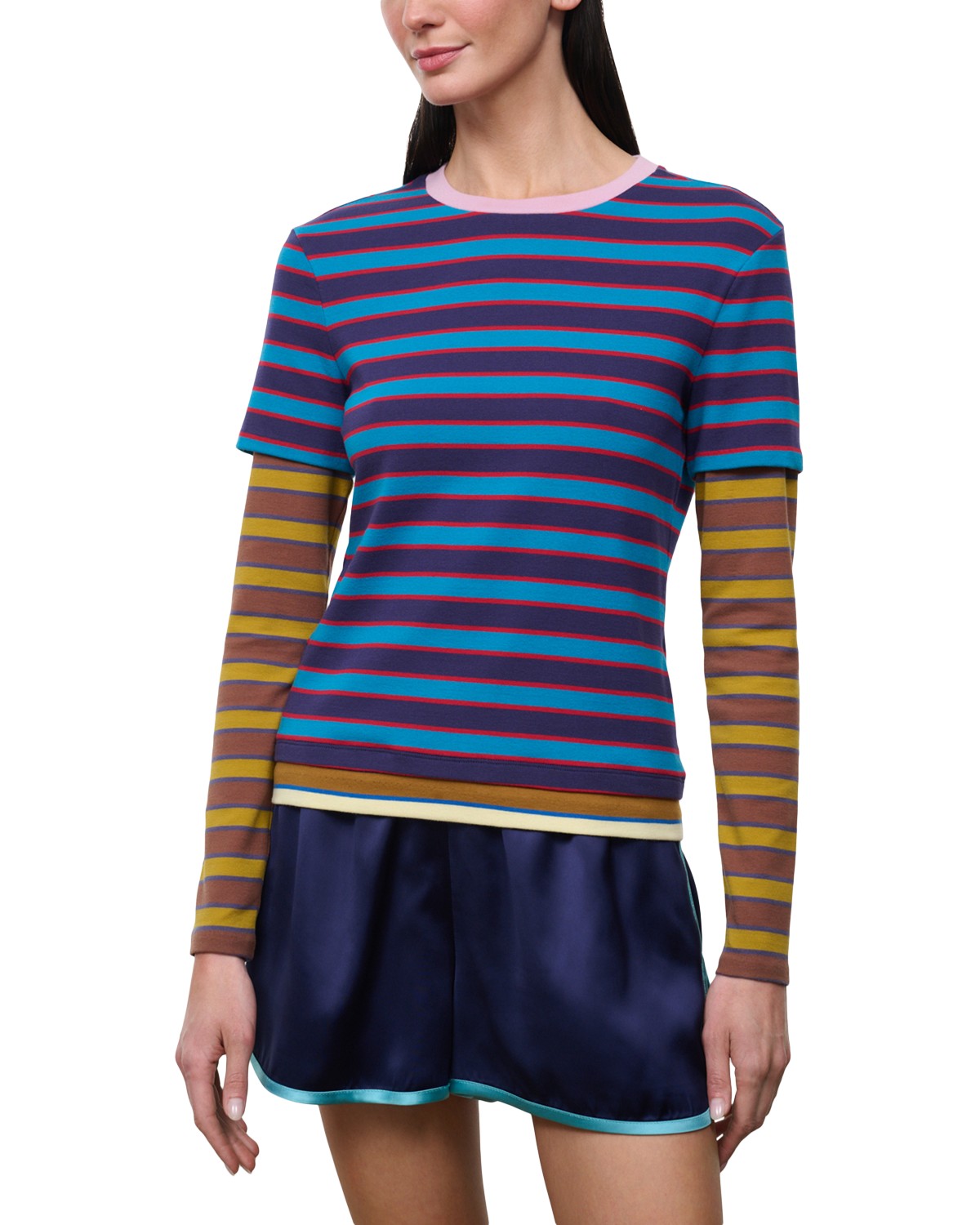
Dillon Layered Look Tee
STAUD
$225
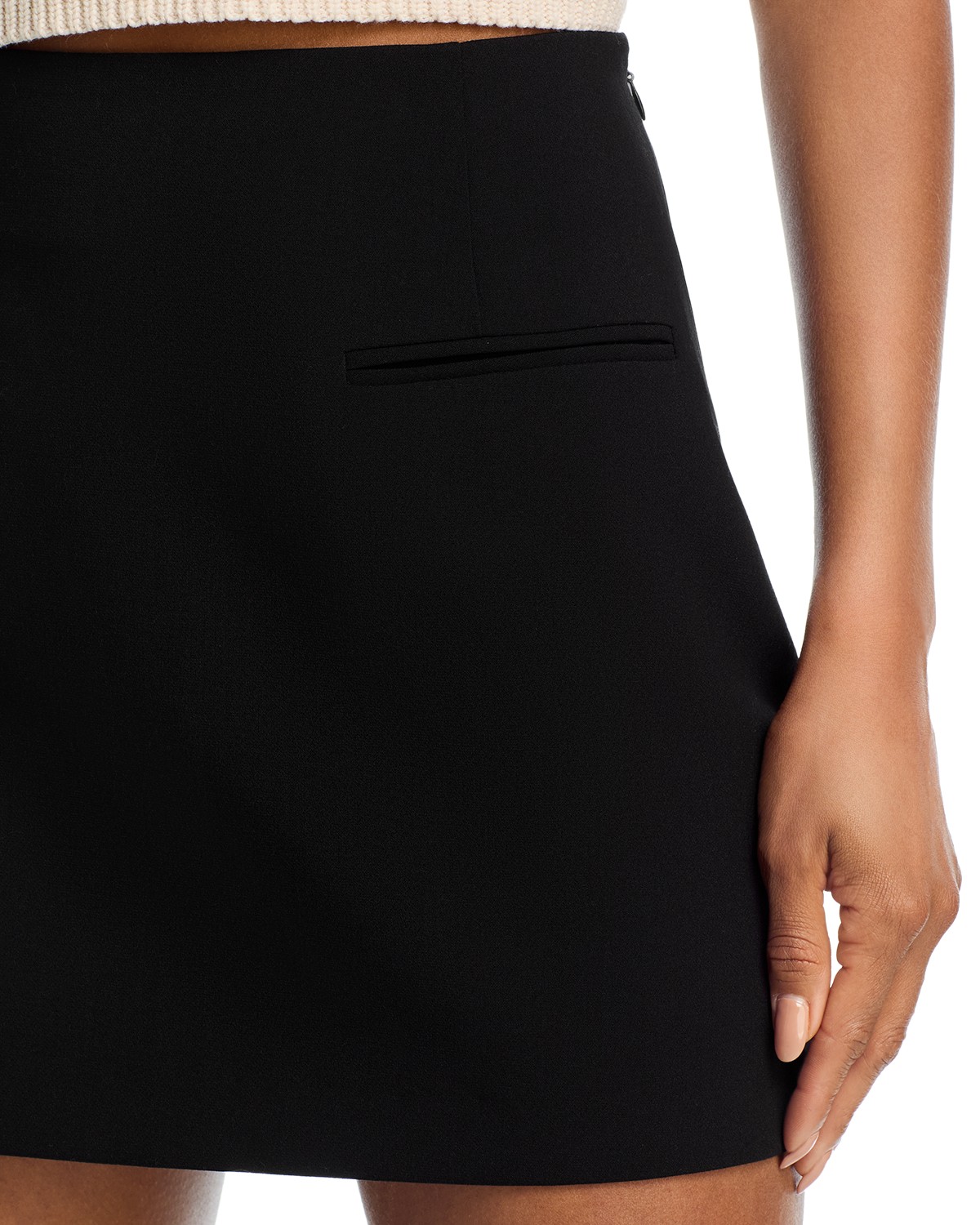
Azra Twill Mini Skirt
FRENCH CONNECTION
$98
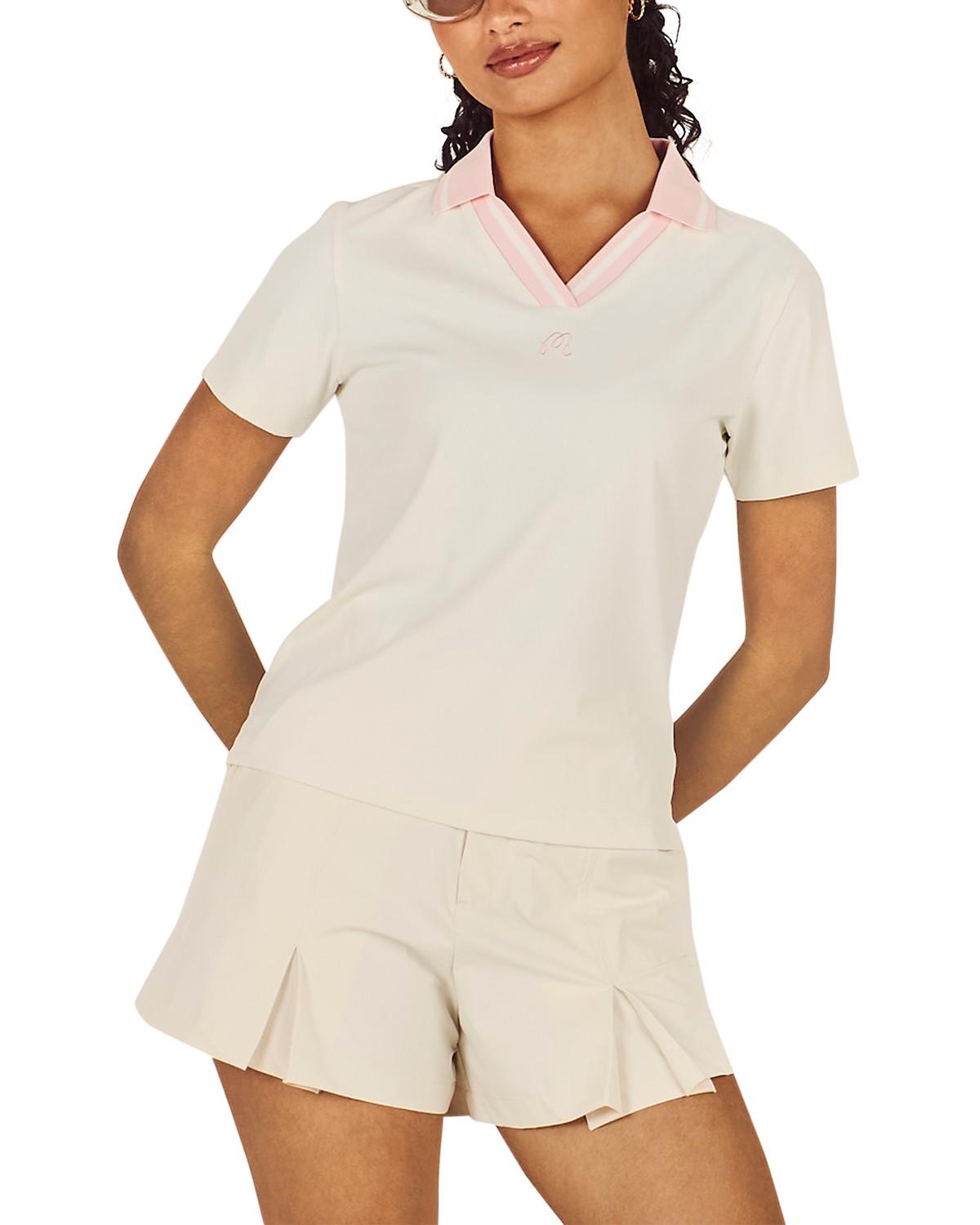
Carlota Polo Top
Malbon
$128
Our honest take
The reason this works and athleisure did not is that these clothes were originally designed with a dress code, which means they were built to be looked at. Tennis and golf wardrobes have structure, collars and real fabrics; gym clothes have none of those things and never pretended to. Buy the polo and the flat court shoe, and leave the leggings for actual exercise.
Shop brands in this edit
 Shop Rag & Bone
 Shop Maje
 Shop Staud
 Shop On
 Shop Splits59
 Shop Veronica Beard
 Shop Burberry
 Shop Casablanca
 Shop Cinq À Sept
 Shop FRAME
 Shop Le Specs
 Shop Varley
 Shop Longchamp
 Shop Paige
 Shop Reformation
 Shop Swarovski
 Shop Theory
 Shop VEJA
 Shop ASICS
 Shop Beyond Yoga
 Shop Bottega Veneta
 Shop Celine
 Shop David Yurman
 Shop DONNI
 Shop Faherty
 Shop Hoka
 Shop LoveShackFancy
 Shop Perfectwhitetee
 Shop Tanya Taylor
 Shop Tory Burch
 Shop Toteme
 Shop Vince
Next read
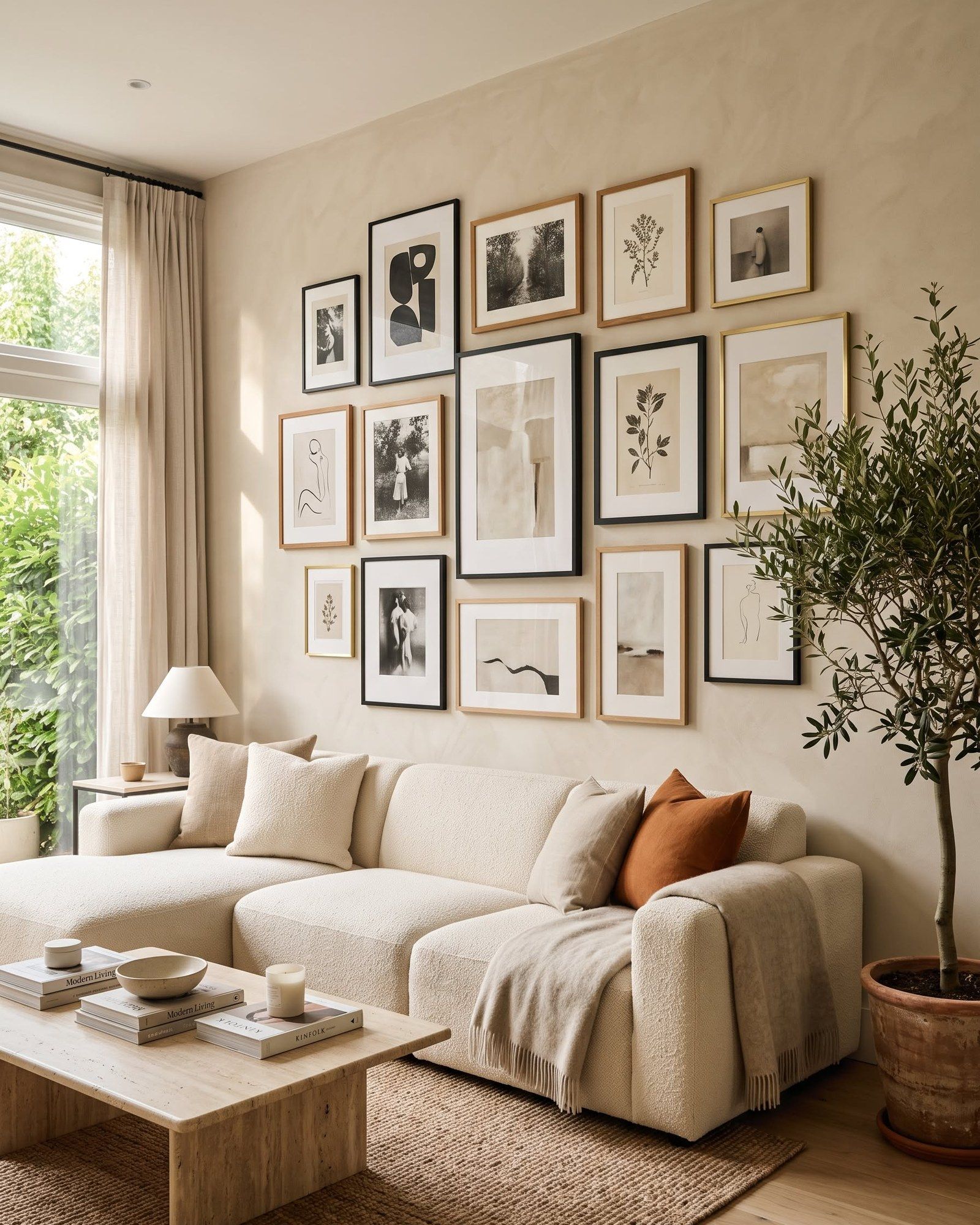
How To Buy Art For A Blank Wall
How to buy art for a blank wall: editioned prints, original works at auction prices, and sculpture for a shelf when the wall is not the answer.
Read Editorial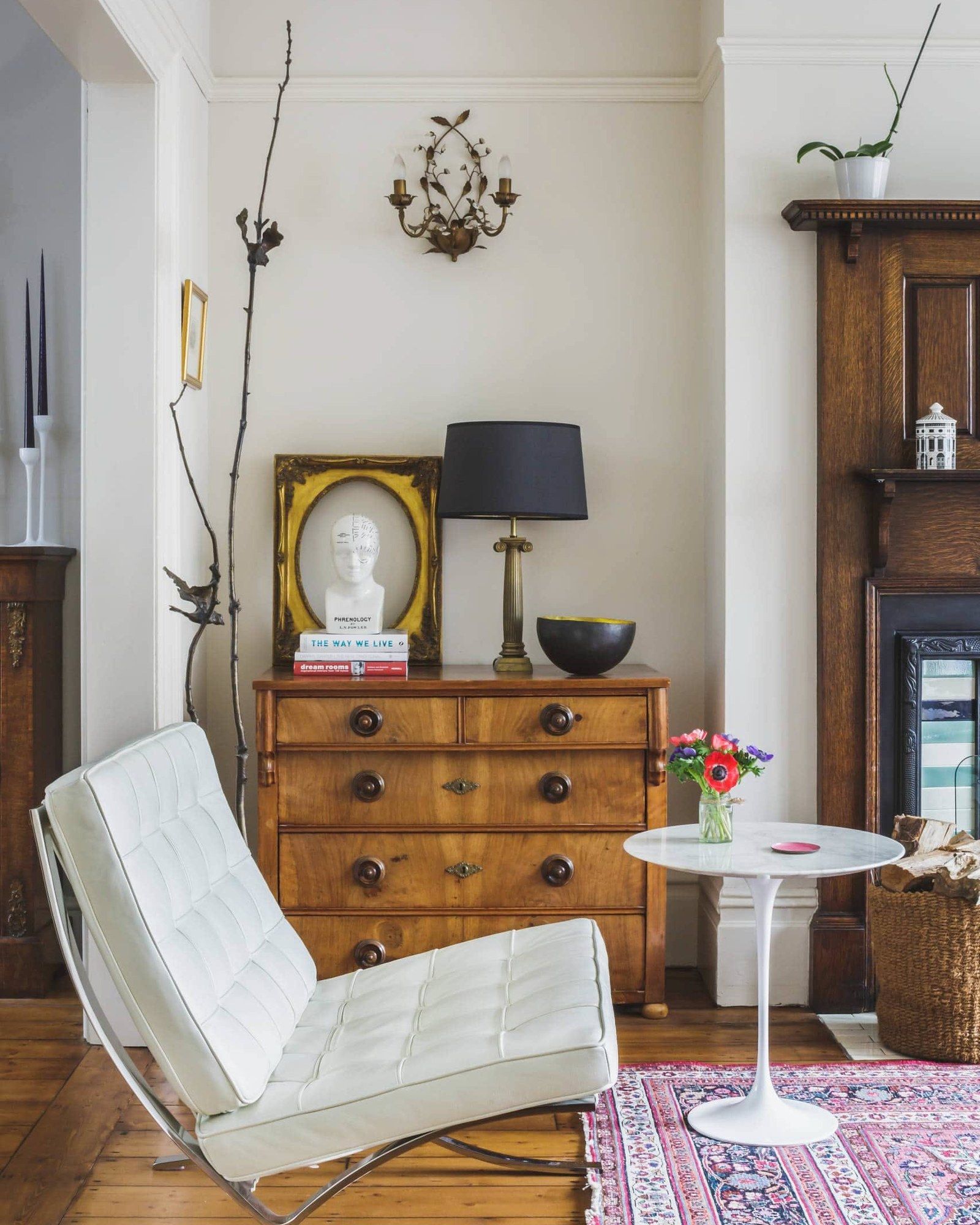
How To Mix Antique And New Furniture
How to mix antique and new furniture: one old anchor, a new soft layer, and a modern object that bridges the two.