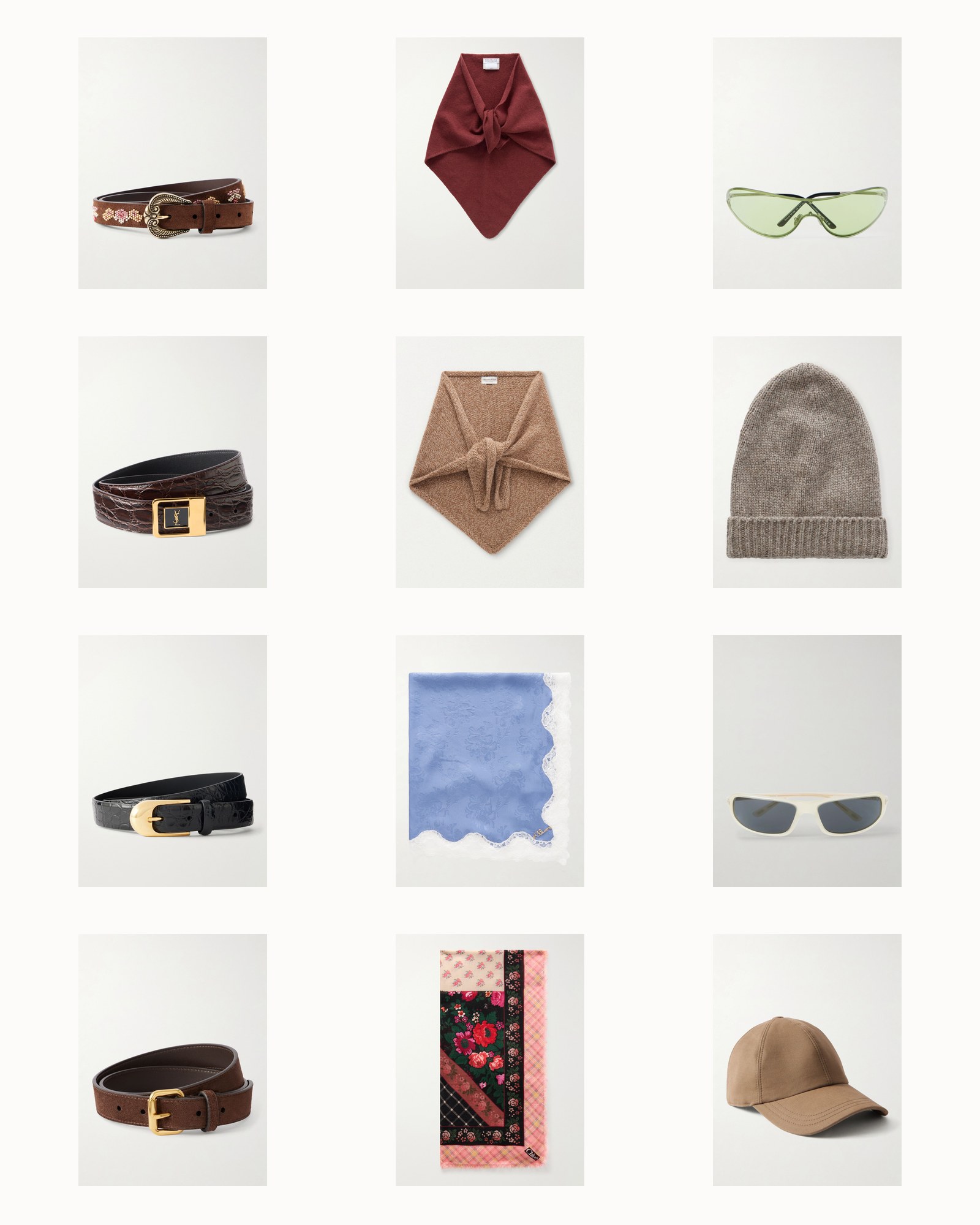
Autumn dressing advice is almost always written for weather that cities do not have, all wool layers and country walks. The urban version is a different problem: overheated trains, cold streets, and an evening that starts straight after work. This edit is built for that specific set of conditions.
City Fall Is Its Own Climate

Tops
City fall starts with the top, because the top is what you are wearing indoors for most of the day. Sleeveless and lightweight shapes solve the overheated-building problem in a way a sweater never will, which is why they now sell year-round. Seasonless is a marketing word and also a real thing.
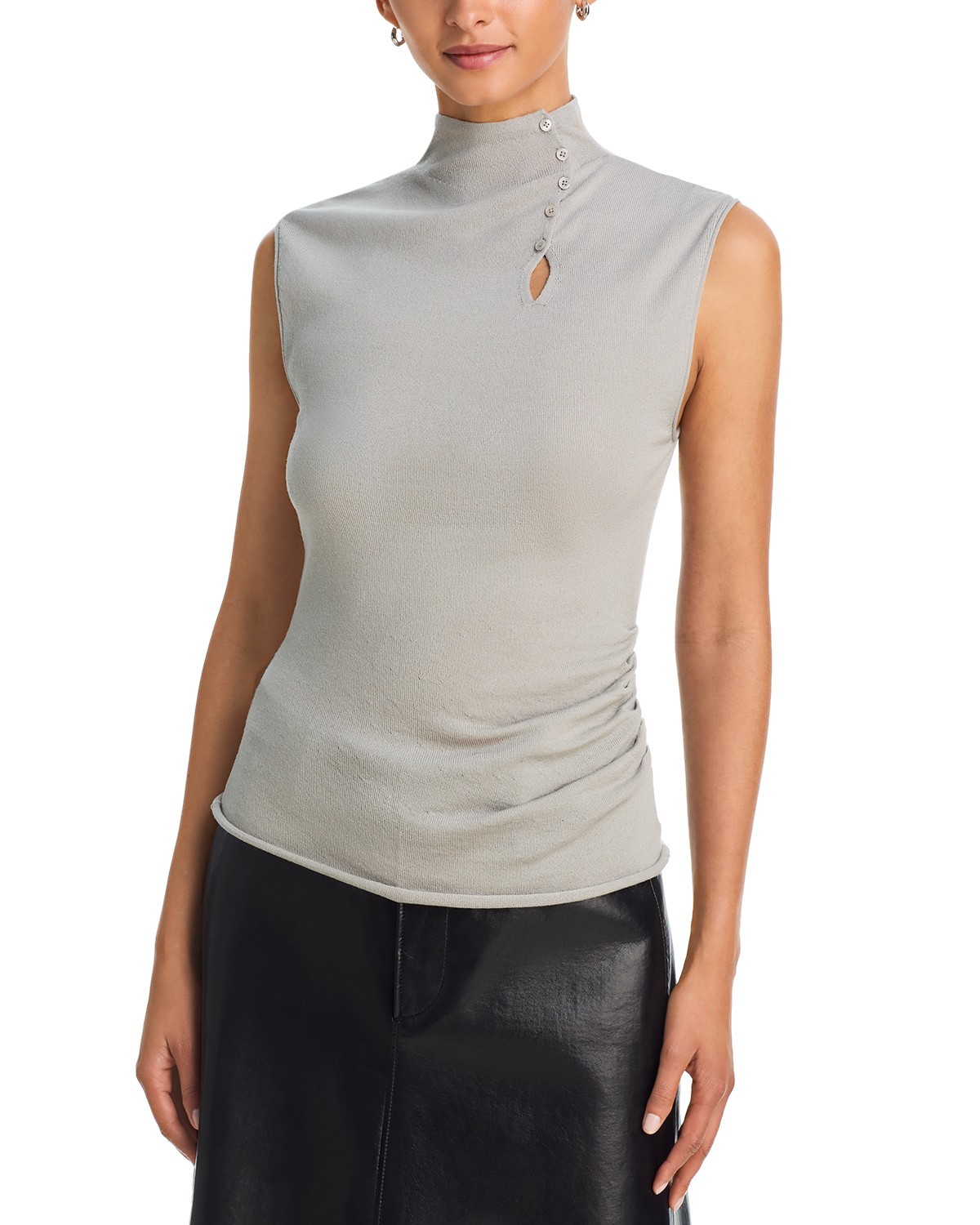
Sleeveless Button Top
Helmut Lang
$278
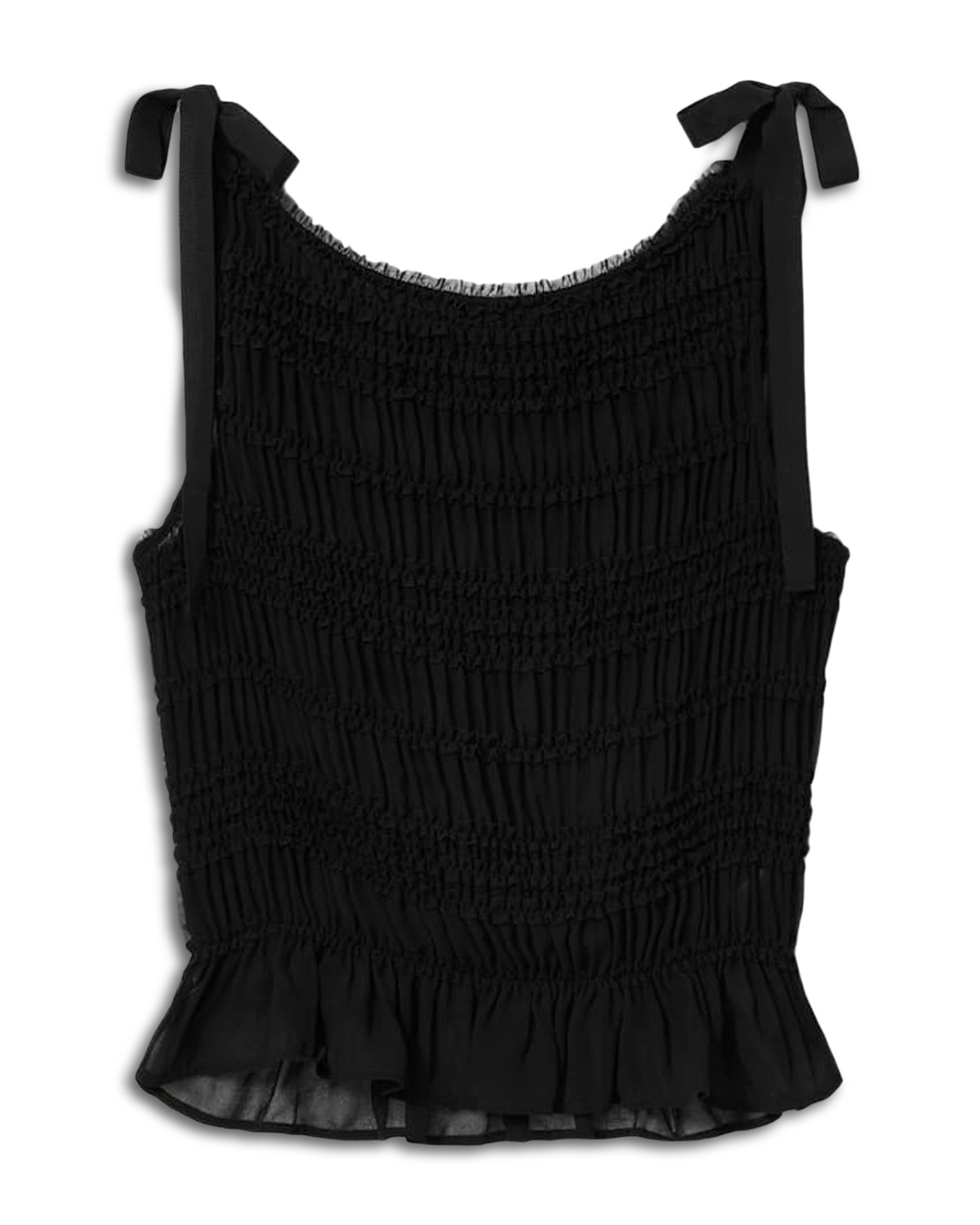
Lotus Top
ALLSAINTS
$159
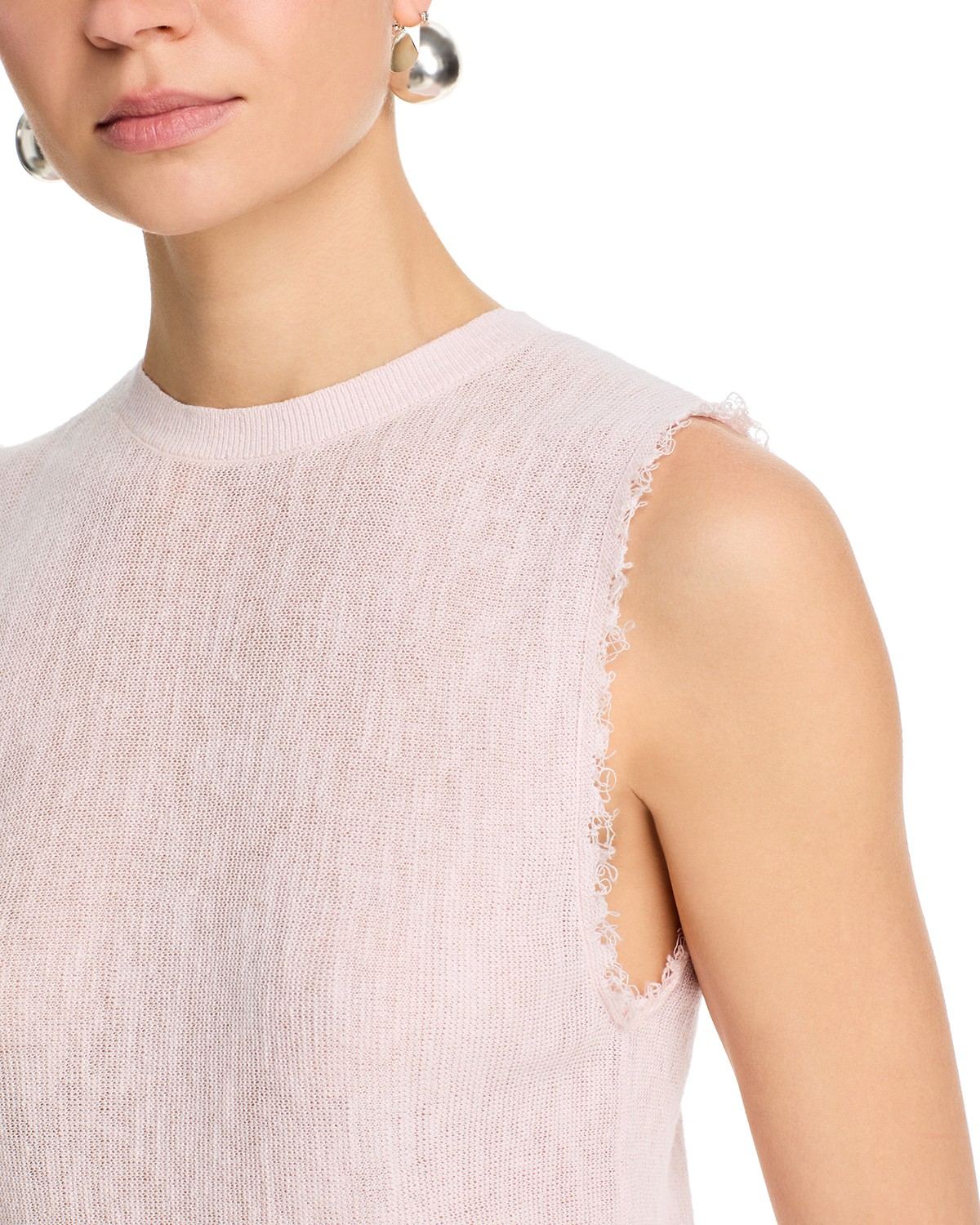
Raw Edge Knit Top
Helmut Lang
$248
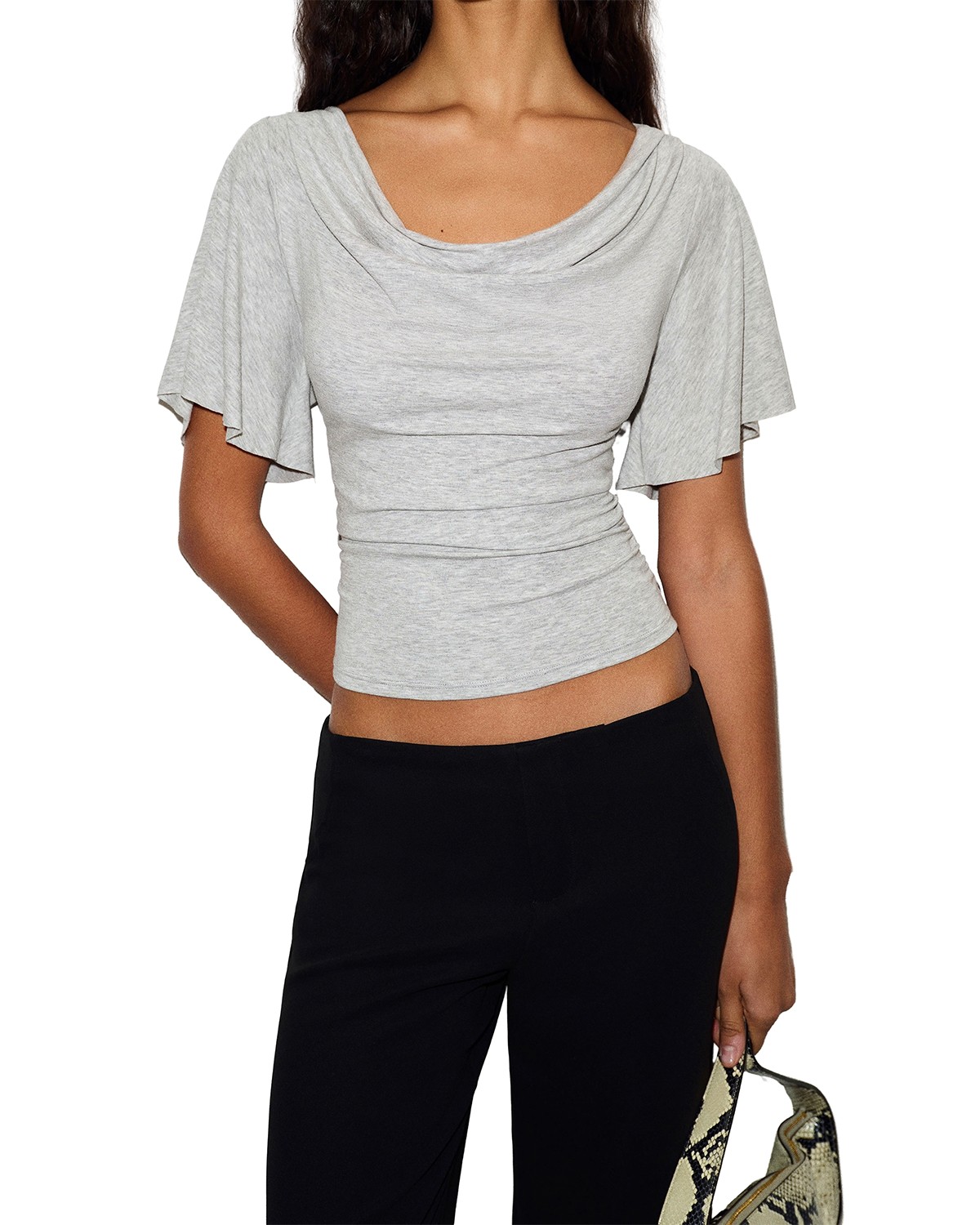
Demi Knit Top
Reformation
$108
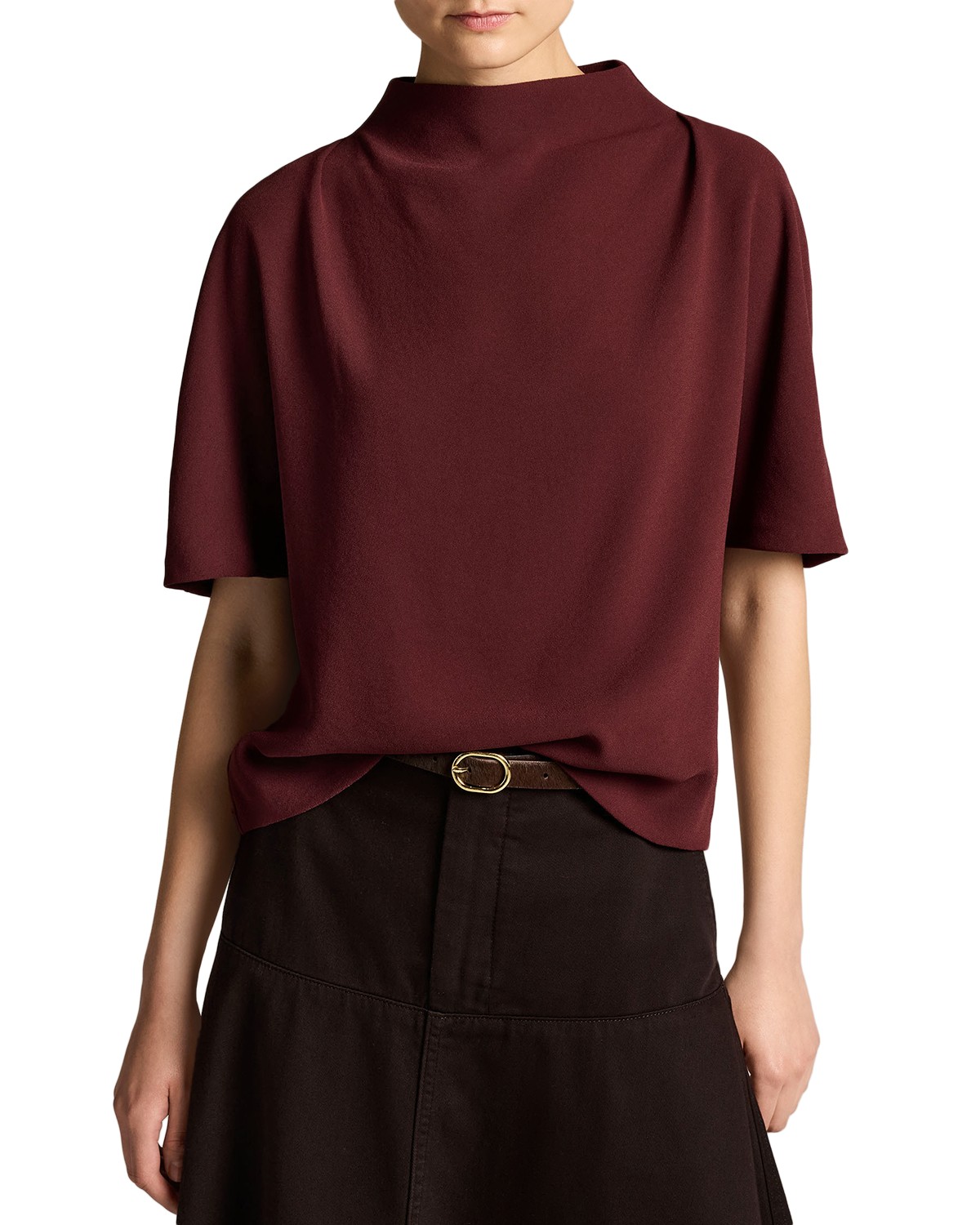
Draped Funnel Neck Top
Vince
$348
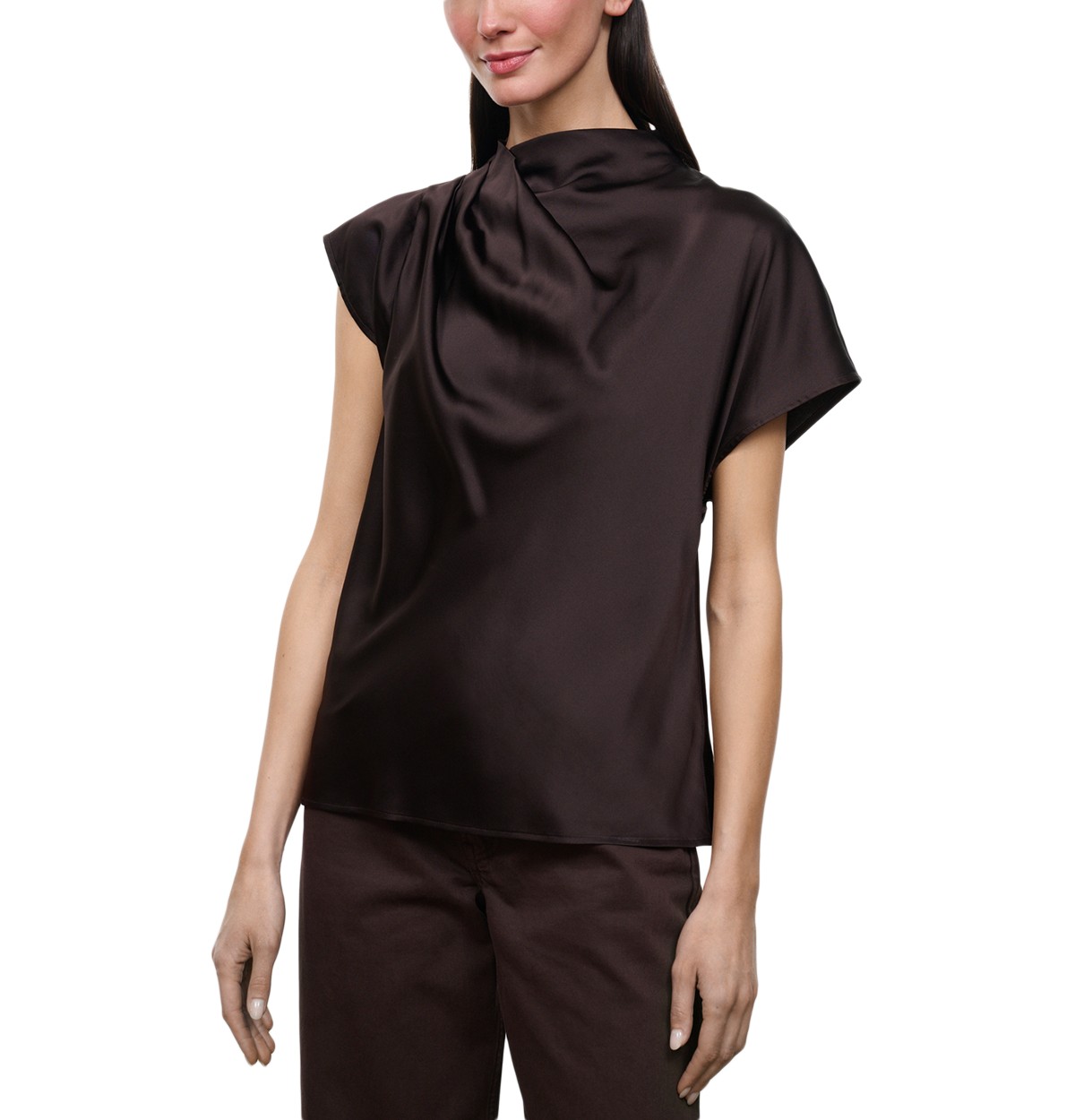
Davina Silk Blend Top
STAUD
$395
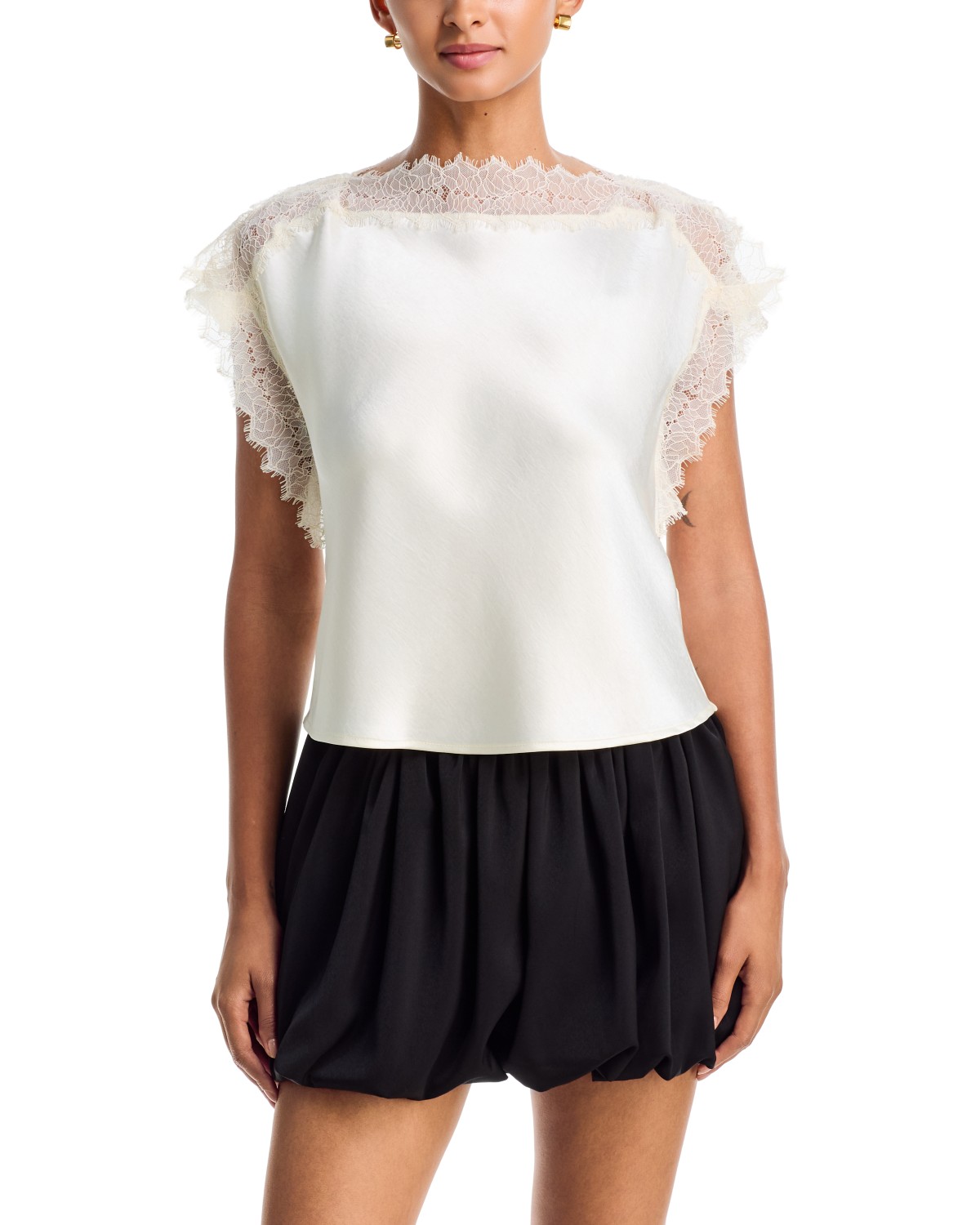
Lace Trim Satin Top - Exclusive
AQUA
$78
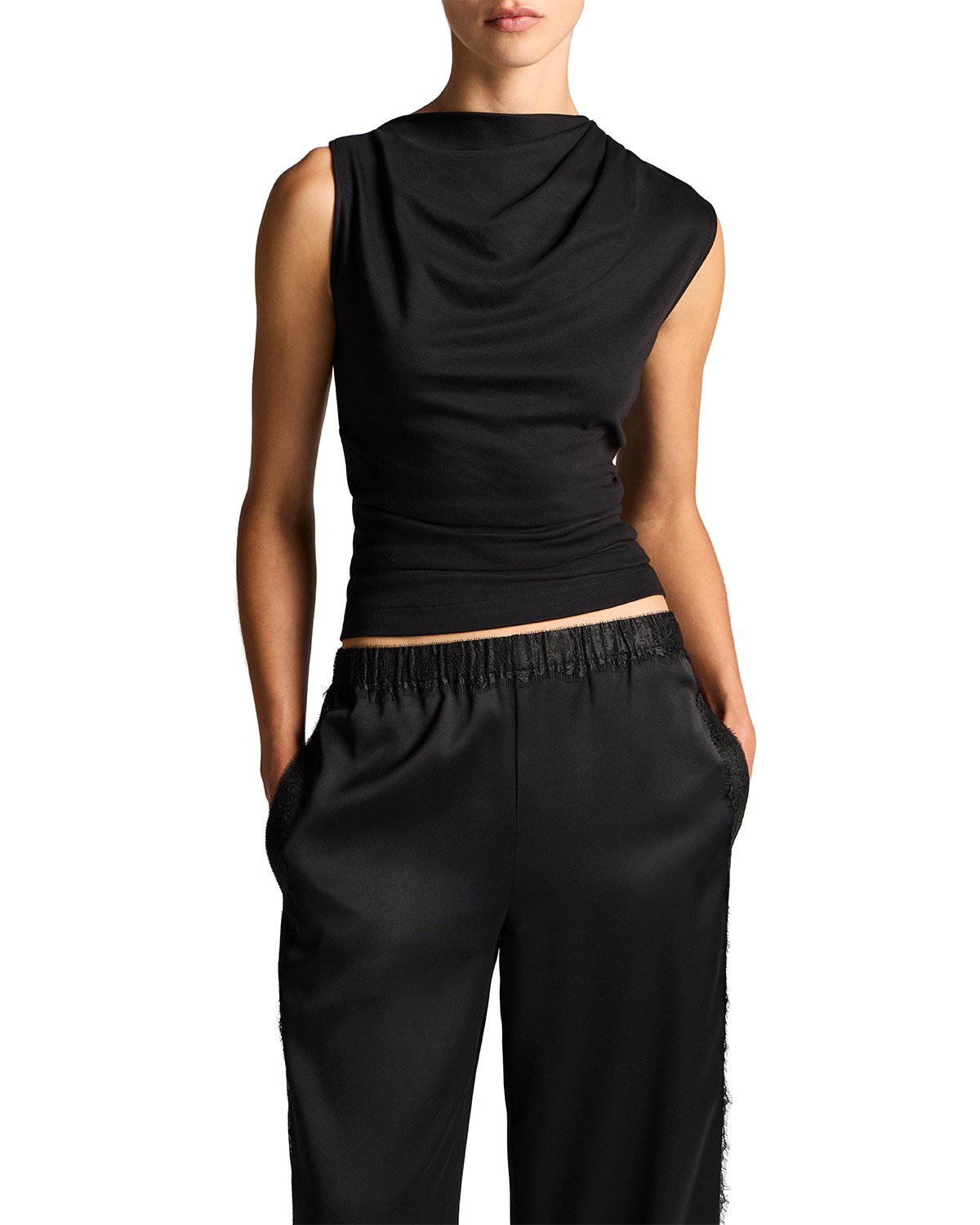
Sleeveless Drape Top
Vince
$148
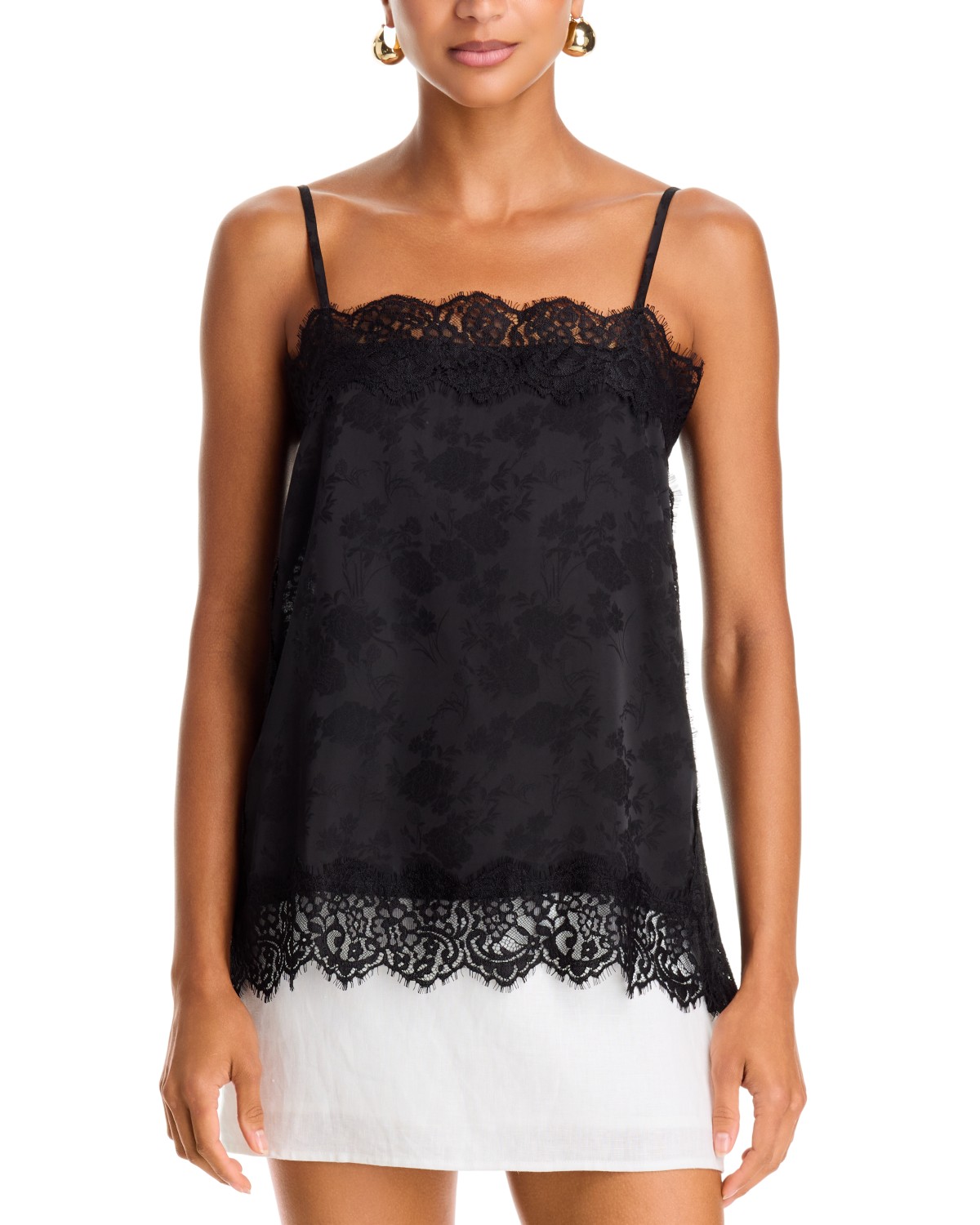
Floral Jacquard Lace Satin Tank Top - Exclusive
AQUA
$68
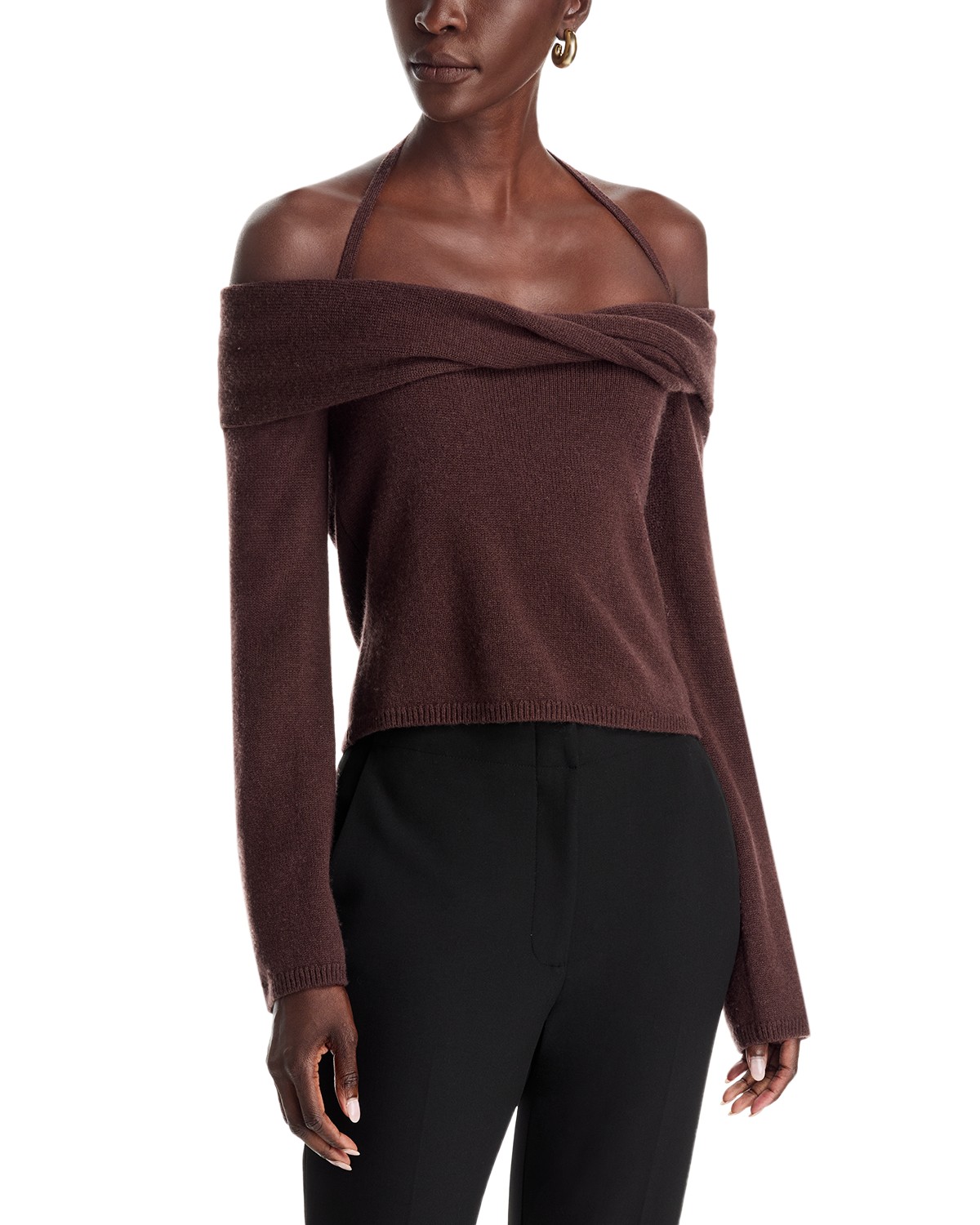
Cambria Wool and Cashmere Off-the-Shoulder Top
SIMKHAI
$425
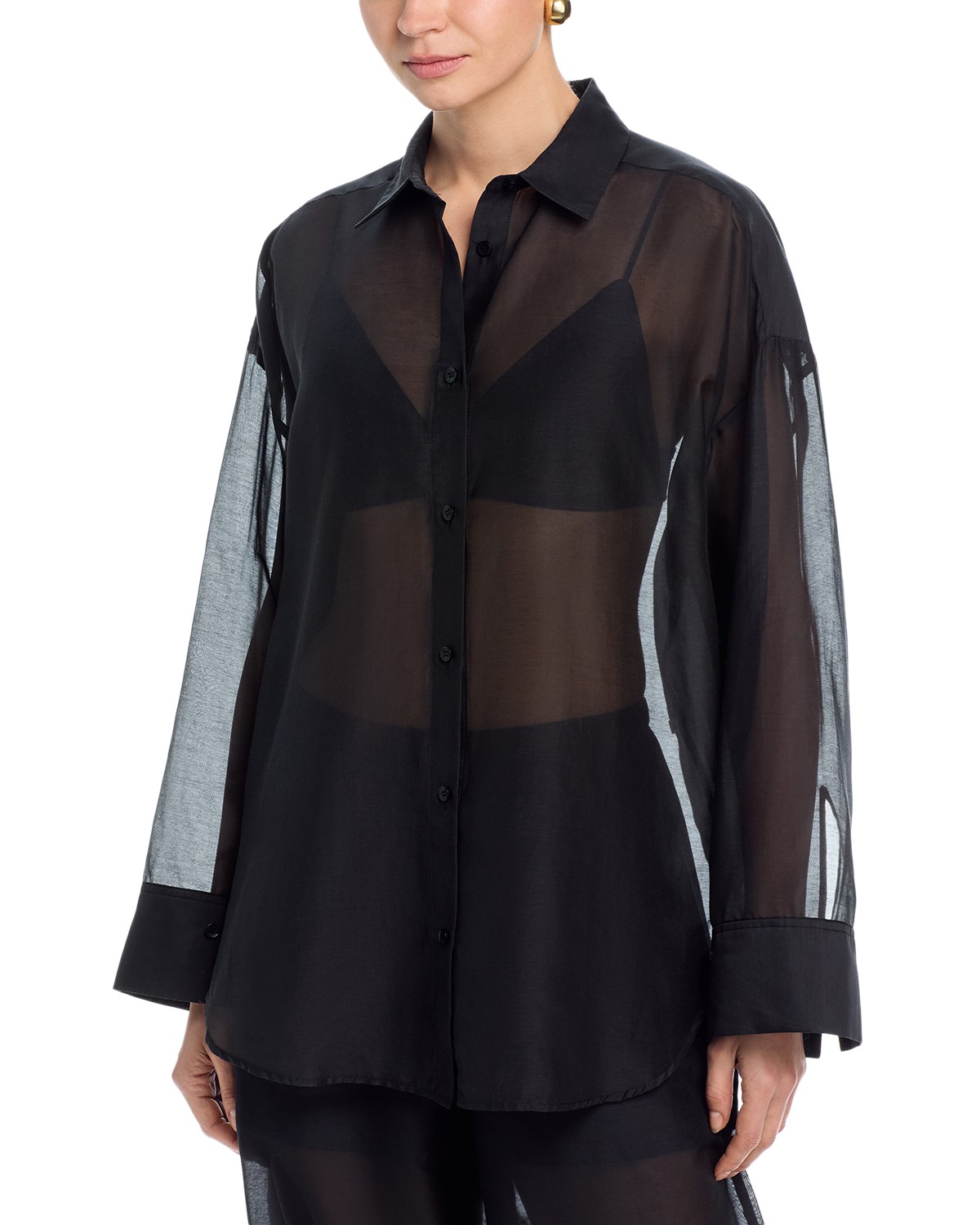
Derris Soft Organza Shirt
By Malene Birger
$345
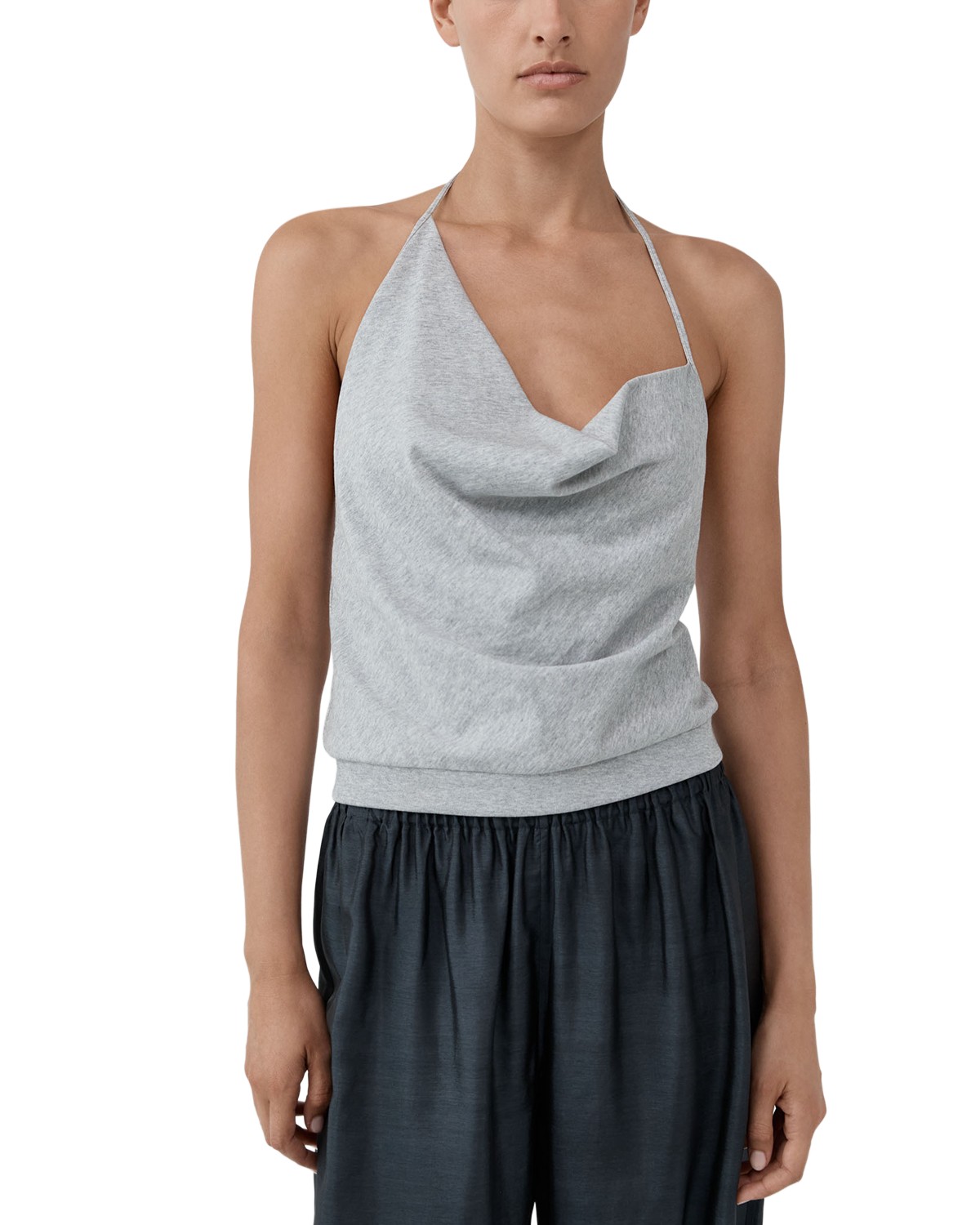
Cotton Jersey Halter Top
St. Agni
$169
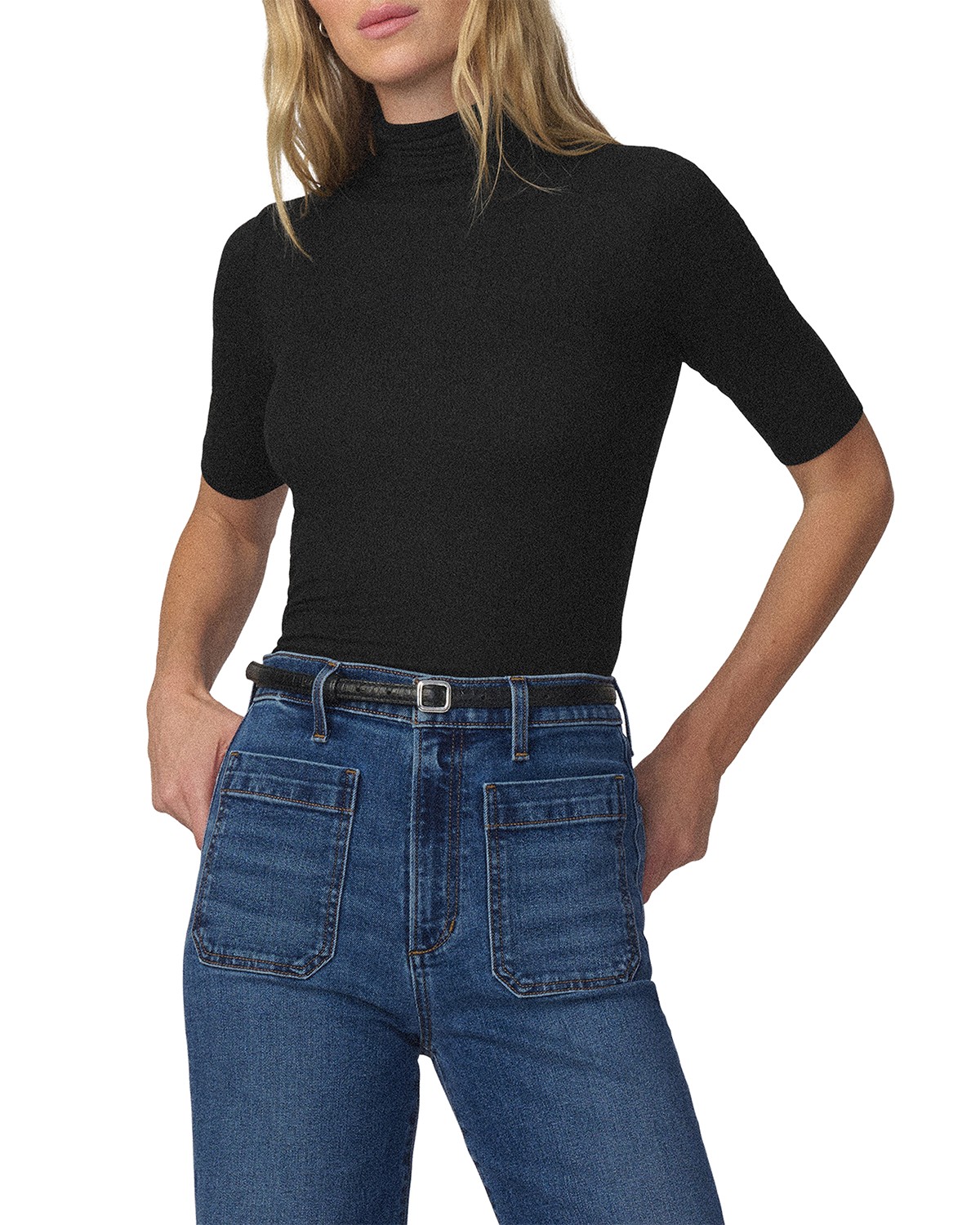
The Tony Half Sleeve Top
Joe's Jeans
$78
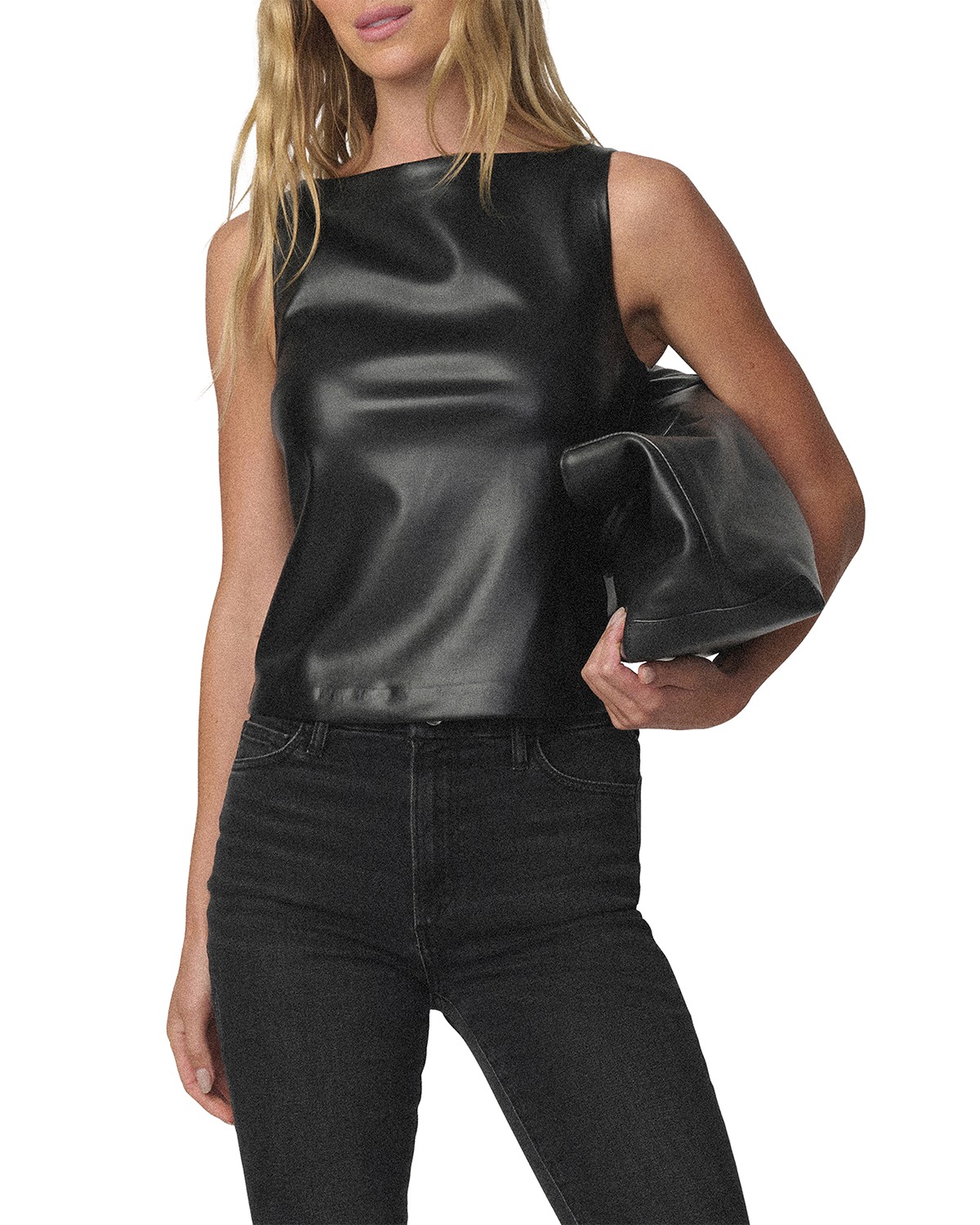
Faux Leather Boat Neck Tank Top
Joe's Jeans
$158
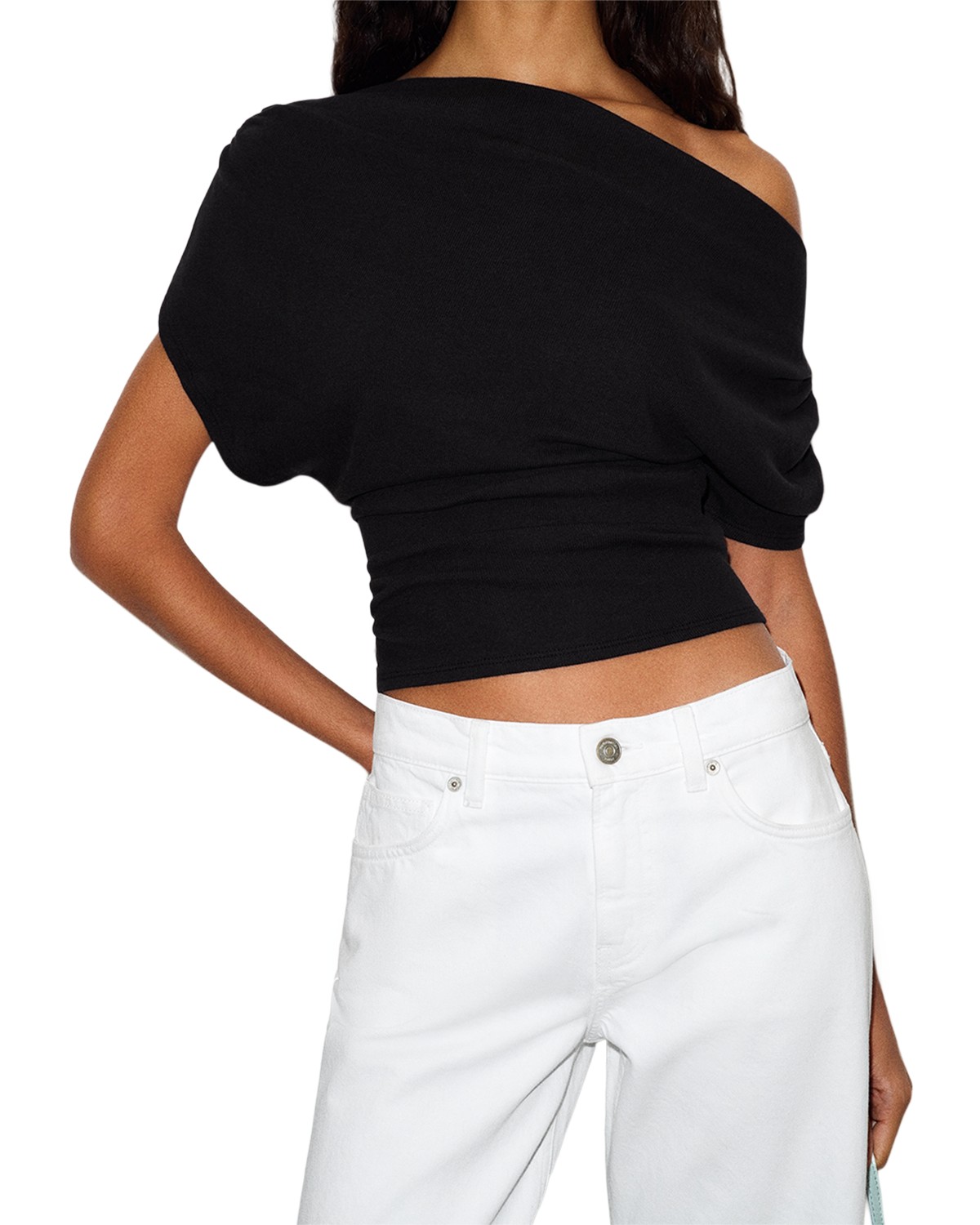
Iris Knit Top
Reformation
$98
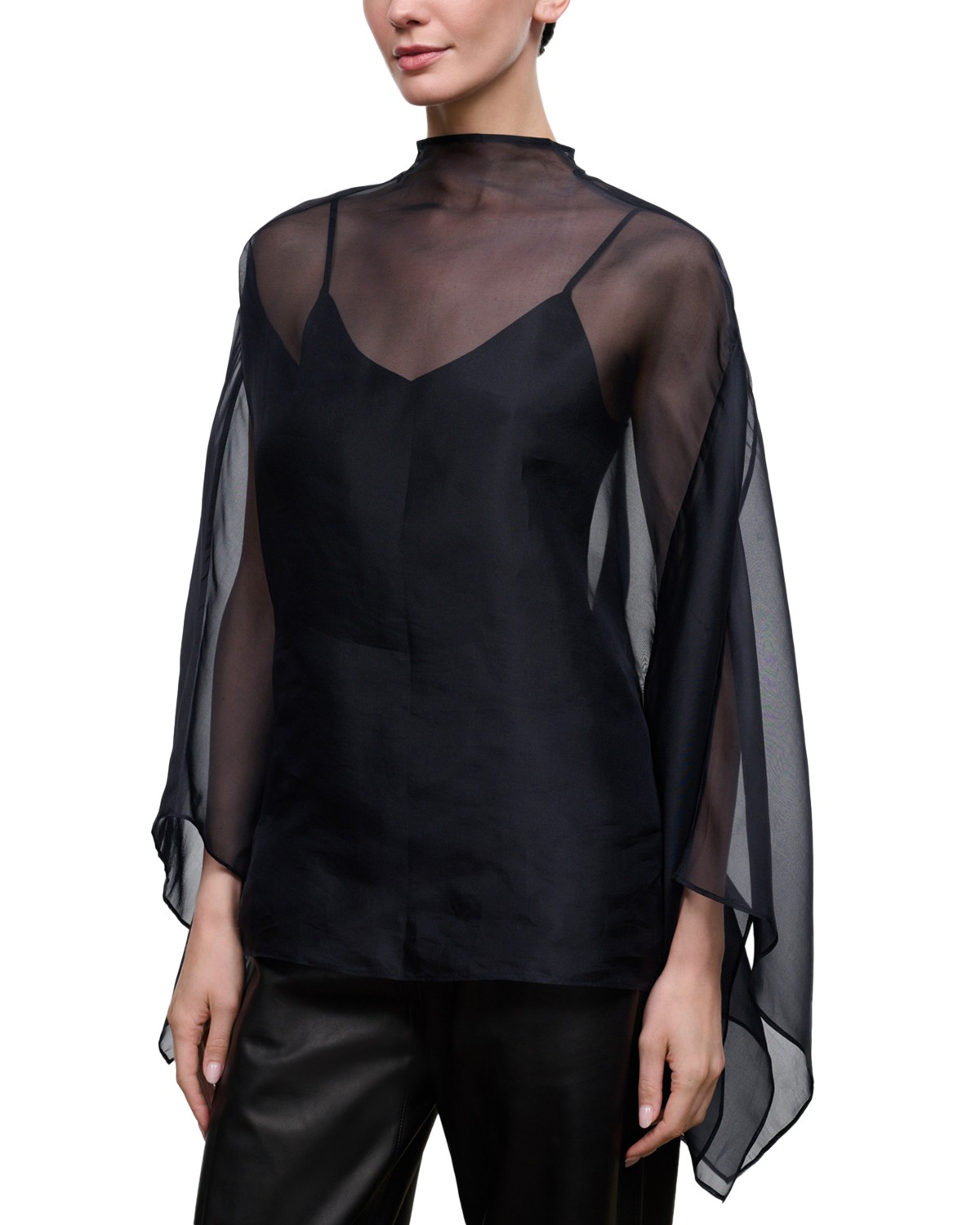
Fia Sheer Silk Top
STAUD
$395
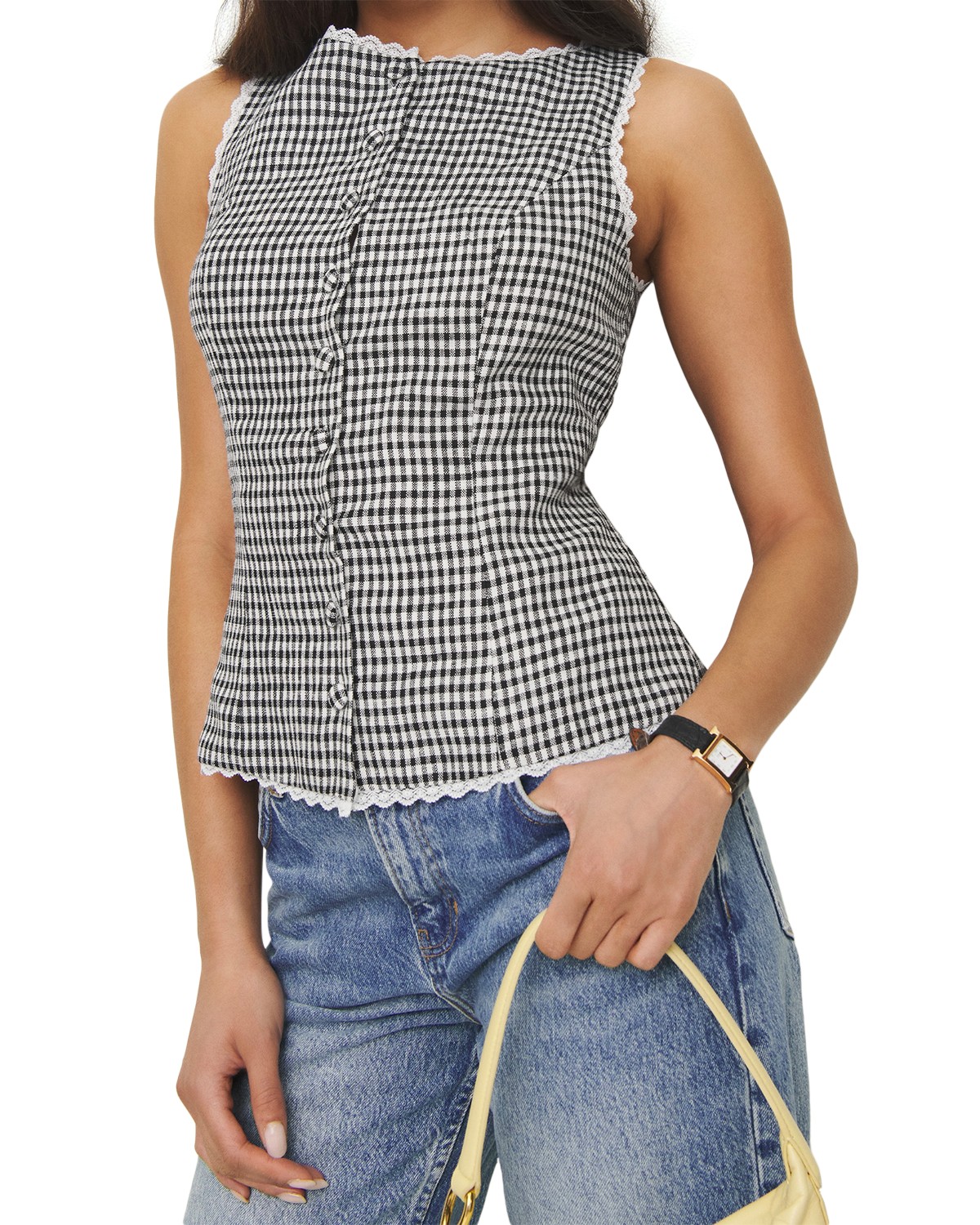
Amela Linen Top
Reformation
$148
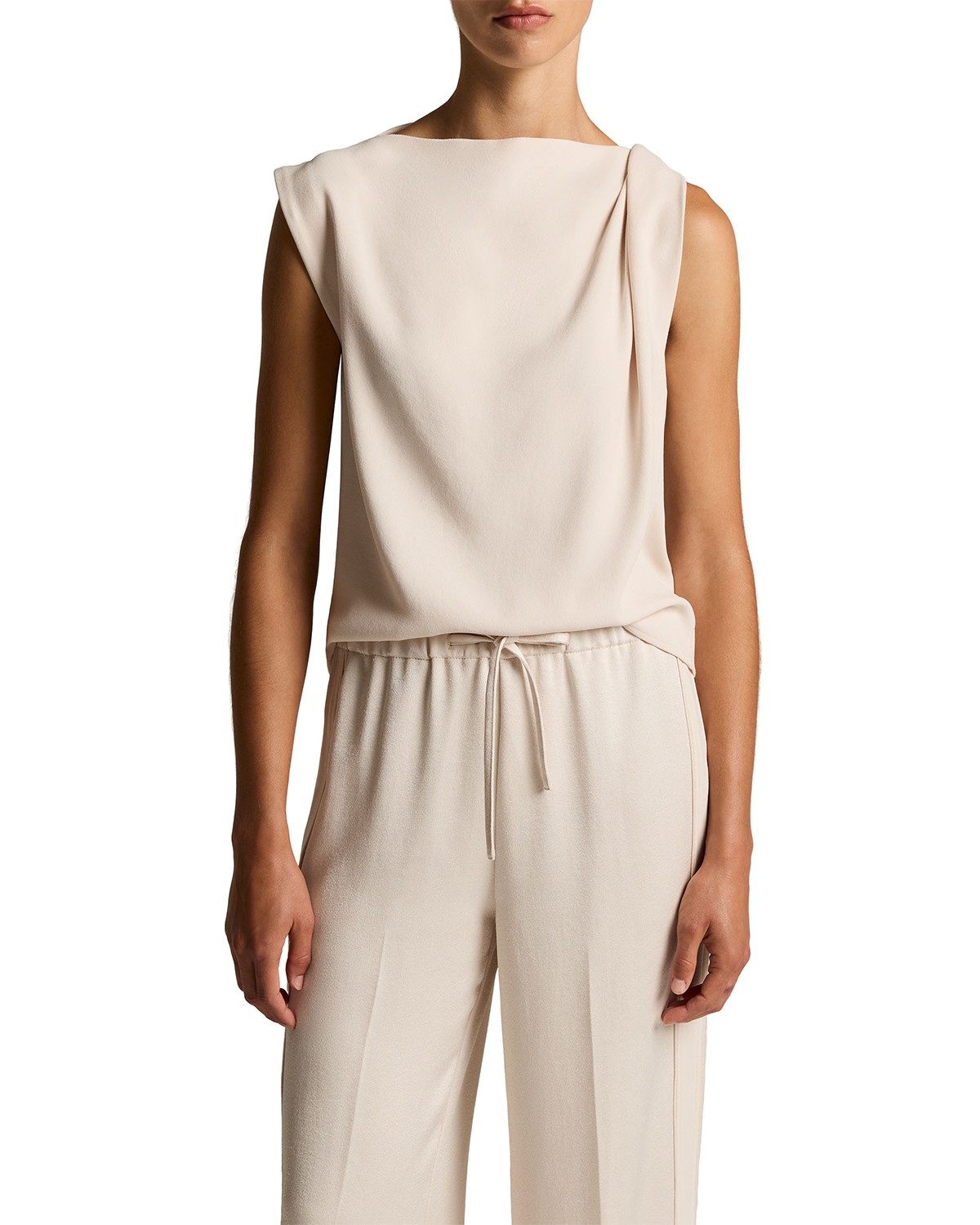
Crepe Draped Shoulder Sleeveless Top
Vince
$328
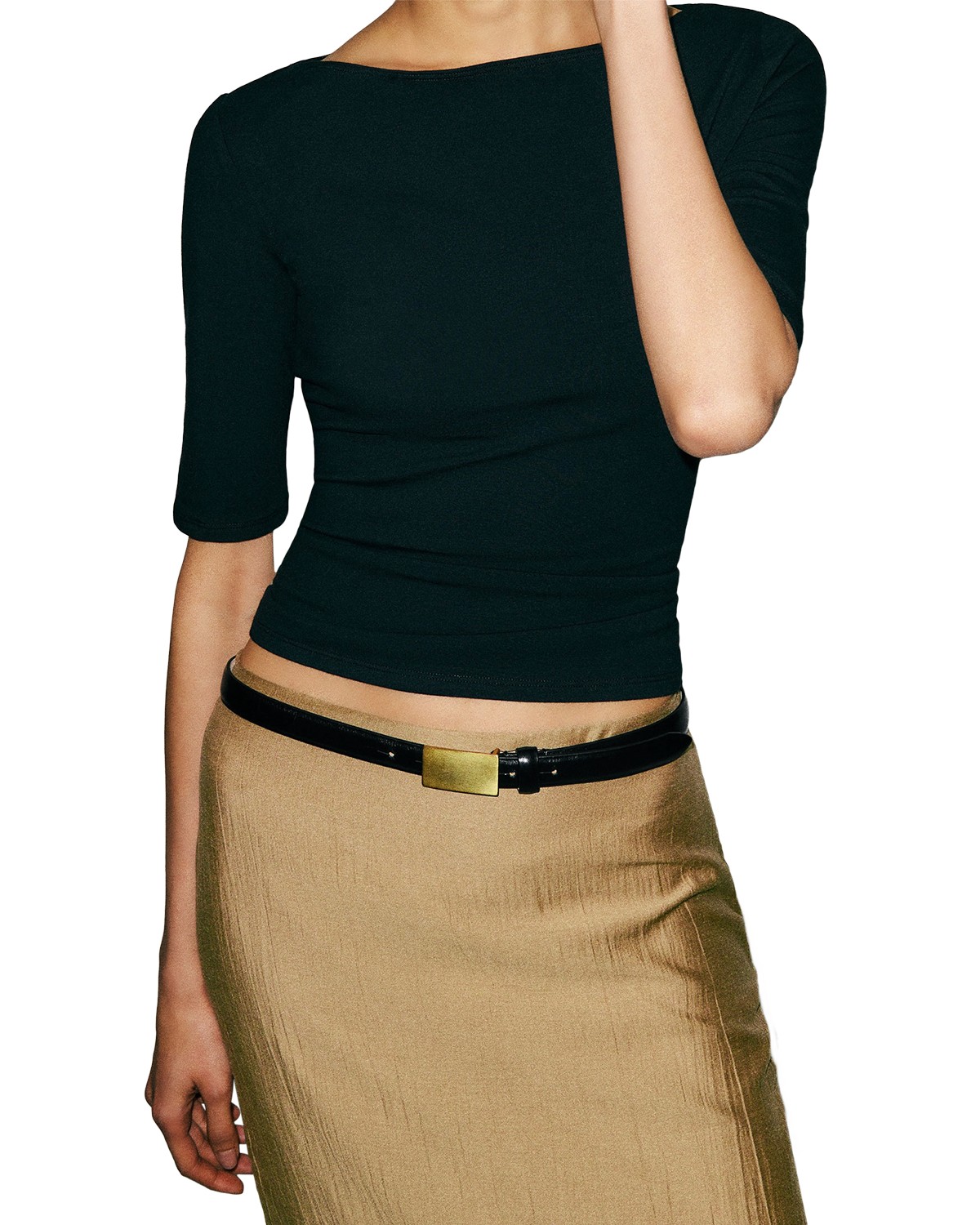
Santino Knit Top
Reformation
$78

Ada Halter Top
A.L.C.
$295

Danielle Silk Top
A.L.C.
$495
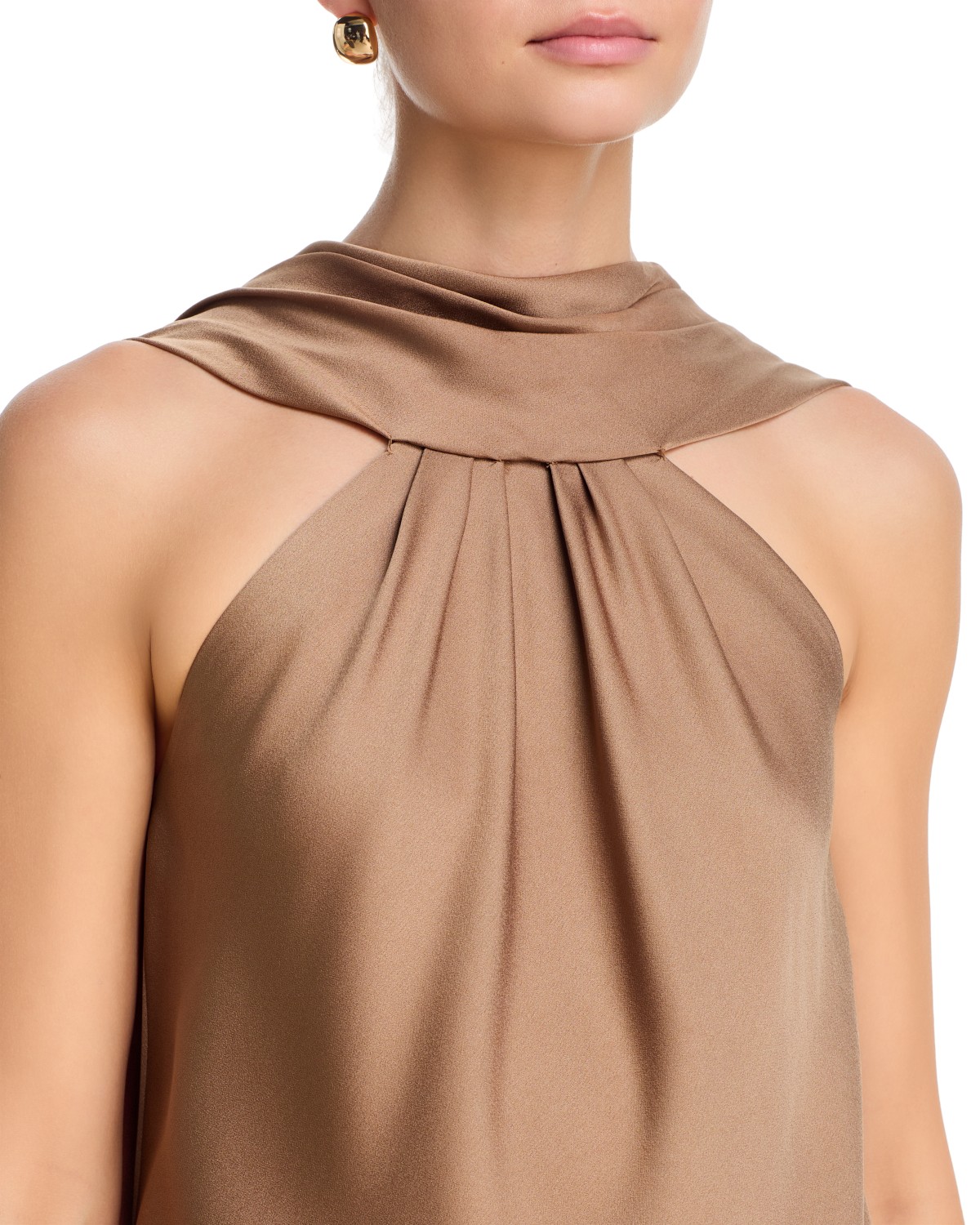
Scarlett Cape Top
SIMKHAI
$395
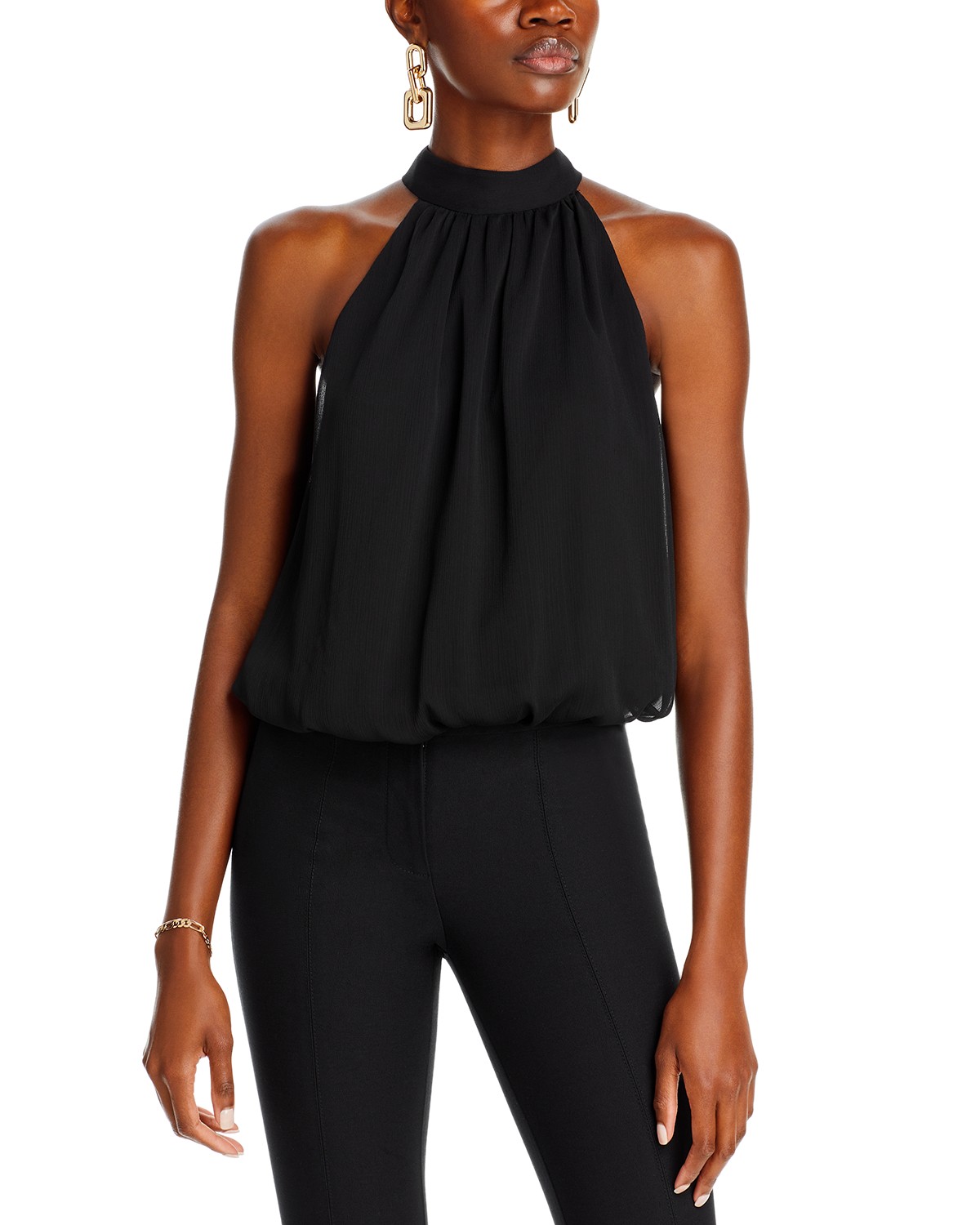
Maris Halter Neck Top
Alice and Olivia
$195
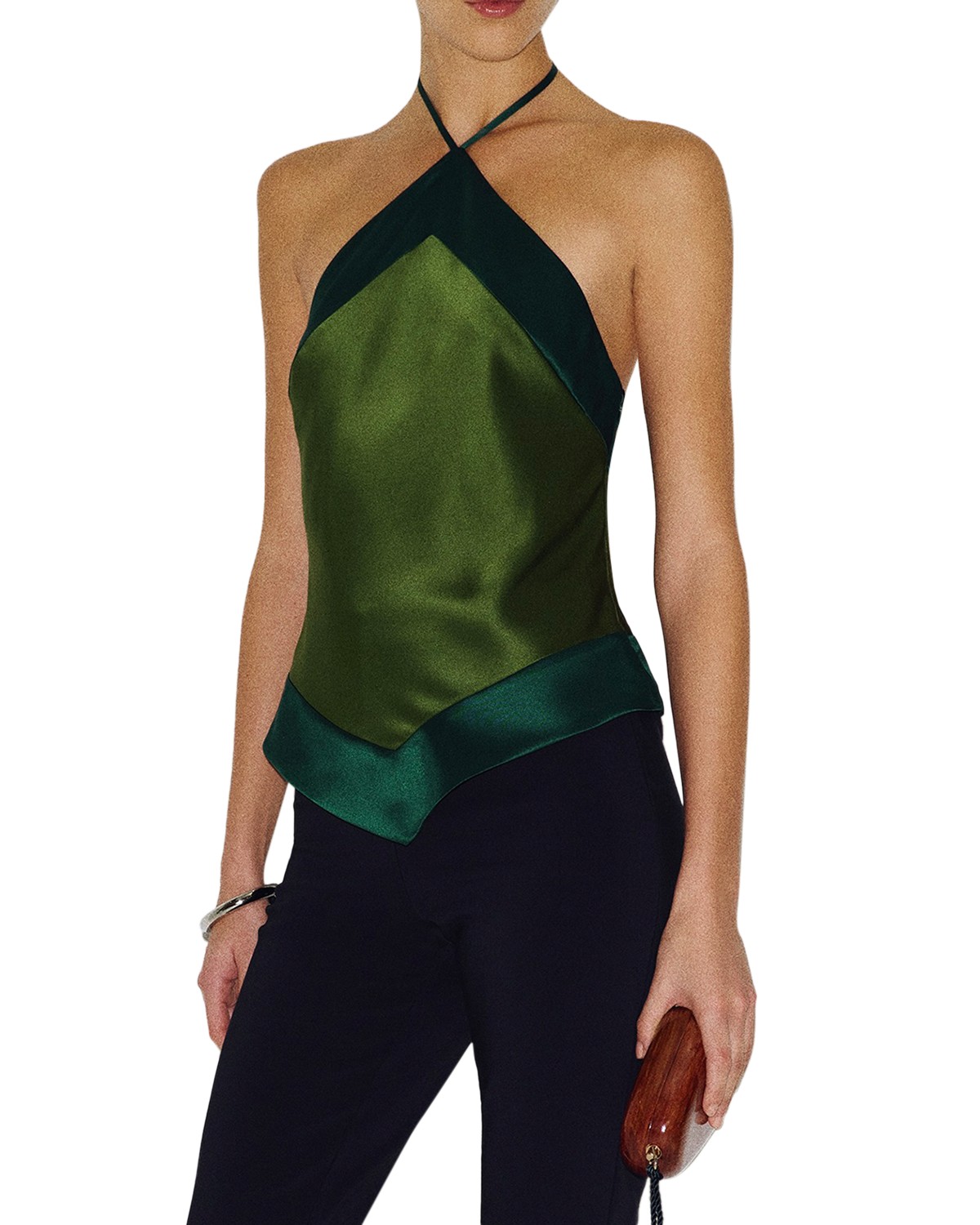
Jillian Silk Halter Top
Reformation
$168
More Tops
More of them, and dressier. Lace trim, faux leather and camisole cuts are what make a top do double duty from desk to dinner, which is the actual requirement of an urban autumn wardrobe. One garment, two settings.

Annabelle Silk And Lace Camisole Top
A.L.C.
$350
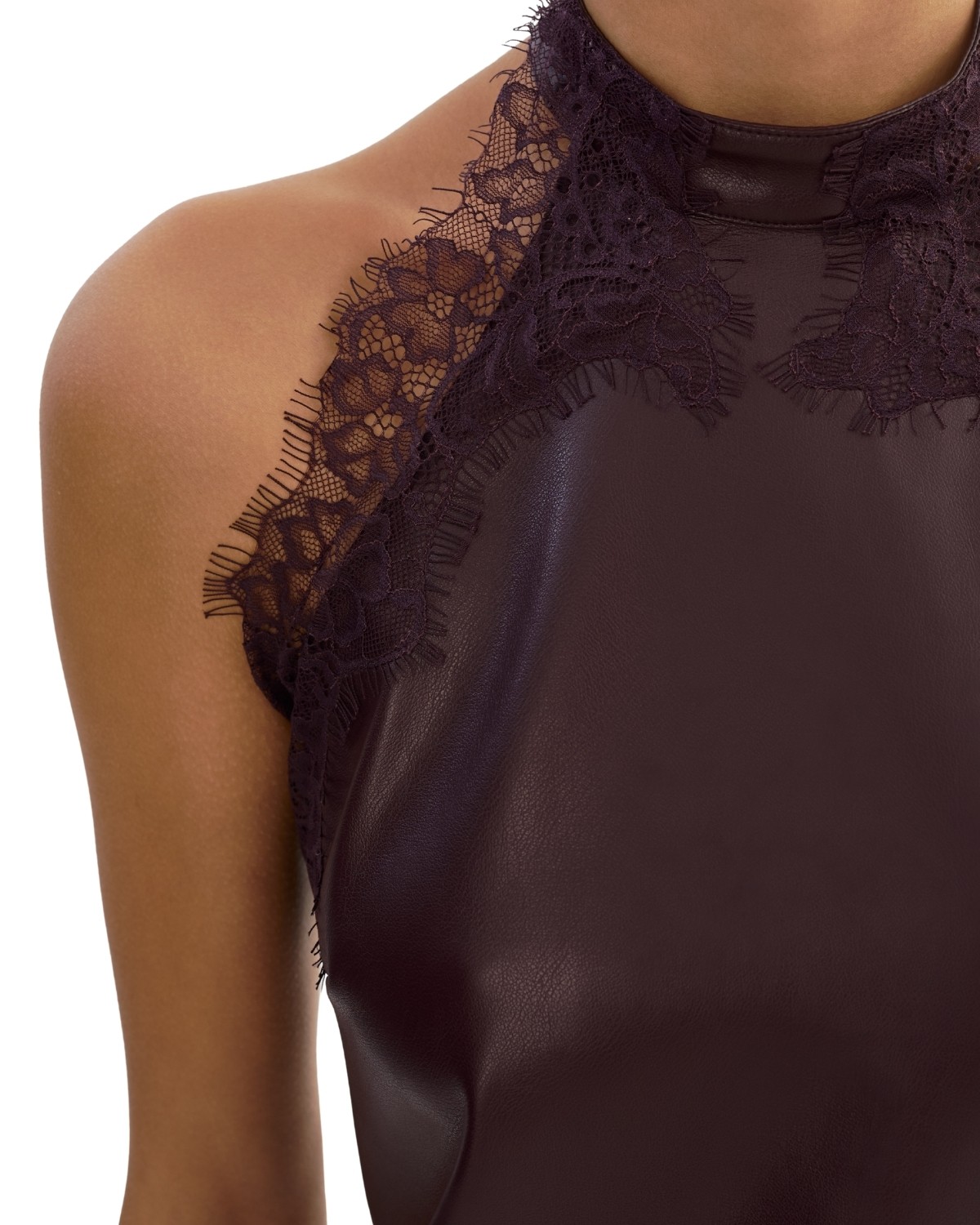
Ginny Lace Trim Faux Leather Top
LAMARQUE
$195
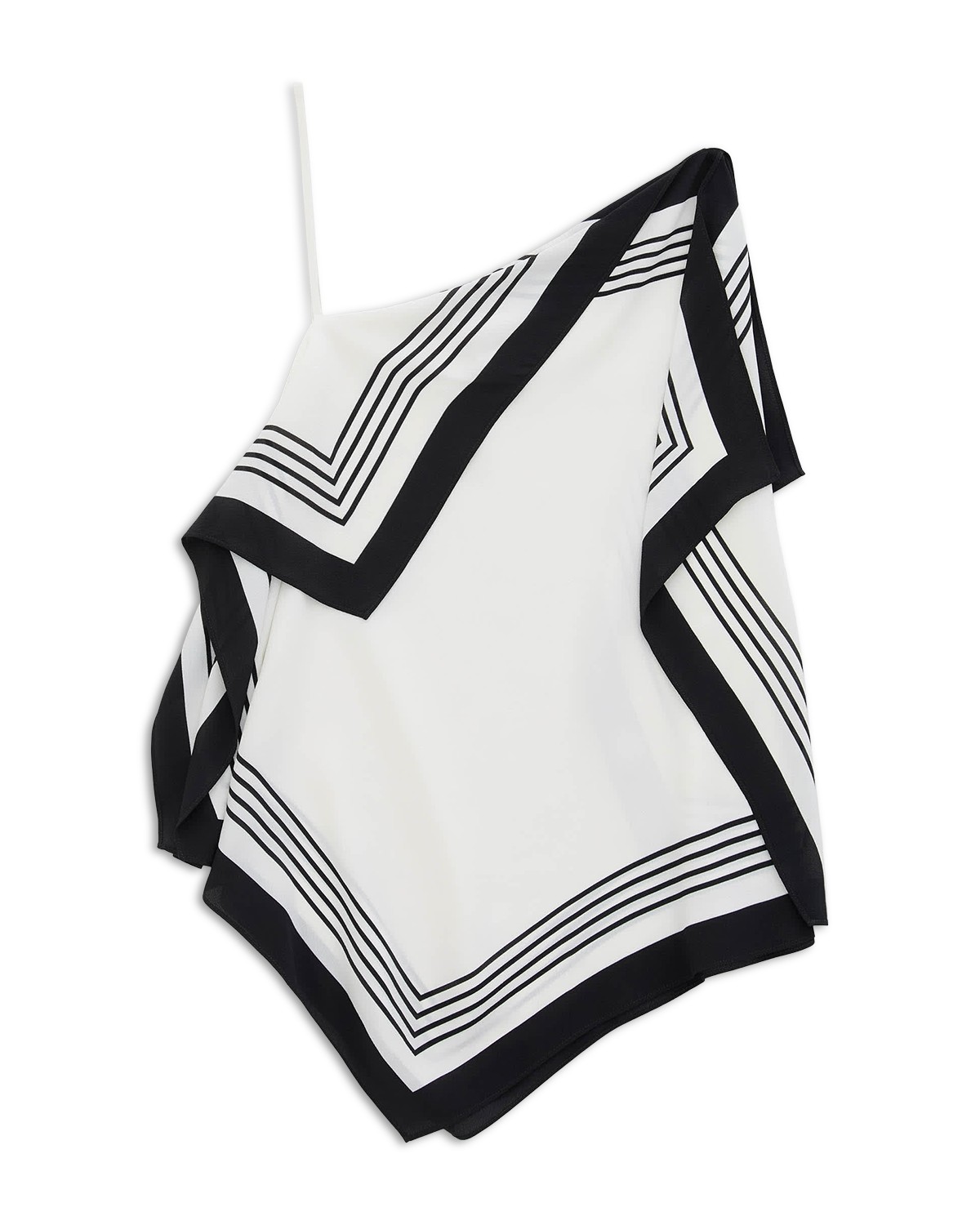
Border Print Scarf Top
AG
$245
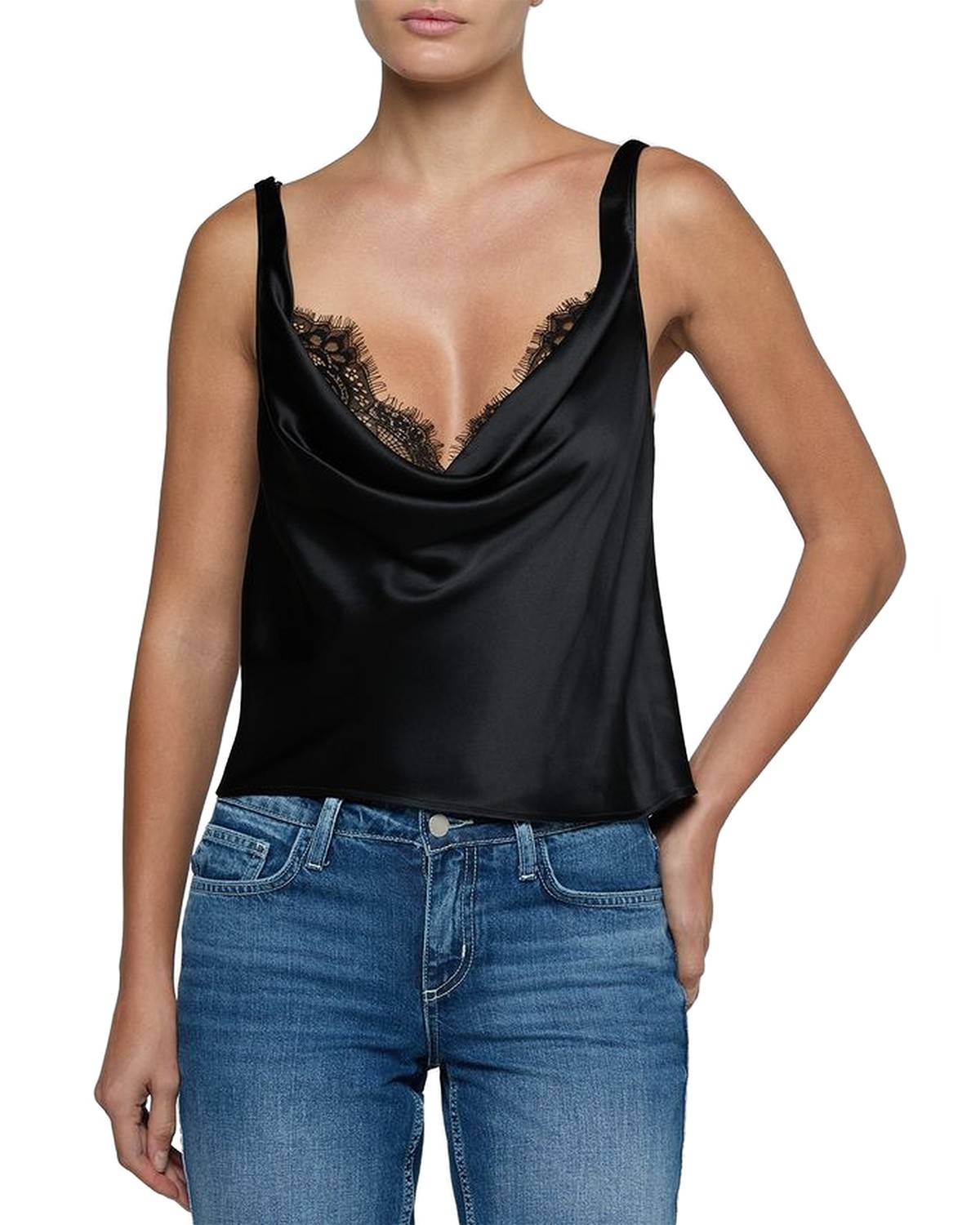
Evadne Cowl Neck Lace Trim Lace Tank Top
L'AGENCE
$325
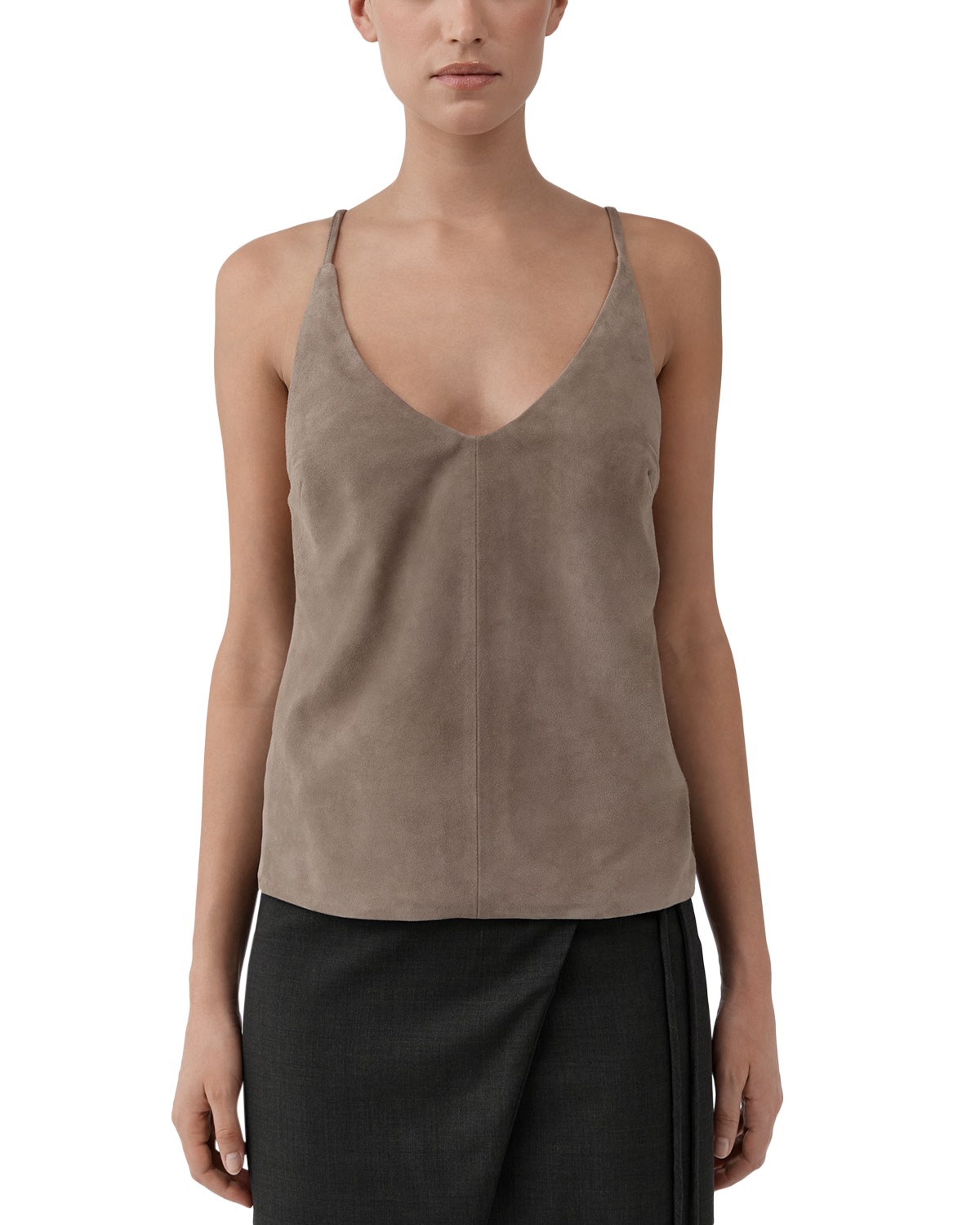
Low Back Suede Top
St. Agni
$489
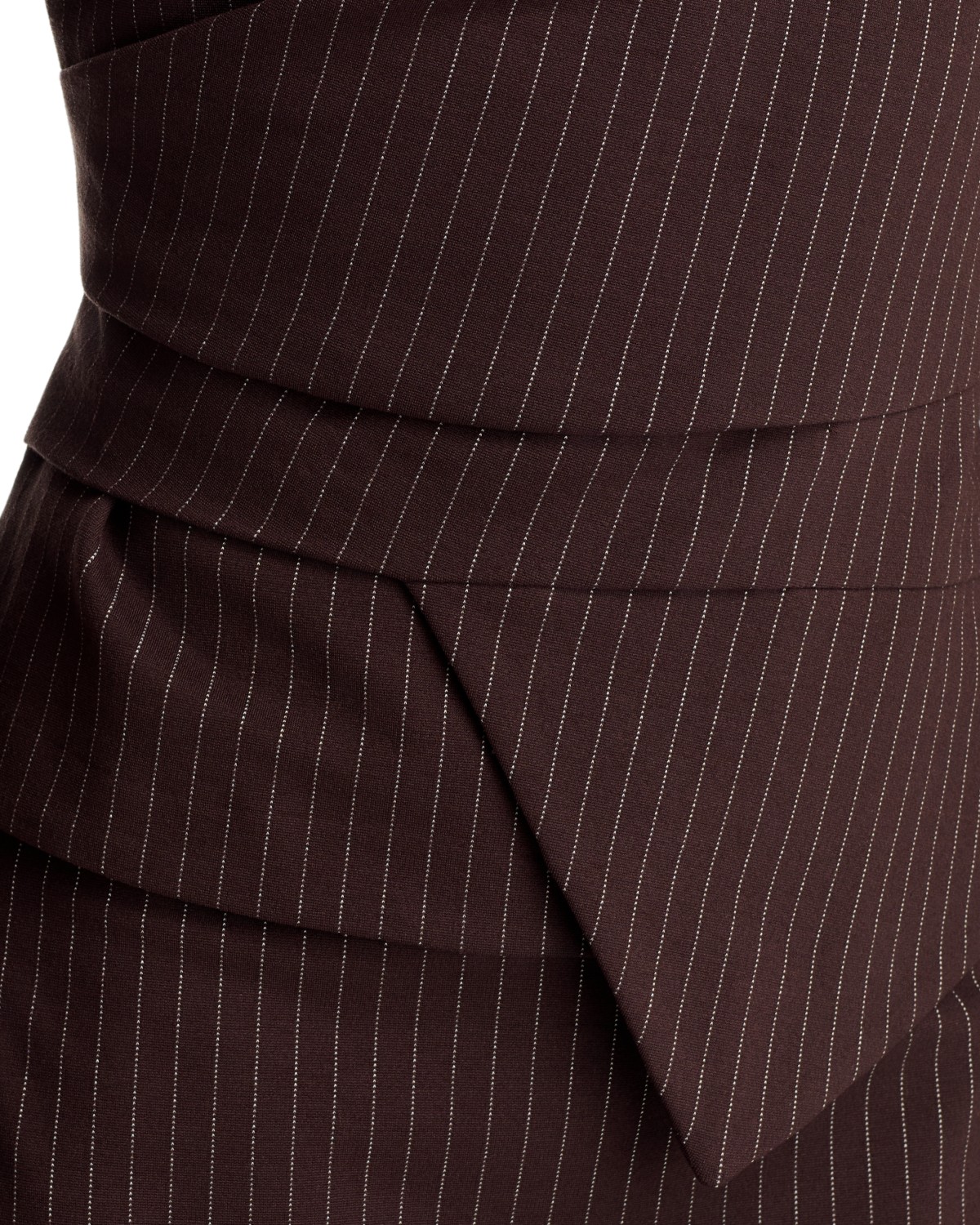
Sevyn Strapless Top
Tanya Taylor
$345
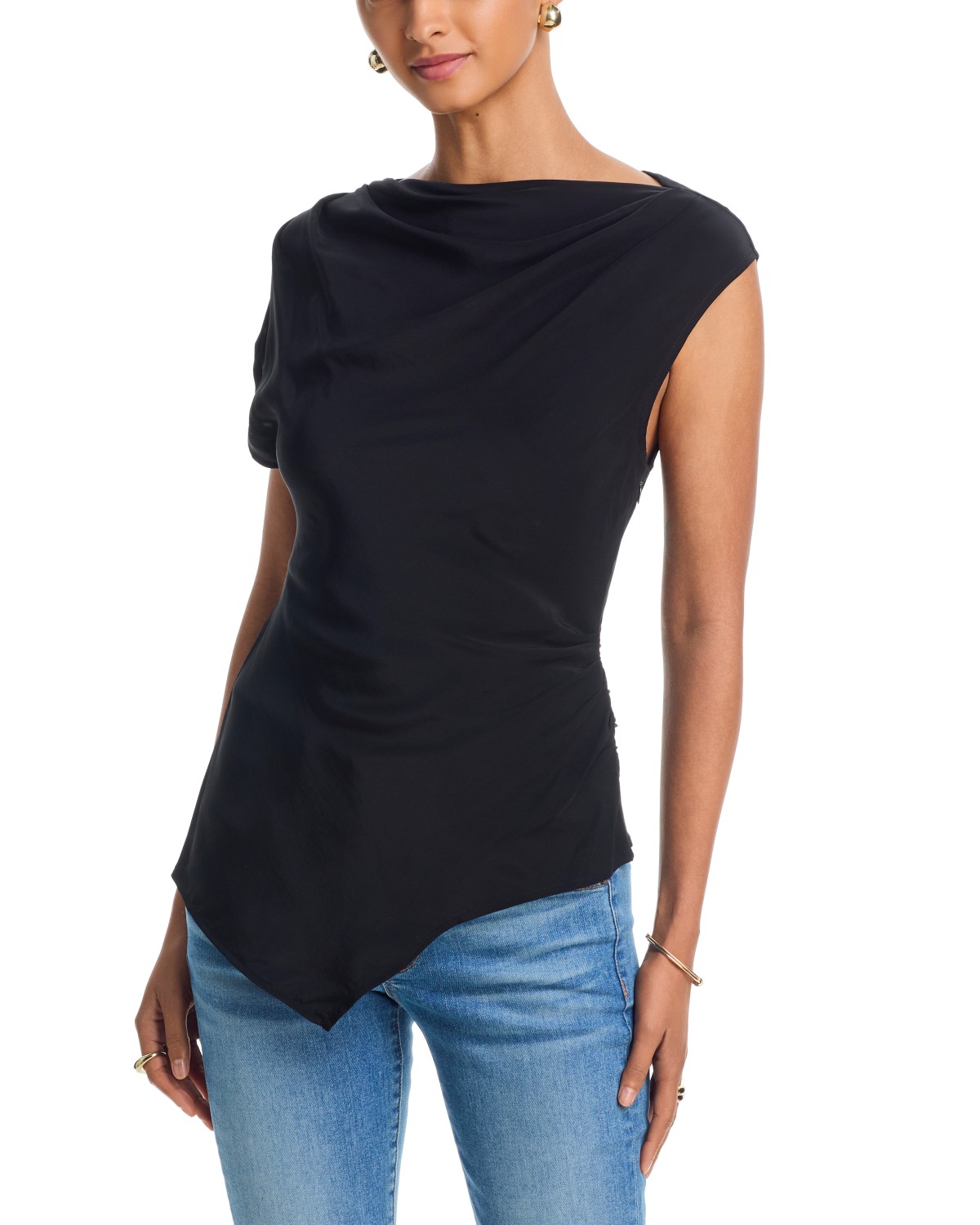
Yvonne Asymmetrical Top
Veronica Beard
$328
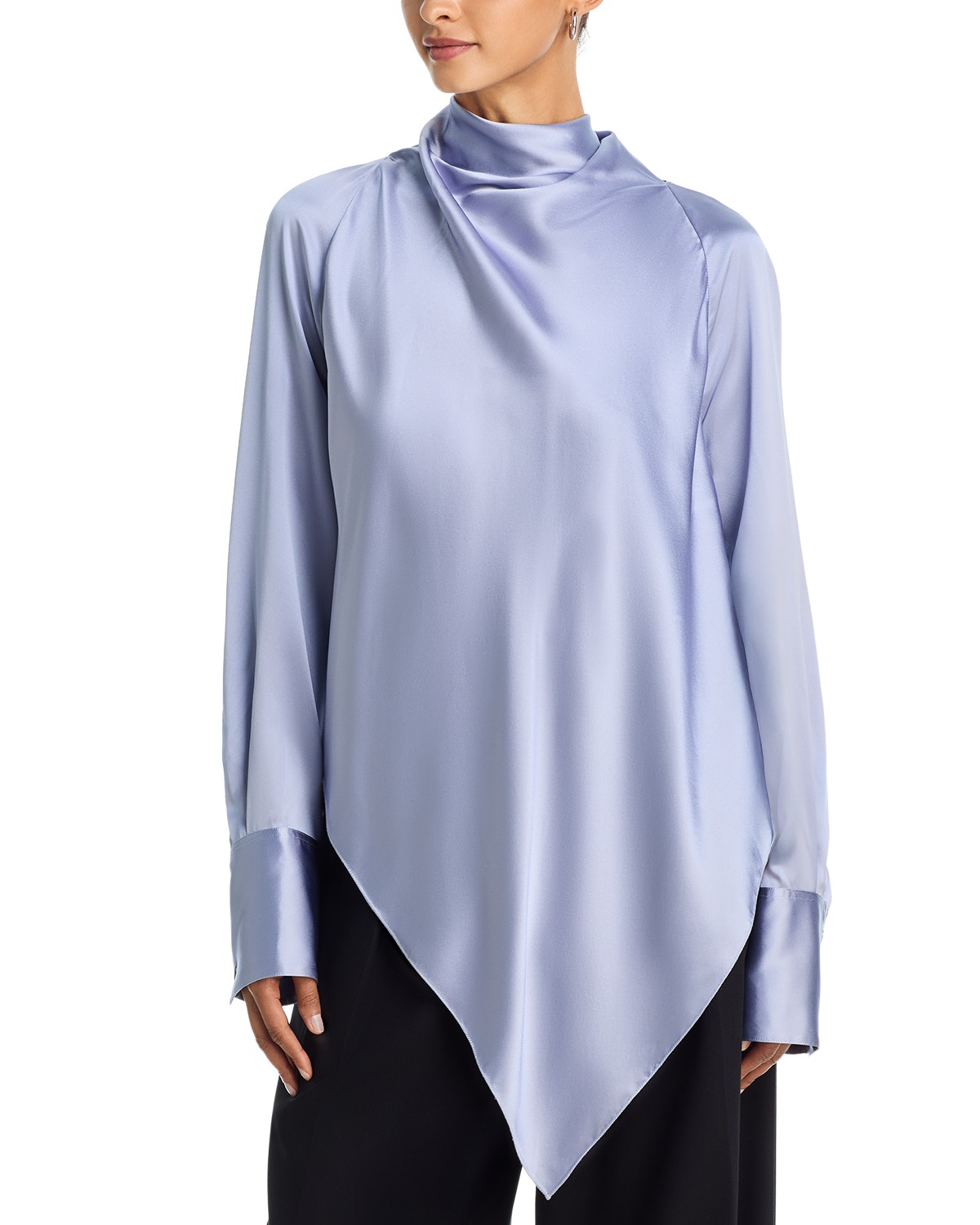
Tie Neck Long Sleeve Silk Top
Helmut Lang
$528
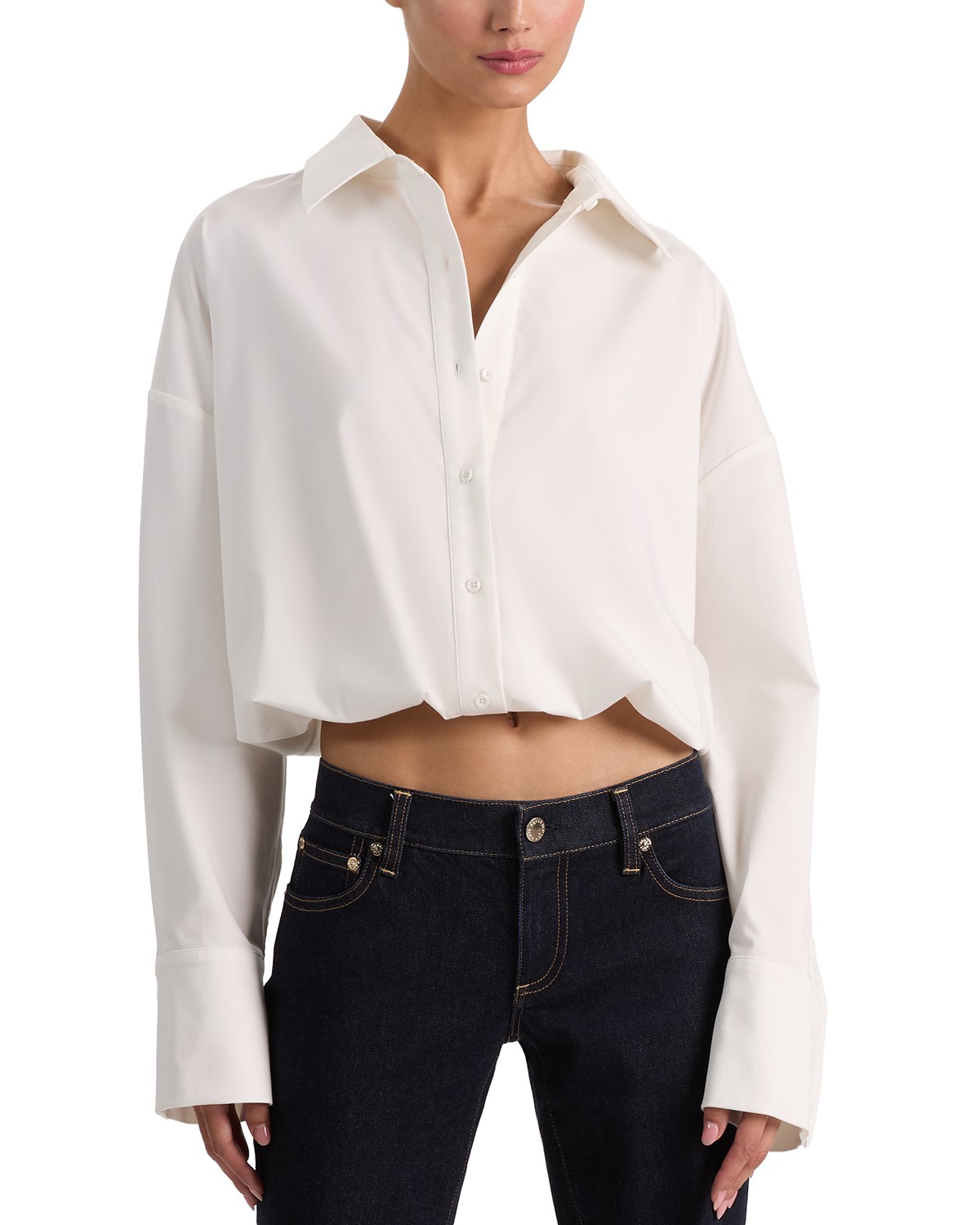
Tobie Twill Bubble Hem Shirt
Alice and Olivia
$330
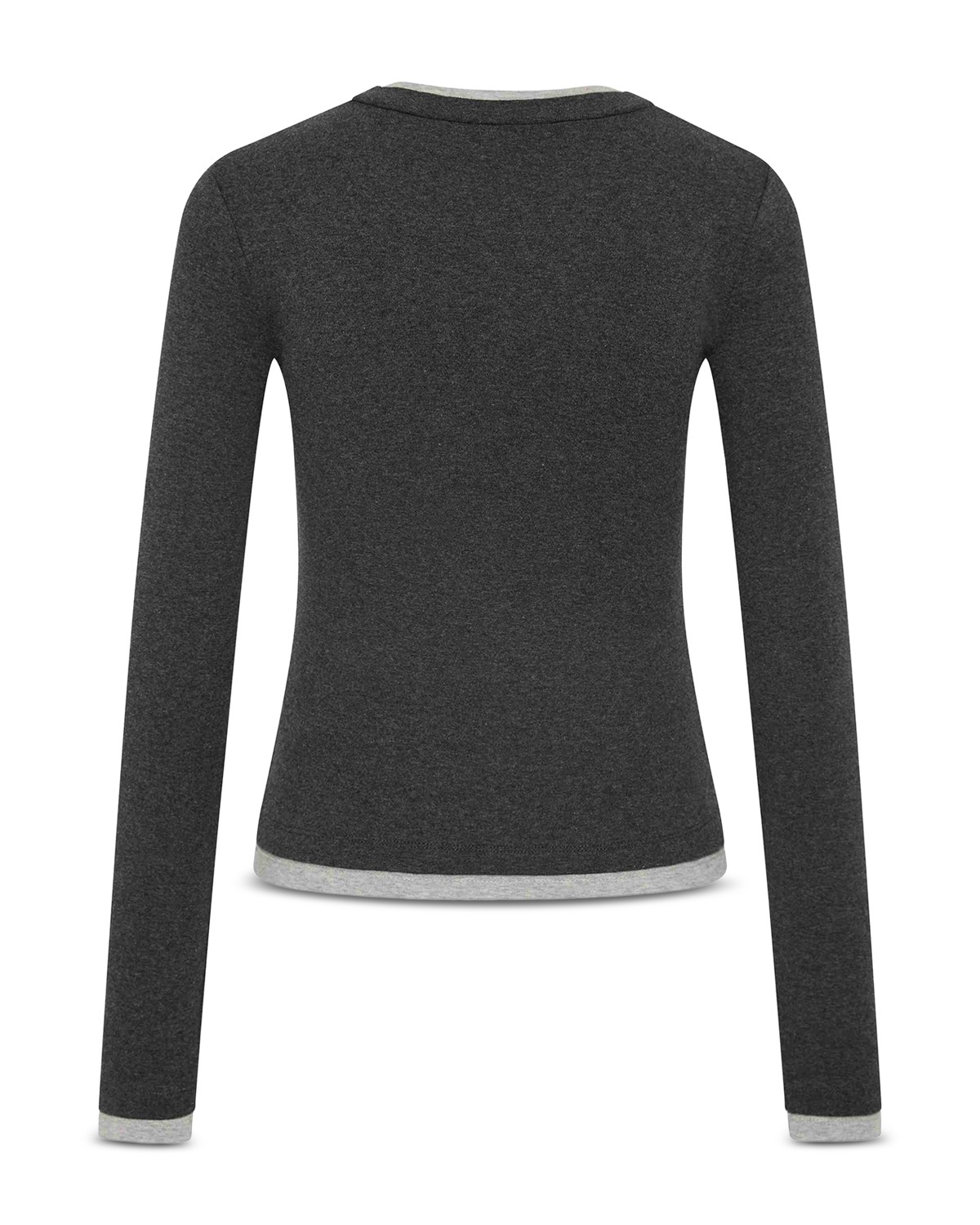
Cotton V Neck Long Sleeve Top
St. Agni
$179
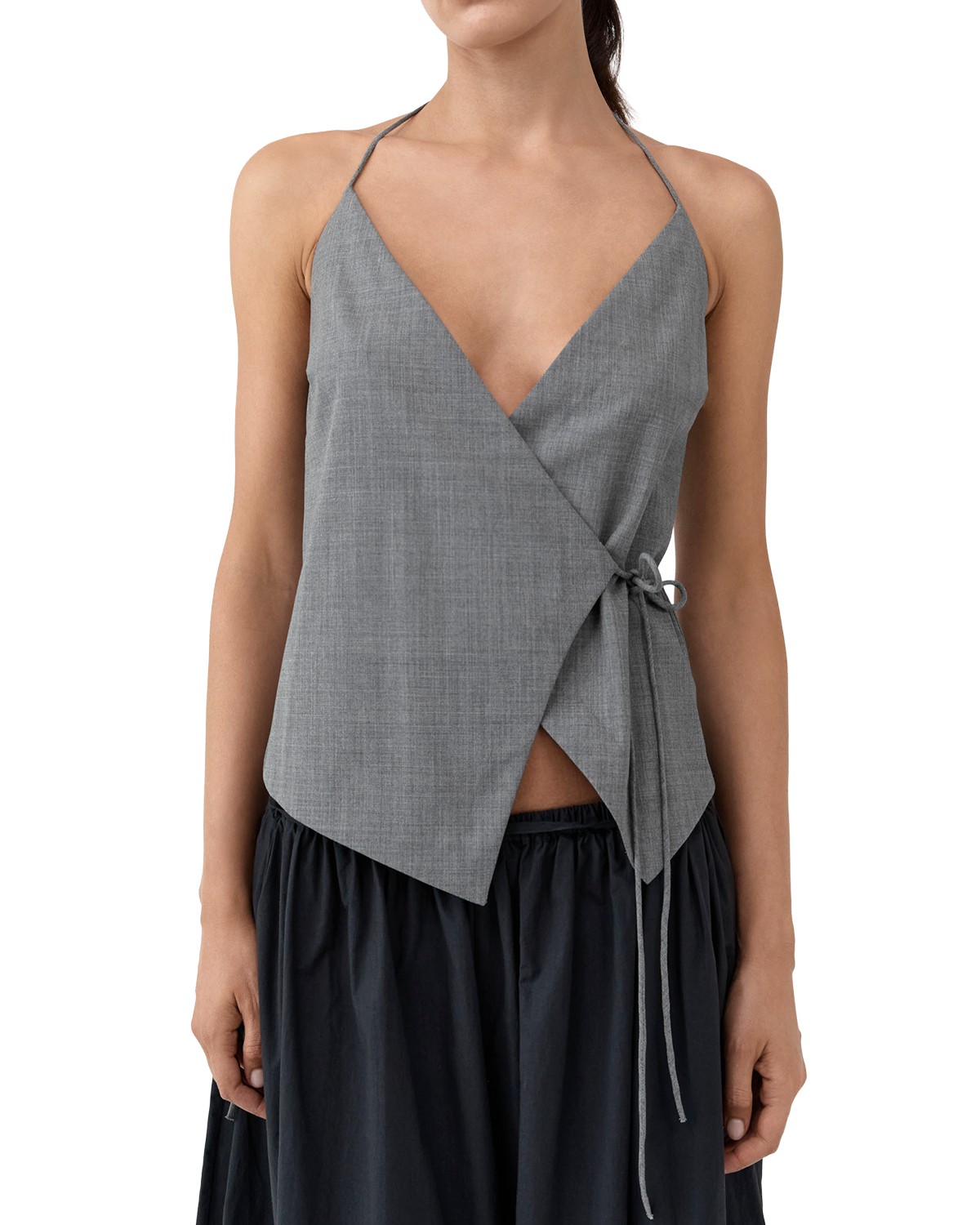
Wool Blend Rouleau Halter Top
St. Agni
$279
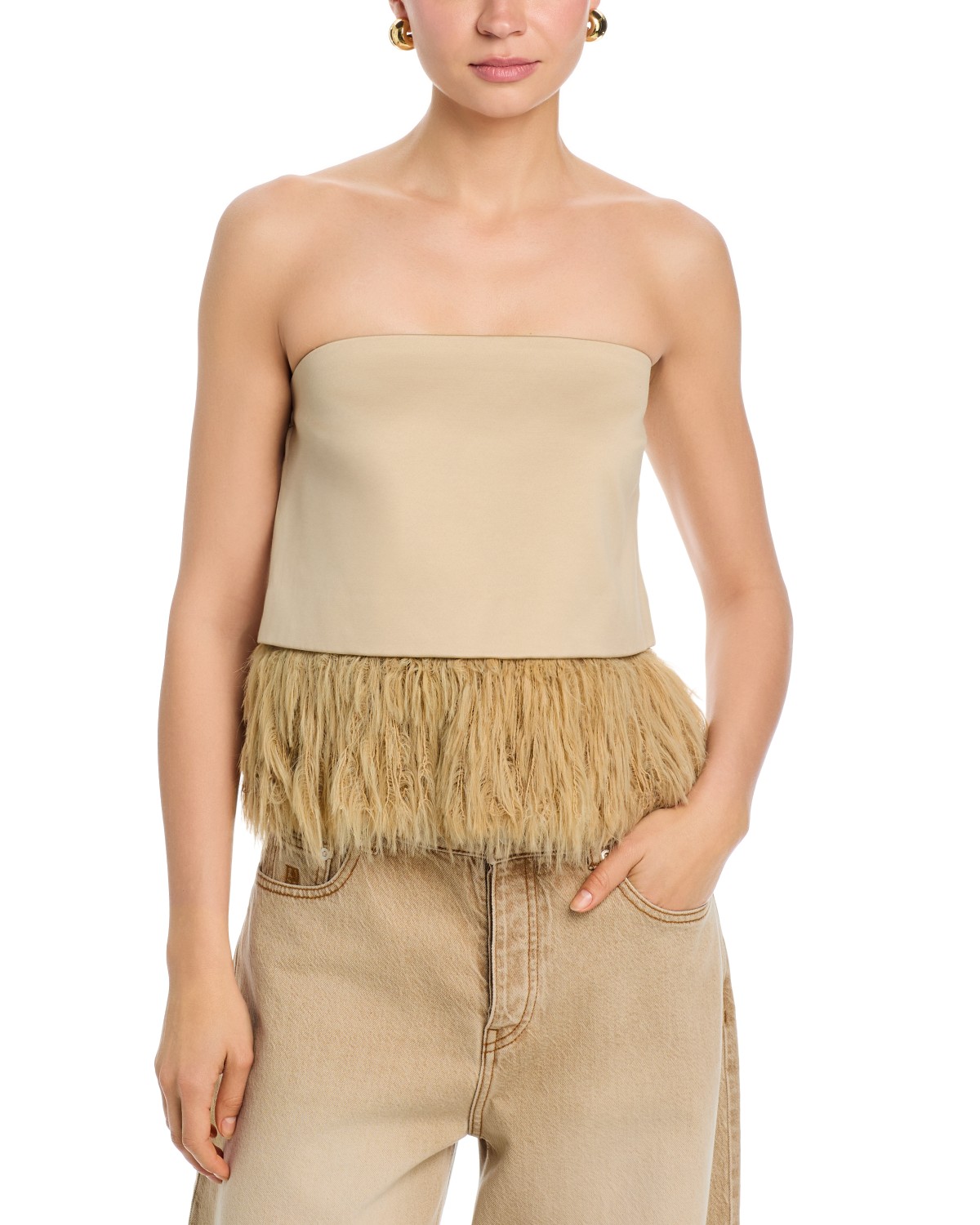
Melva Top
By Malene Birger
$425
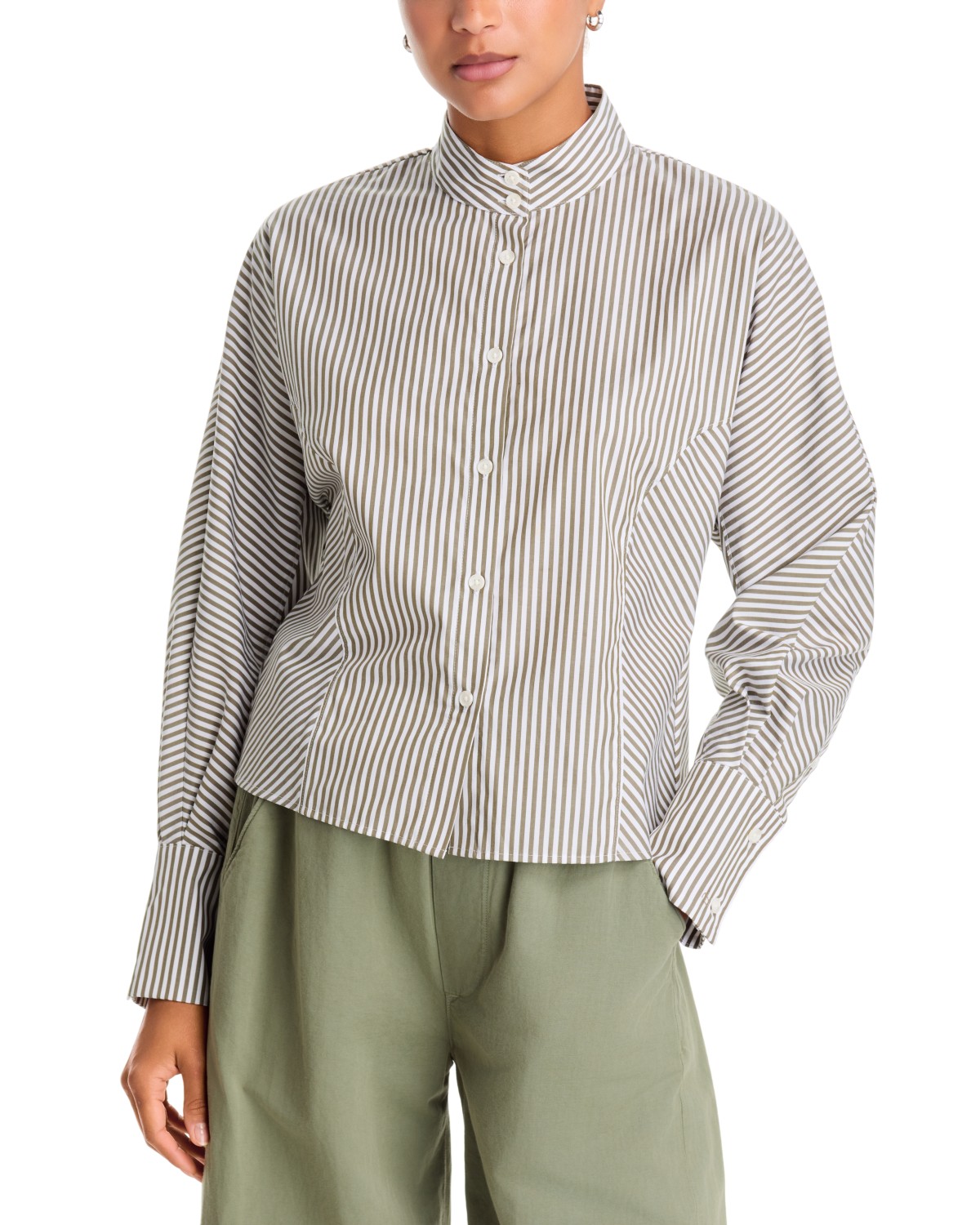
Dustin Cotton Poplin Shirt
rag & bone
$268
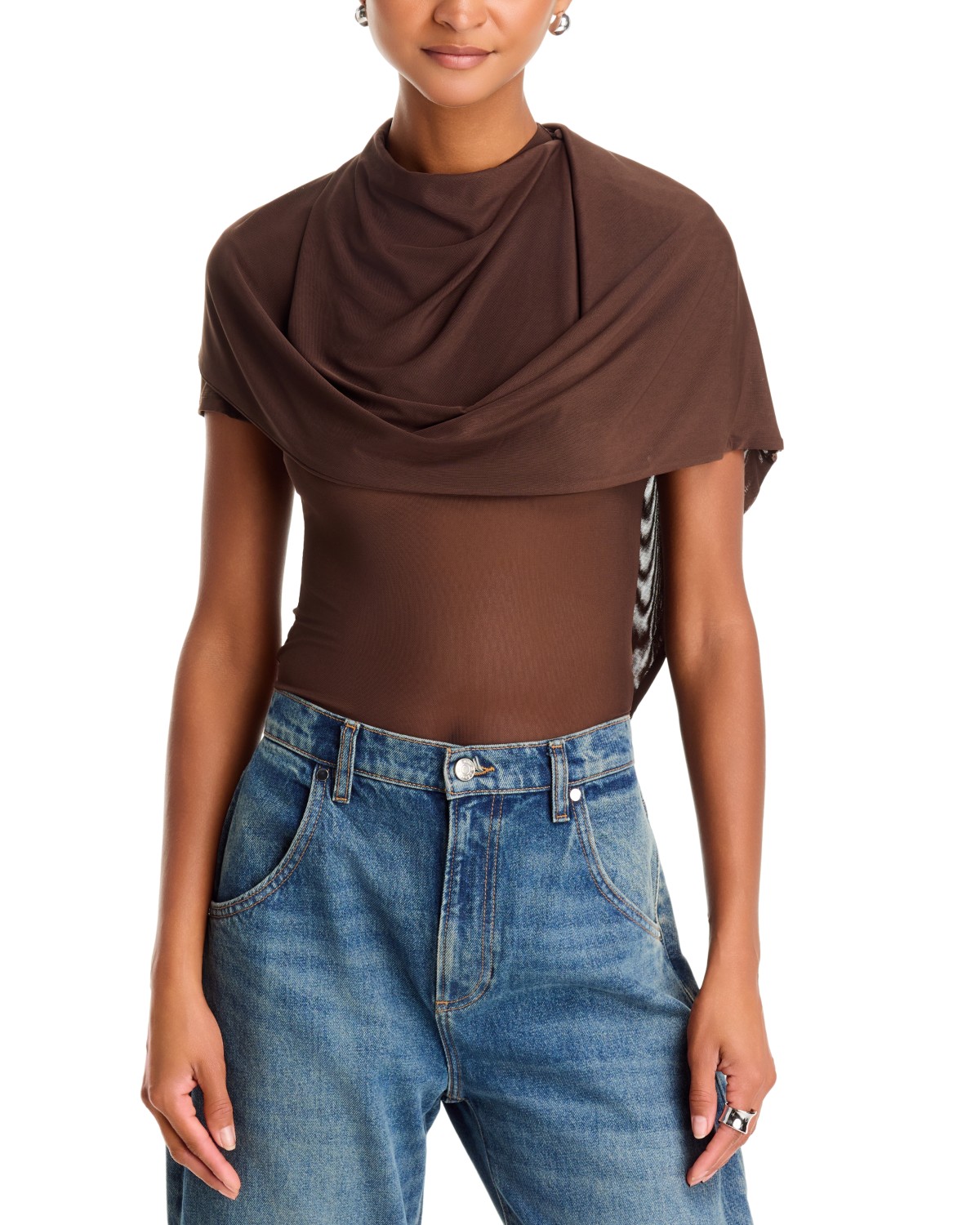
Fiona Drape Overlay Mesh Top
AFRM
$88
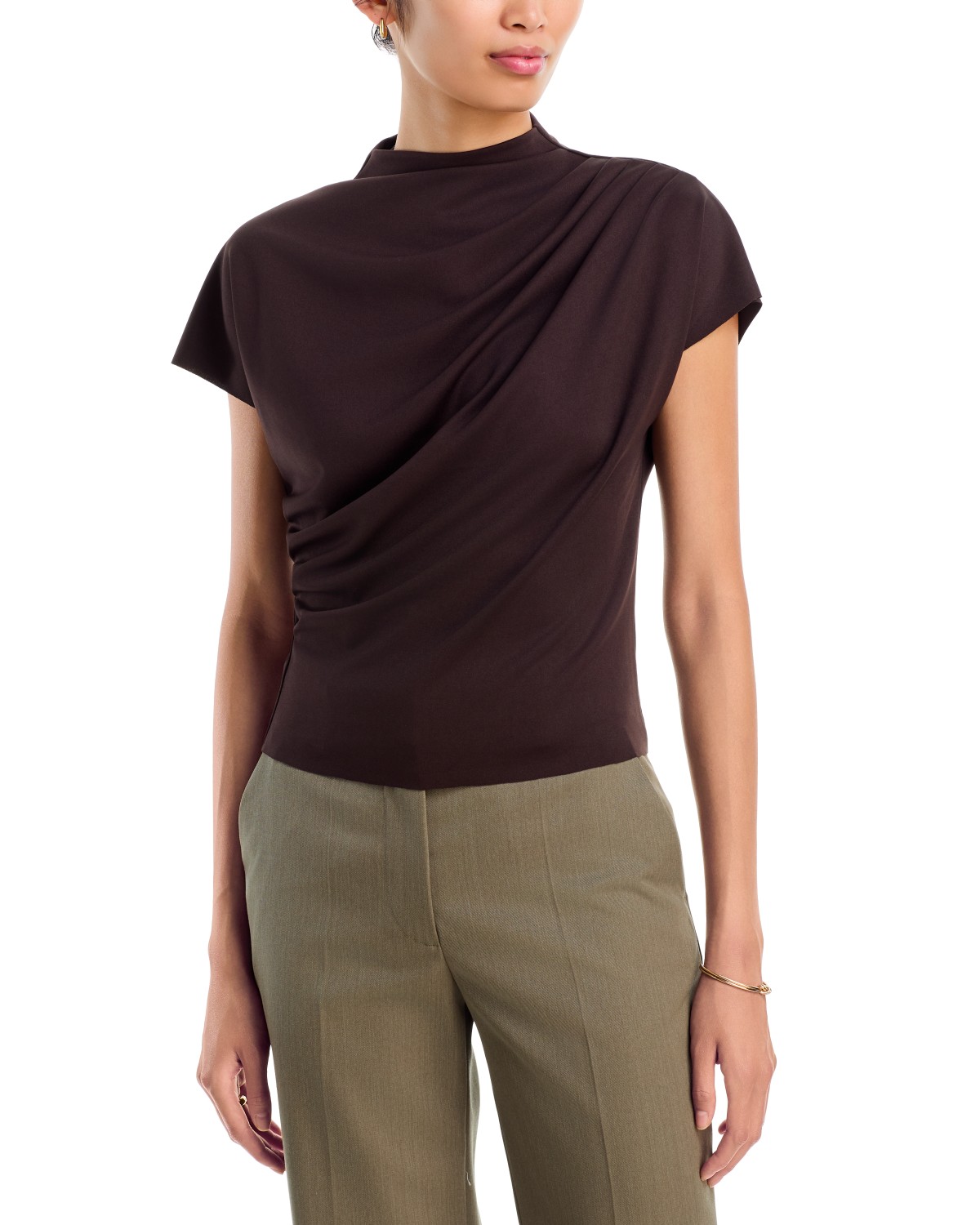
Lennon Top
Line & Dot
$99
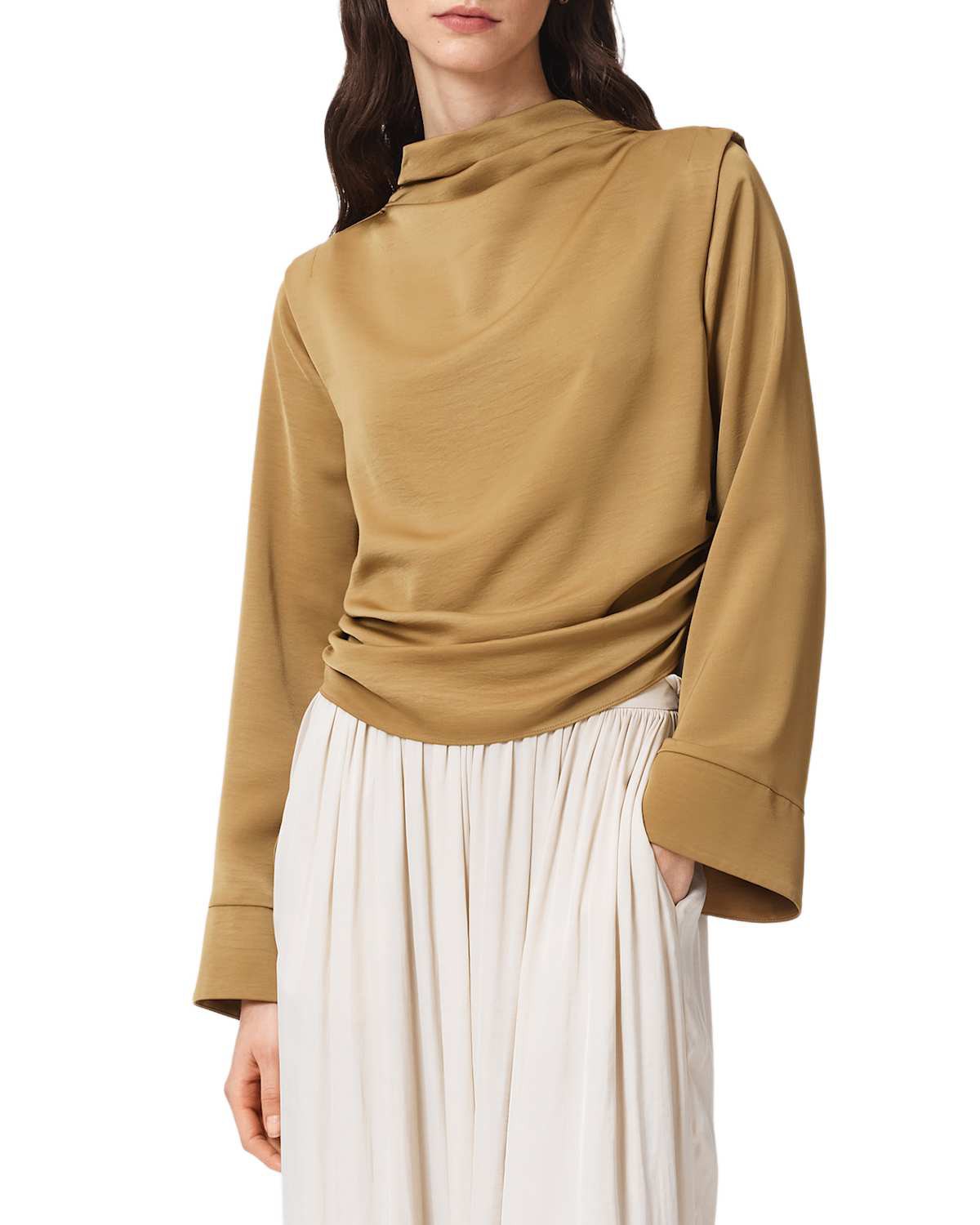
Leslie Long Sleeve Top
ALLSAINTS
$199
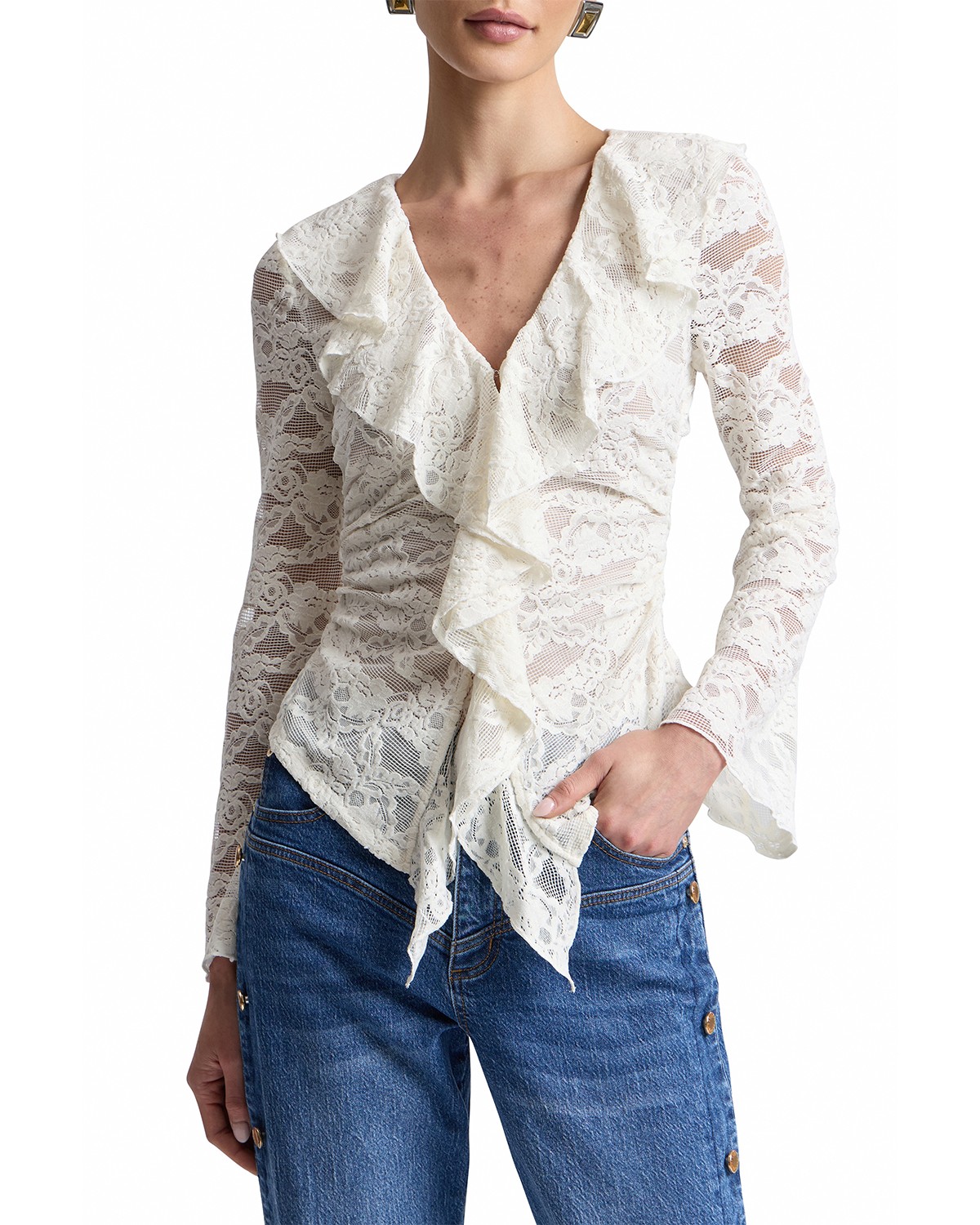
Chenille Lace Ruffle Cardigan Top
Avec Les Filles
$108
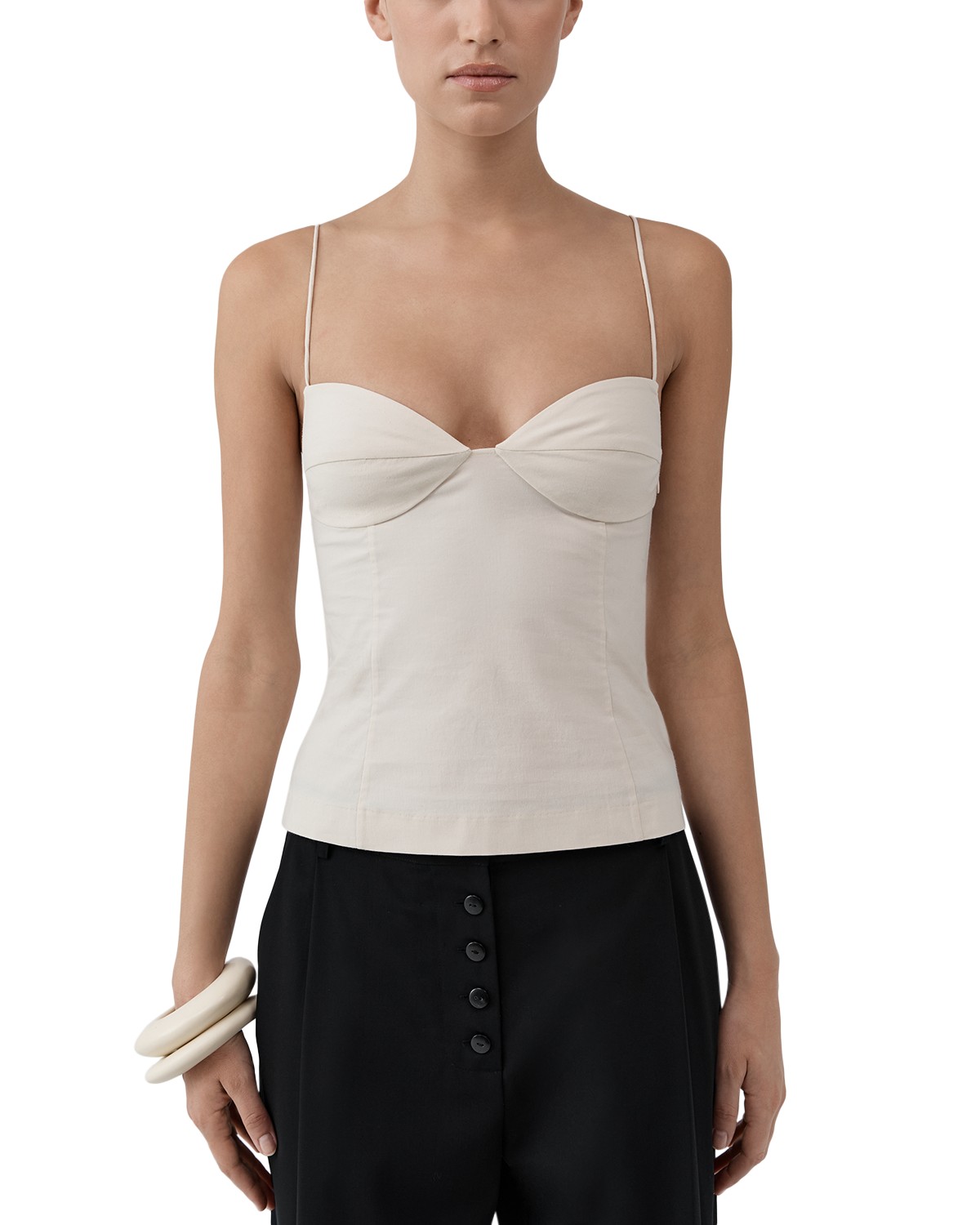
Studio Cami
St. Agni
$269
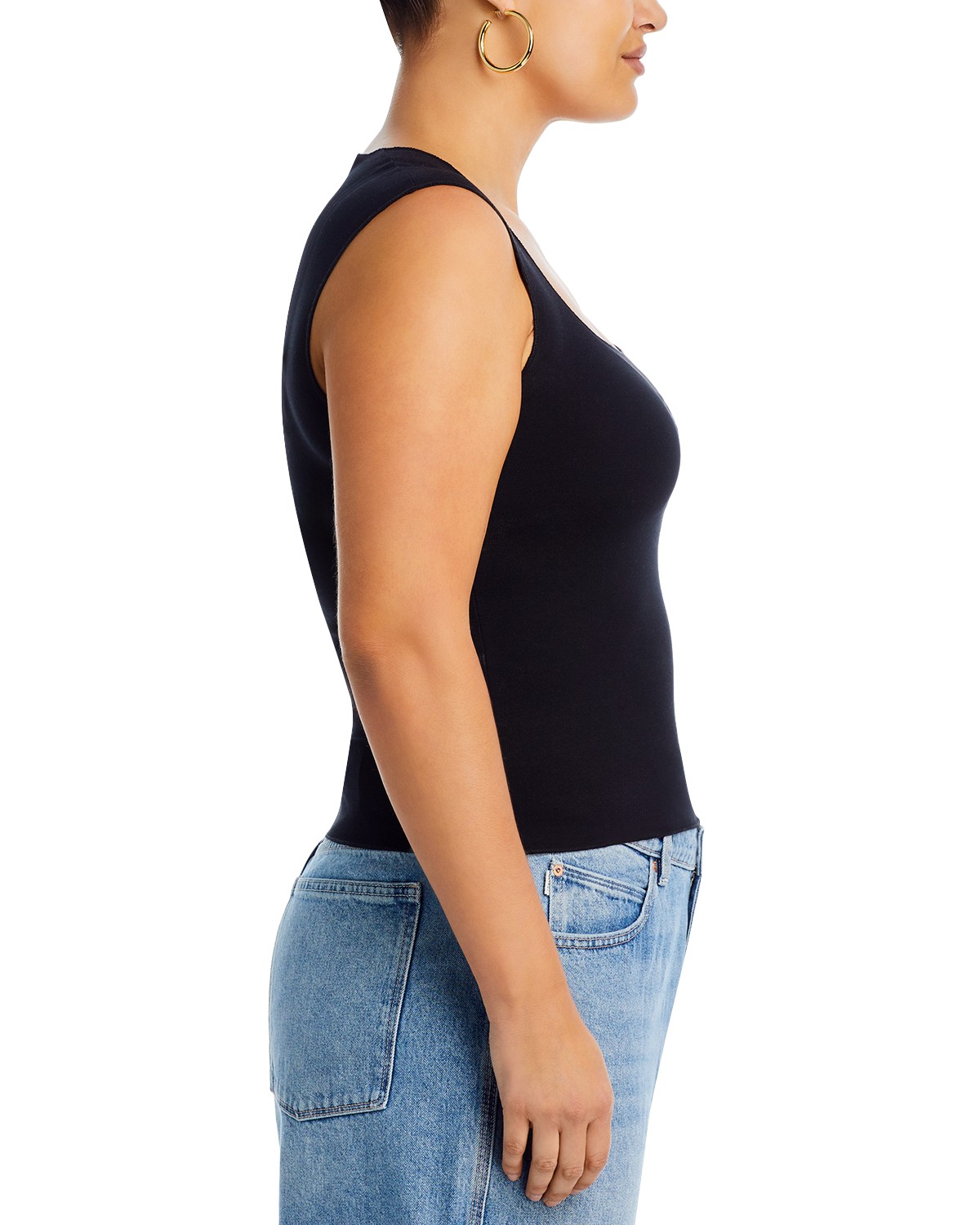
Square Neck Sleeveless Top - Exclusive
AQUA
$38
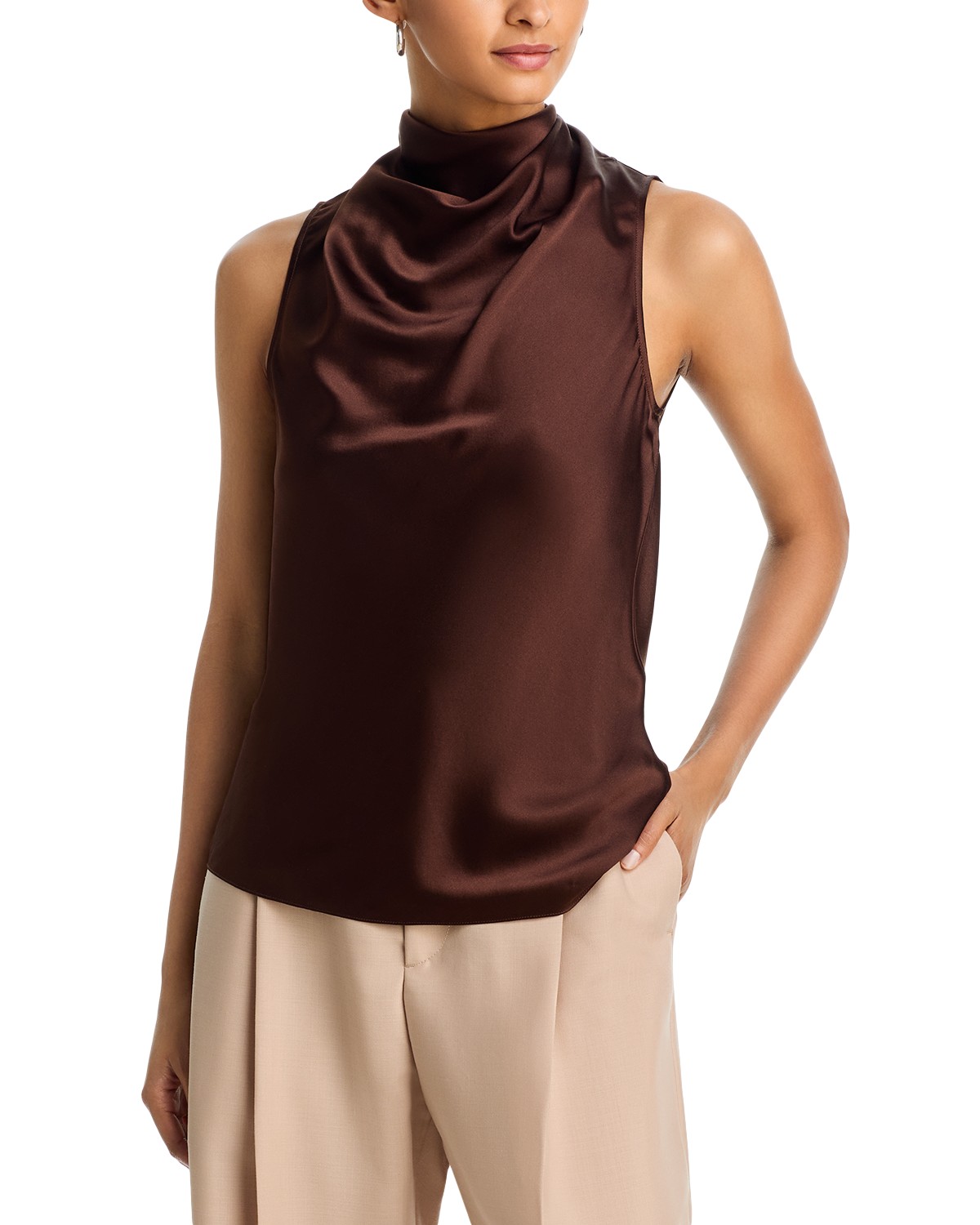
Tie Neck Sleeveless Silk Top
Helmut Lang
$368
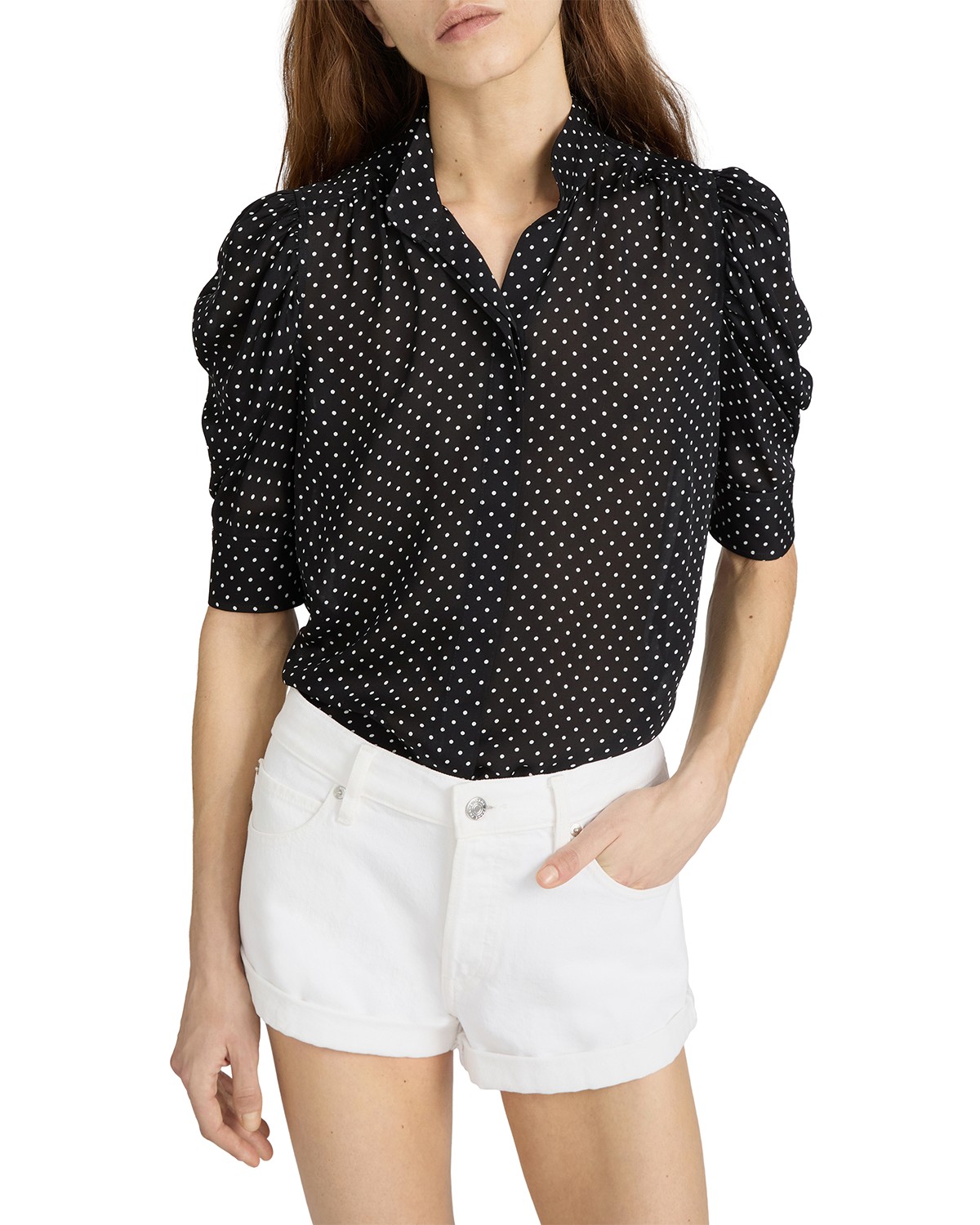
The Gillian Silk Top
FRAME
$398

Kit Asymmetric Top
A.L.C.
$395
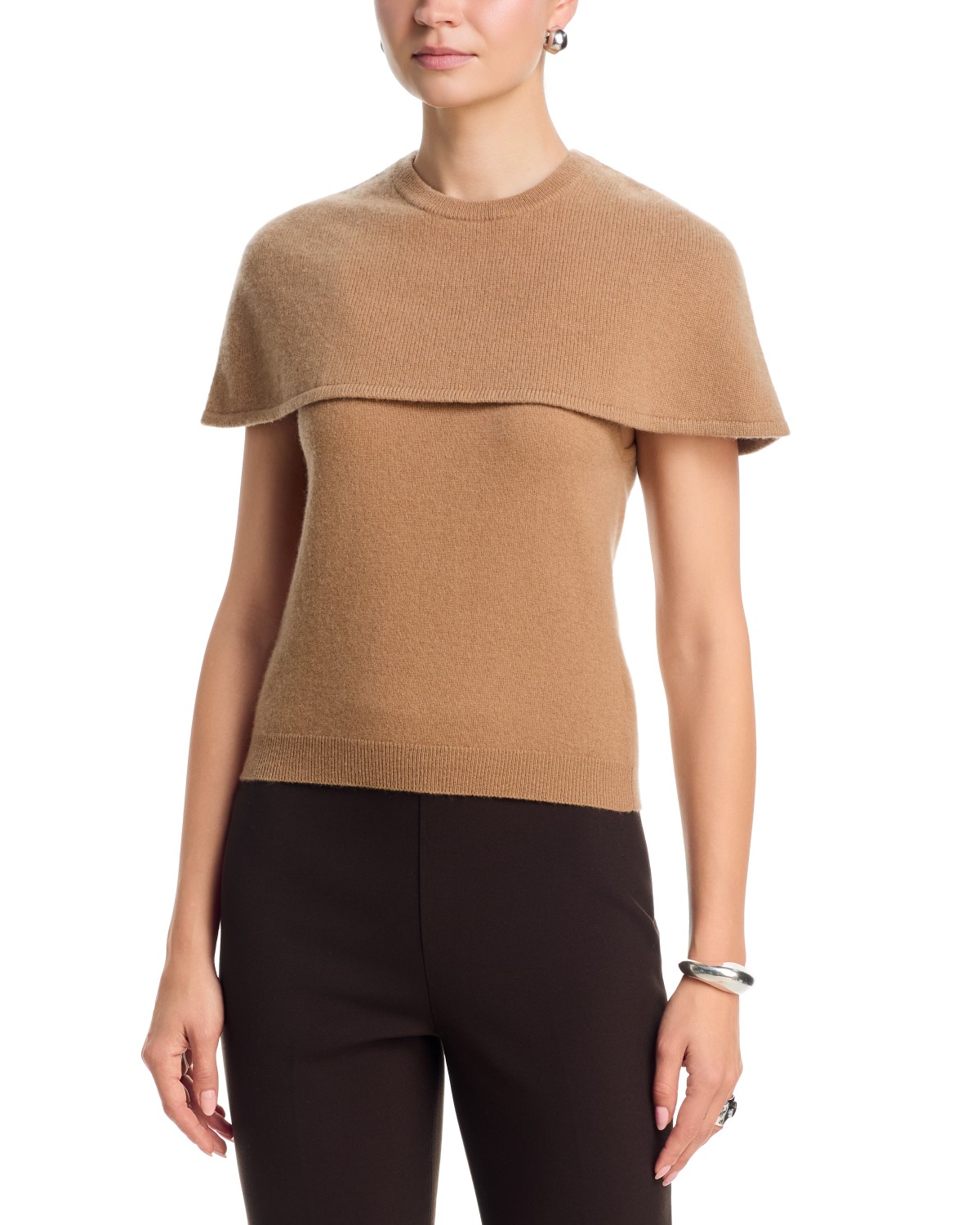
Yuki Cashmere Short Sleeve Cape Top
SIMKHAI
$365
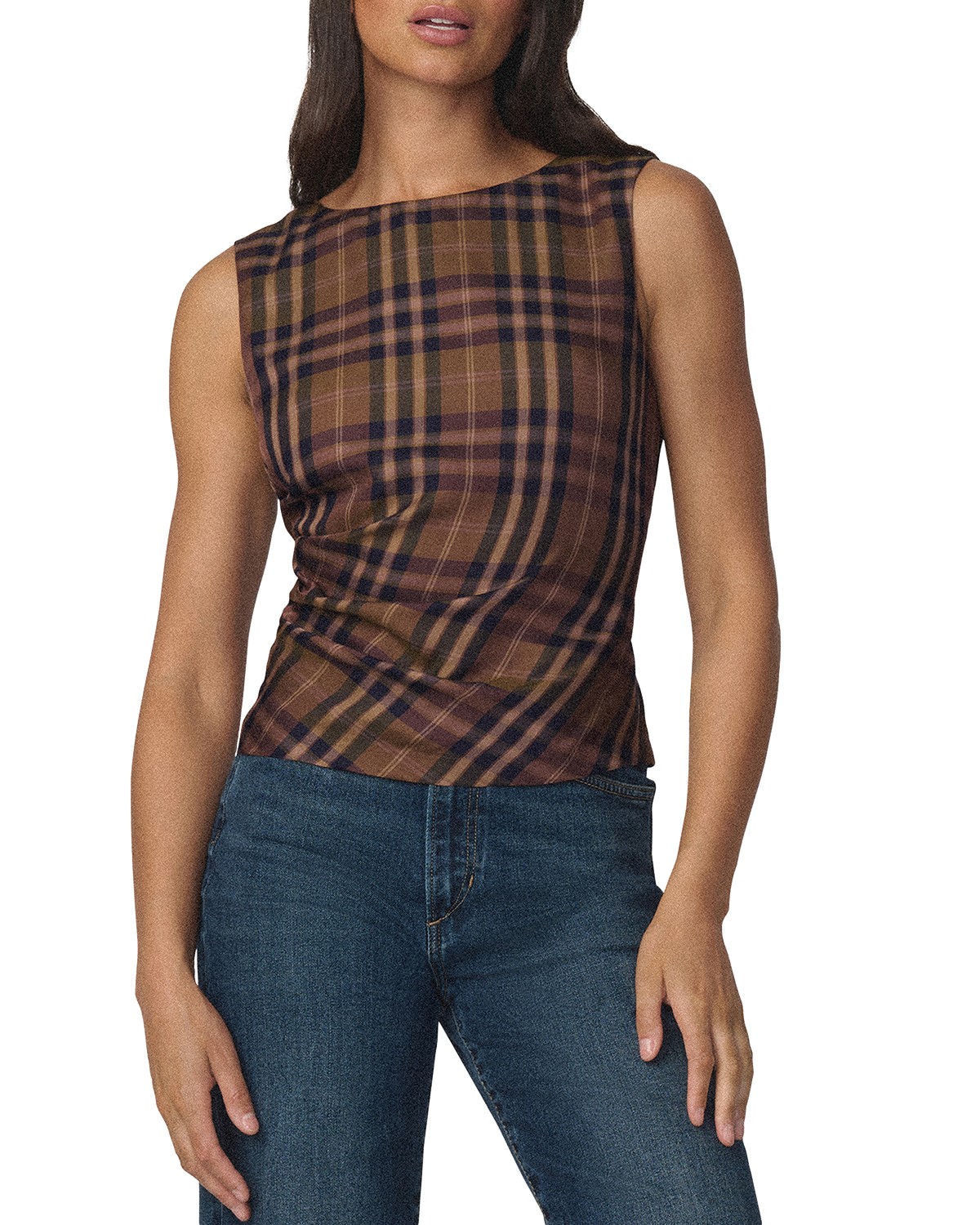
The Meg Sleeveless Top
Joe's Jeans
$168
Outerwear
Outerwear is where all the temperature negotiation happens. Faux leather bombers and cropped tailored jackets are warm enough for the street and easy enough to take off, which is more than a proper coat manages. Short and removable beats warm and total.
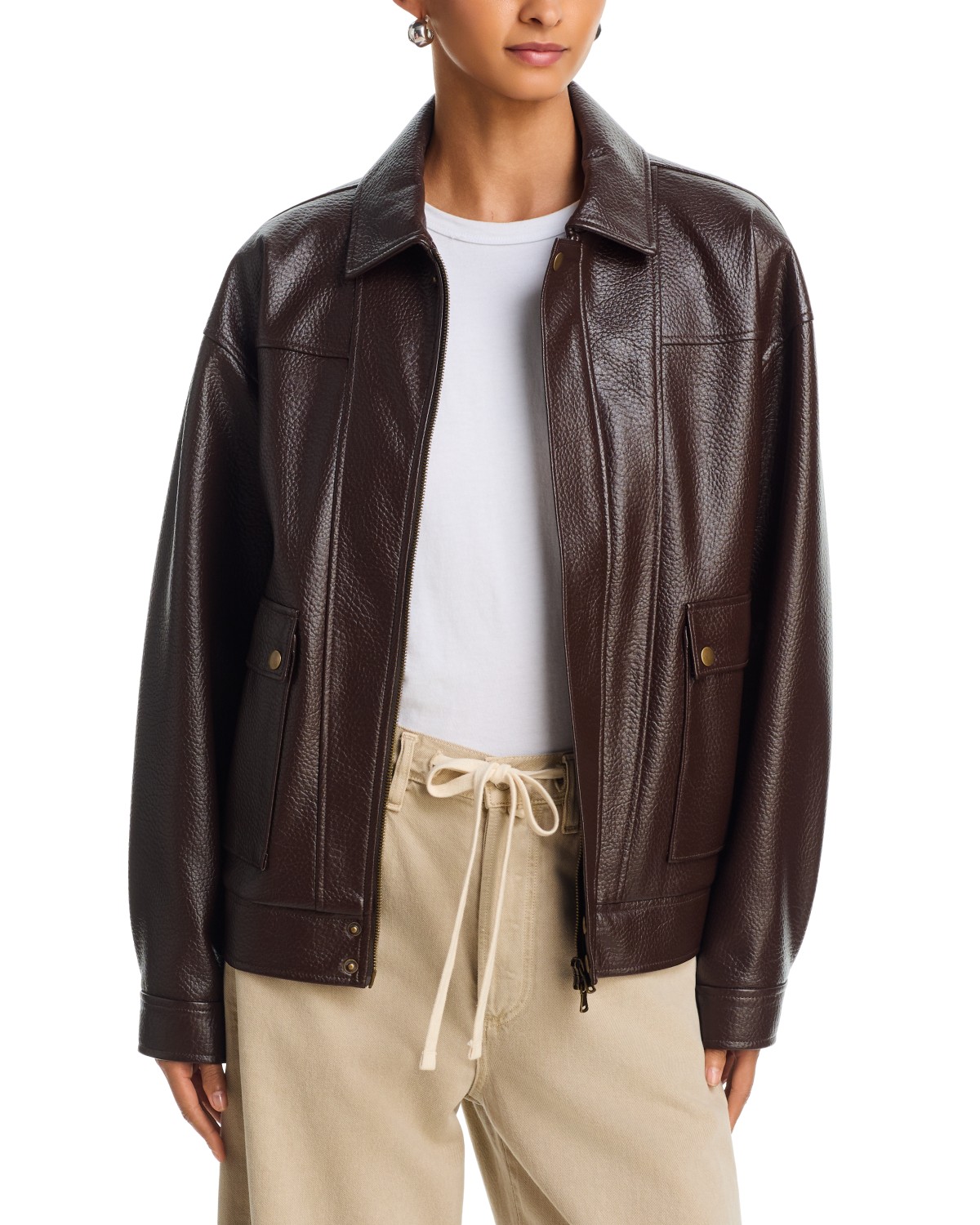
Ashland Faux Leather Bomber Jacket
PAIGE
$359
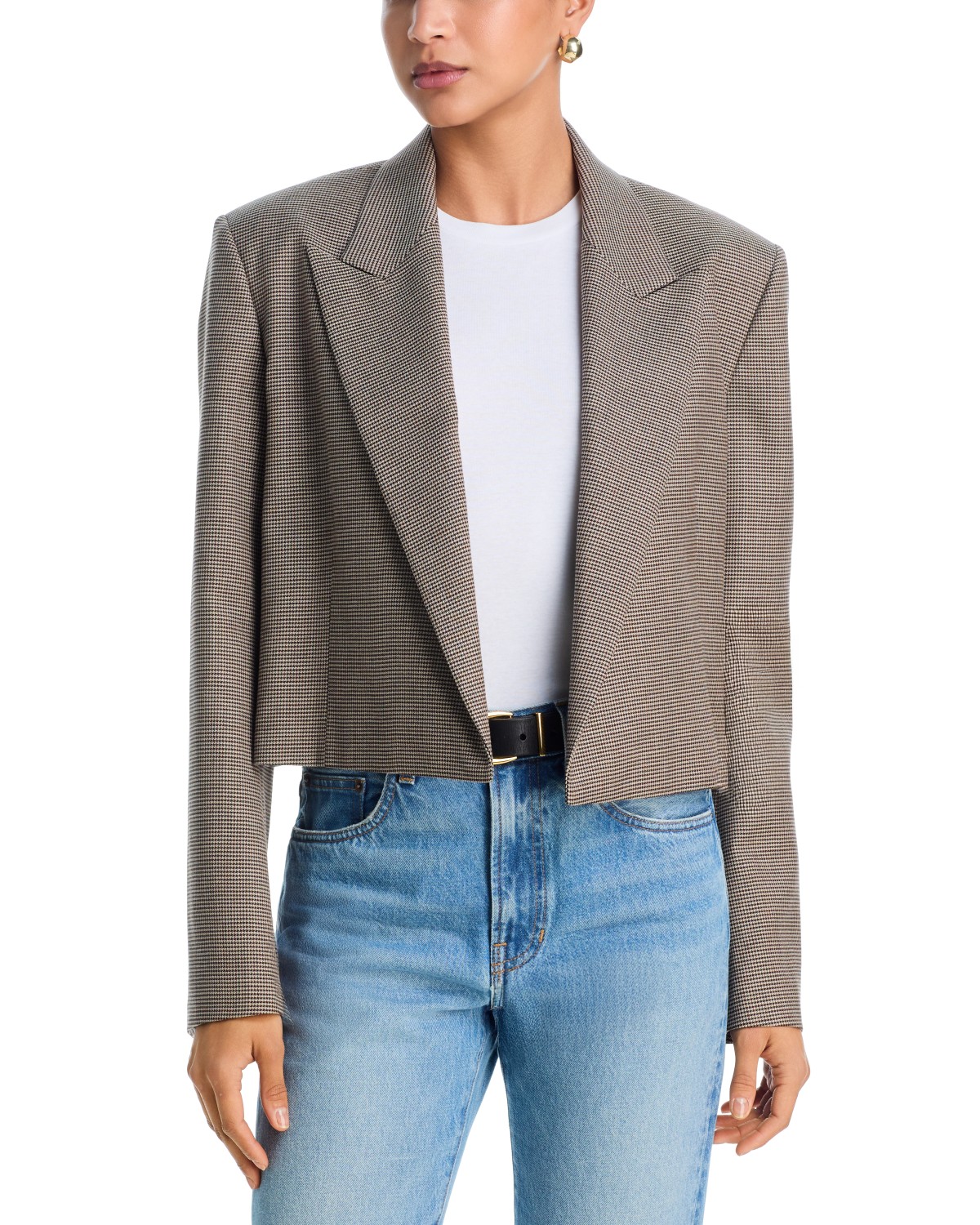
Cass Cropped Peak Lapel Jacket
A.L.C.
$695
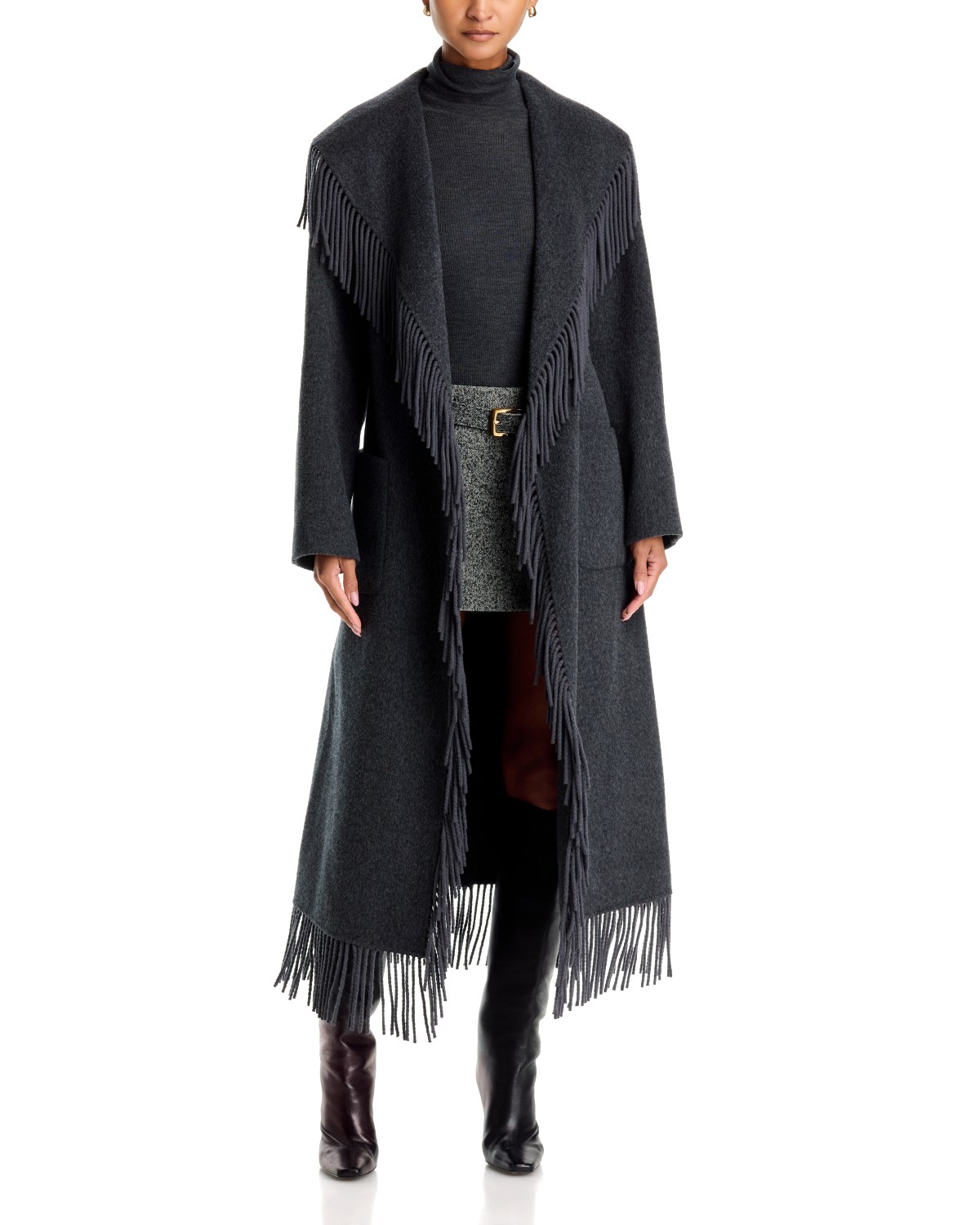
Carrie Fringe Robe Coat
SIMKHAI
$895
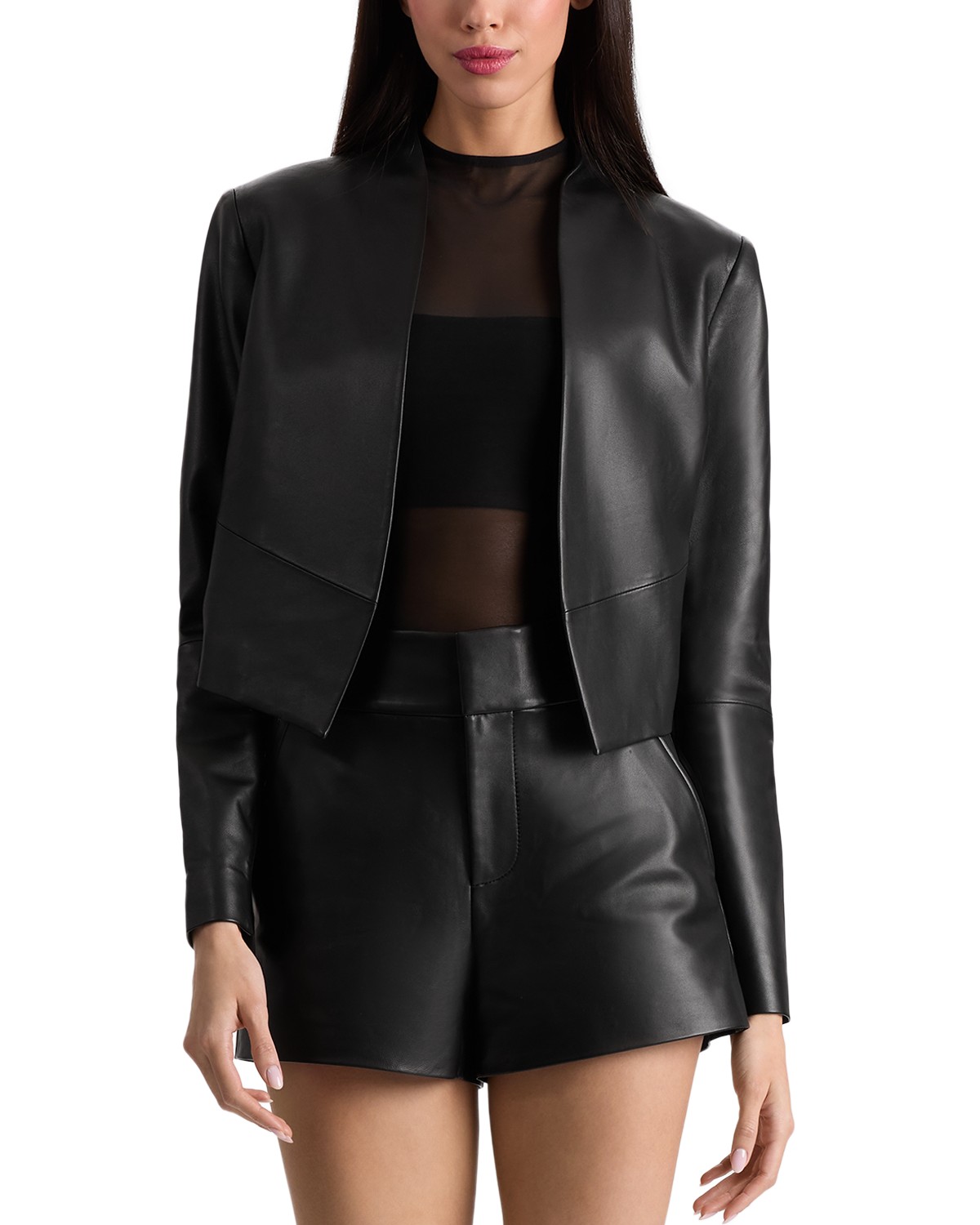
New Harvey Leather Open Front Jacket
Alice and Olivia
$995
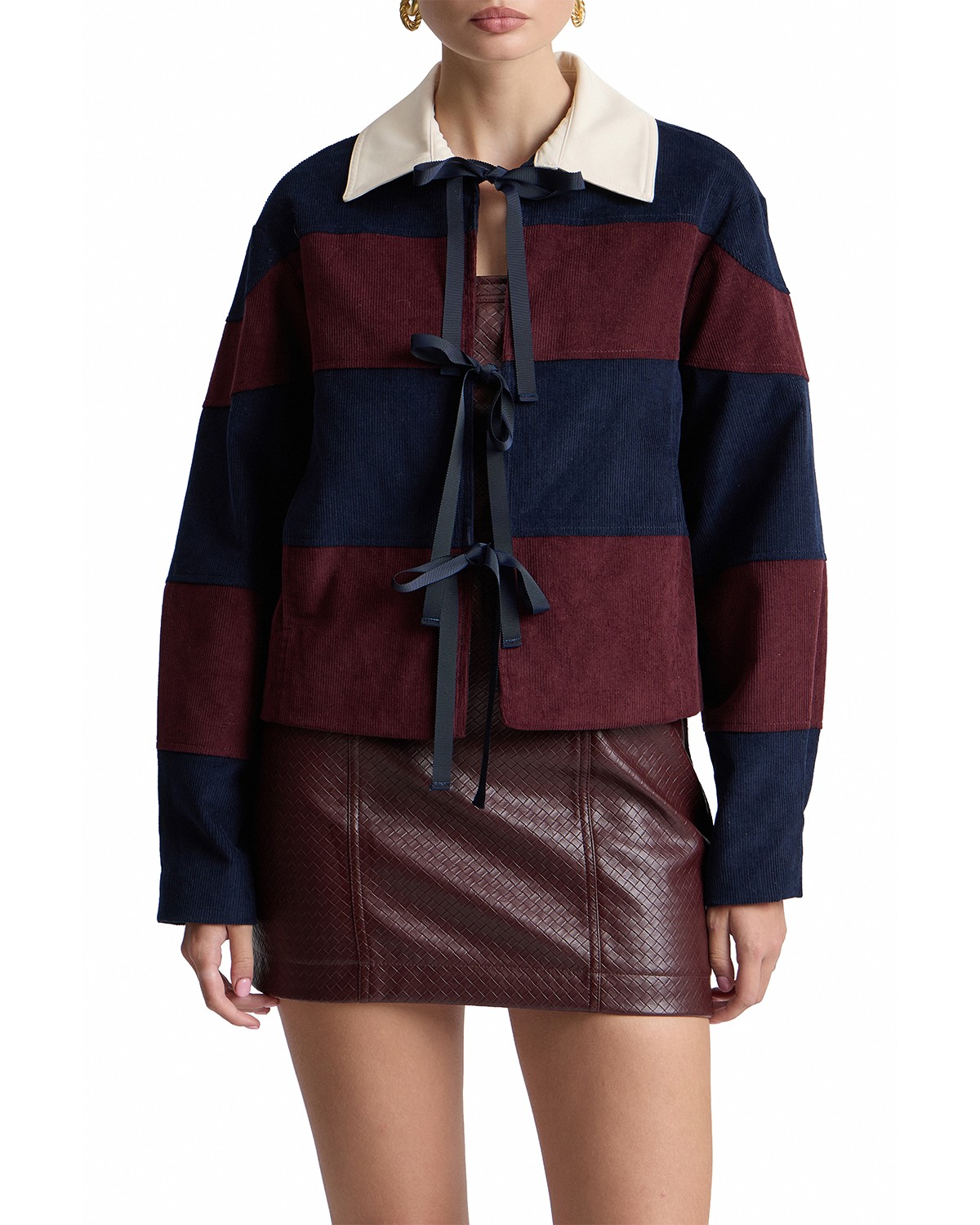
Tie Front Corduroy Jacket
Avec Les Filles
$138

Amélie Cotton Twill Jacket
A.L.C.
$550
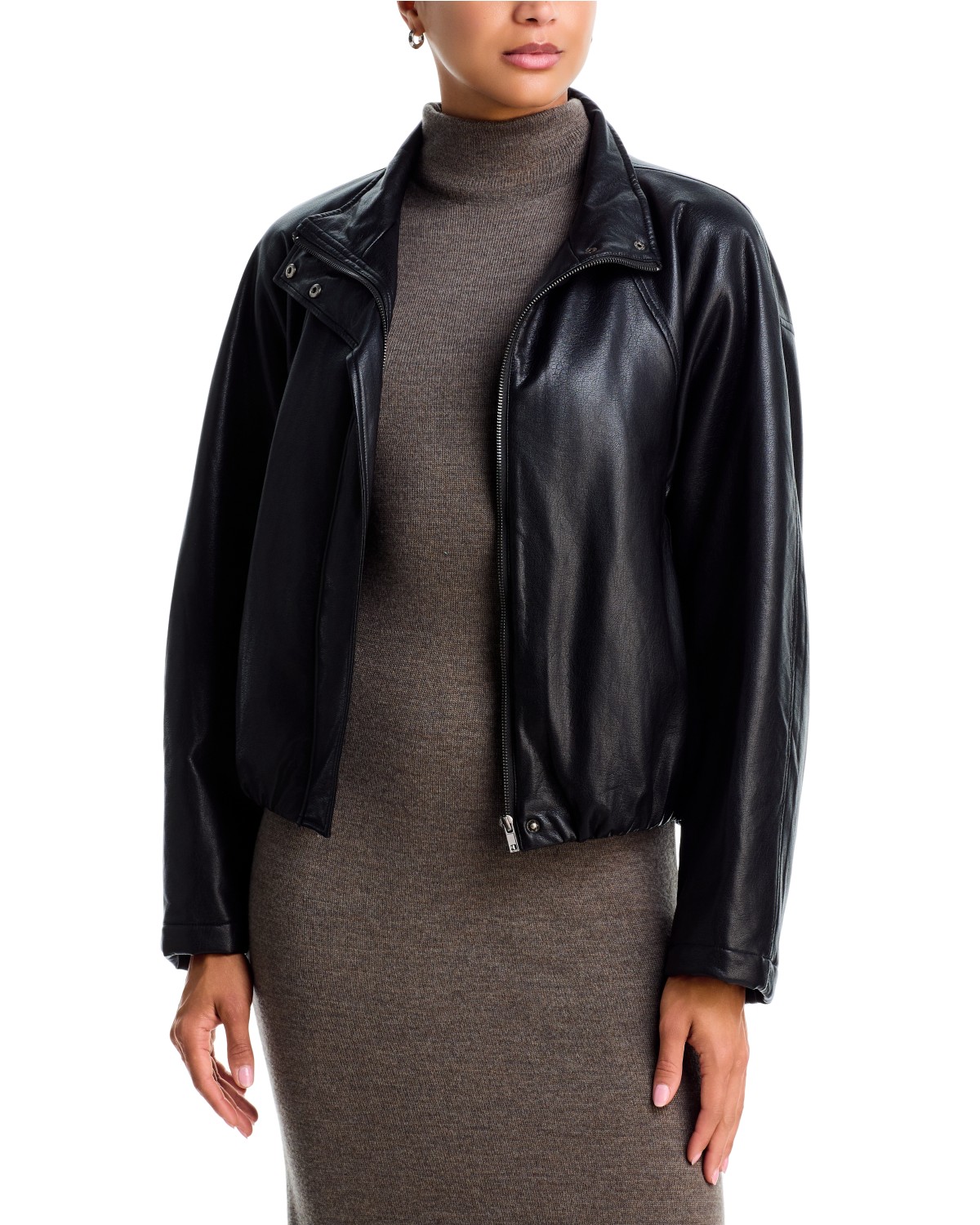
Faux Leather Bomber Jacket - Exclusive
AQUA
$118
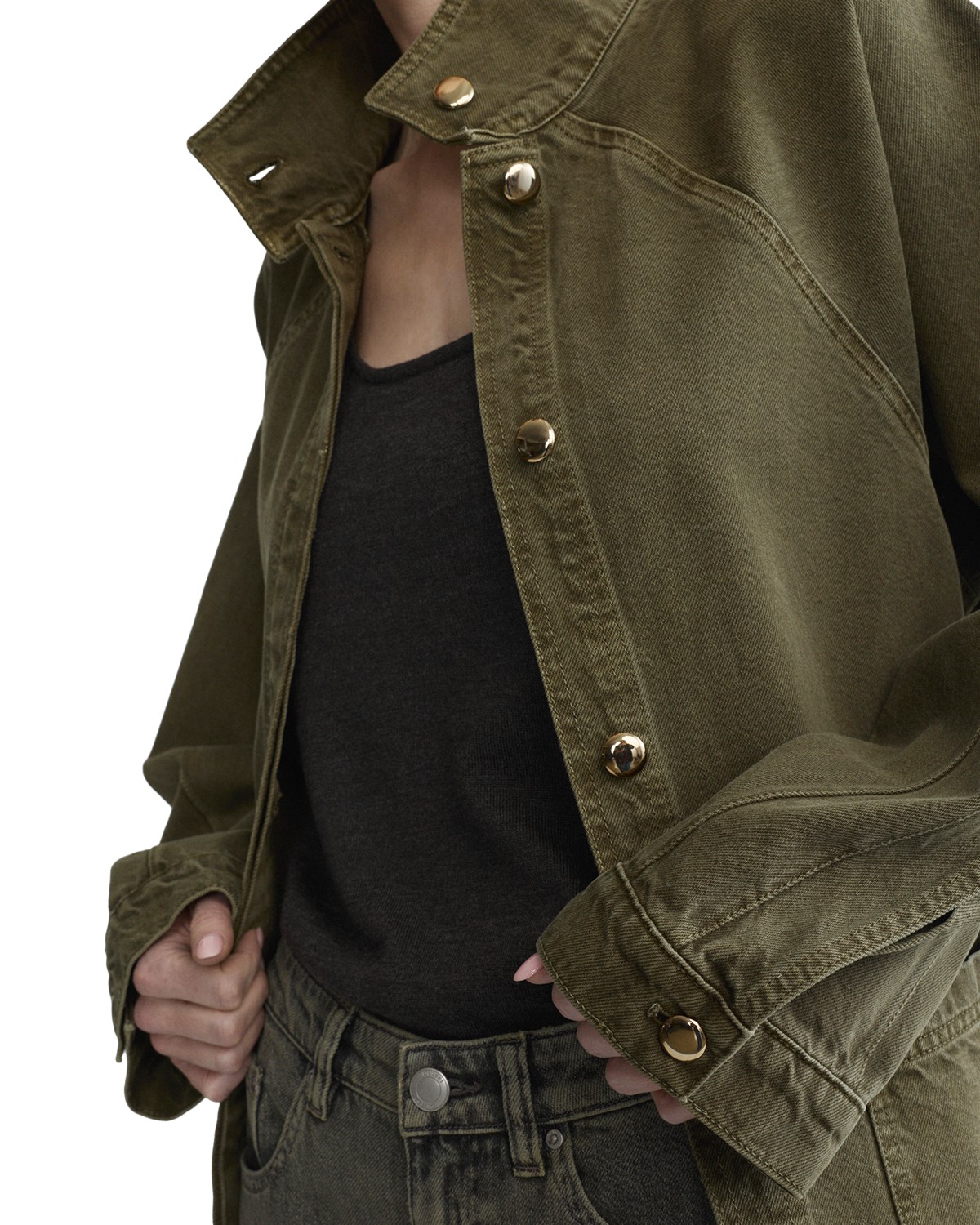
Shiloh HIGHLUXE™ Denim Jacket
DL1961
$319
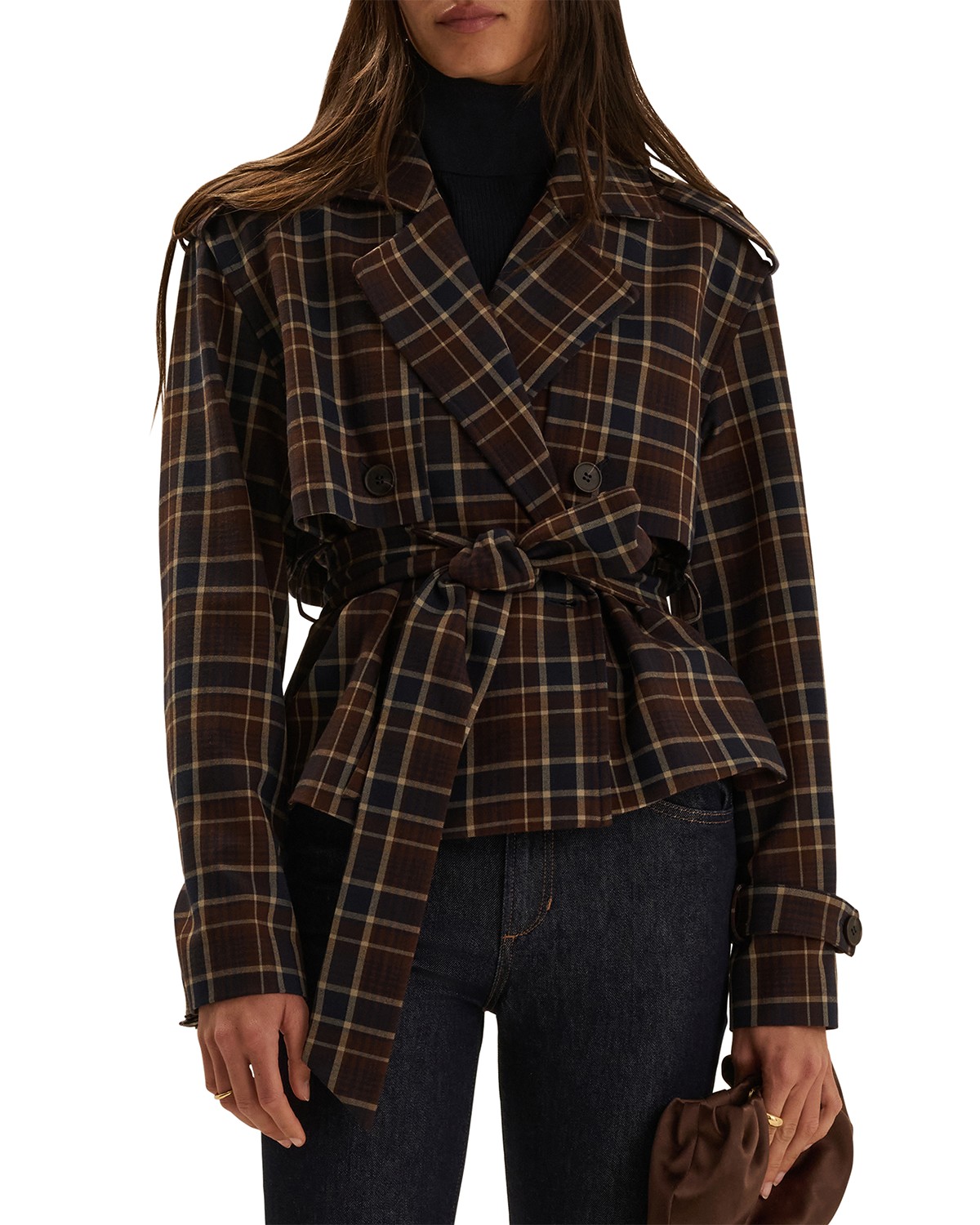
The Cropped Charles Tie Waist Jacket
Favorite Daughter
$348
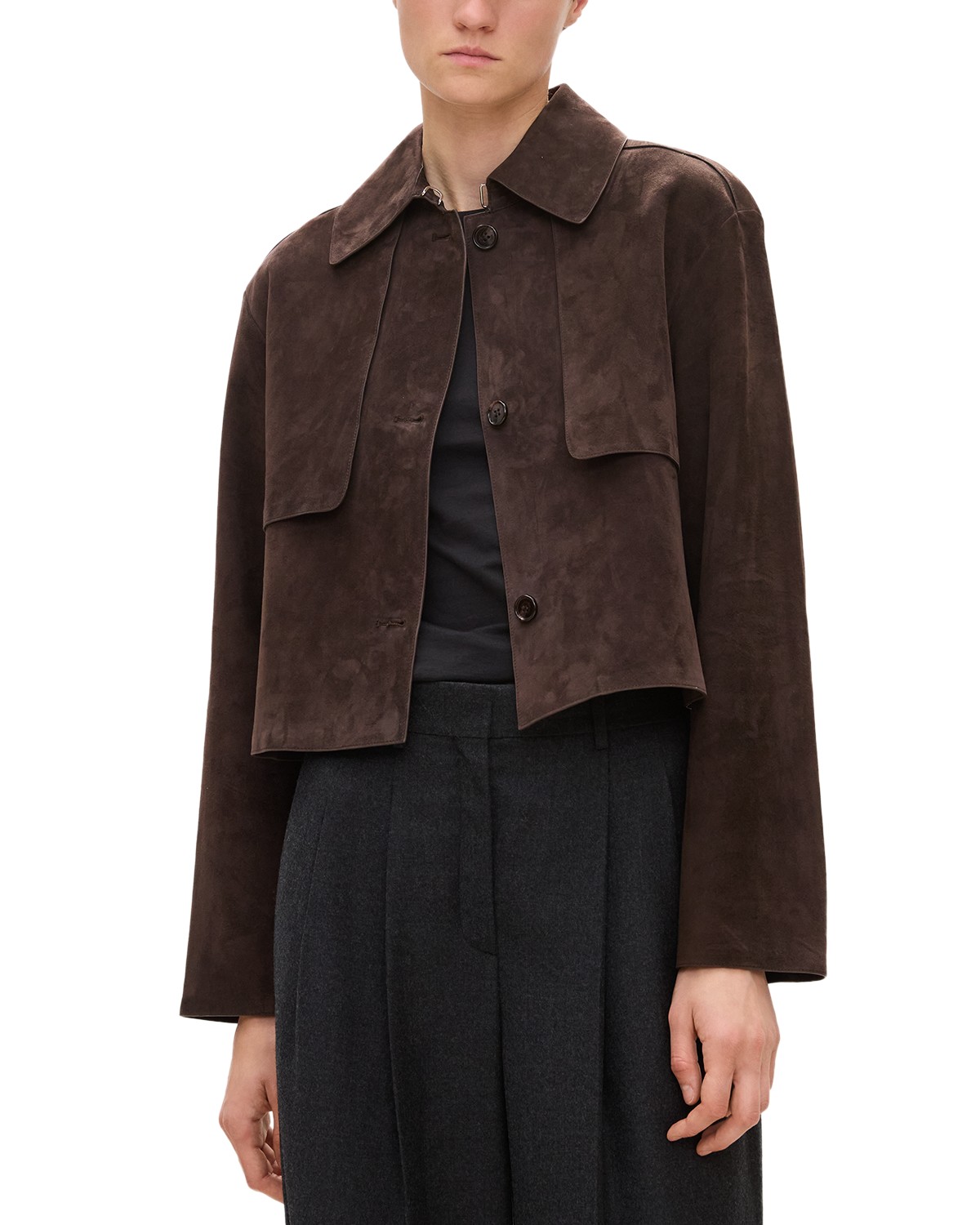
Reece Cropped Leather Trench Coat
Theory
$995
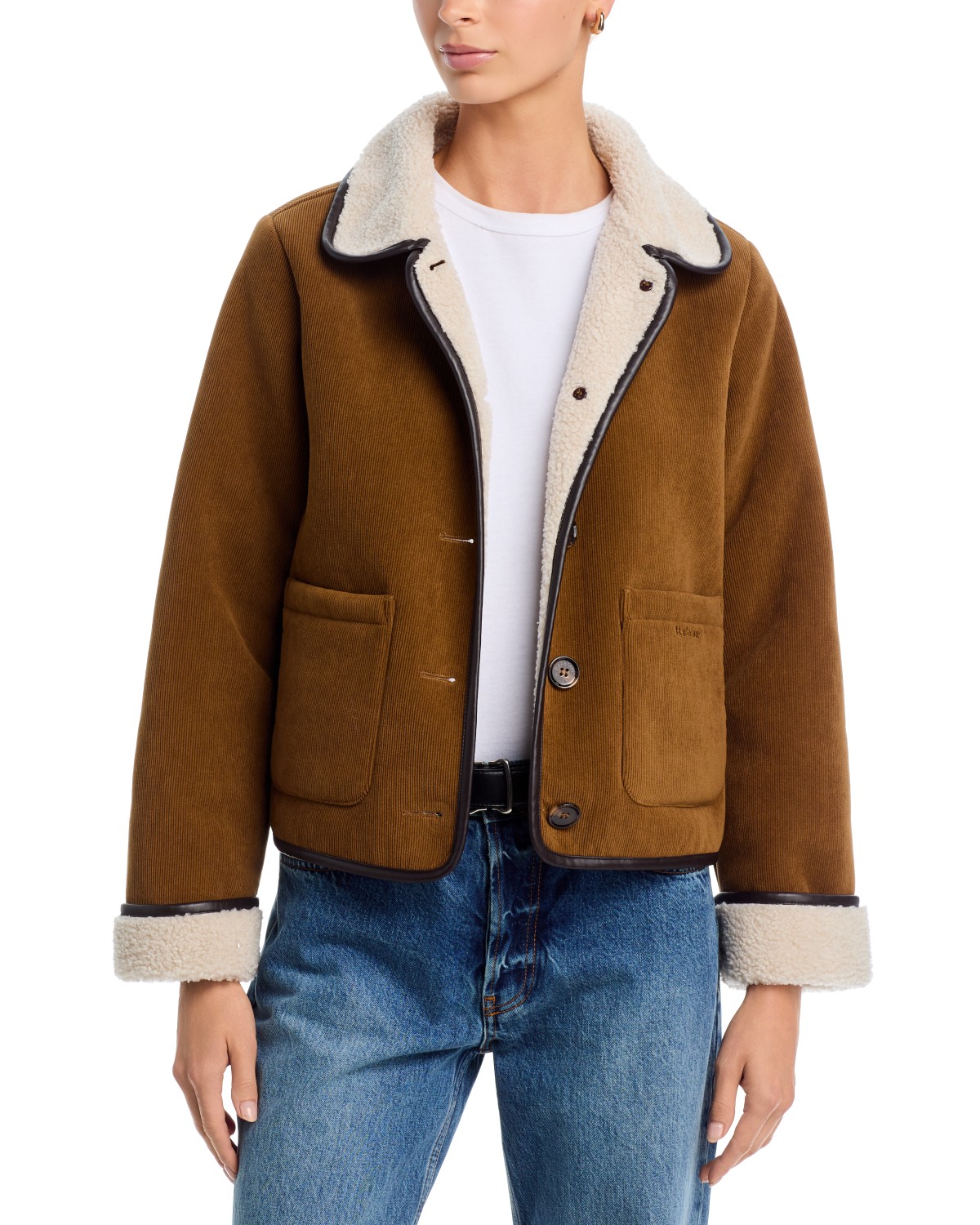
Penny Fleece Casual Jacket
Barbour
$300
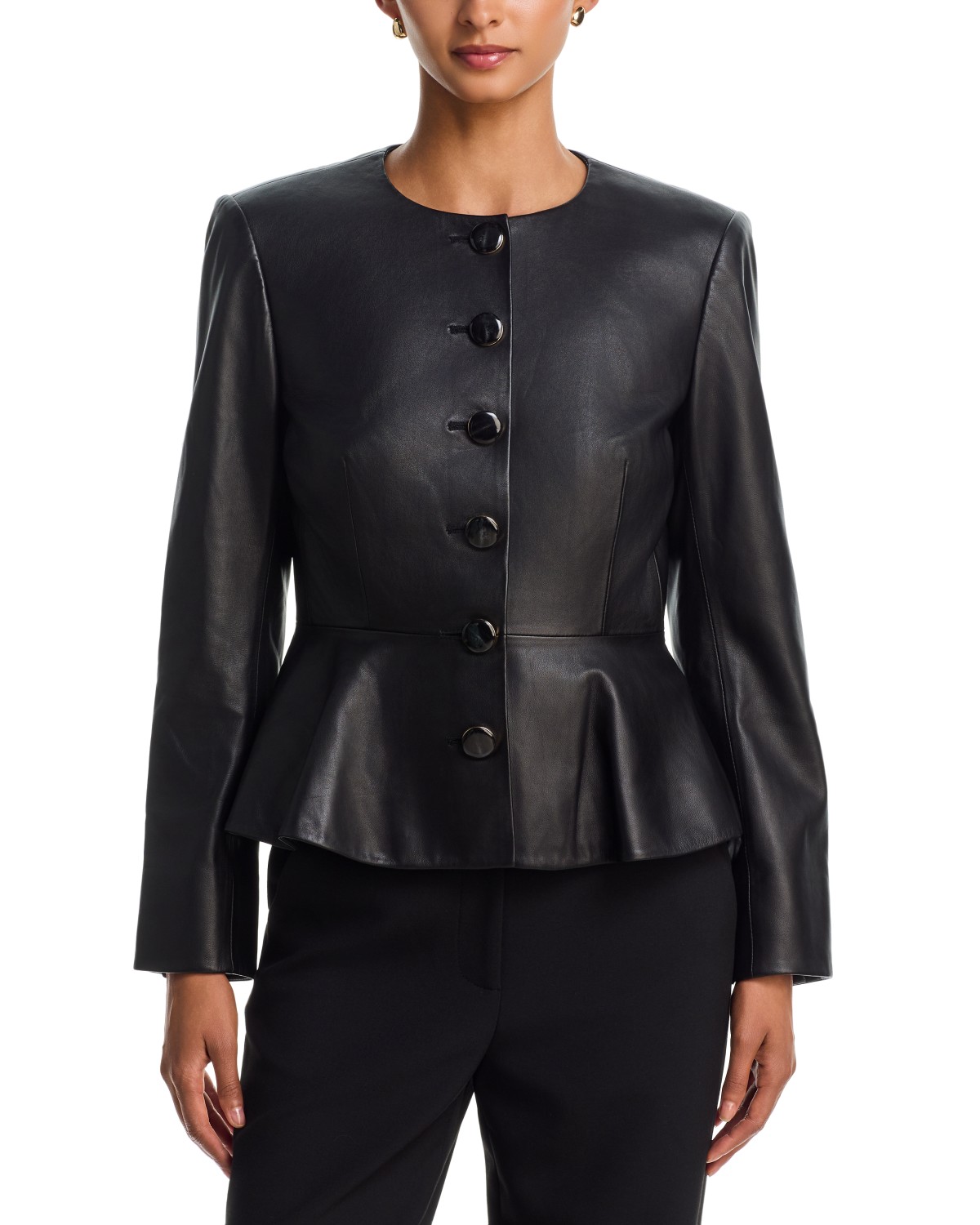
Quinn Peplum Leather Jacket
Veronica Beard
$1,598
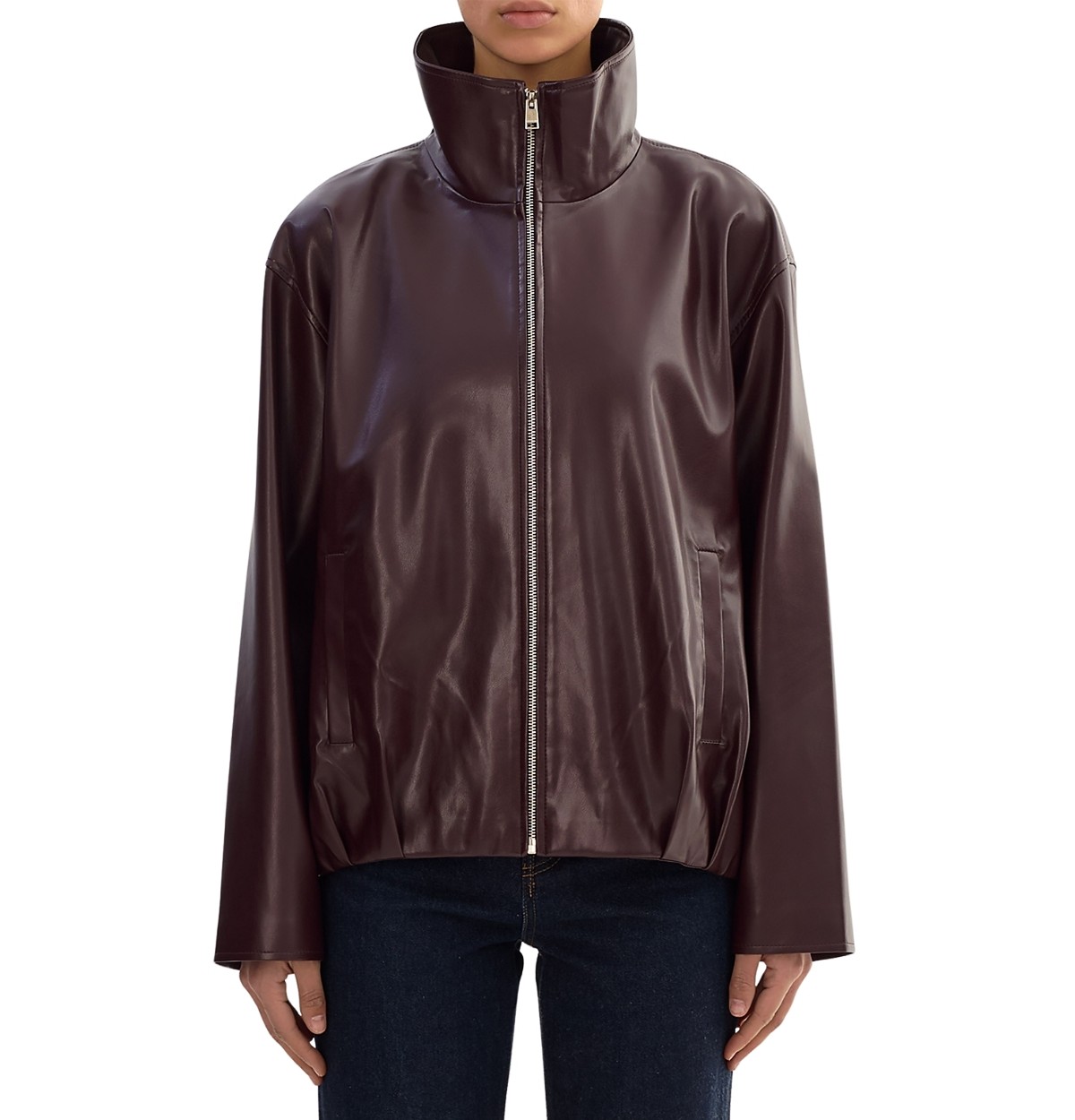
Denita Faux Leather Oversized Bomber Jacket
LAMARQUE
$345
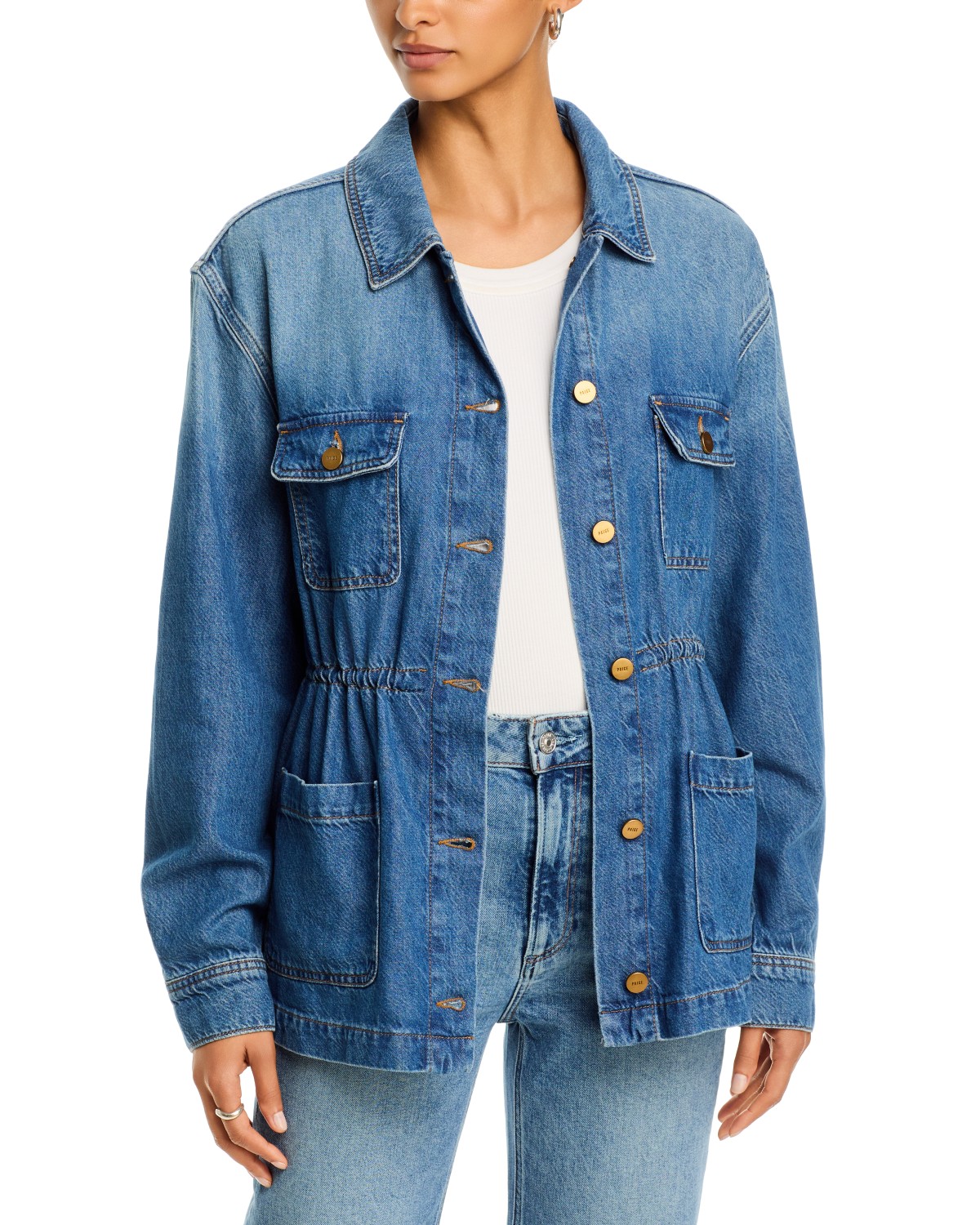
Clarke Cinched Waist Jacket
PAIGE
$299
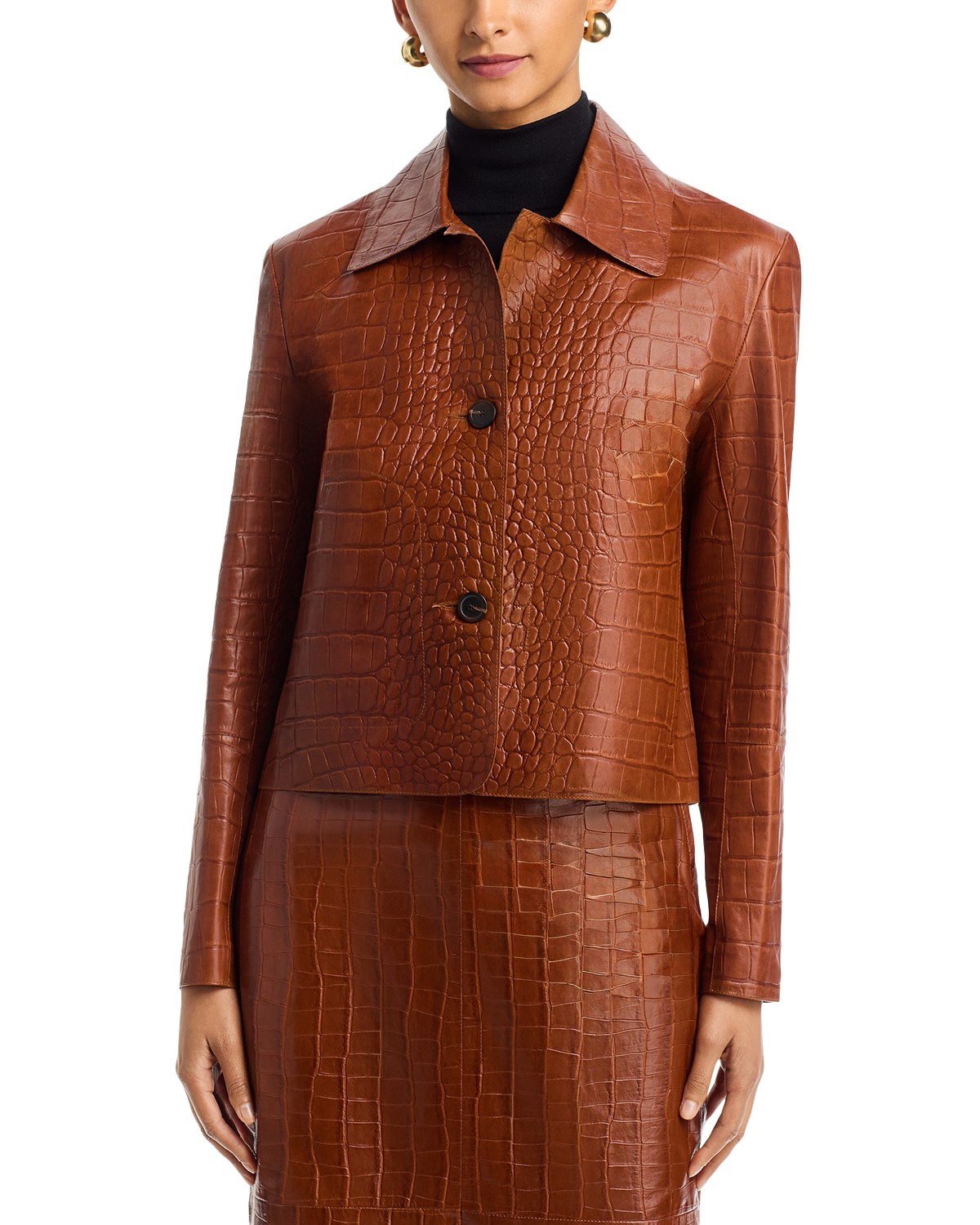
Emy Embossed Leather Jacket
ARMA
$750
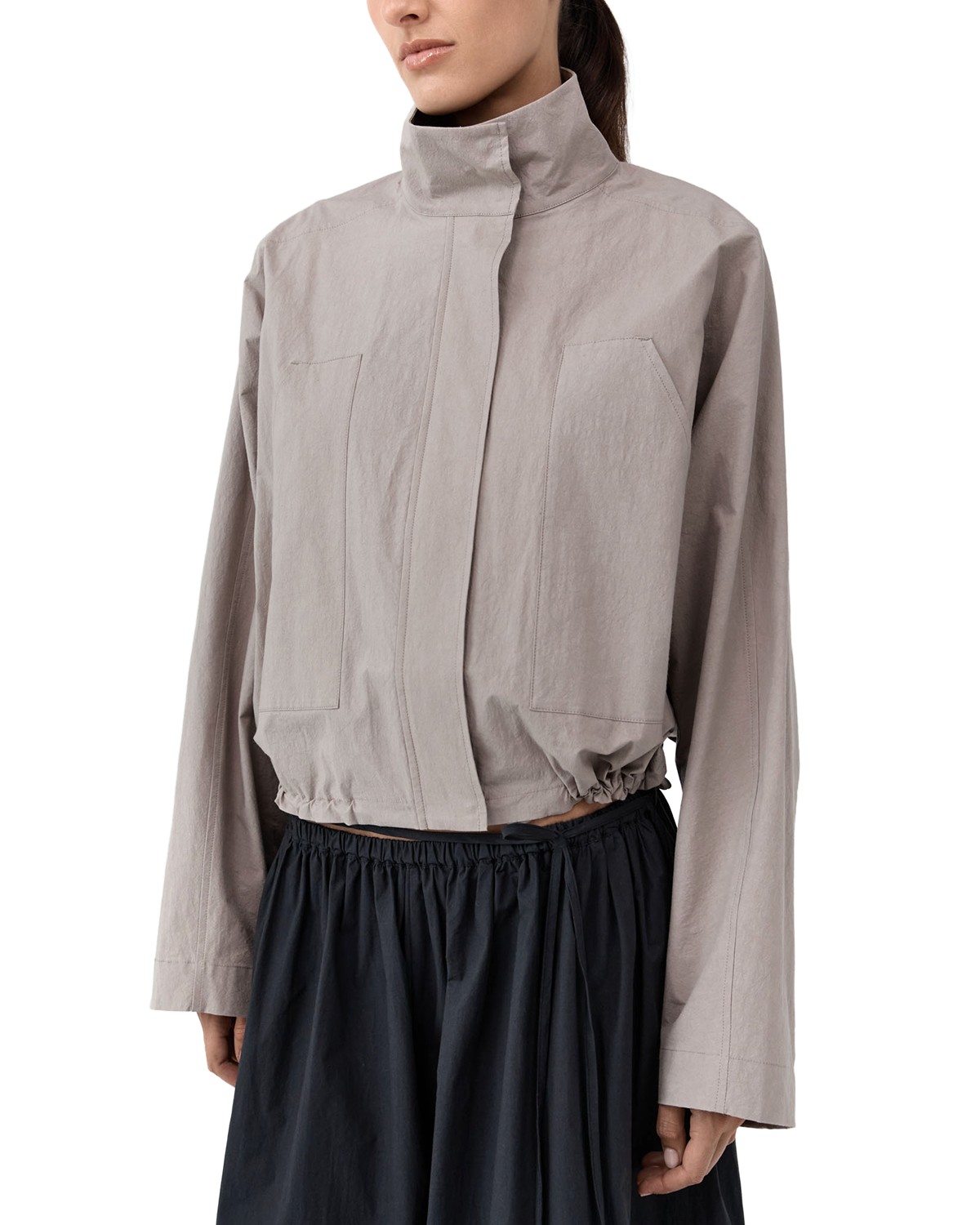
Technical Cotton Carpenter Jacket
St. Agni
$699
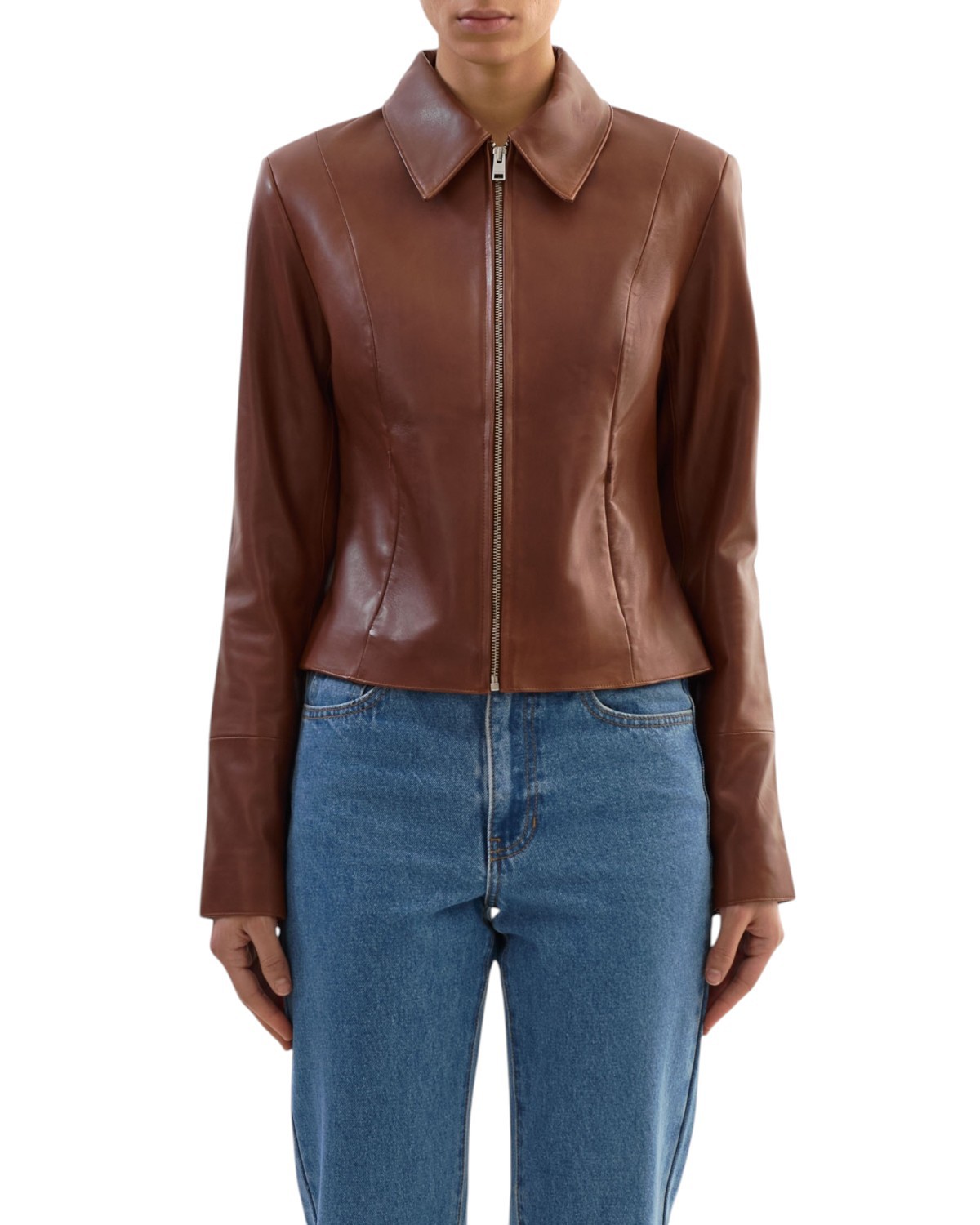
Oceana Fitted Leather Jacket
LAMARQUE
$645
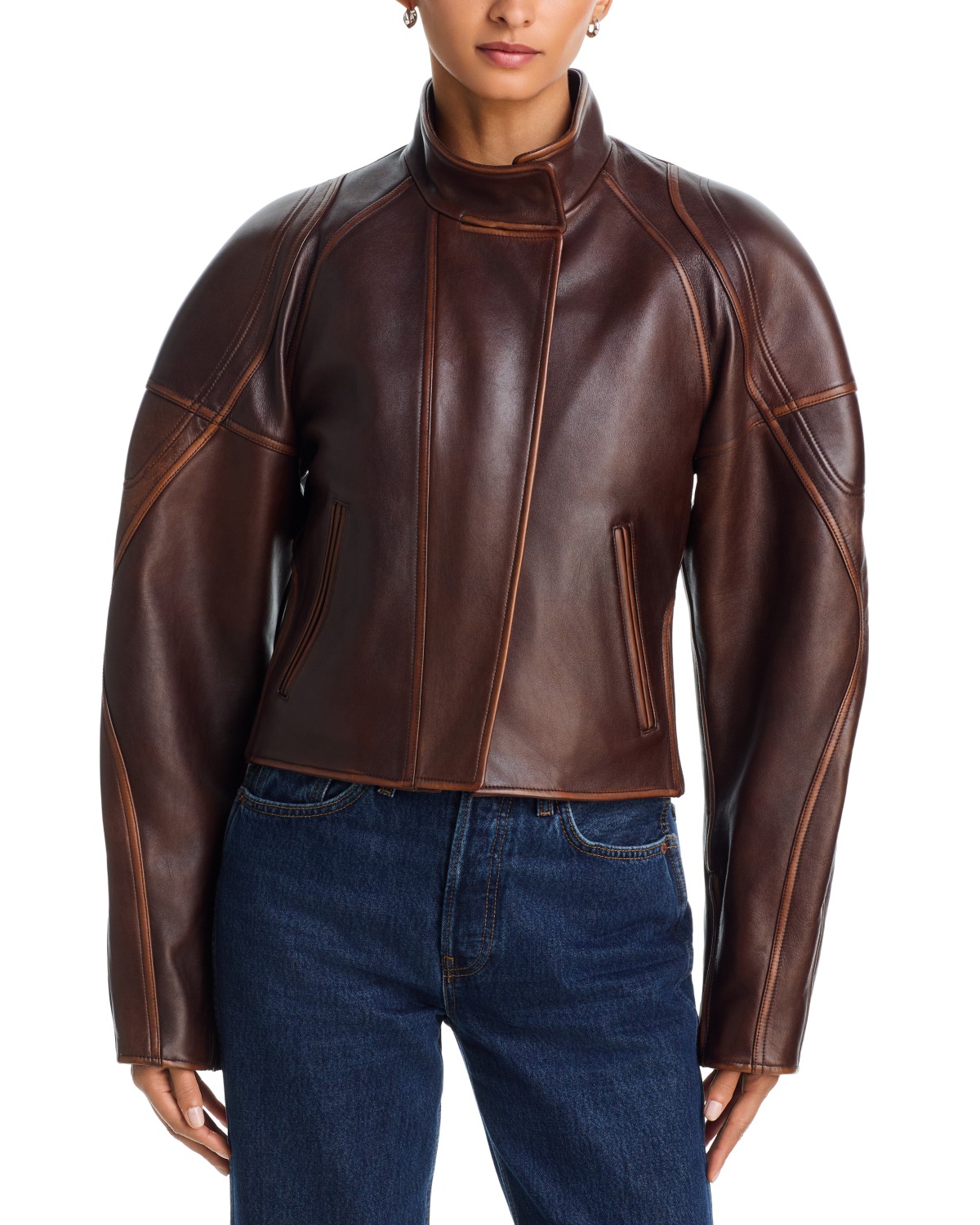
Leather Saddle Jacket
Helmut Lang
$1,398
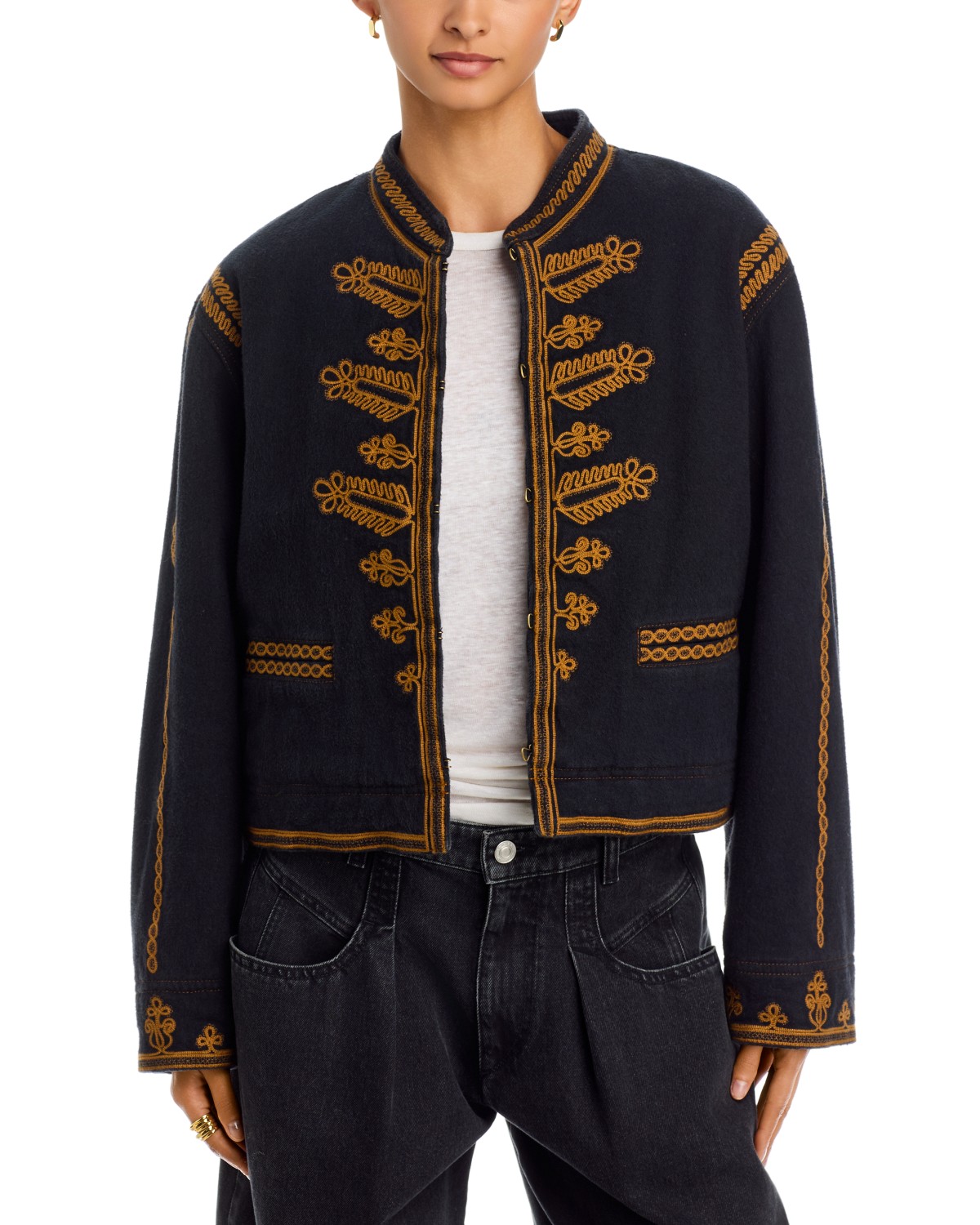
Emalia Jacket
Isabel Marant Etoile
$1,190
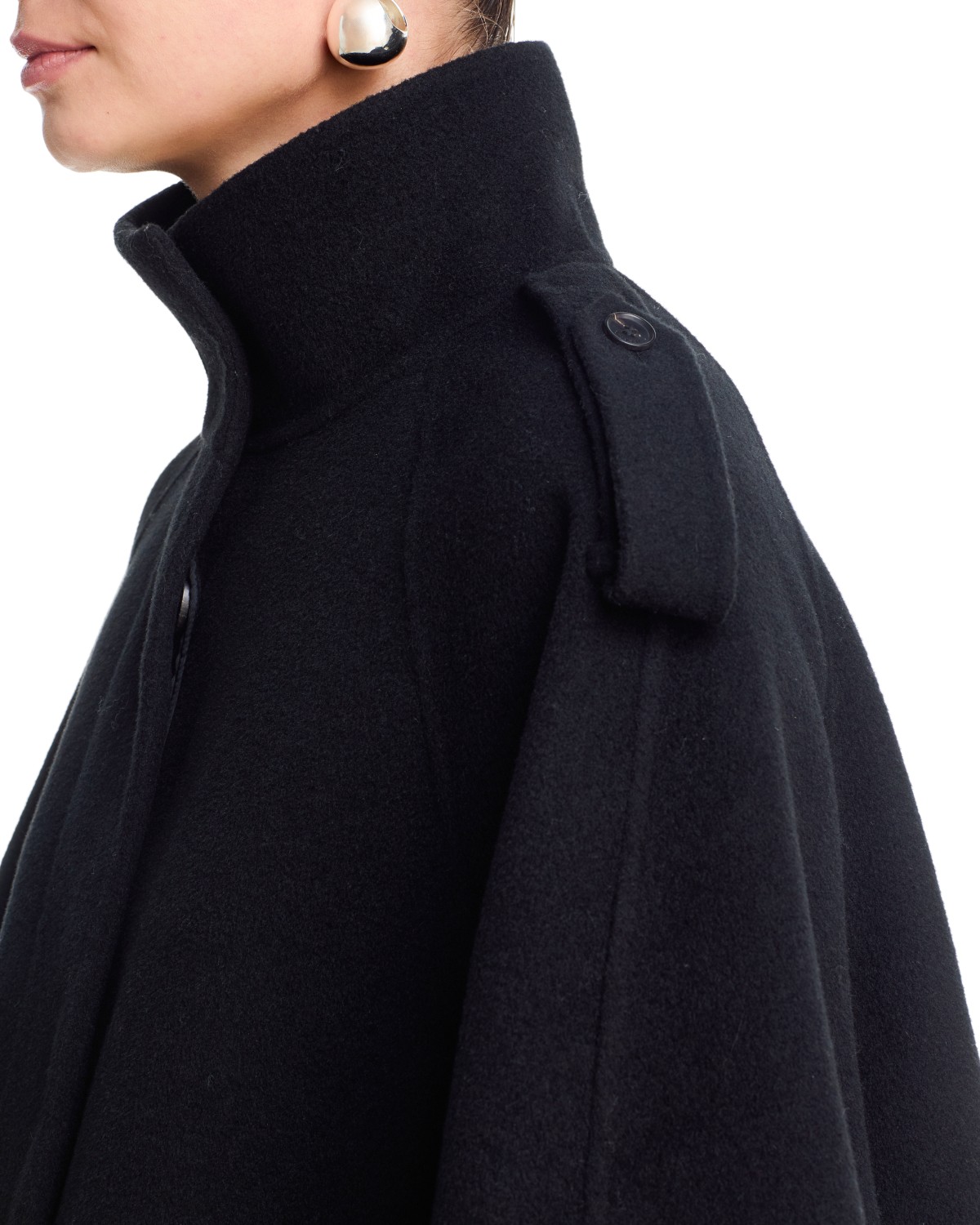
Yara Cape Jacket
SIMKHAI
$595
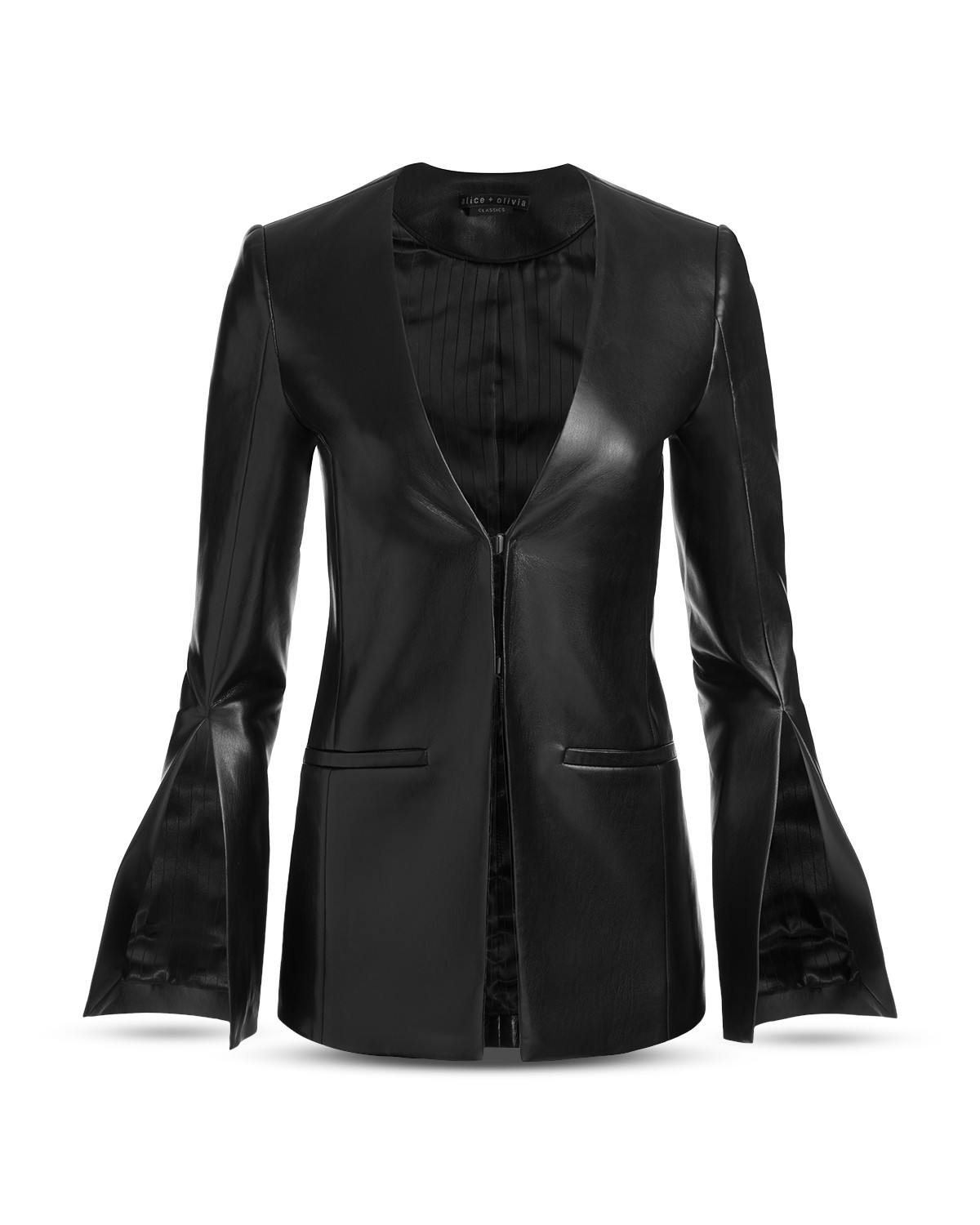
Venita Faux Leather Slim Fit Collarless Blazer
Alice and Olivia
$550
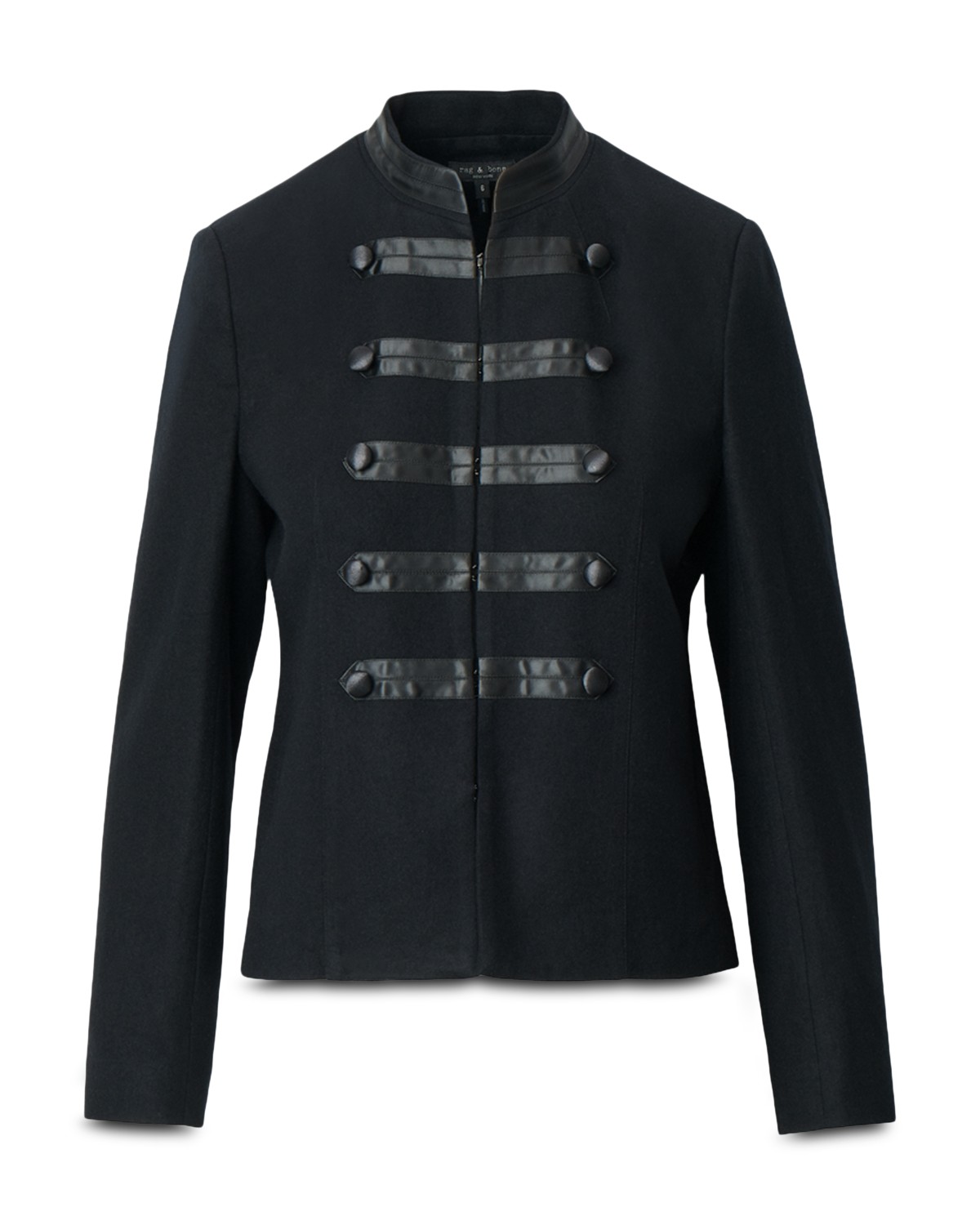
Mercer Regalia Wool Long Sleeve Blazer
rag & bone
$648
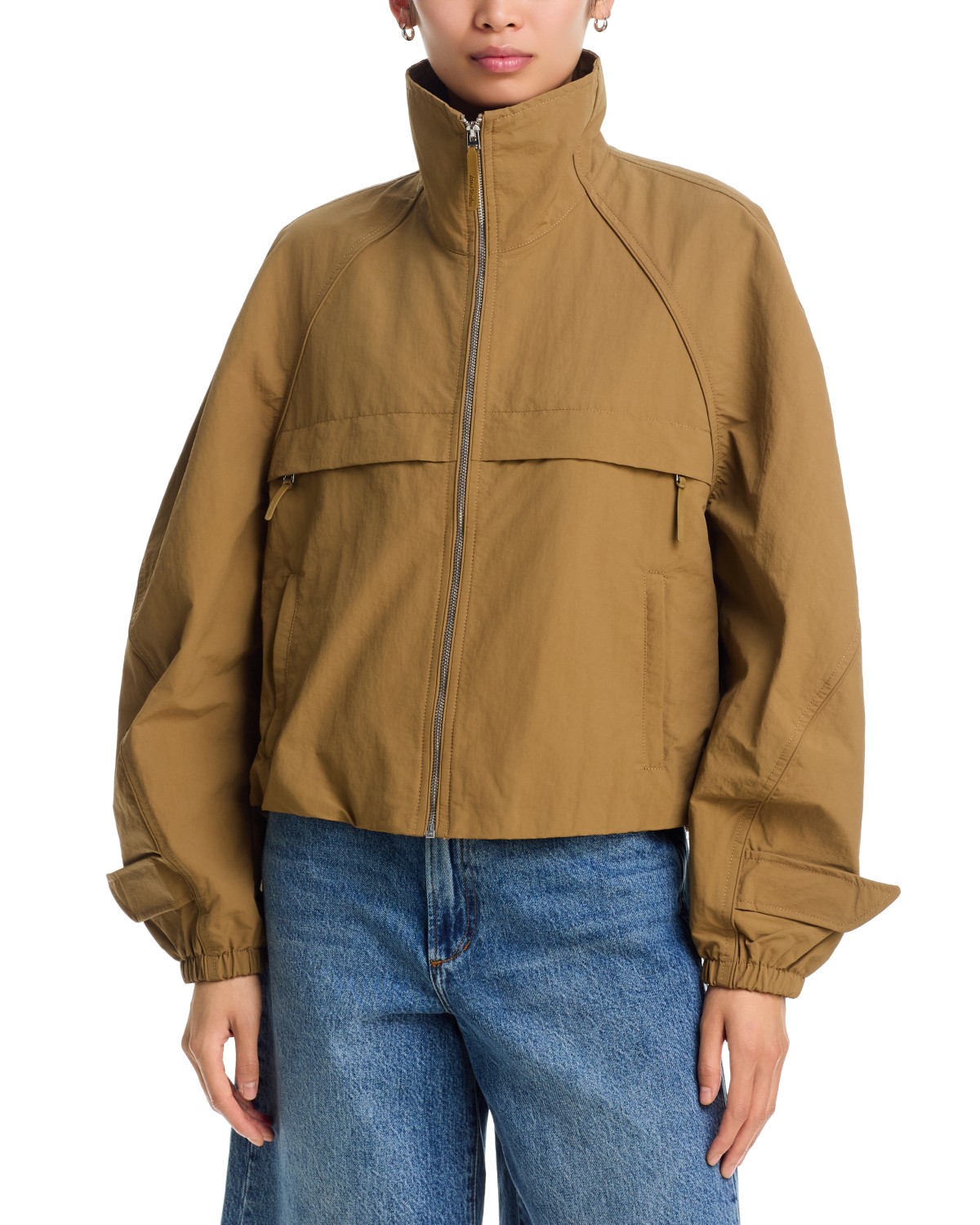
Nylon Logo Jacket
Acne Studios
$900
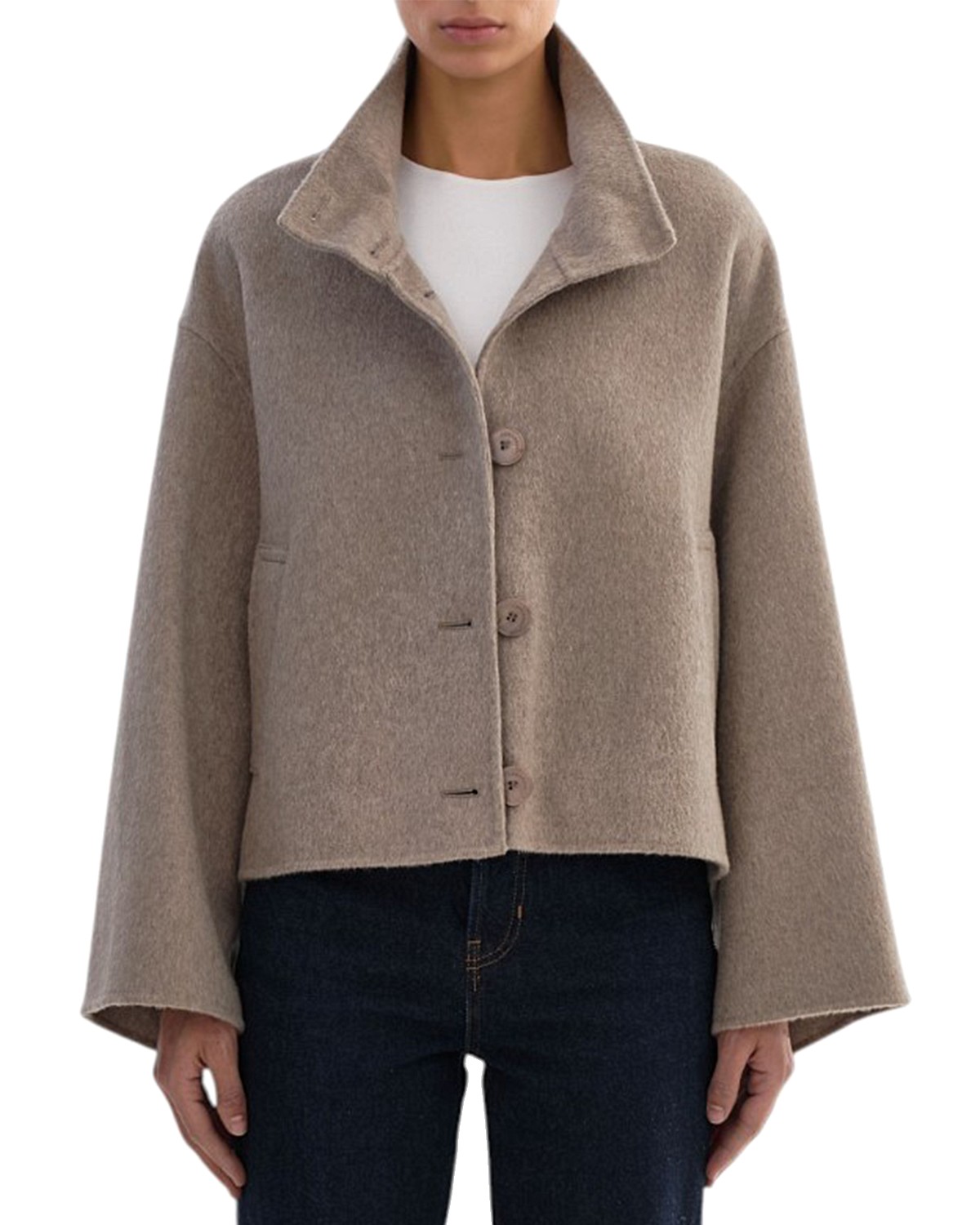
Mckenna Cropped Wool Jacket
LAMARQUE
$545
More Outerwear
A shorter run of the more committed pieces. Belted maxi and cape cuts are for the two weeks a year when a city is genuinely cold and you want the drama anyway. Impractical and fun, which is a fair trade.
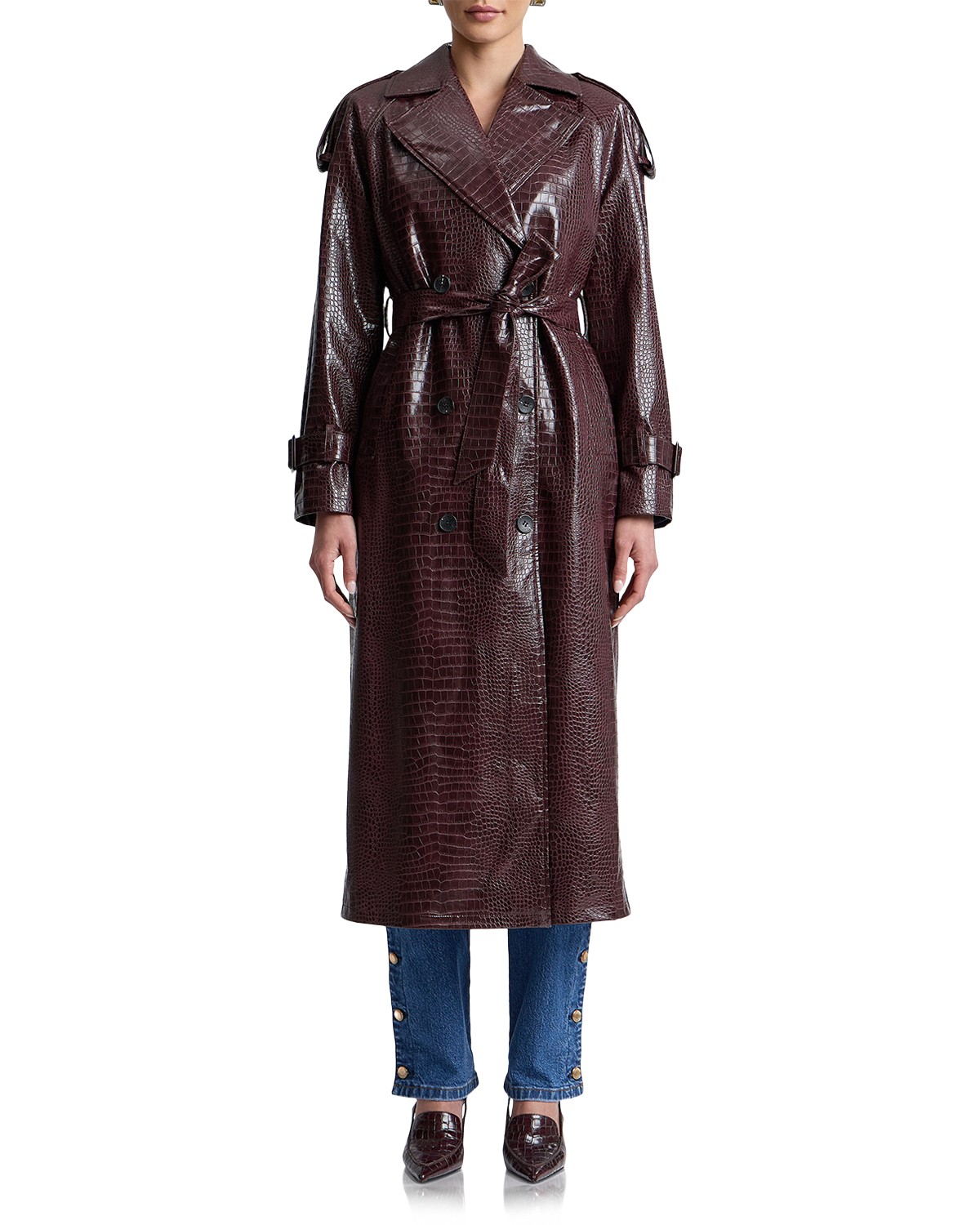
Faux Leather Belted Maxi Trench Coat
Avec Les Filles
$198
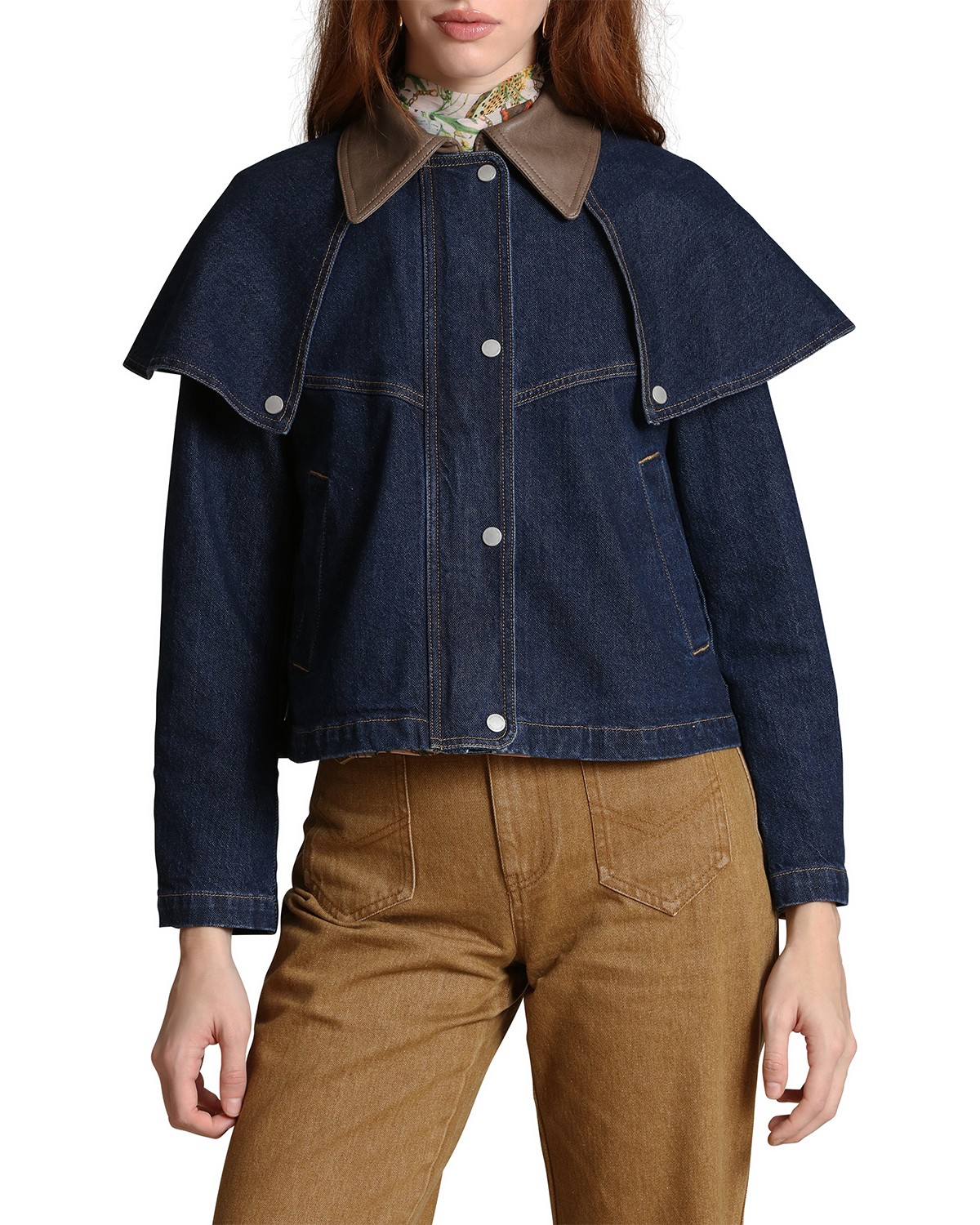
Cropped Cape Jacket
Avec Les Filles
$158
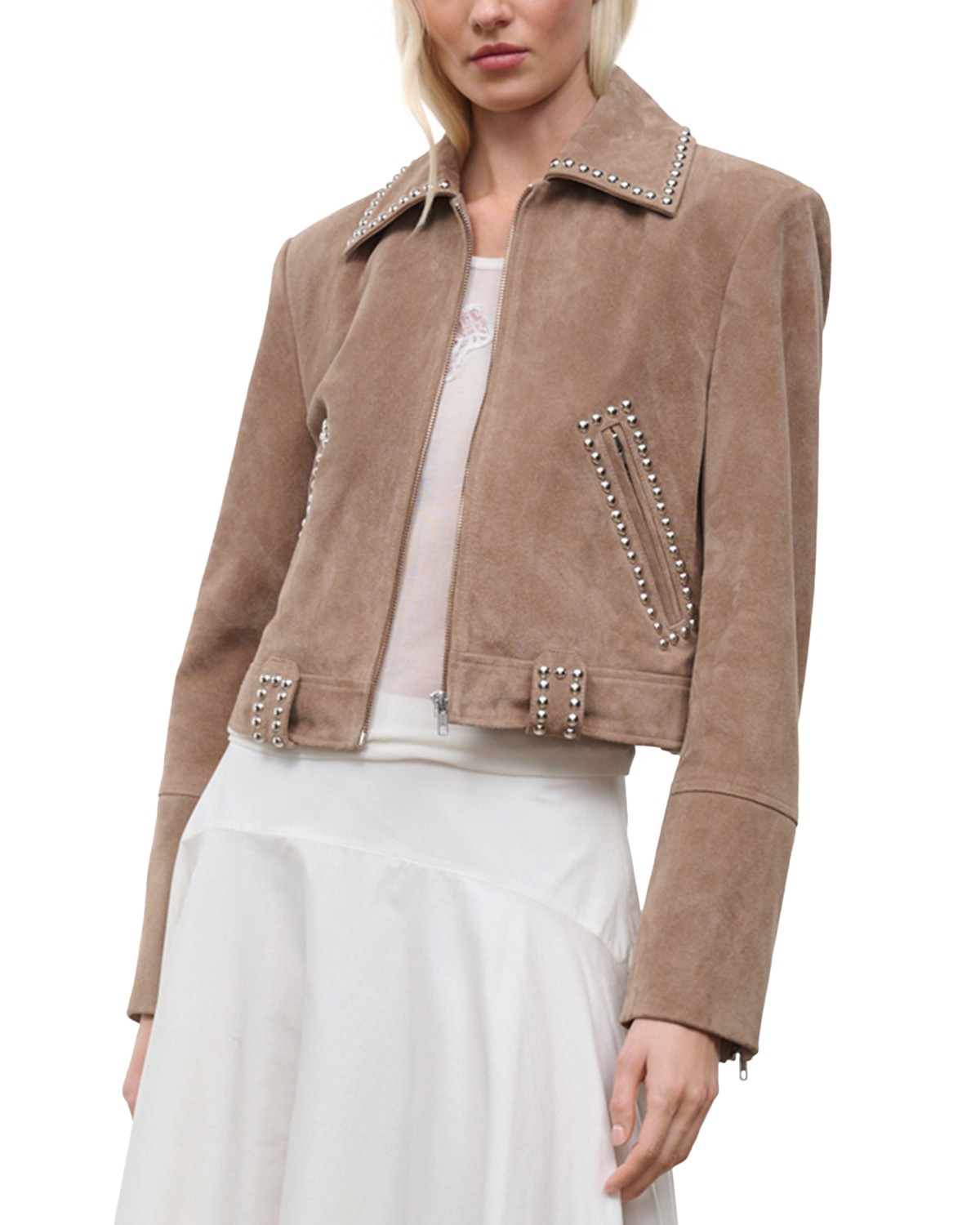
Hugo Suede Embellished Jacket
STAUD
$1,495
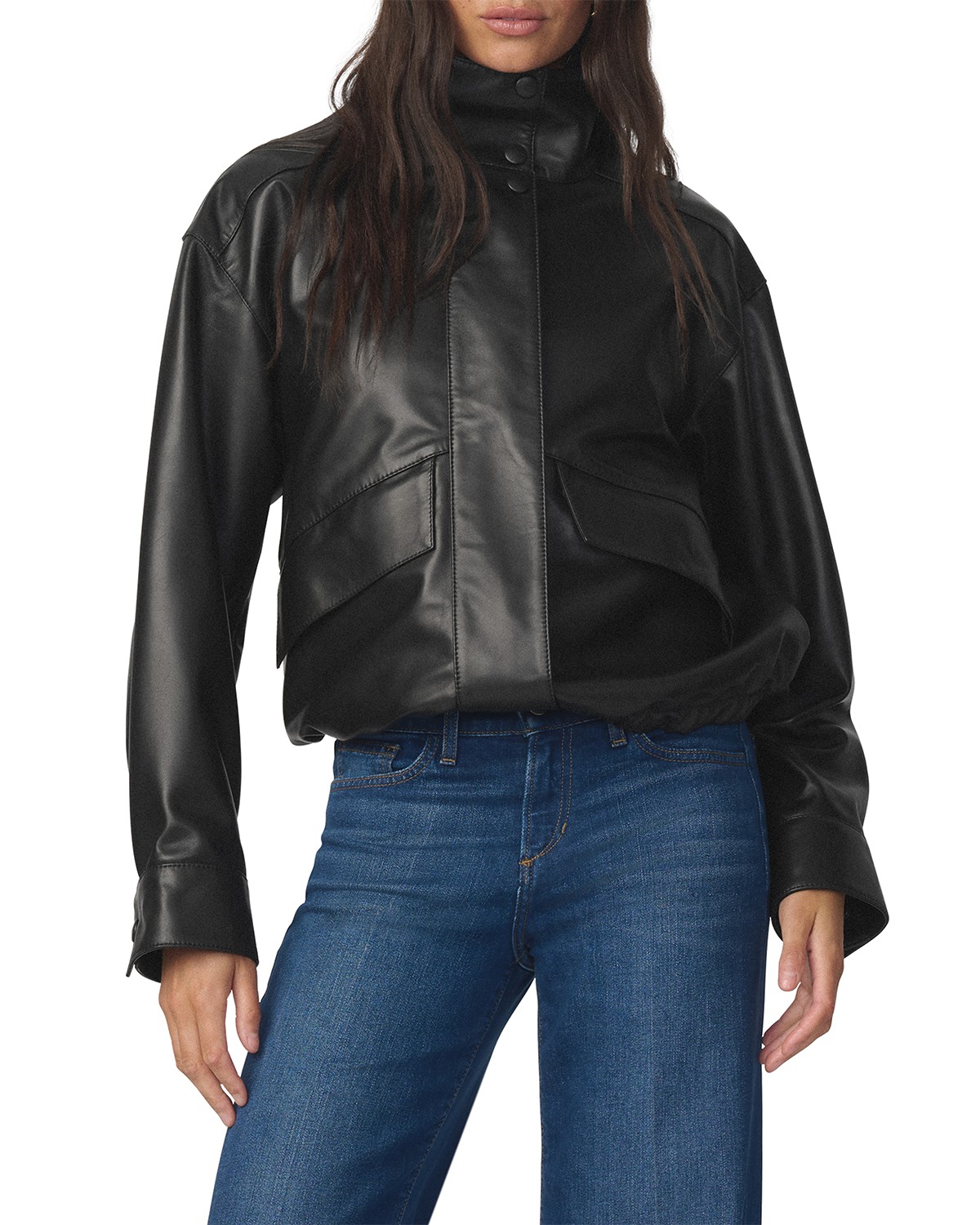
The Cohen Leather Bomber Jacket
Joe's Jeans
$998
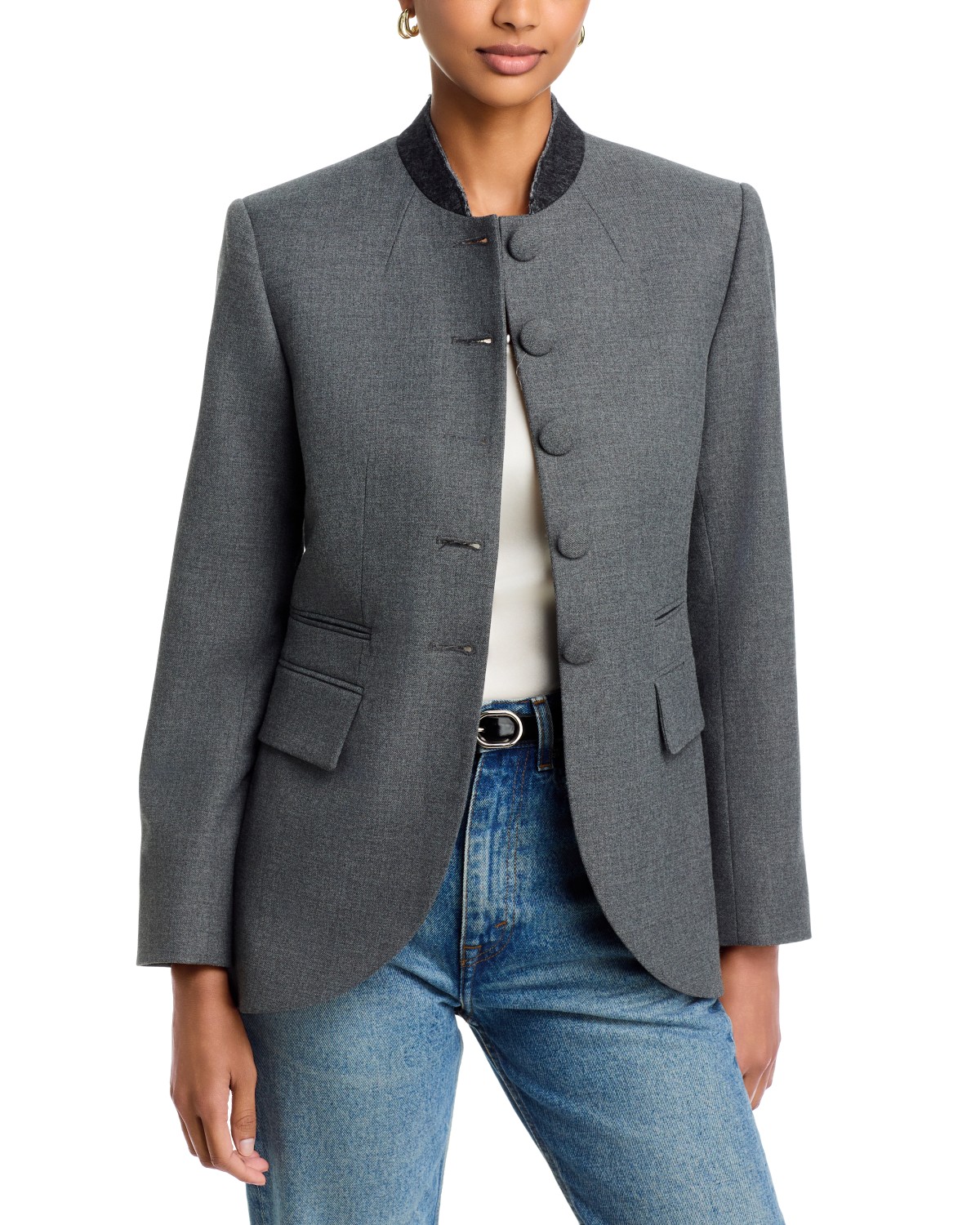
Claye Single Breasted Blazer
By Malene Birger
$850
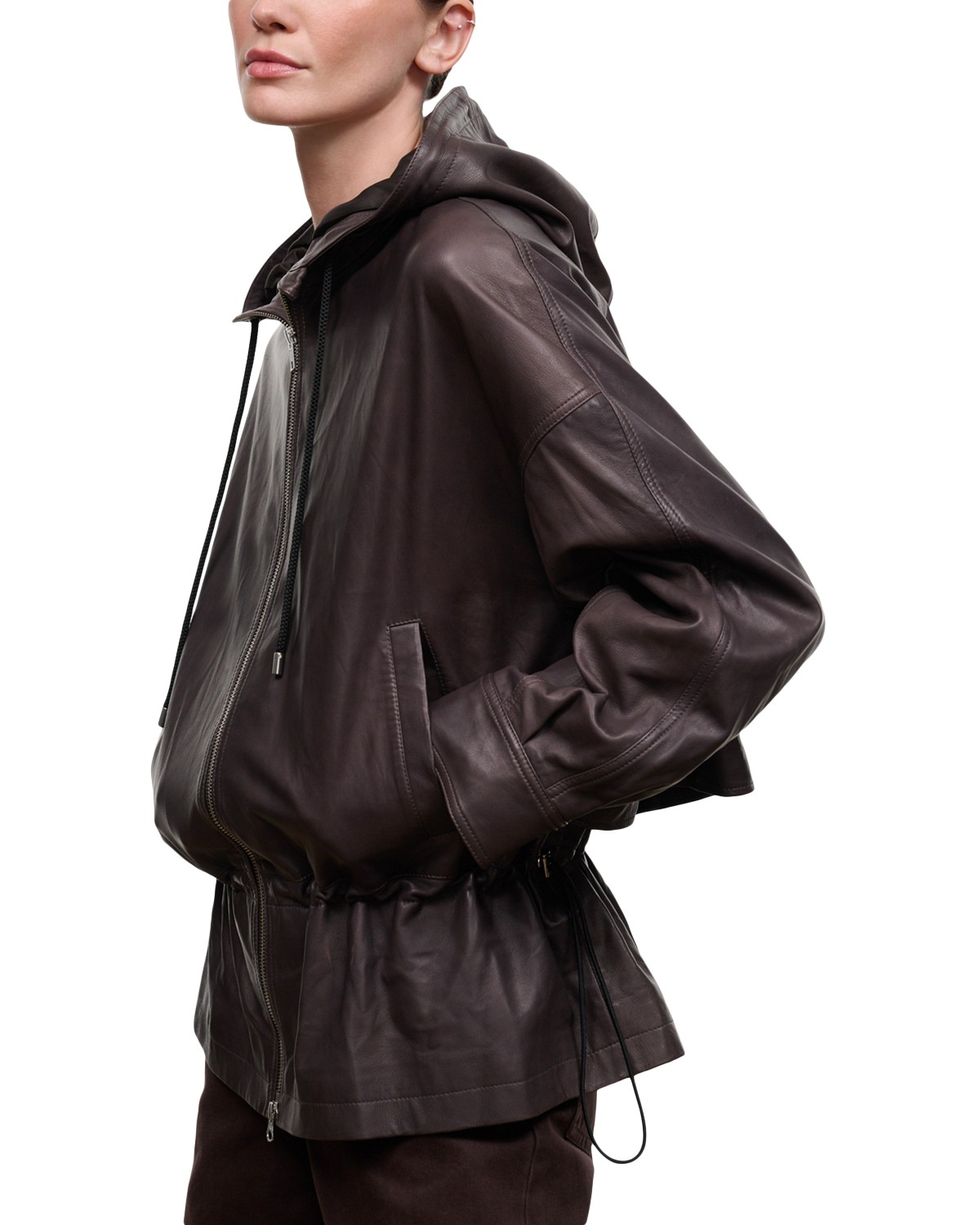
Gondola Leather Jacket
STAUD
$1,695
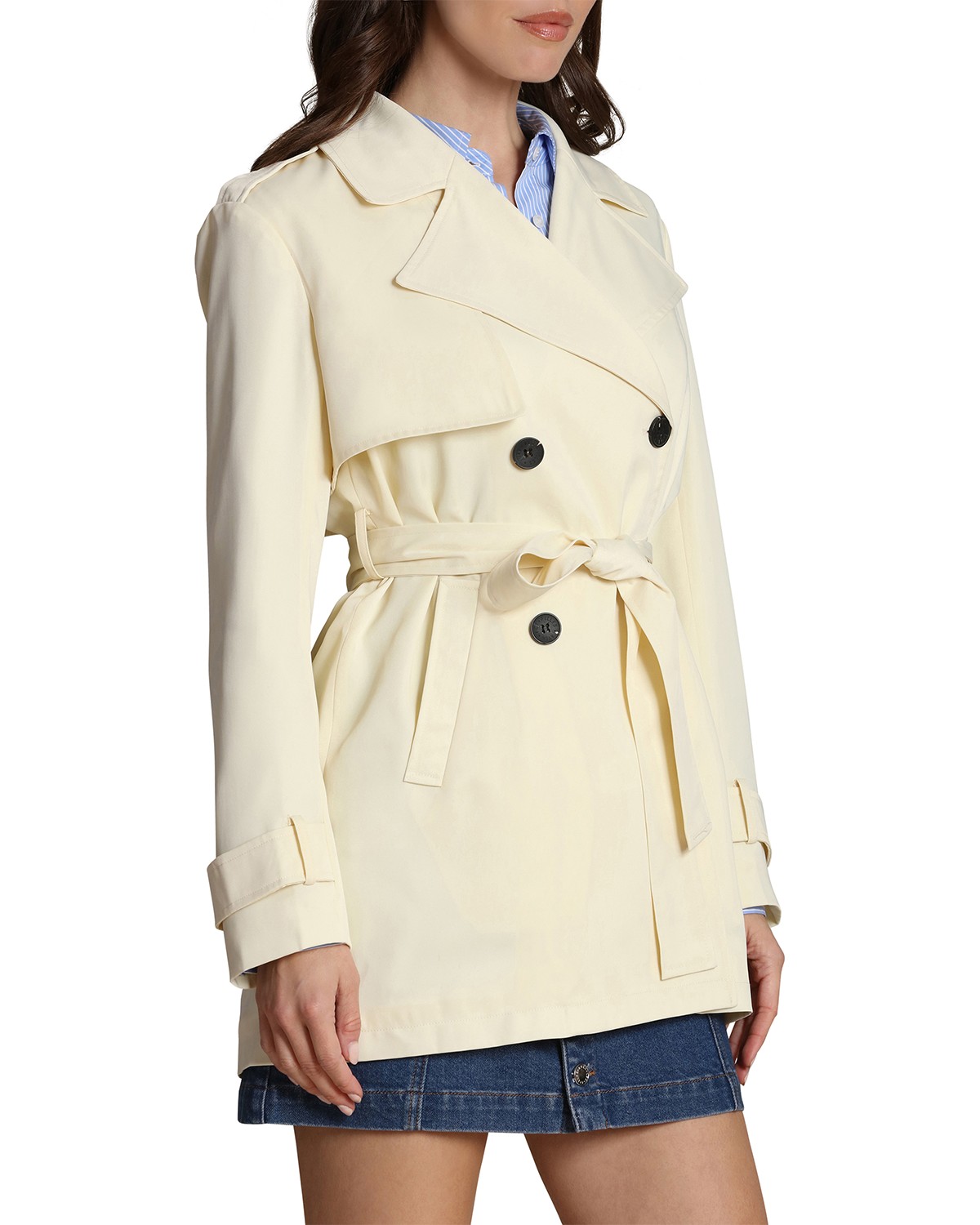
Drapey Mid Length Trench Jacket
Avec Les Filles
$128
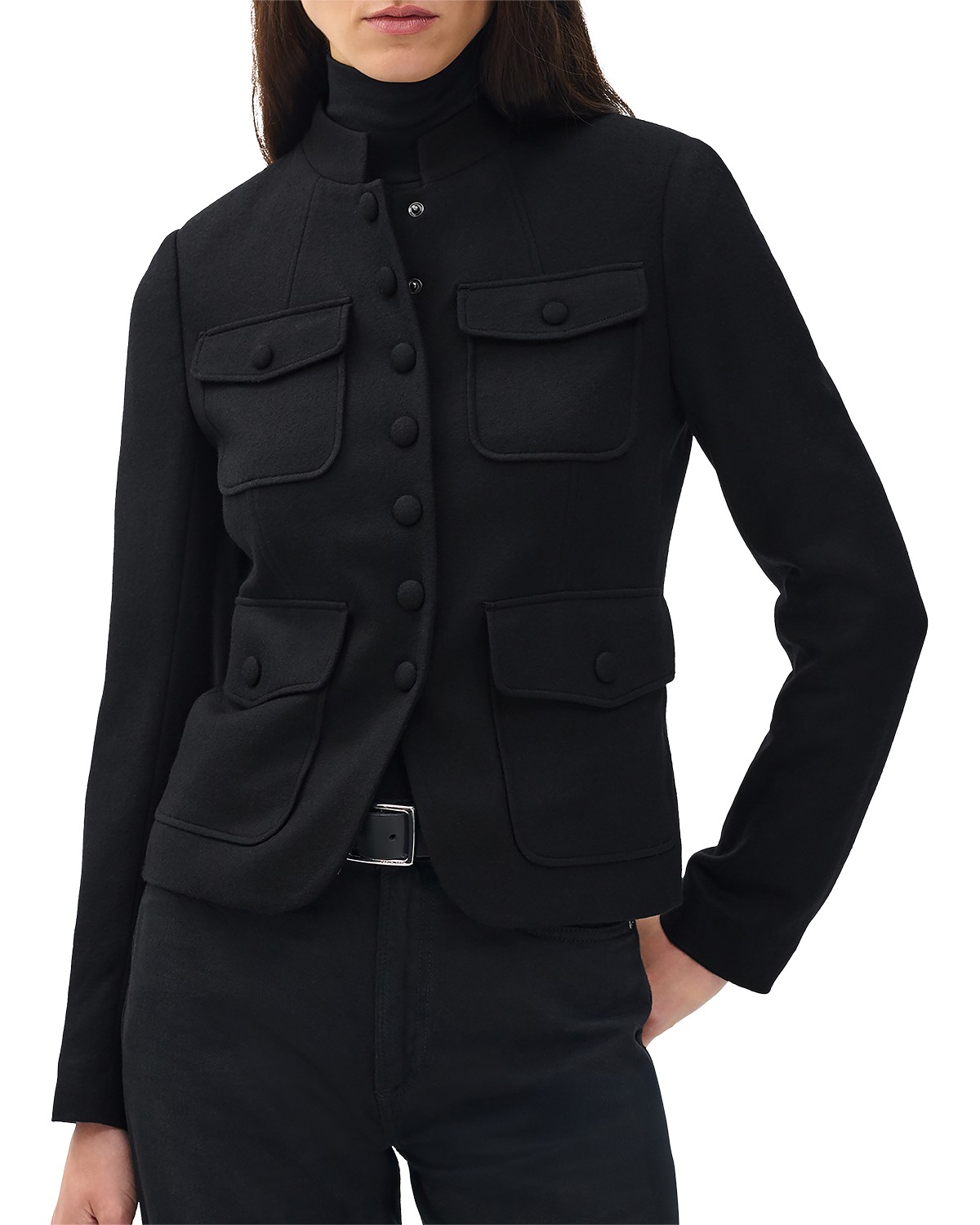
Mercer Blazer
rag & bone
$598
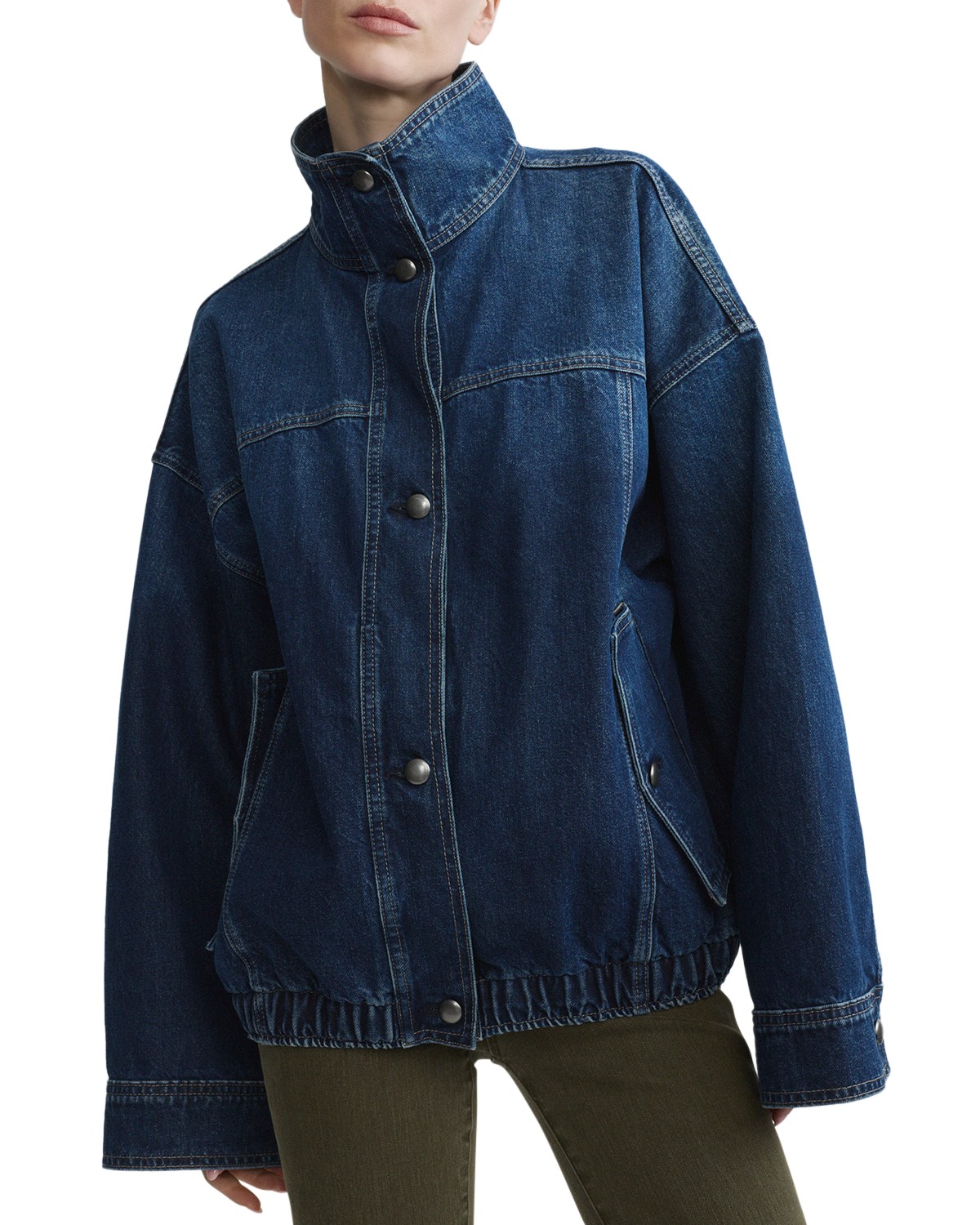
Nara Oversized Denim Jacket
DL1961
$369
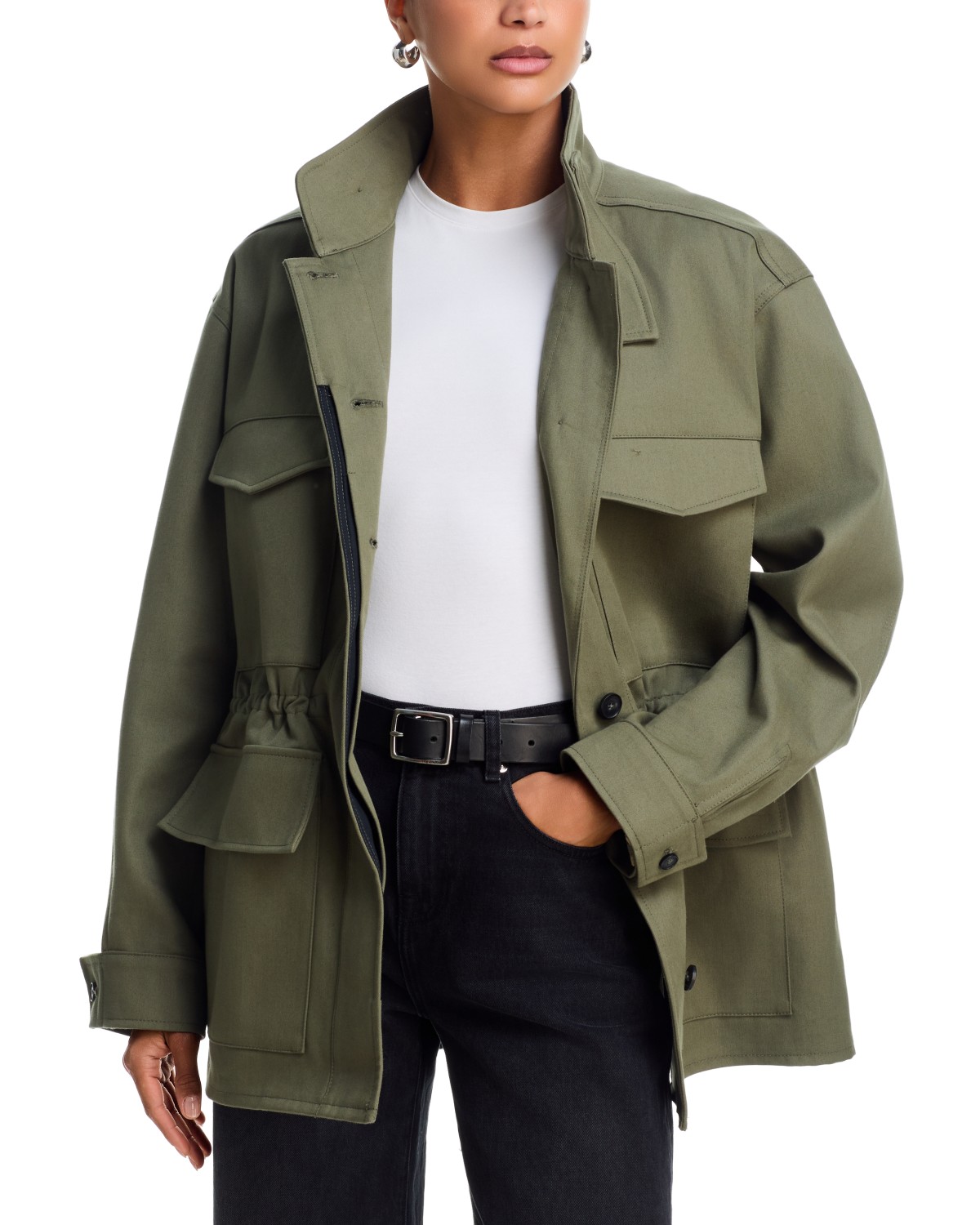
Sahara Cotton Jacket
Anine Bing
$495
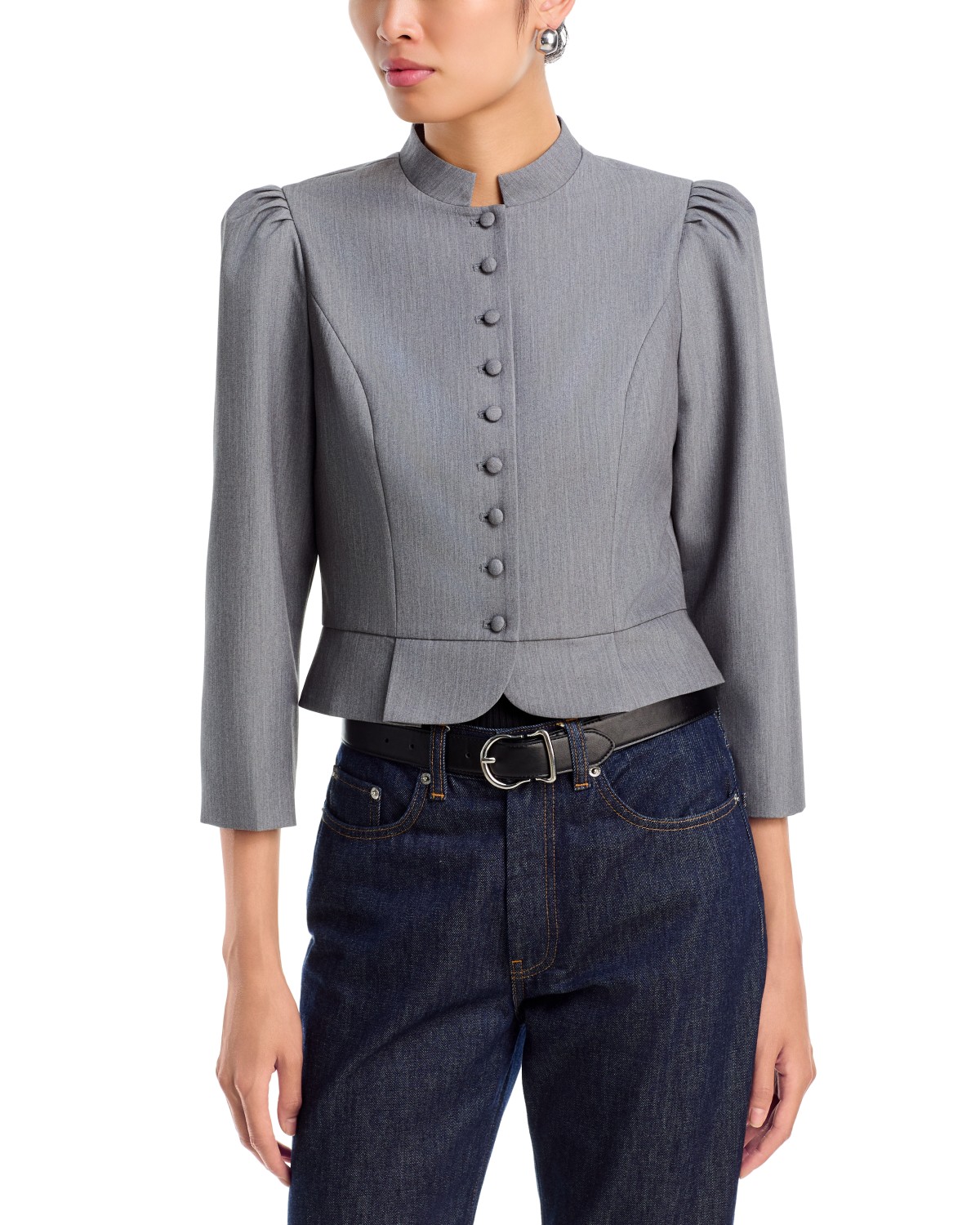
Kaelani Button Front Peplum Jacket
WAYF
$118
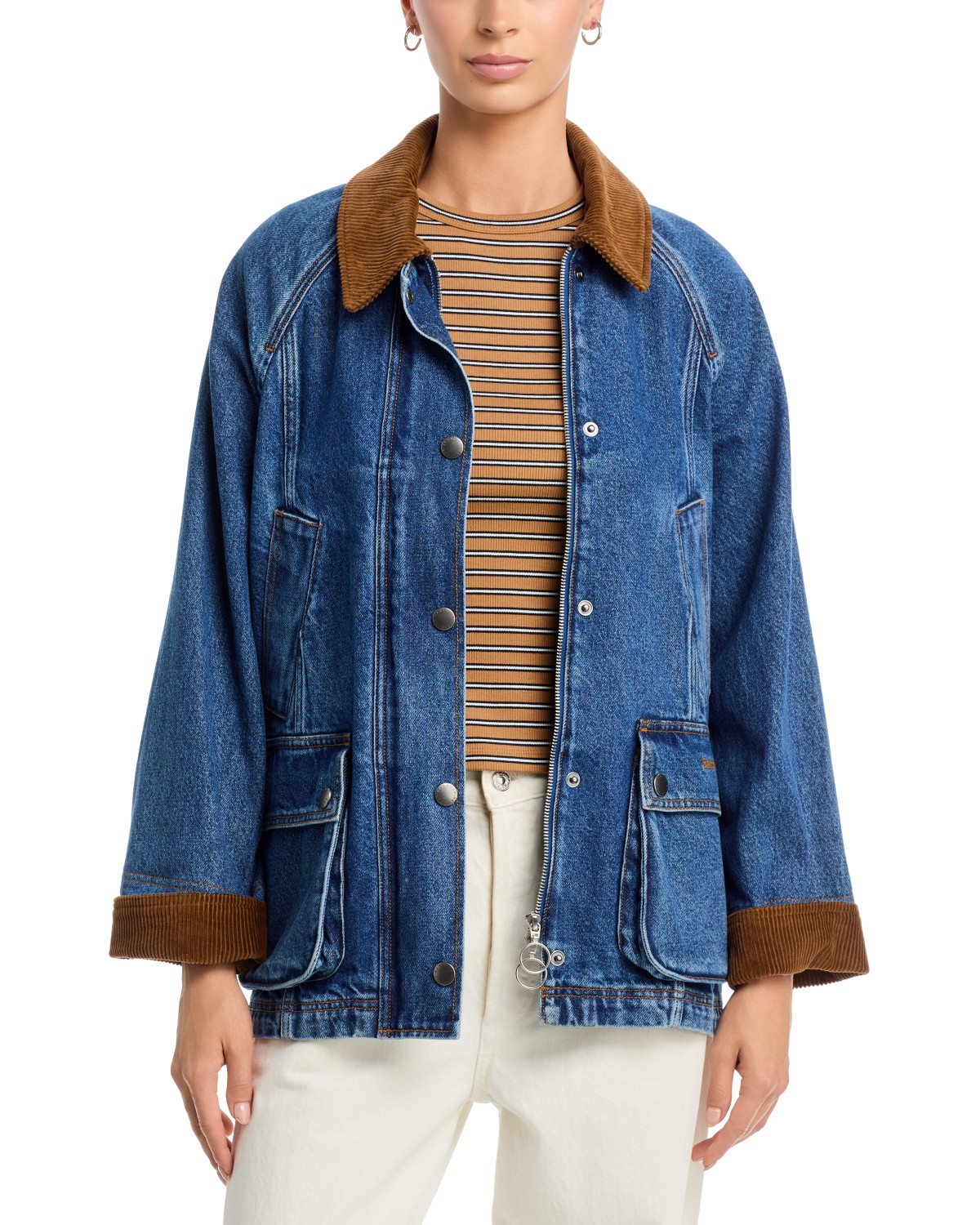
Denim Modern Beadnell Casual Jacket
Barbour
$400
Dresses
Dresses in the city work best when they behave like tailoring. Blazer minis and mock-neck long sleeves cover the same ground as an outfit while requiring one decision, which is the entire appeal on a weekday. This is the most efficient category here.
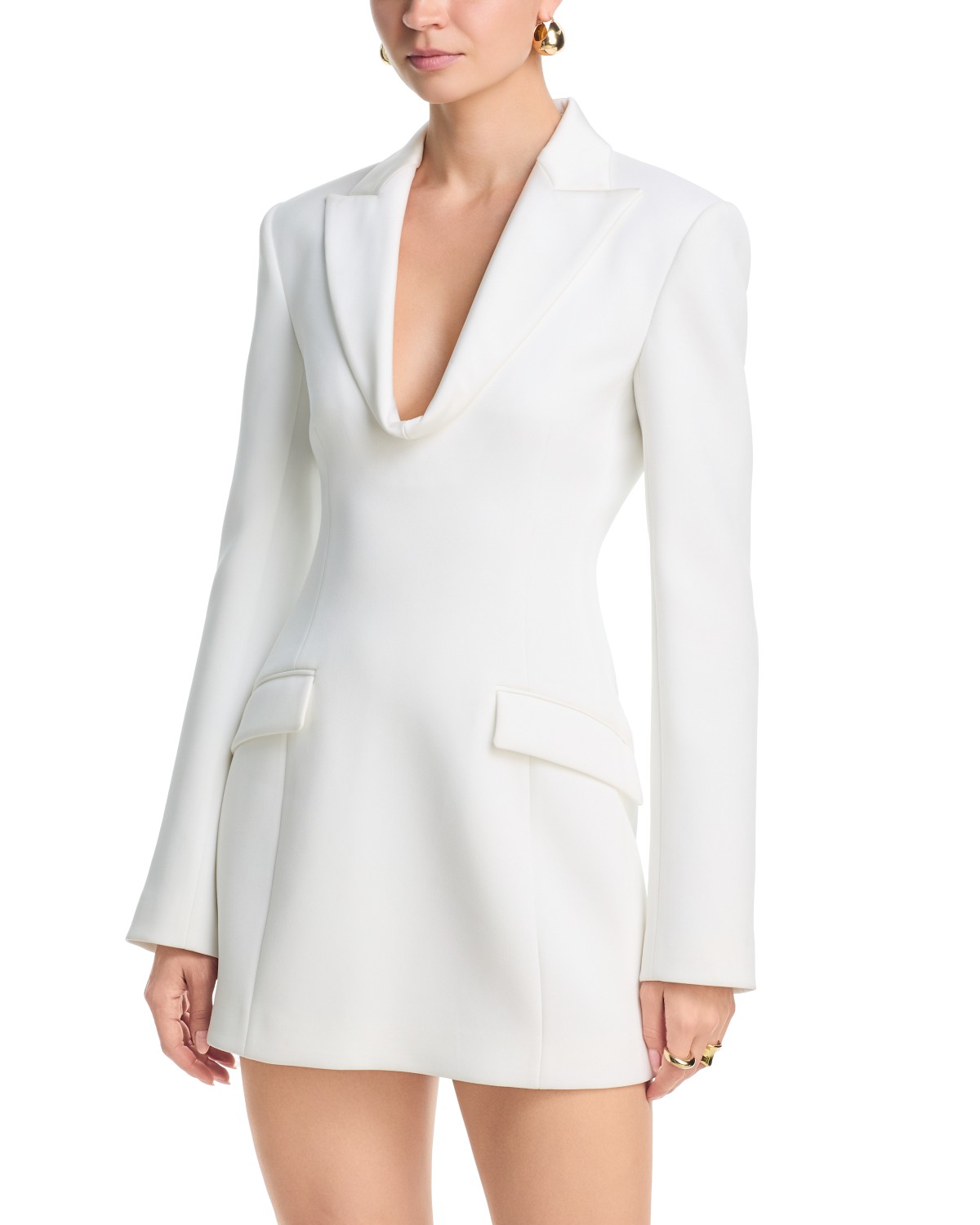
Marina Blazer Mini Dress
SIMKHAI
$795
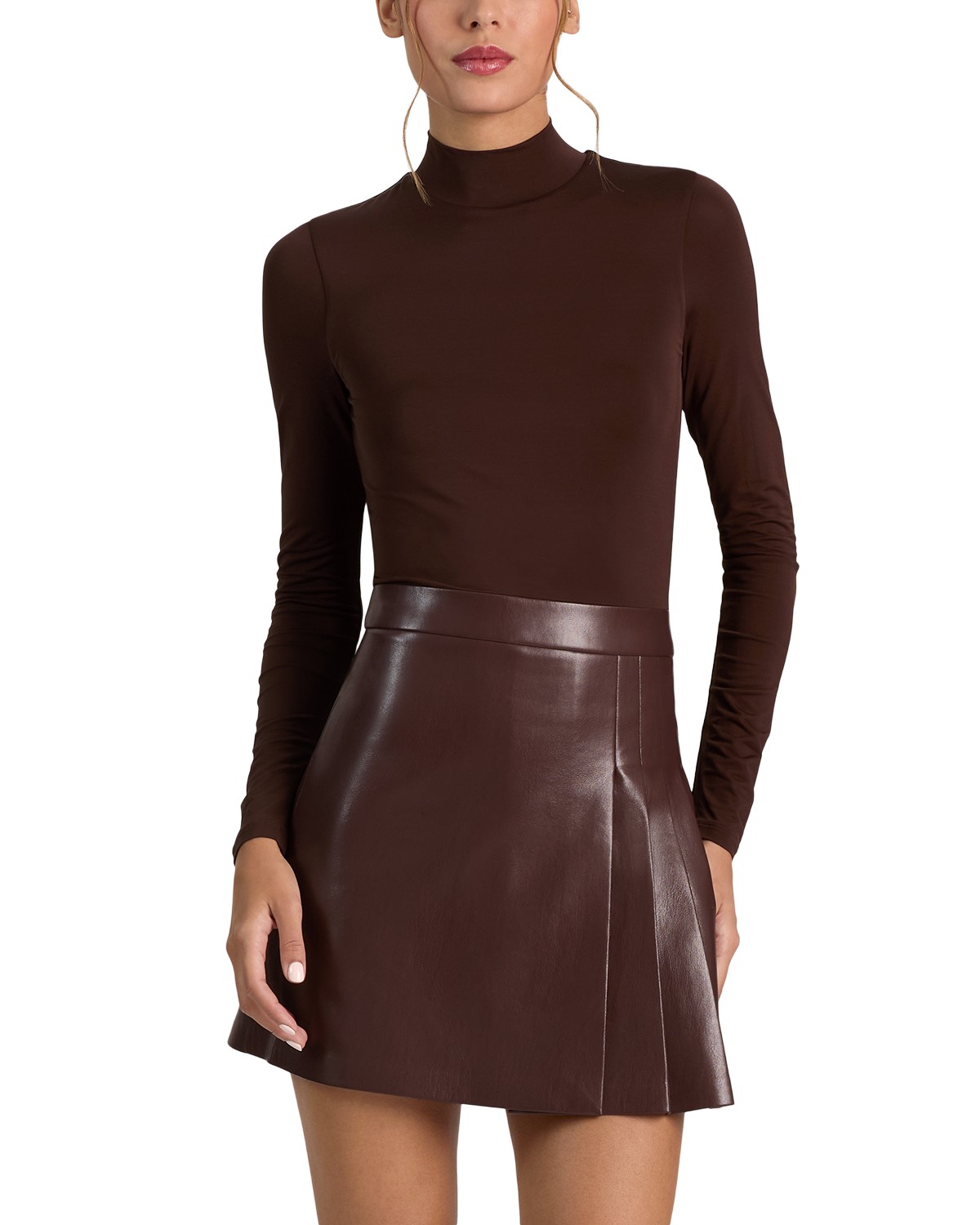
Chara Long Sleeve Mock Neck Mini Dress
Alice and Olivia
$395
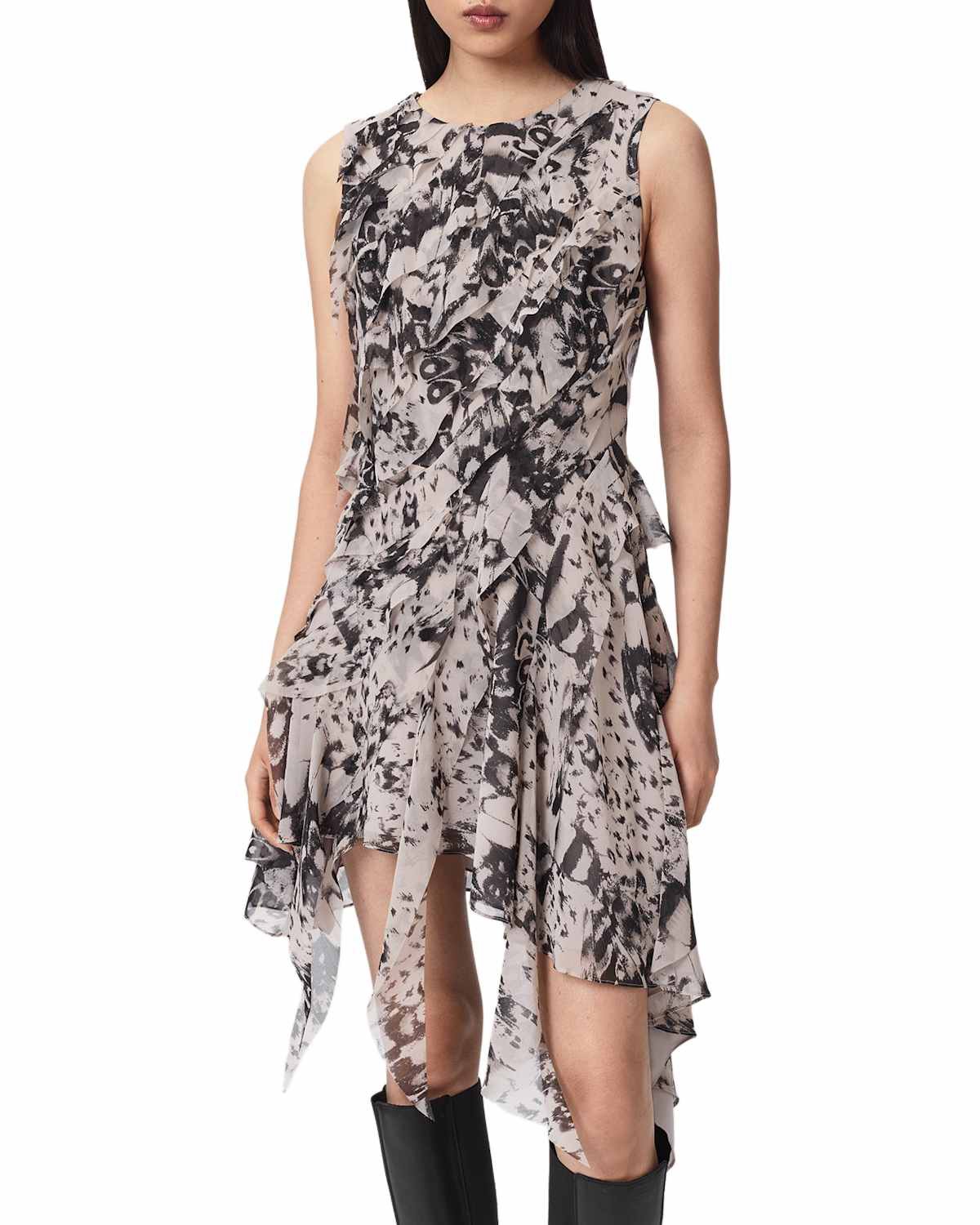
Angie Dress
ALLSAINTS
$349
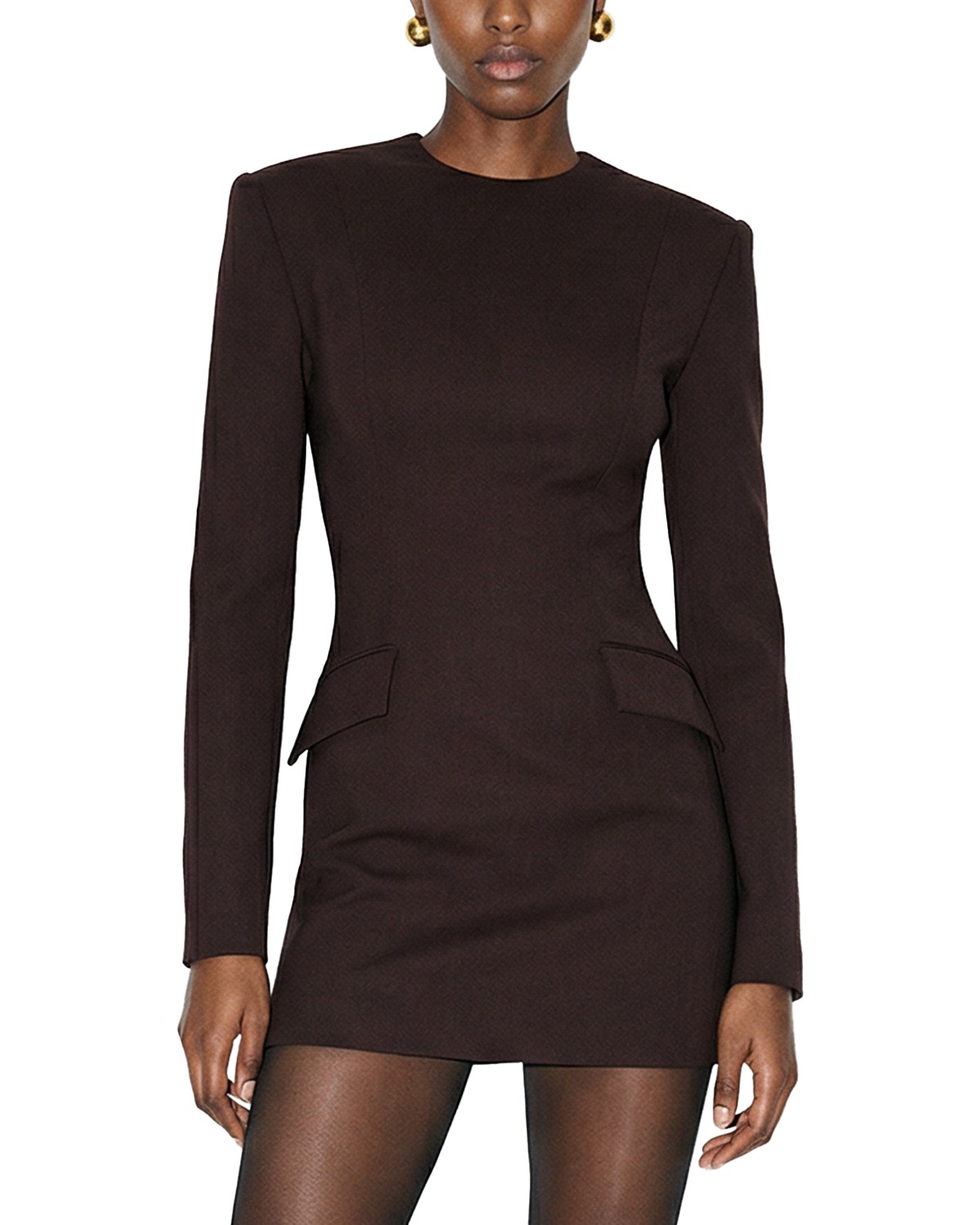
Brette Long Sleeve Mini Dress
Ronny Kobo
$488
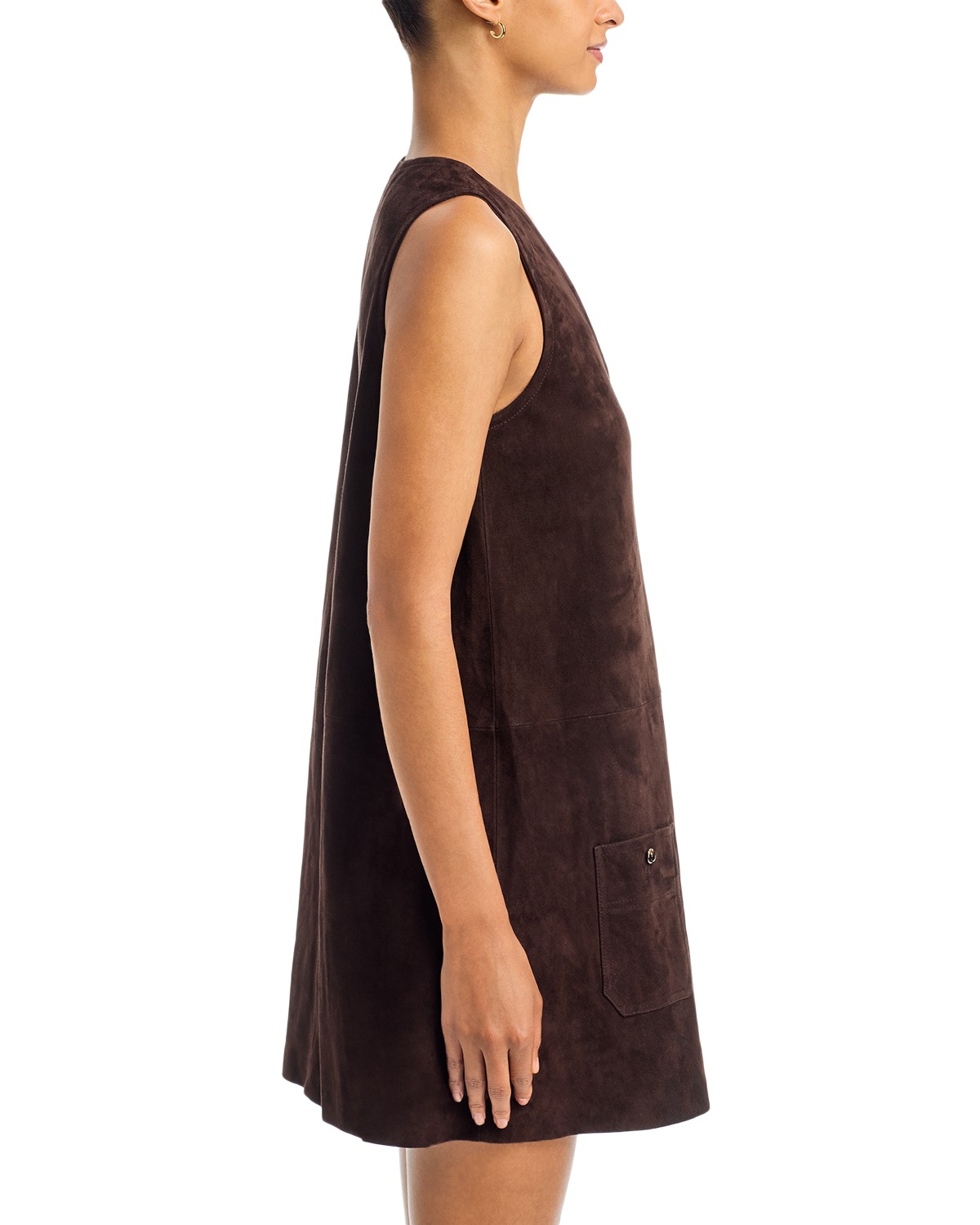
The Suede Safari Tent Dress
FRAME
$1,598
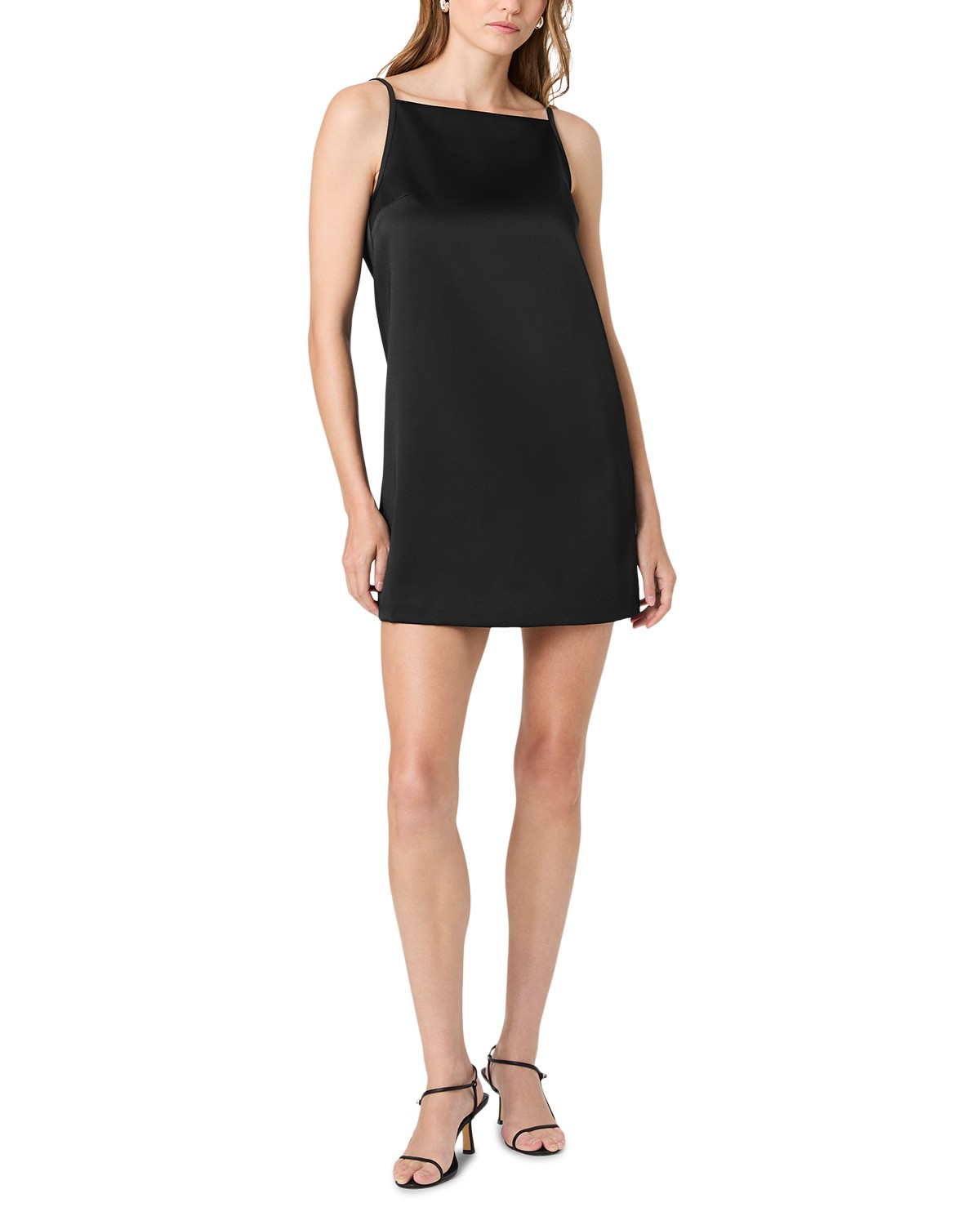
York Satin A Line Dress
FRENCH CONNECTION
$158
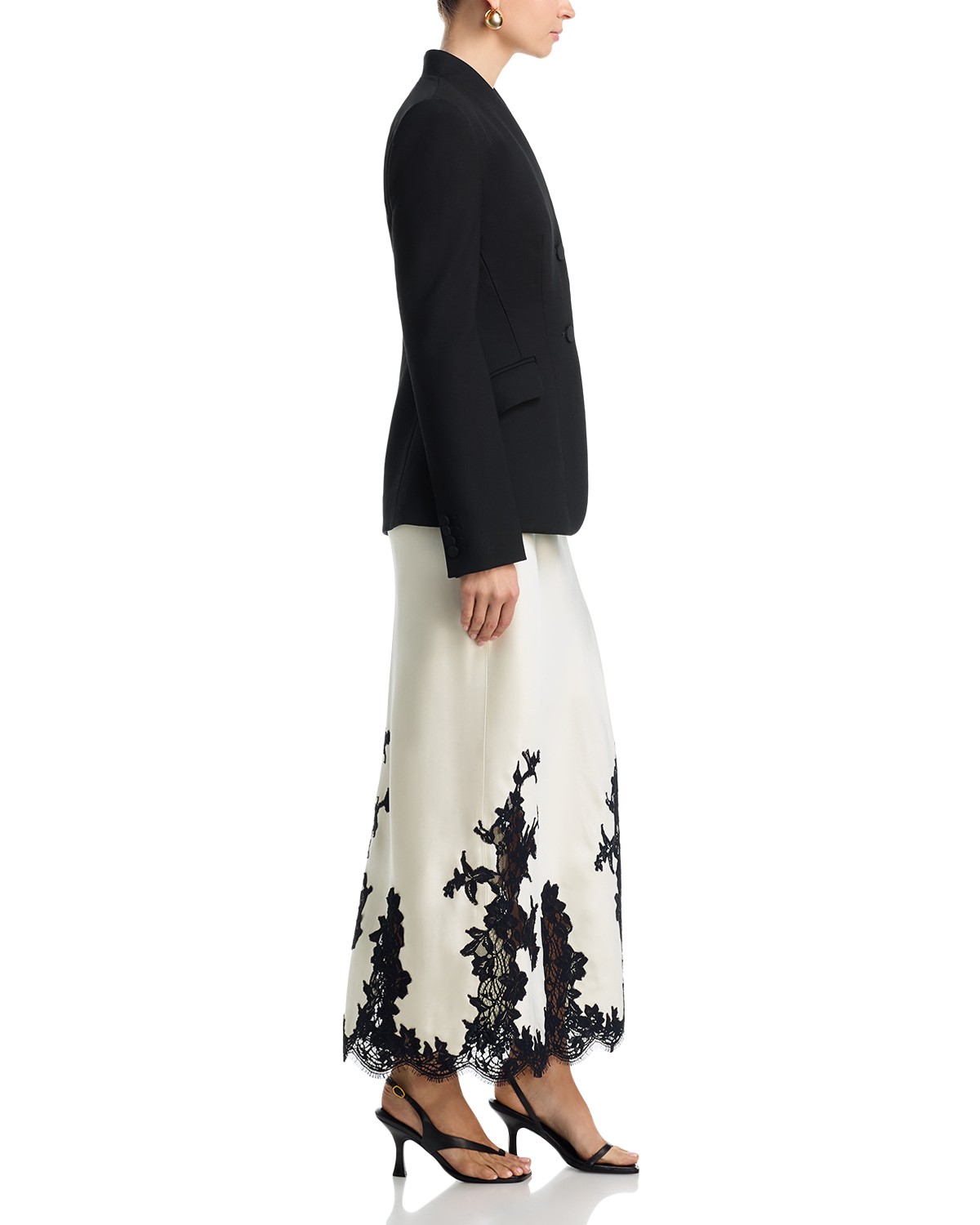
Hagar Blazer Gown
SIMKHAI
$1,295
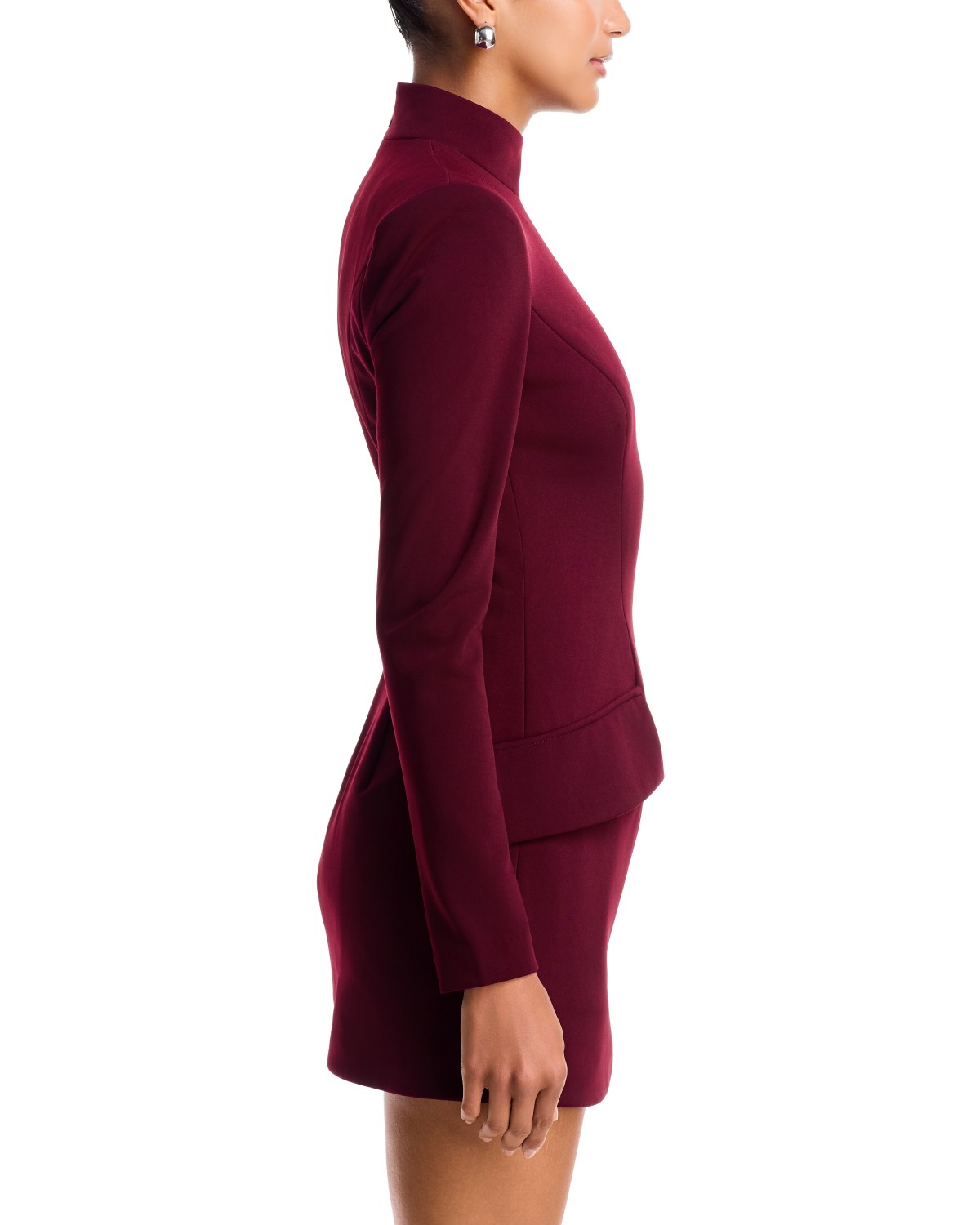
Lizet Long Sleeve Mini Dress
Bardot
$189
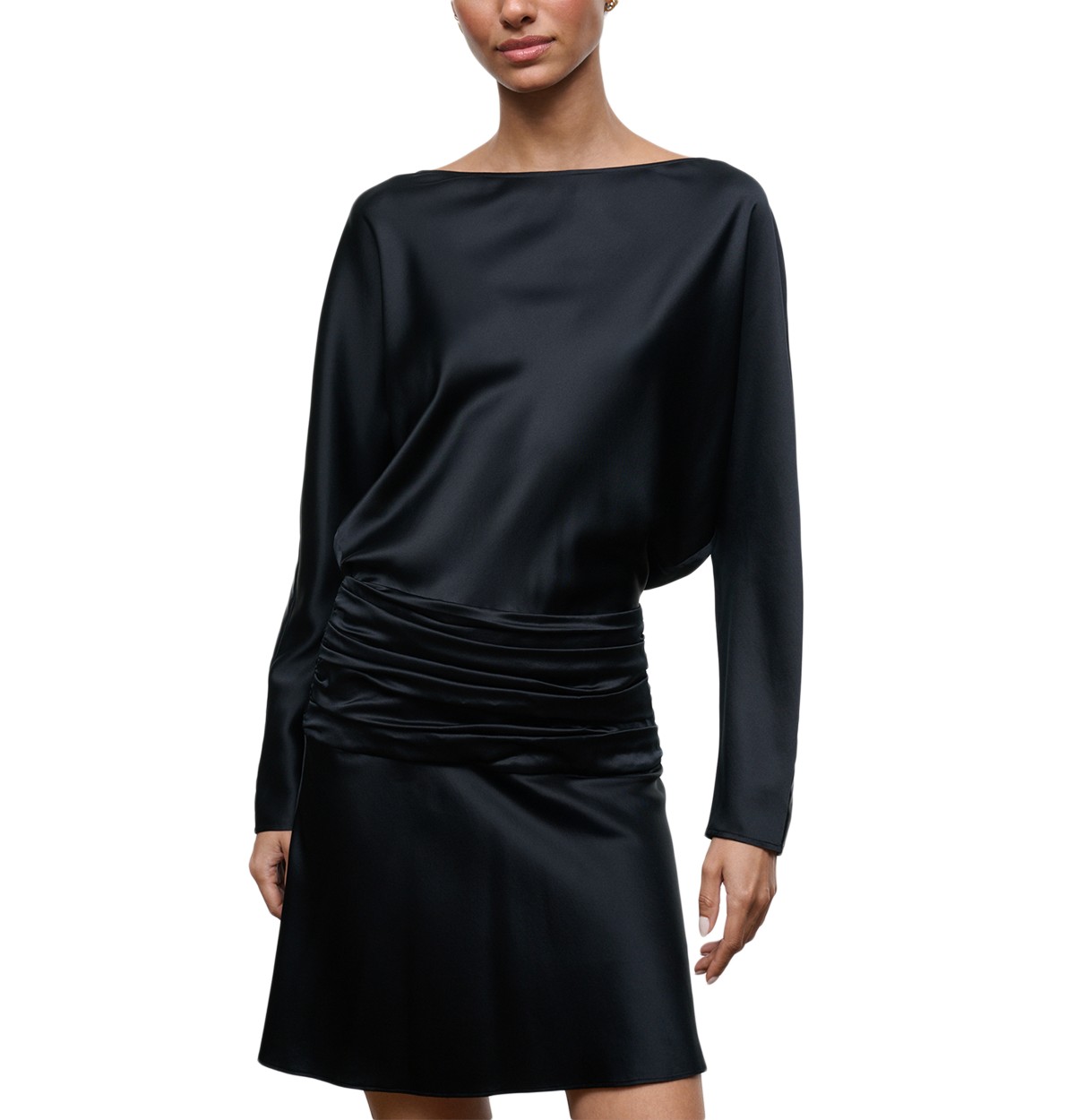
Freda Silk Blend Mini Dress
STAUD
$595
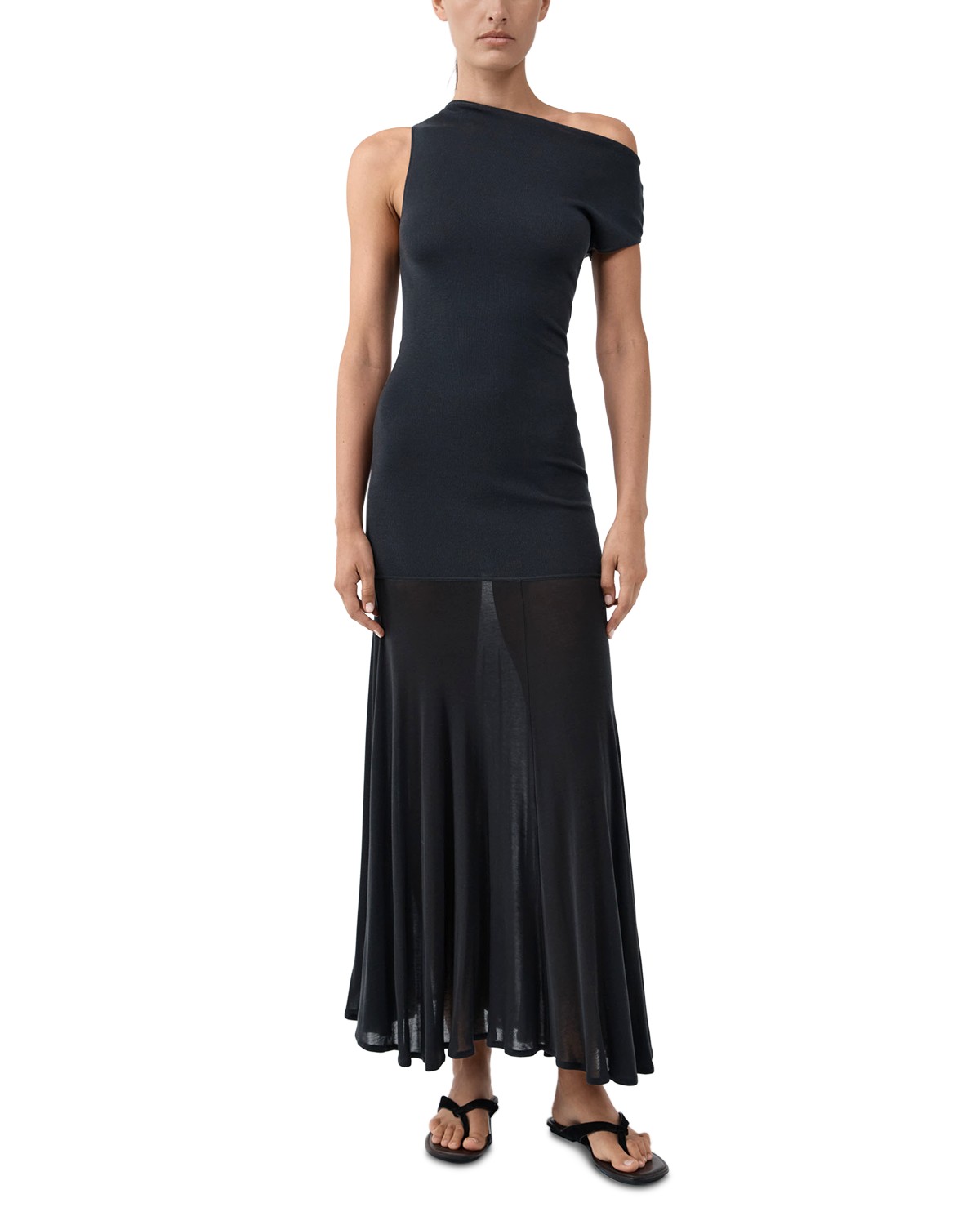
Fine Jersey Circle Hem Dress
St. Agni
$499
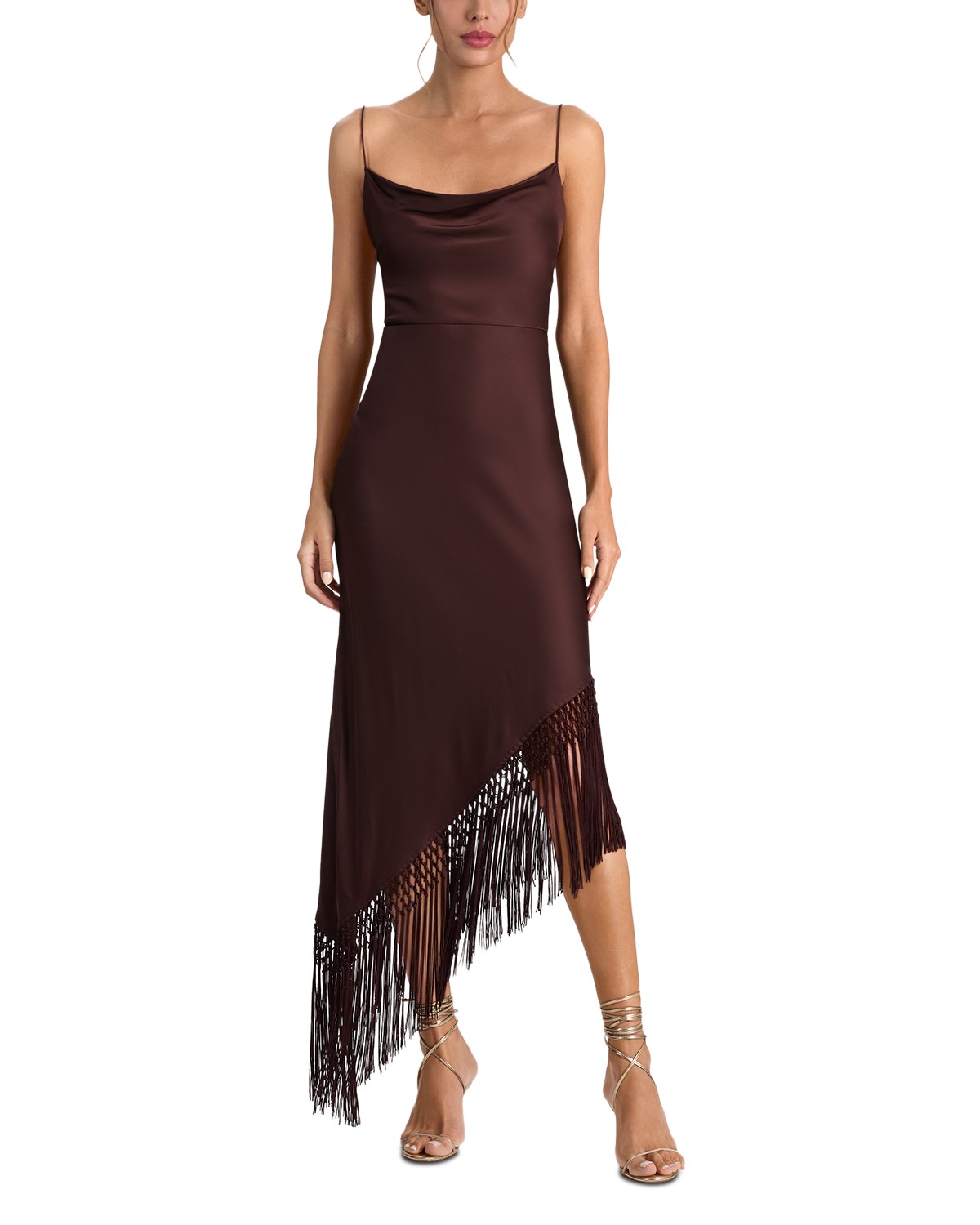
Harmony Fringe Trim Slip Dress
Alice and Olivia
$495
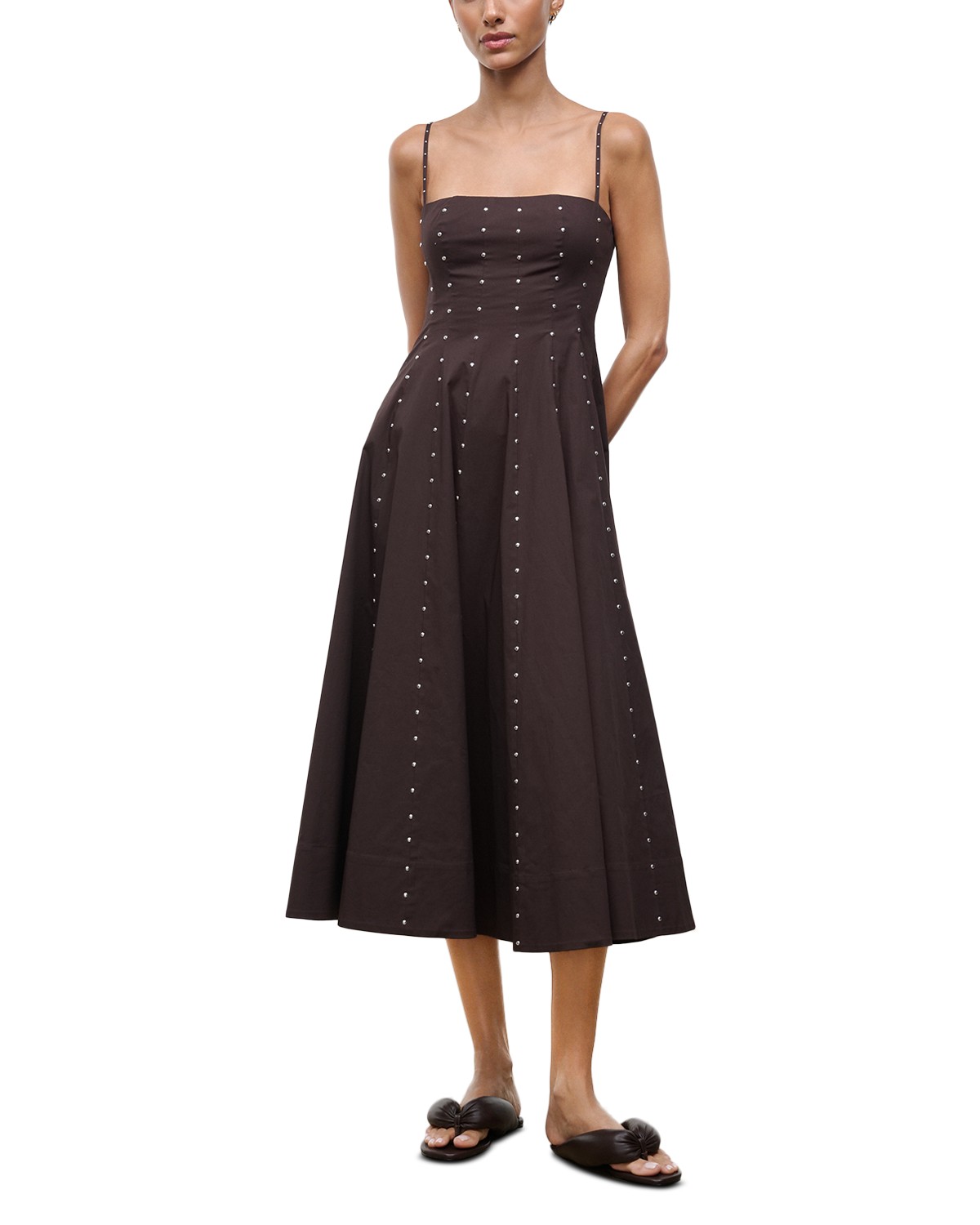
Wylie Stretch Cotton Poplin Midi Dress
STAUD
$495
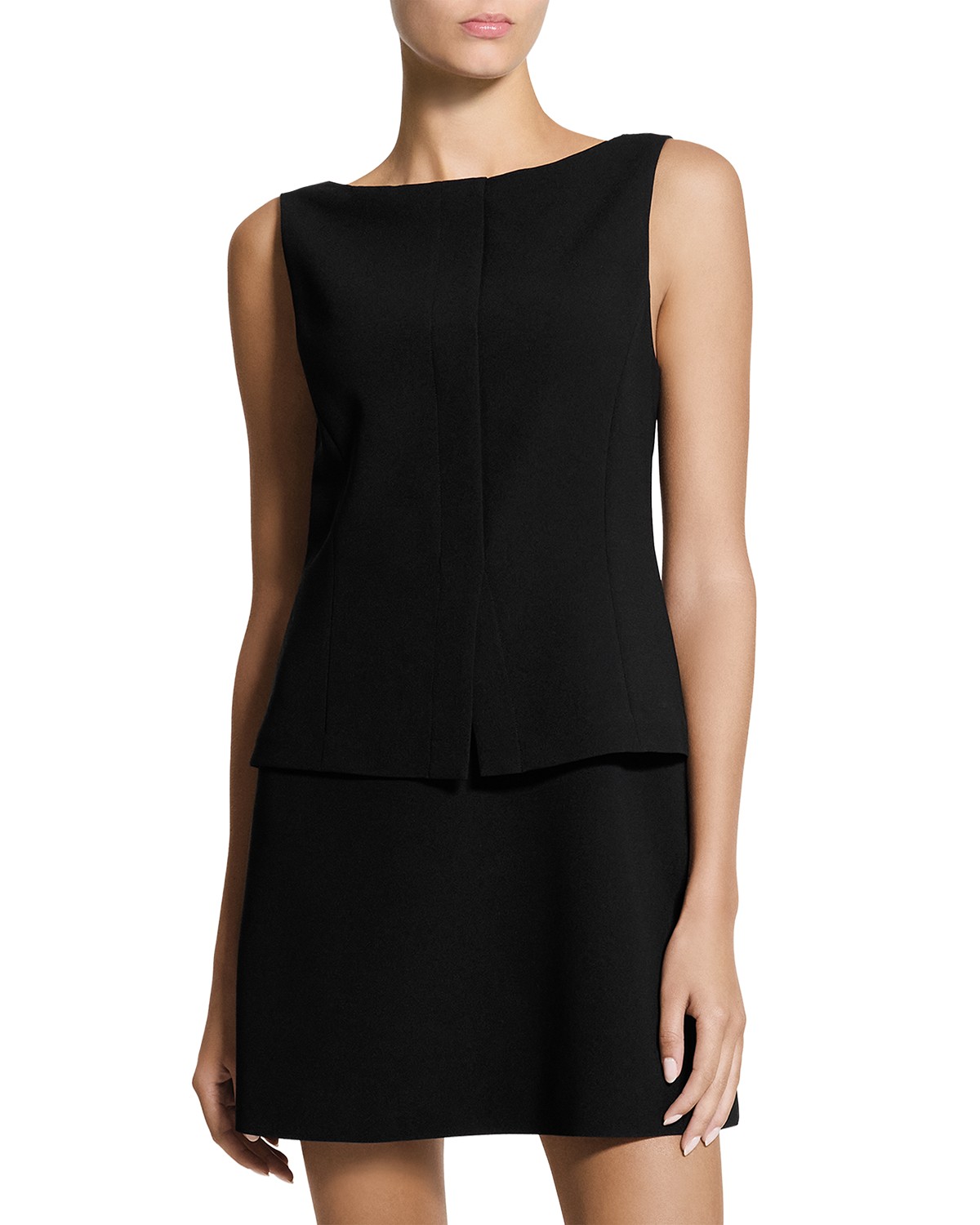
Boat Neck Sleeveless Mini Dress
Theory
$425
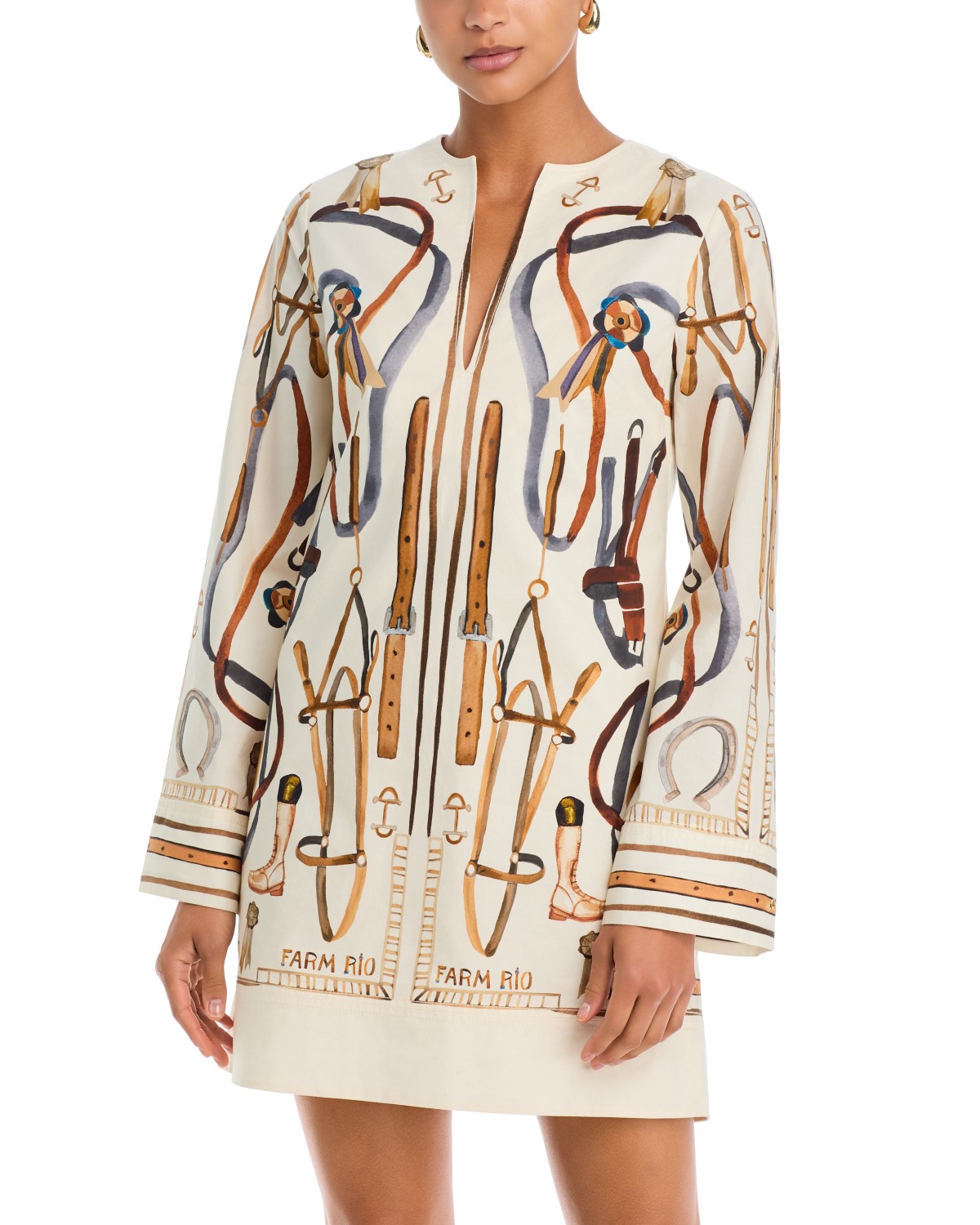
Equestrian Scarf Cape Mini Dress
FARM Rio
$270
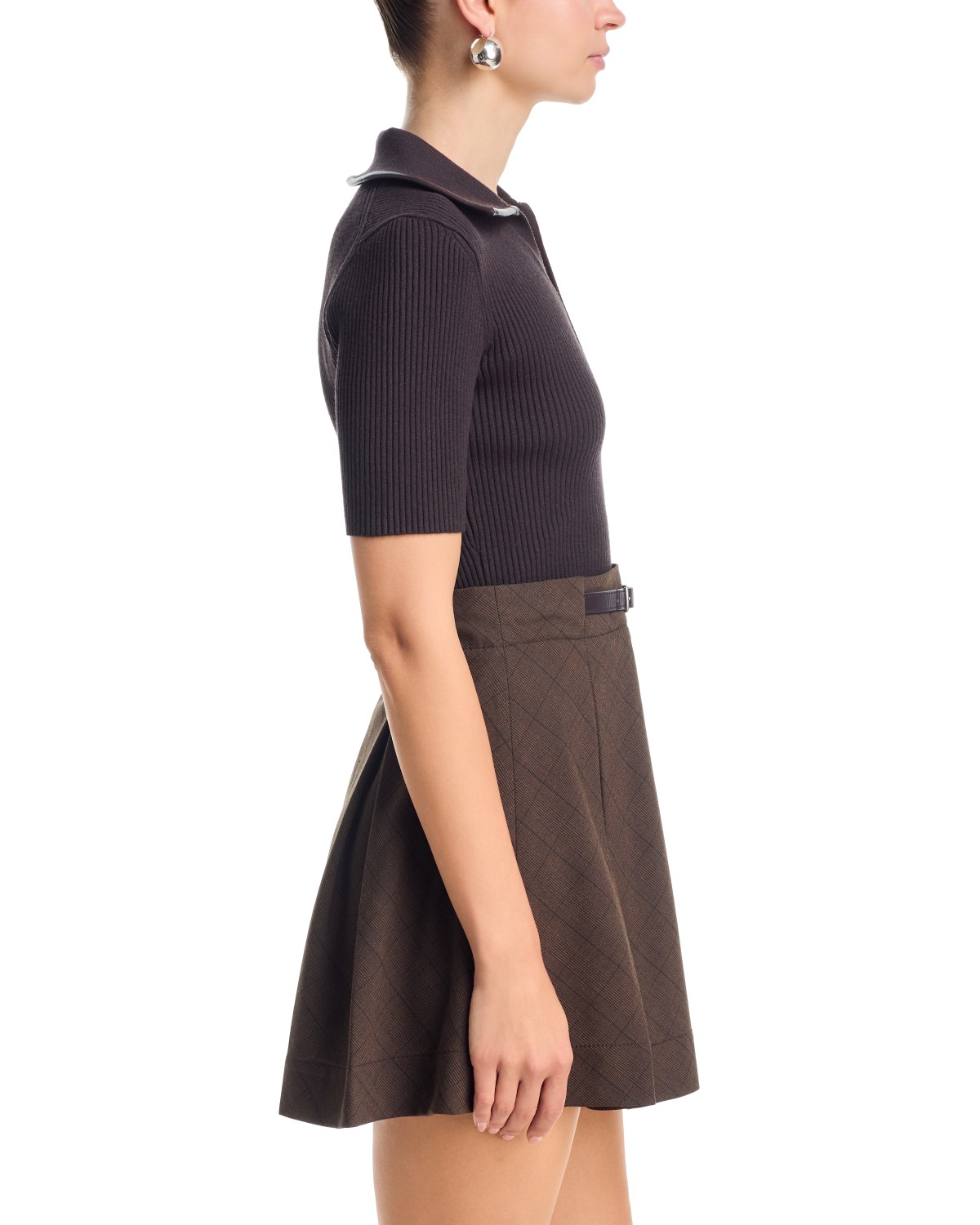
Solvane Mini Dress
SIMKHAI
$595
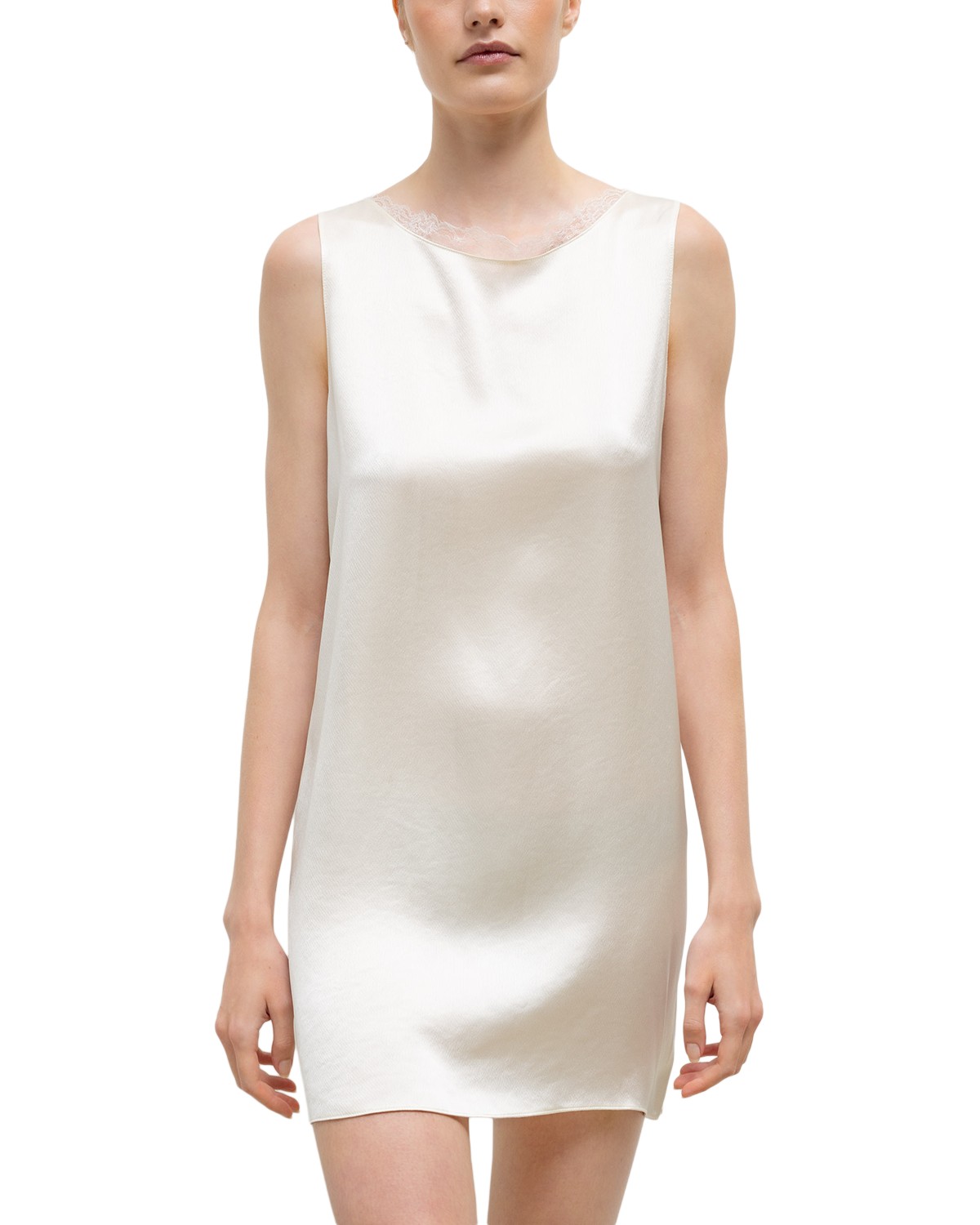
Barb Lace Trim Sleeveless Dress
LESET
$340
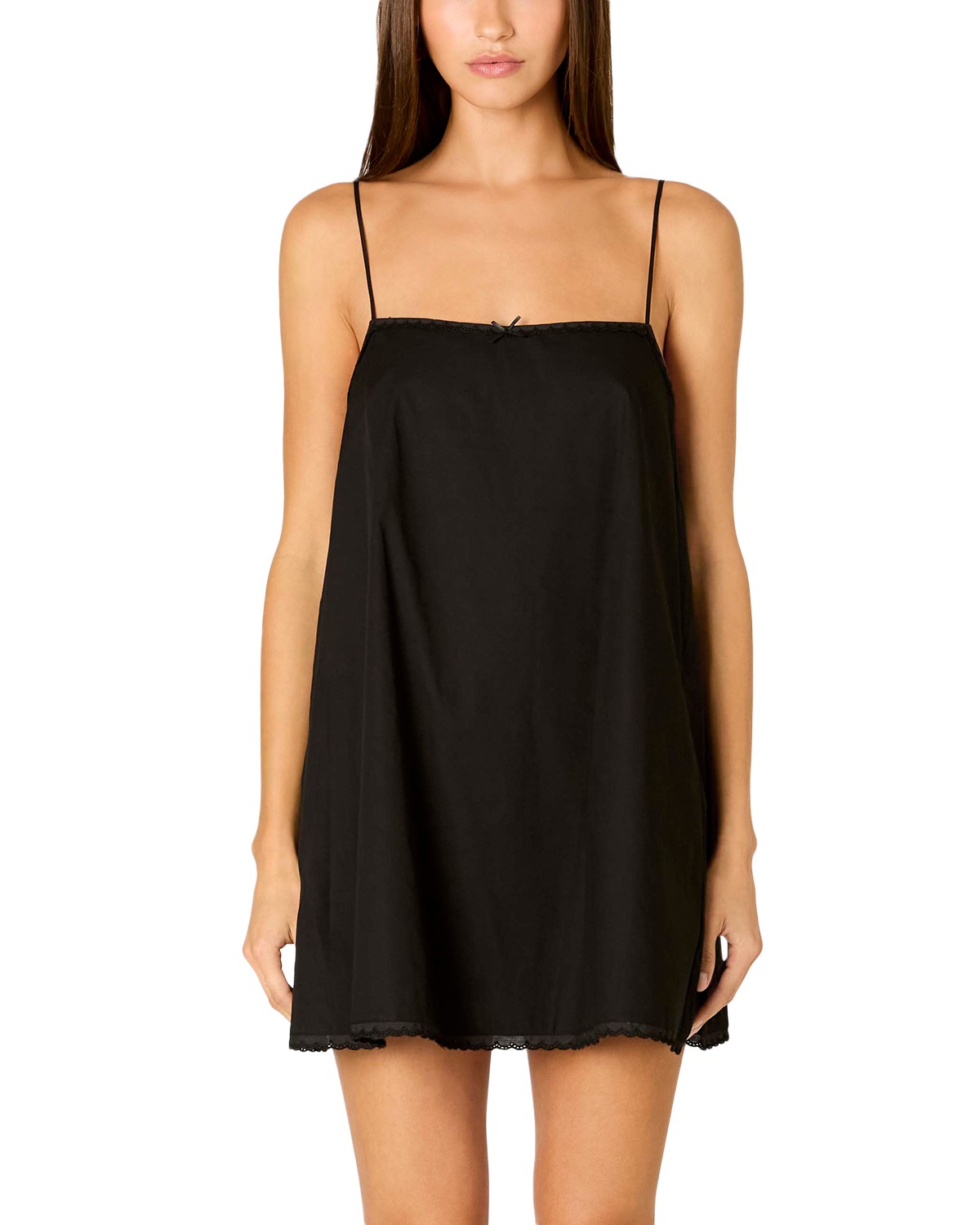
Sitges Sleeveless Relaxed Mini Dress
NIA
$98
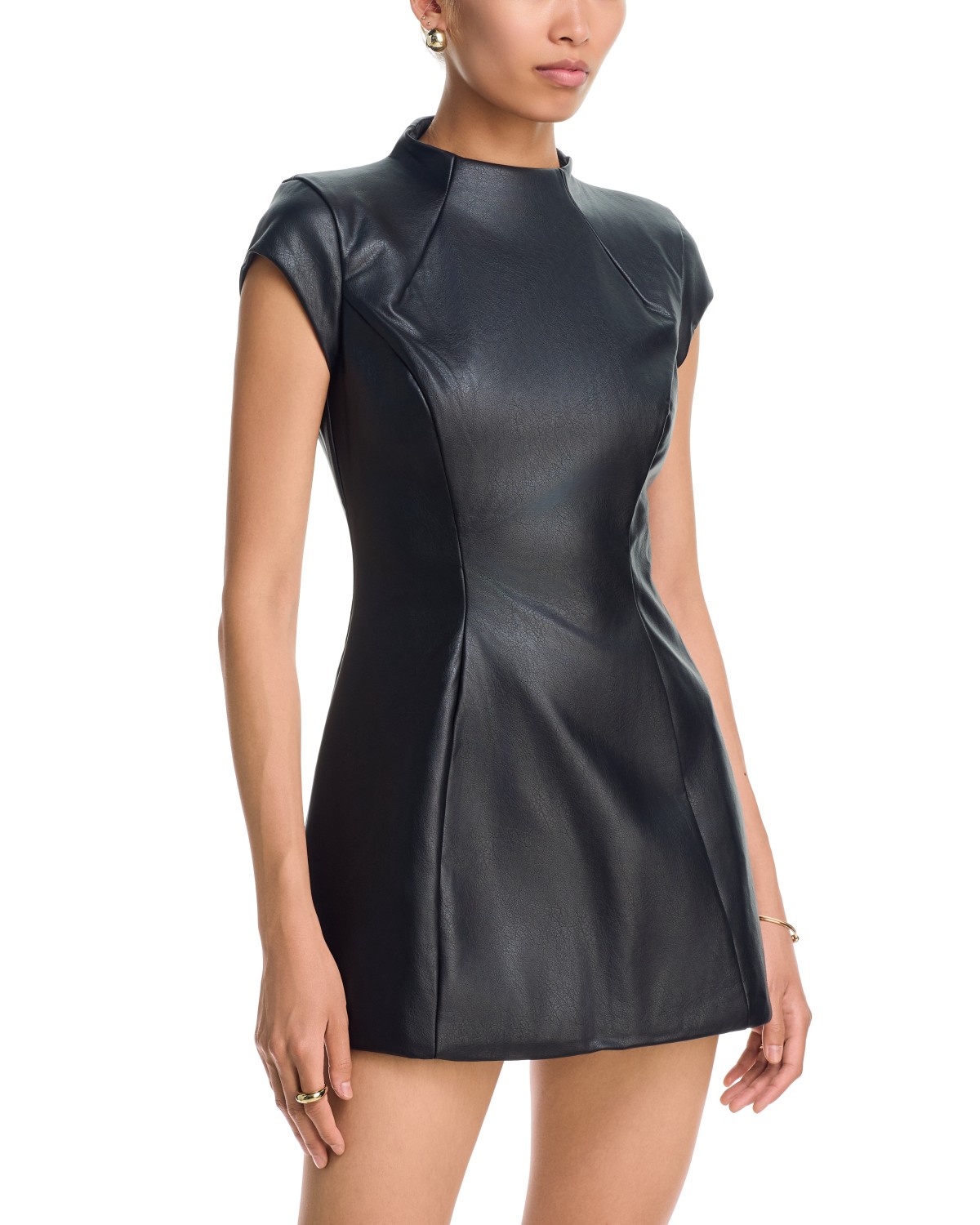
Delphi Faux Leather Mini Dress
Bardot
$169
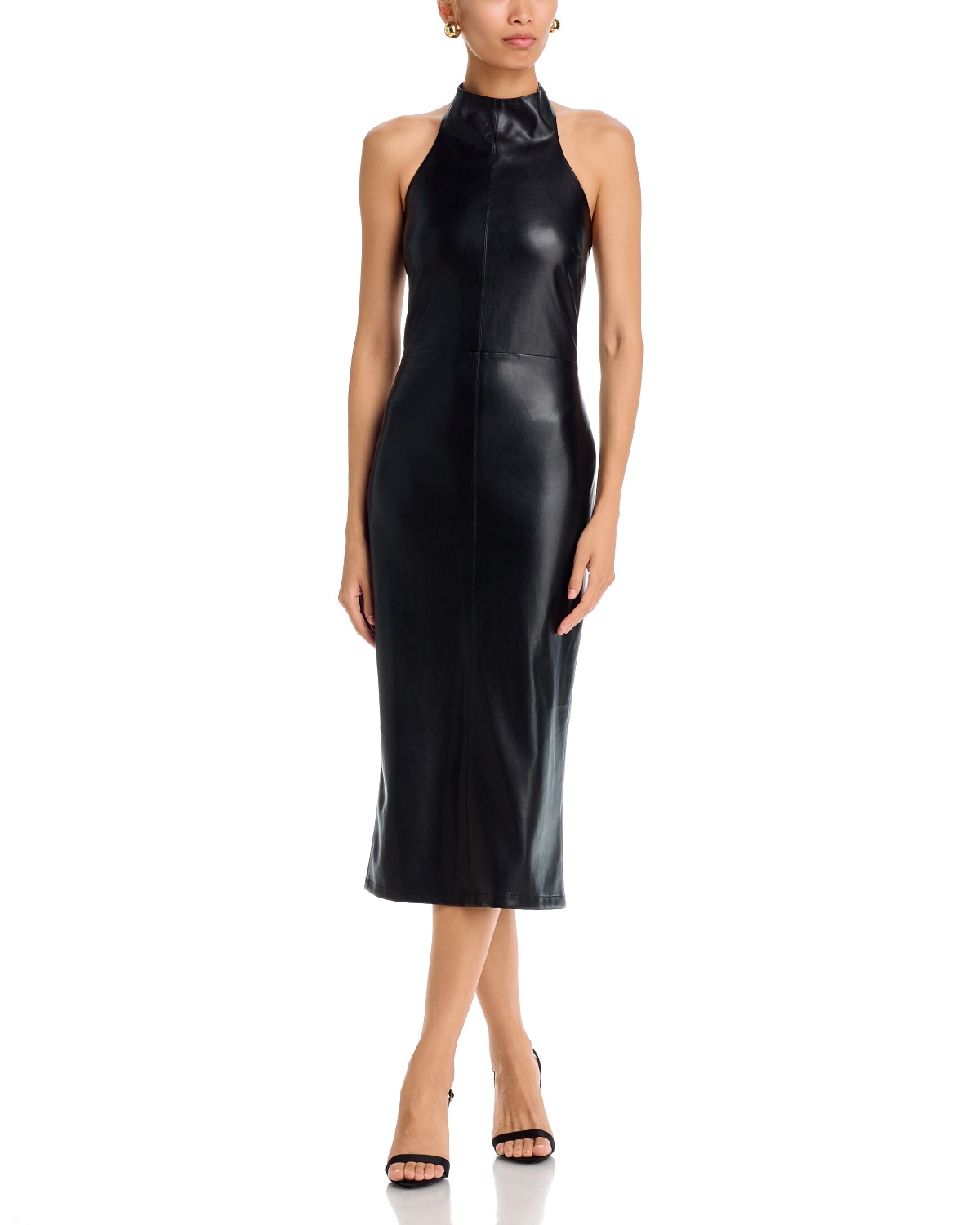
Faux Leather Halter Midi Dress - Exclusive
AQUA
$118
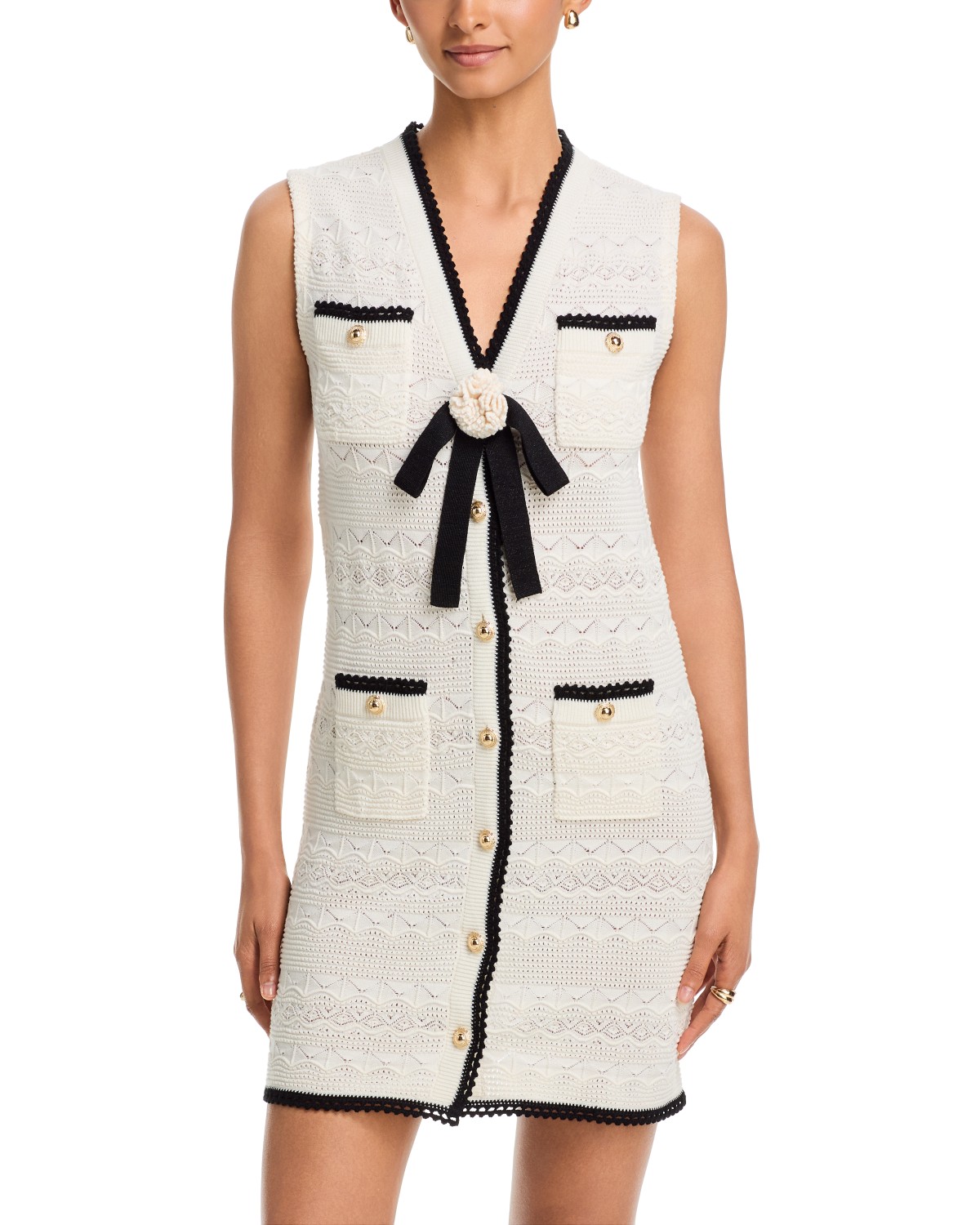
Pointelle Knit Mini Dress
Self-Portrait
$570
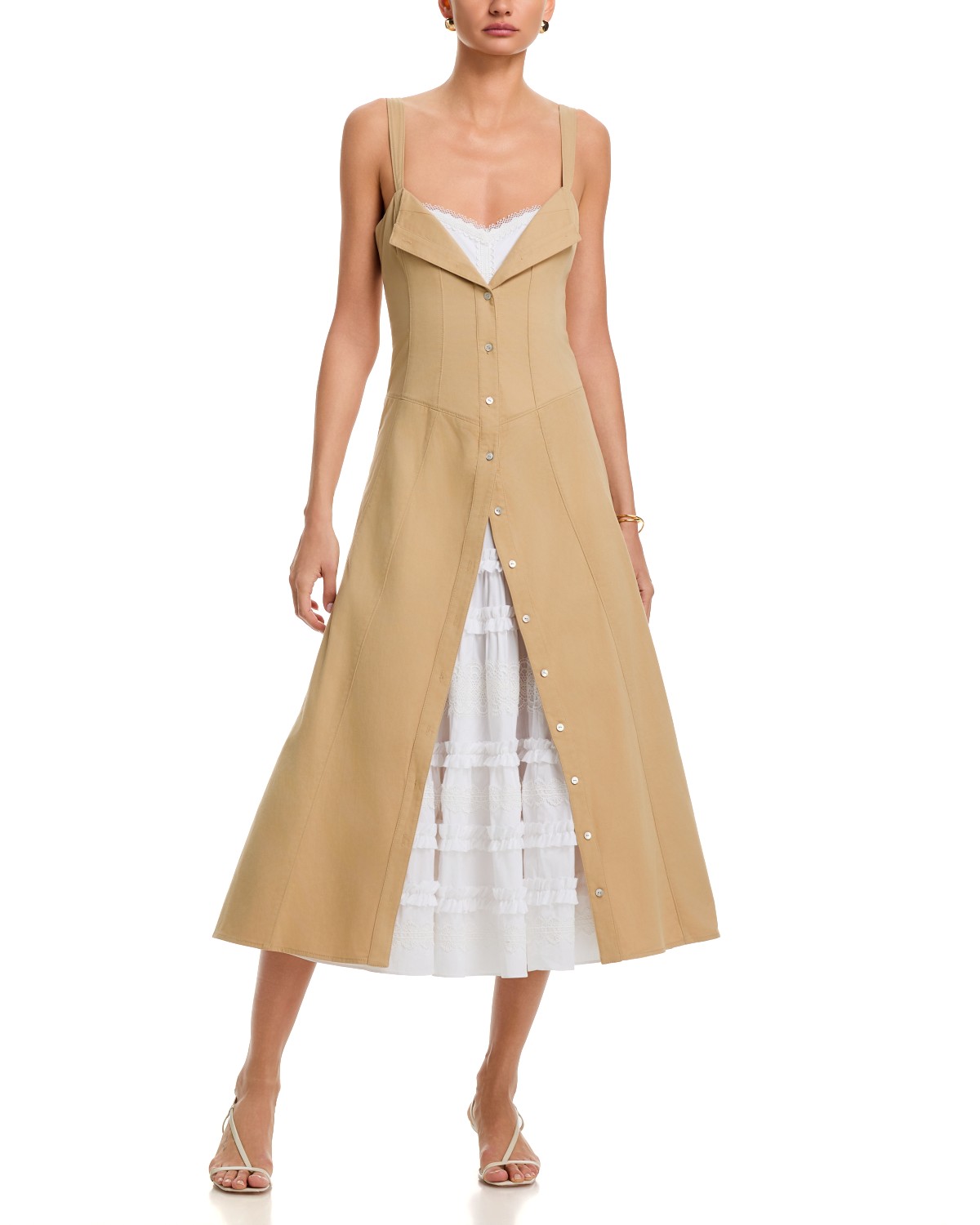
Lucil Layered Midi Dress
Cinq à Sept
$645
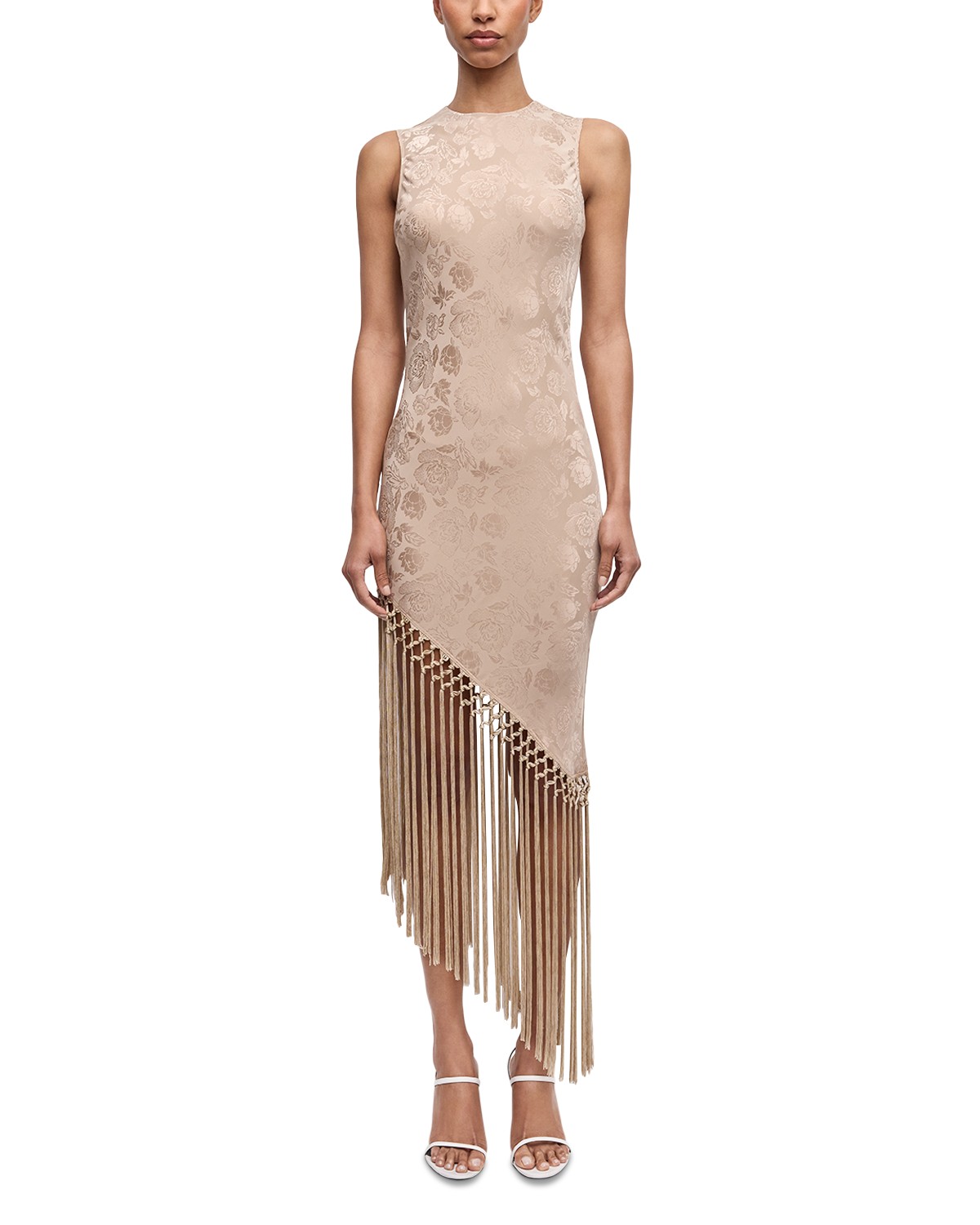
Alexina Asymmetrical Dress
Ronny Kobo
$578
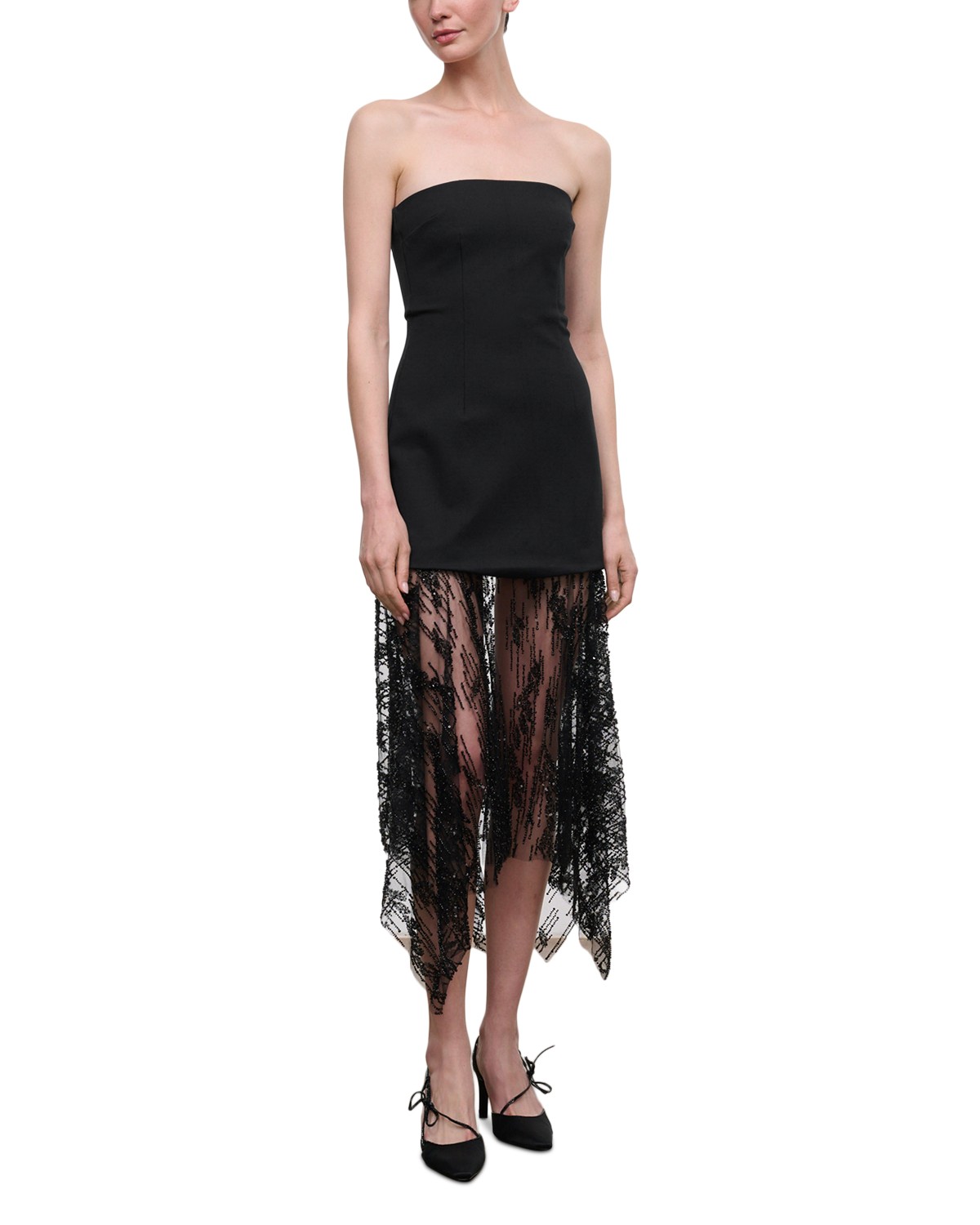
Jolie Embellished Strapless Dress
STAUD
$595
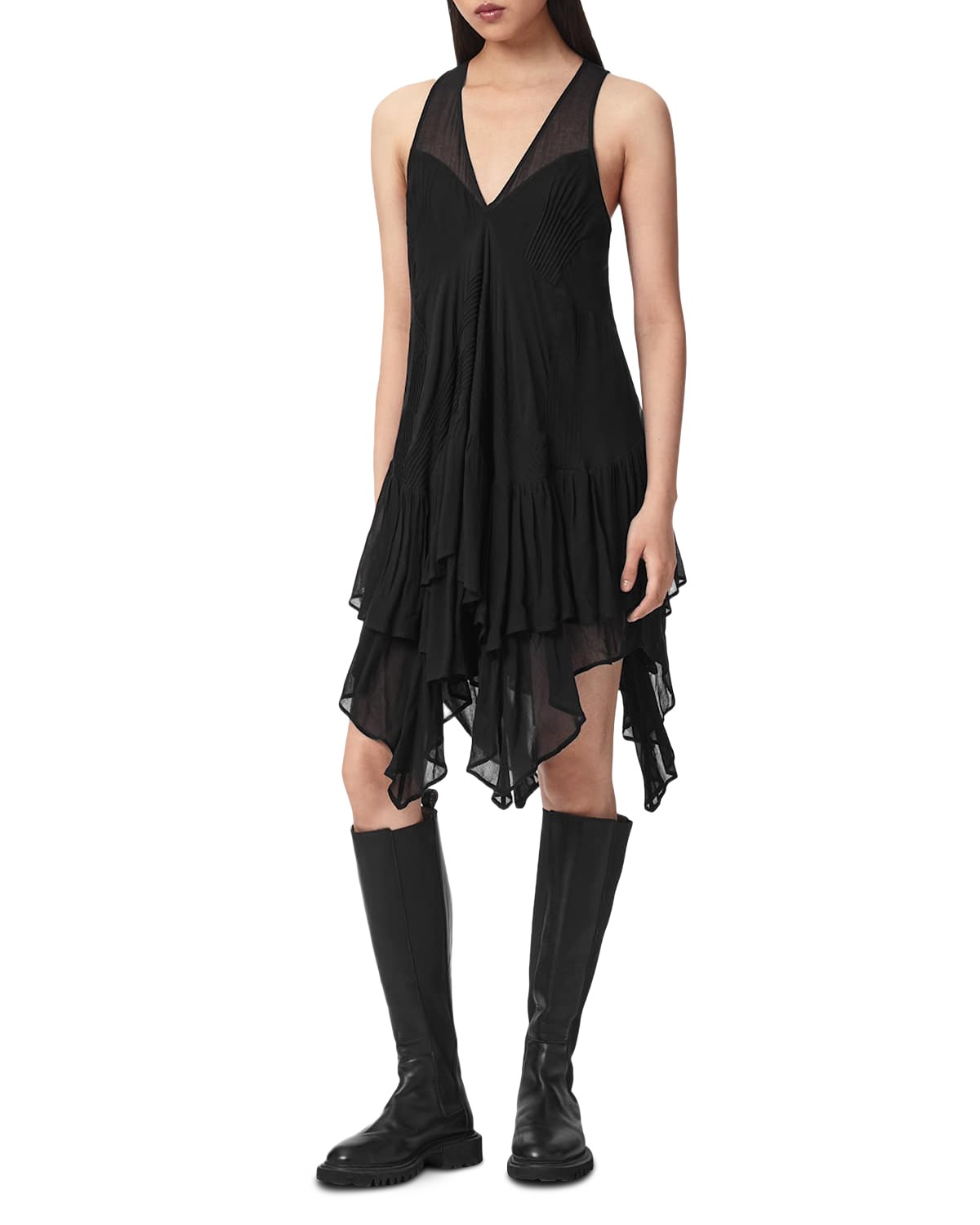
Gretel Dress
ALLSAINTS
$249
More Dresses
A few more, longer and looser. Drop-waist fringing and silk cuts are the going-out versions, and they still read as normal clothes on a street. Nothing here needs an occasion.
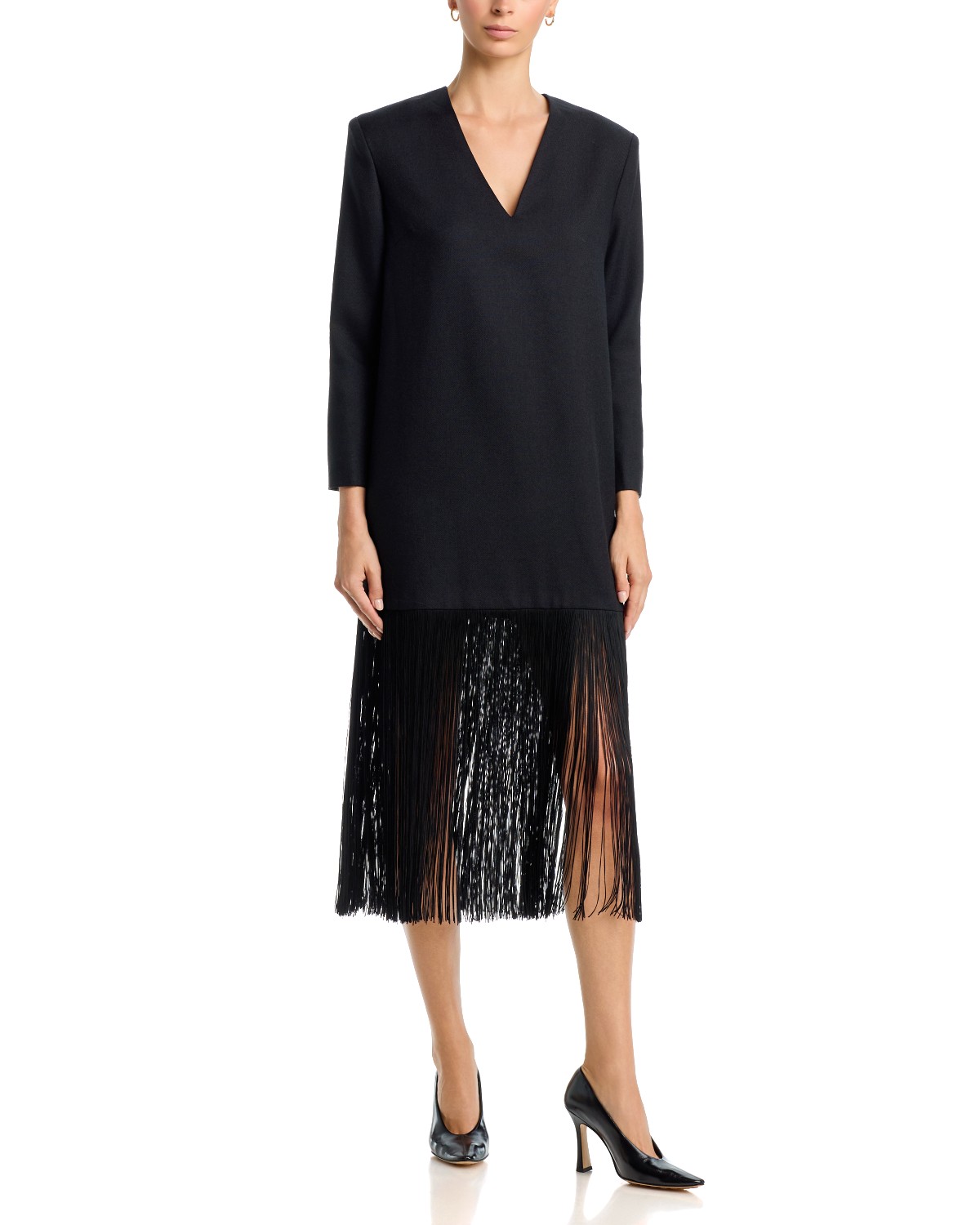
Mella Drop Waist Fringe Dress
By Malene Birger
$850
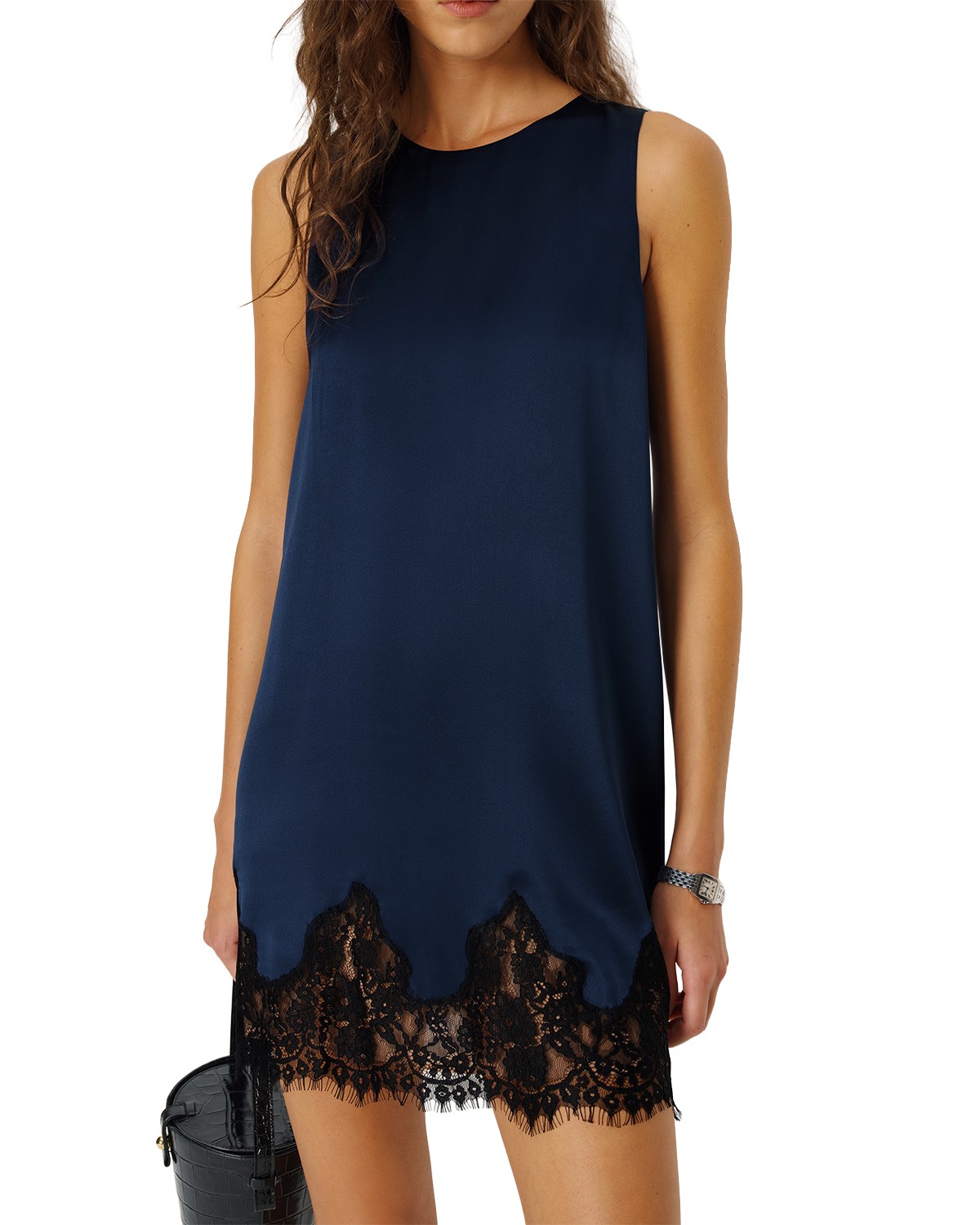
Jessalyn Silk Dress
Reformation
$278
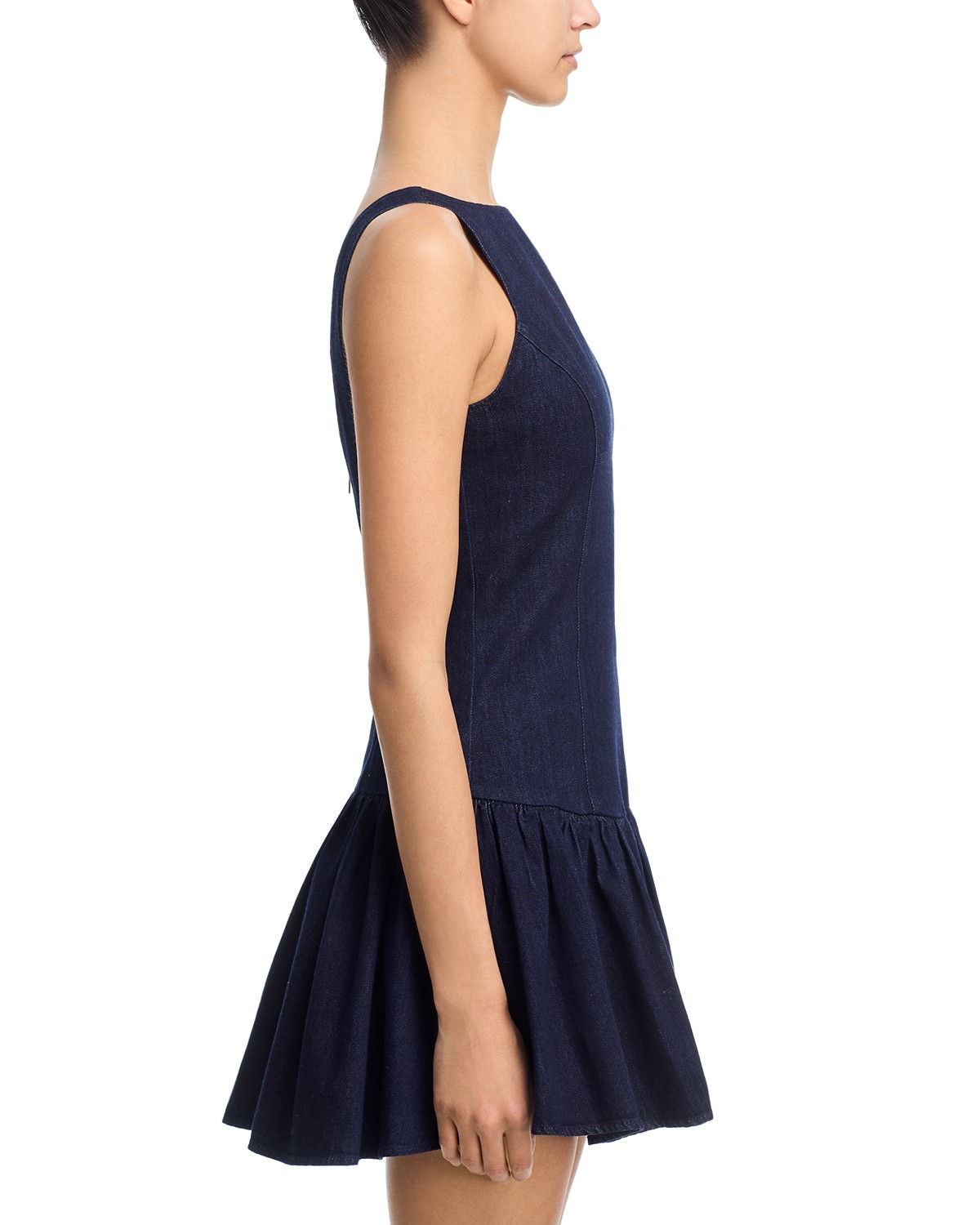
Denim Drop Waist Mini Dress - Exclusive
AQUA
$98
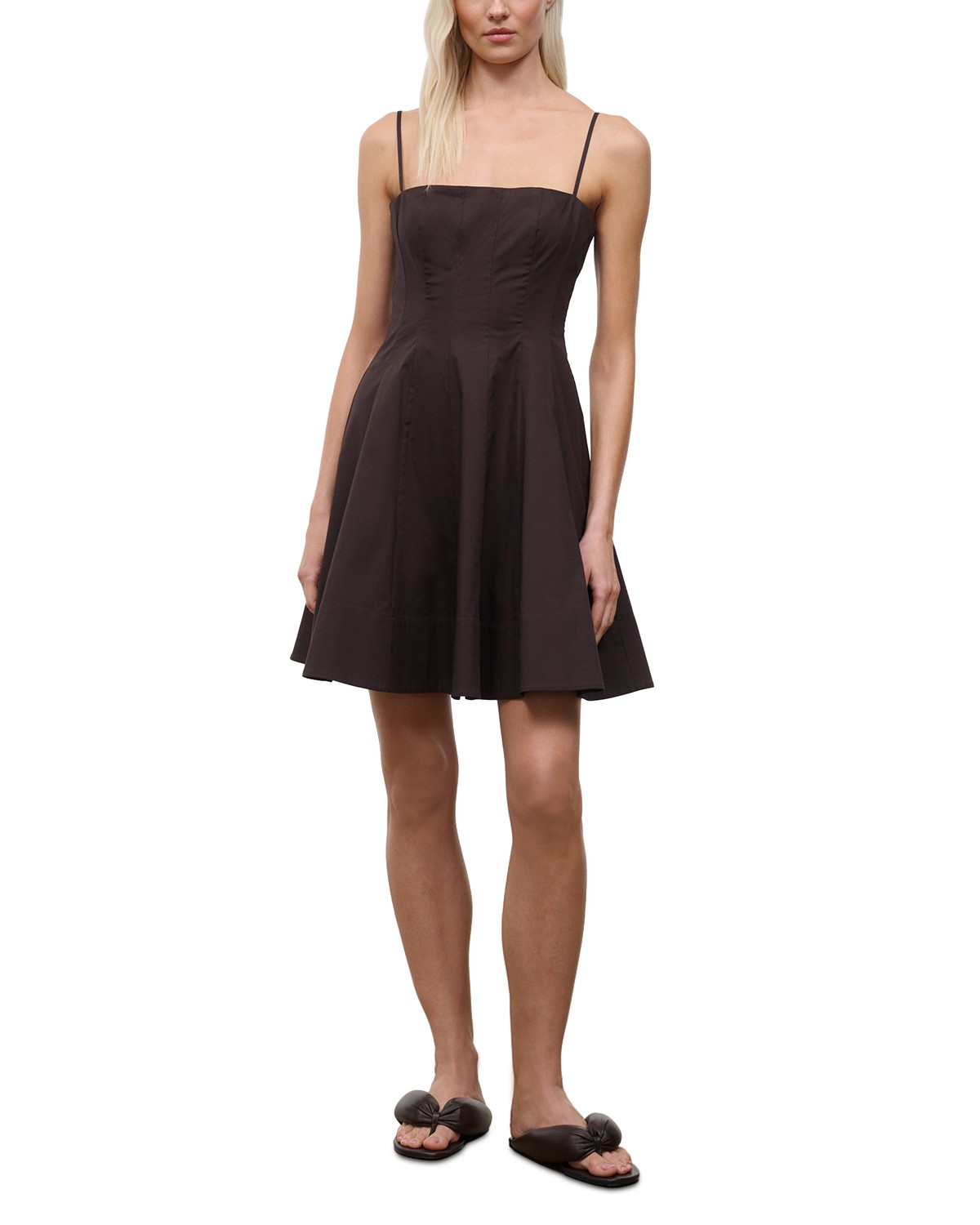
Wylie Mini Dress
STAUD
$245
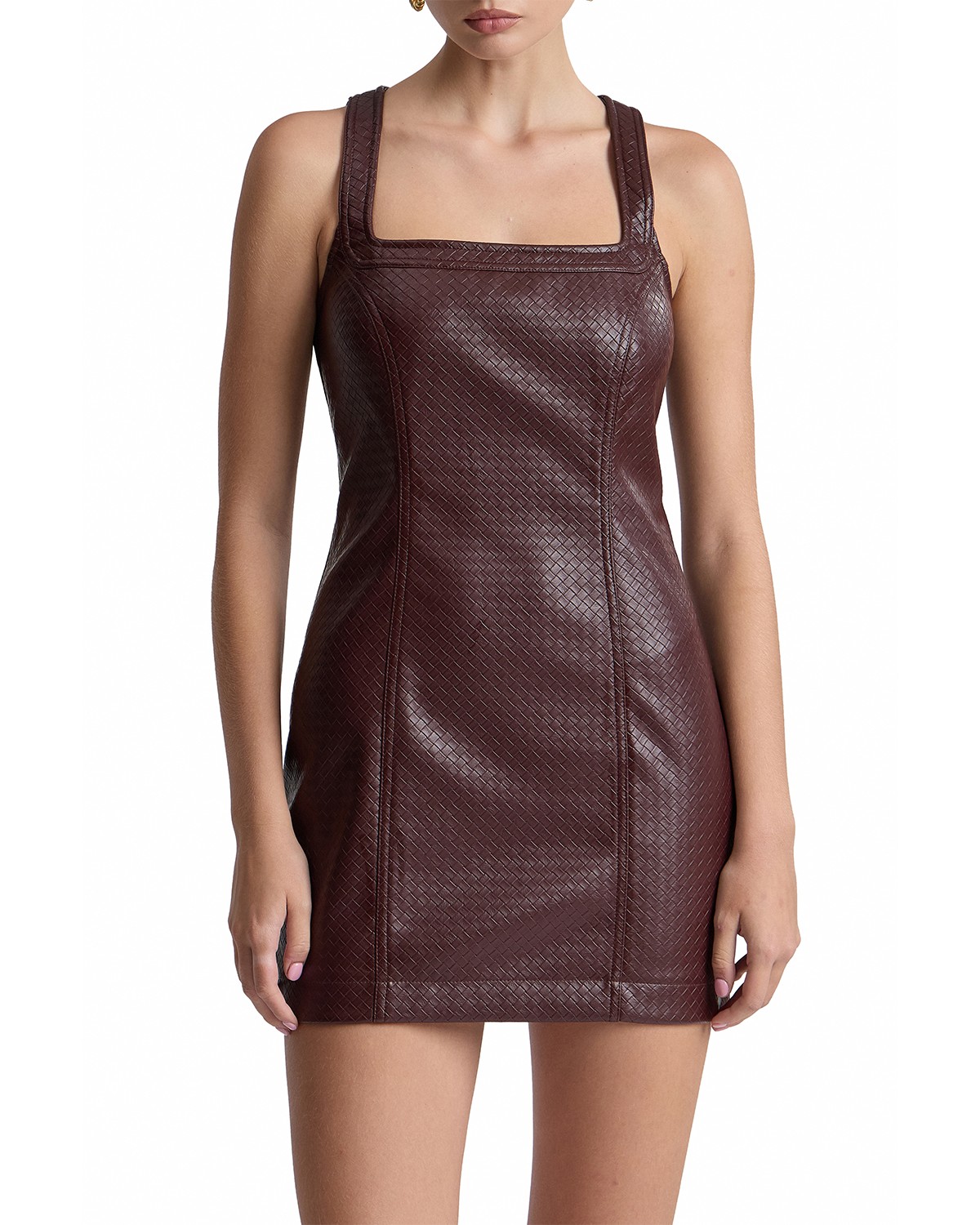
Faux Leather Racer Neck Mini Dress
Avec Les Filles
$138
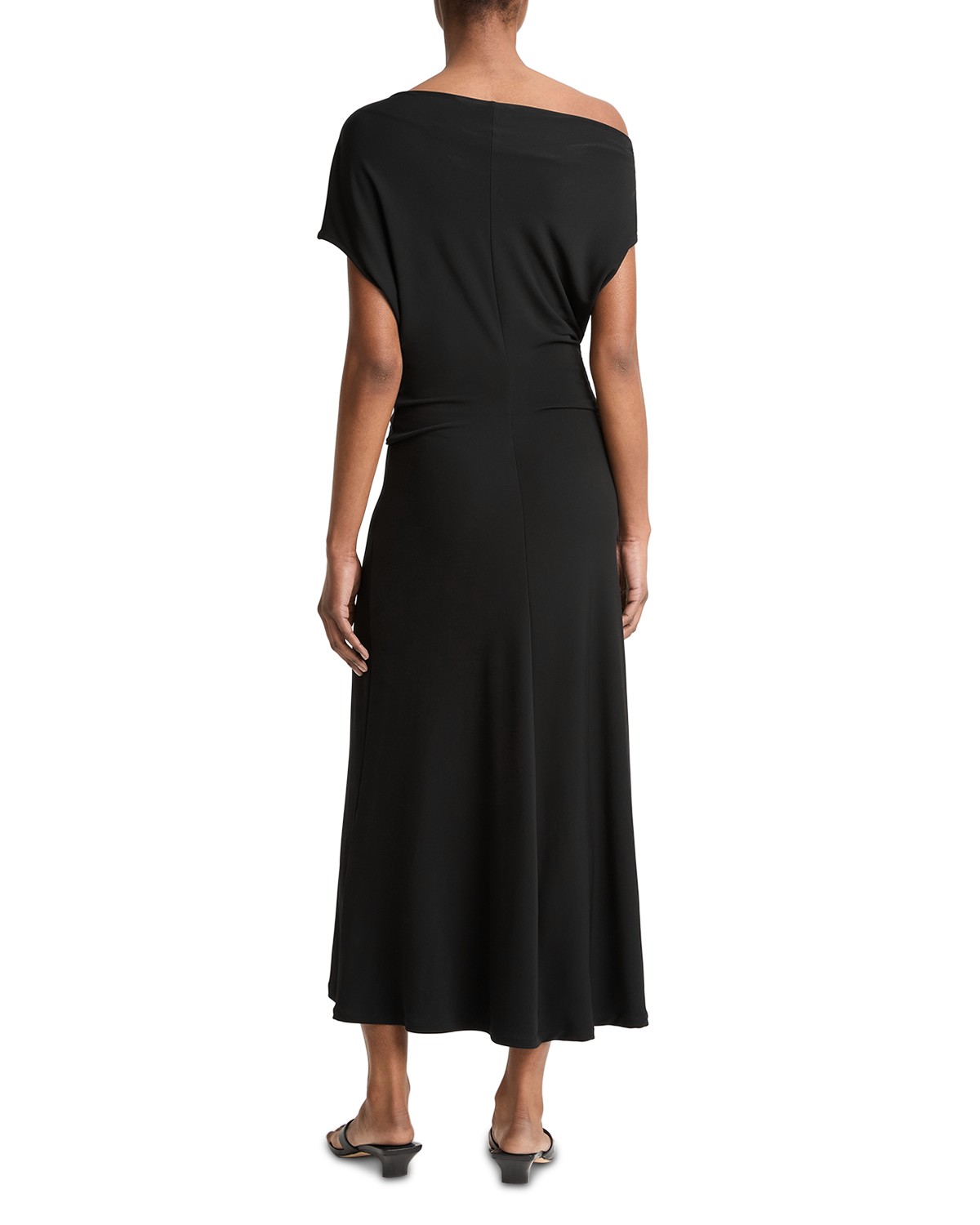
Matte Jersey Off-the-Shoulder Midi Dress
Vince
$468
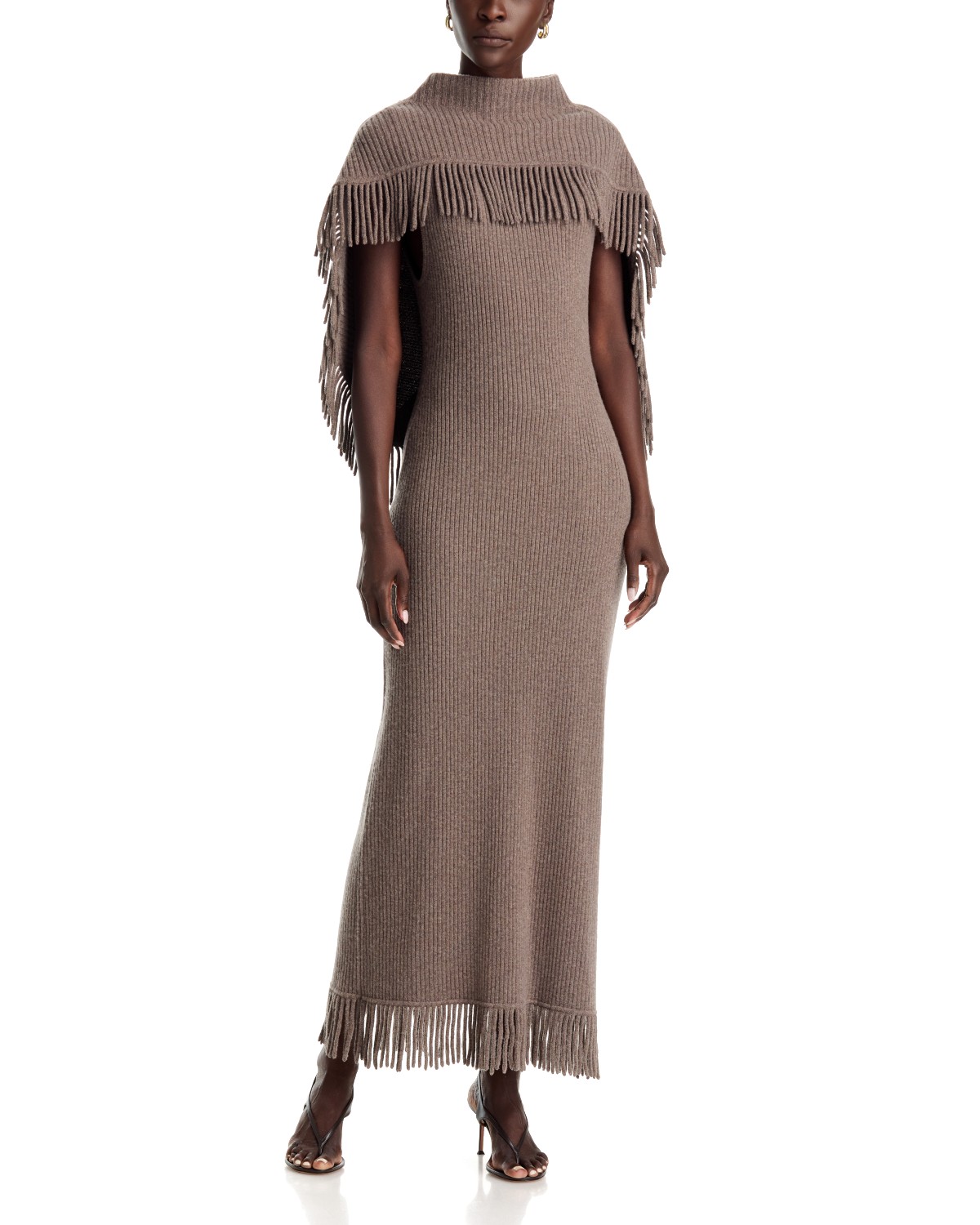
Jordan Fringe Trim Cape Dress
SIMKHAI
$695
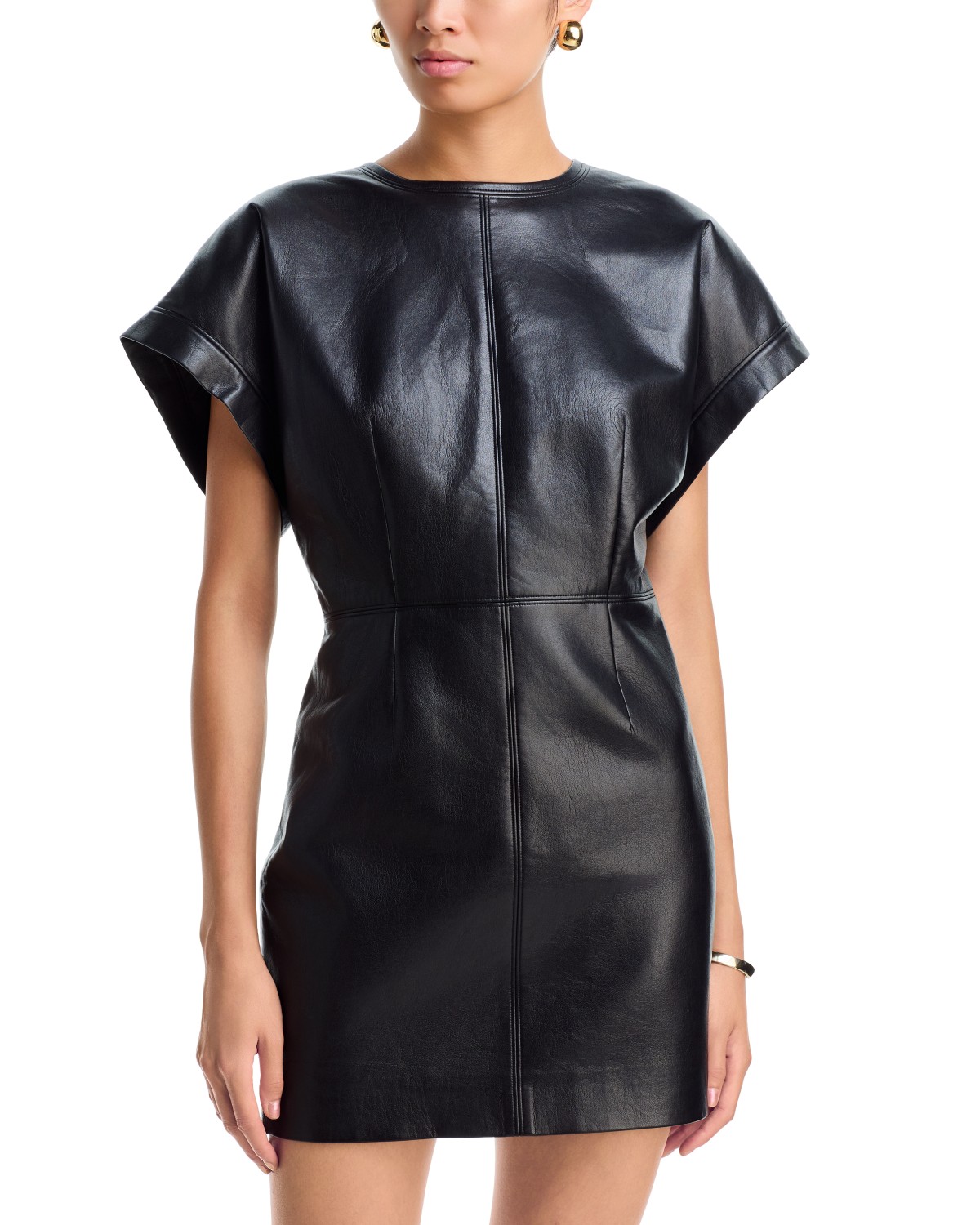
Zelie Mini Dress
Anine Bing
$425
Bags
Bags have gone mid-sized and structured, which is what happens when people commute again. Leather shoulder shapes and suede messengers hold a laptop and still look deliberate, and the tiny bag has receded accordingly. Function reasserting itself.
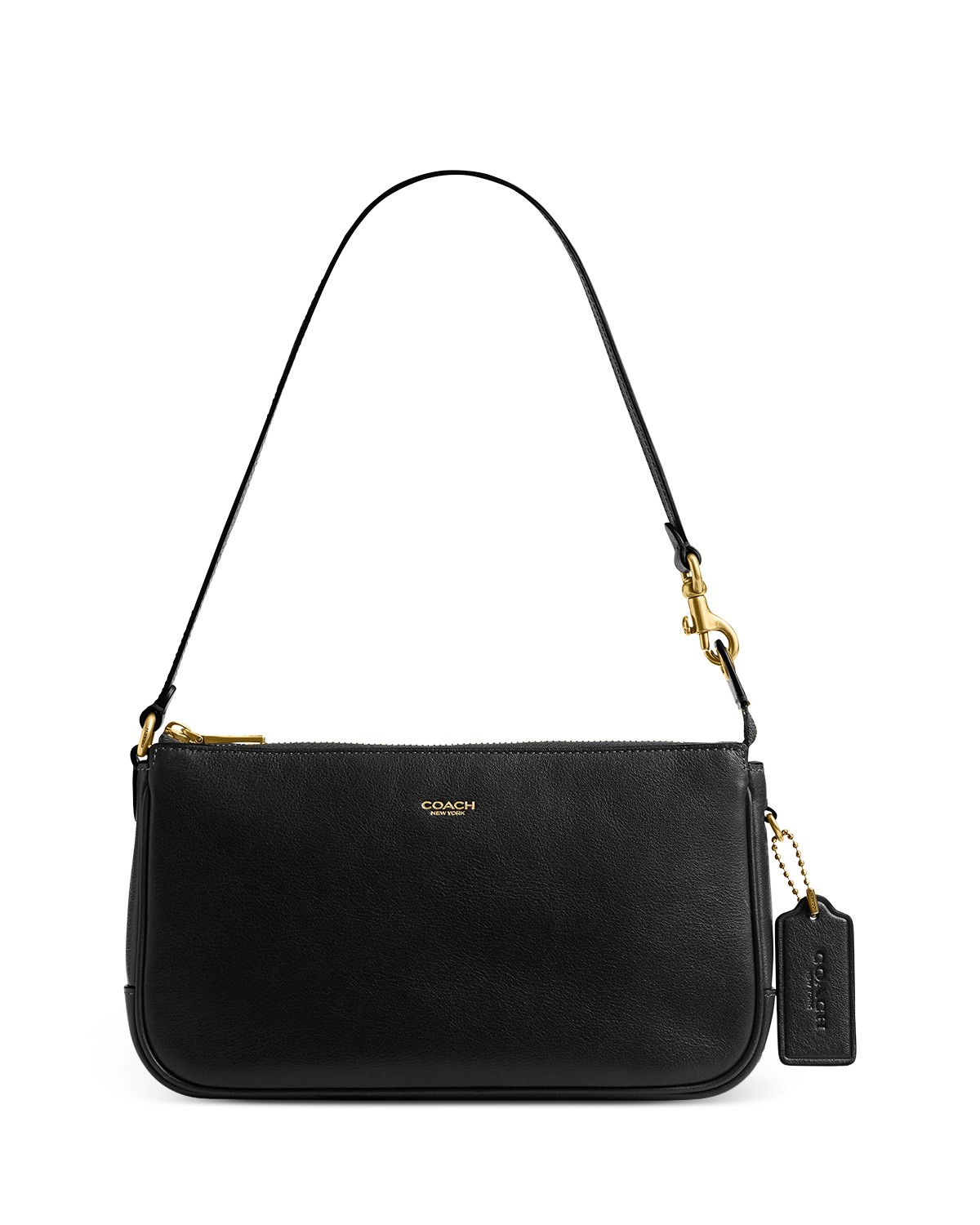
Plaza Mini Leather Shoulder Bag
COACH
$135
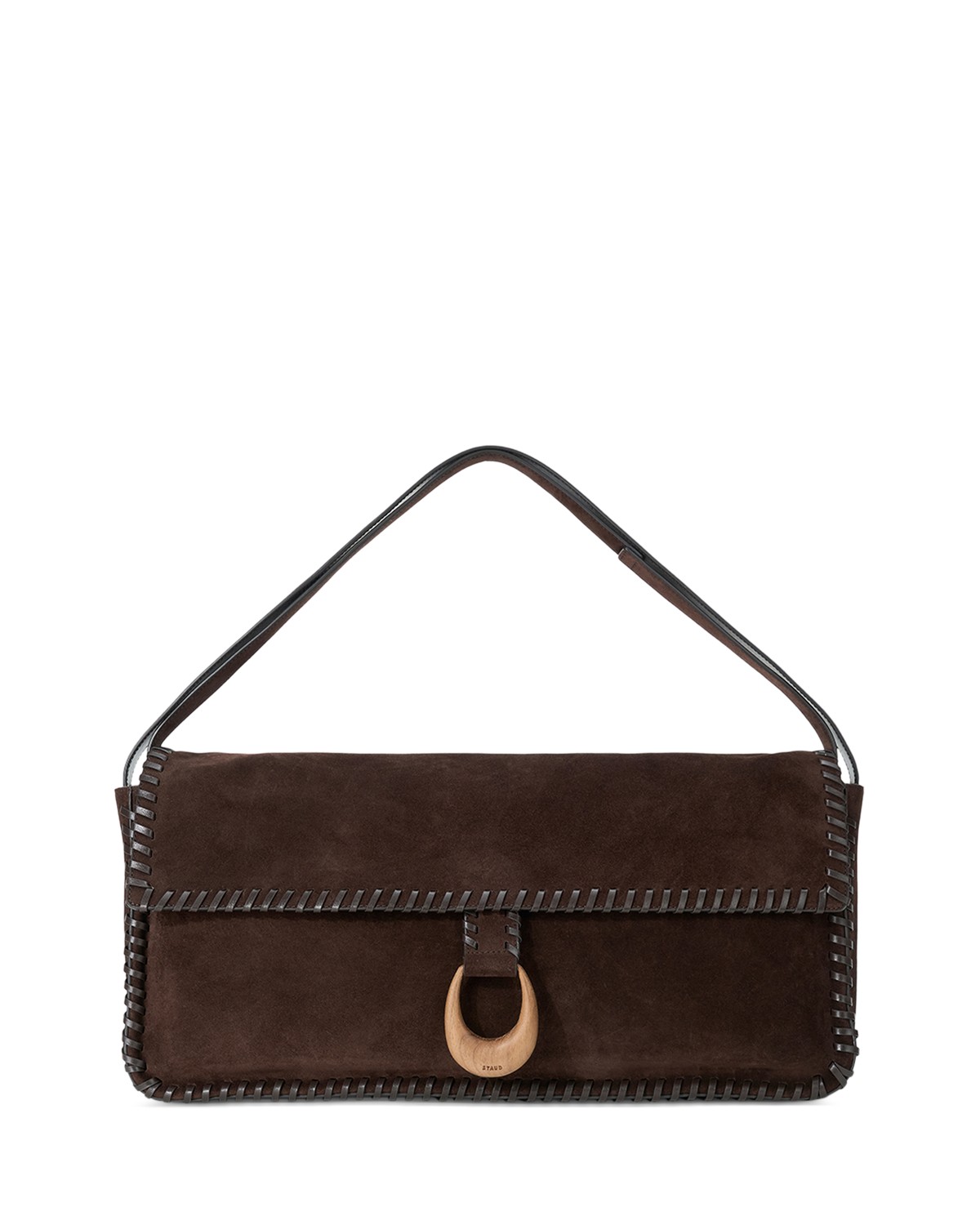
Harlow Suede Messenger Bag
STAUD
$895
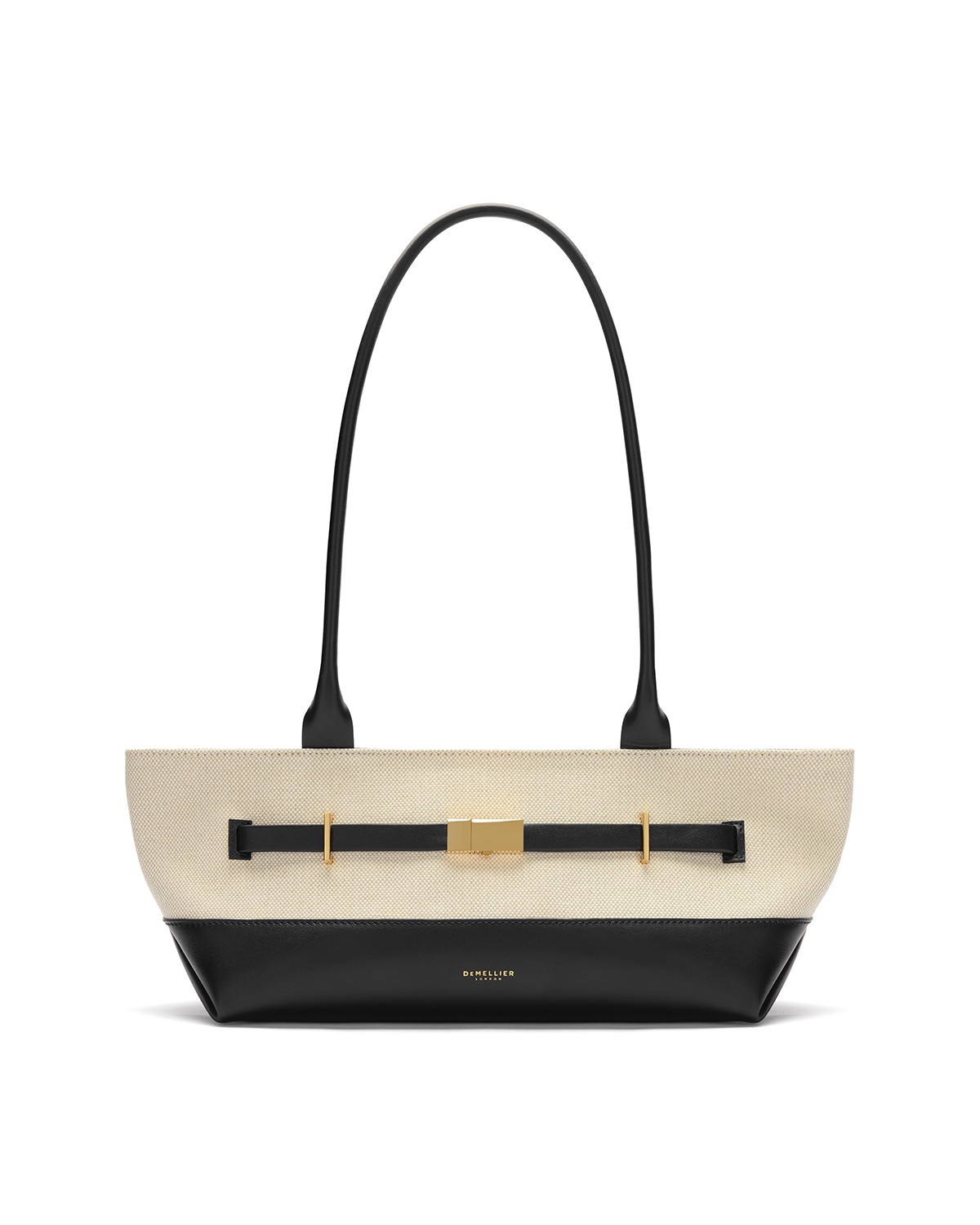
New York Leather Shoulder Bag
DeMellier
$495
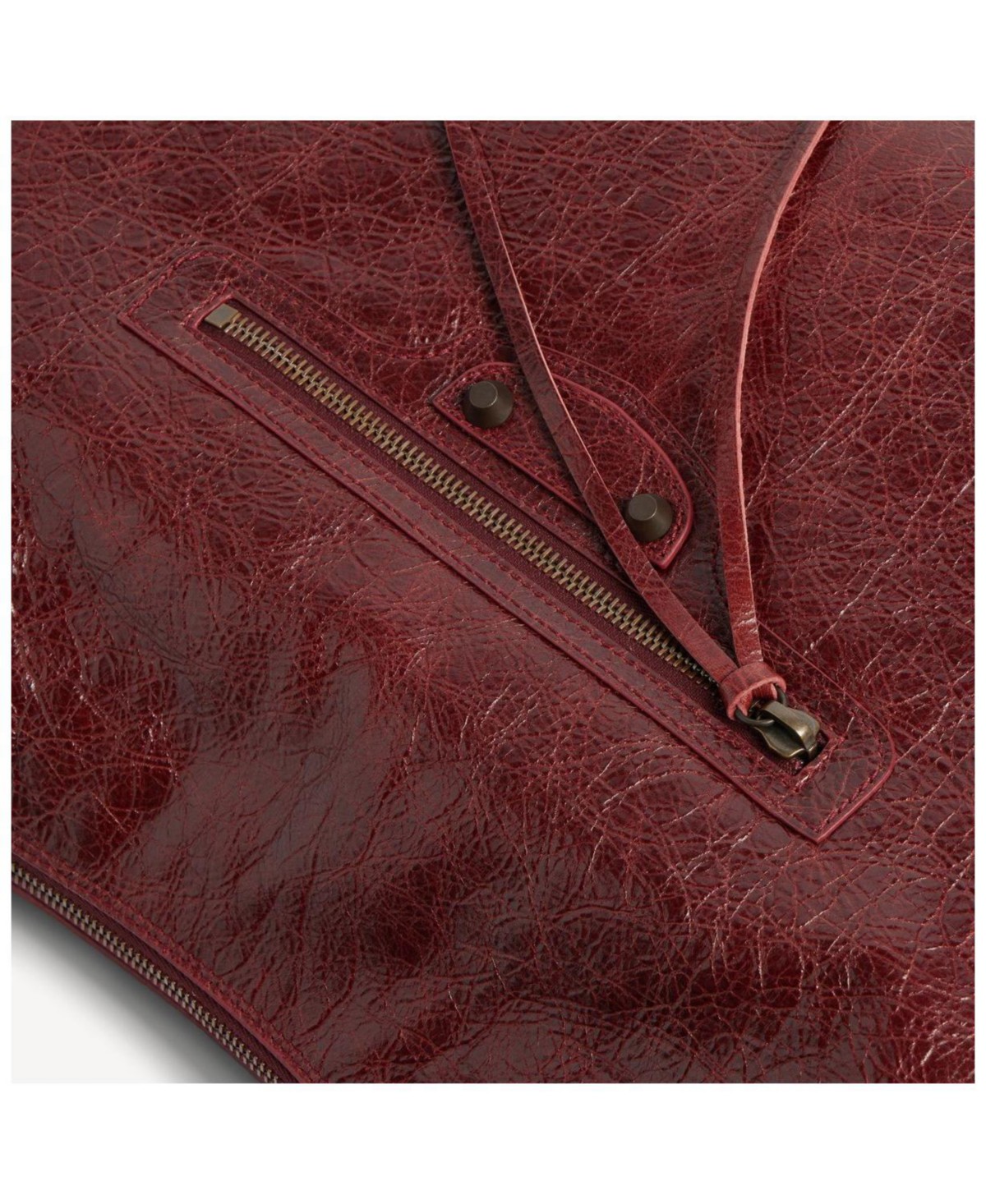
Le City Hobo Bag Medium
Balenciaga
$2,425
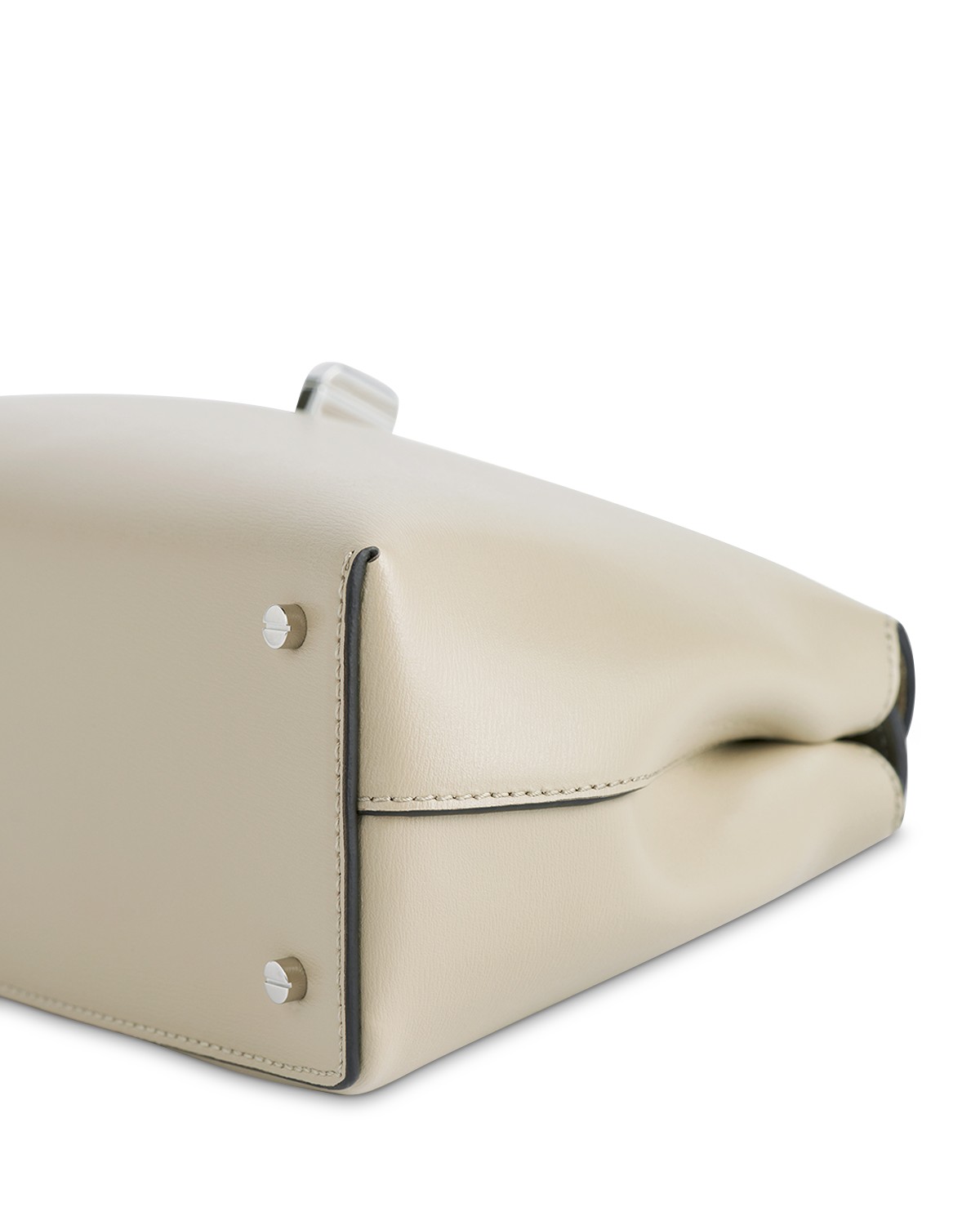
T-Lock Convertible Clutch
TOTEME
$990
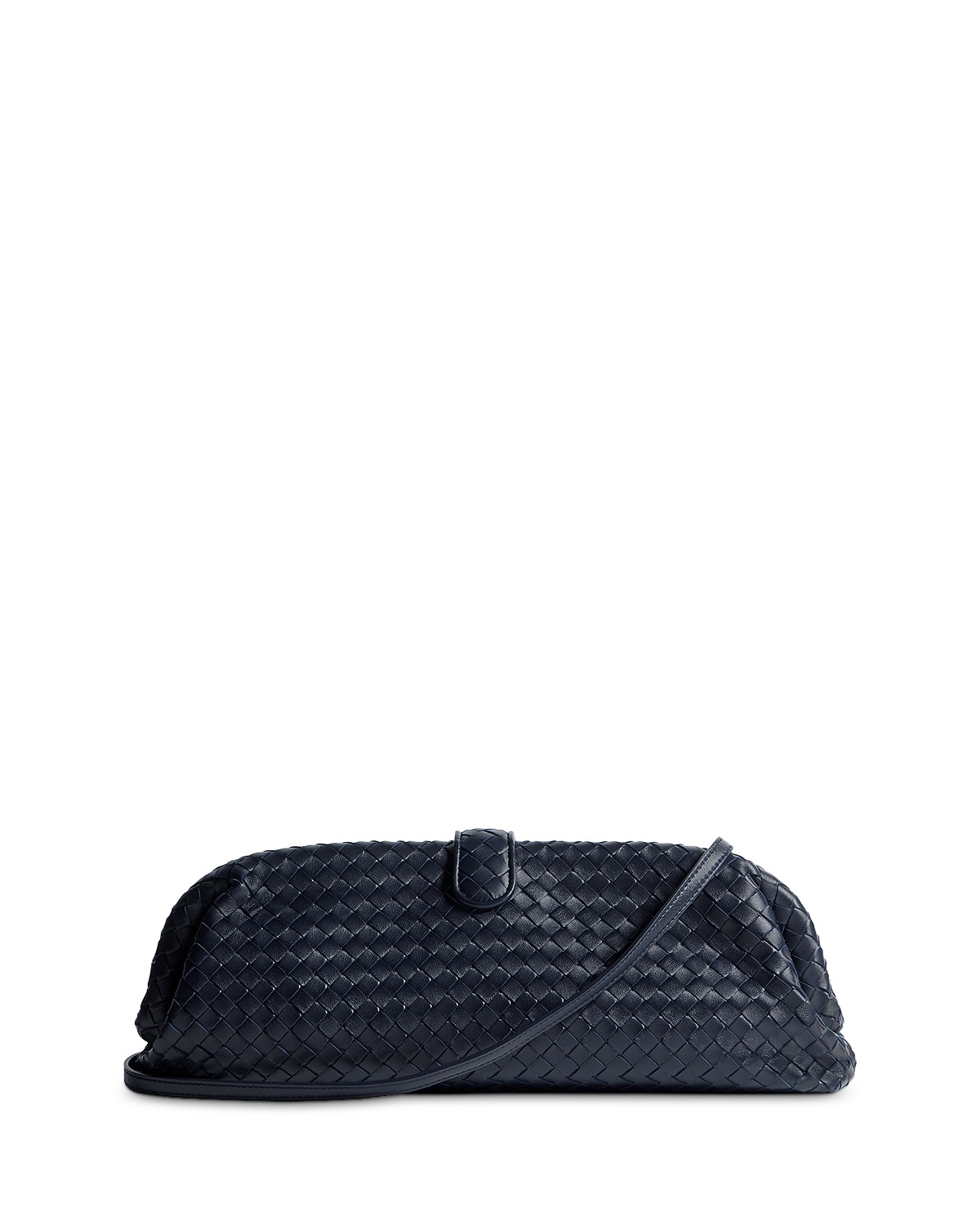
Lauren 1979 Intrecciato Leather Clutch
Bottega Veneta
$4,800
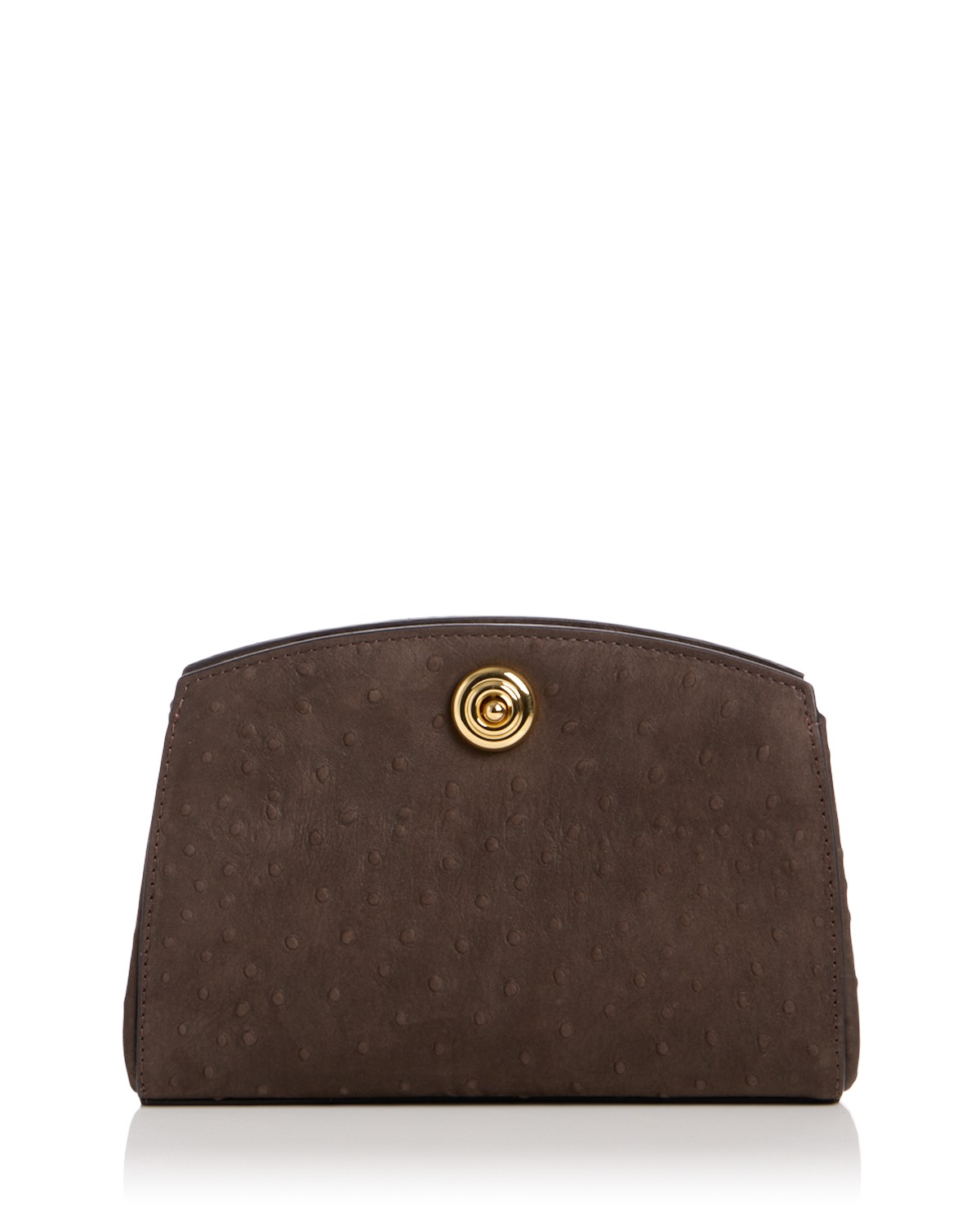
Pushlock Suede Clutch
Liffner
$495
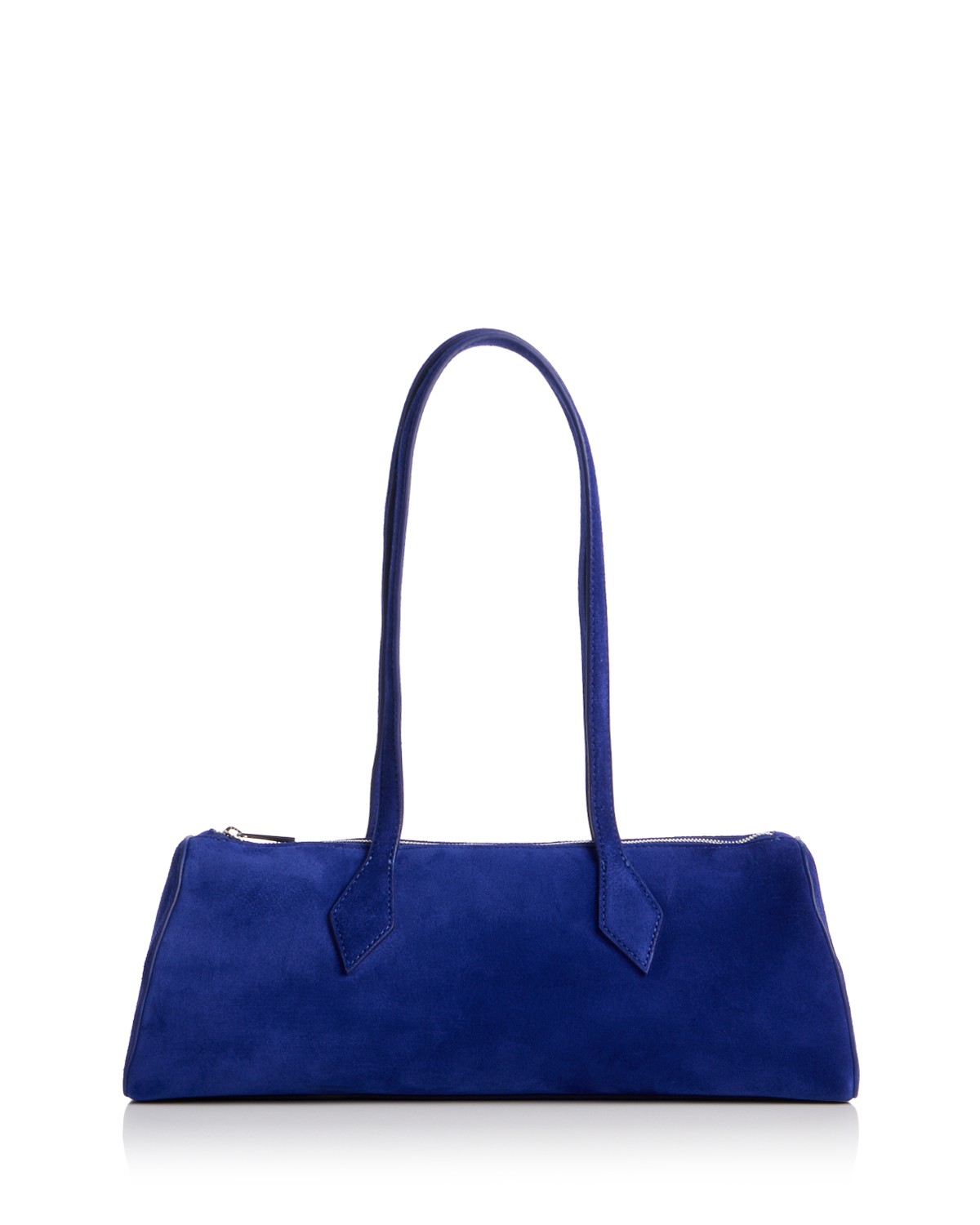
Sofia East West Shoulder Bag
Reformation
$348
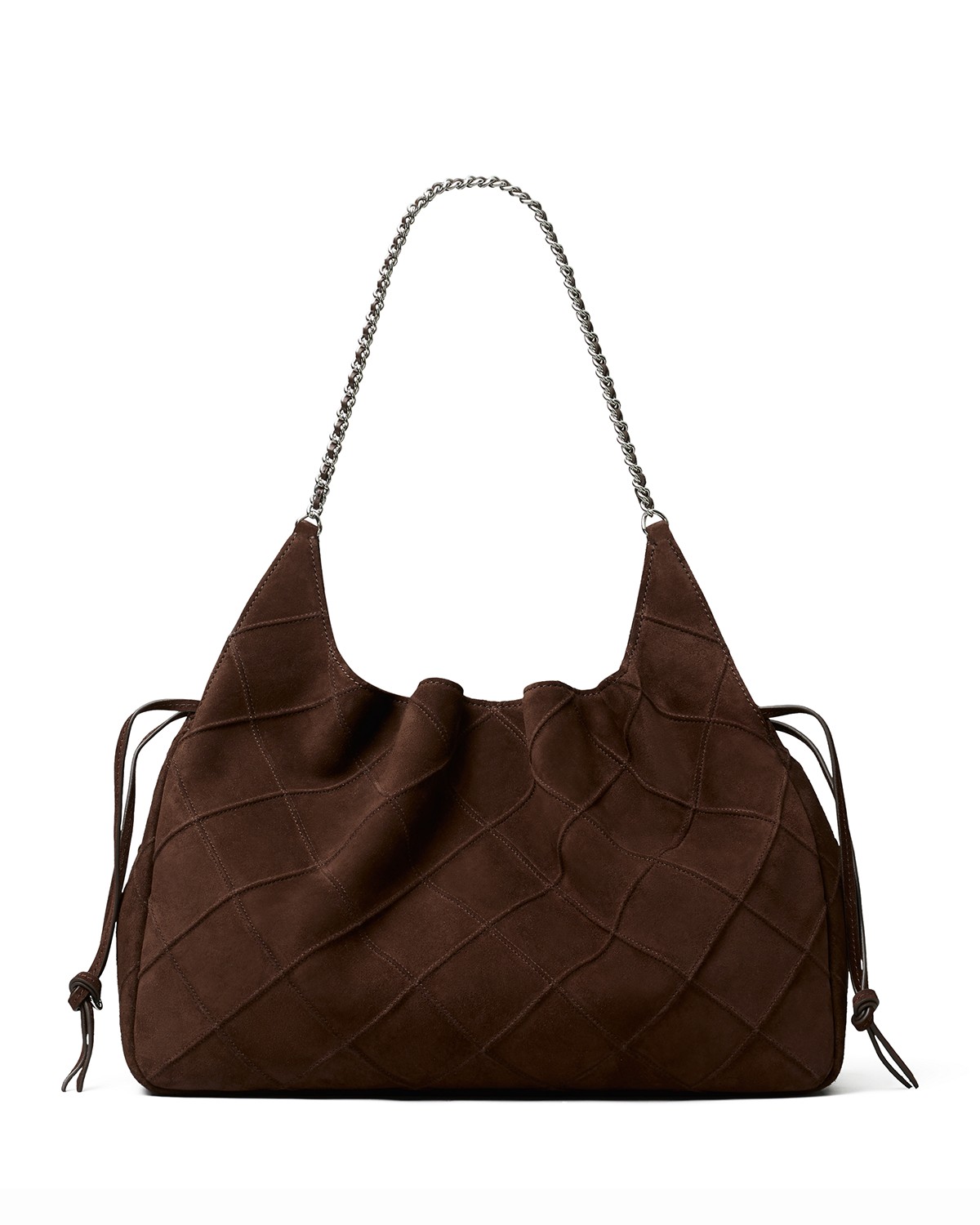
Fleming Large Suede Tote
Tory Burch
$795
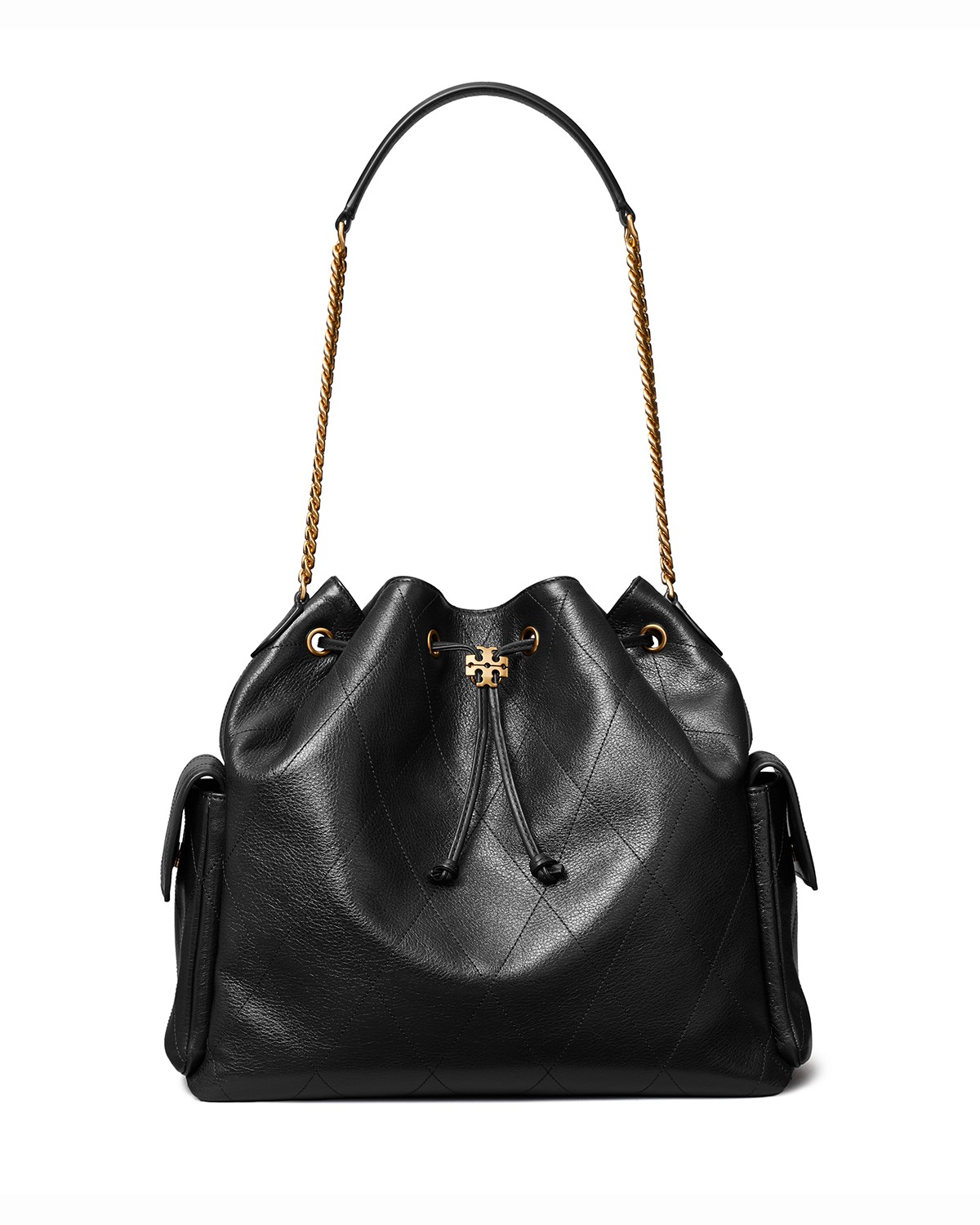
Charlie Large Quilted Leather Drawstring Bag
Tory Burch
$650
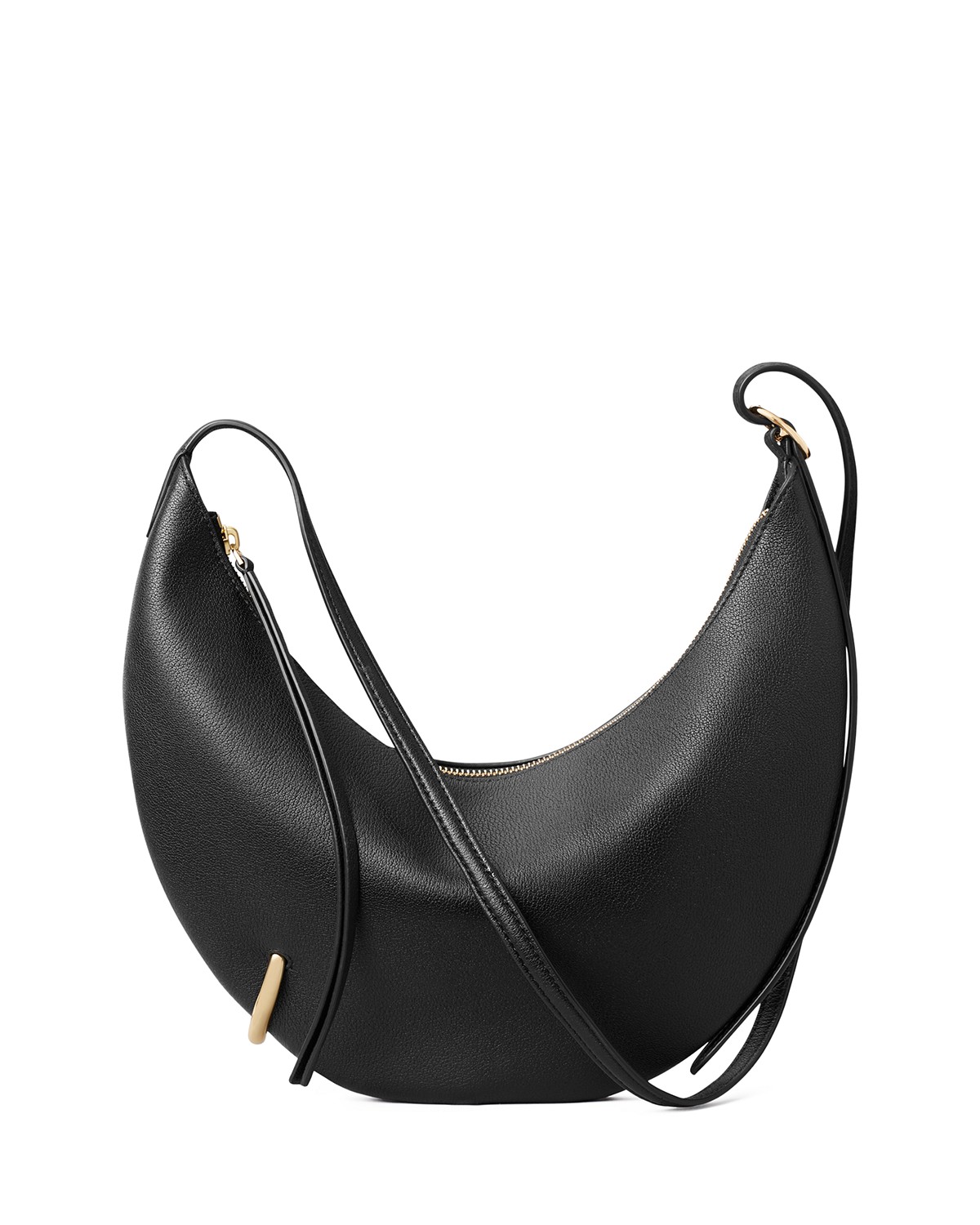
Pierced Leather Crossbody
Tory Burch
$495
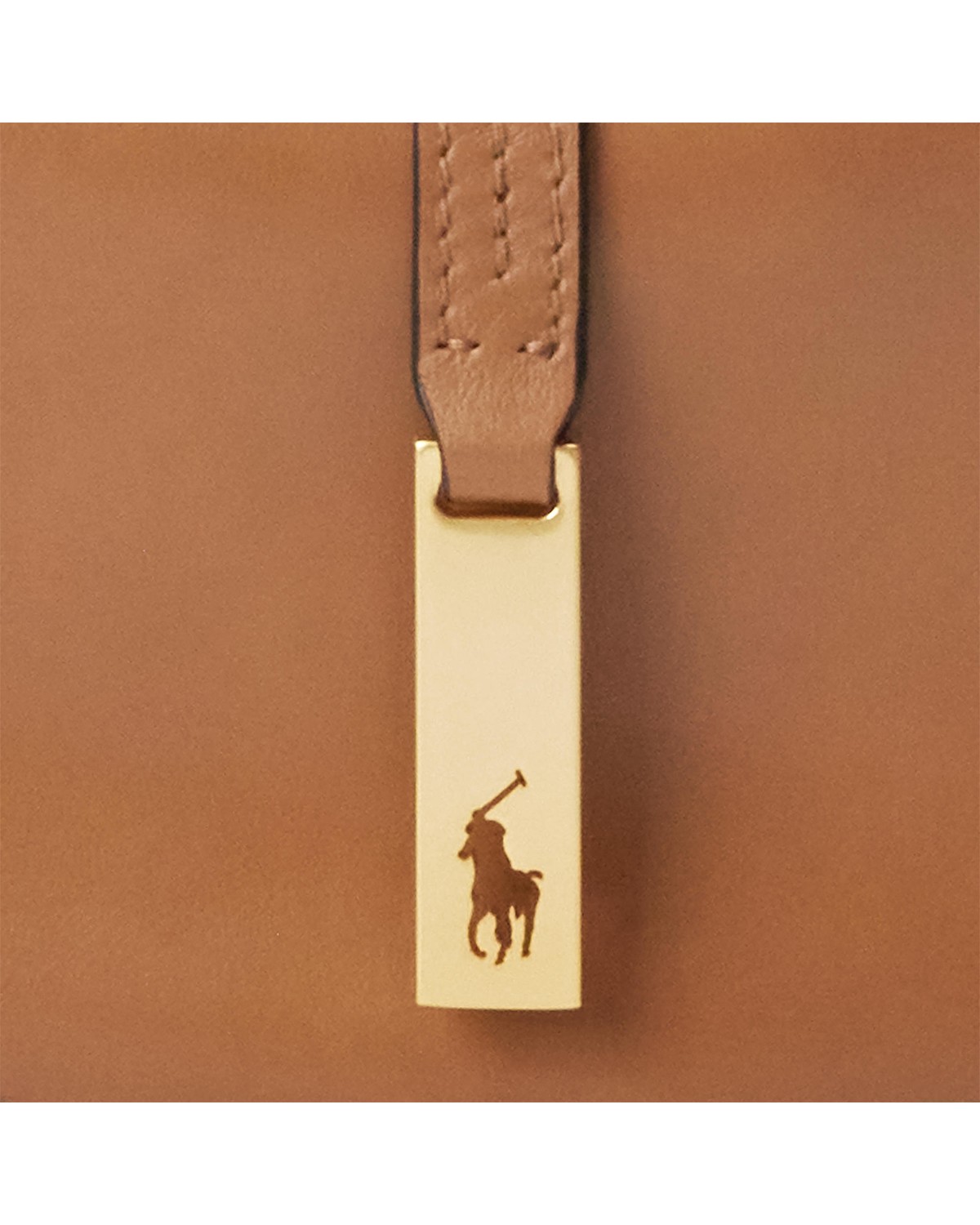
Polo ID Mini Shoulder Bag
Polo Ralph Lauren
$498
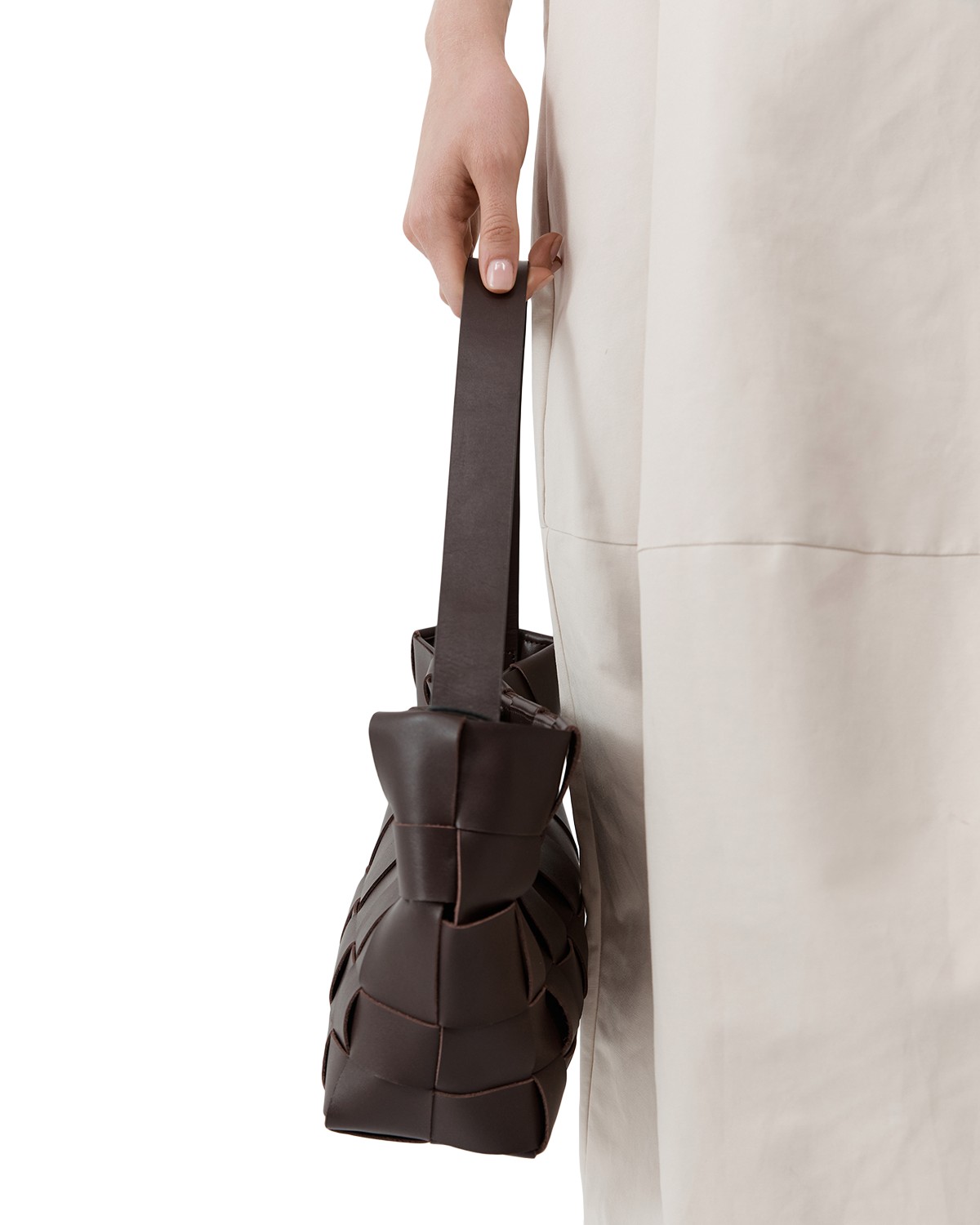
Mini Woven Leather Tote
St. Agni
$449
Medium Pushlock Leather Pouch
Liffner
$625
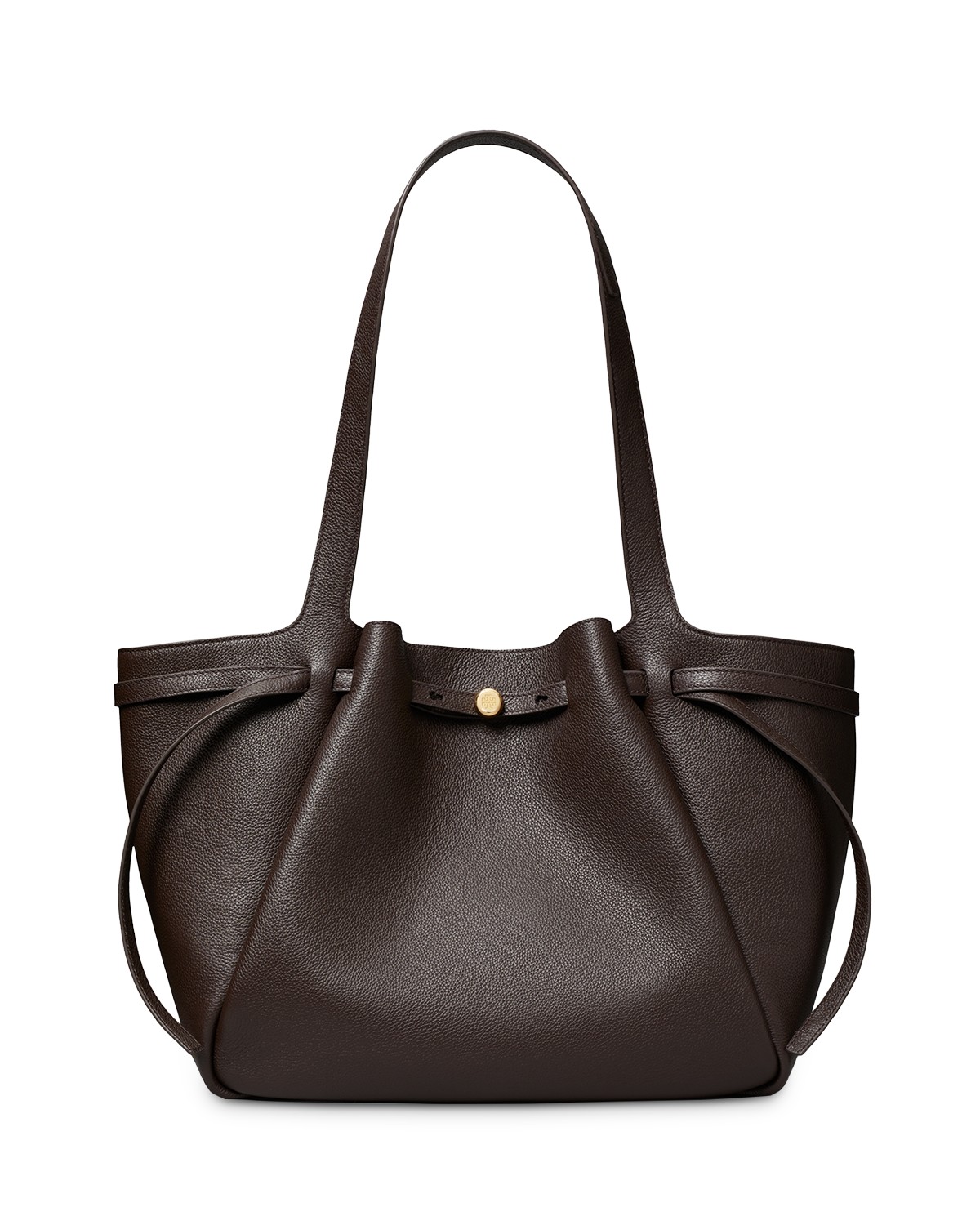
Large Romy Leather Tote Bag
Tory Burch
$595
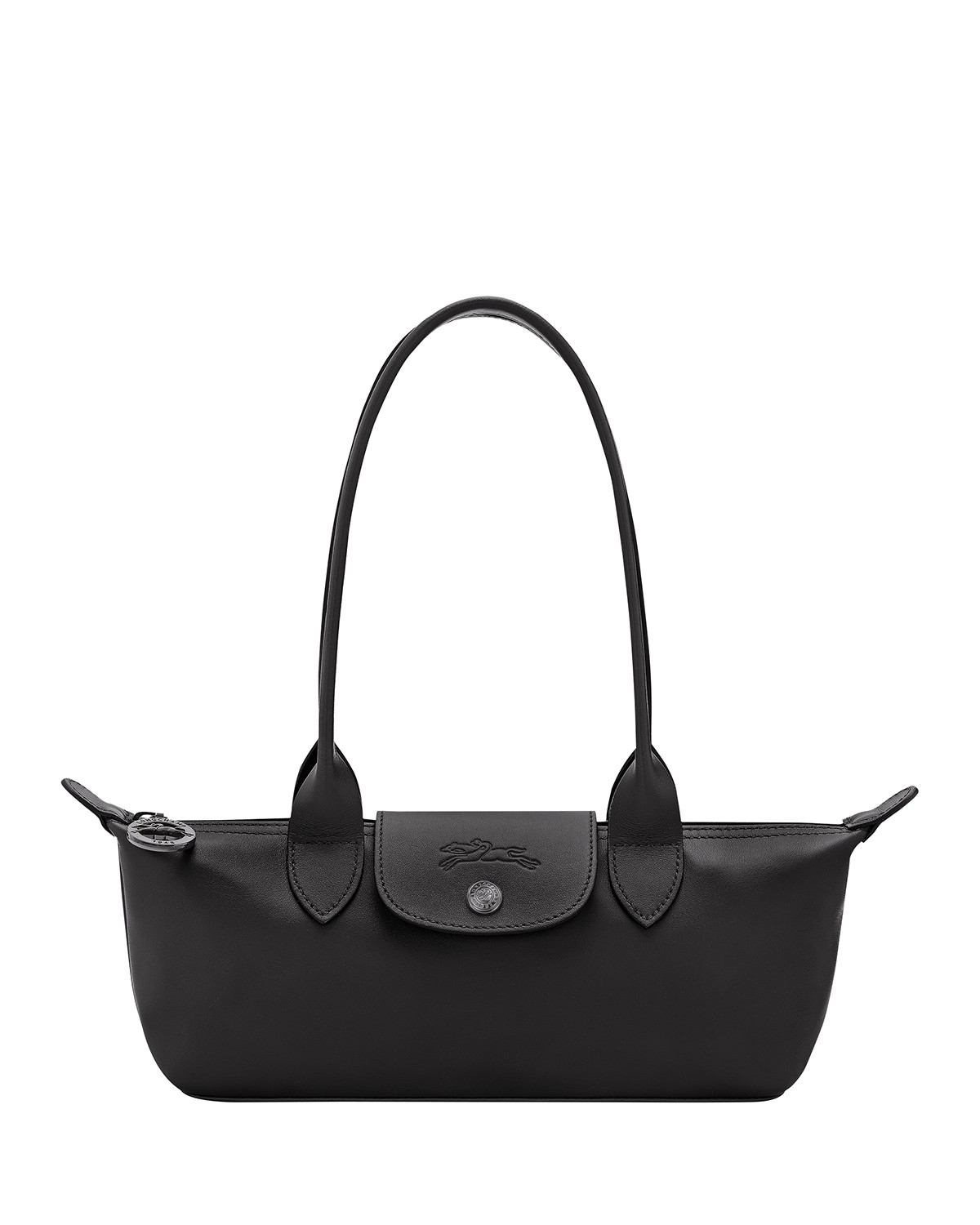
Le Pliage Xtra Small Shoulder Bag
Longchamp
$425
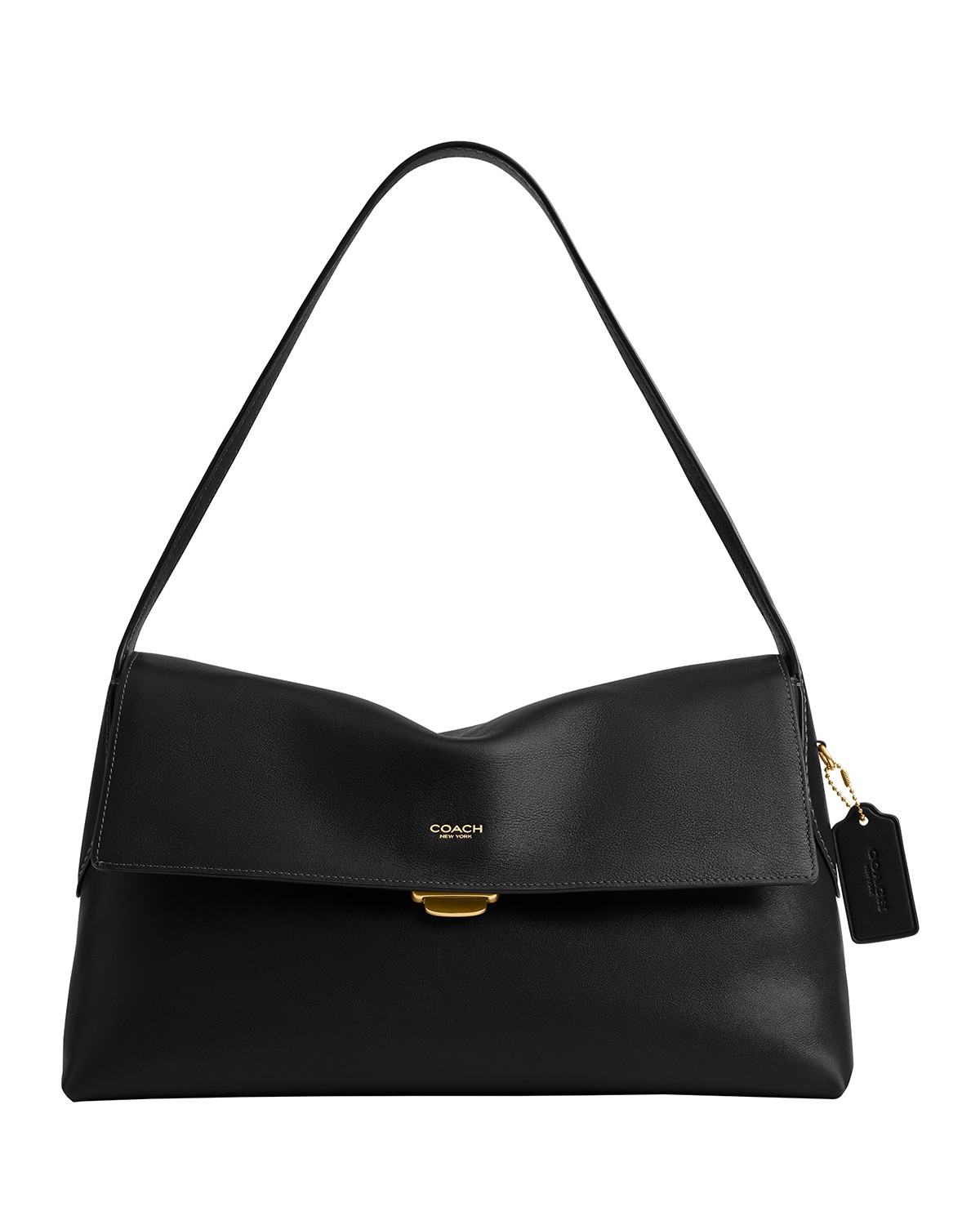
Chelsea Shoulder Bag 36
COACH
$425
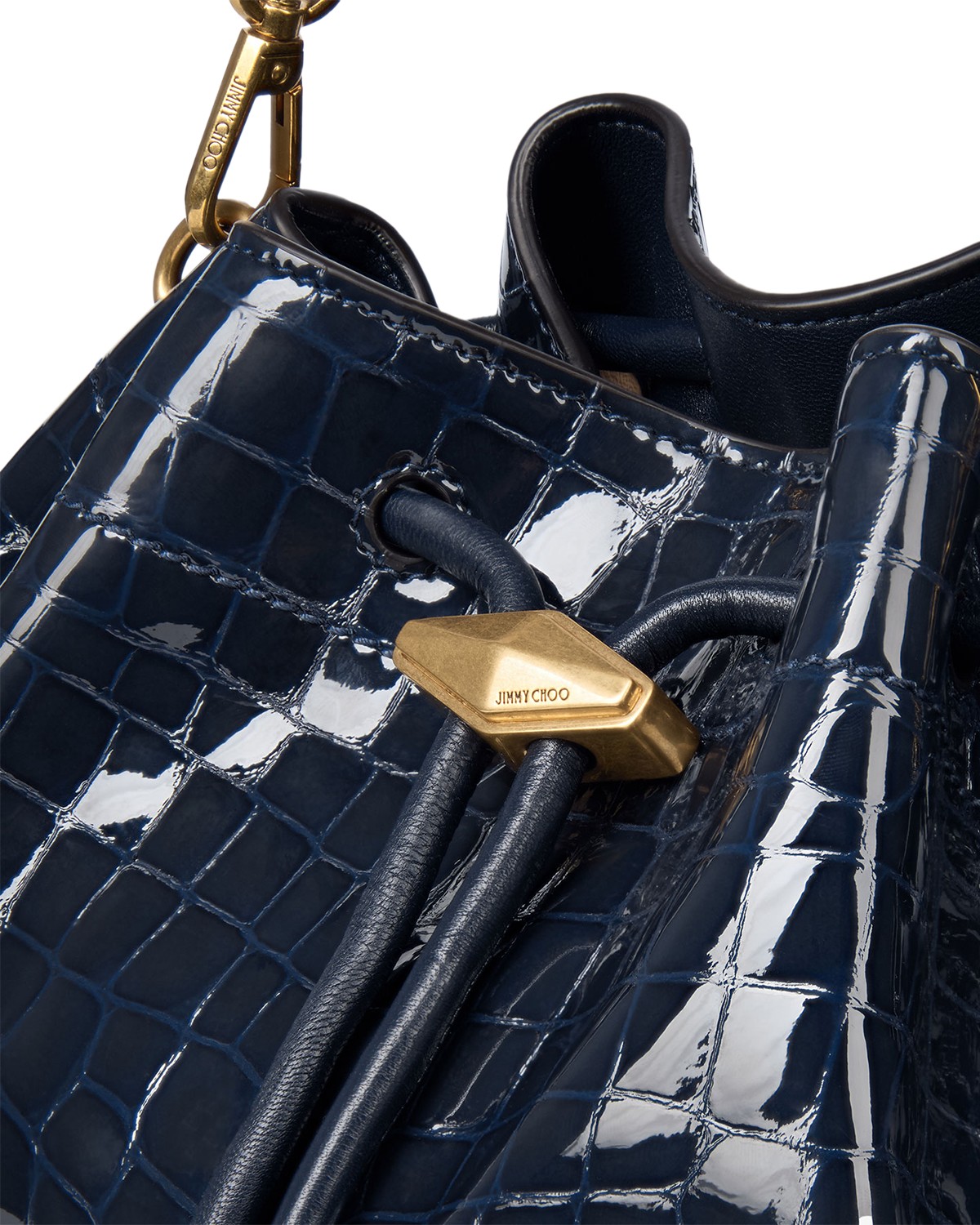
Cinch M Shiny Embossed Leather Shoulder Bag
Jimmy Choo
$2,195
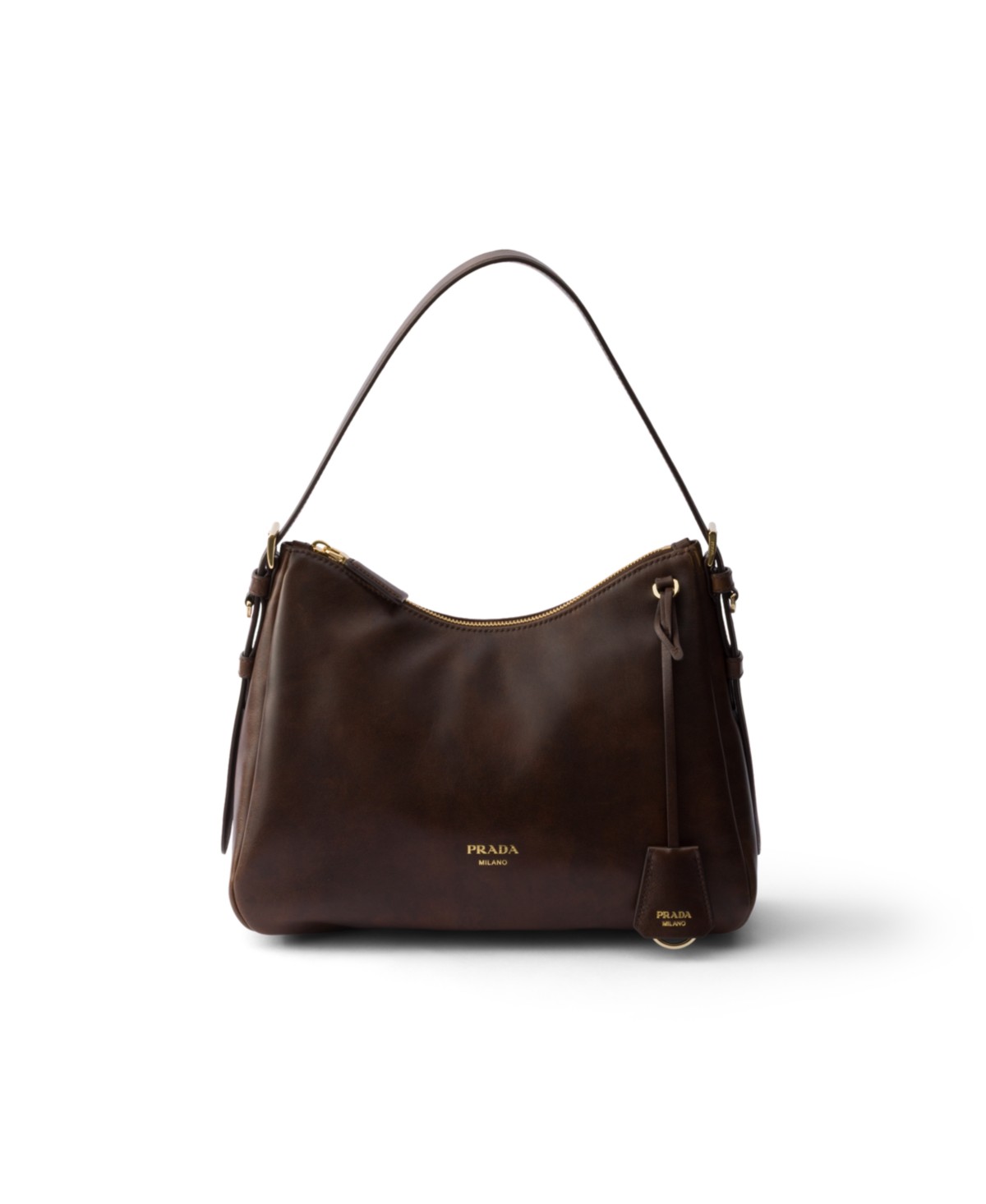
Aimee Medium Leather Shoulder Bag
Prada
$3,650
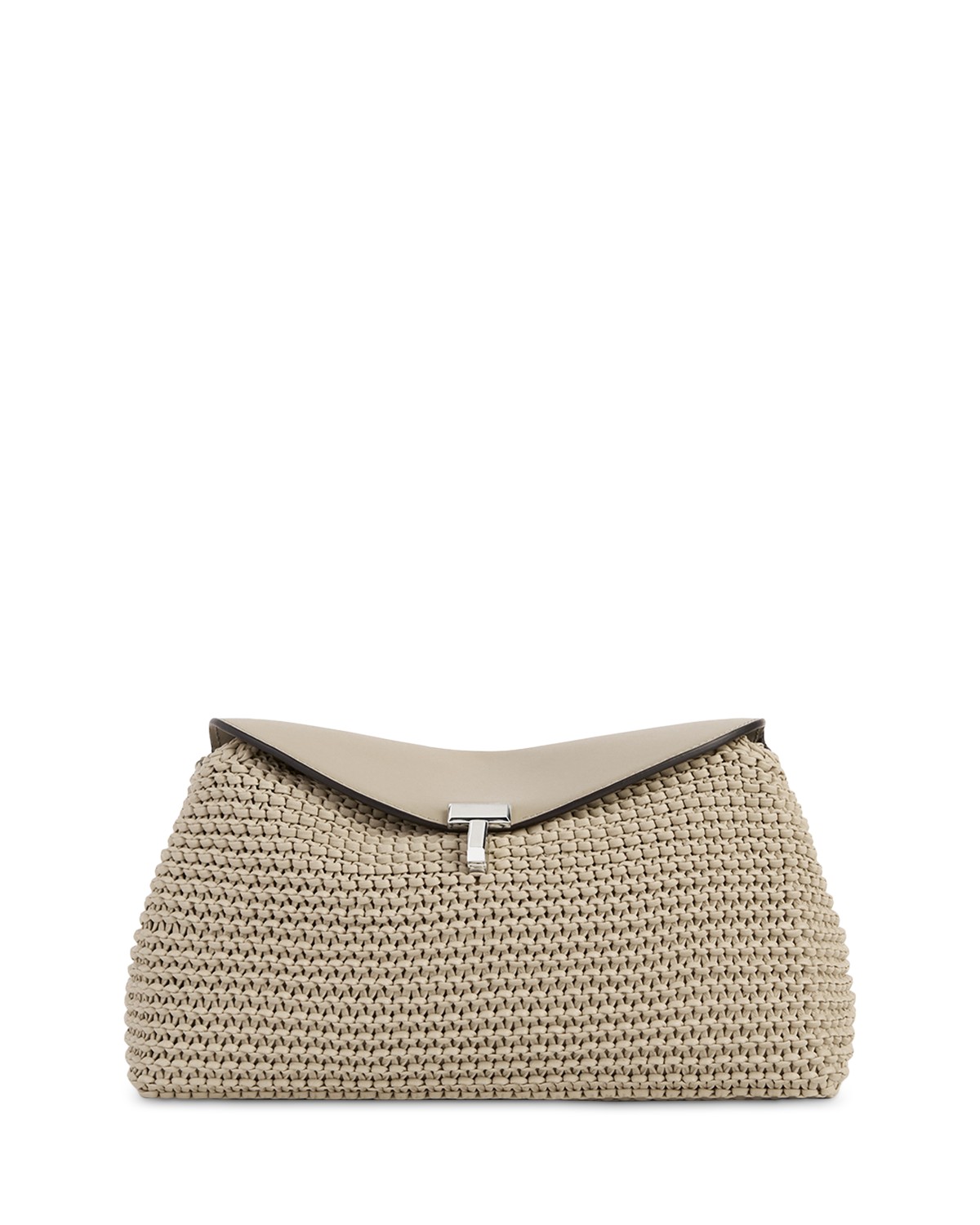
T-Lock Woven Leather Convertible Clutch
TOTEME
$1,490
Denim
Denim is the base layer of any real city wardrobe. Mid and high rise in a wide or straight leg is the shape that has settled after several years of churn, and the finish is dry rather than soft. It goes under everything above it.
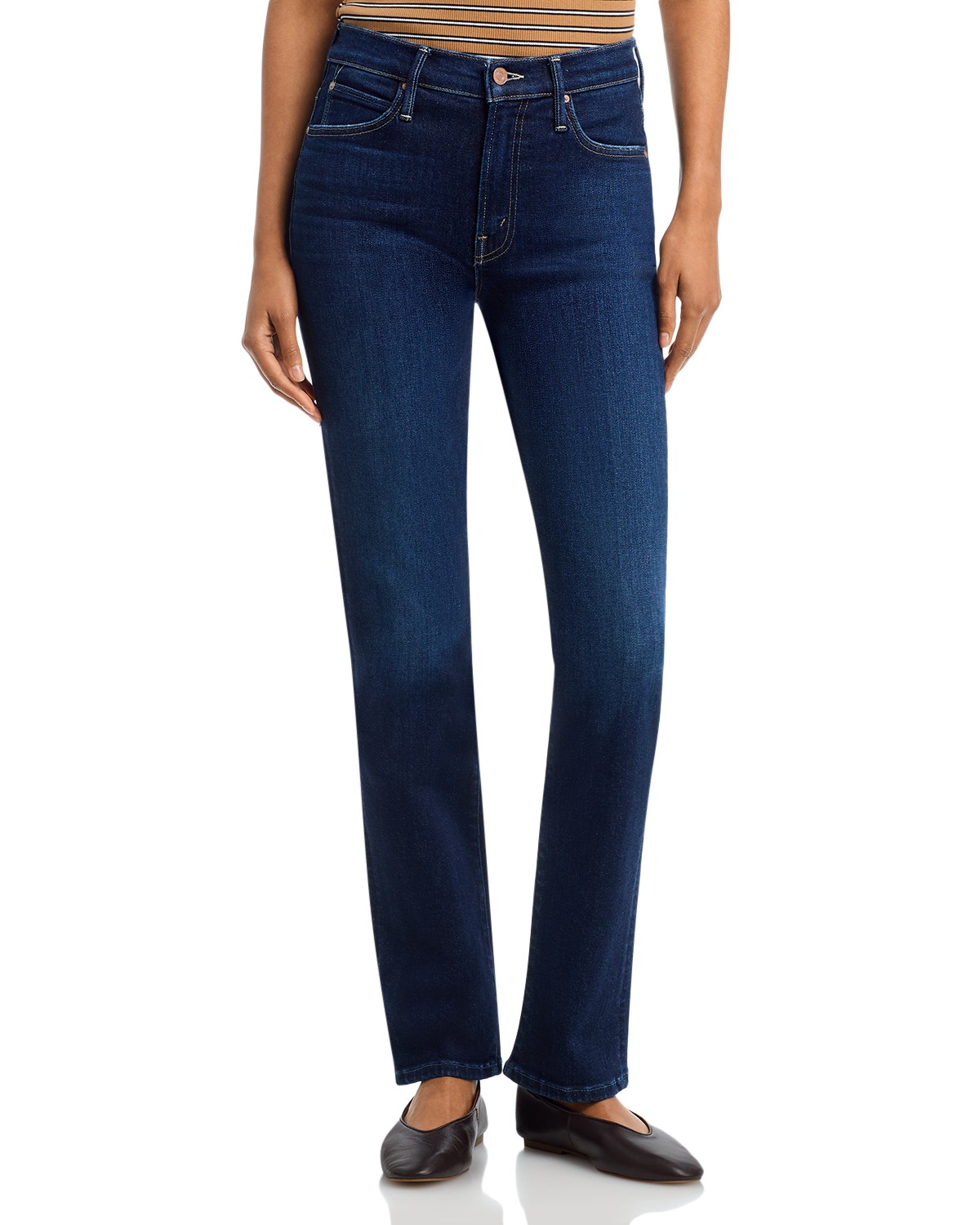
The Rascal Mid Rise Skimp Jeans in Hard Stop
MOTHER
$238
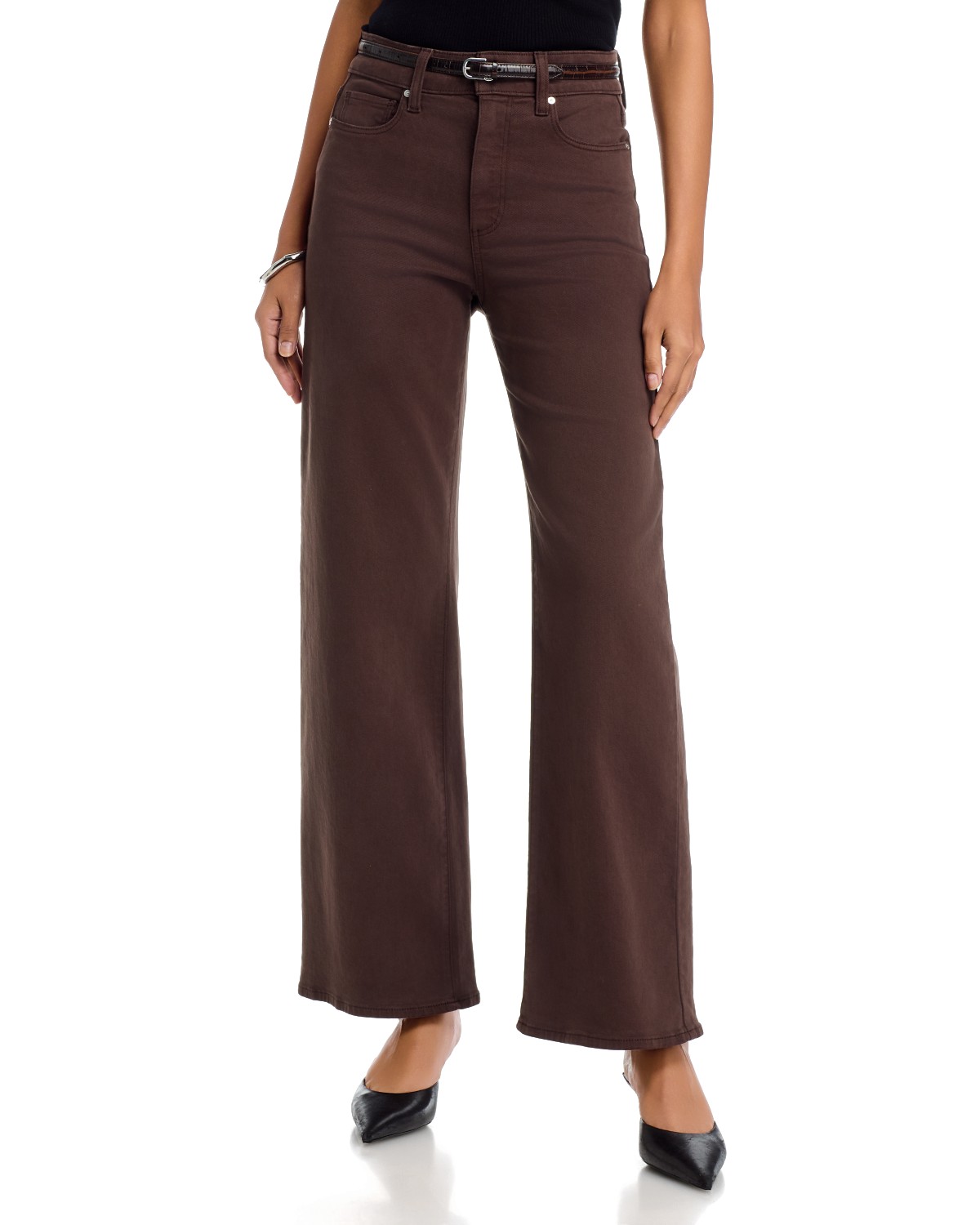
Anessa High Rise Wide Leg Jeans in Rich Chocolate
PAIGE
$239
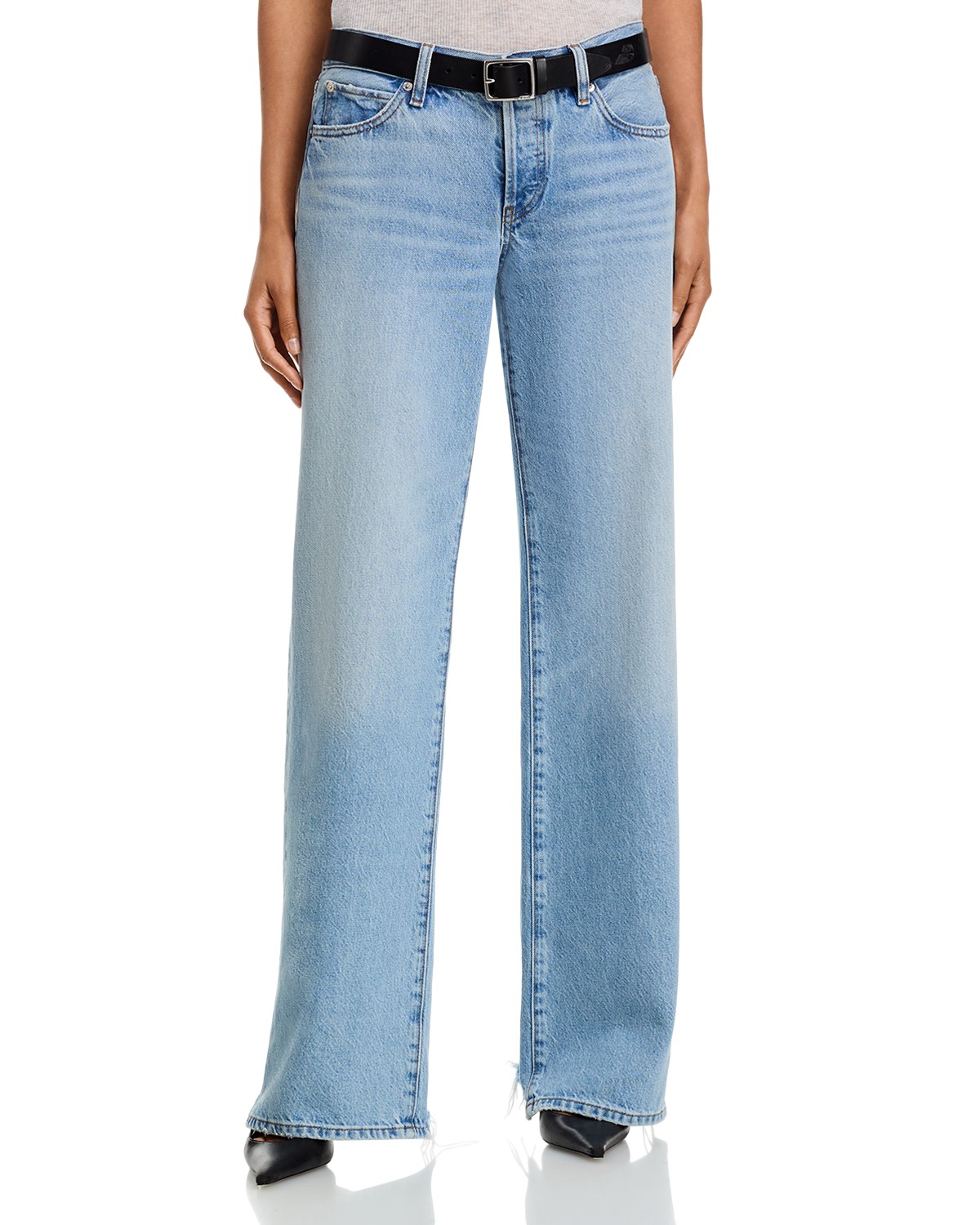
The Gray Low Rise Bootcut Flare Jeans in Dodger Offset Hem
FRAME
$198
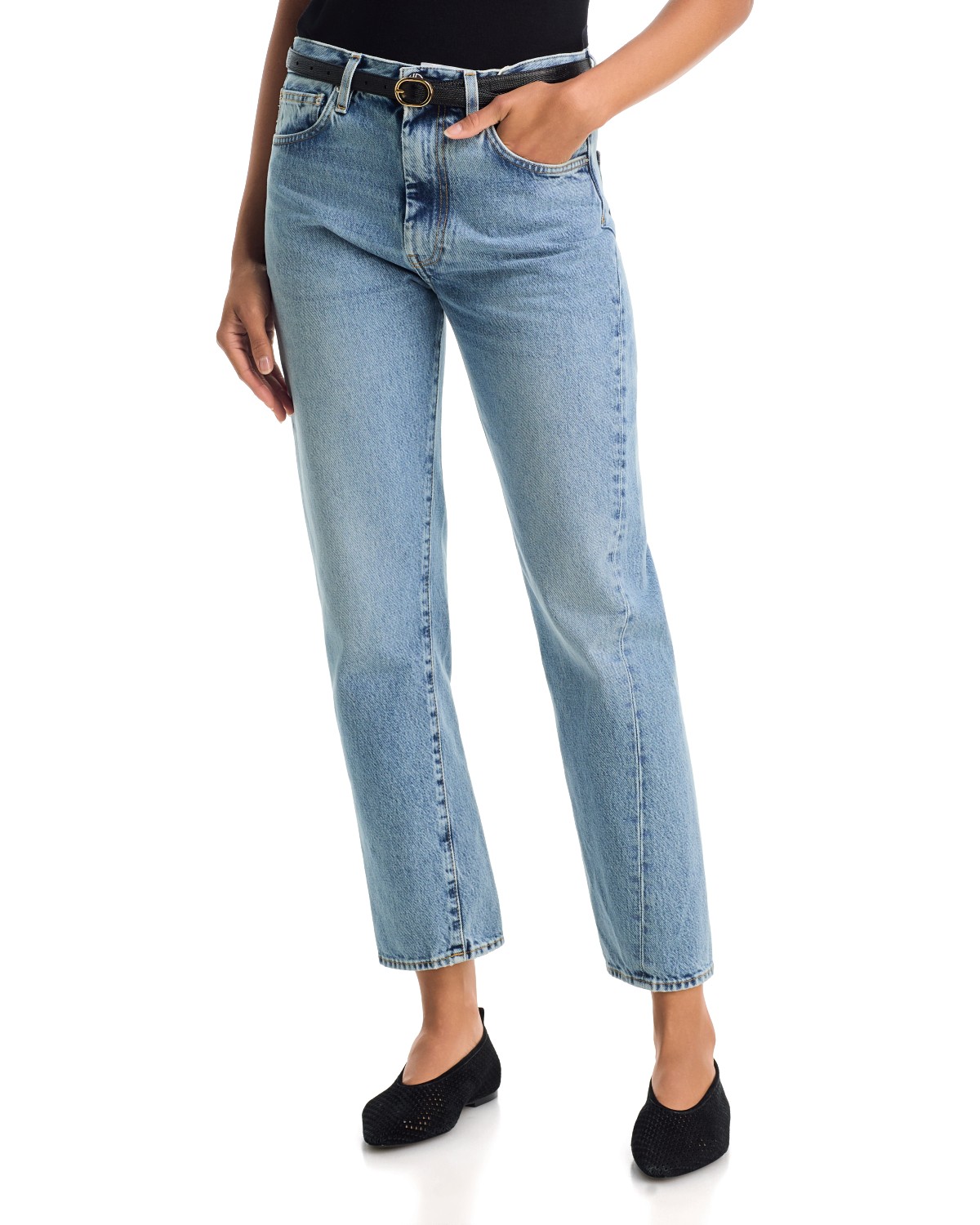
Twisted Seam Jeans in Worn Blue
TOTEME
$420
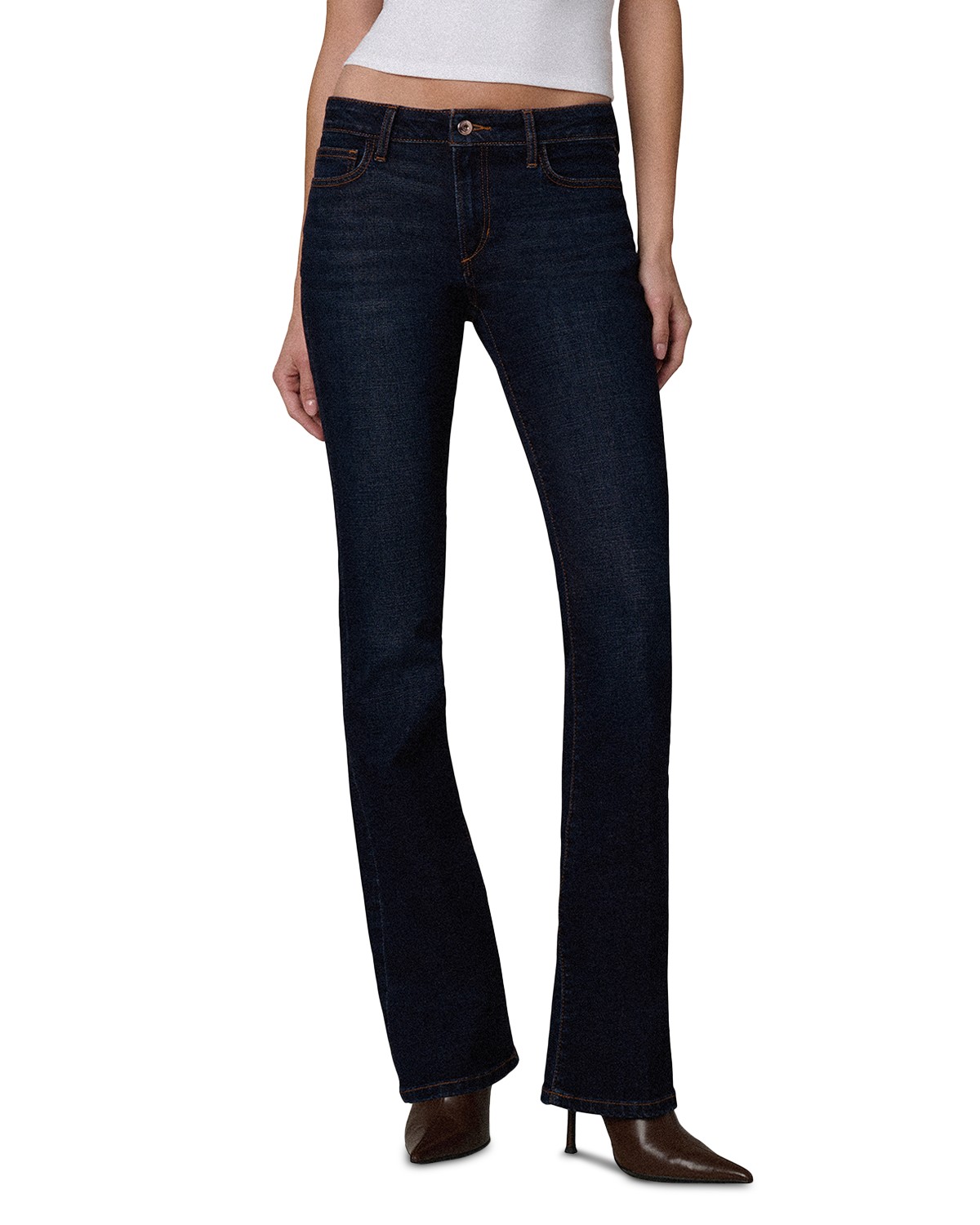
The Naomi 90's Low Rise Bootcut Jeans in Ritual
Joe's Jeans
$188
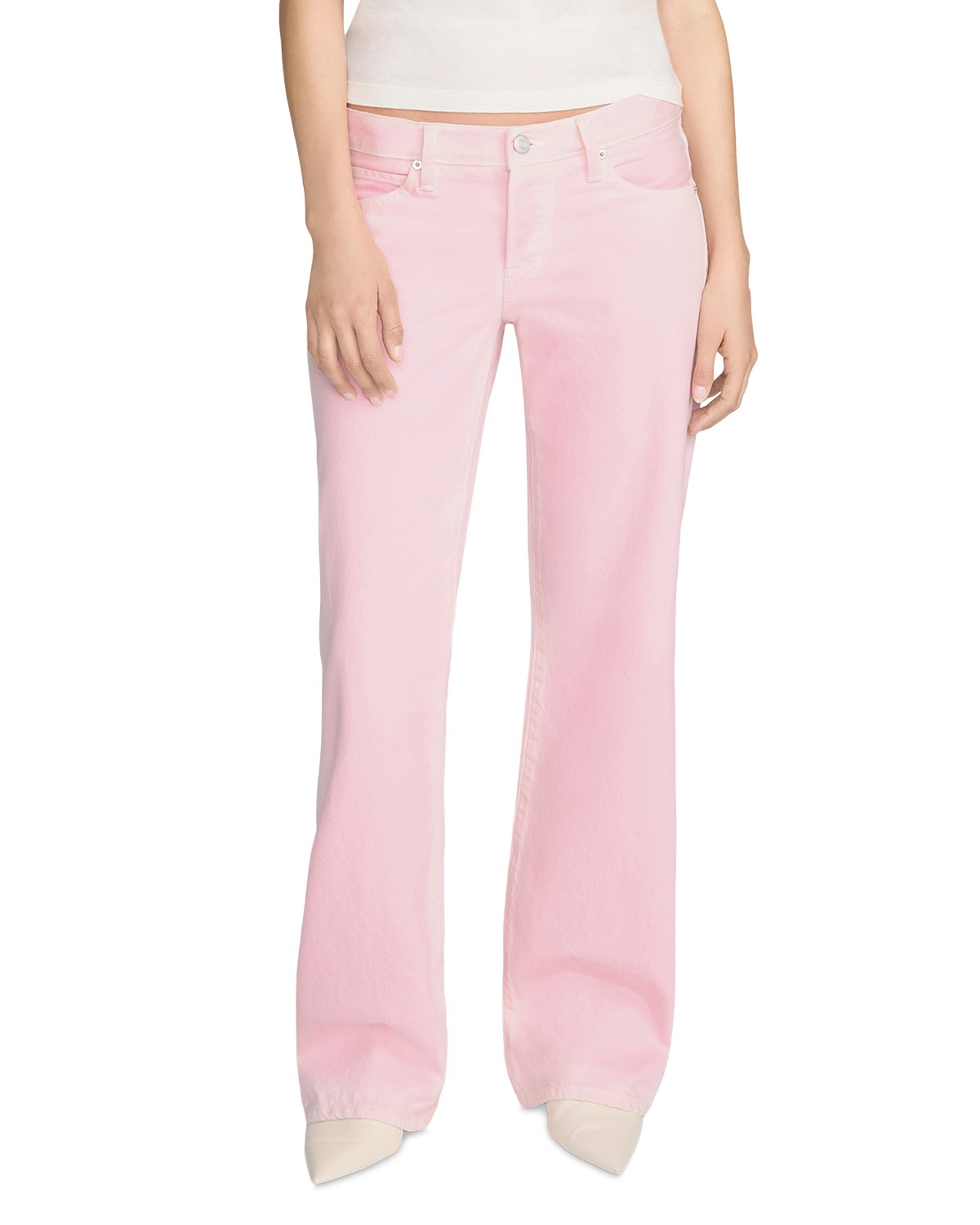
Petite The Pixie Gray Low Rise Wide Flare Leg Jeans in Cotton Candy
FRAME
$248
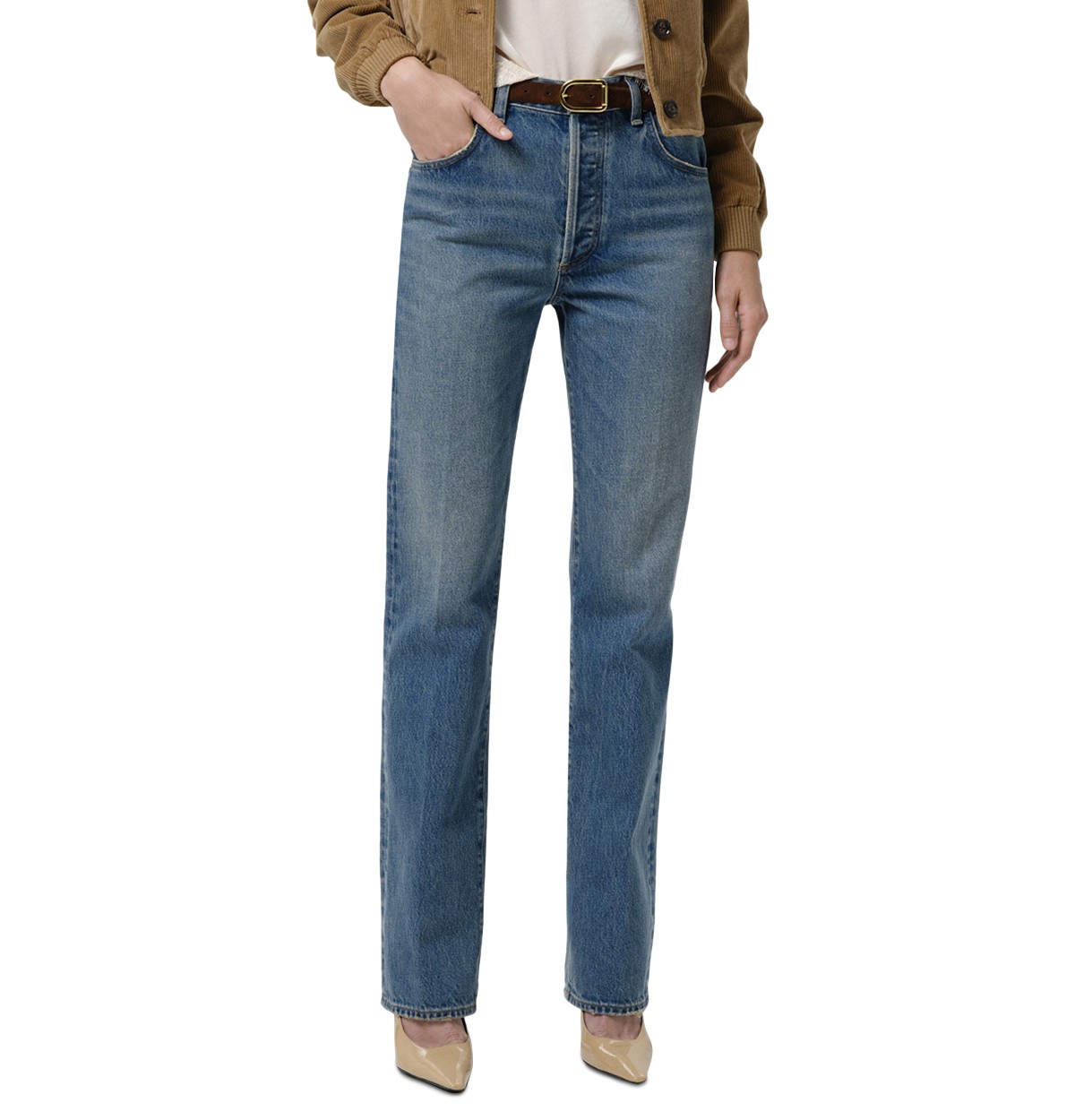
90s French High Rise Straight Jeans in Dirty Martini
Citizens of Humanity
$278
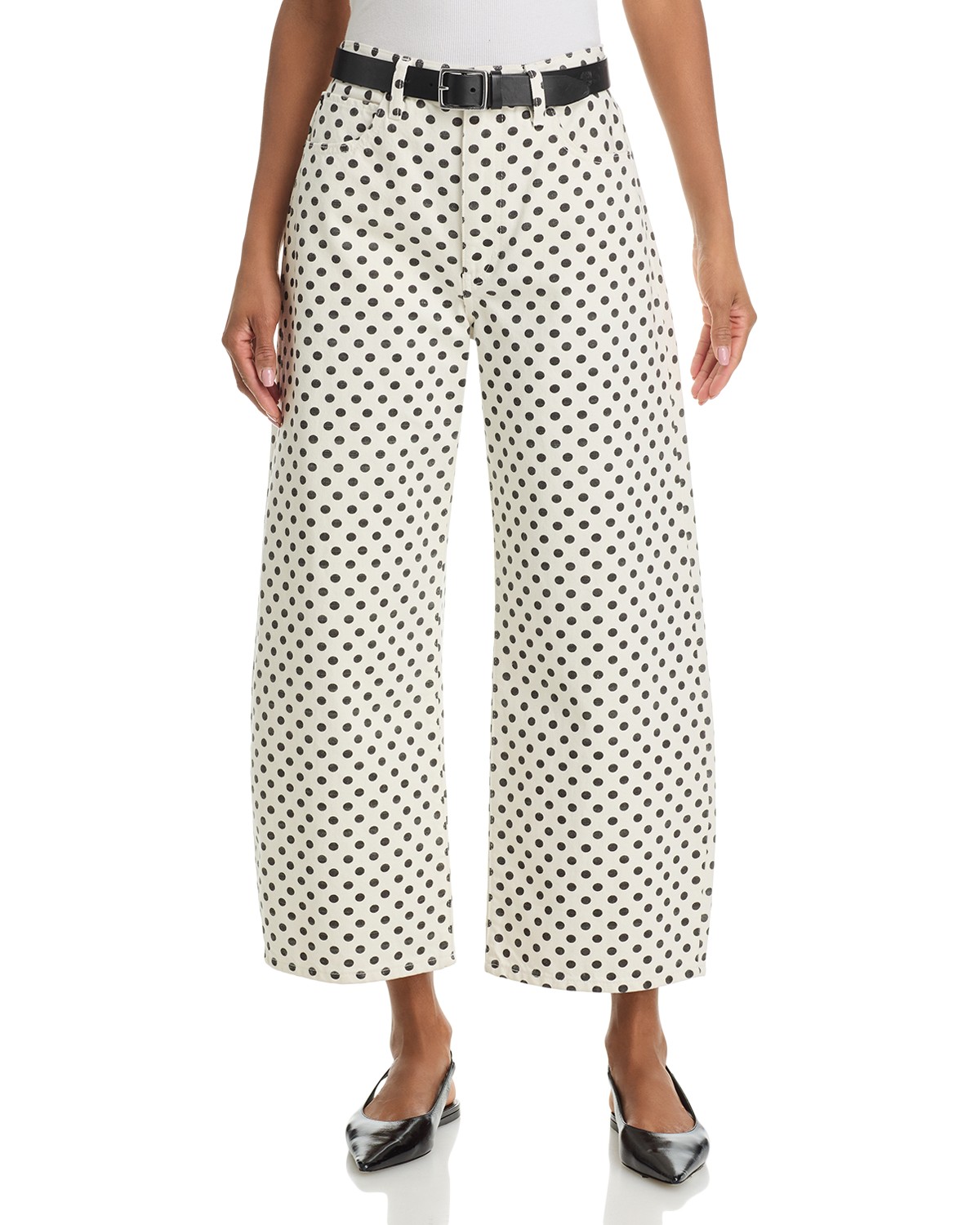
The Bow High Rise Crop Jeans in White Polka Dot
FRAME
$298
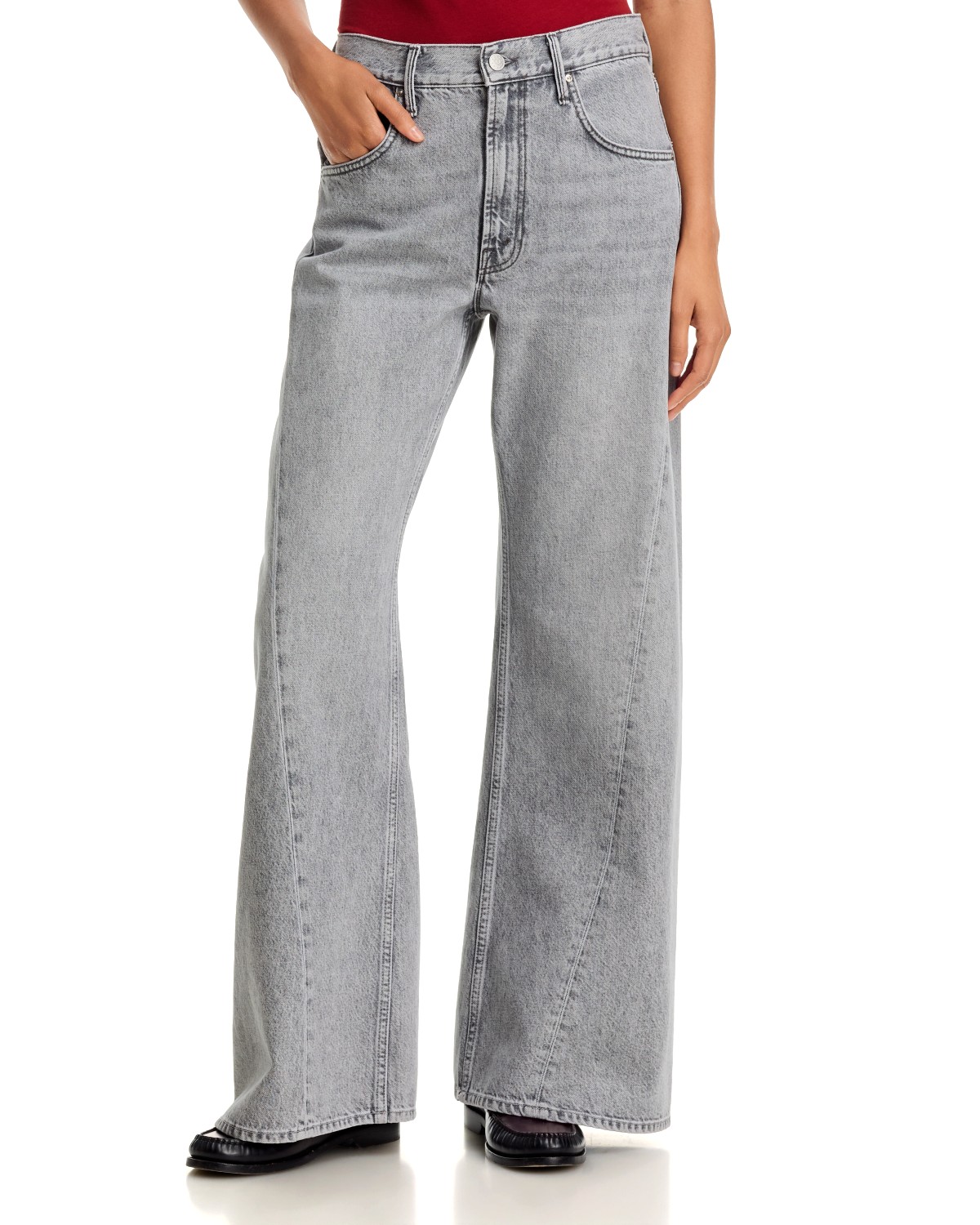
The Lemon Twist Sneak High Rise Wide Leg Jeans in Rocky Road
MOTHER
$258
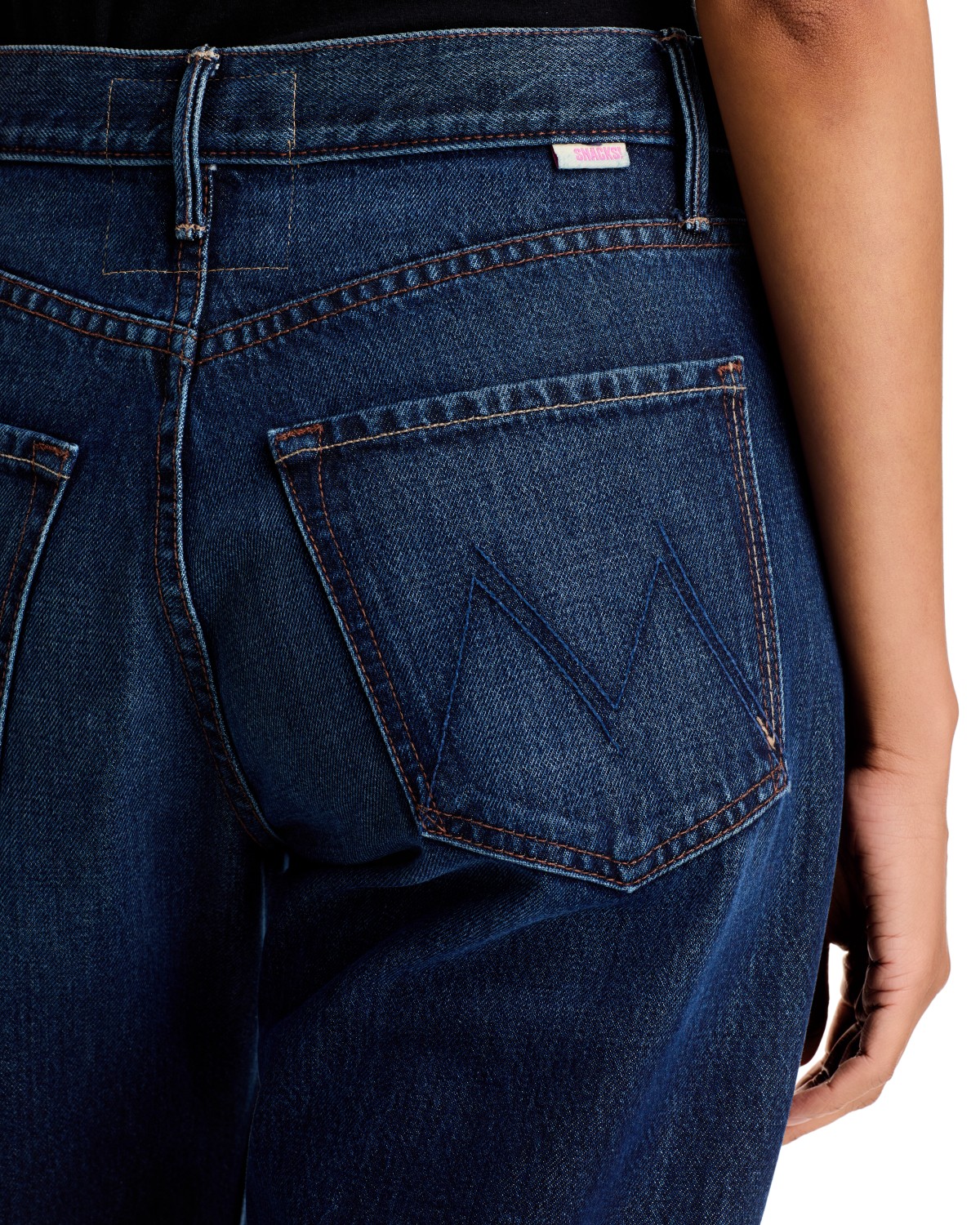
The Lemon Twist High Rise Wide Leg Jeans in Fresh Squeezed
MOTHER
$268
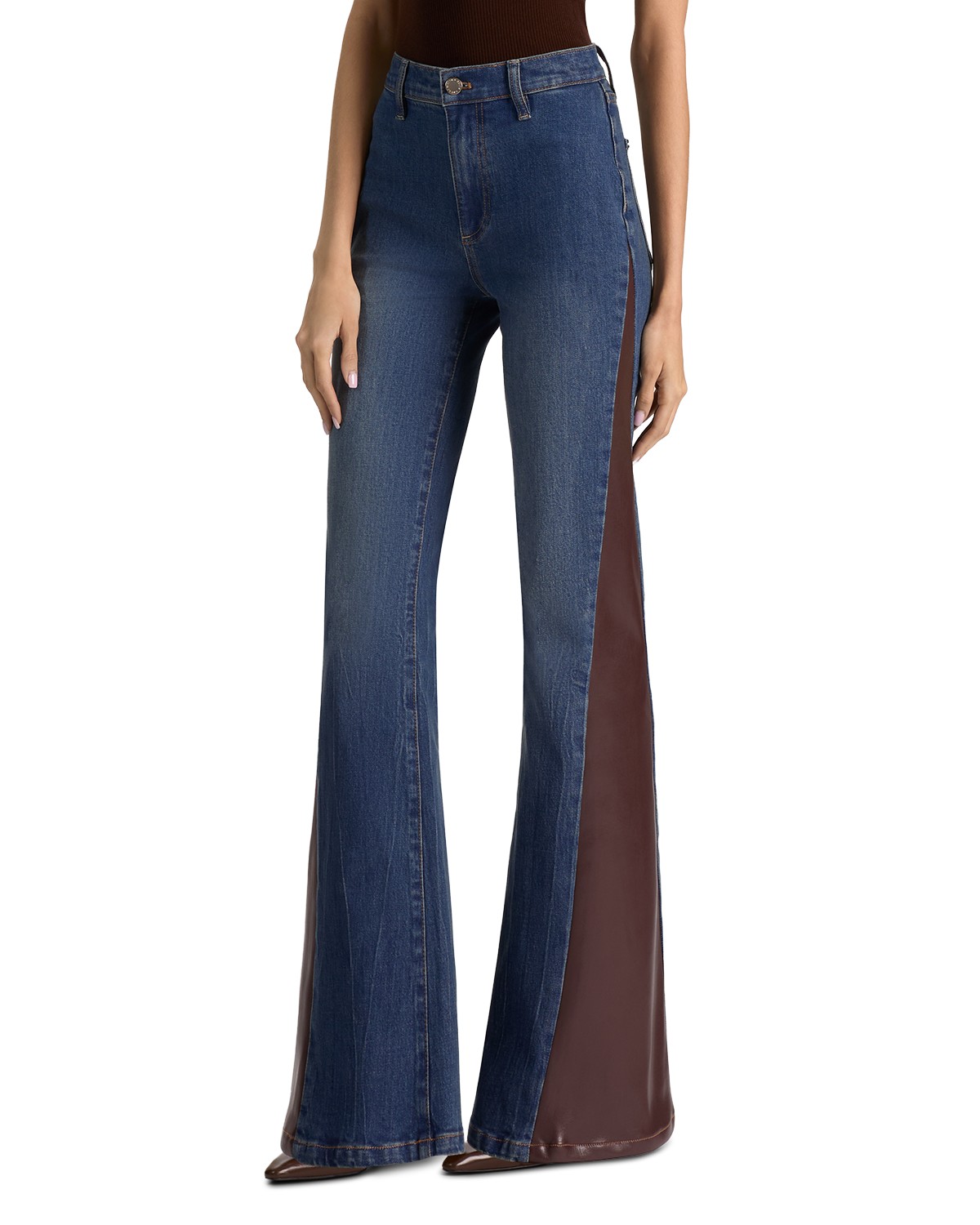
High Rise Faux Leather Godet Flare Jeans in Georgetta Vintage Blue/Dark Chocolate
Alice and Olivia
$495
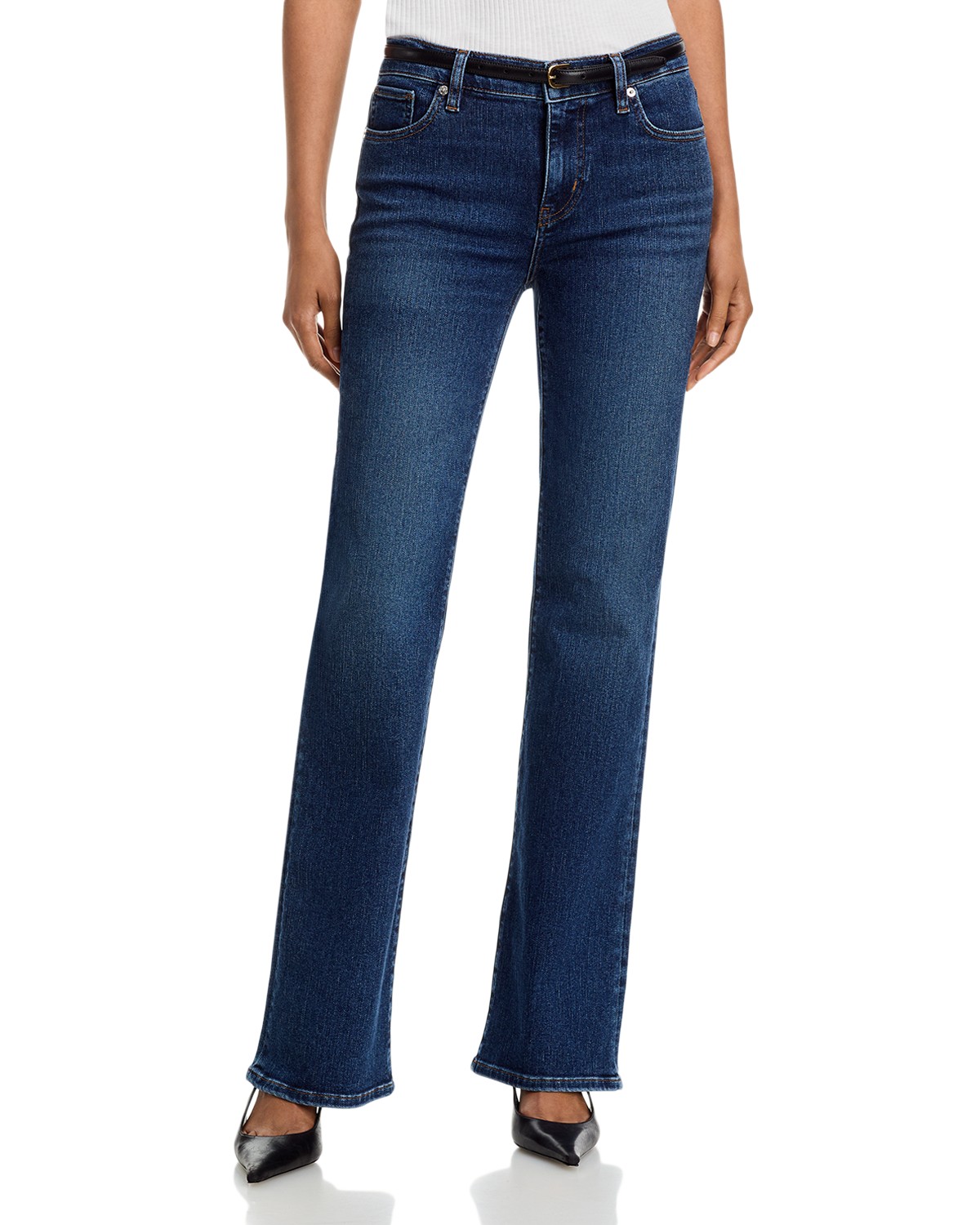
The Rodeo Low Rise Bootcut Jeans in Showdown
FRAME
$298
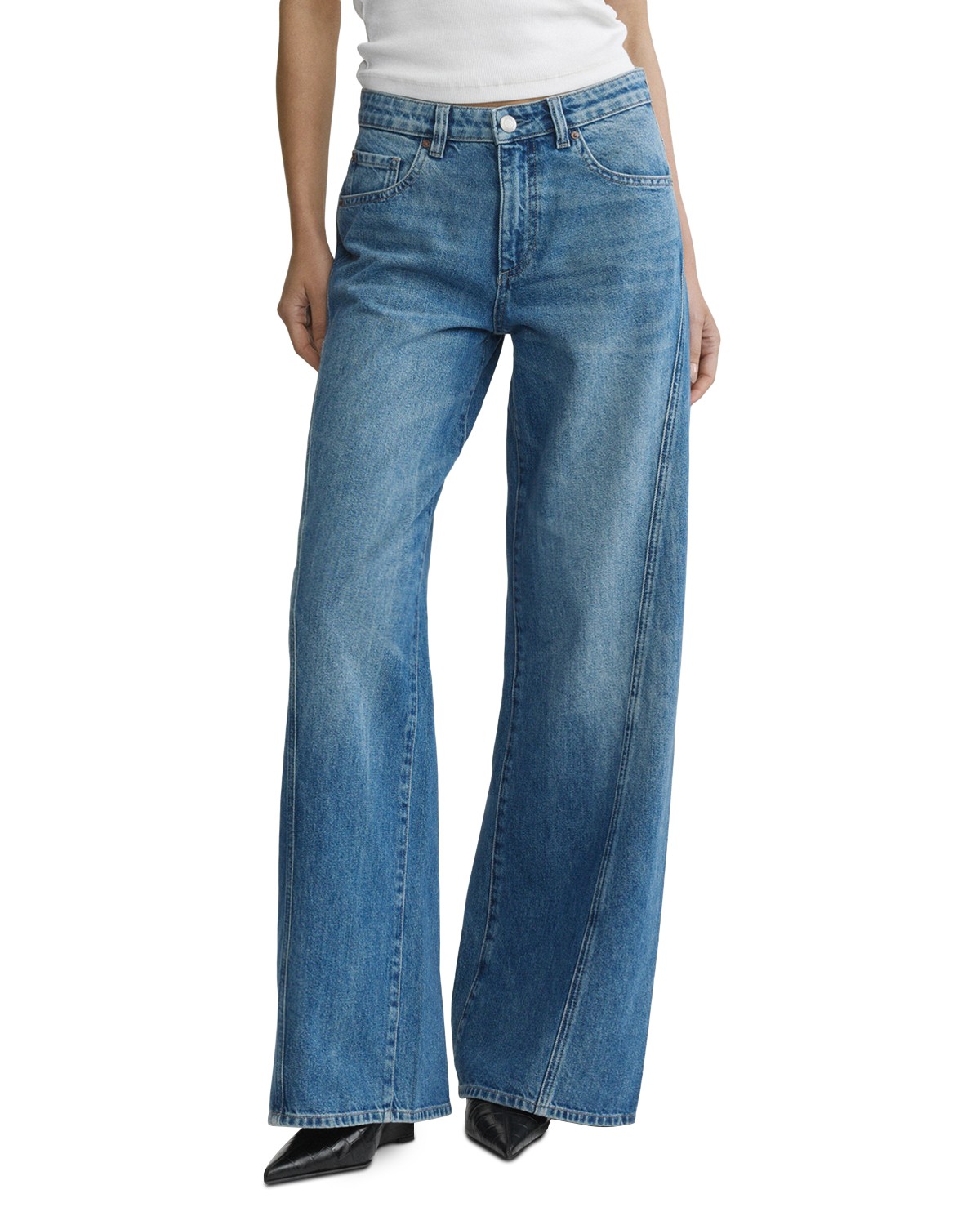
Alex Baggy Wide Leg Low Rise Jeans in Authentic
DL1961
$269
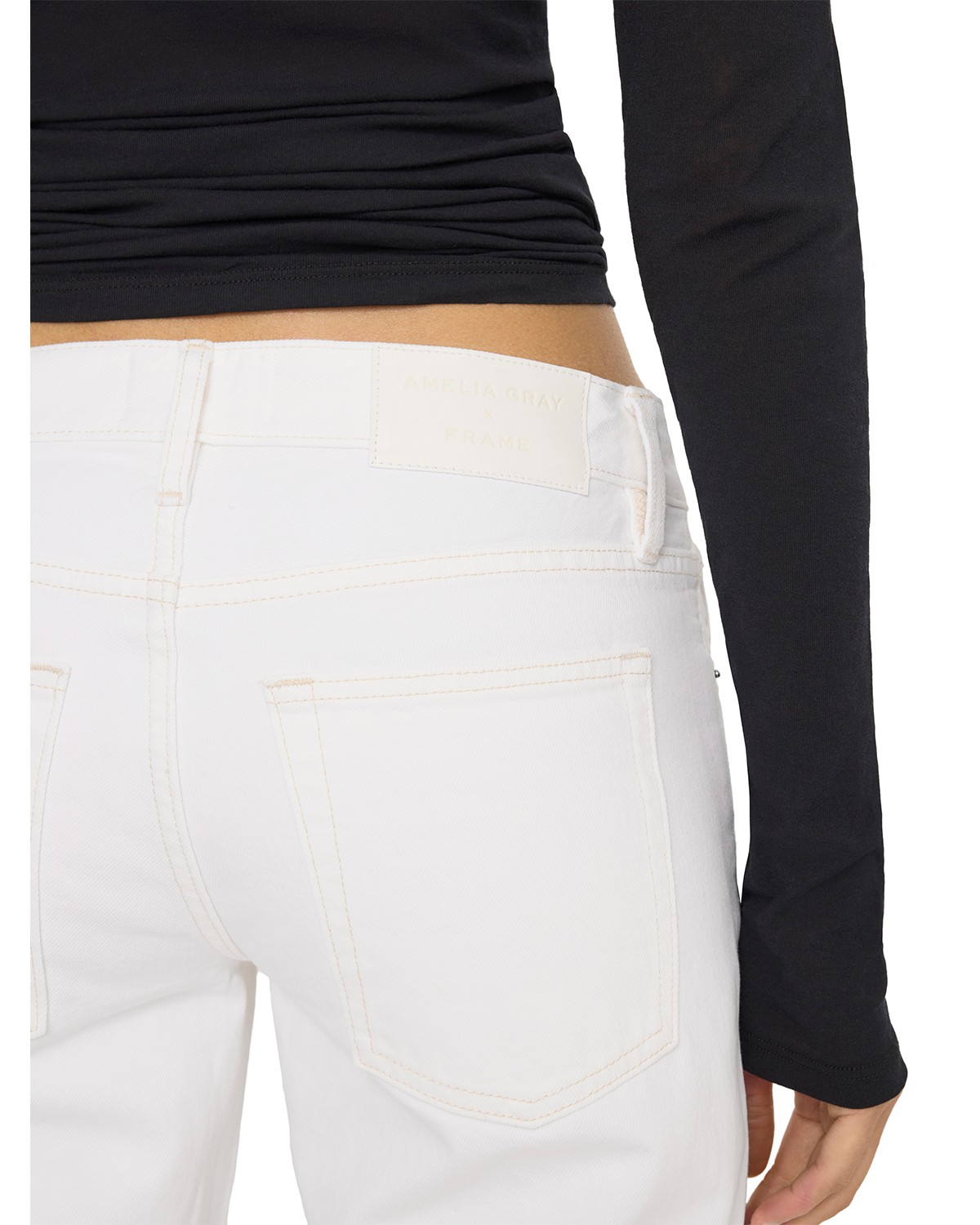
The Gray Low Rise Wide Leg 34" Jeans
FRAME
$198
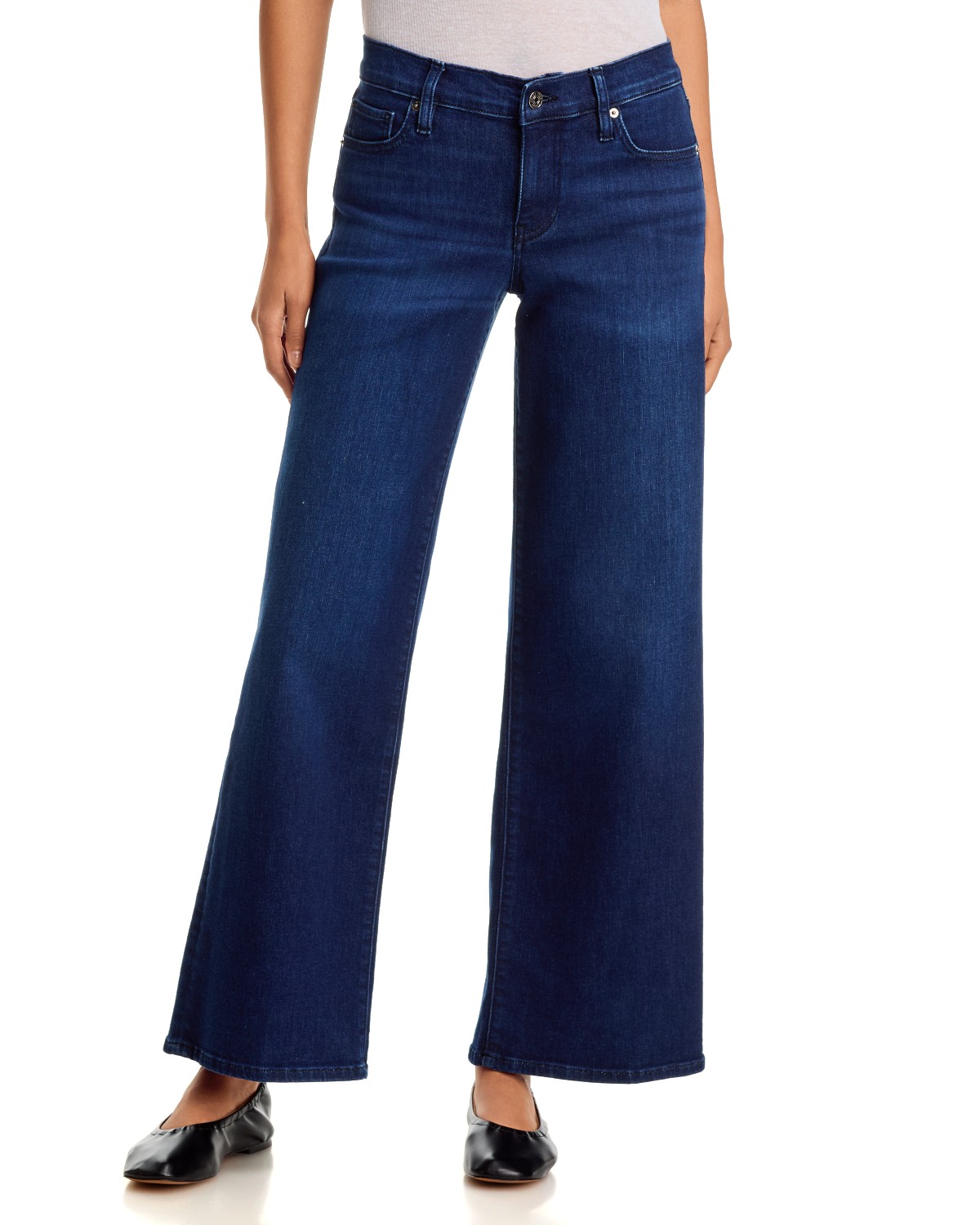
Le Slim Low Rise Palazzo Jeans in Ultraviolet
FRAME
$288
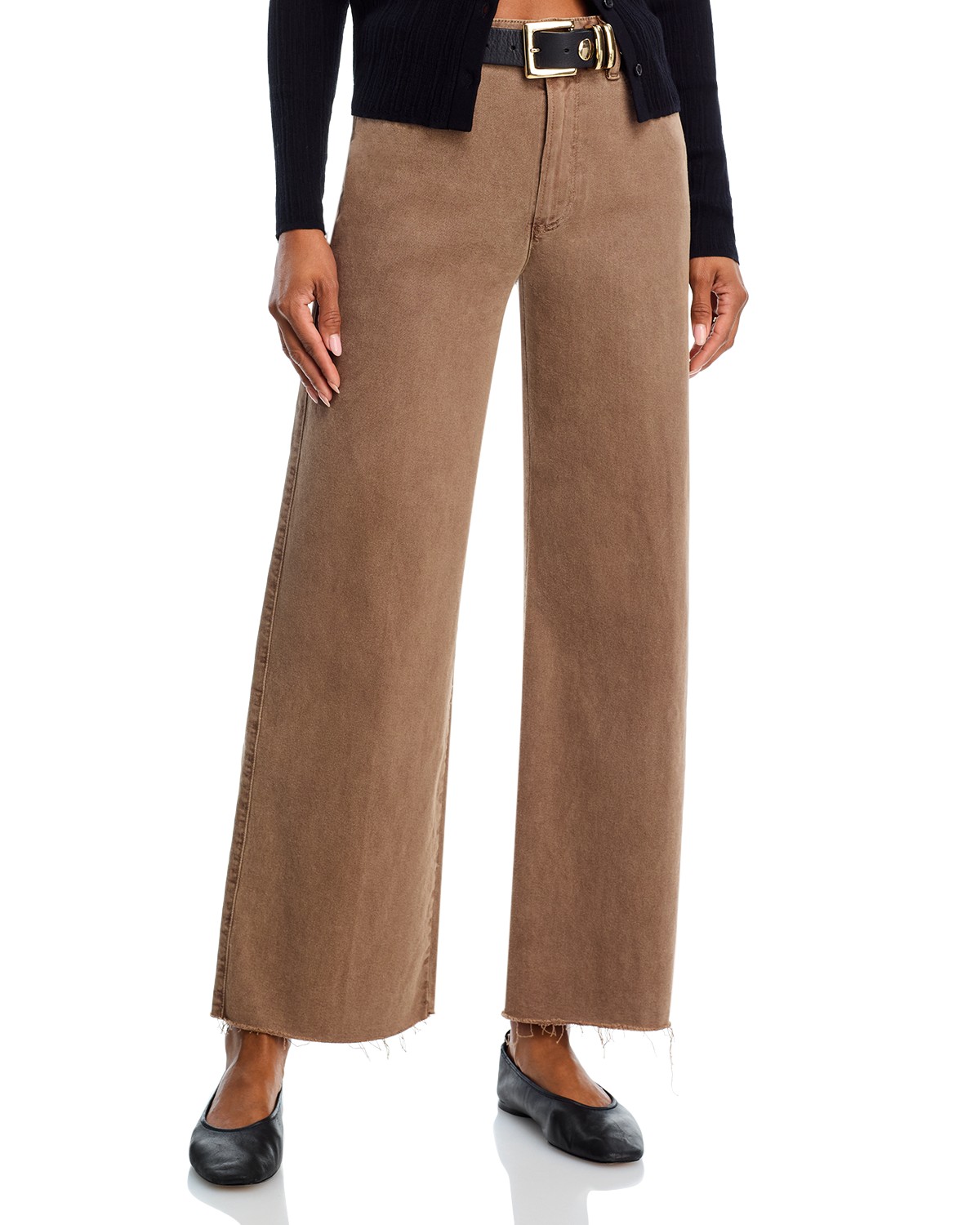
Anessa High Rise Raw Hem Wide Leg Jeans in Vintage Canewood
PAIGE
$249
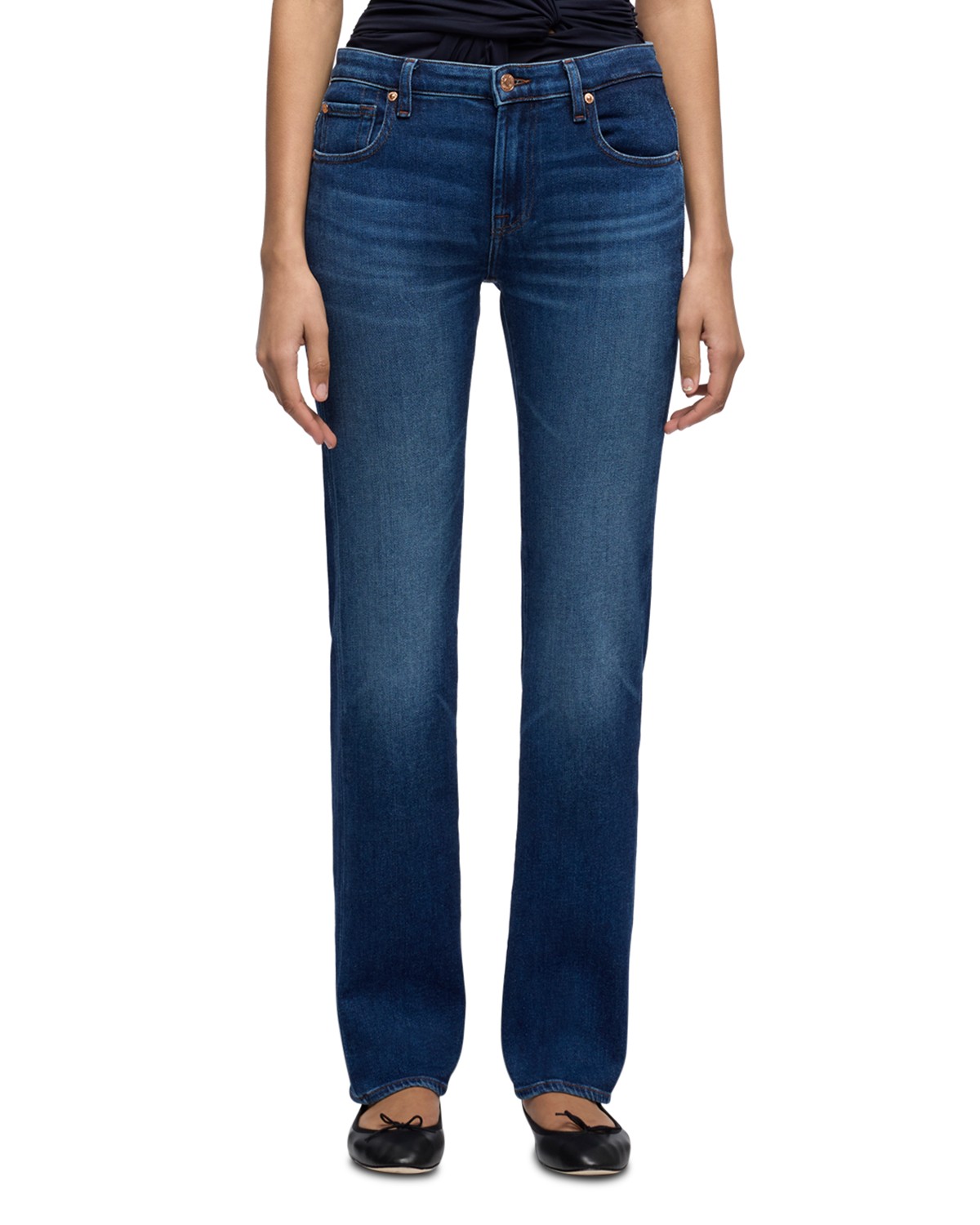
The Slim Mid Rise Slim Jeans in Current
7 For All Mankind
$238
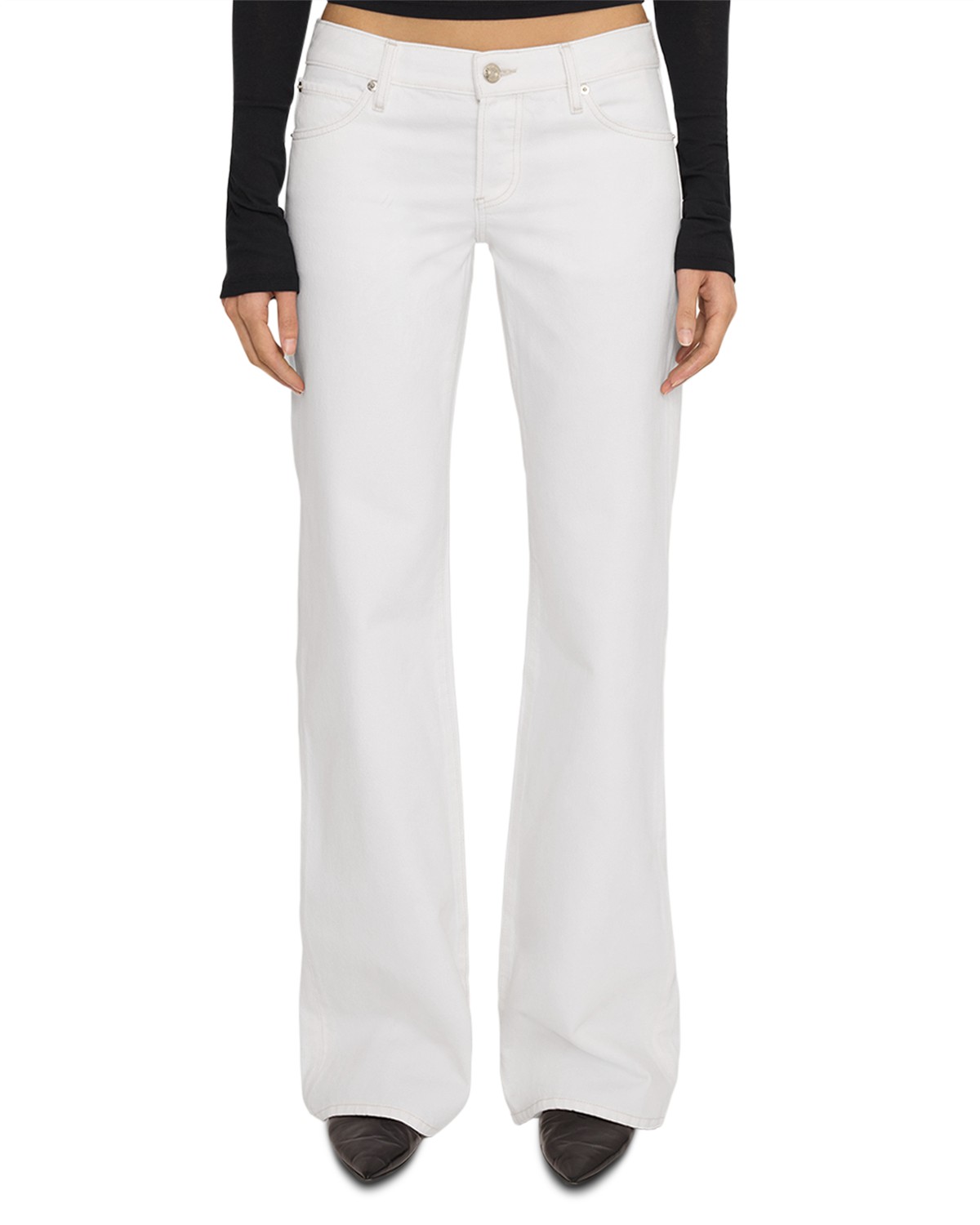
The Gray Low Rise Wide Leg Jeans in Au Natural
FRAME
$198
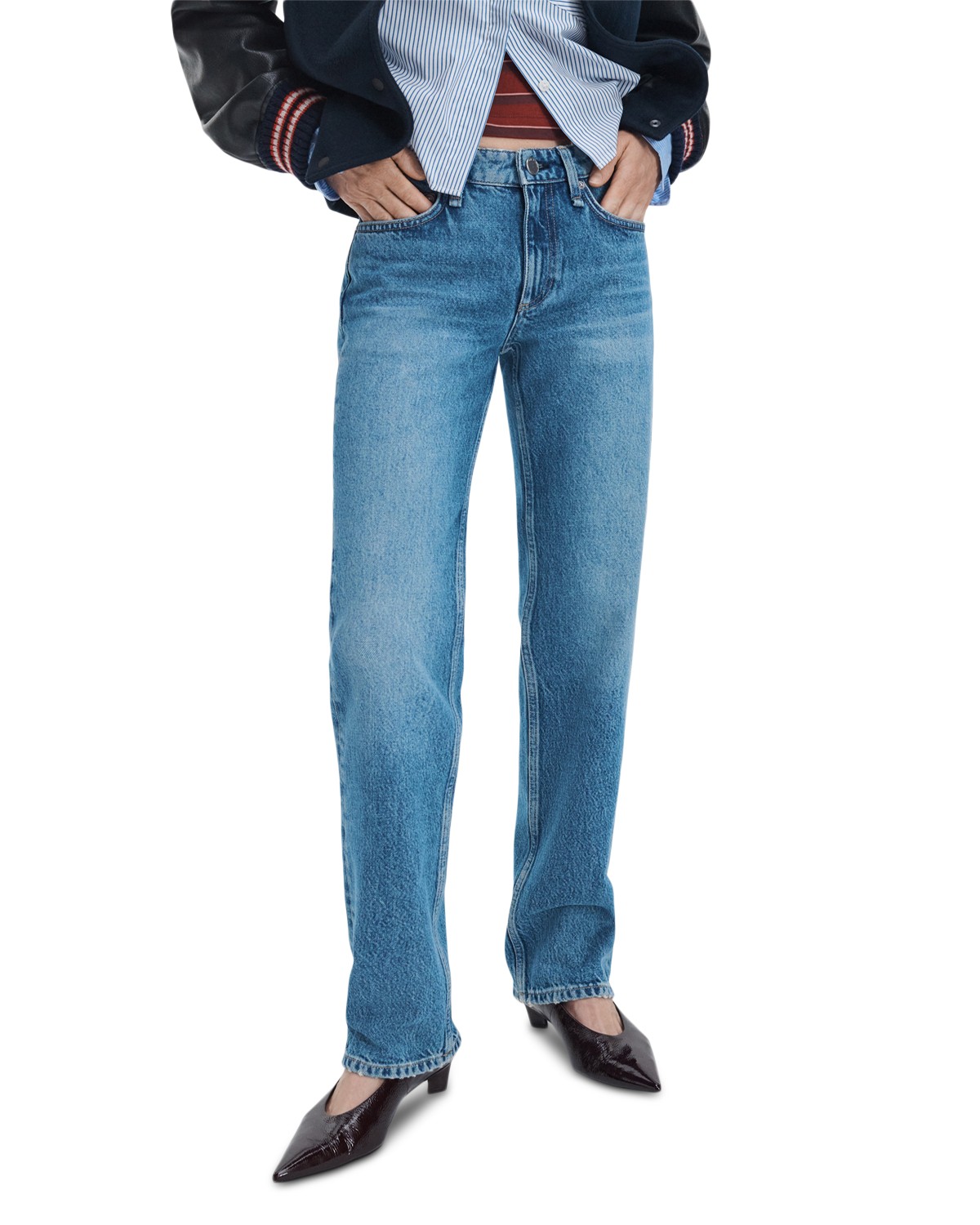
Harlow Low Rise Slim Straight Jeans in Candice
rag & bone
$278
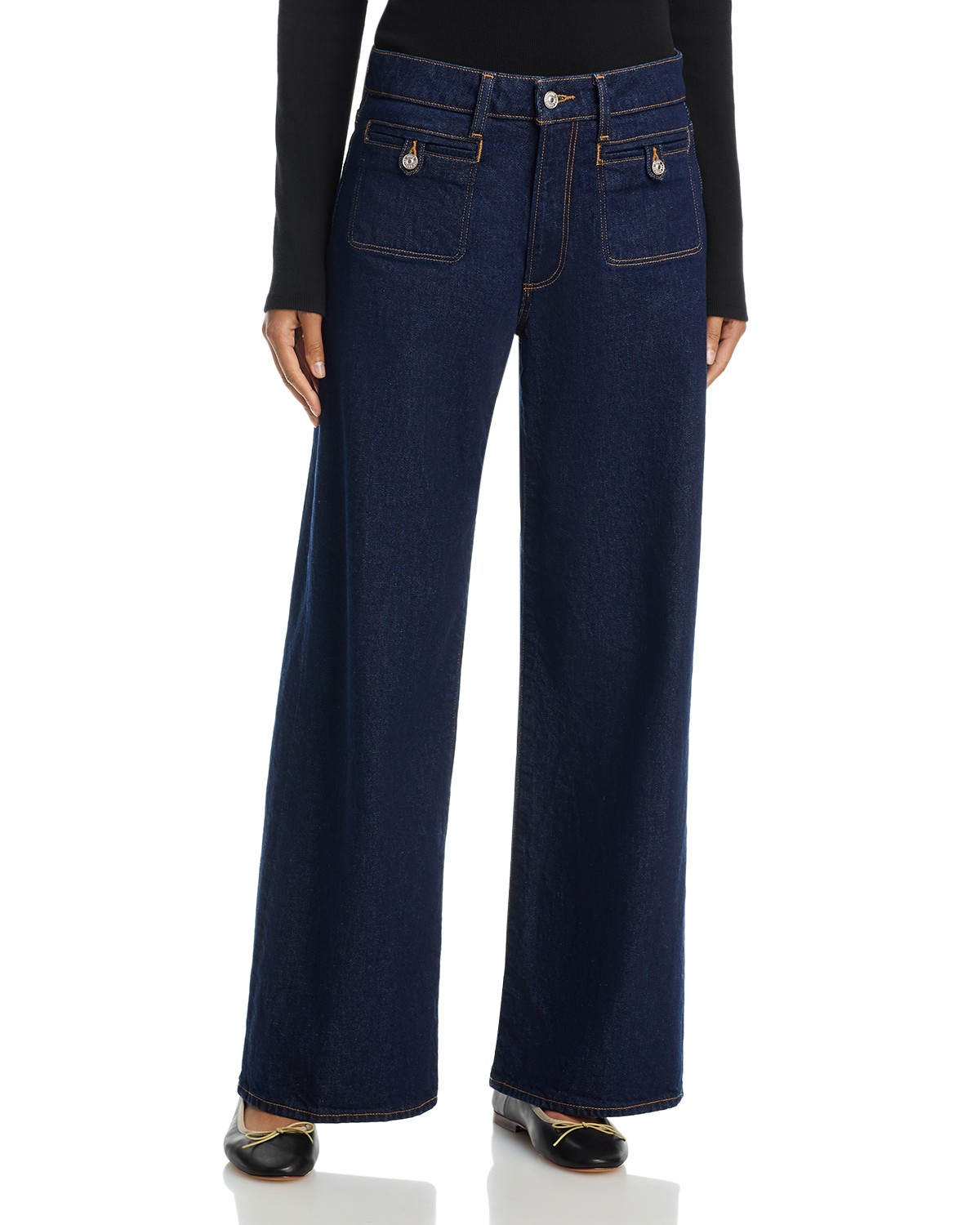
Anessa 31" Welt Stitch Pocket High Rise Wide Jeans in Amora
PAIGE
$269
Trousers
Trousers are the alternative and increasingly the default. Cropped and balloon cuts in cotton blends are more comfortable than denim on a train and more formal in an office, which is a genuinely useful combination. The balloon leg in particular has stopped looking strange.
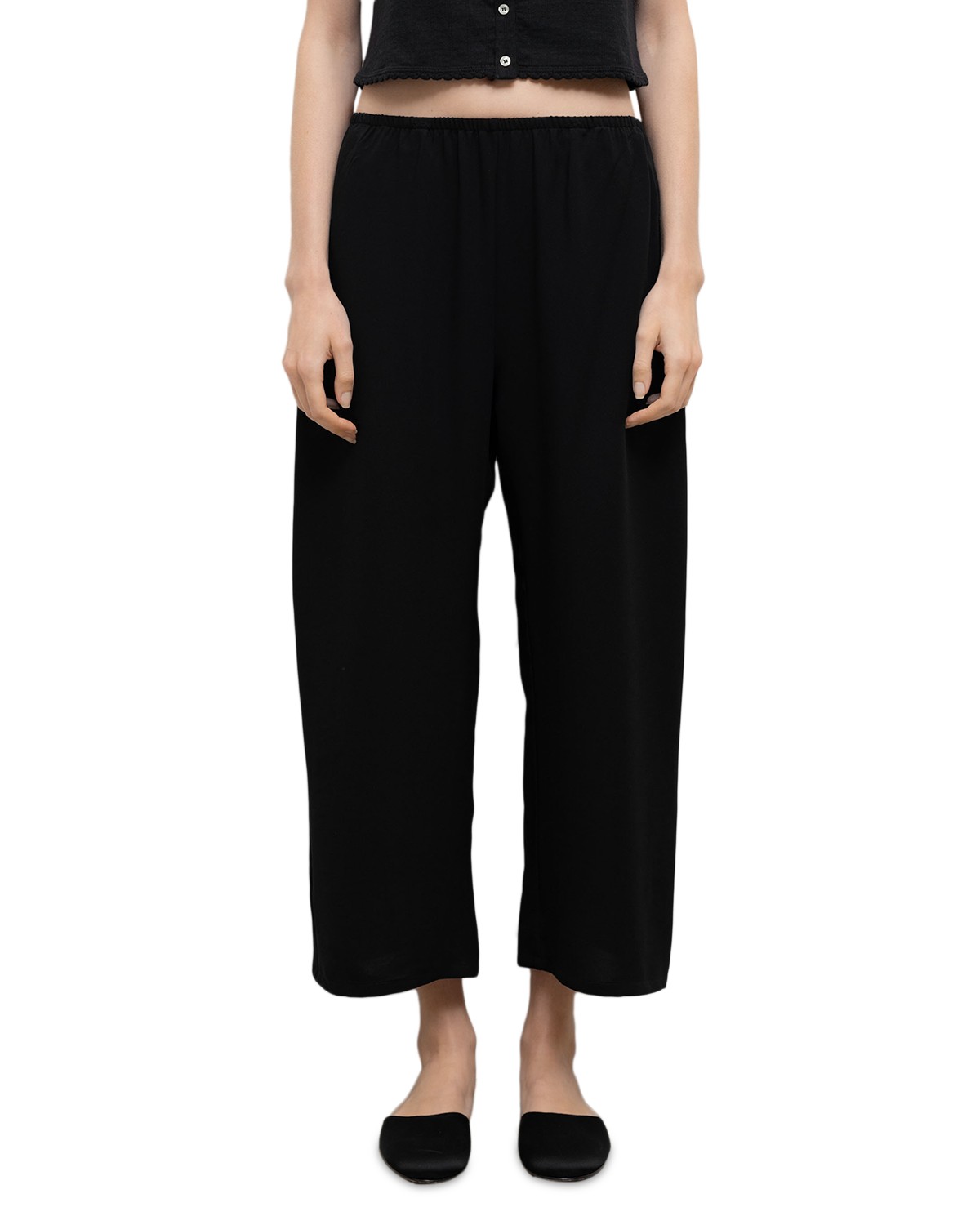
Ari Crop Pants
LESET
$280
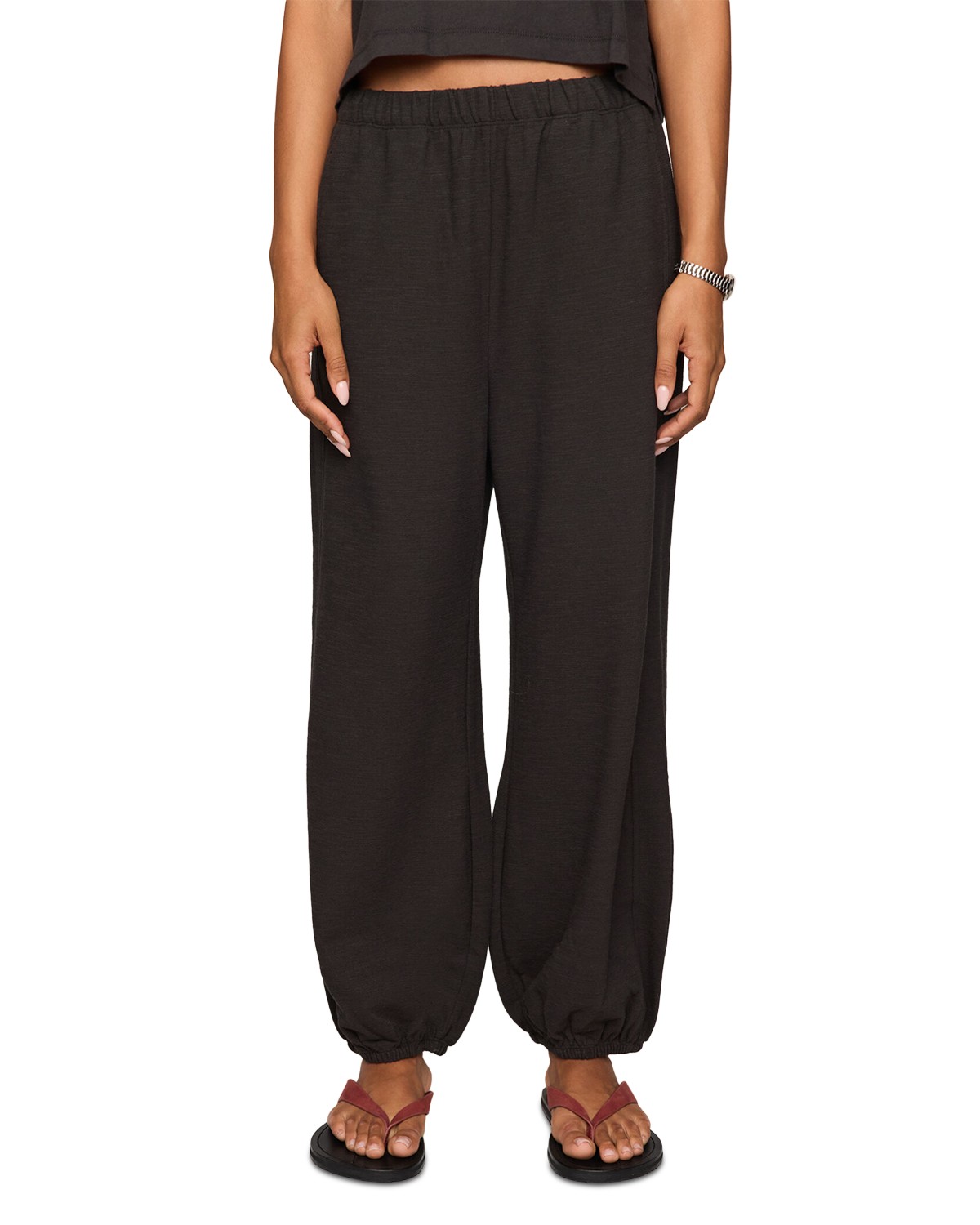
Deena Cotton Blend Balloon Pants
Z Supply
$98
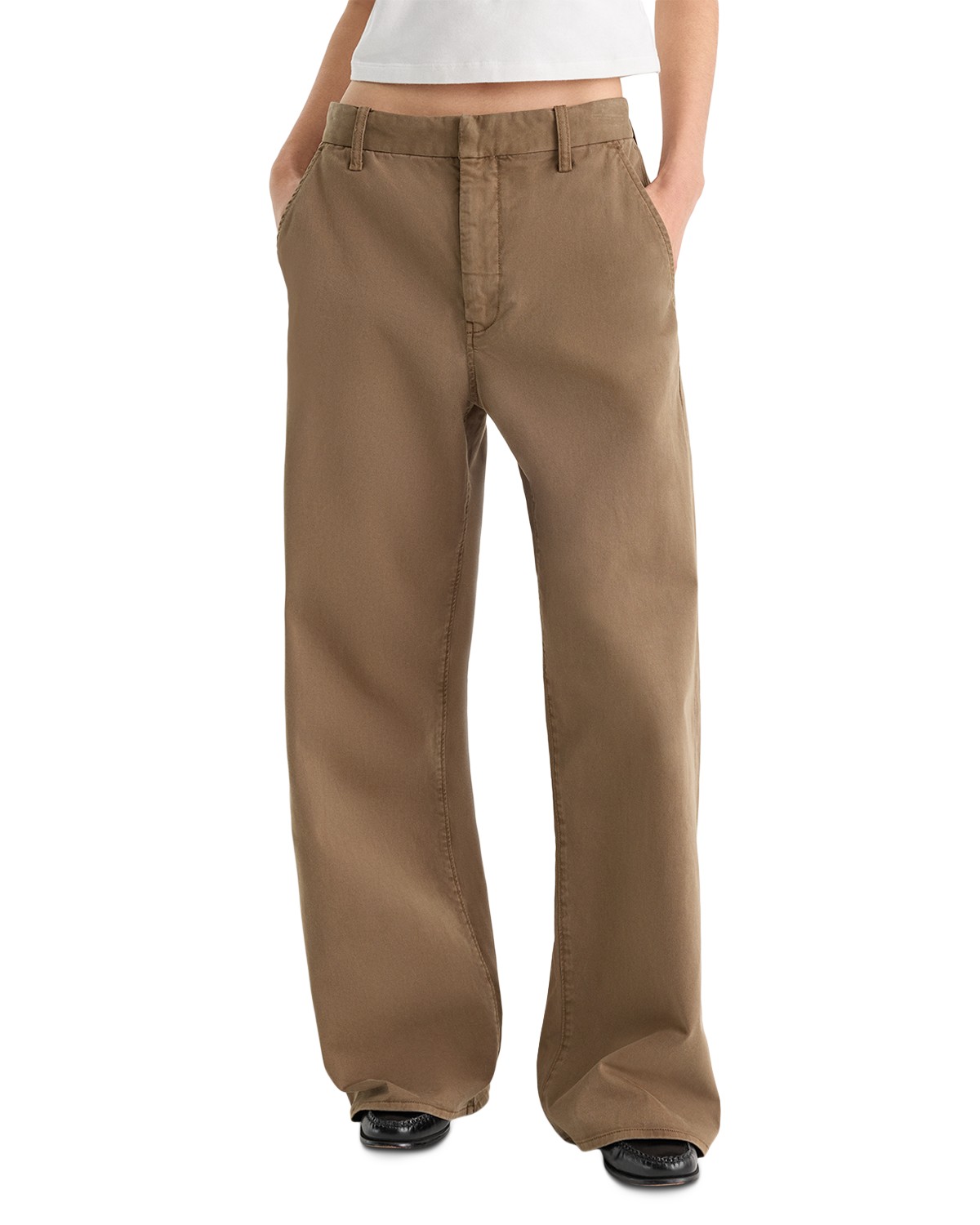
Low Slung Baggy Trousers
Good American
$158
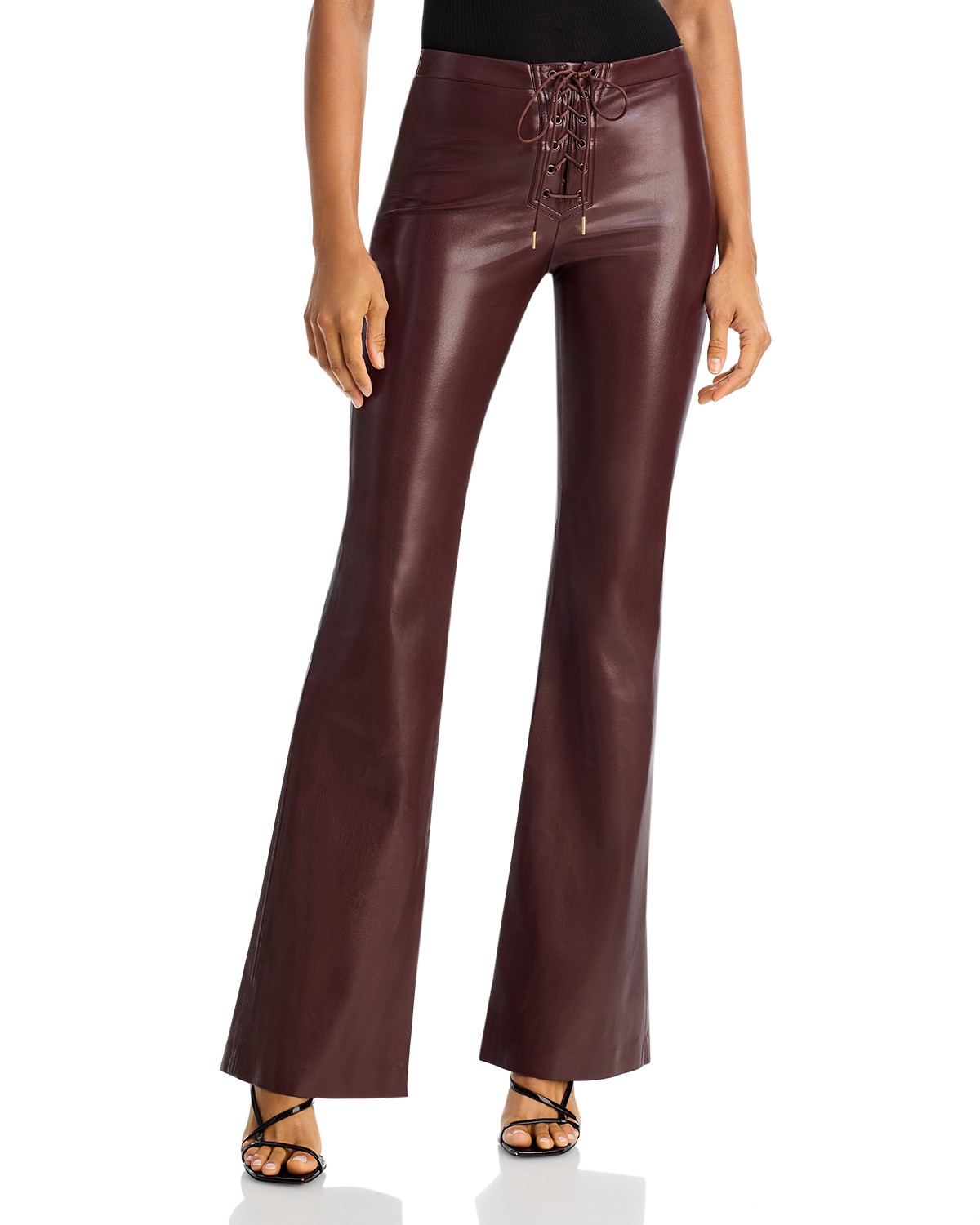
Ravyn Faux Leather Lace Up Pants
Alice and Olivia
$330
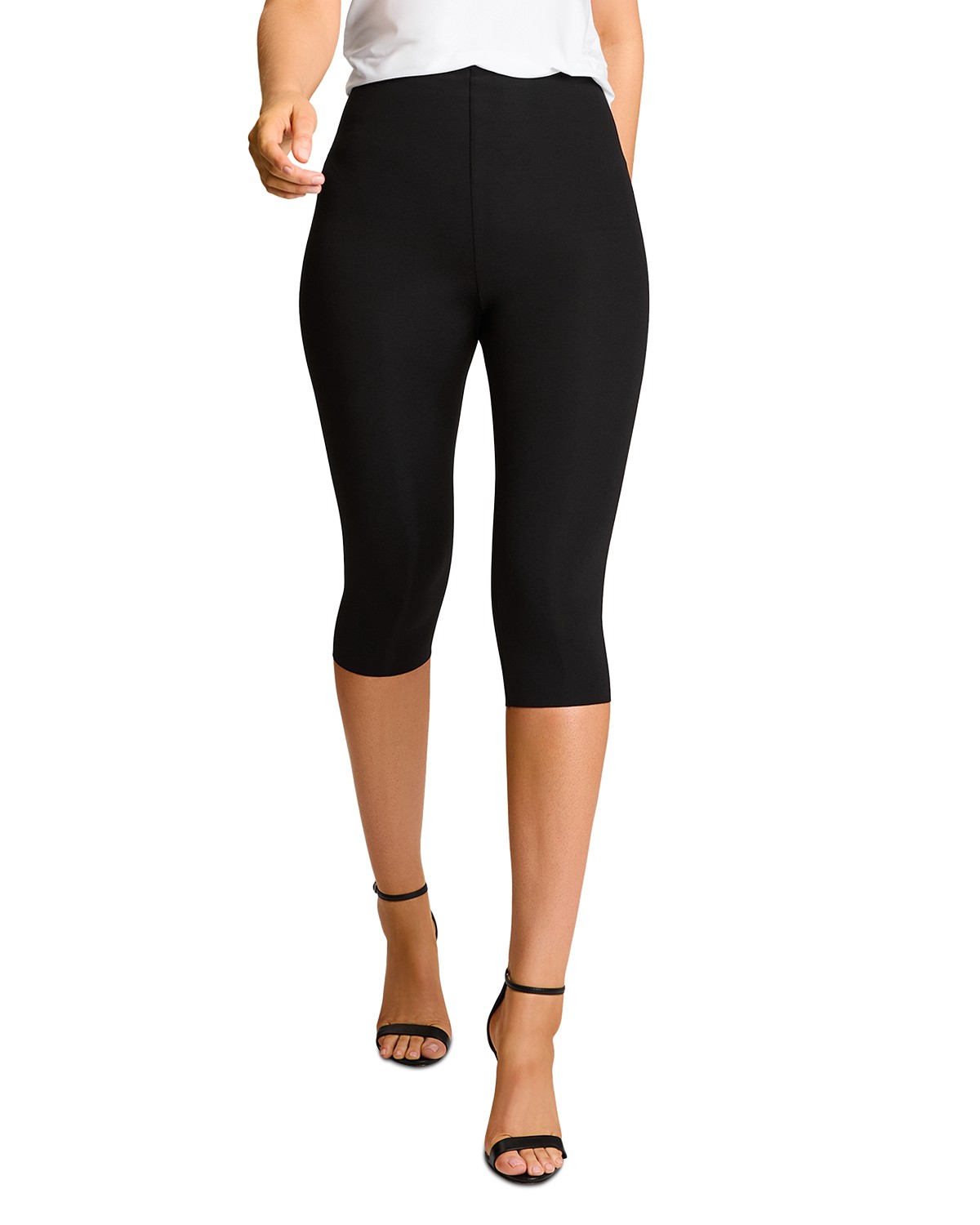
Neoprene Capri Leggings
Commando
$128
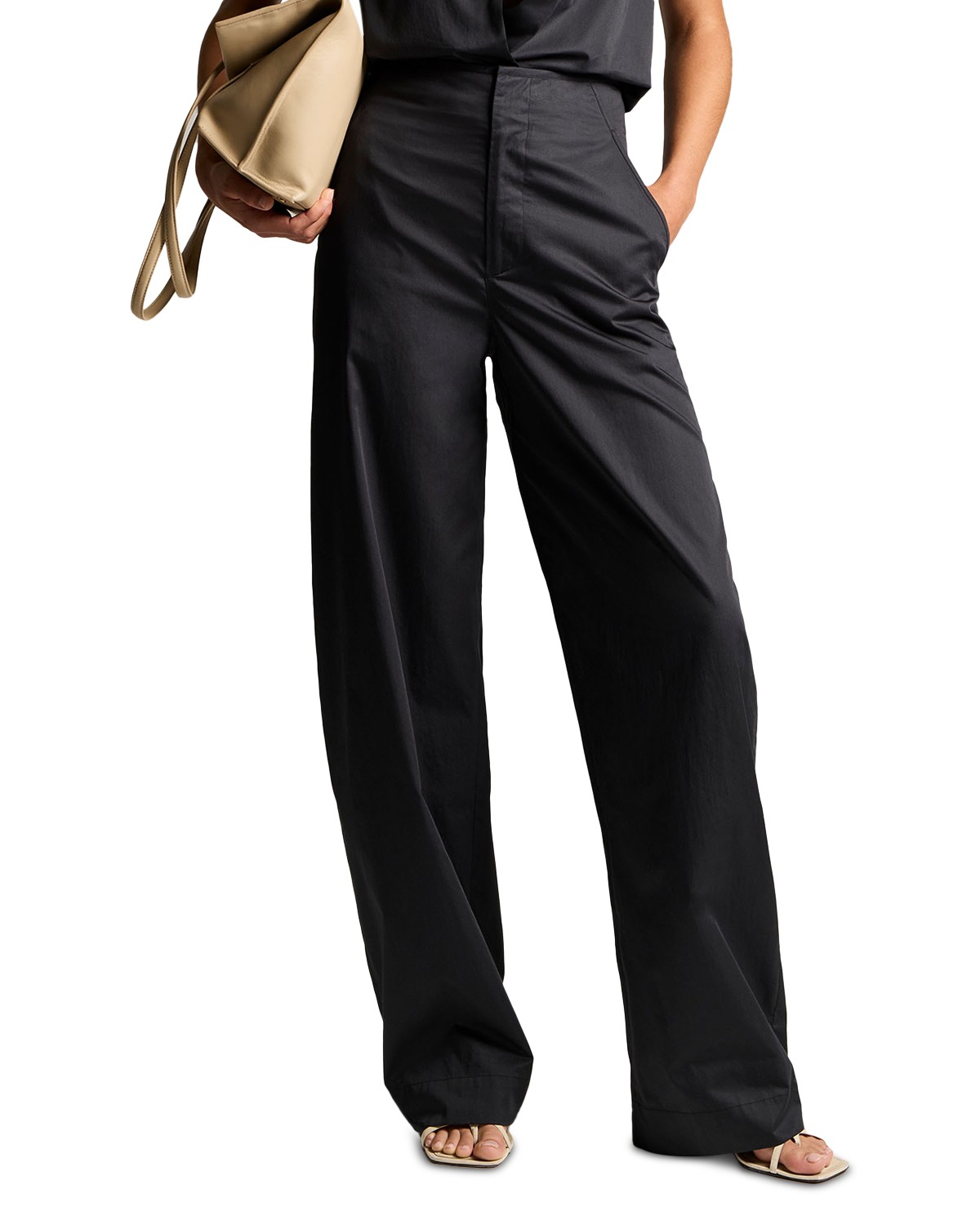
Cotton High Rise Elastic Waist Pants
Vince
$398
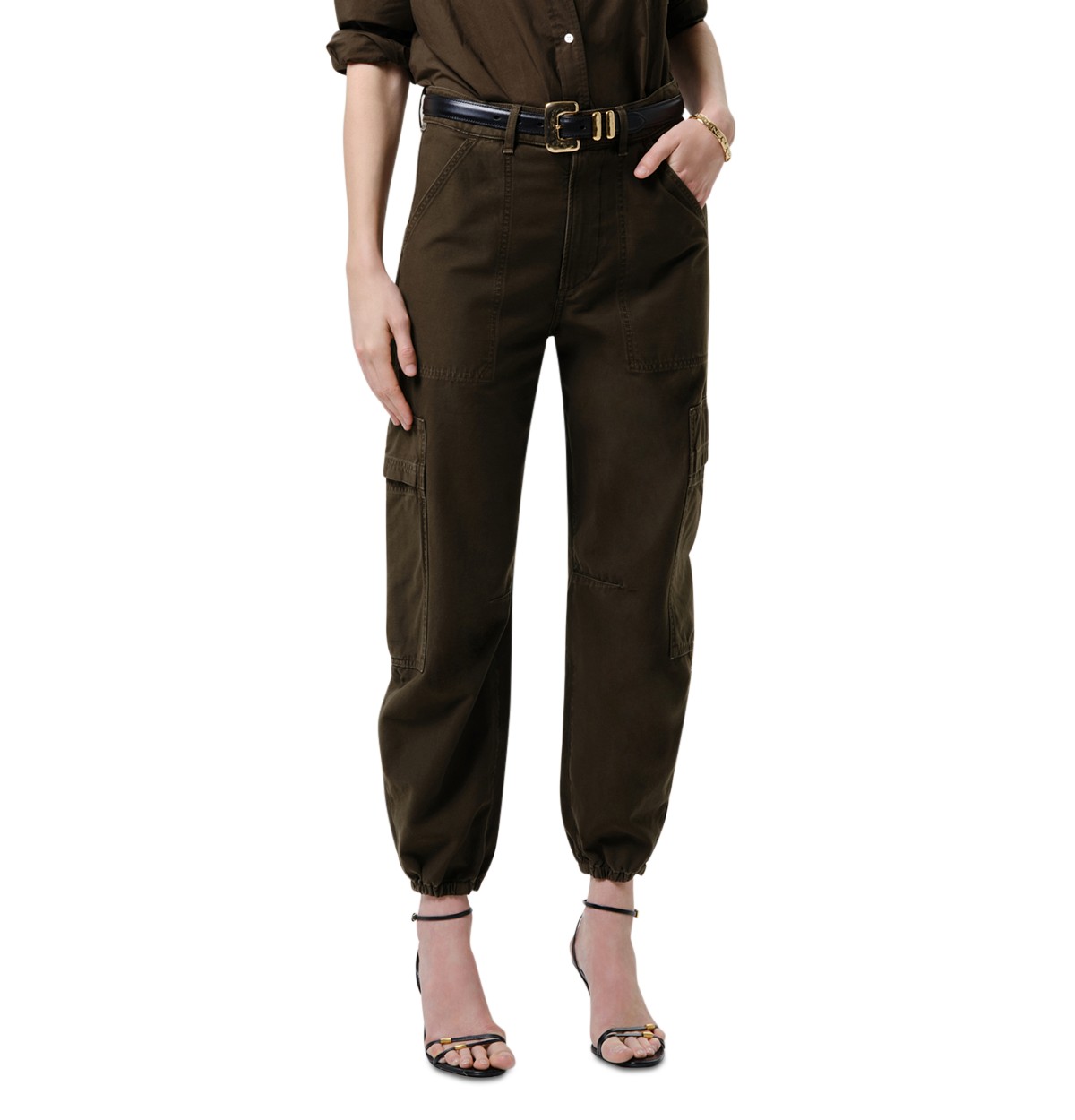
Ciela Bubble Utility Pants
Citizens of Humanity
$278
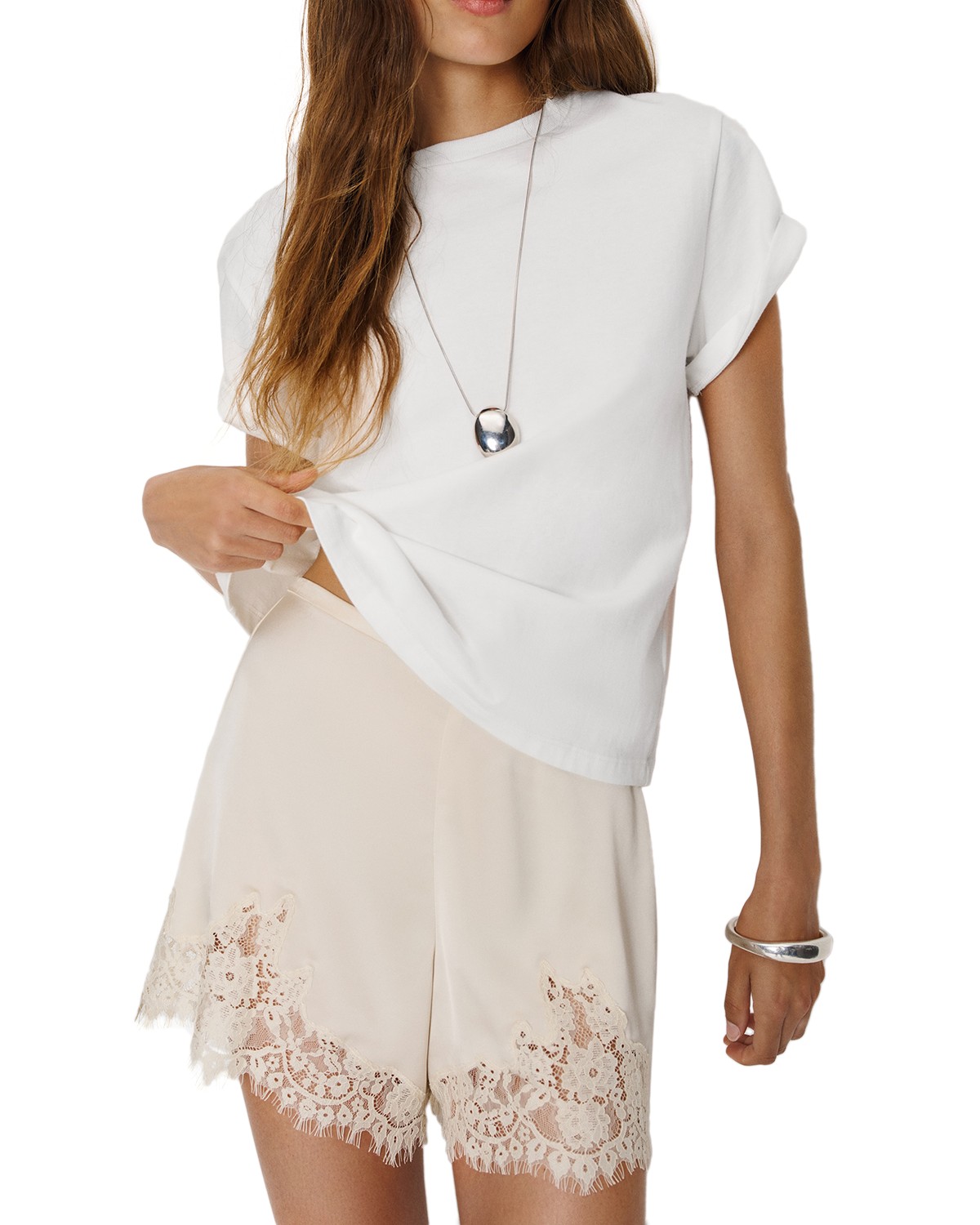
Fern Satin Shorts
Reformation
$148
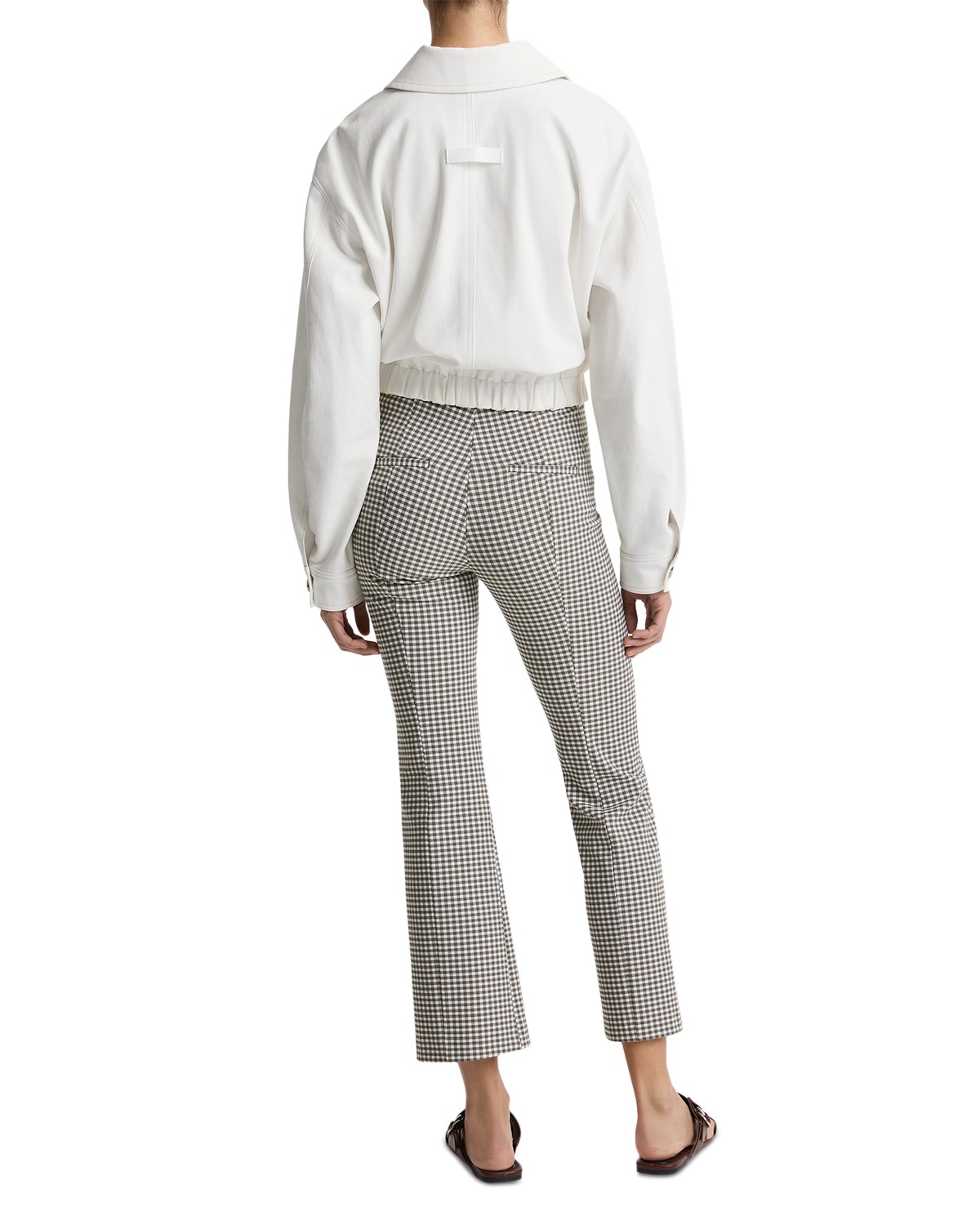
Niki Ankle Pants
Vince
$398
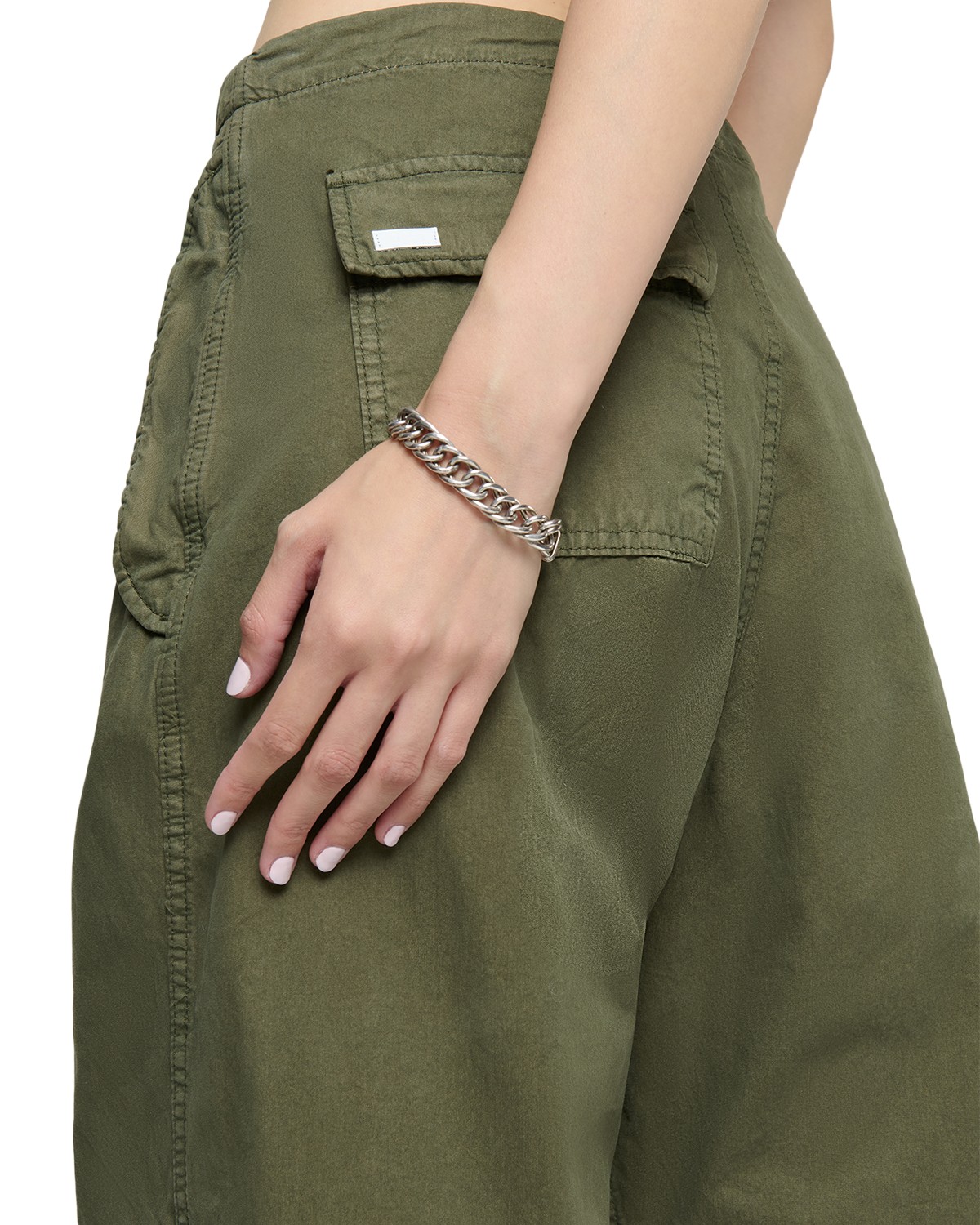
Outer Slouchy Utility Pants
RE/DONE
$295
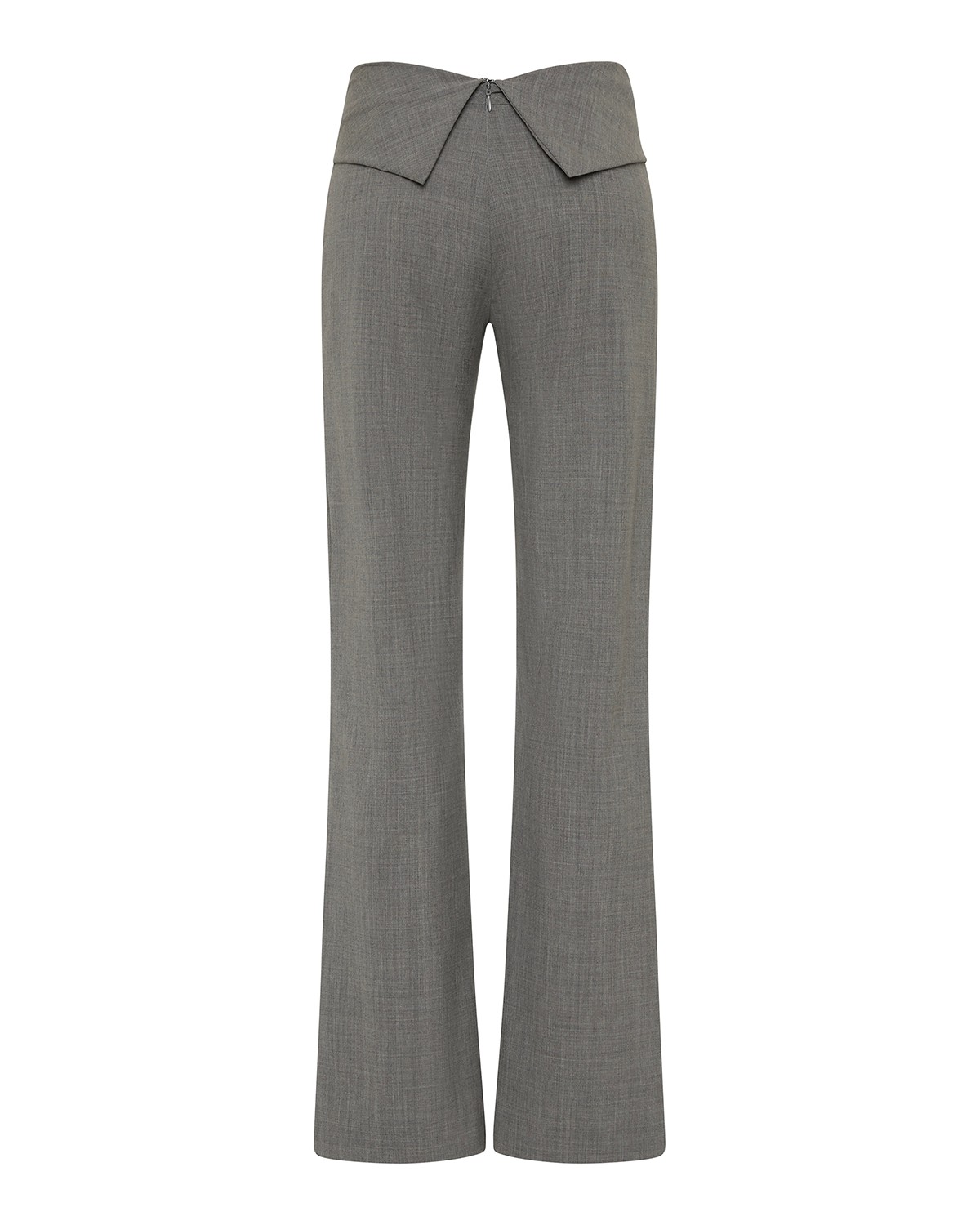
Wool Studio Pants
St. Agni
$559
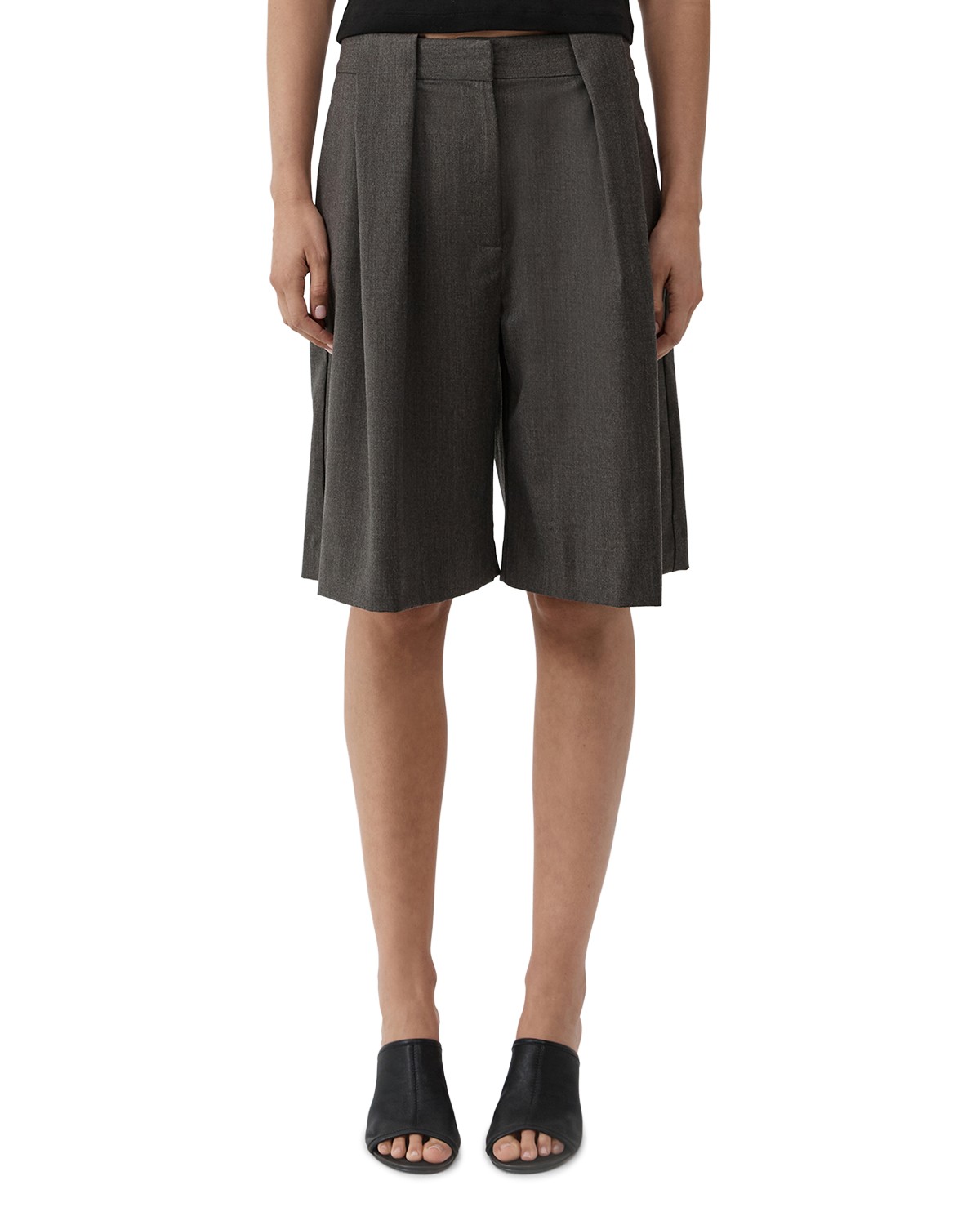
Wool Pleat Loop Shorts
St. Agni
$479
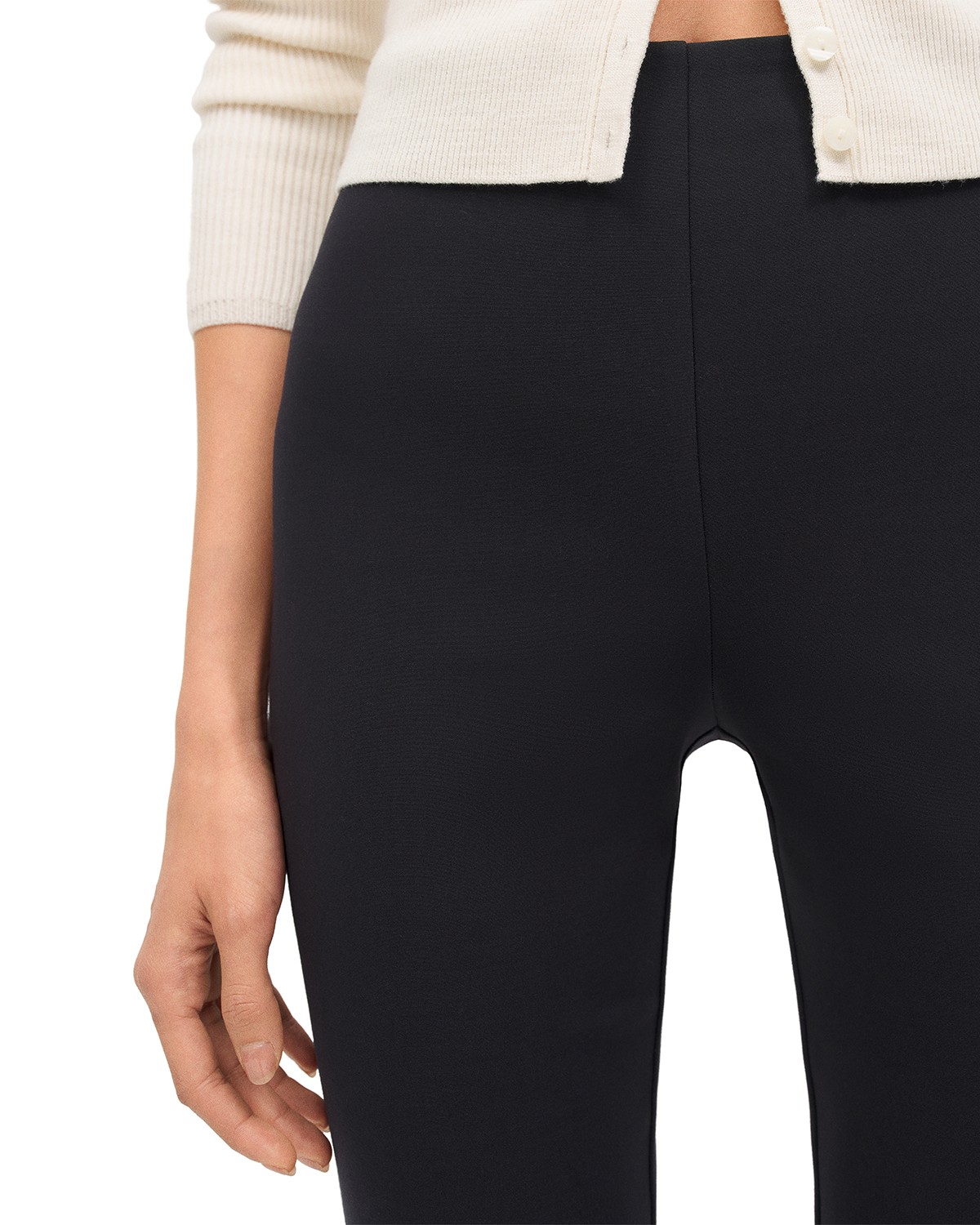
Jill Cropped Knit Pants
Reformation
$128
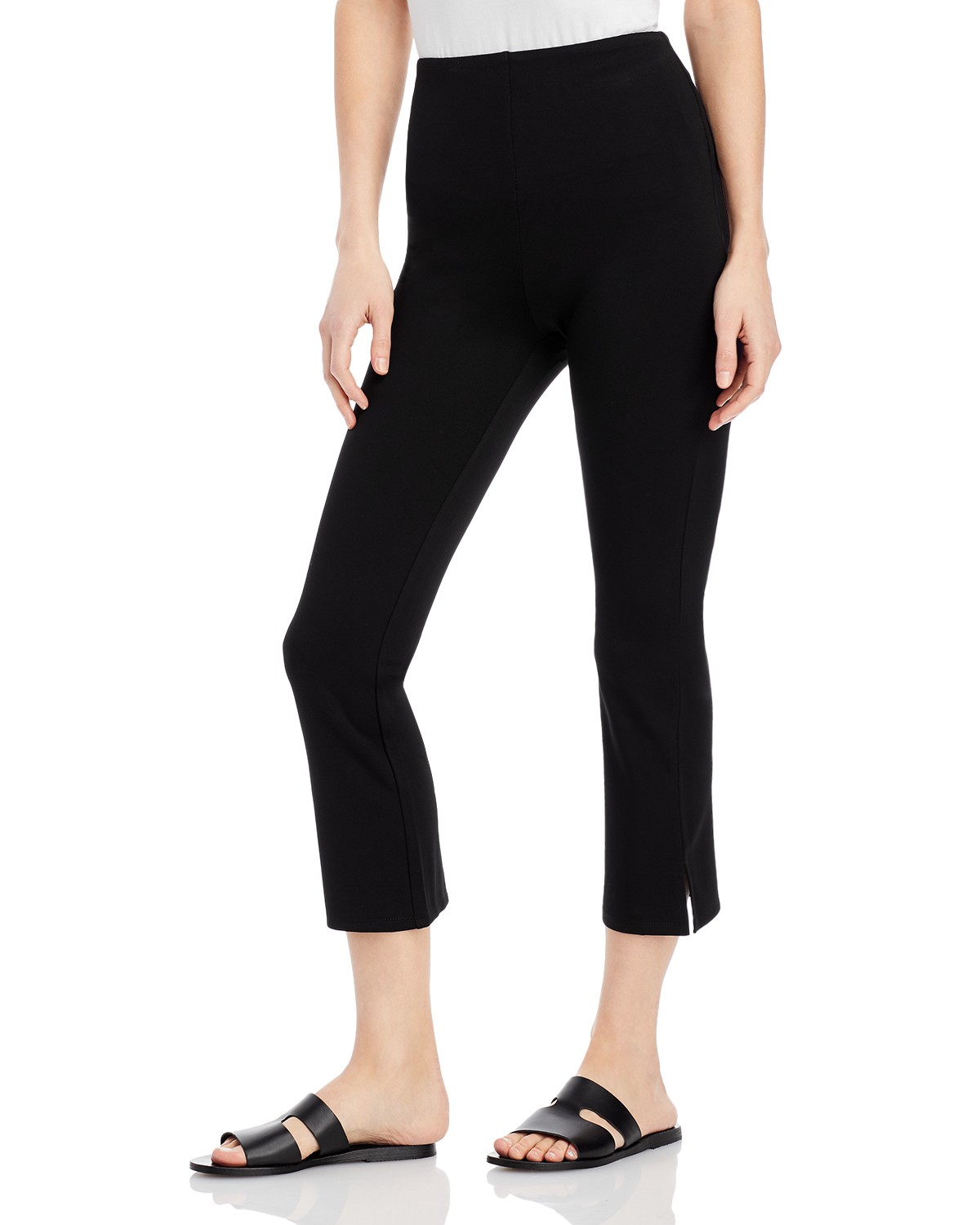
Cropped Kick Flare Pants
Lyssé
$88
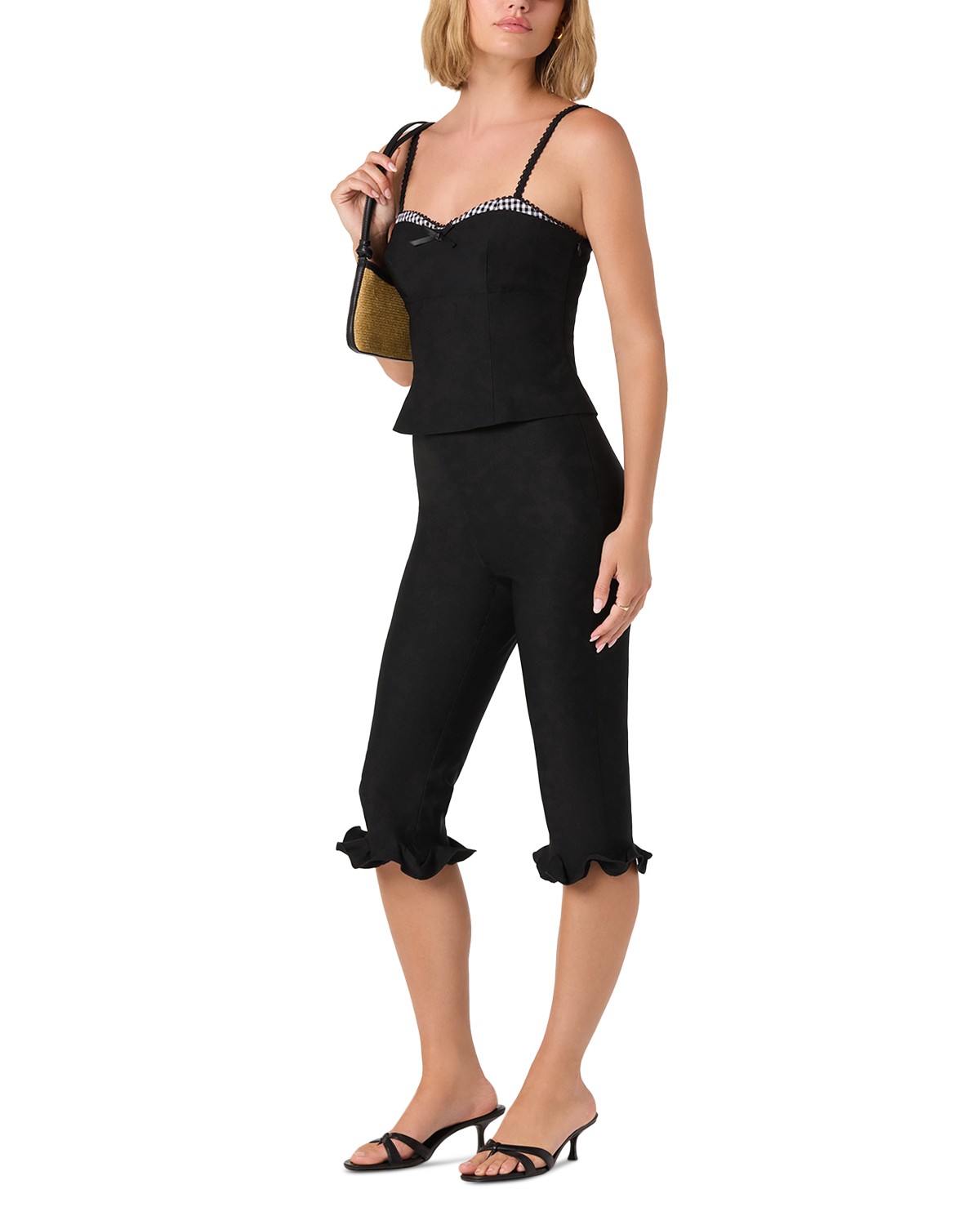
Amalie Sleeveless Cropped Bustier Top & Slim Capri Pants
ASTR the Label
$109
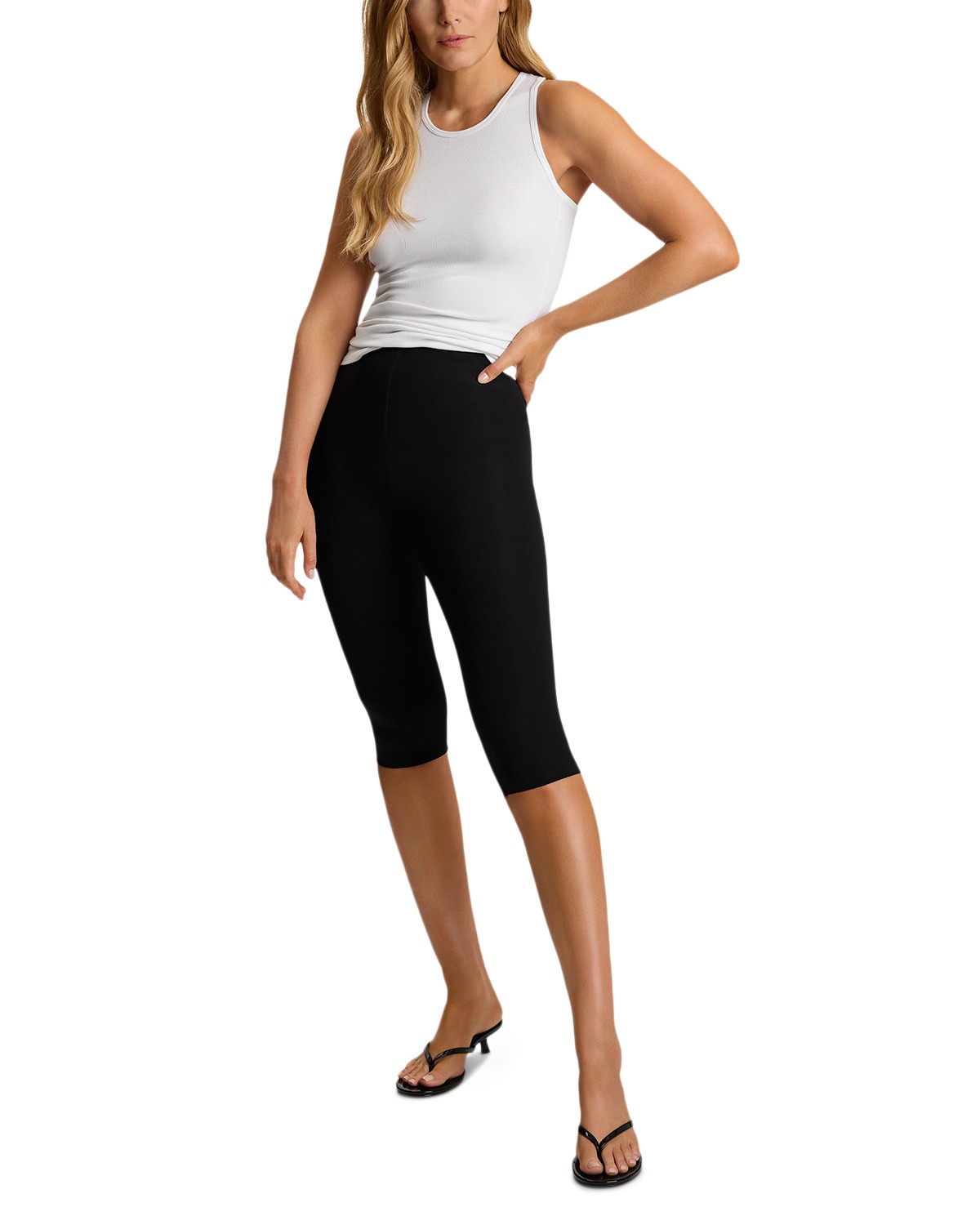
Summer Weight Capri Leggings
Commando
$128
Shoes
Shoes are flat, which is the single most honest thing about urban dressing. Ballet flats and mesh ballerinas beat a heel on any surface a city actually has, and they became fashionable rather than merely sensible about two years ago. That has not reversed.
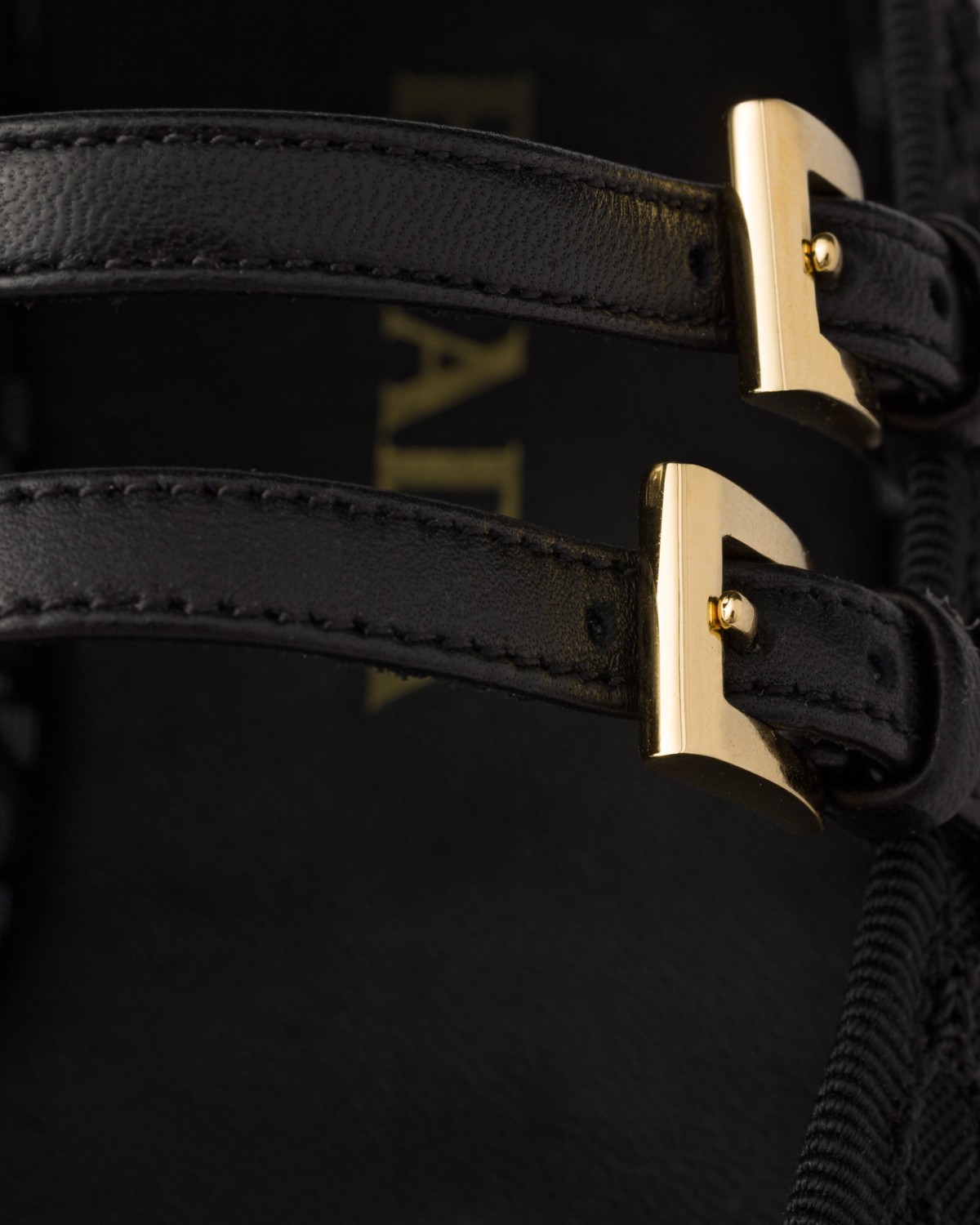
Women's Mesh Fabric Ballerinas
Prada
$1,120
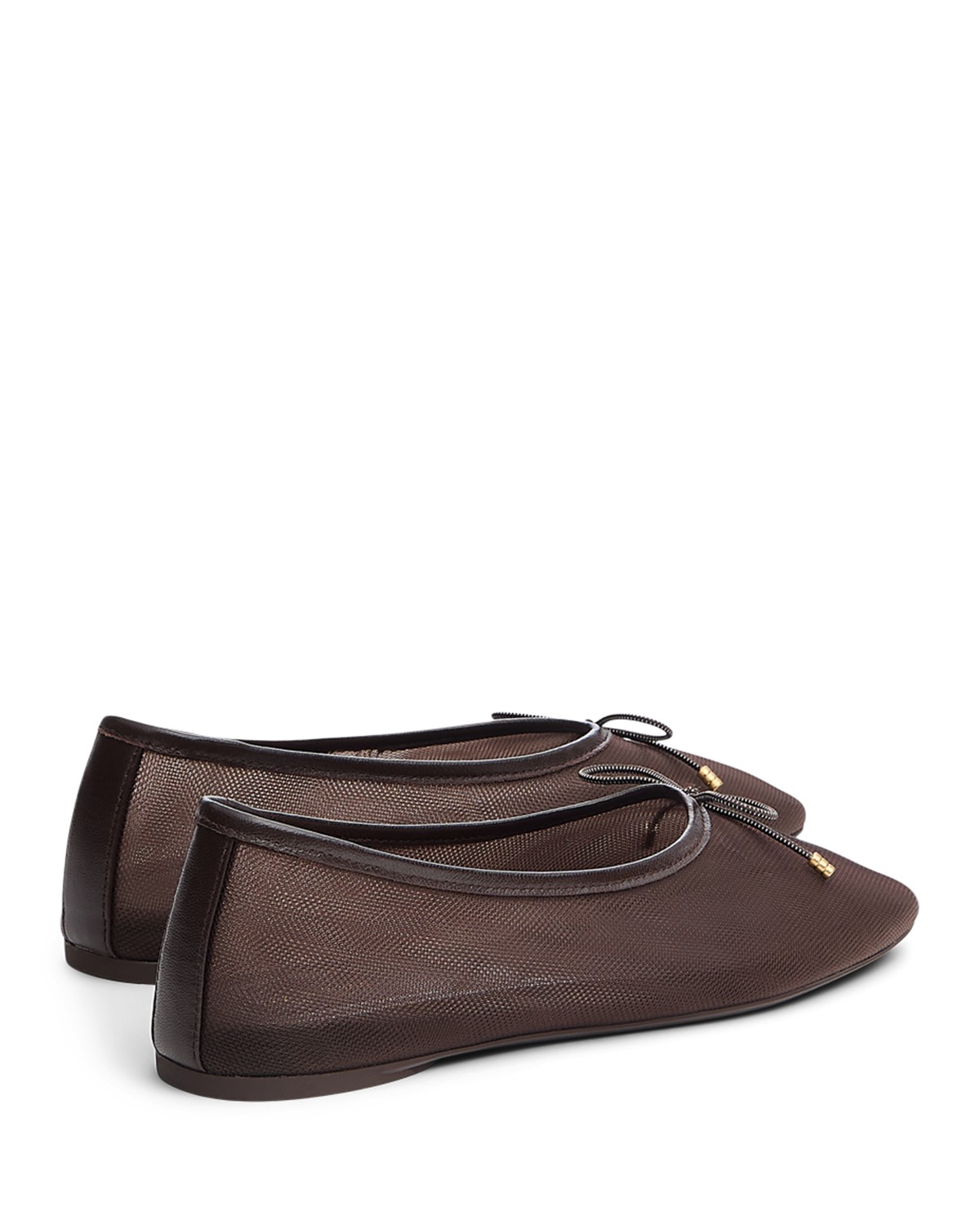
Women's Poppi Ballet Flats
rag & bone
$298
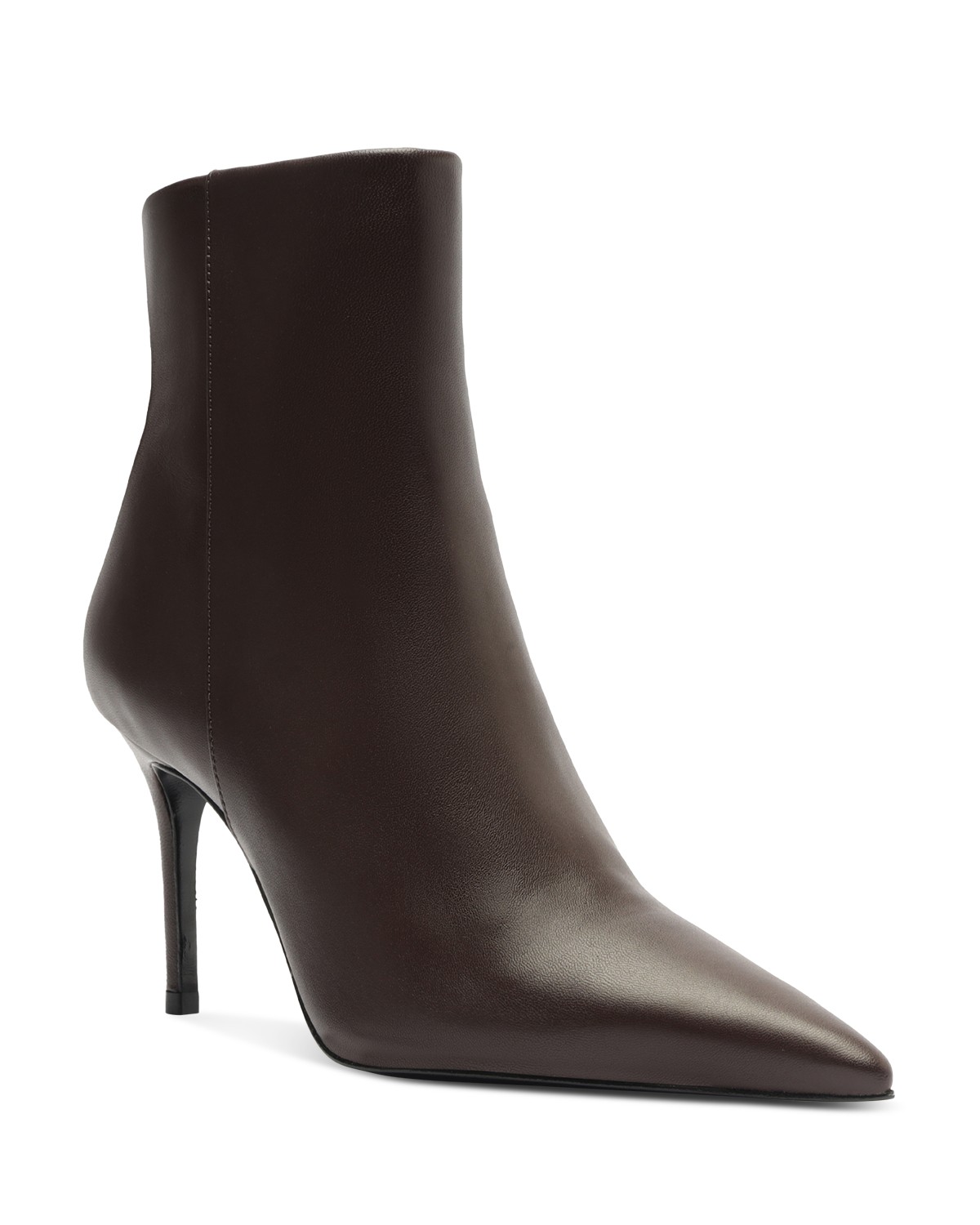
Women's Mikki Booties
SCHUTZ
$228
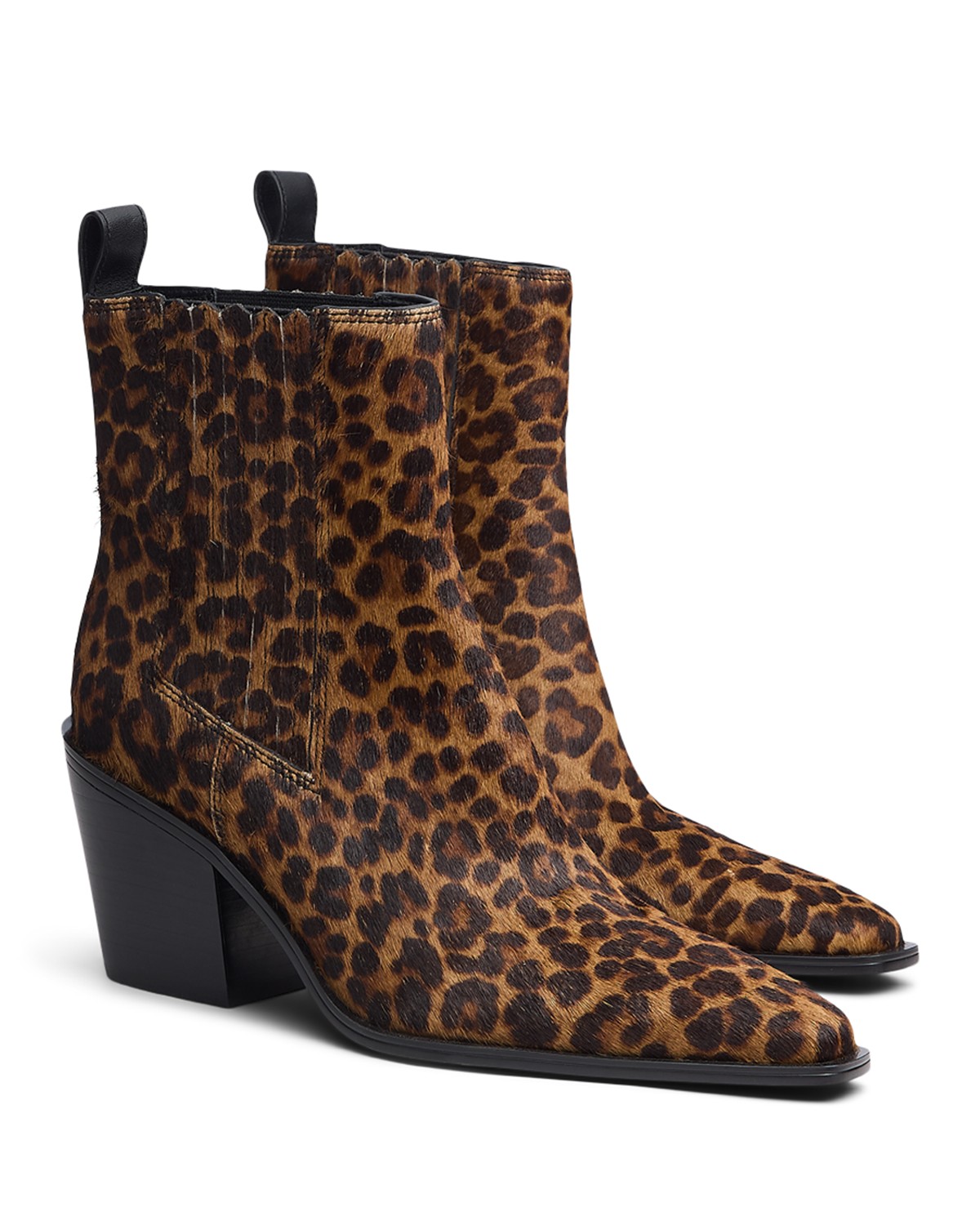
Women's Newbury Calf Hair Chelsea Boots
rag & bone
$578
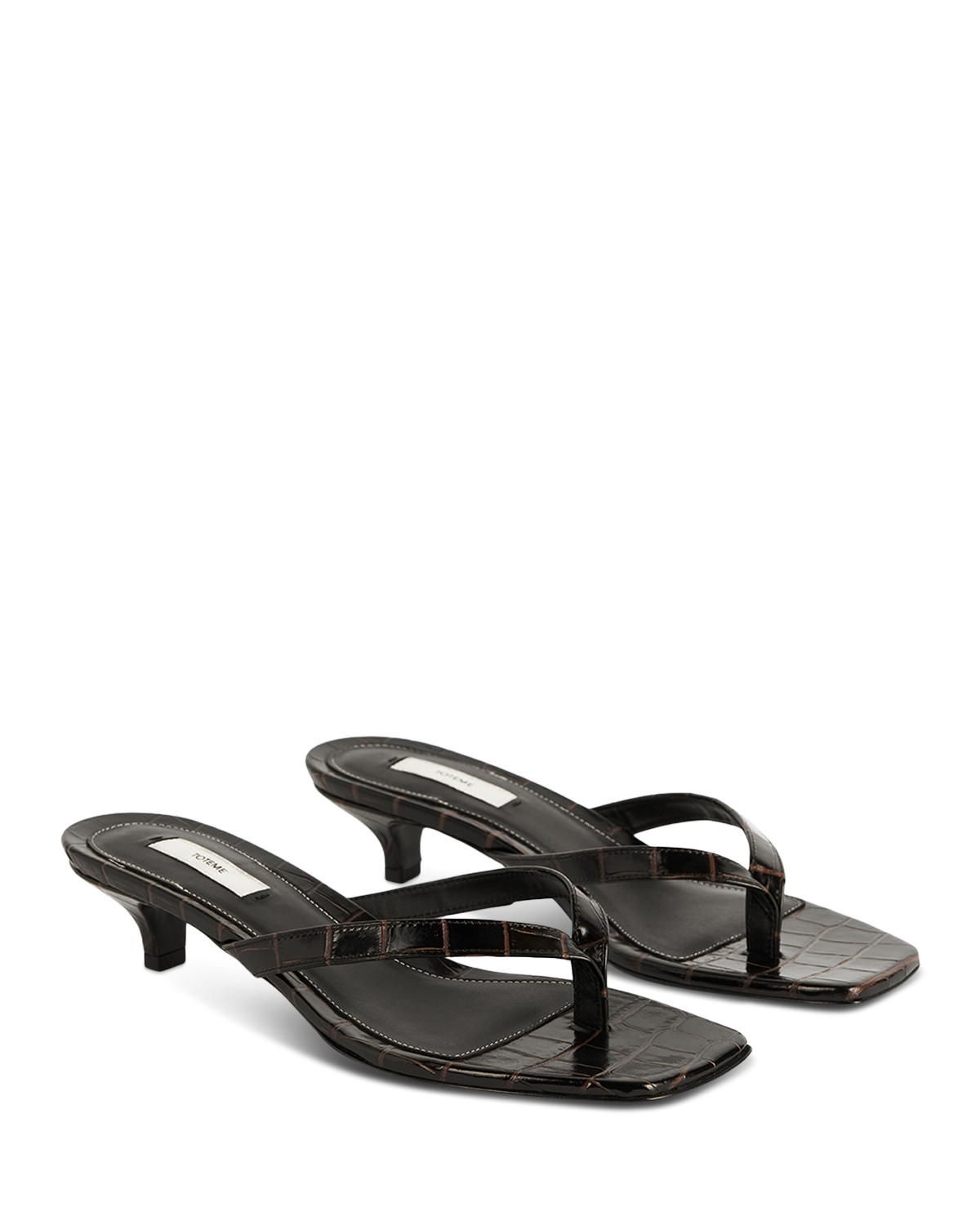
Women's Croco Embossed High Heel Flip Flops
TOTEME
$480
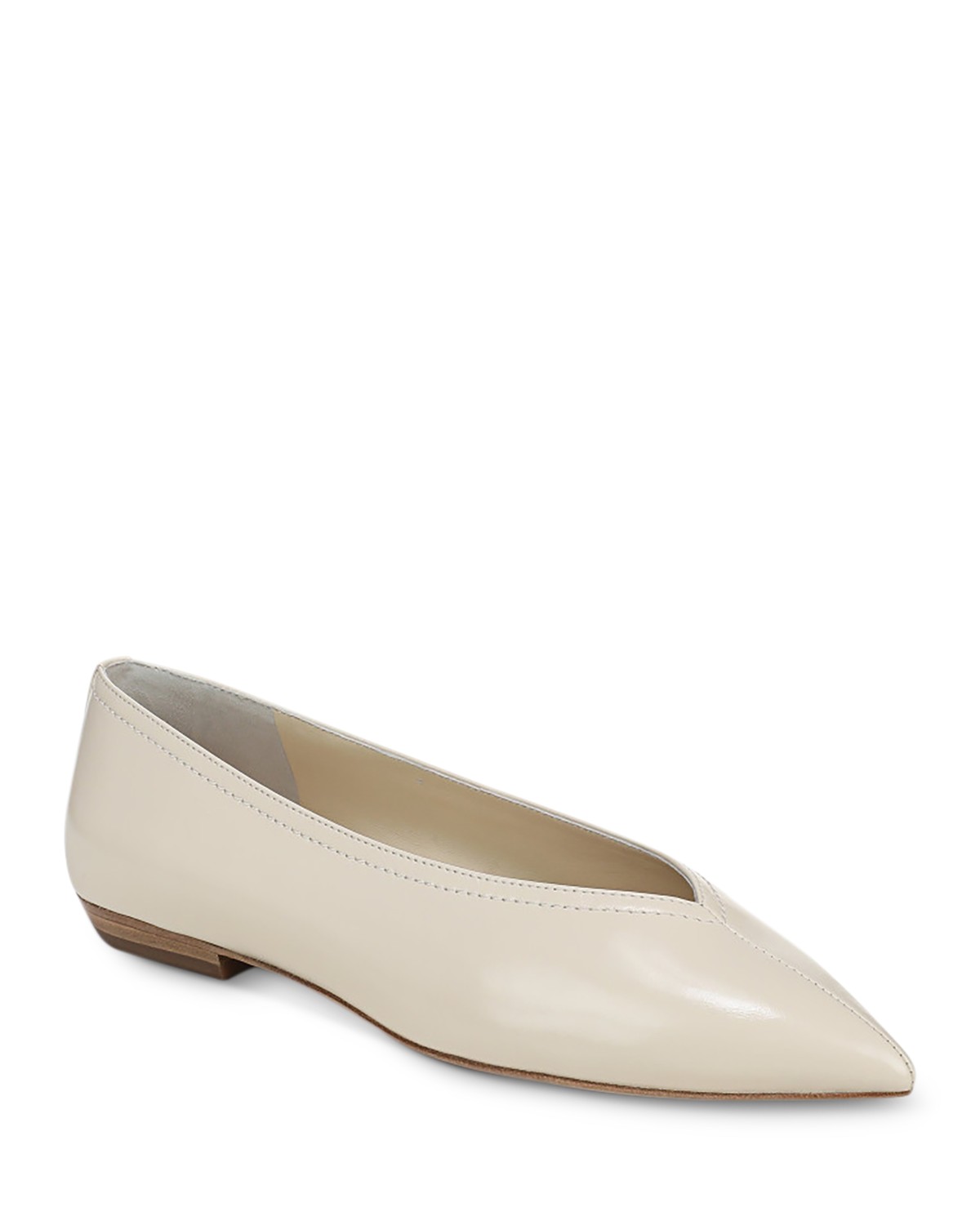
Women's Bancroft Flats
Veronica Beard
$395
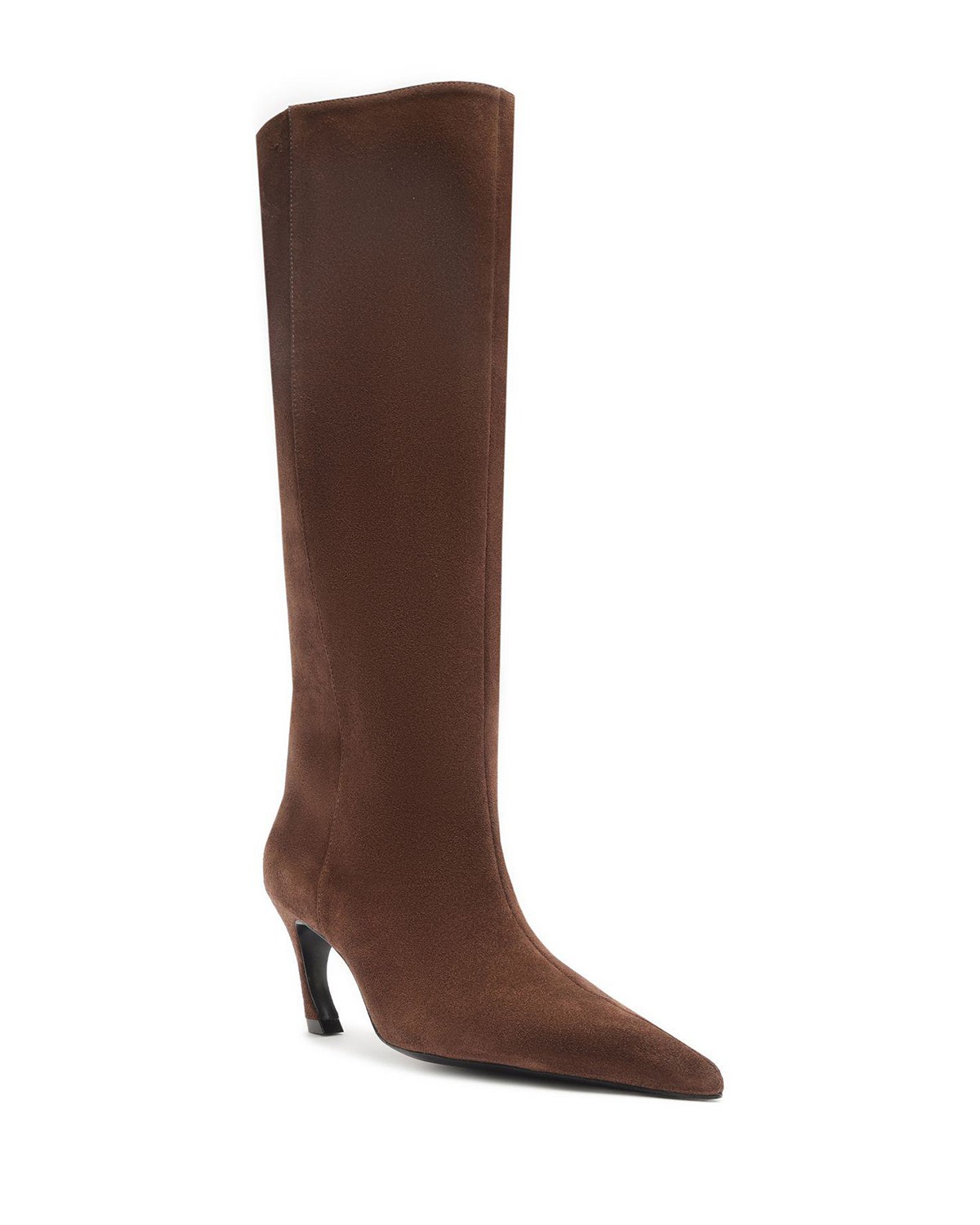
Women's Lexi Suede Pointed Toe Boots
SCHUTZ
$298
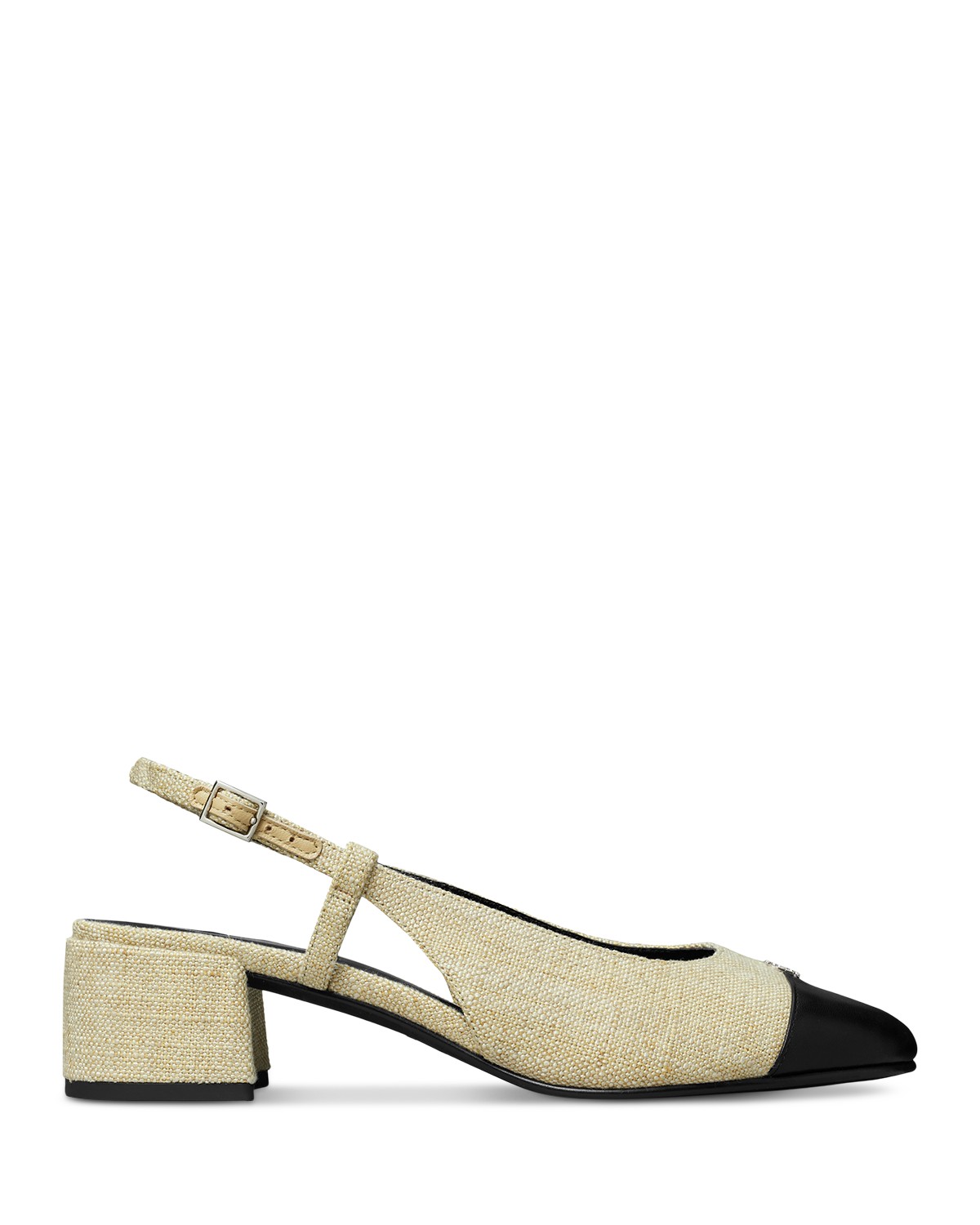
Women's Cap Toe Slingback Pumps
Tory Burch
$375
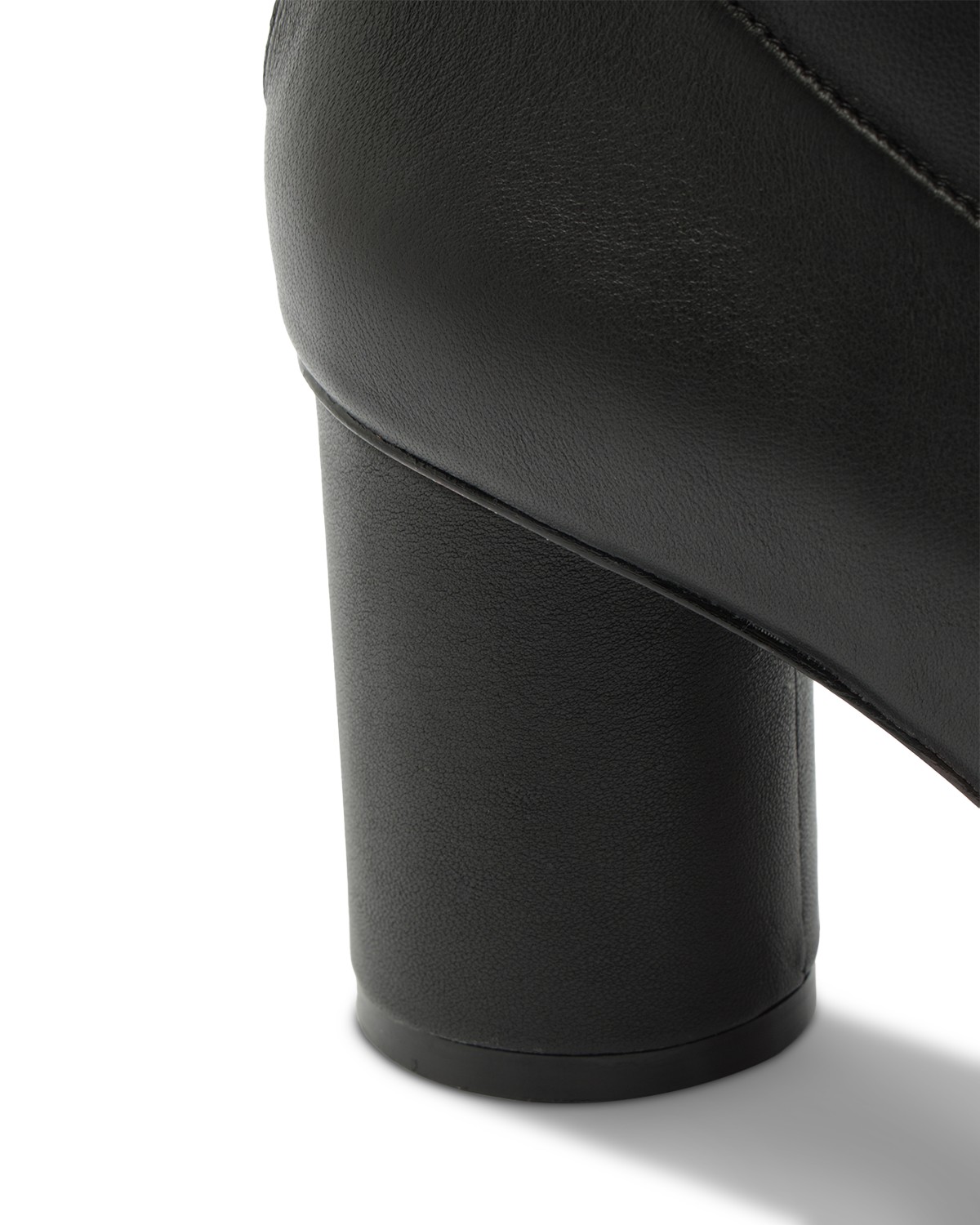
Women's Classic Plain Leather Knee High Boots
FARM Rio
$498
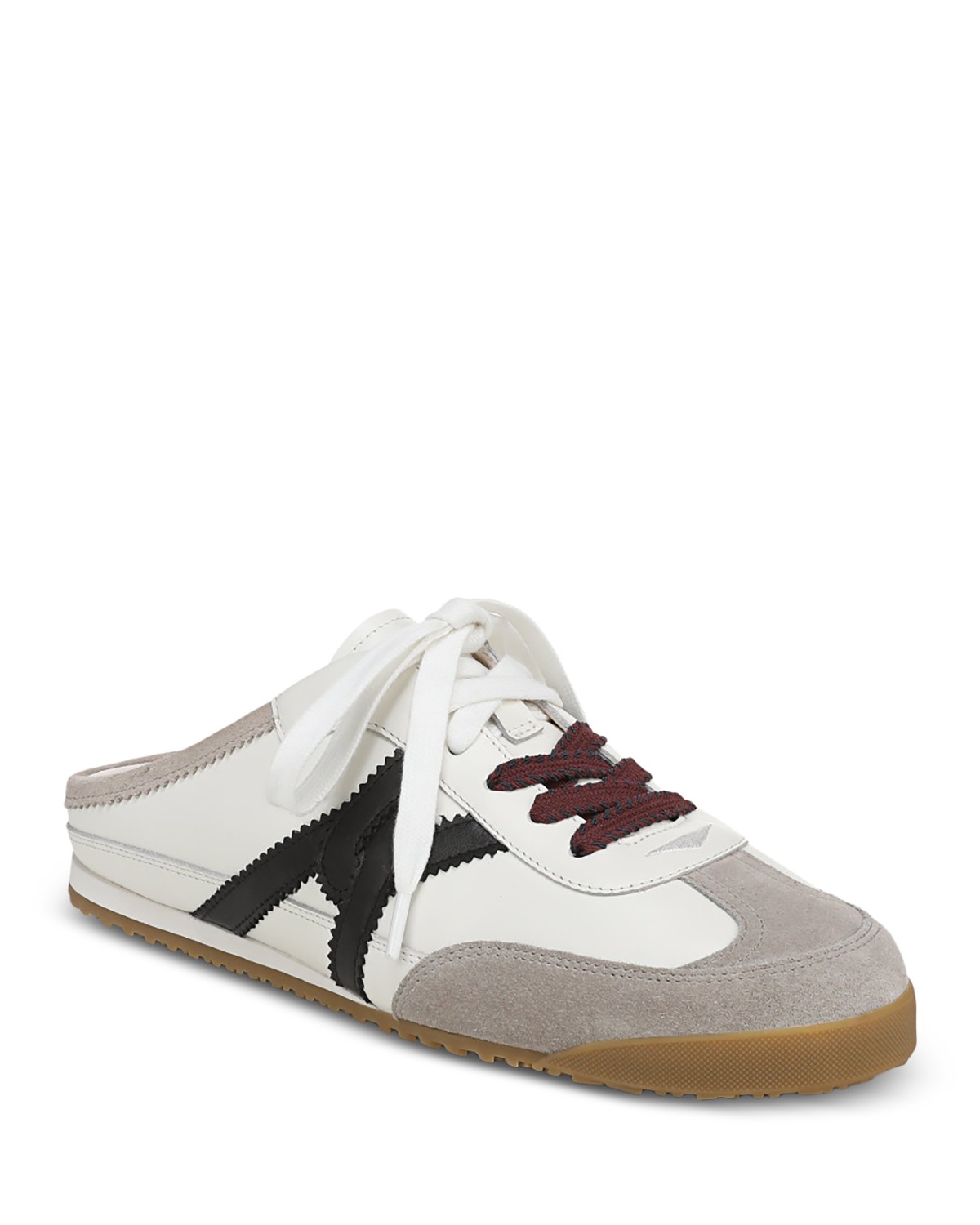
Women's Nicoline Mule Sneakers
Veronica Beard
$295
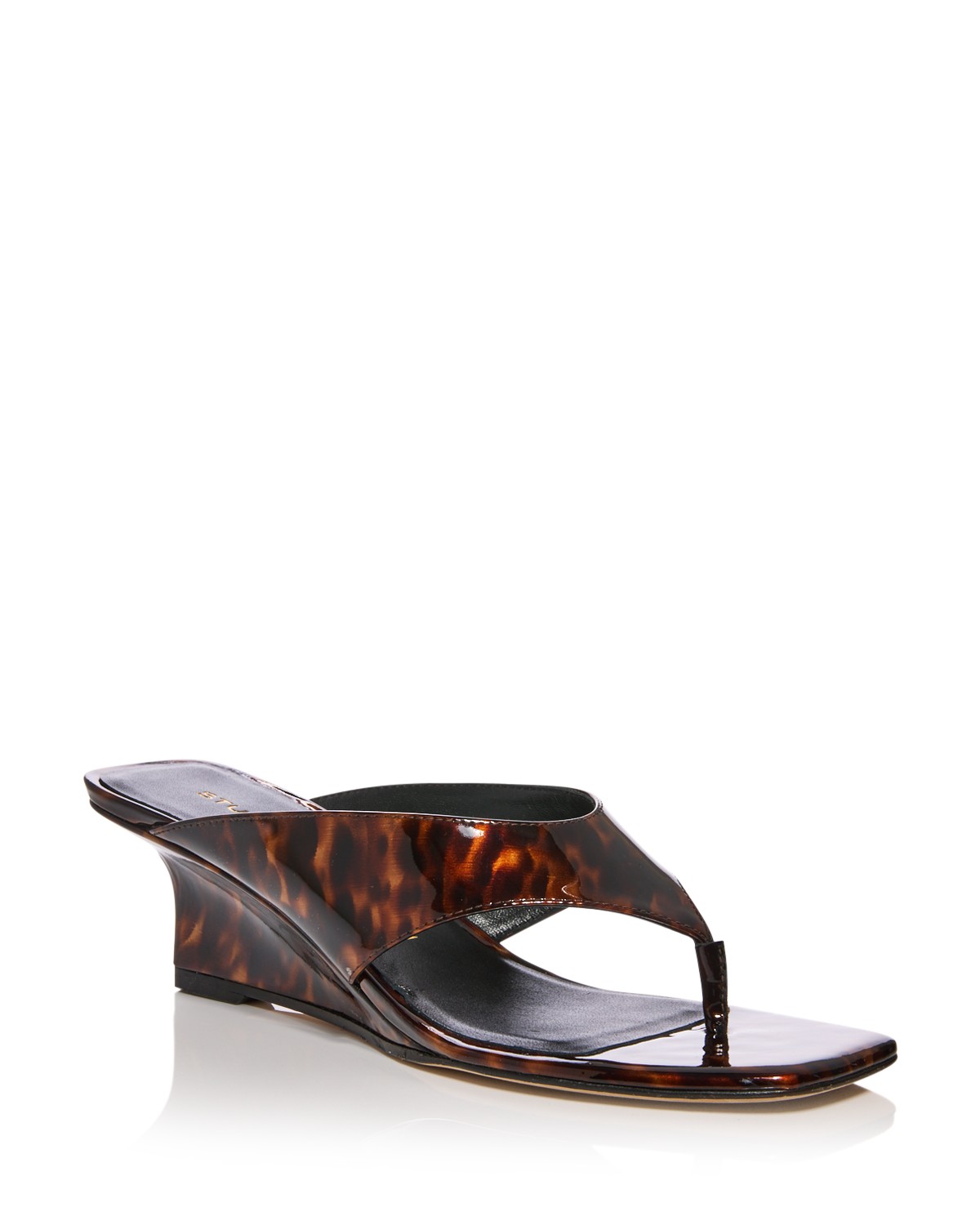
Women's Vinnie 50 Thong Wedge Sandals
Stuart Weitzman
$332.5
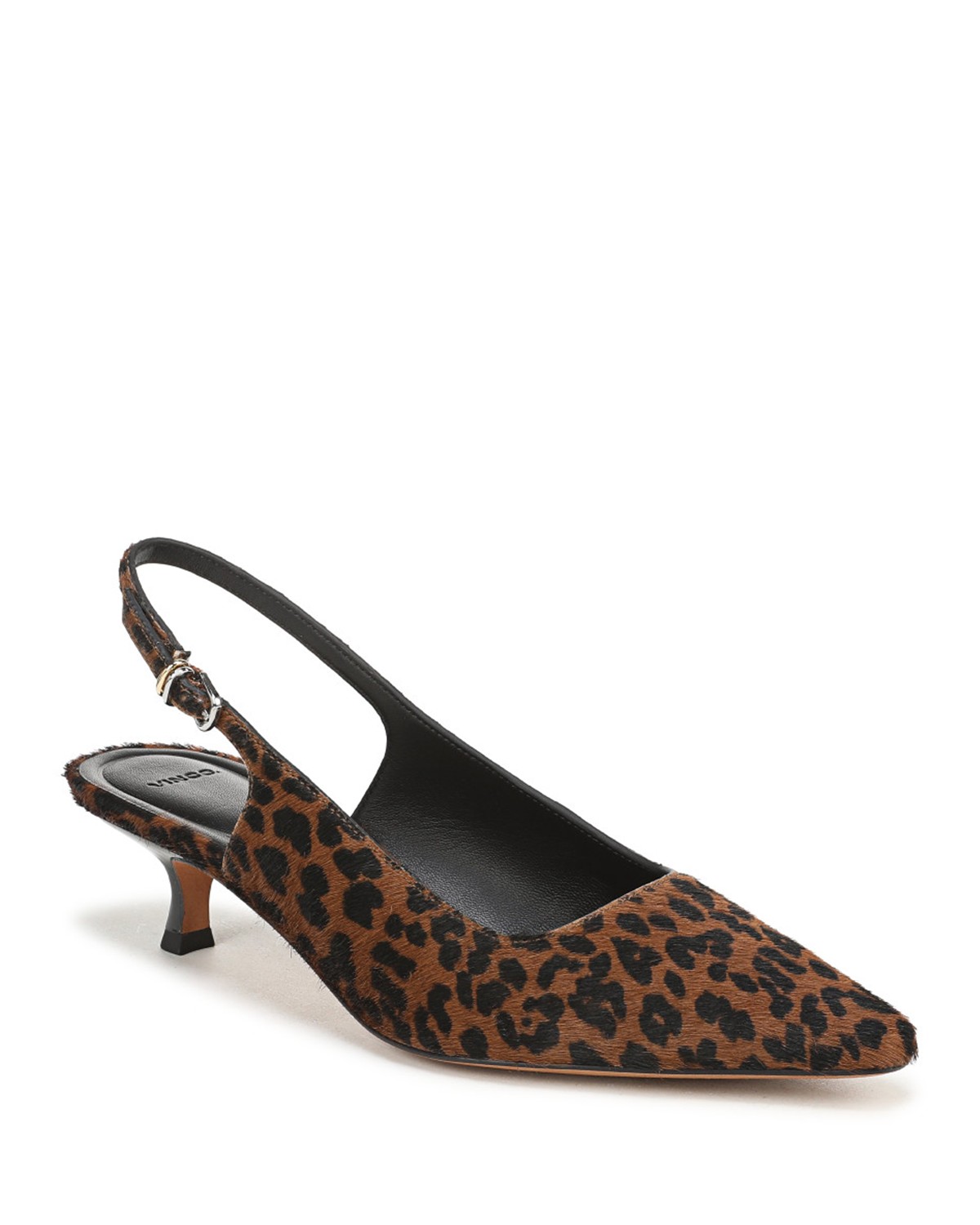
Women's Sabra II Slingback Pumps
Vince
$330
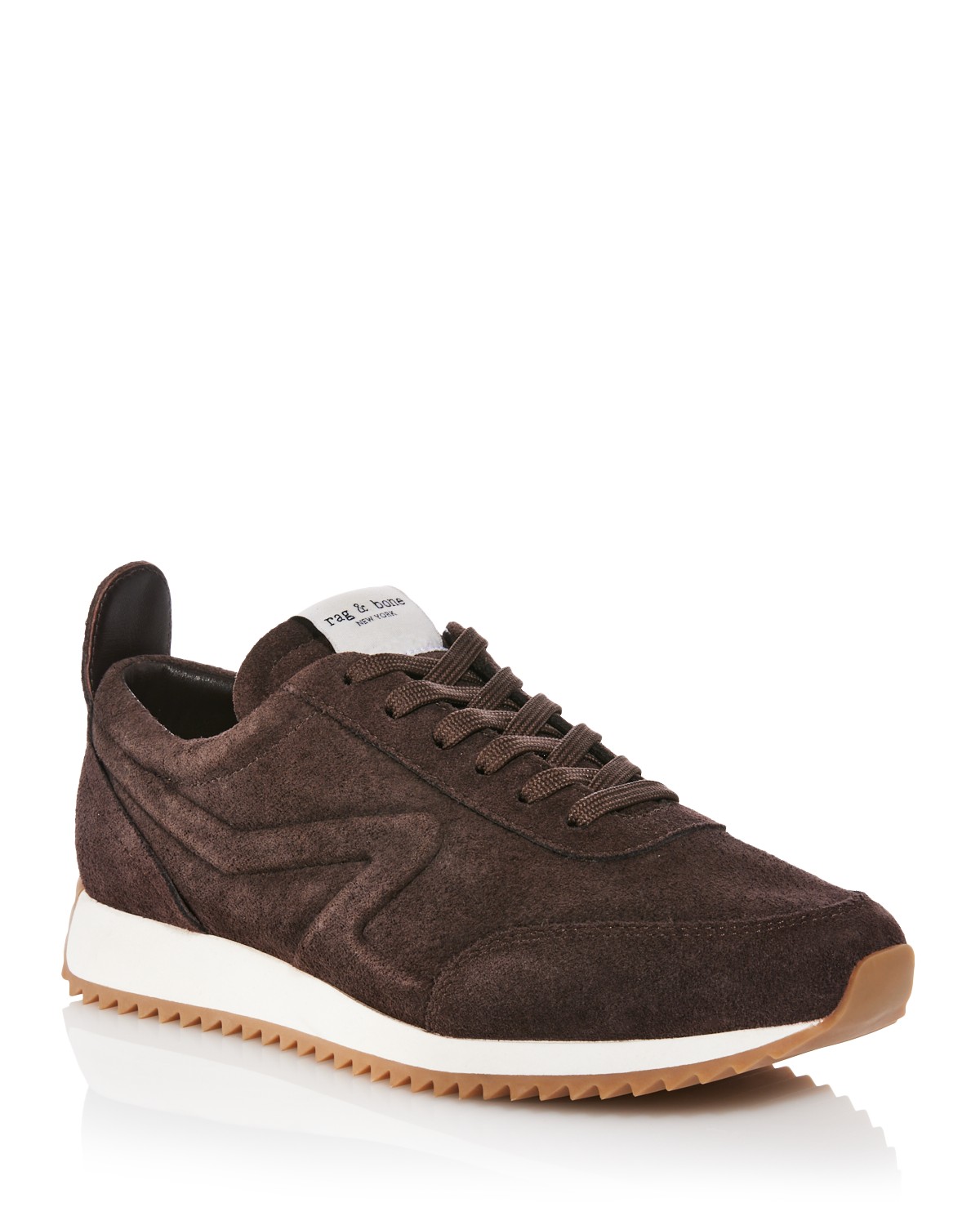
Women's Retro Runner Suede Sneakers
rag & bone
$298
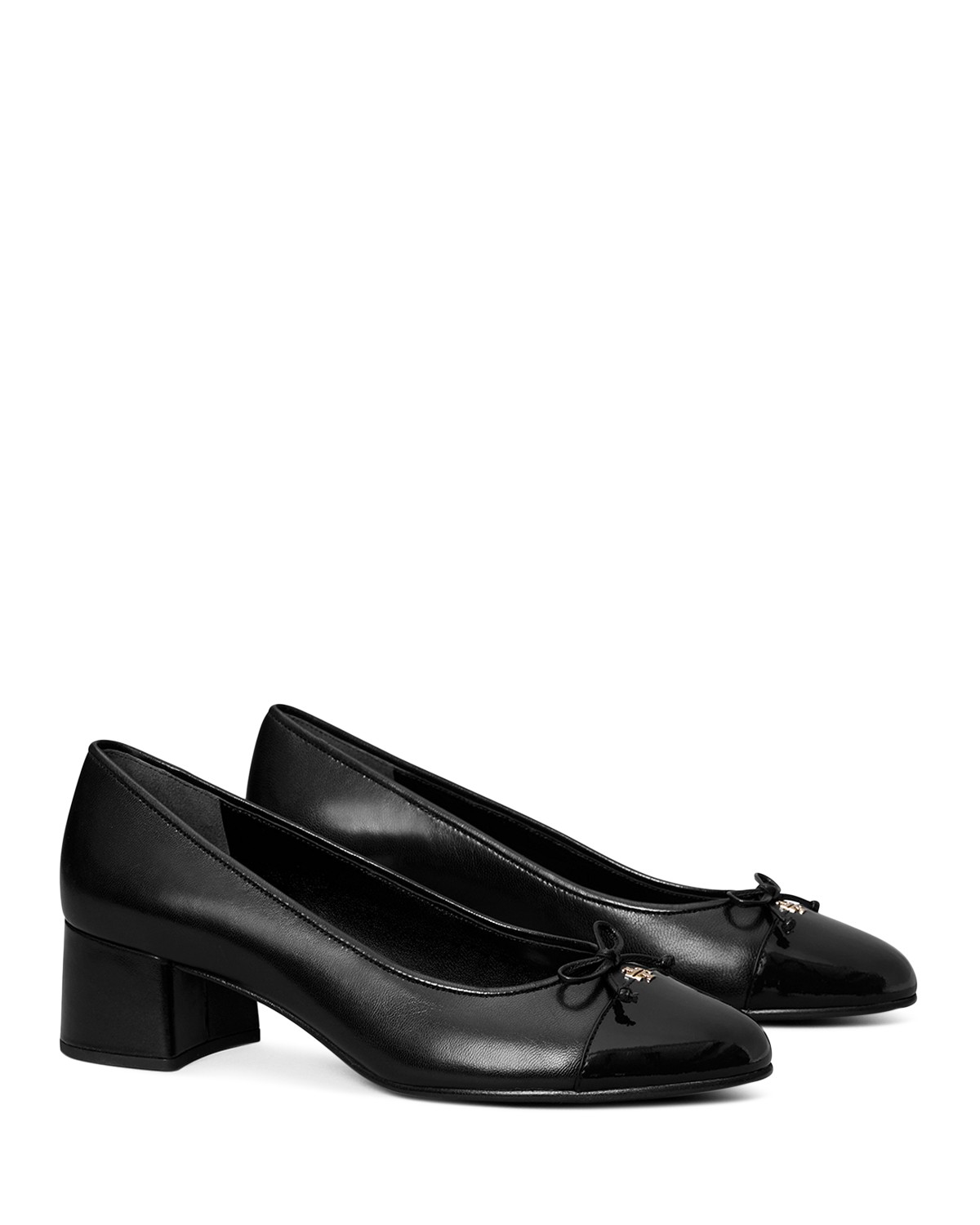
Women's Bow Ballet High Heel Pumps
Tory Burch
$325
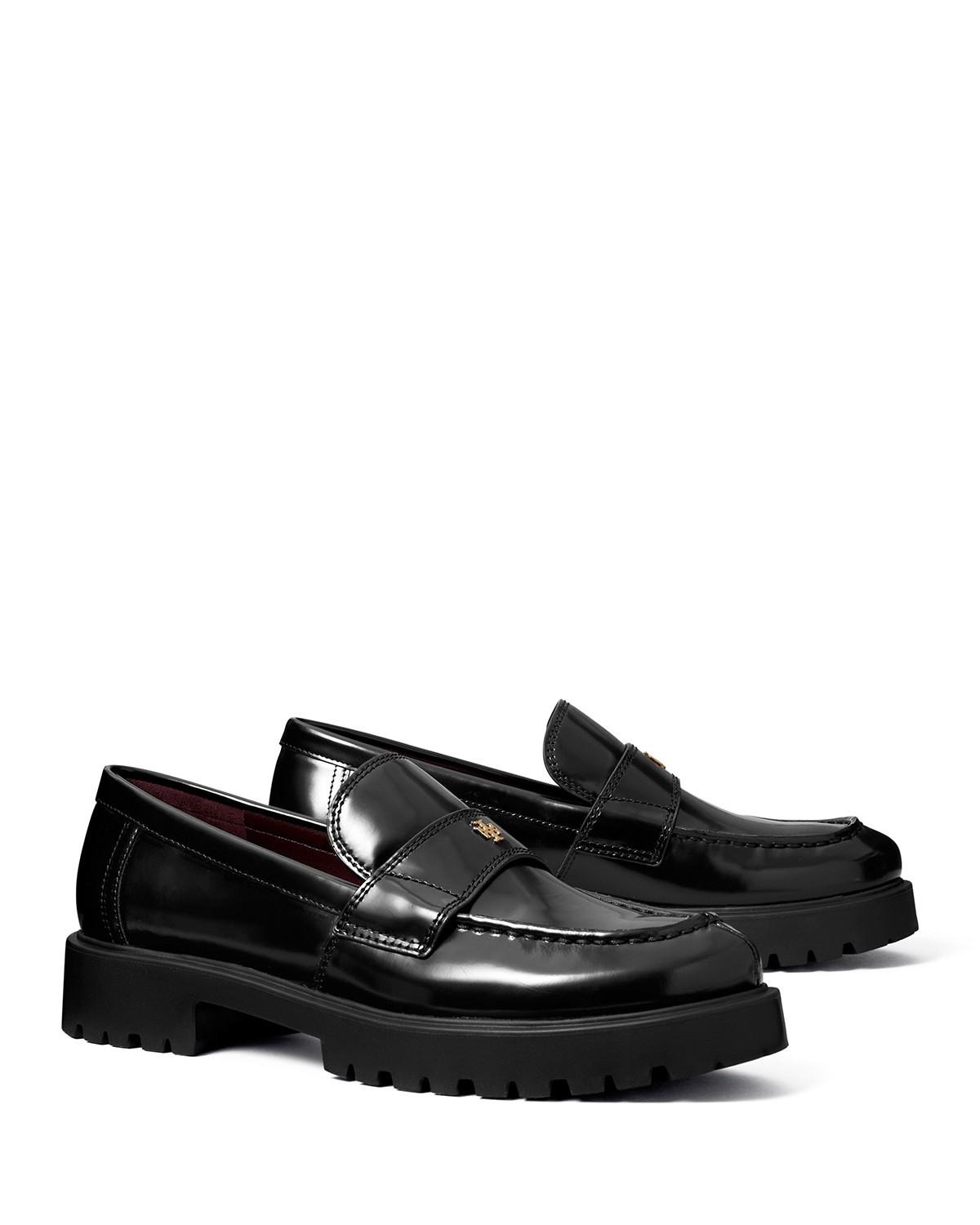
Women's Classic Lug Loafers
Tory Burch
$262.5
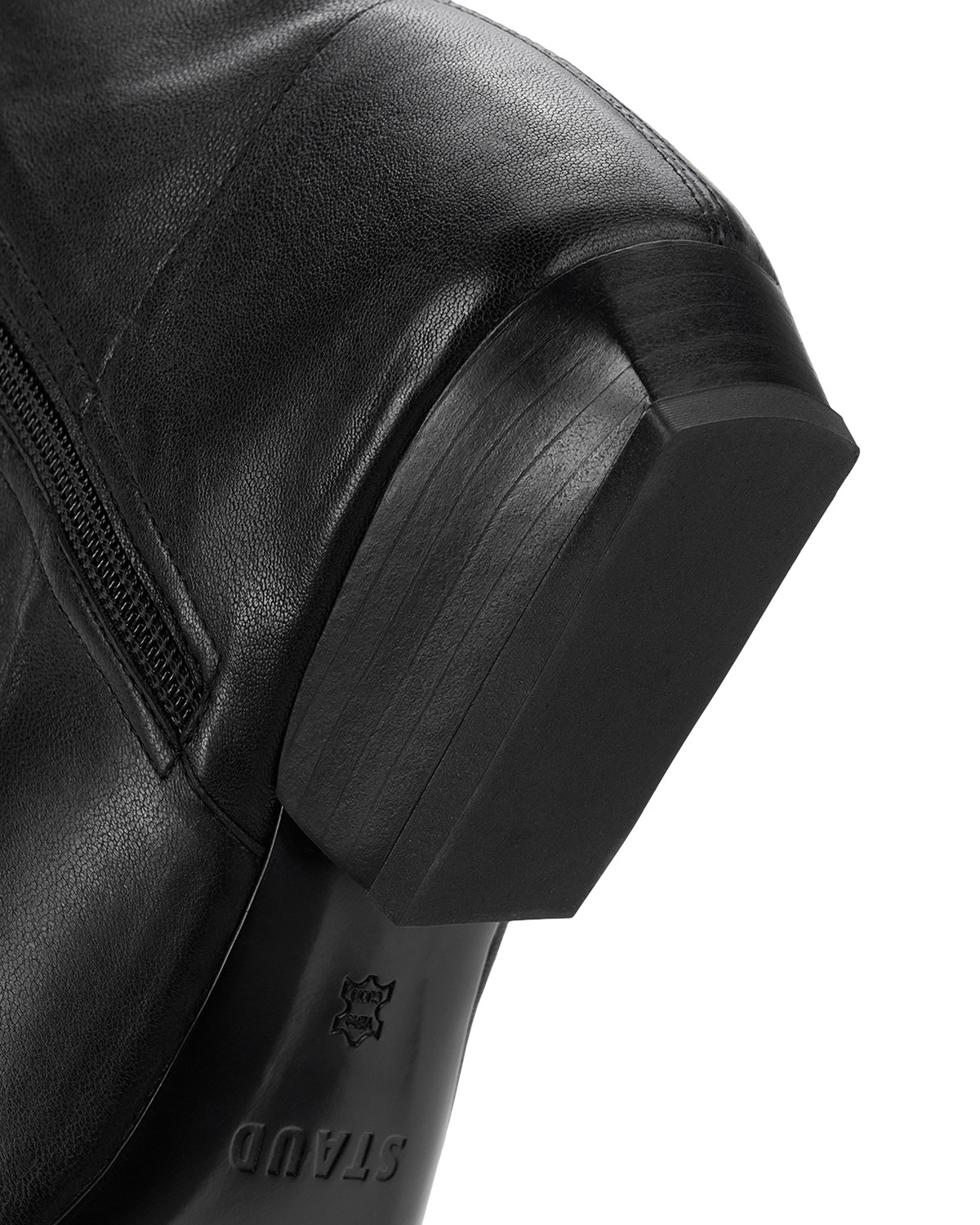
Women's Wally Leather Sock Ankle Boots
STAUD
$495
Skirts
Skirts and coordinated sets are the third route. Matching separates solve the same problem a dress does with more flexibility, and the set has quietly become the most-bought thing in this category. Two pieces, one decision.
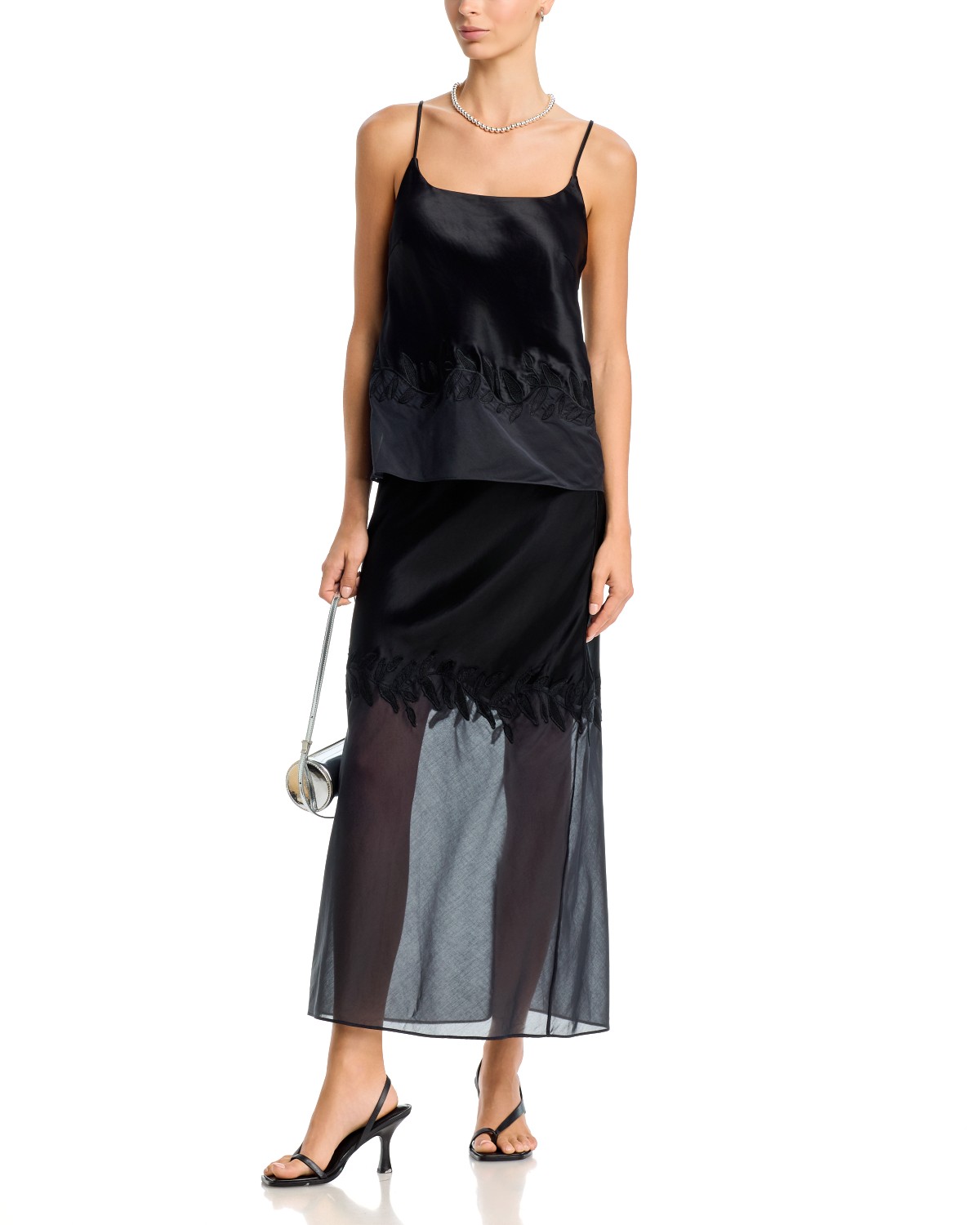
Janina Tank & Angelina Skirt
By Malene Birger
$350
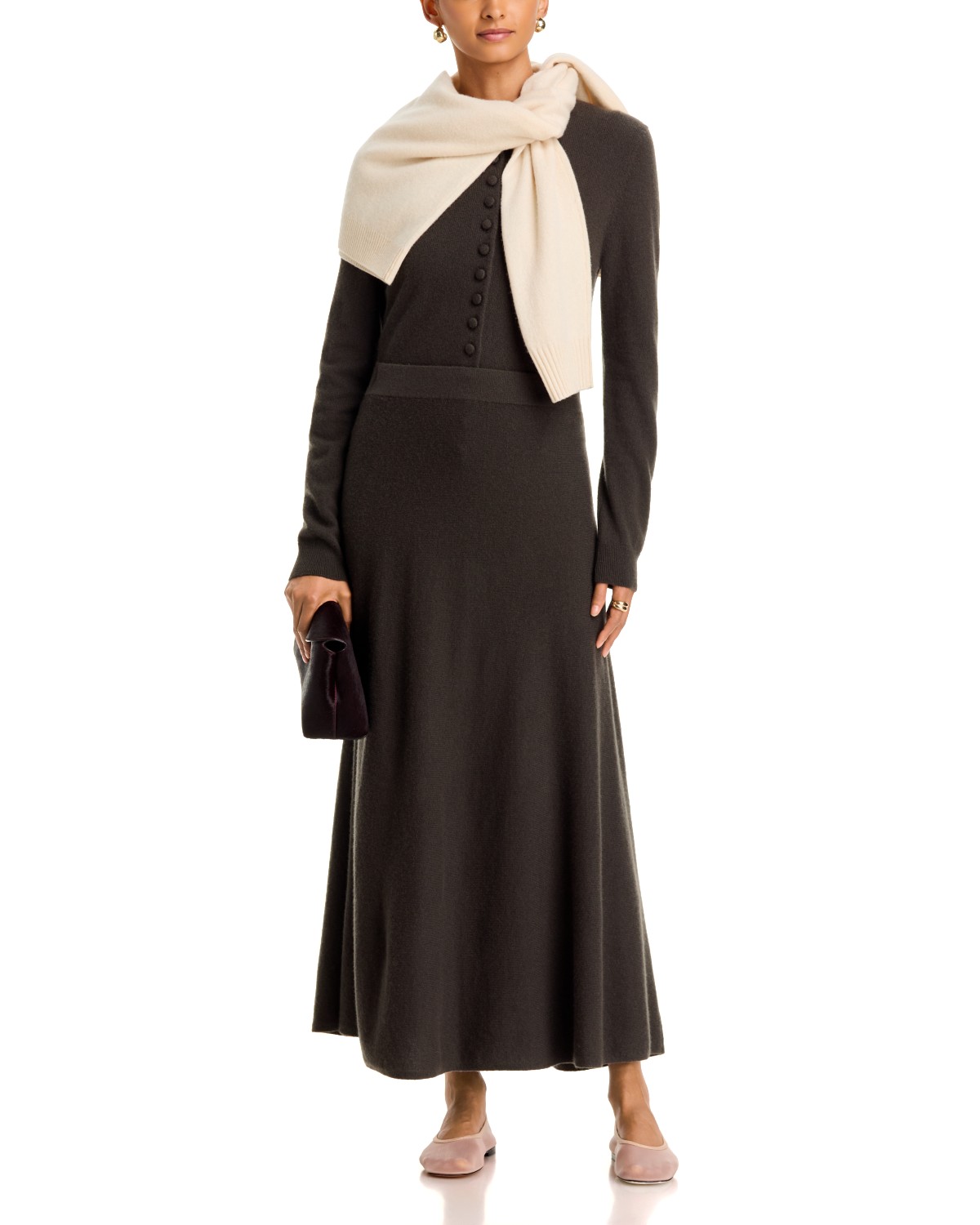
Wilona Cashmere Sweater & Torie Cashmere Skirt
LISA YANG
$650
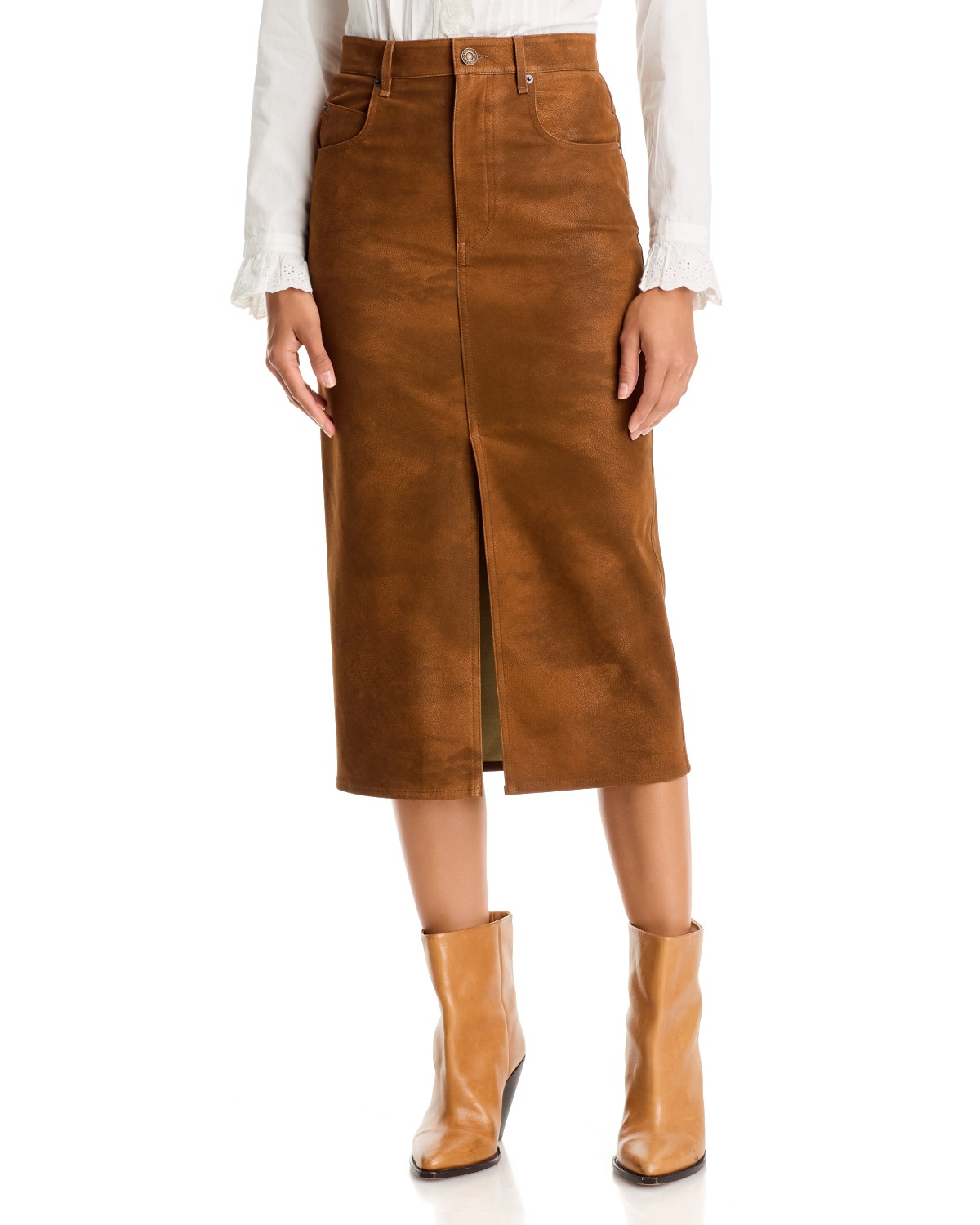
Bisane Faux Leather Skirt
Isabel Marant Etoile
$590
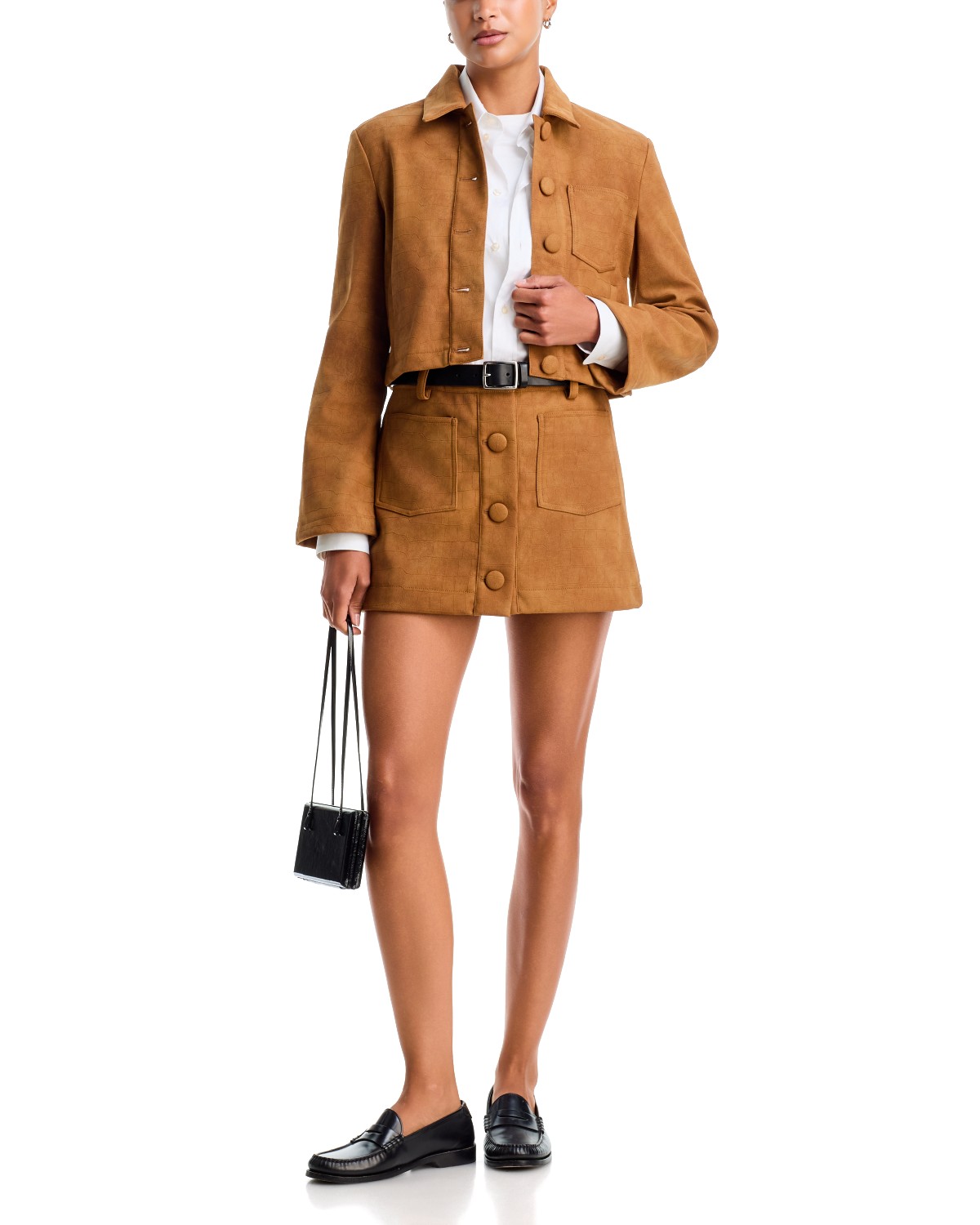
Lorenzo Faux Suede Button Up Shirt & Mini Skirt
Bardot
$139
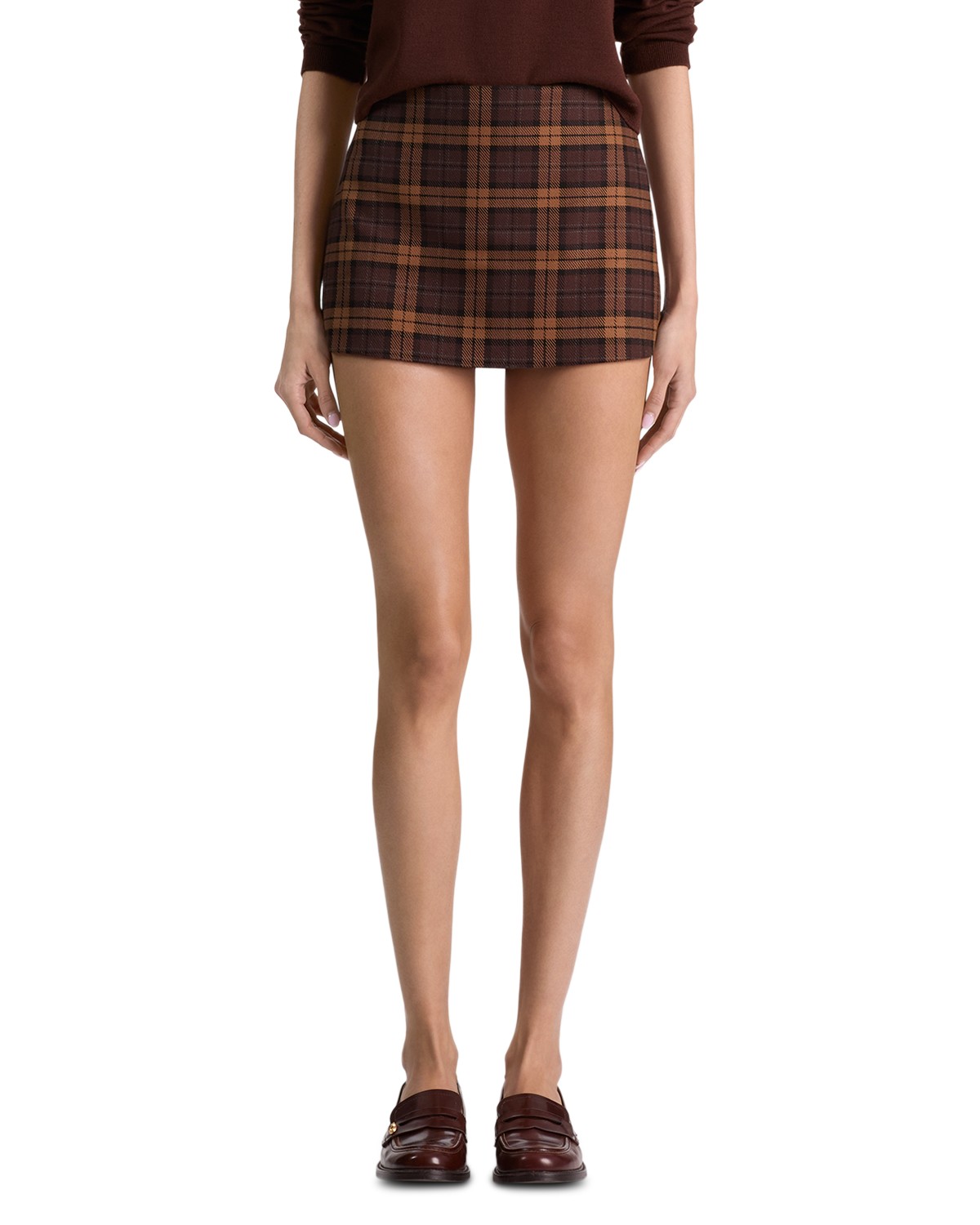
Mace Mini Skort
Alice and Olivia
$295
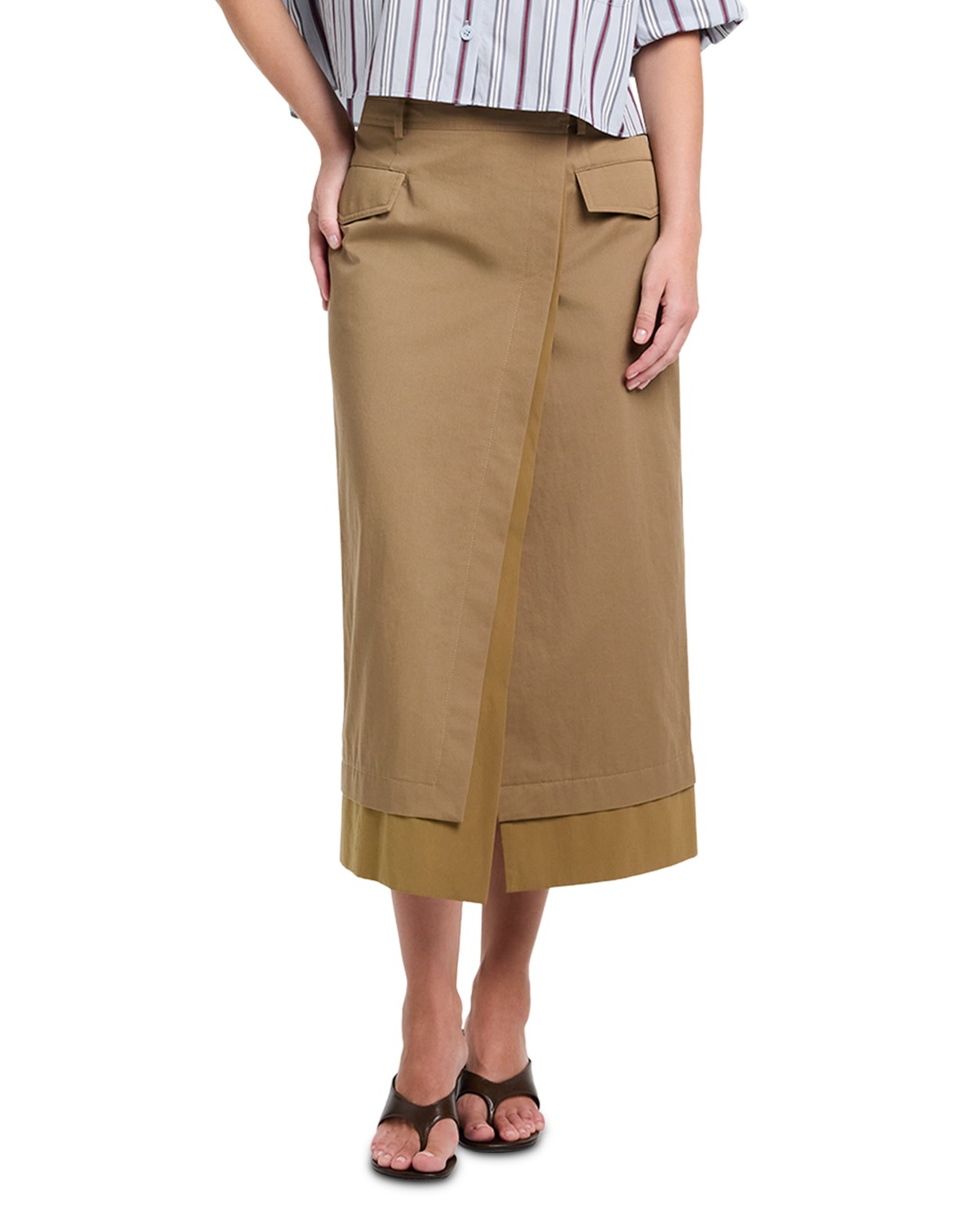
A Trip To The Met Cotton Midi Skirt
TWP
$795
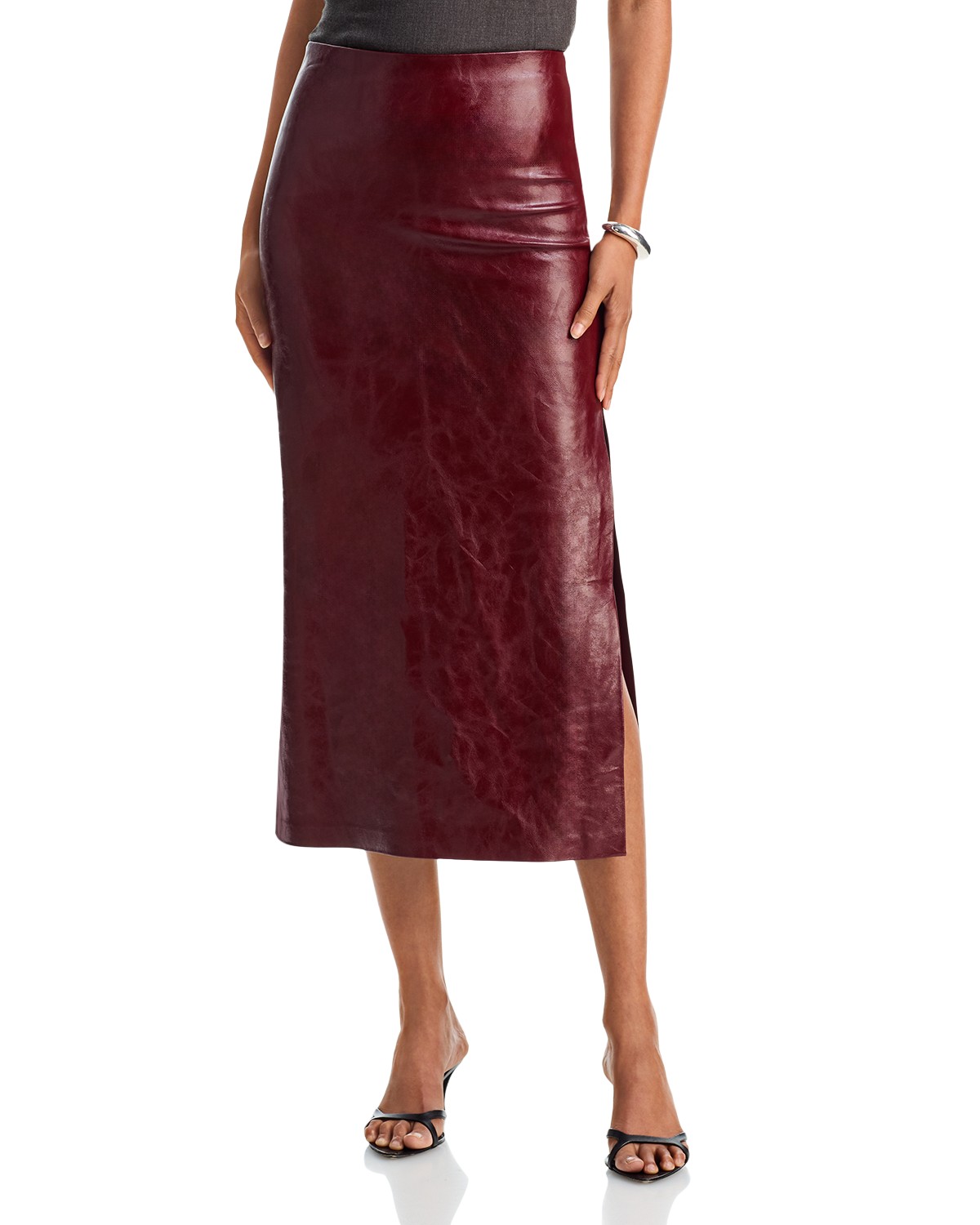
Maeve Faux Leather Slip Skirt
Alice and Olivia
$350
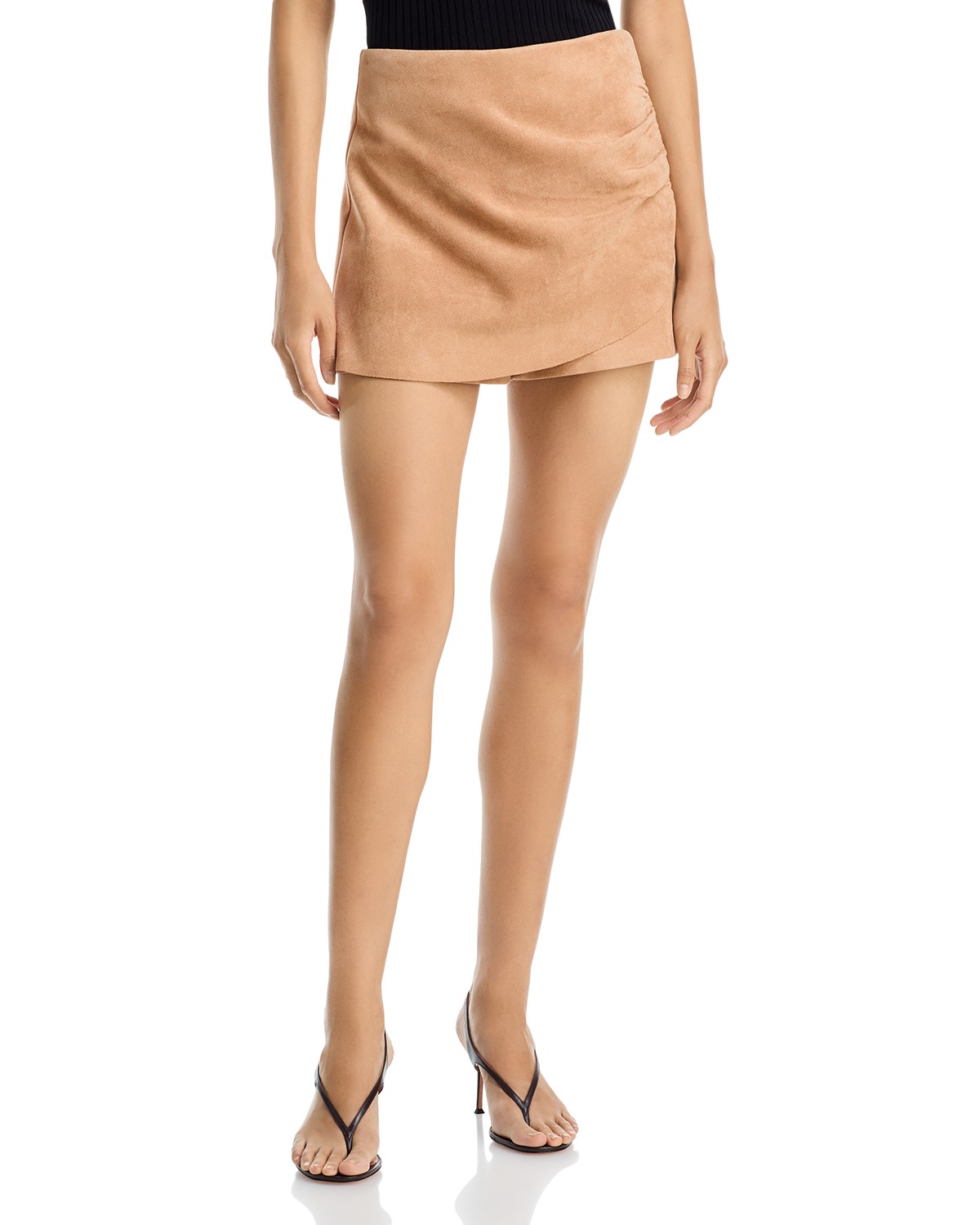
Faux Suede Skort - Exclusive
AQUA
$78
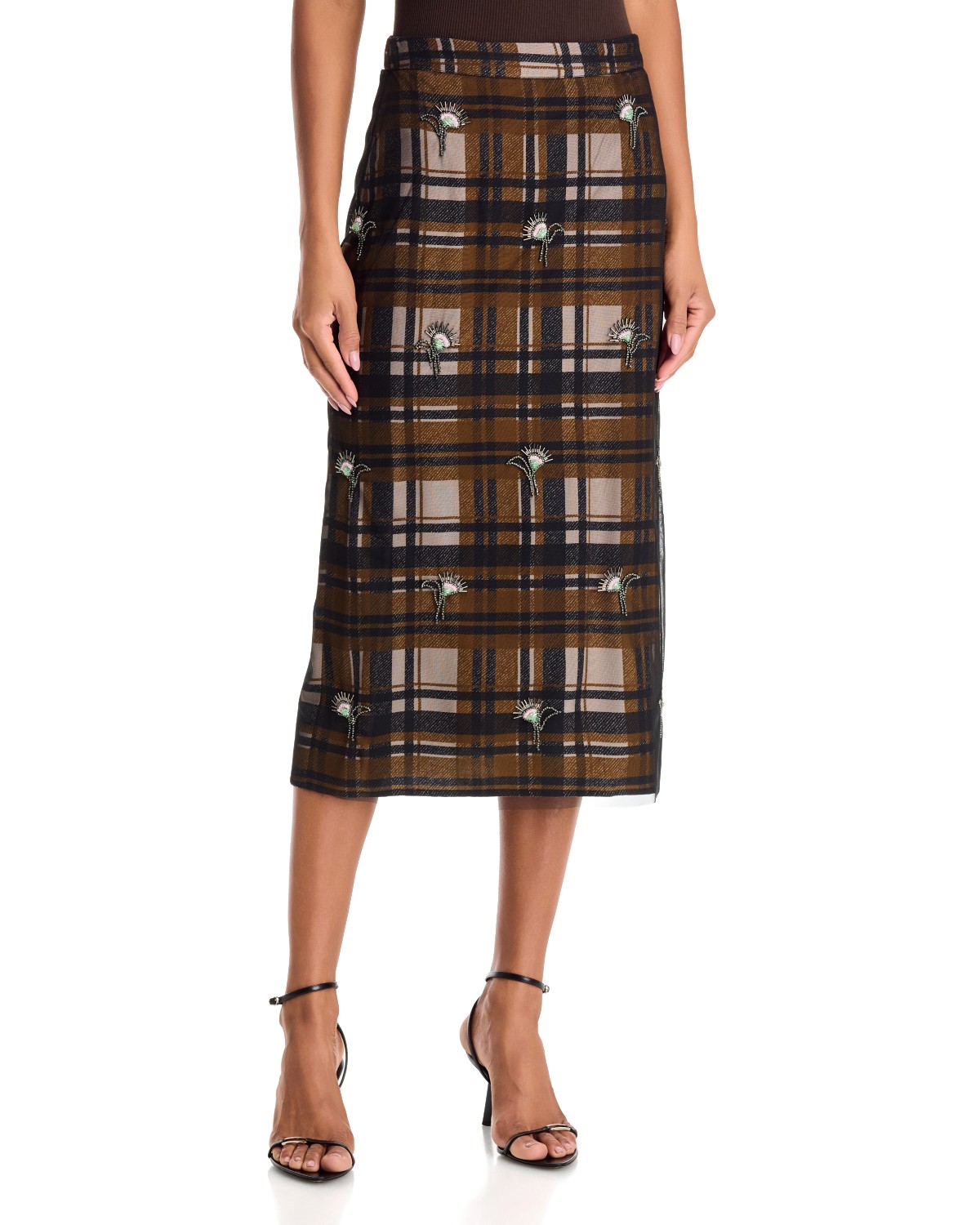
Kate Embellished Mesh Skirt
Essentiel Antwerp
$405
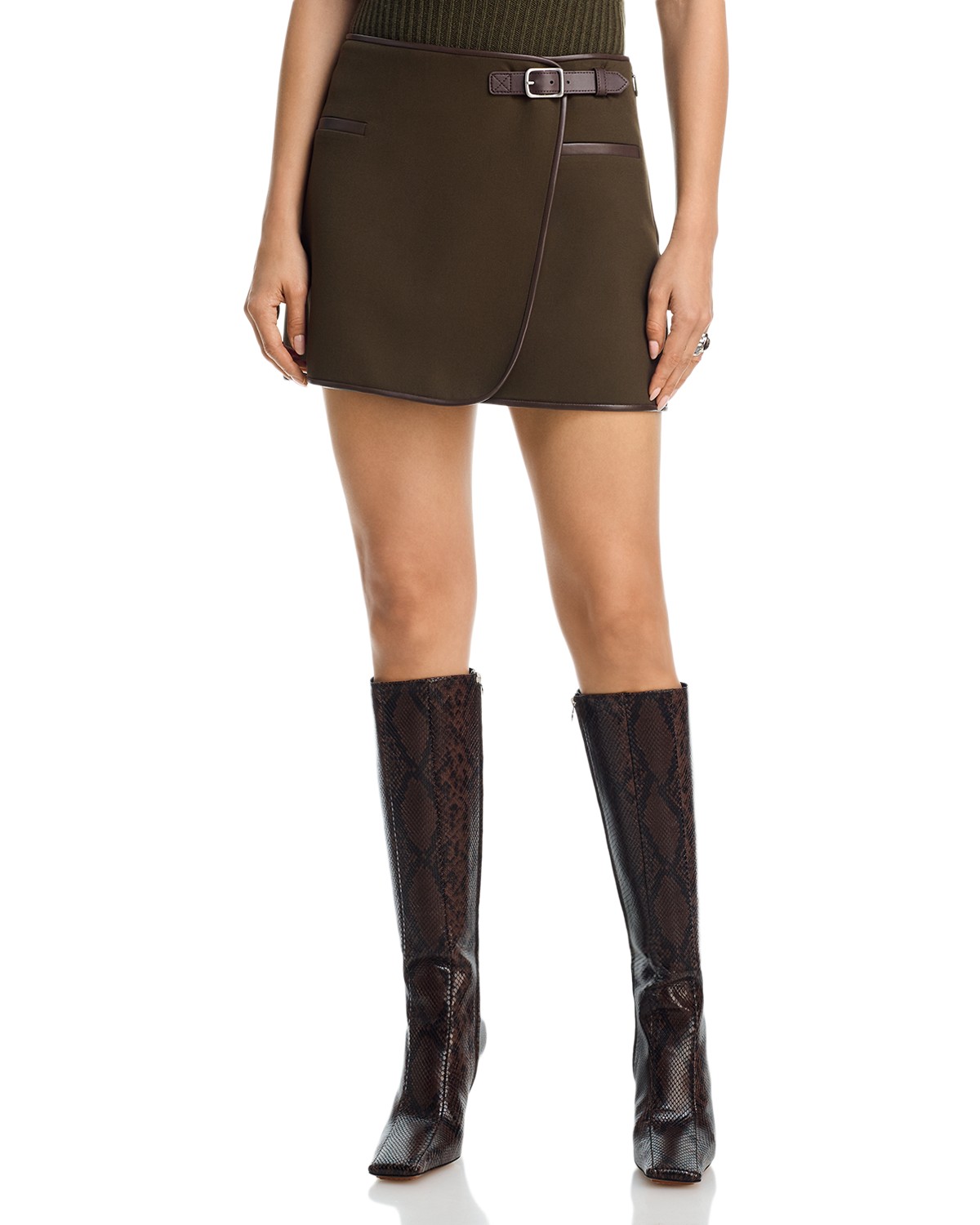
Sheridan Mini Skirt
SIMKHAI
$545
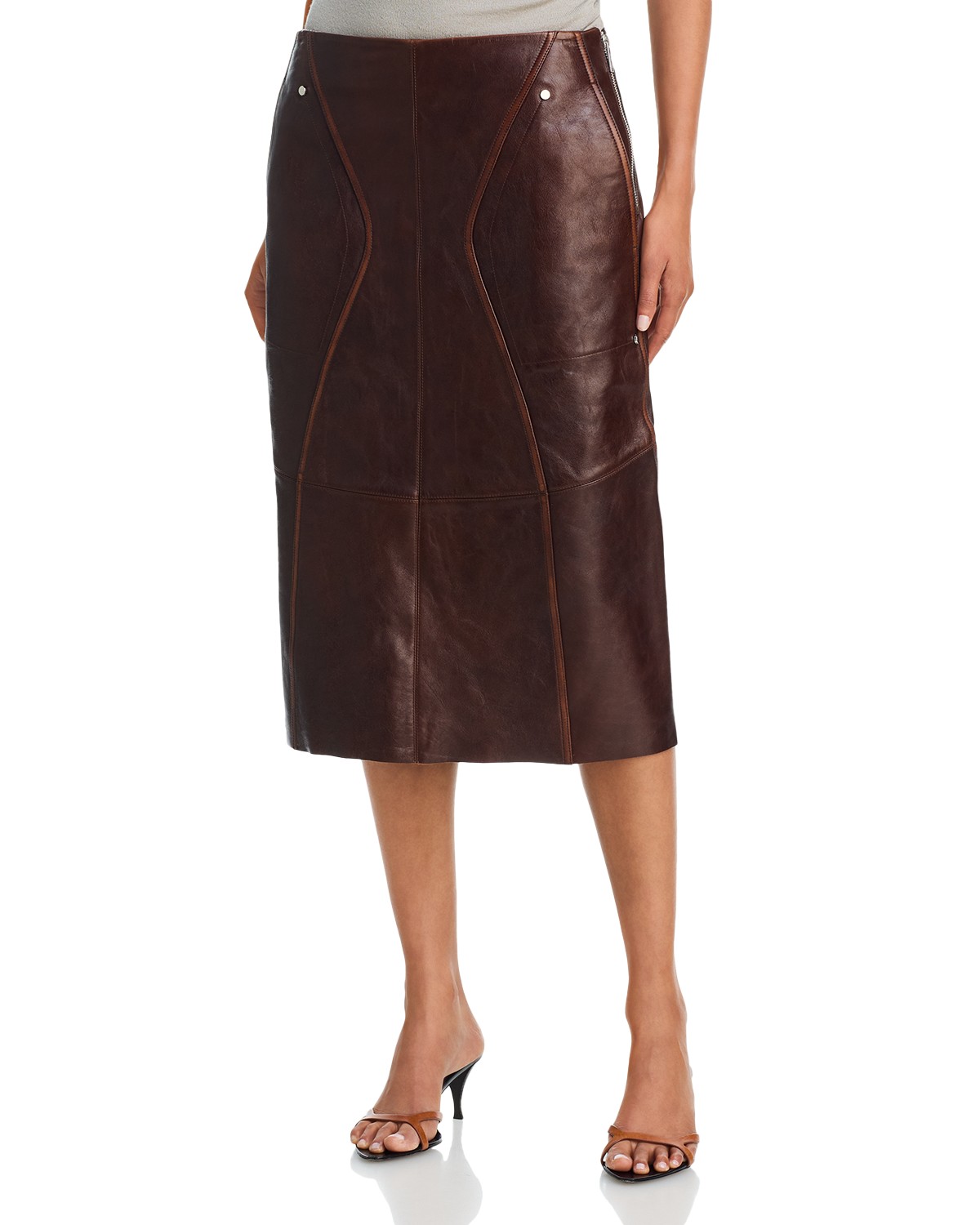
Leather Saddle Midi Skirt
Helmut Lang
$798
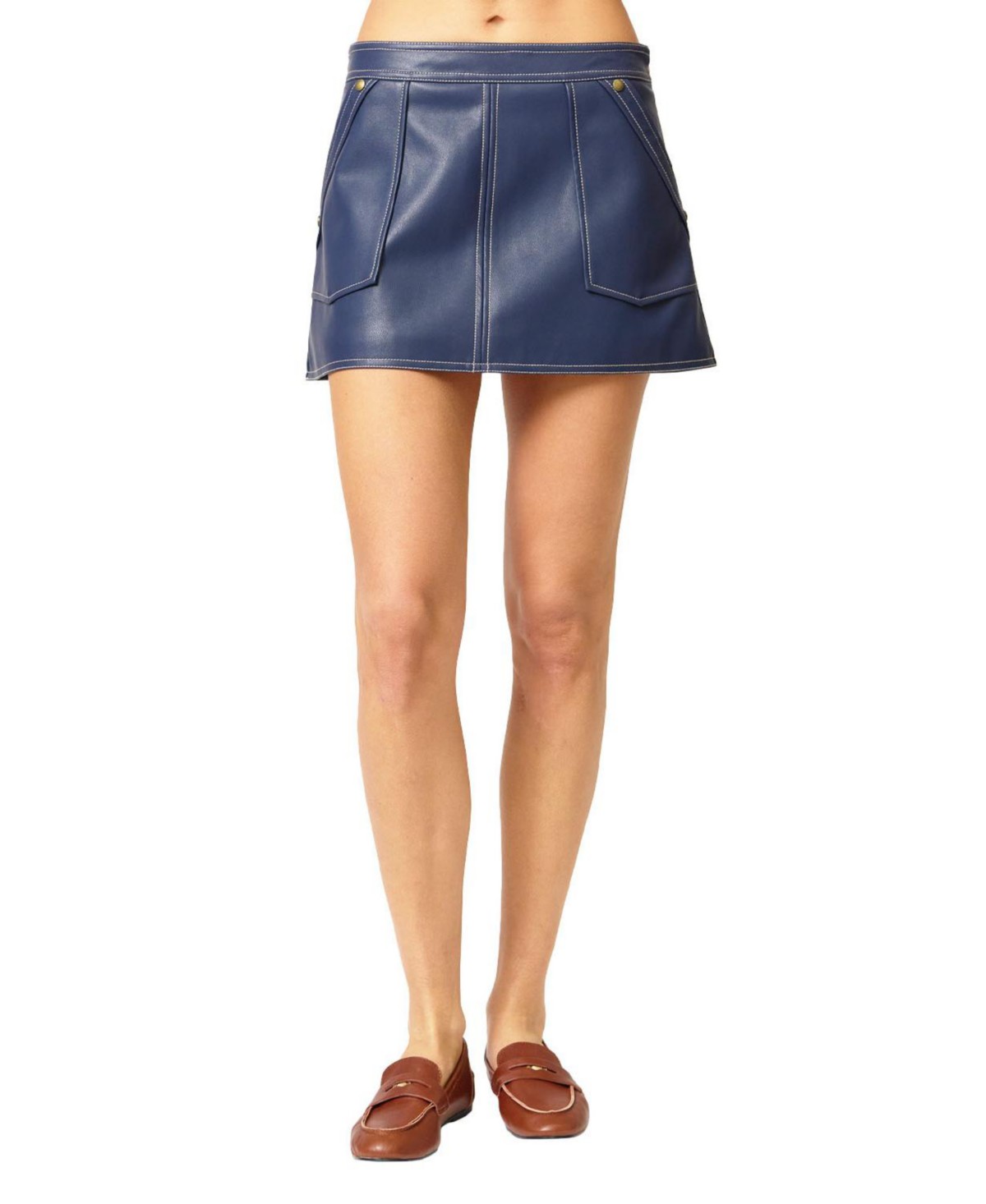
Women's Rusty Mini Skirt
Central Park West
$168
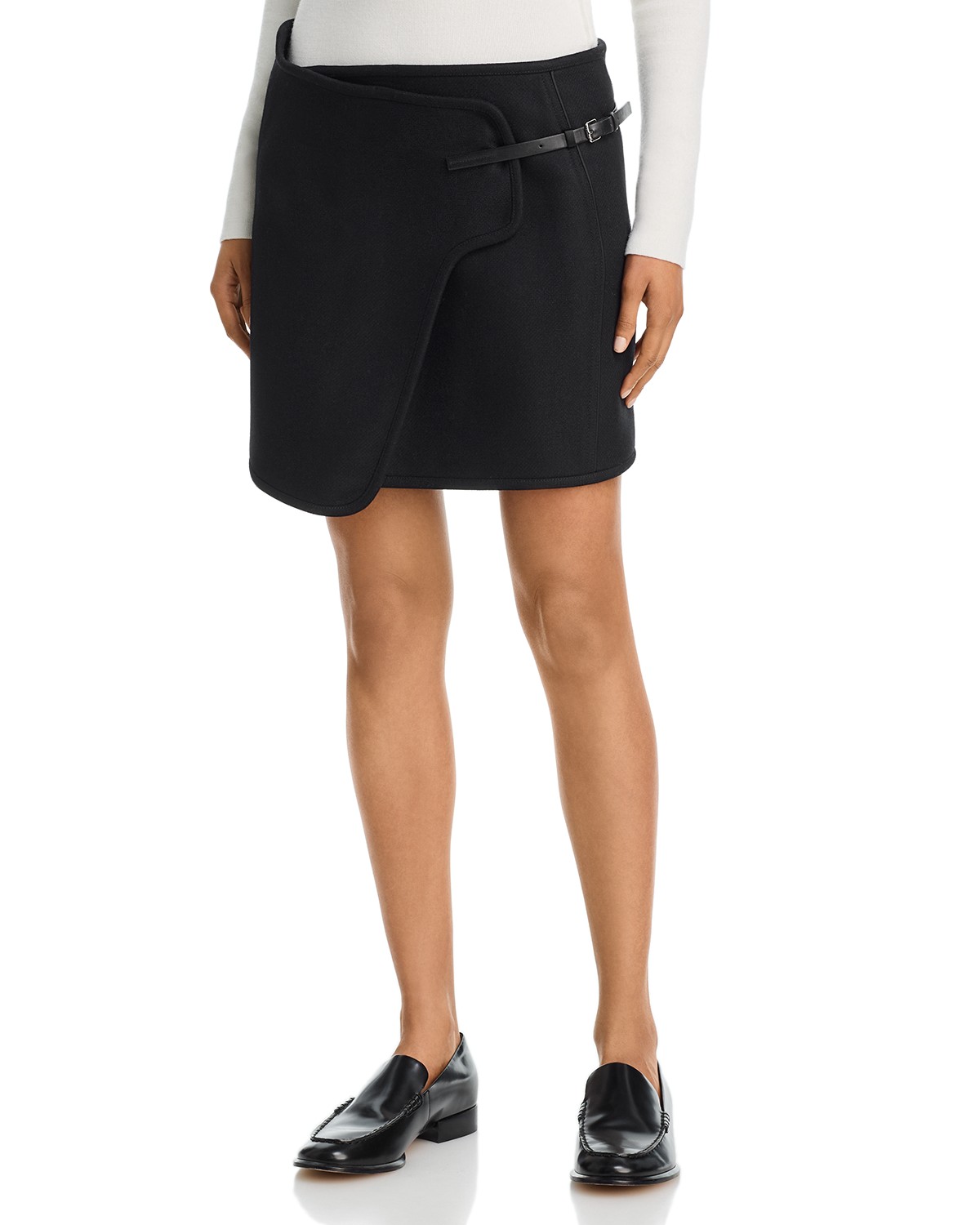
Wool Blend Saddle Mini Skirt
Helmut Lang
$398
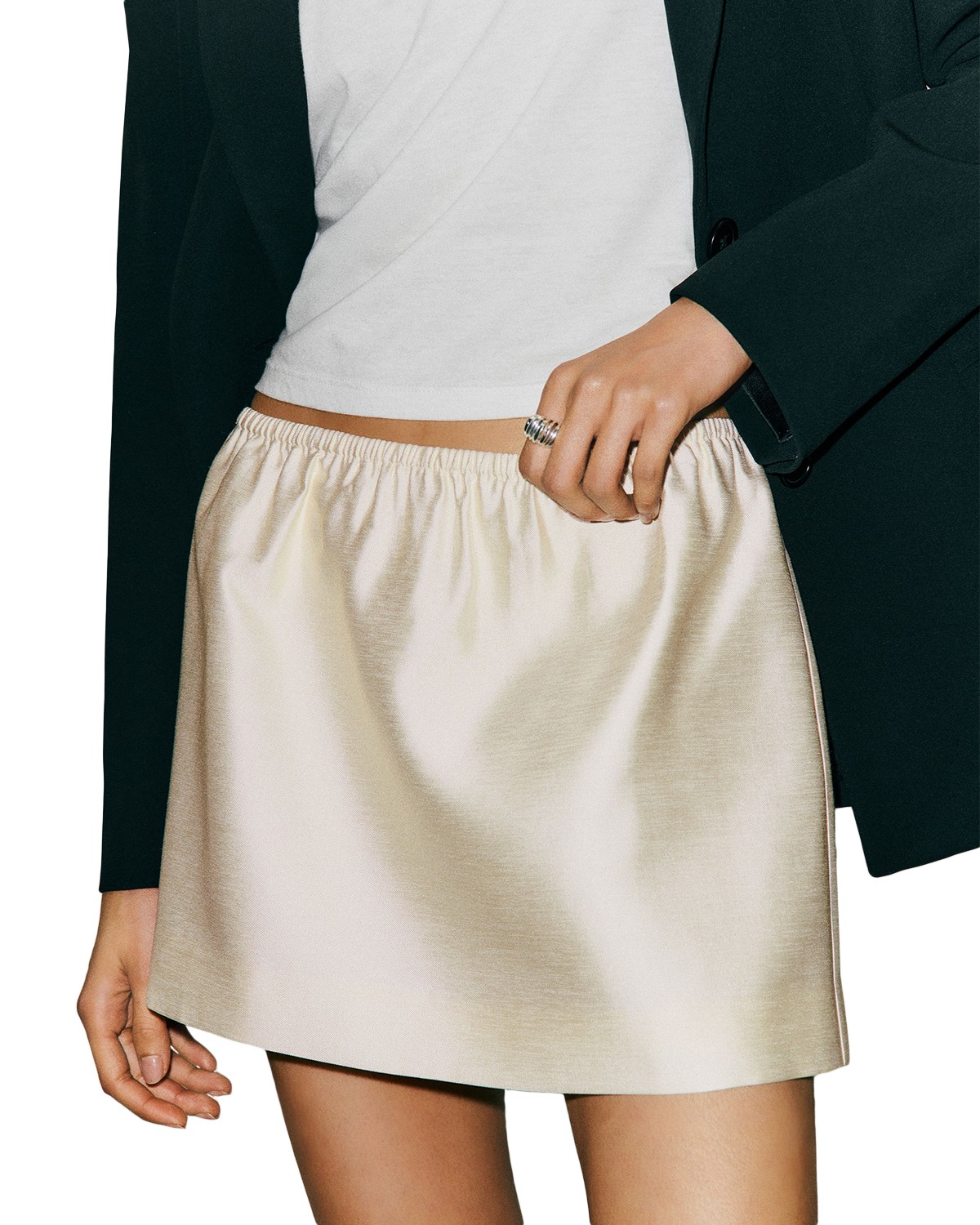
Elva Skirt
Reformation
$148
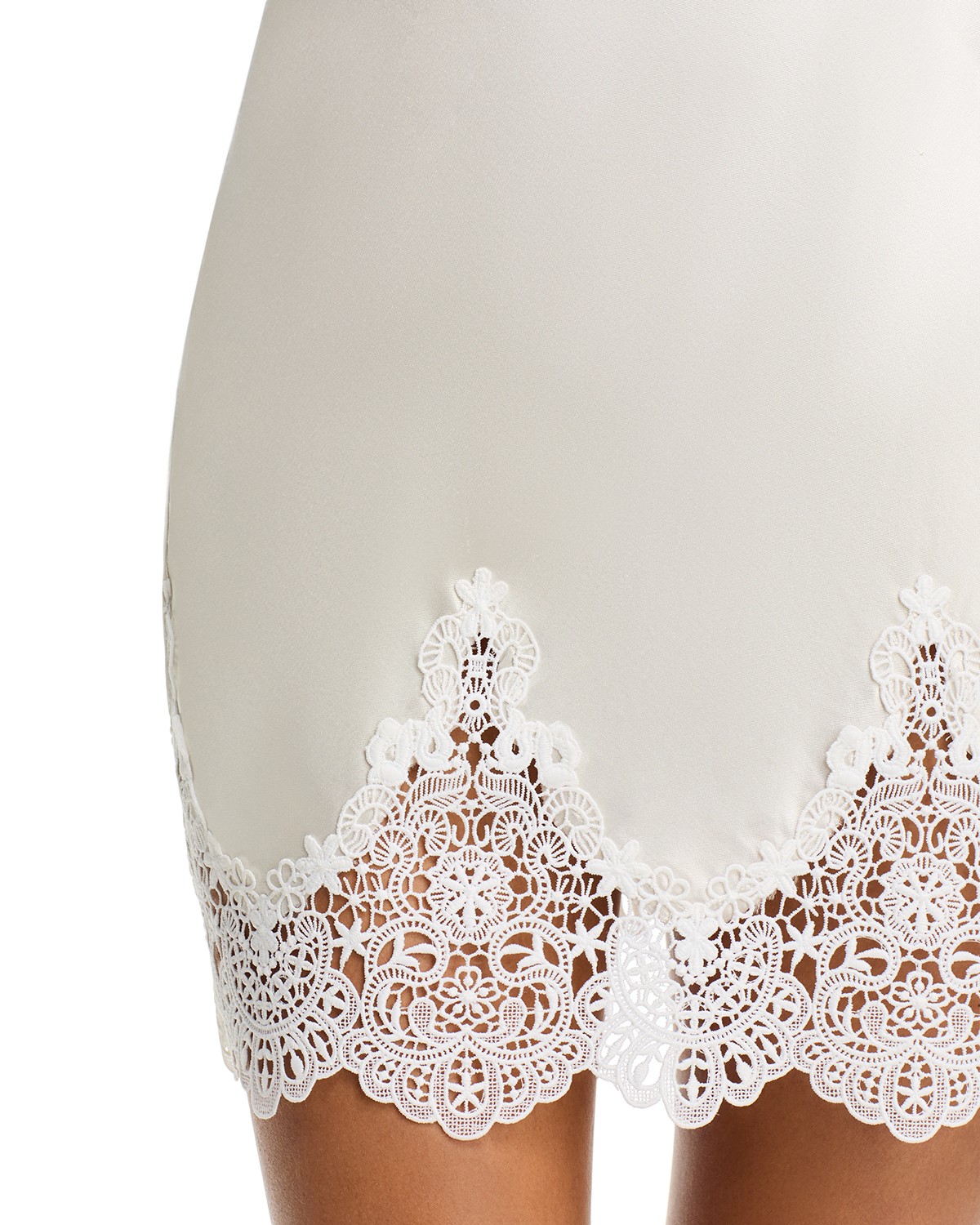
Wisteria Lace Combo Liquid Satin Skirt
Generation Love
$215
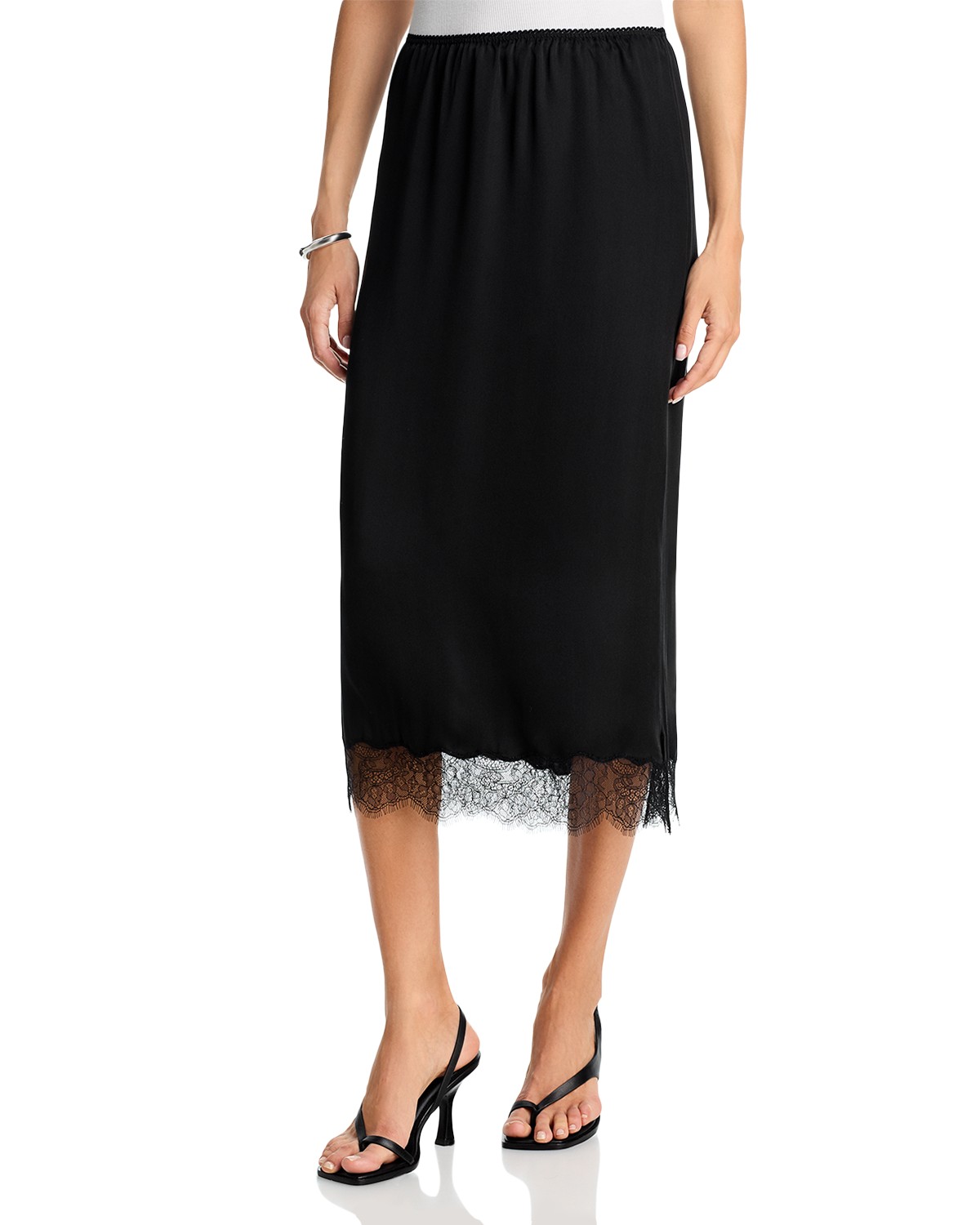
Shelby Skirt
Anine Bing
$325
Jewelry
Jewelry is sculptural and small in quantity. A cuff or a pebble-shaped piece finishes an outfit assembled from plain layers, and one is enough. Layered stacks belong to a different era of this look.
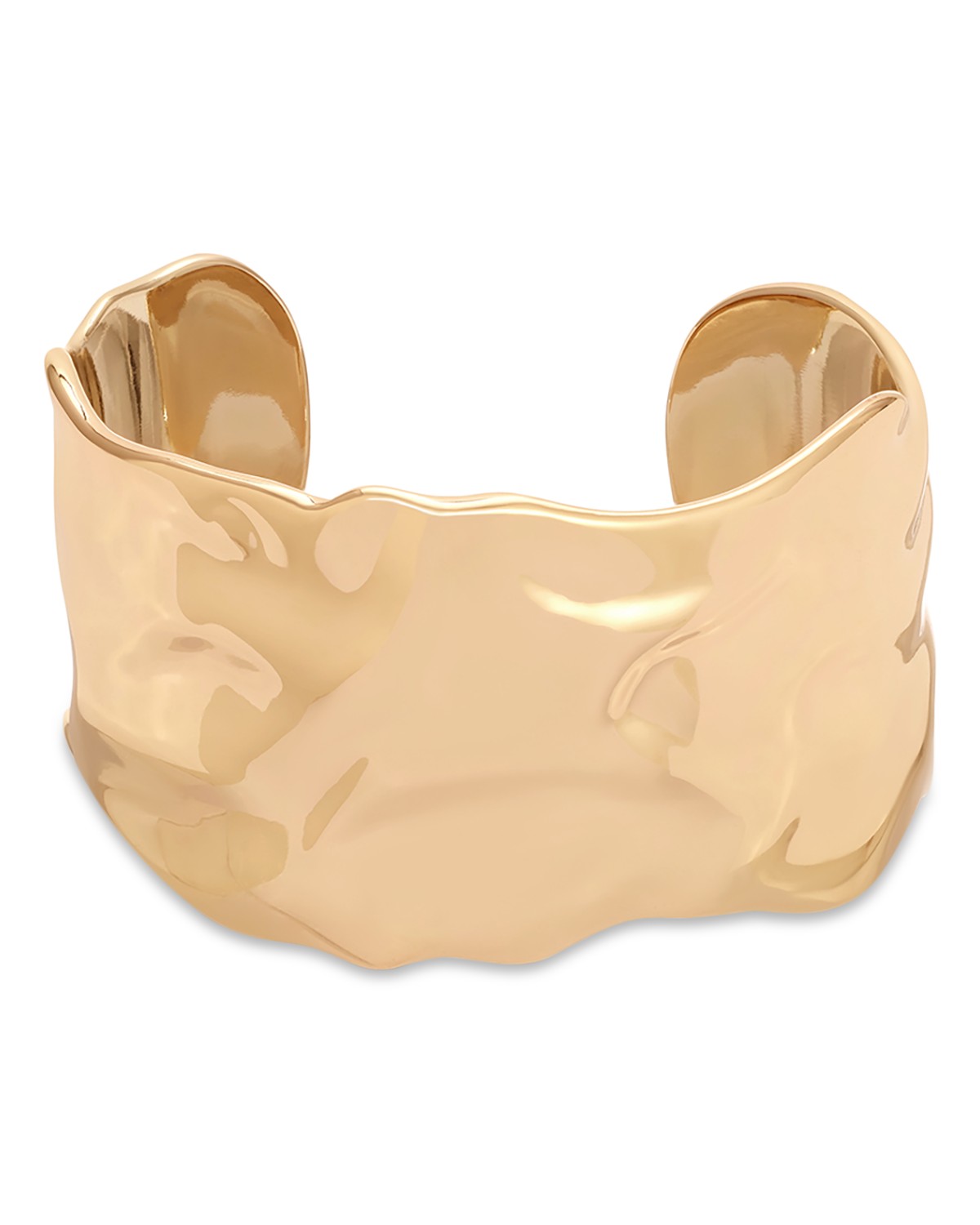
Thick Sculpted Cuff Bracelet
Ettika
$75
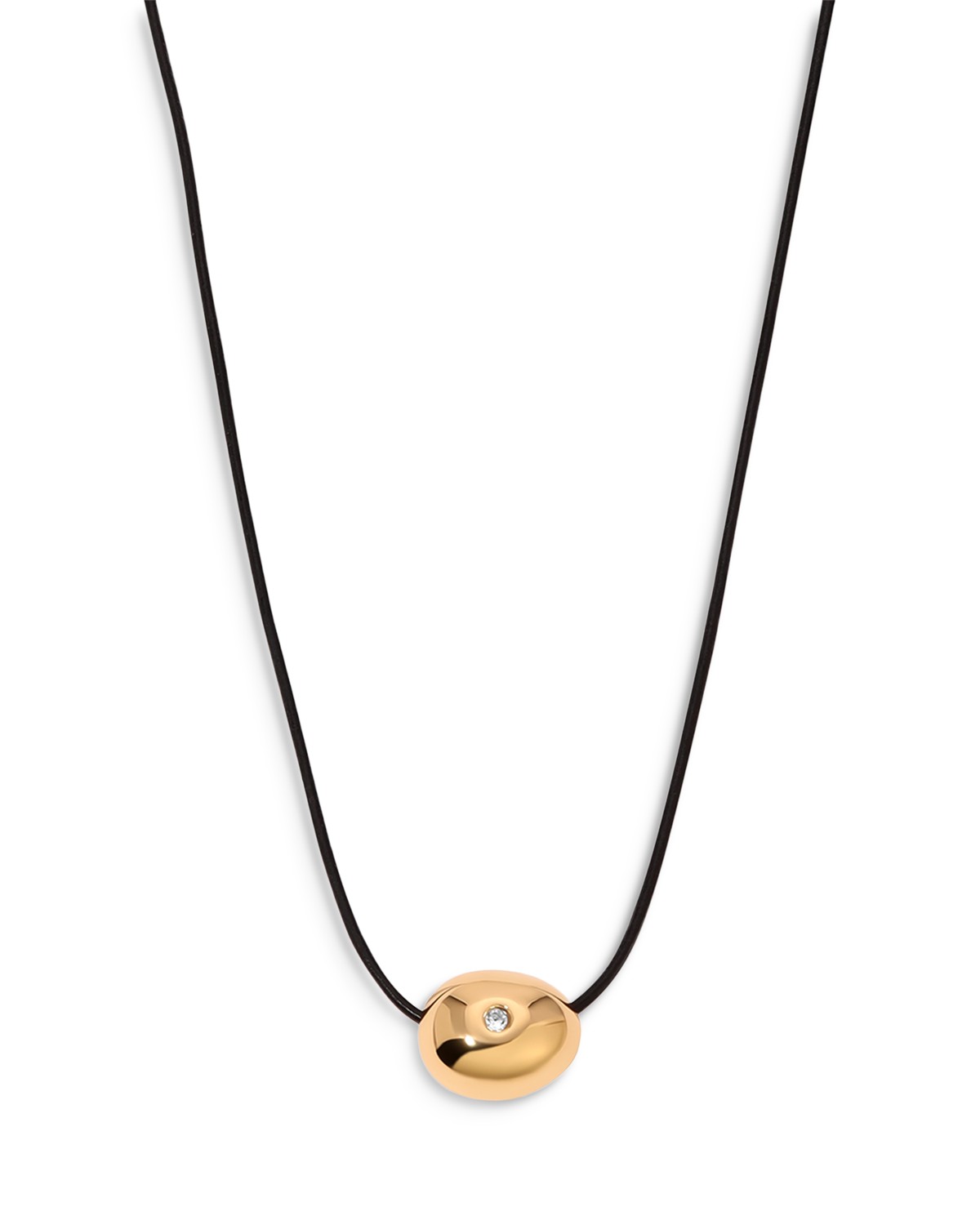
Pavé Polished Pebble Leather Pendant Necklace in 18K Gold Plated, 16"-17"
Ettika
$50
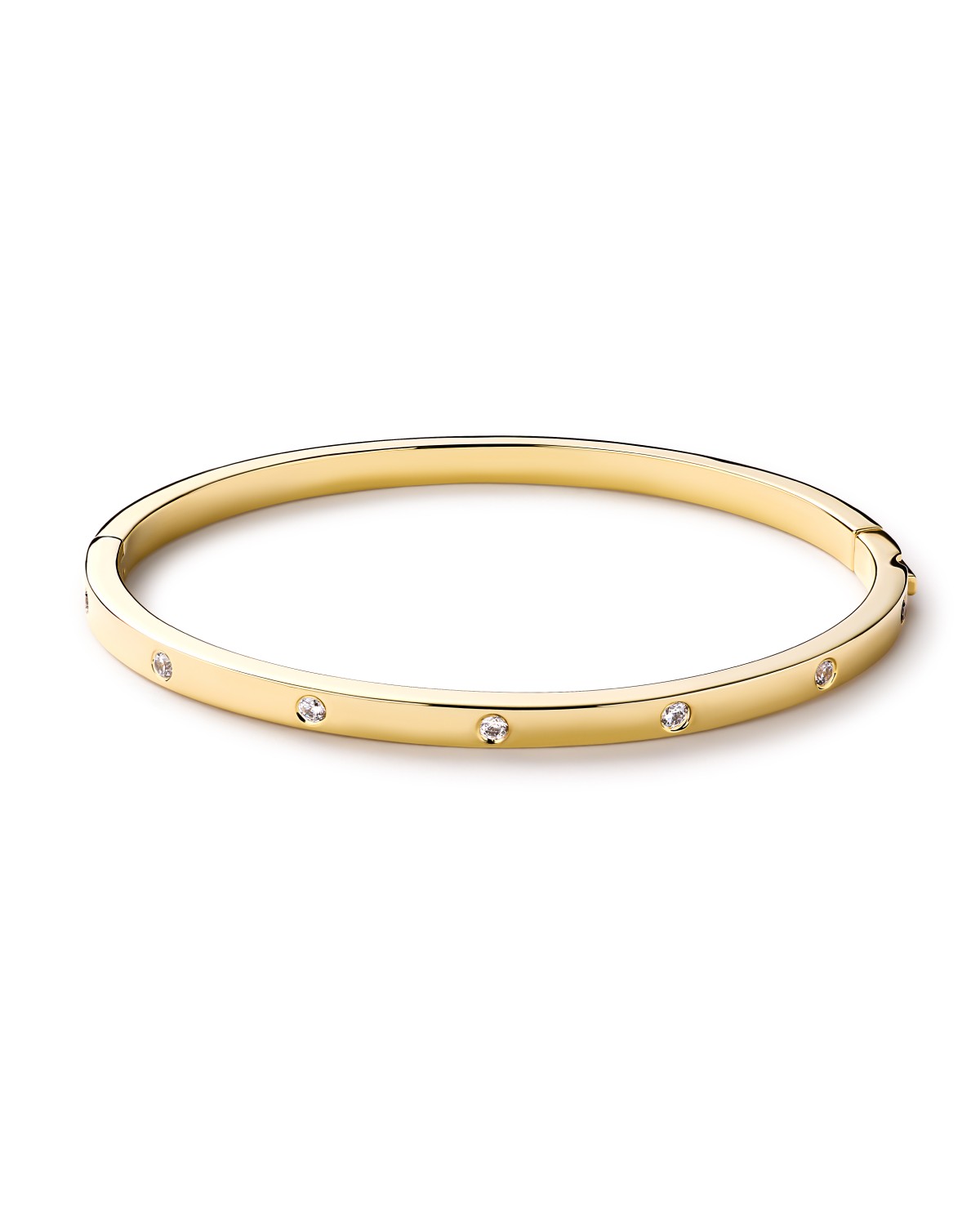
Selena Gold Bangle Bracelet
Ana Luisa
$85
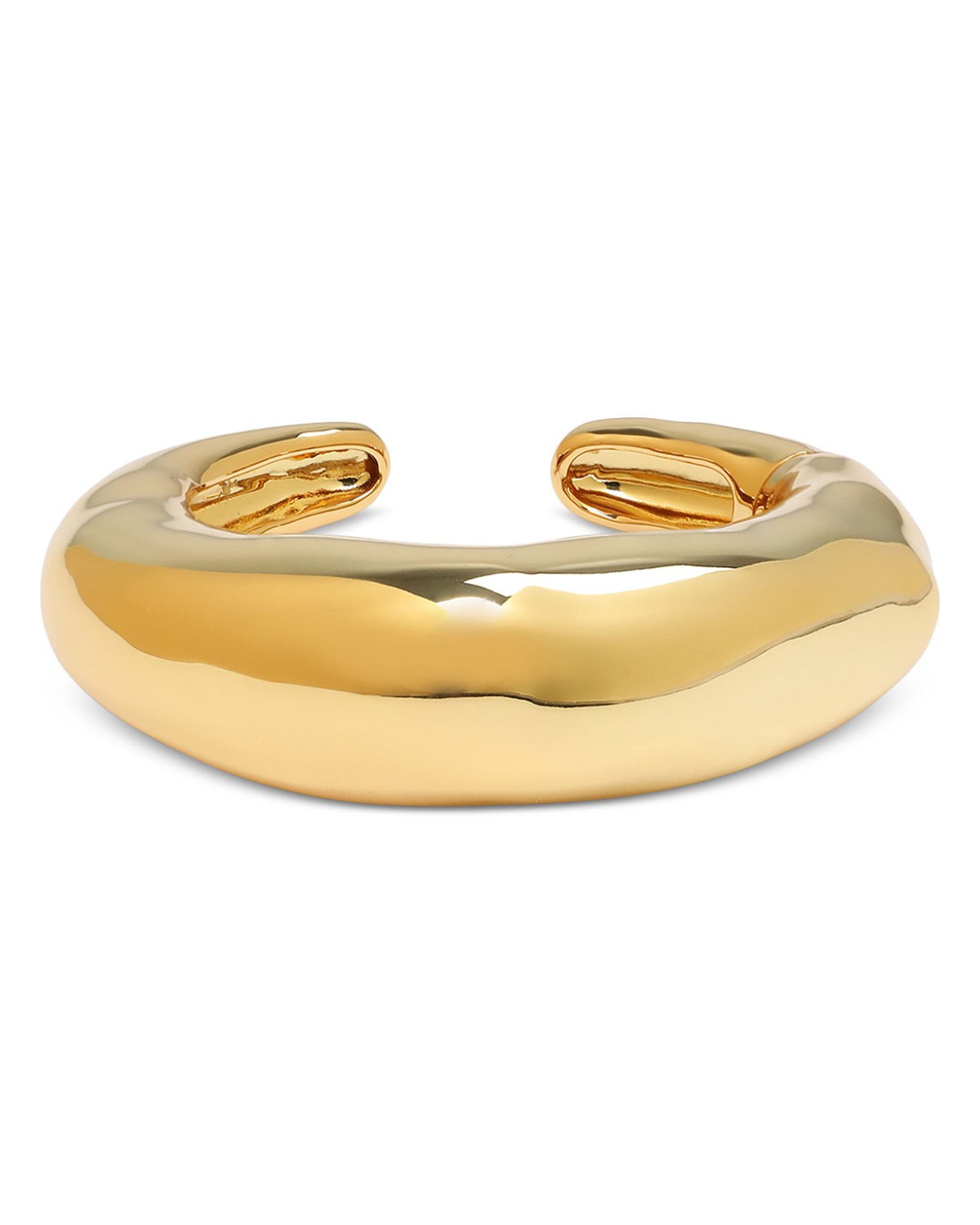
Molten Large Hinged Cuff Bracelet in 14K Gold Plated
Alexis Bittar
$325
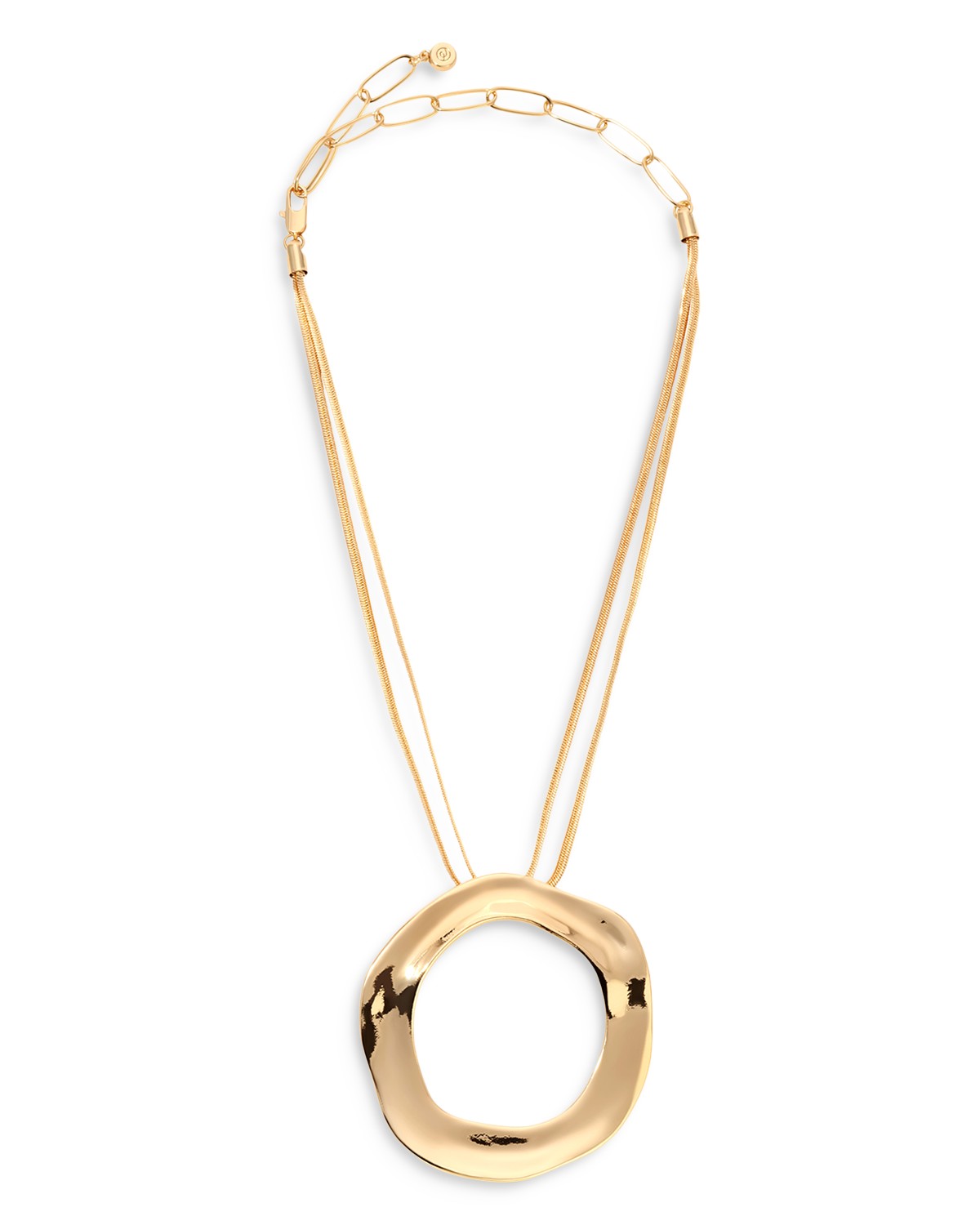
Open Circle Statement Pendant Necklace, 11"-16"
Ettika
$65
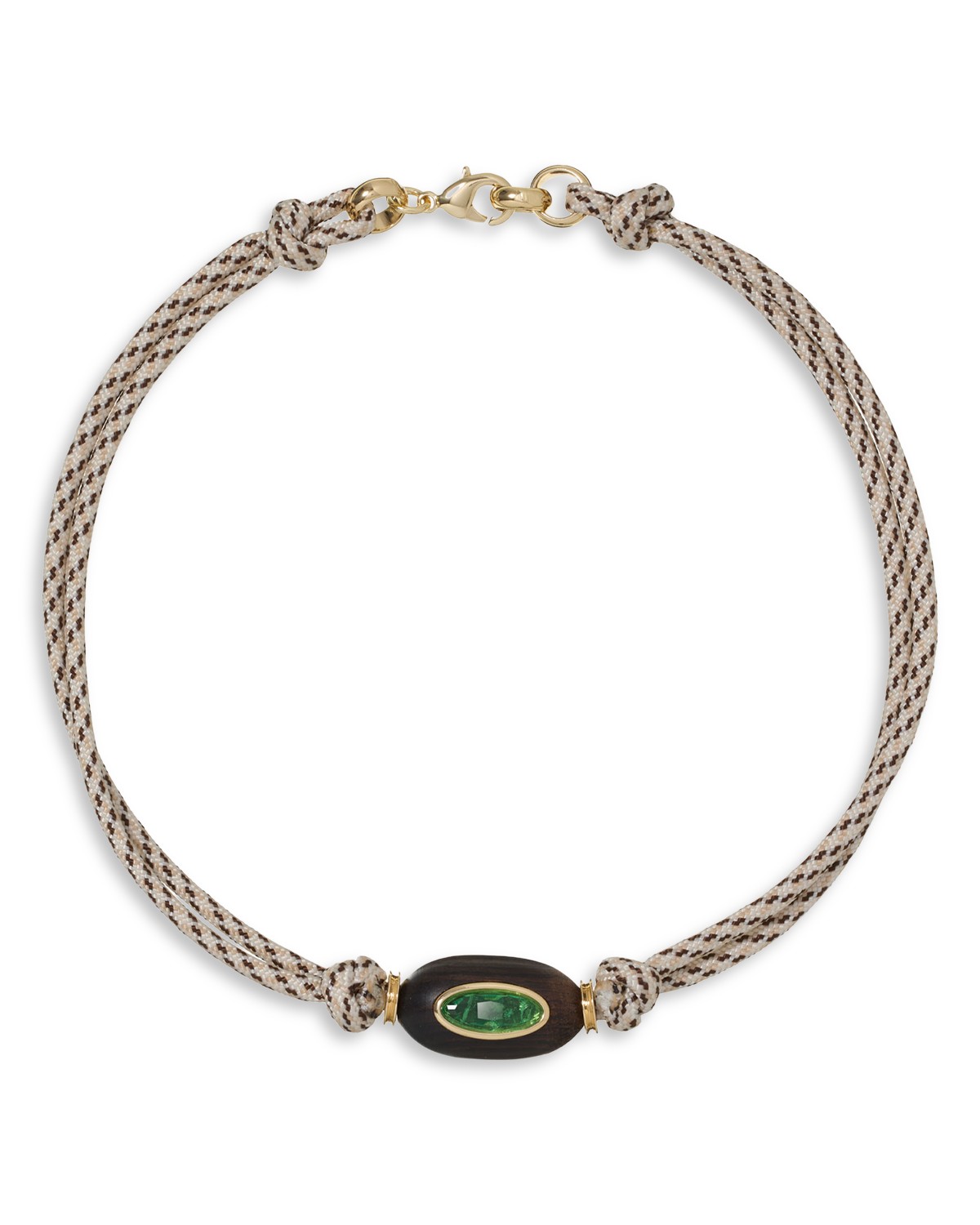
The Sesame Collar Necklace, 15"
Roxanne Assoulin
$140
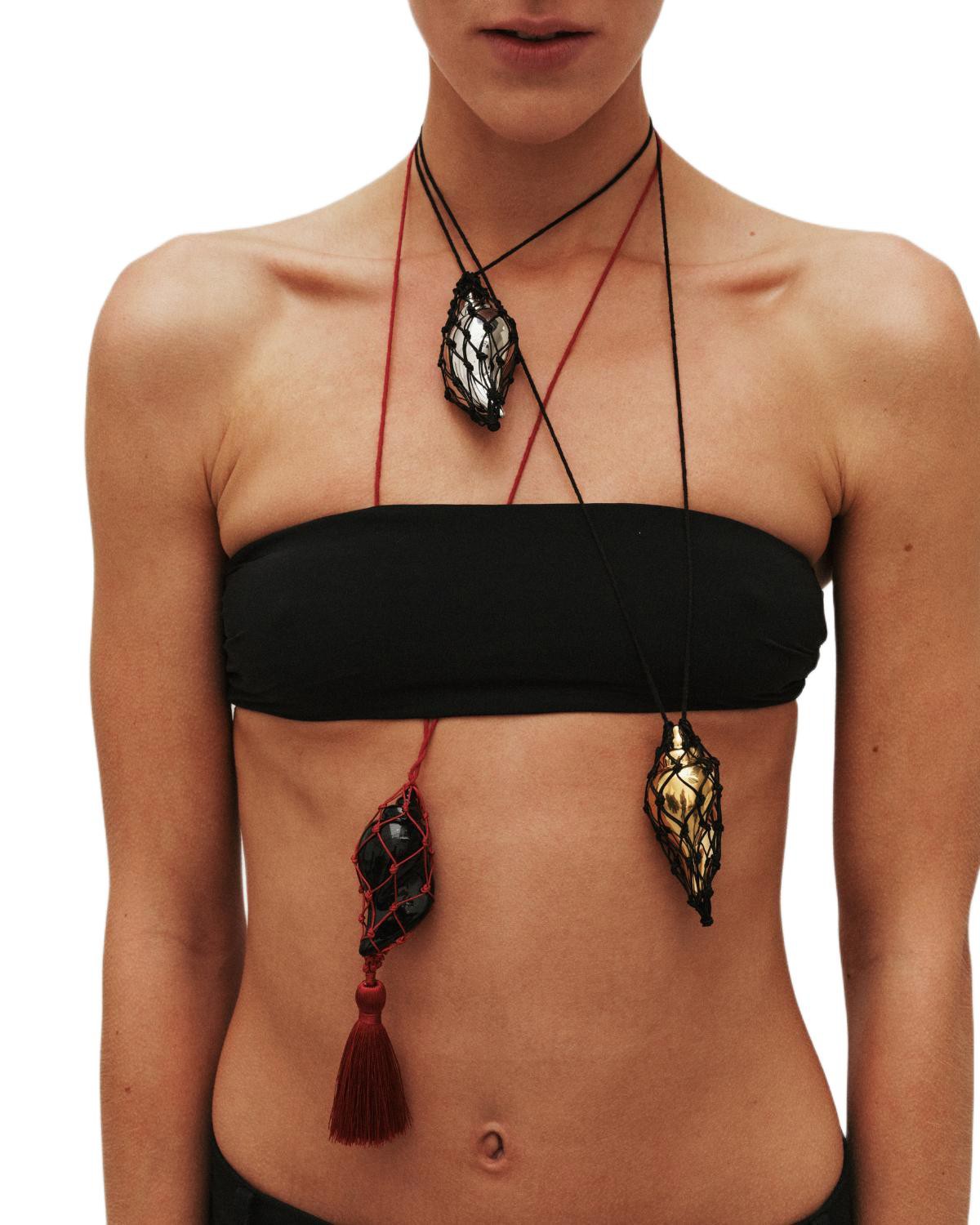
Sterling Necklace
Heaven Mayhem
$140
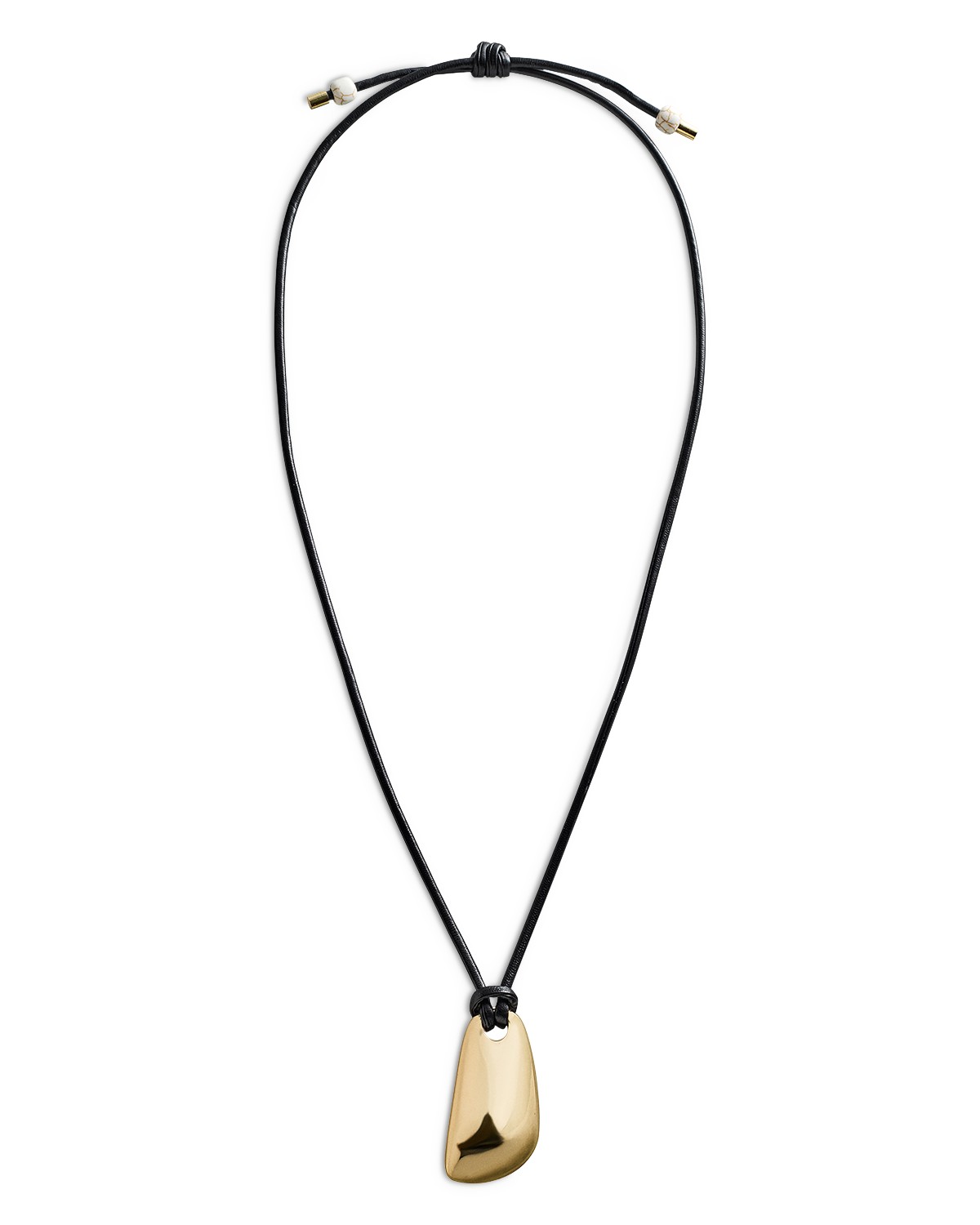
Tallulah Sculptural Pendant Necklace, 32"
BAUBLEBAR
$42
Knitwear
Knitwear is the smallest grid and the most seasonal. Fringed and cornelli cardigans are the piece you carry rather than wear, which is exactly how a city treats a sweater in October. Wool as an accessory.
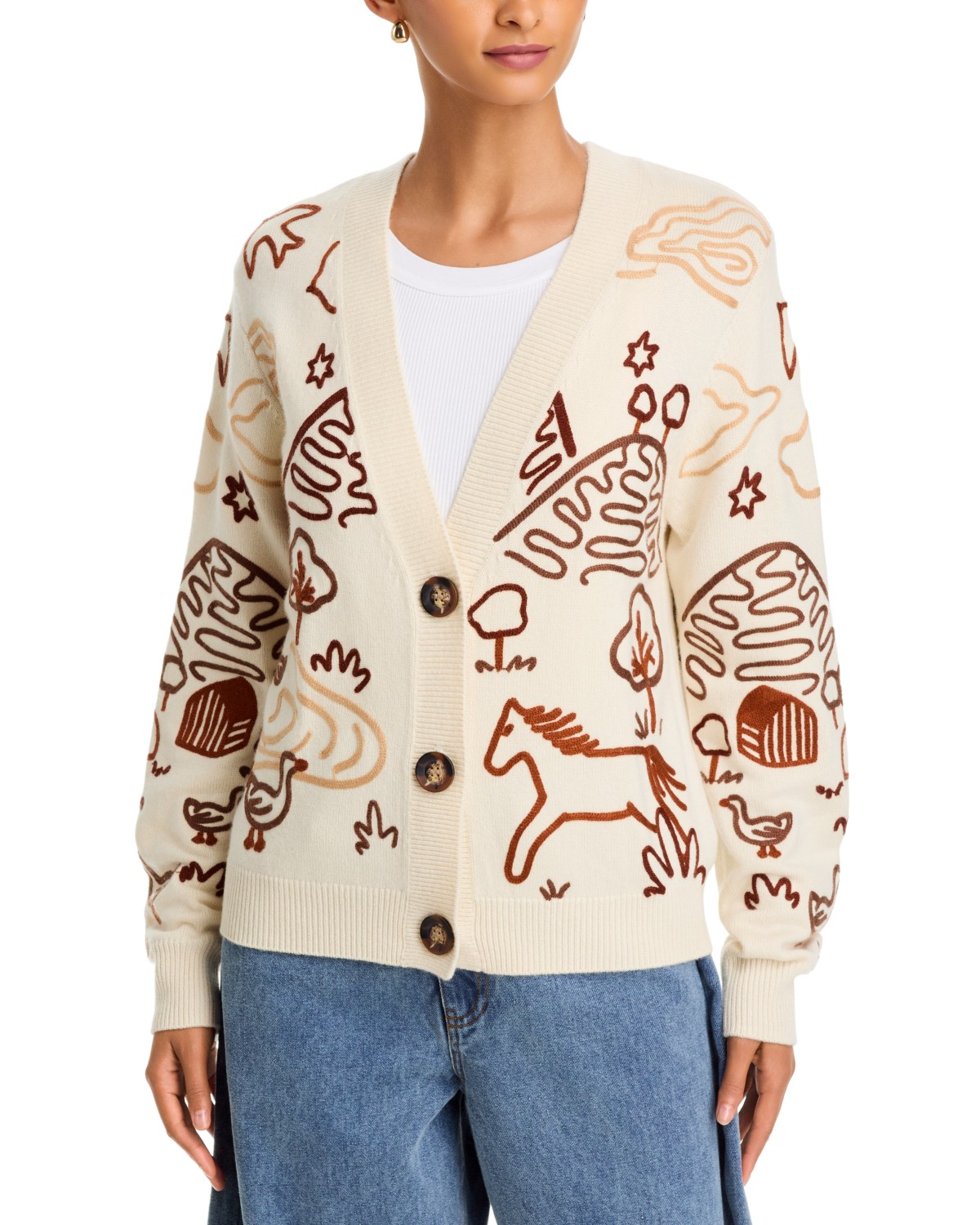
Countryside Cornelli Wool Cardigan
FARM Rio
$298
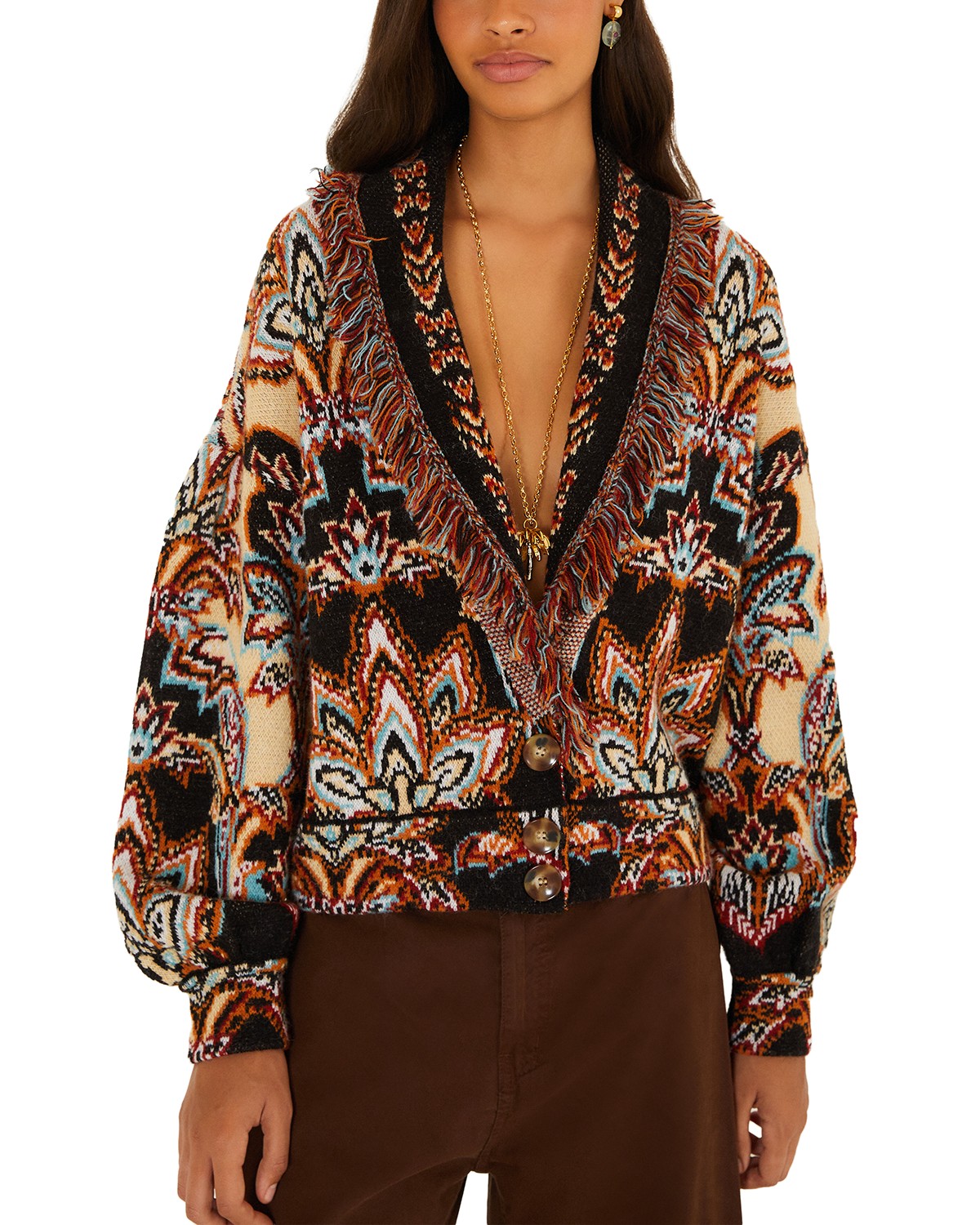
Tapestry Dream Knit Fringe Cardigan
FARM Rio
$248
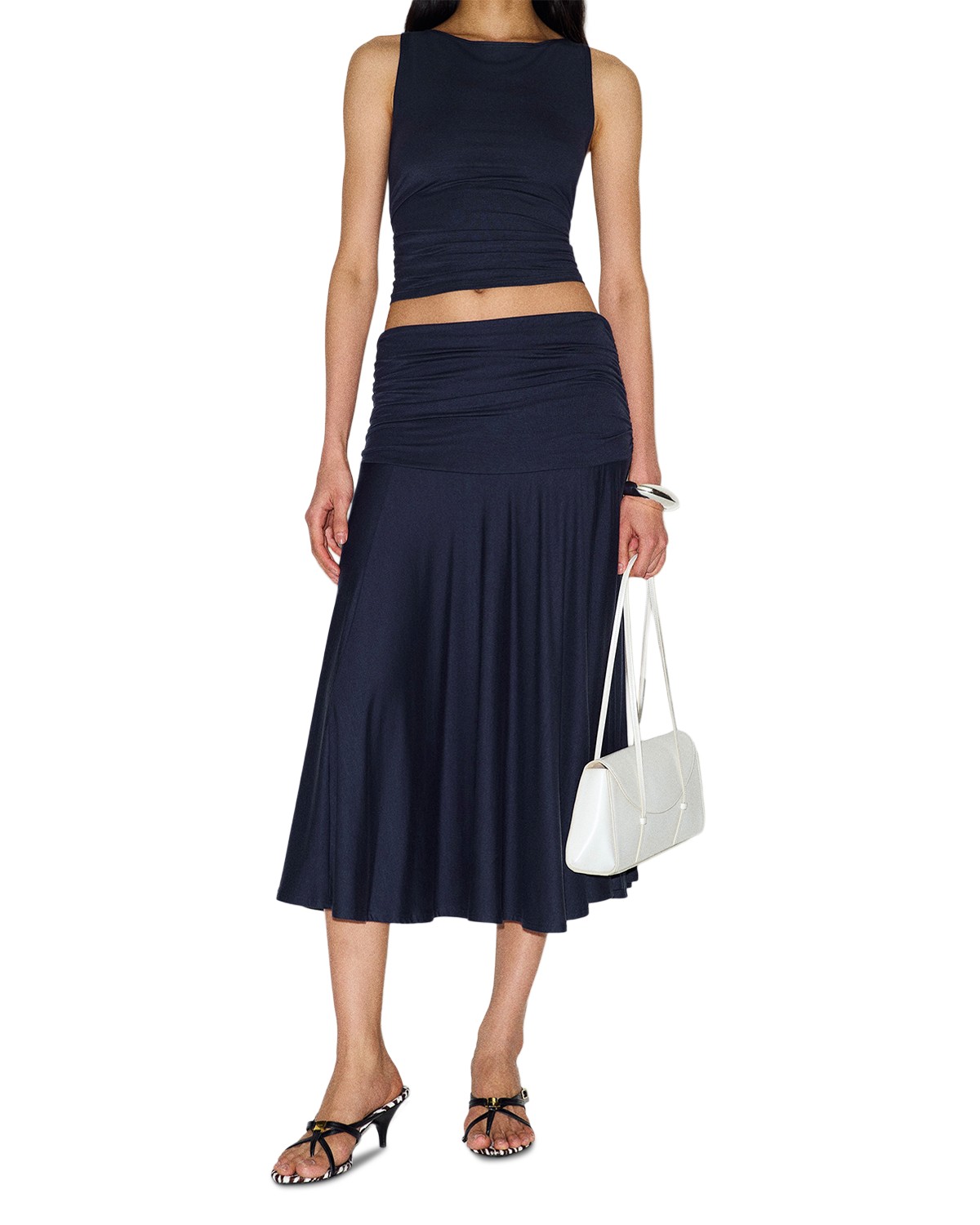
Demi Knit Two Piece Set
Reformation
$178
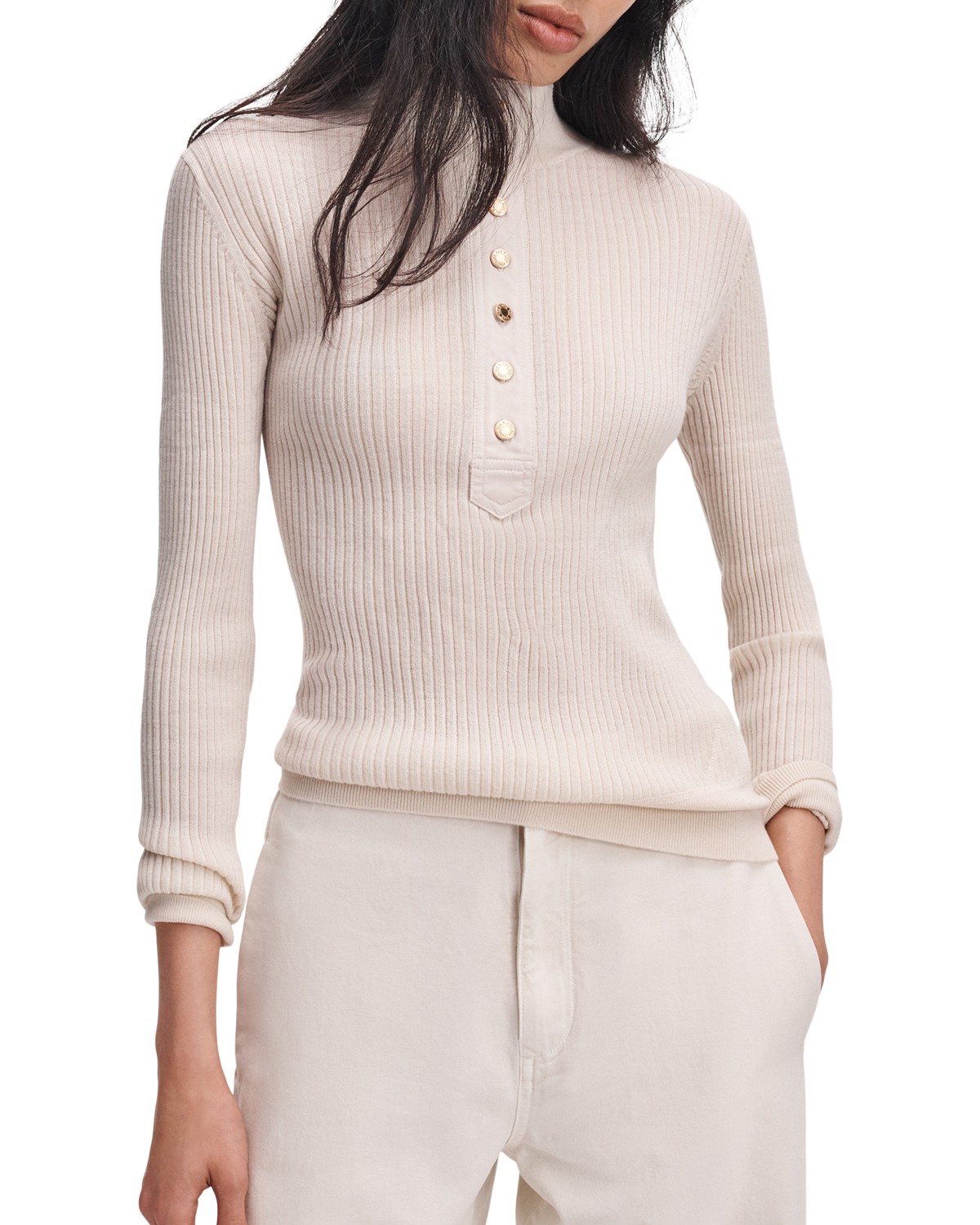
Lucy Henley Stand Collar Sweater
rag & bone
$348
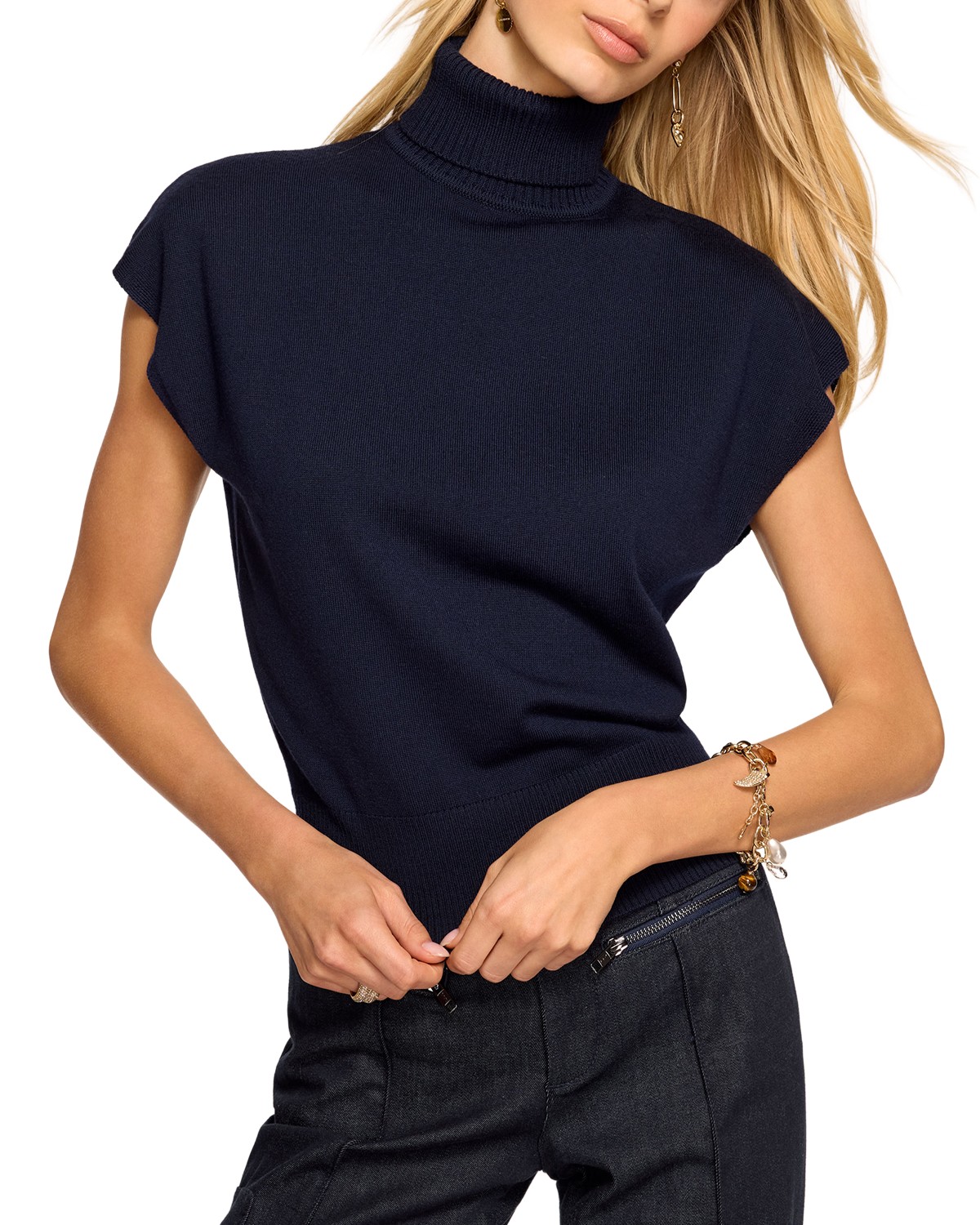
Natalie Wool Sweater
Ramy Brook
$245
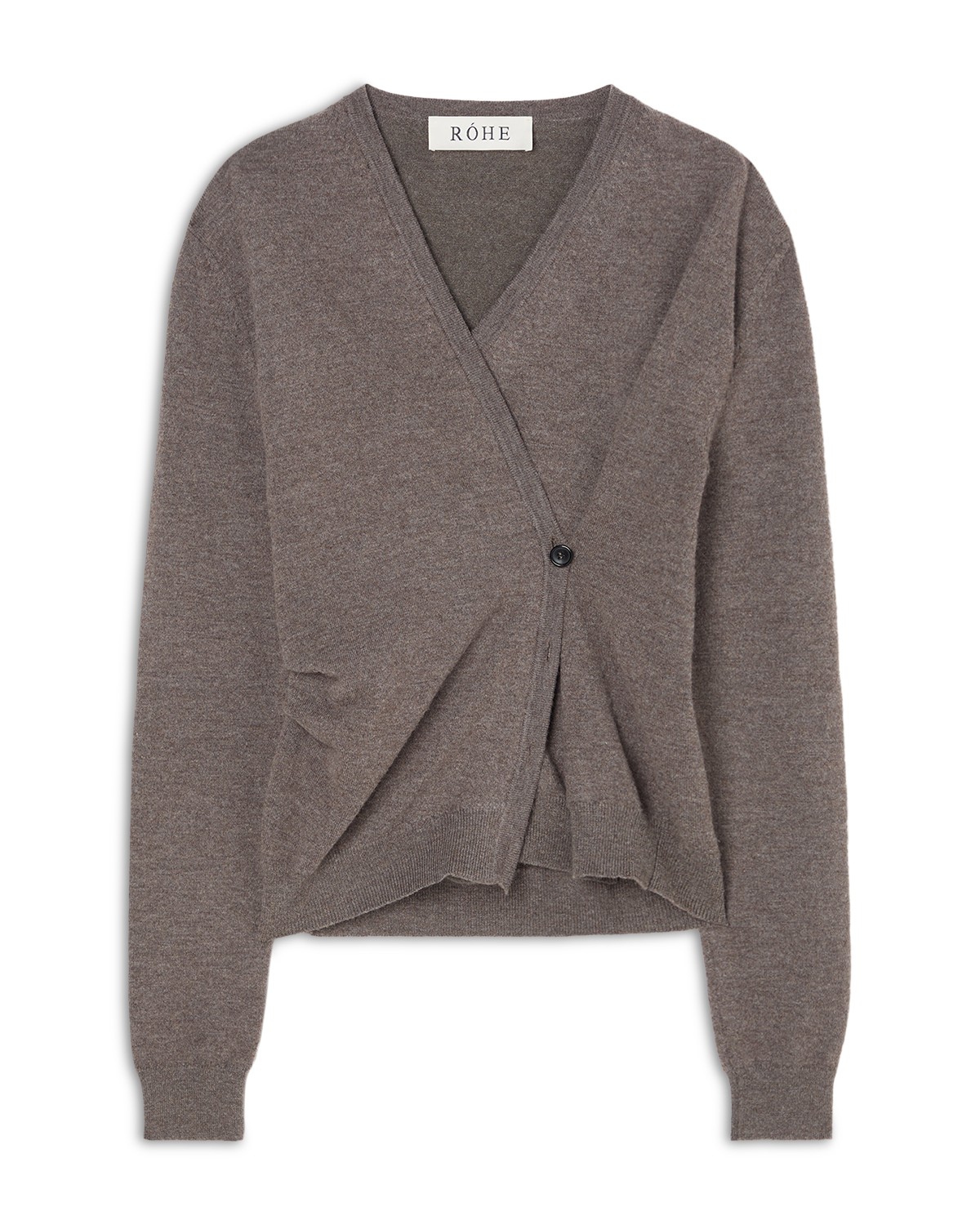
Twisted Ballet Cardigan
RÓHE
$765
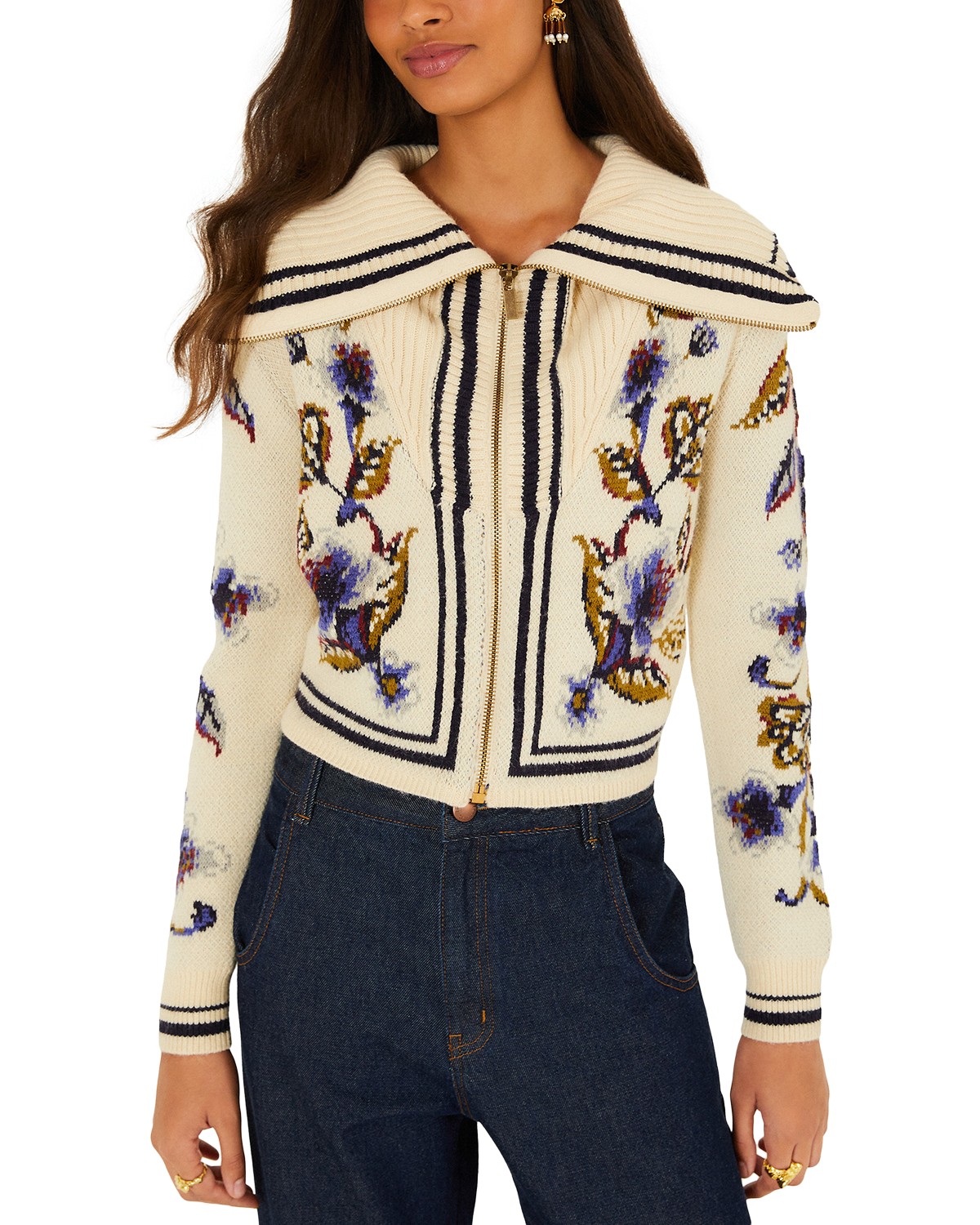
Golden Nature Knit Cardigan
FARM Rio
$260
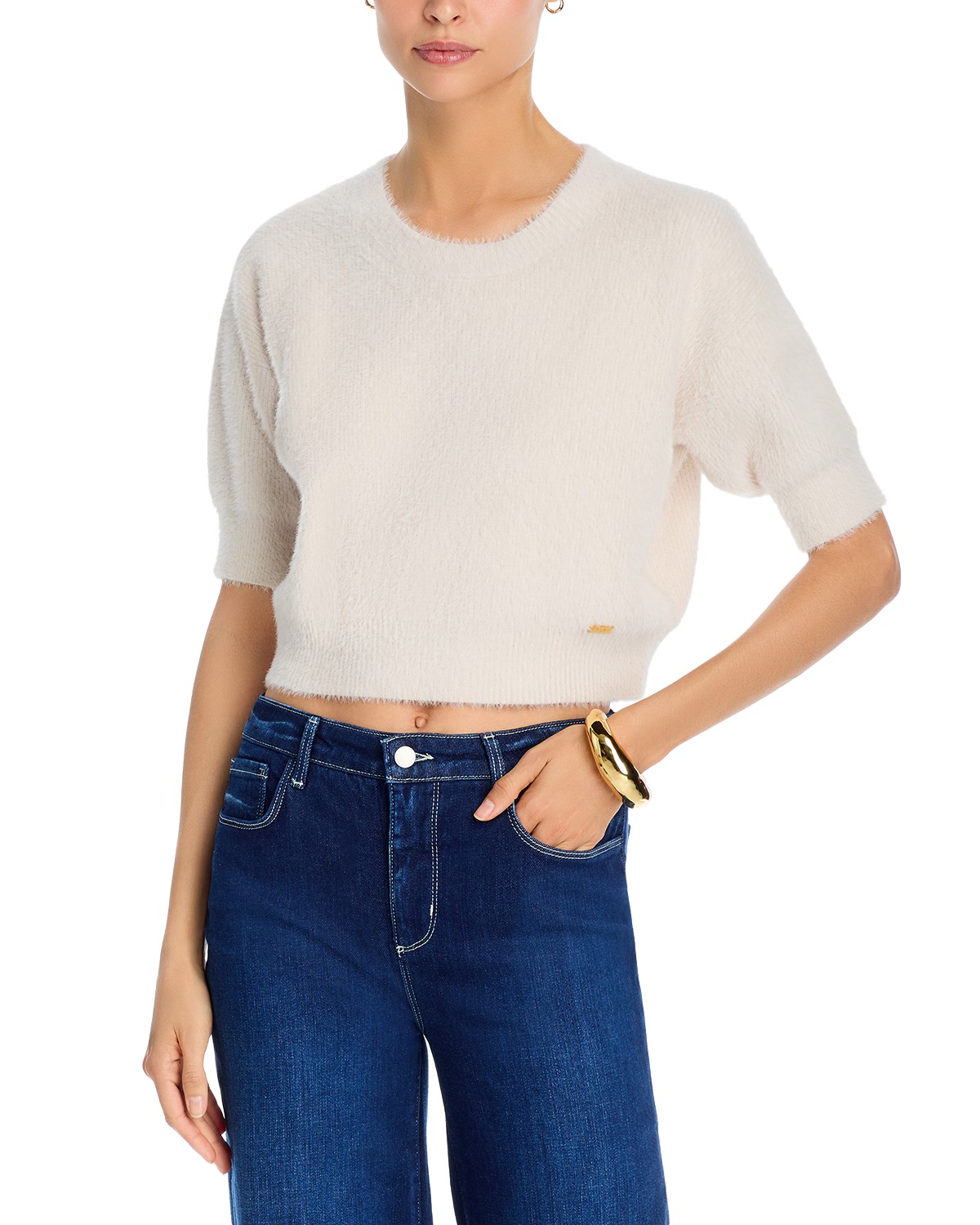
Guinevere Cropped Crewneck Sweater
L'AGENCE
$375
Also in the edit
The rest cuts across everything: pointelle sweaters, satin cutouts, pieces that only make sense in combination. Urban wardrobes are assembled rather than bought, and this grid is the raw material for that. Most of the good outfits come from here.
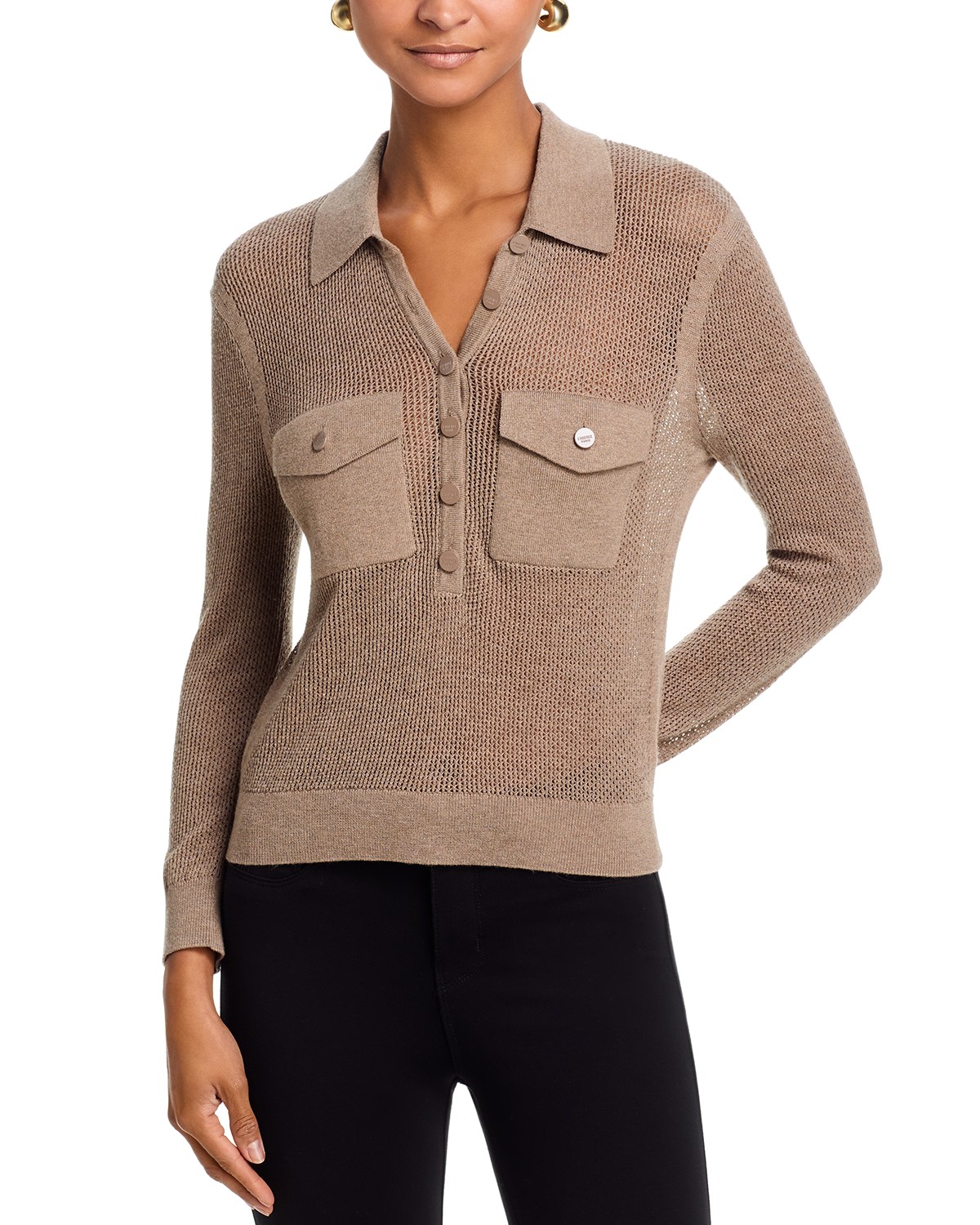
Carine Pointelle Collared Sweater
L'AGENCE
$237
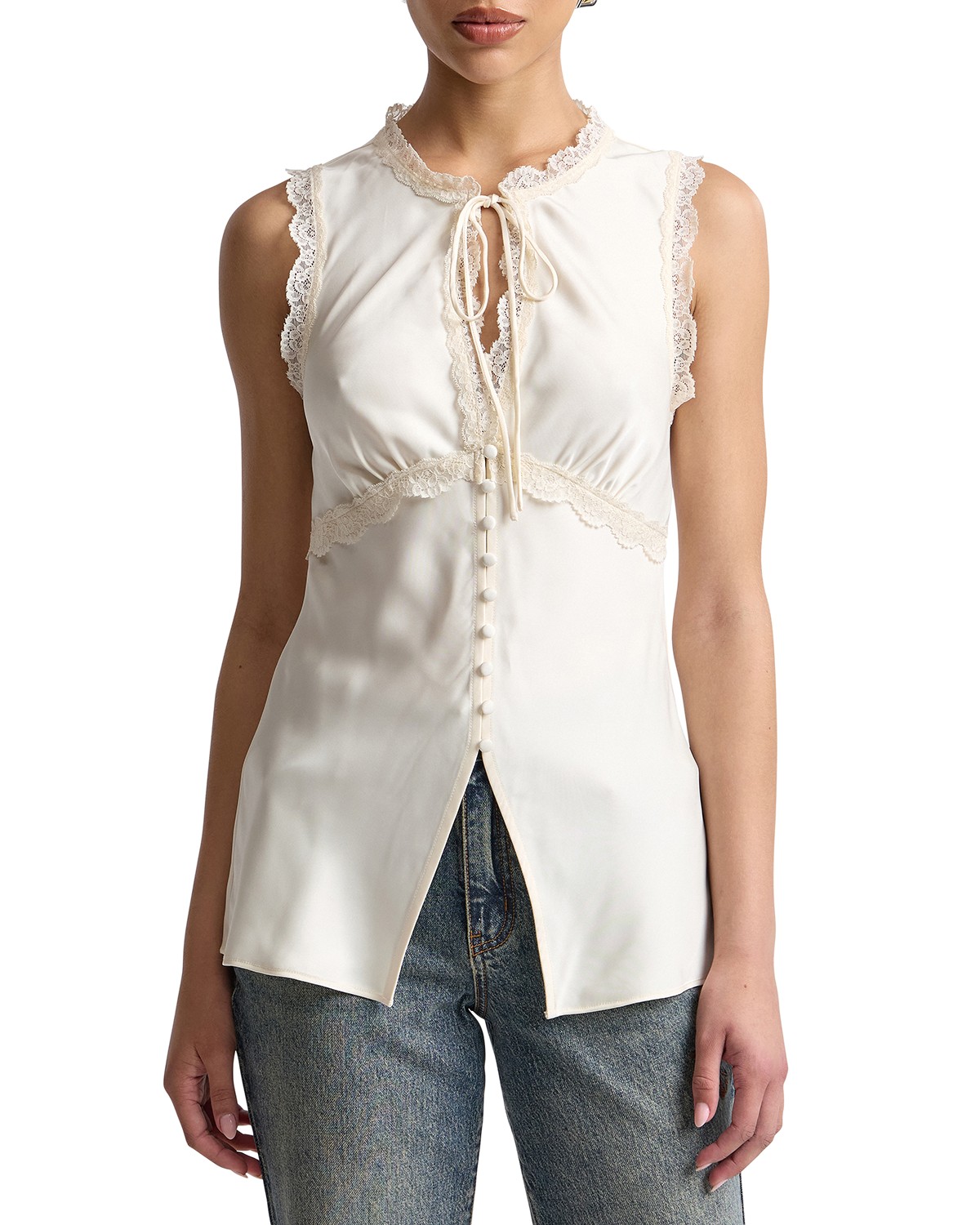
Satin Empire Waist Cutaway Top
Avec Les Filles
$98
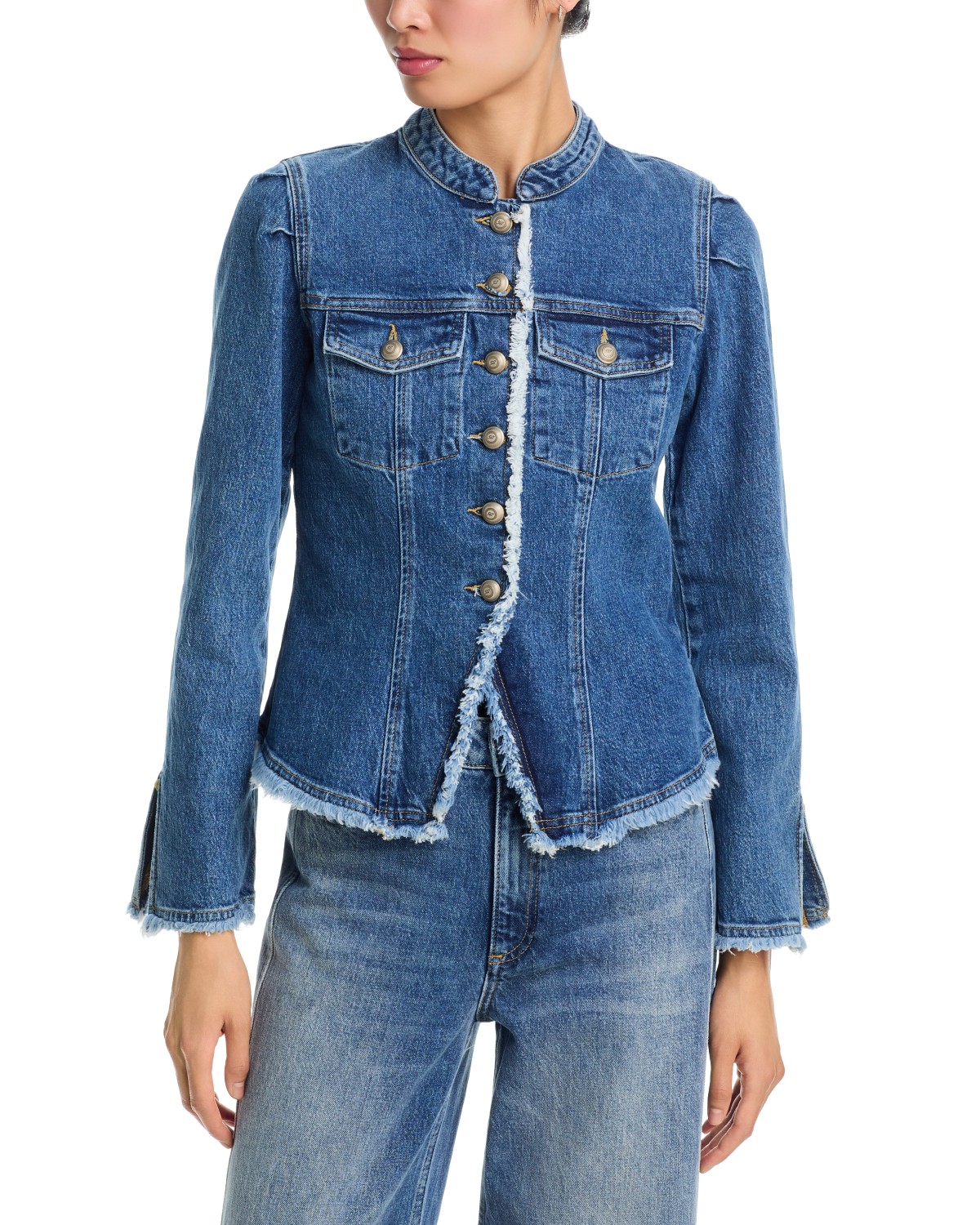
Avril Denim Jacket
Cinq à Sept
$395
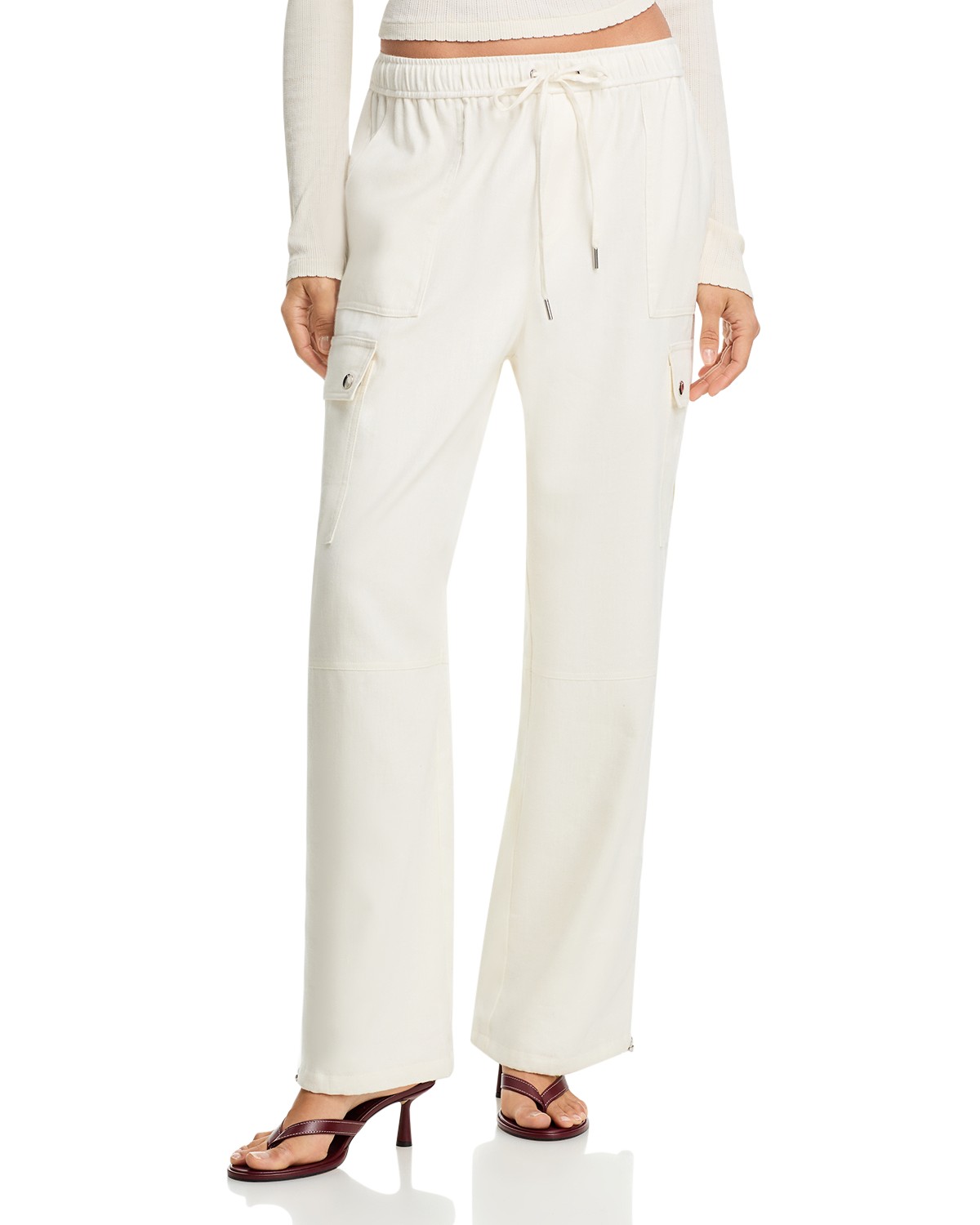
Crislin Pants
Cinq à Sept
$395
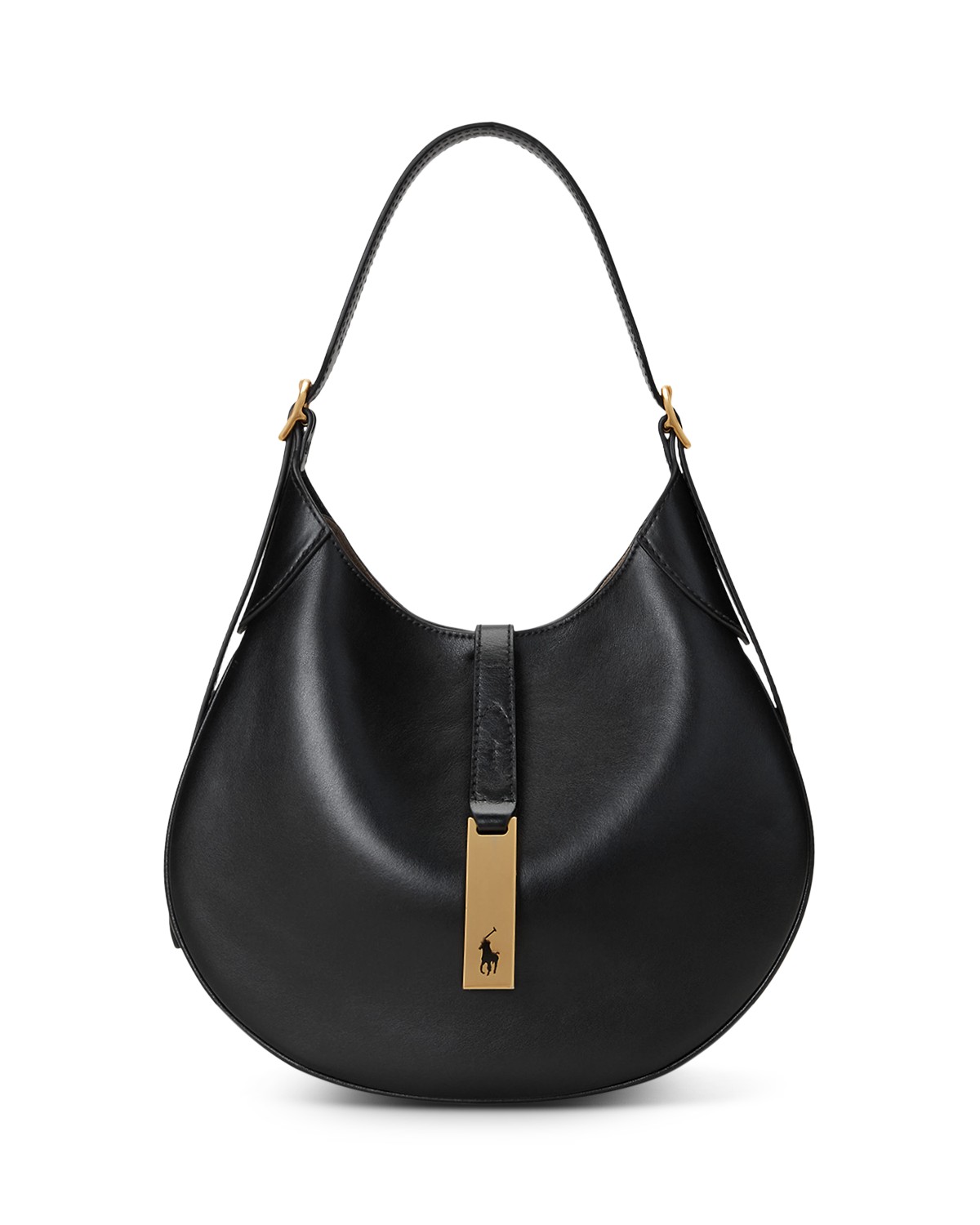
Polo ID Leather Small Shoulder Bag
Polo Ralph Lauren
$598

Women's Lucy Sleeveless Blazer Mini Dress
Ever New
$159.99
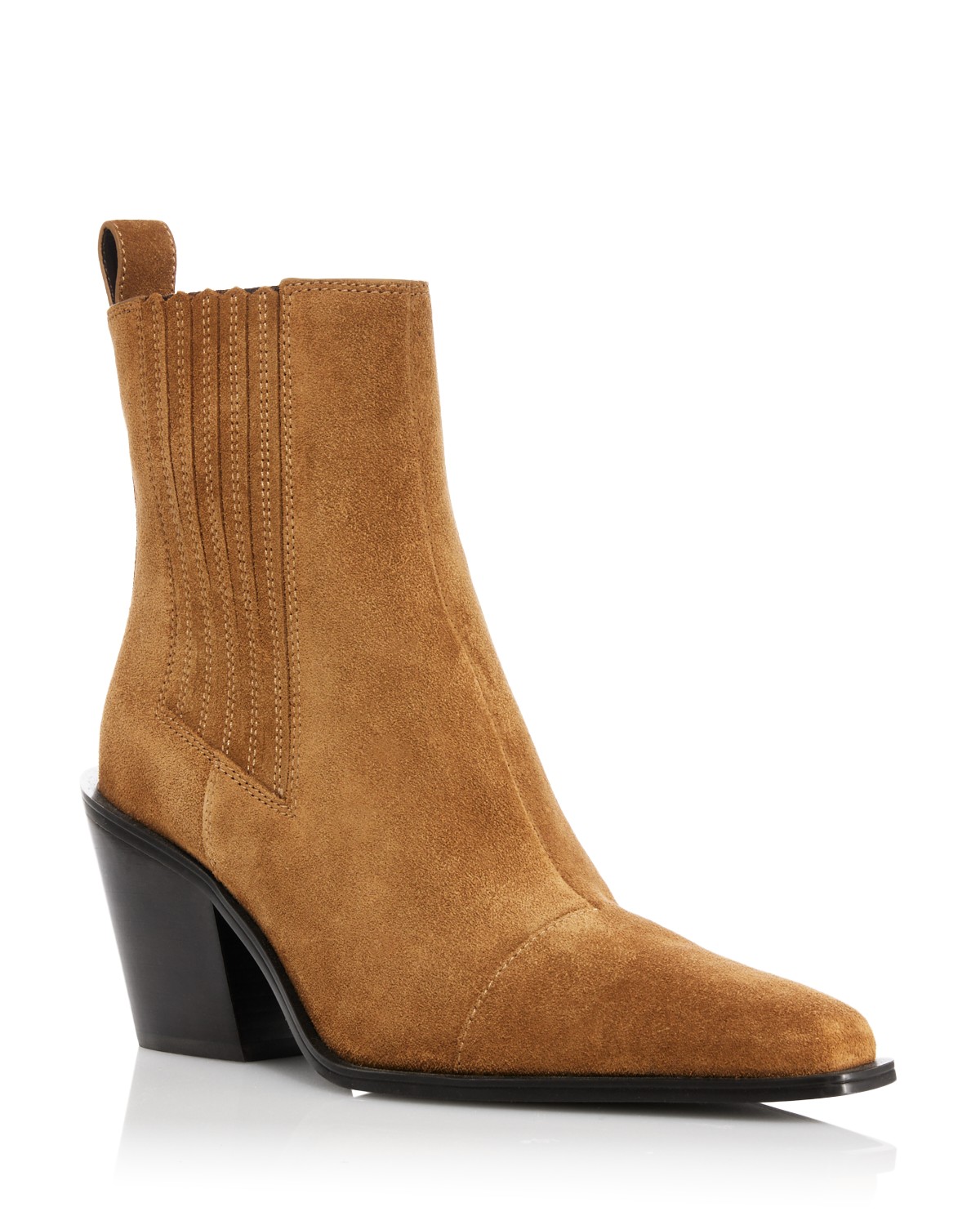
Women's Newbury Suede Chelsea Boots
rag & bone
$498
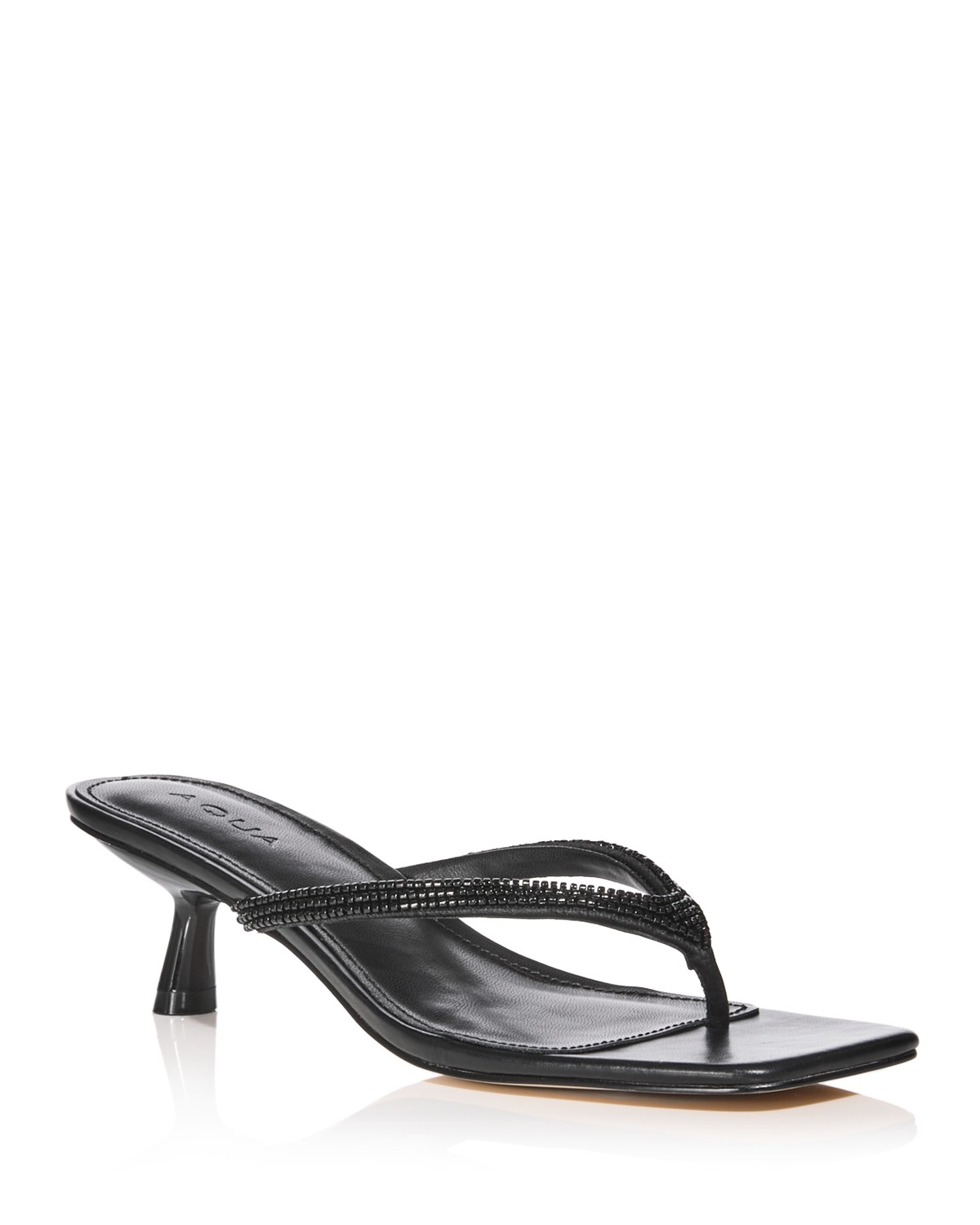
Women's Ebony Thong Sandals - Exclusive
AQUA
$108
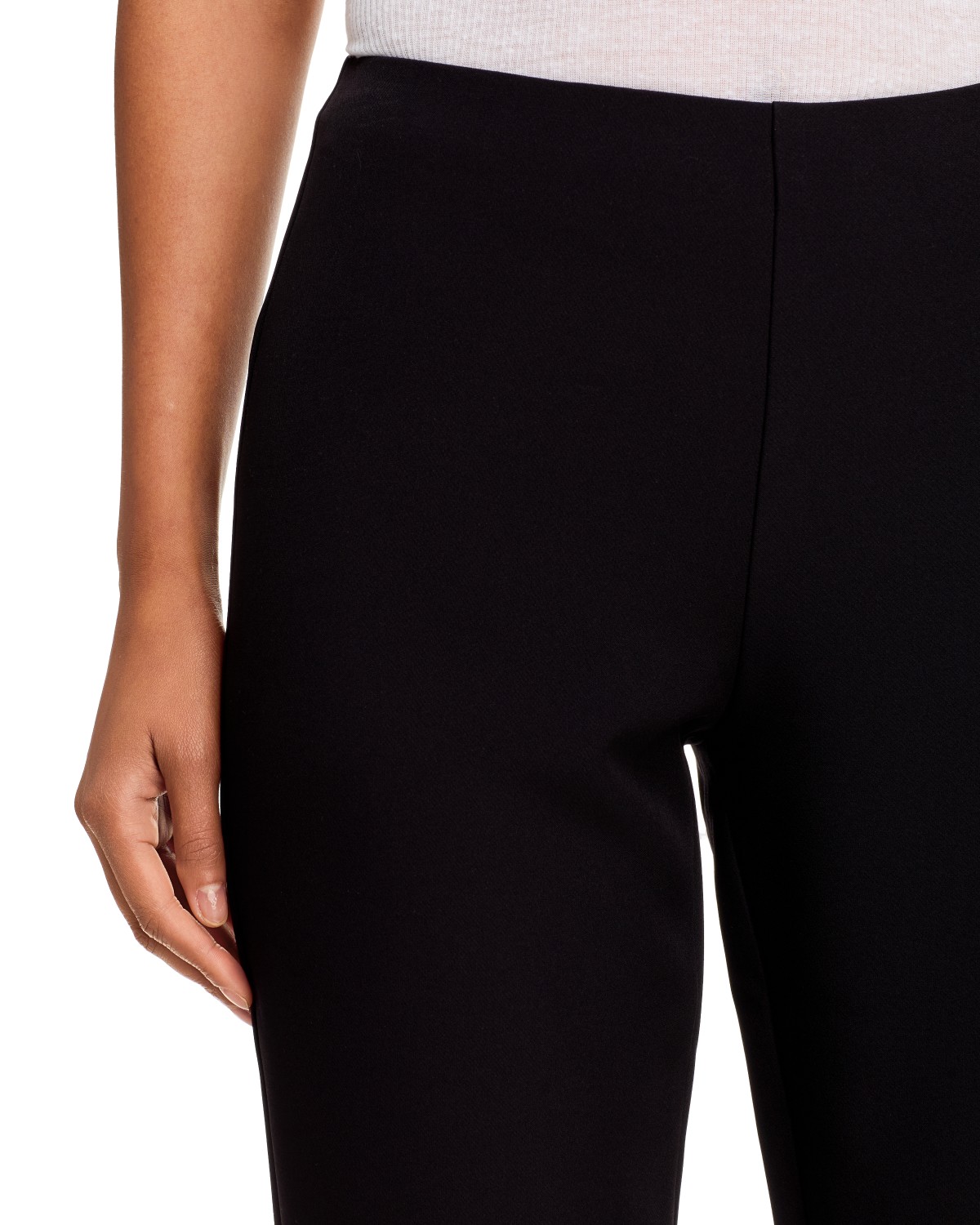
Rosina Crepe Capri Pants
Generation Love
$235
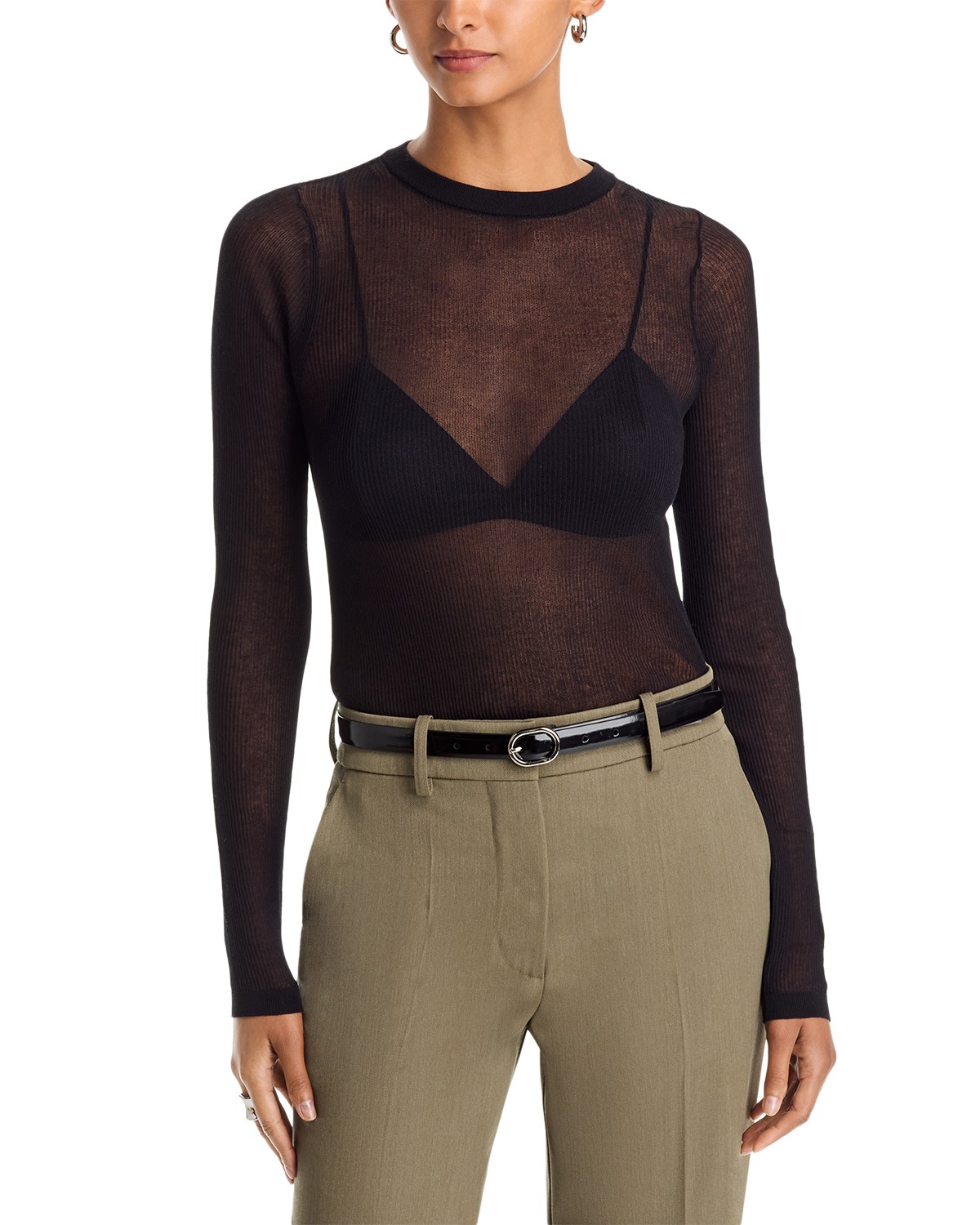
Tiana Crewneck Cotton Blend Sweater
Anine Bing
$195
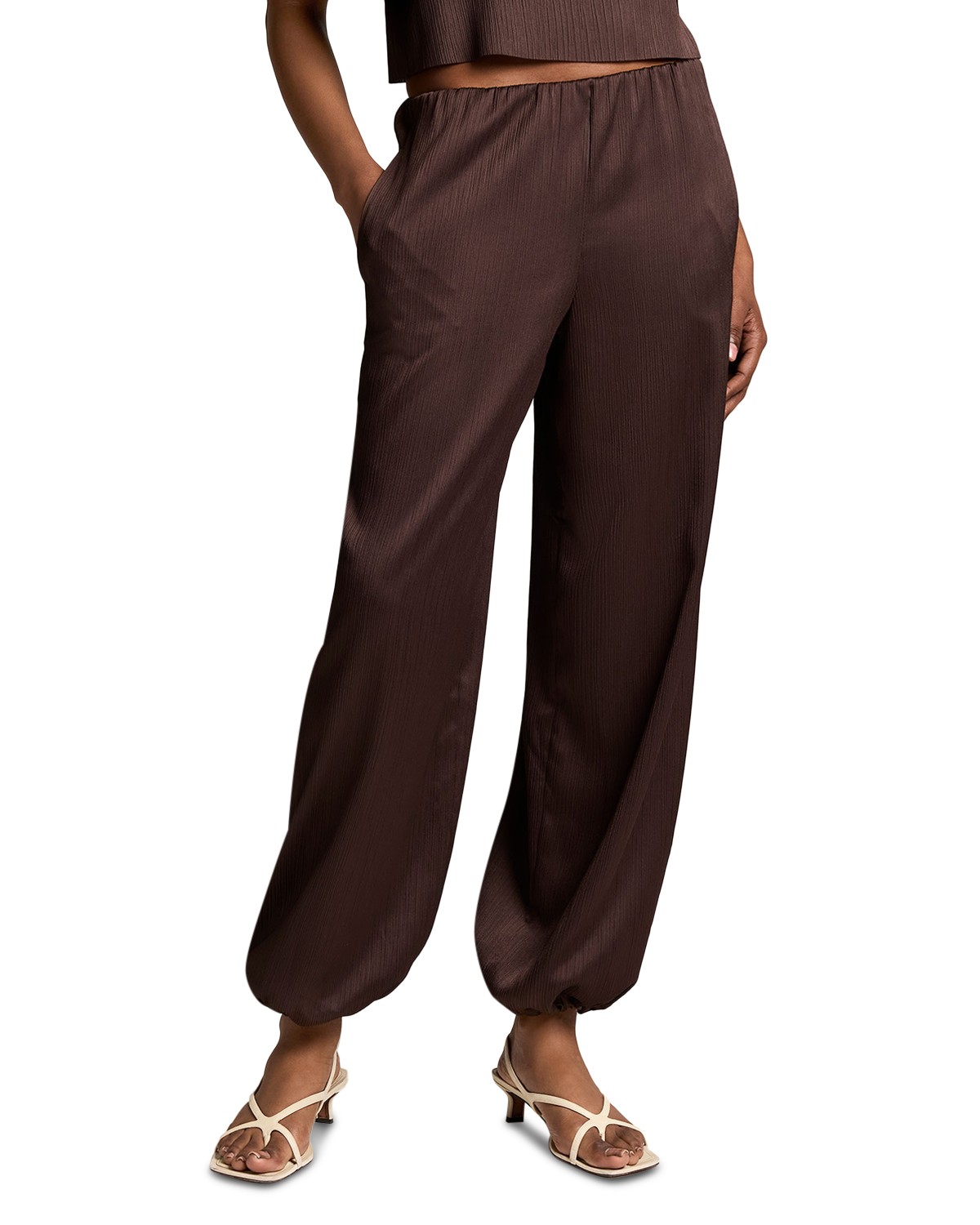
Mid Rise Plissé Drawcord Hem Pants
Vince
$428
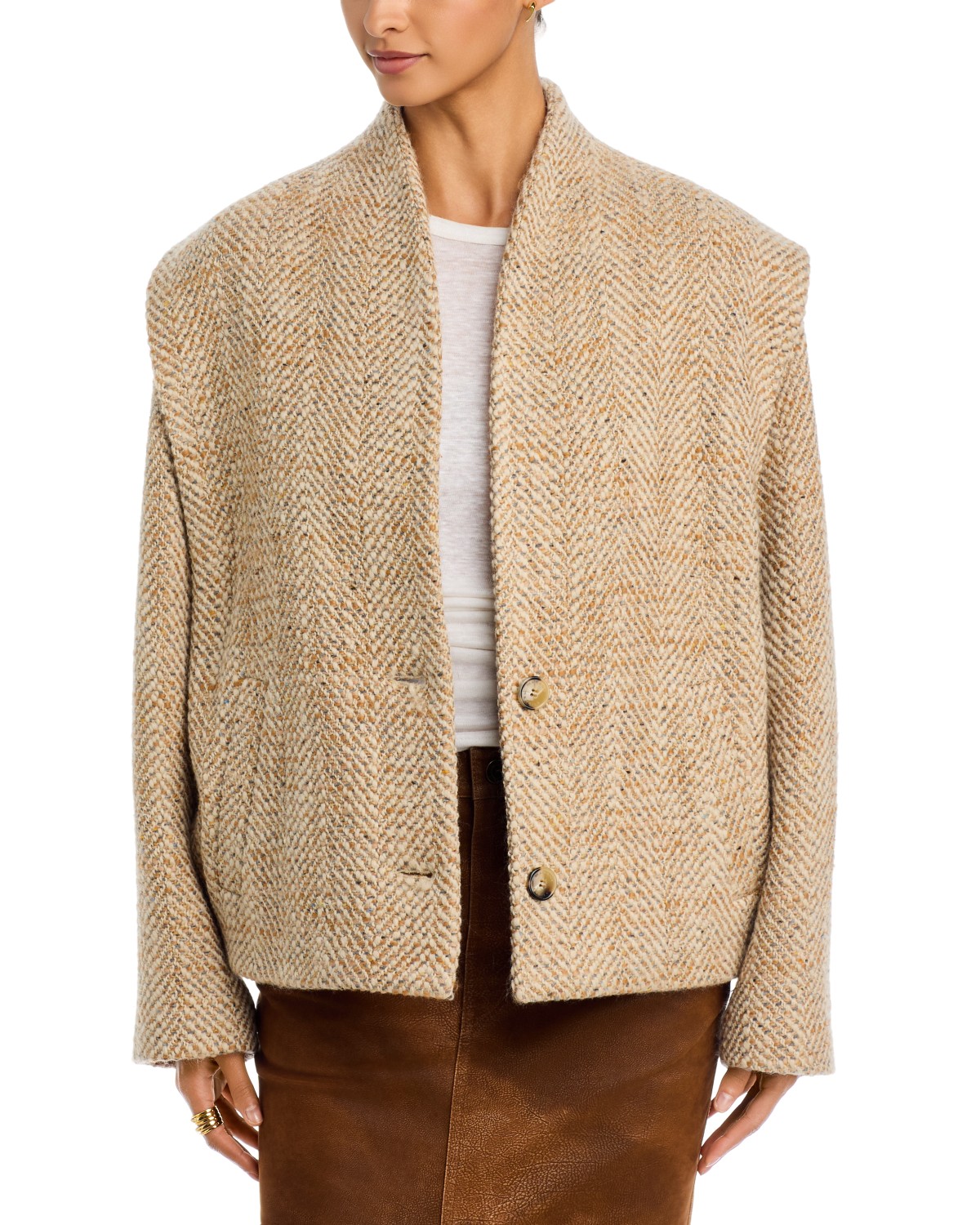
Drogo Herringbone Tweed Jacket
Isabel Marant Etoile
$885
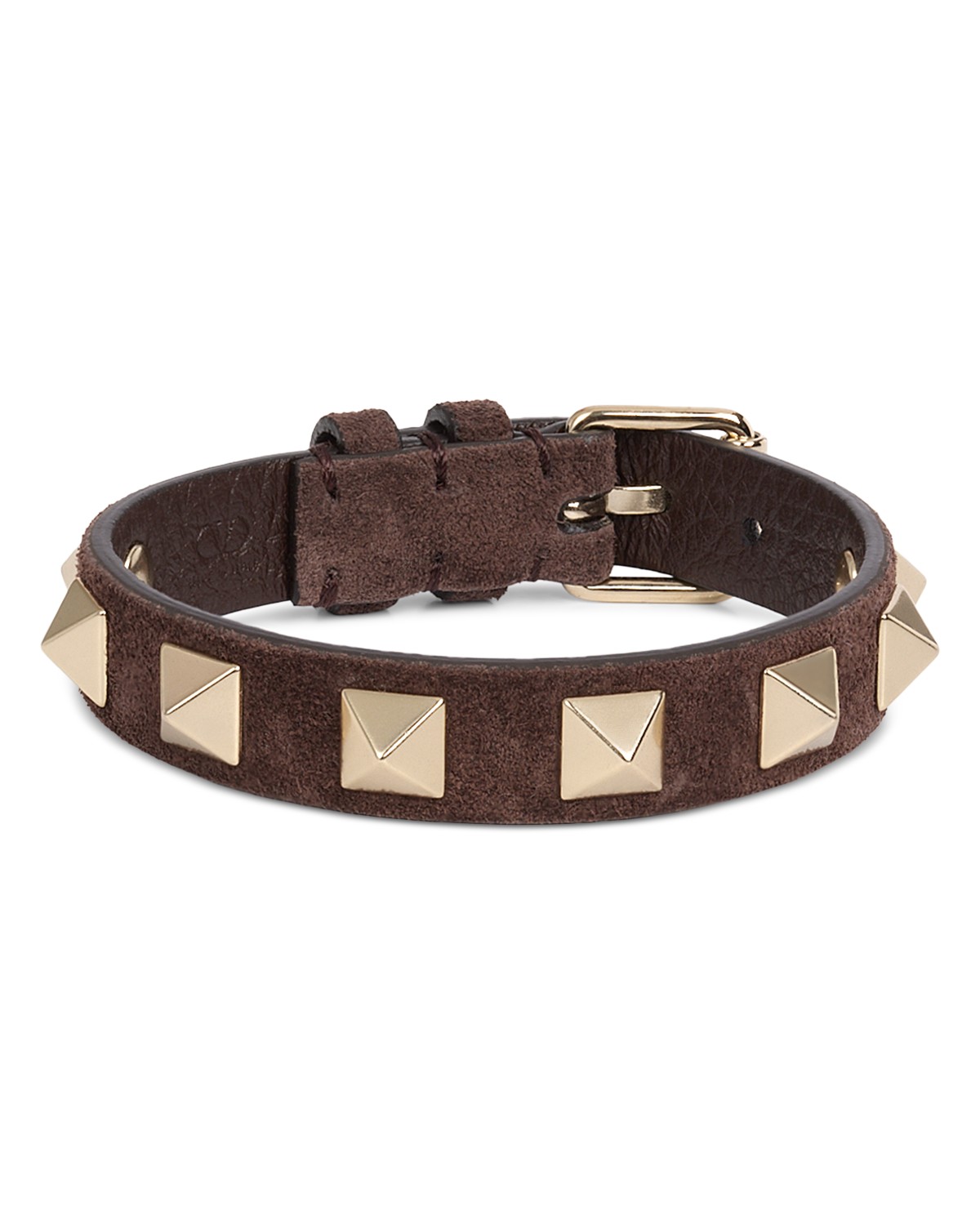
Rockstud Leather Bracelet
Valentino Garavani
$370
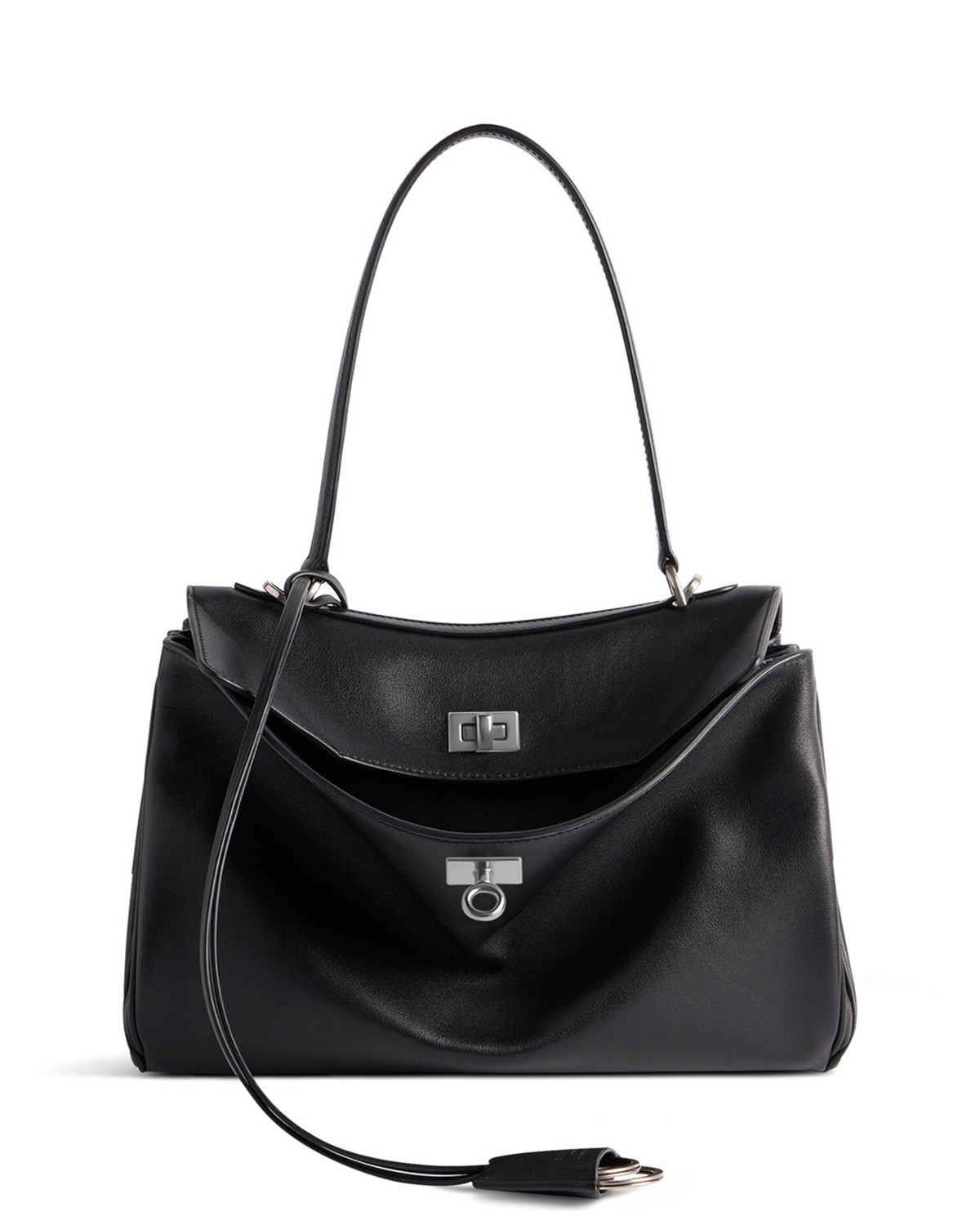
Rodeo Handbag Small
Balenciaga
$3,650
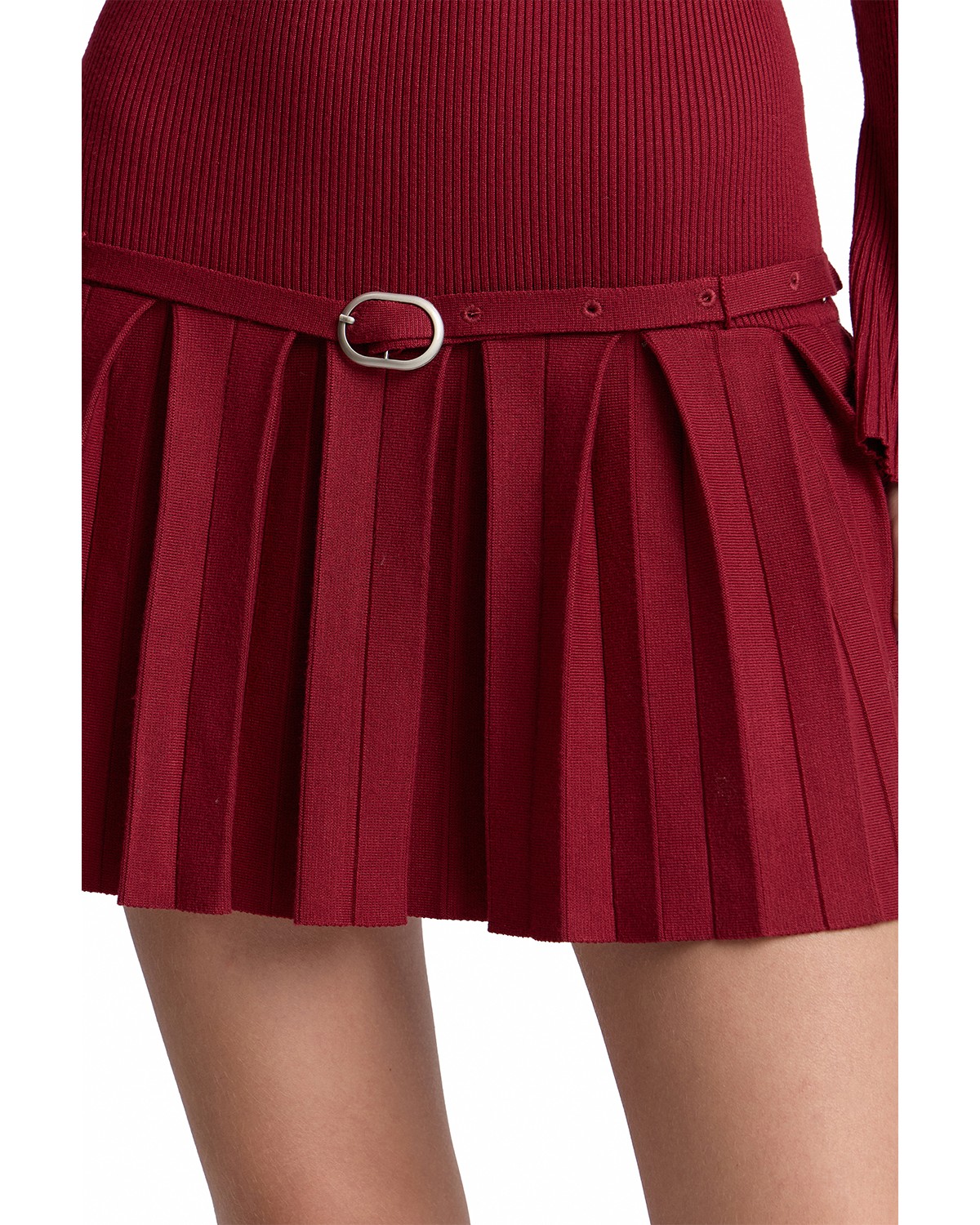
Belted Drop Waist Pleated Sweater Dress
Avec Les Filles
$148
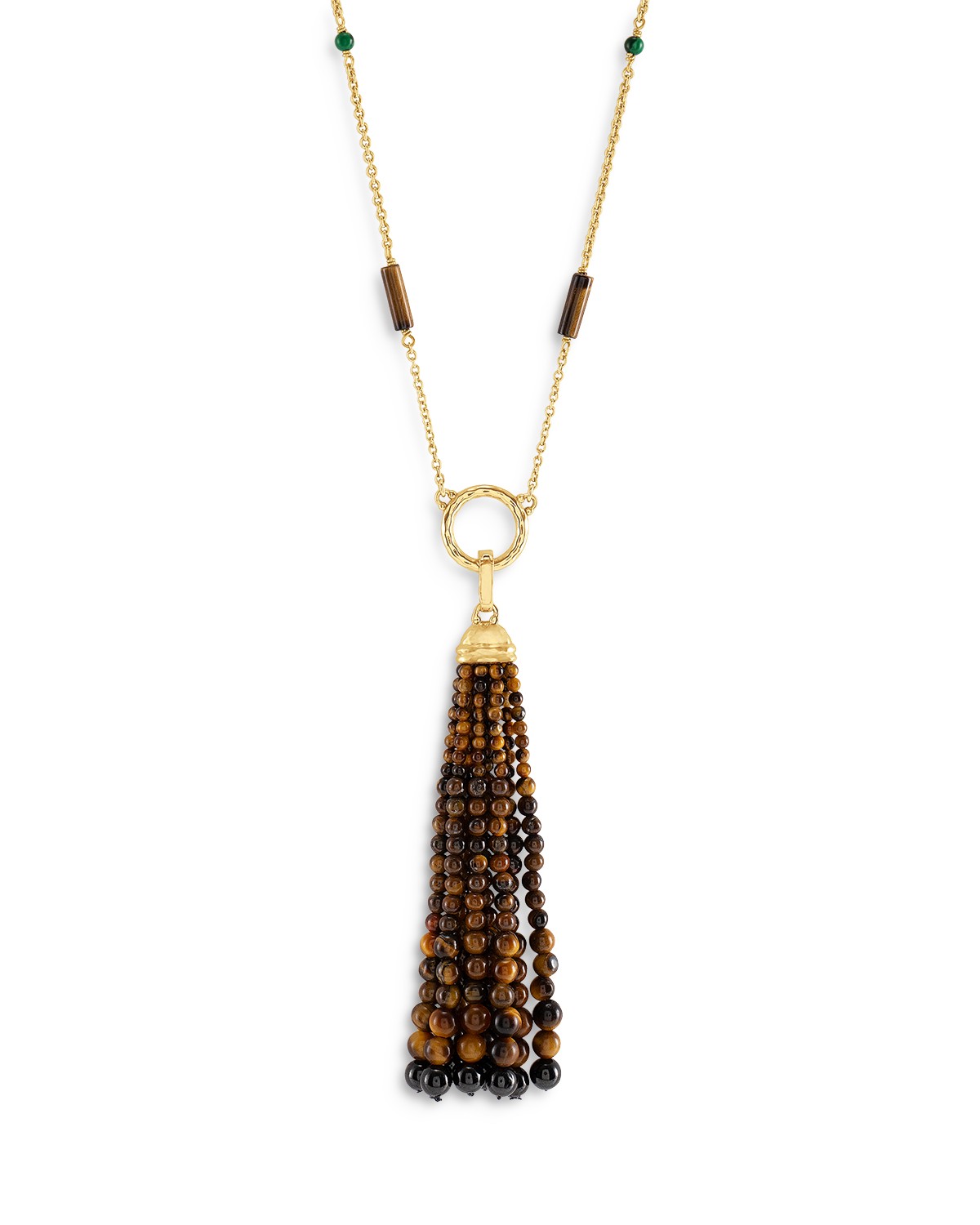
Forza Tassel Pendant
Anabel Aram
$95
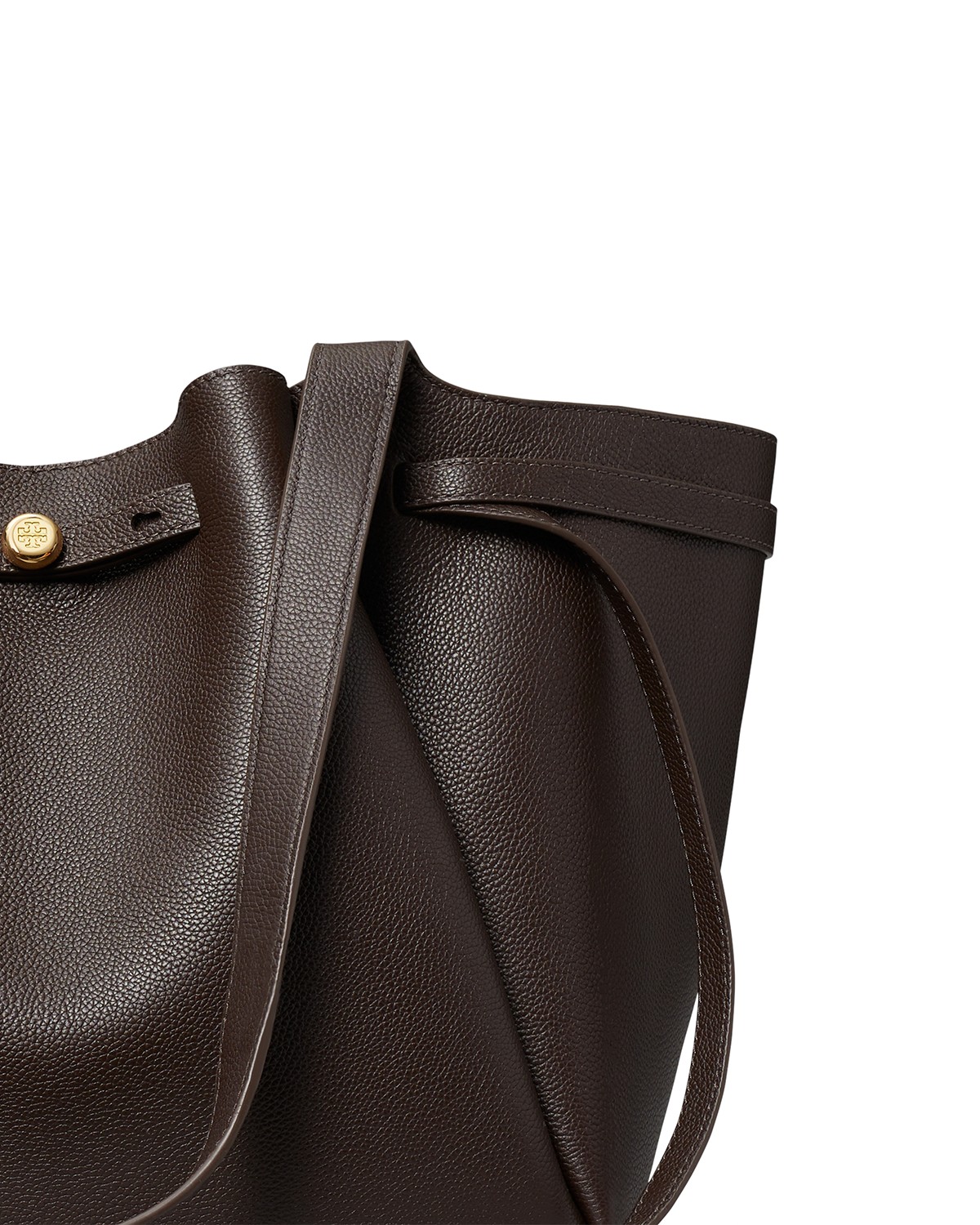
Large Romy Tote Bag
Tory Burch
$595
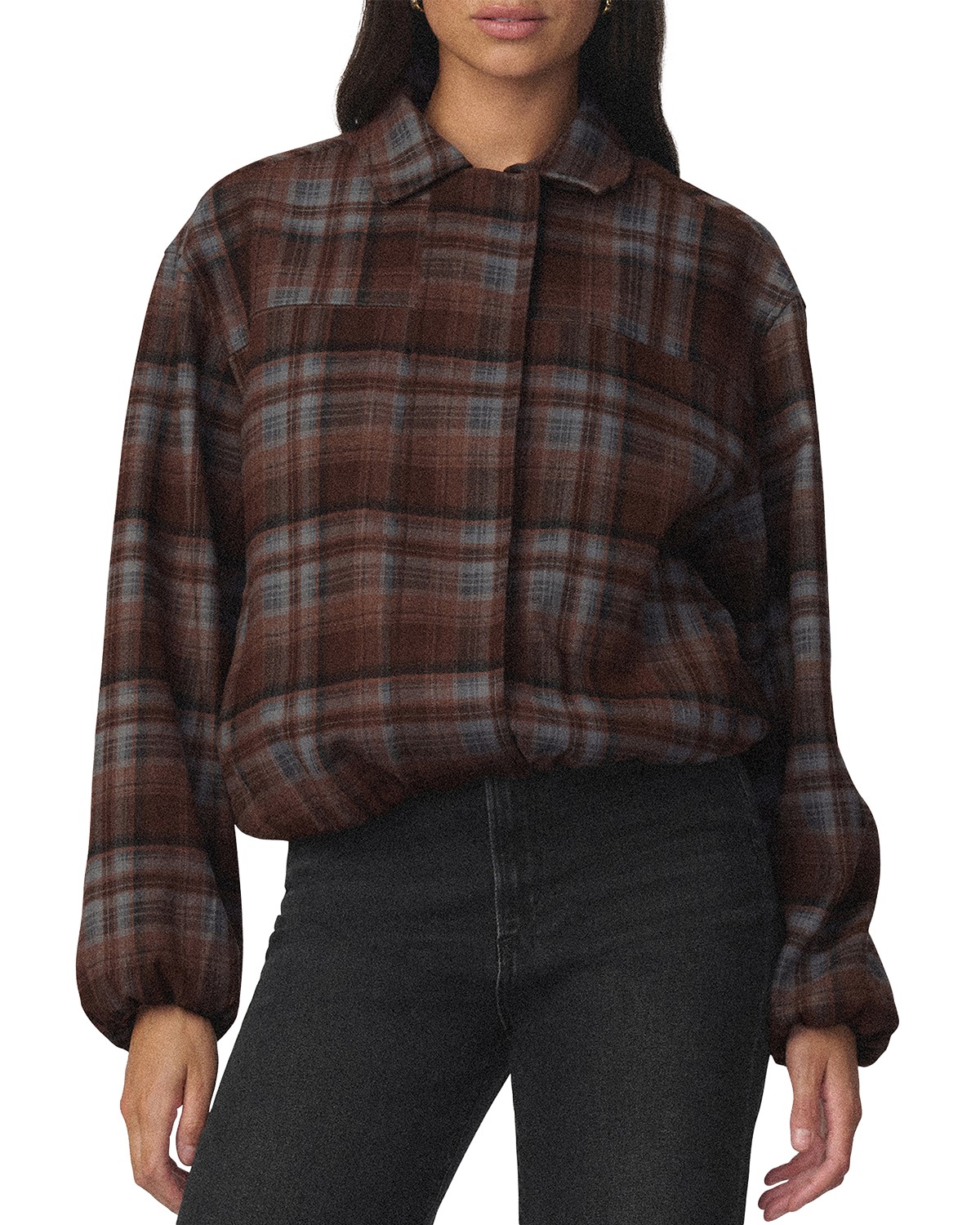
The Bella Bomber Jacket
Joe's Jeans
$398
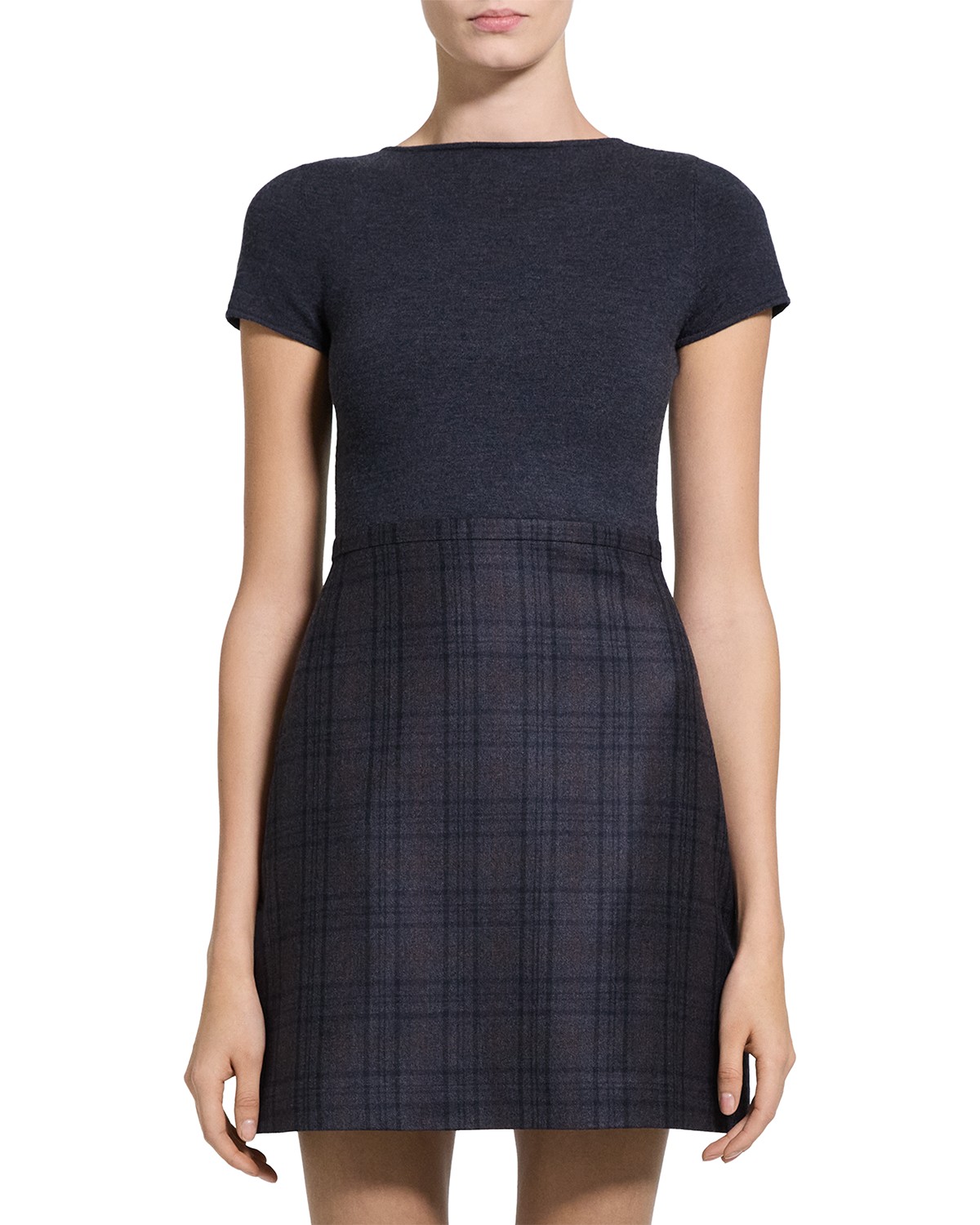
Short Sleeve A Line Wool Dress
Theory
$495
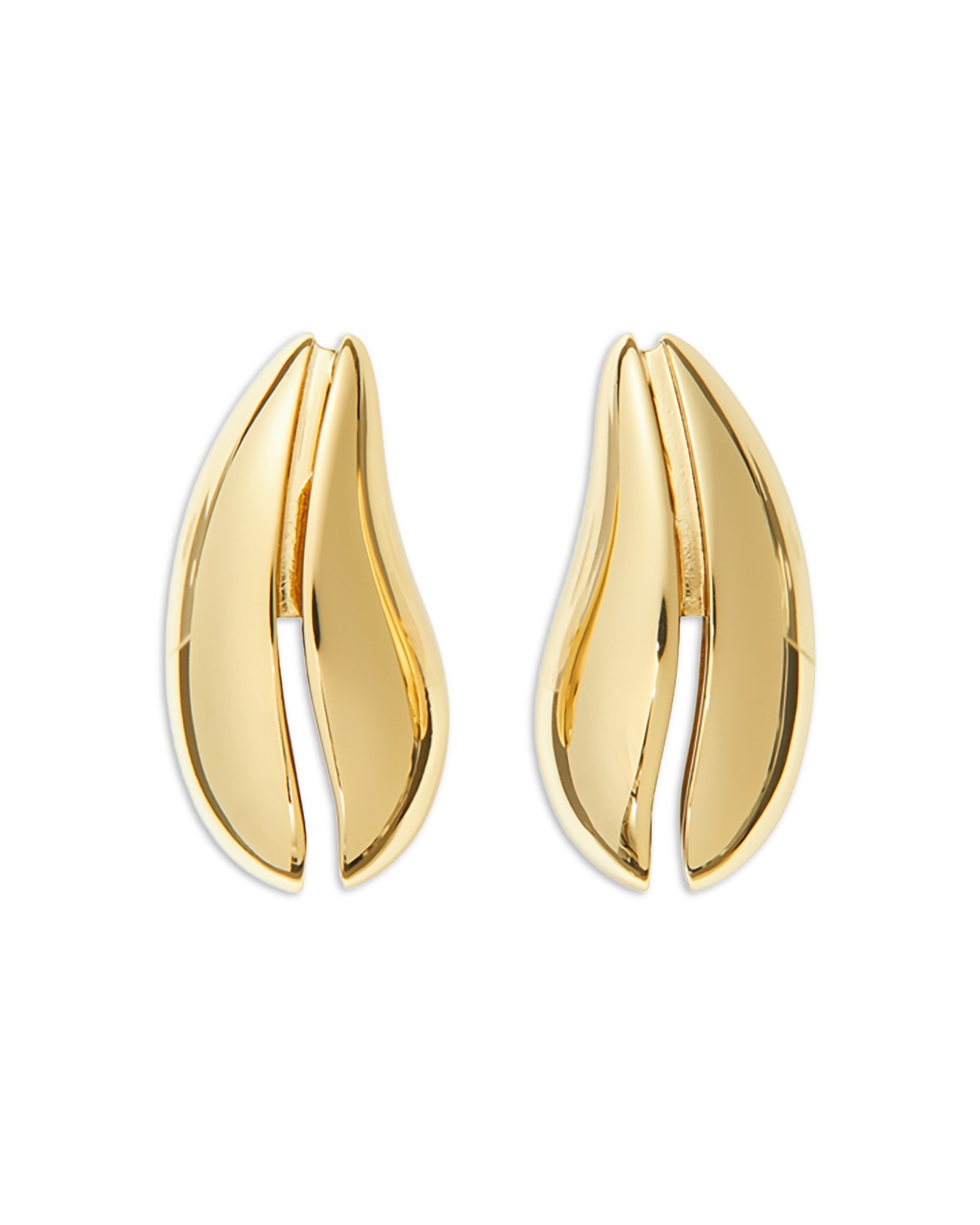
Mini Wave Drop Earrings
Tory Burch
$140
Our honest take
City autumn dressing is a logistics problem disguised as a style problem, and the wardrobes that work treat it that way: removable layers, flat shoes, a bag that holds a laptop. The mistake is buying for the fantasy version of the season, all heavy coats and country weekends, and then sweating through October. Dress for the train, not the postcard.
Shop brands in this edit
 Shop Reformation
 Shop Tory Burch
 Shop St. Agni
 Shop Staud
 Shop FRAME
 Shop Rag & Bone
 Shop Vince
 Shop Helmut Lang
 Shop ALC
 Shop Anine Bing
 Shop Farm Rio
 Shop Paige
 Shop Toteme
 Shop Veronica Beard
 Shop Bardot
 Shop Cinq À Sept
 Shop L'Agence
 Shop Theory
 Shop Balenciaga
 Shop Citizens of Humanity
 Shop Coach
 Shop LESET
 Shop Liffner
 Shop Ronny Kobo
 Shop Schutz
 Shop 7 For All Mankind
 Shop Acne Studios
 Shop Ana Luisa
 Shop ASTR The Label
 Shop BaubleBar
 Shop Bottega Veneta
 Shop DeMellier
 Shop Favorite Daughter
 Shop Heaven Mayhem
 Shop Jimmy Choo
 Shop Longchamp
 Shop Ramy Brook
 Shop Self Portrait
 Shop Stuart Weitzman
 Shop Tanya Taylor
 Shop Z Supply
Next read
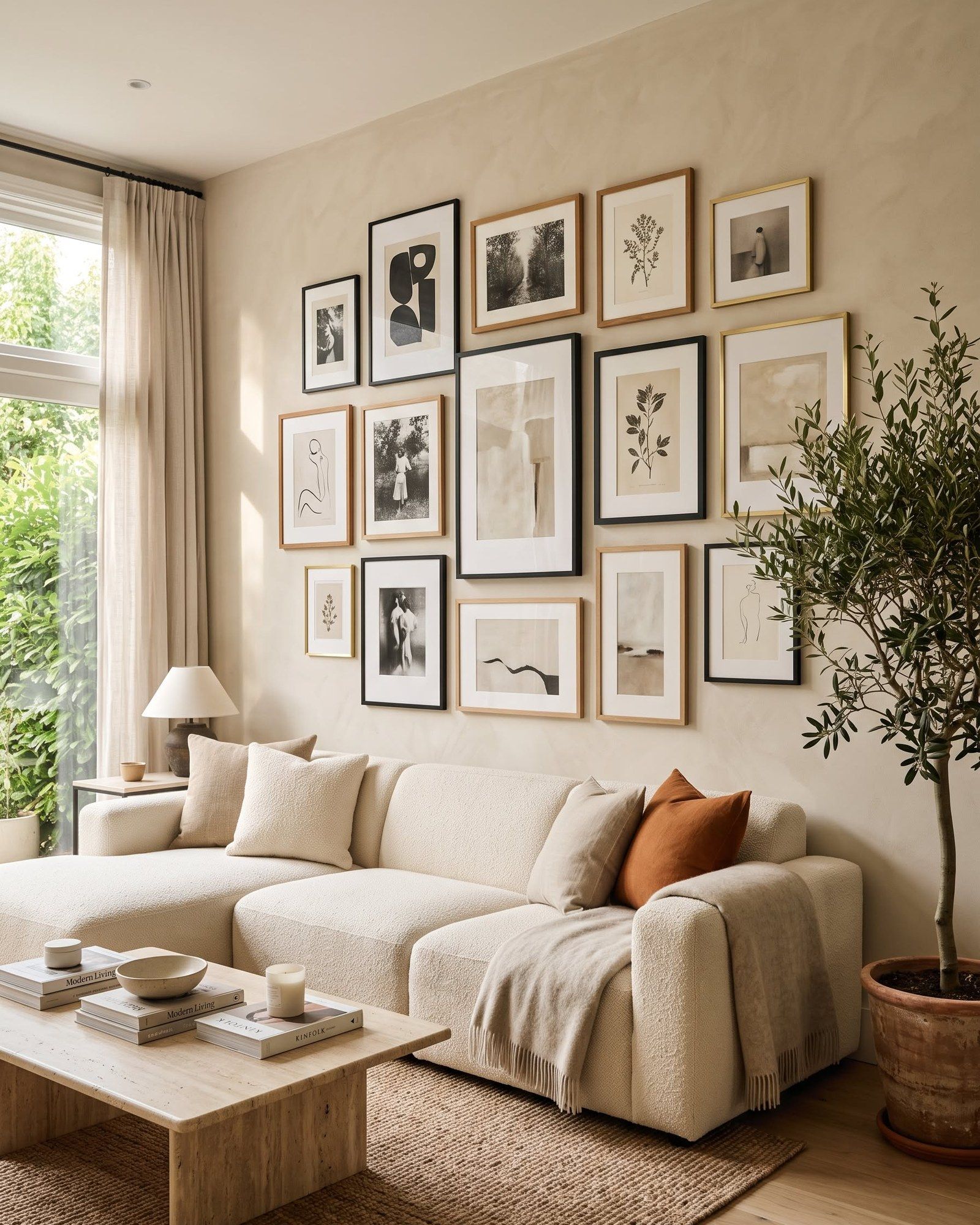
How To Buy Art For A Blank Wall
How to buy art for a blank wall: editioned prints, original works at auction prices, and sculpture for a shelf when the wall is not the answer.
Read Editorial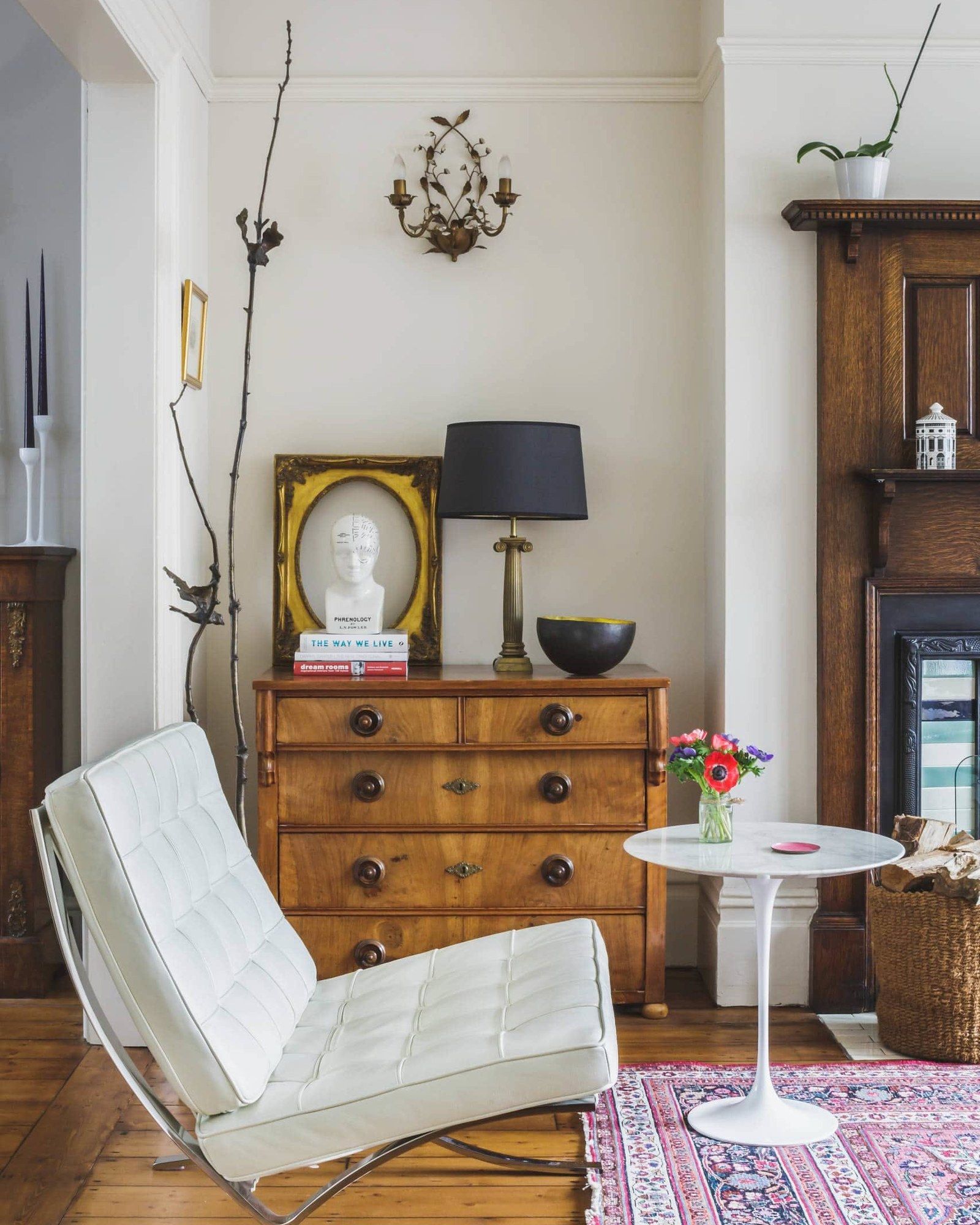
How To Mix Antique And New Furniture
How to mix antique and new furniture: one old anchor, a new soft layer, and a modern object that bridges the two.